Delighted to share our new open‑access article in this month's Physiotherapy journal, on the lived experience of arthrofibrosis after total knee replacement.
Our study offers an in‑depth look at what patients actually go through and what needs to change.
1/4
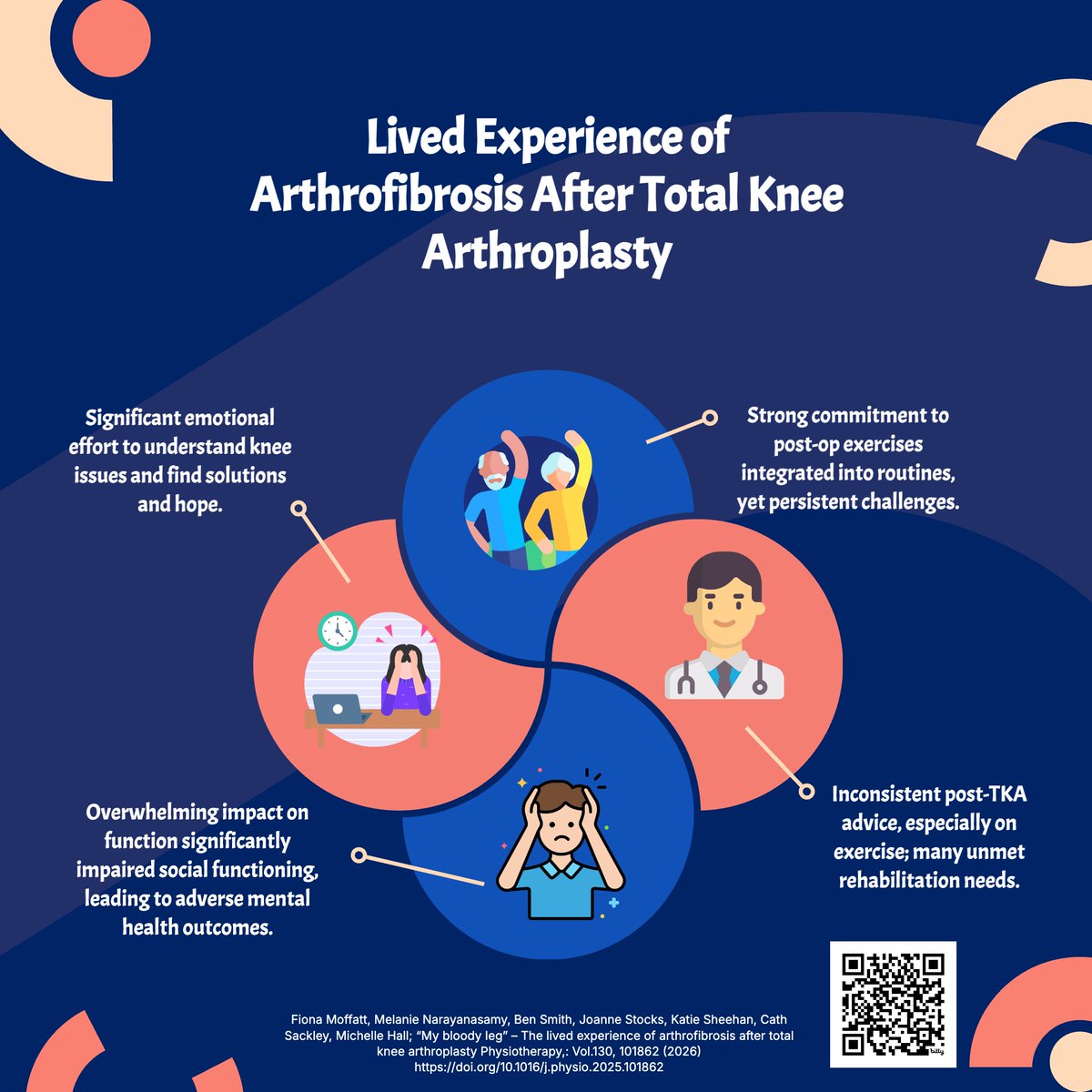
ALT An infographic titled 'Lived Experience of Arthrofibrosis After Total Knee Arthroplasty'. It has a blue background and four segments with the following content:1. An image of a man holding his head and the text 'Overwhelming impact on function significantly impaired social functioning, leading to adverse mental health outcomes.'2. An image of a doctor and the text 'Inconsistent post-TKA advice, especially on exercise; many unmet rehabilitation needs.'3. An image of a frustrated woman sitting by a laptop and the text 'Significant emotional effort to understand knee issues and find solutions and hope.'4. An image of two elderly people exercising and the text 'Strong commitment to post-op exercises integrated into routines, yet persistent challenges.'To the bottom is a QR code and the details of the publication. Moffatt et al. “My bloody leg” – The lived experience of arthrofibrosis after total knee arthroplasty Physiotherapy: Vol.130 101862 (2026)
Contributions continued:
• Exercise was central to rehab, with strong patient commitment, yet other potential treatments were rarely discussed.
• Findings highlight the need for person‑centred, holistic approaches that support understanding, agency, and active involvement.
3/4
Read the article at doi.org/10.1016/j.physio.202…
Fiona Moffatt, Melanie Narayanasamy, Ben Smith, Joanne Stocks, Katie Sheehan, Cath Sackley, Michelle Hall “My bloody leg” – The lived experience of arthrofibrosis after total knee arthroplasty. Physiotherapy: Vol.130, 101862 (2026)
4/4
Friday was a great day of networking with other cohort members from our Data Science with Machine Learning and AI course with @Cambridge_PACE. Thanks to the panellists and lecturers who spoke with us, as well as all the enthusiastic course members who attended.
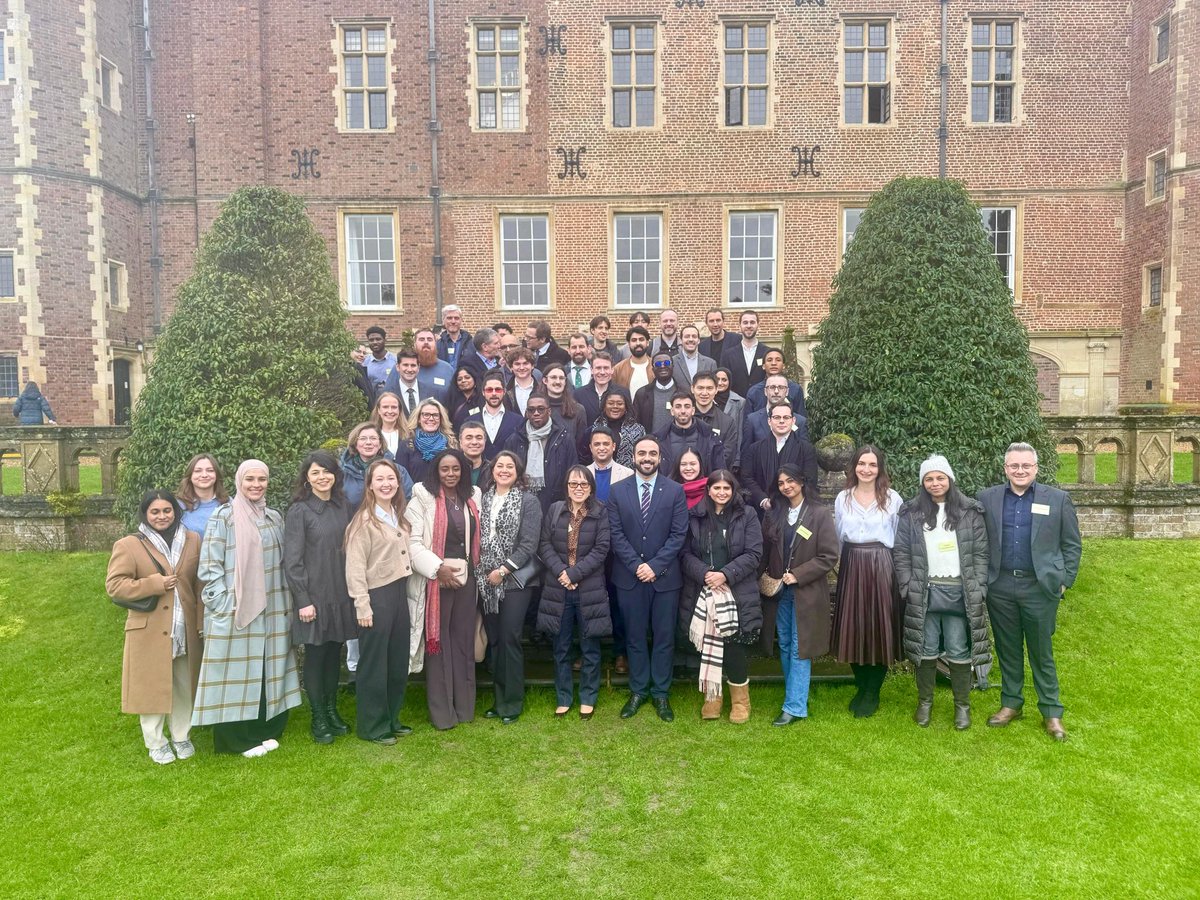
ALT University of Cambridge's Data Science with Machine Learning & AI Career Accelerator learners standing on the grass in front of Madingley Hall.
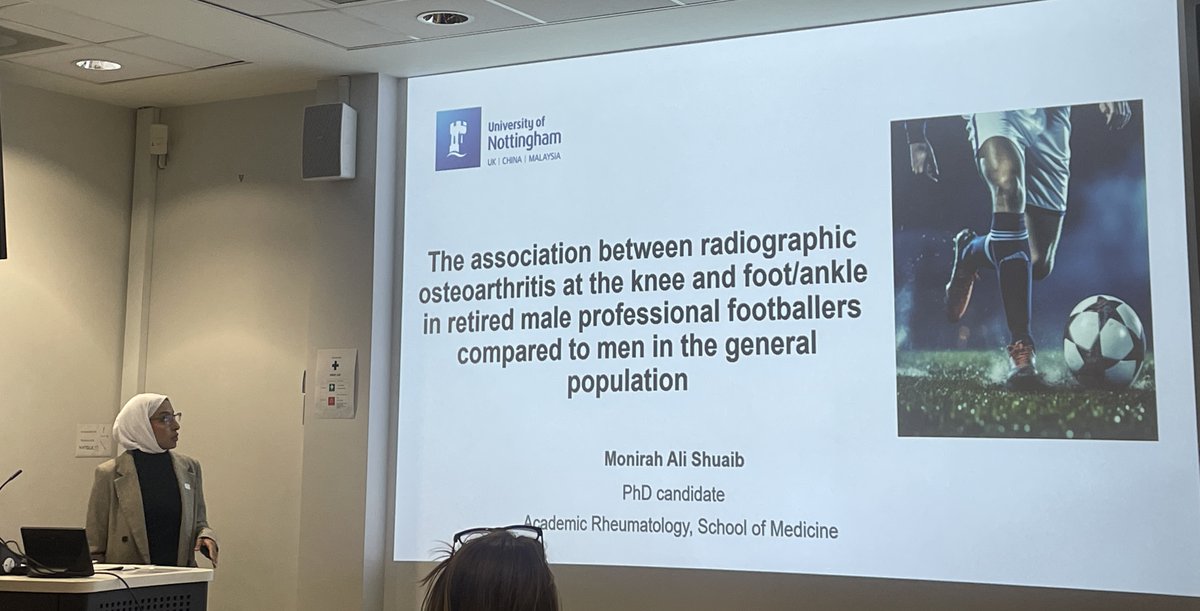
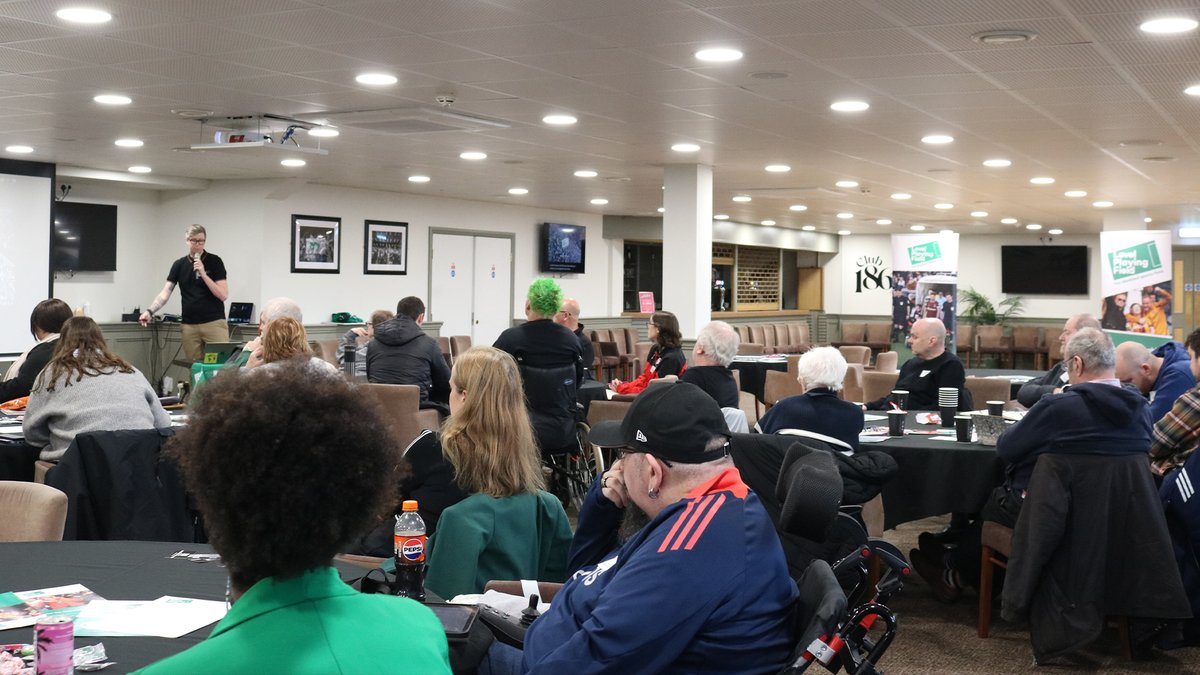
Had a positive day attending the Level Playing Field Midlands Forum, especially sharing my matchday experiences with members of @NFFCDSA & @NFFC.
Also, I learnt I should join @NFFCDSA.
🤝 There were so many great discussions at Meadow Lane, during today's Level Playing Field Midlands Forum!
Thank you to everyone who joined us and our hosts @Official_NCFC.
ALT A wide shot from the right of a room, with people seated around tables. Level Playing Field head of fan engagement and supporter services, Liam Bird, is presenting at the front of the room.
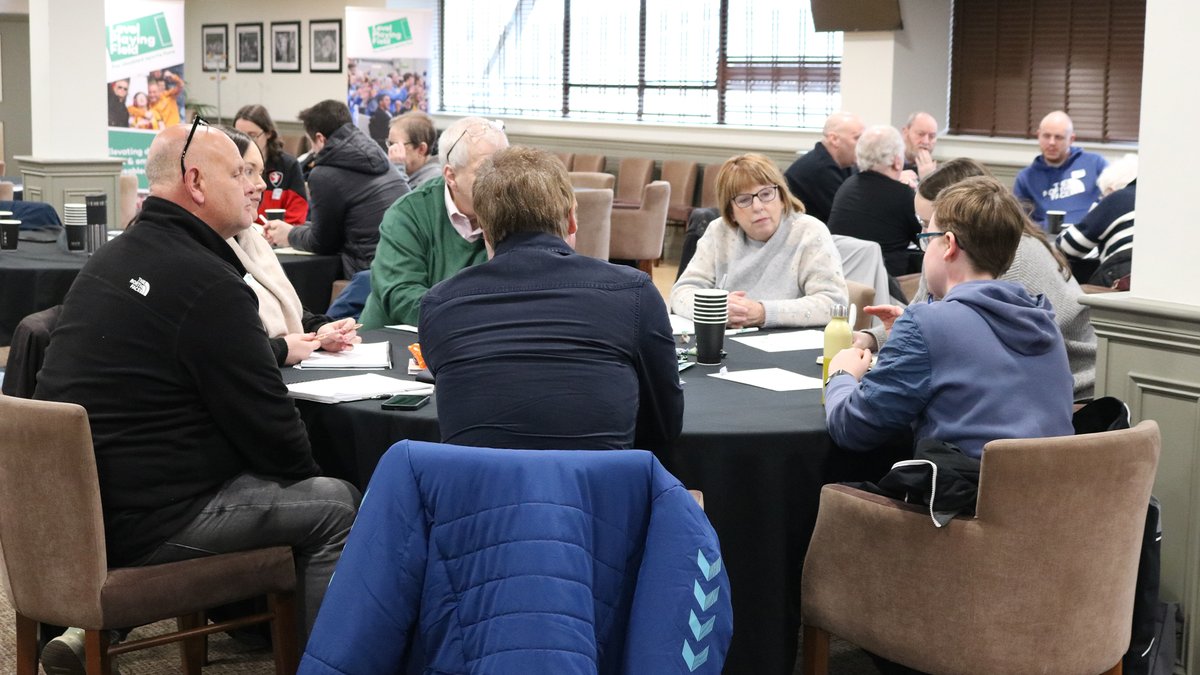
ALT Seven people seated around a table, in discussion. Other tables and two Level Playing Field banners are in the background.
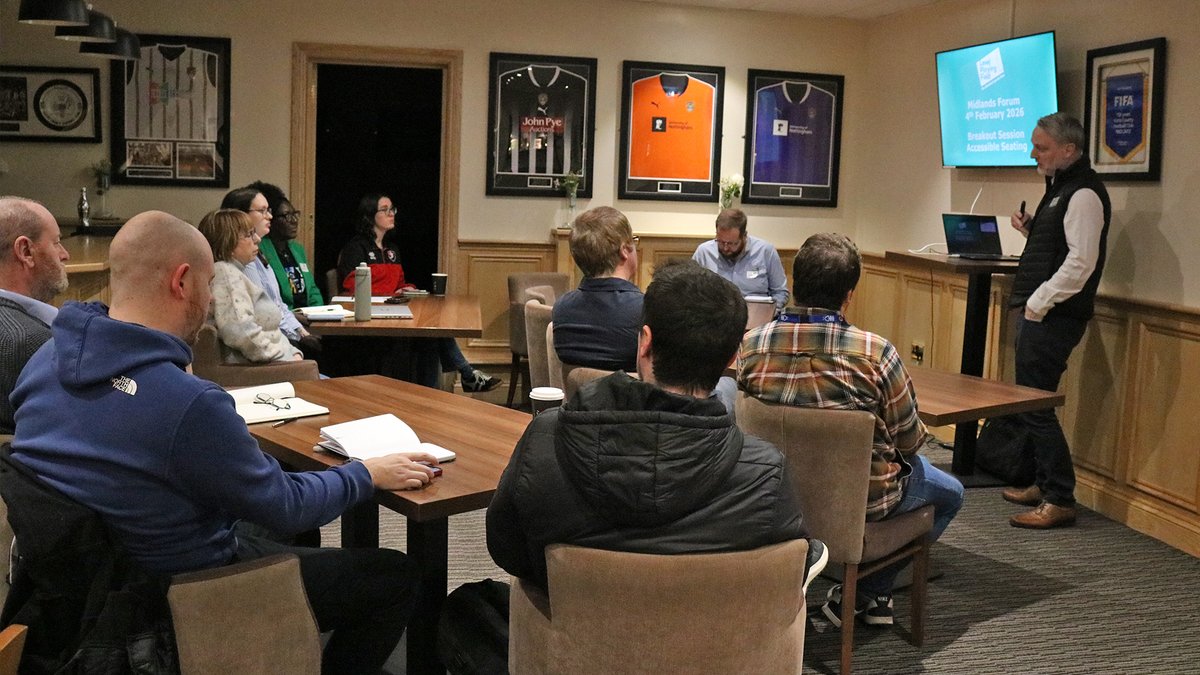
ALT Level Playing Field's Daniel Townley is to the right of frame, presenting to a room of people, seated around three tables.
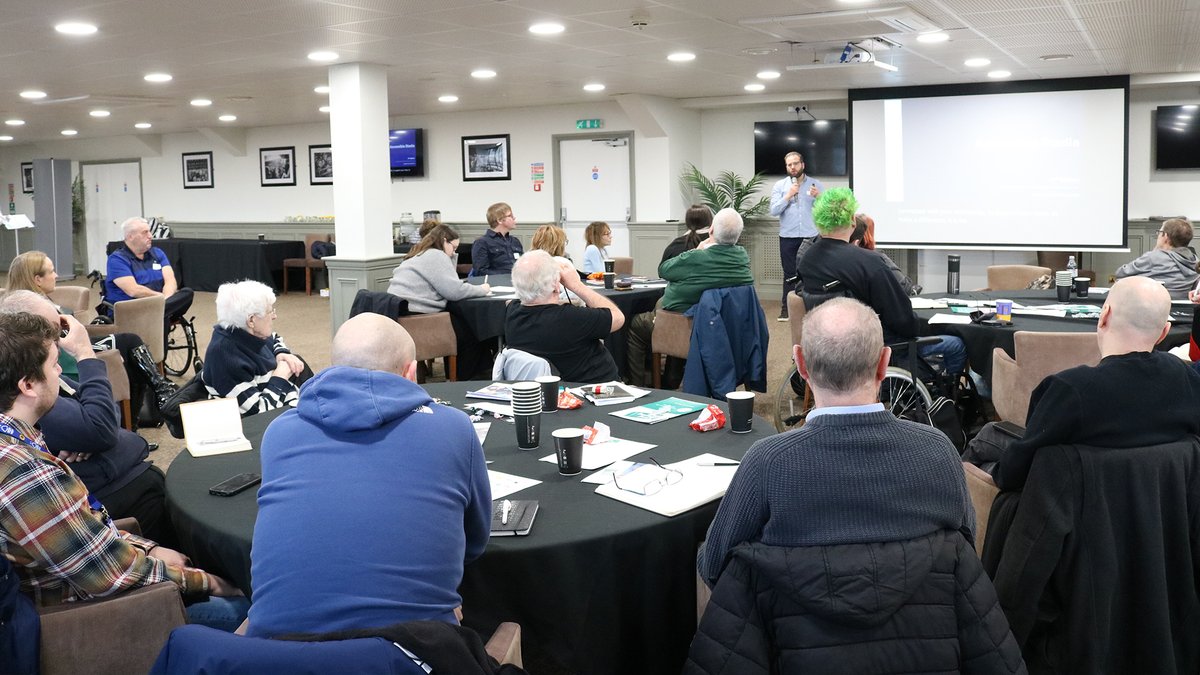
ALT A wide shot from the right of a room, with people seated around tables. Level Playing Field chief executive, Owain Davies, is presenting at the front of the room, next to a projector screen.
🩻The UK Parliament Health and Social Care Committee has published more written evidence submissions to the Healthy Ageing: Physical Activity in an Ageing Society inquiry, including mine:
committees.parliament.uk/wor…
1/3 #ArthritisUK#Osteoarthritis#Pain
I discussed our research involving patients with knee osteoarthritis.
The fear of making their painful symptoms worse is a barrier to many individuals participating in exercise. In most cases, this is unwarranted, and exercise can be used as a beneficial form of medicine 2/3
I also emphasised the importance of patient information.
We found that exercise prescriptions and recommendations from healthcare professionals were the leading factors motivating patients to use exercise as a form of treatment for knee osteoarthritis. 3/3
I discussed our research involving patients with knee osteoarthritis. The fear of making their painful symptoms worse is a barrier to many individuals participating in exercise.
In most cases, this is unwarranted, and exercise can be used as a beneficial form of medicine 2/3
I also emphasised the importance of patient information.
We found that exercise prescriptions and recommendations from healthcare professionals were the leading factors motivating patients to use exercise as a form of treatment for knee osteoarthritis.
3/3
Excited to begin the Data Science with Machine Learning & AI Career Accelerator with @Cambridge_PACE and @fourthrev this week!
Looking forward to exploring how AI and ML can drive innovation in healthcare over the next year.
Learn more: bit.ly/447qRRw
ALT Blue background with bold white text reading ‘Data Science with Machine Learning & AI Career Accelerator’. Below the text are two logos: the University of Cambridge Professional and Continuing Education logo on the left and the FourthRev logo on the right.
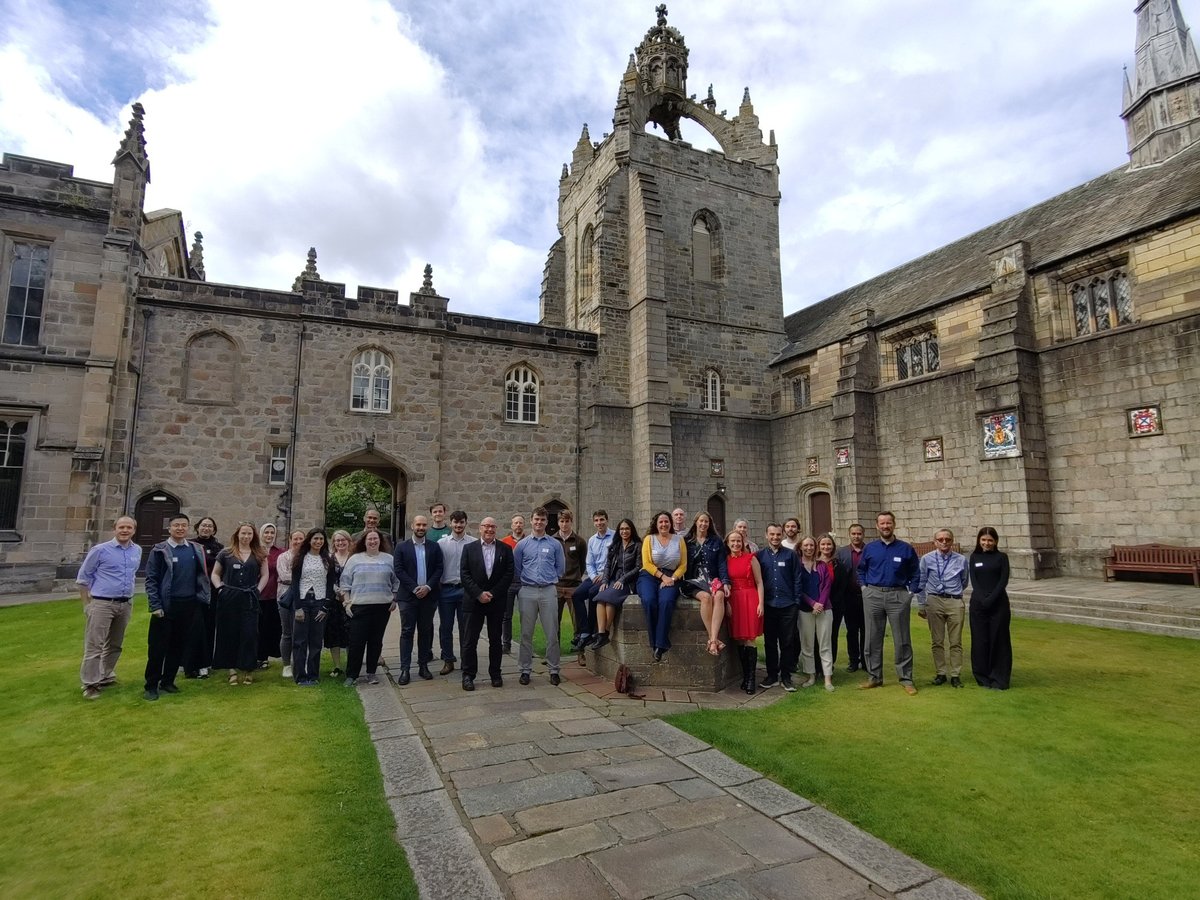
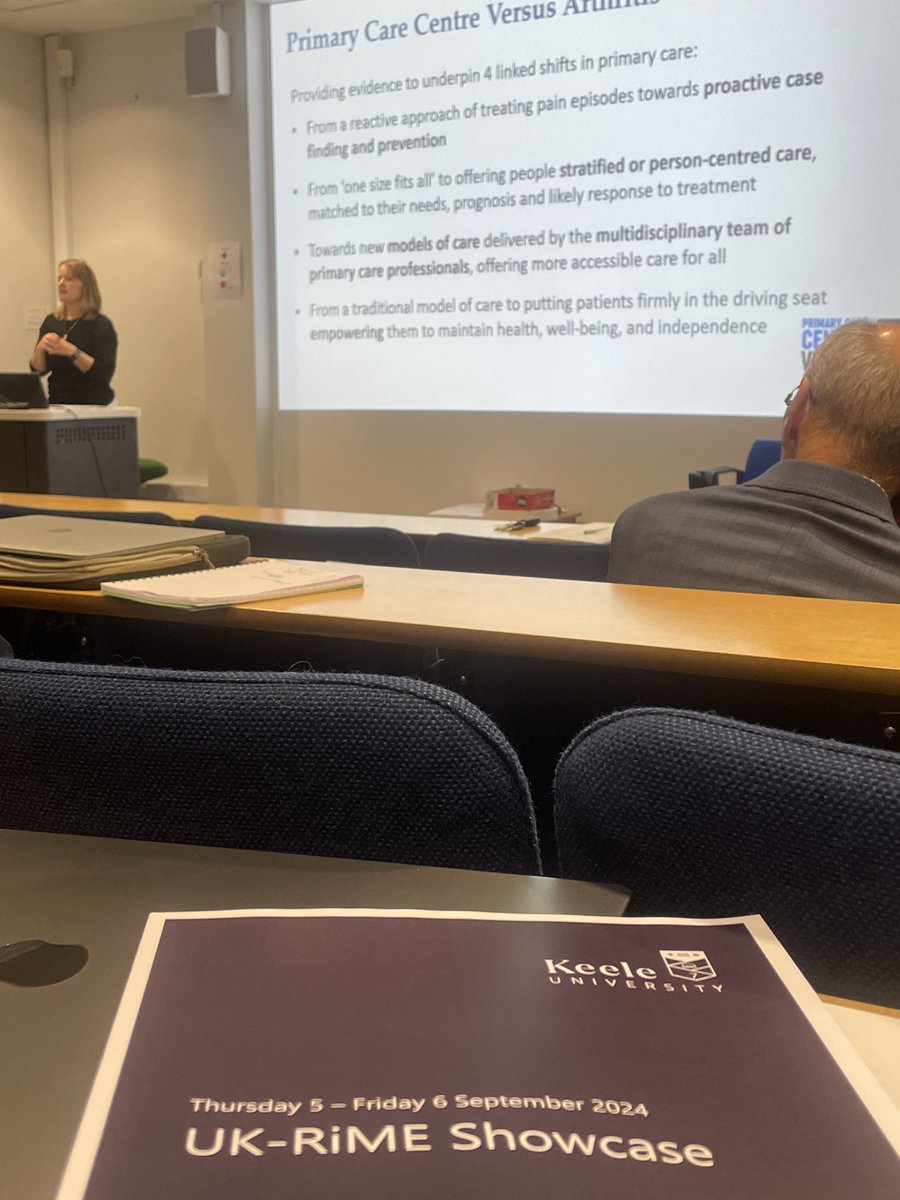
🎉 Thanks to @UoAEpi for hosting last week's UK-RiME annual showcase! Eight leading UK epidemiology centres came together to advance MSK research and celebrate early-career researchers. Special thanks to @VersusArthritis for making this network possible!
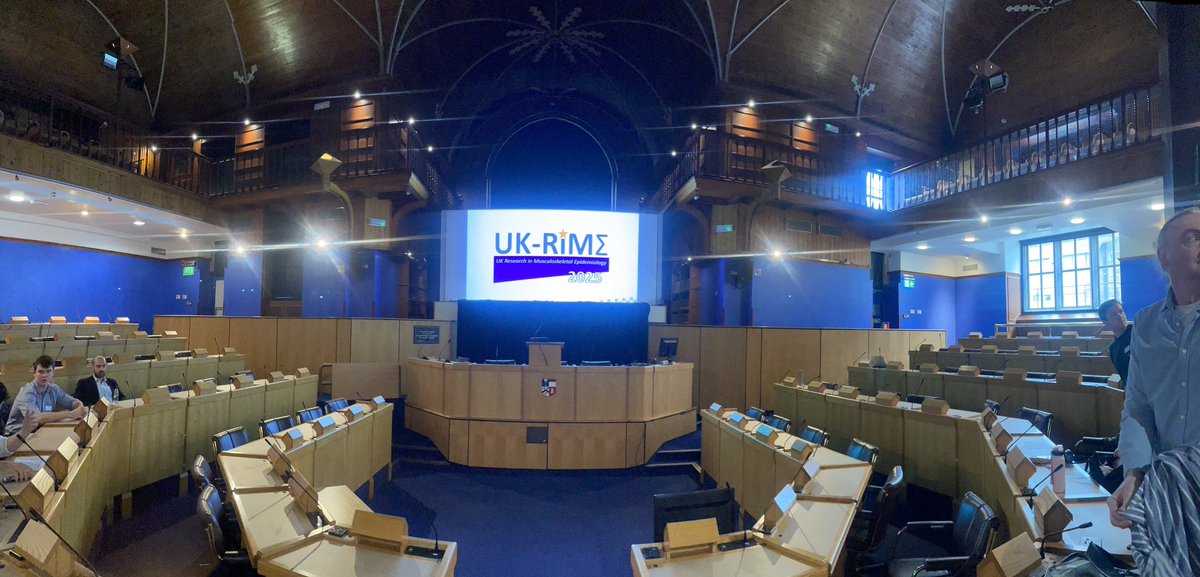
Amazing venue for day two of UKRiME in Aberdeen hosted by @UoAEpi. Looking forward to learning more about the great musculoskeletal epidemiological research in the UK.
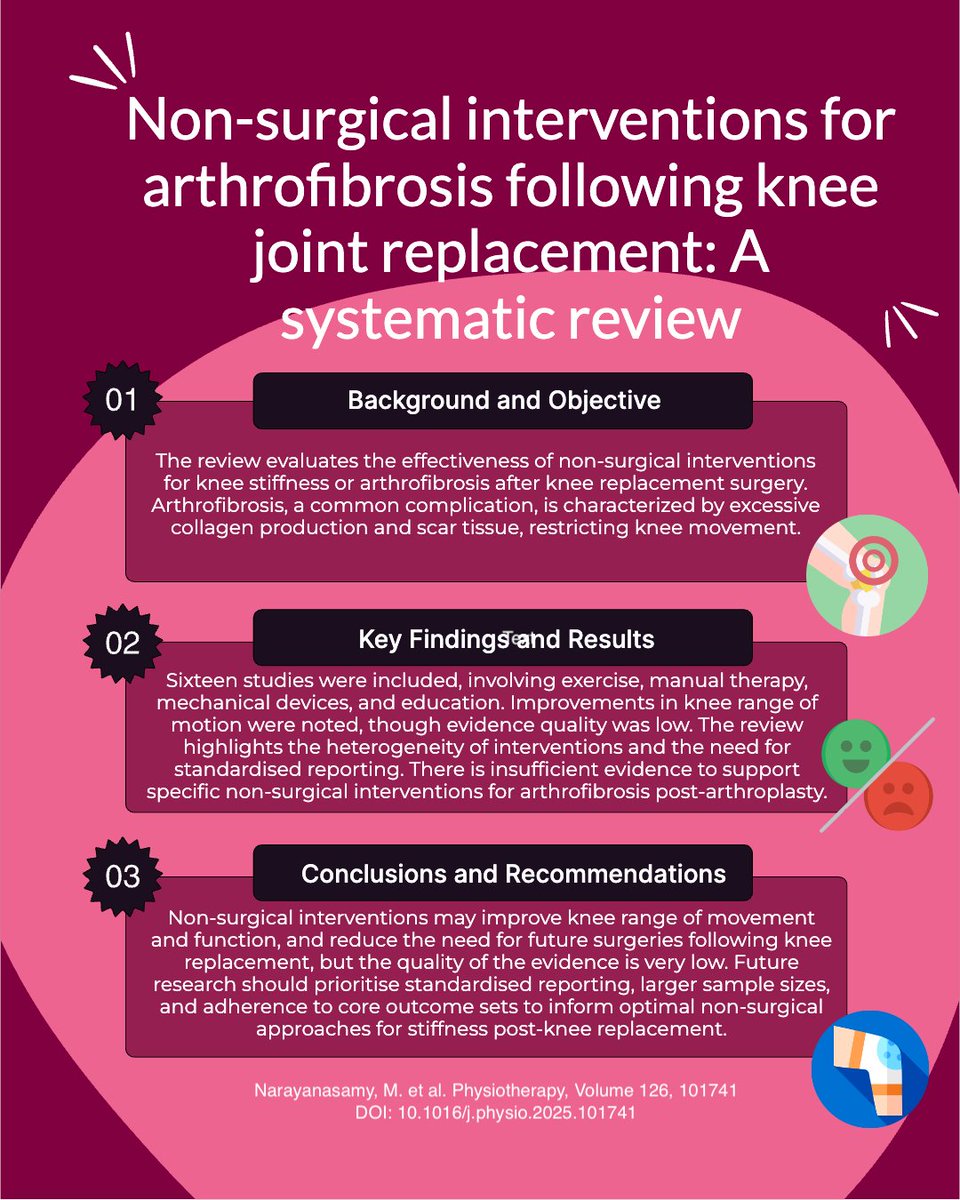
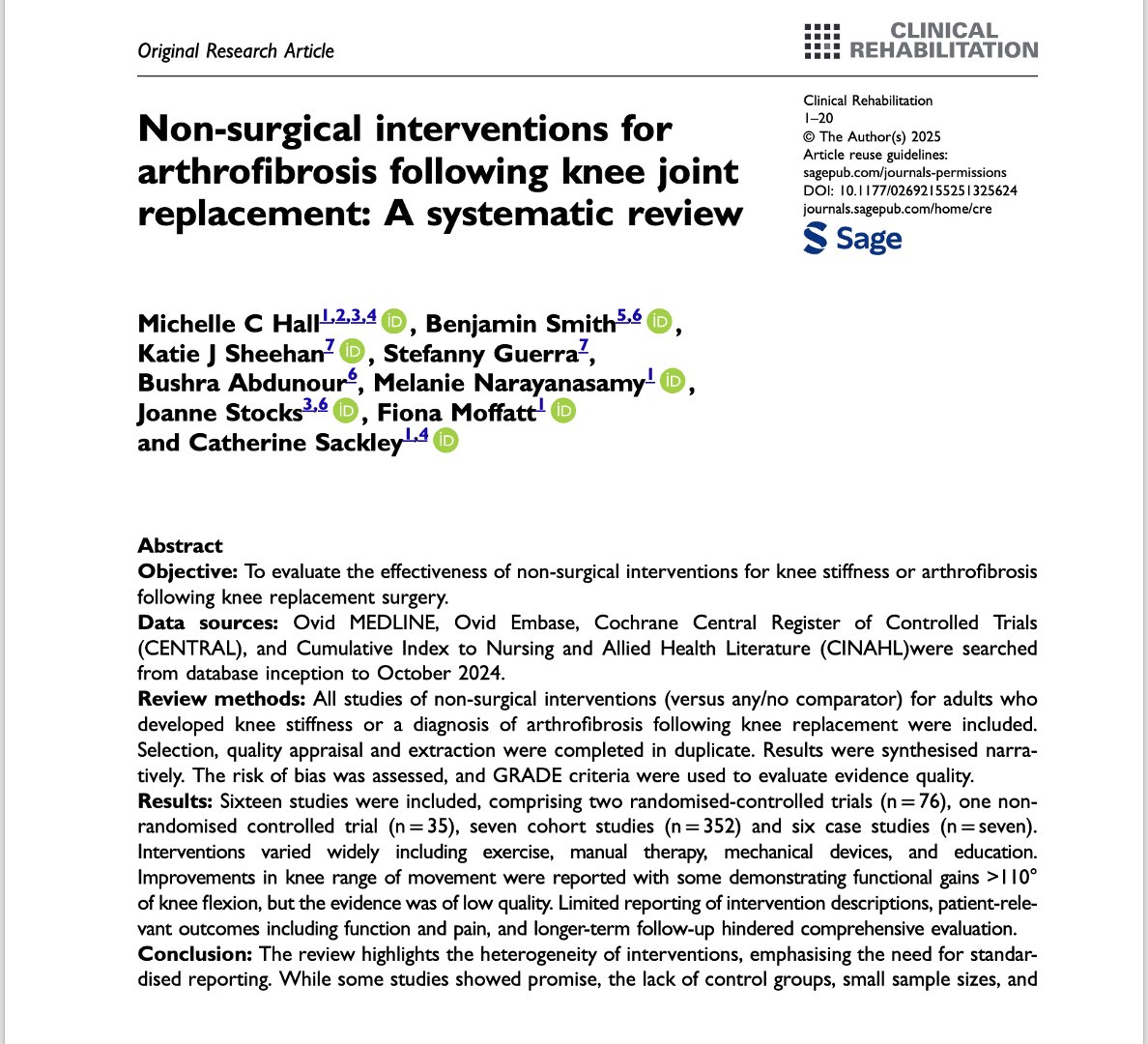
Our systematic review of non-surgical interventions for arthrofibrosis following knee joint replacement has just been published in @ClinicalRehab.
We found a lack of evidence to support any specific interventions for arthrofibrosis post-arthroplasty.
💻doi.org/10.1177/026921552513…
ALT Screen shot of the abstract for a paper by Michelle Hall et al. in Clinical Rehabilitation journal. Non-surgical Interventions For Arthrofibrosis Following Knee Joint Replacement: A Systematic Review.
ALT Background. The review evaluates the effectiveness of non-surgical interventions for knee stiffness or arthrofibrosis after knee replacement surgery. Arthrofibrosis, a common complication, characterised by excessive collagen production and scar tissue, restricting knee movement. Key Findings. 16 studies were included, involving exercise, manual therapy, mechanical devices, and education. Improvements in knee range of motion were noted, though evidence quality was low. The review highlights the heterogeneity of interventions and the need for standardised reporting. Insufficient evidence to support specific non-surgical interventions for arthrofibrosis post-arthroplasty. Conclusions.Non-surgical interventions may improve knee range of movement and function, and reduce the need for future surgeries following knee replacement, but the quality of the evidence is very low.
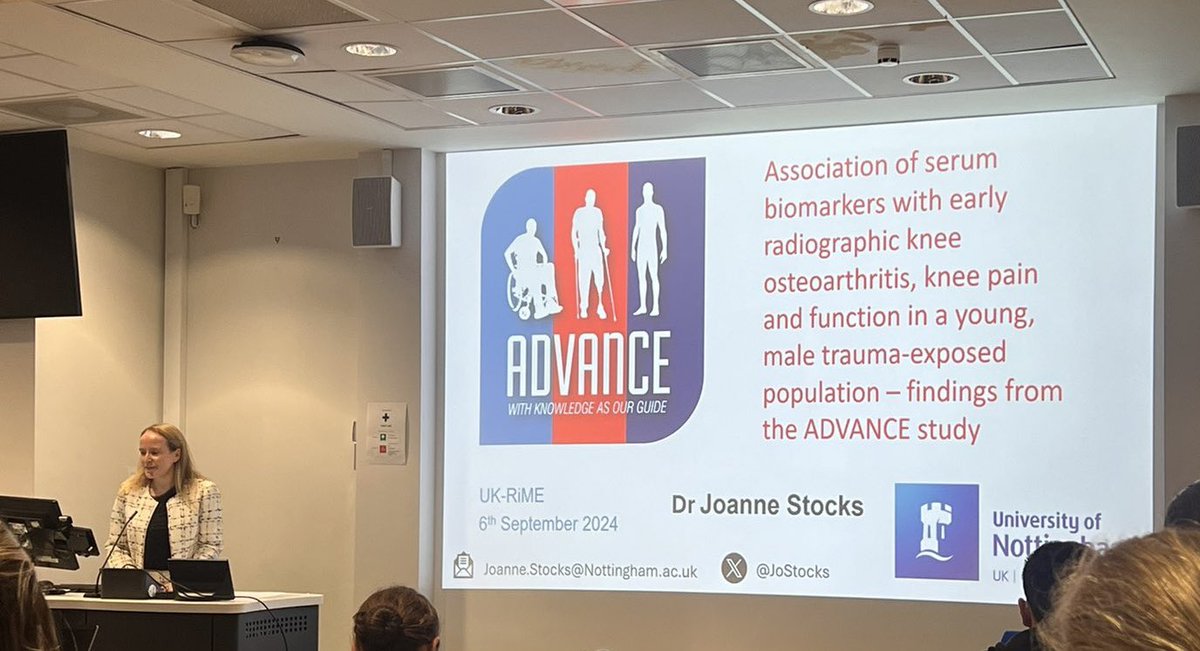
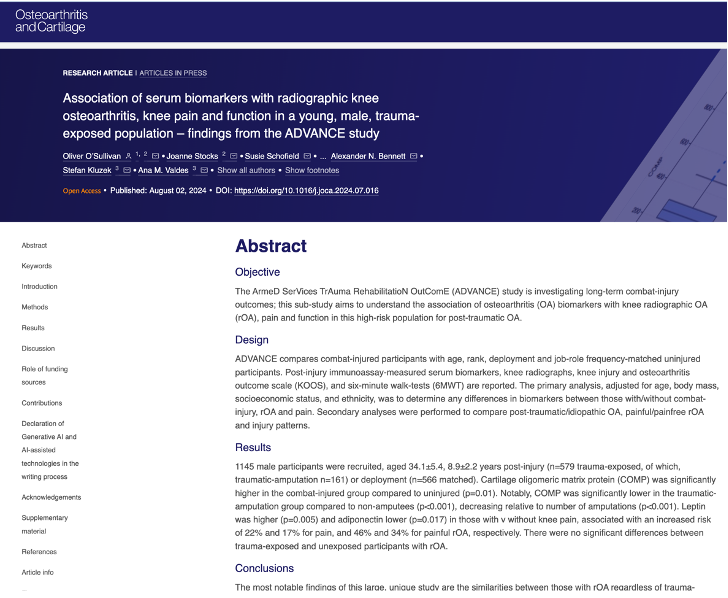
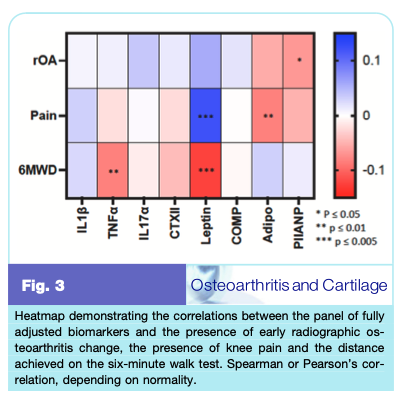
🪖 What is the association between #OA biomarkers and radiographic #OA?
Results from the ADVANCE Study to reduce #OA risk in military populations
Free to read from @ollieosul et al. @VersusArthritis at oarsijournal.com/action/show…
Thanks for the shout-out @OARSI_ECI ! Important work exploring molecular biomarkers in a young, male, injured @AdvanceStudy population to help us to identify OA and pain earlier, enabling targeted interventions. Supported by @VersusArthritis @UoNresearch@stefankluzek@JoStocks
🌟ECI Publication by @ollieosul 🌟
Biomarkers in 579 combat-injured and 565 matched controls in parallel to radiographic OA, pain and function where COMP was higher upon injury, and lower upon amputation, while adipokines linked to pain
Check it out: buff.ly/40w10Sf
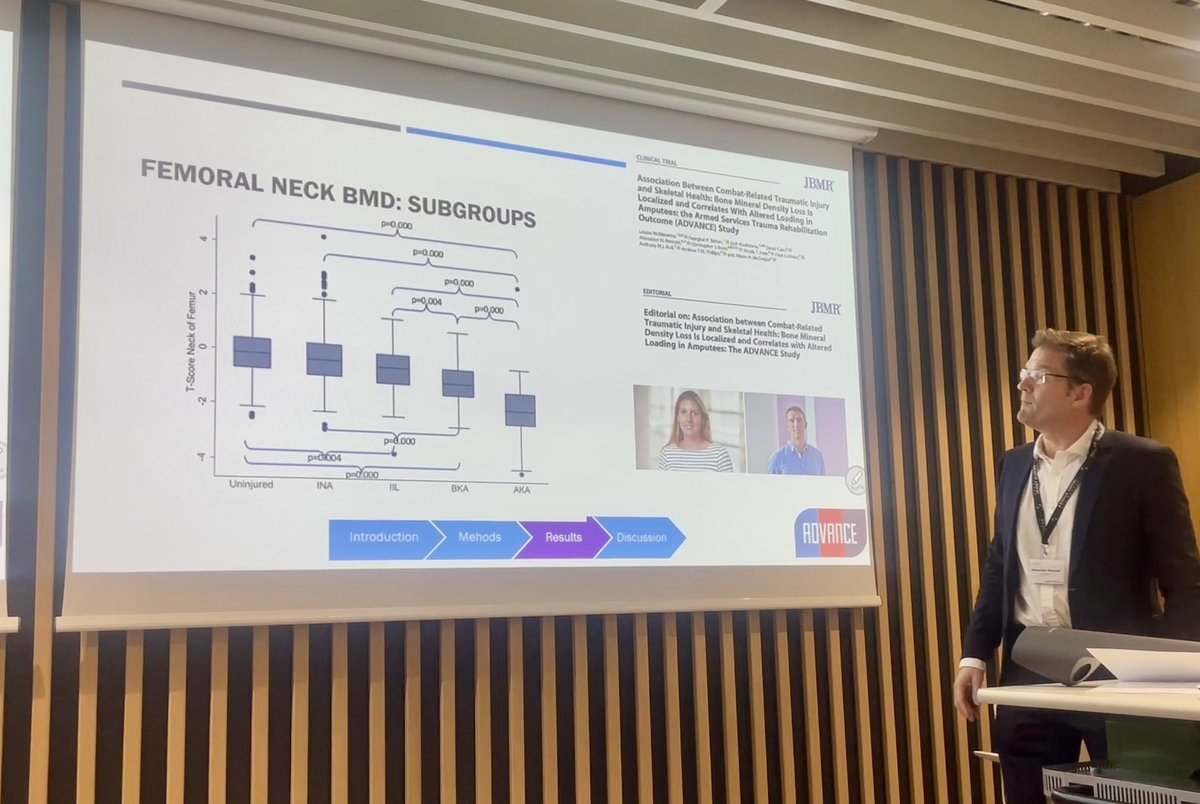
If you are at the @basem_uk conference today make sure to catch @ollieosul at 4.15pm presenting some of our results from the @VersusArthritis funded Bio-Mil-OA study which is a sub study of @AdvanceStudy specifically investigating OA biomarkers following combat blast injuries.
Another excellent 2 day #UKRiME Showcase of UK musculoskeletal epidemiology research.
Thanks so much to @KayleighJMason and #KeeleMSK for organising and hosting and @VersusArthritis for funding.
Looking forward to next year with @UoAEpi.