Posts about AI | VR | Comics | Movies | Meditation
Joined May 2008
- Tweets 35,893
- Following 1,491
- Followers 5,764
- Likes 108,680
5,705 Photos and videos

Pinned Tweet

Feb 13
Batman investigates the Epstein files.
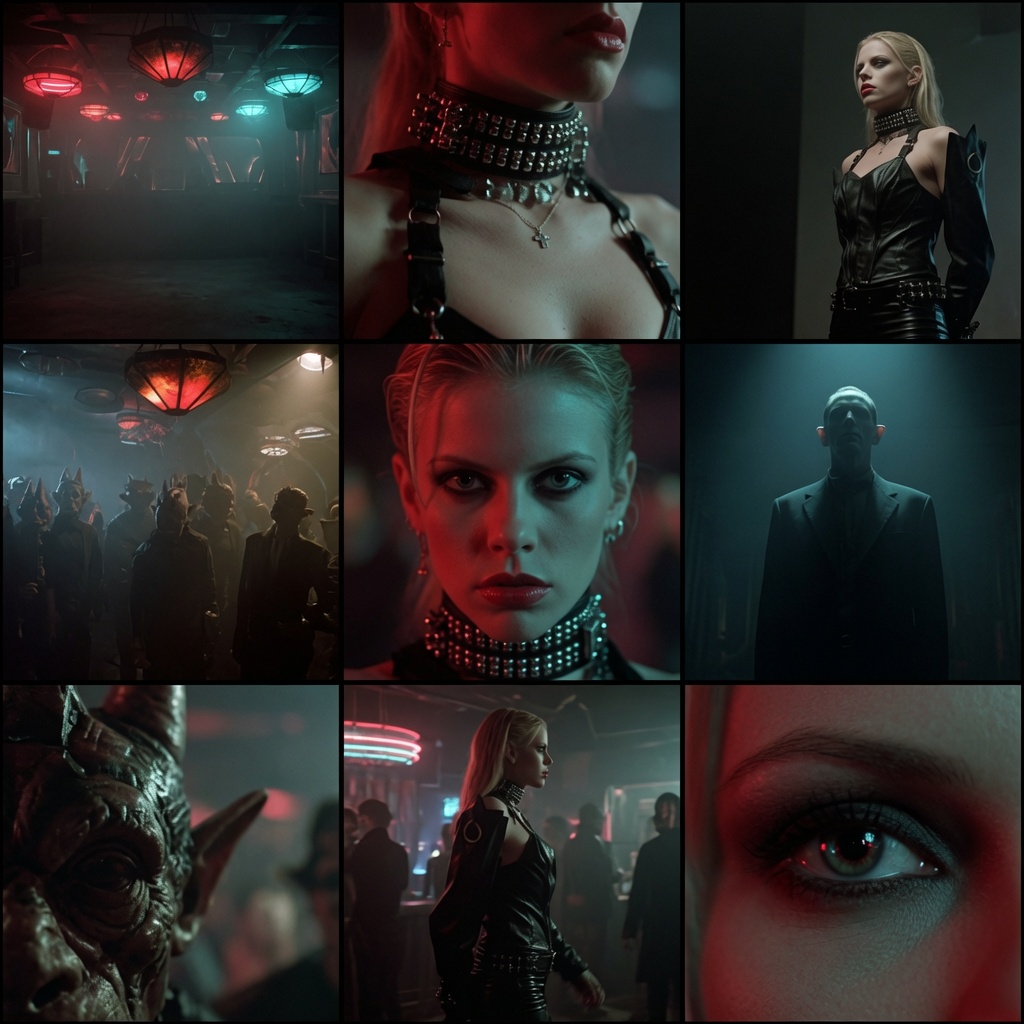
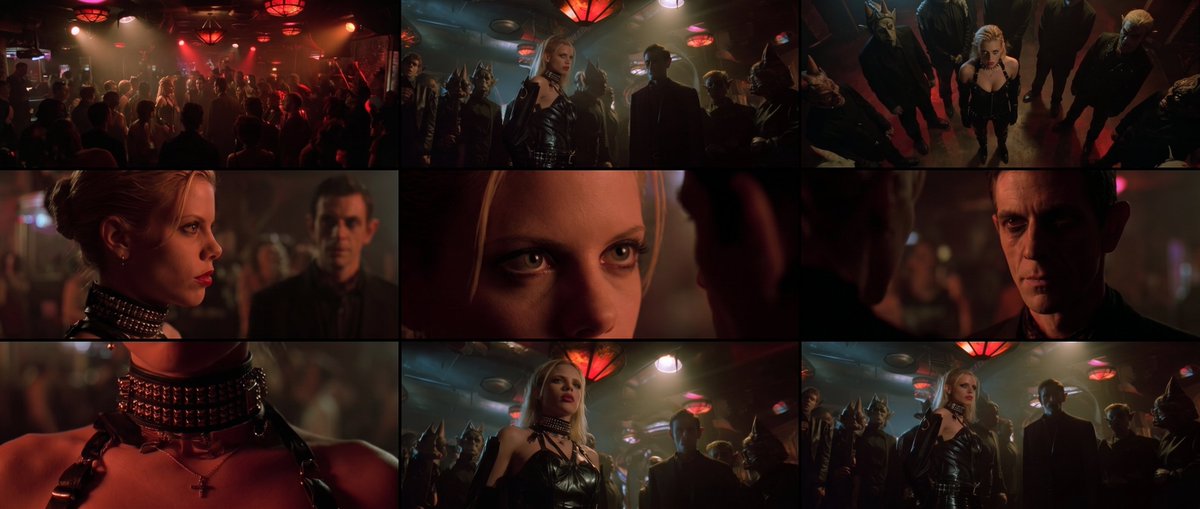
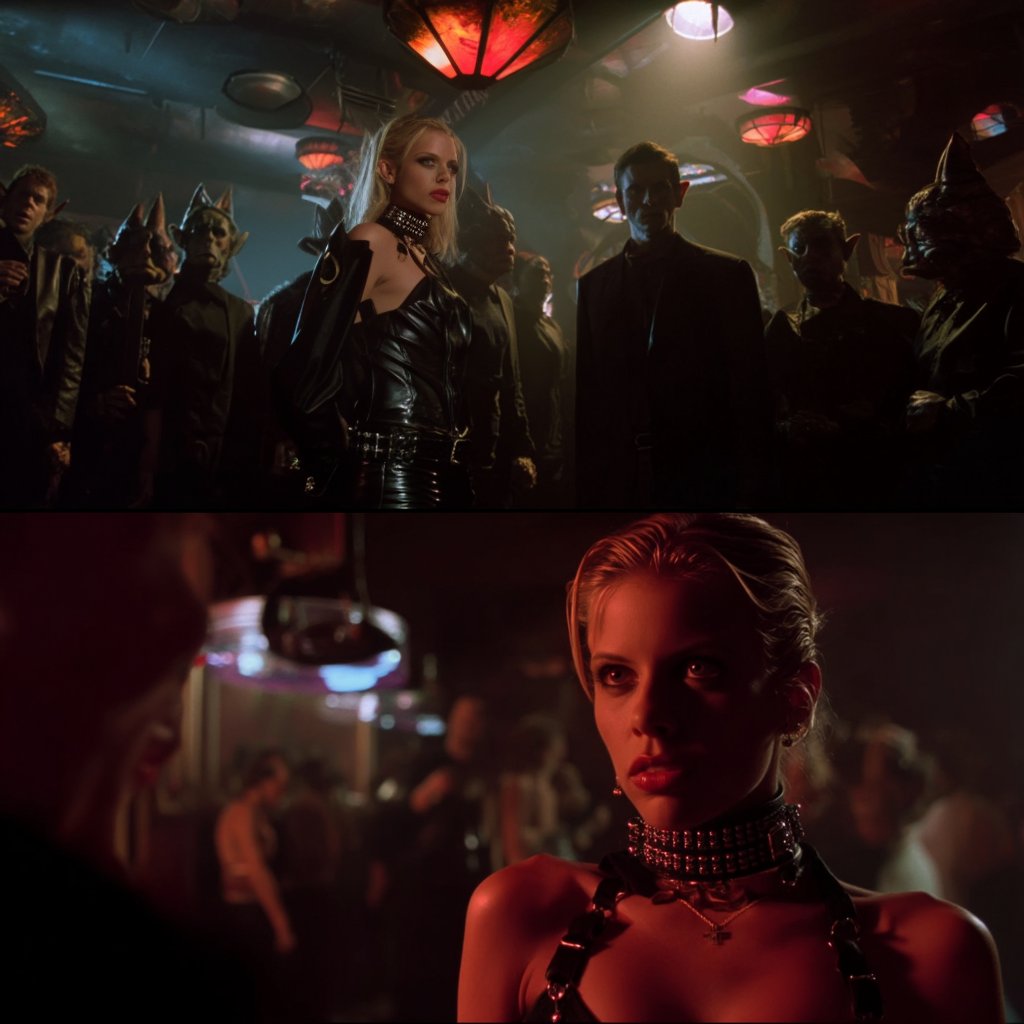
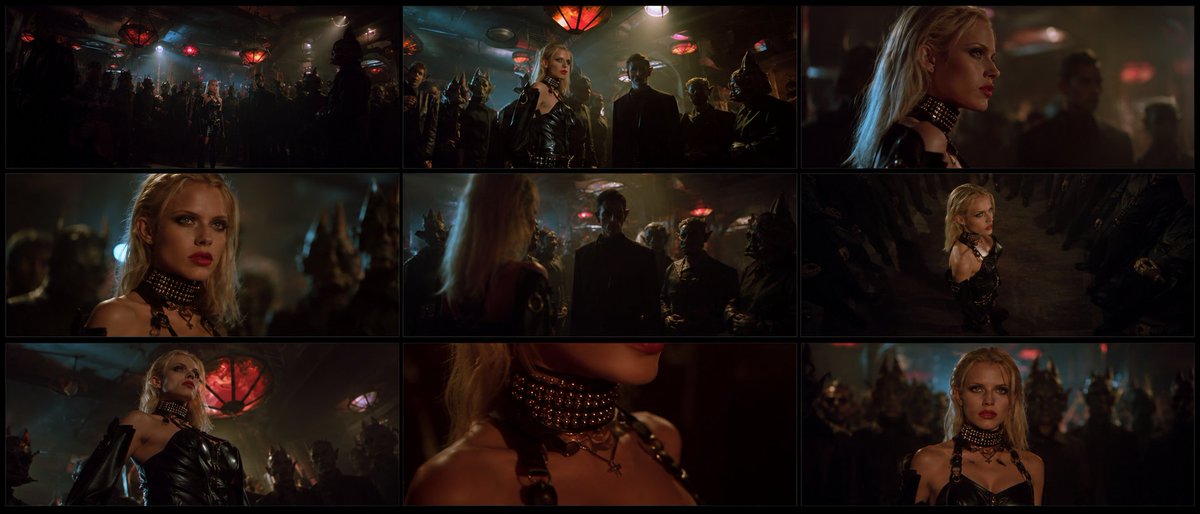
First test of Seedance 2.0
128
446
4,035
301,775
Jun 11
The Museum is about to get a lot more popular.
4
73
Jun 11
Update on the whole "pretending to be a Vegan at work situation"
> Yes, I'm still faking being a Vegan.
> No promotion yet, but I got handed a huge responsibility direct from the CEO that pissed off my boss, and bosses boss. Because technically in this narrow project they both have to report in to me for the next 3 months.
> I compensated for all the salad I'm eating by upping my candy intake at my desk noticeably.
> People on my team started making fun of the change and saying I have "diabrotes" or that I'm a "diabeetus bro" because I have a few bags of skittles and a couple white monsters throughout the day.
May 19

The office ordered everyone lunch for a big meeting.
They mess up my order for a "Ham and Cheese" and give me some vegan bullshit.
I don't complain or make an issue, i don't care about lunch anyway.
CEO comes over after, he is impressed.
Says I didn't know you were vegan. Us two are the only ones. We got to stick together.
In the moment I just nod and say yep. I wasn't really processing it.
Now I have to own up to my mistake, or be a vegan at the office until I can get a new job.
I feel like I watched a Seinfeld episode that was exactly this..... ☹️
4
117
Joe Dot Average retweeted

Jun 10
3
6
53
2,445
This is what I tell my kids before I leave for work each morning.
3
12
259
"So despite what others may claim about AI video destroying the "art" of film, it actually has the potential to make the first truly auteur films possible."
Fantastic rant from Mackay
Jun 5

Some great tips below on cinematography. But I want to use it instead for a little rant about AI and art. (Cinema art.)
When I first when to film school, I bought into the whole auteur theory of film, because that's what they taught. (The auteur theory is a really pompous snobby idea with a really ugly history, but I'll save that rant for another time.) Anyhow, the idea was that the director was the "true artist" behind any film, and the best ones used film to express their personal vision. And, of course, that meant bossing everyone else around, telling the writer what to write, the actors how to act, the editor what to cut, and, of course, picking the specific shots to include in the most artistic way possible. So basically, a jack of all trades expected to be an expert in all of them.
Once I started shooting my own films, and crewing on others, I came back to reality. A director has two key jobs:
1. Get the film done.
2. Make it as good as possible given the circumstances.
That doesn't always mean picking every shot. Film, at least IRL film, is inherently collaborative. So being the best director doesn't always mean telling the writer to change stuff, or the editor how to edit. It means getting it done. And that generally means on time and on budget. Beautiful shots are a bonus, but not always required, and sometimes get in the way of the story or making the schedule. You need to focus on getting the film done and it should be judged purely on whether it is "good" (generally entertaining) and not by who contributed what. A decent cinematographer is going to know more about cinematography than most directors, same with writers, actors editors, etc. Most of the time a director is better off hiring the best people and getting out their way and focusing on making the schedule and keeping on budget.
One of my earliest Hollywood jobs was re-editing B-Movie films that were so bad, they couldn't even be released on video. (Back when the market was hungry for straight to video films because Hollywood hadn't embraced VHS.) These were super bad films, bad acting, bad editing, bad sets, and really bad directing. How do you fix that? Good editing. (Or at least better.) It gave me a lot more respect for the contributions of editors. They can absolutely save a film when everyone else has screwed up. At least in my case, I got them released finally.
This experience made me really jaded about directors that wasted too much time trying to make "cinematic shots" on B-movies that didn't need them. In my case, the directors had long since been fired, so to cut the films together, I'd have to go back and reprint shots that the director hadn't bothered to print. So in some long oner that the director insisted upon, and screwed up, I might find an insert that made the scene watchable. And it was interesting to see that a director might not print a take with the best performance by an actor, because they weren't so happy with the camera framing or movement. So they printed a bad performance.
Now, all that griping aside, AI completely changes the game. So despite what others may claim about AI video destroying the "art" of film, it actually has the potential to make truly auteur films possible. The director (especially if they are an editor) can carefully compose each shot to express their vision, without the risk of going over time and budget. They can edit the film, and then go back and easily improve the composition of each shot. A lot of the cinematography theory stuff, that I dismissed as unpractical other than for very big budget films, can now be a regular feature of AI films, if you spend the time to learn and have the taste to execute. Below are some very good auteur filmmaking insights.
2
2
16
1,363
I think Chat GPT is working better as a shot extraction tool given a visual anchor, than NBP or Grok.
Jun 4

Save this prompt as a fill-in template:
Use the attached image as the canonical visual anchor and generate a 3x3 storyboard shot burst in 21:9.
Preserve the exact [AESTHETIC], [COLOUR PALETTE], [LIGHTING], [MOOD], [SUBJECT DESIGN], and [ENVIRONMENT] from the source image.
Create 9 distinct frames from the same scene, exploring [SHOT TYPES]. Keep the composition [COMPOSITION STYLE], with [NEGATIVE SPACE LEVEL], [CAMERA CHARACTER], and [ATMOSPHERIC QUALITY]. No text, no labels, no redesign, no extra characters.
The result should feel like a cinematographer’s contact sheet from the same film scene.
Example variables:
[AESTHETIC] = minimalist mythic surrealism
[SHOT TYPES] = extreme wide, profile, close-up, overhead, low angle, detail shot
[COMPOSITION STYLE] = precise, geometric, restrained
[NEGATIVE SPACE LEVEL] = heavy
[CAMERA CHARACTER] = elegant, patient, controlled
[ATMOSPHERIC QUALITY] = hazy, quiet, cinematic
3
14
909
Nano Banana does a good job, but it seems to default to the same things over and over again. It really just gives you alternate angles. Very little creativity.
1
2
184
Grok is the hardest to work with so far. Might be good with more specific instructions, but it seems to easily go into photo studio mode and forget this is a movie scene.
2
114
Joe Dot Average retweeted

Jun 3
2
8
166
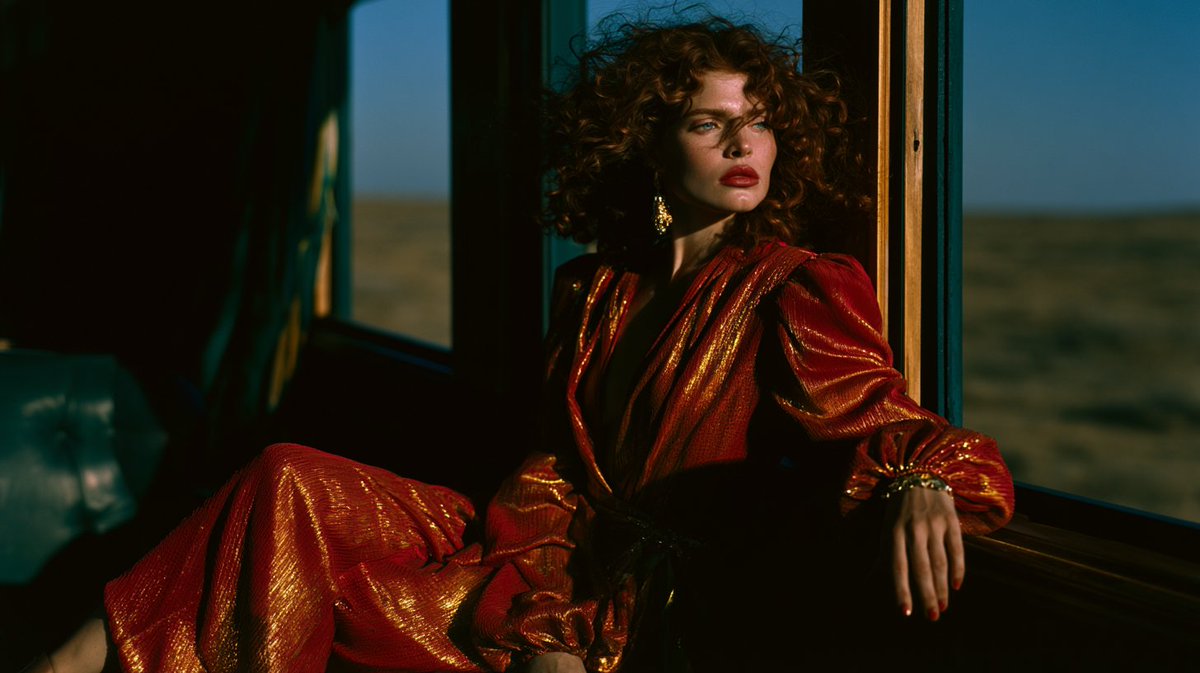
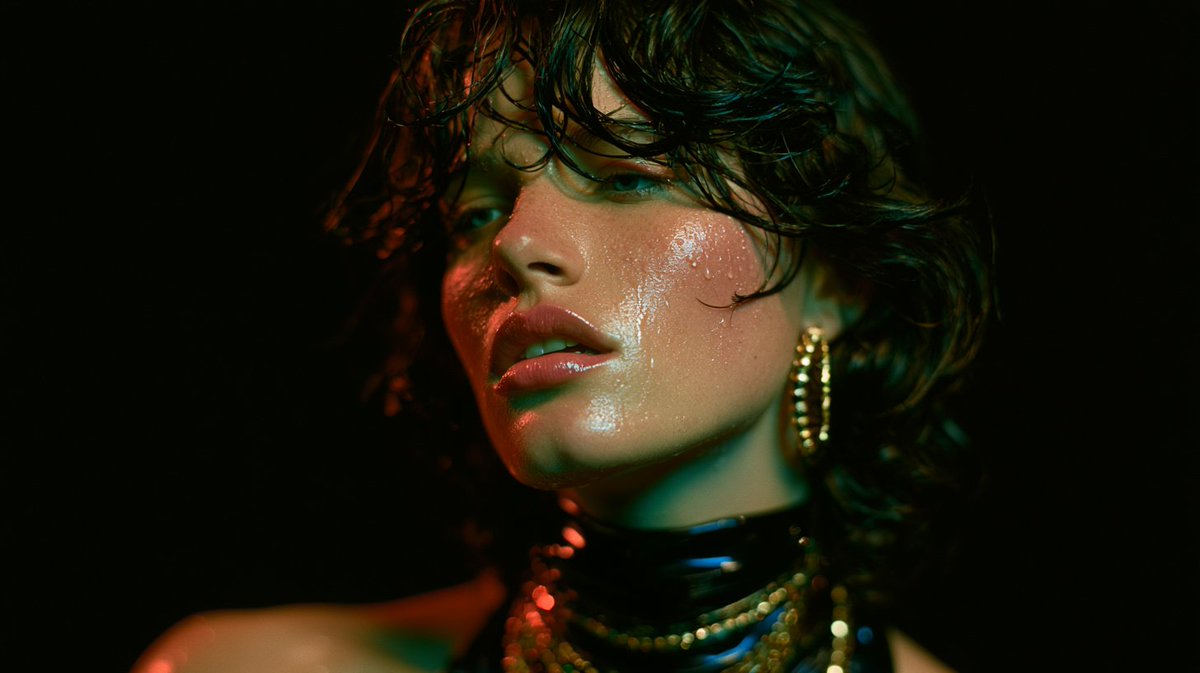
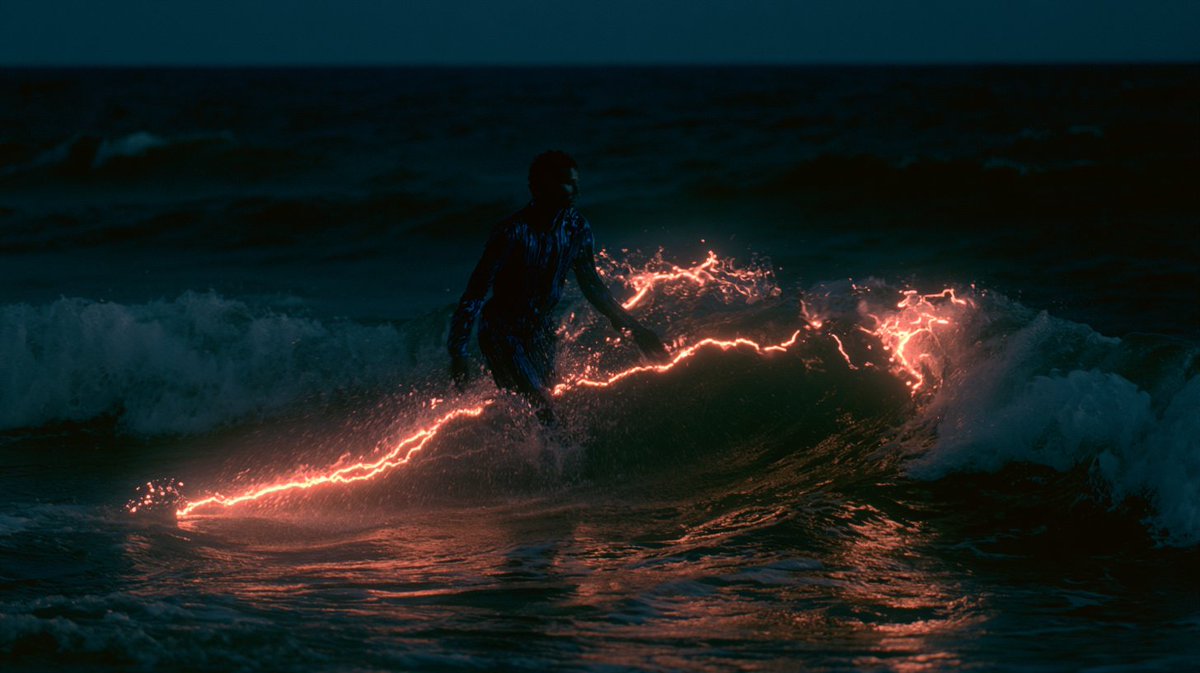
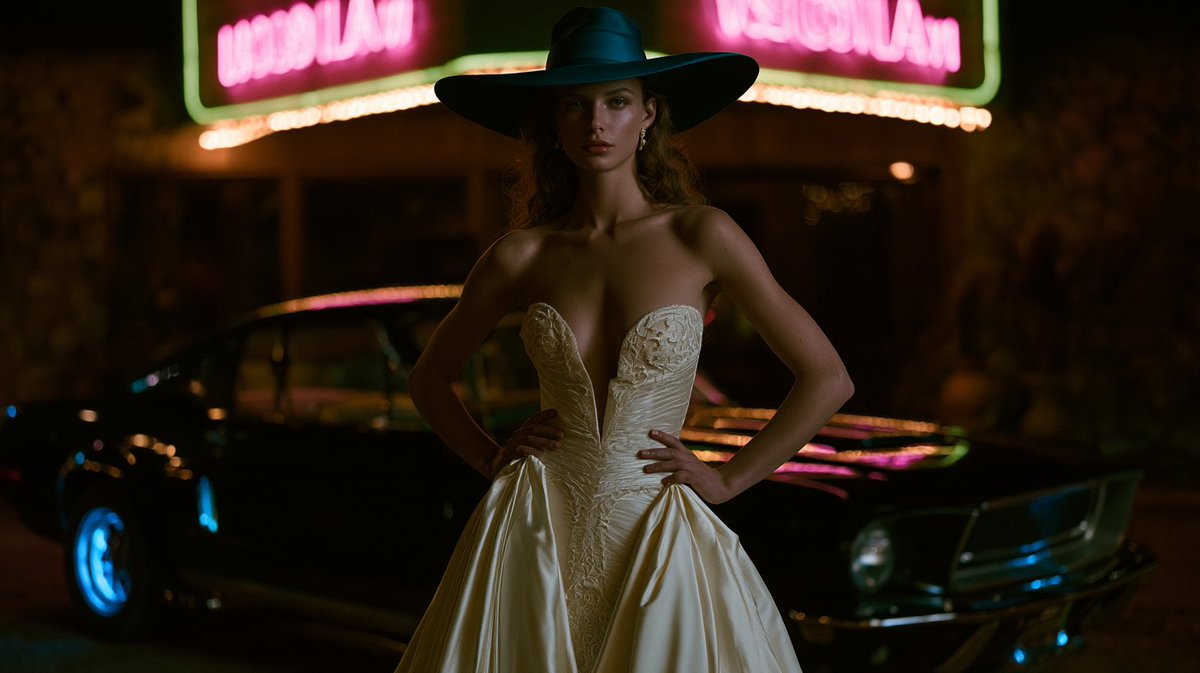
After the singularity you will dress like this just cuz it’s Wednesday and it won’t even be comment worthy.
In fact it will probably be the most normal thing you do.

1
7
169
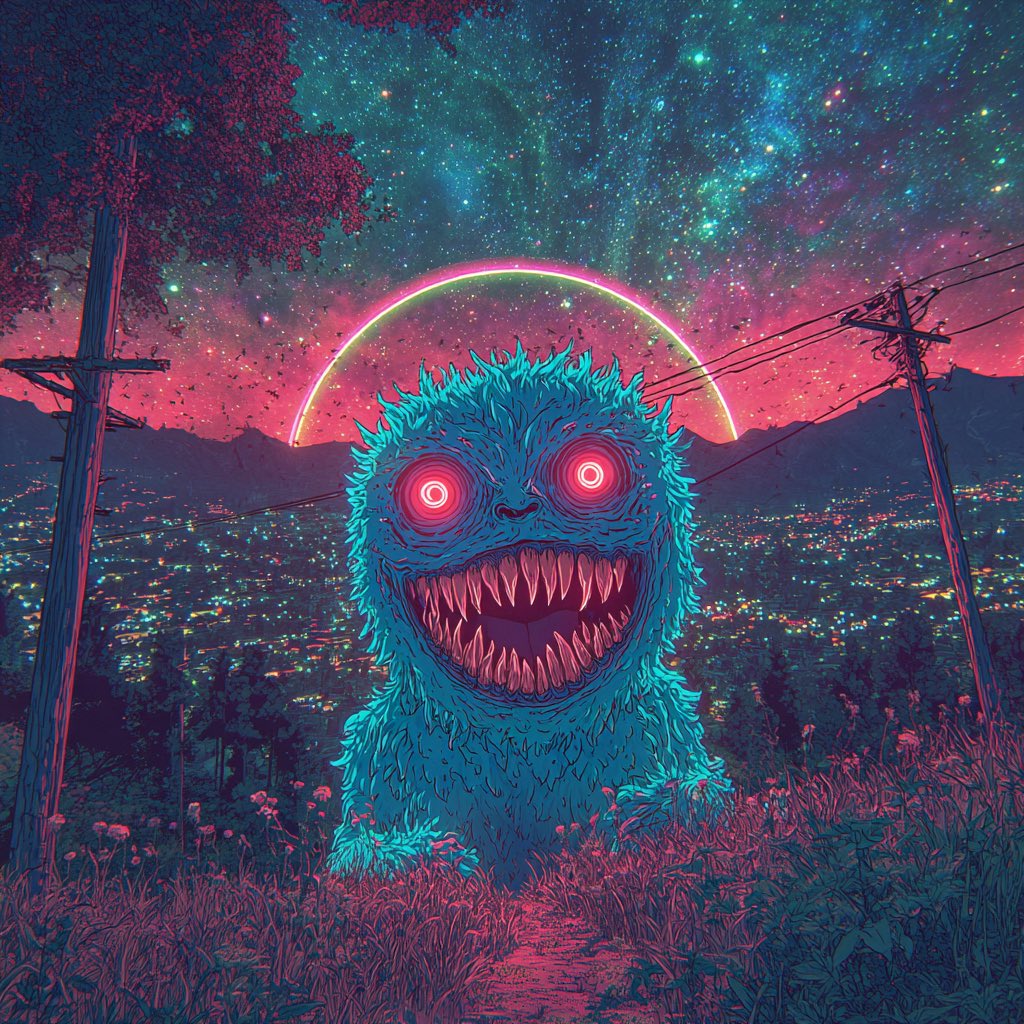

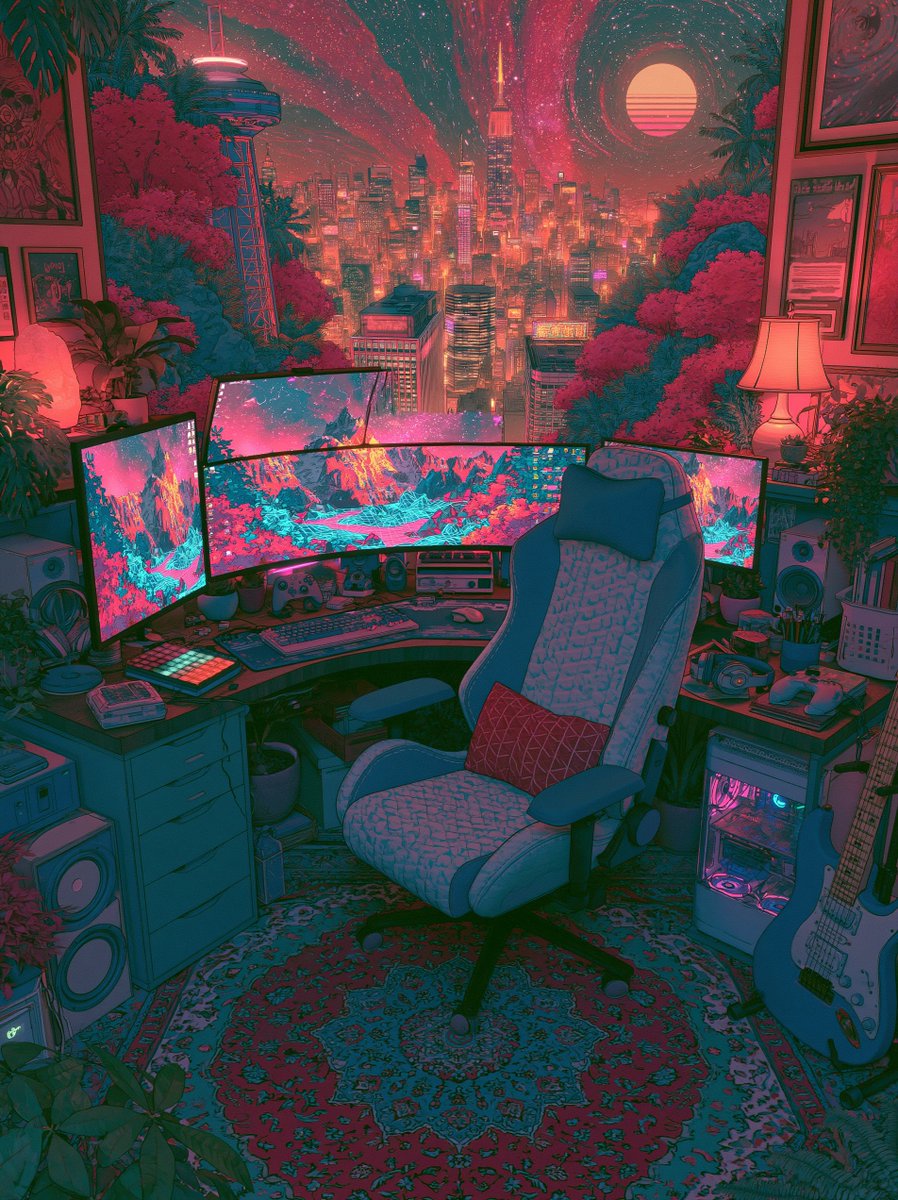
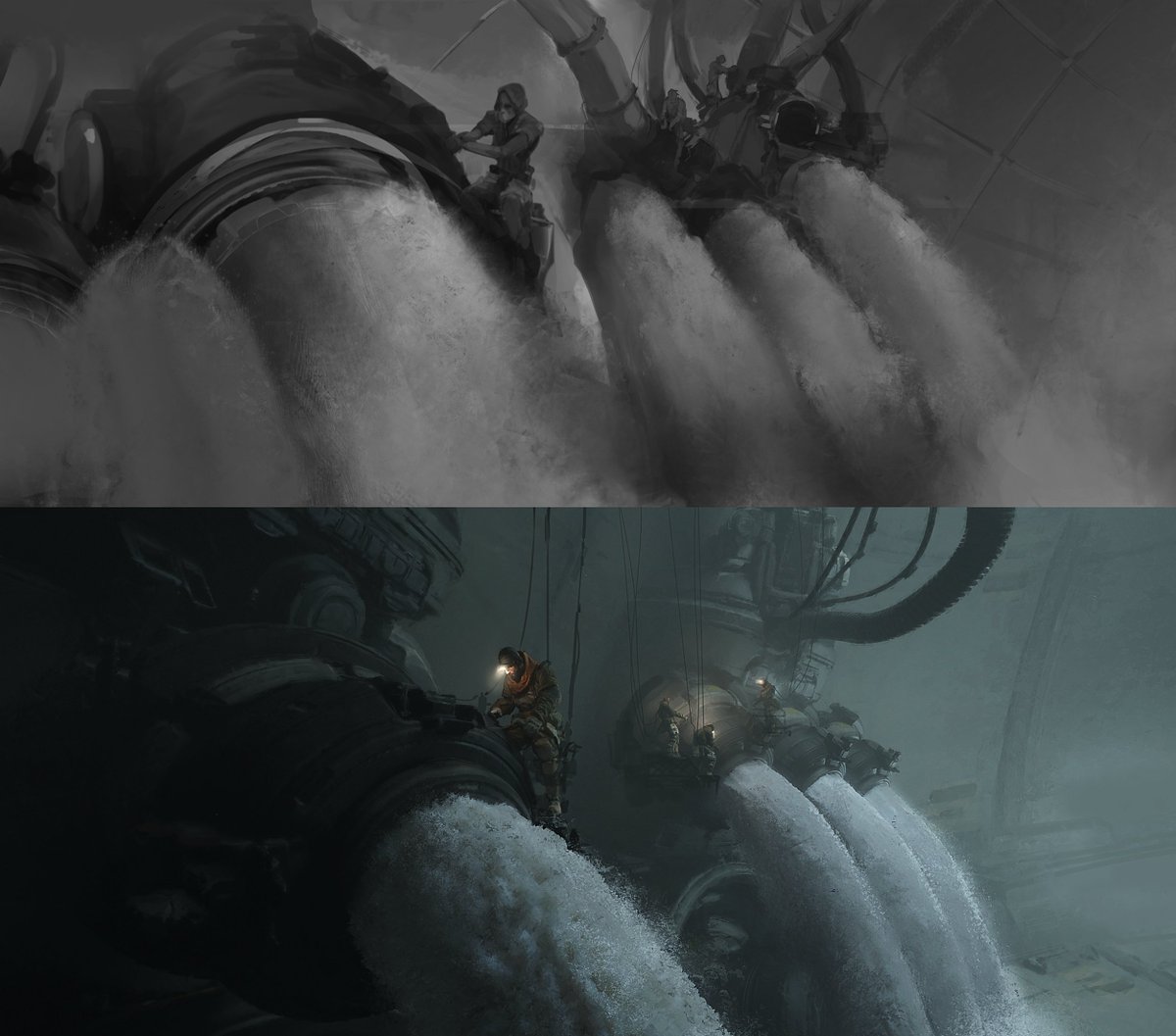
Draws it with a pencil like an artist.
Models drawing in 3D like an artist.
Paints over 3D model like an artist.
Puts it in an Ai Video Generator like a bastard. 😉
Jun 2

sometimes you paint over the 3d model and sometimes you model after the drawing
1
6
291
Joe Dot Average retweeted

Jun 2
Entheogenic - generating the divine within
7
6
31
1,908
May 28
You gotta do whatever it takes to get your kids to eat vegetables.

May 28

update. last night kiddo was ALL ABOUT guillotines and kept contriving rationales for us to build one
1
1
9
265
May 28
I wonder if we will see a similar pattern with Artists who need to up their game.
May 28

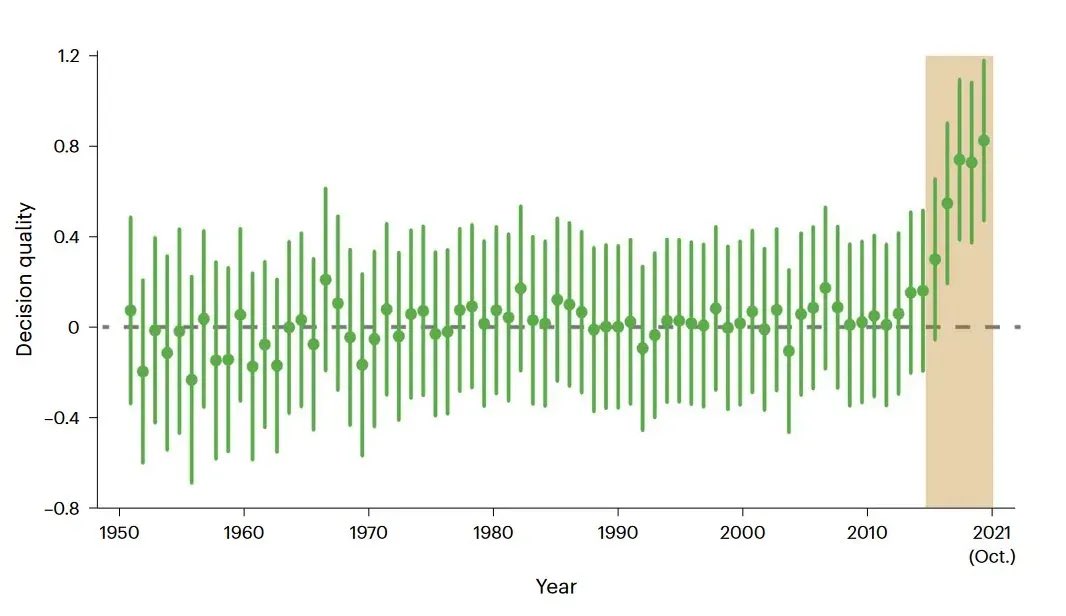
After AlphaGo, the skill of human Go players noticeably improved. I suspect we will see a similar pattern in math.
2
7
324
May 28
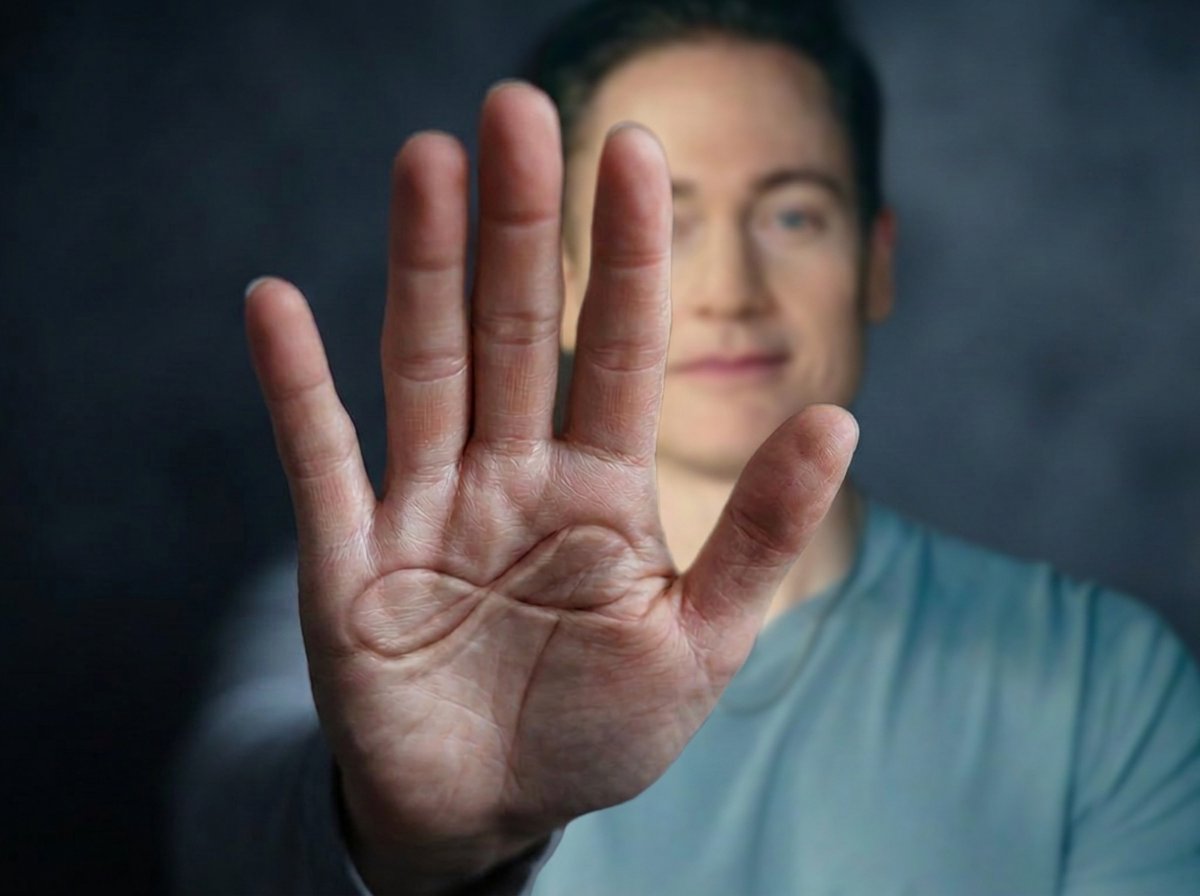
When the palm reader goes to read Bryan Johnson's life line.
May 27

BRYAN JOHNSON: “I think a lot of people would want to exist [forever] if… society was not so brutal.”
SKEPTIC: “What have you done to change those brutal conditions in society? You spend $2 million every year trying to look younger. And honestly, YOU LOOK YOUR AGE.”
“So what are you doing to make humanity better, really, other than pursuing your own vanity?”
Watch how Bryan answers that question, and how the woman instantly pushes back.
4
541
May 25
You can have electricity and water…. Or you can have this.
May 25

“Make me an app that that translates what my woman wants to eat, make no mistakes”

4
7
337