
Work in comms. Barbara Castle and Carly Rae Jepsen evangelist. All opinions my own, etc. 🇬🇧🇪🇺🏳️🌈 he/him
Joined July 2014
- Tweets 16,933
- Following 1,535
- Followers 2,125
- Likes 64,077
1,336 Photos and videos


Pinned Tweet

15 Jun 2021
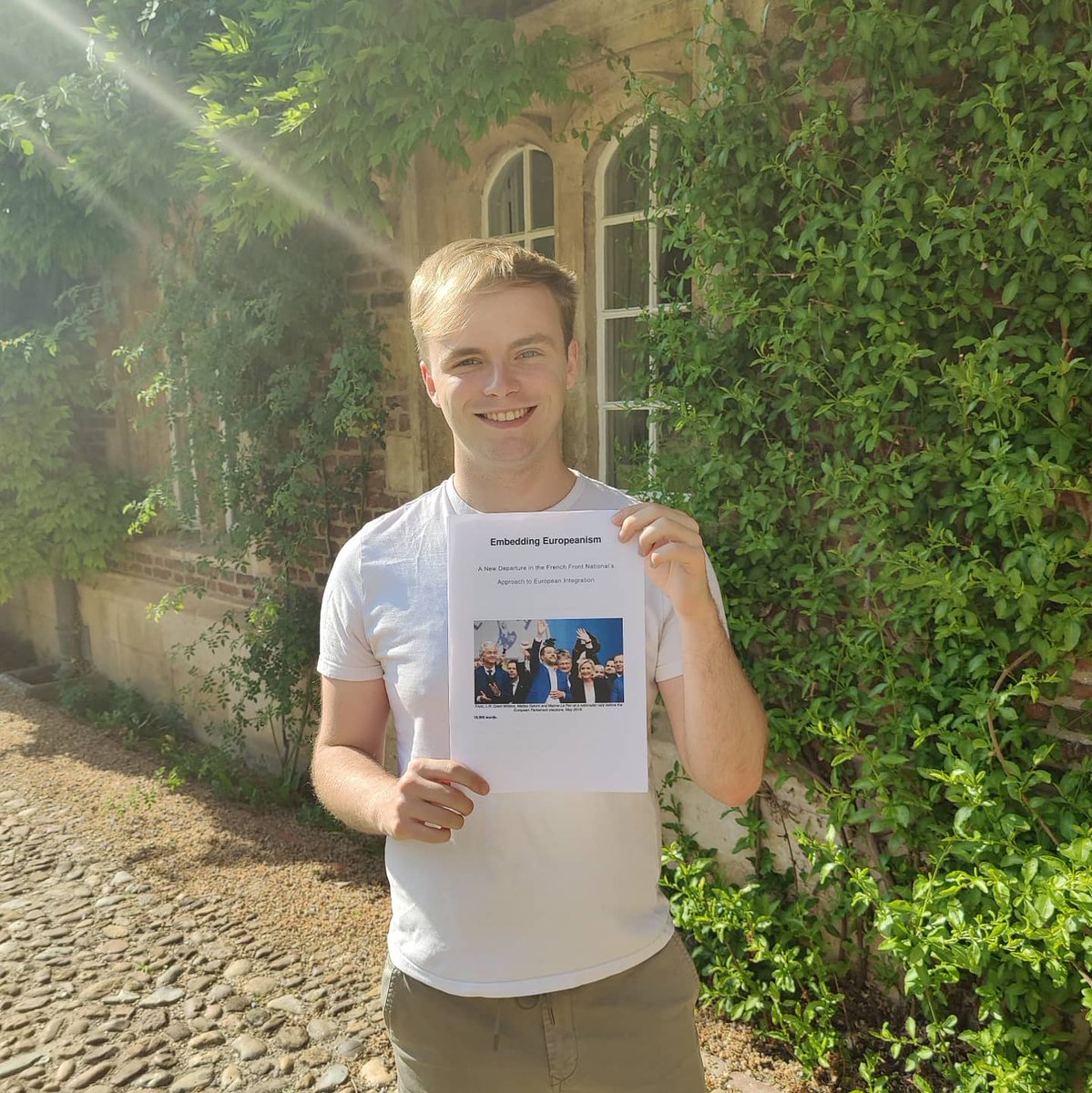
Put the Le Pen to Le Paper and wrote a diss 🇫🇷

6
158
Joe Smallman retweeted

Jun 15
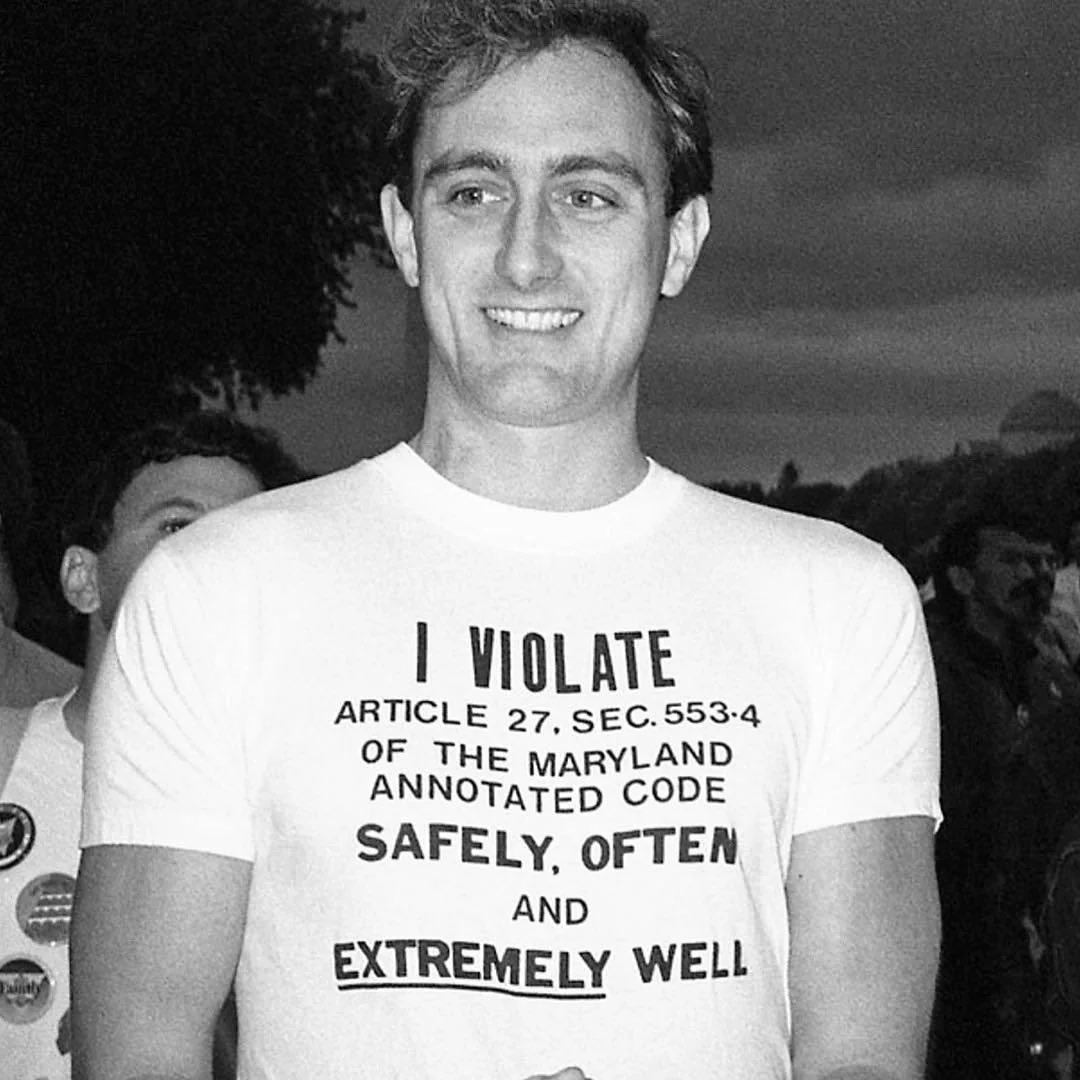
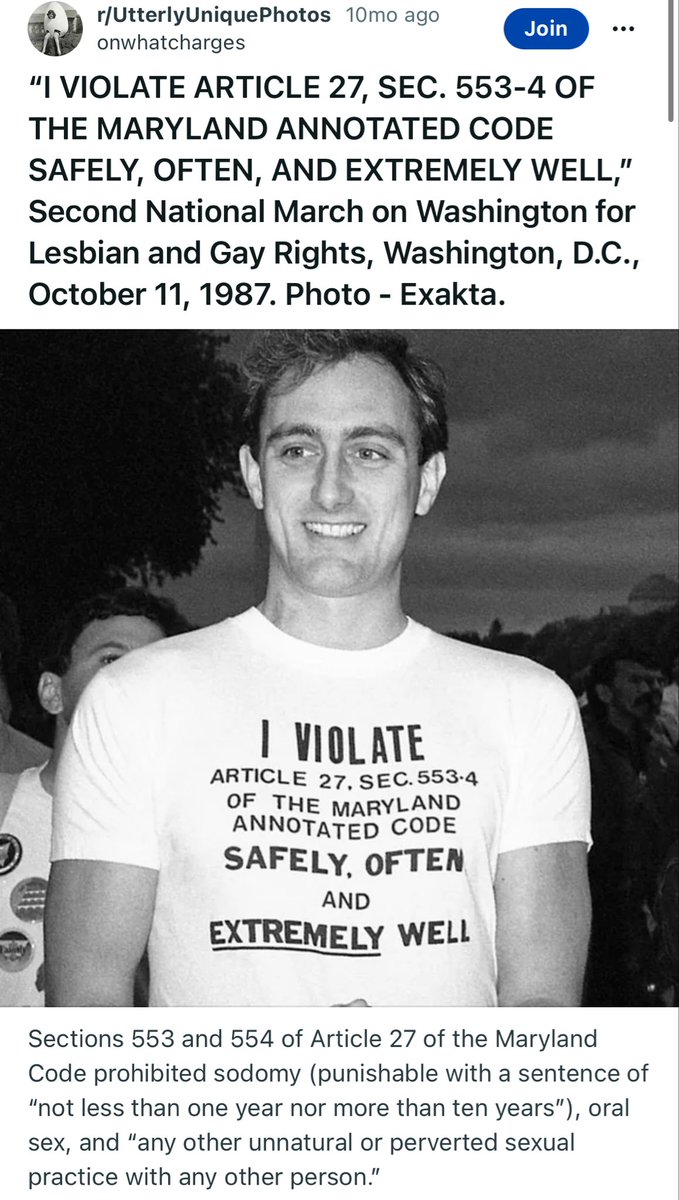
happy pride month this is one of my favorite photos from 20th century gay rights marches/protests
9
1,740
21,497
756,745
Joe Smallman retweeted

Jun 15
Let's just reflect on this for a moment. For the past few months a group of people who style themselves "patriots" have been peddling propaganda on behalf of a foreign state after it sponsored a firebomb attack on our Prime Minister.
505
658
3,062
156,663
Jun 15
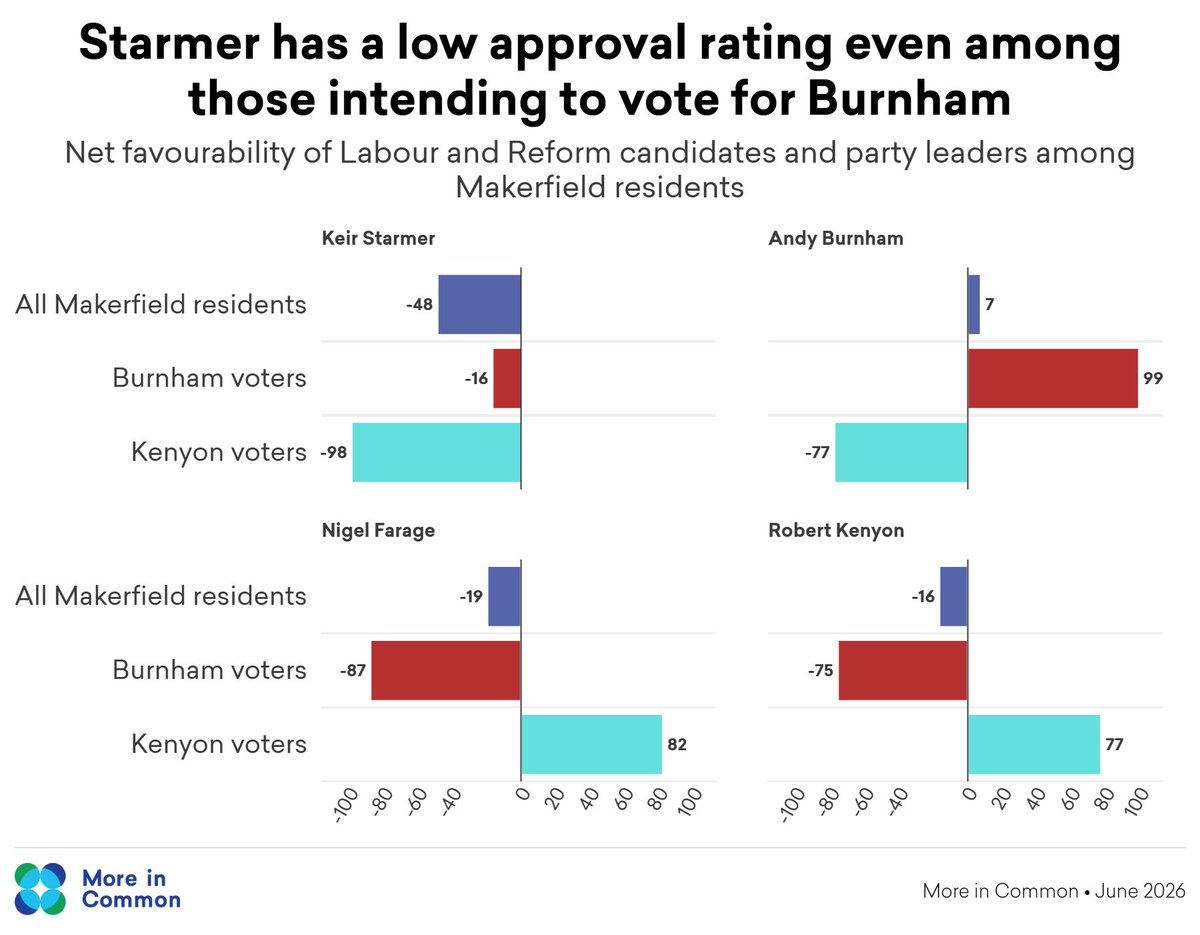
Democratic People's Republic of Makerfield

Another way of looking at how strong Burnham’s personal vote is in Makerfield. Starmer has net negative favourability even among those planning on voting Labour. Meanwhile a Burnham has net approval of 99 (!) among Makerfield Labour voters.
1
3
325
Jun 15
RT @b_judah: Northern Ireland remaining in the EU single market for goods means we have an entire region running as a counterfactual on how…
1,208
Joe Smallman retweeted

Fiscal drag affects all taxpayers, not just pensioners. There's no good reason to treat working-age taxpayers like we're second class.
Jun 14

New: Andy Burnham will leave the triple lock untouched and consider a tax cut for pensioners paying income tax because of the freeze on tax thresholds, known as “fiscal drag”.
13
70
878
45,571
Joe Smallman retweeted

Jun 11
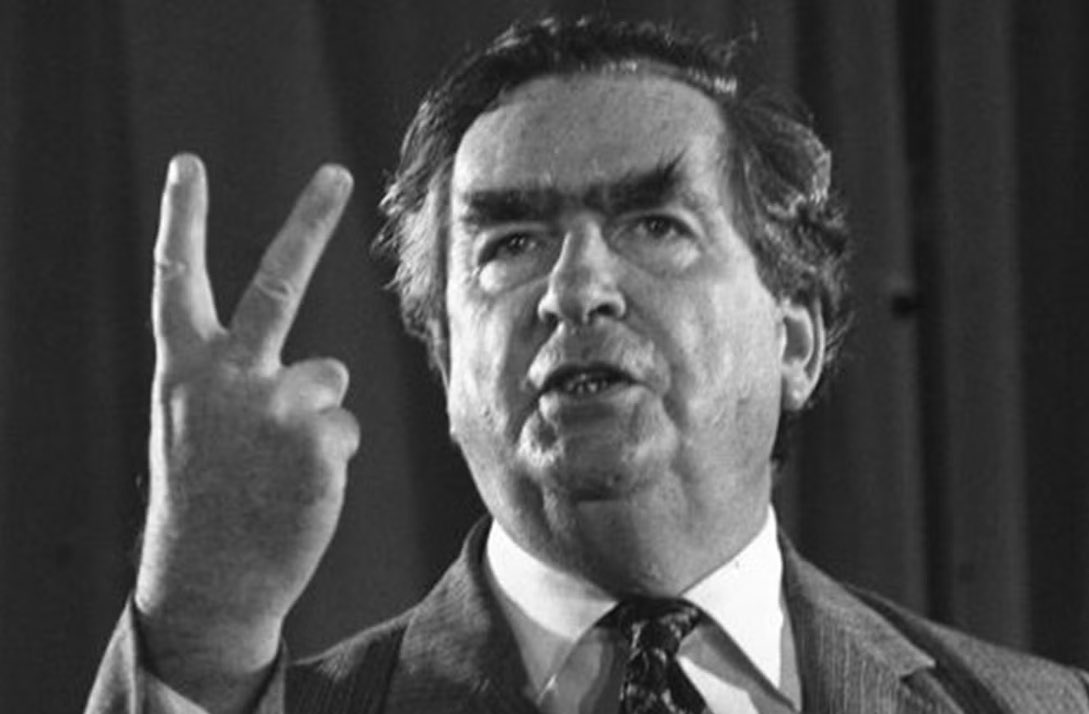
Madness from whichever Treasury source made these comments. A reminder of what Denis Healey had to say on this
“Once we cut defence expenditure to the extent where our security is imperilled, we have no houses, we have no hospitals, we have no schools. We have a heap of cinders”
Jun 11

🚨 NEW: A Treasury source attacks John Healey for resigning as Defence Secretary
"Let's be clear on what John is asking for: cuts to schools and hospitals"
h/t @e_casalicchio
21
262
1,114
47,991
Joe Smallman retweeted

Jun 12
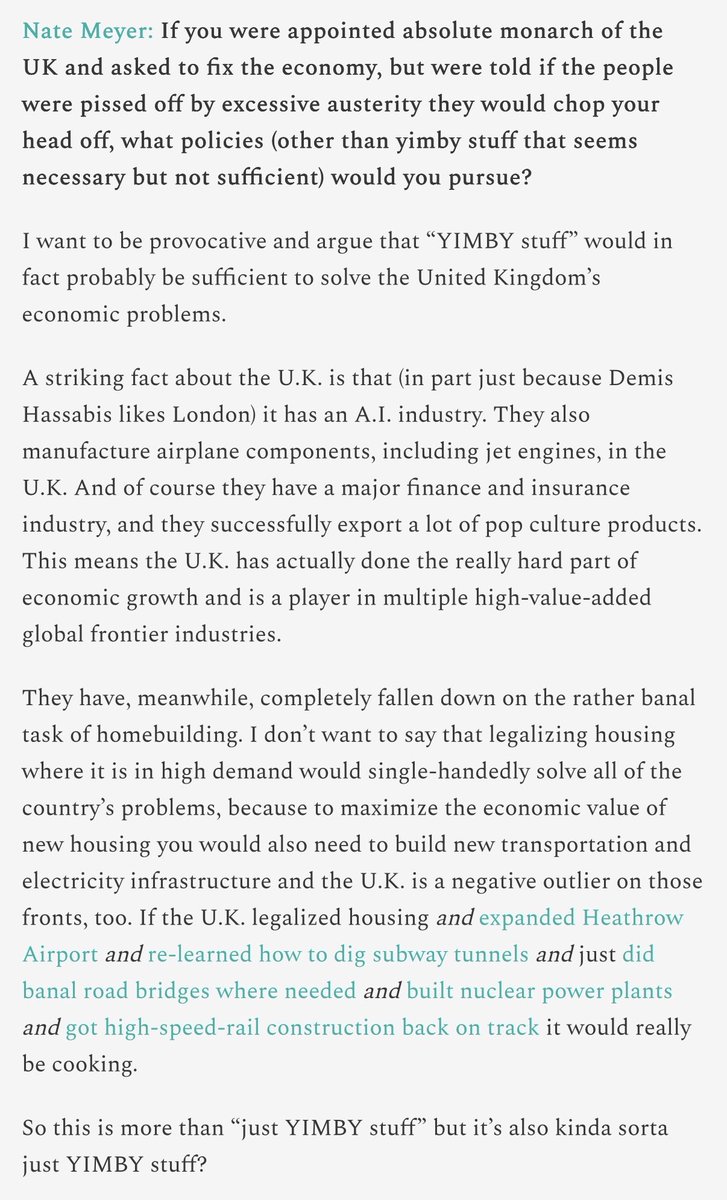
The UK actually has a ton of frontier or near-frontier global companies for a country of its size and I think its economic problems could basically all be solved with “YIMBY stuff” in a way that isn’t true elsewhere.
slowboring.com/p/hard-work-i…
28
82
639
49,354
Joe Smallman retweeted

Jun 12
Musk as a trillionaire- anyone as a trillionaire- is a grotesque economic, moral and political problem. We cannot have individuals with that level of power, whatever they might have achieved.
4,048
1,220
9,977
1,384,966
Jun 12
Based based based
Jun 12

Exclusive:
Britain must not be “squeamish” about reducing the welfare bill to fund additional spending on defence, Andy Burnham has said.
The mayor of Greater Manchester said that the government must “listen to” the concerns raised by John Healey, who resigned as defence secretary after accusing the prime minister of jeopardising the security of the nation.
In an interview with The Times he said that “the world has changed” and it is “obvious” that the government is going to have to adjust assumptions about defence spending in response.
He said that rather than implementing “crude cuts” to the welfare budget he favours a “preventative” approach that will provide the support people need to get back into work.
He unveiled plans for a 10-year public investment plan which will require all government procurement to include commitments to spending on apprenticeships and work placements for young people.
“I am not squeamish about saying that the plan would be to reduce the welfare bill. Not at all.
"But it is not the traditional Westminster way of just crude cuts, short-term crude cuts that then create a backlash and create more political turbulence.
"It is actually going to do things that will actually reduce the benefits bill, which is moving towards a more preventative state that makes the right investments to support people into work.”
thetimes.com/article/1f3d91c…
5
863
Joe Smallman retweeted

Jun 12
scrap the triple lock, job done x
Jun 11
🚨 NEW: A Treasury source attacks John Healey for resigning as Defence Secretary
"Let's be clear on what John is asking for: cuts to schools and hospitals"
h/t @e_casalicchio
20
30
824
52,807
Joe Smallman retweeted

Jun 12
Case in point: the Prime Minister just said defence is "a number one priority".
Growth was meant to the number one priority, is it still?
There's not enough money for defence, but today the Government announced £4.5 BILLION for walking and cycling.
Make choices. Decide. Lead.
138
166
906
76,760
Jun 11
RT @Taj_Ali1: I don’t want to hear any bullshit about “legitimate concerns” and “working class revolt”
It’s working-class Black and brown…
6,856
Joe Smallman retweeted
Jun 10
Burning innocent people out of their homes is an atrocity.
86
54
705
17,474
It's July 4th. It's 27 degrees. Madonna dropped the album of the summer yesterday. Andy Burnham is Prime Minister. Initial polls putting Labour on 30% are dropping. You stop into a little Tesco to buy yourself a G&T in a tin on your way to London Pride. Life is good.

Madonna premieres new song “Danceteria” in ‘Confessions II - The Film’ now on YouTube.
1
3
101
7,694
The replies to this underline why we have to win btw. And not just because their AI slop images are hateful and ugly.
Bots, far right activists based in America, and identity-politics obsessed cranks all want Reform.
Makerfield is better than that. 🌹

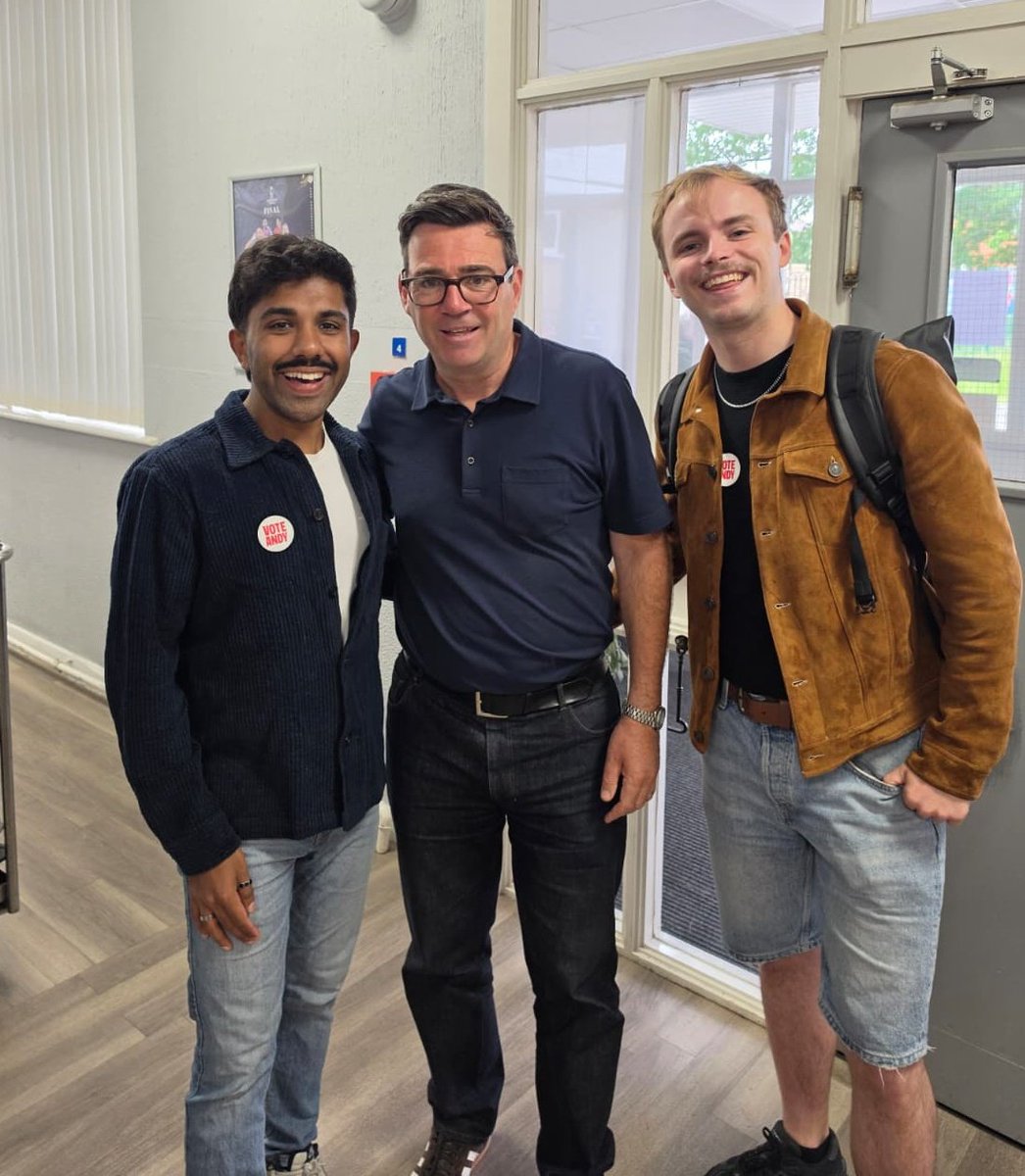
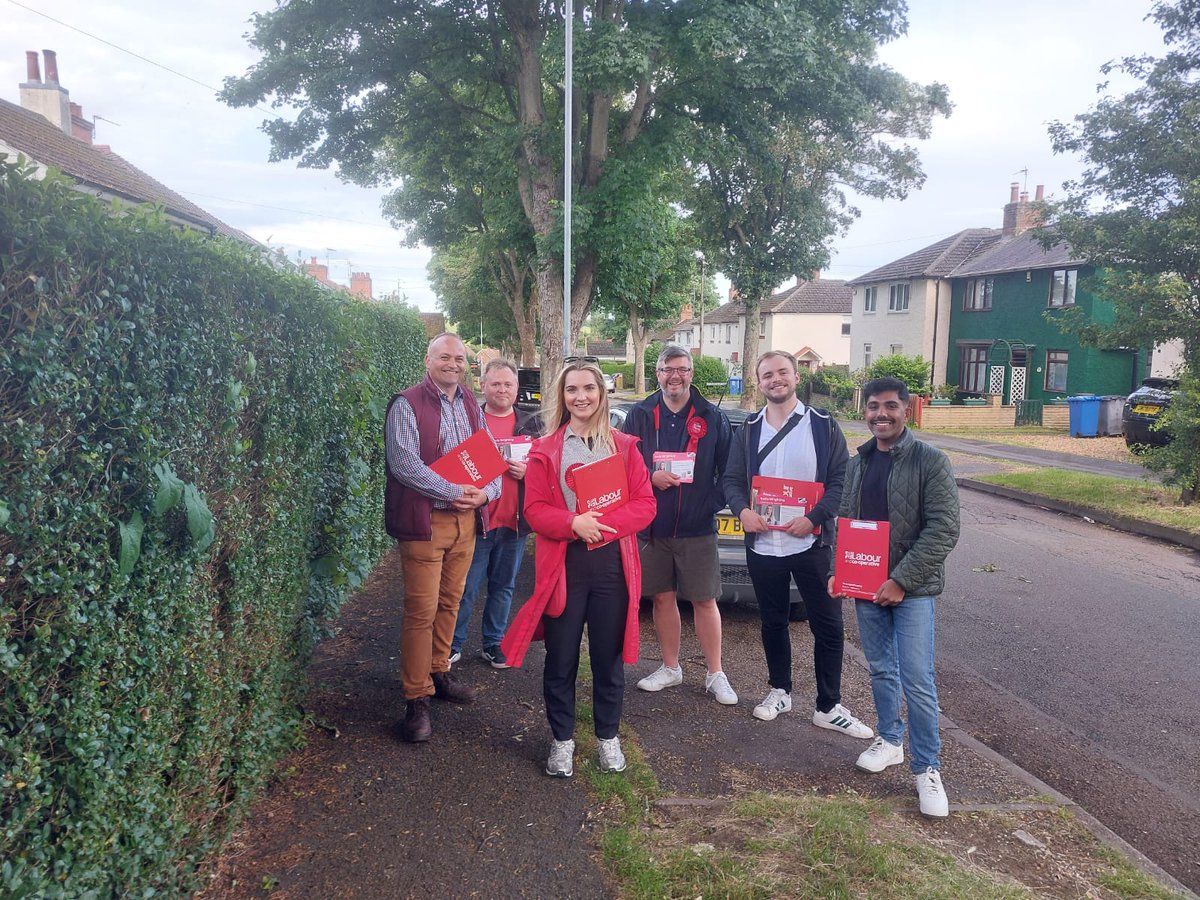
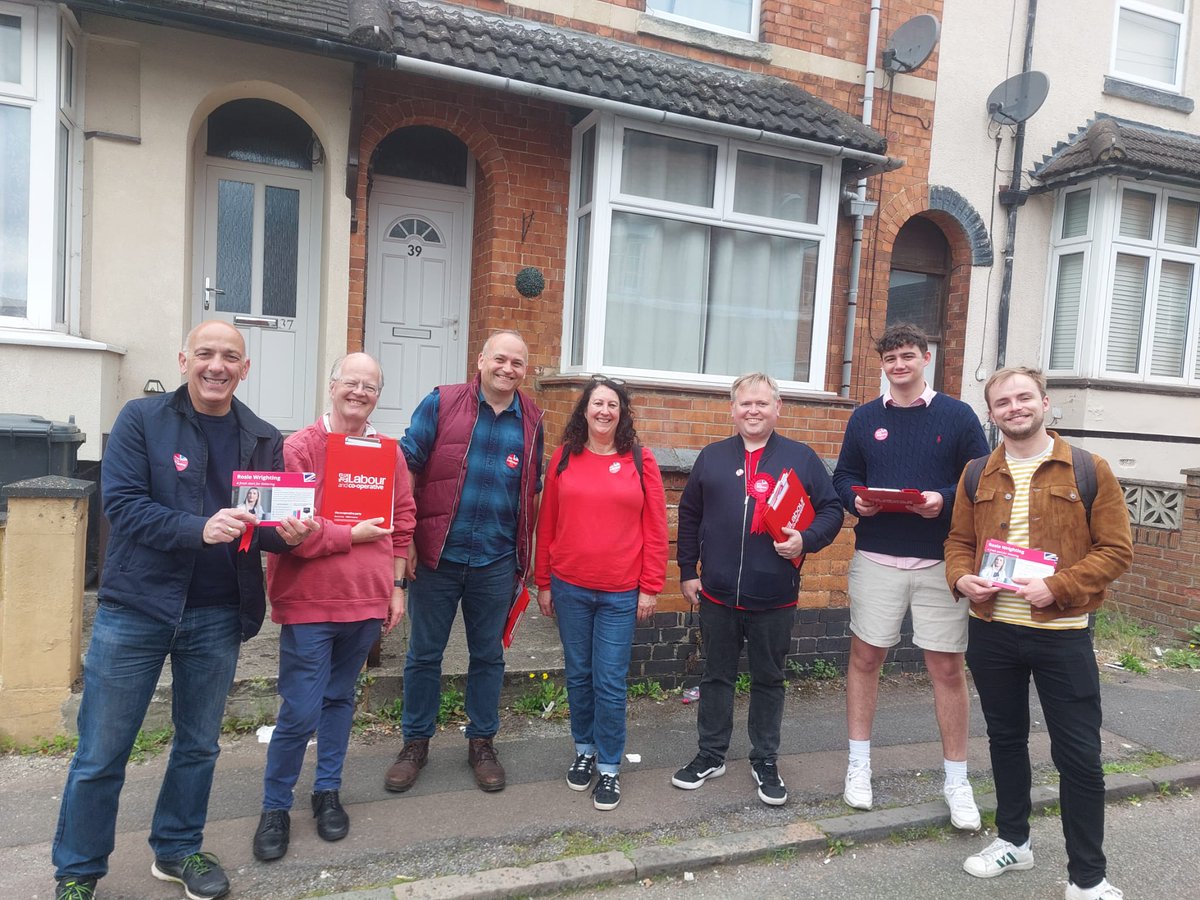
A fab long weekend up in beautiful Makerfield campaigning for Andy Burnham. 🐝🌹
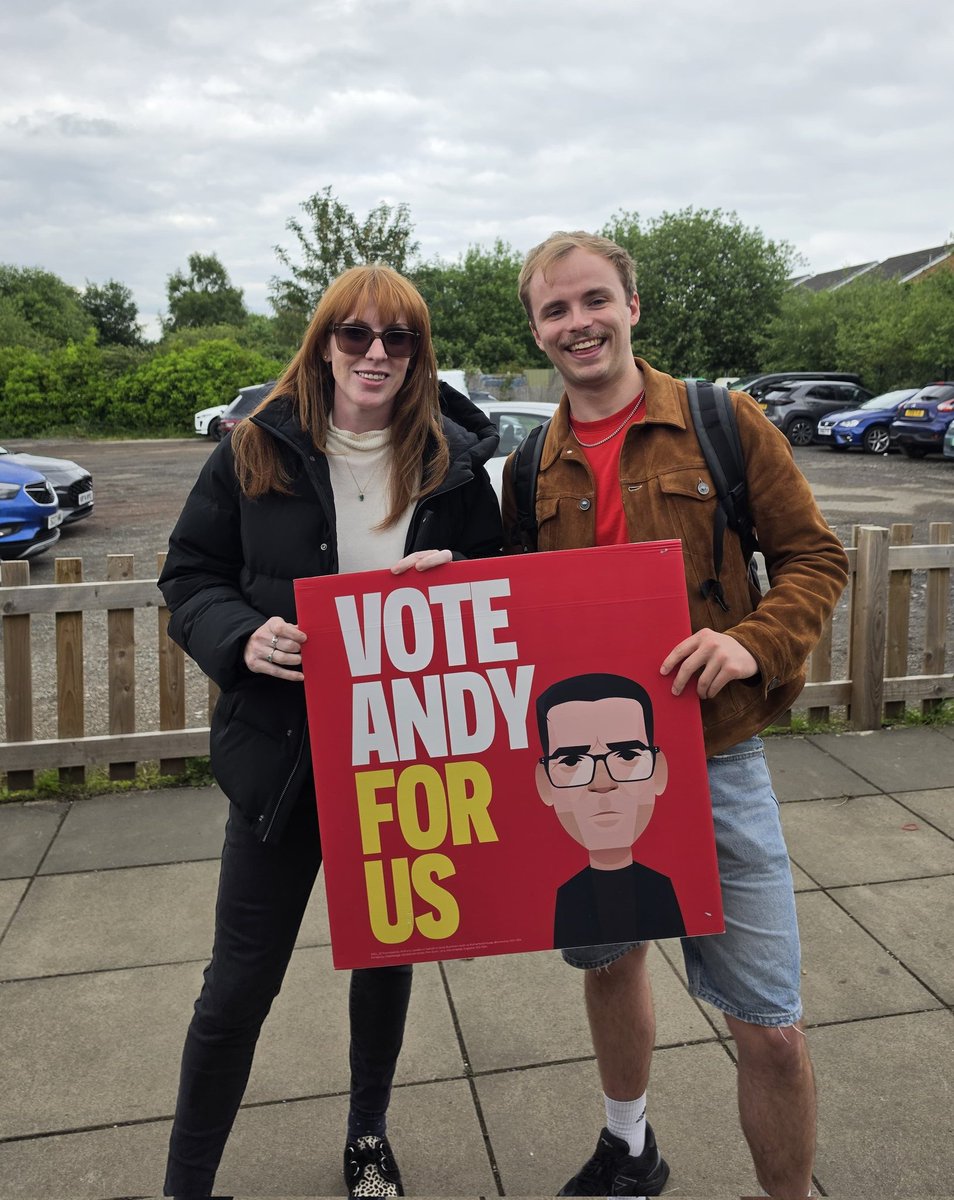
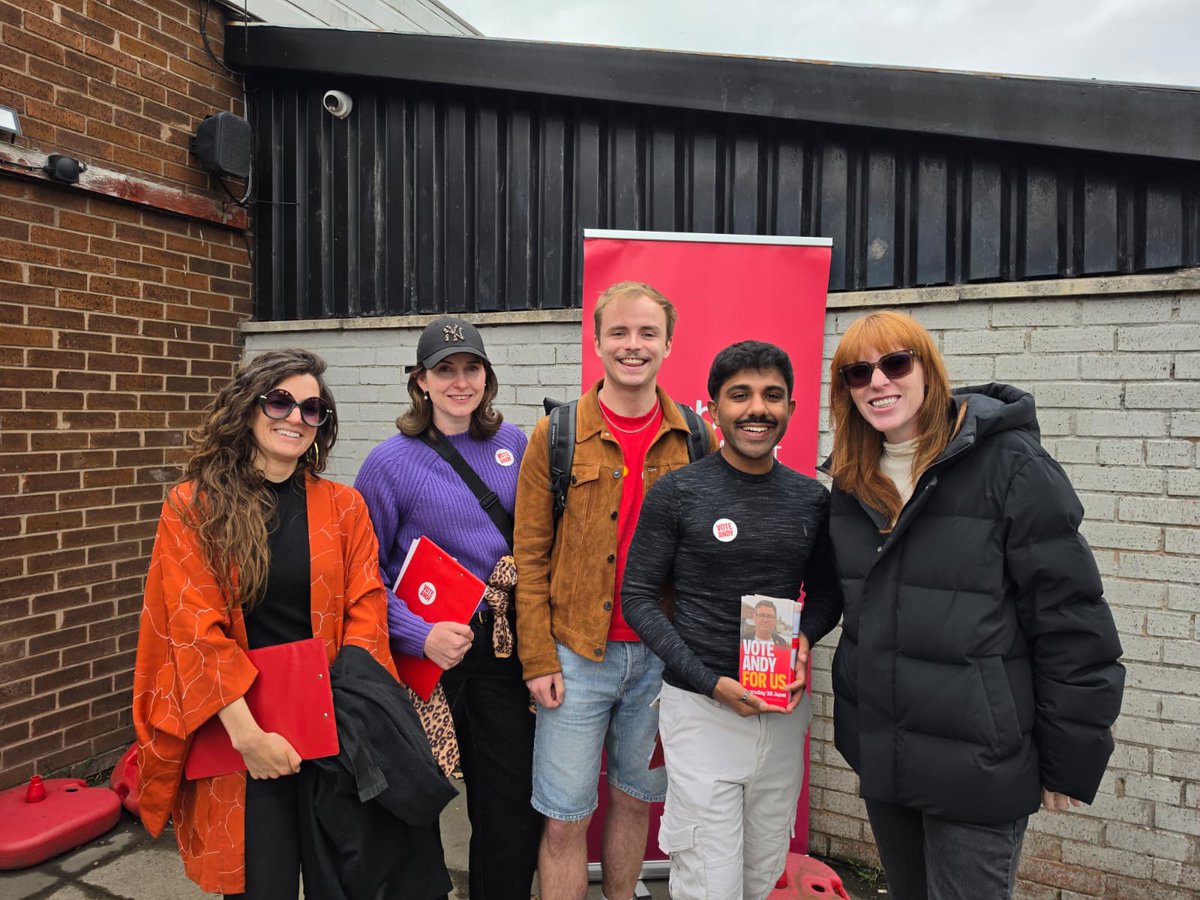
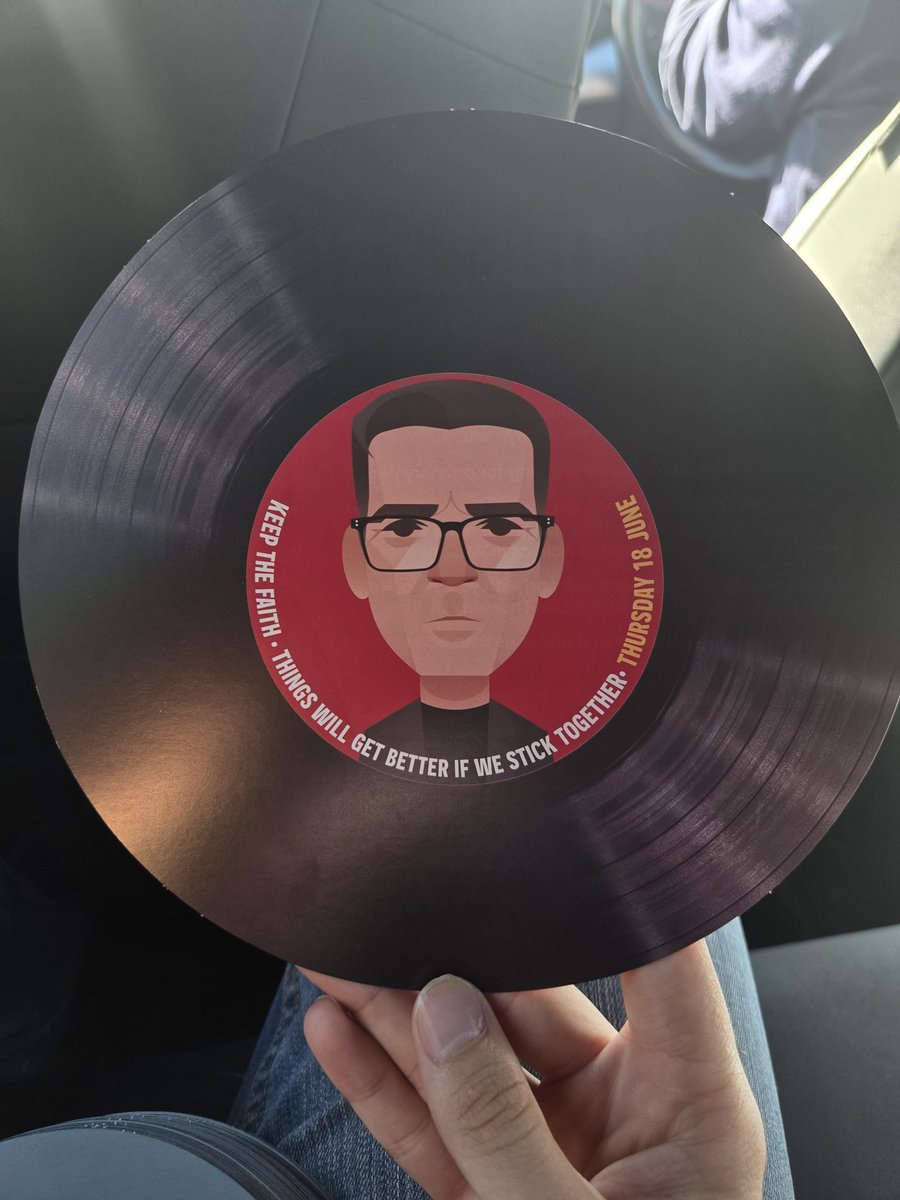
40
7
59
6,524
A fab long weekend up in beautiful Makerfield campaigning for Andy Burnham. 🐝🌹
39
51
10,300

GMCA HOUSING FUND - THE TRUTH
Between Zoë Bread and Reform, there's now an insane amount of misinformation out there regarding GMCA and the Housing Investment Loan Fund (GM HILF), so let's clear the slate (buckle up!)
When the GMCA signed its first devolution deal, it included a £300 million pot of money for loans that could be recycled multiple times over the next decade.
This investment fund (the GM HILF) was never intended to have a primary purpose of building social or affordable housing because it was a loan fund, not a grant fund, which is usually required for the viability of social housing.
The fund existed to provide market-rate loans to developers at a time when virtually no one would invest in city-centre development. Previously, banks had capped lending for these types of development because the market was unproven. Offering these loans through the HILF catalysed development in Manchester and Salford city centres by increasing liquidity available to developers, thereby boosting investor confidence and making the asset class viable.
By speeding up the pace of development in the city centre via the provision of debt and equity, development could actually happen, and that's one of the main reasons Manchester is thriving as much as it is today!
Up to 2024, the fund was responsible for helping deliver over 10,000 homes, which smashed the initially set target and is part of why rents have remained relatively stable across the city centre. In addition to every penny being repaid, it has generated £29 million in interest for the GMCA, which has been reinvested into town centre regeneration projects across Greater Manchester.
The construction made possible by the GM HILF has supported around 750 FTE jobs per year, as well as keeping an estimated £2.1 billion of construction spending within Greater Manchester - 75% of this development supported was on Brownfield sites, protecting the Greenbelt by delivering on housing targets. Supported projects are also projected to generate nearly £14 million a year through council tax, which is redistributed to essential council services.
Low levels of social housing provision in recent years have nothing to do with the GM HILF or GMCA - for years, successive Conservative governments prioritised financial support for building shared ownership and similar products over social housing, refusing to provide the grant necessary to make it viable.
This has changed since the Labour government came in, and Manchester City Council just announced its most successful year ever in delivery, with 1,000 affordable homes delivered in the last year, nearly half of which were for social rent. That is a huge number, given how difficult it is to make social housing stack up financially. Additionally, GMCA has used various funding sources, such as the Brownfield Housing Fund, to provide affordable housing across all 10 boroughs for years. Now that the Social and Affordable Housing programme is partially ringfenced for social housing, it is certain that delivery will only increase moving forward. Combine that with GMCA's new 'Good Growth Fund', and it's hard to argue that they could be working harder to achieve their ambitious housebuilding targets for genuinely affordable, socially rented and energy-efficient homes.
The other criticism usually centres on the fact that a large share of the GM HILF loans was awarded to Renaker. Up to 2024, 48 developers had received loans from GMCA through this fund, following a decision-making process that the courts have found perfectly rational and "not defective". Renaker delivered homes using the fund and repaid the loans, plus interest, again and again. It's that simple. It wasn't preferential treatment, it wasn't "cronyism". They delivered. They delivered thousands of units and paid back every penny on time.
The Combined Authority can't control where one man goes and what he does with his money, nor can they deny loans on that basis, nor can they force a developer to build affordable housing if their maths shows that it would make the product completely unviable. It's a market - they're entitled to make a profit, and companies aren't obliged to do the moral thing out of the kindness of their heart.
Like it or not, Manchester has only become the thriving and successful city it is today because of smart decisions like those the GMCA has made over the last decade in supporting the market. Both the Greens and Reform should think carefully before implicitly or explicitly threatening the growth we've seen as a city-region over the last thirty years, because I'd hate to be the person responsible for it coming to an end.
Jun 8

This is the real Andy Burnham.
He promised affordable housing, then diverted hundreds of millions in taxpayer funding to one developer's property empire.
6
16
64
11,241
Joe Smallman retweeted

Jun 8
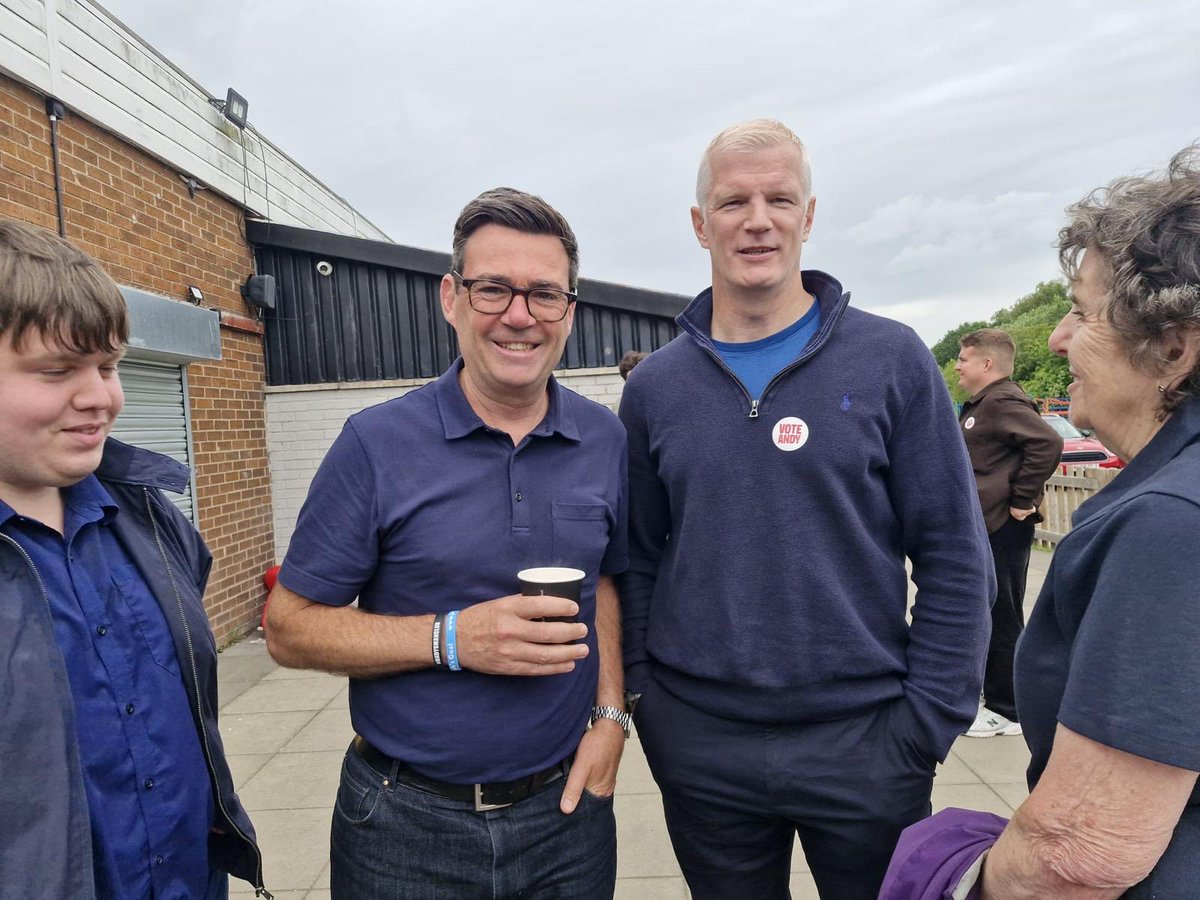
Out in Makerfield with @AndyBurnhamGM yesterday.
Labour was built in towns like this. Our job is to build a Labour Party worthy of them.
18th June. Vote Labour.
736
40
419
66,595
Joe Smallman retweeted

Jun 7
Pride is, and always will be, a protest.
Four years ago, outside the Two Brewers in Clapham, I found myself in the middle of a homophobic attack.
Two young men standing next to me were assaulted by a woman simply for kissing.
Like anyone witnessing a hate crime, I intervened. Unfortunately, I then bore the brunt of a physical attack from her friend, who knocked me to the ground while shouting homophobic slurs.
The staff at @2BrewersClapham were brilliant. They intervened immediately and the police arrested those responsible.
Four years later, having heard very little from the police, I received the email that has become all too familiar to many victims: no further action.
So yes, Pride is a celebration. But when people are still being attacked for who they are, and when victims are left without justice, it remains a protest too.
41
123
948
43,369
Joe Smallman retweeted

Jun 6
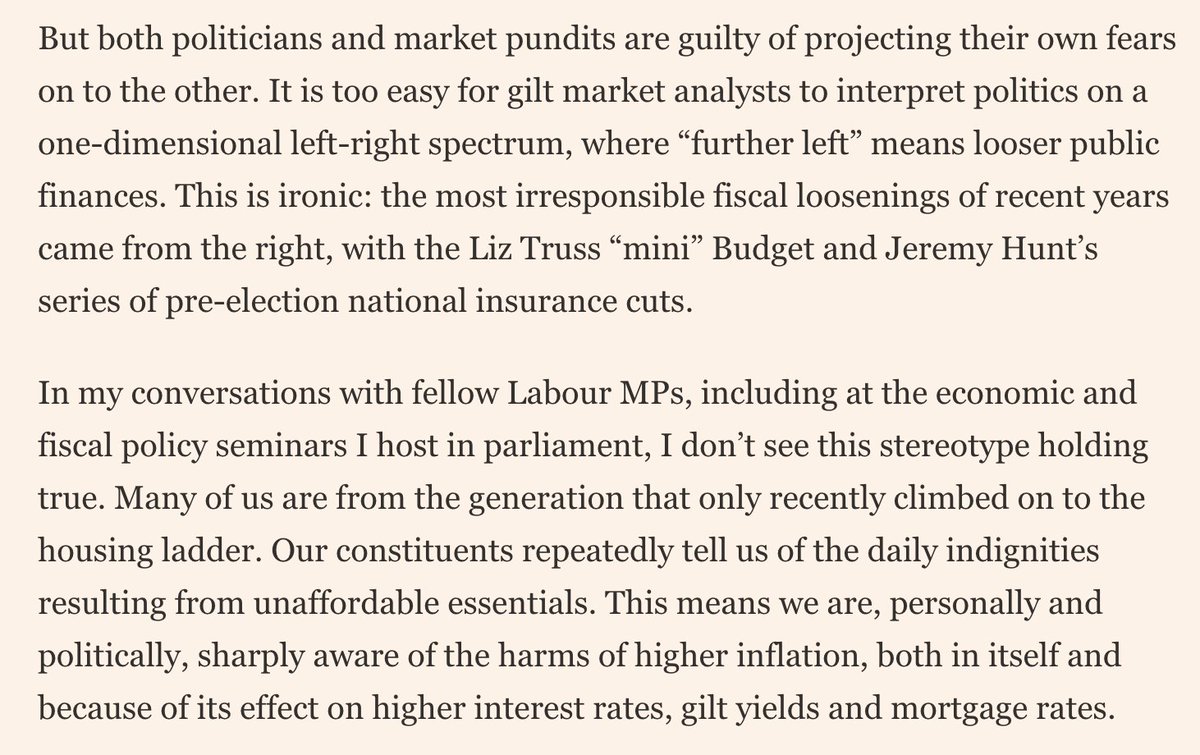
As an economist, former FT journalist and now Labour MP, l don’t think the bond markets have to fear a change of Labour leadership.
The biggest problem for gilt investors and MPs alike is inflation – & it remains our common enemy. My @FT op-ed 👇 (1/5)
61
71
306
93,093