Lab Goals: 3D image-based computer modeling of pediatric hearts and valves to inform precision medicine and intervention. PI: Matthew A. Jolley.
Joined October 2021
- Tweets 225
- Following 129
- Followers 355
- Likes 574
177 Photos and videos


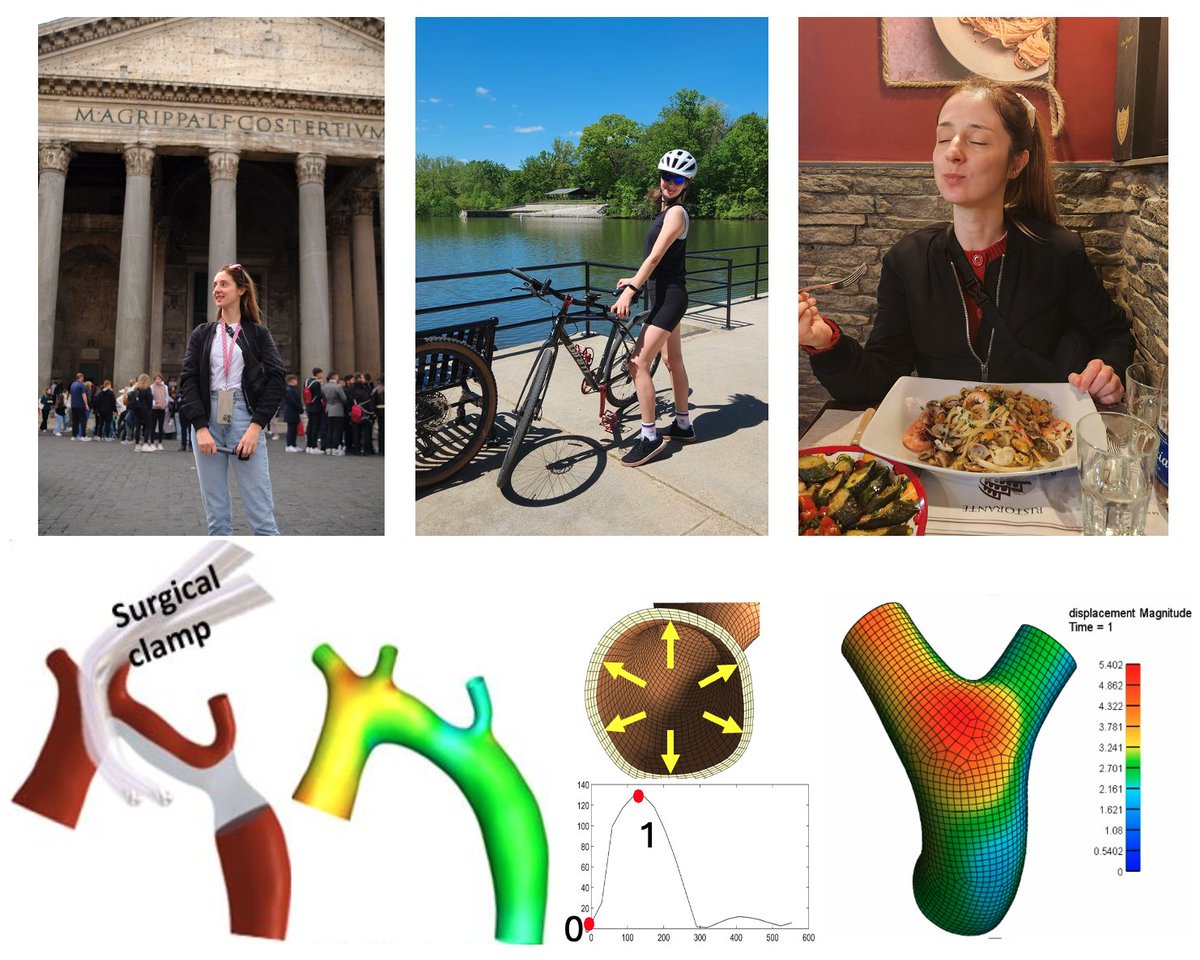


30 Oct 2025
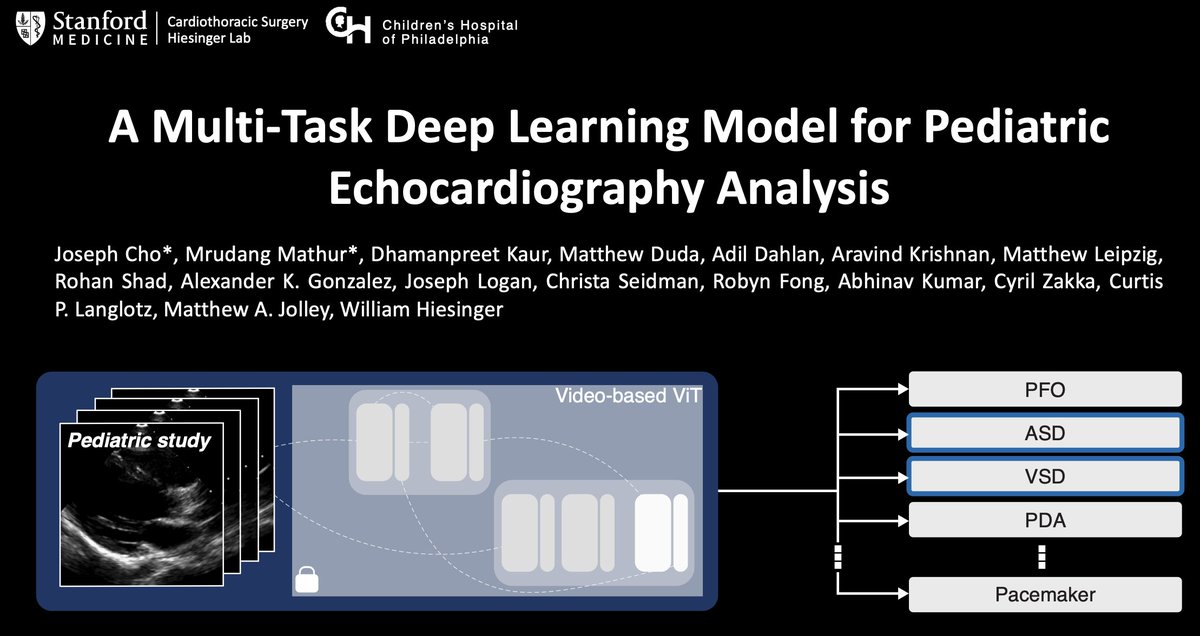
Congratulations to @joseph_cho1, @mrudangm14 and team on their pre-print describing the first multi-task ML model for interpreting pediatric echocardiograms! @HeartCare4Kids @CHOP_Research
30 Oct 2025

We are excited to announce 🔥EchoAI-Peds 🔥, the first multi-task deep learning model for pediatric #echofirst analysis.
It's been a pleasure to lead this alongside @mrudangm14 under the guidance of @hiesingerlab and in close collaboration with @jolleylab.
Link below⬇️
[1/n]
1
4
399
30 Sep 2025
Congratulations to Seda Aslan, Nicolas Mangine, @DW_Laurence, @wensi_wu, and the @FEBioSoftware team on their preprint describing FE simulation of current and emerging transcatheter valve repairs: arxiv.org/abs/2509.22865 @HeartCare4Kids @MEAM_Penn @CHOP_Research
1
2
142
30 Sep 2025
Congratulations to Yuval Barak-Corren, Matt Daemer, Andras Lasso, Kyle Sunderland and the SlicerHeart team on the their publication in @MyJSCAI : sciencedirect.com/science/ar… @HeartCare4Kids @CHOP_Research @picslupenn
1
1
119
29 Jul 2025
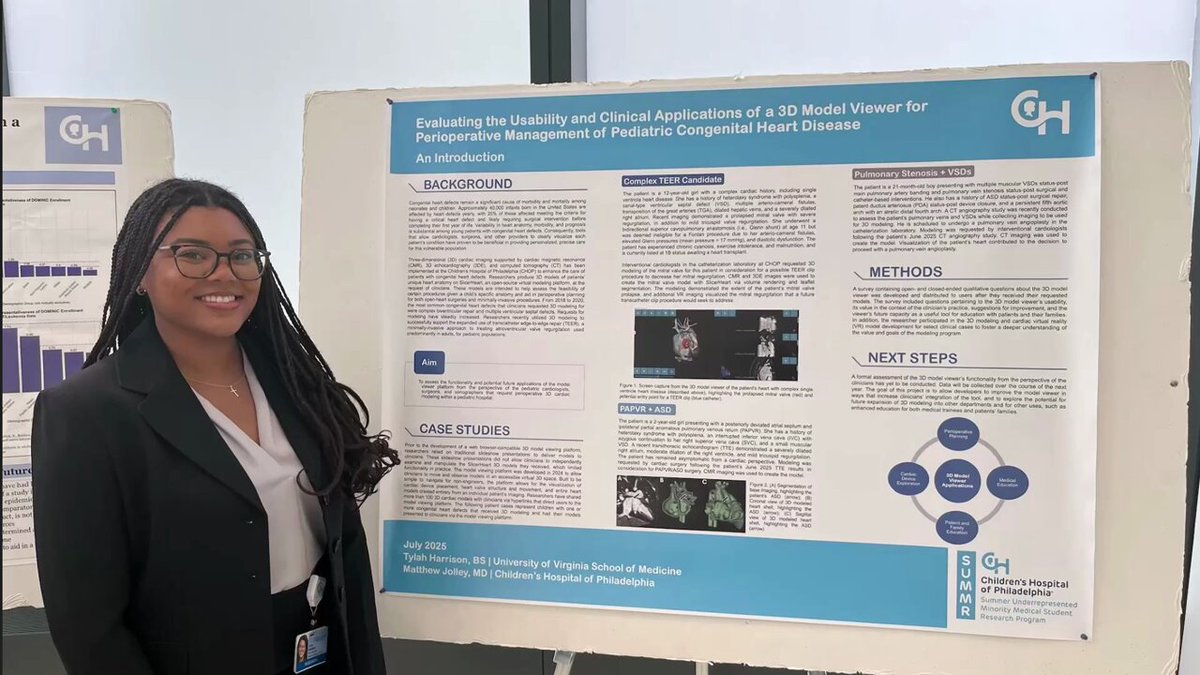
Thank you to @MedicineUVA student Tylah Harrison for her QI-based efforts to evaluate and improve the utility of a web-based viewer for 3D image-derived models to inform the planning of cardiac interventions in children as part of the @ChildrensPhila SUMMR program.
1
152
28 Jul 2025
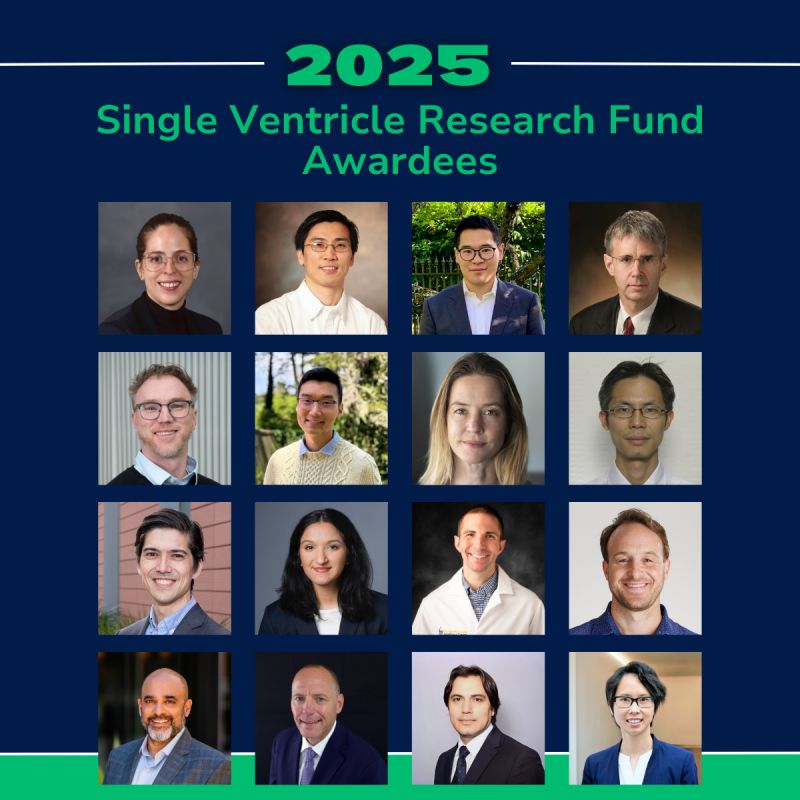
Congratulations to @wensi_wu, @PouchAlison and team on receiving a 2025 @AdditionalVent Single Ventricle Research Award. @MEAM_Penn @pennbioeng @PennEngineers @picslupenn @HeartCare4Kids @CHOP_Research
3
5
306
Jolley Lab retweeted

17 Jun 2025
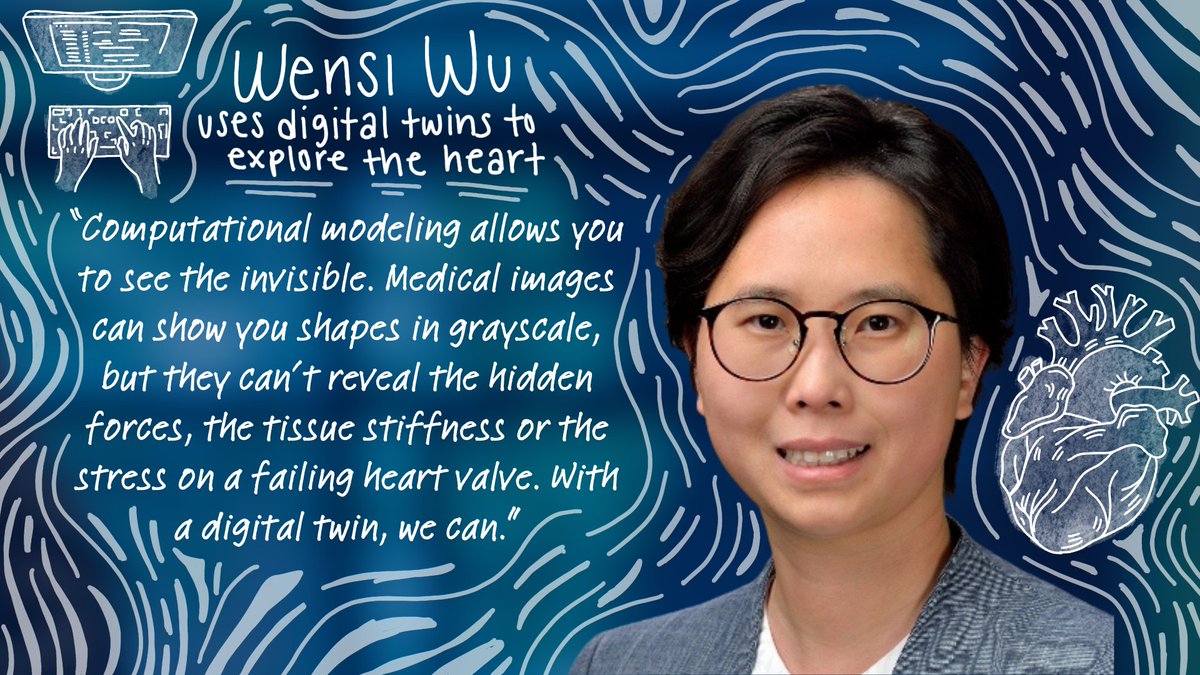
Welcome @WensiWu, Research Assistant Professor in @MEAM_Penn. Driven by a passion for modeling real-world mechanics, Wu uses digital twins to explore the human heart, personalizing cardiac diagnosis & surgery. bit.ly/4l7fHlT
1
6
473
10 Jul 2025
Congratulations to the @JolleyLab, SlicerHeart and @FEBioSoftware teams on their new preprint on arXiv demonstrating an integrated workflow for the simulation of TPVR in patients with native outflow tracts: arxiv.org/abs/2507.06337 @HeartCare4Kids @CHOP_Research @mjgillespie1
4
166
29 May 2025
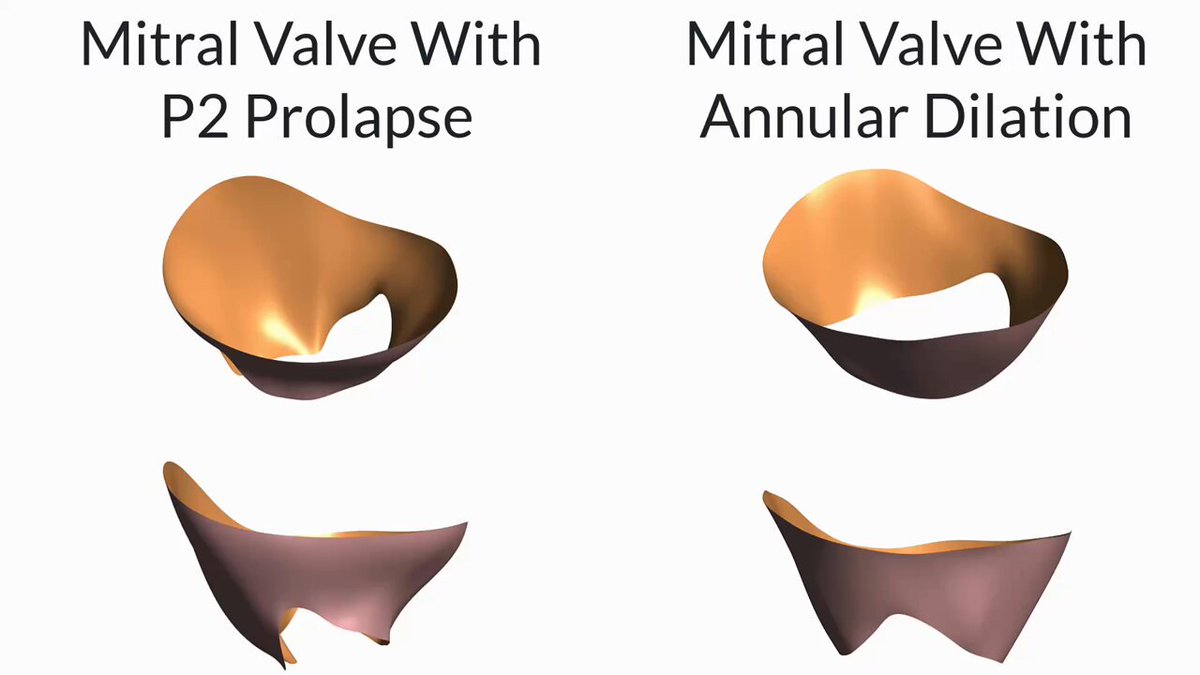
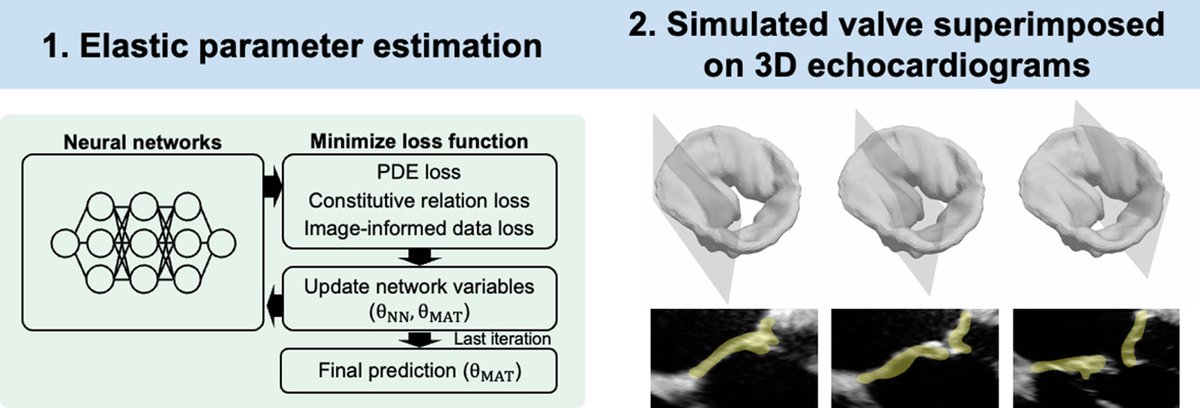
Congratulations to @wensi_wu and team on their publication demonstrating how the intersection of image processing, machine learning and biomechanics can help us better understand the function of cardiac valves:sciencedirect.com/science/ar…
@pennbioeng @picslupenn @MEAM_Penn
2
8
470
30 Apr 2025
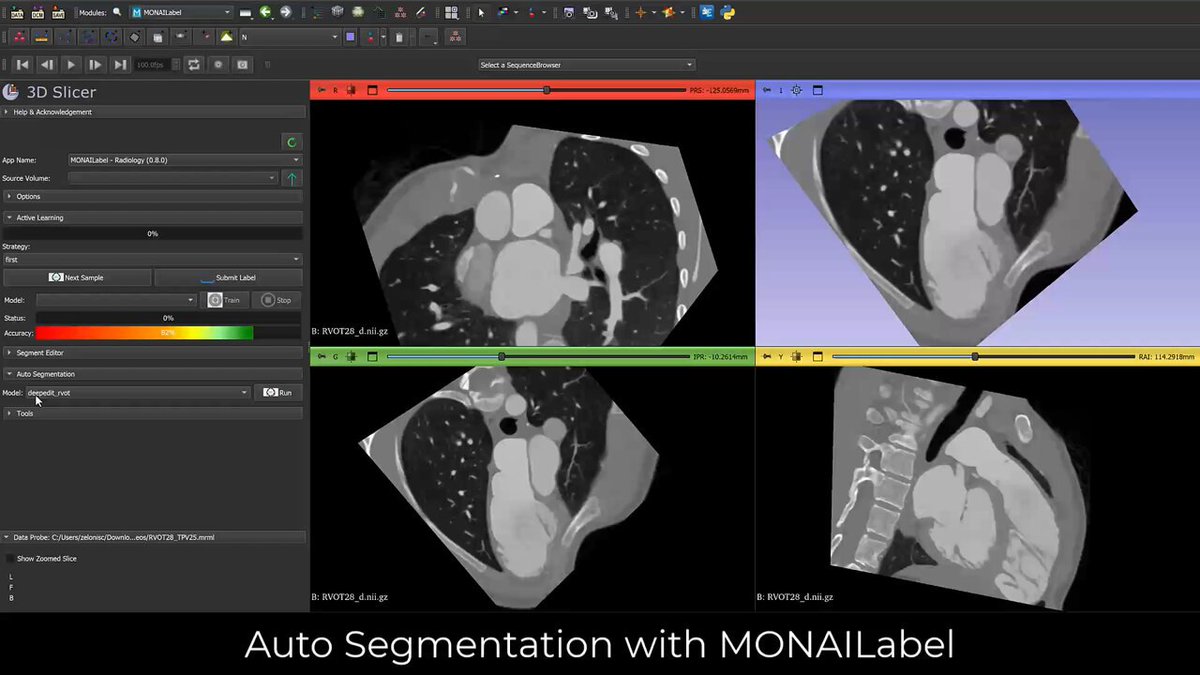
Our latest @JolleyLab YouTube channel video demonstrates how to export 3DE from Philips Ultrasound Workspace and import them into @3DSlicerApp using SlicerHeart. Thank you to Julia Iacovella and Matt Daemer for this demonstration.
youtu.be/NKdh7v1LaBY
2
10
707
28 Apr 2025
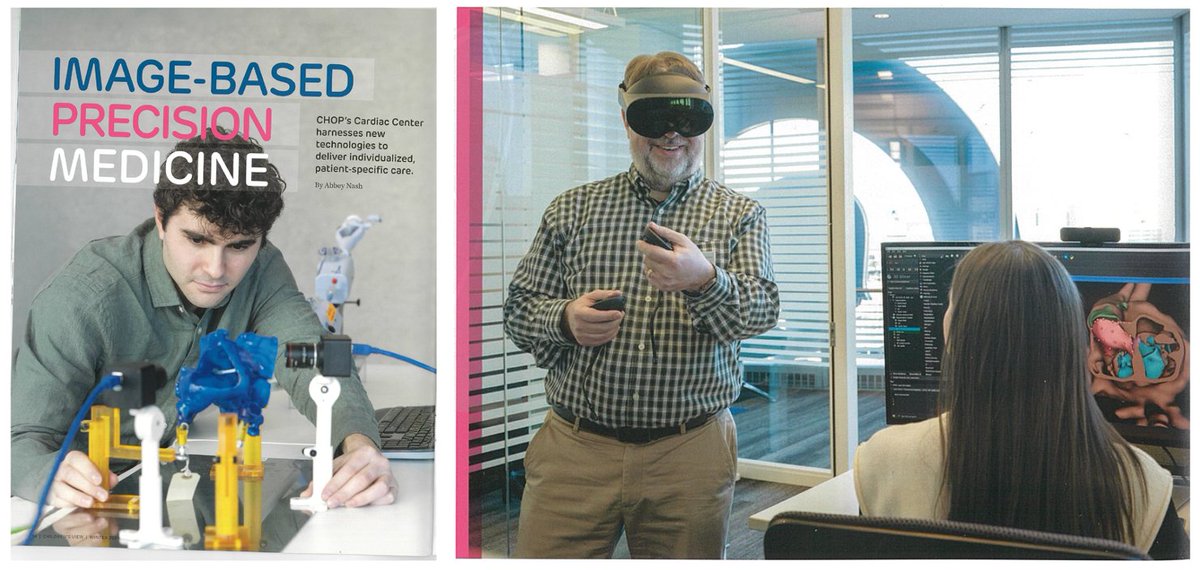
It was wonderful to see the efforts of Kevin Whitehead and members of both the Topolewski Valve Center and Clinical Cardiac Modeling Team featured in the @ChildrensPhila magazine "Children's View". chop.edu/giving/news/image-b… @HeartCare4Kids @CHOP_Research @pennbioeng
2
220
23 Apr 2025
Congratulations @DW_Laurence, @JeffWeissUT, @SteveAMaas and team! @FEBioSoftware @3DSlicerApp #SlicerHeart
22 Apr 2025

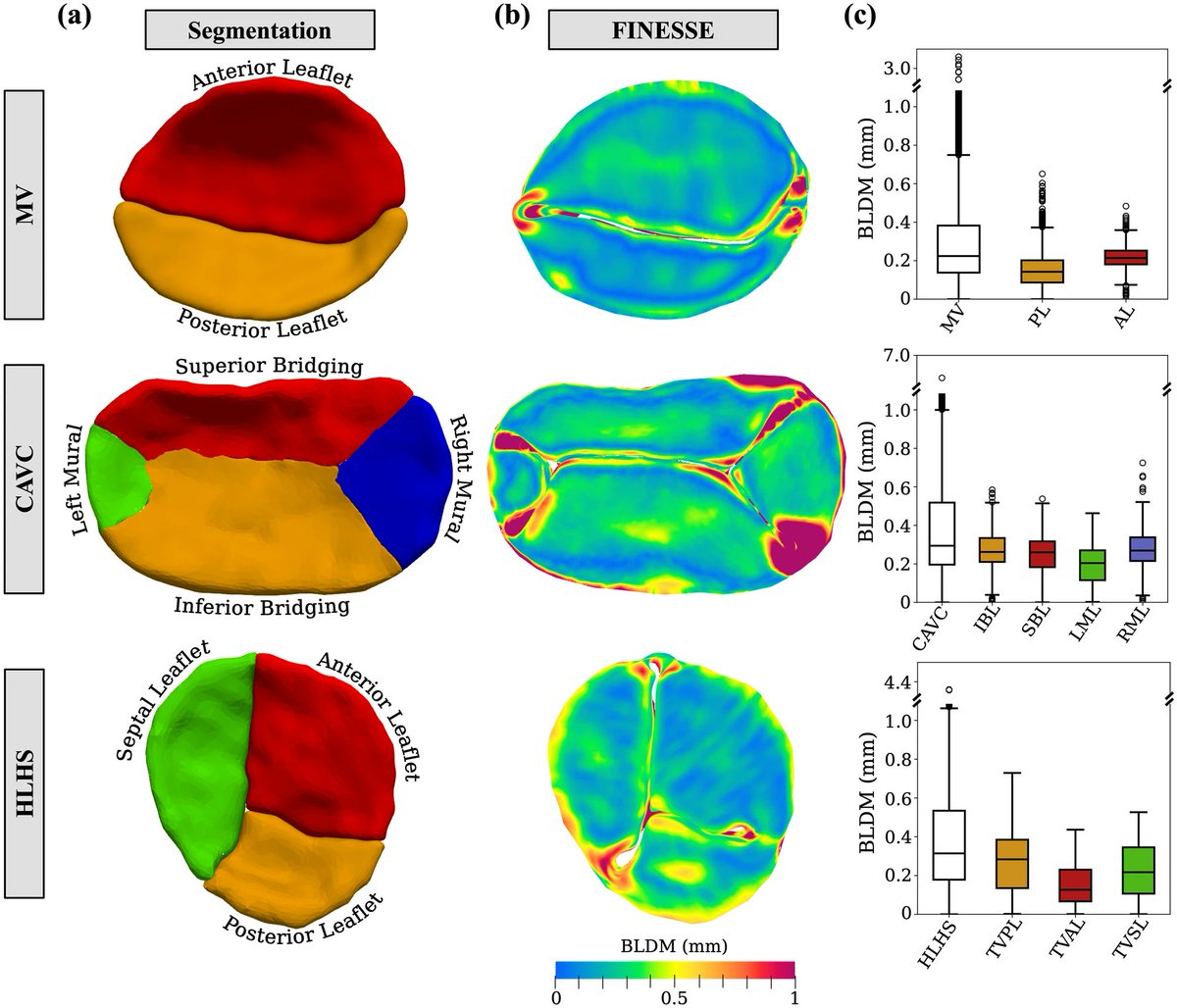
To improve outcomes for patients with heart valve disease, we need to understand how their valves behave without performing invasive procedures.
That’s where simulation comes in – but building accurate models is difficult when critical details, like tissue properties or valve support structures, are missing. These gaps make it hard to align simulations with real patient anatomy, limiting their clinical value.
A new open-source method called FINESSE allows simulations to match real valve geometry from 3D echocardiography, even when data is limited. Tested on synthetic models and pediatric cases, FINESSE accurately estimated how valve leaflets stretch and move. This paves the way for linking real-time valve behavior to clinical outcomes.
𝗥𝗲𝗮𝗱 𝗺𝗼𝗿𝗲: link.springer.com/article/10…
𝗦𝘁𝘂𝗱𝘆: FEBio FINESSE: An Open-Source Finite Element Simulation Approach to Estimate In Vivo Heart Valve Strains Using Shape Enforcement
𝗔𝘂𝘁𝗵𝗼𝗿𝘀: @DW_Laurence, Patricia M. Sabin, Analise M. Sulentic, Matthew Daemer, Steve A. Maas, @JeffWeissUT, and Matthew A. Jolley
Children’s Hospital of Philadelphia
University of Utah (@UUtah)
𝗦𝘂𝗯𝗺𝗶𝘁 𝘆𝗼𝘂𝗿 𝗺𝗮𝗻𝘂𝘀𝗰𝗿𝗶𝗽𝘁: link.springer.com/journal/10…
1
5
356
2 Apr 2025
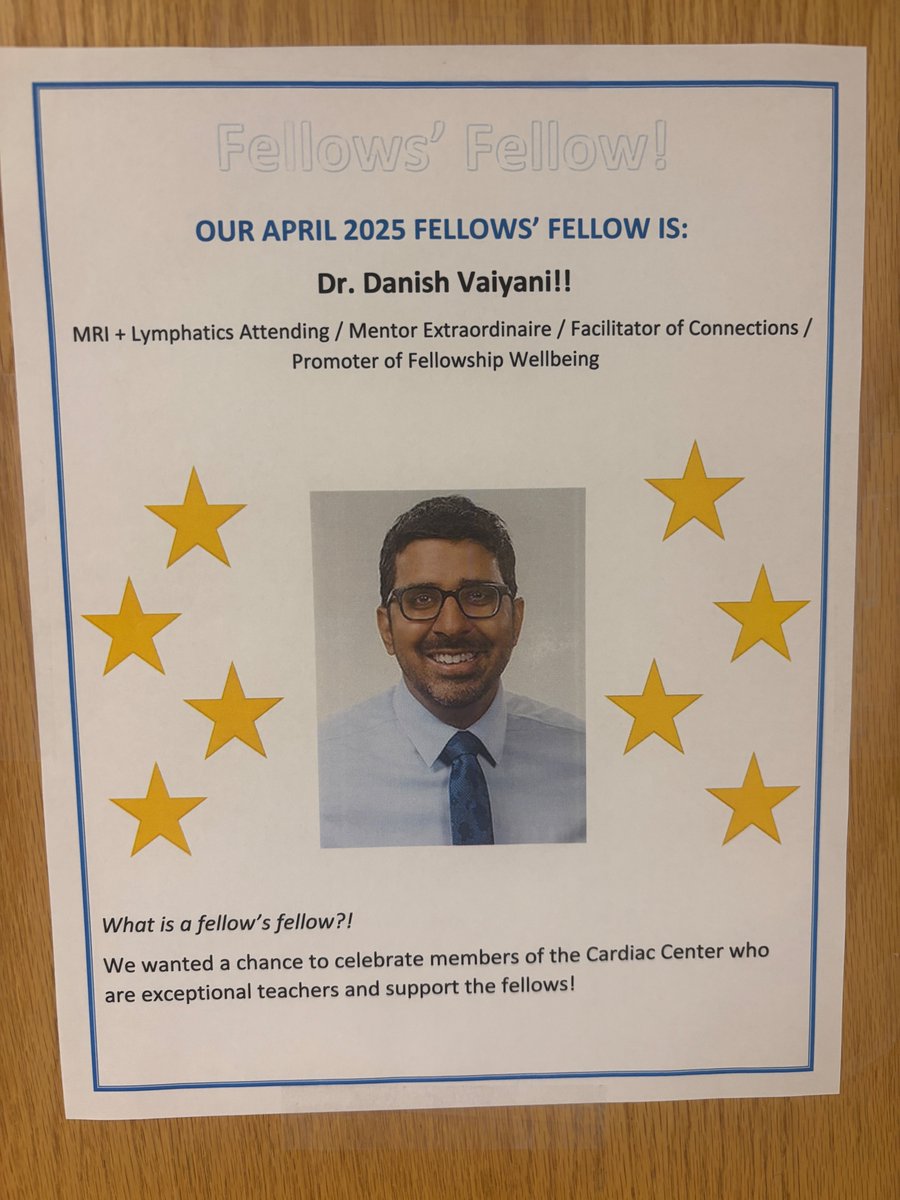
Congratulations to Danish Vaiyani on being awarded the esteemed CHOP "Fellow's Fellow" for April 2025. In addition to his support of clinical fellows, we greatly appreciate his mentorship of our clinical 3D modeling team.
2
10
347
28 Mar 2025
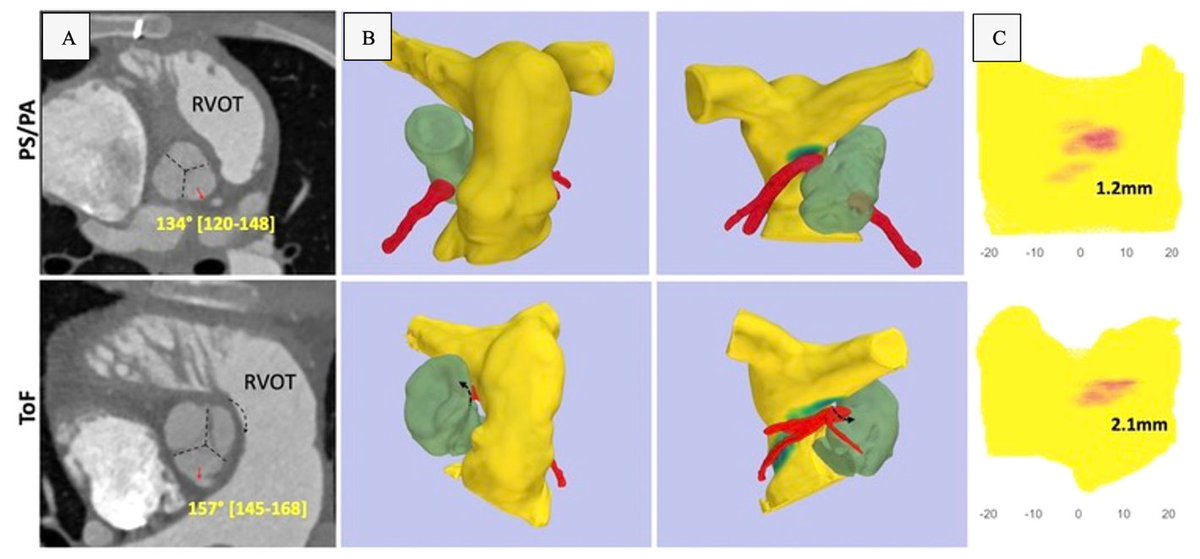
Congratulations to Mudit Gupta, Silvani Amin, @yuvits, @obyrne_md, Andrew Glatz, and team on their publication describing automated quantification of CT images to inform ductal stenting procedures: pubmed.ncbi.nlm.nih.gov/4015…. @picslupenn @pennbioeng @HeartCare4Kids
5
8
476
25 Mar 2025
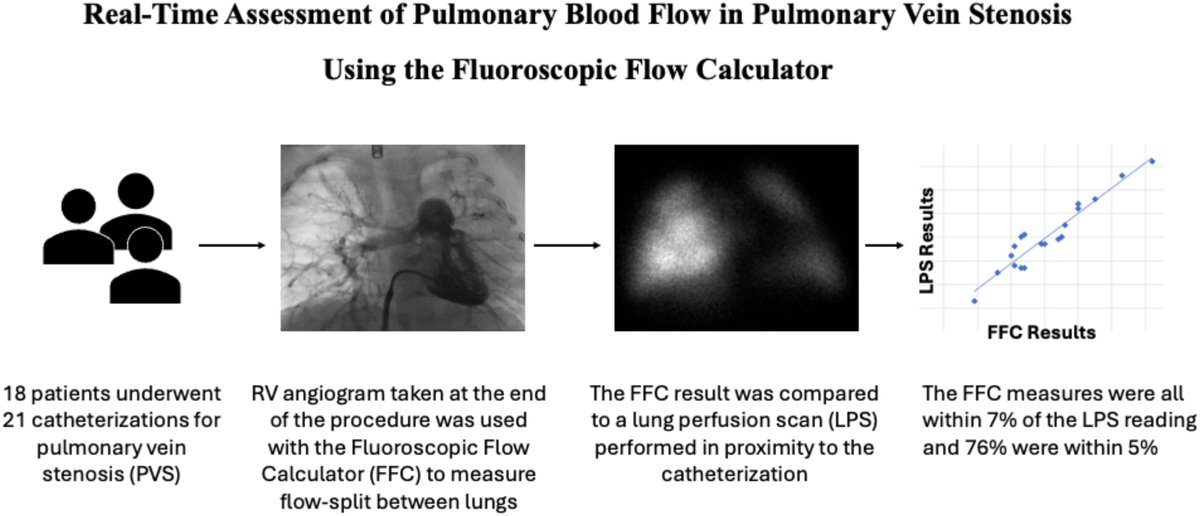
Congratulations to @yuvits, @obyrne_md, Ryan Callahan and team on their publication demonstrating application of the SlicerHeart FFC to children with pulmonary vein stenosis. @HeartCare4Kids @CHOP_Research authors.elsevier.com/sd/arti…
4
9
804
14 Mar 2025
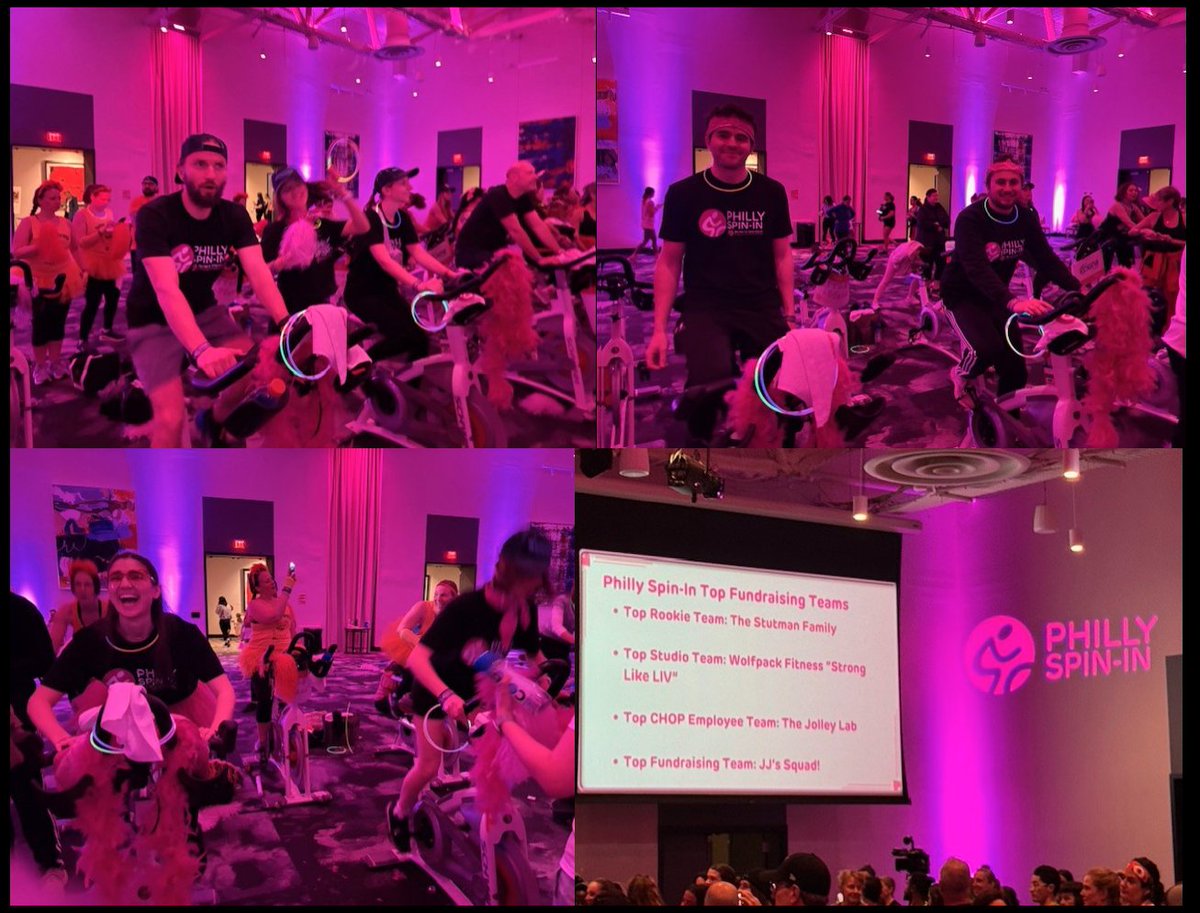
The @JolleyLab was thrilled to participate in the 2025 Philly Spin In to support the Innovation at the @ChildrensPhila Cardiac Center. Our crew had a great time and was honored to be the top CHOP employee fundraising team for 2025. @HeartCare4Kids @CHOP_Research
1
4
221
7 Mar 2025
Congratulations to Yuval Barak-Corren, Vlad Obsekov, and the team on their investigation of image-derived modeling to assess coronary proximity in TPVR with self-expanding valves. pubmed.ncbi.nlm.nih.gov/4004…
3
9
478
28 Feb 2025
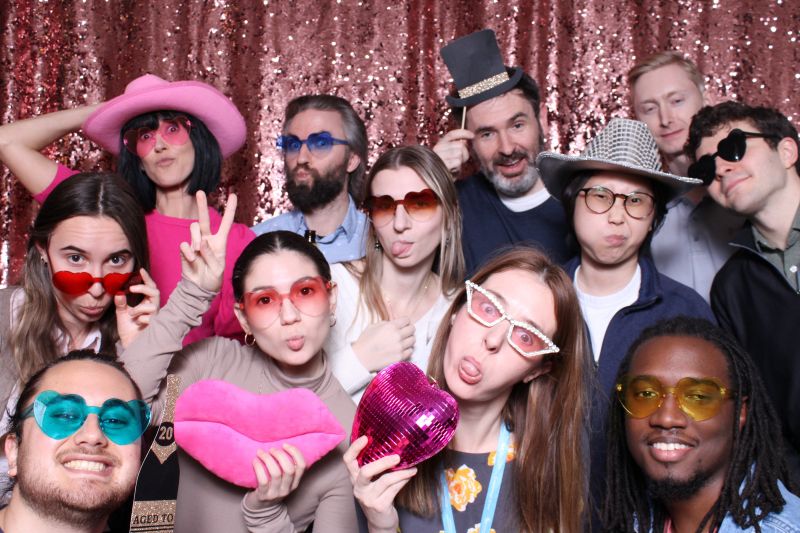
Our work is serious, but the @jolleylab team definitely knows how to enjoy the process. Thank you to @HeartCare4Kids for the Heart Month Celebration at the PENN museum.
10
222
12 Jan 2025
The Jolley Lab is excited to welcome Research Scientist Seda Aslan who just completed her PhD at
@HopkinsEngineer focused on developing multi-physics models of vascular grafts in CHD. Welcome to the team! @HeartCare4Kids @MEAM_Penn @pennbioeng
2
16
879
9 Jan 2025
Congratulations @wensi_wu! We are SO proud of you!
@HeartCare4Kids @CHOP_Research @pennbioeng
blog.me.upenn.edu/wensi-wu/
1
1
294
8 Jan 2025
Congratulations to @Jolleylab RA turned med student @alanacianciulli and team on their publication demonstrating how volume rendered CT can be used to visualize and plan interventions for complex VSDs. @HeartCare4Kids @CHOP_Research @PCOMeducation sciencedirect.com/science/ar…
2
14
573