
Annals of Biomedical Engineering - The flagship journal of the Biomedical Engineering Society covering all biomedical engineering topics.
Joined October 2017
- Tweets 1,702
- Following 128
- Followers 2,166
- Likes 42
1,517 Photos and videos

Jun 13
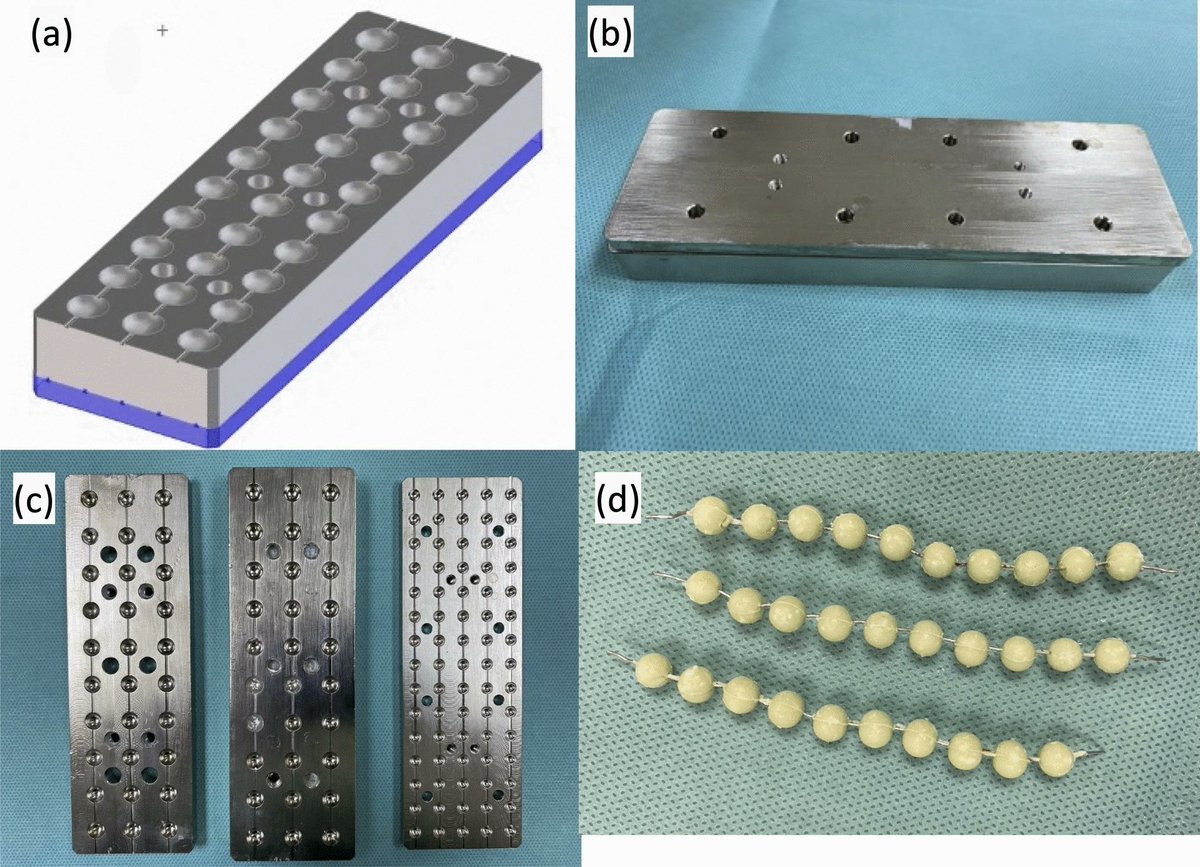
Treating infections around artificial joints requires delivering enough antibiotic to the right place without compromising the materials that support recovery.
Researchers sought to clarify that tradeoff by evaluating how different methods of incorporating vancomycin into bone cement affected antibiotic release, porosity, and mechanical strength. Using a series of lab tests, they compared powdered and liquid formulations across multiple vancomycin concentrations and measured elution over six weeks. Powder-mixed formulations and smaller cement beads delivered higher cumulative drug release, while increasing vancomycin content reduced mechanical strength regardless of mixing method.
Optimizing the formulation of antibiotic-loaded bone cements may help advance a more tailored approach to joint infection management, where local drug delivery and structural performance are calibrated to the needs of each case.
𝗥𝗲𝗮𝗱 𝗺𝗼𝗿𝗲: link.springer.com/article/10…
𝗦𝘁𝘂𝗱𝘆: Elution, Porosity, and Mechanical Performance of Vancomycin-Loaded Polymethylmethacrylate (PMMA) Bone Cement
𝗔𝘂𝘁𝗵𝗼𝗿𝘀: Kwong Weng Loh, Amber Haseeb, Zhi Cheong Lee, Yang Zhen Soo, Cindy Shuan Ju Teh, and Azlina Amir Abbas
@unimalaya
@medicineumalaya
𝗦𝘂𝗯𝗺𝗶𝘁 𝘆𝗼𝘂𝗿 𝗺𝗮𝗻𝘂𝘀𝗰𝗿𝗶𝗽𝘁: link.springer.com/journal/10…
35
Jun 12
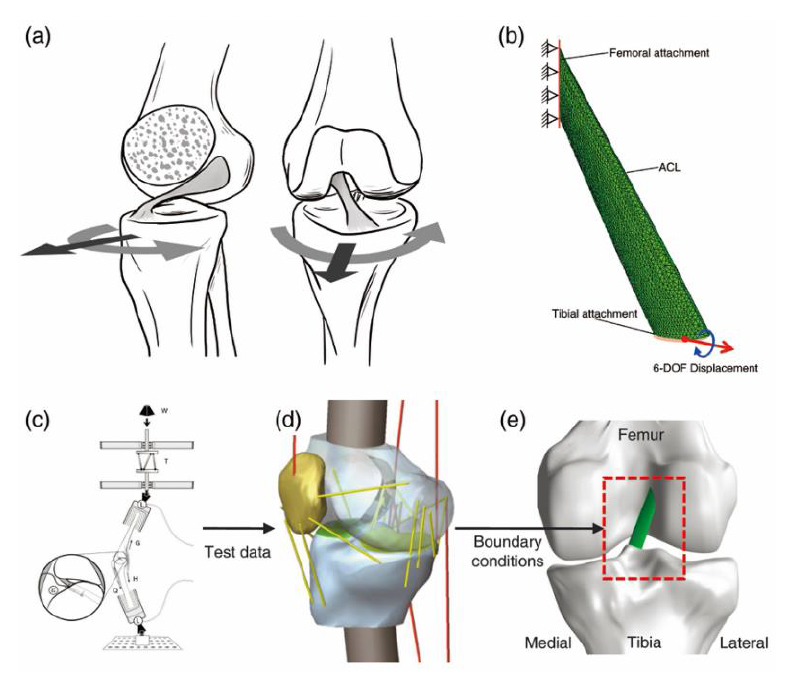
A clearer picture of how ACL tears begin could help athletes avoid one of the most common and devastating knee injuries.
Seeking to pinpoint where these injuries originate, engineers developed a 3D finite element model of the ACL capable of simulating both tear initiation and propagation during pivot landing. Using knee motion data from previously validated simulations, they progressively increased internal tibial torque and tracked how stresses and damage evolved within the ligament. The results showed that stress consistently concentrated near the femoral attachment site, where tears were predicted to begin, with damage spreading farther as rotational torque increased.
Small increases in rotational loading may set the stage for ligament failure – guidance for refining injury prevention strategies, rehabilitation protocols, and return-to-sport decisions.
𝗥𝗲𝗮𝗱 𝗺𝗼𝗿𝗲: link.springer.com/article/10…
𝗦𝘁𝘂𝗱𝘆: Effect of Internal Tibial Torque on ACL Tear at the Femoral Enthesis
𝗔𝘂𝘁𝗵𝗼𝗿𝘀: Yeseop Park, Seunghee Yu, and Youkeun K. Oh
𝗦𝘂𝗯𝗺𝗶𝘁 𝘆𝗼𝘂𝗿 𝗺𝗮𝗻𝘂𝘀𝗰𝗿𝗶𝗽𝘁: link.springer.com/journal/10…
41
Jun 11
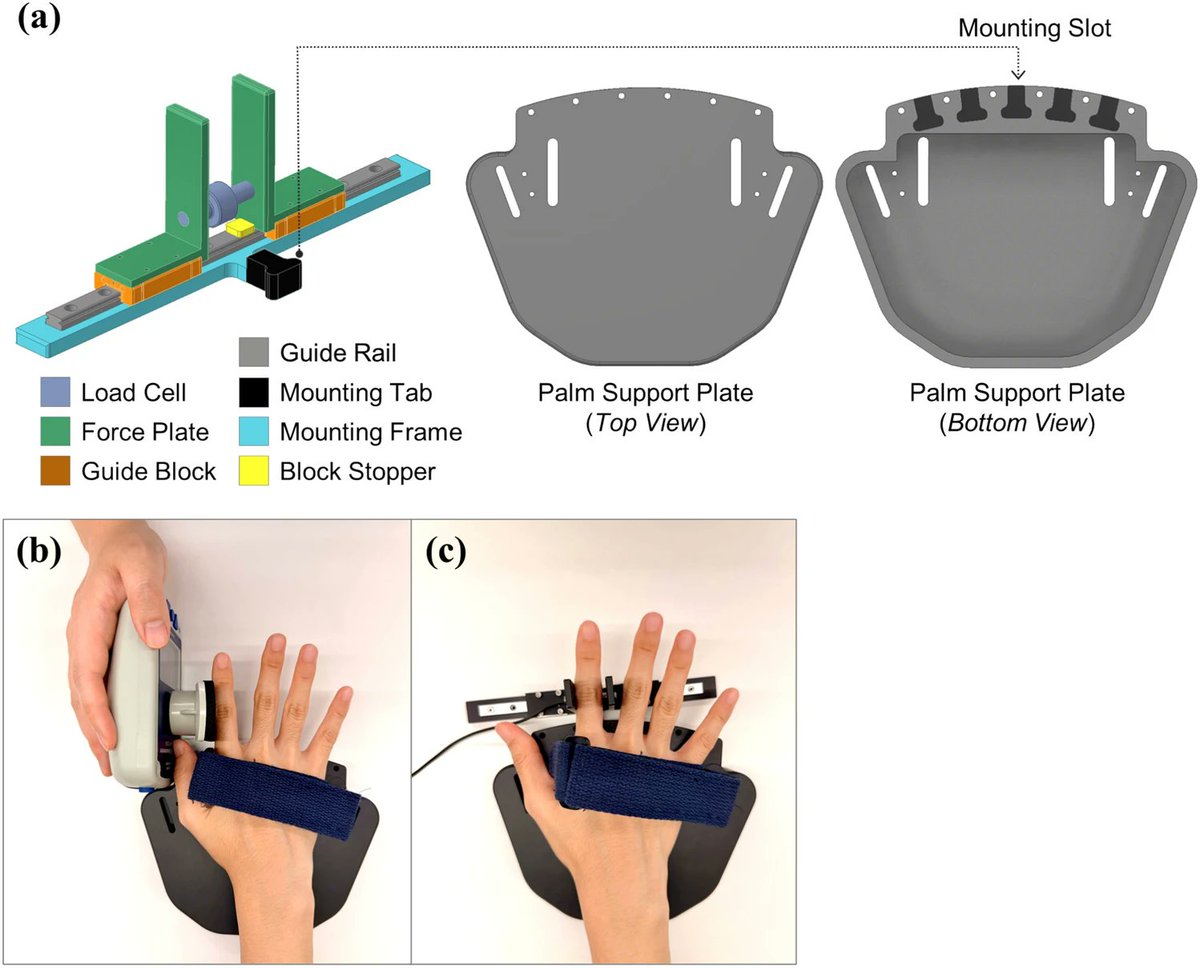
Fine motor tasks become far more challenging when nerve damage weakens the small muscles that control finger movement.
Researchers developed and validated a new Hand Interossei Muscle Dynamometer to help quantify the strength of the muscles responsible for finger abduction and adduction. In testing with 48 healthy adults, the device showed excellent agreement with a handheld dynamometer while delivering stronger inter- and intra-rater reliability and higher user satisfaction. The study also established normative strength values for the index through little fingers, creating a reference point for future clinical evaluation.
Reliable assessment of hand muscle strength could help healthcare providers identify nerve-related problems sooner and track recovery with greater confidence.
𝗥𝗲𝗮𝗱 𝗺𝗼𝗿𝗲: link.springer.com/article/10…
𝗦𝘁𝘂𝗱𝘆: Design and Validation of a Hand Interossei Muscle Dynamometer (HIMDNA) for Finger Abduction and Adduction Strength Measurement
𝗔𝘂𝘁𝗵𝗼𝗿𝘀: Seung Yeon Cho, Geunwu Gimm, Sungwoo Park, Seung Jae Choi, Jaeyoung Kim, Minwoo Cho, Jihyeung Kim, and Sungwan Kim
@SeoulNatlUni
𝗦𝘂𝗯𝗺𝗶𝘁 𝘆𝗼𝘂𝗿 𝗺𝗮𝗻𝘂𝘀𝗰𝗿𝗶𝗽𝘁: link.springer.com/journal/10…
40
Jun 10
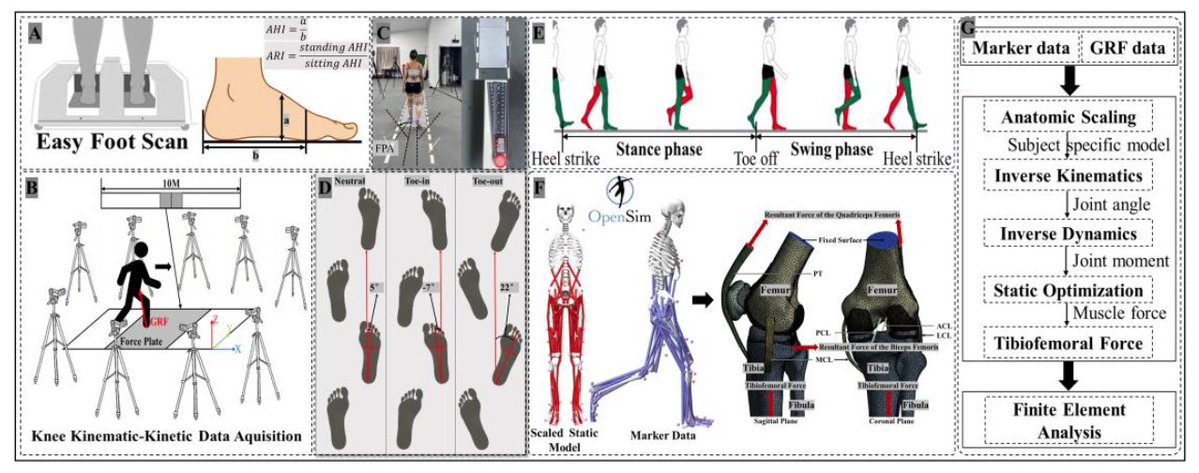
For people with foot and knee alignment issues, subtle changes in walking mechanics may influence how stress is distributed inside the knee.
Looking more closely at how foot position affects knee loading, researchers analyzed walking patterns in 28 individuals with flexible flatfoot under neutral, toe-in, and toe-out conditions. They estimated forces acting across the knee joint and used a finite element model to examine how stress was distributed within the medial meniscus. While a toe-in gait increased tibiofemoral force during part of the walking cycle, it also reduced peak meniscal stress, whereas a toe-out gait produced the highest stress levels.
By revealing how foot progression angle can reshape forces within the knee, this work supports a more individualized approach to gait interventions aimed at protecting joint tissues and promoting long-term knee health.
𝗥𝗲𝗮𝗱 𝗺𝗼𝗿𝗲: link.springer.com/article/10…
𝗦𝘁𝘂𝗱𝘆: Foot Progression Angle Modulates Knee Loading During Walking in Individuals with Flexible Flatfoot
𝗔𝘂𝘁𝗵𝗼𝗿𝘀: Linxiao Shen, Zhenghui Lu, Xin Li, Zifan Xia, Yufan Xu, Chengyuan Zhu, Yang Song, Xuanzhen Cen, Dong Sun, Gusztáv Fekete, and Yaodong Gu
@university_gyor
𝗦𝘂𝗯𝗺𝗶𝘁 𝘆𝗼𝘂𝗿 𝗺𝗮𝗻𝘂𝘀𝗰𝗿𝗶𝗽𝘁: link.springer.com/journal/10…
45
Jun 9
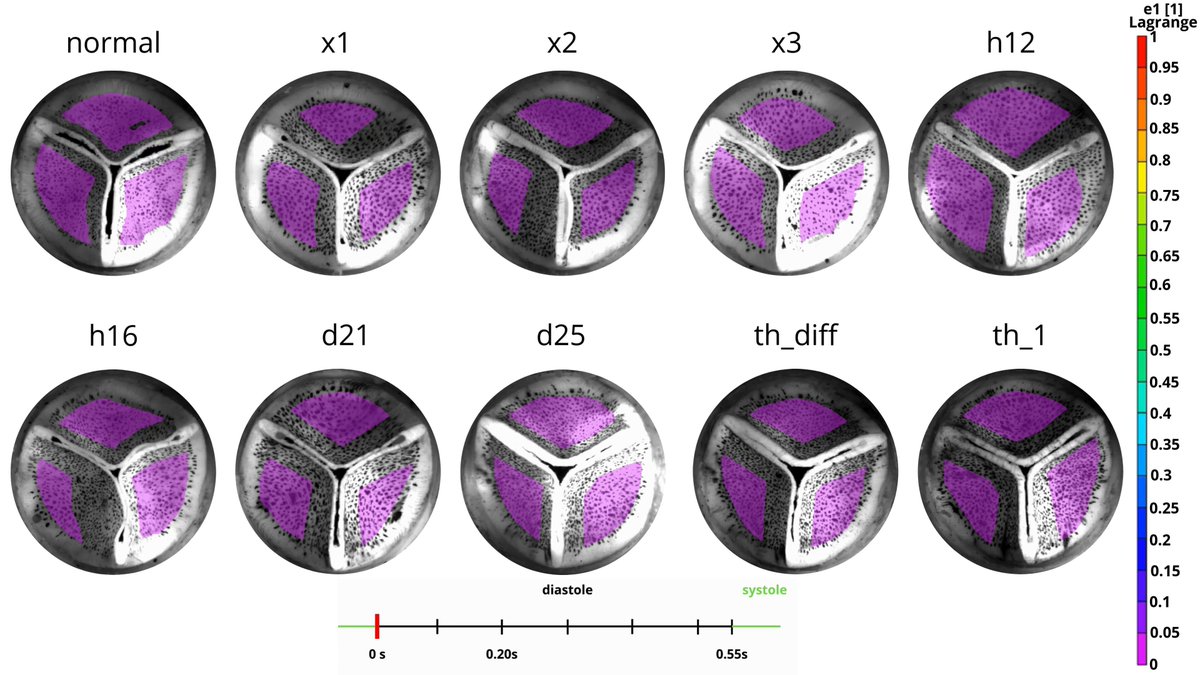
The durability of replacement heart valves may depend as much on their shape as the materials they're made from.
To identify the design features that contribute to long-lasting valve function, researchers created 10 silicone models of aortic bioprosthetic heart valves and tested them in a cardiac simulator.
Using imaging and strain analysis techniques, they evaluated how geometric characteristics affected blood flow, leaflet motion, and mechanical stresses. The results showed that thicker leaflets, smaller valve diameters, and greater leaflet curvature reduced performance, while taller leaflets and a larger free-edge angle improved valve function – though excessive leaflet height also introduced undesirable leaflet motion.
The findings highlight design parameters that may help inform future heart valve development, supporting longer-lasting replacements and reducing the need for repeat procedures.
𝗥𝗲𝗮𝗱 𝗺𝗼𝗿𝗲: link.springer.com/article/10…
𝗦𝘁𝘂𝗱𝘆: Impact of the Design of Aortic Bioprostheses on Valve Function: A Parametric Study
𝗔𝘂𝘁𝗵𝗼𝗿𝘀: Nicolas Bueno, Viktória Stanová, @julien_favier, and @PPibarot
@universitelaval
@IUCPQ
𝗦𝘂𝗯𝗺𝗶𝘁 𝘆𝗼𝘂𝗿 𝗺𝗮𝗻𝘂𝘀𝗰𝗿𝗶𝗽𝘁: link.springer.com/journal/10…
1
78
Jun 8
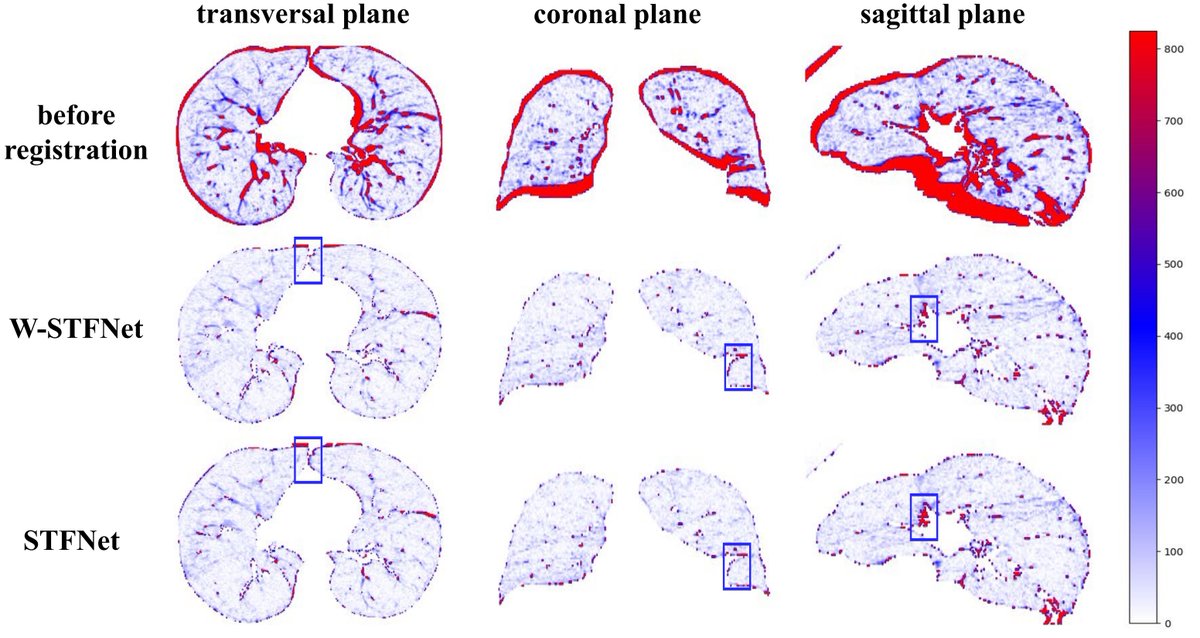
Tracking how a lung tumor shifts during breathing is essential for delivering radiation where it is needed while sparing healthy tissue.
Researchers sought to better account for the anatomical changes that occur as a person breathes, which can make it difficult to keep radiotherapy aligned with a moving target. They developed a patient-specific framework that combines spatiotemporal feature learning with wavelet-based analysis to better handle large breathing-related deformations. Evaluated on two public datasets, the approach achieved competitive registration accuracy and remained stable across cases with varying deformation amplitudes.
Improving how respiratory motion is represented in treatment planning may support more consistent radiation delivery across a wide range of breathing patterns.
𝗥𝗲𝗮𝗱 𝗺𝗼𝗿𝗲: link.springer.com/article/10…
𝗦𝘁𝘂𝗱𝘆: W-STFNet: A Wavelet Transform-Based Regularized Hybrid Recursive Spatiotemporal Fusion Registration Network
𝗔𝘂𝘁𝗵𝗼𝗿𝘀: Xing Chen, Xinyu Liu, Zhijia Wang, and Ying Wei
@ShandongU
𝗦𝘂𝗯𝗺𝗶𝘁 𝘆𝗼𝘂𝗿 𝗺𝗮𝗻𝘂𝘀𝗰𝗿𝗶𝗽𝘁: link.springer.com/journal/10…
1
1
75
Jun 8
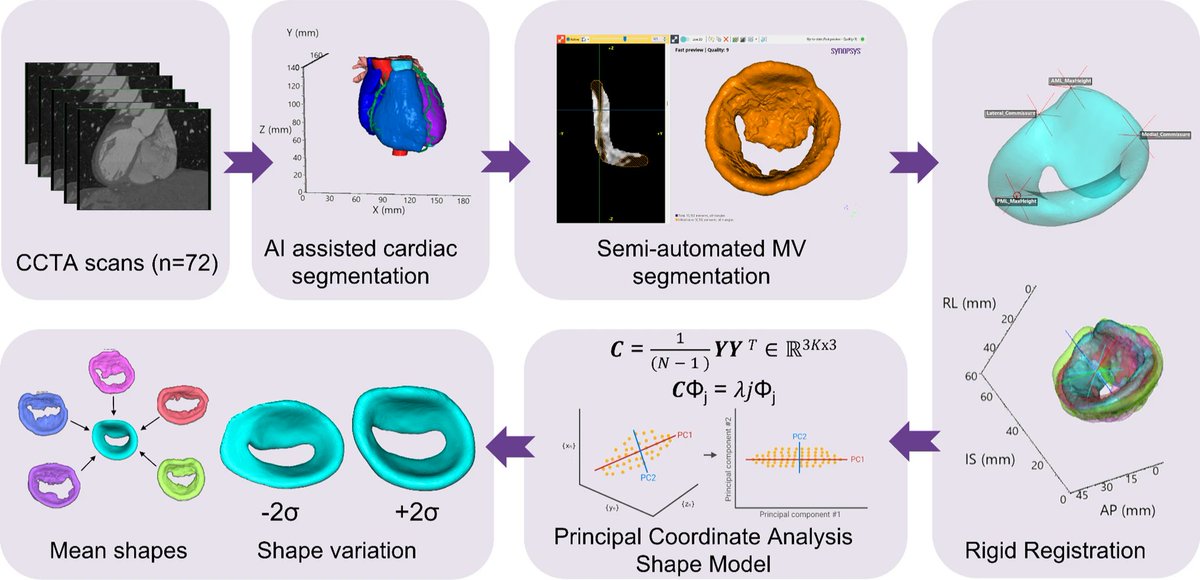
Designing and testing heart valve therapies is difficult when virtual models do not fully reflect the range of anatomy seen in the real world.
Addressing that gap, researchers constructed a statistical shape model of the mitral valve from 72 contrast-enhanced CTA scans to characterize anatomical variation and generate realistic virtual populations for computational studies. Principal component analysis identified key patterns of shape variation that aligned with previously reported observations, supporting the model's physiological relevance. The framework represented a broad range of mitral valve geometries without relying on predefined landmarks or linear measurements.
Capturing anatomical diversity with greater fidelity could help ensure that virtual testing reflects the complexity of the people who ultimately receive heart valve treatment.
𝗥𝗲𝗮𝗱 𝗺𝗼𝗿𝗲: link.springer.com/article/10…
𝗦𝘁𝘂𝗱𝘆: Morphological Variation in the Human Mitral Valve Using Statistical Shape Modelling
𝗔𝘂𝘁𝗵𝗼𝗿𝘀: @hyabmehari, Chris Goddard, Rebecca Bryan, George Hyde-Linaker, and @claireconwayphd
@RCSI_Irl
@Synopsys
𝗦𝘂𝗯𝗺𝗶𝘁 𝘆𝗼𝘂𝗿 𝗺𝗮𝗻𝘂𝘀𝗰𝗿𝗶𝗽𝘁: link.springer.com/journal/10…
1
85
Jun 6
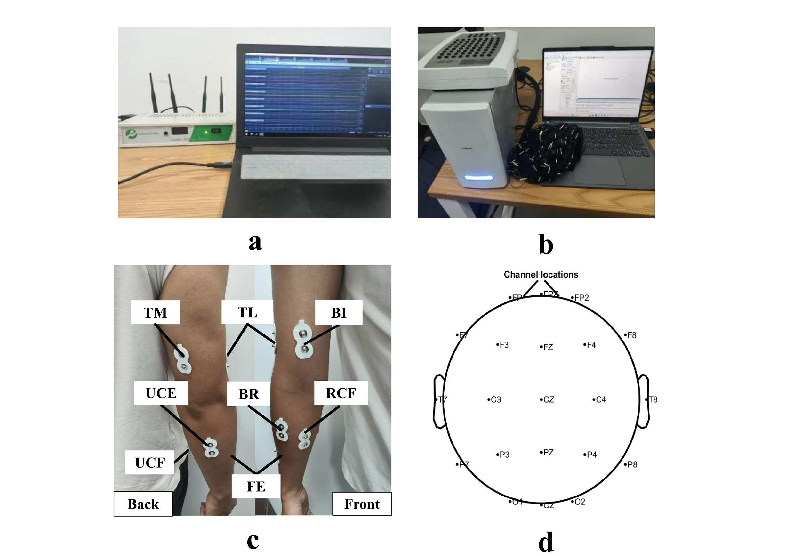
Muscle fatigue is more than tired muscles – it reflects coordinated changes across the brain and body that can alter how movement is controlled.
Scientists characterized these changes by simultaneously recording brain activity and muscle activity from 16 participants performing sustained elbow flexion tasks under both non-fatigued and fatigued conditions.
Rather than analyzing individual signals in isolation, they constructed parallel functional networks to examine how information was organized and exchanged across the brain and muscle systems. The results showed that fatigue was associated with stronger clustering and more efficient information transfer within both networks, particularly in the beta-band brain network, suggesting that fatigue is characterized by system-wide reorganization rather than isolated physiological changes.
Providing a clearer picture of how the brain and muscles adapt to fatigue could support new ways to monitor recovery and readiness during rehabilitation.
𝗥𝗲𝗮𝗱 𝗺𝗼𝗿𝗲: link.springer.com/article/10…
𝗦𝘁𝘂𝗱𝘆: Upper Limb Fatigue Information Variation Analysis Based on Parallel Brain and Muscle Functional Networks
𝗔𝘂𝘁𝗵𝗼𝗿𝘀: Xiaoguang Liu, Pengyuan Lin, Aoqi Guo, Tie Liang, Jun Li, and Zhaopeng Li
𝗦𝘂𝗯𝗺𝗶𝘁 𝘆𝗼𝘂𝗿 𝗺𝗮𝗻𝘂𝘀𝗰𝗿𝗶𝗽𝘁: link.springer.com/journal/10…
77
Jun 6
A blood-contacting medical device is only as safe as our ability to predict whether it will damage the blood flowing through it.
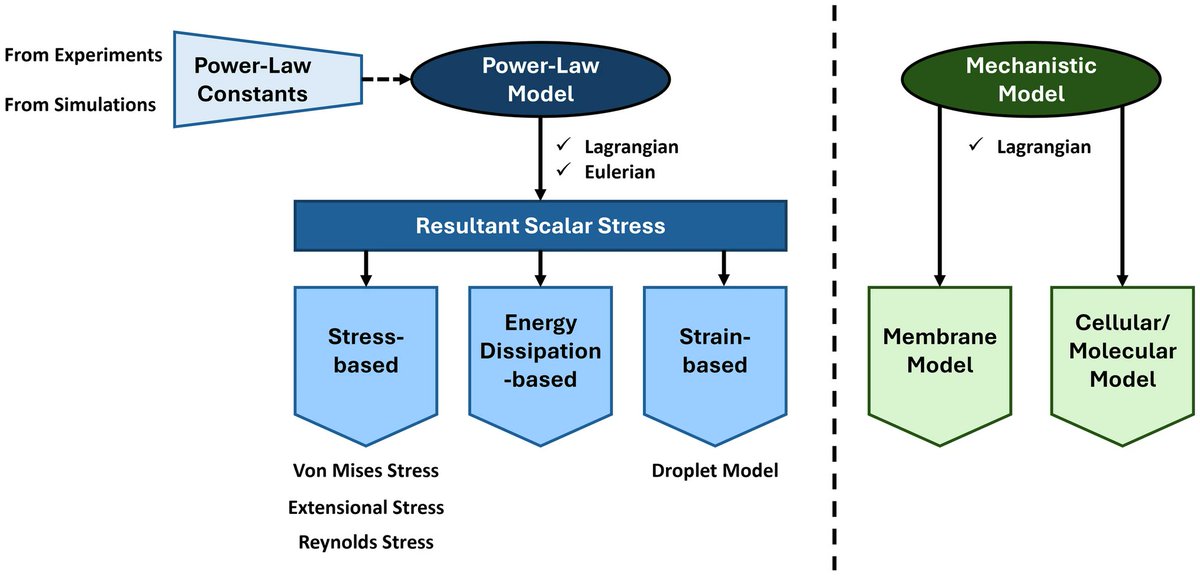
Reviewing decades of blood damage prediction research, engineers evaluated computational hemolysis models ranging from early stress-based equations to newer strain-based approaches that represent red blood cells at cellular and molecular scales.
The review analyzed how different definitions of shear stress, turbulence effects, and blood cell deformation have been incorporated into predictive models, while also cataloging the wide range of model constants reported across the literature. It further compared Lagrangian and Eulerian simulation frameworks and highlighted emerging strategies aimed at improving the reliability and predictive accuracy of blood damage assessments for cardiovascular devices.
Bringing together the assumptions, formulations, and parameters used across hemolysis models could help pave the way for safer blood-contacting devices before they ever reach a patient.
𝗥𝗲𝗮𝗱 𝗺𝗼𝗿𝗲: link.springer.com/article/10…
𝗥𝗲𝘃𝗶𝗲𝘄: From Early Models to Emerging Trends: The Evolution of Computational Hemolysis Prediction
𝗔𝘂𝘁𝗵𝗼𝗿𝘀: Ilaria Guidetti, Maria Laura Costantino, and @fra1986
@polimi
@LaBS_Polimi
𝗦𝘂𝗯𝗺𝗶𝘁 𝘆𝗼𝘂𝗿 𝗺𝗮𝗻𝘂𝘀𝗰𝗿𝗶𝗽𝘁: link.springer.com/journal/10…
1
52
Jun 5
Accurate ultrasound measurements are essential for diagnosing and monitoring foot conditions, but even small imaging errors can lead to misleading assessments of tissue thickness.
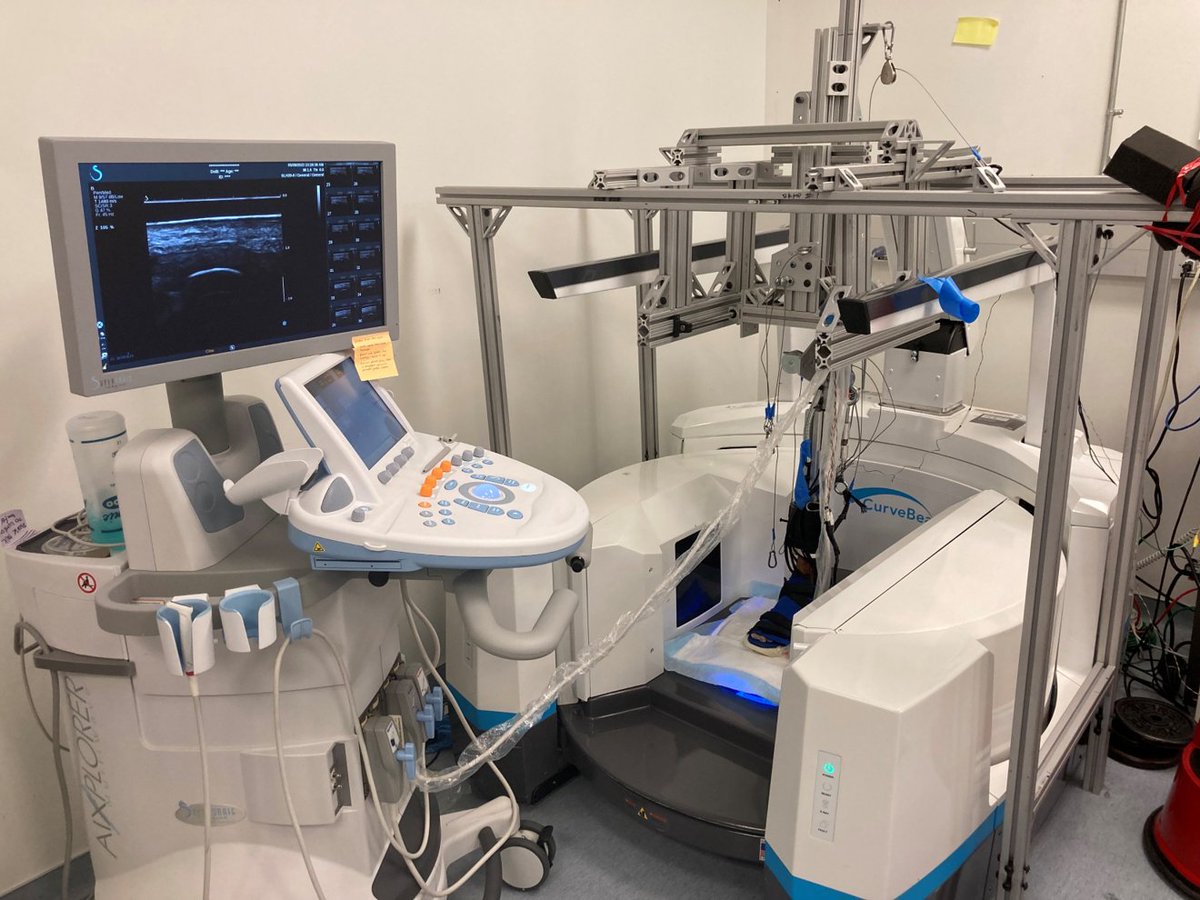
To better understand one source of these discrepancies, researchers investigated whether the standard speed of sound used in ultrasound image reconstruction accurately represents plantar soft tissue thickness. By comparing quasi-simultaneous CT and ultrasound scans of cadaveric feet reconstructed using different assumed speeds of sound, they found that values around 1600 m/s produced substantially lower measurement errors than the conventional 1540 m/s setting. The analysis also suggested ideal speeds of sound slightly above 1600 m/s for both the heel and forefoot, although the authors noted that further in vivo studies are needed to confirm these findings.
Tailoring ultrasound reconstruction settings to plantar soft tissue characteristics could help clinicians make more informed decisions when evaluating foot tissue thickness and monitoring changes over time.
𝗥𝗲𝗮𝗱 𝗺𝗼𝗿𝗲: link.springer.com/article/10…
𝗦𝘁𝘂𝗱𝘆: Characterization of the Ideal Speed of Sound for Plantar Soft Tissue Using Quasi-Simultaneous Ultrasound and Computed Tomography in Cadaveric Feet
𝗔𝘂𝘁𝗵𝗼𝗿𝘀: Nicholas R. Ozanich, Ellen Y. Li, Scott Telfer, and William R. Ledoux
@VAPugetSound
@UW
@uwengineering
@ME_at_UW
@uwsomwwami
@UWOrthopaedics
𝗦𝘂𝗯𝗺𝗶𝘁 𝘆𝗼𝘂𝗿 𝗺𝗮𝗻𝘂𝘀𝗰𝗿𝗶𝗽𝘁: link.springer.com/journal/10…
50
Jun 4
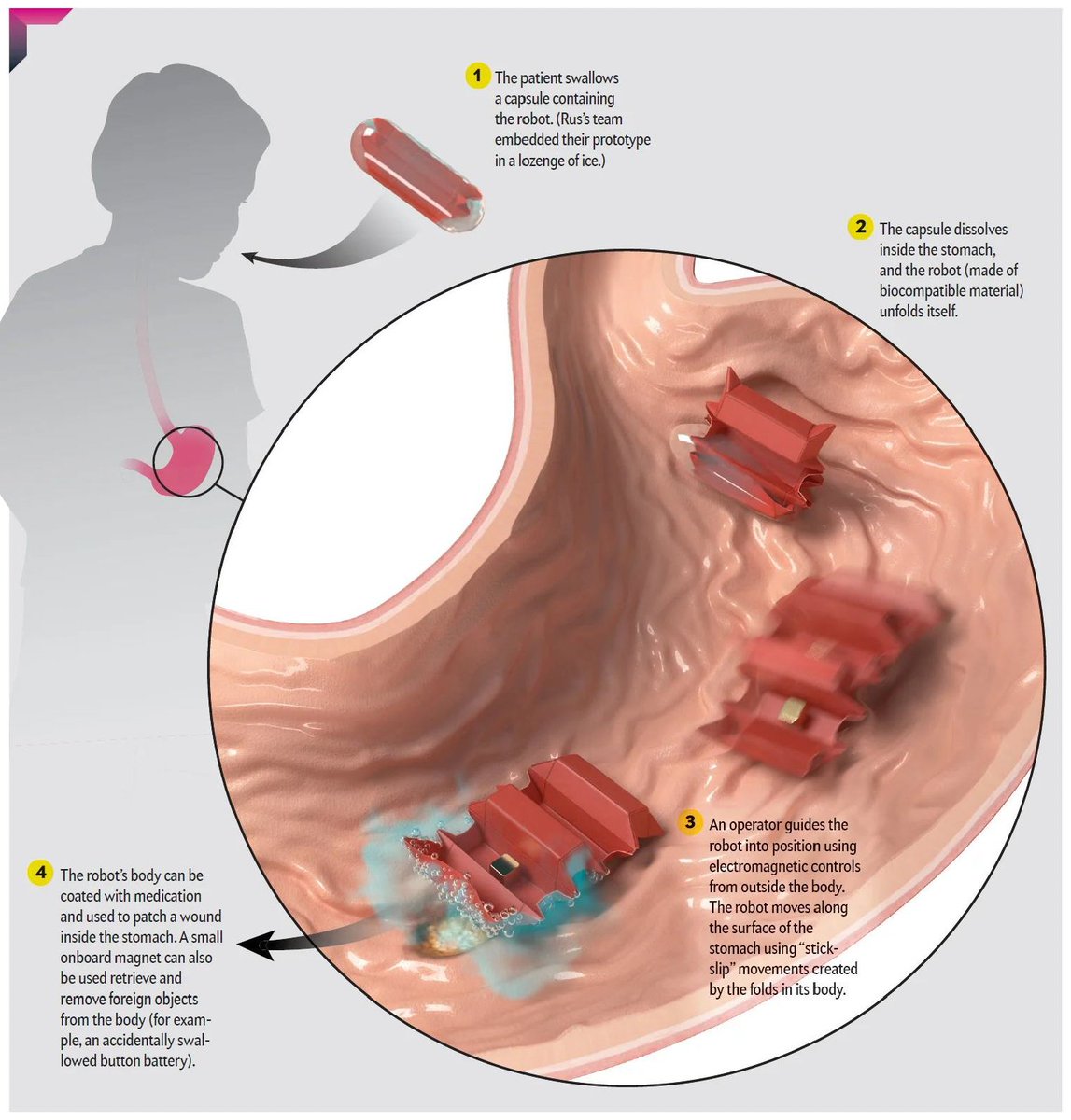
Origami-inspired medical devices could help doctors reach, diagnose, and treat hard-to-access areas of the body with far less disruption than conventional tools.
An engineer reviewed advances in origami robotics for biomedical applications, examining how folding-based designs are being used to create compact, adaptable devices for a range of minimally invasive medical technologies.
Surveying literature published between 2010 and 2025, the review found that origami-inspired systems can achieve extreme miniaturization, flexible deployment, and enhanced functionality in minimally invasive settings. The author also highlighted growing interest in smart and bioresorbable materials while identifying ongoing challenges related to biocompatibility, control precision, performance standards, and regulatory approval.
Further development of origami robotics could open the door to a new generation of medical devices that are smaller, smarter, and better suited to navigating the complexities of the human body.
𝗥𝗲𝗮𝗱 𝗺𝗼𝗿𝗲: link.springer.com/article/10…
𝗥𝗲𝘃𝗶𝗲𝘄: Origami Robotics in Biomedical Applications: A Paradigm Shift in Design and Innovation
𝗔𝘂𝘁𝗵𝗼𝗿: Ammar Alzaydi
@KFUPM_ENG
𝗦𝘂𝗯𝗺𝗶𝘁 𝘆𝗼𝘂𝗿 𝗺𝗮𝗻𝘂𝘀𝗰𝗿𝗶𝗽𝘁: link.springer.com/journal/10…
1
118
Jun 4
Deeper insight into how bone cells sense physical forces could open new paths for treating diseases that weaken or damage the skeleton.
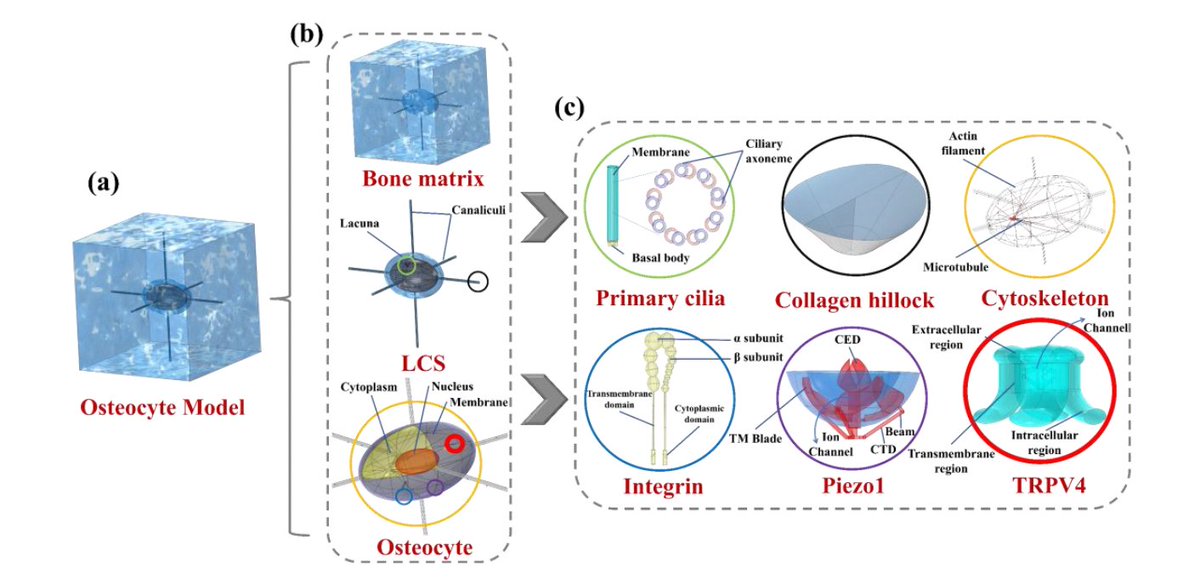
Exploring the biological machinery behind this process, researchers developed a finite element model that captured interactions among the bone matrix, osteocytes, their surrounding fluid-filled lacunar-canalicular network, and the mechanosensitive ion channel TRPV4.
By simulating the mix of forces and signals that bone cells experience during loading, they examined how TRPV4 responds within its complex cellular environment. The simulations showed that fluid flow was a particularly important trigger of TRPV4 activation, while interactions with primary cilia and the signaling protein RhoA further shaped its mechanical response.
Viewing bone as an electrically active tissue, rather than simply a structural one, could create new possibilities for addressing skeletal disorders.
𝗥𝗲𝗮𝗱 𝗺𝗼𝗿𝗲: link.springer.com/article/10…
𝗦𝘁𝘂𝗱𝘆: Mechanobiological Response of Osteocyte TRPV4 Base on the Piezoelectricity of Bone Matrix
𝗔𝘂𝘁𝗵𝗼𝗿𝘀: Shibo Gu, Yuqing Duanwang, Yinuo Zhao, Shuo Gao, Haochen Li, Xinrui Wu, Quanyou Zhang, Yanru Xue, Meng Zhang, Xiaogang Wu, and Weiyi Chen
𝗦𝘂𝗯𝗺𝗶𝘁 𝘆𝗼𝘂𝗿 𝗺𝗮𝗻𝘂𝘀𝗰𝗿𝗶𝗽𝘁: link.springer.com/journal/10…
55
Jun 3
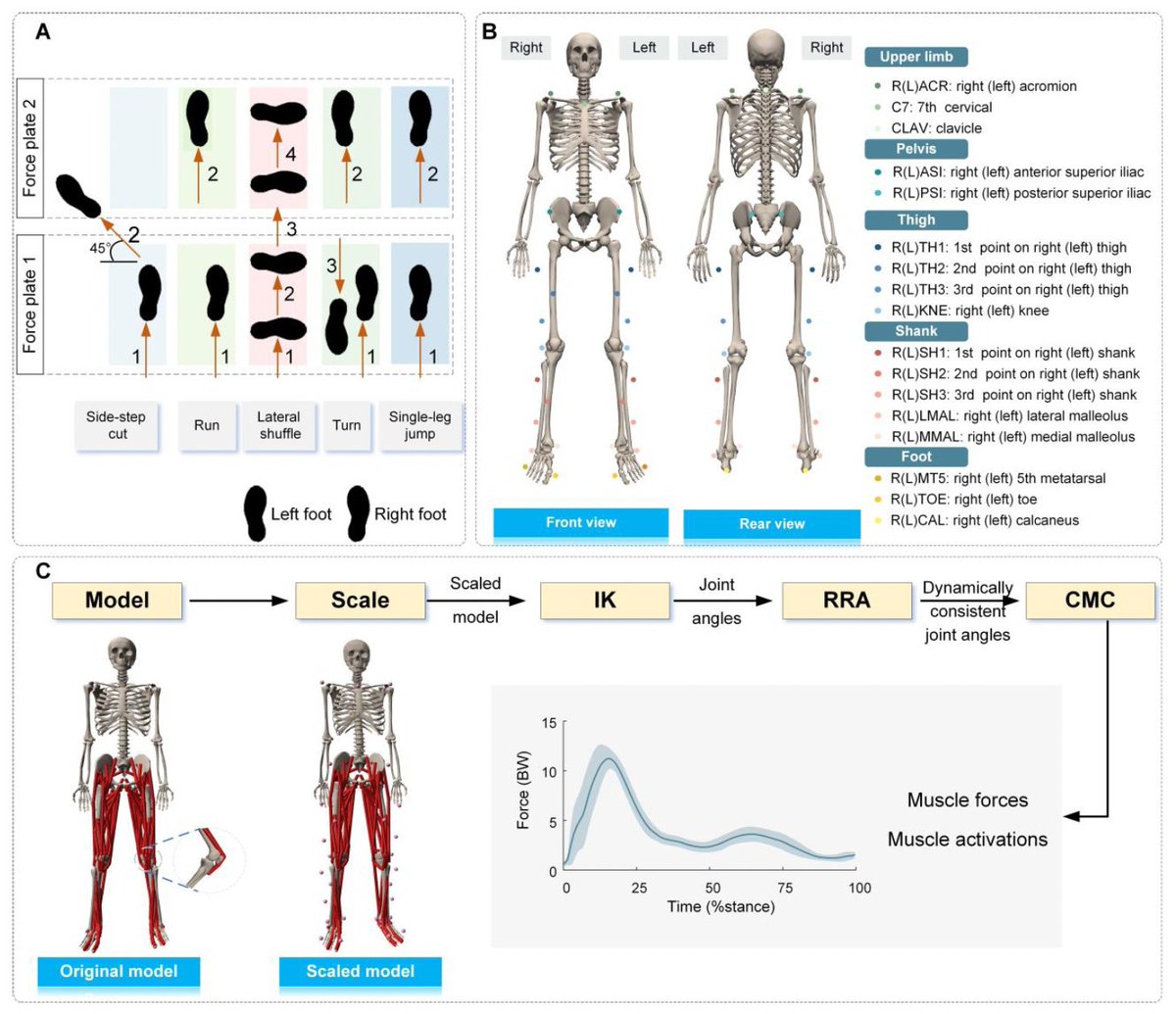
Knee pain during adolescence can sideline young athletes, but the forces driving these injuries may differ more between sports than many realize.
Researchers examined whether the characteristic movements of soccer and basketball place different levels of stress on the developing knee in adolescent female athletes, with a focus on Osgood-Schlatter disease, an overuse injury involving irritation where the patellar tendon attaches below the knee.
Using motion capture, force plate data, electromyography, and musculoskeletal modeling, they identified the movements in each sport that generated the greatest traction on the tibial tuberosity. Single-leg jumps produced the highest forces in basketball, while cutting and turning movements generated the greatest loads in soccer, with soccer athletes exhibiting significantly higher overall peak quadriceps forces.
These findings shed new light on sport-specific knee-loading demands, creating opportunities to better protect young athletes during critical stages of growth.
𝗥𝗲𝗮𝗱 𝗺𝗼𝗿𝗲: link.springer.com/article/10…
𝗦𝘁𝘂𝗱𝘆: Quantitative Analysis of Quadriceps Muscle Forces When Adolescent Females Perform Typical Motions in Soccer or Basketball
𝗔𝘂𝘁𝗵𝗼𝗿𝘀: Xueying Zhang, Mingxia Gong, Weiyan Ren, Xingyue Wang, Jie Yao, and Fang Pu
@Beihang1952
𝗦𝘂𝗯𝗺𝗶𝘁 𝘆𝗼𝘂𝗿 𝗺𝗮𝗻𝘂𝘀𝗰𝗿𝗶𝗽𝘁: link.springer.com/journal/10…
2
2
359
Jun 2
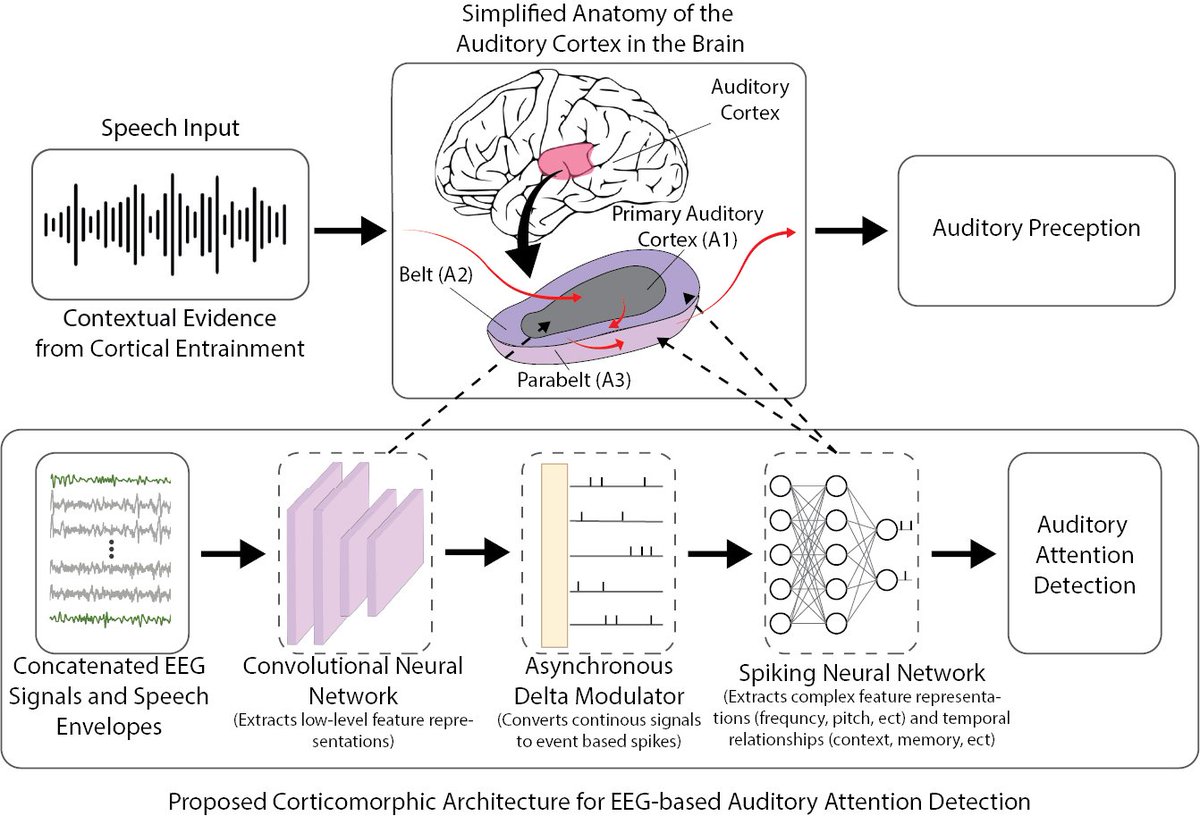
Following a single conversation in a noisy environment is a longstanding goal for hearing aids and other assistive listening technologies.
To help make this possible in real-world devices, researchers developed a brain-inspired neural network that identifies which speaker a listener is focusing on using electroencephalography (EEG) signals and speech data from multiple talkers. The model was designed for edge computing environments by reducing the number of EEG channels, lowering computational demands, and compressing network parameters. Compared with existing approaches, it achieved up to 10% higher decoding accuracy while using 87.5% fewer EEG channels and 75% lower weight precision.
Advances in low-power auditory attention decoding could accelerate the transition of next-generation hearing technologies from research to everyday use.
𝗥𝗲𝗮𝗱 𝗺𝗼𝗿𝗲: link.springer.com/article/10…
𝗦𝘁𝘂𝗱𝘆: Corticomorphic Hybrid CNN-SNN Architecture for EEG-Based Low-Footprint Low-Latency Auditory Attention Detection
𝗔𝘂𝘁𝗵𝗼𝗿𝘀: Richard Gall, Deniz Kocanaogullari, Murat Akcakaya, Nicole Laffan, Deniz Erdogmus, and Rajkumar Kubendran
@PittTweet
@PittEngineering
@PittECE
@Northeastern
@NortheasternCOE
@northeasternece
@NUBouve
𝗦𝘂𝗯𝗺𝗶𝘁 𝘆𝗼𝘂𝗿 𝗺𝗮𝗻𝘂𝘀𝗰𝗿𝗶𝗽𝘁: link.springer.com/journal/10…
92
Jun 2
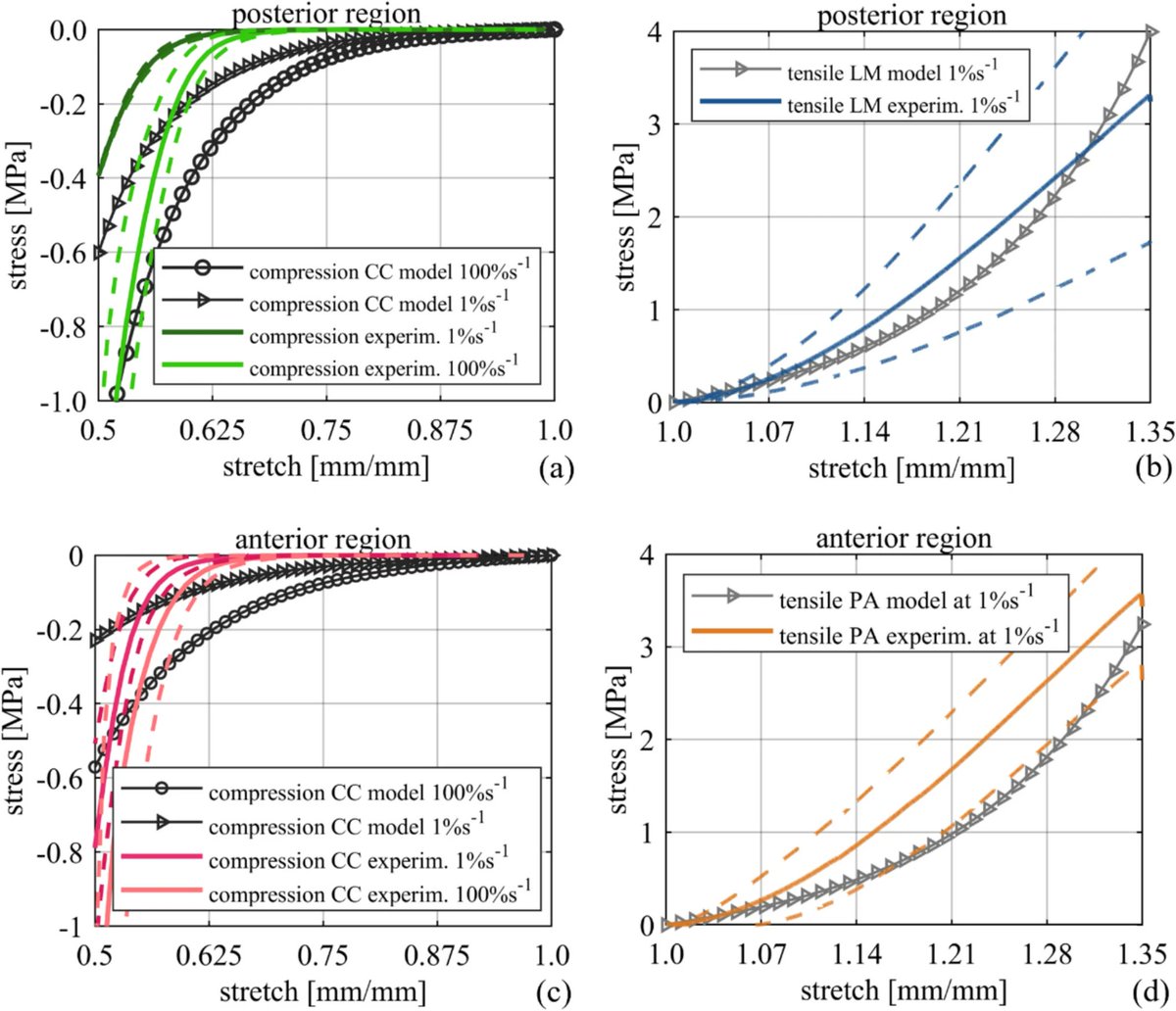
Foot ulcers in people with diabetes are among the most difficult wounds to prevent and heal because we still do not fully understand how plantar skin responds to mechanical stress.
Investigating these tissue responses, researchers combined tensile, compression, and stress relaxation experiments with computational modeling. The study showed that plantar skin behaves differently depending on direction, loading rate, and location within the foot, with posterior regions exhibiting greater stiffness under several testing conditions. The resulting anisotropic visco-hyperelastic model successfully captured the tissue’s complex, time-dependent response and offers a framework for developing diagnostic tools and engineered skin substitutes.
Refining models of plantar skin mechanics could lead to earlier risk detection, smarter protective therapies, and fewer devastating foot complications.
𝗥𝗲𝗮𝗱 𝗺𝗼𝗿𝗲: link.springer.com/article/10…
𝗦𝘁𝘂𝗱𝘆: Biomechanics of Human Plantar Skin: Experimental and Constitutive Analysis
𝗔𝘂𝘁𝗵𝗼𝗿𝘀: Chiara Giulia Fontanella, Sofia Pettenuzzo, Alice Berardo, Elisa Belluzzi, Assunta Pozzuoli, Pietro Ruggieri, and Emanuele Luigi Carniel
@UniPadova
𝗦𝘂𝗯𝗺𝗶𝘁 𝘆𝗼𝘂𝗿 𝗺𝗮𝗻𝘂𝘀𝗰𝗿𝗶𝗽𝘁: link.springer.com/journal/10…
69
Jun 1
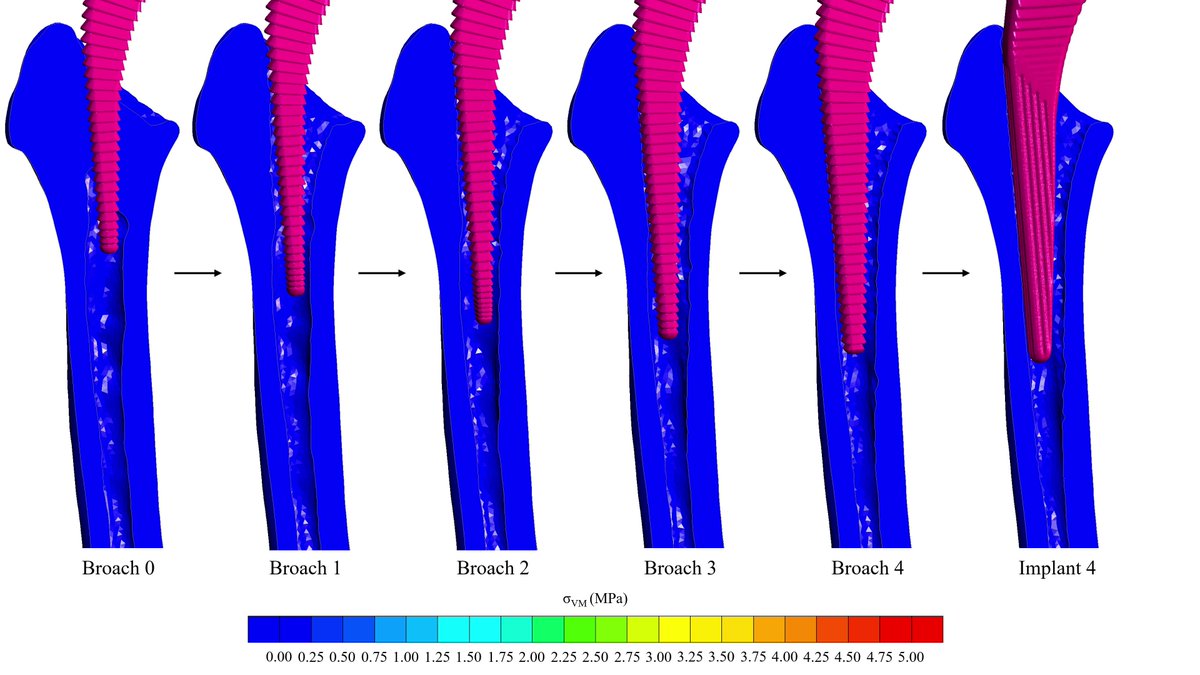
Hip replacement outcomes still depend heavily on how well surgeons can evaluate implant stability before surgery begins.
Researchers introduced a finite element analysis framework that simulates the step-by-step implantation process in uncemented total hip arthroplasty, enabling assessment of implant stability and supporting future evaluation of fracture risk before surgery.
The model combined patient-specific bone anatomy and material properties, then tested its predictions against experimental measurements. Across four case studies, it produced more accurate results than a commonly used modeling approach while consistently predicting implant stability levels favorable for bone integration.
By accounting for how each femur responds to implantation, this work could help shift preoperative planning from generalized assumptions to patient-specific insight.
𝗥𝗲𝗮𝗱 𝗺𝗼𝗿𝗲: link.springer.com/article/10…
𝗦𝘁𝘂𝗱𝘆: Development of a Patient-Specific Finite Element Analysis for Uncemented Total Hip Arthroplasty: A Step Towards Objective Surgical Planning
𝗔𝘂𝘁𝗵𝗼𝗿𝘀: Vineet Seemala, Mark A. Williams, Richard King, and Arnab Palit
@uniofwarwick
@wmgwarwick
@nhsuhcw
𝗦𝘂𝗯𝗺𝗶𝘁 𝘆𝗼𝘂𝗿 𝗺𝗮𝗻𝘂𝘀𝗰𝗿𝗶𝗽𝘁: link.springer.com/journal/10…
69
May 30
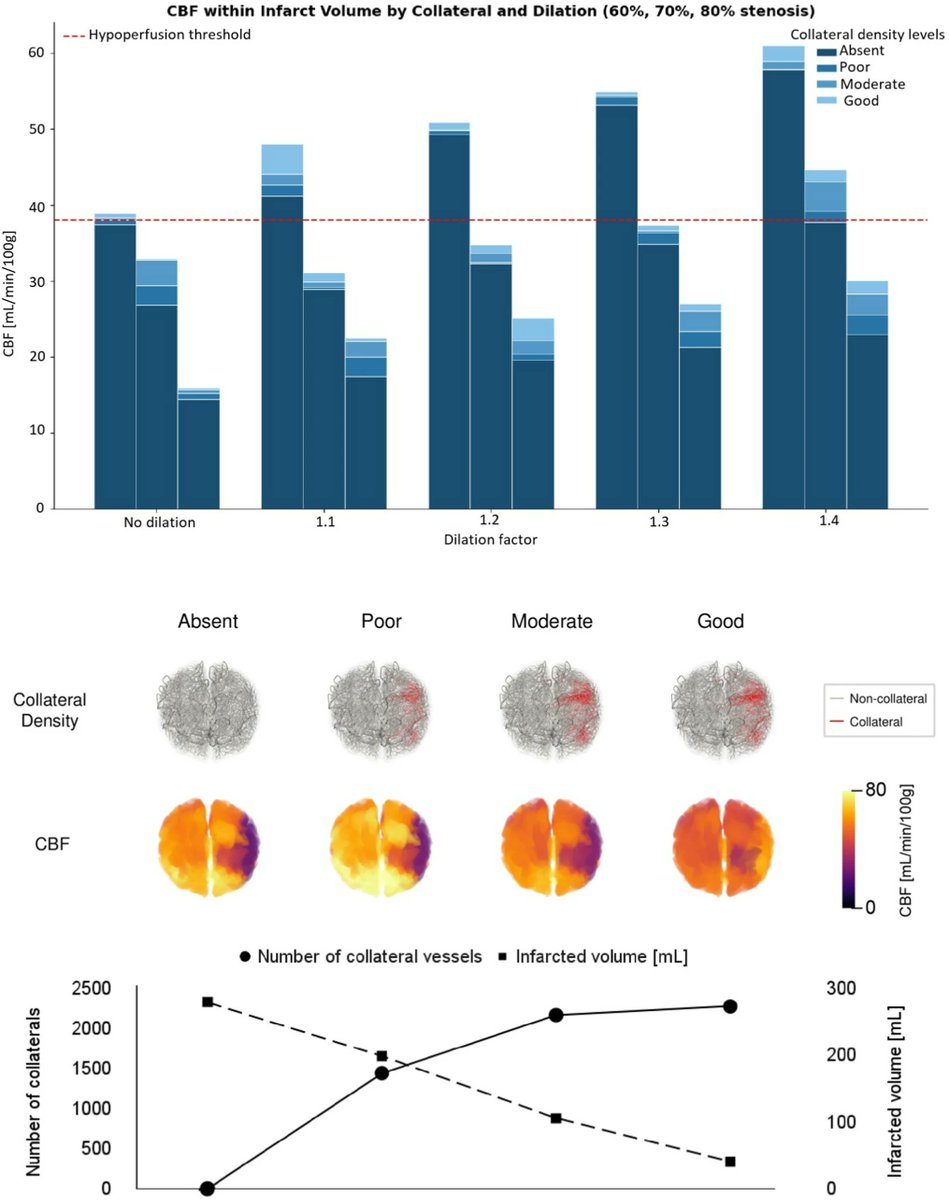
When blood flow to the brain is disrupted, accurately predicting the brain’s compensatory response is essential for improving stroke care.
To better capture this adaptation, researchers developed multiscale simulations incorporating varying collateral vessel configurations and vasodilation capacities. Using both idealized and subject-specific cerebrovascular models, the study found that collateral vessels alone provided limited perfusion recovery, while arteriolar vasodilation played the dominant role in restoring blood flow to ischemic tissue. The simulations aligned closely with clinical observations and enabled accurate modeling of the brain’s autoregulatory response.
Enhanced computational stroke models could improve prediction, treatment planning, and individualized care by more faithfully representing how the brain responds under ischemic conditions.
𝗥𝗲𝗮𝗱 𝗺𝗼𝗿𝗲: link.springer.com/article/10…
𝗦𝘁𝘂𝗱𝘆: Computational Modeling of Collateral Circulation and Arteriolar Vasodilation in Ischemic Tissue Perfusion
𝗔𝘂𝘁𝗵𝗼𝗿𝘀: Nolan Moreaux, Chang Min Lee, Bon-Kwon Koo, Keun-Hwa Jung, Jung-Kyu Han, Hyeyeon Chang, and Hyun Jin Kim
@kaistpr
@KAISTCoE
@kaist_me
@snuh_official
𝗦𝘂𝗯𝗺𝗶𝘁 𝘆𝗼𝘂𝗿 𝗺𝗮𝗻𝘂𝘀𝗰𝗿𝗶𝗽𝘁: link.springer.com/journal/10…
1
1
205
May 29
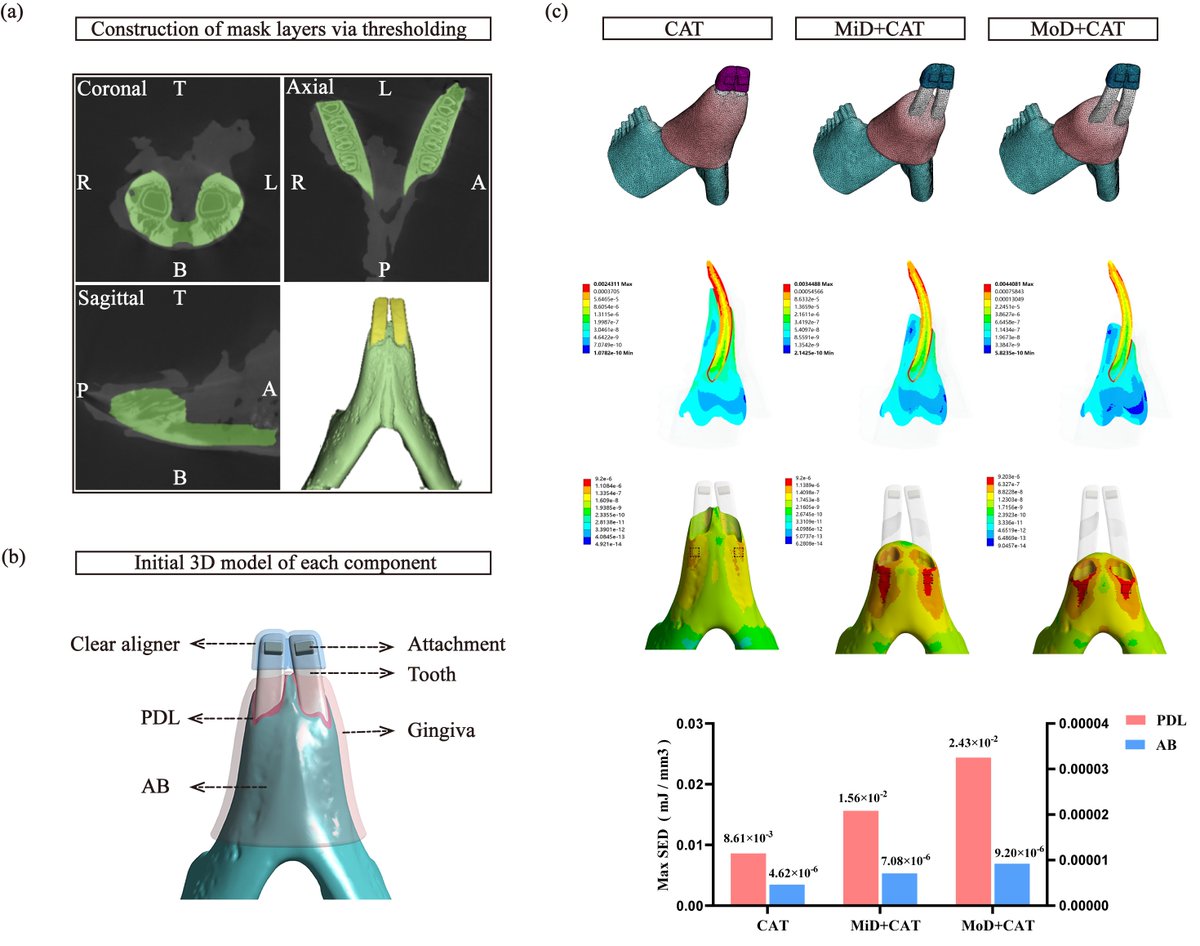
Clear aligners are transforming orthodontics, but predicting how teeth and surrounding tissues will respond remains a major barrier to safer, more personalized treatment.
To better understand the biological consequences of clear aligner treatment, researchers developed a cross-scale modeling framework to investigate how mechanical strain shapes periodontal remodeling.
The study identified strain energy density as a key metric linking biomechanical loading to inflammatory signaling, bone loss, and mitochondrial dysfunction in compromised periodontal tissue. Proteomics and metabolic analyses further showed that high-strain regions were associated with disrupted cellular energy production and activation of inflammatory pathways that may worsen tissue damage.
Future orthodontic care planning may be able to predict biological risk before damage occurs, enabling more precise and individualized treatment for people with vulnerable periodontal tissues.
𝗥𝗲𝗮𝗱 𝗺𝗼𝗿𝗲: link.springer.com/article/10…
𝗦𝘁𝘂𝗱𝘆: In Vivo Assessment of SED: A Novel Biomechanical Indicator for Periodontal Tissue Remodeling in Clear Aligner Therapy
𝗔𝘂𝘁𝗵𝗼𝗿𝘀: Xulin Liu, Mingxin Zhang, Xinyue Fan, Houzhuo Luo, Axian Wang, Xu Zhang, Yuan Qin, Xiaochen Zhang, Zuolin Jin, and Yanning Ma
@smu_medical
@XJTU_China
𝗦𝘂𝗯𝗺𝗶𝘁 𝘆𝗼𝘂𝗿 𝗺𝗮𝗻𝘂𝘀𝗰𝗿𝗶𝗽𝘁: link.springer.com/journal/10…
84