
375 Photos and videos




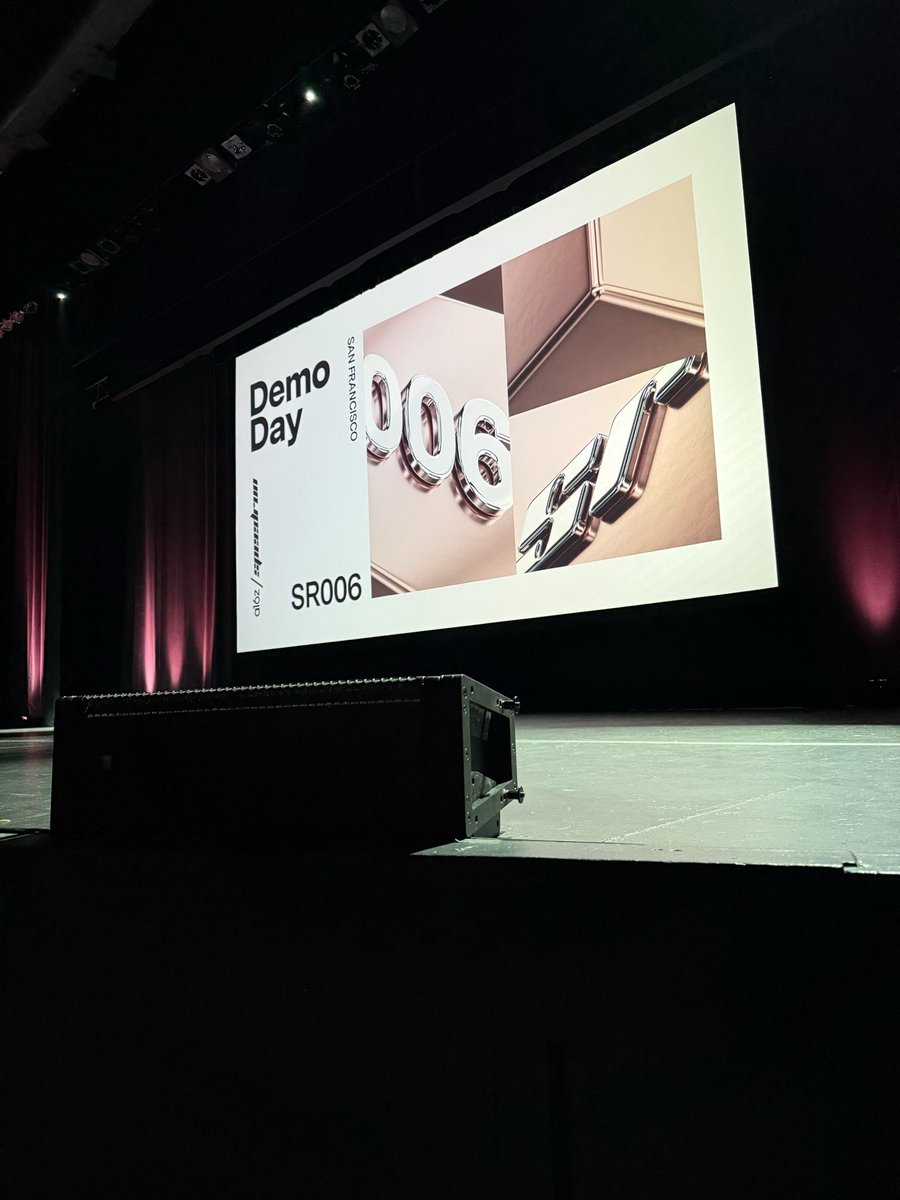
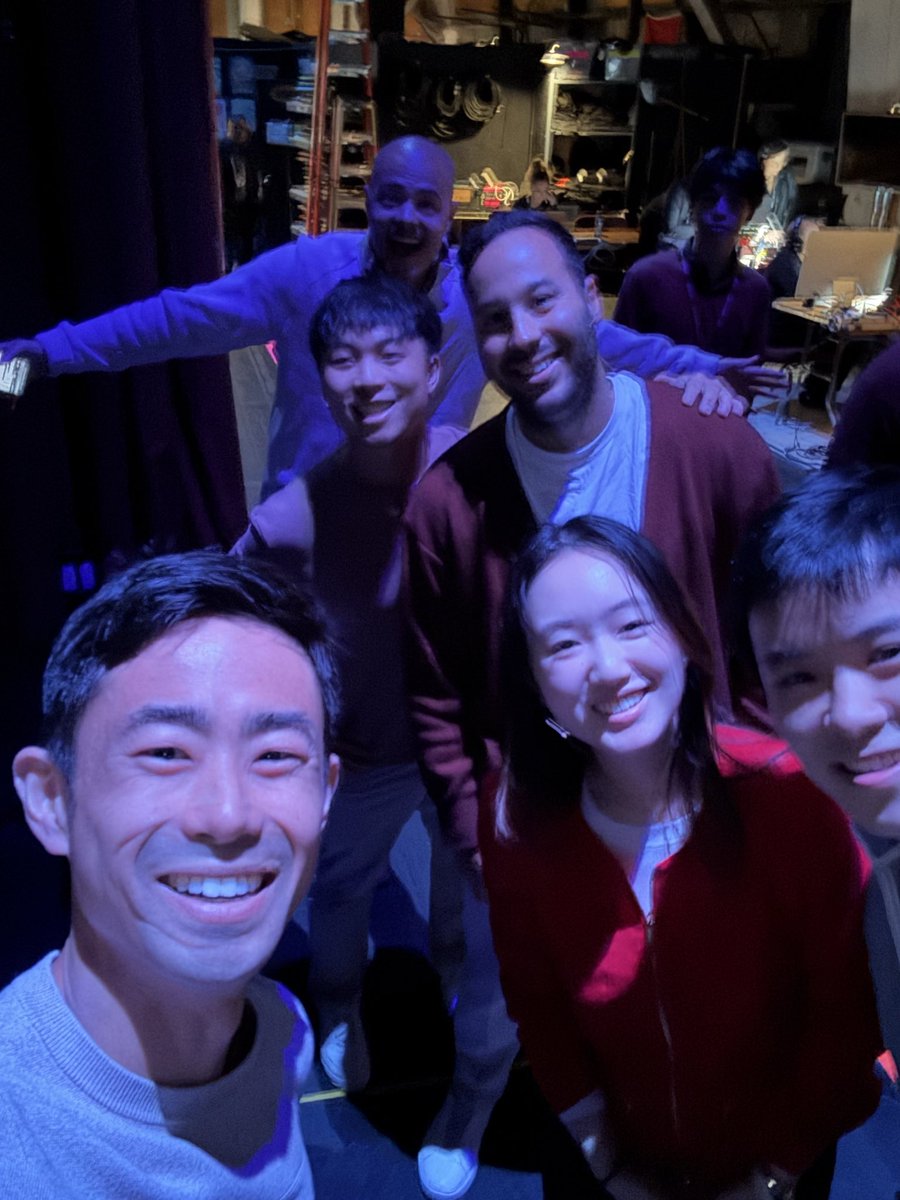
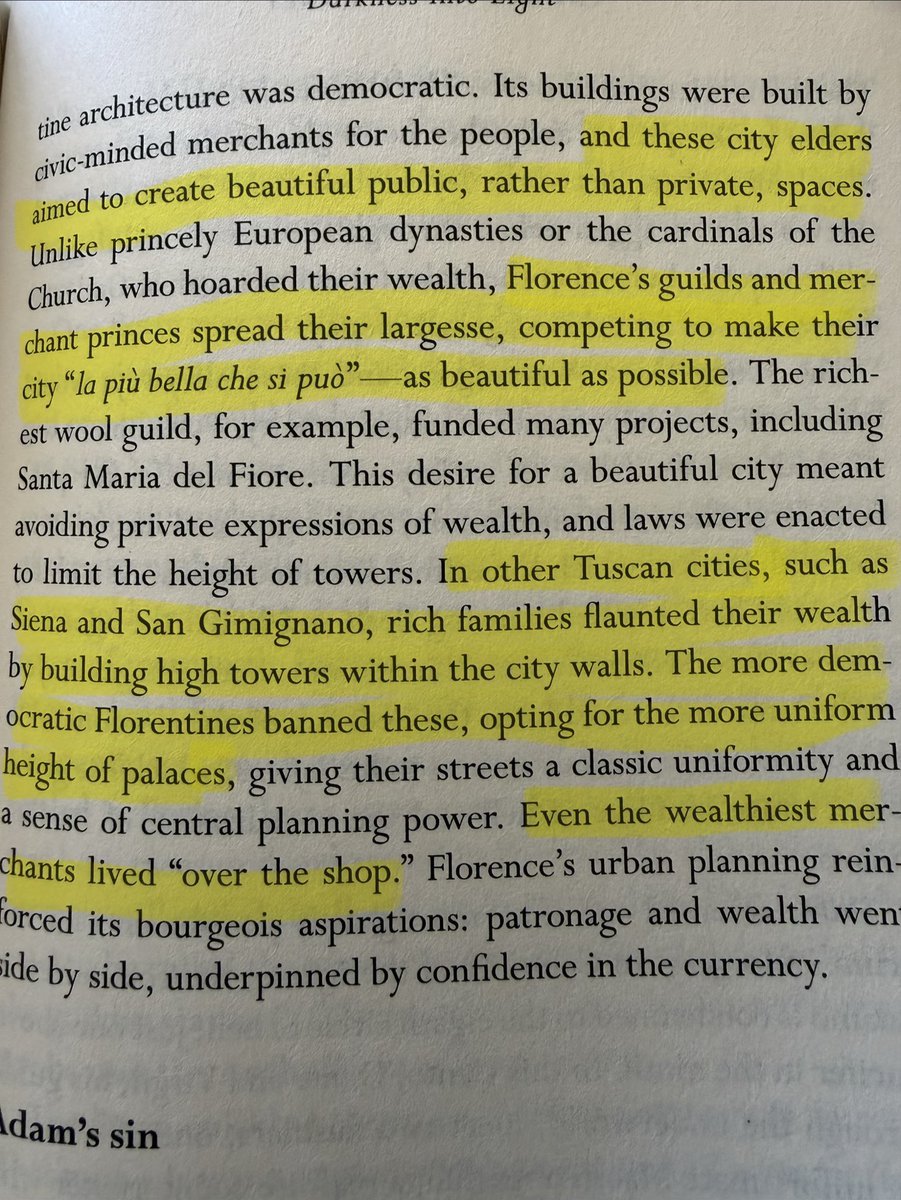
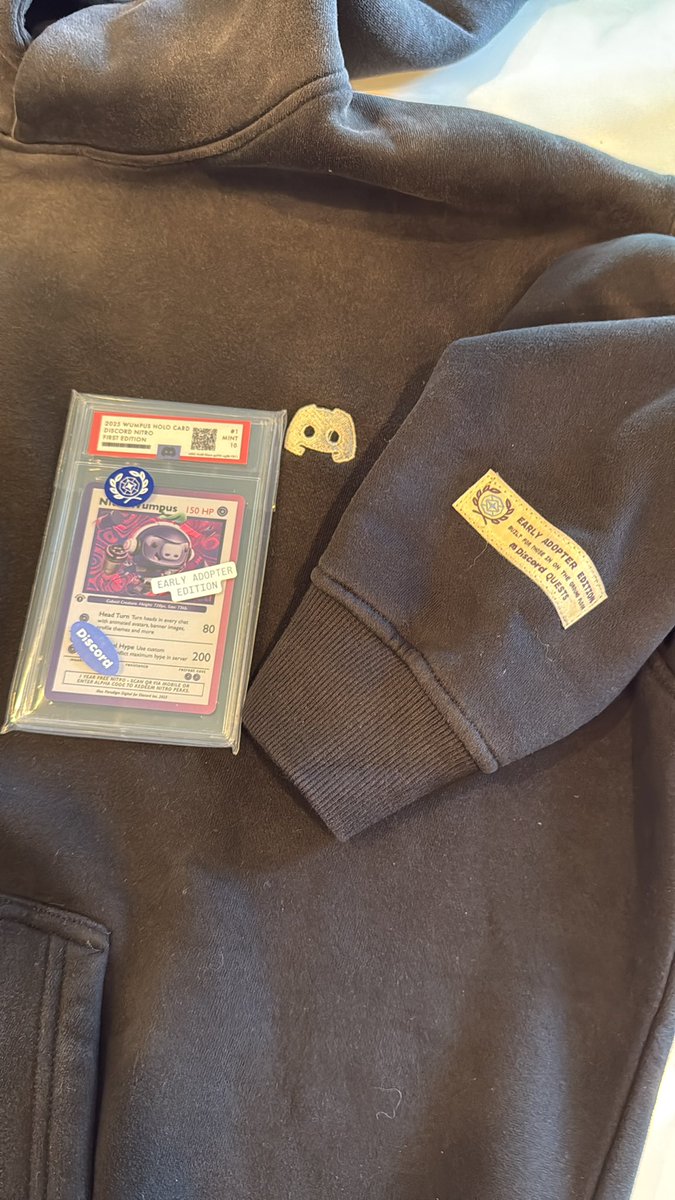

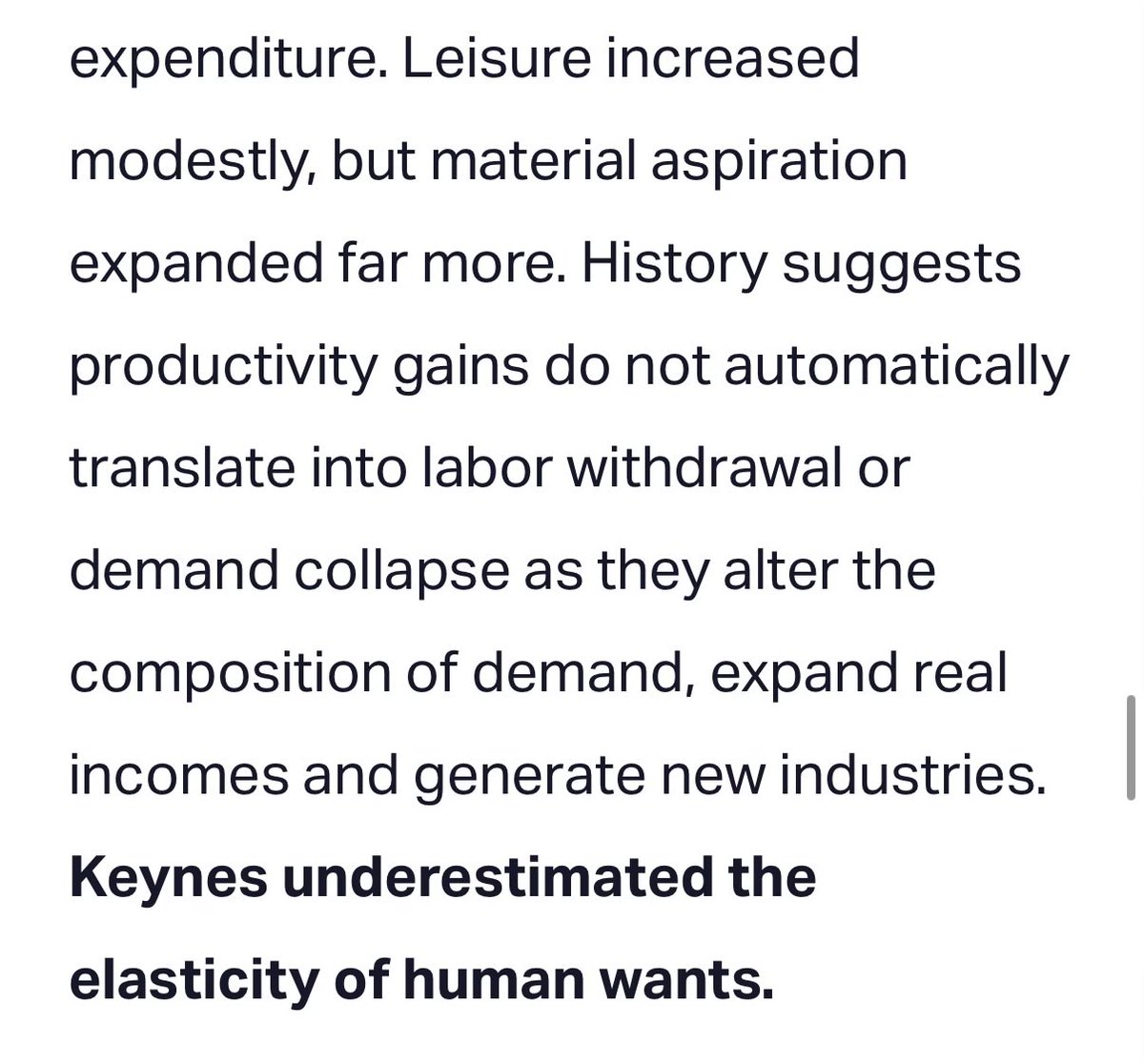

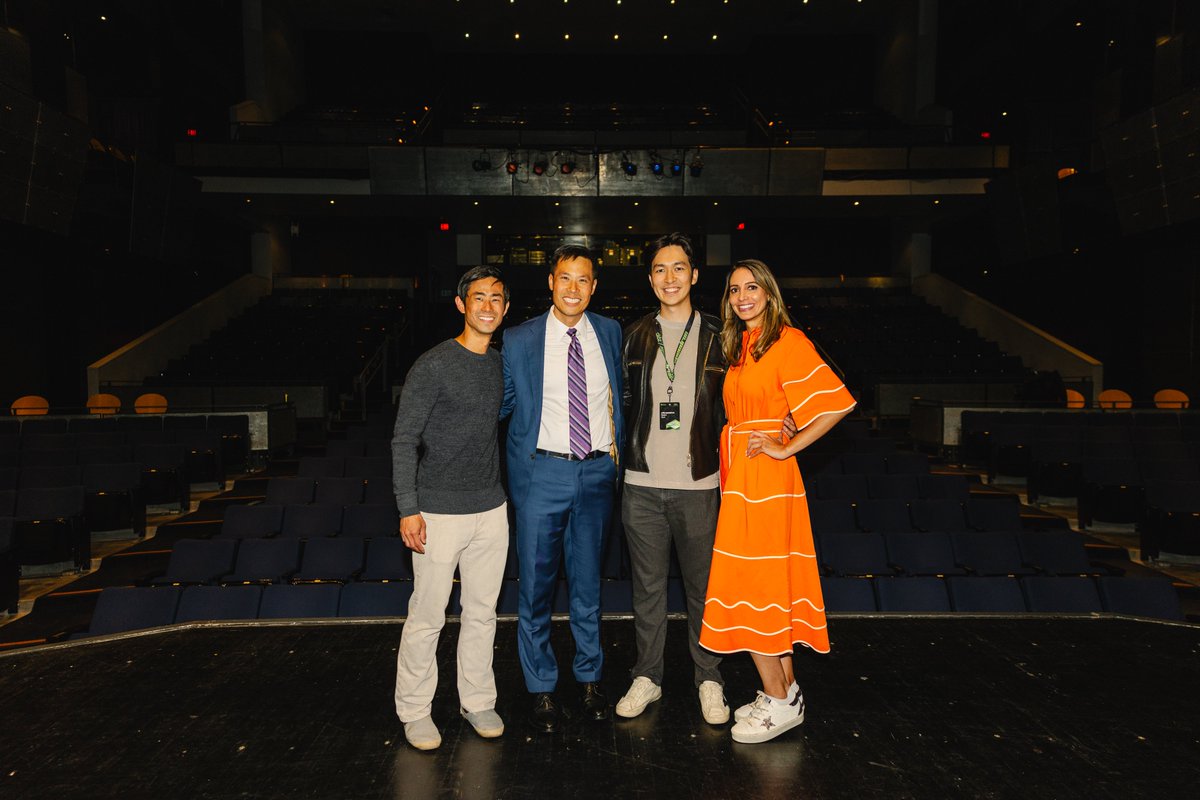
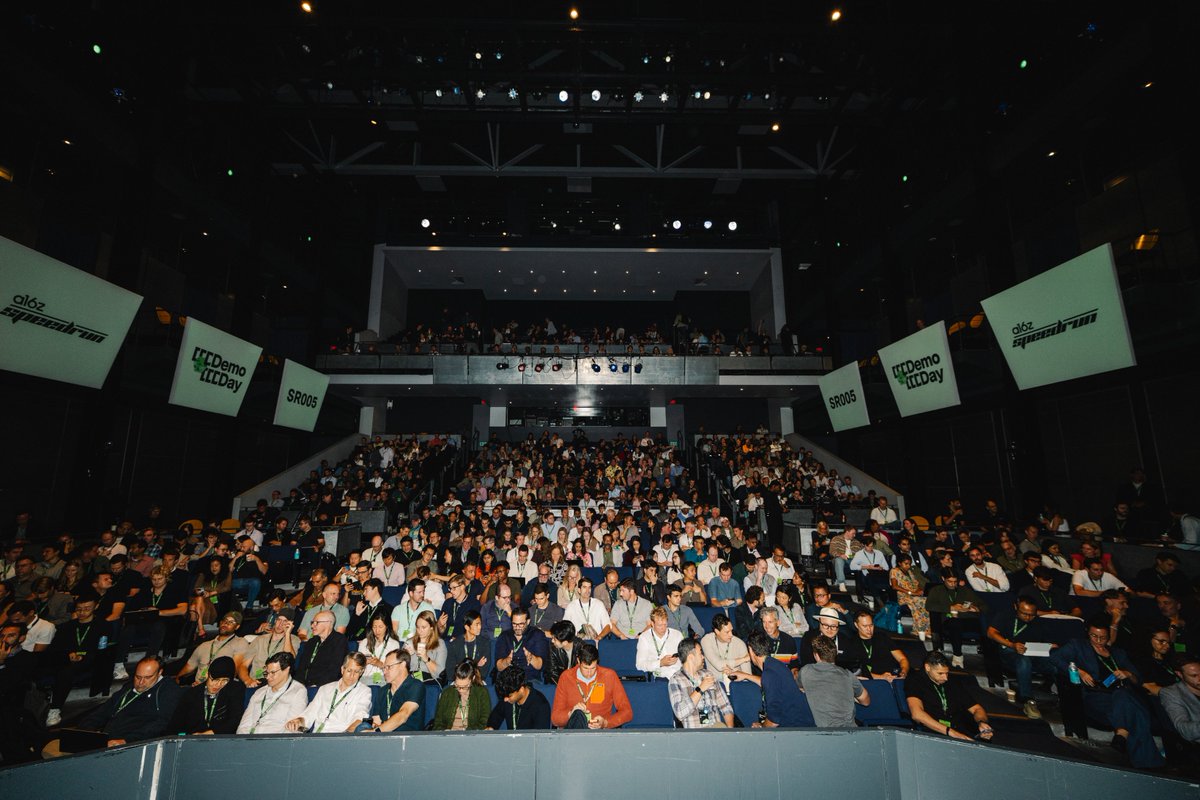
.@hanhanhan_kim and @af_gao are founders who build with a kind of uncompromising and relentless excellence I really admire. Very cool to see their work out for more to see and get to know.
Jun 10

Patent systems are first-to-file. It's produced a quiet two-tier system: well-funded companies file in 48 hours. Everyone else waits weeks.
Today we're announcing @fearn_ai's $5.5M seed to end that gap. 🧵
3
9
1,614
In the AI era, the next great software distribution company won’t look like an app store
For the last decade-plus, building a strong software business was mostly a game of scarcity. The hard part was assembling the capital, taste, engineering, and distribution to build one enduring app. The discovery systems we built matched that world: app stores, SEO, search bars, rankings, reviews, ads, marketplaces
AI has blown up these constraints
Soon, anyone will be able to generate software for anything: a workout injury, a work project, a personal workflow, a one-off analysis, a weird niche need only they have, maybe only in a single moment
Some apps will last forever, but most won’t. Many will exist for minutes or hours, and be created even faster
But just because software can be created at the speed of thought doesn’t mean everyone will become a developer. Most people won’t want to prompt, build, debug, deploy, or manage software. They’ll just want to be matched with the right tool for the job in front of them
The same technological wave enabling software creation at scale is also breaking software distribution at scale. Search assumes the best answer already exists somewhere. App stores assume software is something you browse, compare, install, and keep
In a world of personal software, the real question becomes: Who understands enough about me, or has earned enough trust from me, to know what software should exist for me right now?
The next great app distribution companies may look less like search engines and more like trusted relationships
Some will win by importing and processing personal context: your goals, constraints, calendar, body, files, workflows, history, collaborators, and intent. Others will win by exporting taste and trust: experts, creators, communities, agents, and brands that people rely on to decide what is worth using
Either way, the new gateway won’t be a search box or an app store shelf. It will be the layer that recommends, assembles, routes, and personalizes software at the moment of need
This is the new frontier: context, recommendation, trust, and distribution in the age of infinite software
If you’re building platforms or experiences for this future, we want to meet you. Apply to @speedrun. Applications for SR007 close this weekend
Application link below
27
12
93
10,537
Josh Lu retweeted

May 12
Early Stage Markets Rarely Look Like Markets
Everybody loves a good market map. It’s seductive to think that you can compress the world into tidy grids with logos neatly sorted into categories, each square representing a company that has raised meaningful capital. For investors, these maps are useful tools to help think through investment opportunities.
They are also dangerous for founders.
By the time a market is legible enough to be mapped, the most valuable entry points have already closed. The best founders are not waiting for a sector to mature enough that a VC can toss it on a 2x2 it. Generational companies are built by recognizing patterns of behavior that precede the sector map entirely. In my work at a16z speedrun, the most promising opportunities almost never arrive looking like opportunities. They arrive looking strange.
Behavior Comes Before Categories
Markets begin as behavioral shifts in small, overlooked communities. It may be a few hundred developers who can’t stop talking about a new tool. Or maybe there are a few thousand users engaging with an app in ways that seem totally indecipherable to outsiders. The usage numbers are modest, and if you were just glancing at the product, you would probably ignore it.
What matters is the intensity of the behavior. There is a meaningful difference between an app that people open often and an app that changes how people operate. A worldchanging company has to, by its very definition, induce structural new ways of working/being/creating/existing.
Consider OpenClaw. An open-source project built for developers, it required terminal knowledge and real technical fluency. It was not used by everyone. But for those who adopted it, OpenClaw became a fundamental part of their workflow. It reinvented the way they conducted work.
What also made OpenClaw significant was its downstream effects. At speedrun we have already started seeing a new generation of pitches built on the conceptual foundation it propagated. Founders now have proof that agents could be held towards outcomes, not merely tasks completed. Within a week or two of OpenClaws launch, we had pitches for making these systems accessible to non-engineers. Then as the ideas permeated, we started having companies proposing agents that could autonomously run entire business functions, from legal to HR. The agentic workforce thesis now discussed at every conference accelerated across a small developer community restructuring their work around a tool most of the industry had never heard of.
But as a founder, you don’t have to wait for something as popular as OpenClaw to come along.
How to Spot an Early Market
Working with really early-stage companies at speedrun, you start to get a gut sense for whether something is being pulled in by real demand or just pushed out, well before the usual metrics tell you much.
What we try to get founders to look for is simple: are there signs that demand exists even before the product is fully there? The specifics vary, but a few patterns show up a lot.
First is what happens before launch. It is not just about racking up signups. Plenty of subpar products with good marketing campaigns can do that. But is there real intent behind the interest? You can see this in everything that forms around the waitlist. People share it, talk about it, and bring others in without being asked. That energy is coming from the market.
Second is early community. Sometimes people start gathering around a product before it’s even live, and the conversation keeps going on its own. No one from the company is propping it up. People show up because it connects with something they’ve been looking for. Users start creating explainers, tutorials, or threads about the product before there’s any official documentation. They’re doing the company’s marketing without being asked, because they want others to find it.
Third is how intensely a small group uses it once they get access. You’ll see a handful of users spending a surprising amount of time with the product, not because they have to, but because they want to. From there, one of two things usually happens. Either it replaces tools they were already using, or they start bending it into new use cases the founders did not plan for.
Enough of these happen and you know you have something primordial and powerful on your hands.
Building for What You Cannot Yet See
One common failure mode I see from founders is when a team gets stuck building “one more feature” before showing their app to users.
The founders I have seen get this right do something that sounds limiting but is actually the opposite. They pick ten users, maybe fewer, and they go deep. They become almost unreasonably attentive to how those specific people work and what they actually need. And the insights that come out of that kind of closeness are usually generalizable. What ten power users care about tends to map, at least directionally, onto what ten thousand eventual users will care about. Narrowing your focus and shipping live features constantly It is how you earn the right to go broad.
The Map and the Territory
Market maps will keep getting published. They’re useful abstractions, but they’re definitionally lagging. By the time something is legible enough to map, the underlying behavior has already stabilized and the earliest forms of leverage have already been captured.
The next market worth building in is forming right now in a community, or a product, or a pre-order page that no one has yet thought to categorize. Whether you see it depends entirely on whether you are paying attention to behavior or waiting for a label.
For founders, that means building the habit before you need it. You have to haunt the weird corners before they’re legible, the Discord servers with no business model, the subreddits full of complaints about a workflow nobody has named yet. You’re looking for people who have already changed how they hope to work and just haven’t been handed the right product yet.
18
7
65
5,356
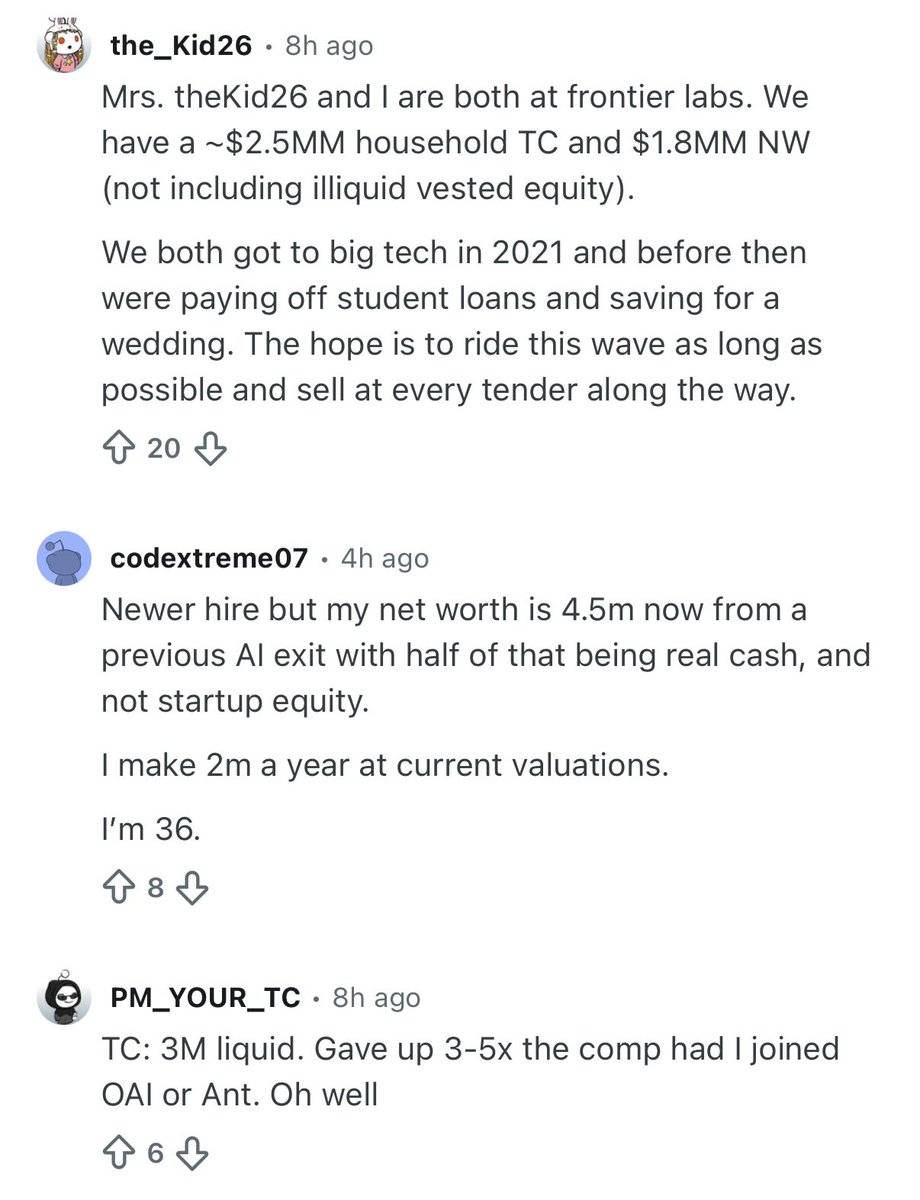
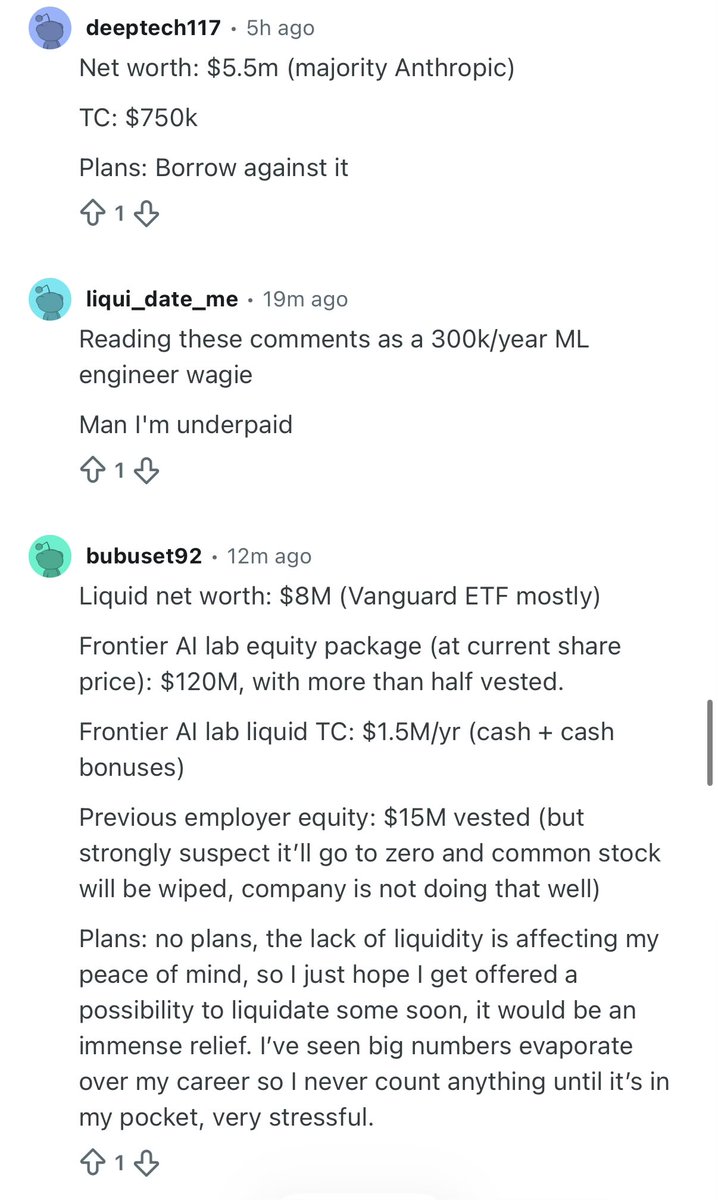
no it's the exact opposite. there has never been a BETTER time in history to be a founder
* there have never been more tools to support high agency people
* founders have more leverage (labor, capital) than ever
* cushy high TCC jobs have existed for many years, this is not new
Apr 23

I’ll say it again
There has never been a worse time in history to be a founder.
17
106
12,693
A request to speedrun applicants - take an extra few minutes on your application to describe why your team will create something great, why talented people might want to spend the next few years of their lives working for you, why you've figured out something no one else has.
32
4
383
18,716
yes! agents are so powerful but still deeply inaccessible to most. chatgpt was primarily a UX innovation. so was the browser. if you're thinking about this problem for agents come talk to us

a16z @speedrun request for startups: GUIs for Agents
we’re still in the MS-DOS era of agents today - CLI, terminal sessions, file directories deleted by openclaw etc. while a small slice of silicon valley are power users, we're SO early for the rest of the world
at Speedrun, we’re looking for bold founders excited to bring the power of agents to normies everywhere. there's a whole slew of products to be built here - from agent builders to marketplaces to managed infrastructure
one broad idea we’re excited about are visual abstraction layers for agents. if you don't know exactly what you want, a command line / chat interface is paralyzing - you need to see options
1 example - think of a GUI or visual command center inspired by strategy games (ex. Factorio) where agents and workflows are represented graphically. skills, tools, MCP connections, background processes, etc could all be configured and shown visually in a workspace
on UX, strategy games have long perfected agent management. zoom to get a birds-eye view of your agents, batch and queue orders via shortcuts, assign agents in multiplayer etc. a well-designed agent command center would make multi-agent orchestration for normies feel easy & intuitive
most folks today still haven't moved beyond ChatGPT. the potential is enormous - just as Windows unlocked mass-market use of personal computers, the right visual abstraction layer could unlock agentic work for everyone - from individuals to enterprise teams
if you share our vision, we'd love to chat!
35
3
126
26,749
Post demo day applications just opening = @speedrun's busy season. But instead of feeling tired I'm just feeling inspired, especially seeing so many ambitious builders apply yesterday
Between that and getting to see all of SR006's demos the future is looking inspiring as hell
1
2
49
2,319
There has never been a better time to be building a startup, and that's why you should be applying to @speedrun. We just opened applications for SR007. Link to apply is below
1/ Builders have more leverage to ship than they ever have
2/ Adoption of new products and tools (and willingness to pay) has never been higher
3/ We would like to give you up to $1M to go build a startup. We're also going to put you in an elite community of entrepreneurs, give you as many unfair advantages as we possibly can, and be there every step of the way to support you
14
4
77
7,926
We’ve been busy building @speedrun and have a bunch of new things up our sleeves for SR007…
Apr 19

a16z speedrun will return to San Francisco for our summer/fall cohort.
Applications open tomorrow.
Who's planning to apply?

20
1
48
3,372
I got to work for @markpinc for a number of years and learned more about product thinking and consumer intuition from him than anyone else in my career
Very excited because I've been waiting for this book for years - to get a refresher on all of those awesome lessons but also to share with my friends and founders I work with
Congrats Mark!
Apr 10

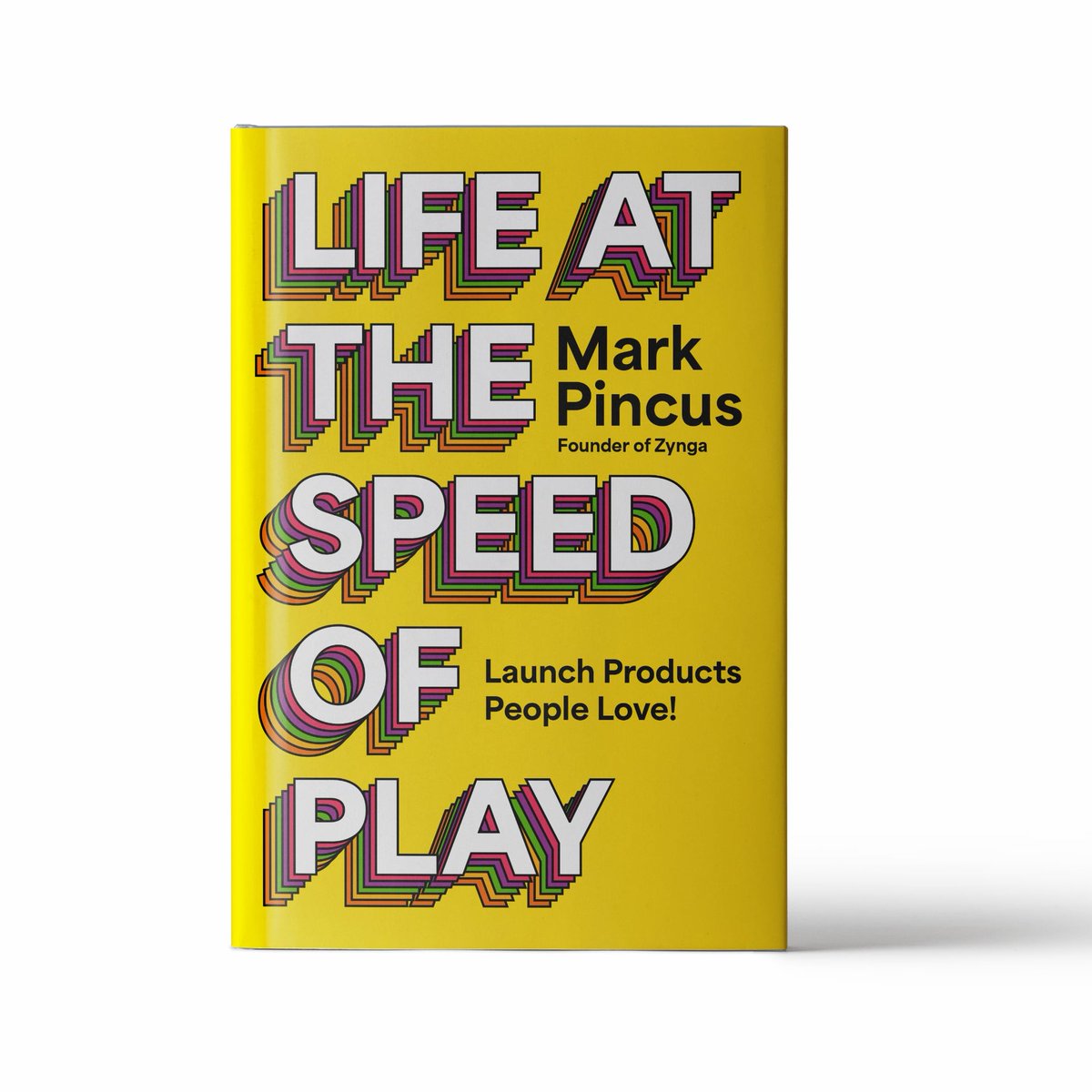
I'm excited to share that my book, Life at the Speed of Play, will be out in June. I've spent the last 5 years writing so I can share my lessons and stories around building products and scaling companies.
3
8
1,265
Built an agent on Claude, asked Claude several times to debate/debug itself. Got comfortable thinking that after a few runs the logic error and bug count got fewer and fewer.
Checked with cGPT on research mode and it found a TON of new things. Now I routinely have the two models debate each other in a loop to get to better outputs
8
12
1,596