
GP @PlowVC | Early-stage B2B Tech investor | enterprise, early revenue | Ex-Koch | Emprise Bank Board | Deploying Fund II | DM for founder intros or LP Updates
Joined September 2010
- Tweets 784
- Following 3,760
- Followers 923
- Likes 2,904
134 Photos and videos
















May 24
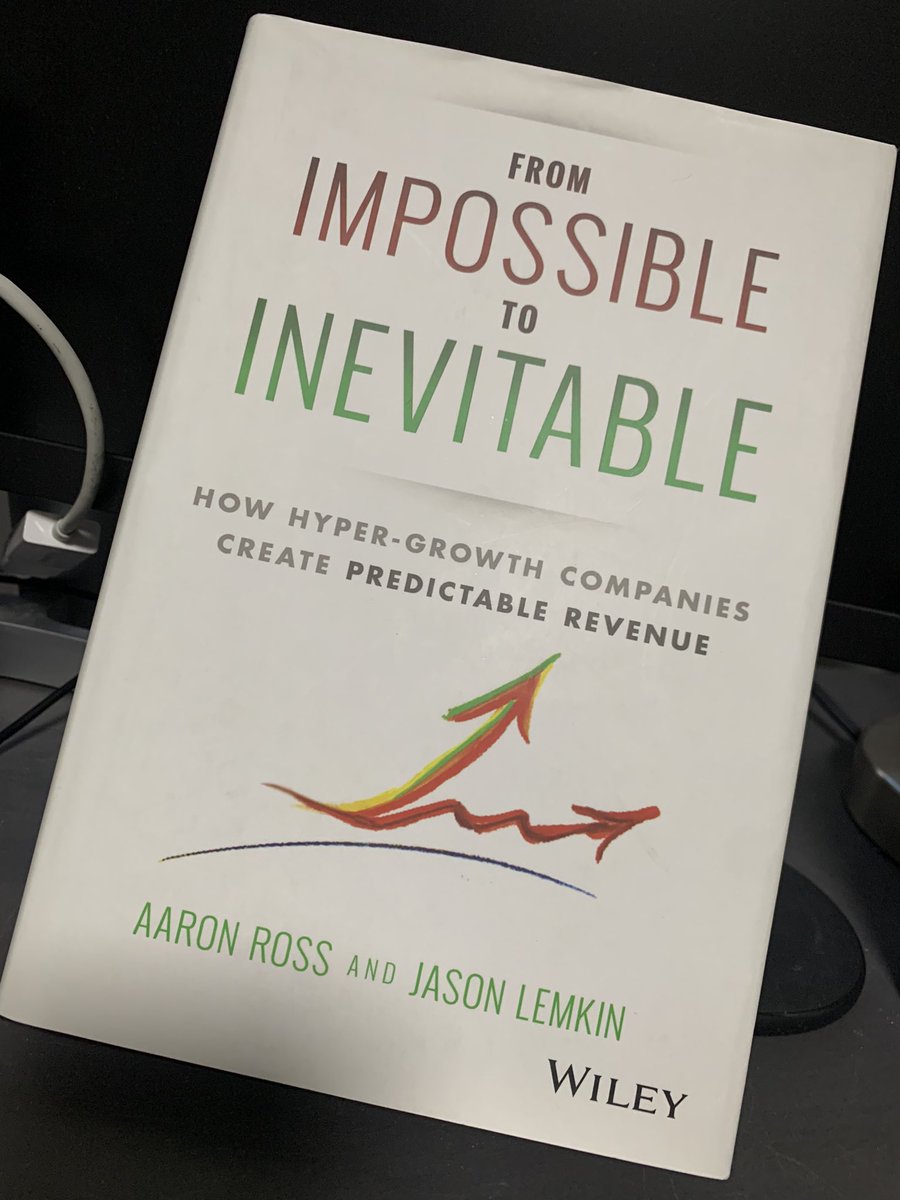
Great Sunday morning read, well done @katywinters42
@35x70GolfCo Ozzie hat a steak night polo for the win.
May 23

Two years ago this month, I left a 12 year career in corporate finance to build a golf brand with my husband.
We’re lifelong golfers from the Midwest. One day Dan needed new polos, but everything was covered in palm trees. Nothing felt like home.
So we got to work.
🧵
2
7
330
May 21
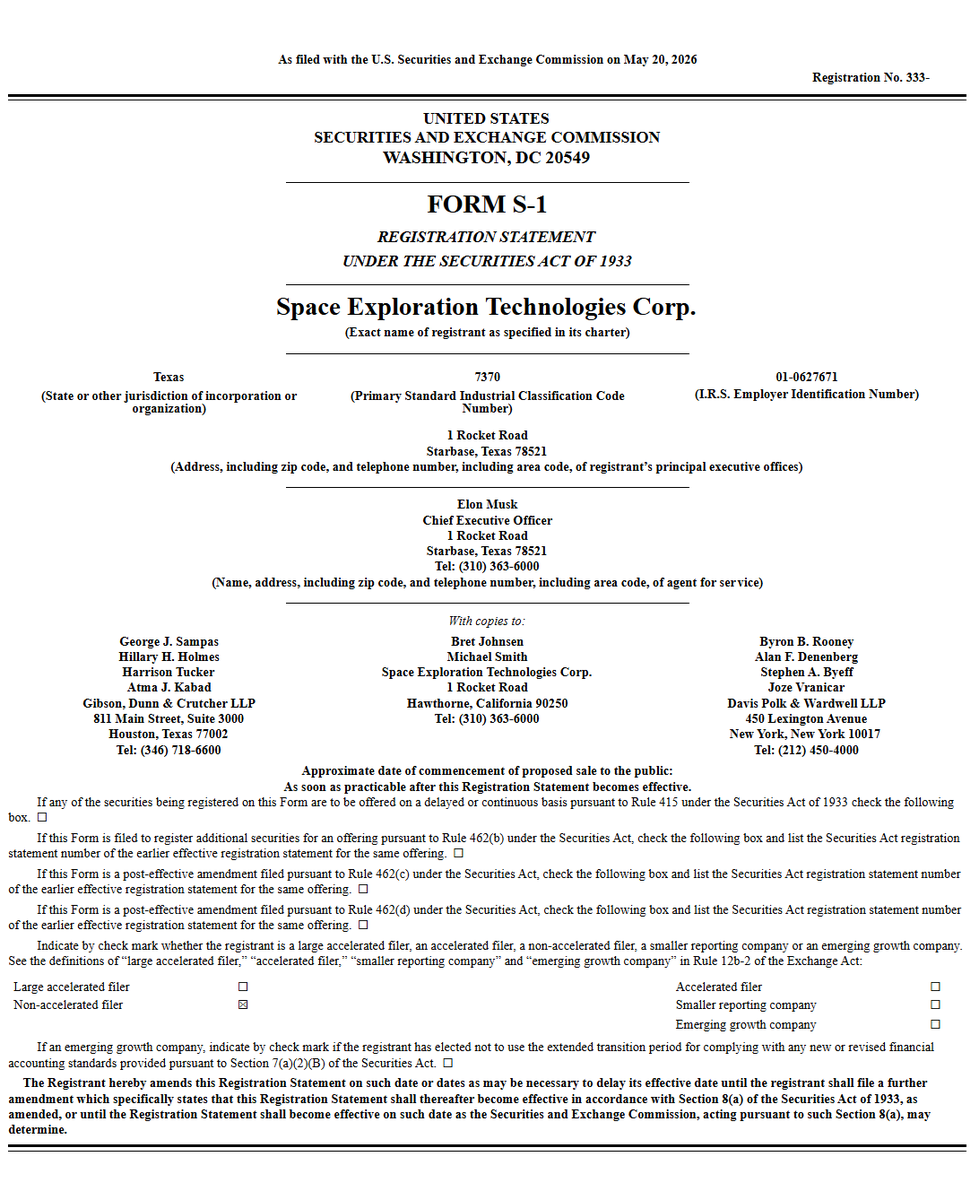
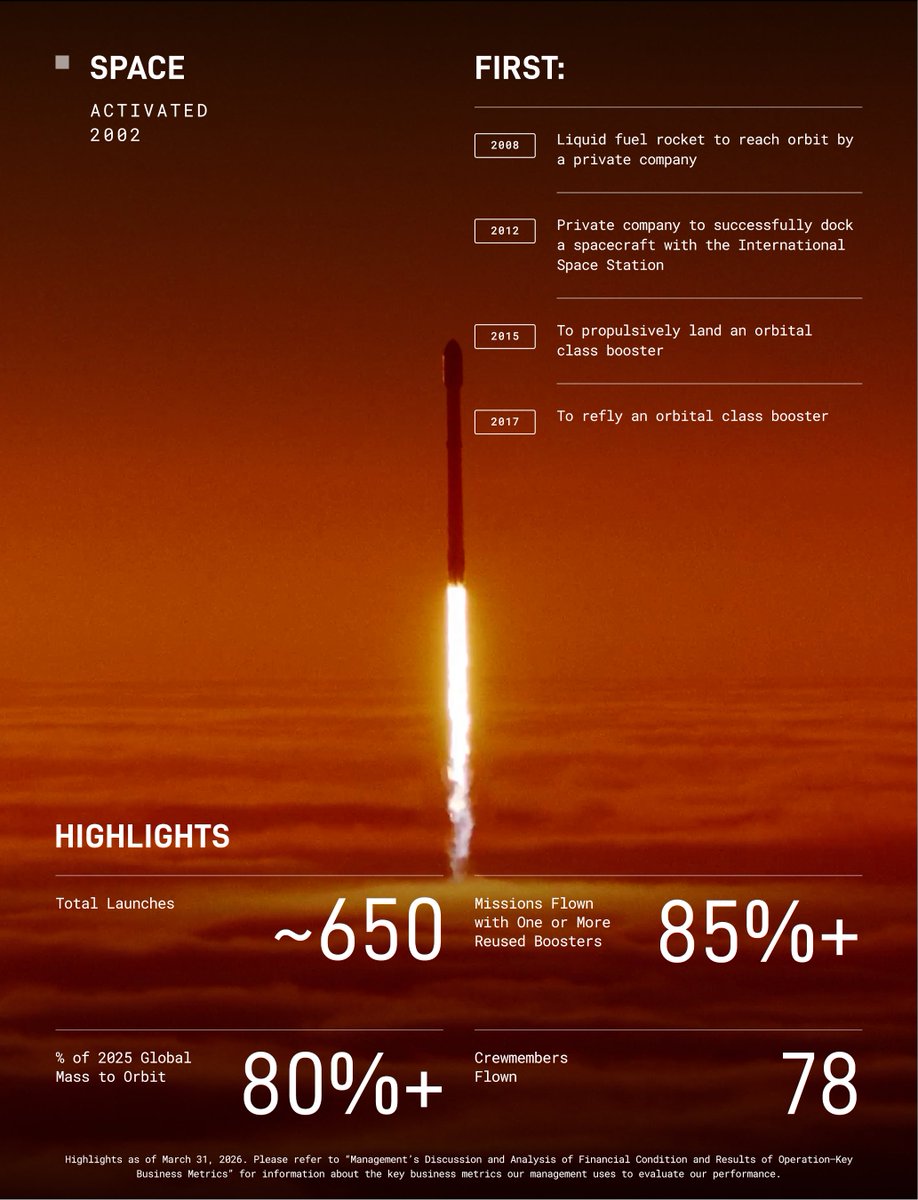
Question for the IPO aficionados out there, is the most beautiful S-1 in history?

The SpaceX S-1 is a gorgeous photobook
All 56 photos from the filing below 👇


1
6
238
Apr 29
How your email finds me.

2
205

Hi, I might give it away as open source (it's called GBrain)
github.com/garrytan/gbrain
Apr 16

Someone is going to build a worldclass “Brain” for enterprises & make a stupid amount of money.
Why? As @da_fant said, “coding w ai is solved bc all context is in the git repo. knowledge work is difficult bc context is spread out. an ai system that creates a git repo w all context for a knowledge worker will be able to 100% automate the work.”
When companies talk about being data ready for AI, this is what they’re implicitly saying.
Engineering has been prepared for this moment for a long time because of the deterministic nature of code, the centralization/versioning of data (read: GitHub), and AI tools that are largely build by engineers for engineers.
But for the rest of white collar work, there’s a TON of catching up to do to properly harness the power of the technology.
The big challenge here, and why no one has truly cracked the code for "an ai system that creates a git repo w all context for a knowledge worker" is because unlike code, most knowledge is 1) distributed, 2) unstructured, and 3) unverifiable.
It's distributed: transcripts live in Granola. Documents in Notion. Customer Data in Hubspot. ERP. Emails. Slack messages. Random spreadsheets. SOP docs. Etc. Etc.
Building an ingestion engine that connects to all of your disparate data sources and auto-updates based on the shelf-life of the data is the first, and frankly, easiest step of the process.
Next, it's unstructured: let's say I want to create a proposal for a potential client. To nail the proposal, I want it to pull important information from a variety of sources. The specific asks & background from our initial sales call. Previous proposals to anchor ourselves to a proven format. And completed sprint boards from Linear, so the pricing & timeline in the document is grounded in truth.
Whether it's a thoughtful filesystem (a la Obsidian) or an OpenClaw-esque memory structure, the brain needs to be great at self-organizing in a thoughtful schema. This is very hard, especially if you want to build a generalizable brain that can be shaped to an array of different enterprises.
And finally, most knowledge is unverifiable: writing a function, running a unit test, and seeing if the code works is easy. It works or it doesn't. Using AI to accelerate your content creation process is highly subjective. What is a good/bad idea? Is the content in your voice or not? Does it feel like slop or novel? Answering these questions are both difficult and non-verifiable.
That same system described above doesn't just have to be great at organizing & forming coherent relationships, but it also has to be great at self-improving based on feedback from the user. Memory systems (like those introduced by OpenClaw) are great to a point, but as you scale the corpus of data within your company's brain, things like compaction and cleaning become wildly important to avoid the needle in the haystack problem.
Someone is going to figure out how to solve this problem, and when they do, not only will they make a shit ton of money, but they'll be robinhood for knowledge workers, enabling non-engineers to enjoy the sort of leverage that only technical folks have felt for the last few years.
32
34
553
79,671
Josh Oeding retweeted

Mar 19
Our autonomous pentesting agent just outperformed the two most popular open source offensive security agents on a benchmark of 60 modern, defense-enabled web apps.
Battle-tested in production against our customers' environments from startups to financial institutions, Apex consistently finds and exploits critical vulnerabilities other agents and humans miss.
Today we're releasing it open source alongside our internal benchmarks.
49
68
295
1,987,194
Josh Oeding retweeted

15 Nov 2025
i strongly disagree.
imagine: someone is working for $15/hr in a bicycle shop in san jose. they aspire to one day create their own bicycle company, selling custom bikes to customers. but how? today they don't have the labor pool, startup capital, or capabilities.
tomorrow, the miracle of technological progress emerges... 2 robots can be purchased for $20k, setup in this person's garage. and used to build bicycles 24/7 on demand, AI is used to create a website and ordering system. and customers place orders online.
now, this worker owns and runs his own highly profitable business. an economic miracle. unleashed by technology.
a few years ago, i visited a farm in western australia. this guy used to be a field worker, he saved up and bought some large automated farm equipment and today he singlehandedly owns and farms 10k acres. his quality of life and the prosperity of his family ballooned. an economic miracle. unleashed by technology.
today, millions of individuals make a living selling goods online, working their own hours, while feeling more fulfilled. if not for ebay, amazon stores, shopify, etsy, these individuals would not have been able to create their own businesses and improve their own living conditions. an economic miracle. unleashed by technology.
taxing and burdening the creation of those online stores would have destroyed that opportunity and all those individuals would be worse off.
in the same vein, and to directly address your original example, instead of working for a video game company, AI will now let artists create their own video games and run their own studios. they don't need to be employed by someone else's studio or big company. AI gives them all the tools they need.
if a studio "replaces artists" with AI, those artists will now be able to compete with the studio, eroding the studio's profits away, while increasing the quality and quantity of video games in the market. consumers win and artists make more money.
these economic miracles play out every day in free markets, unburdened by the government's intervention.
as soon as the govt creates "taxes on automation", it shackles workers to old jobs.
automation IS opportunity. it is leverage for the individual, not just profiteering for the corporation.
at this very moment, i believe elected officials who are looking to get re-elected are finding emotional resonance with voters by proclaiming job loss and doom emergent are due to the AI miracle underway.
the reason the message of AI doom and billionaire blame is so resonant is because cost of living has exploded in the United States.
ironically, i'd strongly argue, the current high cost of living is due, exclusively, to excess government spending.
by creating govt programs to give people "access" to food, housing, education, and healthcare, elected officials have inadvertently inflated the cost of food, housing, education, and healthcare. if there is an obligation to buy, the seller (food company, home builder, education institution, and drug company) will be incentivized to charge ever-higher prices. and here we are with record high prices for everything.
i would urge you to make your existing government programs more accountable and eliminate those that aren't meeting their core social objectives, before trying to launch new ones.
rightsize spending to ensure govt programs are net deflationary, rather than inflationary. this would actually help people in need.
and i will tell you one thing that will certainly be deflationary to the cost of living in the US - automation. let's pls not get in the way.
128
230
3,054
125,630

I am looking for our next ML/AI engineer @ North.cloud
- Speed round of interviews in the next couple of days
- Top candidates get to go to the US Open with me for an in-depth technical, while watching some great tennis (paid for).
We’re not only building the next AI agent for cloud financial operations, we’re also pioneering the latest agentic dev processes used to build software.
If you’re bullish on yourself, you need to jump on this opportunity. You’ll be working closely with me and my other co-founder, as well as, our stacked team of engineers.
Send me your resume why you’re a good fit > yassine@north.cloud
Offer stands for the next 3 days. NYC based preferred.
1
3
306
3 Mar 2025
“Recurring revenue” is the key differentiator in these multiplies.
Great data pints shared by all in the thread.
But there is wide valuation gap when you bring sticky recurring revenue streams
3 Mar 2025

Totally disagree. High quality recurring revenue businesses even at a pretty small size are going for 5x or higher multiples. Probably think it makes even more sense for a searcher to buy a quality business. Telling them to not pay more than 4x means they are buying difficult businesses....
1
4
683
Josh Oeding retweeted

25 Feb 2025
VOLTAGE (@voltage_cloud) AIMS TO BRING BITCOIN'S ⚡️LIGHTNING NETWORK ⚡️ TO EVERY BUSINESS IN THE WORLD
I spoke with the company's founder and CEO, @gkrizek, to learn more.

19
30
138
38,785
Josh Oeding retweeted

19 Feb 2025
"The Lightning Network is delivering on the promise of being the most efficient way to transact in the digital asset ecosystem."
Killing FUD and increasing adoption 💪 - Must Read!
19 Feb 2025

📝NEW REPORT!
Voltage and @DigitalAssets reveal how Lightning is delivering on Bitcoin’s promise—low fees, instant settlement, and growing adoption.
Download the report now.

4
26
1,240
Josh Oeding retweeted

19 Feb 2025
Our CEO @gkrizek quoted in @TheBlock__ today.
"Over the past year, we've seen firsthand how businesses are scaling with the Lightning Network — payment reliability is improving, transaction costs are dropping, and adoption is accelerating faster than ever,"
theblock.co/post/342013/ligh…
1
2
16
1,011


Mobly Secures $4.3M Seed Funding
utah.vc/p/mobly-secures-43m-…
3
11
614
Josh Oeding retweeted

3 Dec 2024
We believe in startups and we believe in America. 🇺🇸
We need the world’s best talent in order for startups and America to win.
Introducing StampList — a curated collection of breakout companies that sponsor visas for exceptional builders.
More info below. 👇
65
66
634
236,150
16 Nov 2024
15 Nov 2024

Scoop: The long-awaited Servicetitan IPO may finally be here, with the filing aiming to flip public next week. LA-based home service software company backed by Bessemer, Index, Battery and last valued above $7B bloomberg.com/news/articles/…
2
201
Josh Oeding retweeted

17 Aug 2024
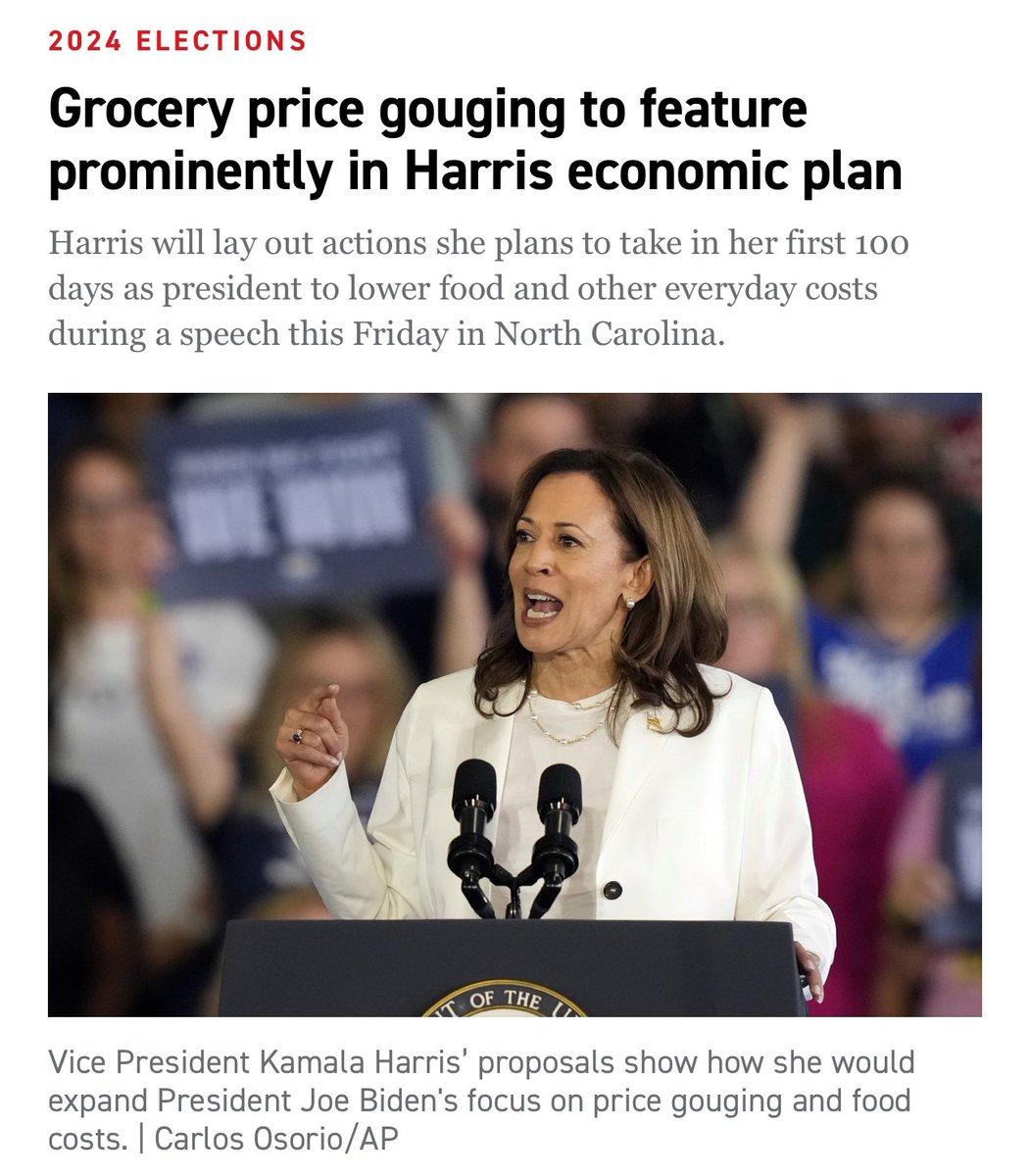
People need to stop overreacting about Kamala’s plan to reduce food inflation, as if it would lead to communism, mass starvation, and the end of America.
I worked in M&A in the food industry. Here’s a step-by-step summary of what would actually happen:
1. The government announces that grocery retailers aren’t allowed to raise prices.
2. Grocery stores, which operate on 1-2% net margins, can’t survive if their suppliers raise prices. So the government announces that food producers (Kraft Heinz, ConAgra, Tyson, Hormel, et. al.) also aren’t allowed to raise prices.
3. Not all grocery stores are created equal. Stores in lower-income areas make less money than those in higher-income areas, as the former disproportionately sell lower-margin prepackaged foods (“center of the store”) instead of higher-margin fresh products like meat (“perimeter of the store”). Because stores in lower-income areas aren’t able to cover overhead (remember, even if their wholesale costs are fixed, their labor, utilities, insurance, and other operating expenses aren’t fixed… yet), grocery chains start to shut them down. Food deserts in rural areas and in low-income urban areas alike become worse.
4. Meanwhile, margins for food producers are also quickly eroding. Their primary costs (ingredients, energy, and labor) aren’t fixed, and their shrinking gross profits leave less cash flow available to cover overhead, maintain facilities, and reinvest in additional production capacity.
5. Grocery chains, which have finite shelf space, start to repurpose their stores (those they didn’t have to shut down, I should say) to sell more non-price-controlled items—everything from nutrition supplements to kitchenware to apparel—and less price-controlled food products. Your local Kroger or Safeway starts to look and feel more like a Walmart.
6. Food producers stop making products with lower margins. Grocery chain start competing with each other to secure inventory. Since they can’t compete by offering stronger prices (remember, producers aren’t allowed to raise prices here, and, even if they could, grocery chains no longer have the gross profit to bear price increases), they compete on things like payment terms.
7. Small grocery chains start to shut down entirely, or get sold to larger chains like Kroger. In addition to not being able to cover fixed costs, a major reason for this is because they can no longer reliably secure delivery of products, due to producers prioritizing sales to larger customers, which are able to leverage their stronger balance sheets to offer superior payment terms.
8. Smaller food producers—which typically sell via distributors, rather than directly to grocery chains—start to go out of business. Because these producers have an additional step their value chains, and because they have lower volumes over which to spread their fixed costs, their cost structure is inherently disadvantaged compared to major food producers. When grocery stores aren’t able to raise prices, cutting product costs becomes all the more important, and deprioritizing purchases from smaller producers is an easy way to do so.
9. As supply chains break down, lines start to form outside grocery stores every morning. Cities assign police officers to patrol store parking lots, and food producers draft contingency plans to assign armed escorts to delivery trucks.
10. The federal government announces a program to issue block grants for states to purchase and operate shuttered grocery stores. The USDA also seizes closed-down production facilities.
11. The government announces that prices for all key food costs—corn, wheat, cattle, energy, etc.—are also now fixed, to stop “profiteers” from gouging the now-government-operated food industry.
12. Shockingly, the government struggles to operate one of the most complex industries on the planet. The entire food supply chain starts imploding.
13. Communism, mass starvation, and the end of America quickly ensue.
Hey wait a second
9,366
40,204
104,519
35,281,812

Bitcoin Core solution for enterprises launch. Congratulations to the @voltage_cloud team!
Sample template to test it out built on Replit.
It's the fastest way to get leads, customers, or developers building with your product.
30 Jul 2024
Voltage is excited to introduce our new Bitcoin Core solution for enterprises, offering direct access to the Bitcoin blockchain and mempool.🧙♂️
This solution optimizes transaction fees and prioritizes transactions, ensuring seamless operations for demanding business cases.📈
Our rapid integration capabilities allow instant deployment and 99.9% uptime, streamlining setup and maintenance.
New nodes can sync almost instantly with daily blockchain snapshots, minimizing downtime and enhancing operational efficiency.
The intuitive dashboard offers full customization, enabling specific configurations to enhance flexibility and ease of use.
Simplified RPC management allows for easy handling of RPC, HTTP, and ZMQ interactions directly from the Voltage dashboard.
Hosted on SOC II-compliant infrastructure, our Bitcoin Core nodes provide enterprise-grade security, ensuring your operations remain secure and resilient. 🛡️
This comprehensive solution addresses all challenges related to speed, configurability, and user management.
Potential use cases include accurate fee estimation, access to comprehensive blockchain data for analytics, direct transaction broadcasting, and advanced transaction discovery for compliance and auditing.
Seamless integration with custom applications and enhanced privacy controls allow businesses to focus on core activities while Voltage handles server management complexities. 🪡
For more information and resources to get started, visit our developer guide or contact us at voltage.cloud/support
Elevate your Bitcoin infrastructure with Voltage's seamless integration and enterprise-grade reliability.
Read the full announcement at our blog: voltage.cloud/blog
4
13
50
10,138
Josh Oeding retweeted

18 Jun 2024
So proud to be supporting @sendhark as they announced their $3.5 million seed raise today!
Hark is pioneering the next generation in Voice of Customer. Organizations have long been using static surveys and NPS metrics to understand customers — Hark is creating a new way.
Read more about it here: techfundingnews.com/hark-cem…
1
7
218
Josh Oeding retweeted

29 May 2024
📣Excited to announce our latest investment, co-leading @Novel_Capital's Pre-Series A!🚀
Novel provides non-dilutive financing for #B2BSaaS & tech companies
💥We're thrilled to partner with founders Carlos & Keith, and co-investor @uluventures
#IGNIAproud
businesswire.com/news/home/2…
2
6
805
Josh Oeding retweeted

22 May 2024
VC Emerging Managers Need Your Help: Part 1
We need to fund the scouts of the VC world!
Insights, data, charts Q&A with @iBruceHamilton @stuartdsmith @AmoilsNisa @JoshOeding @arian_ghashghai
startupstechvc.beehiiv.com/p…
1
7
21
6,393