Director, Josh Leadership Ltd and JLA | Speaker & Panelist | Apostle in the Marketplace | Multi titled Author
Joined October 2009
- Tweets 4,317
- Following 2,239
- Followers 1,739
- Likes 12,674
467 Photos and videos



Sola Osinoiki retweeted

Jun 12
Can we turn this pain into Purpose,
And transform our Nation, ONE Community at a time?
3
6
115

May 28
Making the most of AI || Mrs. Faith Dike, COO Prodevs youtu.be/3BY3c7ooTWM?si=Y7AH… via @YouTube
57
May 11
Check out my latest article: The Power of Resilience linkedin.com/pulse/power-res… via @LinkedIn
16
Sola Osinoiki retweeted

Apr 10
Understand your why when trying to write a book. @Joshpub #BookDiscussion #BookLive #bookX #bookworms #BOOKERS
2
3
75
Sola Osinoiki retweeted
Apr 10
Whatever you want to write, just start. Don't wait.
@BennyYem #BookDiscussion #BookLive #bookX #bookworms #BOOKERS
2
3
72
Sola Osinoiki retweeted
Apr 10
1
38
Apr 5
VCs often chase growth metrics and market size, but the real edge will come from identifying startups that leverage AI not just to scale, but to transform entire business models, creating outsized exits.
2
29
Apr 5
Angels still tend to invest in ideas, traction, or teams; but in 2026, the most lucrative early-stage bets will be on founders who understand how AI can amplify unit economics, even in industries that seem “offline” today.
1
1
46
Apr 5
Founders often focus on raising capital and building products, but few are designing startups to capture AI-driven operational and market advantages early.
1
1
22
Apr 5
The winners will be those who use AI to reduce customer acquisition costs, enhance predictive decision-making, and create defensible data moats.
1
20
Sola Osinoiki retweeted

Mar 28
AI, Africa, and the politics of repair
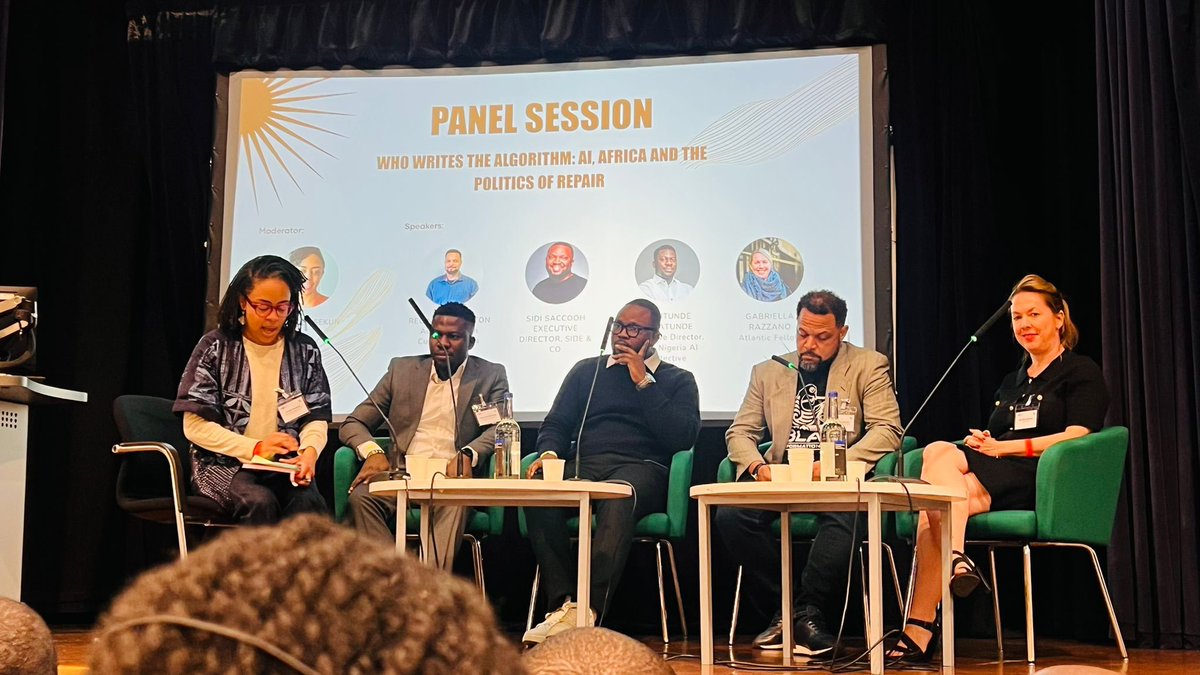
I joined a panel at LSE today on “Who Writes the Algorithm: AI, Africa and the Politics of Repair.” Good conversation. But I left feeling we are still not stating the harder implications clearly enough.
Who writes the algorithm matters. But the more structural question is: whose knowledge was the system built on? Because the algorithm is not just code. It is the outcome of training data, and that data reflects specific histories, geographies, and power structures.
Africa has over 2,000 languages, most of these are absent from the datasets underpinning today’s AI compared to western data. What these systems know about Africa was learned largely through external narratives and external priorities. That is not a technical gap but a structural one.
Three things stayed with me from the conversation.
Africa plays a central role in the AI value chain through mineral extraction but captures very little downstream value. African journalism , rigorous, fact-checked, locally grounded, is training AI systems while major licensing deals flow almost exclusively to Western media institutions. And millions across the continent are forming their understanding of AI through constrained, outdated interfaces — shaping not just usage but governance conversations.
One tension worth naming is that much of Africa’s AI governance work is funded, directly or indirectly, by the companies those frameworks are meant to hold accountable. That helps explain why policy conversations emphasise opportunity while staying quiet on extraction and dependency.
Repair, if we take it seriously, is not inclusion or capacity building. It is about ownership, governance, and distribution. It means Africa moving from being a source of raw materials and raw data to being a site of decision-making and value creation.
That is what the politics of repair actually demands.
I will write a more expanded article on this in the coming days.
Mar 28

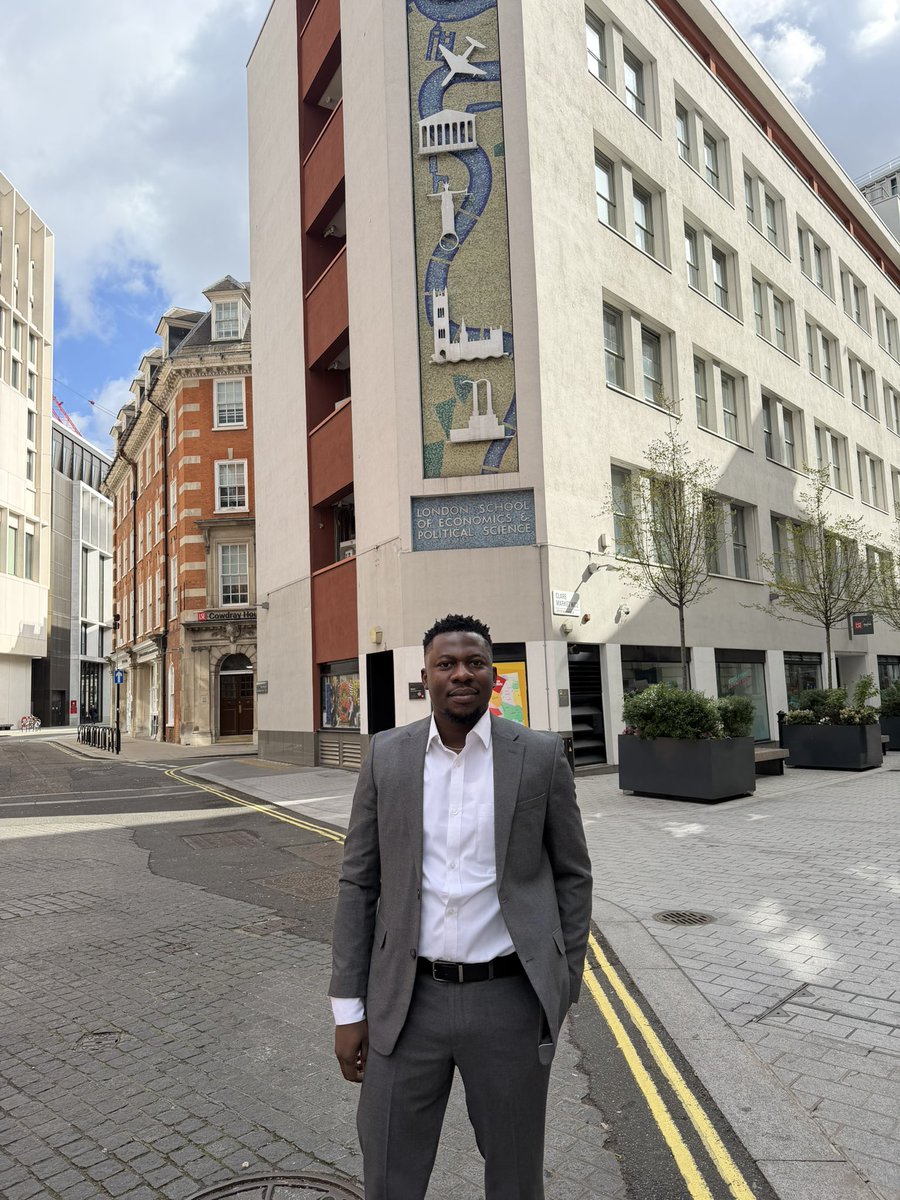
At the London School of Economics in London to speak on AI, Africa, and the politics of repair. The question isn’t whether AI will shape Africa’s future, it is who gets to write the algorithm. Excited about the summit!
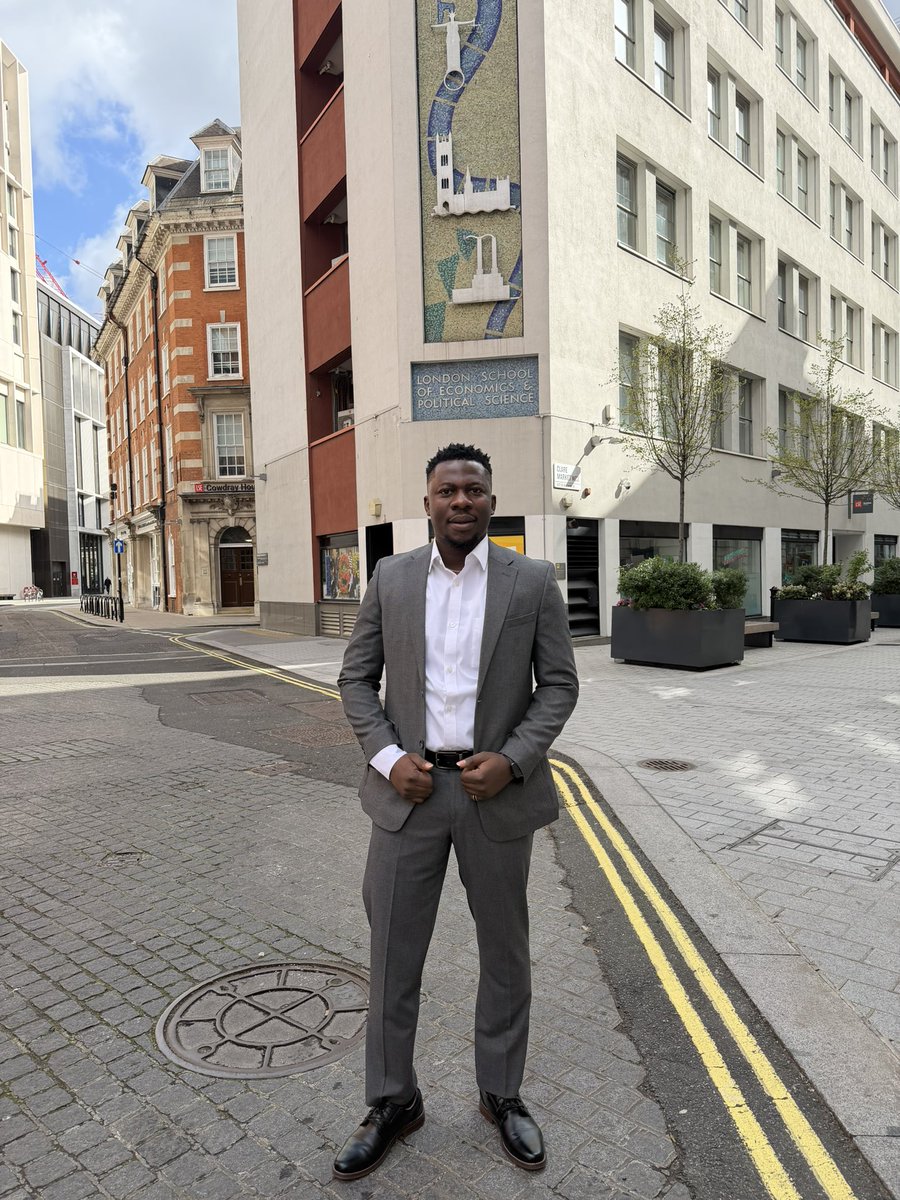
8
21
74
9,654
Sola Osinoiki retweeted

Yesterday I led a masterclass for a group of early-stage founders building across Africa through @Antler Africa Academy.
I opened with one question: "Drop your market size in the comment for what you are building."
The silence was loud.
And honestly, I get it. Nobody teaches you this stuff. You hear TAM, SAM, SOM thrown around constantly but most founders I've spoken to either copy a number from a report or do the thing I call the McKinsey Slide: find a big headline figure, take 1% of it, and present that as their opportunity.
Investors see through it immediately.
What actually works, and what I walked the founders through live, is building your market size from the bottom up. Starting with your actual customer. What do they pay? How many of them exist in the markets you can realistically reach right now? What can you capture in the next 3 years?
We also talked about something that doesn't get enough airtime: What to do when the data flat out doesn't exist for your market. Because in a lot of African contexts, it doesn't. The answer is proxy data: telco active mobile money users, import/export registry volumes. Creative? Yes. Legitimate? Absolutely.
The session went really well and the founders left with something they could actually use.
I've shared the full slide deck for free through my newsletter, all 15 slides including the live bottom-up walkthrough, the 5 mistakes founders make, and the strong vs. weak market sizing slide comparison.
If you're building in Africa and want to think more clearly about market sizing, I am dropping the link in the comments 👇
12
38
177
11,976
Mar 5
RT @RealJerryEze: APPLICATION FOR JERRY EZE FOUNDATION GRANT FOR YOUNG PEOPLE IN AGRICULTURE, MANUFACTURING AND TECHNOLOGY HAS OPENED !!! h…
2,557
Sola Osinoiki retweeted

Feb 11
You eventually start to realize, no job is safe.
2,755
4,378
31,253
7,844,747


Sola Osinoiki retweeted

Jan 29
This article highlights 100 entrepreneurs in Africa to watch in 2026, founders whose work demonstrates sustained momentum, strategic clarity, and measurable impact.
--
#tüik Peter Obi #SARKY Pape Thiaw 5 English
todayafrica.co/100-entrepren…
1
3
4
425