Nyakasura School, Ntare School O.B, Father, Passionate about dairy farming.
Joined January 2022
- Tweets 774
- Following 1,491
- Followers 160
- Likes 220
206 Photos and videos





Joshua Musinguzi retweeted

Jun 11
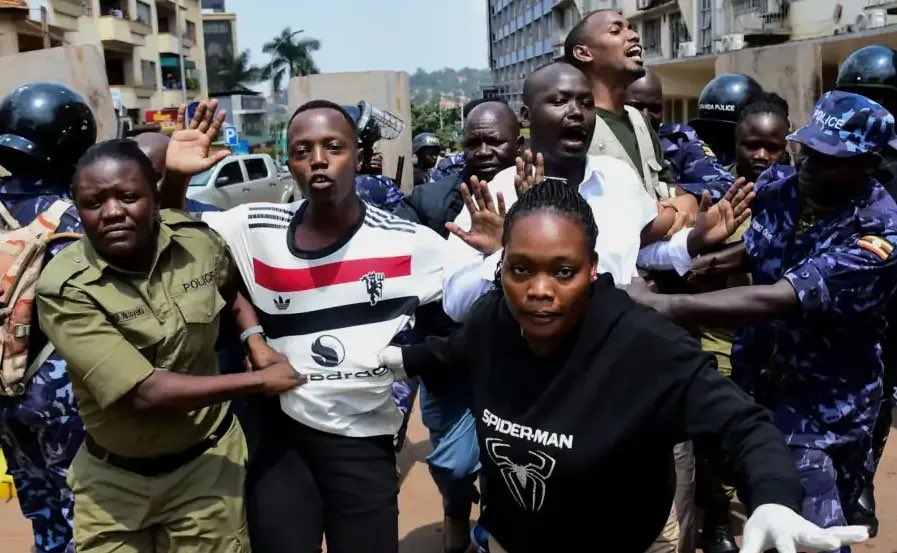
Defence lawyer Eron Kiiza has brought to the attention of court Uganda Prison’s refusal to comply with court orders. The authorities have frustrated their engagements with their clients. Prison warders have acted as listening posts, stripping the lawyers of any privacy during engagements with their clients.
#FreeDrKizzaBesigye
1
25
61
3,273
Joshua Musinguzi retweeted

There is no 28billion to pay intern doctors in the budget Museveni is presenting today, no 8billion for UNEB to train teachers on how to mark new syllabus, no 3.5billion to complete new syllabus but there is 211billion for welfare and entertainment for big people, 536 billion for special meals and drinks for big people, 196 billion for big people to donate, 17 billion for firewood, gas and charcoal and 2.6 trillion for classified expenditure!
508
1,294
5,211
247,983

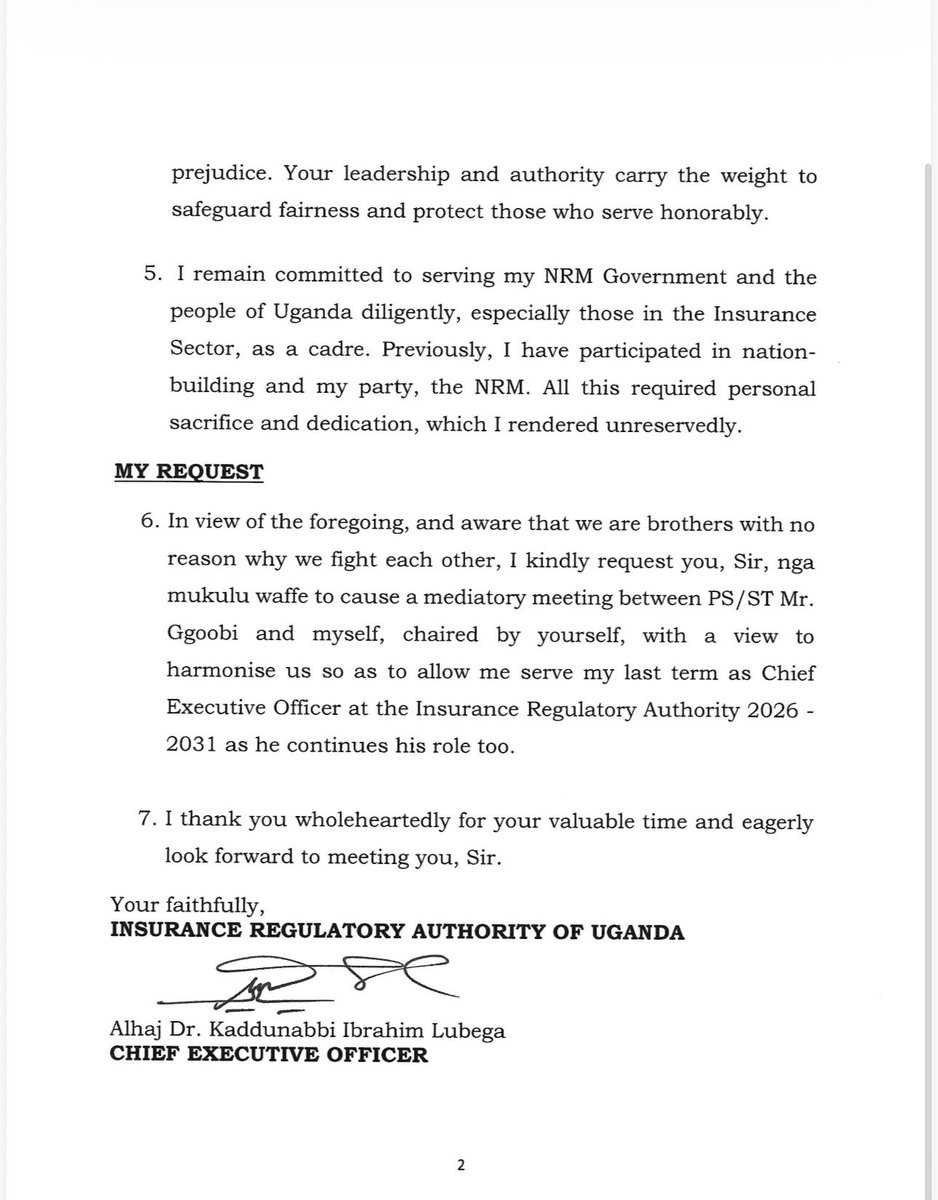
Youth are not failing becoz they lack qualifications, we're being failed by nepotism, and favoritism. Jobs are no longer given on merit but on connections, family ties, and political loyalty. A nation can't progress while hardworking youth are sidelined for the well-connected.
5
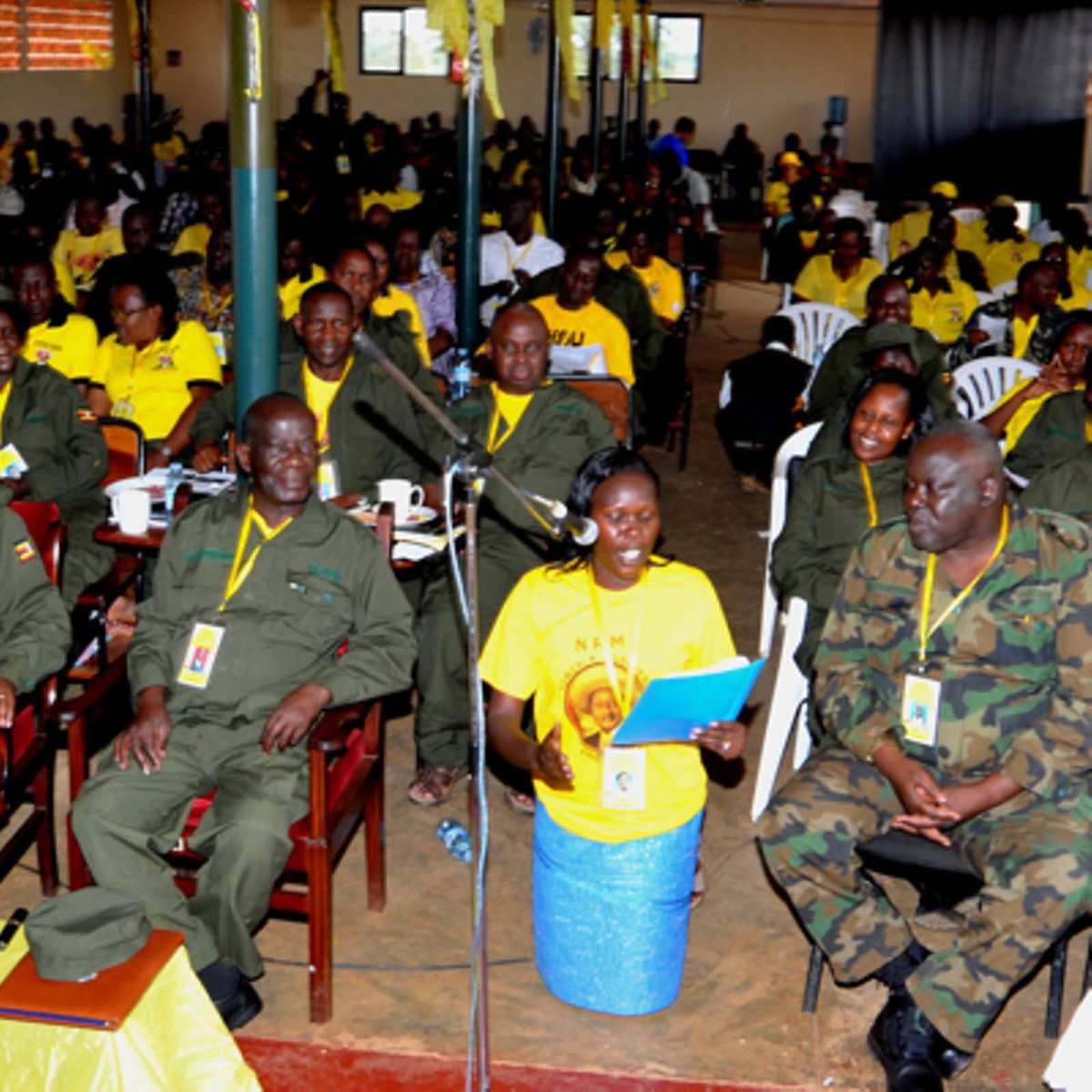
By kneeling before H.E. YK Museveni at the Kyankwanzi retreat, @Anite__Evelyn lowered the bar for public leadership and dignity. Uganda deserves leaders chosen for competence and service, not dramatic displays of loyalty in pursuit of ministerial favor
62
Joshua Musinguzi retweeted

May 27
1987.
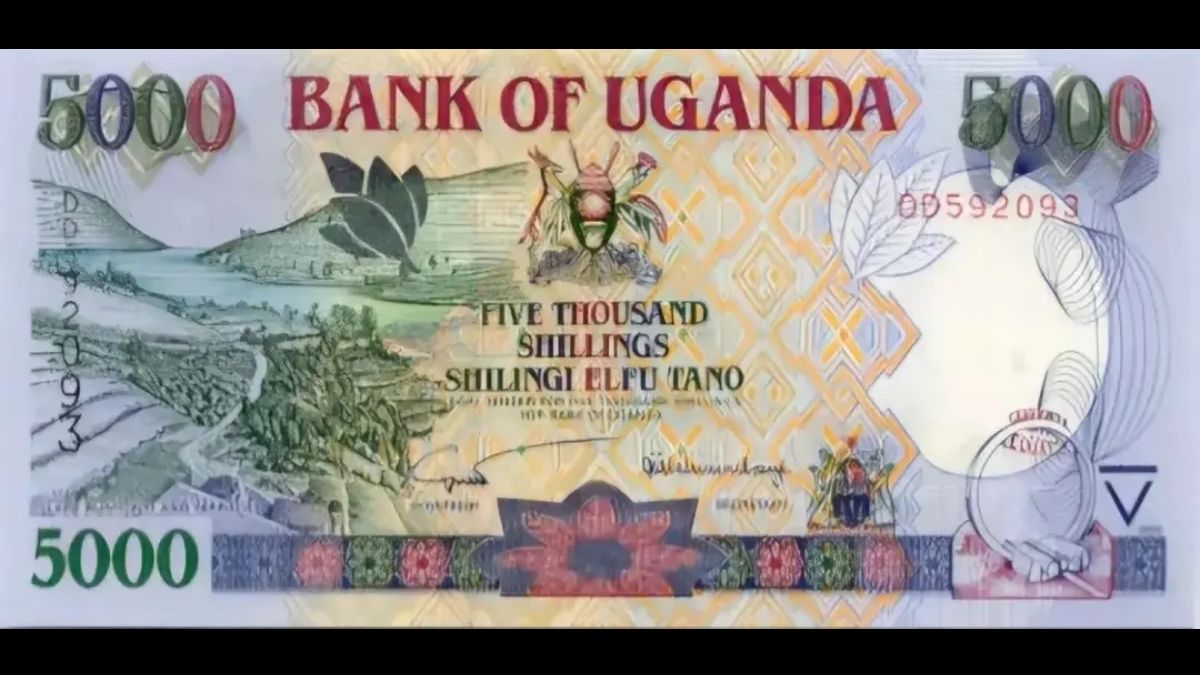
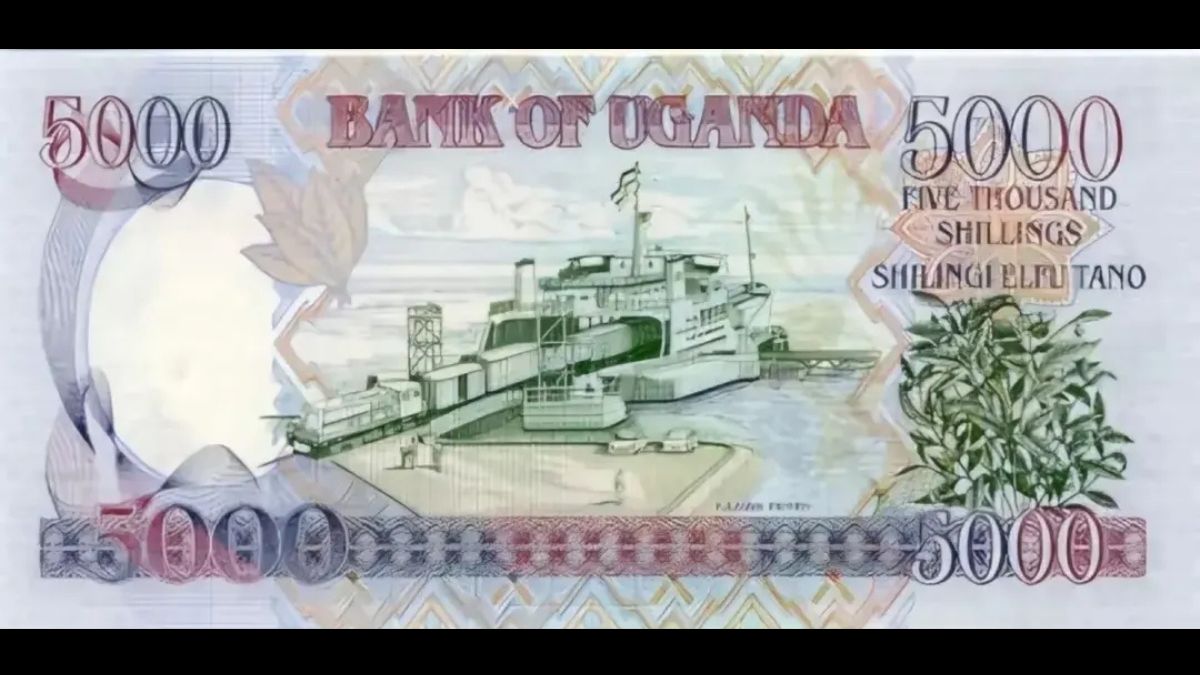
The 5000 shilling note arrived, not as a sign of a thriving economy, but as a weapon in a desperate war against hyperinflation.
Printed in Britain, designed for a nation clawing its way back from collapse, this single note could buy over 90 kilos of meat.
The Uganda of 1987 was a nation in emergency.
The NRM had inherited a country shattered by two decades of war and misrule.
Hyperinflation raged; the currency was worthless; the black market had replaced legitimate trade.
The official exchange rate in 1986 was 14 shillings to the dollar, while the black market rate hit 5,000, a gap that exposed total economic collapse.
In May 1987, the government launched radical reforms: a 66% devaluation, shifting the official rate to 60 shillings per dollar, alongside price liberalisation and currency reform.
Under the Currency Reform Statute, the old shilling was replaced by the new shilling (UGX) at 100 to 1.
Everyday notes of 5 to 200 shillings were issued, but alongside them came the 5000 shilling note, a high-value instrument for major institutional transactions.
The IMF and World Bank supported the reform package with policy advice and financing tied to devaluation and deregulation.
The note was a collaboration between Kampala and London.
Thomas De La Rue and Company Limited, the renowned British security printer, produced the series.
The signatures of Governor Suleiman Kiggundu and Secretary Kahoza sat below the national emblem and the outline map of Uganda.
What did this note actually buy?
Under the reformed system, with meat prices stabilising at roughly 55 shillings per kilo, a single 5000 shilling note represented over 90 kilos of meat.
It was not for the market woman or the taxi conductor.
It was for settling government contracts, interbank transfers, and major commercial deals.
Its very existence was a sobering admission of how far the currency had collapsed, 5000 new shillings was the equivalent of 500,000 old shillings.
The reforms worked, inflation fell from 190% to 21% within two years, and the black market was crushed.
The note circulated as the economy stabilised, then grew.
But as the years passed, so did its purchasing power.
By 2010, the Bank of Uganda had introduced a new series of banknotes with enhanced security features and images celebrating the nation's history and culture.
The 1987 series, including the 5000 shilling note, was gradually withdrawn.
On March 30, 2013, it was formally demonetised, the entire 1987 series ceased to be legal tender.
By then, the world had changed.
Meat prices in Kampala averaged roughly 7,850 shillings per kilo in 2013, and the exchange rate had moved to approximately 2,587 shillings to the dollar.
That same 5000 shilling note, which had once represented the equivalent of over 90 kilos of meat, could now buy roughly 0.6 kilos, about two modest cuts, barely enough for a family stew.
This was not a failure of policy.
It was the natural arc of a currency that had served its purpose across 26 years of recovery, growth, and transformation.
The note that had once been a symbol of emergency stabilisation had simply outlived its era.
Today, this note is a relic of that painful pivot.
Printed in Britain.
Designed for Uganda.
Used in the corridors of government, not the marketplace.
It was the currency of a nation that had looked into the abyss and chosen, through harsh discipline and foreign assistance, to pull itself back.
Over 90 kilos of meat in 1987.
Less than a kilo by the time it was retired.
A quarter-century of rebuilding, folded into a single piece of paper.
The 5000 shilling note was never meant for daily life.
It was a tool of economic warfare against hyperinflation.
By the time it was demonetised, its purchasing power had shrunk from over 90 kilos of meat to barely half a kilo.
What does a currency's arc tell us about the era it served?
#ughistory #BOU @BOU_Official @NRMOnline @DeLaRuePlc
11
79
264
25,406
It's unfortunate that the government of Uganda under Museveni doesn't reward competence but rather loyalty to NRM.
May 27

What other countries do is that they beg their best brains to serve in key decision-making positions. But at the altar of politics, we have sidelined ours – bse they are allegedly, opposition (sth like, they don’t love country enough):
Abdu Katuntu (one of the best brains in law). Nandala Mafabi (immense experience with cooperatives, worked with World Bank). Gen. Mugisha Muntu (a most decorated & honest soldier). Dr Sarah Bireete (a very astute activist on good governance). Andrew Mwenda. Robert Kabushenga. Winnie Kizza. Kin Kariisa, among others.
Instead, national decision-making is gift platforms to old comrades or their children, love affairs, & loyalists. Kitalo ddala.
19
Joshua Musinguzi retweeted

May 26
2,609
3,529
9,342
2,695,508
Joshua Musinguzi retweeted

May 22
A moral outrage. A national shame. This must stop. If politicians feel no embarrassment, citizens must demand change.
Not even the Prime Minister of Norway or the Chancellor of Germany receives such extravagant per diems , yet Norway is 70 times richer and Germany 30 times richer than Uganda. Both are donor countries to Uganda.
In Norway, the Prime Minister travels under the same rules as senior civil servants: modest meal allowances, hotels refunded on receipt, and about $63 a day in travel allowance.
In Germany, even the Chancellor travels under federal civil service rules: flights and security covered by the state, hotels reimbursed separately, and a modest daily allowance of under $80.
Uganda is poor. Our leaders should act like custodians of scarce public resources, not beneficiaries of excess.@AAgather
May 21

Per night. This is what a total number of nights looks like. Half a billion for one trip which was even “official leave”. The example I am using is still Among’s but I know for a fact that when her perdiem was increased to $4,000 a night, her deputy’s was increased to $3,500. He also got the annual official leave.

27
141
417
54,441
Joshua Musinguzi retweeted

Thanks to President Trump’s historic $1.5 trillion investment in our military, AMERICA IS REBUILDING THE ARSENAL OF FREEDOM — and doing so responsibly.
Community note
The $1.5 trillion military investment refers to a proposed budget request for FY2027 that has not been approved by Congress. war.gov/News/News-Stor… whitehouse.gov/wp-content/upl… csis.org/analysis/unpac…
4,641
3,498
18,098
975,976
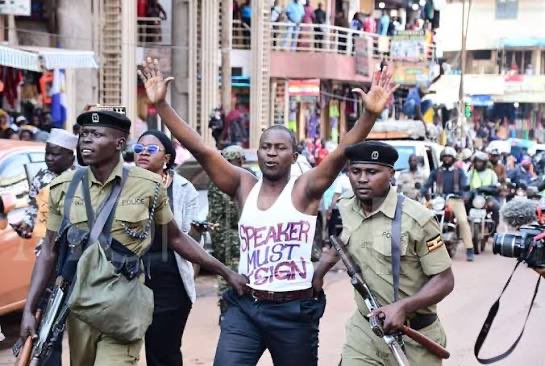
Its hard to ignore the double standards in this fight against corruption. When Ugandans marched to Parliament last year demanding accountability, the response was arrests and intimidation. Today, AAA's probe raises questions on whether it's fight against corruption or drama.
12
Well said
May 19
Fortunately, I can call many of Gen. Muhoozi’s people my friends; @AndrewMwenda @kasujja @qataharraymond, etc, all very brilliant people. could you please be honest enough to tell him he cannot fight corruption while abusing processes, while undermining institutions, while openly and publicly appointing speakers and deputy speakers of parliament, while fronting people that have also been involved in the same corruption you’re praising him for fighting. Thank you 🙏
1
179
Joshua Musinguzi retweeted

May 19
On the issue of Deputy Speaker, after getting guidance from the Commander-in-Chief, all PLU MPs and PLU leaning MPs will support Rt.Honourable @Thomas_Tayebwa for that position. Congratulations Rt.Honourable.
1,999
2,087
12,053
1,222,190
Joshua Musinguzi retweeted

While celebrating the cathartic fall of outgoing Speaker @AnitahAmong—whose own record invited scrutiny—we must not miss the deeper repression unfolding. The real story is not her downfall but the Executive’s and Army’s brazen imposition of total submission on the Legislature.
37
209
921
26,668
If government of uganda was serious about the fight against corruption and not partially applying the law, AAA would have been convicted by now.
May 18
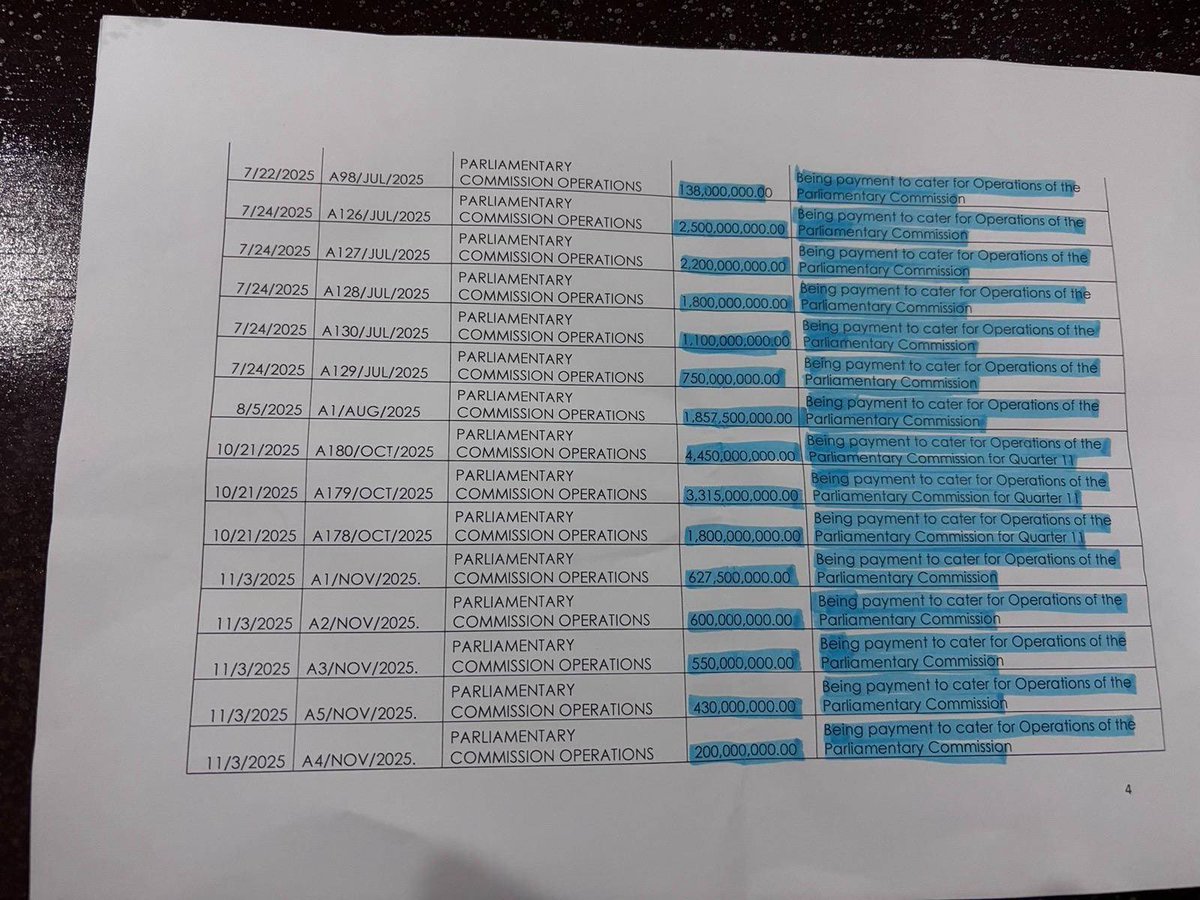
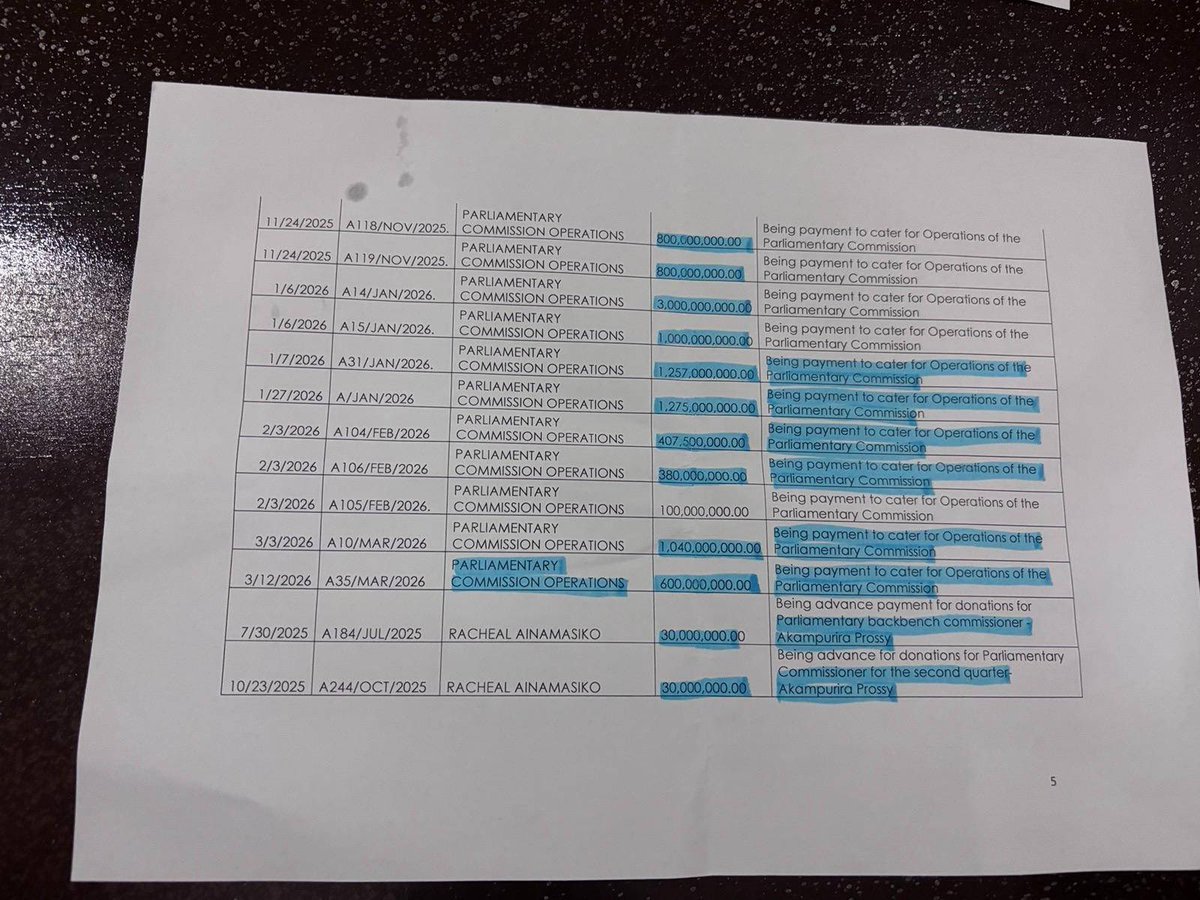
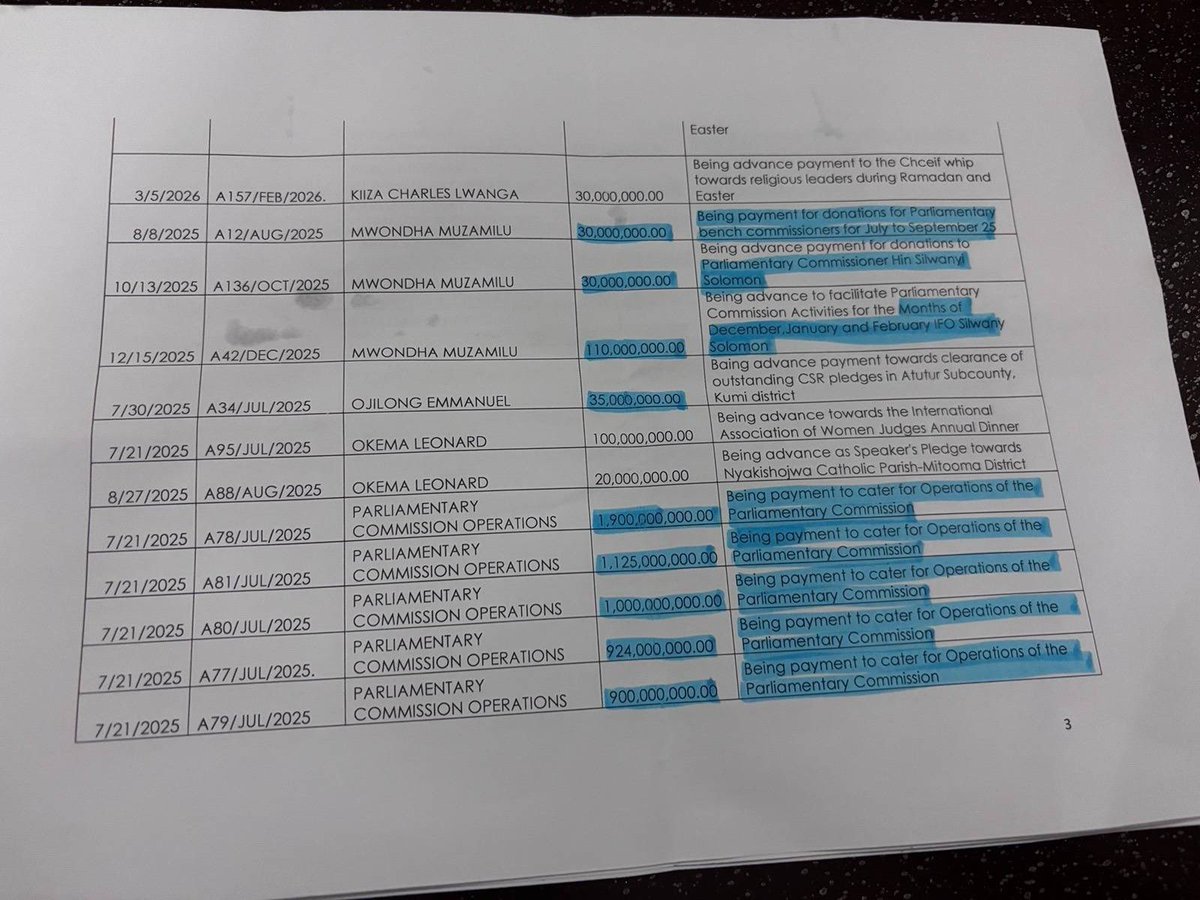
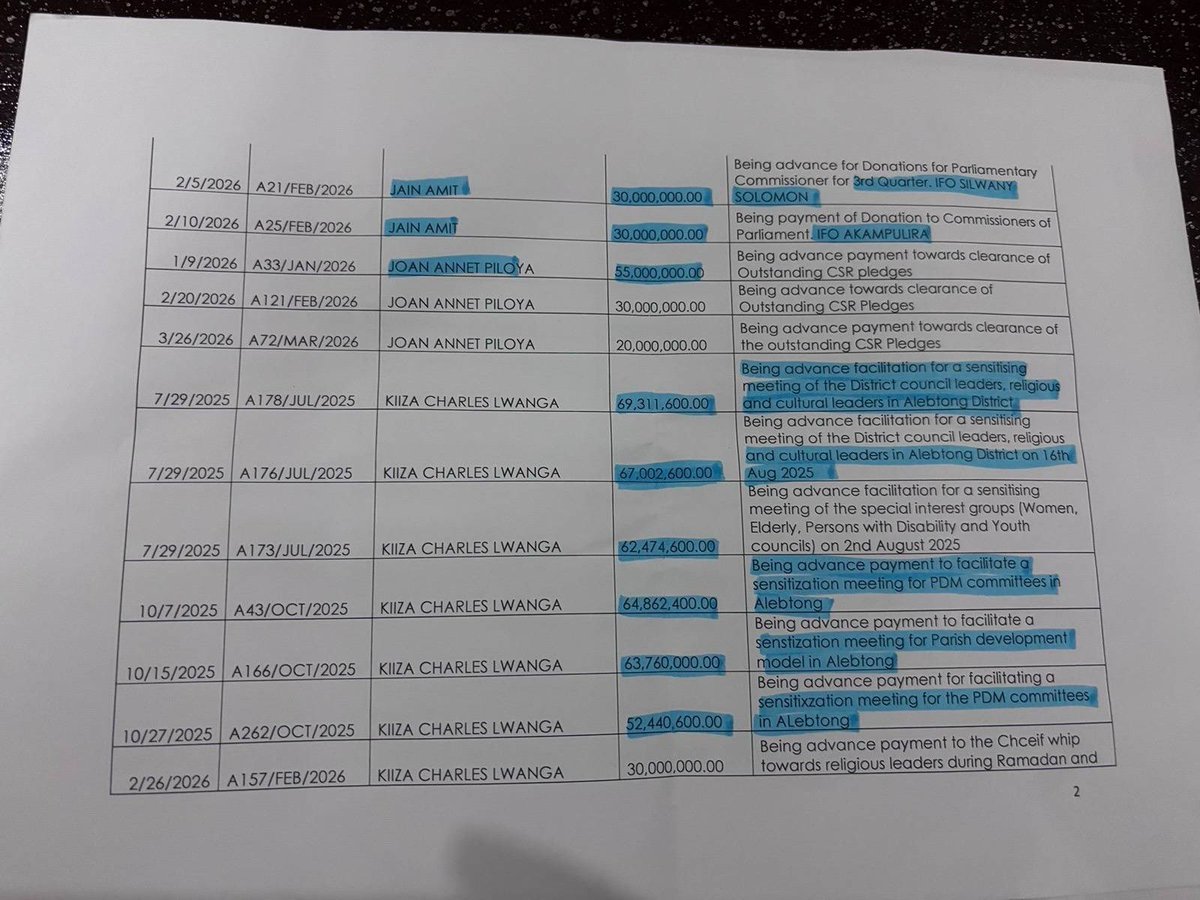
I don’t know if this is still necessary but with new information I have to clear the record. The money Among and her cronies stole in the 8 months between July 2025 and Feb 2026 is over UGX 50,000,000,000 ( about $13.5M). These astronomical amounts spent on “parliamentary commission operations” were picked directly from @BOU_Official unlike those for “outreach programs” for the speaker and commissioners which were channeled through the Parliamentary Sacco. #UgandaParliamentExhibitionII
15
Pride
May 17

RE: SPEAKERSHIP RACE
I wish to draw the attention of the public to the matters regarding the Speakership race.
After wide consultations and deep introspection, and to maintain harmony and clarity in my beloved party, the @NRMOnline, I wish to categorically and unequivocally state that I will not be offering myself for the Speakership race of the 12th Parliament.
I am greatly indebted to H.E @KagutaMuseveni, my party, the @NRMOnline, and members of the 11th Parliament for giving me the opportunity to serve as Deputy Speaker and Speaker.
I am equally indebted to my family and friends for the solidarity and support they have extended to me over the last five years.
I pledge my total support to the candidates who will be endorsed by the President and the Party, and Implore all colleague MPs of the 12th Parliament to do the same.
I shall remain available to the service of my country as the party and the President may assign me.
In the meantime, I pledge to continue cooperating with all ongoing investigations as initiated by the relevant organs of the state to get to the root of all the allegations raised.
FOR GOD AND MY COUNTRY.
ANITA ANNET AMONG
11
Unless he flees the country, he will also be arrested. Security agencies should act proactively to confiscate his passport as well.
6
Excessive pride in leadership can lead to arrogance, exaltation, rejection of advice, and eventual downfall. This is what happened with AAA
7
Double standards
Characteristics of Ugandan politicians
May 10
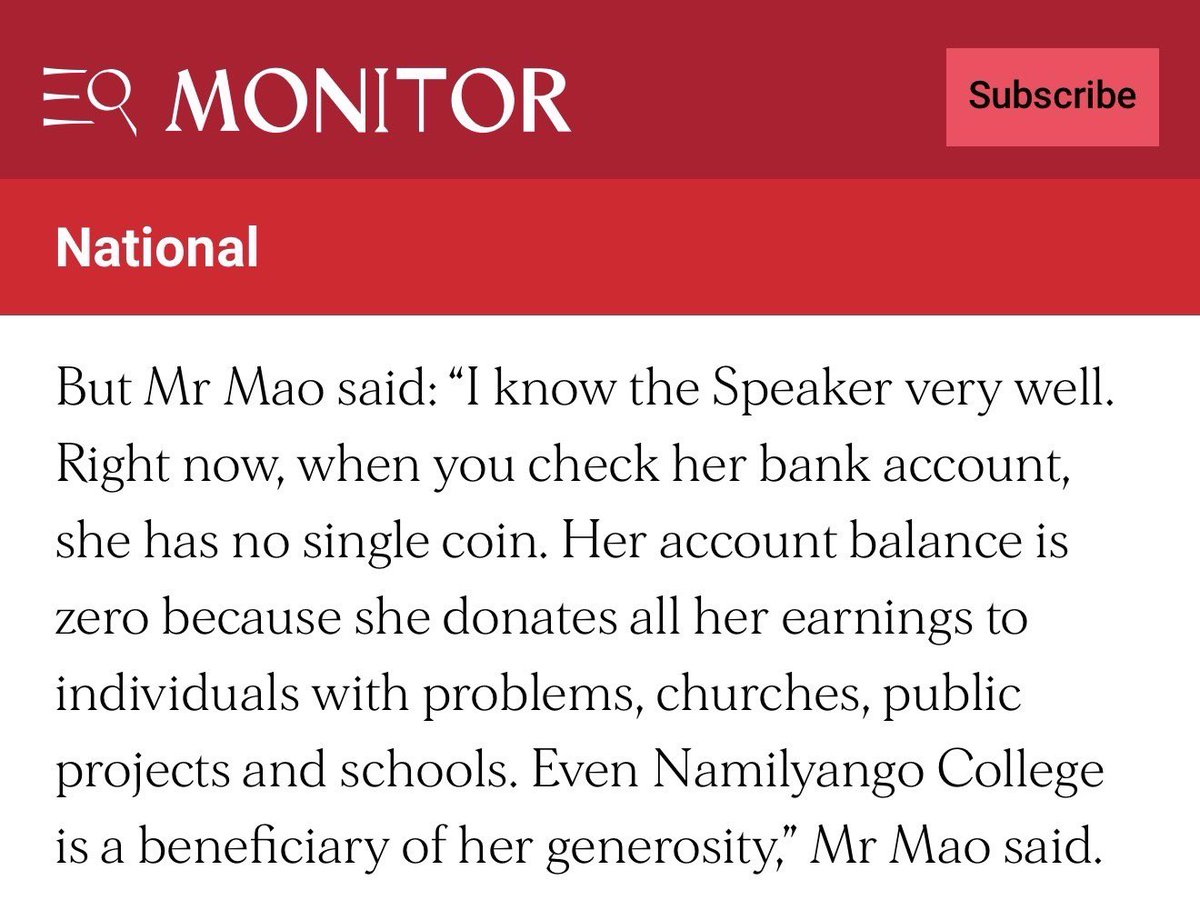
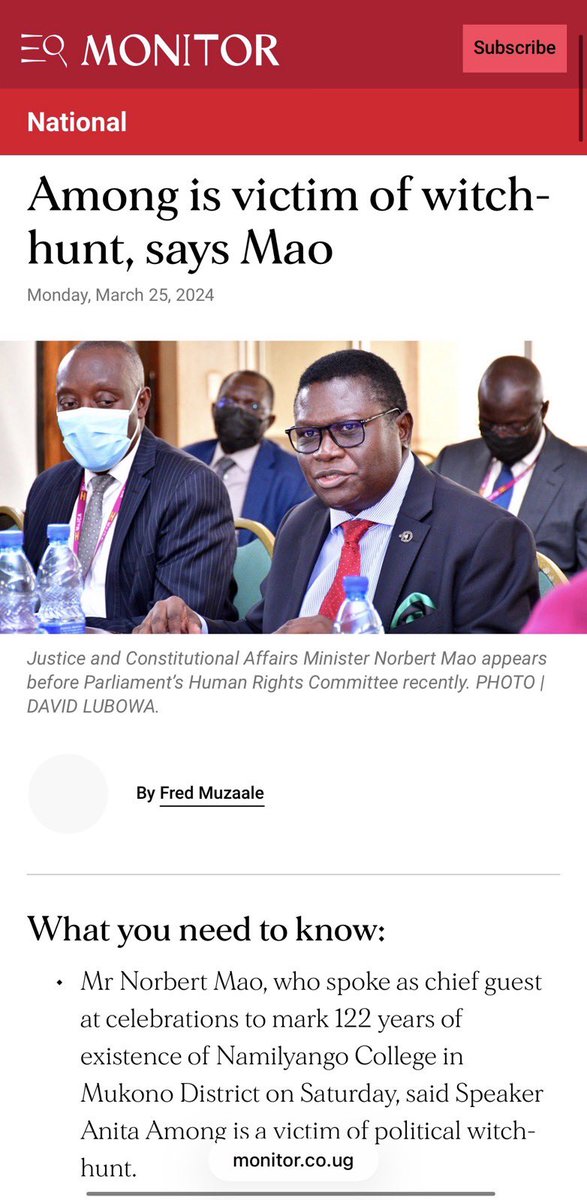
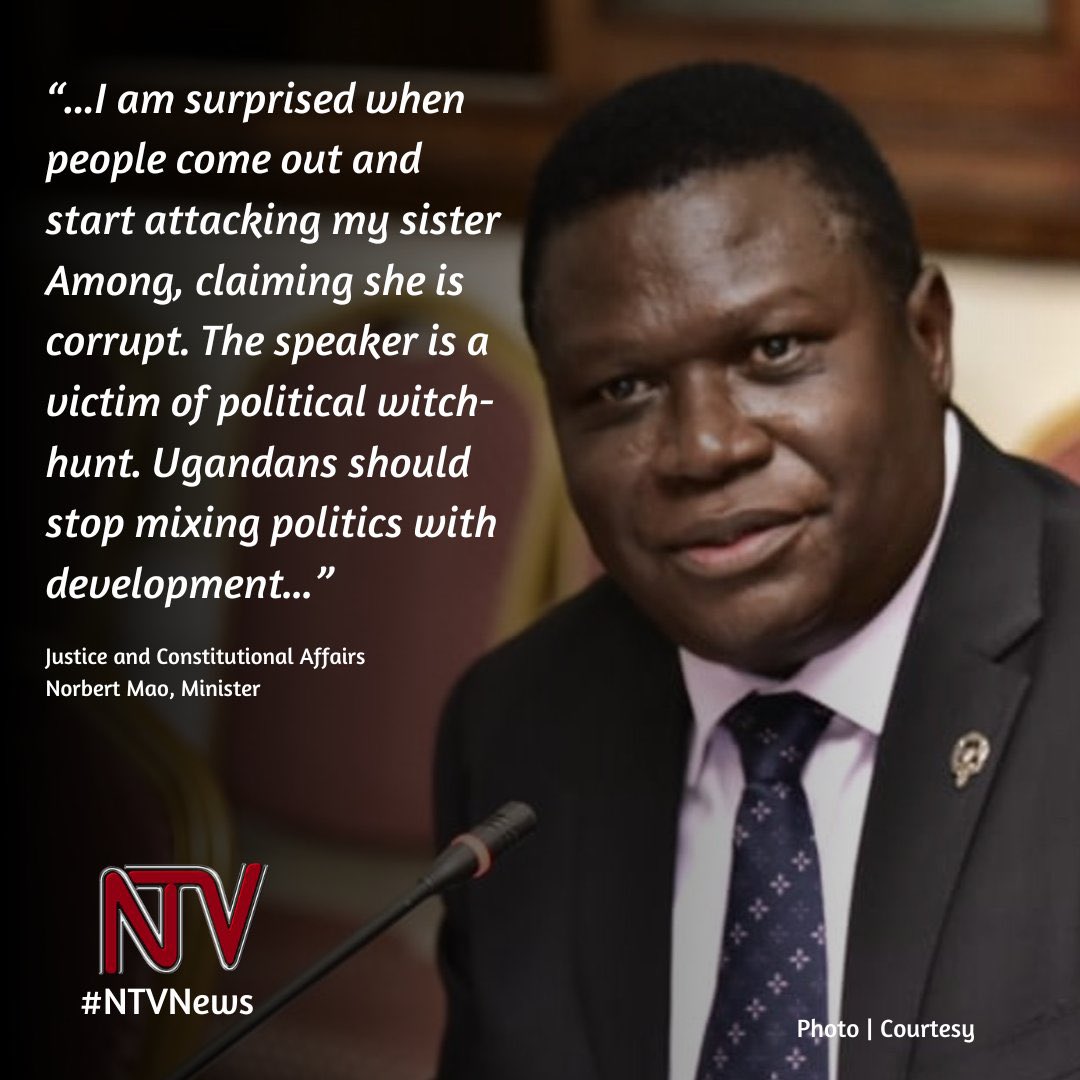
I can’t stop laughing at this😂😂 I am happy you people keep receipts because I knew he had defended her at some point but didn’t remember the zeal with which he did😂 I swear politicians are not normal people😂😂
1
28
Joshua Musinguzi retweeted

Norbert Mao on Anita Among:
Anita Among wasn’t sanctioned because of the Anti-Homosexuality Act, it was about corruption. She’s an injured soldier, but who needs rehabilitation, not decoration.
~She has put up multiple buildings across Kigo and beyond, yet the new Parliament chambers remain stalled.
~She acquired a multimillion dollar house in Nakasero.
~She has now purchased Walusimbi’s Garage on Dewinton Road, with plans to erect another building.
~She’s also planning to construct a five-star hotel.
~Now, she’s eyeing AFCON money, waiting to steal from that pot.
~And reportedly, she’s bought a Rolls-Royce Phantom worth Shs2.5b.
132
458
1,946
187,007
Joshua Musinguzi retweeted

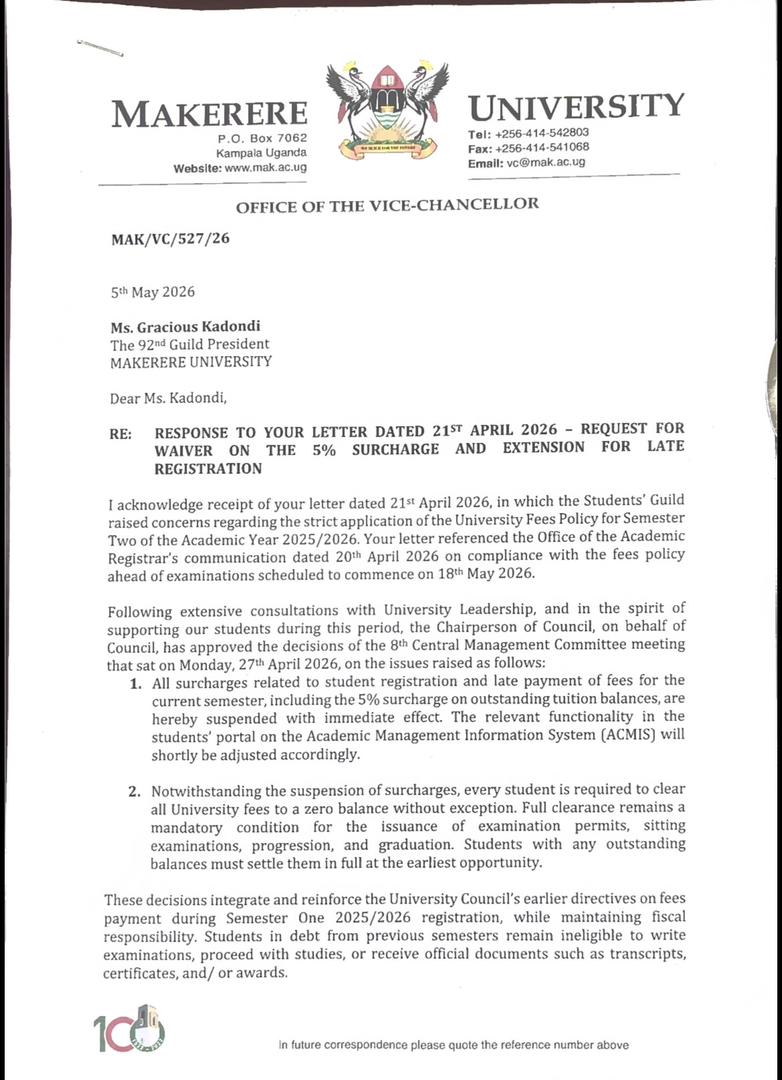
Good afternoon, Gallant Intellectuals of the Mighty Hill. Kindly receive.
22
65
492
26,072