
Journal of Systematics and Evolution (JSE) is a bi-monthly international English language journal dedicated to the understanding of biodiversity and evolution.
- Tweets 536
- Following 1,551
- Followers 475
- Likes 1,357
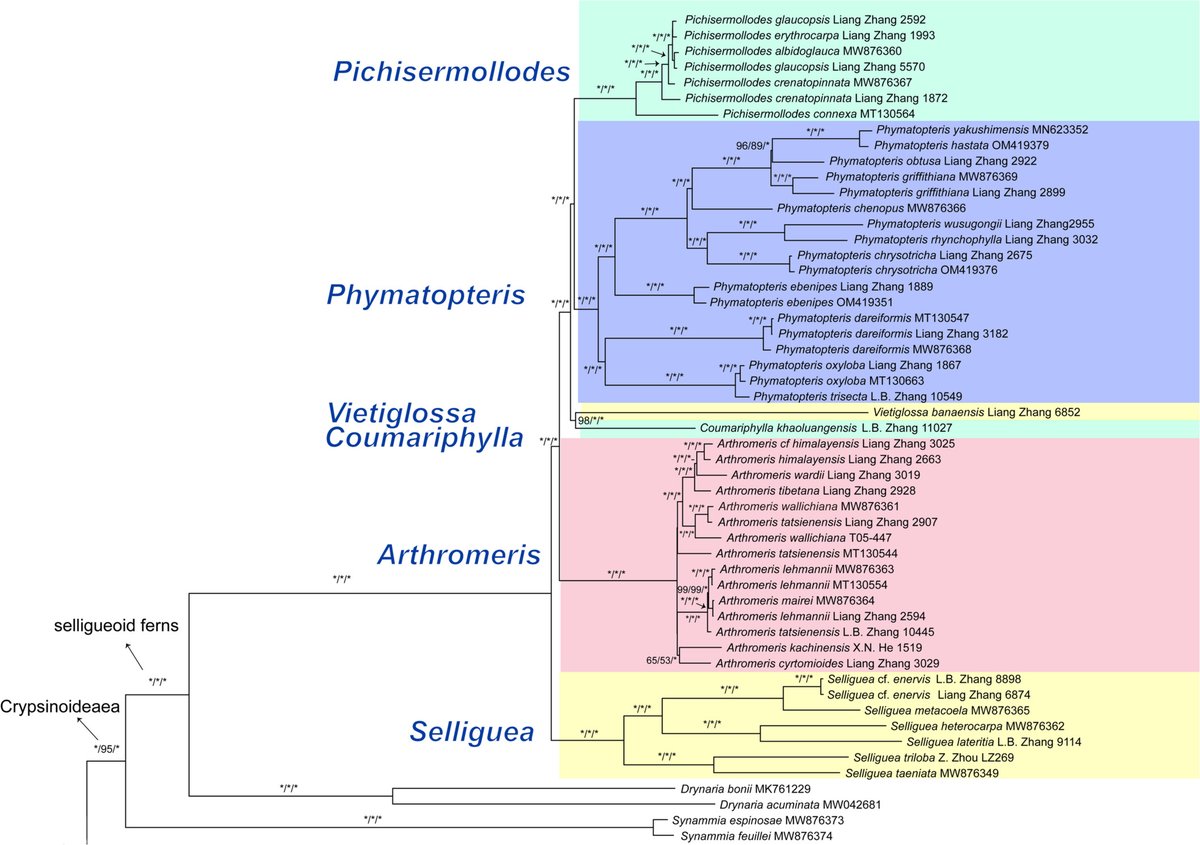






ALT Tree diagram resolving selligueoid ferns into six major clades, recovering the monophyly of Arthromeris, Pichisermollodes, and Phymatopteris (excl. type) Gymnogrammitis (Selliguea will become monophyletic if two isolated species are excluded). Instead of lumping all genera into one genus, the authors propose recognizing the six major clades as six genera: Arthromeris, Pichisermollodes, Phymatopteris, Selliguea, Coumariphylla (four spp.; gen. nov.), and Vietiglossa (one sp.; gen. nov.), to optimally retain the nomenclatural stability.
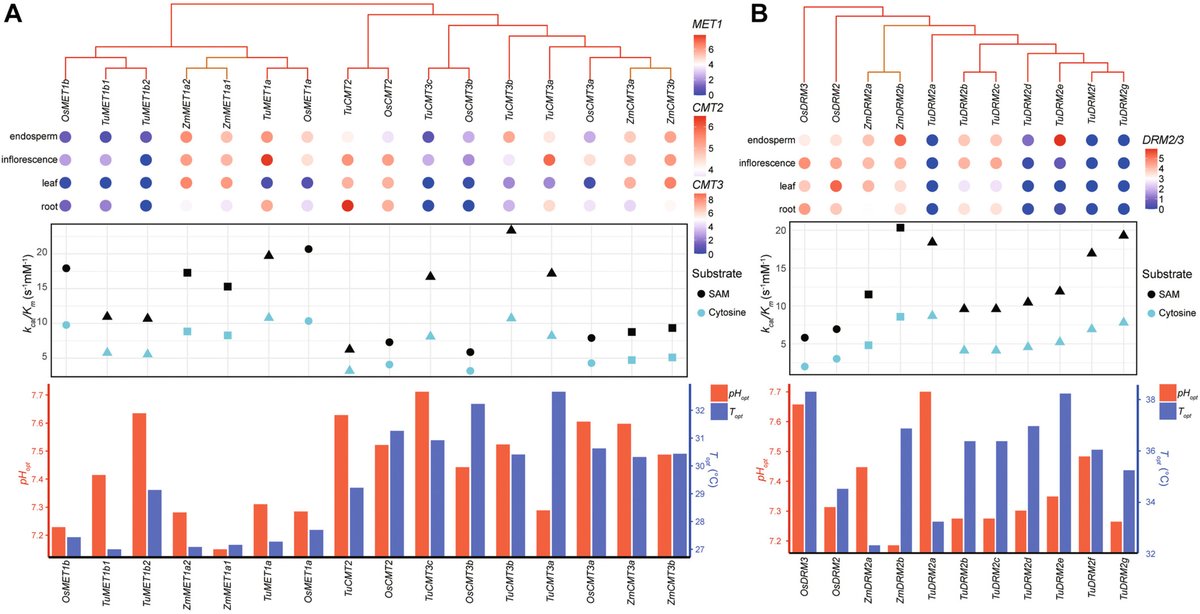
ALT Data figures supporting findings that, while DNA methylation of all three cytosine contexts (CG, CHG, and CHH) is catalyzed by the three DNMTs, different mechanisms have together promoted high evolutionary dynamic and functional divergence in extant Poaceae species.
ALT Cover of the May issue of JSE. Catkins of poplar and willow are arranged as XY and ZW, symbolizing the repeated turnover of sex chromosome systems in Salicaceae. Poplar leaves and willow shoots distinguish the two sister genera, while a pale DNA strand links the four chromosomal forms, representing their shared evolutionary history. Illustrated by Tao Ma, Deyan Wang, and Xiaogang Dai.
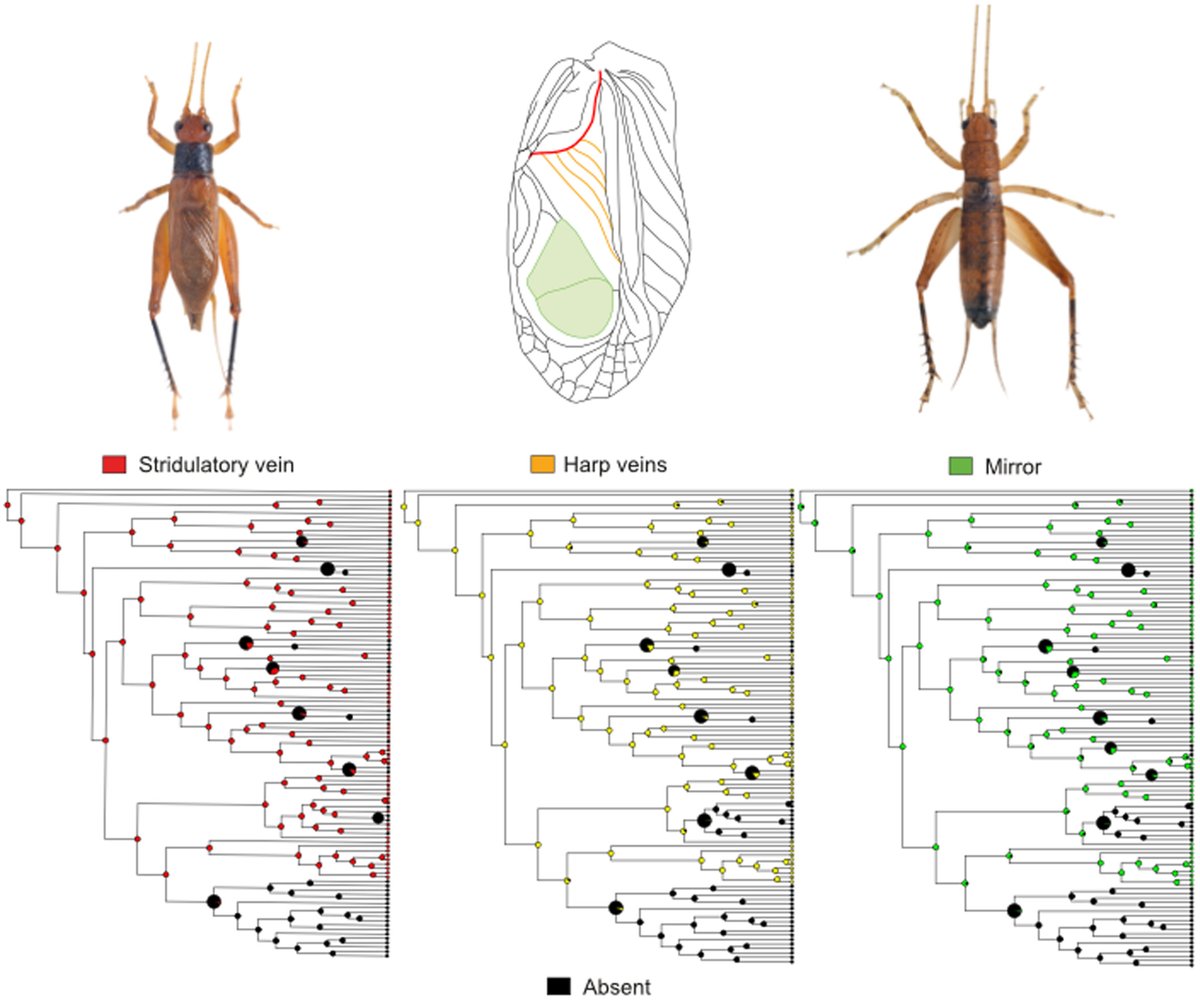
ALT Phylogenetic comparison of ancestral states of tree crickets, mapping stridulatory vein, harp veins and mirror character traits.
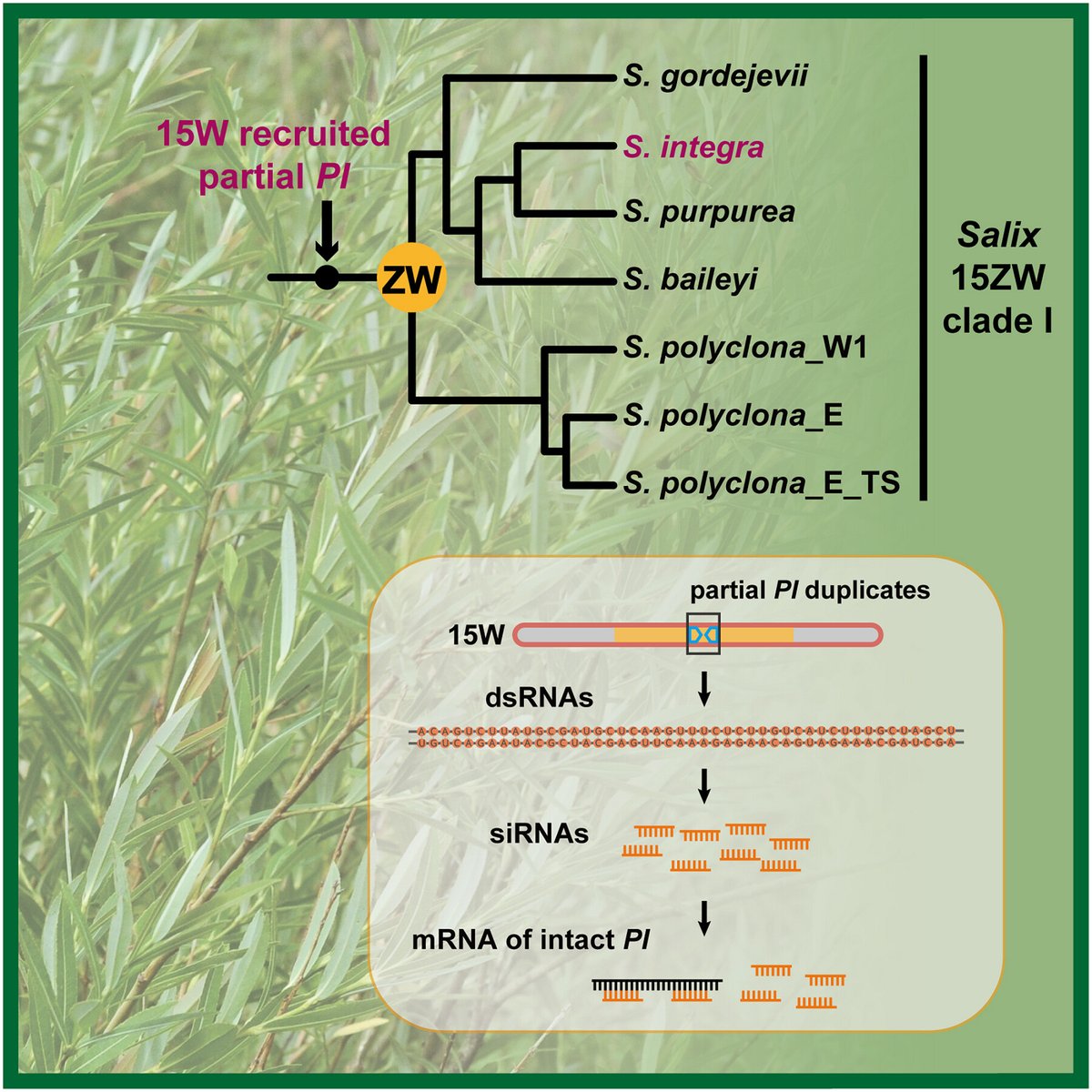
ALT Haplotype-resolved genome of Salix integra highlighting results of comparative analyses that reveal conserved sex-linked regions and a partial-PI-based mechanism on chromosome 15.
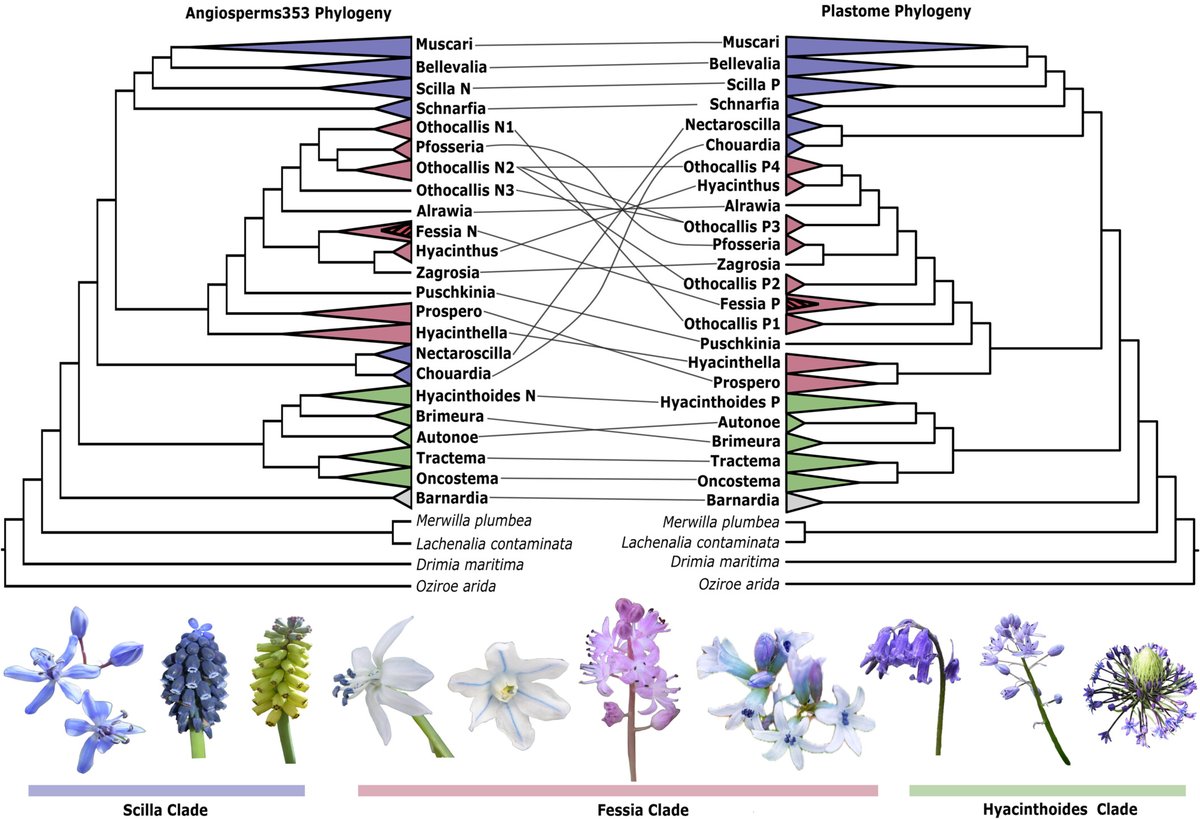
ALT Annotated phylogenetic analyses comparing Angiosperms353 and Plastome phylogenies.
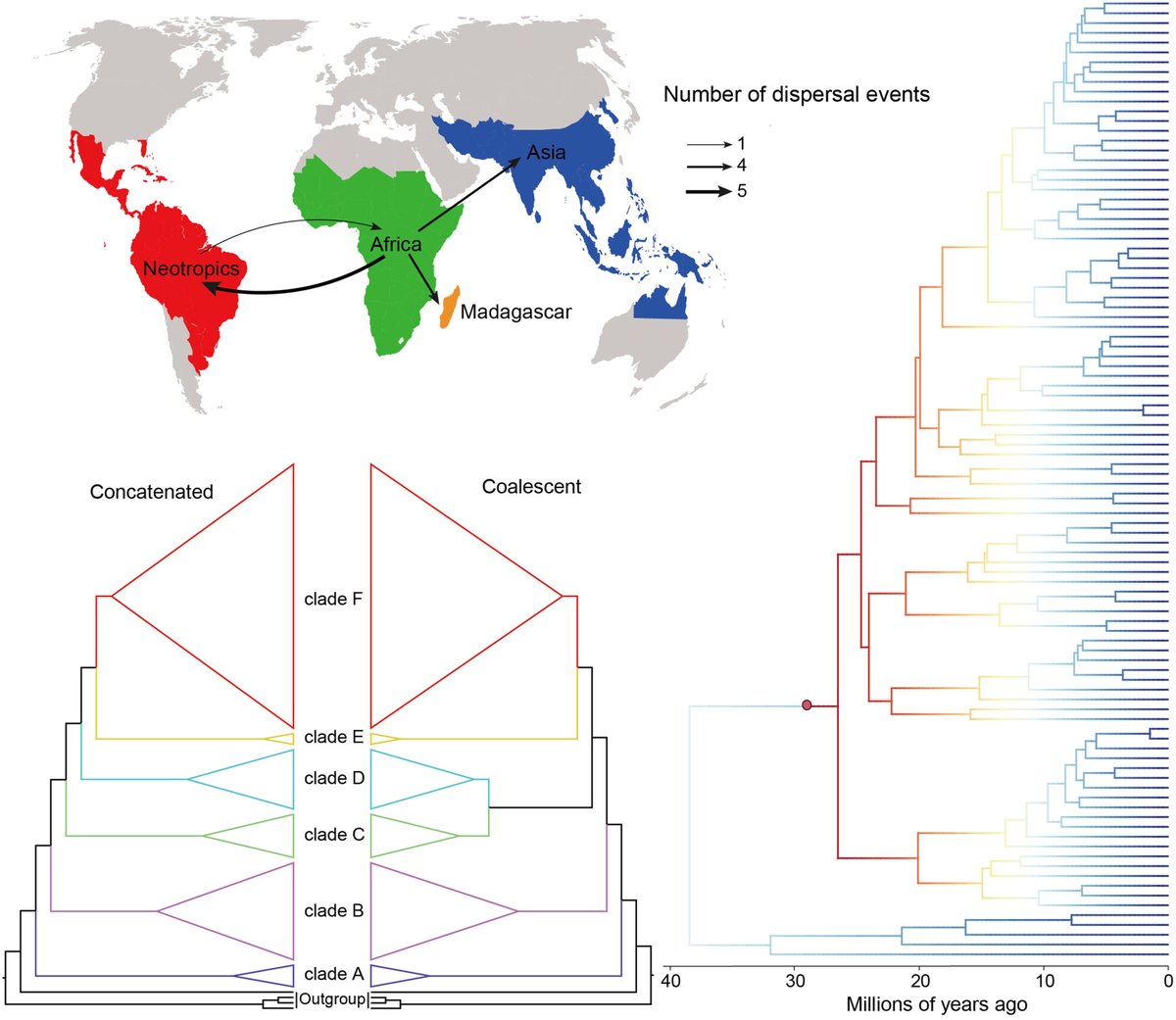
ALT Panel of data figures illustrating global dispersal patterns and presenting a well-resolved phylogenomic framework for Dalbergia, identifying a previously unrecognized African–Malagasy clade with potential taxonomic implications. By integrating phylogenomic inference with biogeographic and diversification analyses, we support a Neotropical origin of Dalbergia in the middle Eocene (~39 Ma), followed by repeated long-distance dispersal events. Our results further uncover climate-driven shifts in diversification dynamics, highlighting the role of Oligocene climatic change in shaping pantropical lineages.
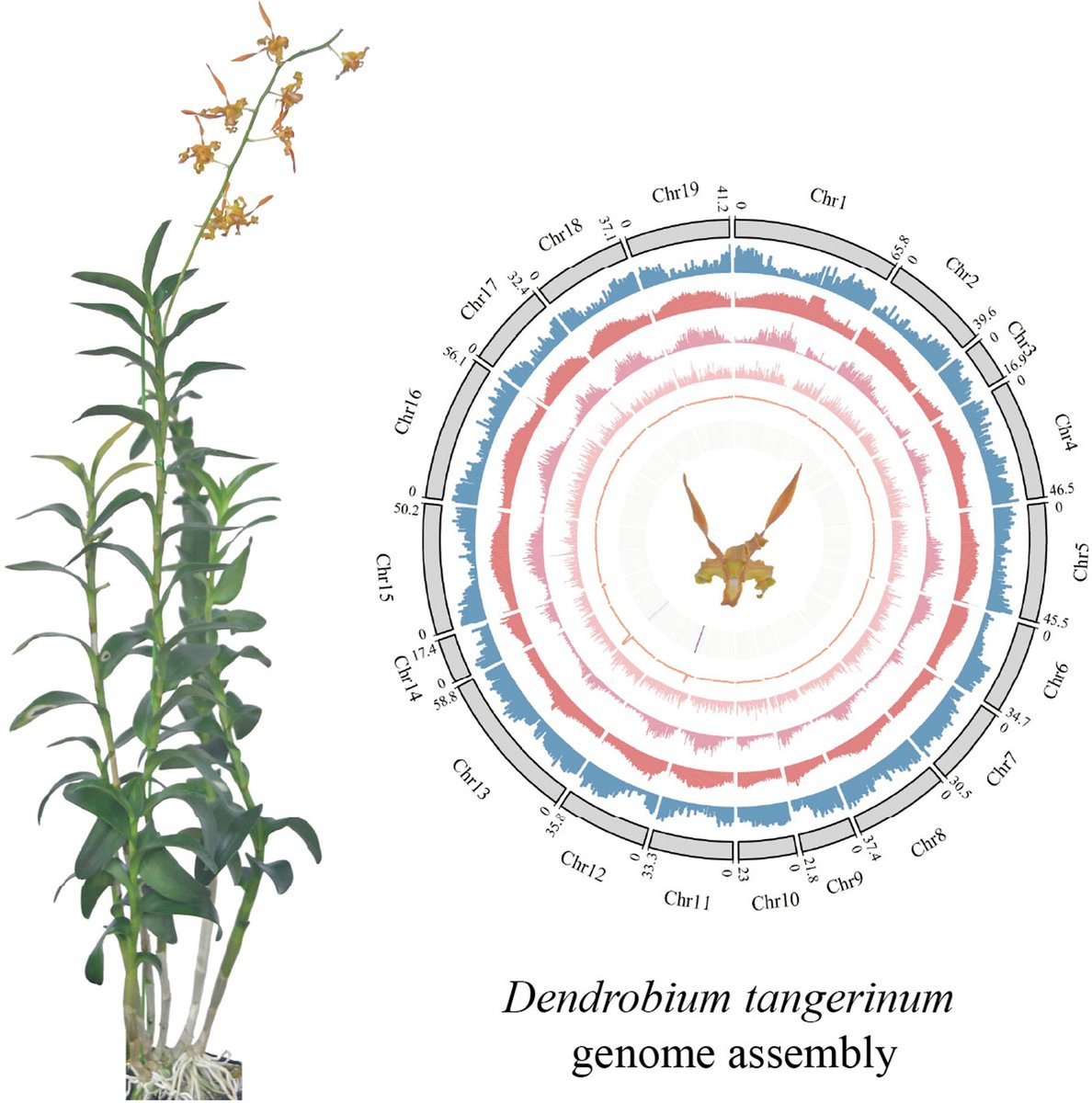
ALT Whole-plant image of Dendrobium tangerinum and the corresponding genome assembly diagram.
ALT Phylogenetic tree illustrating independent evolutionary trajectories for Cabombaceae and Nymphaeaceae, shedding light on the evolution of floral organization in basal angiosperms.
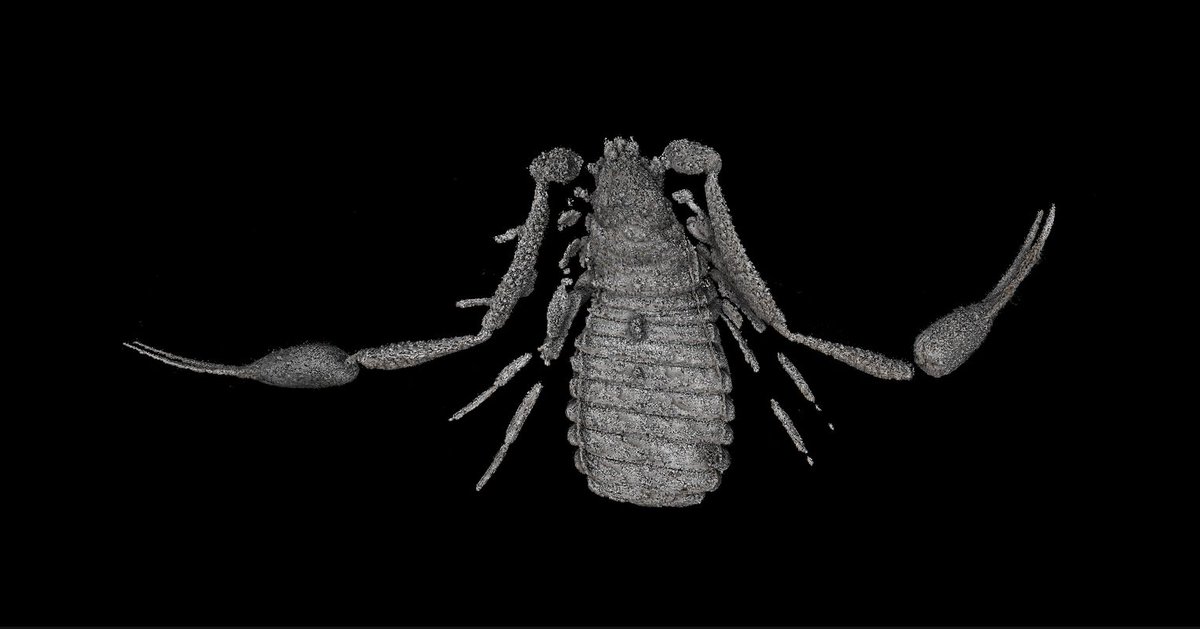
ALT Screenshot of a 3D reconstruction of 3D model of Echinochelifer curvatus gen. & sp. nov.
ALT Photograph. In the distance, beneath a deep blue sky, is a snow-capped mountain with white clouds surrounding its peak. In the foreground, four climbers/hikers walk in a line toward the mountain. Text reads: JSE Journal of Systematics and Evolution. Special Issue: Uplift history and biological evolution of the Himalaya (I).

ALT The cover of the January issue of JSE features a stunning image that captures the dramatic Tsapong gorge below Namcha Barwa in the Himalaya, where a staggering 4000-meter difference in elevation drives striking changes in flora and highlights the incredible ecological diversity of the area. Photo courtesy of Jian Huang.
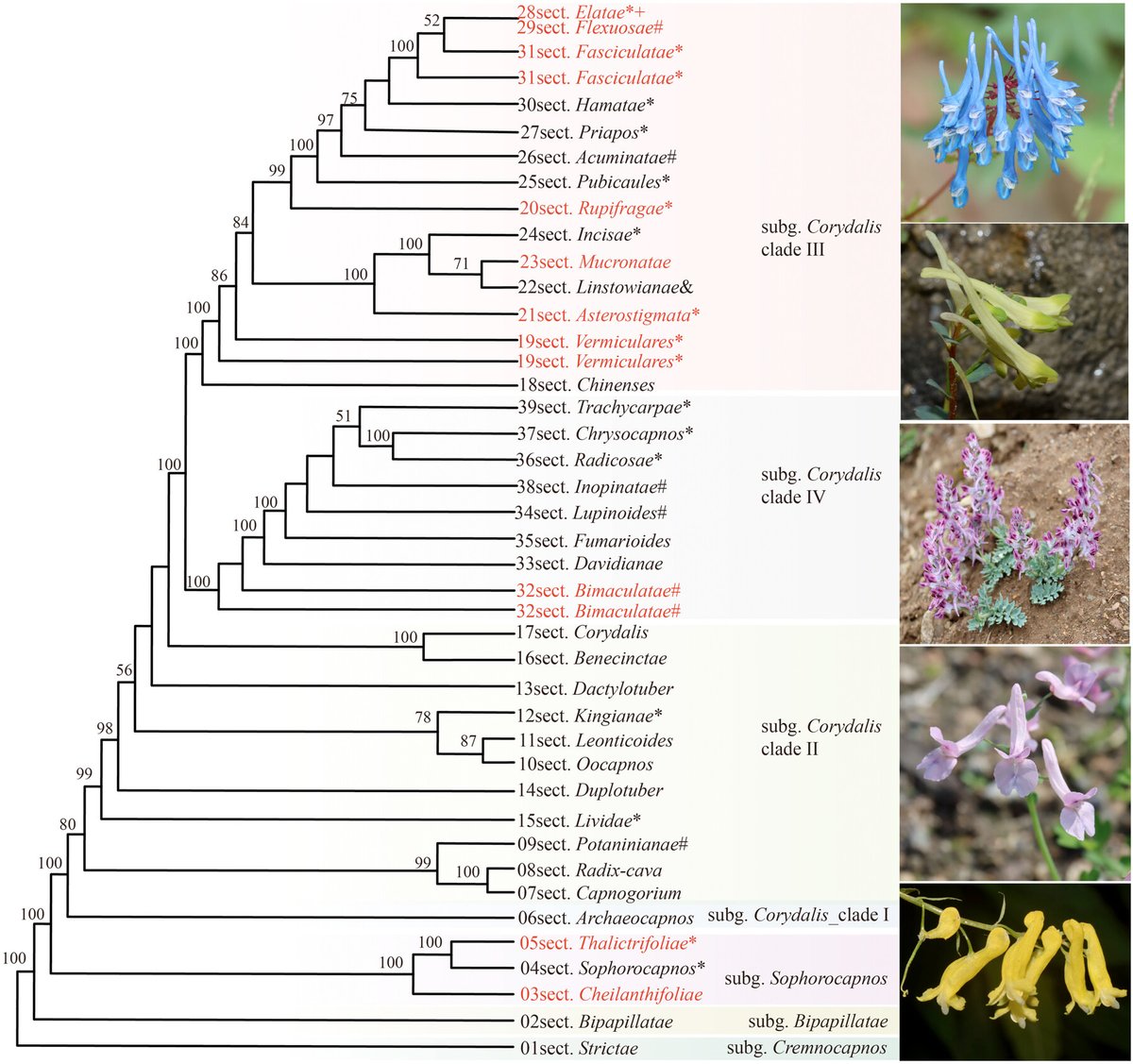
ALT Revised phylogenetic tree for Corydalis based on nuclear gene data.
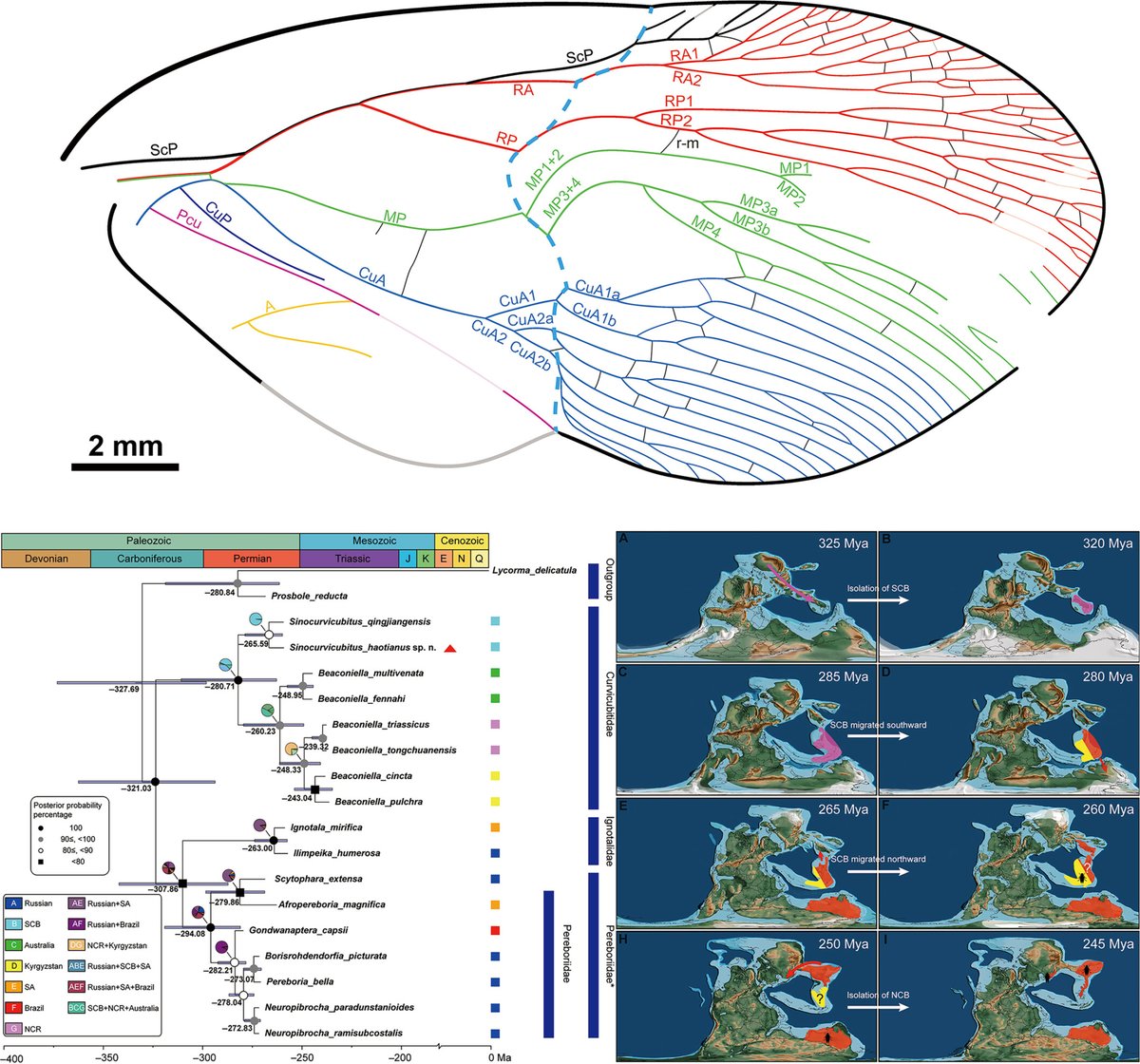
ALT Panel of data figures, including a stylized phylogenetic tree shaped like a wing, from a study that revises the generic diagnosis based on Sinocurvicubitus haotianus Xu, Shih, Ren & Wang, sp. nov., a new species from Jiangxi Province, and interprets the color bands and eyespot on the forewing as defensive mimicry in early insects. By constructing a phylogenetic tree using phenotypic wing data, this study clarifies the relationships within the superfamily and reconstructs both divergence times and ancestral distribution ranges for key nodes.
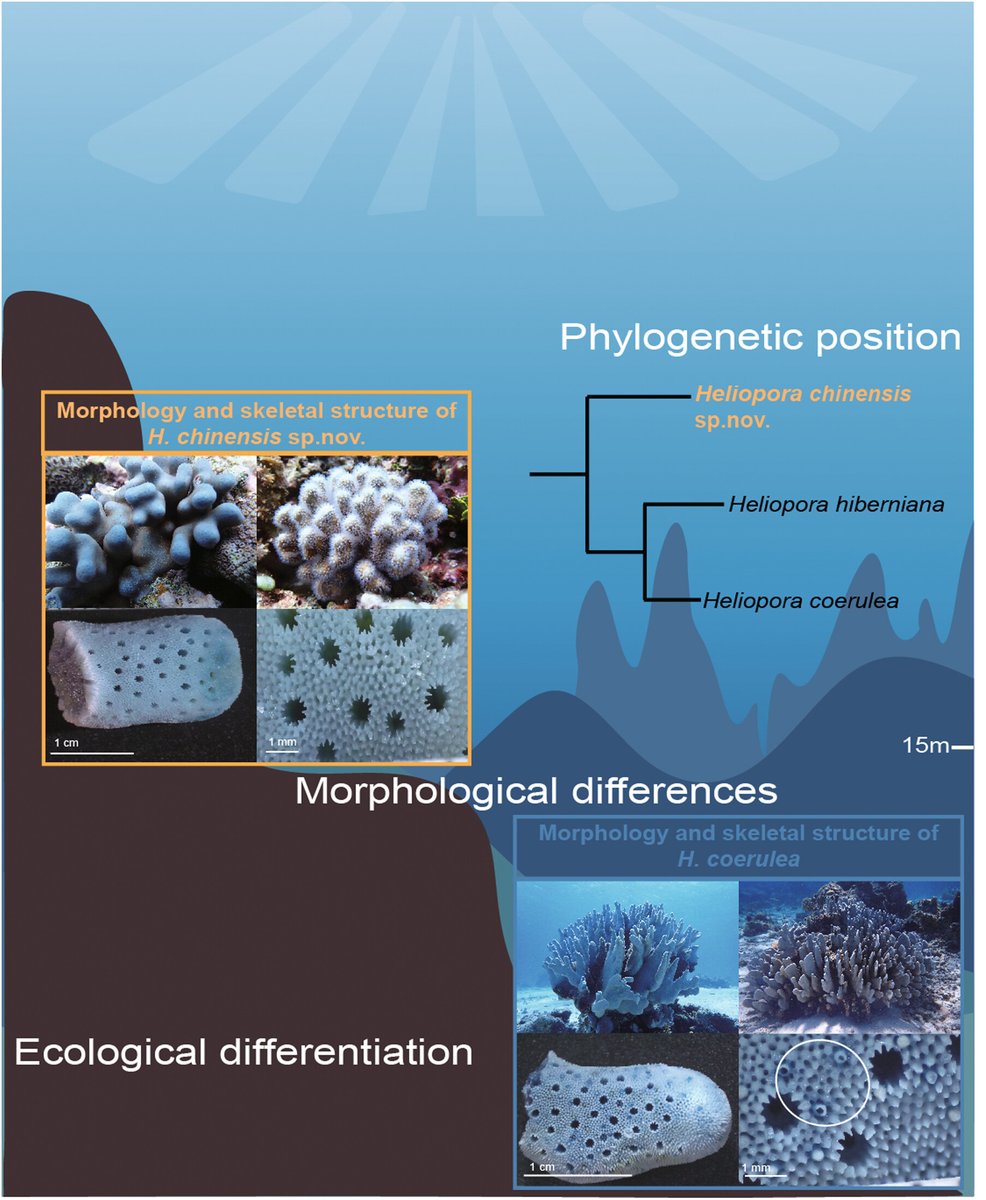
ALT Diagram including text and morphological images to illustrate the integration of morphological, phylogenomic, and ecological evidence to delimit species boundaries within the genus Heliopora. This integrative framework reveals cryptic diversity and strengthens the taxonomic basis for coral speciation and conservation strategies.
ALT Encephalartos phylogeny and in-situ plant morphology photographs. The phylogenetic analysis shows all major clades based on coalescent analyses of 3,545 single-copy nuclear genes. All the branches are maximally supported (LPP = 1) for both “all codon positions (NT) data set” and “1st and 2nd codon position only (NT12) data set” unless otherwise noted along the branches if LPP < 1 in either case. “-” indicate LPP < 80%.
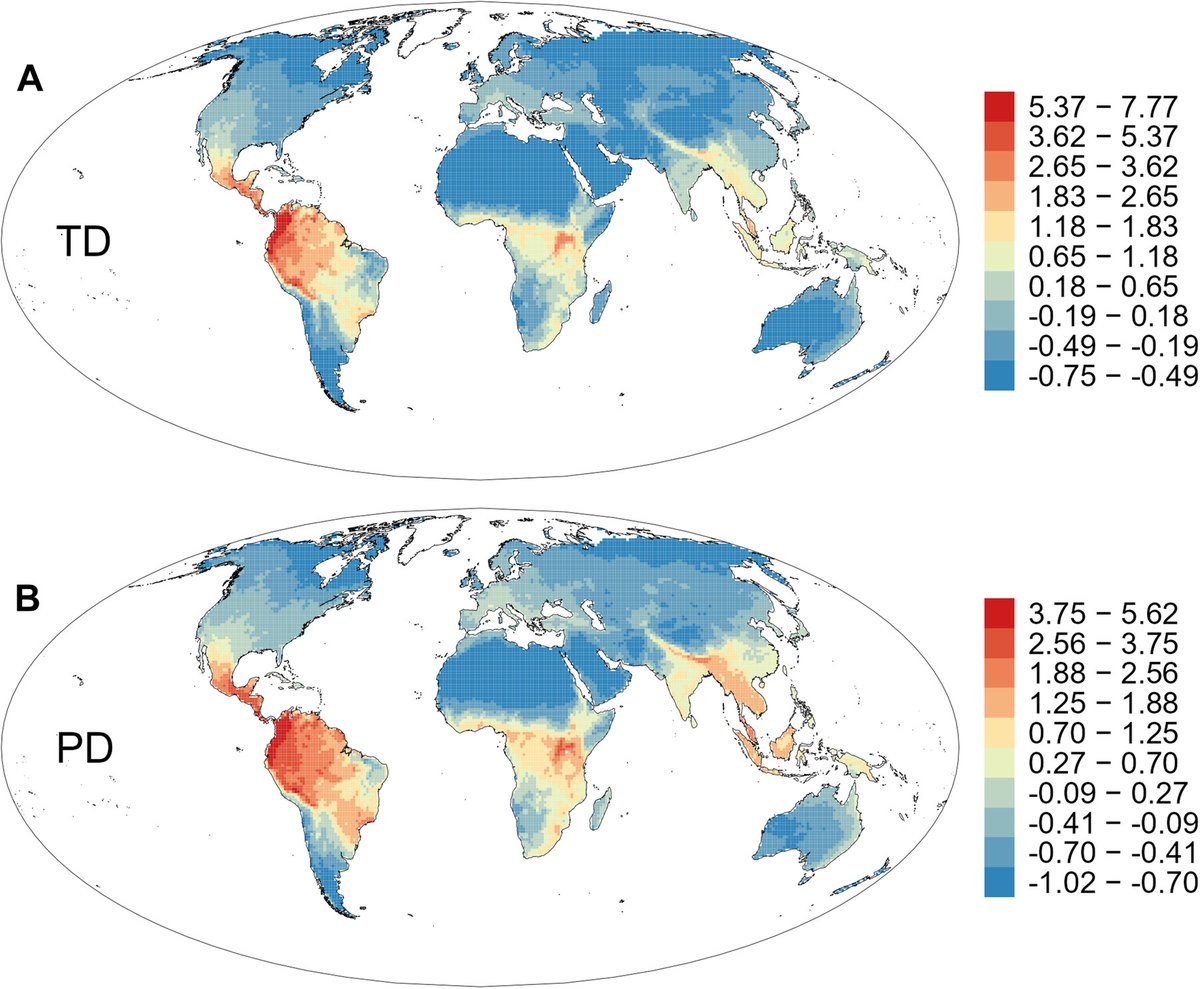
ALT Geographic patterns of (A) taxonomic (species) diversity (TD) and (B) phylogenetic diversity (PD) for butterflies worldwide. The geographic variation of TD and PD is similar. They both peaked in tropical South America and were lowest in arid or cold regions such as northern Africa, western Australia, central Asia, and areas at high latitudes in both Northern and Southern Hemispheres. However, TD and PD diverge in some regions.
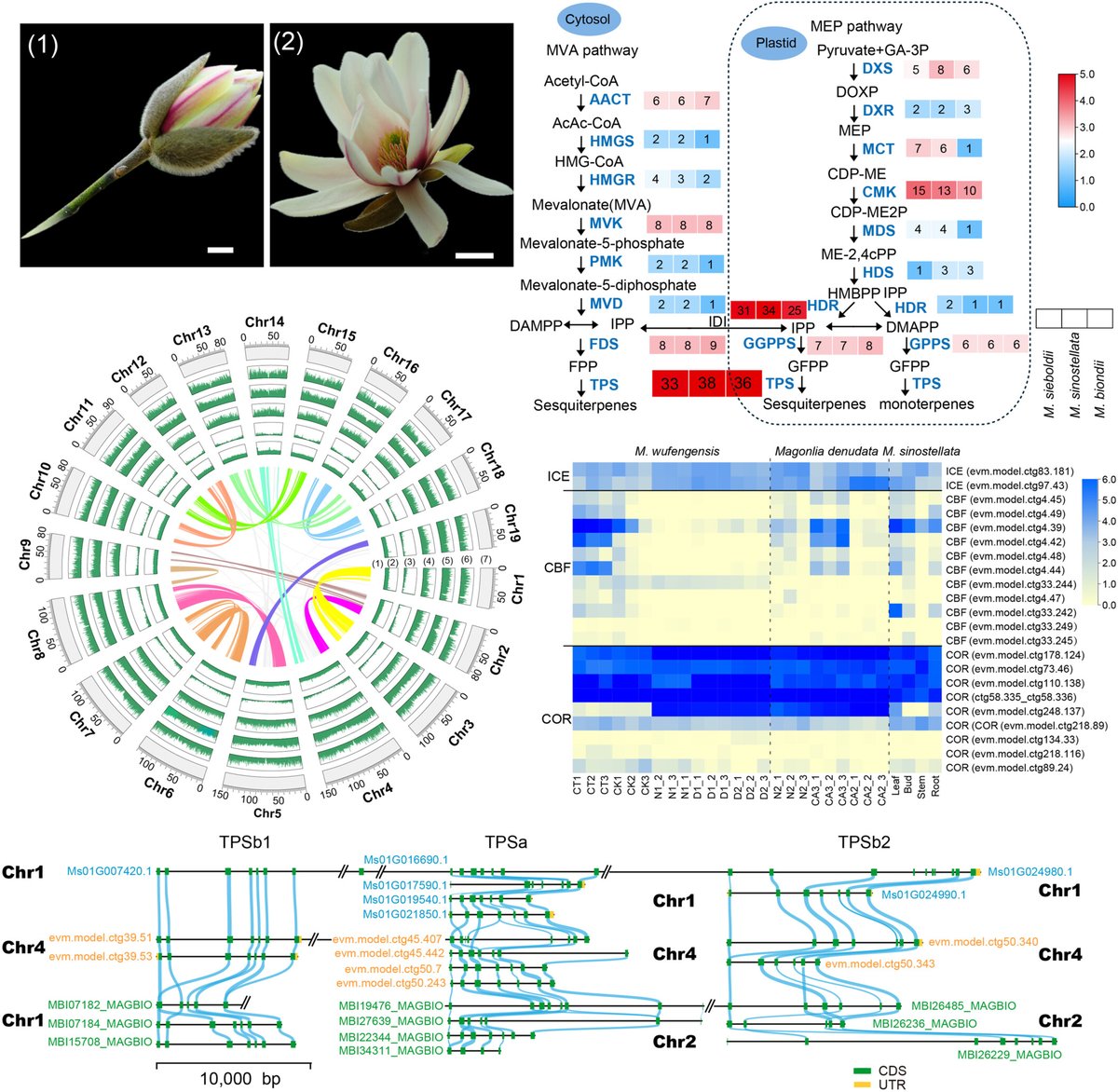
ALT Panel of morphological and genomic data figures from a chromosome-level genome assembly study in Magnolia sinostellata.
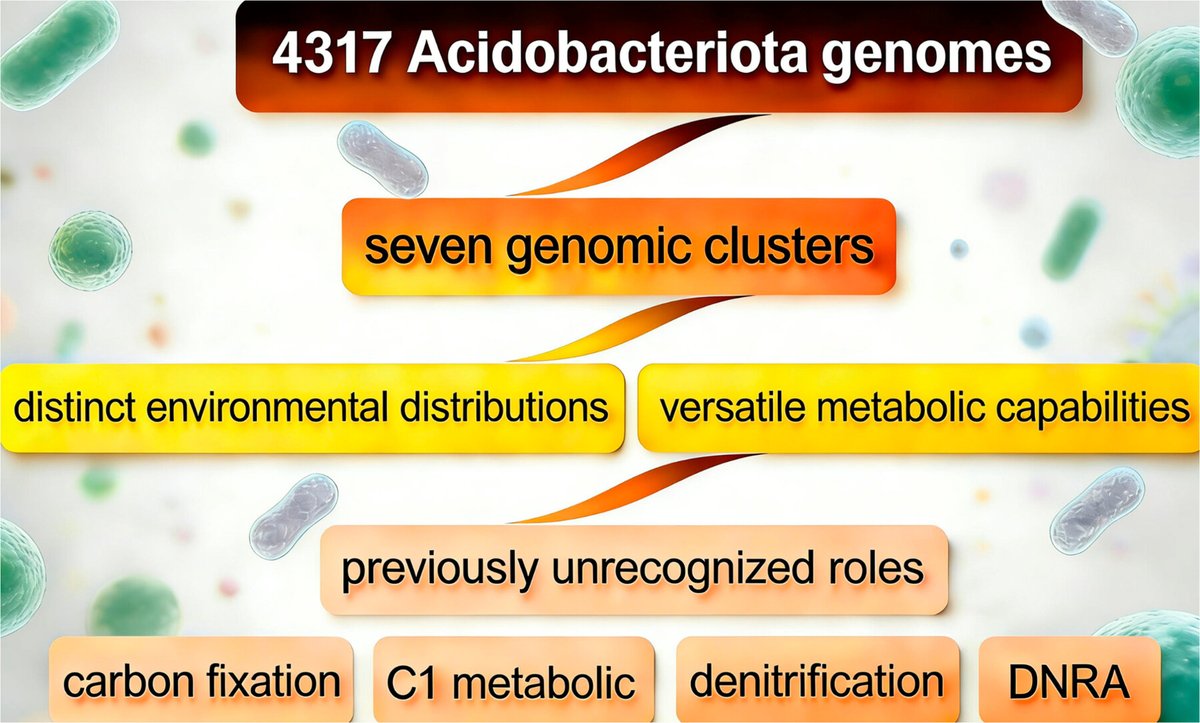
ALT Diagram summarizing analysis of 4,317 Acidobacteriota genomes that revealed seven metabolic clusters with distinct habitat preferences and energy strategies. Also represented are the overlooked roles for uncultured lineages in C1 metabolism, carbon fixation, and nitrogen cycling, highlighting the phylum's underestimated functional importance in global biogeochemical cycles.