
The Judiciary is one of the three arms of the State and compliments the two other arms i.e Legislative and the Executive.
Joined December 2012
- Tweets 8,461
- Following 599
- Followers 91,087
- Likes 443
Photos and videos
Pinned Tweet

22 Apr 2022
We appreciate feedback from the public especially court users. Reach us any time on our toll free line 0800111900/0800225587 to give us feedback about our services or staff. Help us to serve you better.

232
90
395
Judiciary Uganda retweeted

Jun 13
VIDEO: Credit to Kiboga High Court circuit for its digital alignment; the litigants are grateful! 👏
#PaperlessCourt #DigitalTransformation
Visit us at: pmlawhub.com
@JudiciaryUG @pmpaulmukiibi @jamson_karemani
@IsaacSsemakadde @ug_lawsociety
3
6
1,726
Jun 13
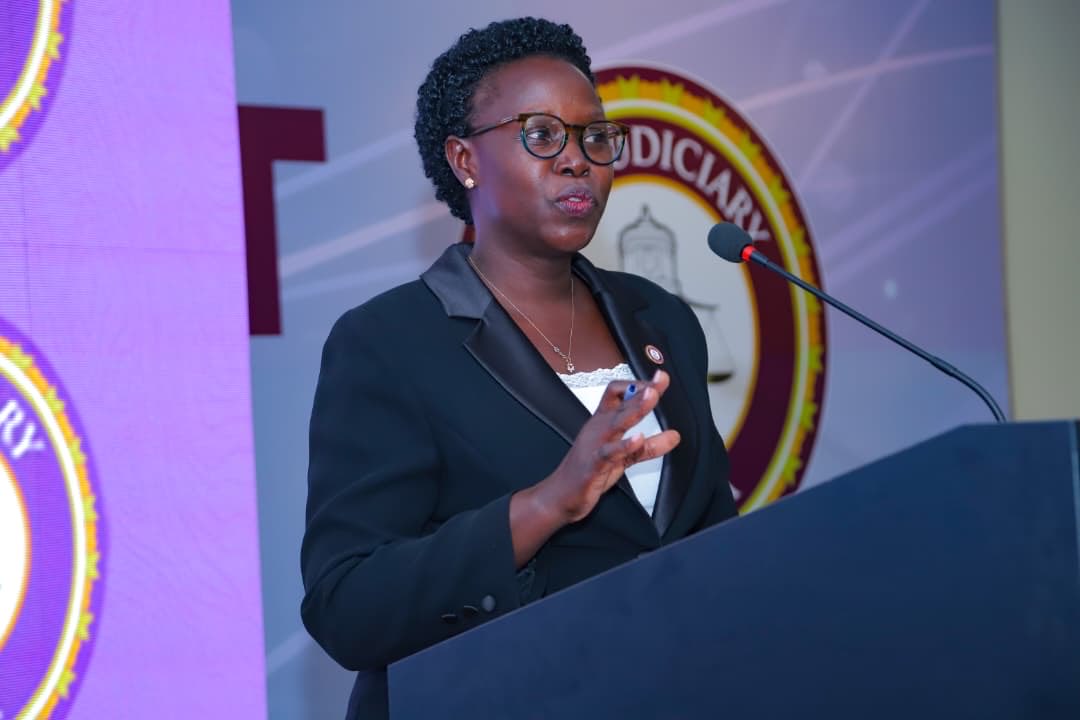
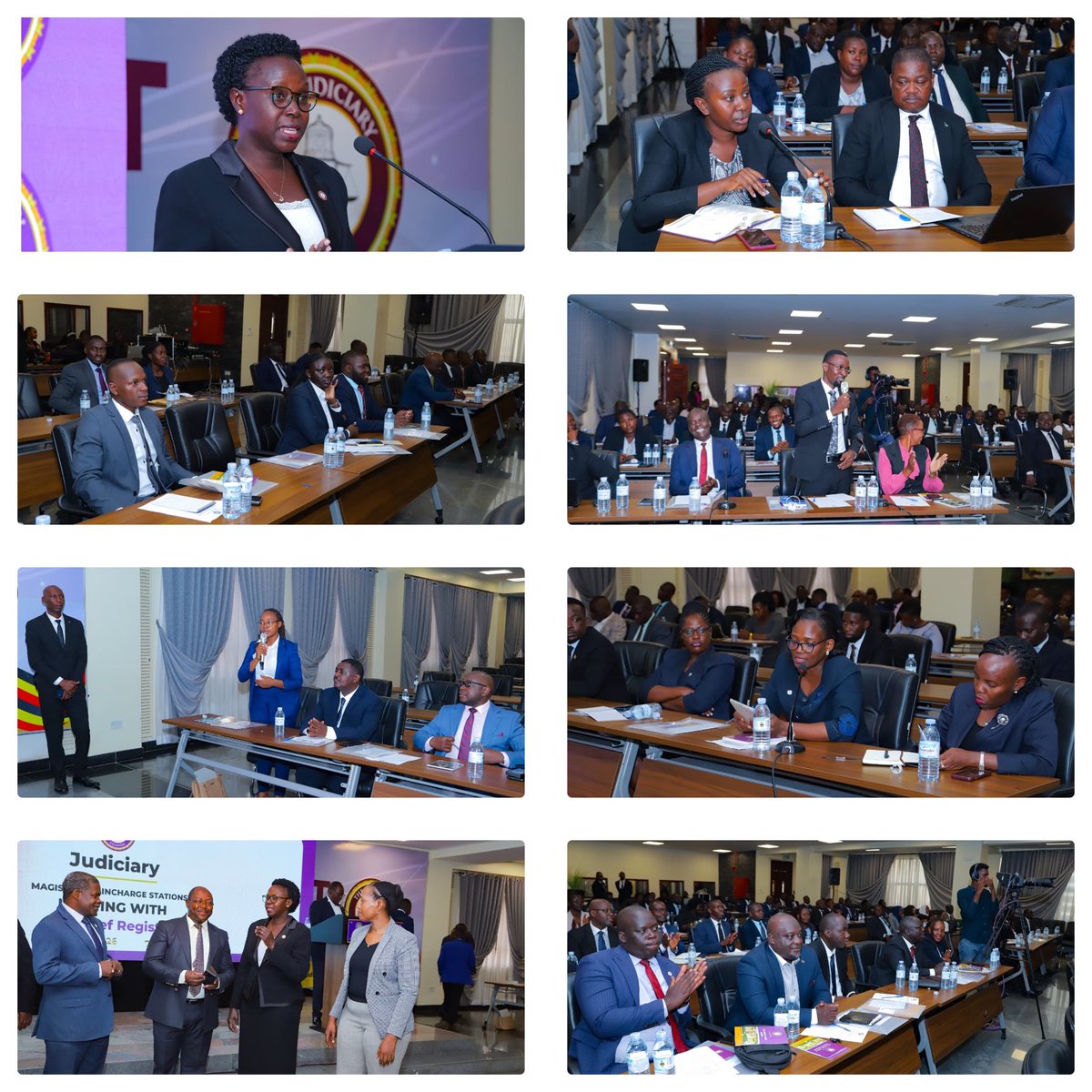
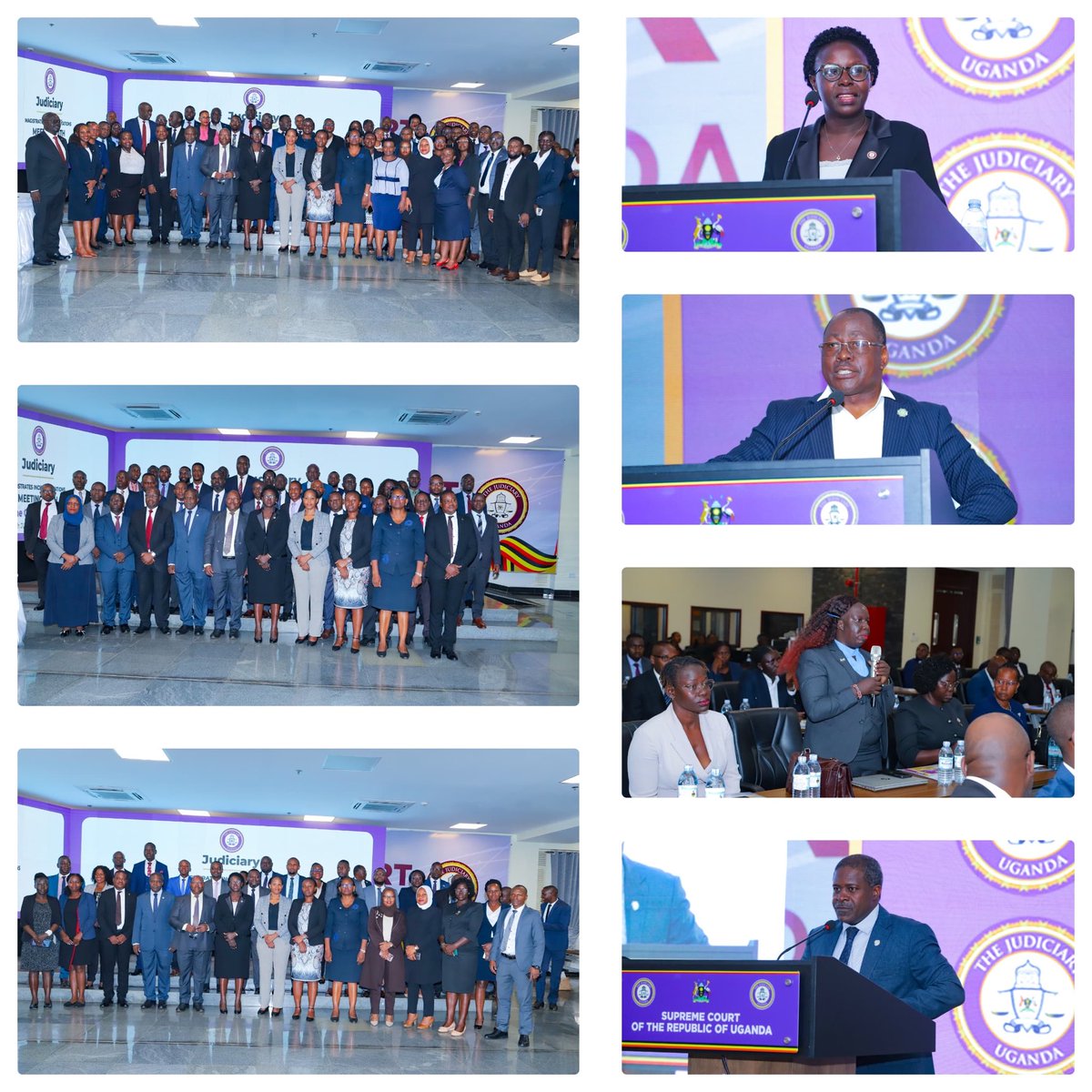
The Chief Registrar, HW Agnes Alum, has commended Magistrates-in-Charge of Station for their remarkable contribution to reducing case backlog and strengthening service delivery, while urging them to uphold professionalism, integrity, and accountability in the administration of justice.
HW Alum made the remarks during her maiden meeting with the Magistrates at the Supreme Court Conference Hall in Kampala. The meeting brought together judicial officers from across the country and members of Senior Management to review court performance, discuss emerging challenges, and chart a way forward for improved service delivery.
In attendance were HW Thadius Ayebare Tumwebaze, Registrar Supreme Court; HW Lillian Bucyana, Ag. Registrar of the Judicial Training Institute; HW Patricia Amoko, Private Legal Secretary to the Chief Registrar; Mr David Sunday Kikabi, Principal Information Technology Officer; Eng Priscilla Nakiboneka, Principal Executive Engineer and Ag. Head of Engineering and Technical Services Department; and Ms Dorcus Nakunda, Senior Assistant Secretary representing the Directorate of Finance and Administration.
Welcoming the magistrates, HW Alum thanked God for the opportunity to serve as Chief Registrar and expressed appreciation to the judicial officers for honouring the invitation despite the meeting having been rescheduled.
Describing the magistrates as her “foot soldiers,” she commended them for the significant progress registered in reducing case backlog at Magistrates’ Courts.
“Thank you for the hard work and achievements you continue to register for the Judiciary. The significant progress made in backlog clearance deserves celebration. The reports indicate that backlog in your courts is now minimal, and for that, I commend you,” she said.
The Chief Registrar noted that recent reports from the Registry of Magistrates Affairs and Data Management indicate that case backlog at Magistrates’ Courts has reduced substantially and is now almost non-existent compared to other court levels.
She also applauded magistrates for effectively managing their courts and ensuring continuity of judicial services across the country.
Updating the magistrates on developments since their last meeting held in September 2025, HW Alum highlighted key leadership changes within the Judiciary, including the appointment of Hon. Justice Dr. Flavian Zeija as Chief Justice and Hon. Justice Moses Kawumi Kazibwe as Deputy Chief Justice. She also informed the meeting that HW Pamela Lamunu Ocaya had assumed office as Registrar of Magistrates Affairs and Data Management.
The Chief Registrar thanked HW Lamunu for successfully steering the Office of the Chief Registrar in an acting capacity for fourteen months.
She further urged magistrates to familiarize themselves with recently gazetted laws and regulations that will directly impact judicial work. These include the Administration of the Judiciary Judicial Training Institute Regulations, 2025; the Constitution (Operation of Mobile Courts) Practice Directions, 2026; the Judicature (Court Annexed Mediation) Rules, 2026; and the Magistrates Courts (Amendment) Act, 2026.
Particular emphasis was placed on the Magistrates Courts (Amendment) Act, which substantially increases the pecuniary jurisdiction of Magistrates’ Courts. The Chief Registrar revealed that a taskforce is finalising practice directions to facilitate the transfer of appropriate cases from the High Court to Magistrates’ Courts under the new legal framework.
“These cases will be substantially larger than what many of you have previously handled. I therefore urge you to exercise diligence and prepare yourselves through continuous learning and capacity building,” she advised.
She also directed magistrates to ensure that all claims filed in court clearly indicate monetary value to avoid jurisdictional challenges, especially in land-related disputes

2
5
27
1,747
Jun 13
Justice Kwemara Kafuuzi Gelase has called for increased public sensitization on court processes and services, saying greater awareness is essential for enhancing access to justice and strengthening public confidence in the Judiciary.
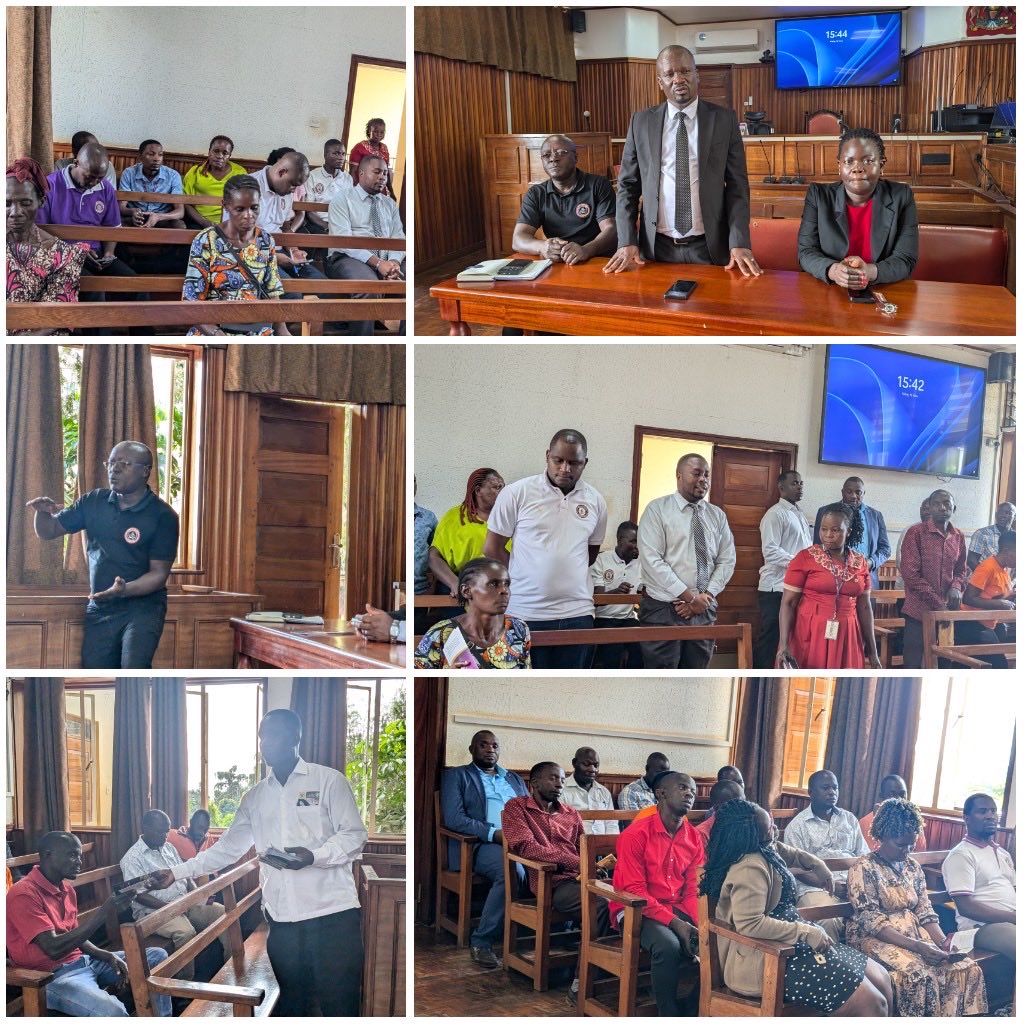
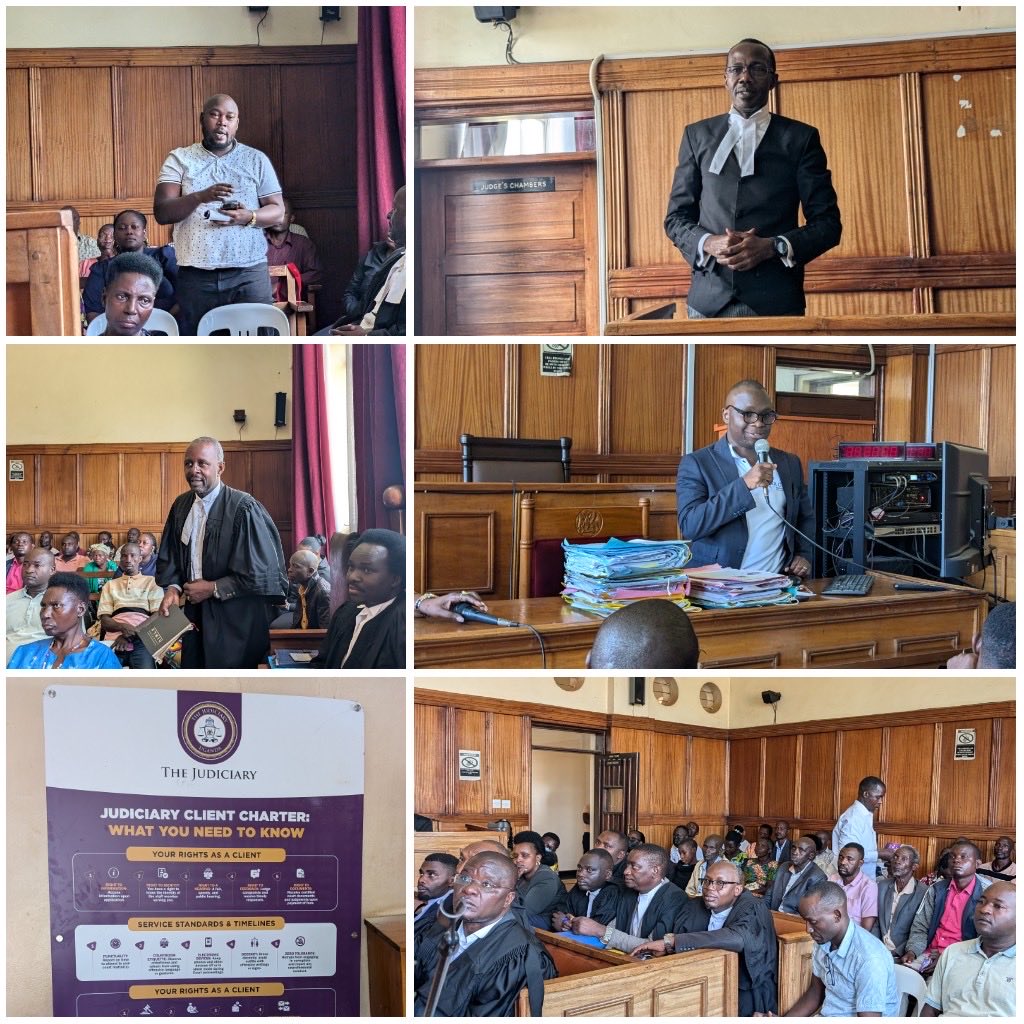
The Judge made the remarks yesterday during a branding and sensitization exercise conducted by the Judiciary’s Communications and Public Relations team at Mbarara High Court and Mbarara Chief Magistrate’s Court.
The exercise forms part of ongoing efforts to promote public awareness of court processes, judicial reforms, innovations including the Judiciary Client Service Charter and Service Delivery Standards.
The Communications and Public Relations team was received by His Worship Joshua Mukuru and proceeded to brand key areas within the court premises before conducting sensitization sessions for court users, judicial officers, court staff, advocates and members of the public.
Speaking during the engagement, Justice Kafuuzi commended the initiative and observed that court users require more opportunities to interact with the Judiciary and understand the services available to them.
“This is a very important initiative because it equips court users with information that enables them to effectively access and utilize court services. We need more engagements of this nature,” he said.
The Judge urged the Judiciary to continue popularizing the Judiciary Client Service Charter through radio and television programmes in order to reach wider audiences.
Justice Kafuuzi noted that the information shared during the sensitization sessions is beneficial not only to litigants but also to advocates, whom he encouraged to play a more active role in educating their clients about court processes.
“Lawyers have a responsibility to simplify legal processes for their clients and help them understand their rights and obligations within the justice system,” he noted.
The Judge also highlighted Mbarara High Court’s open-door policy, emphasizing that court users have the right to approach judicial officers whenever they require guidance or clarification on court procedures.
He further underscored the importance of the Judiciary’s toll-free line in combating corruption and encouraged members of the public to report any incidents of bribery or misconduct involving court officials.
“Do not give money to judicial officers or court staff. If anyone solicits a bribe, use the available reporting channels and report the matter immediately,” he cautioned.
Court users who attended the engagement welcomed the sensitization exercise and appreciated the information shared on court processes and service standards. However, some participants noted that challenges still exist in accessing assistance within the justice system and called for continued public education and engagement.
*At Masaka High Court, CM Court*
The team later proceeded to Masaka High Court and Masaka Chief Magistrate’s Court, where they were received by the Chief Magistrate, HW Abert Asiimwe.
Addressing court users and staff, HW Asiimwe observed that misconceptions about corruption continue to affect public perception of the Judiciary and emphasized the need to strengthen public confidence in the justice system.
“Many people still believe that cases can be influenced through bribery. We must continue assuring the public that justice is not for sale and encourage confidence in the integrity of our courts,” he said.
He commended judicial officers and support staff for maintaining high standards of integrity and urged them to remain steadfast in resisting any attempts by litigants to influence court processes through corruption.
The Chief Magistrate further warned that individuals who attempt to bribe judicial officers risk arrest and prosecution, stressing that court decisions are based on the law and evidence rather than financial inducements
1
4
20
1,236
Jun 13
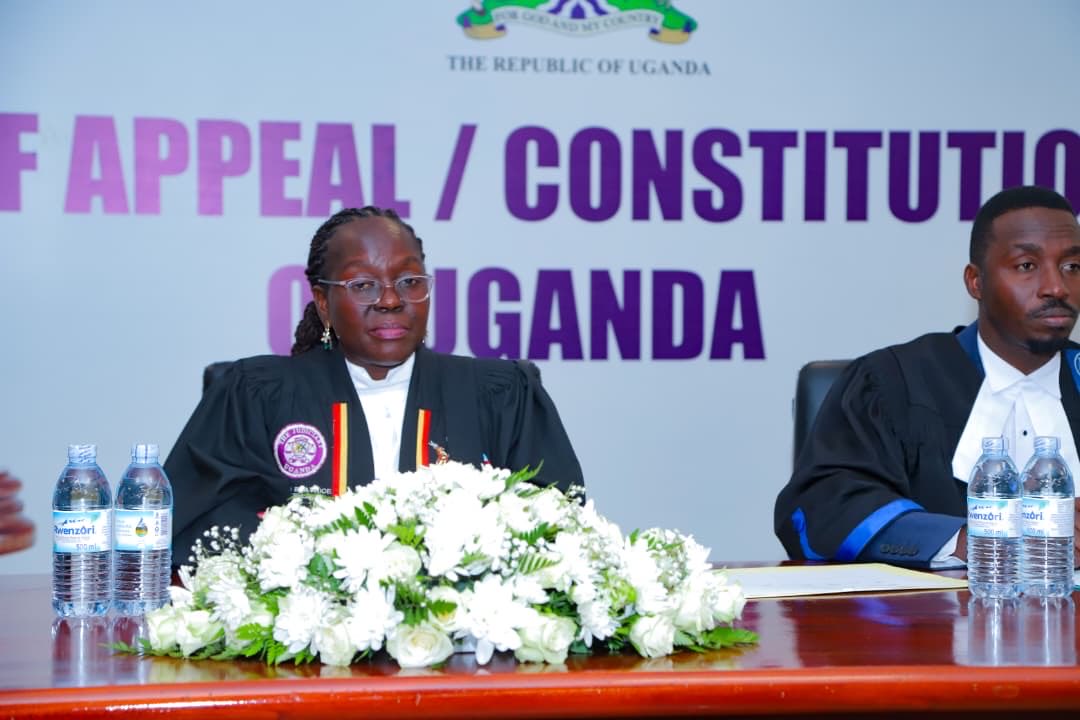
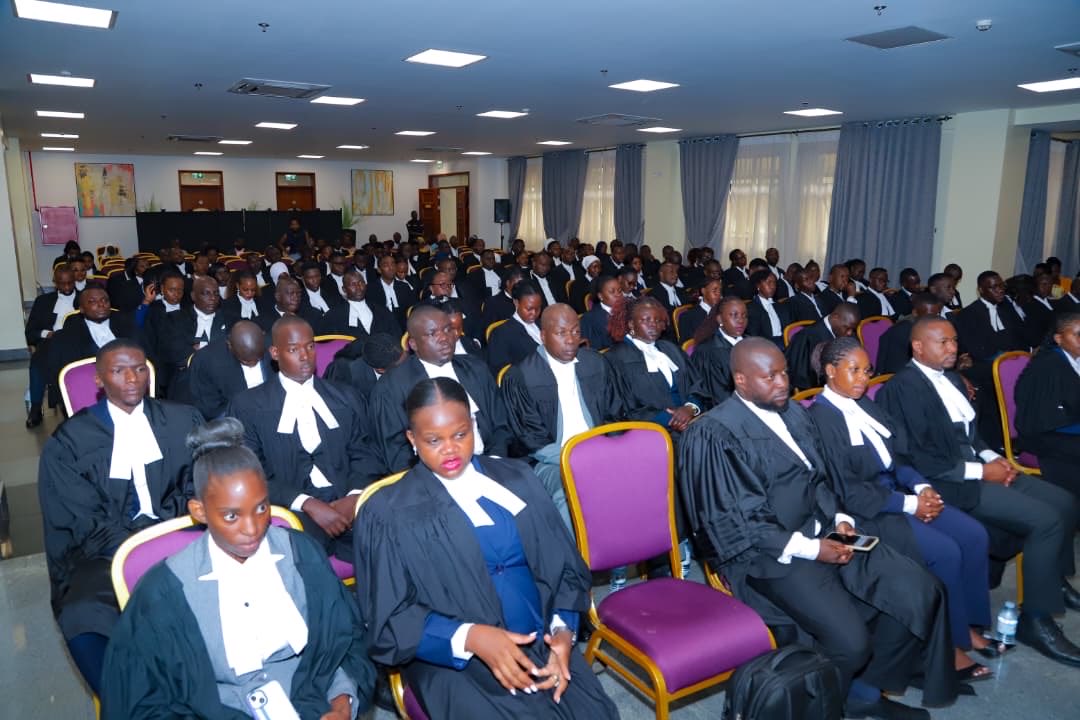
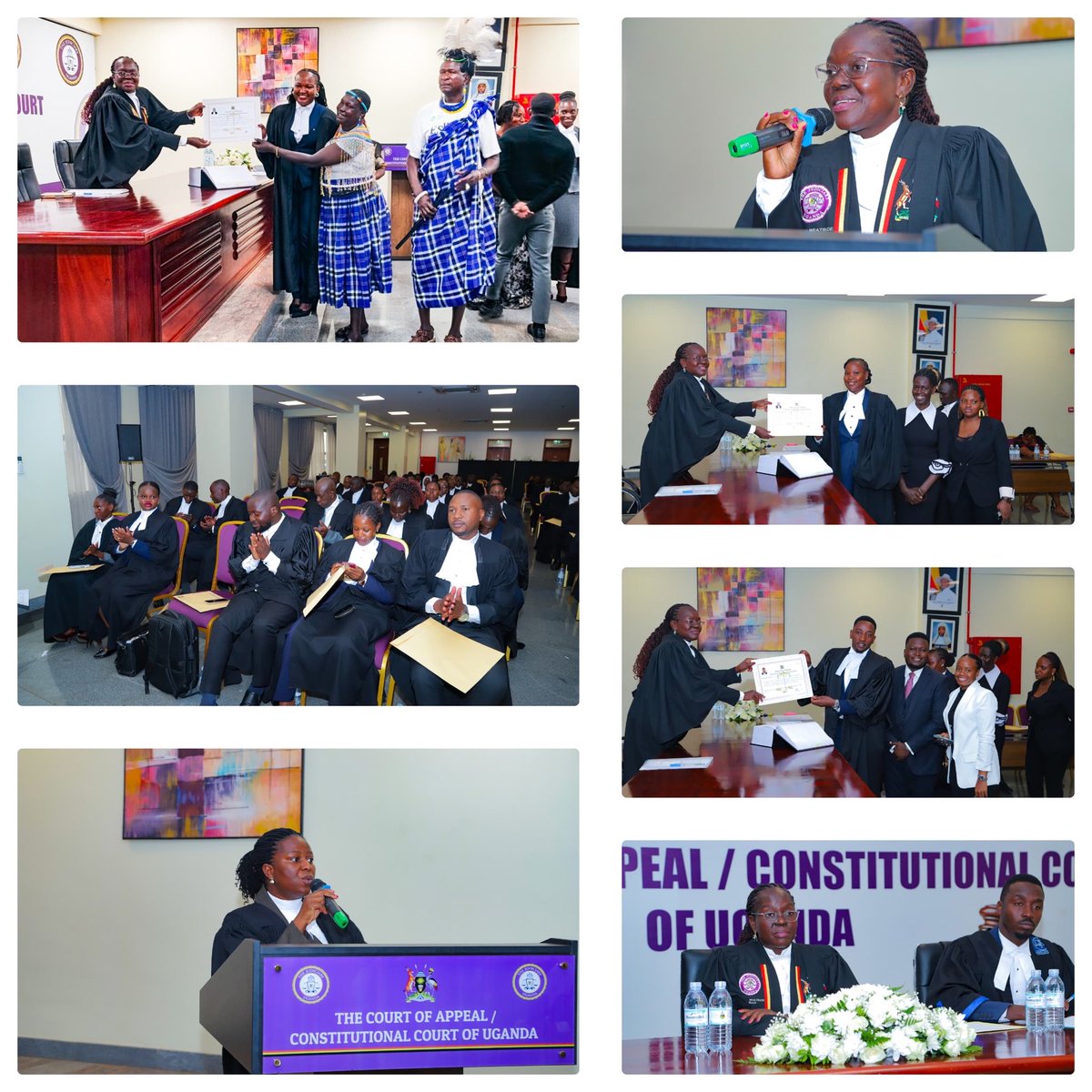
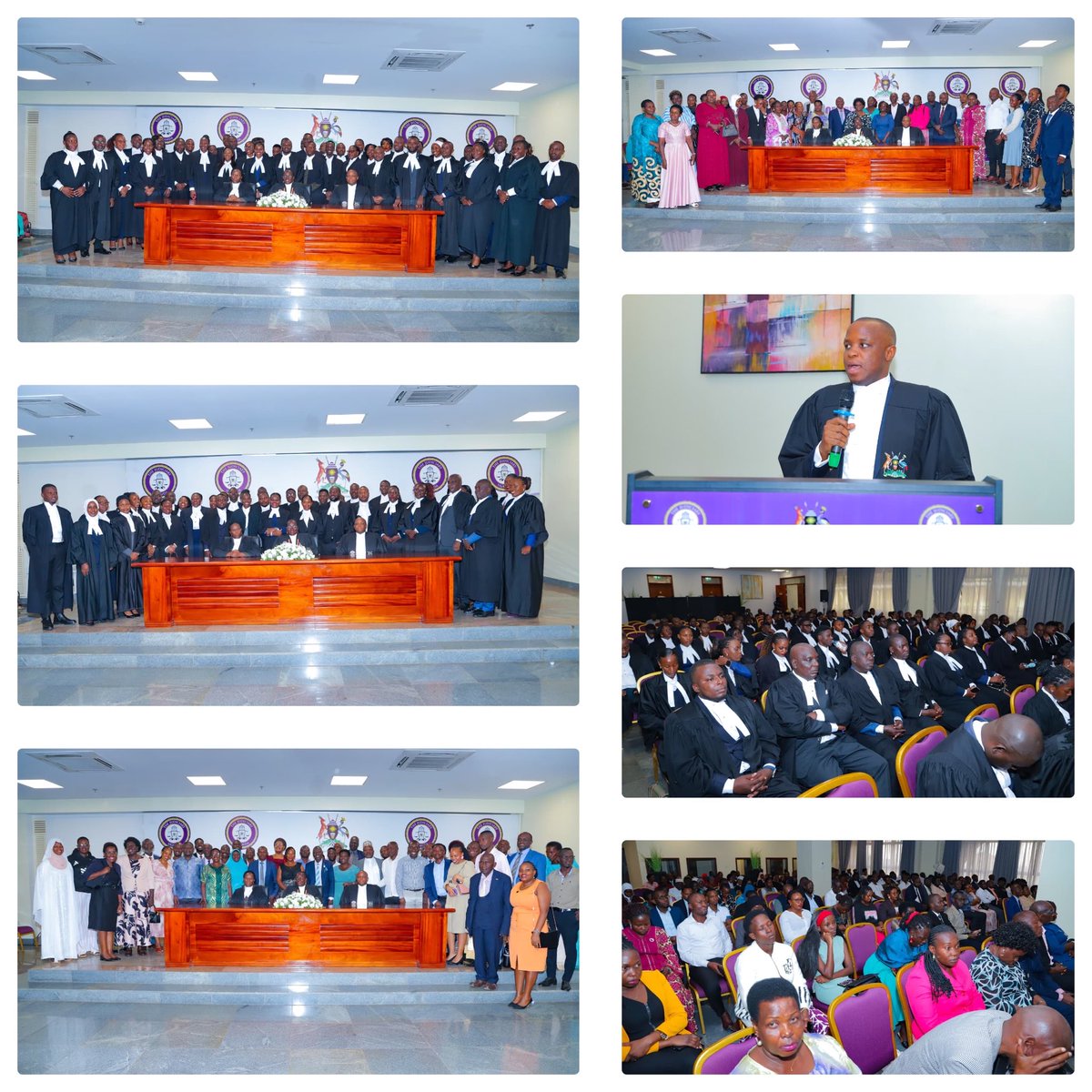
A total of 115 lawyers were formally enrolled as Advocates of the High Court yesterday during a ceremony marked by reflections on professional responsibility, ethical conduct, and the critical role advocates play in the administration of justice.
The enrolment ceremony, held at the High Court in Kampala, was presided over by HW Beatrice Stella Atingu, Registrar Special Duties, who represented the Chief Registrar, HW Agnes Alum. The event was attended by representatives of the Judiciary, the Uganda Law Society, the Law Council, family members, and friends of the newly enrolled advocates.
Delivering remarks on behalf of the Chief Registrar, HW Atingu described the occasion as a significant milestone in the lives of the new advocates and a testament of their hard work, perseverance, and God’s grace.
She congratulated the advocates upon joining the learned profession and reminded them that while the legal profession commands prestige, influence, and respect, it also demands discipline, sacrifice, integrity, and unwavering commitment to justice.
“The legal profession is not merely a source of livelihood. It is a calling that requires service to clients, the courts, and society at large,” she said.
Citing Article 126(2) of the Constitution of the Republic of Uganda, HW Atingu emphasized that advocates have a duty to assist courts in administering justice fairly, efficiently, and without undue regard to technicalities.
She urged the newly enrolled advocates to cultivate a culture of continuous learning and thorough preparation, noting that only diligent and well-read practitioners would thrive in the profession.
The Registrar further cautioned the advocates against placing client interests above the broader interests of justice.
“Never allow a client’s interests to override the cause of justice. Where a conflict arises, let integrity prevail, even if it means declining a brief,” she advised.
Drawing a vivid analogy, HW Atingu described an advocate as a “high priest in the temple of justice,” whose conduct must at all times be guided by truth, fairness, courage, and professional ethics.
She also encouraged the advocates to contribute to societal transformation through pro bono legal services, community engagement, and efforts aimed at expanding access to justice, particularly for vulnerable members of society.
“Good legal practice is not about the end justifying the means, but about ensuring ethical standards guide every process,” she said.
Representing the Secretary of the Law Council, Ms. Patience Biira Mutooro congratulated the advocates on their admission to the Bar and reminded them that while the Law Council is responsible for admitting legal practitioners, it is equally mandated to safeguard discipline and professional standards within the profession.
She warned against greed and unethical conduct, urging the new advocates to embrace honesty and restraint in their practice.
“Take only what is yours, and not more,” she advised, emphasizing that integrity remains the most valuable asset a lawyer can possess.
Ms. Mutooro further encouraged the advocates to maintain professionalism in their appearance, communication, and interactions with clients, colleagues, judicial officers, and the public. She also urged them to remain humble and open to correction throughout their professional journey.
The Vice President of the Uganda Law Society, Mr. Anthony Asiimwe, challenged the advocates to view themselves as trustees of justice and active participants in shaping the future of the legal profession.
He encouraged them to embrace Alternative Dispute Resolution (ADR), adapt to digital transformation within the justice sector, and align themselves with ongoing reforms being implemented by the Judiciary
9
40
2,572
Jun 13
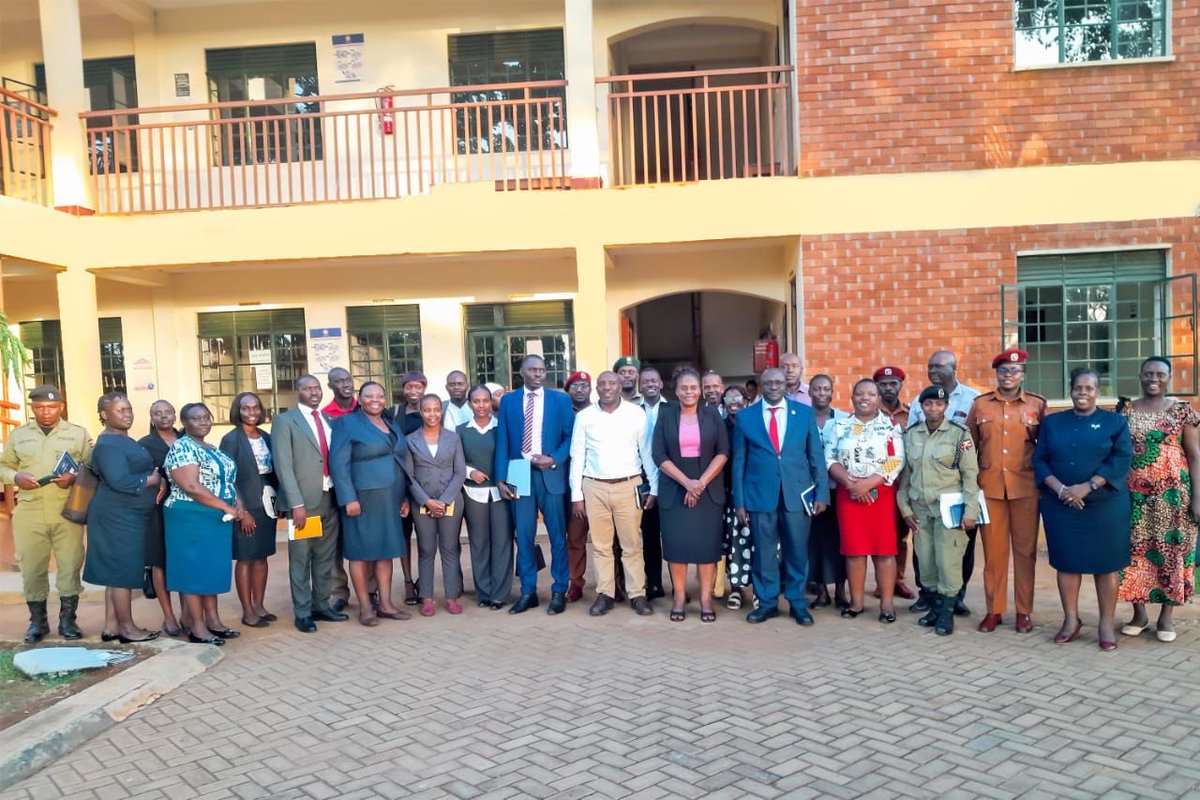
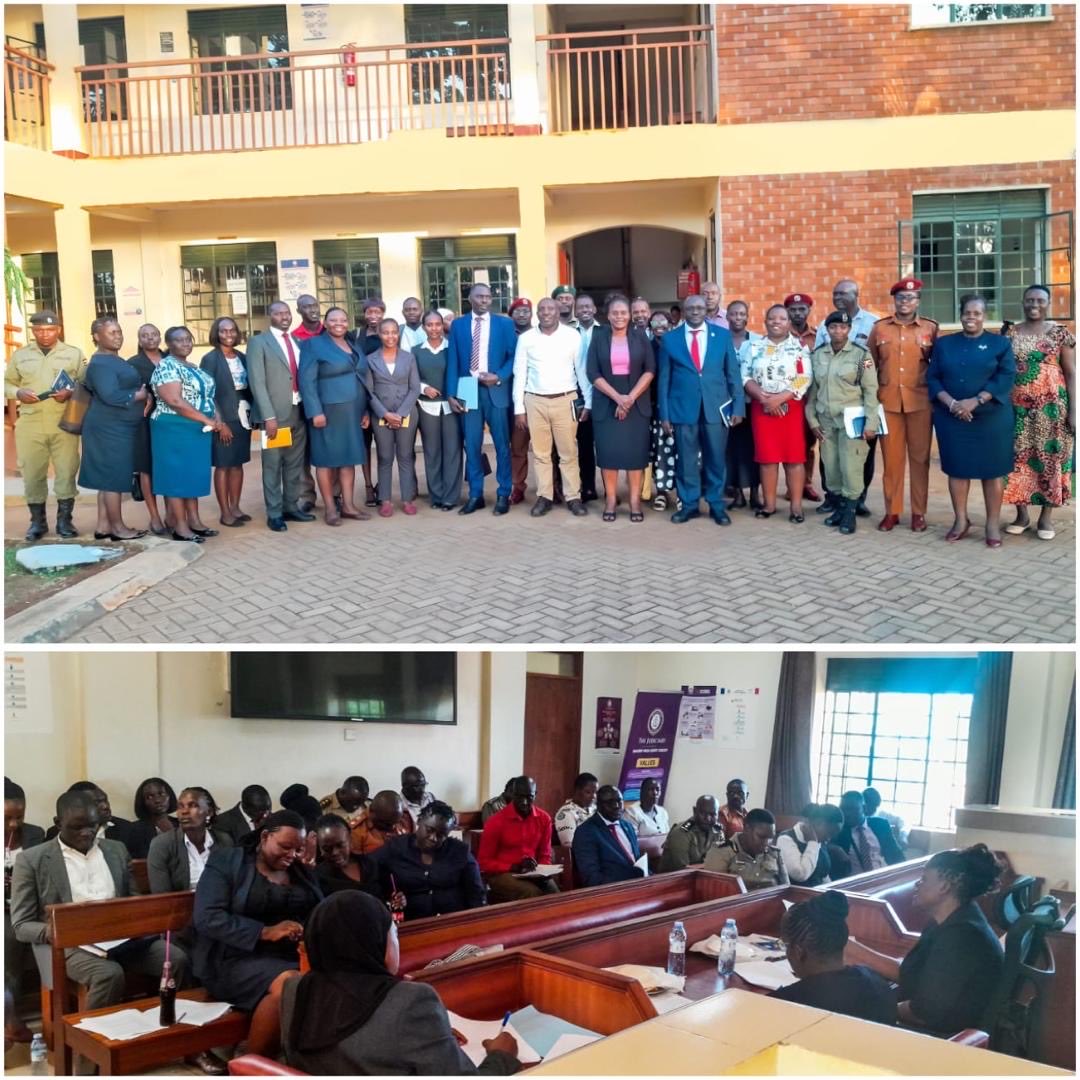
Masindi High Court on Thursday held its first Regional Coordinating Committee (RCC) meeting of the year, bringing together justice sector stakeholders from across the Circuit. The meeting recorded 100 percent attendance, reflecting the strong commitment of member institutions to strengthening coordination in the administration of justice.
The meeting was chaired by the Resident Judge of Masindi High Court, Lady Justice Mary Babirye, who congratulated the political leaders and representatives who were recently elected in the concluded elections and urged them to continue supporting efforts aimed at enhancing access to justice within their respective communities.
During the meeting, all participating institutions presented their respective briefs, highlighting achievements, challenges, and ongoing interventions. Members engaged in discussions on the key challenges affecting justice delivery and proposed practical recommendations to address them.
Among the notable developments reported was the allocation of land to the Office of the Director of Public Prosecutions (ODPP) by Kiryandongo District Local Government. The development is expected to help address office accommodation challenges currently faced by the ODPP in the district. Members noted that once the proposed Kiryandongo Chief Magistrate’s Court is constructed, the office space currently occupied by the ODPP will be freed up, creating room for the posting of an additional Magistrate to strengthen service delivery.
Masindi High Court, was commended for conducting several criminal sessions, which have significantly contributed to reducing case backlog, increasing case disposal rates, and decongesting prisons through the timely conclusion of criminal matters.
Stakeholders also emphasized the need for all justice sector institutions to actively promote Alternative Dispute Resolution mechanisms, particularly plea bargaining and mediation, as effective tools for enhancing access to justice and reducing case backlog.
The meeting further called upon the Uganda Police Force to embrace and strengthen the use of technology in its operations to enhance interoperability with the Judiciary’s Electronic Court Case Management Information System (ECCMIS) and the Office of the Director of Public Prosecutions’ Prosecutor Case Management Information System (PROCAMIS). Members observed that greater technological integration among justice institutions would improve efficiency, coordination, and case tracking.
At the conclusion of the meeting, members agreed that the next RCC meeting will be hosted at Isimba Prison Farm on 24 September 2026
4
19
1,089
Judiciary Uganda retweeted

Jun 12
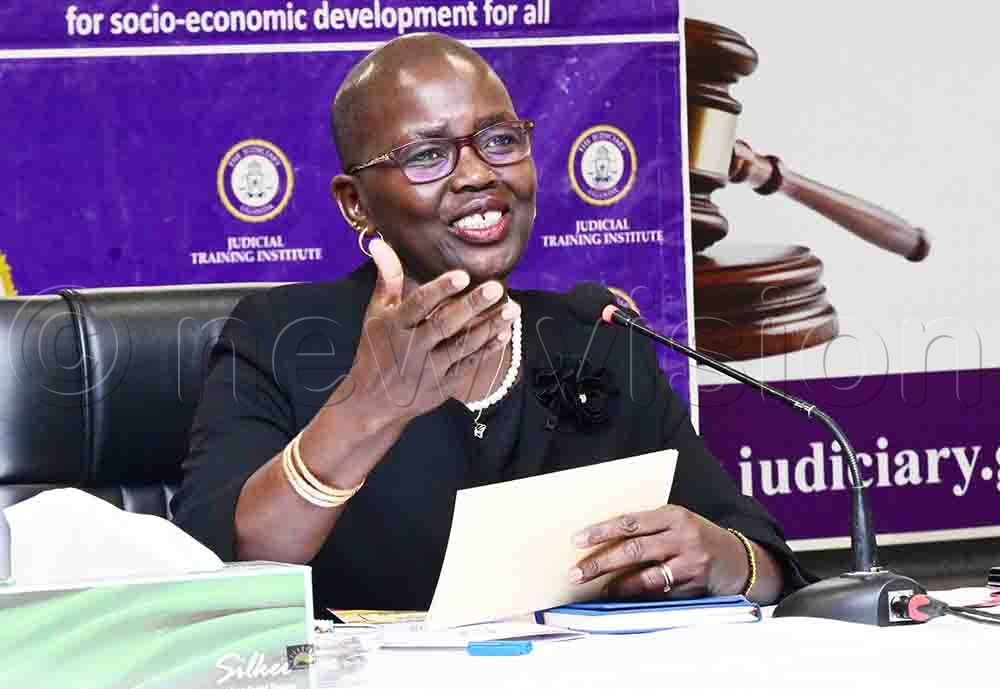
The Principal Judge Jane Frances Abodo has called for enhanced forensic science training and greater use of practical learning approaches to strengthen judicial capacity in handling increasingly complex criminal cases.
DETAILS || #VisionUpdates 👉👉newvision.co.ug/category/new…
2
9
19
2,301
Jun 12
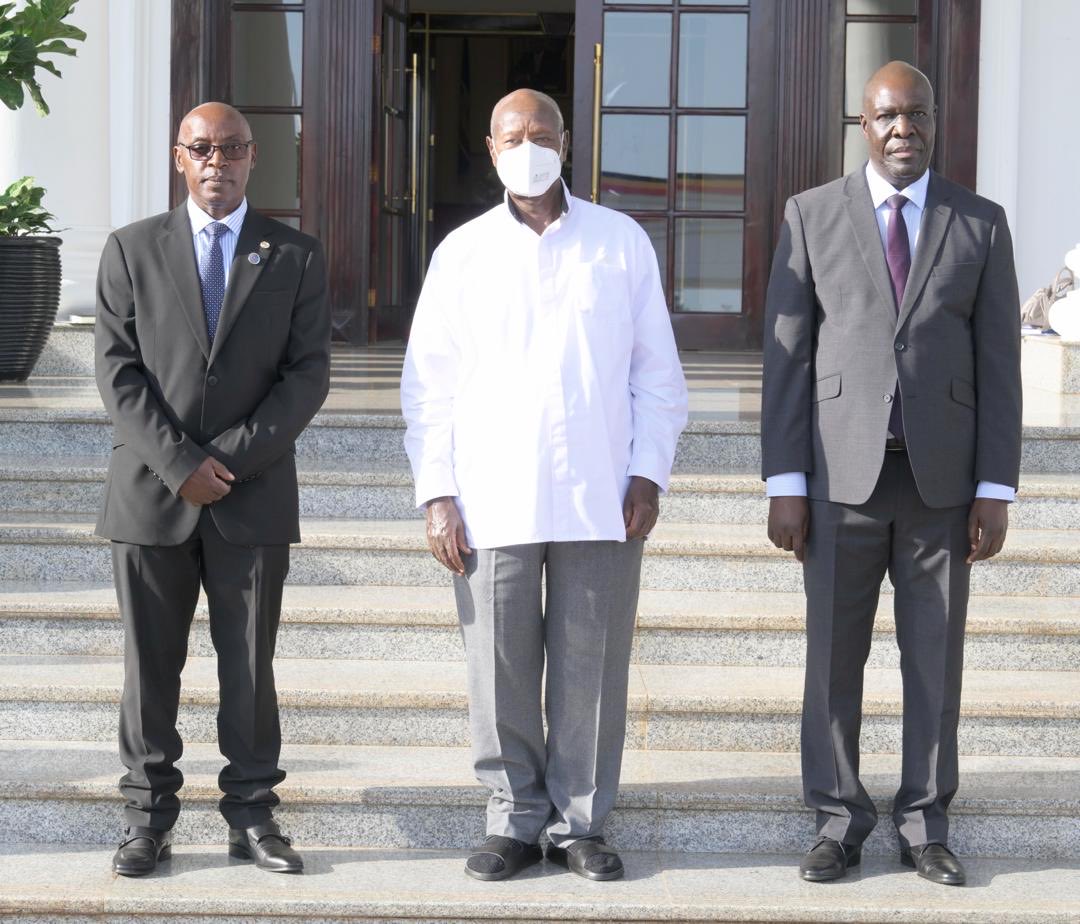
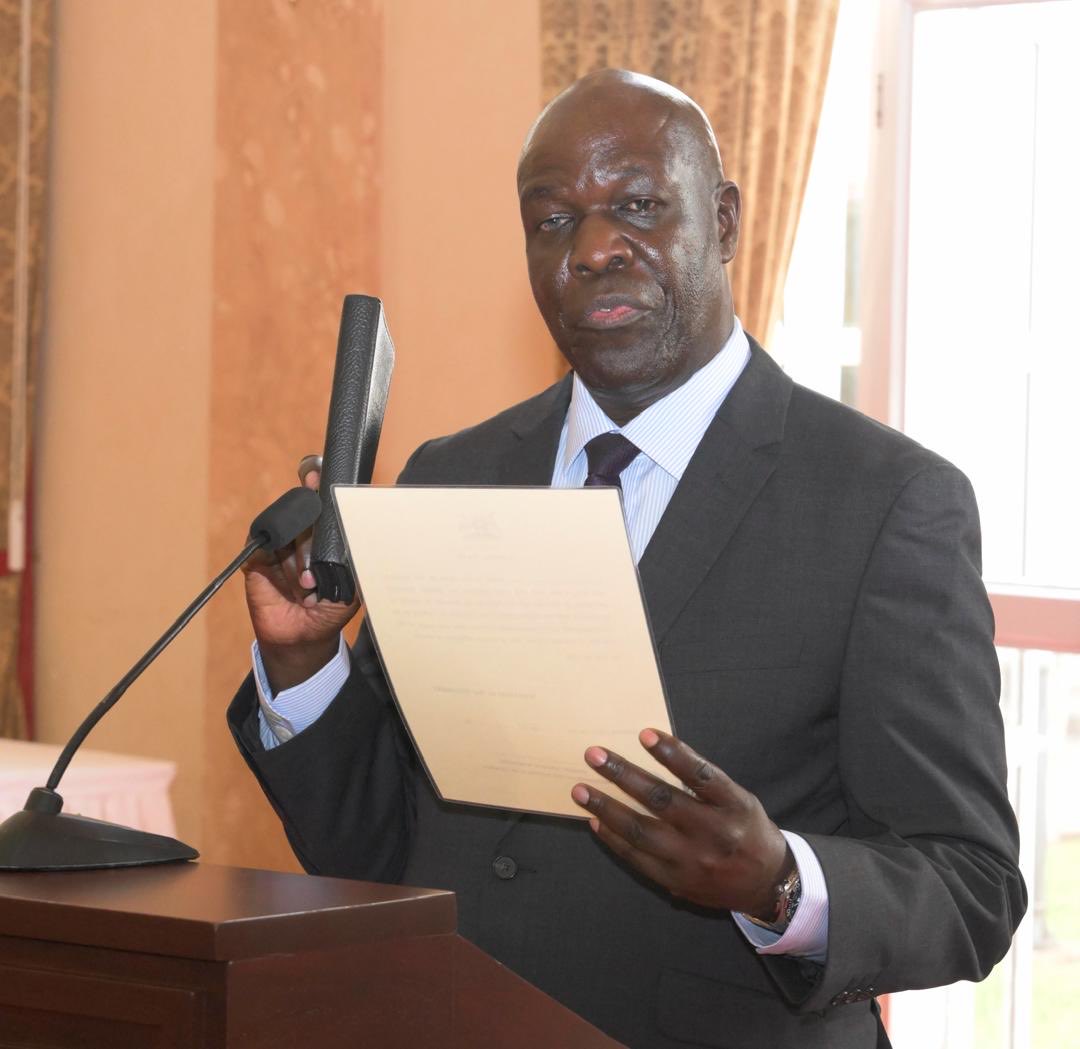
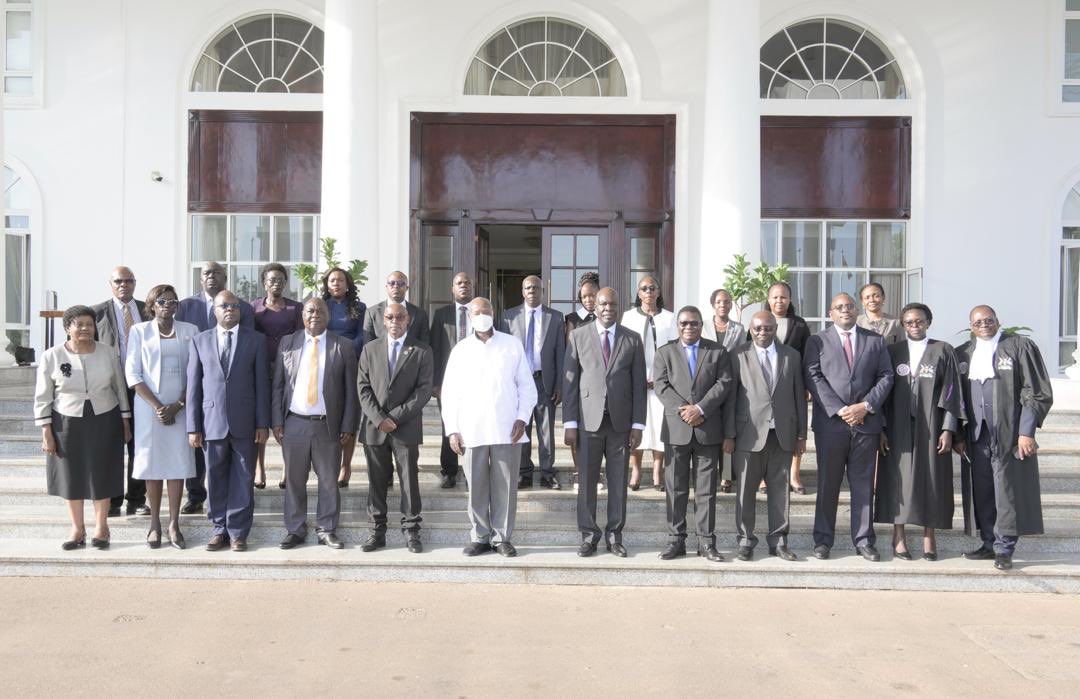
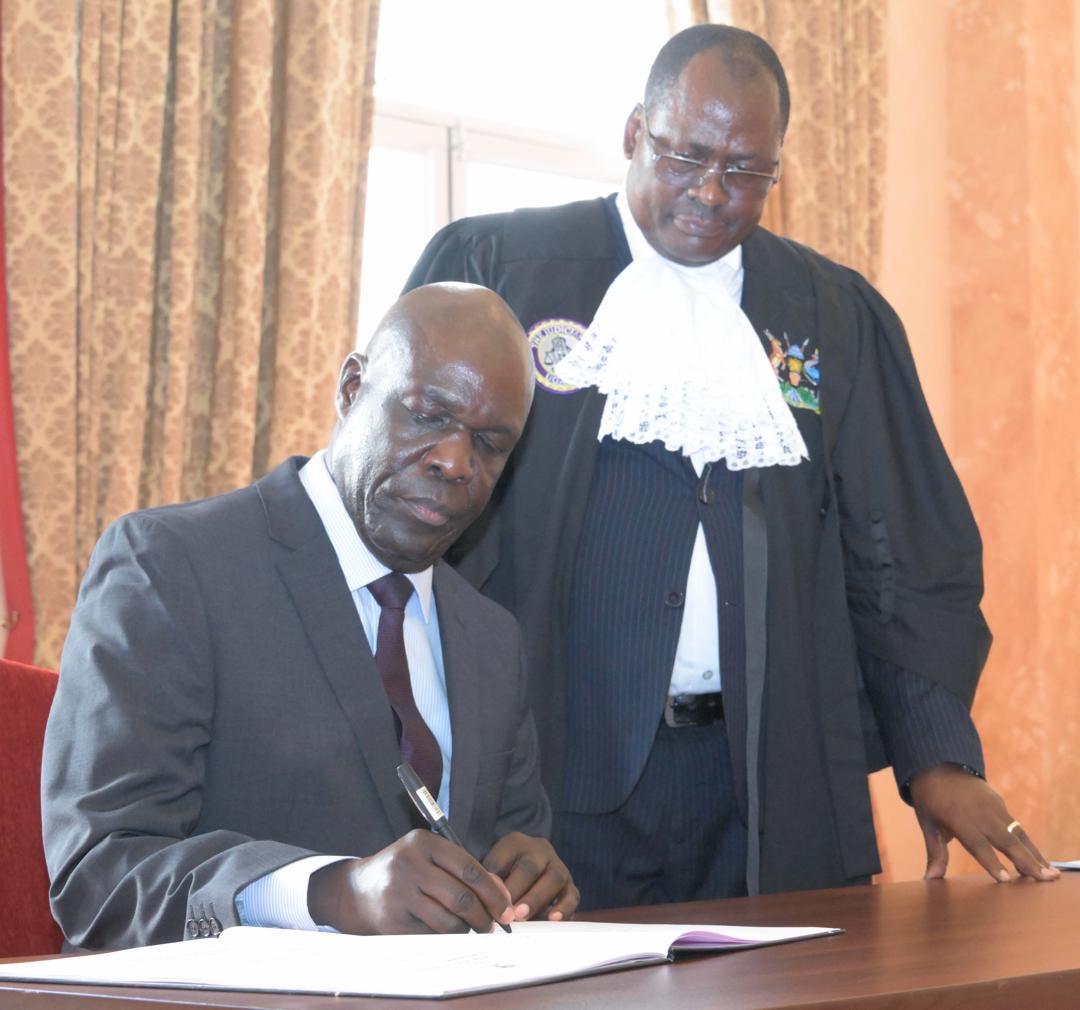
Pictorial of the Swearing-in of the Deputy Chief Justice, Hon. Justice Moses Kawumi Kazibwe at State House Entebbe
Jun 12

Today at State House Entebbe, I presided over the swearing-in of Hon. Justice Moses Kawumi Kazibwe as Deputy Chief Justice.
I congratulate Justice Kawumi and commend the Judiciary, under the leadership of Chief Justice Flavian Zeija, for the progress being made in fighting corruption, promoting Alternative Dispute Resolution, and embracing digitisation. These reforms are important in ensuring that justice is delivered efficiently, fairly, and without unnecessary delays.
When we came into government, corruption and excessive emphasis on technicalities were major weaknesses in the judicial system. I am therefore pleased to see continued efforts to strengthen substance, integrity, and accountability in the administration of justice.
I wish Justice Kawumi success as he undertakes this important responsibility.
13
68
7,034
Judiciary Uganda retweeted

Jun 12
Today at State House Entebbe, I presided over the swearing-in of Hon. Justice Moses Kawumi Kazibwe as Deputy Chief Justice.
I congratulate Justice Kawumi and commend the Judiciary, under the leadership of Chief Justice Flavian Zeija, for the progress being made in fighting corruption, promoting Alternative Dispute Resolution, and embracing digitisation. These reforms are important in ensuring that justice is delivered efficiently, fairly, and without unnecessary delays.
When we came into government, corruption and excessive emphasis on technicalities were major weaknesses in the judicial system. I am therefore pleased to see continued efforts to strengthen substance, integrity, and accountability in the administration of justice.
I wish Justice Kawumi success as he undertakes this important responsibility.
274
367
1,292
69,280
Jun 12
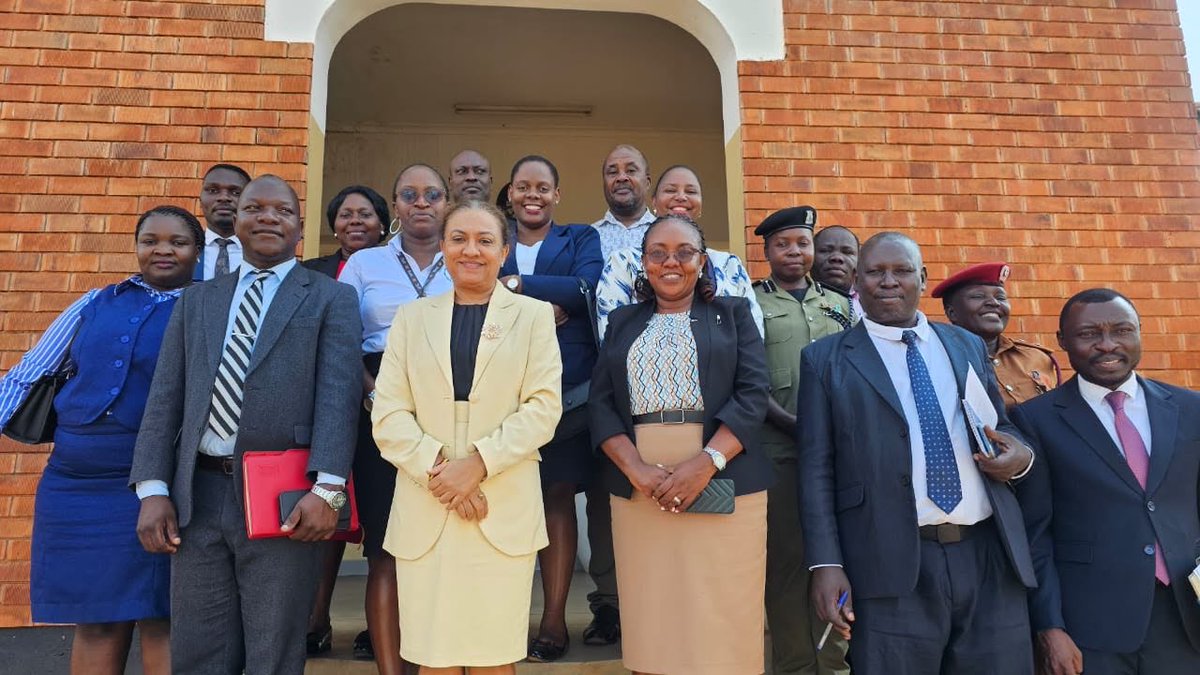
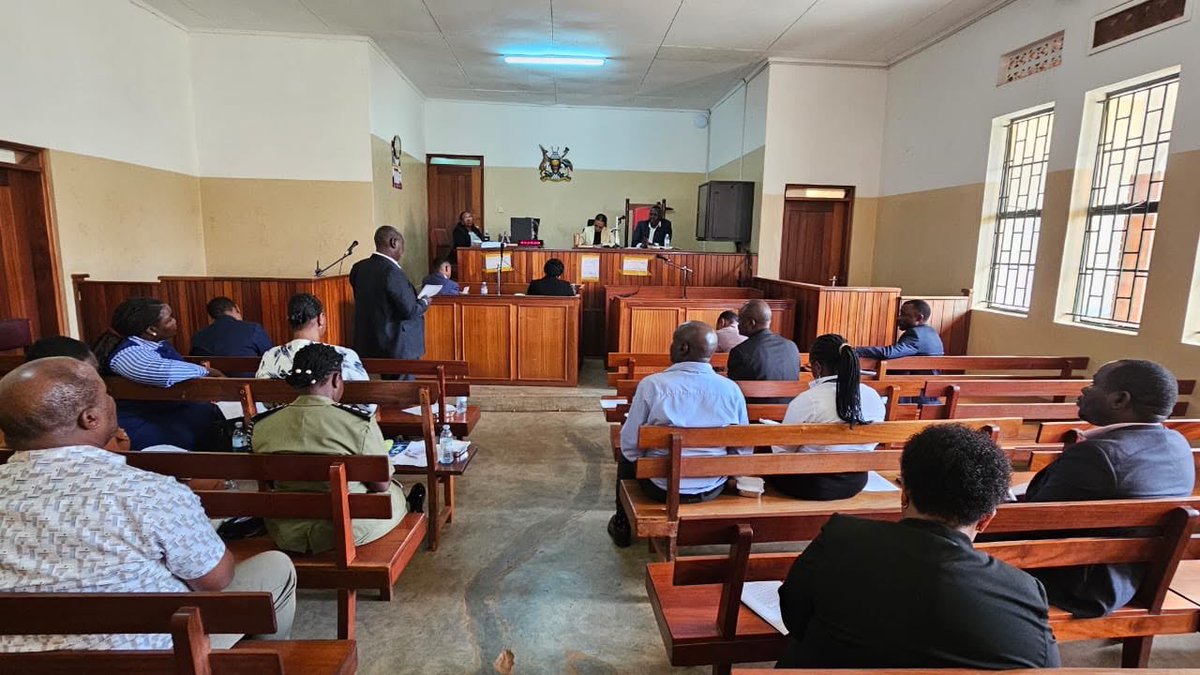
Mpigi High Court yesterday held a Regional Coordination Committee (RCC) meeting, bringing together key justice sector stakeholders from across the Circuit to strengthen collaboration and enhance the administration of justice.
The meeting attracted representatives from the Office of the Director of Public Prosecutions (ODPP), Uganda Police Force, Uganda Prisons Service, the Office of the Administrator General, judicial officers, mediators, Community Service Officers, officials from the Ministry of Lands, Probation Officers, members of the Bar, and other justice sector stakeholders.
Opening the meeting, the Head of the Mpigi High Court Circuit, Justice Anthony Oyuko Ojok, thanked the participants for their continued commitment to improving justice delivery within the Circuit.
Justice Oyuko emphasized the importance of RCC meetings as a platform for strengthening coordination among institutions that make up the justice chain, noting that effective collaboration remains critical to the efficient administration of justice.
He informed members that one High Court session had recently been successfully concluded, while preparations were underway for two additional sessions scheduled to commence soon. He noted that cause lists had already been circulated to stakeholders to facilitate adequate preparation and ensure the smooth conduct of the upcoming sessions.
The Judge also highlighted the Court’s commitment to promoting Alternative Dispute Resolution (ADR) as a key mechanism for enhancing access to justice and reducing case backlog. He informed members that an ADR Registry had already been established at the court, although its operations continue to face challenges arising from inadequate infrastructure, particularly the absence of a tent for conducting ADR proceedings.
He expressed optimism that the court would soon receive the necessary support to strengthen ADR operations and commended judicial officers and court staff for maintaining punctuality and ensuring that court sessions commence as scheduled.
The Resident Judge, Lady Justice Deepa Verma also addressed the meeting and underscored the significance of the RCC framework in promoting coordination among justice actors.
She noted that the meeting was the first RCC engagement coordinated under the stewardship of the Deputy Registrar and emphasized that every stakeholder plays a vital role in the justice chain.
“The absence of any stakeholder weakens the justice delivery system,” Justice Verma observed, urging members to continue working collaboratively and to address challenges collectively in the interest of the public.
The Regional Director of Public Prosecutions briefed members on preparations for the forthcoming High Court criminal sessions, reporting that 47 files had been retrieved and prepared for each presiding judge. She further revealed that efforts to secure witnesses had already commenced to facilitate the expeditious hearing and disposal of cases during the sessions.
Meanwhile, a representative from the Office of the Administrator General informed stakeholders that the office was developing a digital Certificate of No Objection (CONO) system aimed at reducing fraud and improving service delivery in succession matters.
The official noted that the Mpigi Circuit handles one of the highest volumes of succession-related cases in the country and reminded stakeholders about restrictions governing the administration of estates dating back to 1967.
He cautioned that some individuals attempt to circumvent these restrictions by forging wills and misrepresenting facts relating to deaths and emphasized the need for vigilance among all actors involved in succession matters
5
16
1,334
Jun 12
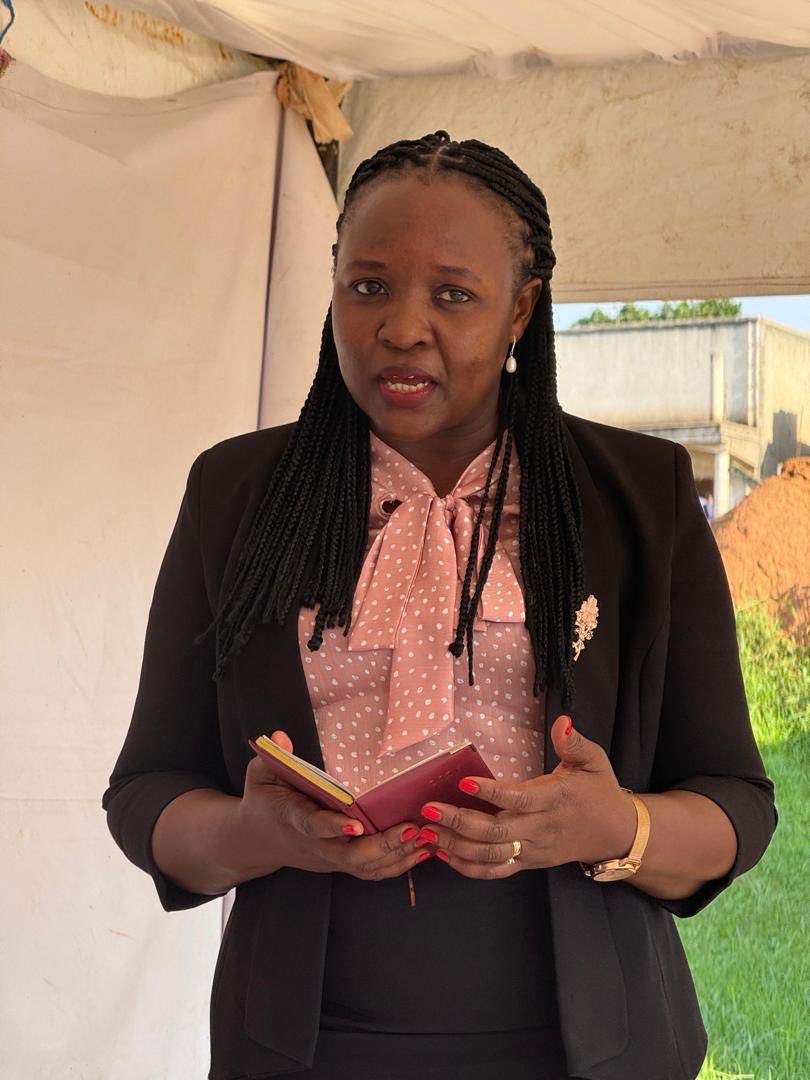
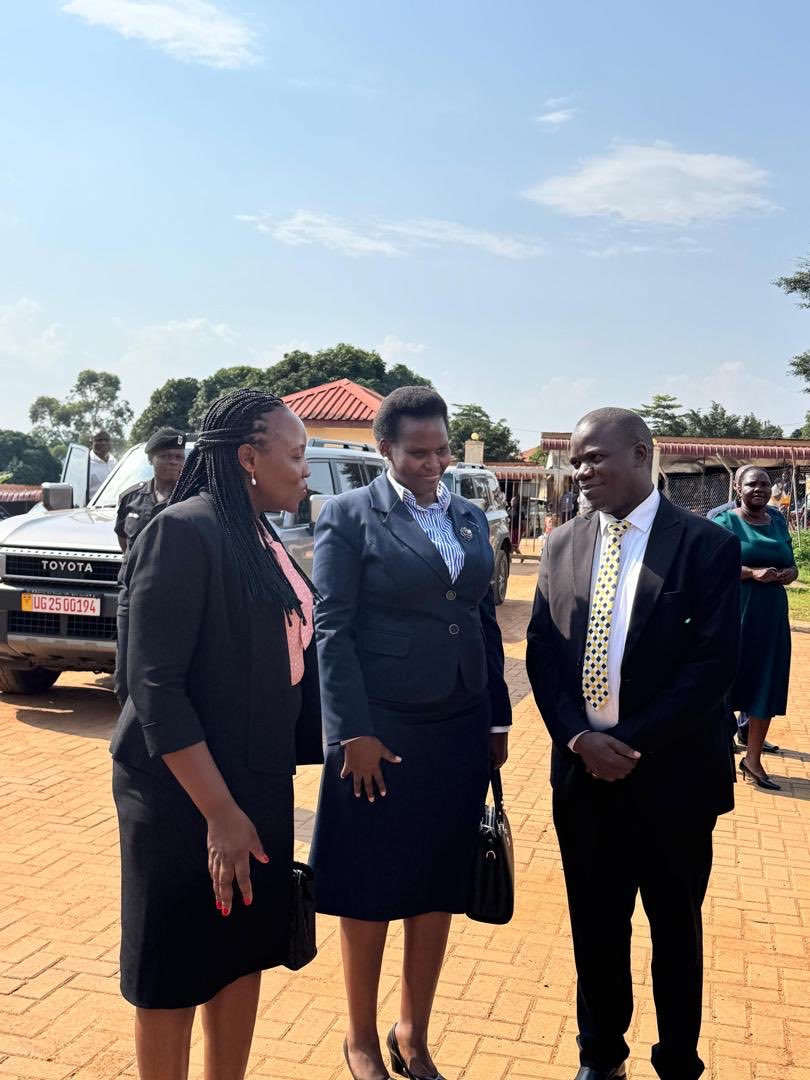
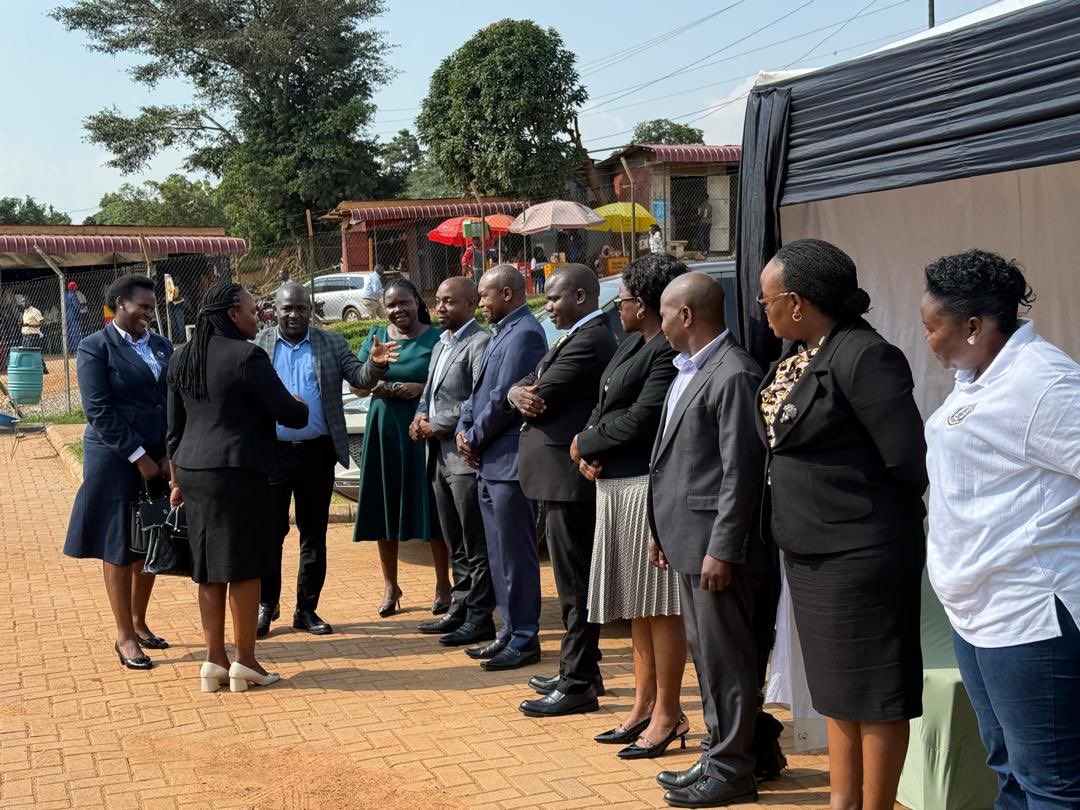
A delegation of Judicial Officers from Wakiso High Court, Wakiso Chief Magistrate’s Court, and Nabweru Chief Magistrate’s Court, led by the Head of the Wakiso High Court Circuit, Lady Justice Sarah Langa Siu, yesterday held a stakeholder engagement with officials from the Wakiso-Busiro Land Registry aimed at strengthening collaboration in the administration of land justice.
The engagement brought together judicial officers and land administration officials to discuss challenges affecting the resolution of land disputes and explore practical measures for improving coordination between the Court and the Land Registry.
In her remarks, Lady Justice Langa Siu observed that courts within the circuit continue to handle a significant number of land-related disputes, many of which stem from fraud, irregular land transactions, and challenges in verifying land ownership records.
She underscored the need for stronger coordination, cooperation, and communication between the Court and the Land Registry, particularly in the verification of land records and ownership information that often form the basis of court proceedings.
The Judge expressed concern over instances where ownership of land changes while cases are still pending before court, despite the existence of court orders and injunctions. She called for regular engagement and prompt information sharing between the two institutions to safeguard the integrity of judicial processes and prevent actions that may undermine the administration of justice.
Lady Justice Langa also welcomed ongoing efforts by the Ministry of Lands, Housing and Urban Development to digitize land administration systems and develop reliable land information and valuation systems, noting that such innovations have the potential to enhance transparency, improve record management, and reduce opportunities for fraud.
During the meeting, officials from the Wakiso-Busiro Land Registry highlighted several challenges affecting land administration, including land fraud, double titling, forged documents, fraudulent caveats, conflicting survey reports, disputes over access roads, succession-related fraud, and the under-declaration of land values.
The officials outlined measures being undertaken to strengthen verification processes and improve service delivery, including the integration of land records with the National Identification and Registration Authority (NIRA), digitization of land records, and the planned rollout of advanced technological solutions aimed at enhancing land administration and curbing fraudulent transactions.
The Judiciary delegation welcomed these initiatives and emphasized the importance of accurate survey reports, timely verification of land records, strict compliance with court orders, and continued collaboration in resolving land disputes.
Discussions also focused on the establishment of direct communication channels between courts and land offices, improved handling of land valuation issues, and the development of comprehensive land information databases to support evidence-based decision-making in land-related matters.
The meeting was attended by Lady Justice Flavia Grace Lamuno, Resident Judge of Wakiso High Court; HW Faisal Umar Mulalira, outgoing Deputy Registrar of Wakiso High Court; HW Sarah Namusobya, Chief Magistrate of Nabweru Chief Magistrate’s Court; HW Naome Sikhoya, Chief Magistrate of Wakiso Chief Magistrate’s Court; and other judicial officers from the Wakiso High Court Circuit.
The Land Registry team was led by Mr. Geoffrey Aduma, Principal Assistant Secretary for Kyadondo, together with senior registrars and registry officials.
The engagement is part of efforts to form part of the Court’s efforts to strengthen inter-agency collaboration and improve the efficiency, transparency, and effectiveness of justice delivery in land-related matters

1
11
49
5,017
Judiciary Uganda retweeted

Jun 12
#Attention
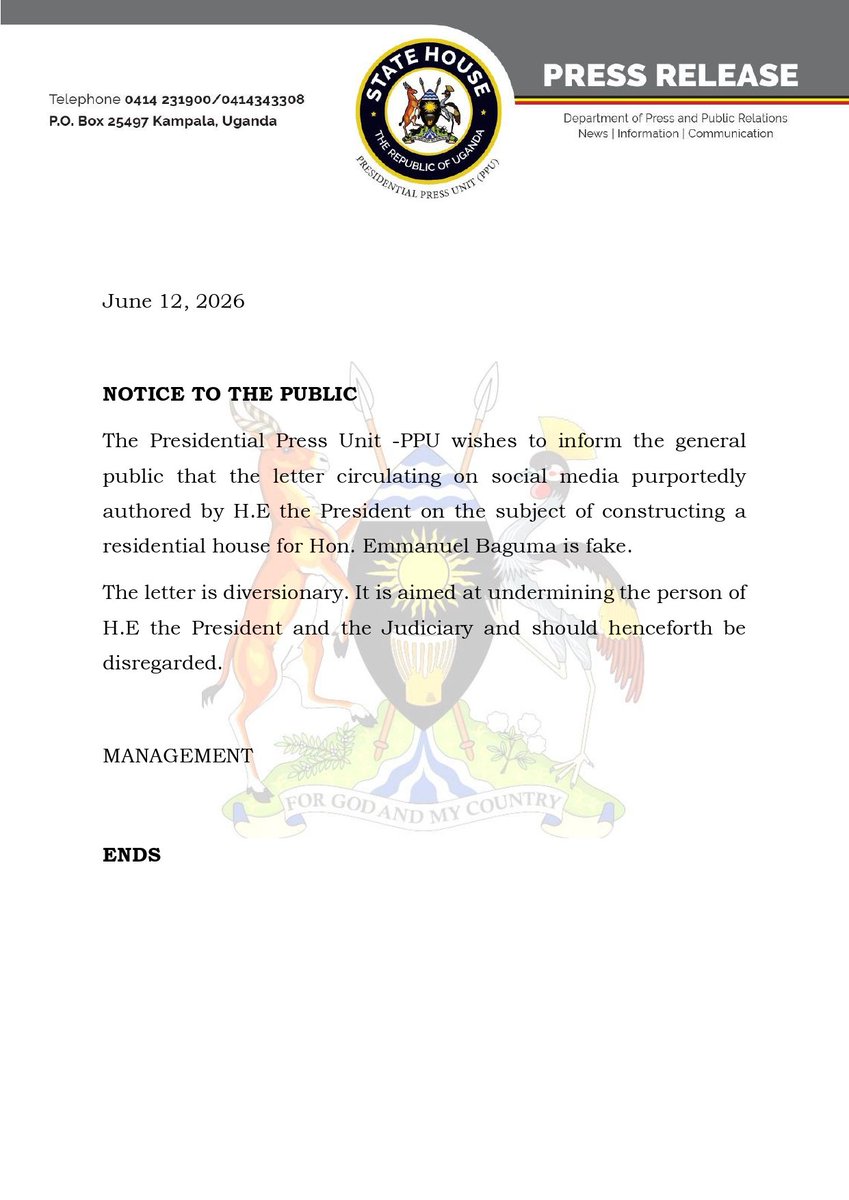
The General Public is urged to ignore the letter circulating online (and probably in other forms and forums) purporting that H.E @KagutaMuseveni has directed the UPDF Engineering Brigade to construct a house for Justice Emmanuel Baguma. It's a forgery intended to paint a false and ridiculous narrative. Kindly, disregard it with contempt and report anyone actively spreading the fake information to security agencies nearest to you! Your attention is highly appreciated.
FK
@Tom_Magambo @kasujja

45
86
236
30,094
Jun 12
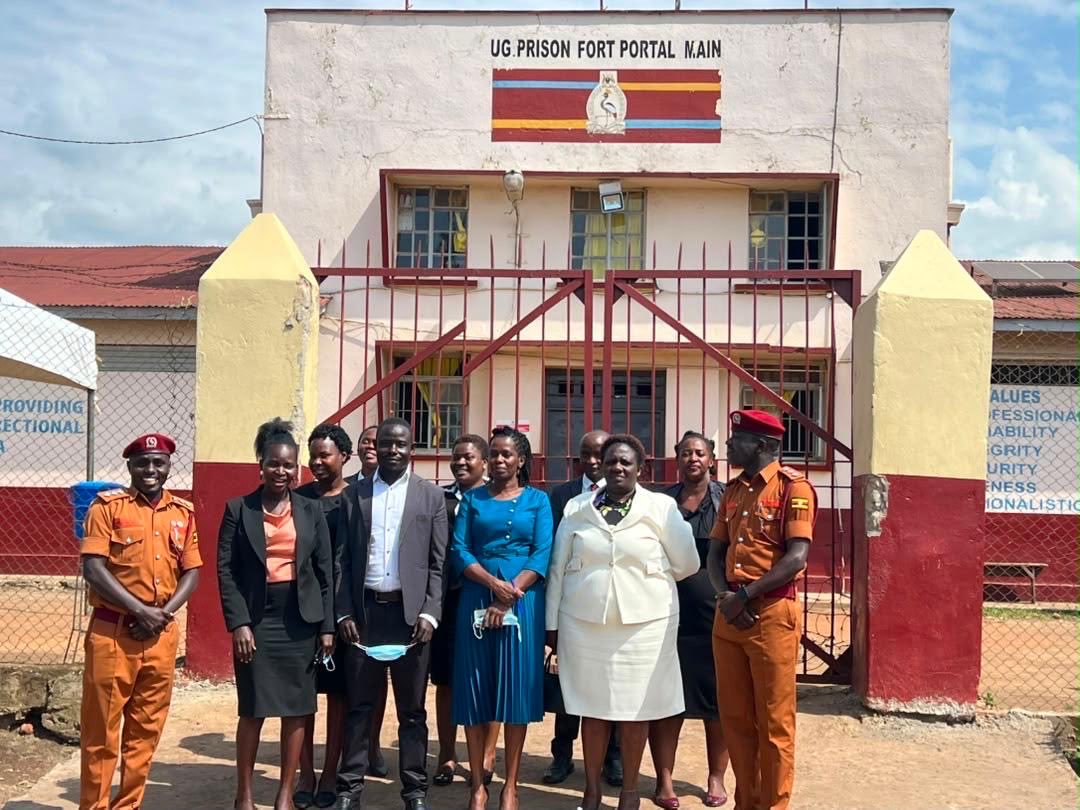
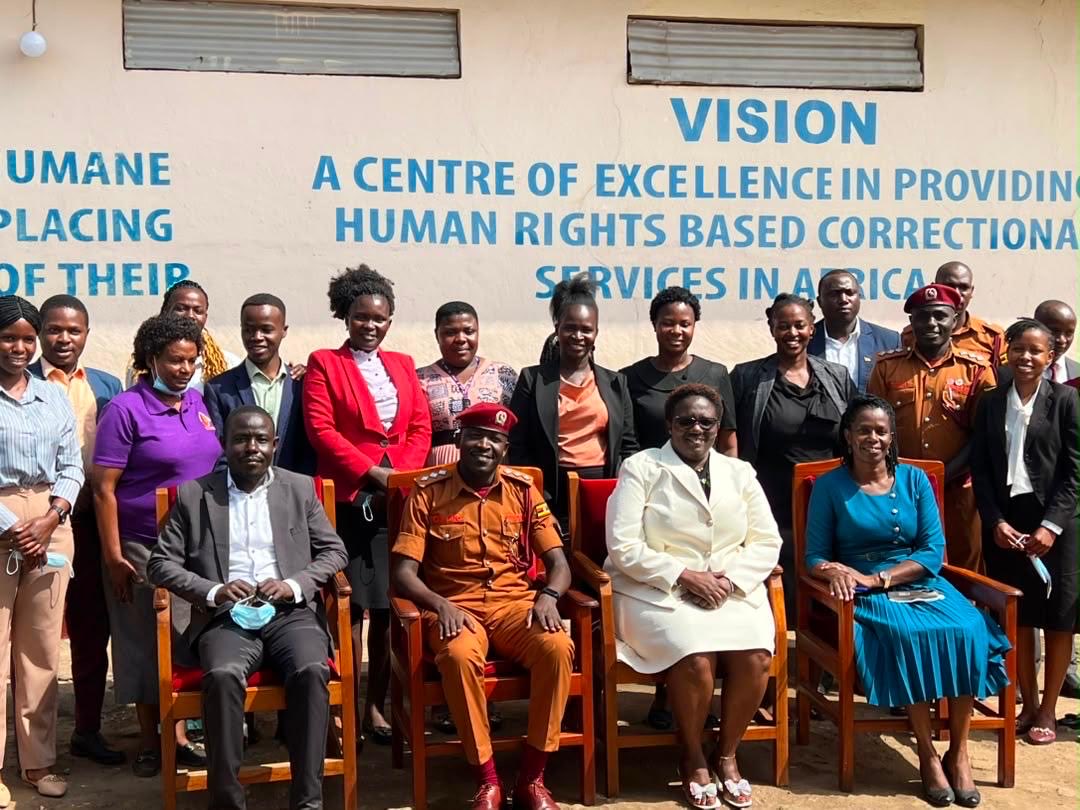
The Chief Magistrate of Fort Portal, HW Jacqueline Namazzi, has urged inmates at Katojo Prison to make informed and voluntary decisions when participating in plea bargaining, emphasizing that the process is intended to promote access to justice while safeguarding the rights of accused persons.
Speaking during a Plea Bargain Camp held at the Prison on Thursday, HW Namazzi said the initiative was organized by the Judiciary in collaboration with stakeholders in the criminal justice system to provide eligible accused persons with an opportunity to resolve their criminal cases faster, transparently, and with greater certainty.
Addressing inmates, prison officials, prosecutors, legal aid providers, and court staff, HW Namazzi explained that plea bargaining is a lawful process provided for under Sections 169A–169F of the Criminal Procedure Code Act and guided by the Plea Bargain Guidelines, 2023.
She noted that the process allows an accused person who accepts responsibility for an offence to enter into an agreement with the prosecution on an appropriate sentence, subject to approval by the court.
The Chief Magistrate stressed that participation in plea bargaining is entirely voluntary and cautioned inmates against pleading guilty to offences they did not commit simply because they had spent a long period on remand.
“No one should be forced to plead guilty. If you do not understand the process, seek guidance from your lawyer. If you believe you are not guilty, do not enter a plea bargain merely because you have stayed on remand for a long time. The court will only accept a plea if it is entered voluntarily, knowingly, and without coercion,” she said.
HW Namazzi further reminded participants that under Section 169D(3) of the Criminal Procedure Code Act, courts are required to satisfy themselves that plea bargain agreements are entered into freely and without undue influence before they can be accepted.
She encouraged inmates to consult legal aid providers and ask questions before signing any agreement, emphasizing that accepting responsibility for an offence one did not commit would amount to a serious injustice.
The Chief Magistrate commended the Uganda Prisons Service for facilitating the Camp and thanked the Office of the Director of Public Prosecutions, legal aid service providers, the Uganda Law Society, and court staff for their continued support in advancing access to justice.
She particularly appreciated Katojo Prison authorities for hosting the Camp and facilitating the production of inmates, enabling them to benefit from the plea bargaining process.
The Plea Bargain Camp is part of efforts to enhance the use of Alternative Dispute Resolution mechanisms within the criminal justice system, reduce case backlog, decongest prisons, and ensure timely disposal of criminal cases.
HW Namazzi urged all participants to engage openly with prosecutors, lawyers, and judicial officers throughout the exercise, noting that the process was intended to promote fairness, transparency, and lawful resolution of criminal matters.
The camp included the commencement of plea bargain negotiations and case reviews involving eligible inmates at Katoojo Prison, with judicial officers, prosecutors, and legal aid providers working together to facilitate the expeditious resolution of the cases

7
19
1,474
Jun 12
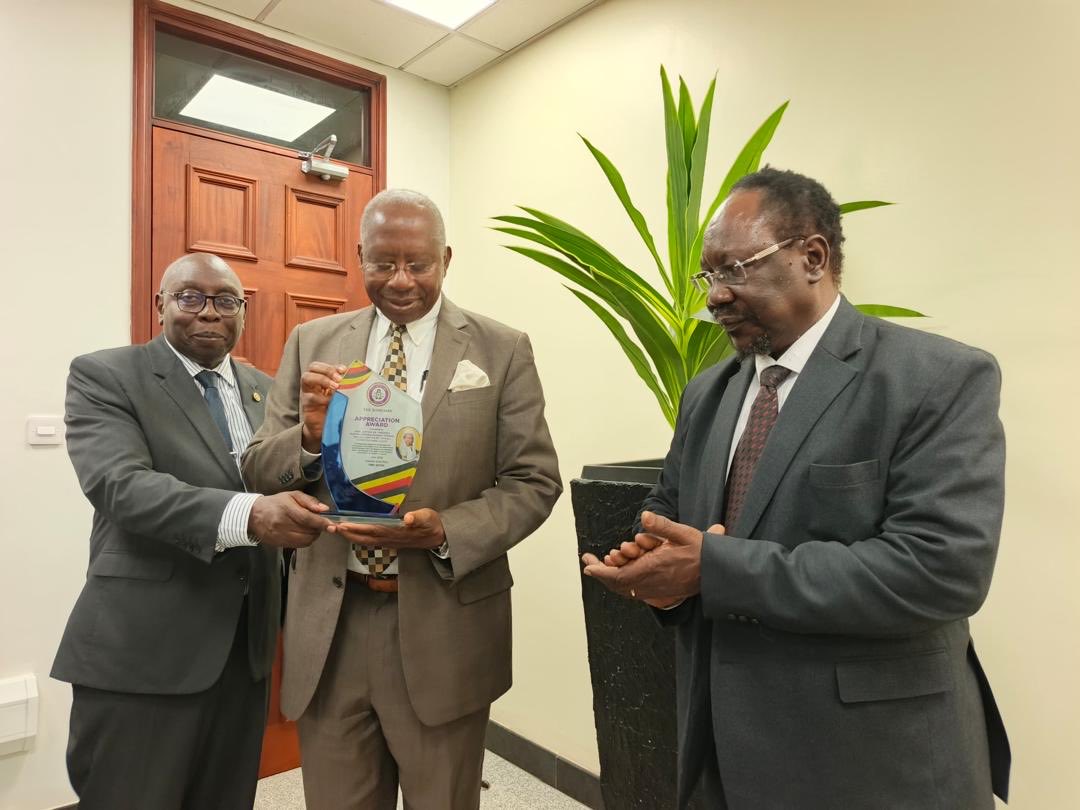
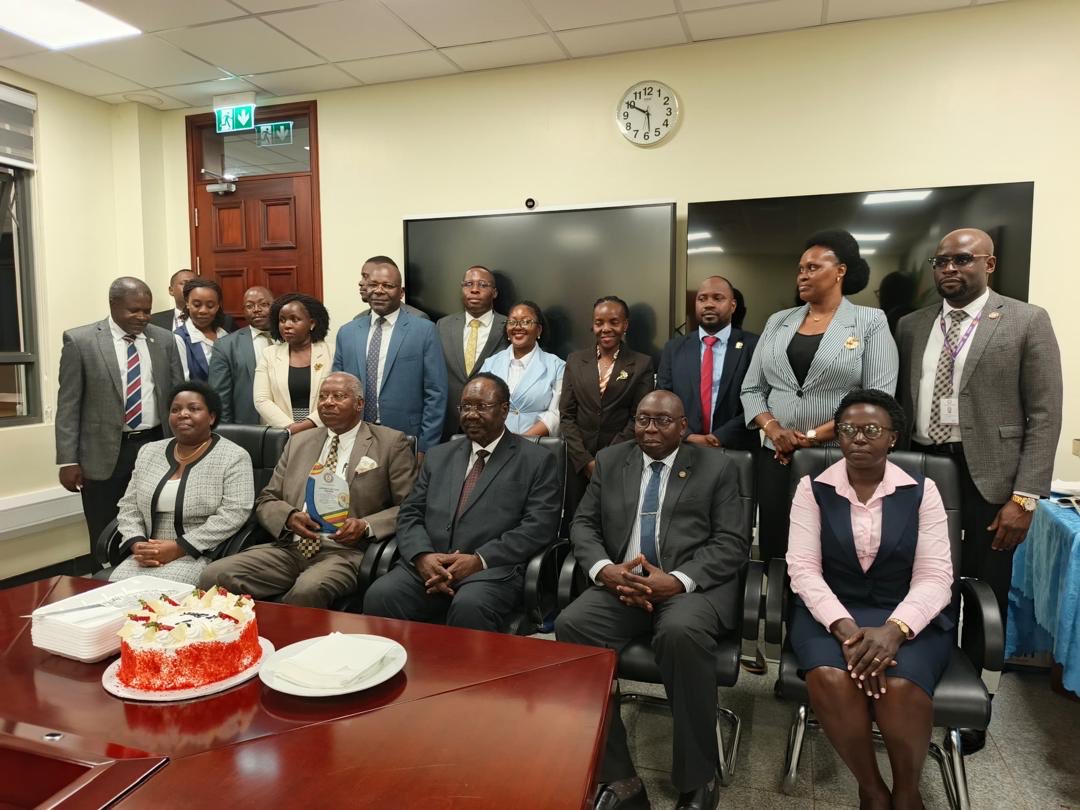
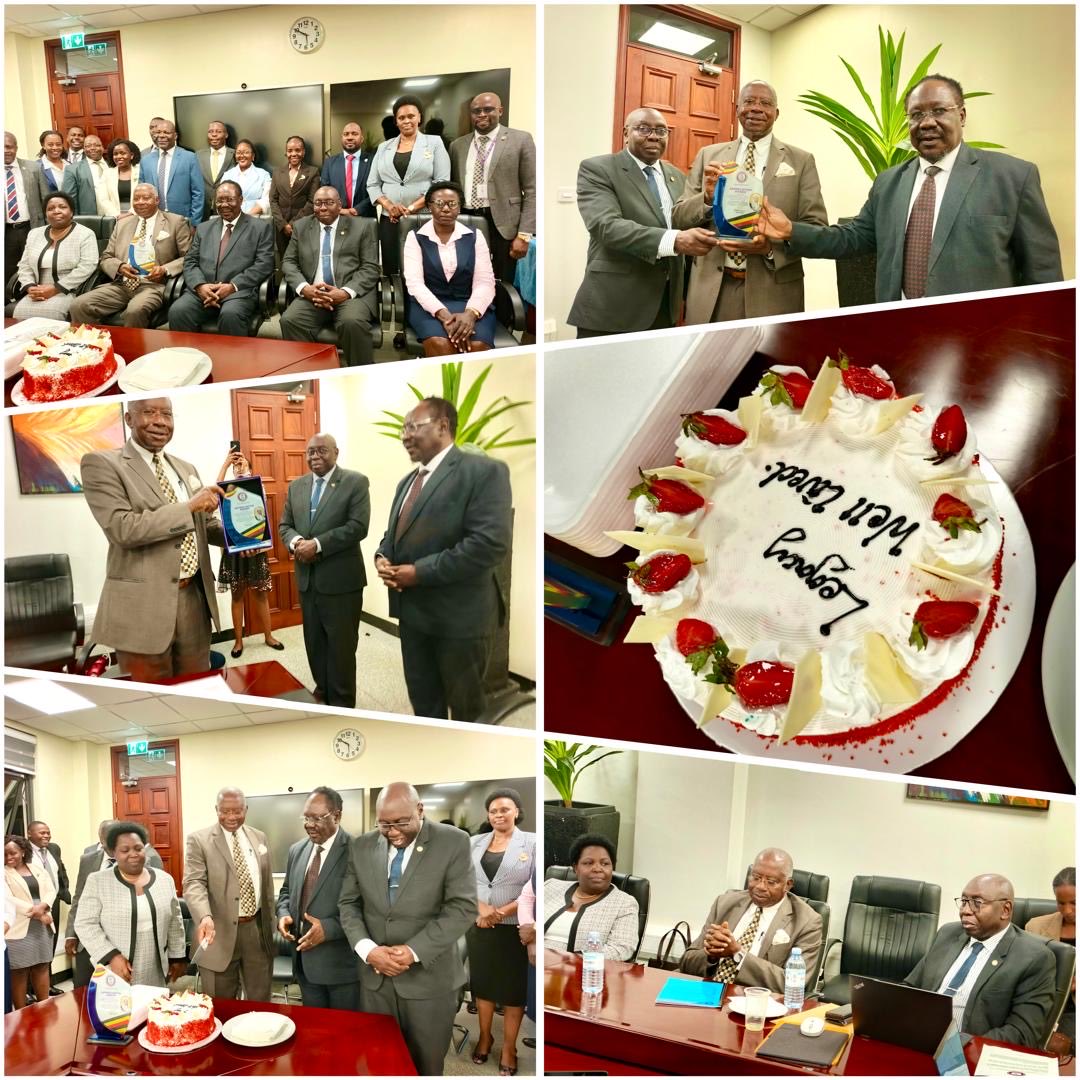
The Judiciary’s ICT and Documentation Committee has honoured Court of Appeal and Constitutional Court Judge, Justice Dr. Frederick Martin Stephen Egonda-Ntende, for his exceptional contribution to the digital transformation of Uganda’s justice system, recognizing his pivotal role in laying the foundation for many of the technological innovations that have modernized court operations across the country.
The recognition, presented on behalf of the Chief Justice, Justice Dr. Flavian Zeija, during a ceremony held in the Chief Justice’s Boardroom at the Supreme Court, comes as Justice Egonda-Ntende prepares to retire from judicial service upon attaining the mandatory retirement age on June 15, 2026.
Members of the ICT and Documentation Committee yesterday gathered to celebrate a judicial career that has been closely associated with innovation, technological advancement, and the modernization of court processes.
Presenting the award, Justice Christopher Madrama Izama, Chairperson of the ICT and Documentation Committee, described Justice Egonda-Ntende as a visionary leader whose foresight helped move Uganda’s Judiciary from a predominantly paper-based institution into the digital era.
He recalled that at a time when court processes largely relied on handwritten records, manual filing systems and physical registries, Justice Egonda-Ntende championed the use of technology to improve efficiency, transparency and access to justice.
“Long before technology became a central pillar of judicial administration, Justice Egonda-Ntende understood its transformative potential and dedicated himself to ensuring that the Judiciary embraced innovation,” Justice Madrama said.
He particularly highlighted Justice Egonda-Ntende’s role in championing the establishment of the Uganda Legal Information Institute (ULII), a platform that has significantly expanded public access to legislation, case law and legal information.
According to Justice Madrama, what started as a national legal information repository has grown into a globally recognized legal resource that continues to evolve through the adoption of emerging technologies, including artificial intelligence.
Justice Madrama also hailed Justice Egonda-Ntende’s leadership as Chairperson of the Electronic Court Case Management Information System (ECCMIS) Steering Committee, noting that his stewardship was instrumental in the Judiciary’s transition from paper files to digital case management.
“His interventions have intersected very well with the development of artificial intelligence, which is likely to shape the future work of the Judiciary and bring justice closer to the people of Uganda,” he said.
He credited Justice Egonda-Ntende with supporting innovations such as electronic filing, digital registries, automated workflows, virtual court proceedings and electronic records management, reforms that have significantly improved efficiency and reduced delays in service delivery.
“Today, files can be accessed from anywhere, they no longer get lost, and court users do not have to spend long hours waiting for services. We owe much of this progress to his pioneering work in the development of electronic systems that are transforming the Judiciary,” Justice Madrama added.
Beyond technology, Justice Madrama commended Justice Egonda-Ntende’s leadership style, describing him as approachable, supportive and deeply committed to mentoring others.
“You have driven this Committee forward, inspired us and laid a firm foundation. Those who come after you will only build upon the strong foundation you have established,” he said before presenting the Judiciary Appreciation Award.
Receiving the award, Justice Egonda-Ntende described the recognition as both humbling and emotional as he prepares to conclude a distinguished judicial career spanning several decades
7
48
2,849
Judiciary Uganda retweeted

Jun 12
Retiring Court of Appeal and Constitutional Court Judge, Justice Dr. Frederick Martin Stephen Egonda-Ntende, has said he is leaving the Judiciary as a satisfied parent after witnessing the technology reforms he helped initiate nearly three decades ago grow into mature systems that are transforming the administration of justice in Uganda.
Speaking after receiving an Appreciation Award from the Judiciary’s ICT and Documentation Committee on Thursday in Kampala, Justice Egonda-Ntende compared the evolution of the Judiciary’s technology agenda to raising a child from infancy to adulthood.
“At this stage, I am like a parent. You see your child grow from a toddler to an infant, a young lad and then an adult of age to make their own decisions. So I think I go away as a satisfied parent,” Justice Egonda-Ntende said.
ugandaradionetwork.net/story…
9
16
1,670
Jun 12
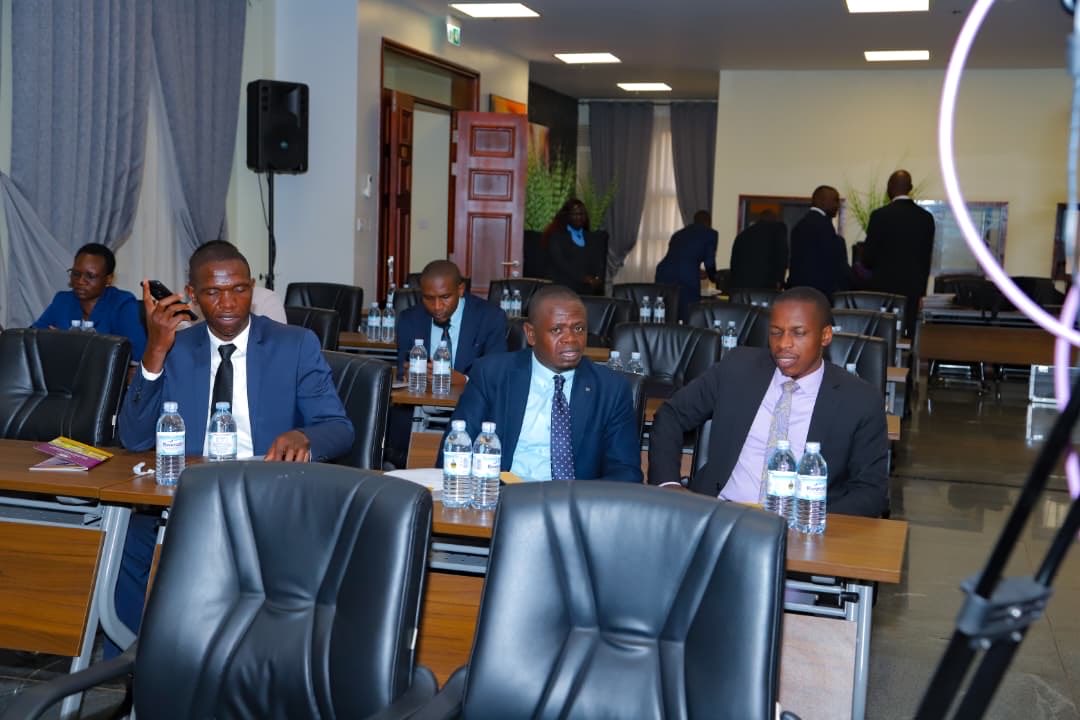
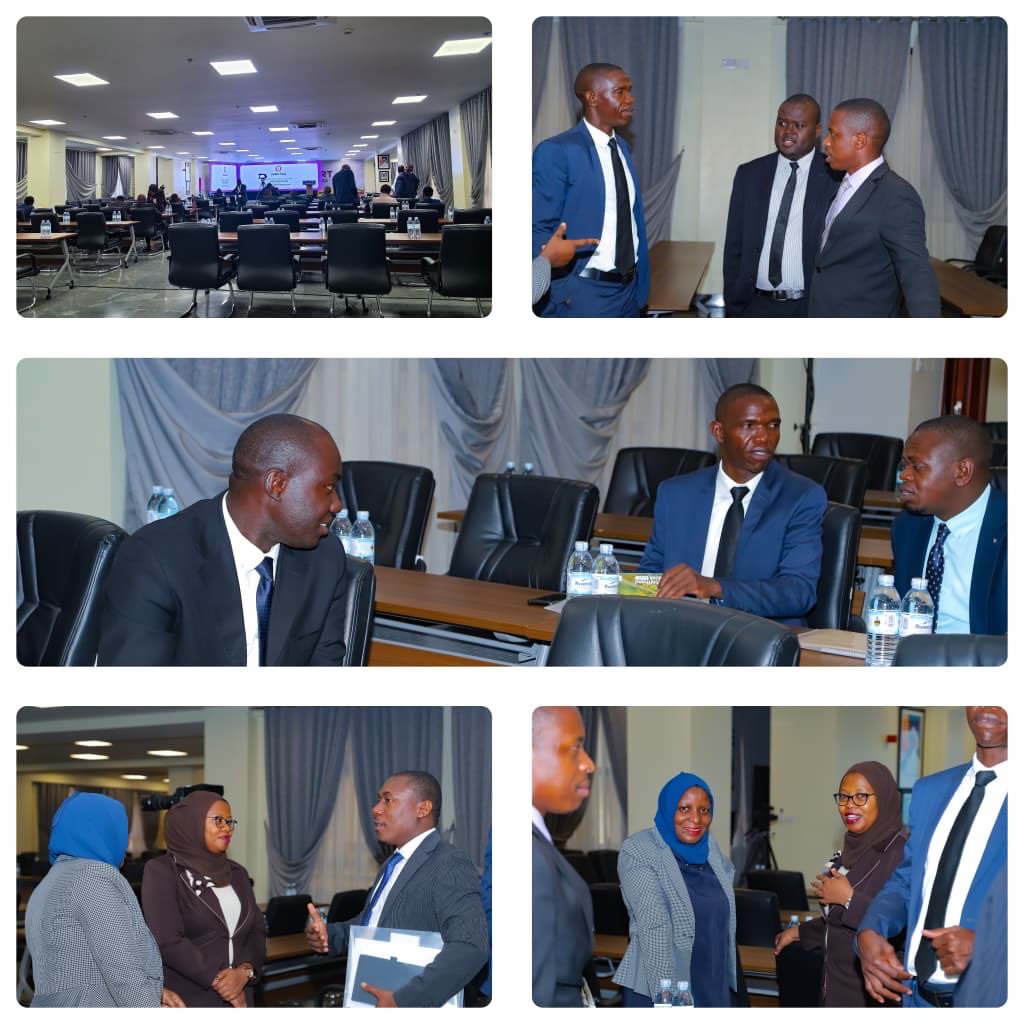
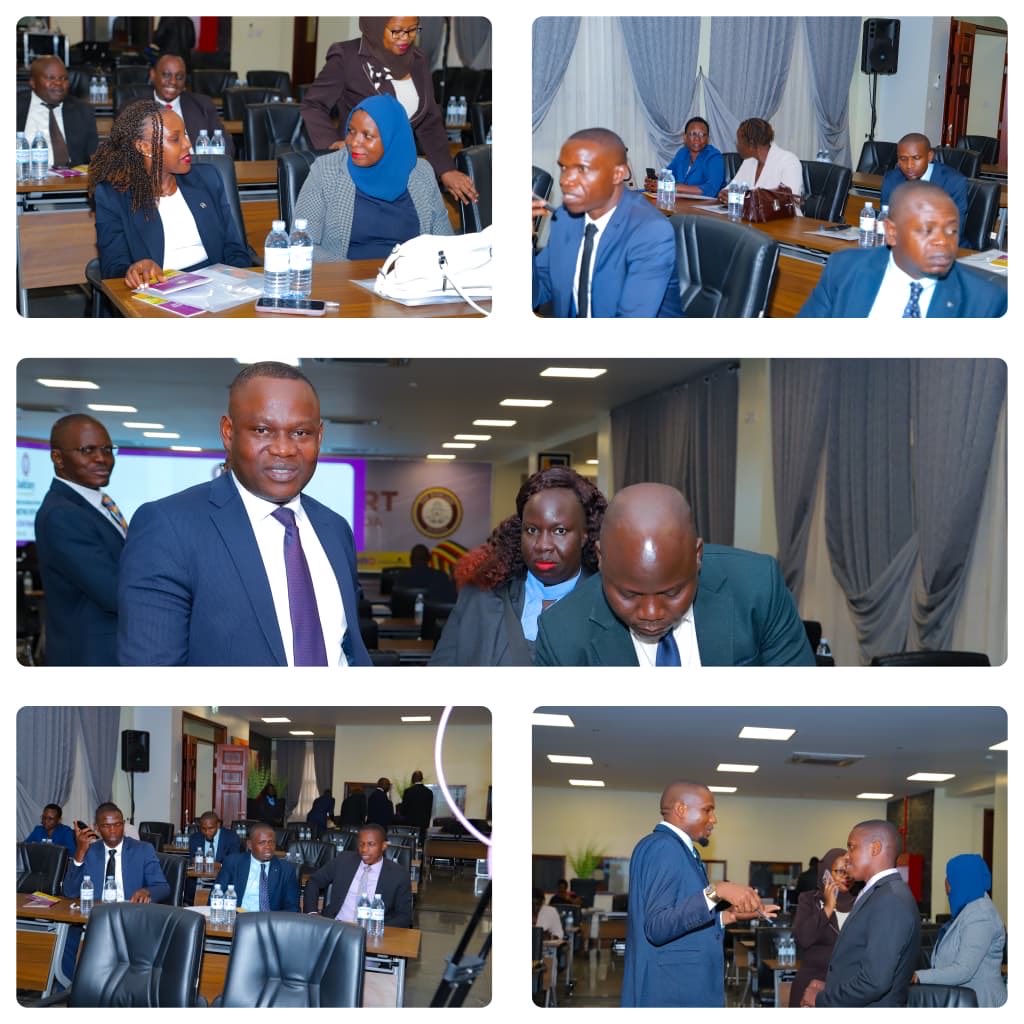
All set: All is set for the Chief Registrar’s meeting with Magistrates In-Charge of stations at the Supreme Court Building Conference Hall in Kampala.
The Chief Registrar, HW Agnes Alum, will preside over the meeting, which brings together Magistrates In-Charge to discuss strategies for strengthening service delivery, improving court performance, and enhancing the administration of justice at station level.
The meeting will also feature presentations on the Judiciary Client Charter and the Judiciary Strategic Plan VI (JSP VI), two key frameworks guiding the Judiciary’s efforts to deliver efficient, transparent, accountable, and people-centred justice services.
The moderator for the day is HW James Ereemye Jumire Mawanda

1
16
1,531
Jun 11
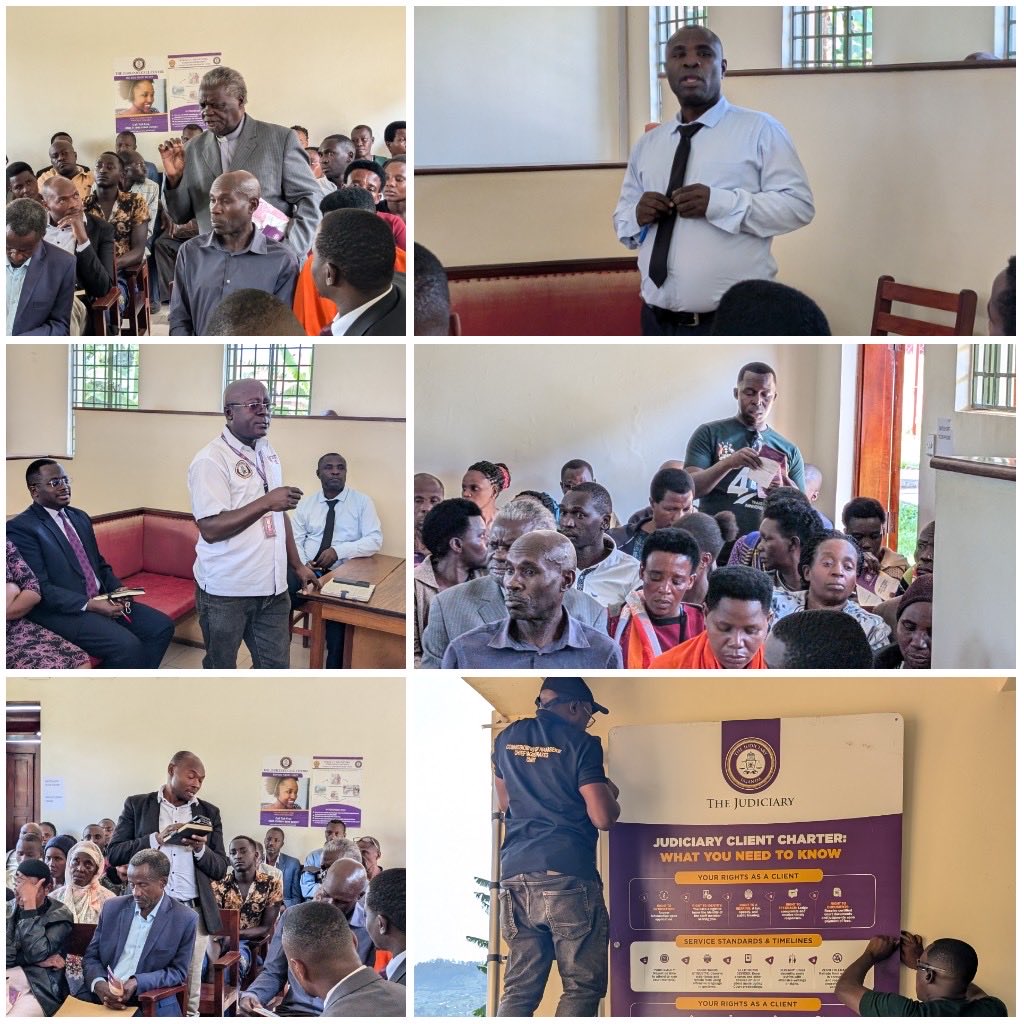
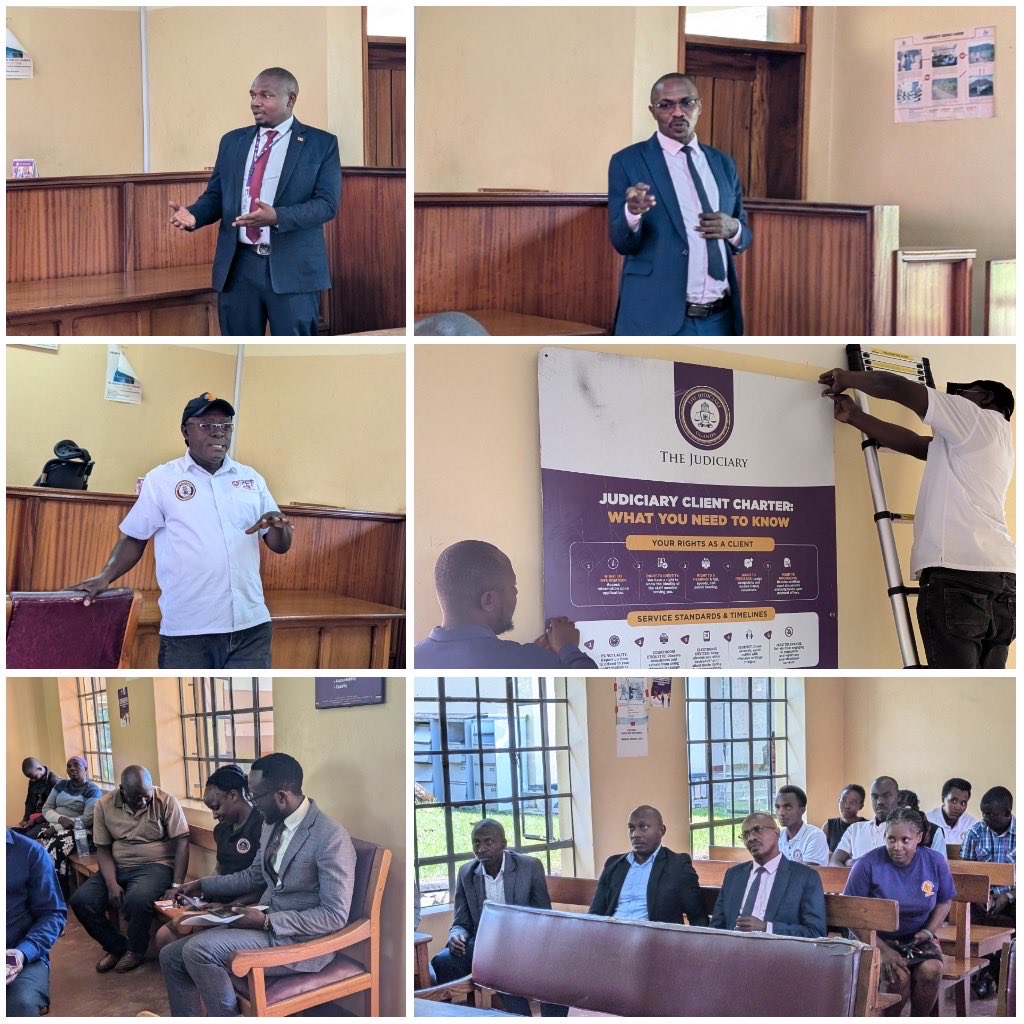
The Judiciary’s Registry of Communications and Public Relations has continued its court branding and public sensitization campaign, reaching Rukungiri and Bushenyi court stations with information on the Judiciary Client Charter, Alternative Dispute Resolution (ADR) mechanisms, and the standards of service court users should expect.
The exercise is part of ongoing efforts to enhance public awareness of Judiciary services, strengthen accountability, and promote greater access to justice through informed engagement with court users.
At Rukungiri High Court, the team was received by the Assistant Registrar, HW Helen Atigo. The team conducted a branding exercise within the court premises and distributed informational materials highlighting the Judiciary Client Charter and the range of services available to court users.
The team later proceeded to Rukungiri Chief Magistrate’s Court, where similar branding activities were undertaken alongside sensitization sessions on the Client Charter and various Alternative Dispute Resolution mechanisms available within the justice system.
Speaking to court users, the Chief Magistrate, HW Patrick Bamuhiga, emphasized that public sensitization would continue even after the Communications and Public Relations team had left. He encouraged court users to freely seek clarification on any issues affecting them and assured them that judicial officers and court staff remain available to provide guidance and assistance.
HW Bamuhiga further shared his contact information with court users and encouraged them to reach out whenever they required clarification on court processes. He advised them to first seek assistance from judicial officers and court staff before escalating matters through the Judiciary toll-free lines.
He reassured court users that they should feel comfortable engaging with the courts and expressed his commitment to extending sensitization activities beyond the courtroom by taking access-to-justice messages directly to communities and villages within the court’s jurisdiction.
The Chief Magistrate also encouraged individuals who may feel uncomfortable raising concerns publicly to approach him directly in his chambers for guidance and clarification.
The Communications team later proceeded to Bushenyi High Court and Bushenyi Chief Magistrate’s Court, where similar branding and sensitization activities were conducted.
Court users were educated on their rights and responsibilities under the Judiciary Client Charter and informed about the service delivery standards they should expect from the Judiciary.
Addressing participants, the Chief Magistrate of Bushenyi, HW Said Barigye, encouraged court users to freely approach judicial officers whenever they encounter challenges or require clarification regarding court processes.
He noted that learning and institutional improvement are continuous processes and emphasized the importance of open communication between court users and judicial officers in promoting effective service delivery.
Magistrate HW Emmanuel Niyokwizera, thanked participants for remaining attentive throughout the sensitization session despite spending a long day at court. He commended them for taking an interest in understanding Judiciary services and encouraged them to share the information with members of their communities.
The day’s sensitization sessions were facilitated by Mr. Deo Akugizibwe, a Communications Officer
2
9
861
Jun 11
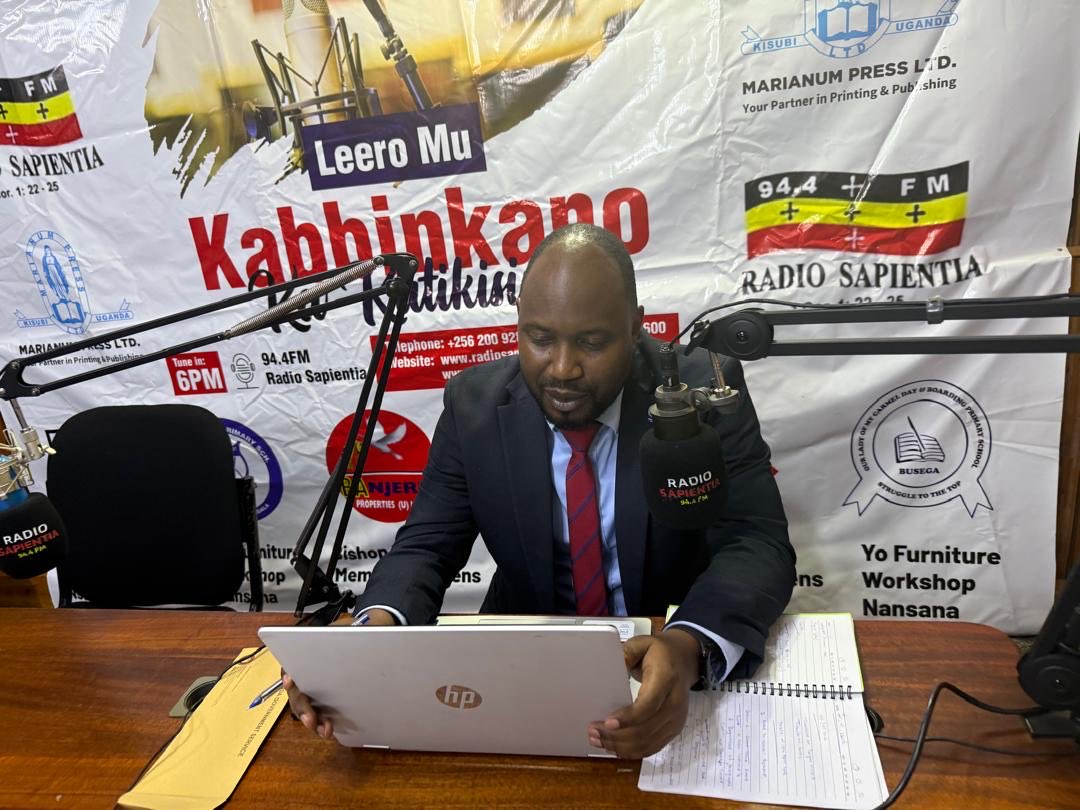
Live on air: Mr. Isaac Bbosa Serunkuma, Senior Statistician at the Judiciary, is currently live on Radio Sapientia, sensitizing listeners on the Performance Enhancement Tool (PET) and its role in strengthening performance management, accountability and service delivery within the Judiciary.
Earlier today, HW Faisal Umar Mulalira, Private Legal Secretary to the Deputy Chief Justice, was hosted on Radio Bilal, where he similarly engaged listeners on the objectives, benefits and implementation of the Performance Enhancement Tool
1
11
486
Jun 11
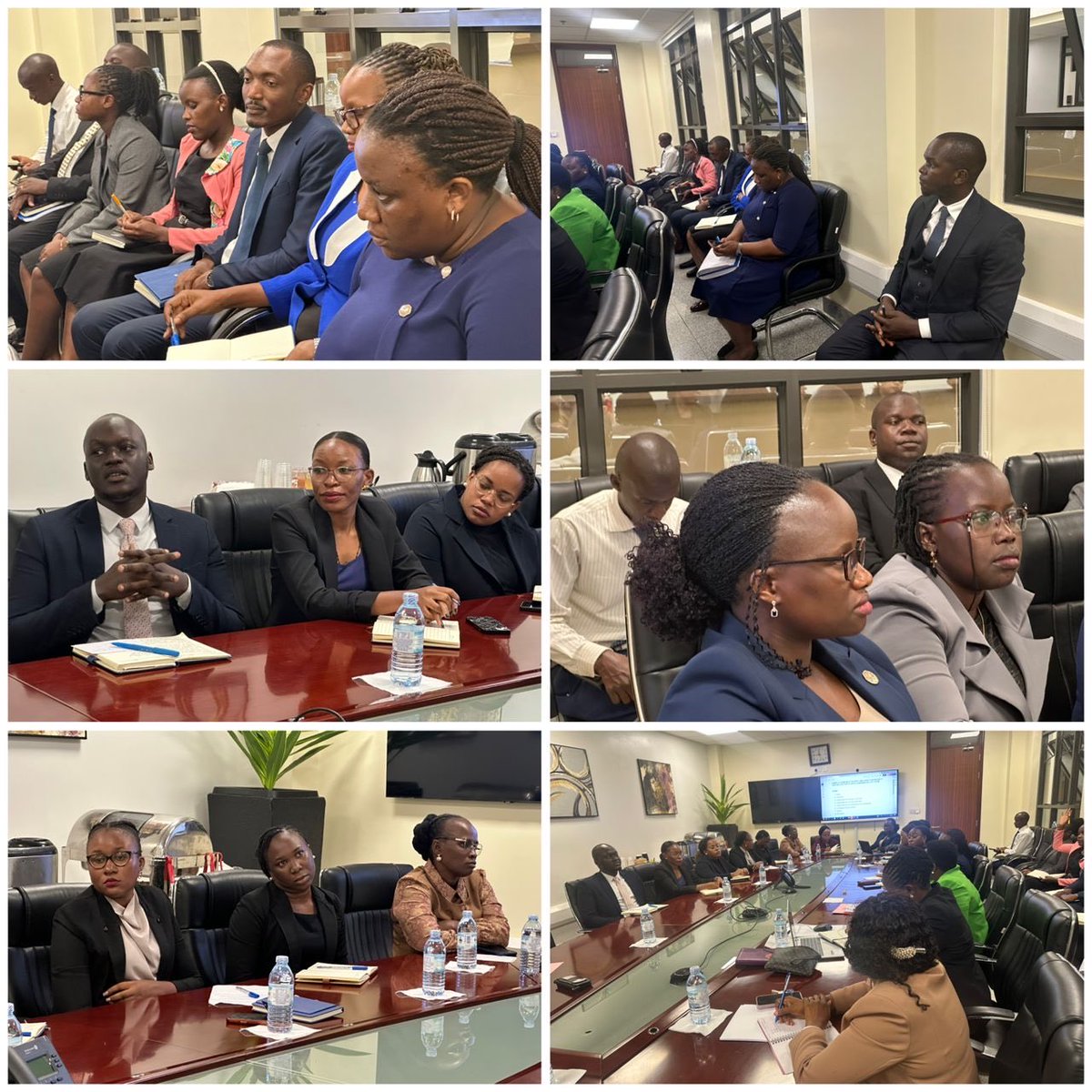
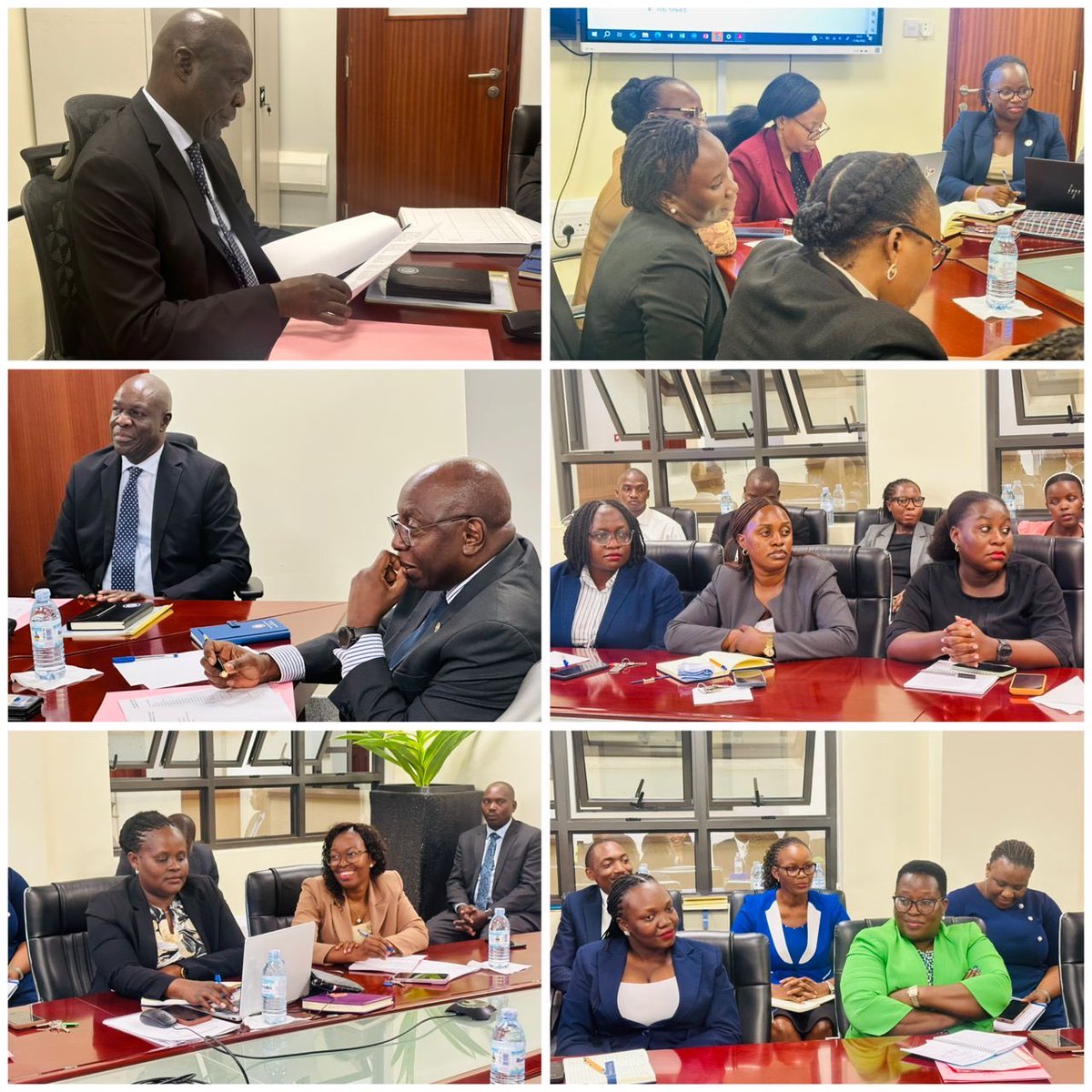
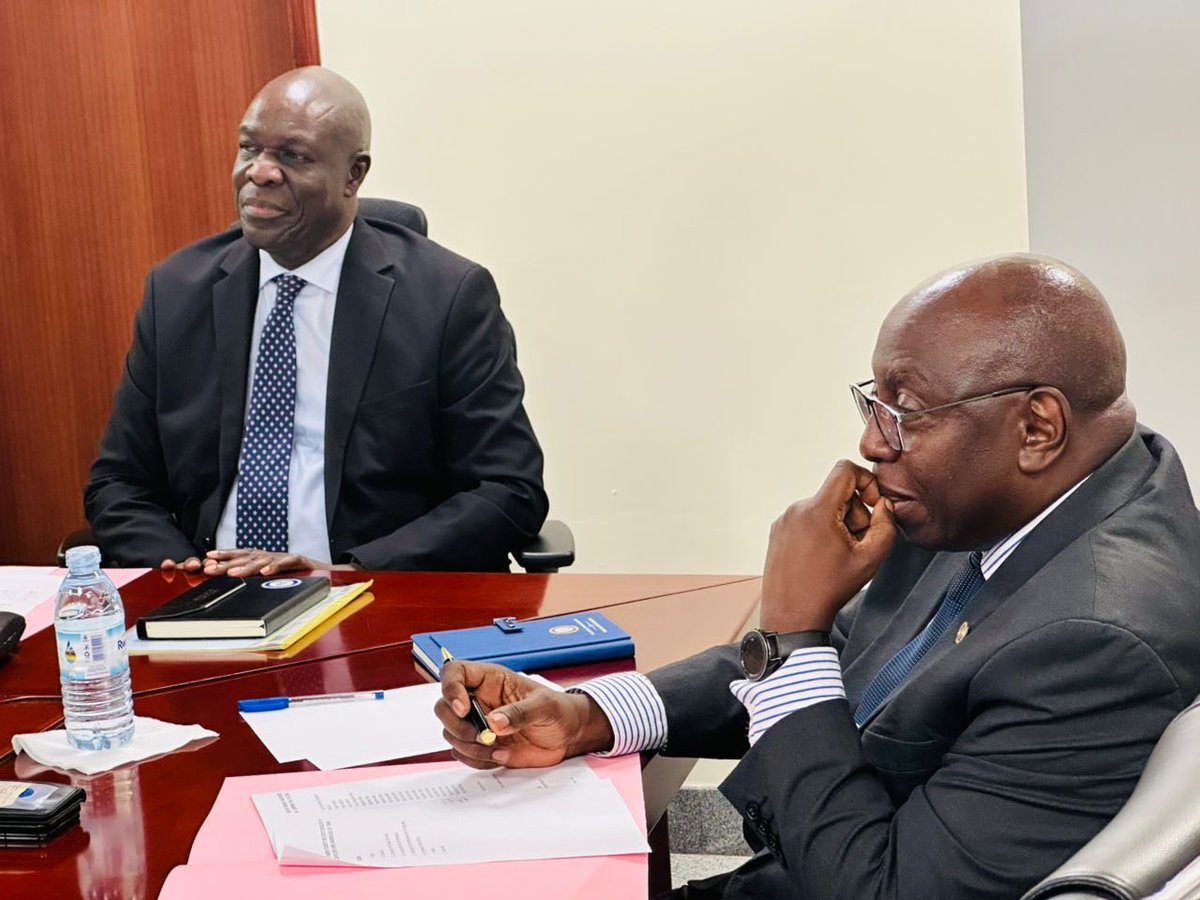
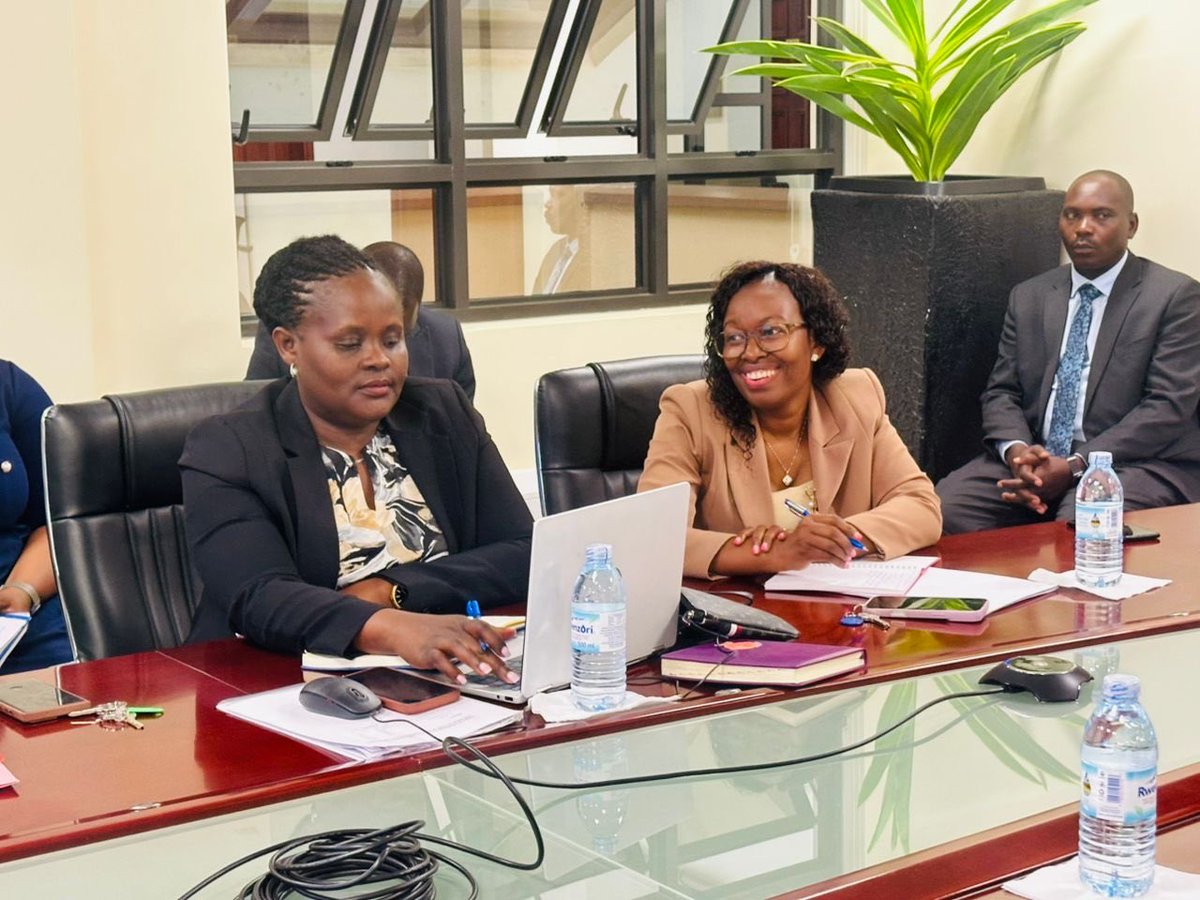
The Deputy Chief Justice Designate, Justice Moses Kawumi Kazibwe, has urged Research Magistrates attached to the Court of Appeal to uphold the highest standards of excellence, integrity and professionalism, describing their role as critical to the quality and credibility of judicial decisions.
Justice Kazibwe made the remarks during an engagement with Research Magistrates and Registrars at the Court of Appeal in Kampala. The meeting provided an opportunity to discuss challenges affecting their work, explore possible solutions and identify measures to improve the performance of the Court.
Commending the researchers for their invaluable contribution to the work of the Justices, Justice Kazibwe noted that although their names do not appear on judgments, their input is reflected in every well-reasoned decision issued by the Court.
“Own that judgment as yours, as for the Court, and feel proud when it comes out and it is excellent,” he said.
He emphasized that excellence encompasses not only sound legal analysis and quality writing but also timeliness in the preparation of opinions and judgments. Delays or poorly researched work, he observed, affect the Court’s ability to meet constitutional and statutory timelines for delivering justice.
Justice Kazibwe cautioned researchers against incomplete or inaccurate research, warning that such shortcomings could inadvertently mislead the Justices they support, particularly given the heavy workload handled by appellate courts.
He further challenged the Research Magistrates to remain committed to their responsibilities and appreciate that they are an integral part of the Court of Appeal whose conduct directly impacts its reputation and performance.
On integrity, the Deputy Chief Justice Designate expressed concern about reports that some judicial officers have allegedly leaked or sold confidential draft judgments to litigants. He warned against such conduct and stressed the need for strict adherence to confidentiality requirements and ethical standards.
“The integrity of the Judiciary depends on our ability to safeguard confidential information and maintain public trust,” he said.
Describing the Court of Appeal as an important training ground for judicial officers, Justice Kazibwe encouraged researchers to take advantage of the exposure and experience available at the Court to prepare themselves for future leadership and judicial responsibilities.
He also reaffirmed his commitment to maintaining an open-door policy and encouraged officers to engage Court Administration whenever they encounter challenges affecting their work.
Addressing concerns about inadequate technology, Justice Kazibwe acknowledged complaints regarding outdated computers and encouraged researchers to continue raising issues requiring administrative intervention.
“I will protect and defend any of you when your integrity is not in question, where you are being falsely accused. I will not do so where the evidence is against you,” he said.
Justice Geoffrey Kiryabwire, a Justice of the Court of Appeal and the Court’s Administrator, welcomed the Deputy Chief Justice Designate’s commitment to accessibility and engagement with staff.
He urged Research Magistrates to align closely with the Justices they serve and reminded them that the Judicial Code of Conduct applies equally to them as judicial officers.
Justice Kiryabwire reiterated the importance of confidentiality, noting that sensitive information can sometimes be leaked through casual conversations even where there is no deliberate intention to disclose it.
He also acknowledged concerns relating to computers, laptops and internet connectivity, noting that the Judiciary’s increasing reliance on technology through the Electronic Court Case Management Information System (ECCMIS), the Judgment Writing Tool, LexisNexis and the Uganda Legal Information Institute (ULII) requires adequate technological support for judicial officers
21
1,987
Jun 11
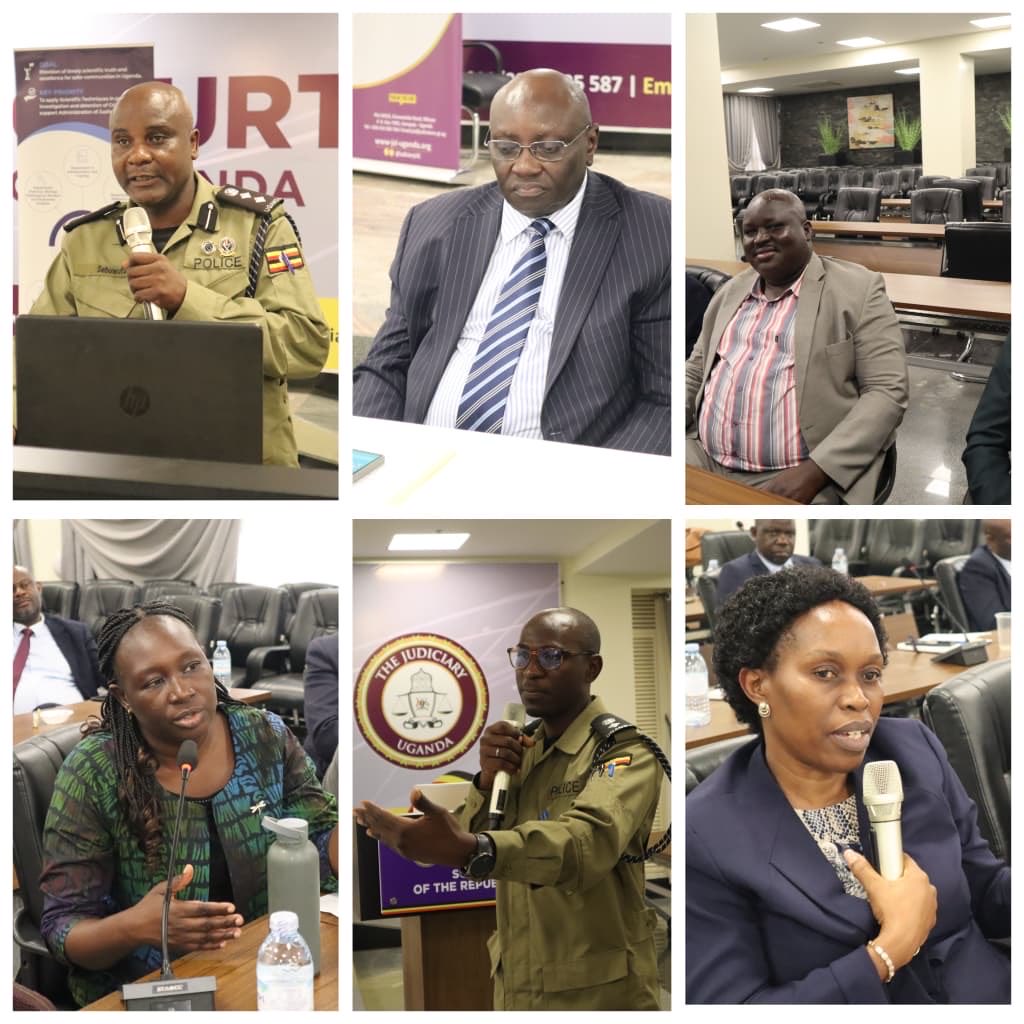
The Principal Judge, Lady Justice Jane Frances Abodo, has called for enhanced forensic science training and greater use of practical learning approaches to strengthen judicial capacity in handling increasingly complex criminal cases.
This was contained in her remarks which were delivered by Justice David Matovu, Head of the Criminal Division, during the closing ceremony of a two-day training on Criminal Trial Procedure for Judicial Officers from the Northern Region. The training, organized by the Judicial Training Institute (JTI), was held at the Supreme Court Conference Hall in Kampala.
In her message, Lady Justice Abodo commended the Judicial Training Institute for organizing a timely and well-structured programme that brought together judicial officers, forensic experts and other justice sector stakeholders to examine critical issues affecting criminal adjudication.
She noted that the interactive nature of the sessions and the expertise shared by facilitators demonstrated the Judiciary’s commitment to continuous professional development and excellence in the administration of justice.
“The quality of discussions, the practical insights shared and the active participation of the judicial officers are a testament to our collective commitment to strengthening the administration of justice,” she observed.
A central theme of her remarks was the growing importance of forensic science in modern criminal justice systems. Lady Justice Abodo noted that as criminal activity becomes more sophisticated, judicial approaches must evolve accordingly to ensure courts remain capable of delivering fair, informed and evidence-based decisions.
Referring to statistics presented during the training, she highlighted that more than 70 percent of cases whose outcomes depend on forensic evidence are successfully resolved, underscoring the critical role forensic science plays in establishing the truth and advancing the cause of justice.
“Modern criminal adjudication increasingly requires judicial officers to understand and appreciate forensic evidence. As crime evolves, our capacity to evaluate scientific evidence must evolve as well,” she said.
The Principal Judge observed that the training had provided valuable insight into both the opportunities and challenges that arise when handling forensic evidence. To further strengthen judicial competence in this area, she proposed closer collaboration between the Judicial Training Institute, the Directorate of Forensic Services of the Uganda Police Force and other key stakeholders to develop a dedicated and comprehensive forensic evidence training module for judicial officers.
According to Lady Justice Abodo, such a programme would equip judicial officers with a deeper understanding of forensic methodologies, investigative processes and emerging technologies, thereby improving the quality of judicial decision-making and enhancing public confidence in the administration of justice.
She also advocated for the incorporation of practical moot court sessions into future training programmes. While acknowledging the value of theoretical instruction, she emphasized that simulated courtroom exercises would enable participants to apply acquired knowledge in realistic settings, strengthen their confidence in handling forensic evidence and enhance their understanding of its evidential value in criminal proceedings.
“Practical learning opportunities such as moot court sessions can bridge the gap between theory and practice, enabling judicial officers to develop the skills required to effectively manage forensic evidence in court,” she noted.
Lady Justice Abodo further commended the facilitators for sharing their expertise and experience and thanked participants for their active engagement, thoughtful contributions and commitment throughout the training.
She reaffirmed the Judiciary’s commitment to continuous learning and professional development, describing capacity building as essential to improving service

4
732