Historian
Joined August 2020
- Tweets 4,043
- Following 213
- Followers 3,245
- Likes 8,975
61 Photos and videos
Pinned Tweet

25 Sep 2020
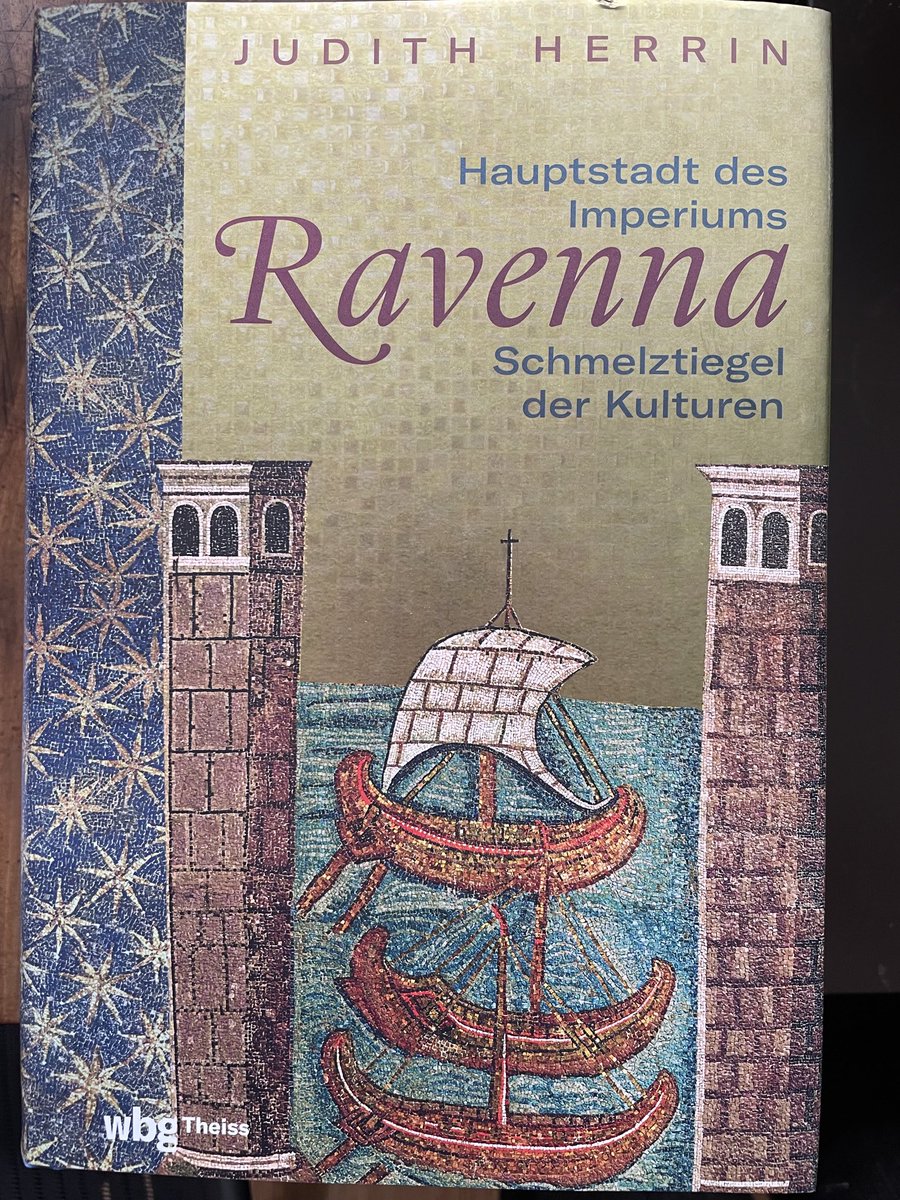
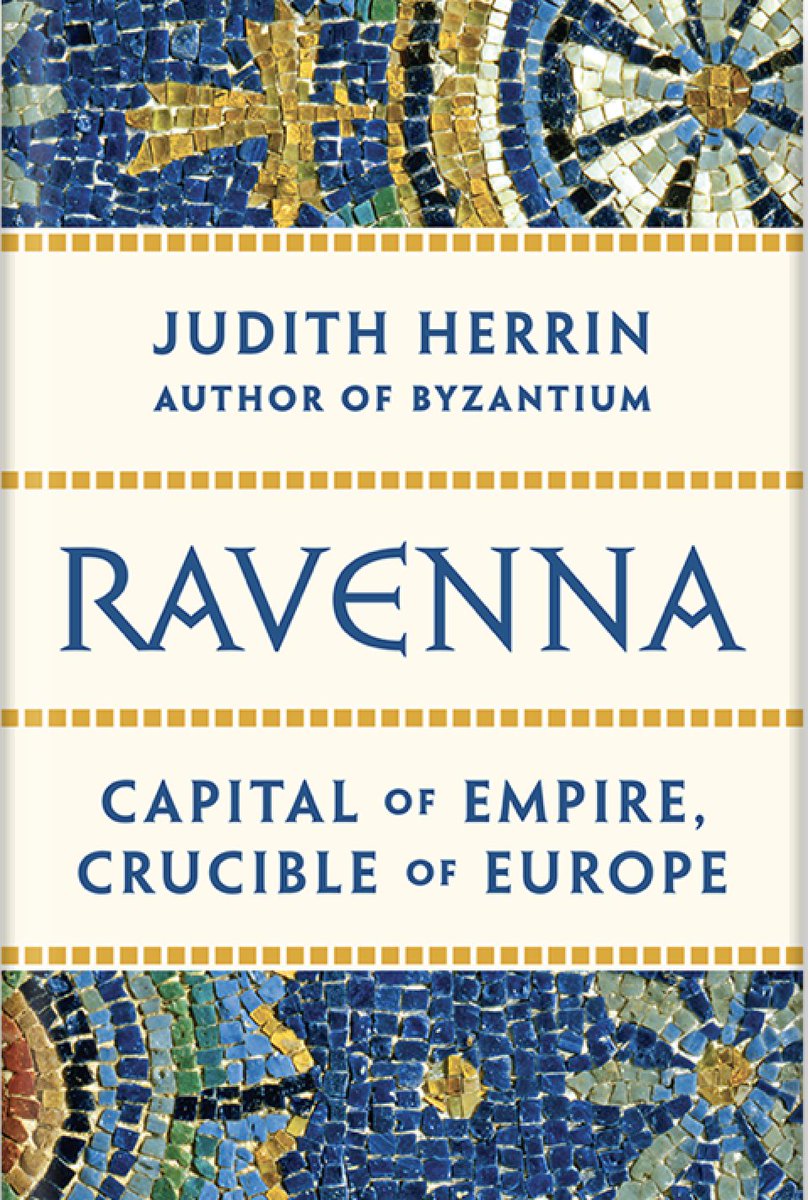
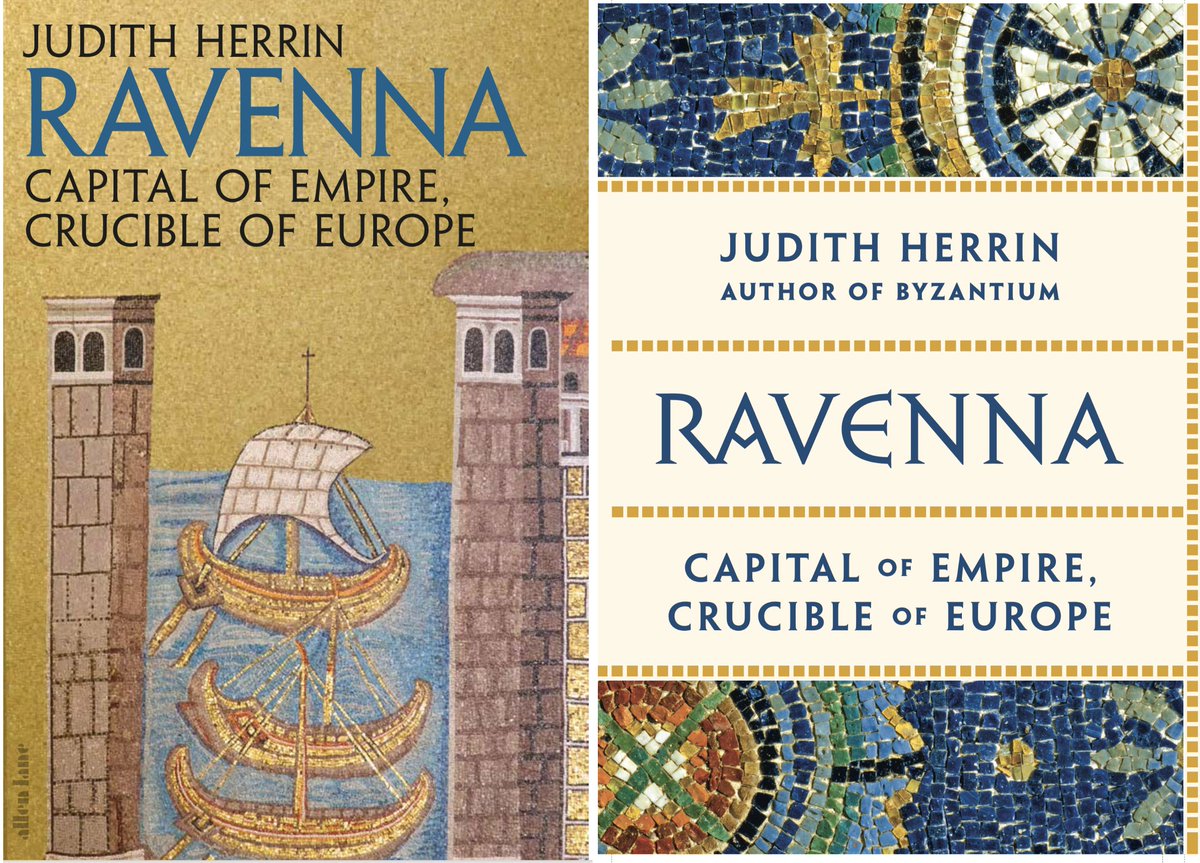
The @PenguinUKBooks edition of Ravenna will be joined by @PrincetonUPress on 27 October
18
44
290
Judith Herrin retweeted

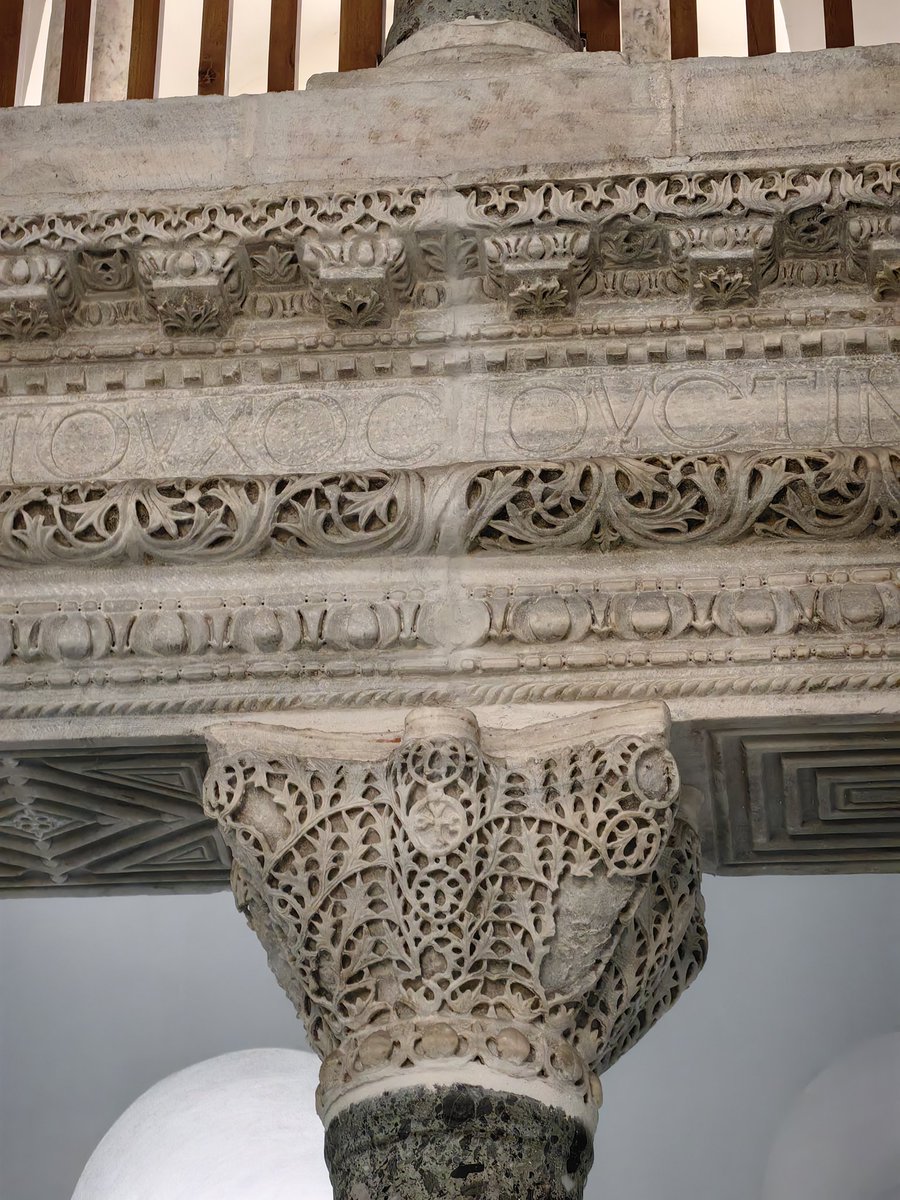
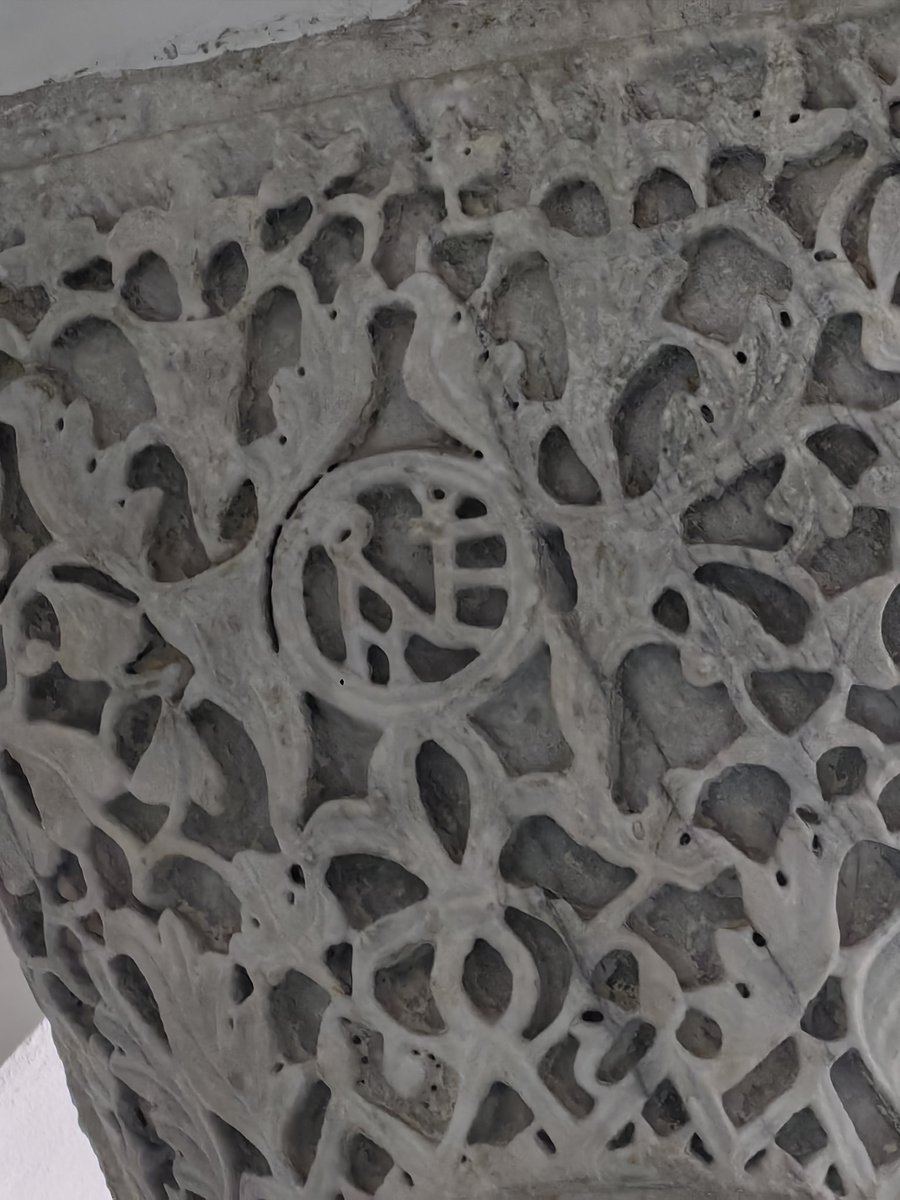
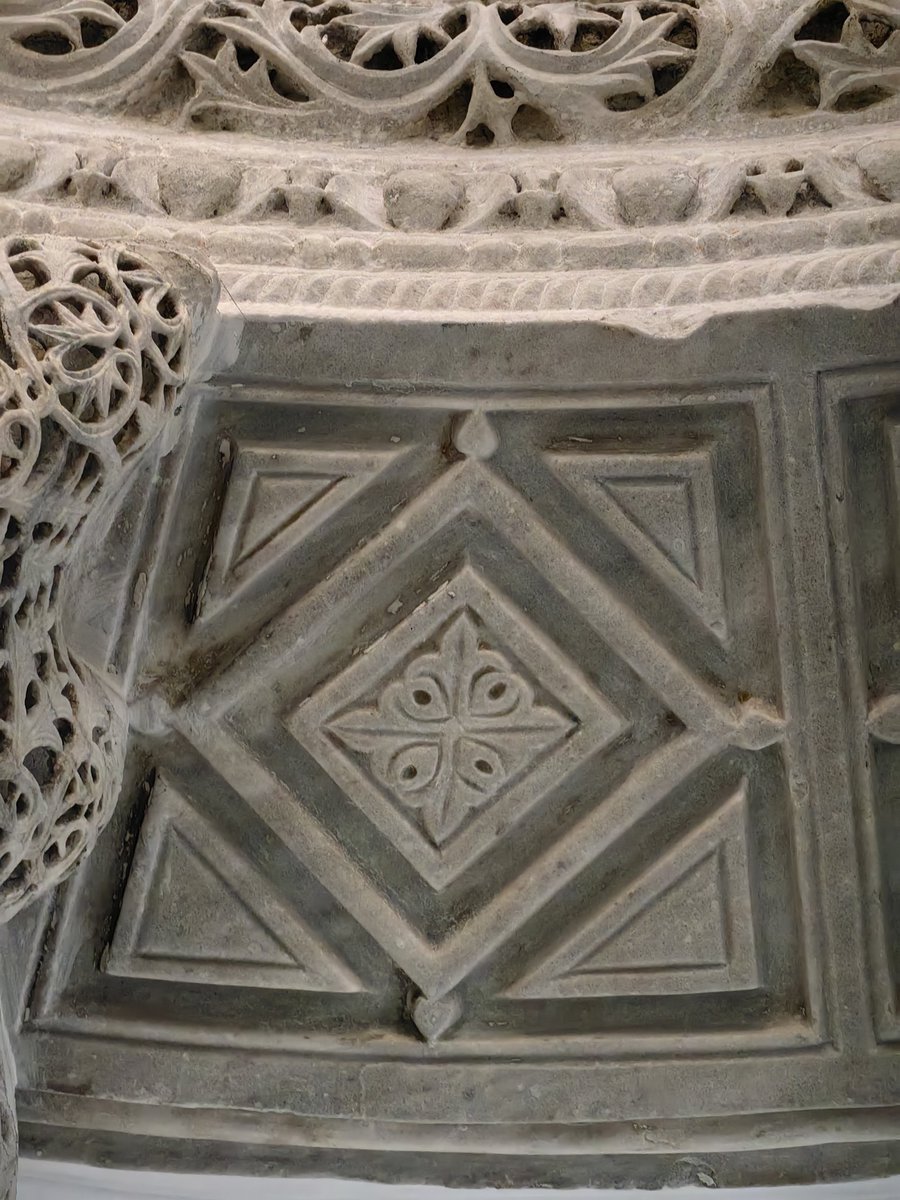
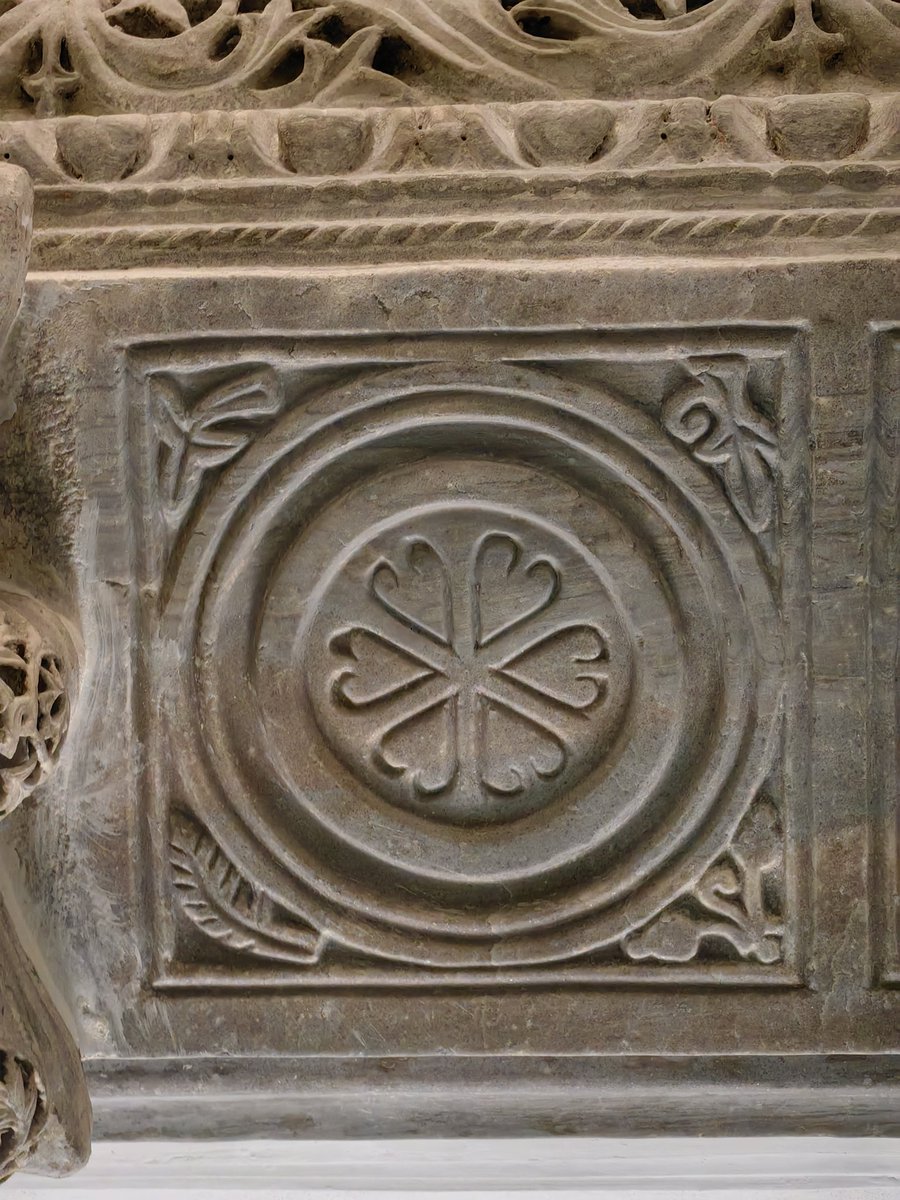
Marble work of Little Hagia Sophia Mosque, formerly the Church of Saints Sergius and Bacchus
1
27
152
6,198
Judith Herrin retweeted

May 12
Acropolis Museum Celebrates International Museum Day 2026 with Free Entry and Events
parthenonuk.com/latest-news/…
#internationalmuseumday2026 #athensgreece #acropolismuseum


1
2
5
225
Judith Herrin retweeted

Justiniano utilizó jinetes ávaros para conquistar Spania. Una revelación sorprendente: elpais.com/cultura/2026-05-1…
1
6
284
Judith Herrin retweeted

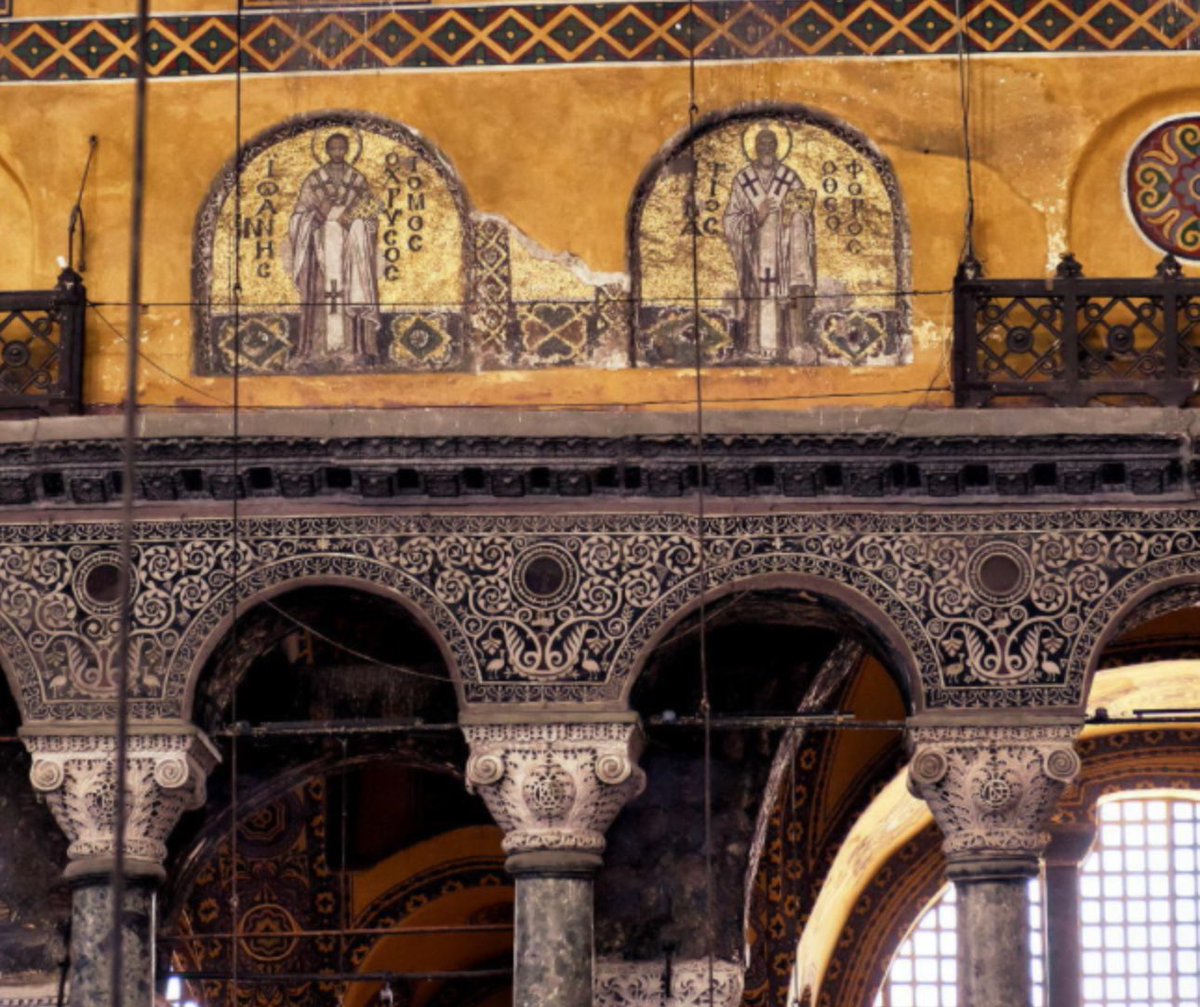
Mosaics of St. John Chrysostom on the left and St. Ignatios Theophoros at the Hagia Sophia.
It’s hard to imagine just how many mosaics like this must have once filled the Great Church in medieval times. The interior splendor isn’t the same in modern times.
5
38
354
5,950
Judith Herrin retweeted

May 10
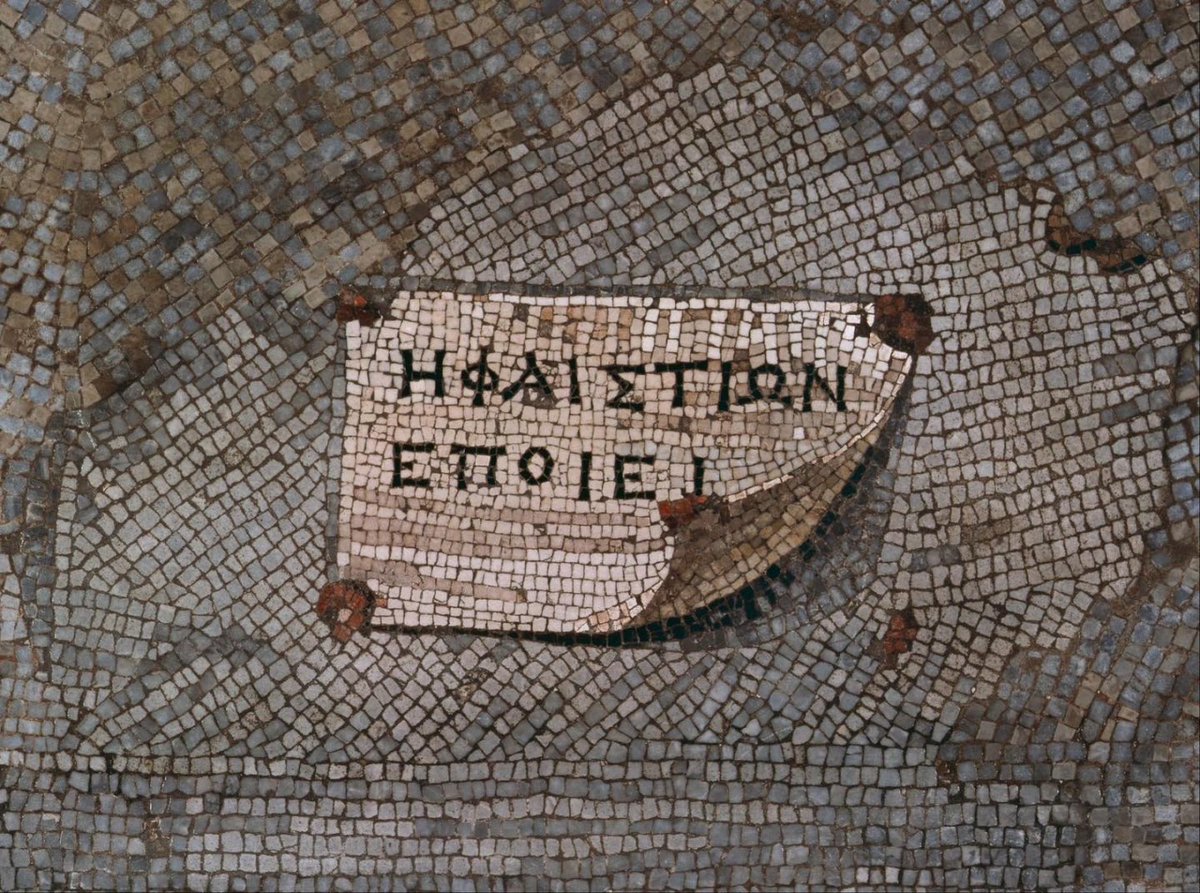
“Hephaistion Made This” in a beautiful trompe-l'oeil piece of paper half unstuck by the wind still some of the rawest stuff ever put in a mosaic (2nd century BC, Pergamon)
6
222
1,728
46,102
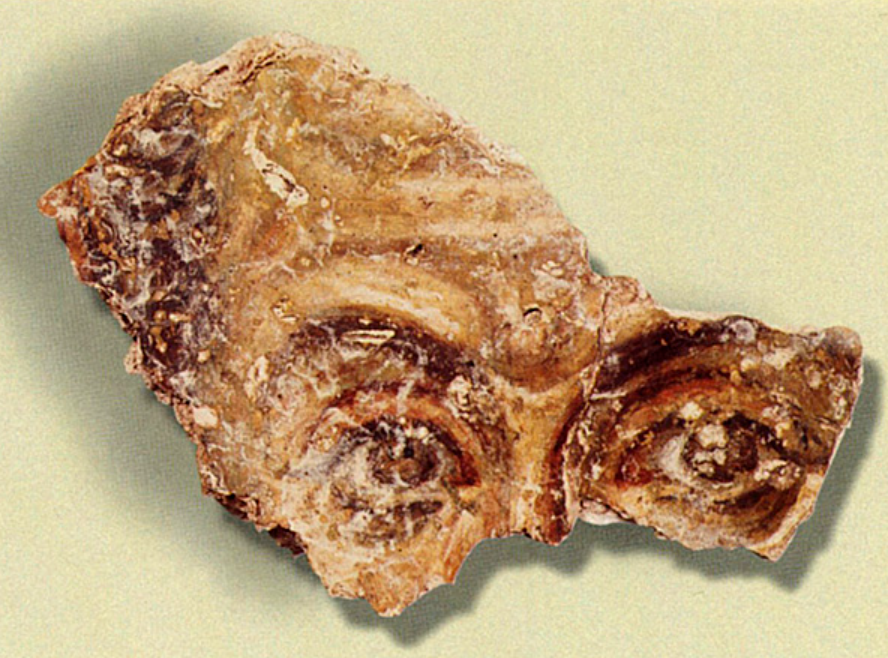
Great pic but the frescoes discovered at the Kyrotissa/Kalenderhane Camii were of St Francis of Assisi and dated from the Latin occupation (1204-61)
May 1

John Chrysostomos (Golden mouth), fresco fragment from the 13th century.
Church of Theotokos Kyriotissa (not a surprise, now Kalenderhane Mosque), Constantinople.
2
2
25
1,601
Judith Herrin retweeted

May 1
John Chrysostomos (Golden mouth), fresco fragment from the 13th century.
Church of Theotokos Kyriotissa (not a surprise, now Kalenderhane Mosque), Constantinople.
3
22
173
3,983


Judith Herrin retweeted

Follow this account if you want the UK to return to its rightful place inside the European Union. 👇🇪🇺

The EU and the UK have completed the final step towards the UK’s association to Erasmus in 2027.
From 1 Jan 2027, students, apprentices & educators will reconnect, boosting mobility, skills & cooperation.
Welcome back, UK!




122
409
3,696
195,042
Judith Herrin retweeted

Apr 16
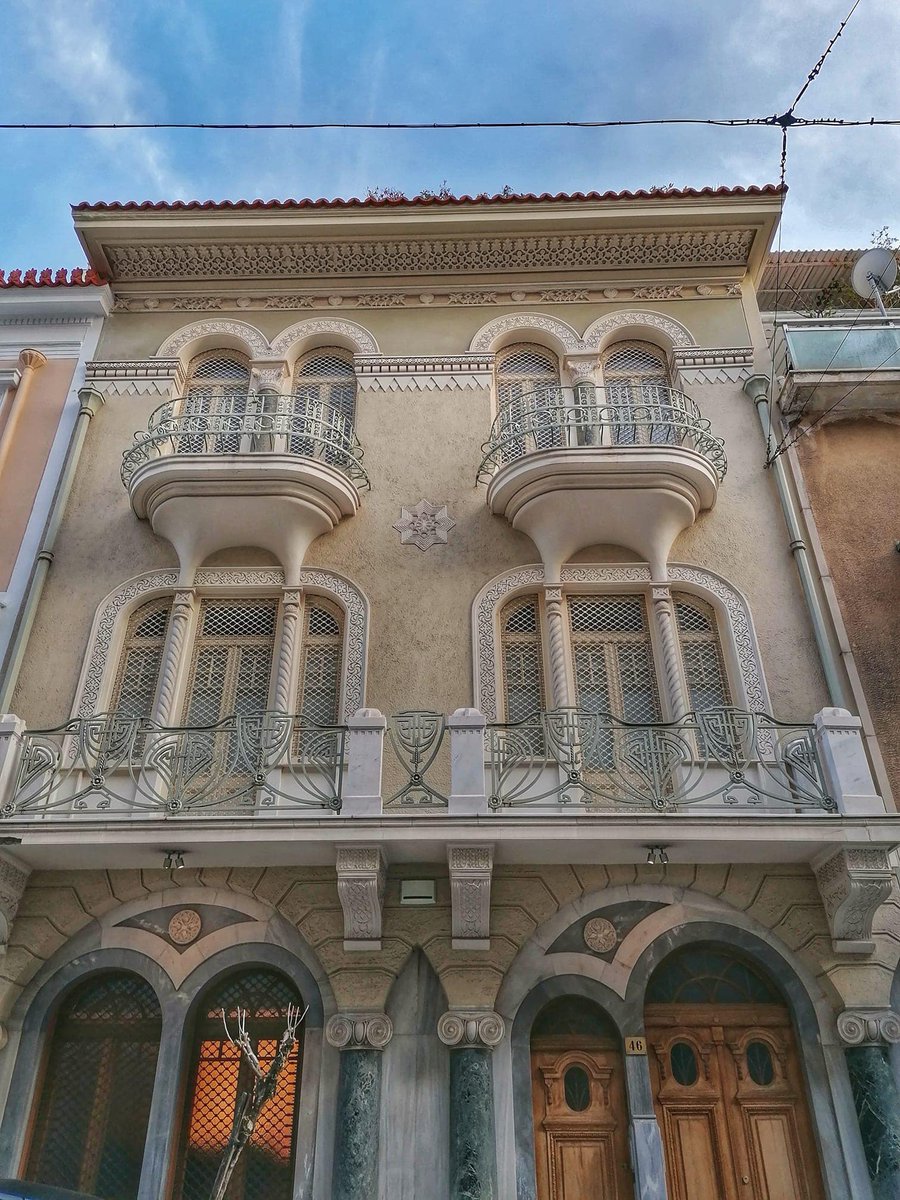
Former Moraitis school, Athens (1928). One of the very few (the only?) buildings in the Greek capital that evokes the Western Art Nouveau style
3
26
270
5,828
Judith Herrin retweeted
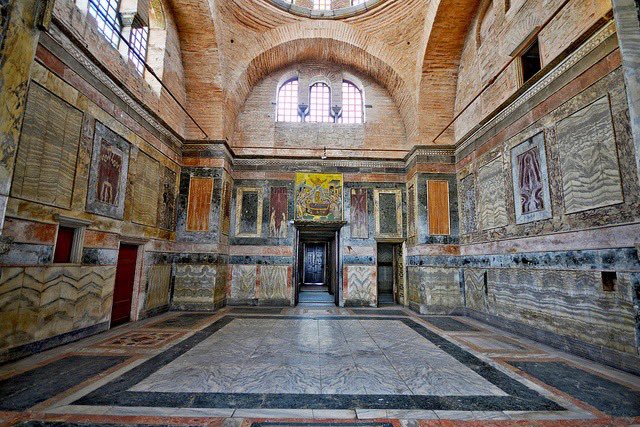
A picture of the Chora Museum, before it was reconverted into a mosque (Kariye Camii) in 2020.
Old photos look better with the floor visible.
3
50
395
8,911
Judith Herrin retweeted
22 Dec 2024
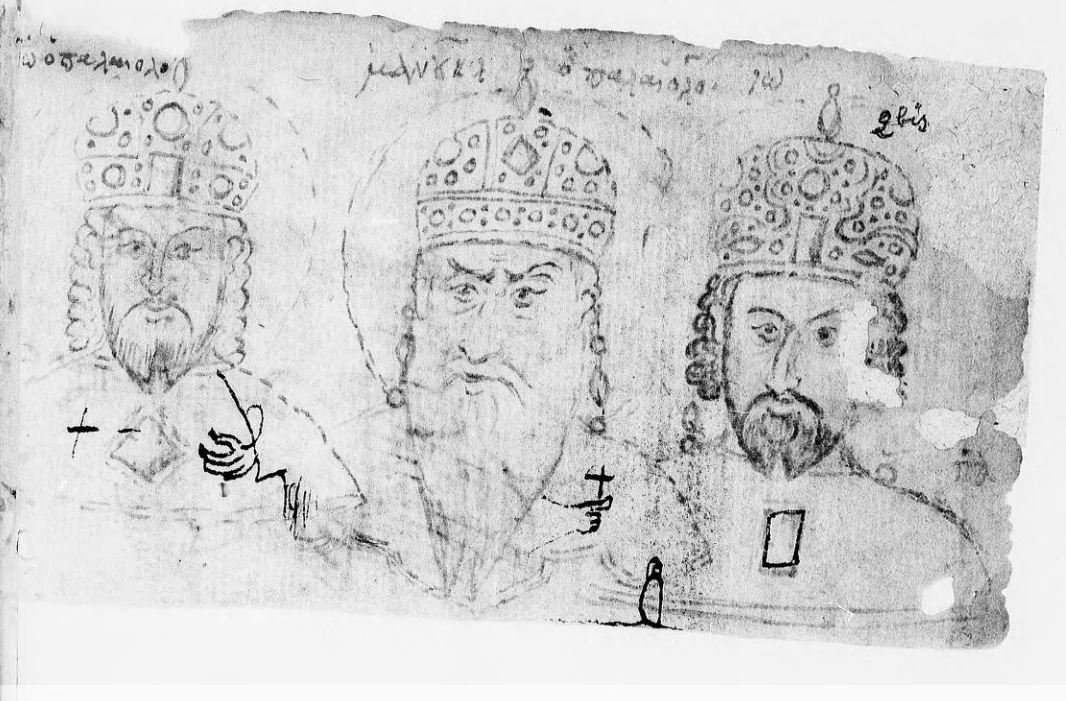
"Ἐν Παρισίῳ, Ἔαρος εἰκὼν ἐν ὑφαντῷ παραπετάσματι ῥηγικῷ - In Paris, A depiction of Spring in a dyed royal woven tapestry "
Do you know that basileus Manuel II Palaiologos has visited Louvre in Paris, and he even wrote a...review on a work of art hanging on the wall of the palace...?
During his stay in Paris in 1402-1403, guest of the French king Charles VI, Manuel who was in constant move around Europe to try to persuade the Christian kings found some time to exercise his prose style, emulating the proses of Libanios and Gregorios Nanzianzenos. Here is the translated and original text in Greek, describing the women hanged tapestry :
"This is the time of spring, and the flowers appear, this atmosphere is fair, very benignly spreading throughout these things. In this way, the leaves whisper pleasantly, and it seems that somehow the grass is made to swell like waves, receiving some cool breeze, moving it suddenly with friendly breaths. A pleasure to behold! The rivers have made peace with the banks now, and the mighty stream is held, and the things that were before hidden are now revealed, and it presents to the hand the good things [fish] to be caught by them. Of these, one is already in the hand of a youth, who holds [a fish] in his left hand, stooping slightly and leaning down, such that his nose not be wetted in the river, and putting his bare right hand in the water noiselessly, he is searching the stream beyond the torrents, feeling about the hollows with his fingers, and lest he trouble the water with his feet, in fear of the noise, he keeps himself back. When the rays restore this [strength] to them, not causing grief out of measure, the partridges rejoice, recuperating now, after the strength, that which was taken from an excess of that which had weakened them. How contentedly they live in the fields, and taking their young to find food, they first reach the food, then by example they show how to feed. And singing birds sit in the trees, occasionally pecking at some of the fruit, but they spend a great deal of time in their song. I think that their voice announces that better things are to come, when the queen of seasons shines forth, and that henceforth clear air is instead of cloud, serenity instead of storms, and altogether pleasantness instead of sadness. Everything moves about freely, even these ordinary creatures, gnats, bees, cicadas, and various species of all sorts; some of those in the beehives storm forth, others just born in the lightness of time, or if one wishes, they are most languid with the introduction of warmth according to the appropriate amount, and they hum round the man and fly before the traveler, and they are more musical in their singing when they sing together [with the traveler]. Some contend amongst themselves, some fight, and some settle on flowers.
All is pleasurable to see. The children play about the garden, and they set to hunt (the insects) wholeheartedly and playfully. For now one youth takes off the hood from his head, so that he might use it for a net, but missing his prey altogether, he begins to laugh with his companions. Another one drawing his hands towards himself, throws his whole body at a little creature, and wanting to catch what he was after by this action, how should one not now laugh with pleasure? Do you see him covering it with his body? For finally when one of those creatures is caught, such a thing that some call winged or feathered creatures (i.e. butterflies), he seems like a bacchant, on account of his happiness, and raising up the border of the last part of his chiton, in order to wrap the prey, to go away to seek another, he does not realize that those parts of the body that ought to be hidden are bare. Even more amusing is the younger one. He permits two of the winged creatures, which were bound by a small piece of string, to fly about. He holds back the string with the ends of his fingers from a distance, he checks the flight, as little as to be able to follow them, and he laughs and rejoices and dances, thinking this play some serious thing. In sum, the art of the tapestry feasts the eye and brings pleasure to the viewers. And spring is the cause: it puts sadness to flight or, if one wishes, it brings joy."
Sources:
Manuel II Palaiologos, A Depiction of Spring in a Dyed, Woven Tapestry (PG 1 56:577 A-580B; Davis, "Manuel II Palaiologos' A Depiction of Spring in a Dyed,
Woven Hanging").
Original text in the reply.
2
49
288
13,591
Judith Herrin retweeted
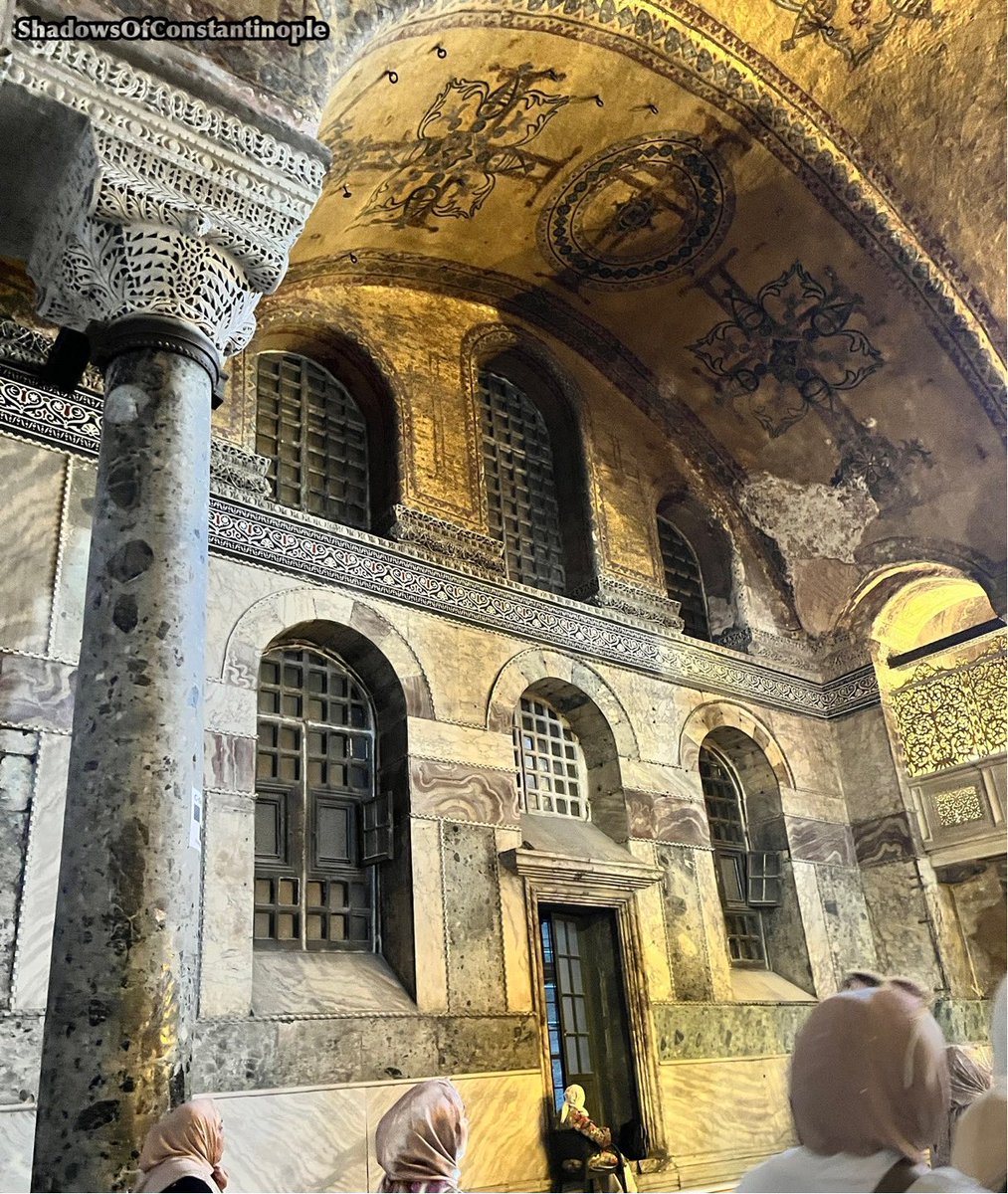
A picture of the Hagia Sophia where one can see the faint silhouettes of crosses still present!
A reminder of the past
11
111
957
13,948
Judith Herrin retweeted

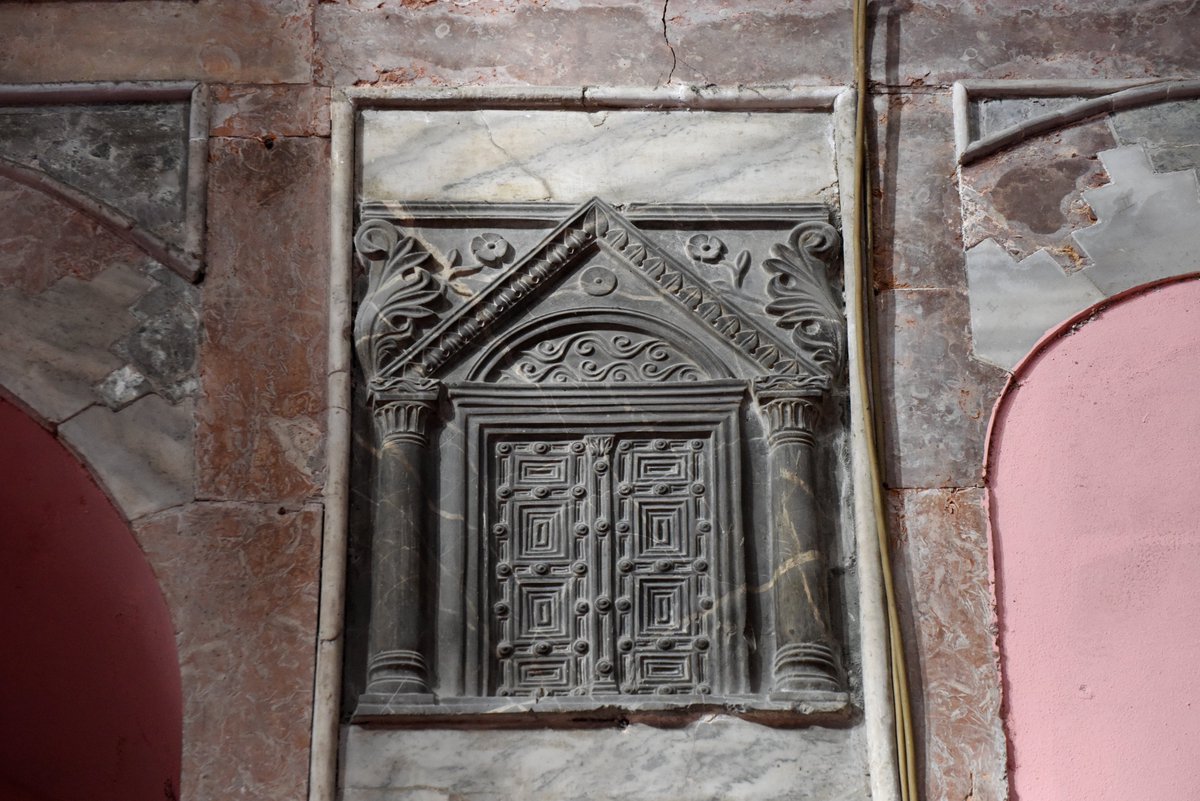
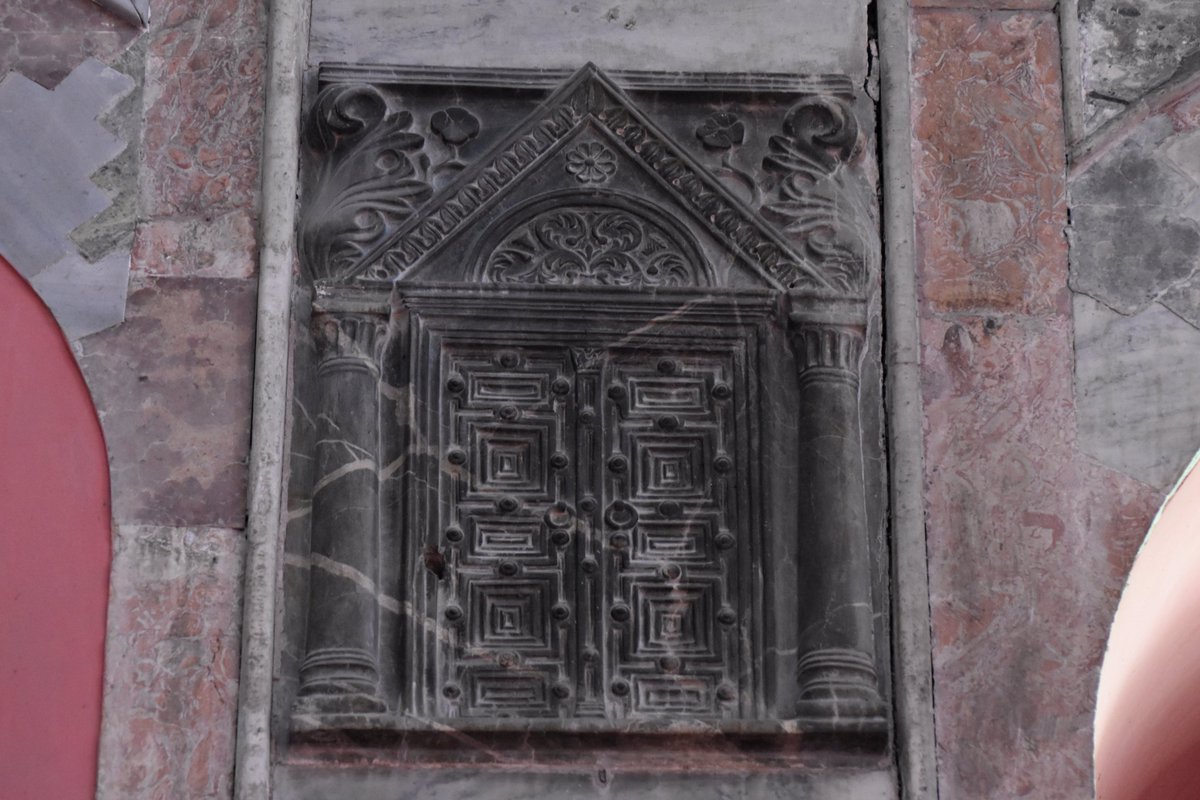
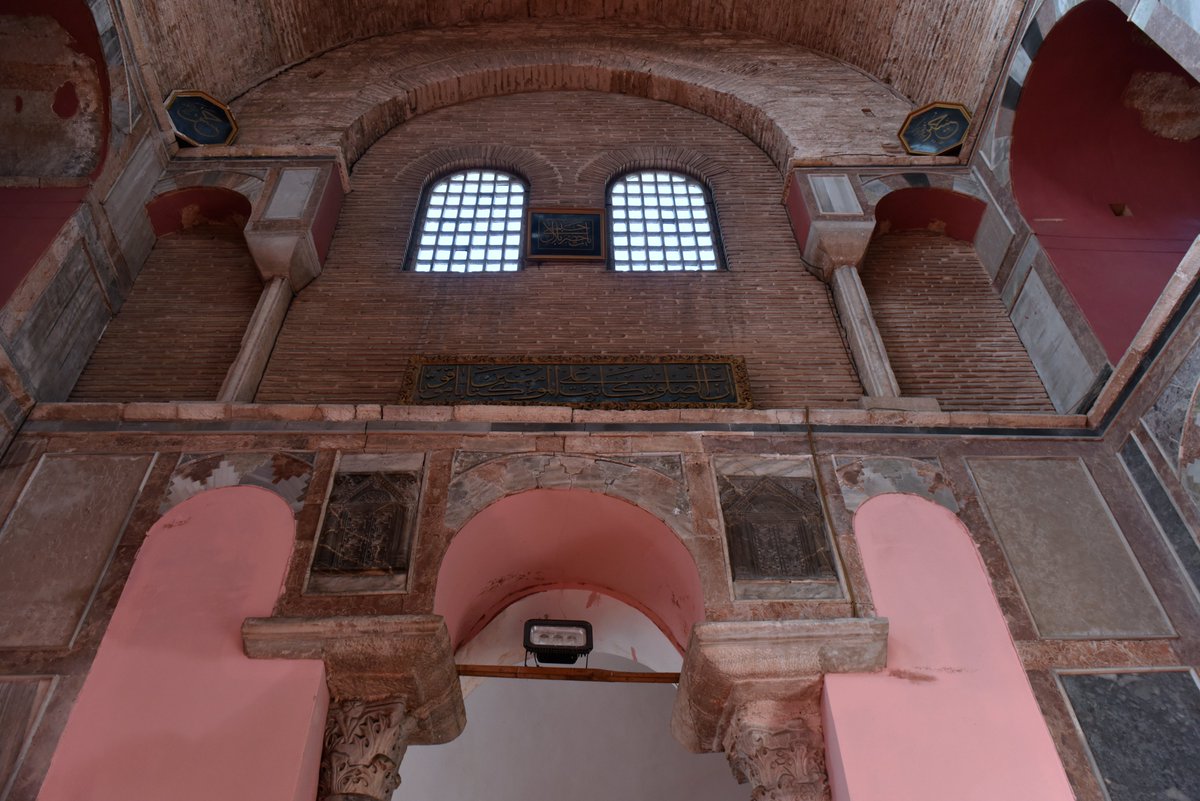
6th-century door plaques made of black breccia with white veins
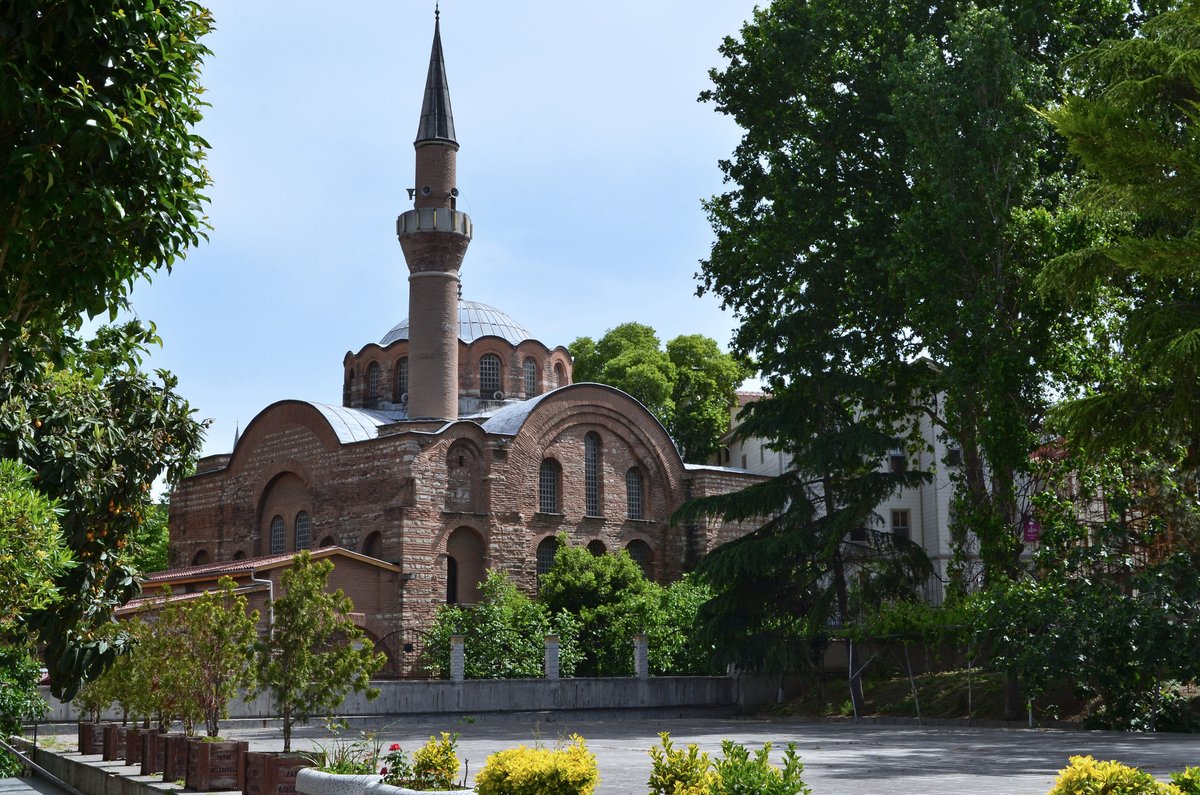
At Kalenderhane Camii/formerly the Church of Theotokos Kyriotissa
3
60
409
12,820
Judith Herrin retweeted
The world's richest collection of Greek graffiti was found on the walls of the basilica directly above this canal.
There are thousands of inscriptions--including someone confessing, "I love someone who doesn't love me," someone leaving a votive offering to thank the gods for healing their eyes, rival fans trading barbs like "The Ephesians are number one in Asia!" and "No, Sardis is the greatest!", and even a Greek crossword puzzle scratched into the wall.
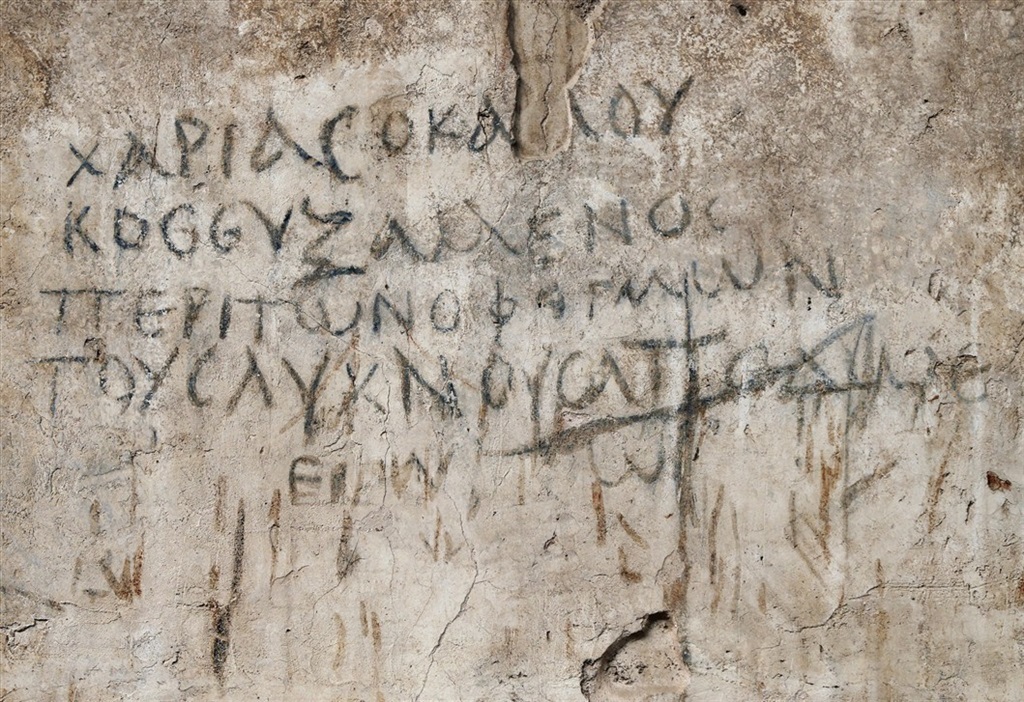

A 2000-year-old Roman water channel that still flows today. This incredible underground aqueduct is hidden right inside the Smyrna Agora in Izmir, Türkiye.
10
181
1,080
59,065
Judith Herrin retweeted
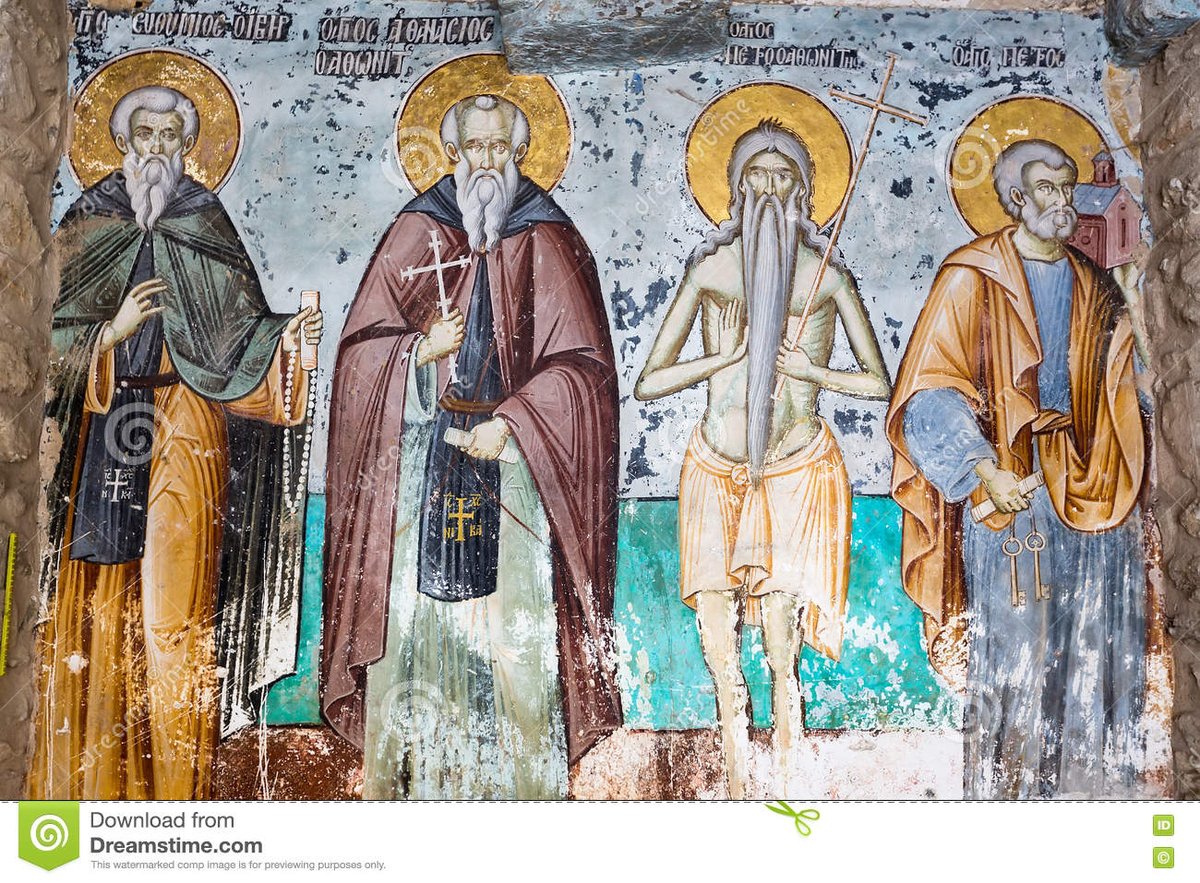
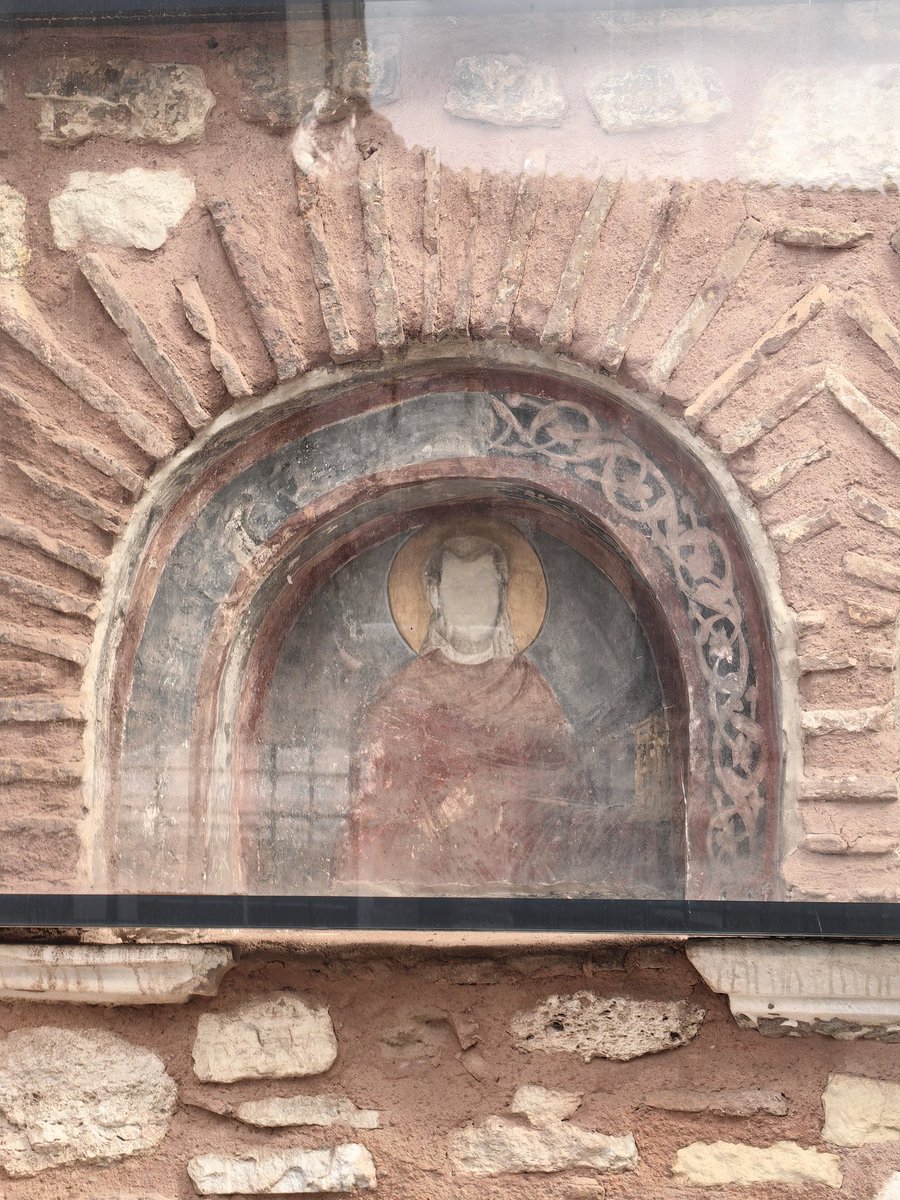
Freacoes of St. Cosmas, Archangel Michael and St. Damian at Atik Mustafa Pasha Mosque.
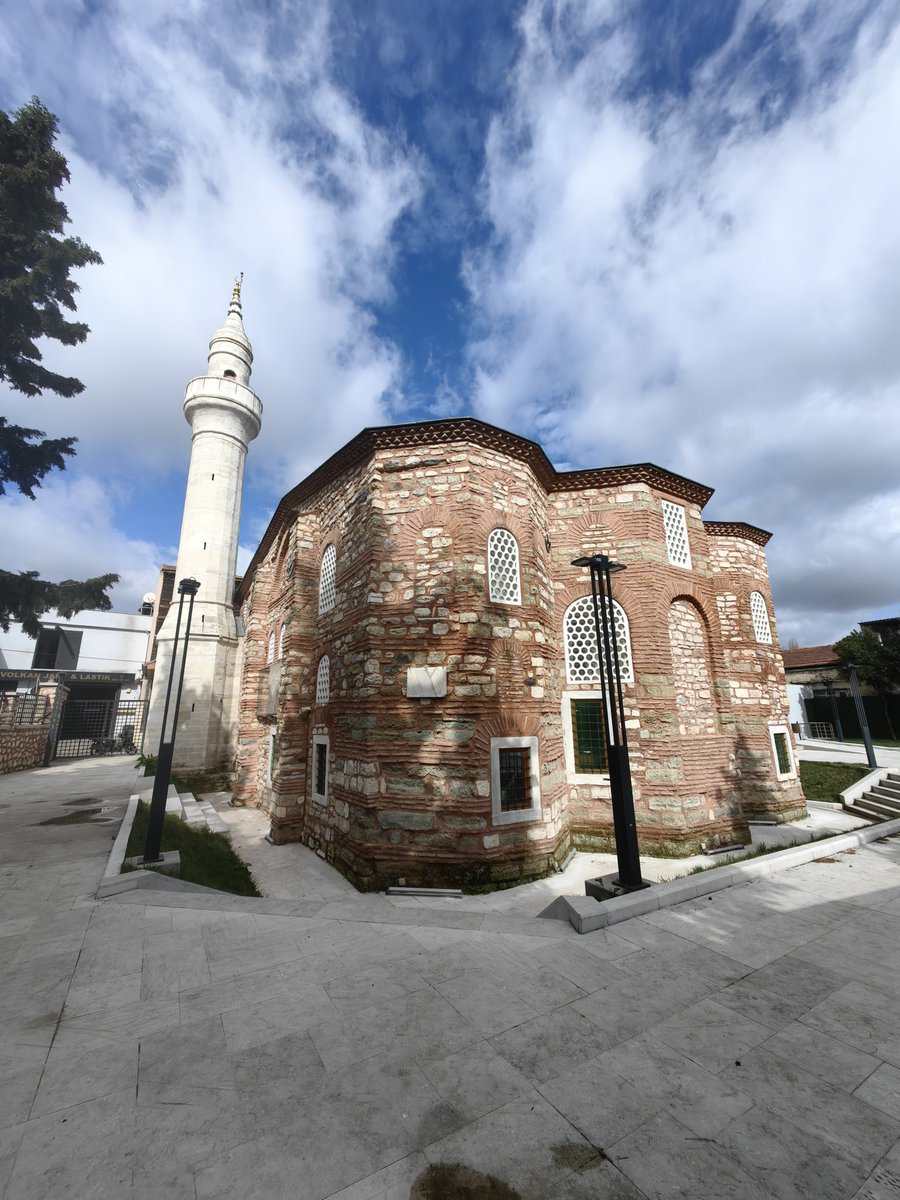
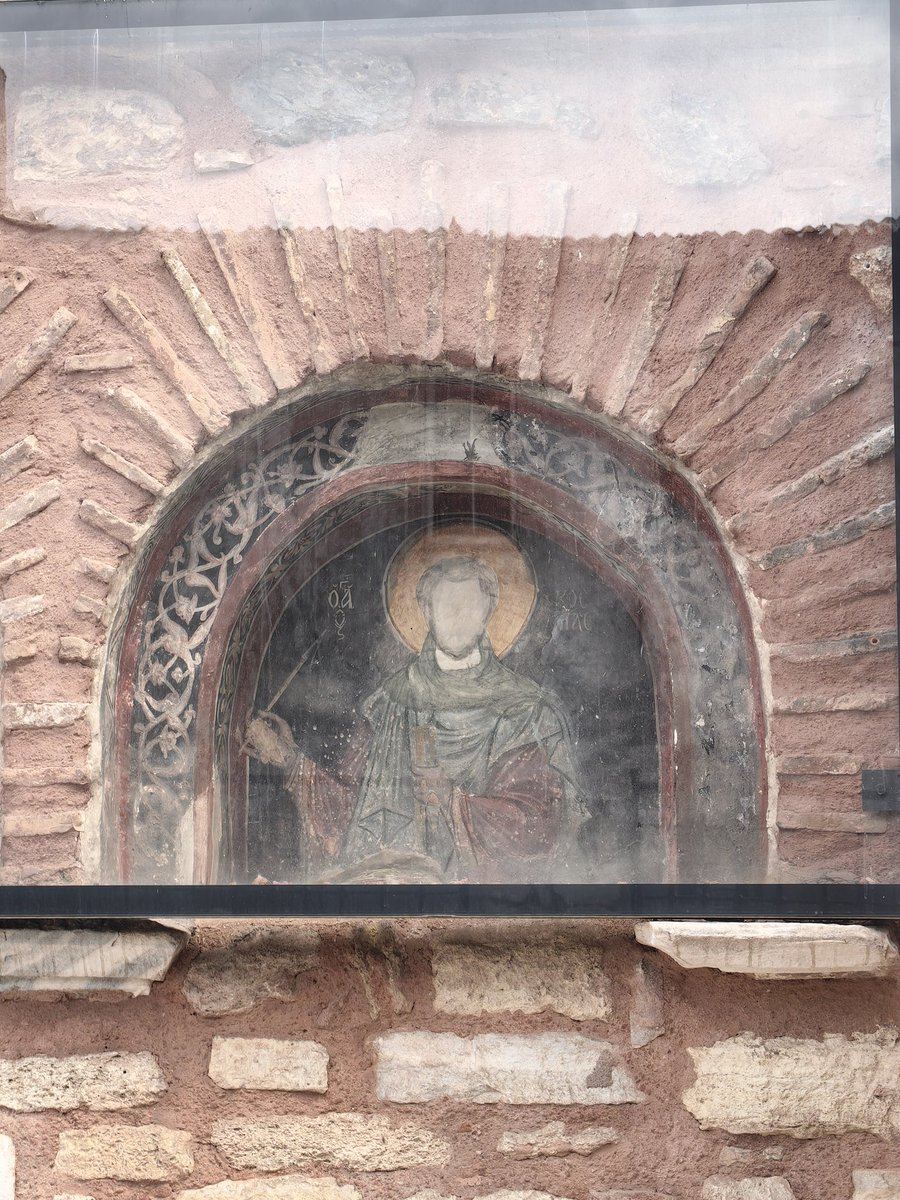
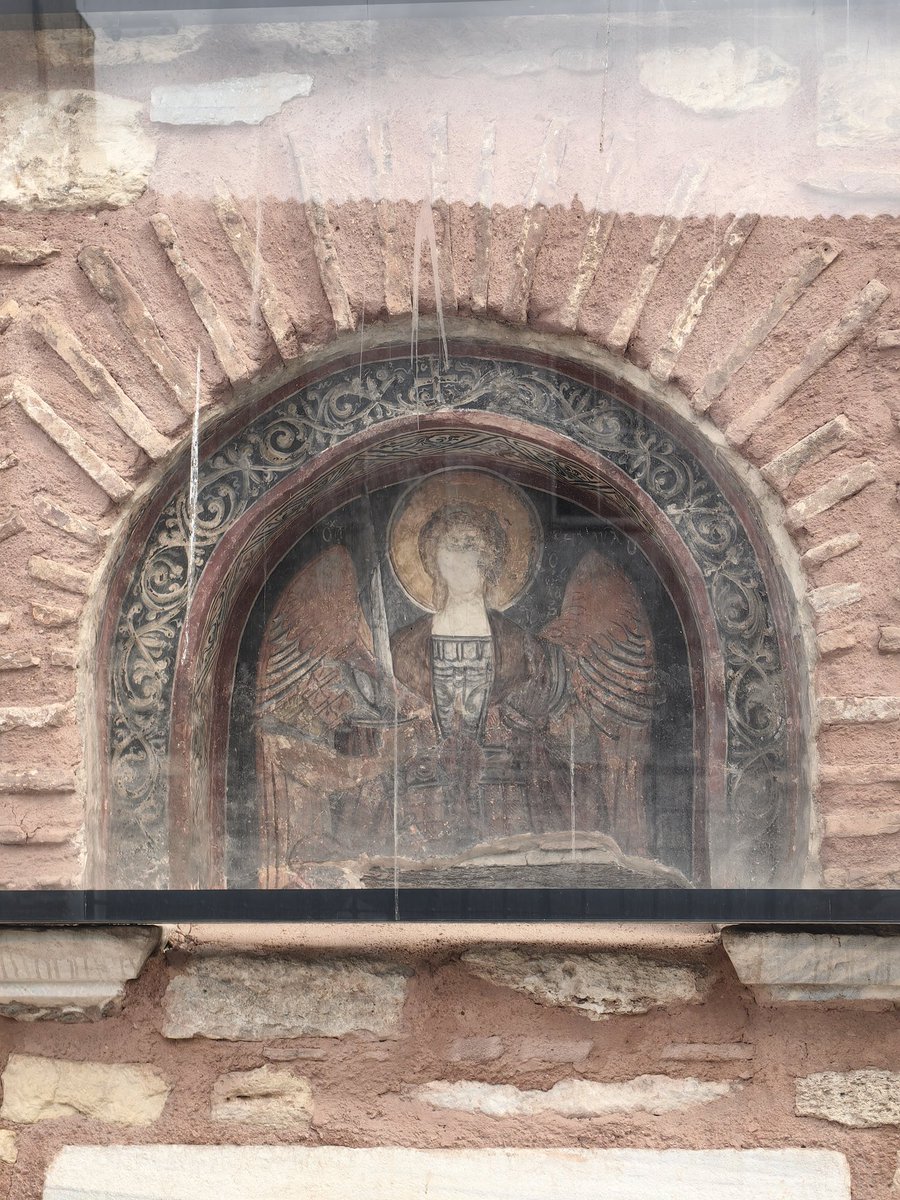
1
38
361
14,289
Judith Herrin retweeted
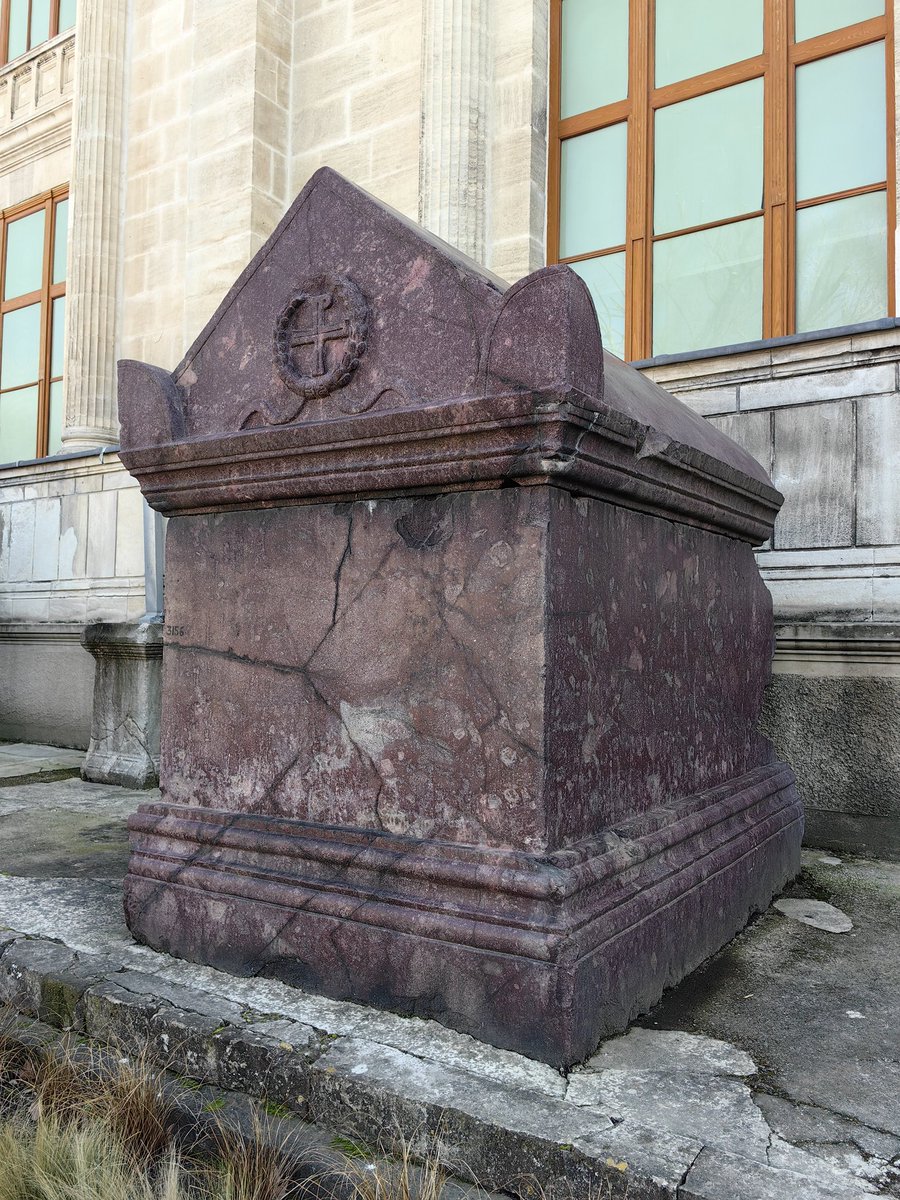
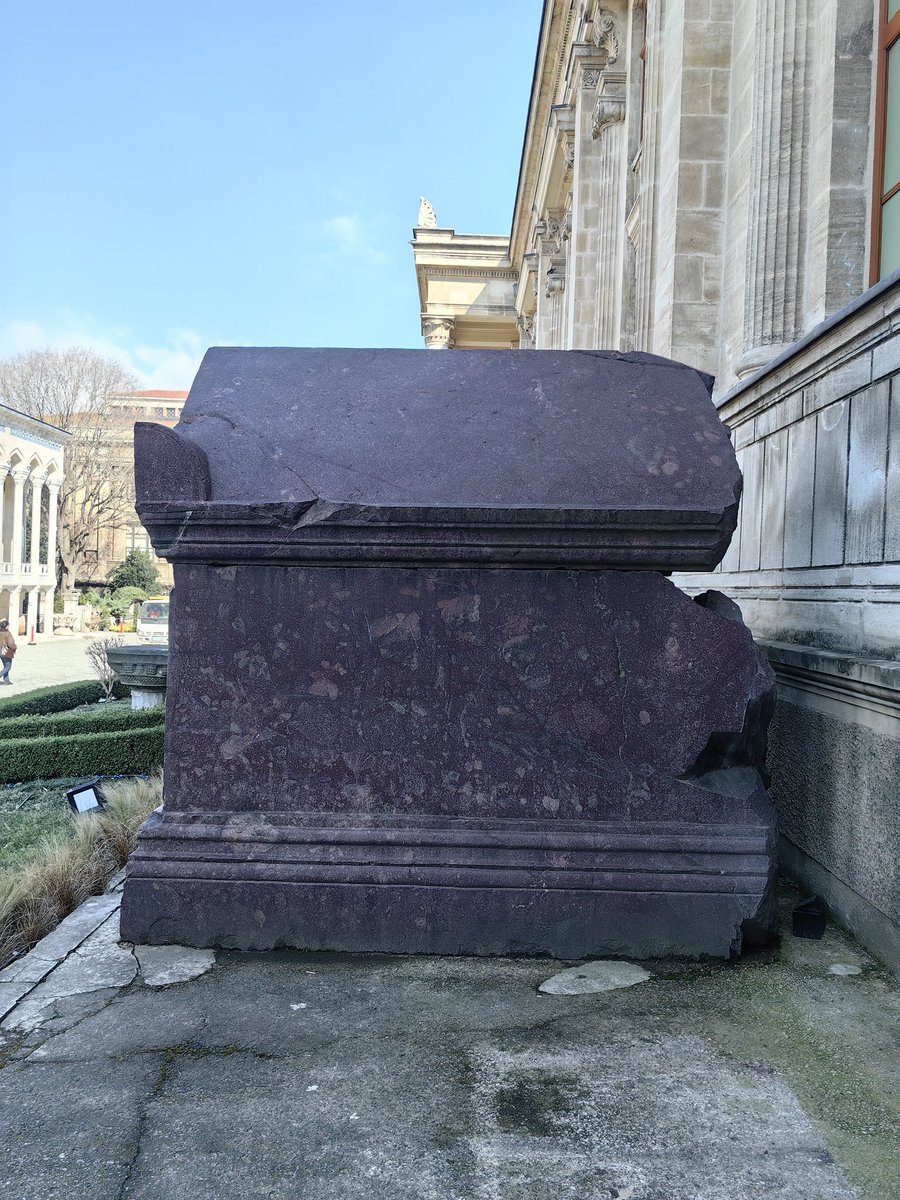
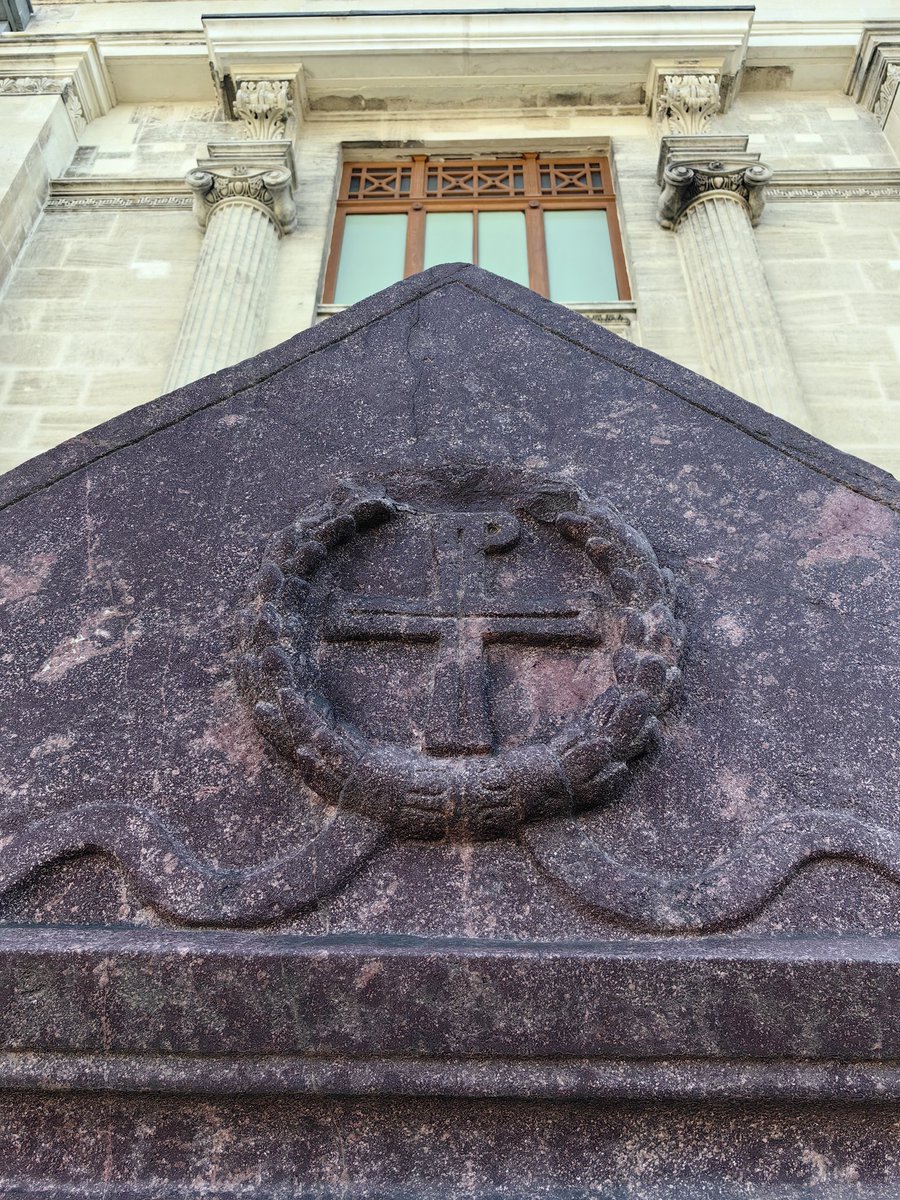
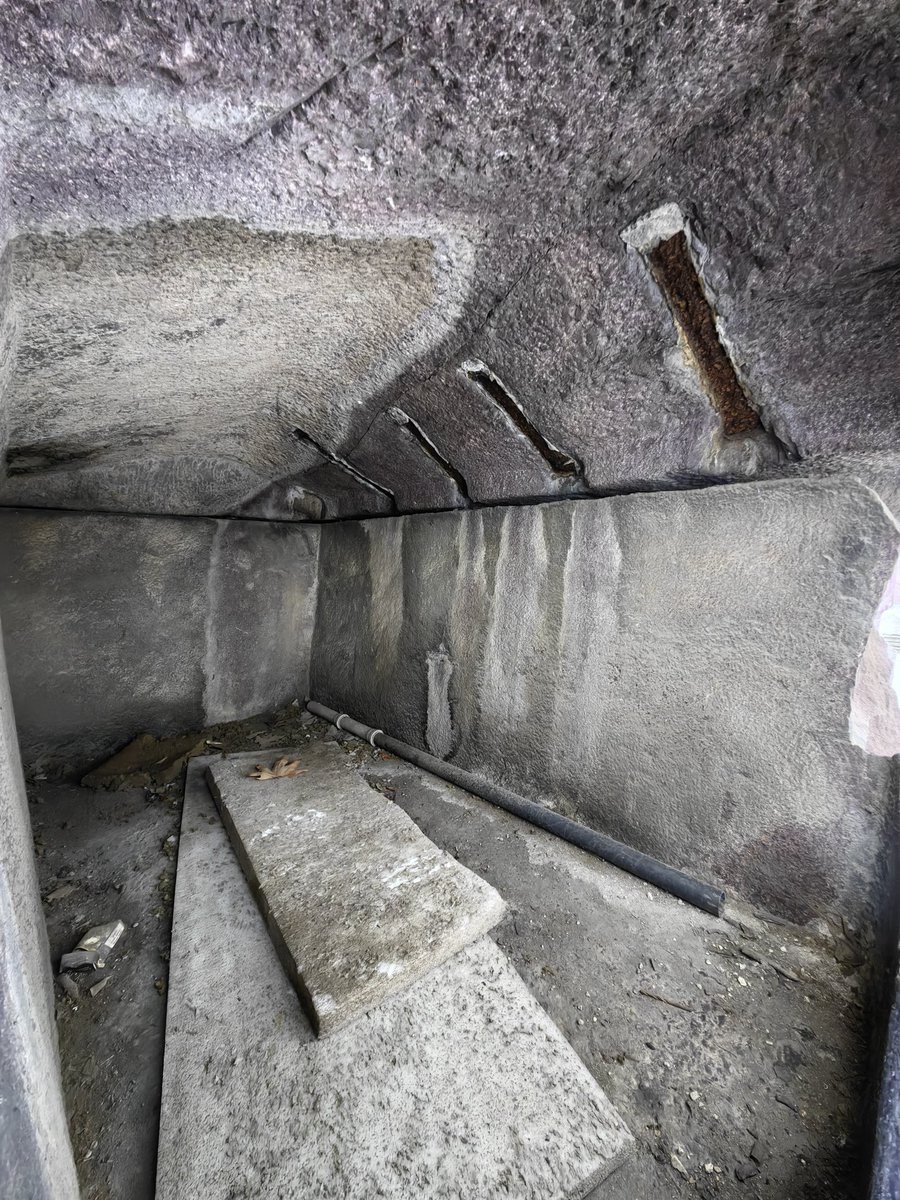
Porphyry imperial sarcophagus that is on display in the Istanbul Archaeological Museums. 3rd photo is a monogram which stands for σταυρός (stauros) meaning cross in Greek.
4
19
180
8,780
Judith Herrin retweeted
Feb 19
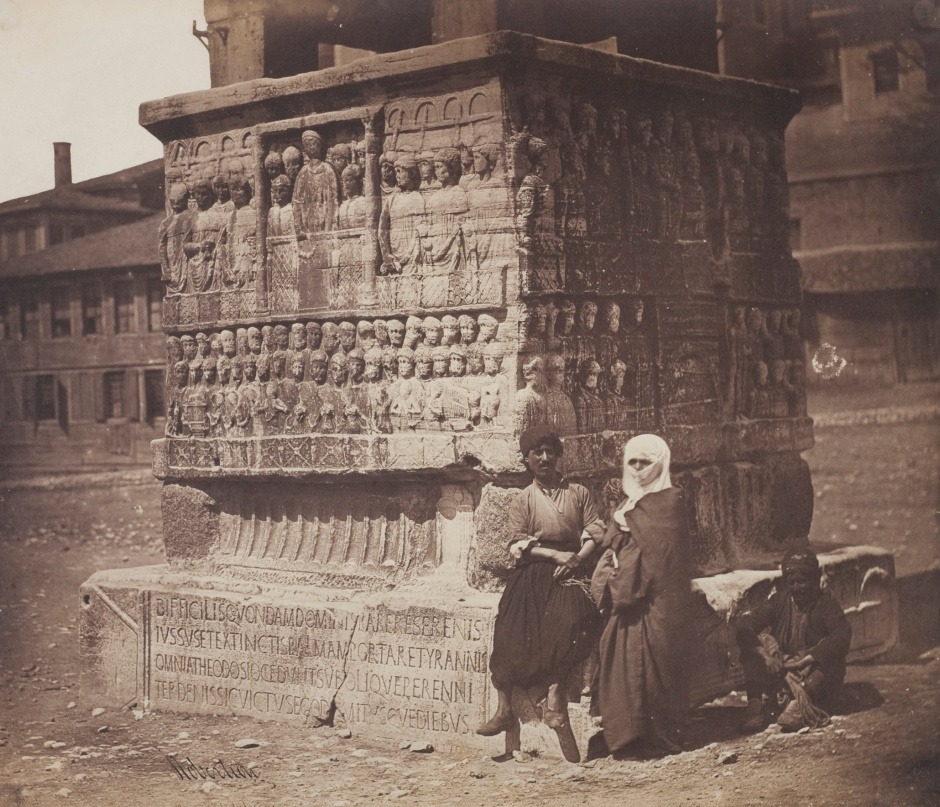
Base of the Obelisk of Theodosius, Constantinople (present-day Istanbul) by James Robertson (1855).
This 1855 photograph by James Robertson captures the massive marble pedestal of the Obelisk of Theodosius in the ancient Hippodrome of Constantinople, along with a few locals who stepped into the frame.
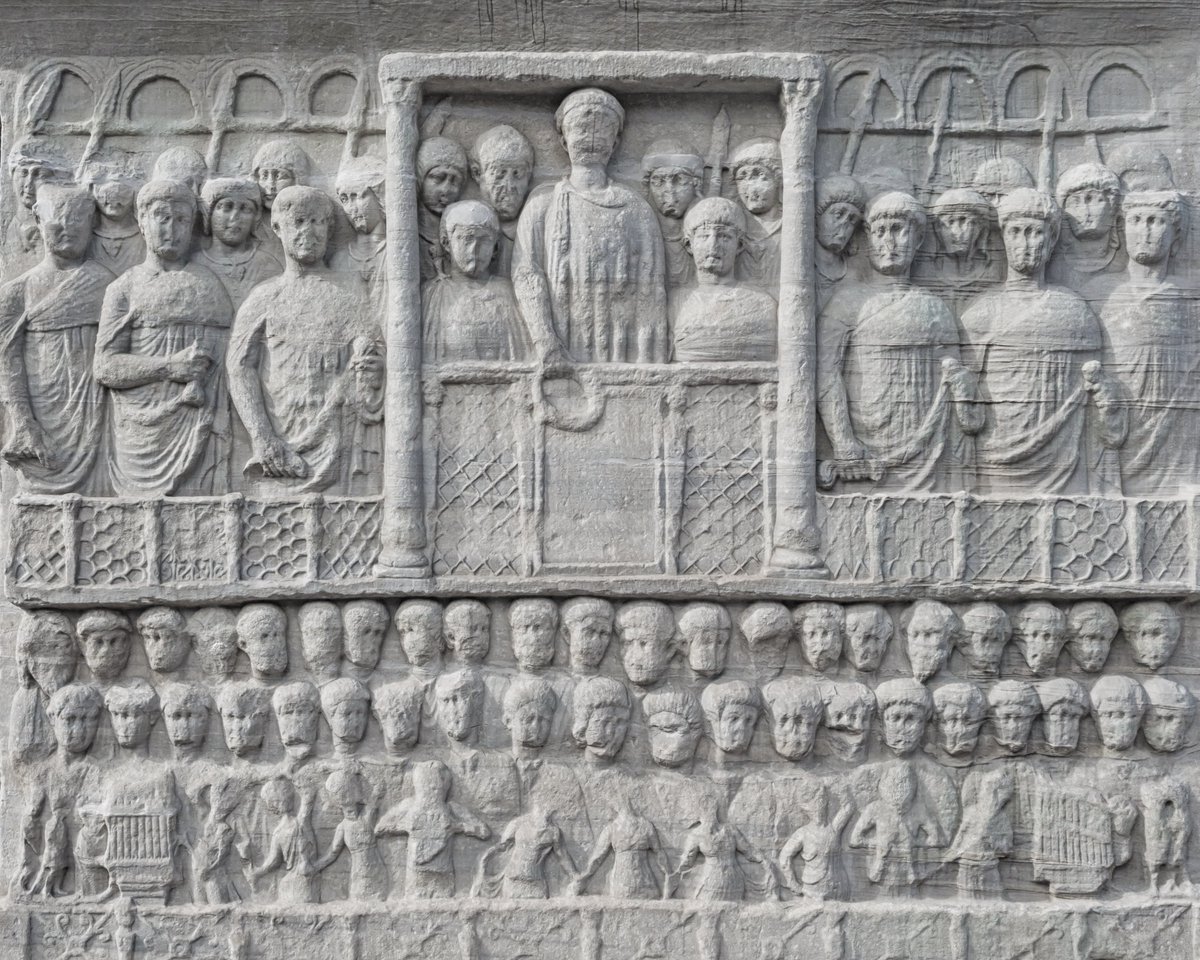
The block is divided into horizontal registers. In the upper section, the emperor and his court sit in the imperial box of the Hippodrome. Following the strict hierarchy of the ancient world, stonemasons scaled the physical size of the figures directly to their social status (see image 2). The central figure of the emperor dwarfs everyone else, and his entourage is arranged in a symmetrical, hierarchical order.
In the lower section, we see rows of spectators alongside dancers and musicians. Towering above this marble block is the red granite obelisk, originally brought from Egypt.
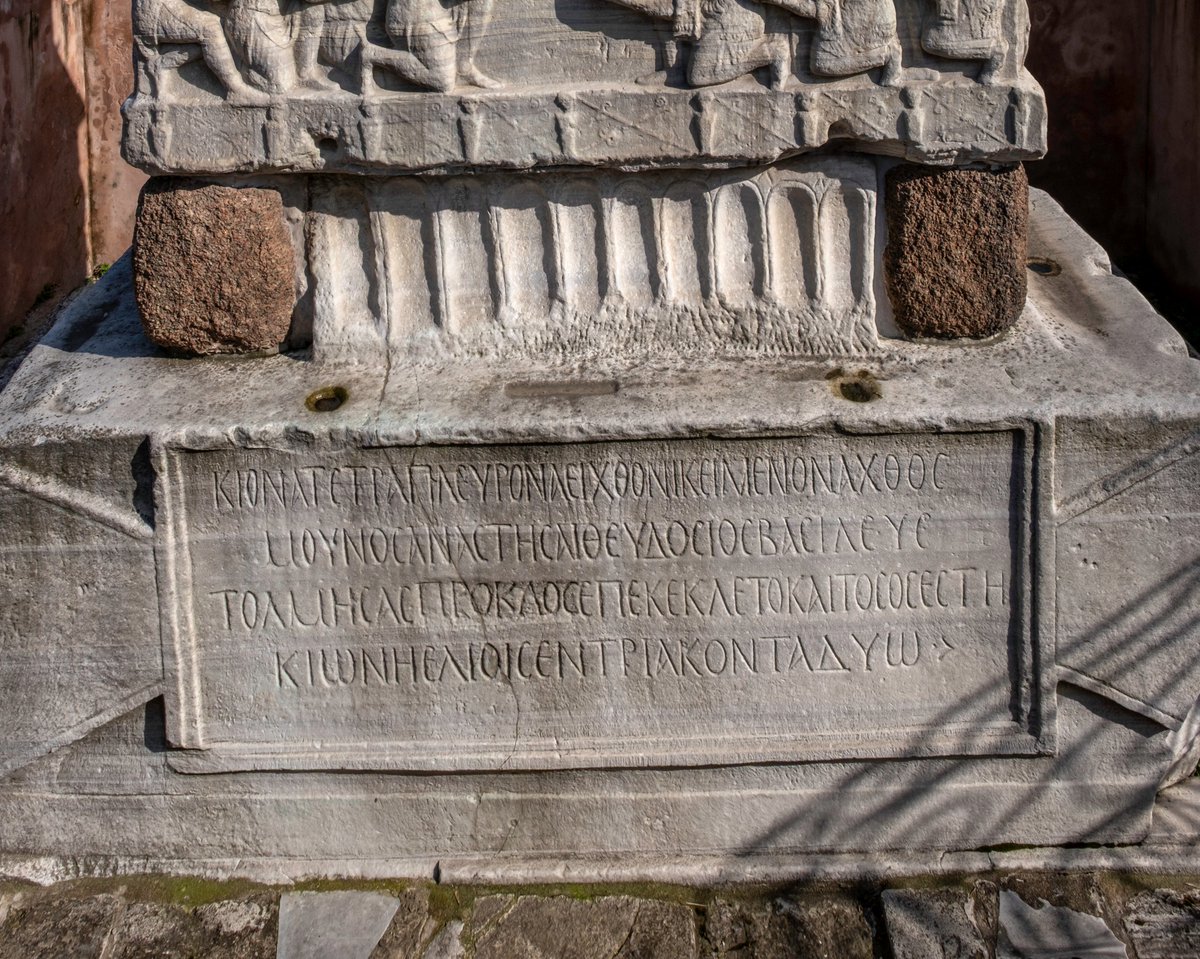
Notice the broad, engraved text just below the figures. This is a dedicatory inscription commemorating the re-erection of the obelisk -- originally carved for Thutmose III in the 15th century BC -- at the Hippodrome of Constantinople in 390 AD, summarizing this massive feat of engineering and propaganda. Speaking in the first person from the monument's perspective, the inscription recounts that the obelisk was raised in 30 days under the supervision of Proclus (Proculus).
Let's look at modern photos now, because the final lines of the inscription were still buried underground in the 1855 image I shared.
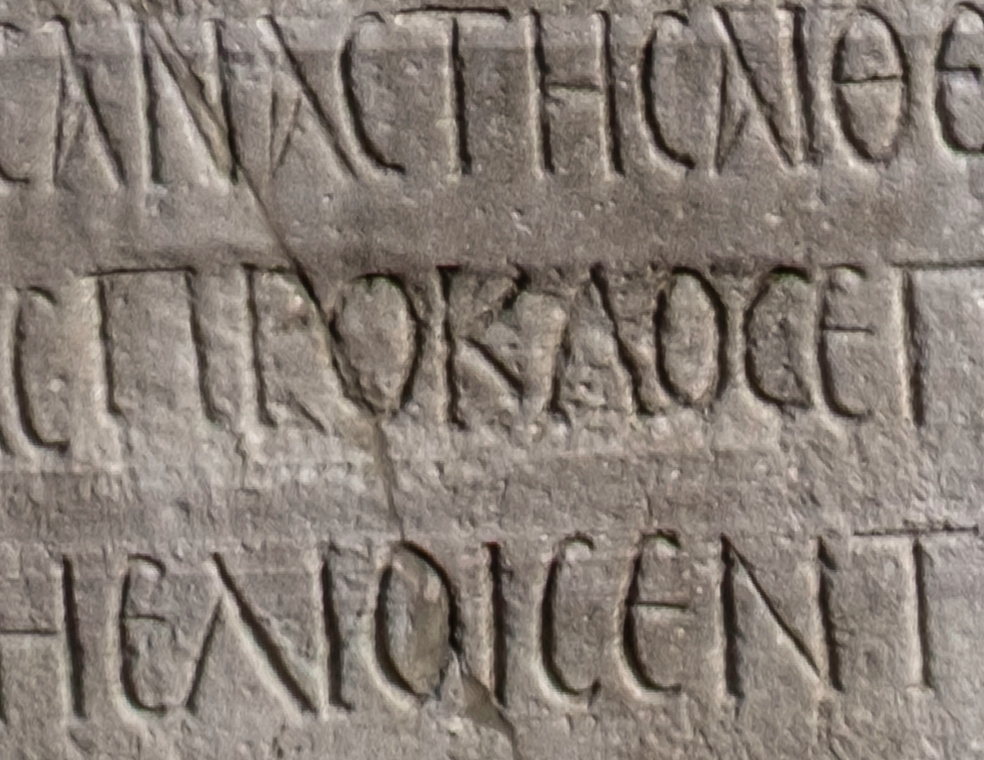
Now, look at the bottom line of the text, right where the name Proclus (ΠΡΟΚΛΟC) is inscribed (see image 3). You might notice that the marble surface around that word is slightly recessed and was smoothed over later. Just two years after erecting this obelisk, Governor Proclus lost the emperor's favor and was executed. Right after, the Romans subjected him to damnatio memoriae (condemnation of memory). Stonemasons came and chiseled the governor's name off this marble inscription. Four years later, when his family regained their political power, the stonemasons returned and re-carved his name right into the very hollow they had previously dug out.
4
53
353
19,609
Judith Herrin retweeted

Feb 13
Wonderful news! And what a relief that our judiciary is still fiercely independent of the government
"UK ban on Palestine Action unlawful, high court judges rule.
Protest group wins legal challenge against decision to proscribe it under anti-terror laws"
theguardian.com/uk-news/2026…
22
240
938
18,806