
Publisher Oneworld w/ brilliant prize-winning fiction, inc Marlon James, Paul Beatty, Tayari Jones, Paul Lynch, Tess Gunty, Caoilinn Hughes etc. OBE
Joined January 2009
- Tweets 9,434
- Following 1,903
- Followers 2,553
- Likes 44,896
726 Photos and videos







Juliet Mabey retweeted

Jun 12
Call me a hater but I think living in a world where both trillionaires and global poverty coexist is a sign humanity has failed as a species

5,291
69,375
460,493
6,660,862
Juliet Mabey retweeted

HOW BRITAIN REWARDS PEOPLE WHO TRY TO SAVE TAXPAYER MONEY: FIRE THEM
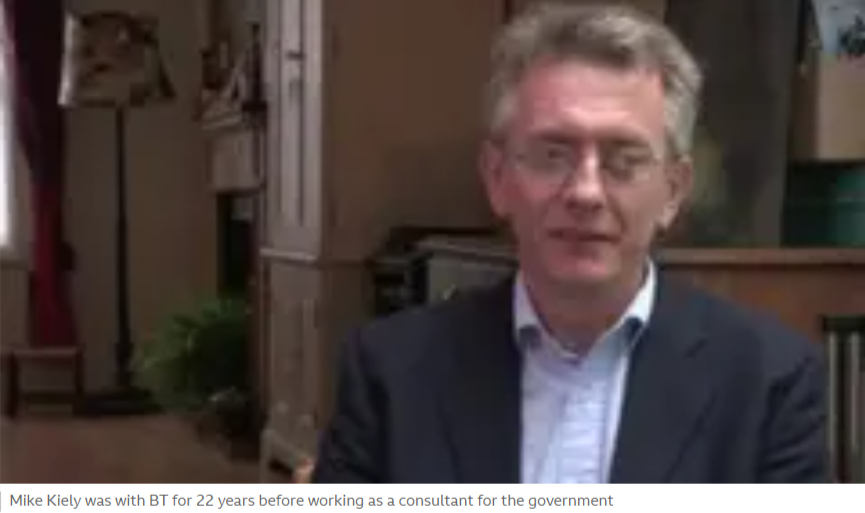
Mike Kiely spent 22 years inside BT (@BTGroup). He knew how the telecoms industry operated. So when the government hired him as a consultant to oversee the £2.5 billion rural broadband rollout, he knew exactly what he was looking at.
BT had won all 26 government contracts. All of them.
Kiely did the maths. Installing a street cabinet in Northern Ireland cost around £13,000. On the mainland, BT was charging the government between £61,000 and £80,000 per cabinet. Public money covered roughly 77% of every single one.
He suspected BT was simply inventing tasks and inflating charges to absorb as much public funding as possible without doing more work.
So he shared his analysis with local councils. The people whose job it was to negotiate these contracts and spend public money responsibly.
Then his document leaked to a broadband blog.
The Department for Culture, Media and Sport trawled his internal emails, found what they needed, and sacked him. The man who tried to protect public money.
Margaret Hodge (@margarethodge), chair of the Public Accounts Committee, told the Guardian (@guardian) she was getting increasingly concerned at the way whistleblowers were being bullied. She pointed out that hiding behind commercial confidentiality was denying the public the right to know how their money was being spent.
Her committee later confirmed what Kiely had warned all along. Taxpayers had been ripped off. £1.2 billion had gone to BT shareholders.
Kiely was eventually vindicated when a community in Oxfordshire paid £28,000 per cabinet. Exactly in line with what his numbers predicted was fair.
He lost his job for telling the truth. BT kept every contract.
This is what accountability looks like in Britain. The consultant who raises the alarm gets sacked. The company he raised the alarm about gets the cheque.
Support whistleblowers. They are the only audit most public spending ever gets.
SOURCES
@BBCNews @TheRegister @guardian @margarethodge
31
1,042
2,046
35,376
Juliet Mabey retweeted

Jun 13
The richest man on Earth dismantled the organization that feeds the poorest children on earth.
The definition of evil is being a trillionaire in a world where millions of children are starving.
2,958
11,519
41,717
532,436
Juliet Mabey retweeted

Jun 13
Suleiman Obeid, known as the “Pelé of Palestine,” was killed by an Israeli tank while standing in line trying to secure food for his five children.

234
12,285
32,962
324,781
Juliet Mabey retweeted

BREAKING: Stanford University graduates staged a walkout during Google CEO Sundar Pichai’s keynote address at commencement Sunday.
The walkout was organized by Students for Justice in Palestine and No Tech for Apartheid as a protest against Google’s contracts with the IDF, Dept. of Homeland Security, and ICE.
627
6,916
24,492
770,155
Juliet Mabey retweeted

BREAKING: Israeli settlers are burning down the villages of Deir Dibwan and Burqa in the West Bank.
They set a mosque on fire, torched several vehicles, and poured gasoline on an elderly man in an attempt to burn him alive.
213
6,717
8,164
537,586
Juliet Mabey retweeted

Jun 13
Israel is destroying every single home in the southern 40 miles of Lebanon.
This is not “targeting Hezbollah strongholds.”
These are Christian villages and Sunni villages and Shia villages where people have lived for centuries.
336
6,225
9,905
204,073
Juliet Mabey retweeted

Jun 13
What could go wrong? Who could top Tony Blair's flawless instincts when dealing with the Middle East? Every decision a winner!
Jun 12

🧵New: Former UK prime minister Tony Blair is taking on a larger role in the Board of Peace tasked with overseeing the postwar management of Gaza, three sources familiar with the matter told The Times of Israel this week. (1/16) timesofisrael.com/tony-blair…
24
173
565
19,316
Juliet Mabey retweeted

Jun 12
It is so powerful to watch tens of thousands of Bosnians – whose people survived genocide – marching the streets of Toronto, supporting Palestinians – who are currently fighting to survive genocide.
#EndTheGenocide
#FreePalestine
Jun 12

🎶Palestina!🎶 we can’t forget our brothers in tough times!🇵🇸 #FIFAWorldCup #CANBIH 🇨🇦🇧🇦 x.com/dynleet/status/2065476…
70
3,006
11,584
143,384
Juliet Mabey retweeted

Jun 13
1
3
63
Juliet Mabey retweeted

Jun 12
"Wall of Tears," a 100-foot-long outdoor mural honoring 18,457 children killed by Israel in Gaza since Oct. 7, 2023.
WELL DONE DEARBORN THE FIRST CITY IN AMERICA TO DO THIS.
175
5,554
11,838
77,288
Juliet Mabey retweeted

Jun 13
Sentenced and imprisoned on grounds of “terrorism” that no jury ever convicted them of.
Meanwhile, the British government continues to aid and abet the greatest crime of our time.
A historic miscarriage of justice — and a truly dark day for civil liberties in this country.
Jun 12

🚨BREAKING -- The Palestine Action defendants have been sentenced for a combined total of more than 25 years.
Charlotte Head - 6 years
Leona Kamio - 6 years
Fatema Zainab - 5 years and 8 months
Samuel Corner - 8 years and 8 months
2,548
6,178
18,039
843,446

Seven hours. All children.
Jun 12

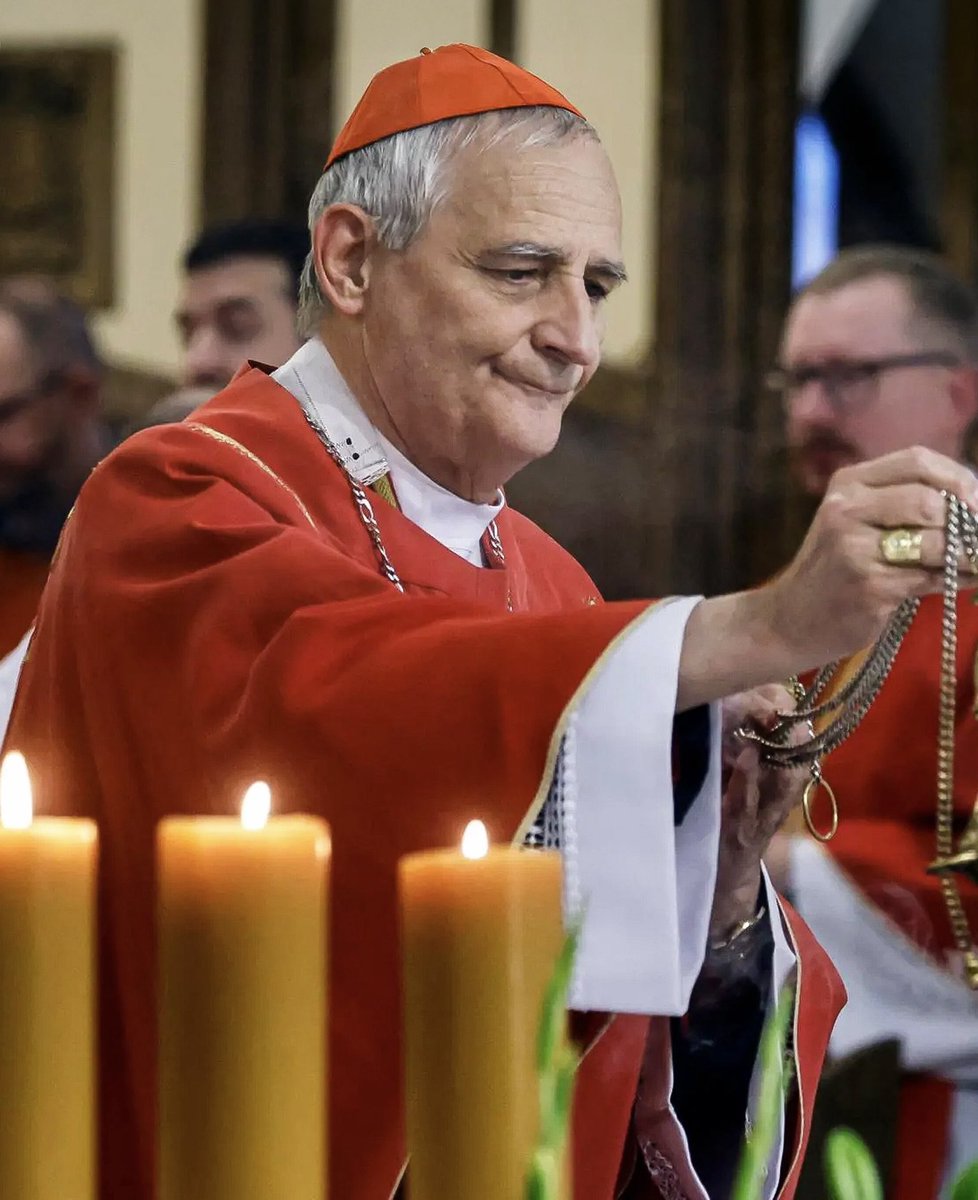
Cardinal Zuppi read the names of every child who passed away in Gaza. It took him 7 hours.
1,123
107,783
629,770
7,935,499

Jun 12
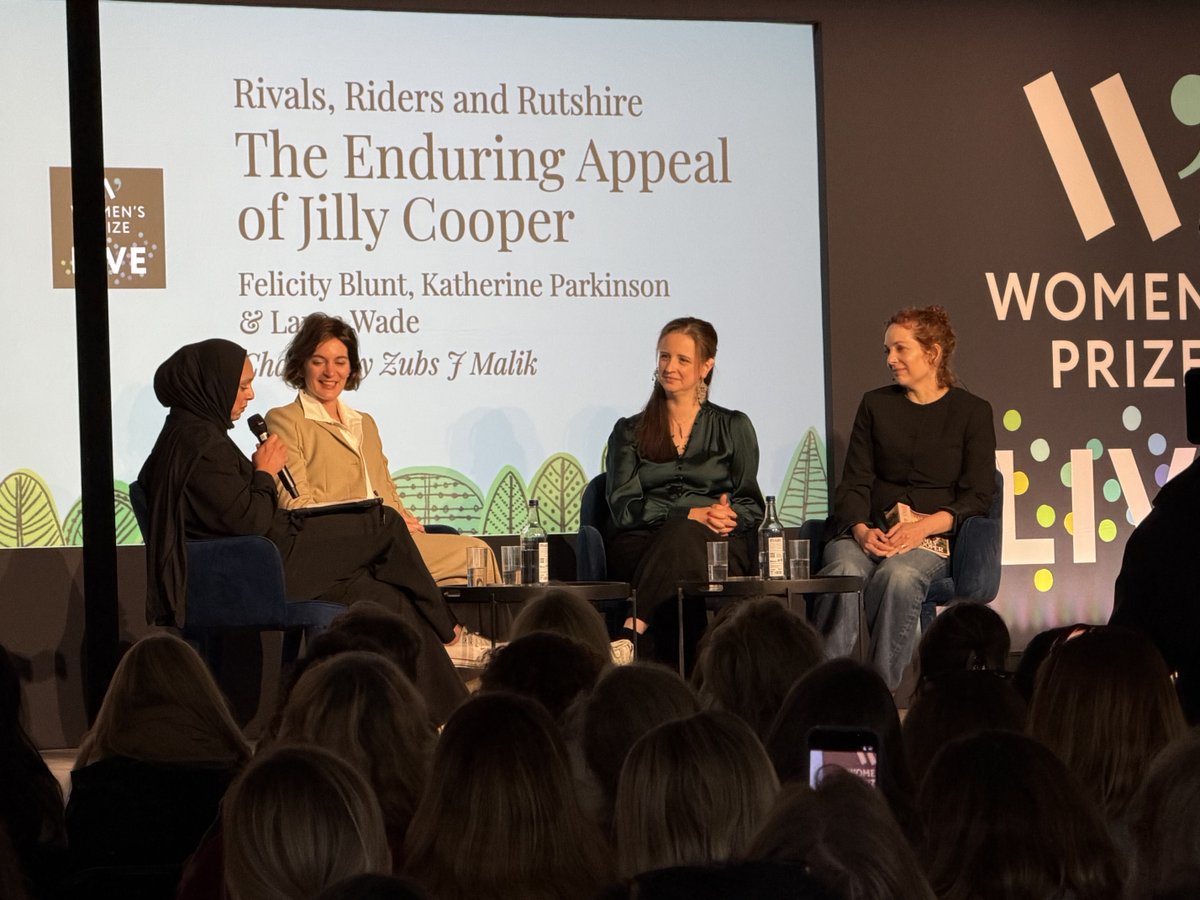
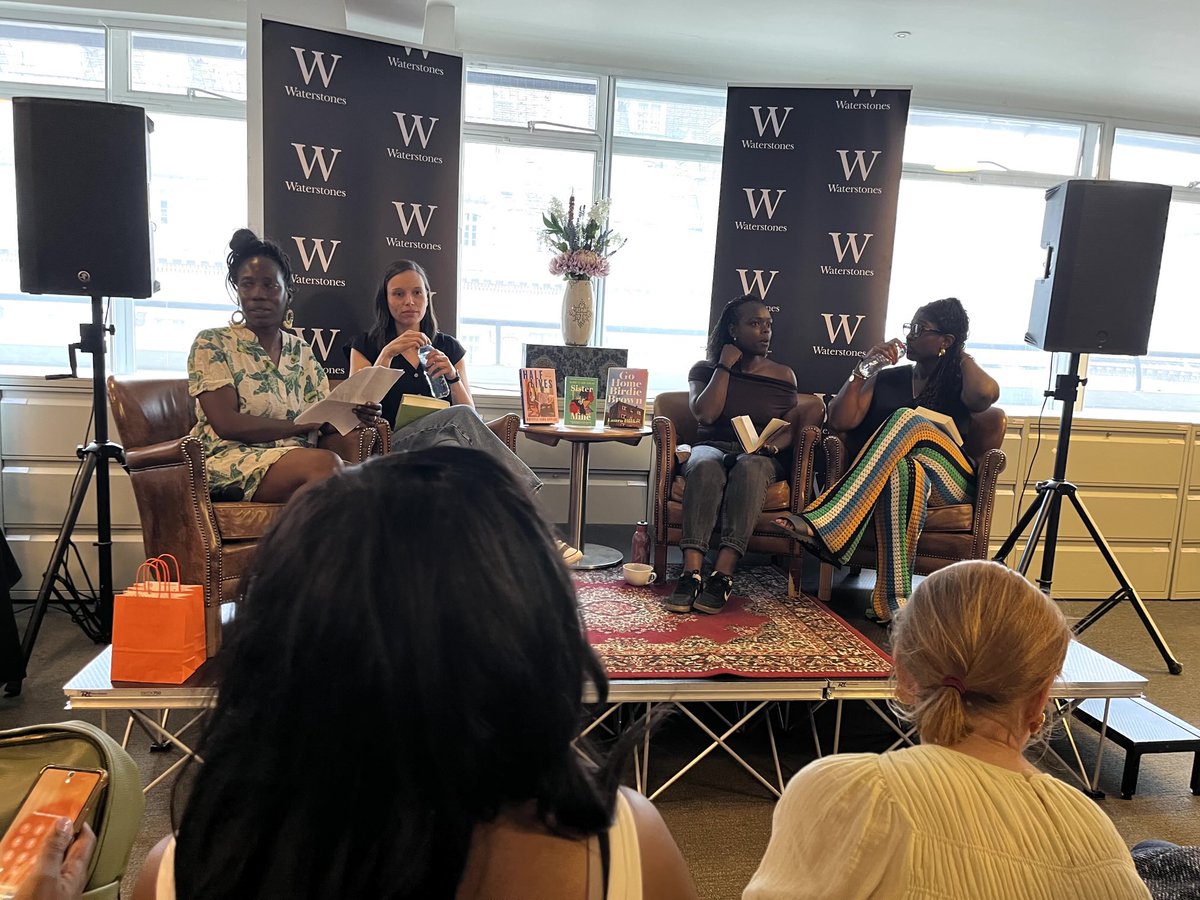
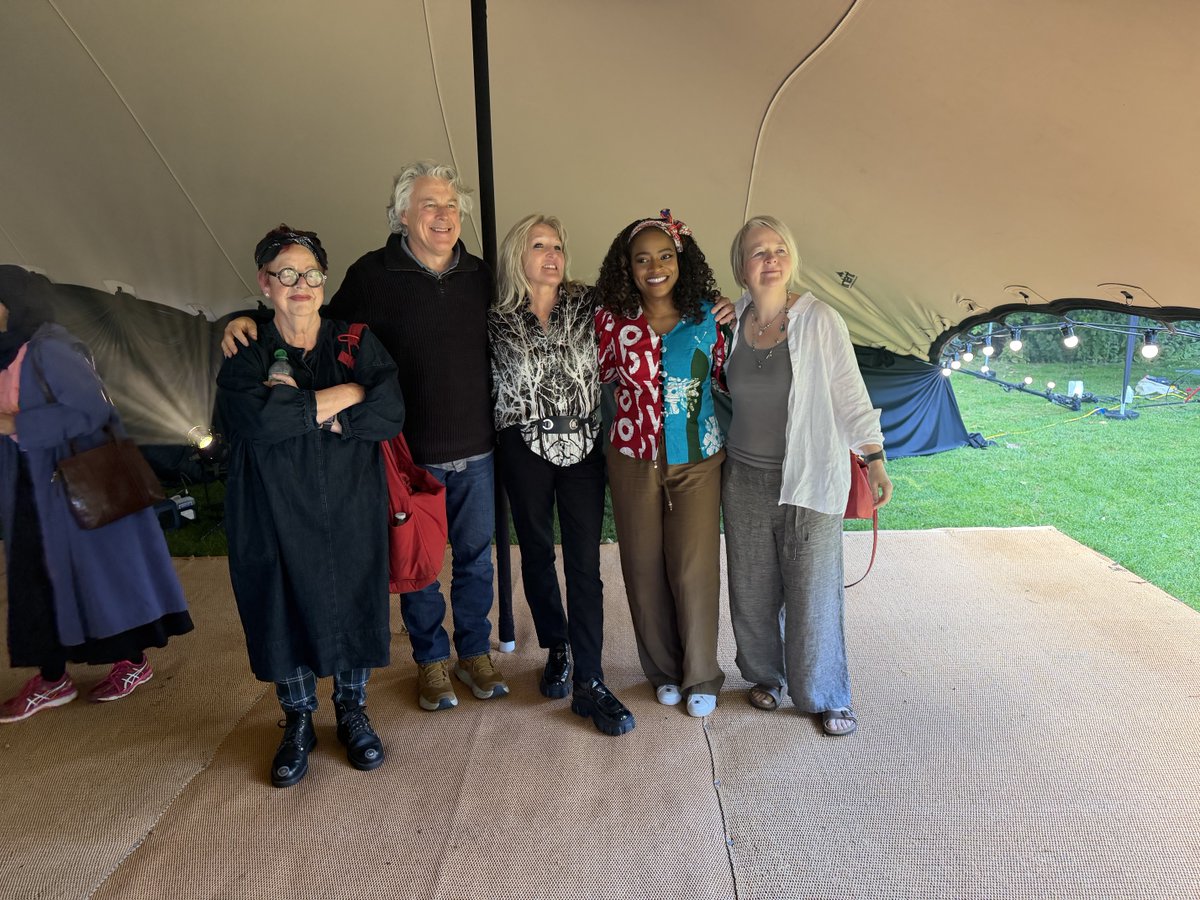
Some brilliant panels at @women’s PrizeLive on Wednesday! Despite a few short showers, Bedford Square was buzzing!


2
4
144
Juliet Mabey retweeted

I thought that if Israeli soldiers or settlers attacked Christian villages, the Christian world would unite in their millions in condemnation that their sacred sites were being burnt and erased.
Jun 10

The OLDEST CHRISTIAN village in the world is burning.
Taybeh, Palestine.
The last 100% Christian Palestinian village, where Christ resurrected Lazarus, build the Church of St. Michael.
248
3,052
5,947
99,896
Juliet Mabey retweeted

Jun 11
This really worries me
A month ago in Wales I suffered a ruptured aneurysm in my abdomen. I lost over 2 units of blood
But the Welsh ambulance service refused to send an ambulance. I was still breathing so apparently didn't need one
I spent 7 hours lying on the ground in a car park. Every time I moved I threw up from the pain. The owners of the car park called 999 6x
One of the people there was a fireman. He couldn't believe that 999 treated each call as a separate incident and couldn't see the details or link to previous calls. He was frustrated because they could see I was seriously ill but you can't see internal bleeding and so there was no way to persuade 999 that it actually was an emergency
Eventually my husband arrived by taxi, journey of more than 3 hours from our home
He gave me my pain meds (the car park people were worried about liability and I was too ill to get them myself). This meant I was able to crawl into the car and he drove me to A&E
He got me into a wheelchair. We waited 75 minutes to see a doctor. I was shivering, heaped with blankets and threw up all over the floor
As soon as a doctor looked at me I was taken straight to resus. The next day I was transfered by blue light ambulance to another hospital, had a blood transfusion and spent 5 days on the high dependency unit
If my husband hadn't been able to come and look after me I have no idea how I would have survived. As it was I nearly didn't
I would not have been able to get myself to hospital nor would I have been able to log into some digital triage system
This scheme seems to assume if you're seriously ill you'll arrive by ambulance and if not you're well enough to navigate a digital portal
My experience suggests that's a dangerous assumption
A week later, back home in England I had another ruptured aneurysm. This time an ambulance came in 2 hours and again I was taken straight to resus
It wasn't the same because I had a recent diagnosis of a ruptured aneurysm so we could tell 999 I was almost certainly bleeding internally. But I was too ill to get myself down the stairs and out to the car. We still needed that ambulance and I still wouldn't have been able to fiddle around with an ipad
Proper triage REQUIRES an actual doctor to look at the patient. It takes a matter of minutes to differentiate between a life threatening emergency and not a life threatening emergency. That's not minutes to get a diagnosis but to know that the person is stable or not stable and if not that needs immediate attention
Seriously ill people can't do it themselves. It doesn't matter how smart or articulate they are normally. Or how tough. Expecting people to manage their own emergency care isn't what a modern health service should do
telegraph.co.uk/news/2026/06…
829
4,527
15,848
674,432
Juliet Mabey retweeted

Jun 11
The Royal Opera Chorus stopped everyone in their tracks at Covent Garden today with an unannounced performance of Nessun Dorma to mark the start of the World Cup 2026
#london #londonmusic #football #worldcup #soccer
31
294
1,178
44,245
Juliet Mabey retweeted

Jun 10
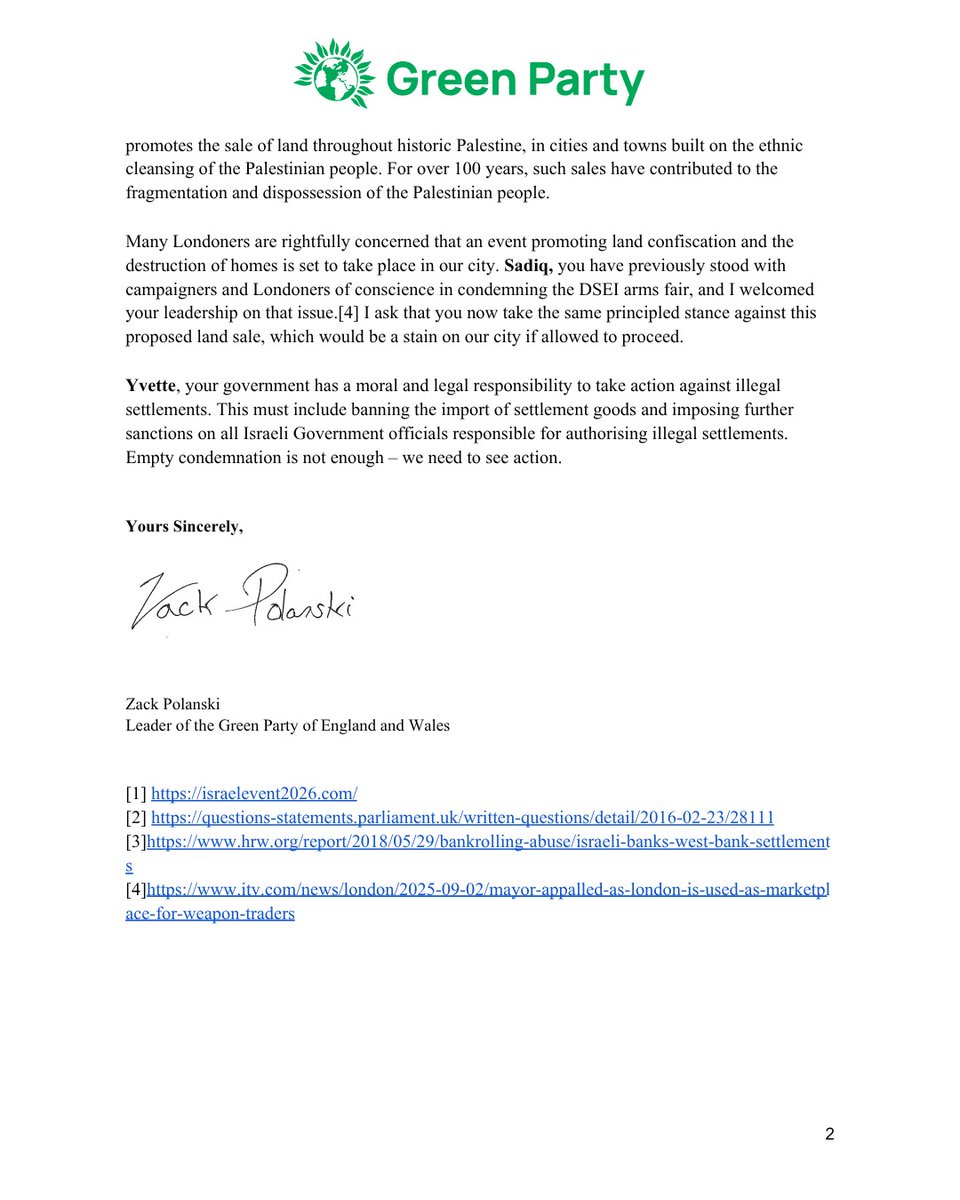
An event is planned to be hosted in London proudly promoting the sale of land on illegal settlements in the occupied West Bank.
This is obscene. I've called on @MayorofLondon and @YvetteCooperMP to stop the event and for this govt to take real action on illegal settlements.
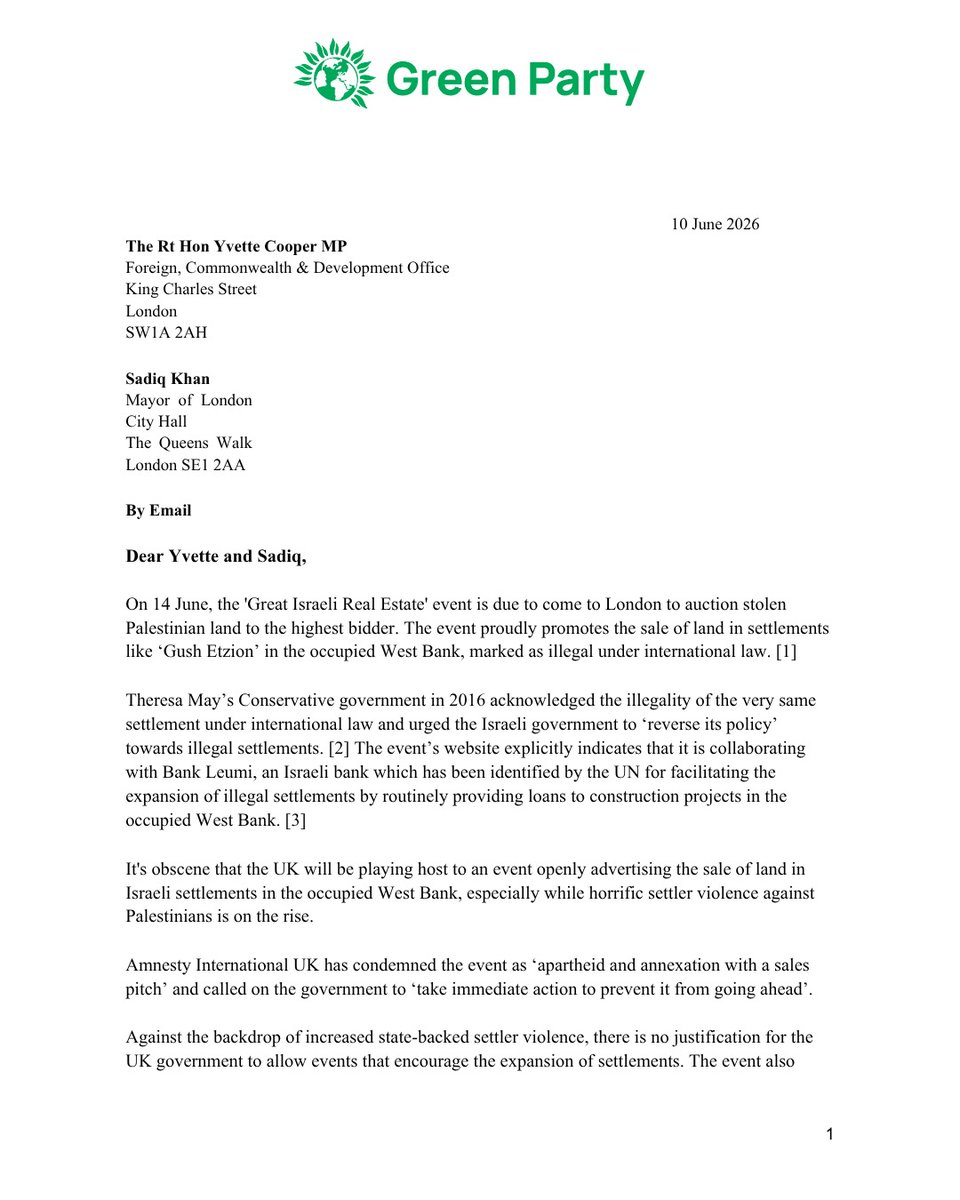
ALT https://greenparty.org.uk/2026/06/10/zack-polanski-calls-on-sadiq-khan-and-yvette-cooper-to-cancel-obscene-and-illegal-sale-of-settlements-on-palestinian-land/
496
6,109
15,458
207,861
Juliet Mabey retweeted

Jun 10
"Very poor white people” are being convinced that “very poor, hard-working brown or Black people” are responsible for the “problems caused by billionaire white men”, Allison Morris, Crime Correspondent at the Belfast Telegraph, says in the wake of the riots that spread through the capital of Northern Ireland overnight.
4,122
5,187
16,014
866,137