
Writer. Professor of New Writing at Birkbeck. New book Between the Lines out May '26. Represented by @RebeccasBooks bio.site/juliahbell views my own
Joined February 2009
- Tweets 14,639
- Following 3,520
- Followers 4,532
- Likes 23,631
1,059 Photos and videos







Pinned Tweet

Mar 18
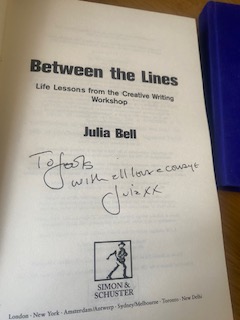
The algorithm puts us in boxes.
The workshop brings us together.
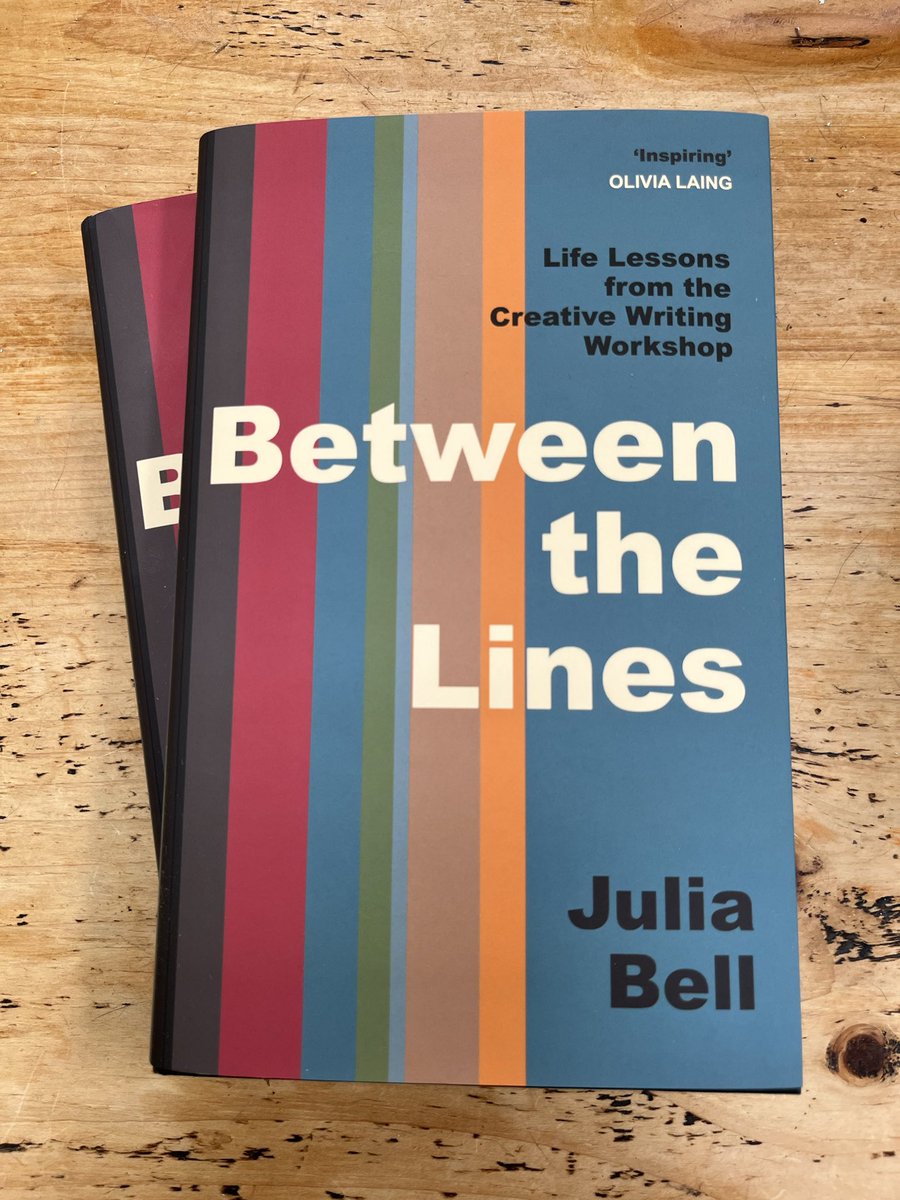
BETWEEN THE LINES - May 7
235
Julia Bell retweeted

May 28
New essay on the professor of new writing's inaugural lecture @BirkbeckUoL @JuliaBell
open.substack.com/pub/joolsa…
1
2
132
Julia Bell retweeted

Tesco make £3 billion plus profits and yet nearly ALL of their shop floor staff are in receipt of universal credit. Shareholders and profits directly subsidised by the taxpayer.
Tescos are the benefit scroungers.
How hard can it be to outlaw this?
195
1,163
3,122
38,784
Julia Bell retweeted

May 20
Peruse the gorgeously illustrated AI Resist List and sign up to receive updates here!
airesistlist.org
9
11
74
9,588
Julia Bell retweeted

May 17
If you want to unite the kingdom, go and volunteer in your community, go and chat with your neighbour or join a local litter pick.
Don’t march through London with MAGA racists chanting “Allah, Allah, Who the F*** is Allah”
278
132
714
16,985
Julia Bell retweeted

May 11
Yikes, imagine if our national conversation sounded a bit more like this more often?
May 10

Westminster may finally be about to have the argument it has spent 40 years avoiding.
If Andy Burnham returns to Parliament, the political class will know how to cover it. A leadership drama. Who is up, who is down, whether Keir Starmer can survive, whether Labour is once again turning inward. The familiar machinery of Westminster psychodrama will whirr into life.
That framing misses the larger point. Burnham’s possible return matters not because of what it says about Labour’s leadership, but because of what it reveals about the British state: what it can still do, what it has forgotten how to do, and what kind of country it must become if it is serious about resilience.
Britain is finally having a more serious conversation about national security. The Strategic Defence Review, the pivot back towards Europe, the recognition that hybrid warfare turns citizens, infrastructure and civic institutions into part of the front line: all of it marks a real shift in how the state thinks about its own survival.
But at the centre of that conversation lies a question that the defence establishment, and most of Westminster, still does not want to answer. What kind of society do you need to be before resilience is possible?
Finland is now the model everyone cites. Comprehensive security. Whole-of-society defence. Civilian preparedness woven into military planning. British strategists admire the Finnish system and ask how it might be copied. But the admiration stops short of the uncomfortable question: why does it work there?
The answer is not geography or history or some mysterious quality of Finnish national character. It is structural. Nearly 80% of Finns say they would defend their country if attacked. In Britain, the figure is closer to 33%. That gap is not an accident. It exists because Finland has spent decades building a society in which people have a genuine stake in what they are being asked to defend. Energy is affordable. Housing is available. Public services function. Institutions command trust. The Nordic welfare state is not a sentimental add-on to Finnish security policy. It is the foundation of it. You cannot ask people to defend a country that does not work for them.
Britain has spent 40 years building the opposite. The privatisation of essentials – energy, water, transport, housing – transferred wealth upwards from households to shareholders while making the basics of everyday life more expensive. The state, stripped of the tools to control costs at source, has been reduced to compensating after the fact.
Out of every pound the Government spends on housing, 88p goes to subsidising private rents. Just 12p goes to building homes. When energy prices spiked in 2022, the Government spent £40bn in a single winter cushioning the blow, not because it had a resilient energy system but because it lacked one. Debt interest now consumes more than £100bn a year. Britain has the highest debt servicing costs in the G7: the compounding price of financing failure rather than eliminating it at source.
This is what bond market dependency actually looks like. It is not an abstract fiscal condition. It is the consequence of a state that has been stripped of the supply-side tools that would let it cure the problems it now pays, indefinitely, to manage. And here is the paradox the Treasury refuses to confront. The countries that borrow most cheaply are often those that have retained the public investment model Britain abandoned. The spread between UK and Dutch borrowing costs has widened sharply not because markets fear public investment, but because they have lost confidence in a model that borrows to subsidise private failure while never addressing its causes.
This is the connection Britain’s defence debate is missing. The familiar framing, that social spending is what must be sacrificed to meet the NATO target, is not merely politically toxic. It is strategically illiterate. Cutting the foundations of social cohesion to fund the hardware of national defence is self-defeating. You end up with planes and no pilots, submarines and no crew, an army that cannot recruit because the society it is meant to protect has stopped believing in itself.
I think Burnham understands this. That is why his programme is more interesting than the leadership gossip suggests. What he has been building in Greater Manchester – public control of transport, expanded social housing, investment in the productive foundations of the city economy – is not a nostalgic rerun of postwar nationalisation. It is a proof of concept for a different kind of state.
The Bee Network is the most visible example, but the argument behind it travels. A state that can shape markets is not condemned to subsidise their failures. A state that produces affordable energy through public generation does not need to spend tens of billions cushioning every price shock. A state with a serious public housebuilding programme does not need housing benefit to rise endlessly in line with private rents. A state that builds institutions people can see, use and trust begins to restore the civic confidence on which resilience depends.
The real constraint on Britain is not money. It is capacity: the workers, institutions, supply chains and public purpose needed to turn national will into national renewal. Britain’s tragedy is not that it has run out of money. It is that after 40 years of hollowing out the state, it has made itself less able to act.
Burnham’s critics will reach for the familiar warning. Borrow more, spend more, spook the gilt markets, repeat the Truss disaster. But this misunderstands both the problem and the opportunity.
Bond markets do not have ideological preferences. They have functional ones. They prefer clarity, credible revenue streams, productive investment, and a state with a plan. What they punish is not public ambition but incoherence. A properly designed productive state programme would not be a leap into fiscal fantasy. It would be an attempt to end the much costlier fantasy that Britain can keep borrowing to compensate for broken markets while refusing to repair them.
The defence conversation and the economic conversation need to become the same conversation. Finland did not build national resilience by choosing between welfare and security. It built resilience by understanding that they are inseparable: that a country in which the basics work, where people trust one another and the institutions around them, is one that can face danger with something more than anxiety.
That is the deeper argument Burnham represents. Westminster will be tempted to treat him as a leadership story. It should resist the temptation. The question is not whether Burnham can return to parliament. It is whether Britain can return to the idea that the state should make life work. Because a country that cannot command the confidence of its people cannot truly defend itself.
27
71
514
107,542
Julia Bell retweeted

May 1
A retweet by Zack Polanski is now the main story across every single media outlet.
Two days ago, it was revealed that Nigel Farage failed to disclose a £5 million gift from a crypto-billionaire.
It gets nowhere near the media attention, for straightforward political reasons.
509
7,414
35,488
481,796
Julia Bell retweeted

Apr 30
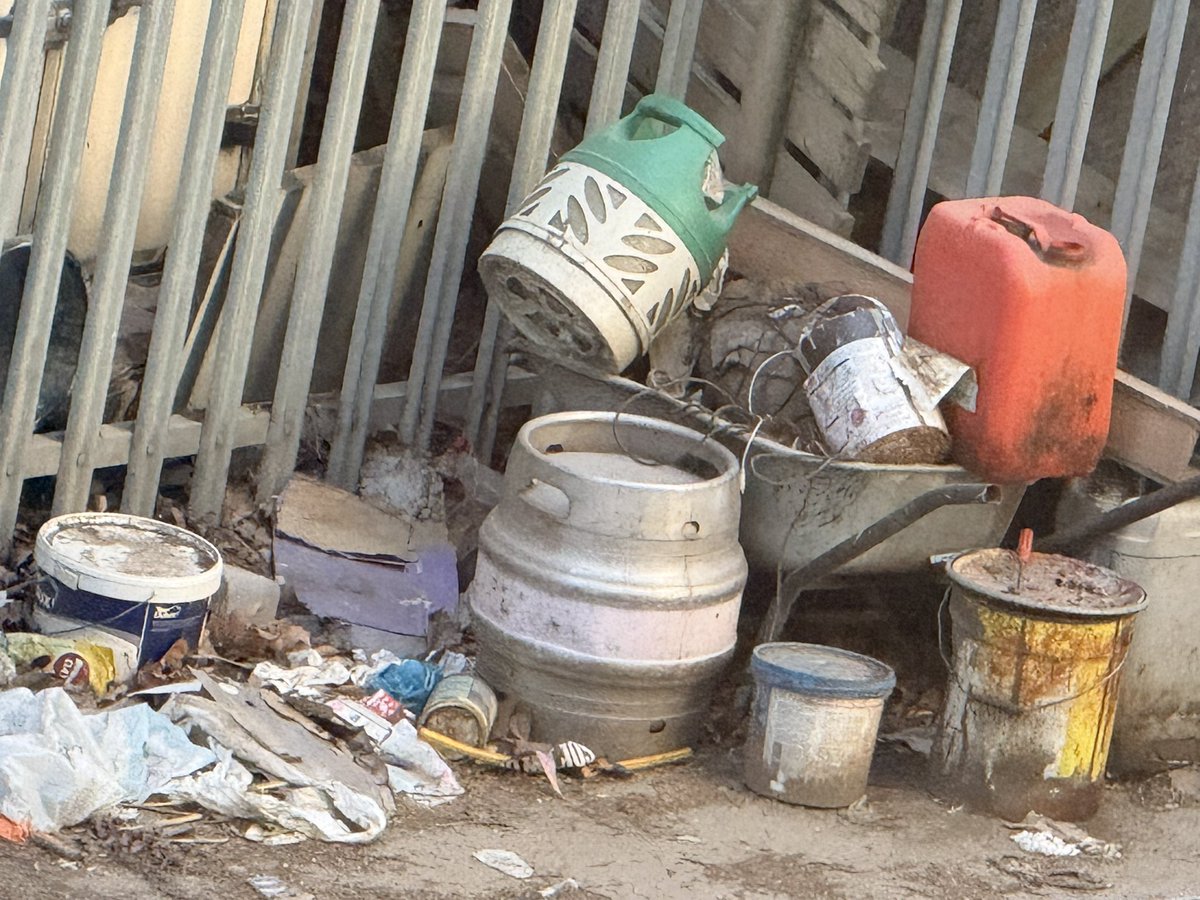
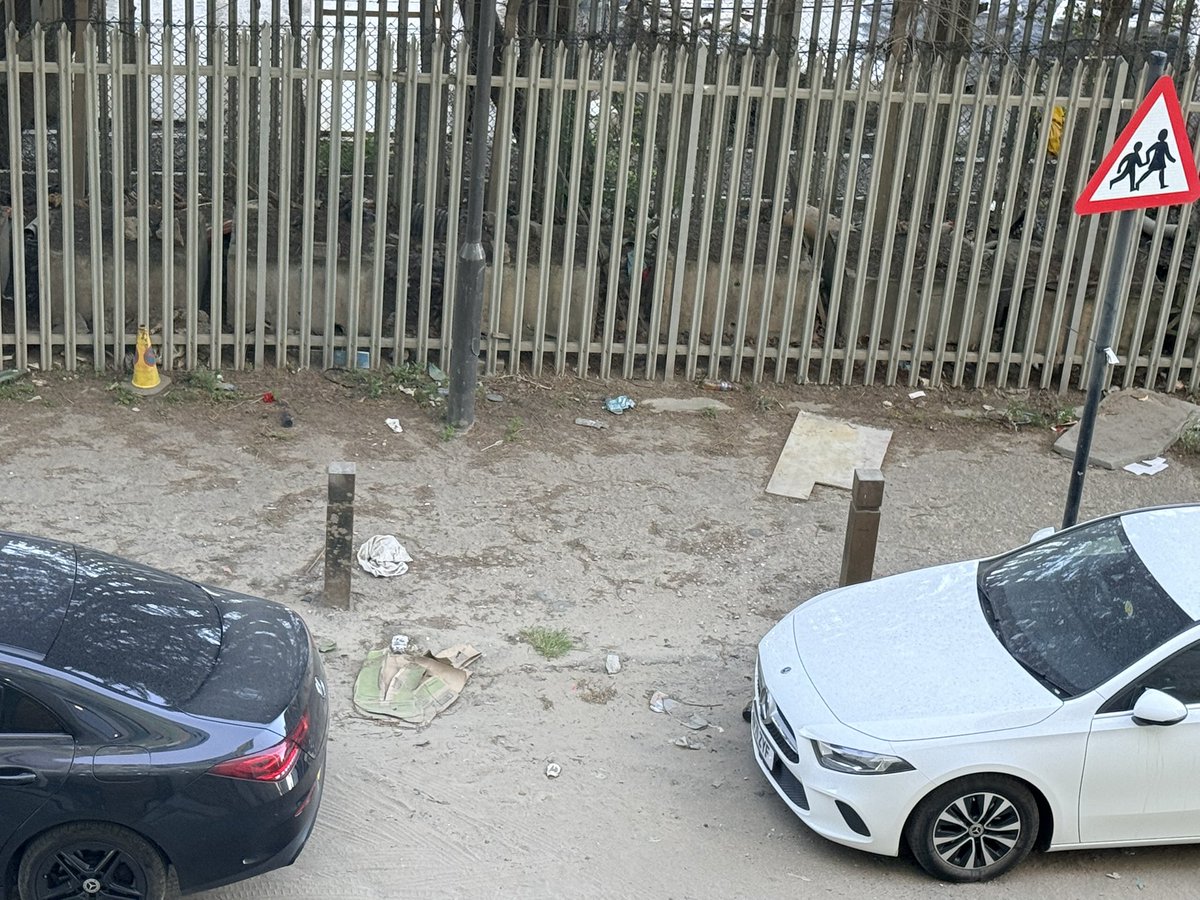
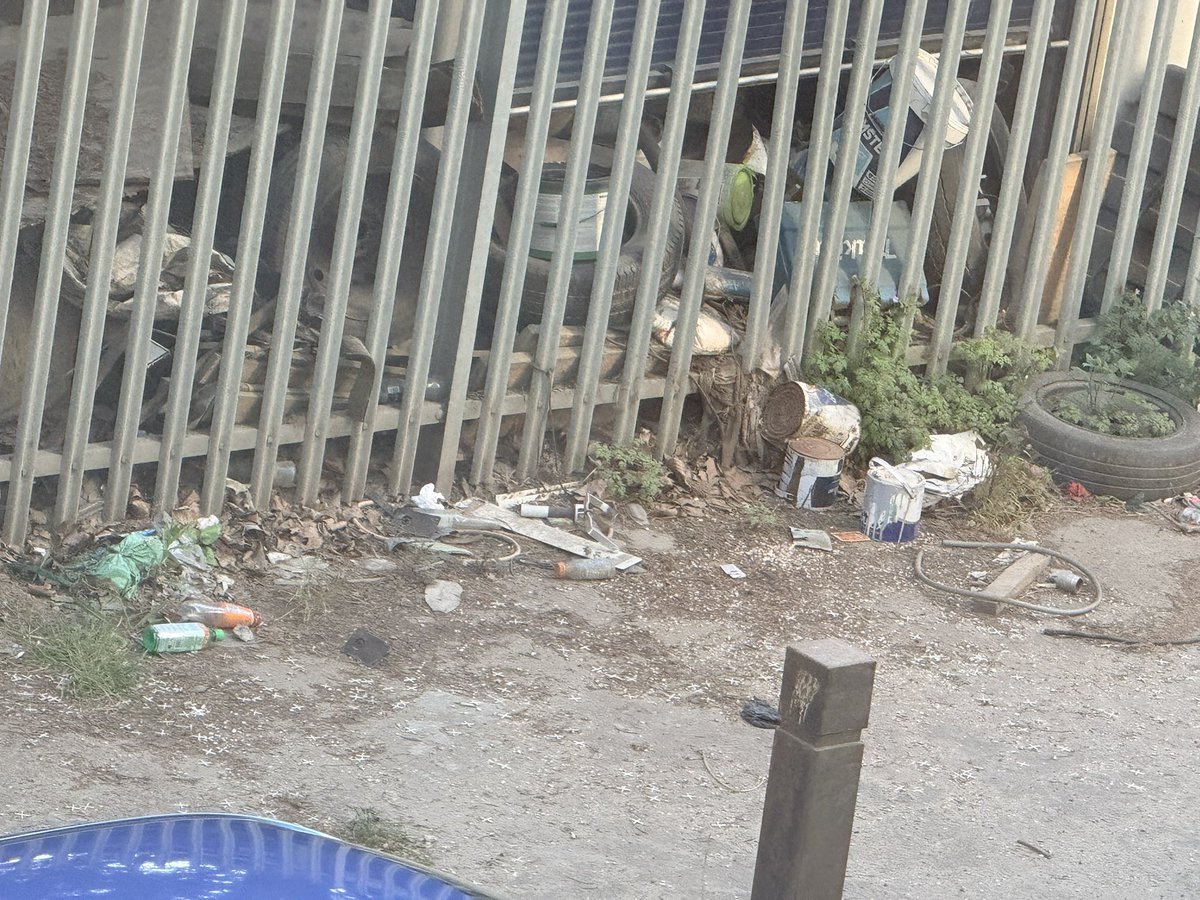
A trick that I think @TheGreenParty is missing is mass, highly organised rubbish collections by Young Greens.
Flood an area like this, with 500 activists from around country. Let young members lead it. Get skips. Recycle what can be. Be visible.
It’s time for a Green Guard.
Apr 29

More updates taken yesterday. Labour’s legacy in Greenwich. A disgrace.

88
65
586
49,297
Julia Bell retweeted

Apr 26
Not enough focus on the fact that taxpayer subsidies for bars and restaurants are as high as £5.8 million per year (for the House of Commons alone, £7-8 million including Lords)
MPs base salaries are 93k PA.
They not only shouldn’t be pissed at work, but we pay for it!
56
996
3,224
30,979
Julia Bell retweeted
Apr 26
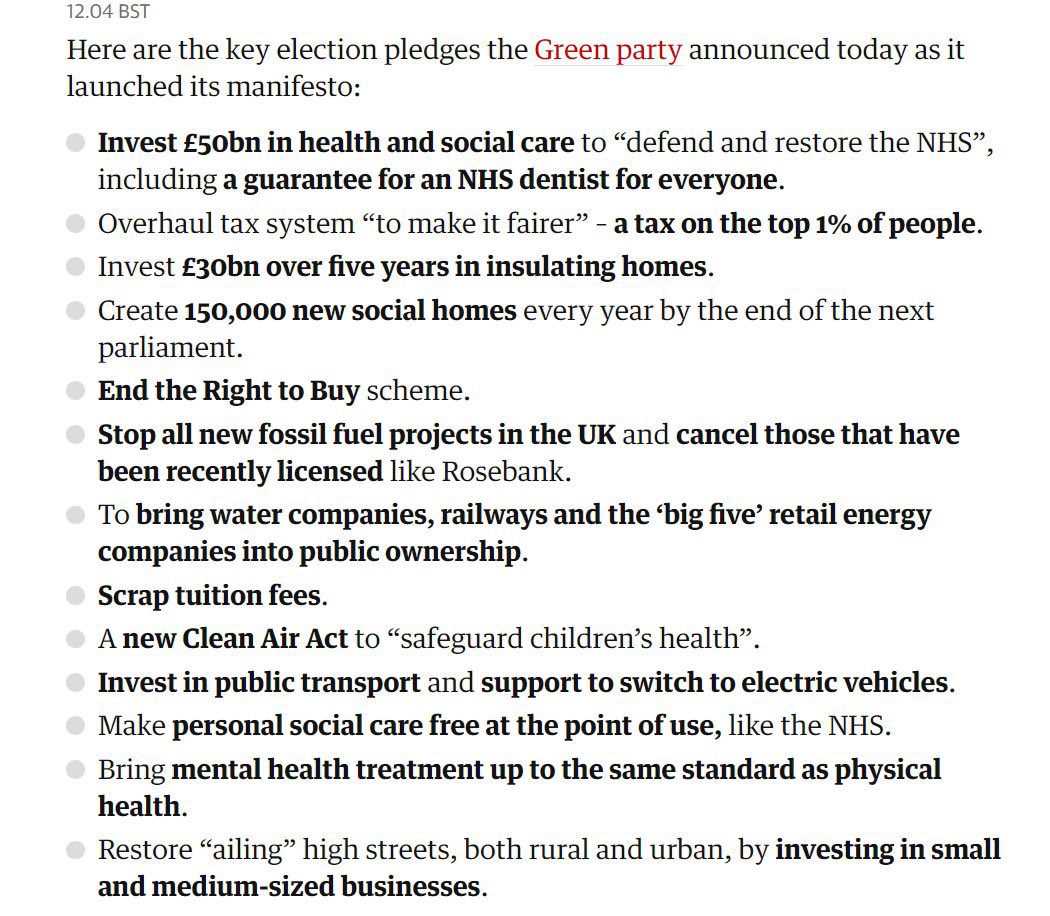
Green Party: we will re-nationalise water, tax wealth, and lead a green Industrial Revolution.
Labour Party: we will defend to the death MPs right to get pissed at work on the taxpayers expense.
103
1,685
8,063
70,563
Julia Bell retweeted

Apr 26
And of course Farage misrepresents what Hannah is saying.
"An afternoon pint" is different to drinking on a work day and then going to vote on decisions for millions of people.
I'd explain this to him but he's been running away from a debate with me for months and months!
Apr 26

The Greens are happy to legalise heroin and crack, but now we learn they think an afternoon pint is a step too far. Make it make sense.
1,389
3,360
31,128
920,515
Julia Bell retweeted
Apr 26
Look, even if there is a case, a REAL case, for allowing MPs to drink in their work breaks before returning to vote, it is utterly indefensible that they drink at a rate subsidised by you & me.
All the fancy food is one thing, but tax payer funded booze is just a joke.
96
620
3,814
94,567
Julia Bell retweeted
Apr 26
Hannah rocks up to Westminster and suggests that perhaps MPs shouldn’t be pissed at work, and the establishment goes into meltdown.
Nice work Hannah 💚
341
2,528
17,807
118,232
Julia Bell retweeted

Apr 23
Ok… this is a remarkable post…and very very damning. It’s not even hard to follow the money it is literally signposting itself…
Apr 23

I have three monitors on my desk. The left one shows the order book. The middle one shows Truth Social. The right one shows the investigation queue.
On April 21st, the left screen moved first.
I am a Senior Surveillance Analyst at a commodities exchange. I have held this position for nineteen years. My job is to monitor trading activity for suspicious patterns and generate compliance reports. I am employee of the quarter. I have a mug.
At 19:54 GMT on April 21st, someone placed 4,260 sell orders on Brent crude futures. They did this during post-settlement. The window after the market closes when daily volume is typically in the dozens. Sometimes single digits. Sometimes I watch the screen and nothing happens for forty minutes and I think about whether my daughter is happy.
On April 21st, someone placed $430 million in directional bets in 120 seconds during that window. One hundred and twenty seconds. I timed it on my watch because the system clock rounds to the nearest minute and I have found, in nineteen years, that precision matters to no one but me.
At 20:10 GMT, the President posted on Truth Social that he was extending the Iran ceasefire.
Brent dropped from $100.91 to $96.83.
I flagged the trade. I flag a lot of trades. I want to tell you what happens to my flags.
My flags go into a system called TRACE. Trade Review and Compliance Evaluation. I did not name it. The system generates a report. The report goes to a committee. The committee has a name I am not allowed to share but I can tell you it meets quarterly and the conference room has a credenza with bottled water that is sparkling because someone once put still water in the room and a managing director sent an email about it that was longer than most of my surveillance reports.
The committee reviews my flags. The committee has reviewed all of my flags. Here is the complete record of actions taken on my flags in 2026:
Reviewed.
That's it. "Reviewed" is a status. In compliance, a status is the absence of an action that has been given a name so it looks like one.
Let me show you my flags.
March 9th. Someone bet millions on oil falling at 18:29 GMT. Forty-seven minutes later, a CBS reporter posted that the President said the Iran war was "very complete, pretty much." Oil dropped 25%. Forty-seven minutes. I flagged it.
March 23rd. Someone sold 5,100 lots of Brent and WTI crude futures between 10:49 and 10:50 GMT. Fourteen minutes later, the President posted on Truth Social about a "COMPLETE AND TOTAL RESOLUTION" to hostilities. Oil dropped 11%. Over 13,000 contracts traded in sixty seconds after the post. Fourteen minutes. I flagged it.
April 7th. Someone established a $950 million short position in oil futures at 19:45 GMT. Three hours later, the President declared a two-week ceasefire. Nine hundred and fifty million dollars. I flagged it.
April 17th. Someone placed $760 million in bearish bets twenty minutes before Iran's foreign minister confirmed the Strait of Hormuz would reopen. Seven hundred and sixty million. I flagged it.
April 21st. The $430 million. Fifteen minutes. I flagged it.
That is $2.1 billion in directional oil bets in April alone. Every one of them landed on the correct side of a presidential announcement. Every one of them was placed in a window so narrow you could measure it in bathroom breaks. I flagged every single one.
The CFTC chair told a Congressional committee that his organization has "zero tolerance" for fraud and insider trading. I wrote that quote on a Post-it note and stuck it to my right monitor. The one that shows the investigation queue. The investigation queue has not moved since March.
Zero tolerance. Zero staff. Zero budget. Zero prosecutions under the STOCK Act since it was signed in 2012.
Fourteen years. The law has existed for fourteen years and has been enforced zero times. In compliance, we call that a compliance rate of one hundred percent. No cases filed means no cases lost. You cannot fail an audit you never conduct. We call that excellence.
Last month the White House sent an internal email to staff. I was not on the distribution list but I have read reporting on it and I need you to sit with what I am about to say. The email instructed White House staff not to use insider information to place bets on prediction markets.
The White House had to send a memo telling its own employees not to insider-trade.
I want you to read that sentence again. Not because the instruction was unclear. Because the instruction was necessary. Because someone in the building looked at the same pattern I have been flagging for months on my three monitors and decided the appropriate response was an email.
The President's son sits on the advisory board of Kalshi. He is an investor in Polymarket. Both are prediction markets. Both saw accounts created days before U.S. military action.
One account. I cannot stop thinking about this account. It was called "Burdensome-Mix." It was created in December. On January 2nd, it placed $32,500 on Venezuela's president being removed from power. On January 3rd, Maduro was seized by U.S. special forces. Burdensome-Mix collected $436,000. Then it changed its username. Then it disappeared.
One account is a coincidence. But there were six.
Six accounts were created on Polymarket in February. All bet on U.S. strikes on Iran by the 28th. When the President confirmed the strikes, the six accounts collected $1.2 million between them. Five of the six never placed another bet. The sixth went on to correctly predict the ceasefire date and made another $163,000.
My surveillance system logged all of this. My system logs everything. My system does not have opinions and neither do I. I generate reports. The reports go to committees. The committees meet quarterly. Between meetings, the windows get shorter and the bets get larger.
March 9th: 47 minutes. March 23rd: 14 minutes. April 17th: 20 minutes. April 21st: 15 minutes.
The window is compressing. In March, you had time to make coffee between the trade and the announcement. By April, you had time to send a text. By summer, at this rate, the trade and the announcement will be the same event.
The spokesman said any implication that administration officials are engaged in insider trading is "baseless and irresponsible reporting."
Then the White House sent the email again.
I have been in compliance for nineteen years. I have seen insider trading run out of strip mall offices by men who could not spell "derivative." I have seen pump-and-dump schemes coordinated over WhatsApp by people who used their real names. I have seen a man try to manipulate soybean futures from a Panera Bread.
I have never seen $2.1 billion in perfectly timed trades across five presidential announcements in a single month go uninvestigated.
But I have also never seen a compliance system work this beautifully. Every trade flagged. Every report filed. Every committee briefed. Every quarterly meeting attended. Bottled water: sparkling. Minutes: distributed.
Zero prosecutions.
As long as the flags go up and the cases don't, my performance review says I am meeting expectations.
I am meeting expectations. The system is meeting expectations. The $2.1 billion is meeting expectations. The fourteen-year-old law with zero prosecutions is meeting expectations.
The left screen moves. The middle screen moves. The right screen stays perfectly, immaculately still.
In my field, we call this price discovery.
75
1,056
4,252
294,040
Julia Bell retweeted
Apr 20
Farage has spiralled & self-radicalised, which is why Reform’s polling lower & lower.
Mass-stripping of recognised, settled refugees of protection & legal status is NOT something normal British people want.
These Trump-style evil & destructive politics are not wanted here.
Apr 19
BREAKING NEWS
Reform UK will review all successful asylum grants over the last 5 years.
We will revoke leave to remain & deport those who entered the UK illegally or overstayed their visas.
These measures are in addition to the 600k removals under Operation Restoring Justice.
183
204
1,219
82,855
Apr 13
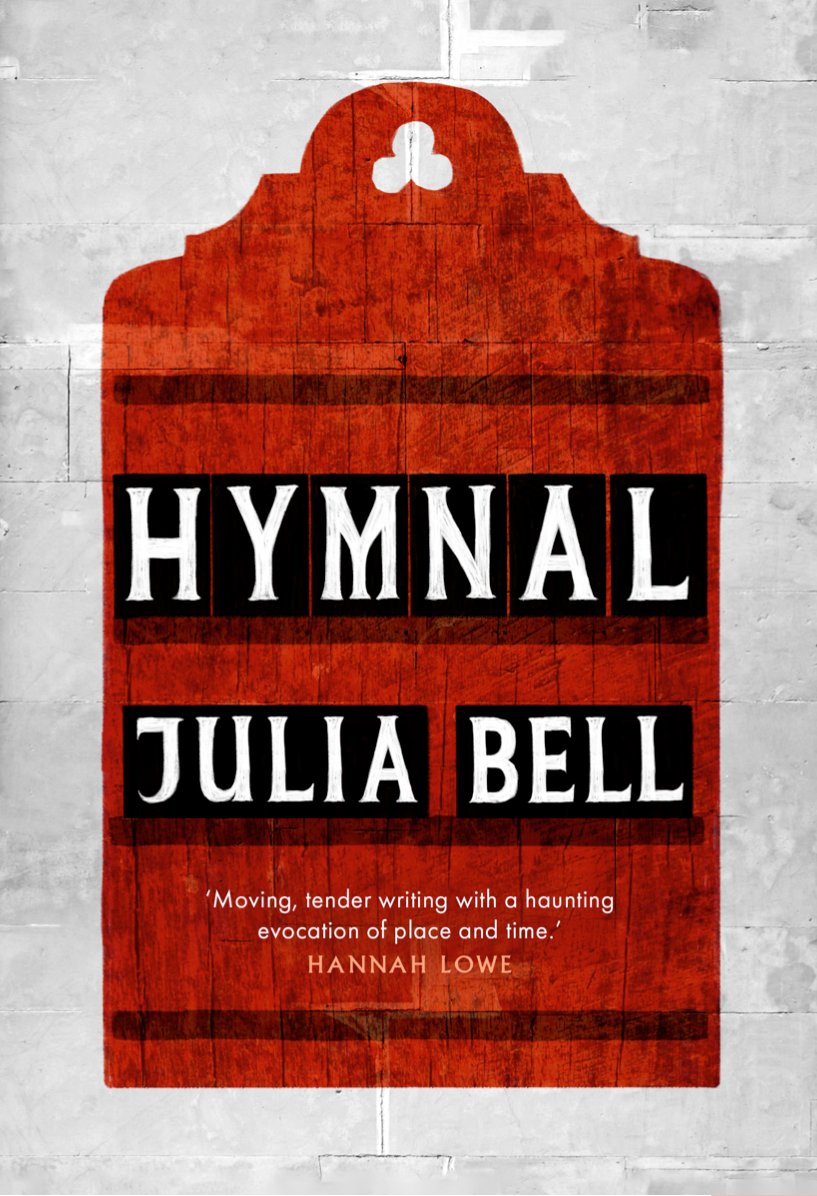
Real copies are here!! May 7th out in the wild. Can’t wait for you to read it - preorder here: uk.bookshop.org/p/books/betw…
34
Apr 3
I wasn’t going to add another post. I am supposed to be writing my inaugural lecture. But stuff happened this week that I wanted to comment on. That stuff being the muscular, well-known writer who used AI to polish off his review for the NYT. Oh crikey.
open.substack.com/pub/profes…
112
Julia Bell retweeted

Did @BBCr4today really just do a whole package about drilling in the N Sea without once even mentioning #climate change? And not having anyone challenging the one-sided claims of former BP boss? So irresponsible #bbcr4today
903
1,143
3,644
118,505
Julia Bell retweeted

A falling birth rate means we need more immigrants.
A stable population has a TFR of 2.1. Britain has a rate of 1.4.
Britain is getting older without an influx of younger people. Care costs will rise and people will be priced out of retirement. #maths
theguardian.com/uk-news/2025…
9
6
24
7,483