- Tweets 2,806
- Following 1,282
- Followers 231
- Likes 30,016














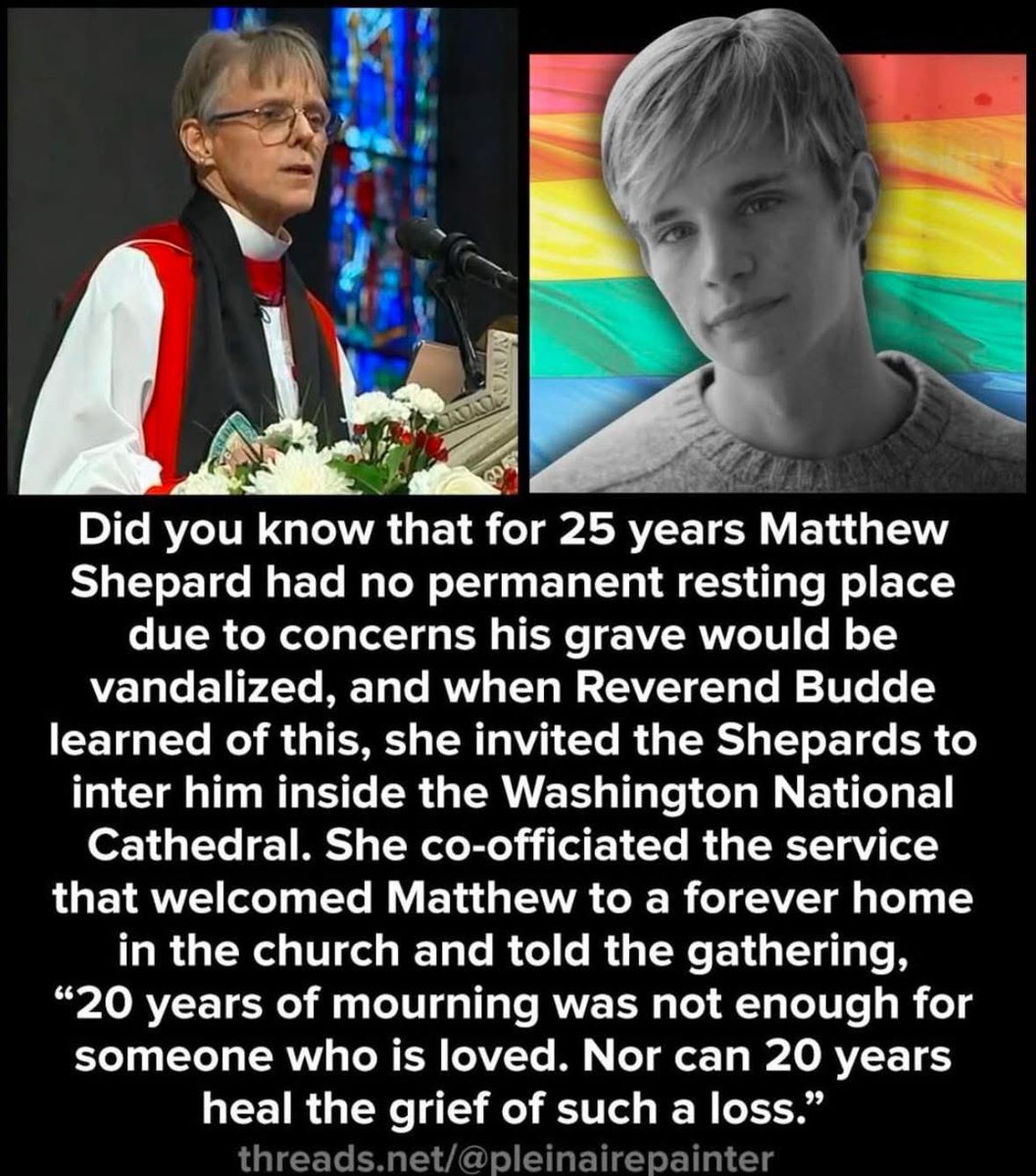
ALT Did you know that for 25 years Matthew Shepard had no permanent resting place due to concerns his grave would be vandalized, and when Reverend Budde learned of this, she invited the Shepards to inter him inside the Washington National Cathedral. She co-officiated the service that welcomed Matthew to a forever home in the church and told the gathering, "20 years of mourning was not enough for someone who is loved. Nor can 20 years heal the grief of such a loss."







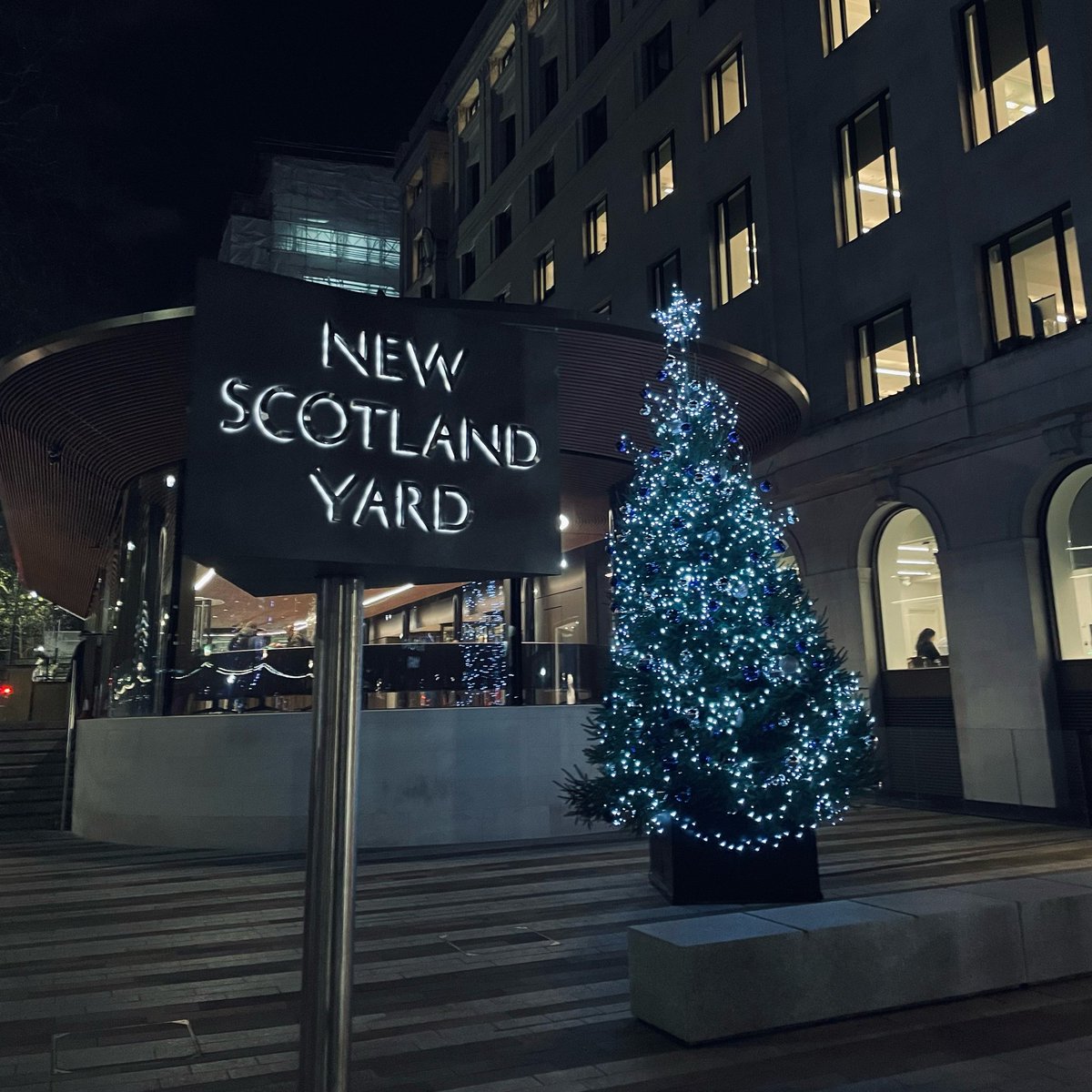
ALT A Christmas tree outside New Scotland Yard with lights on.


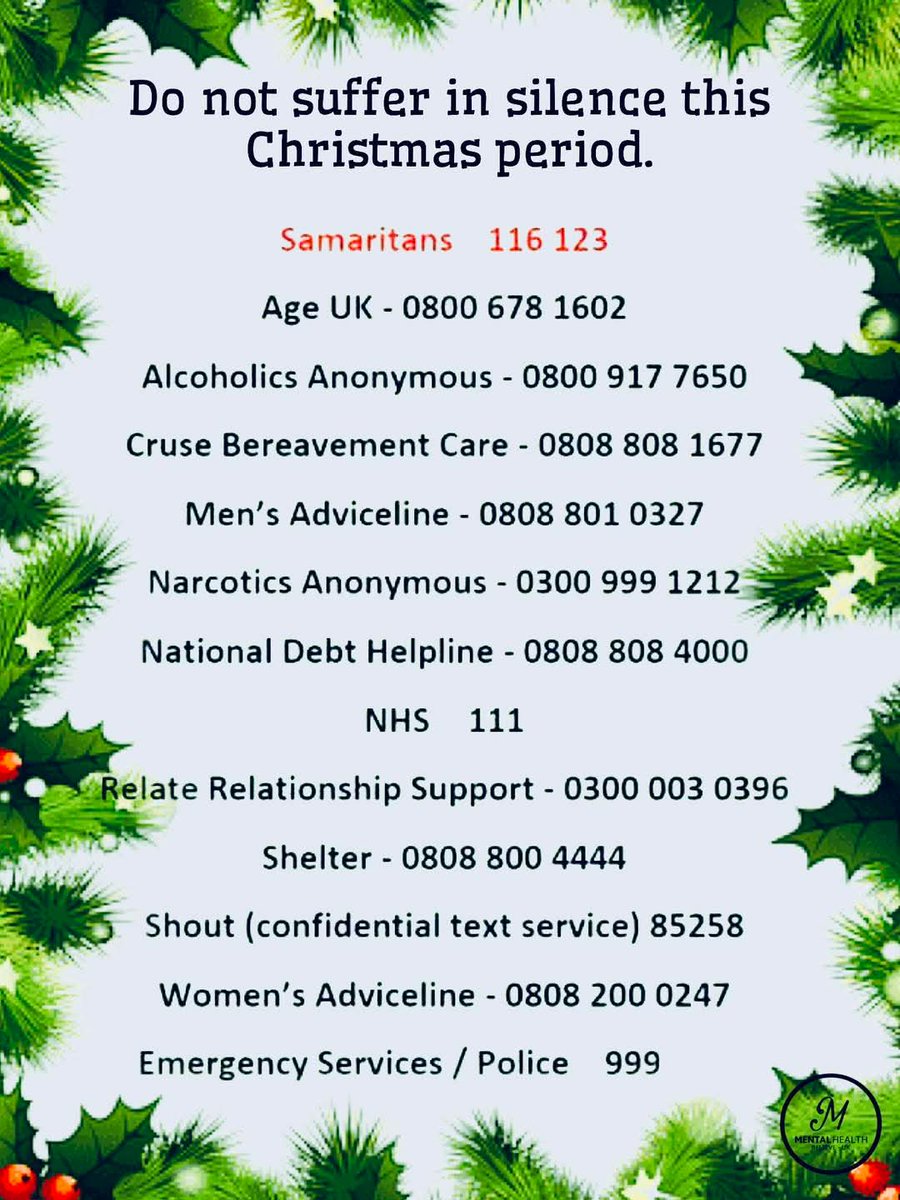
ALT Samaritans 116 123 Age UK - 0800 678 1602 Alcoholics Anonymous - 0800 917 7650 Cruse Bereavement Care 0808 808 1677 Men's Adviceline - 0808 801 0327 Narcotics Anonymous - 0300 999 1212 National Debt Helpline - 0808 808 4000 NHS 111 ✓ Relate Relationship Support - 0300 003 0396 Shelter 0808 800 4444 Shout (confidential text service) 85258 Women's Adviceline - 0808 200 0247 Emergency Services / Police 999