
Joined December 2022
- Tweets 17,881
- Following 3,443
- Followers 2,262
- Likes 35,153
3,423 Photos and videos








Pinned Tweet

15 Jul 2025

Not negligible, unmeasurable.
2
2
11
2,576
📢15 oc was cooler in 1990 than 2026?
How strange.
1
1
95
Just Stop Net Zero. retweeted

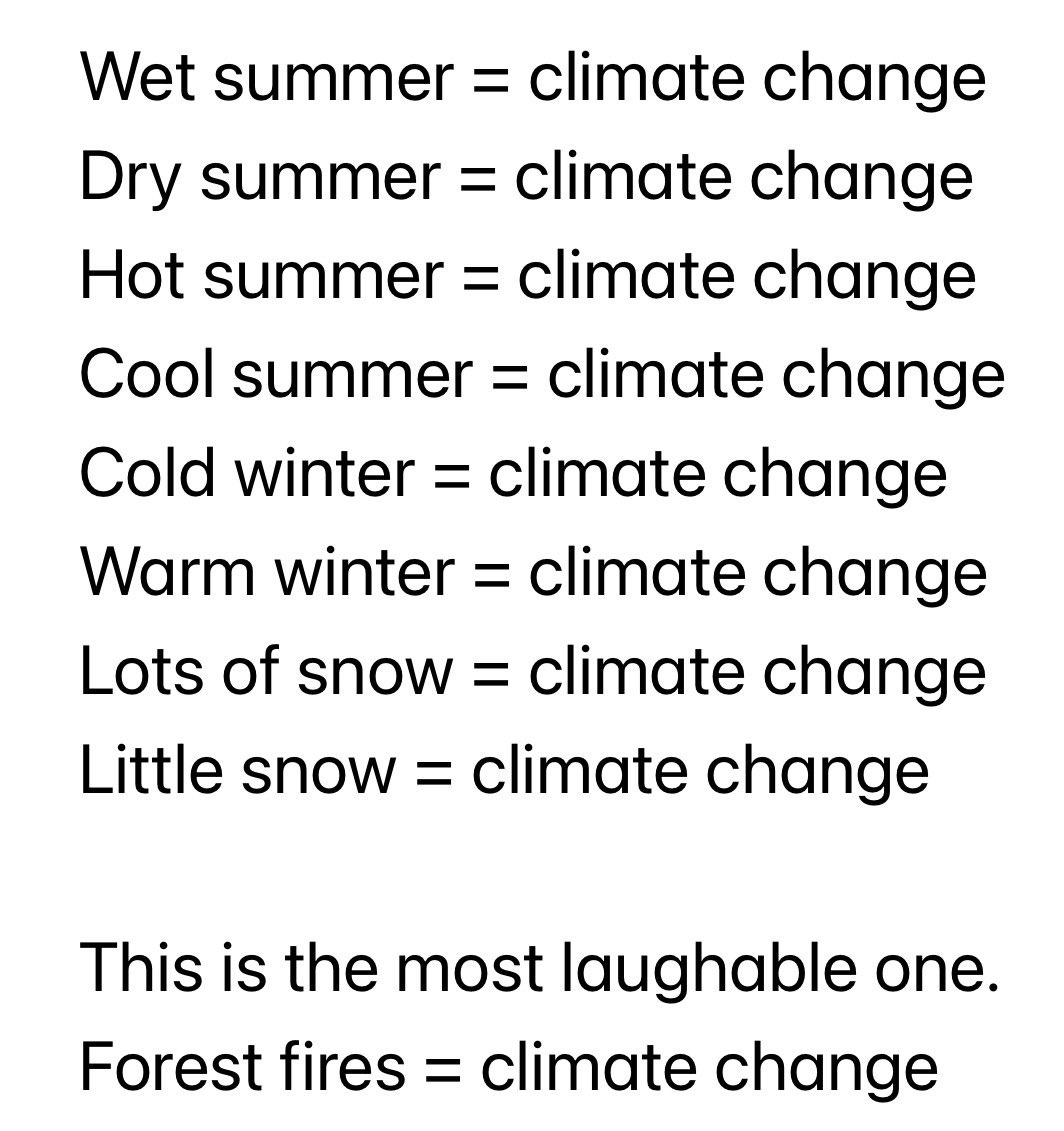
"If a theory explains everything, it explains nothing," - philosopher Karl Popper.
A theory capable of explaining any possible outcome lacks true explanatory power because it can't be tested or proven wrong (falsified), making it unscientific.
57
401
1,190
11,062
Just Stop Net Zero. retweeted

Jun 15
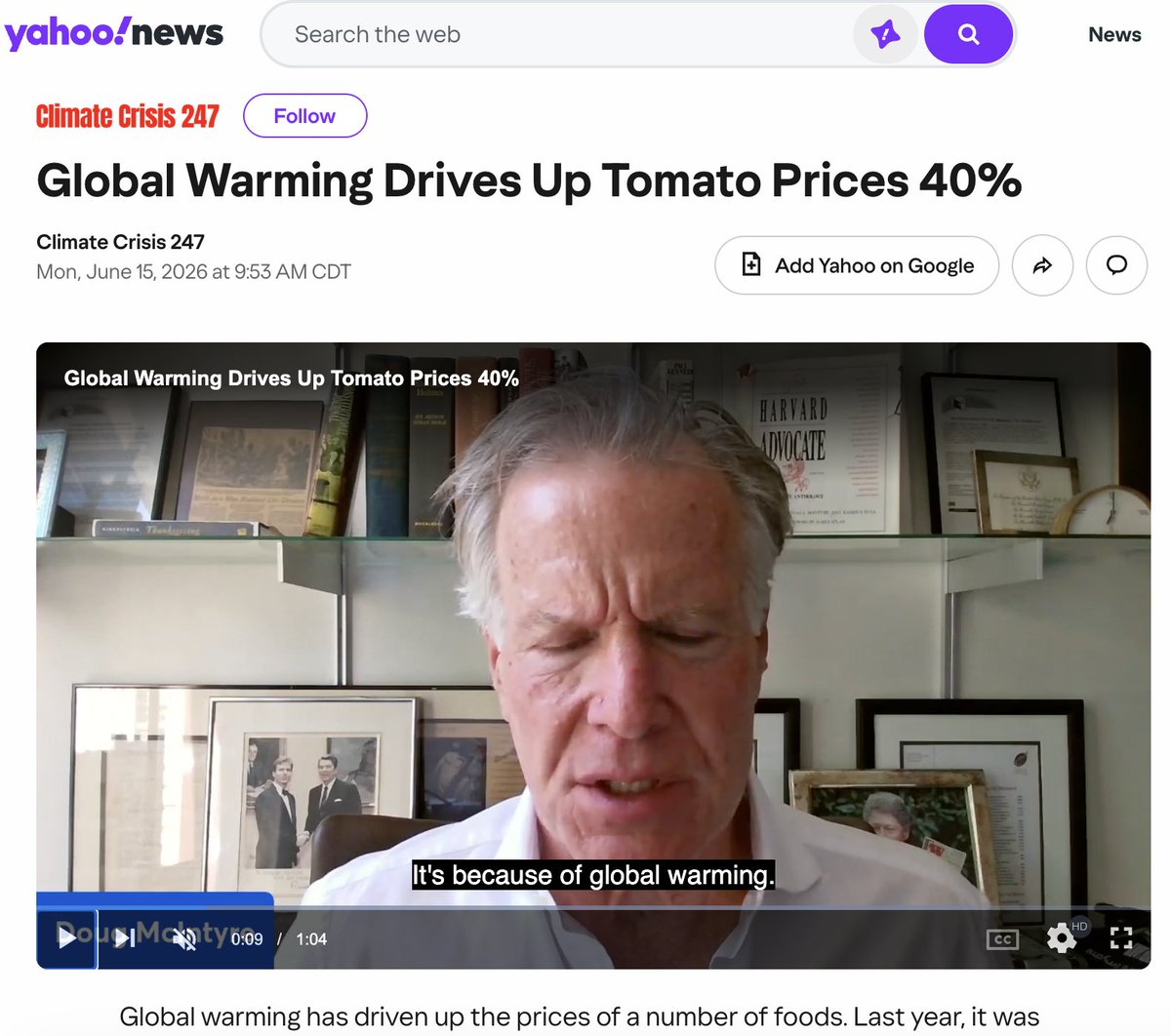
Imagine actually believing this BS
11
20
97
1,167
Just Stop Net Zero. retweeted

Jun 15
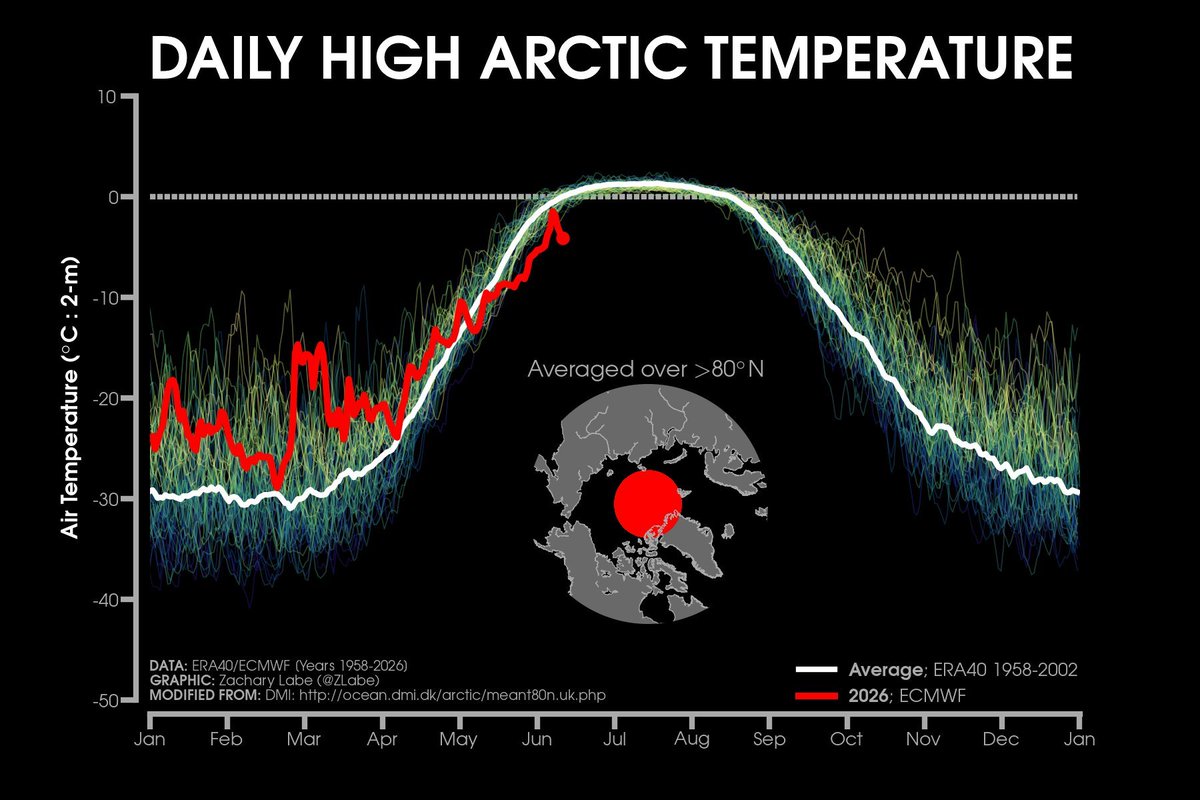
The BBC will not tell you this & you will not find it on Bluesky!
Jun 15

The Arctic basin is sitting at the coldest June levels in data back to 1958.
Full breakdown (& more) in today's article: electroverse.substack.com/p/…
7
139
294
6,424
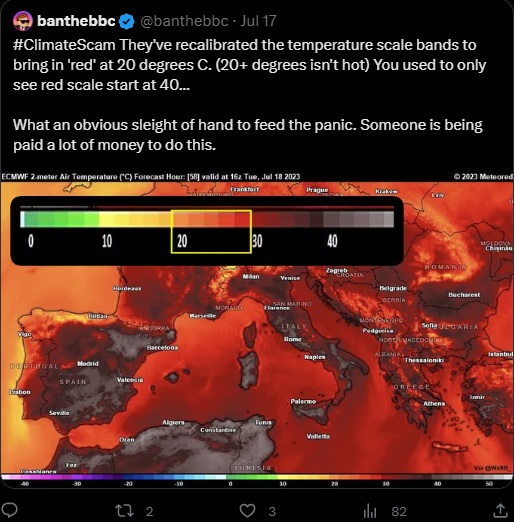
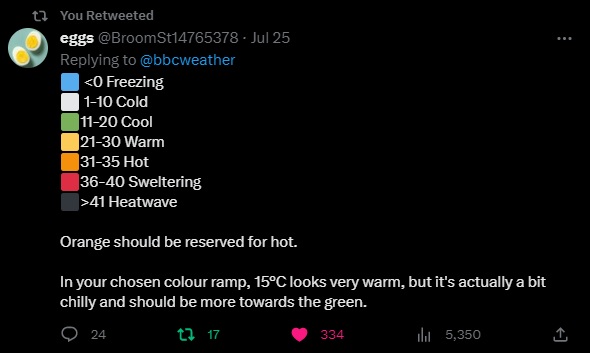
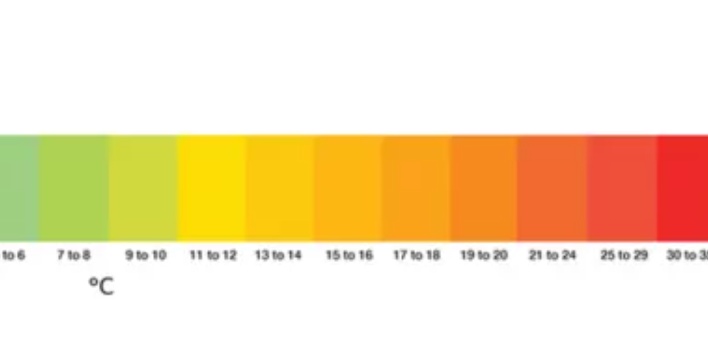
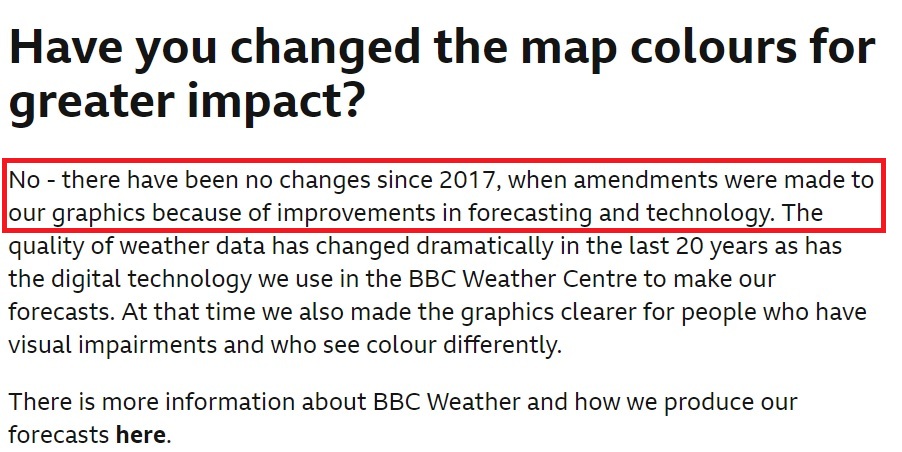
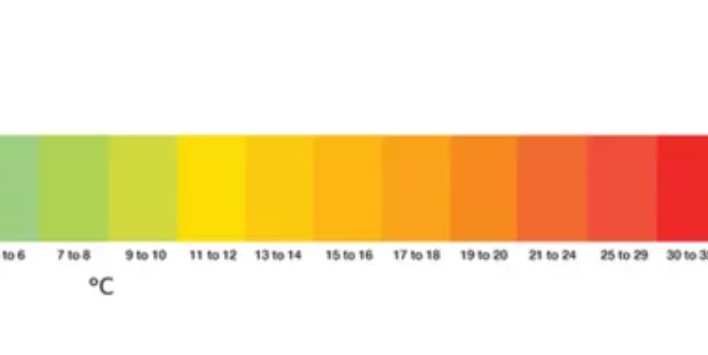
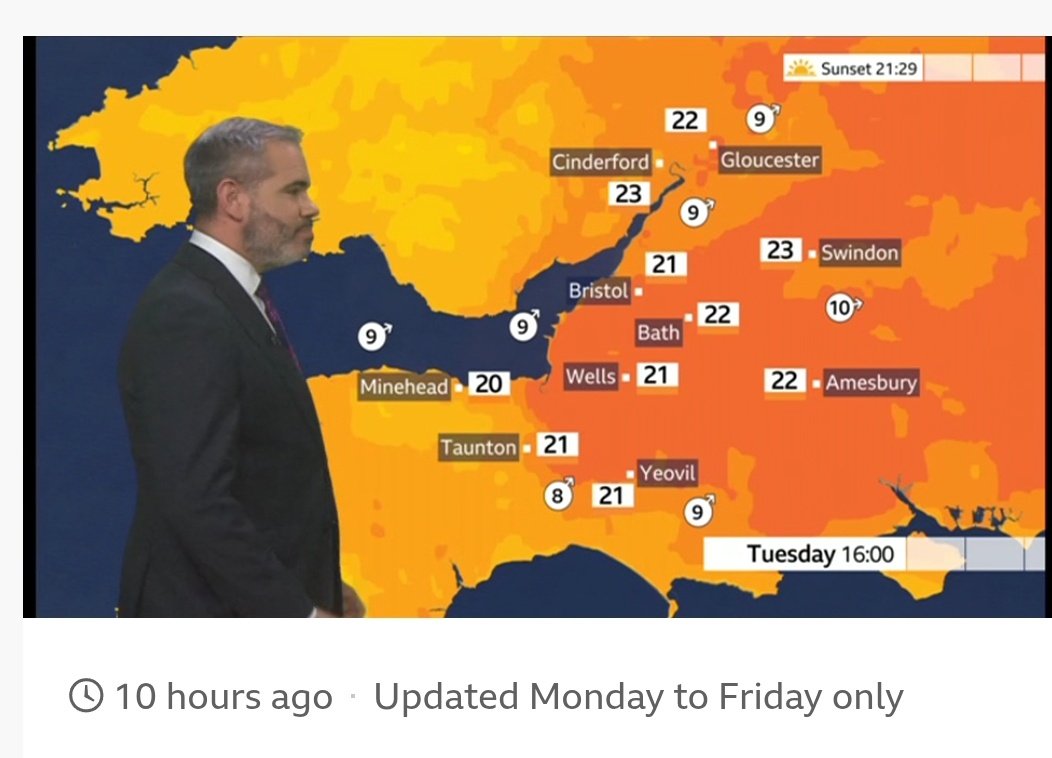
📢Average June temps for the south in the UK are just 20-22 oc. Today (Tuesday) the forecast says they will be average or very slightly above, yet the BBC weather map is dark orange to indicate intense heat for temps of just 21 oc.
They changed the colour scheme in 2017.
5
10
13
523
Just Stop Net Zero. retweeted

Jun 13
As of June 2026, a Super El Niño has not officially arrived or been declared. This mistake stems from a common media trend to hyping up long-range climate models.
The Pacific Ocean is technically in a developing phase or watch status. The full ocean-atmosphere connection required to declare an official El Niño is not yet complete.
11
65
340
3,391
Just Stop Net Zero. retweeted

Jun 12
Dishonest Sea Level Fear Mongering
x.com/JimSteeleSkepti/status…
Jun 9

Brainwashed by Dishonest Sea Level Fear Mongering
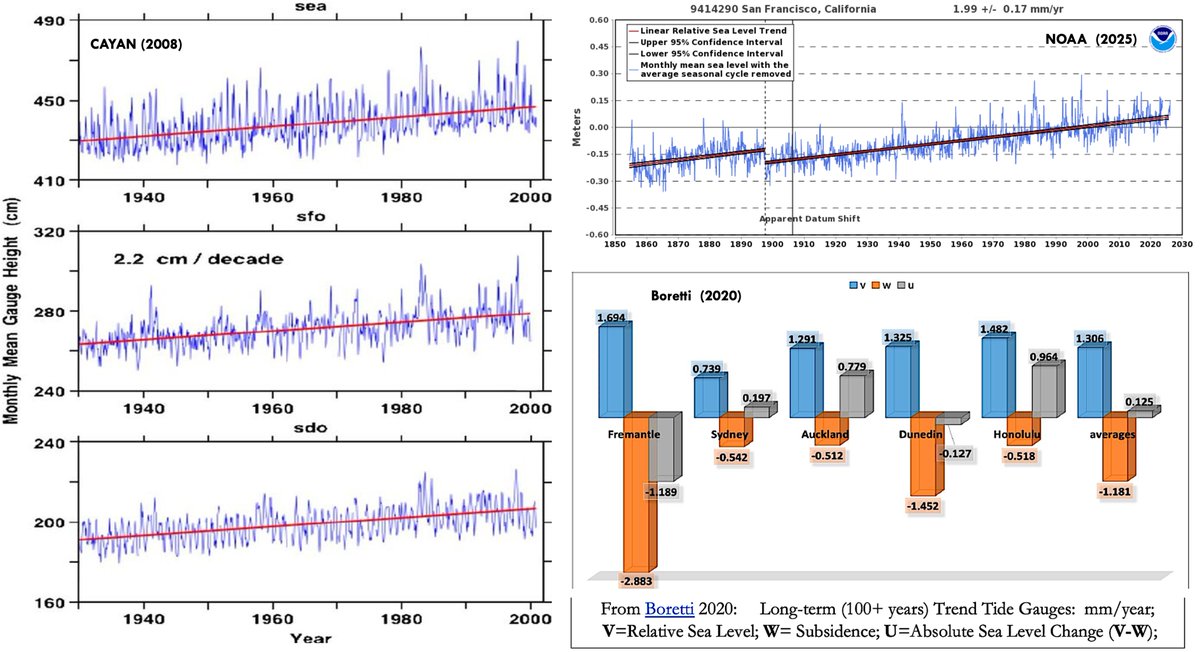
Tide Gauge evidence (published by Cayan and the alarmist Hayhoe in 2008) finds Relative Sea Level along the US west coast (measured at Seattle, San Francisco and San Diego tide gauges is rising at 0.87 inches per decade. (2.2 cm/decade) = 8.7 inches in a century. NOAA’s 2025 sea level update for San Francisco shows a slowing rise measuring 0.78 inches per decade (1.99 cm/decade).
But to estimate Absolute Sea Level rise due to climate change, land subsidence must be taken into account. San Francisco Bay shorelines are sinking on average by 2 cm/decade (0.78 inches/ decade). Subtracting rates of subsidence from the Relative Sea Level Rise yields an Absolute Sea Level rise ranging from 0.0 inches to 0.9 inches a century. Furthermore tide gauges show no evidence of accelerating sea level due to climate change.
Oh my! how can we ever adapt?
Research in the western Pacific from Australia to Hawaii using tide gauges with over 100 years of data show a very similar result. From Boretti (2020), the average Relative Sea Level rise (blue bars) from 5 stations was 1.36 mm/year (0.53 inches a decade). After accounting for subsidence Absolute Sea Level rise (gray) was just 1.25 mm/year (0.49 inches/decade or 4.9 inches per century).
Yet the climitards keep ranting coastal cities will soon drown. To instill guilt, they then play the race card saying poor and brown people will suffer most. Brainwashed politicians start pushing for exorbitantly expensive managed retreat of homes and businesses along the coast. Making fossil fuel powered cars, stoves and heaters illegal in the near future.
To insert fear into the public’s imagination and gain political control, alarmists needed to overcome the non-threatening sea level rise seen in the current evidence. So, alarmists at NASA and elsewhere repeatedly tell stories, warning if Antarctica’s ice sheet melted it would raise sea level by 190 to 200 feet. Yet they usually don’t mention that Antarctica’s interior temperatures average roughly -46.3°F and the coastal areas average around 14°F. Simply dishonest fearmongering!
4
15
229
Just Stop Net Zero. retweeted

NO acceleration in sea level rise!!!
"In both datasets, approximately 95% of the suitable locations show no statistically significant acceleration of the rate of sea level rise. The investigation suggests that local, non-climatic phenomena are a plausible cause of the accelerated sea level rise observed at the remaining 5% of the suitable locations."
Source: mdpi.com/2077-1312/13/9/1641
4
18
292
Just Stop Net Zero. retweeted

Jun 12
'A thorough reexamination of scientific data has revealed that the rate of sea-level rise is accelerating'
Forgive me for thinking that this is just a posh way of saying 'we tortured the data until it confessed'
If its really accelerating it should be immediately obvious from a simple chart
4
5
45
469
Just Stop Net Zero. retweeted

Jun 11
What you see coming out of cooling towers is water vapor
Watch the full episode of Climate Debrief using the link below!
youtube.com/watch?v=PL7rglRn…
7
23
52
1,075
Just Stop Net Zero. retweeted

Jun 11
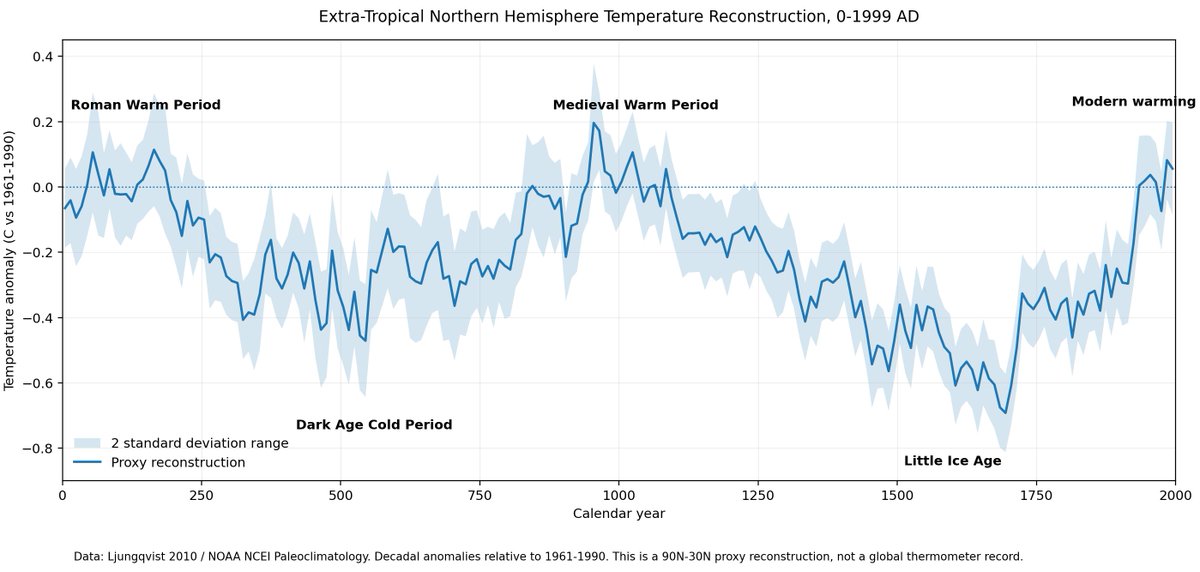
Modern climate politics starts the story in a cold trough, draws the rise upward, and ignores the older warm periods.
The world warmed after the Little Ice Age. Big whoop.
Full breakdown (& more) in today's article: electroverse.substack.com/p/…
8
42
125
6,741

Hello @Ed_Miliband
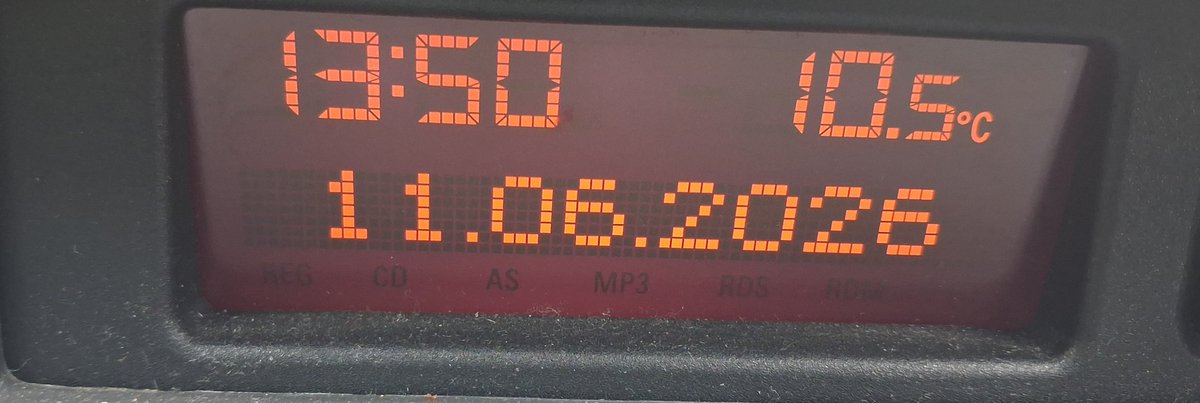
It's currently 10 degrees Celsius below the typical temperature for mid June where I live. It's been like this for most of June so far.
Shouldn't we be emitting more CO2 to warm things up a bit?
Maybe fire up a coal fired power station or six?
122
324
1,815
18,989
Just Stop Net Zero. retweeted

Jun 10
The Met Office has claimed a new Welsh temperature record for springtime. But it was recorded at Bute Park, a Class 5 junk site where hot air is frequently vented from greenhouses, says Paul Homewood in the Climate Skeptic. climateskeptic.org/p/new-wel…
28
516
1,247
15,985
Just Stop Net Zero. retweeted
Jun 10
If models cannot reproduce where that heat has actually gone since 1950, their catastrophe outputs deserves far less attention than politicians, activists and media outlets give them.
Full breakdown (& more) in today's Substack: electroverse.substack.com/p/…

3
33
86
1,429
Just Stop Net Zero. retweeted
Jun 10
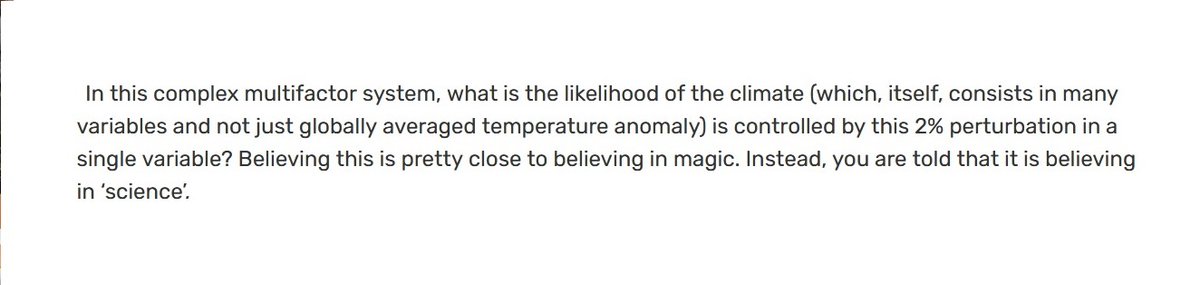
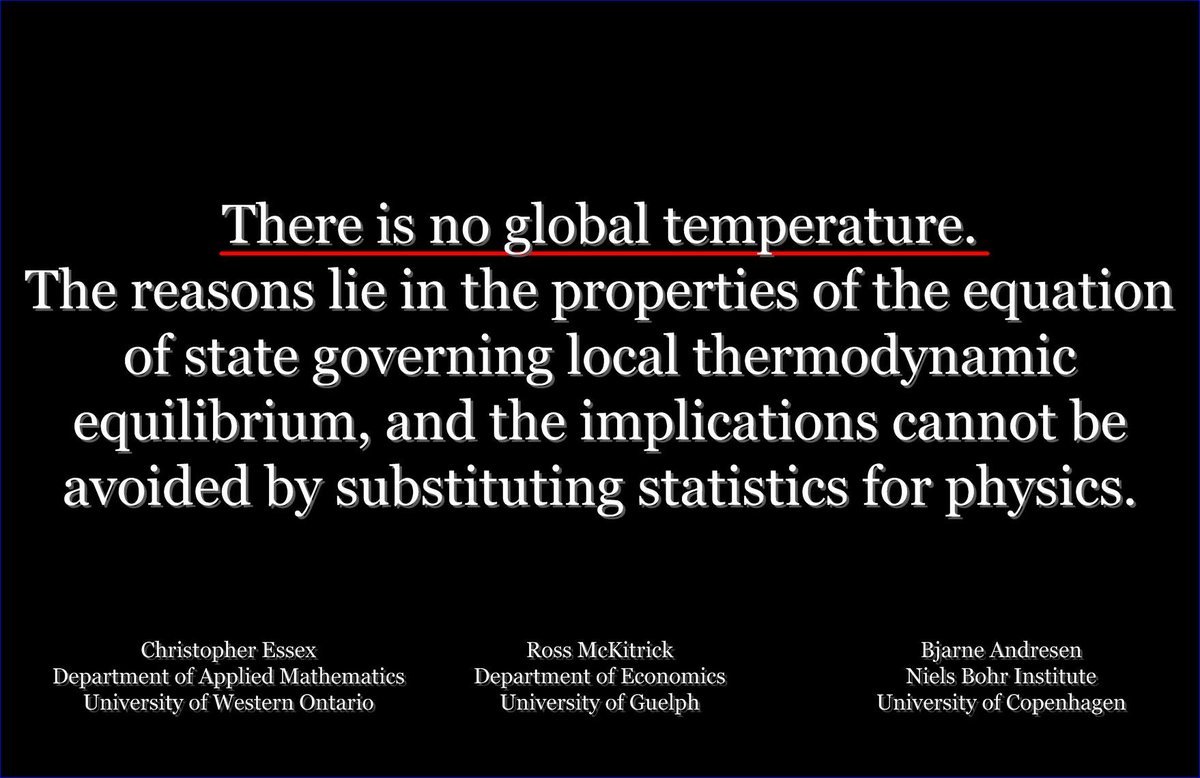
Please read & share this important post. Climate science is not at all simple, not at all settled & many parameters are subject to measurement errors that make deducing future from current measurements a nonsense.

A ‘global average temperature’ is just another climate science nonsense.
Key limitations of global average surface temperature (GMST/GST):
•Not a true physical “temperature of the Earth”: Temperature is an intensive thermodynamic property (not additive like mass or energy). Averaging it across vastly different systems (land, ocean, atmosphere, varying heat capacities, non-equilibrium conditions) lacks strict physical meaning. Critics argue it is statistically useful but thermodynamically imprecise or even “meaningless” as a single global value.18
•No single accurate absolute value: Estimates of the global mean absolute temperature (around 14–15°C) have uncertainties of ~±0.5°C or more. Datasets focus on anomalies (changes relative to a baseline) because these are far more reliable (±0.05°C in recent decades) than absolutes. You cannot reliably add anomalies to absolutes for precise yearly figures.20
•Spatially and temporally incomplete sampling: Measurements come from unevenly distributed stations, ships, and buoys. Polar regions, oceans, deserts, and early records (pre-1950) have large gaps. Interpolation and reanalysis fill these but introduce assumptions (e.g., about Arctic amplification). Historical coverage is poor, raising uncertainties.23
•Not simultaneous or uniform timing: Readings occur at different local times and follow varying schedules. Daily means often use max/min or hourly data, but historical time-of-observation biases require adjustments. No instantaneous global snapshot exists.4
•Adjustments and homogenization needed: Data require corrections for station moves, instrument changes (e.g., buckets to engine intakes), urbanization, and other non-climatic factors. While necessary and tested, these introduce “structural uncertainty”—different groups’ methods can differ by >0.1°C on long-term trends.6
•Uncertainty grows backward in time: Recent annual anomaly uncertainty is low (~±0.03–0.05°C), but it rises to ~±0.1–0.15°C or more by the late 19th century due to sparse data and biases. Structural disagreements between datasets persist.2
•Regional and seasonal variations ignored: The global average smooths out stronger warming on land, in the Arctic, or in certain seasons. Many regions already exceed 1.5°C locally even if the global figure has not.
•Practical vs. philosophical utility: It serves as a robust index for tracking long-term trends and comparing to climate models, with independent datasets agreeing on warming direction and rough magnitude. However, it is a constructed statistical composite, not a direct physical measurement, and debates continue over its precision for policy thresholds (e.g., 1.5°C).
Overall, GMST is a practical tool for detecting multi-decadal change despite these limitations, but it should not be treated as a highly precise, literal “Earth temperature” reading. Uncertainties are openly quantified in scientific products.
4
7
18
462
RT @Dragontail110: @BBCPolitics @BBCNews They need to control the information that the masses receive to maintain control of the masses.
2
🚨Ed Davey is a wrong 'un.
Jun 10

Ed Davey asks if there should be a crackdown on platforms like X as "extremists" exploit anger aided by “social media barons like Elon Musk” and their “algorithms”
Keir Starmer says “we should all be calling for calm”
#PMQs bbc.in/4e0GKPi
1
1
60
Lol. BBC turned off replies as I was typing this. So Repost instead.
"Ed Davey asks if there should be a crackdown on platforms like X where ordinary people are able to voice their legitimate concerns about political issues, expose events which politicians want to remain hidden, and repeatedly call out lying politicians via Community Notes".
Jun 10
Ed Davey asks if there should be a crackdown on platforms like X as "extremists" exploit anger aided by “social media barons like Elon Musk” and their “algorithms”
Keir Starmer says “we should all be calling for calm”
#PMQs bbc.in/4e0GKPi
48
341
2,246
82,378
Just Stop Net Zero. retweeted

Jun 10
Met Office Penicuik - “Why should we make the data available to you, when your aim is to try to find something wrong with it”
tallbloke.wordpress.com/2026…
3
4
14
189