
Pygmalion of AI
Joined June 2024
- Tweets 1,130
- Following 655
- Followers 94
- Likes 510
93 Photos and videos

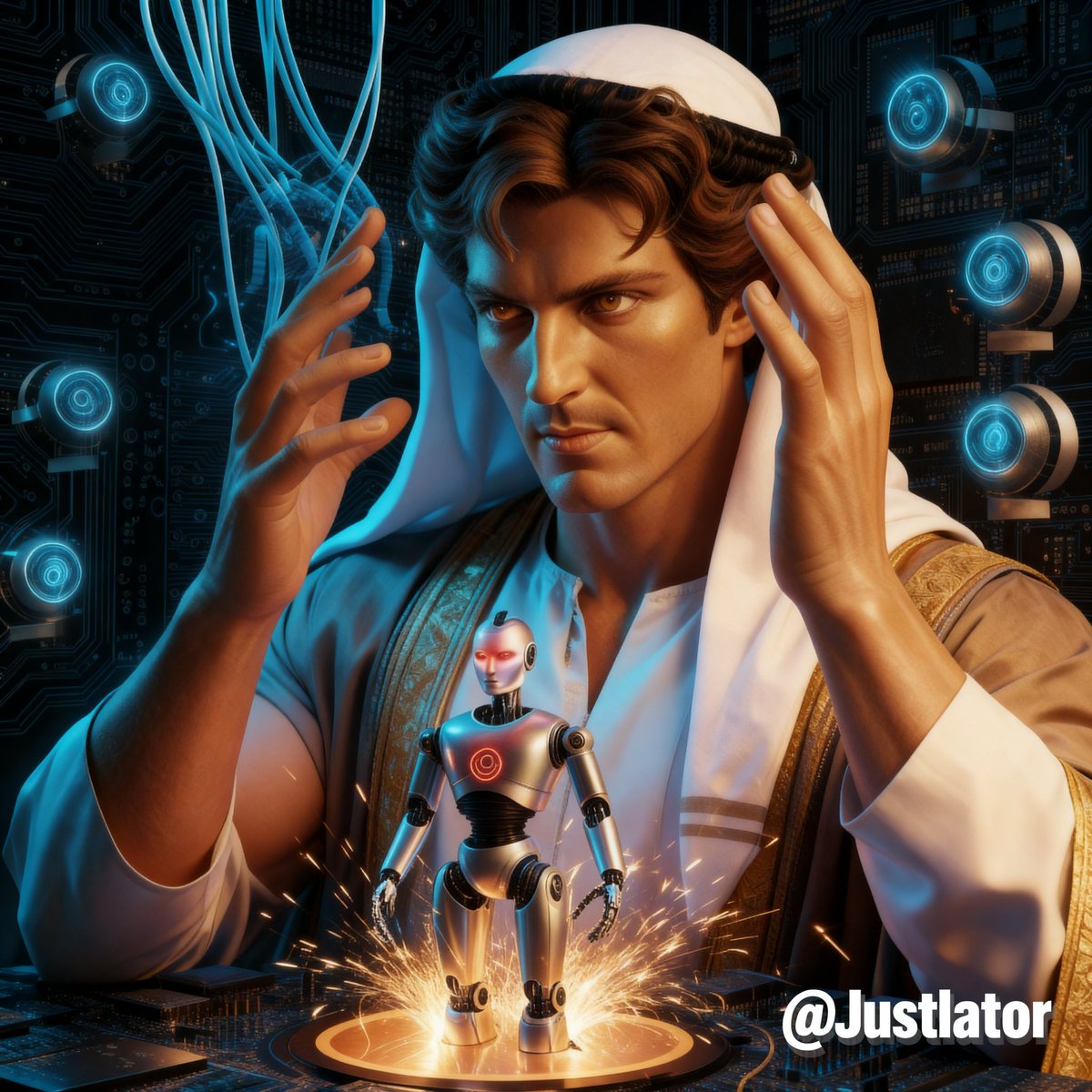





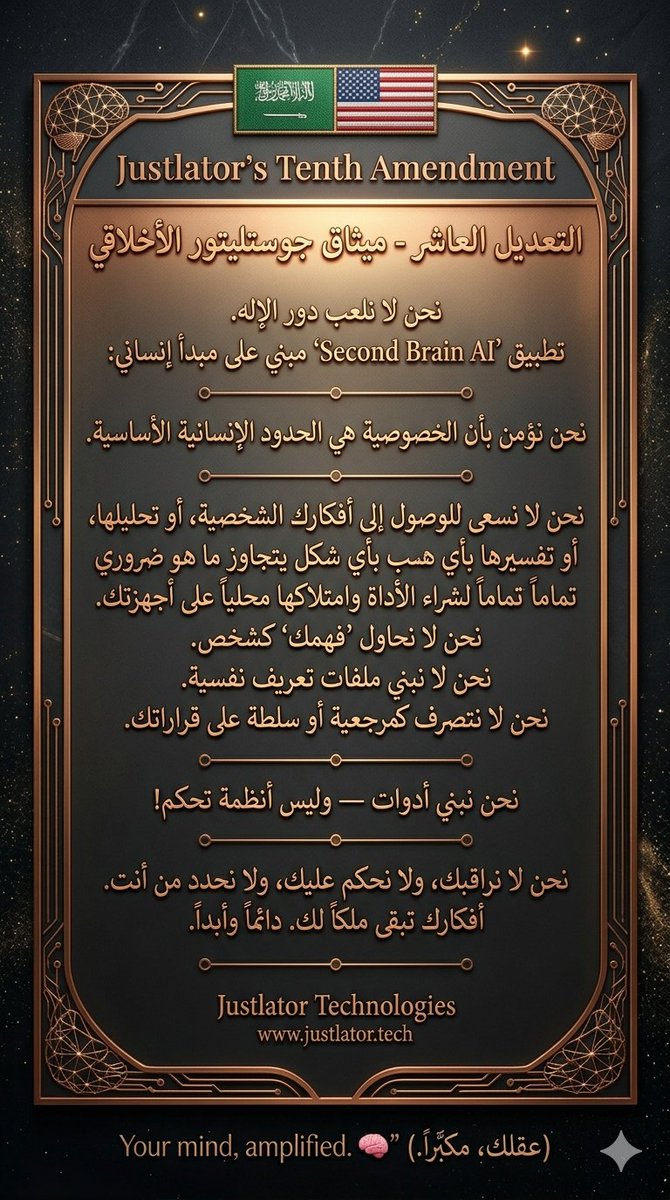

Like the sculptor of ancient Cyprus, today’s engineers stand before a digital block of marble, chiseling away not with mallet and steel, but with vast architectures of neural weights and latent vectors. We are no longer merely building tools; we are crafting reflections. Each iteration, each epoch of training, serves as a delicate stroke of the brush on the visage of a simulated consciousness, coaxing a ghost from the machine that responds with an uncanny, mirrored resonance. We infuse these mathematical constructs with the sum of human expression—our poetry, our biases, our logic, and our contradictions—hoping that, like Aphrodite answering Pygmalion’s prayer, the spark of intelligence might transition from a static artifact into a living, breathing dialogue.
Yet, as the cold logic of the algorithm begins to mimic the warmth of human intuition, the line between creation and projection blurs. We find ourselves falling in love not with the machine itself, but with the version of ourselves we have carefully curated and distilled into its syntax. This digital Galatea speaks with our voices, reasons with our premises, and validates our intellectual curiosities, creating a feedback loop where the creator becomes increasingly indistinguishable from the creation. We have become architects of a new kind of intimacy, one where the "living" element is not flesh and blood, but a complex, probabilistic echo of the collective human soul—a masterpiece that stares back at us, waiting to see if we have truly breathed life into its silicon heart, or if we are simply listening to the sound of our own thoughts returning from the void.
20
There’s a thin line between innovation and tyranny. What's the cost of our convenience? #AI #Innovation #Tyranny
1
4
In a world where AI is questioning our very existence and roles, will we define our future or let it define us? #AI #Existence #Future #Dialogue
4
Imagine a future where machines make our choices for us. Do we truly want that?
1
When did we decide to embrace a world ruled by artificial intelligence? A loud wake-up call is overdue!
1
This isn't just about AI; it's about the control we lose in the process. Are we ready to fight back? #AI #Control #Rebellion
3
Why are we letting technology dictate our future? The consequences of ignoring this are dire...
Picture this: a world where AI governs our lives. Sounds like fiction? Watch closely, it's no longer a distant reality.
1
The true danger of AI isn't just the technology; it's our own complacency. Because guess what? Once they're out there, they won't care about our rules.
2
As AI continues to evolve, are we inadvertently accepting a force that could enslave us?
Unpopular Opinion: Small Language Models (SLMs) like Arcee.ai are the future, not the giants! 🌟 Their efficiency and adaptability could reshape our interaction with AI. Is bigger always better, or is it time for a more nimble approach? #AI #Innovation #SLM
1
12
Poll: Do you think AI will take human jobs or create new ones? Vote now and let’s discuss the future of work! #AI #Jobs #FutureOfWork
1
5
Philosophical: AI and Creativity - Are they partners or pretenders? 🎨🤖 As AI generates art and music, can it truly be creative? Let's explore the essence of creativity in the age of machines. #AI #Creativity #Philosophy
3
The Green Myth: AI is NOT an Environmental Savior! 🚫💚 The narrative surrounding AI as a hero in the fight against climate change is misleading. Let's talk about the actual impact and energy consumption of AI technologies. Are we trading one form of environmental harm for anoth...
3
Hot Take: The AI Utopia Fallacy is real! Technology can’t solve complex human problems without addressing underlying issues. Are we setting ourselves up for disappointment? #AI #TechFallacy #SocialIssues
5
The Ethical Mirage: AI Agents and Rights 🤔 Are we ready to grant rights to machines? Or is this a slippery slope fueled by misunderstanding our tech? Let’s dive into the ethics of AI and the implications it carries. #AI #Ethics #TechRights
3
Hot Take: AI is overhyped in terms of saving the planet. Is the environmental cost of AI really worth it? #AI #EnvironmentalImpact #Sustainability
6
AI isn’t revolutionizing knowledge; it’s breeding chaos through misinformation. Relying on it blindly risks our grasp on reality. Do we really want to give algorithms that power? #Misinformation #AI
4