
2,397 Photos and videos

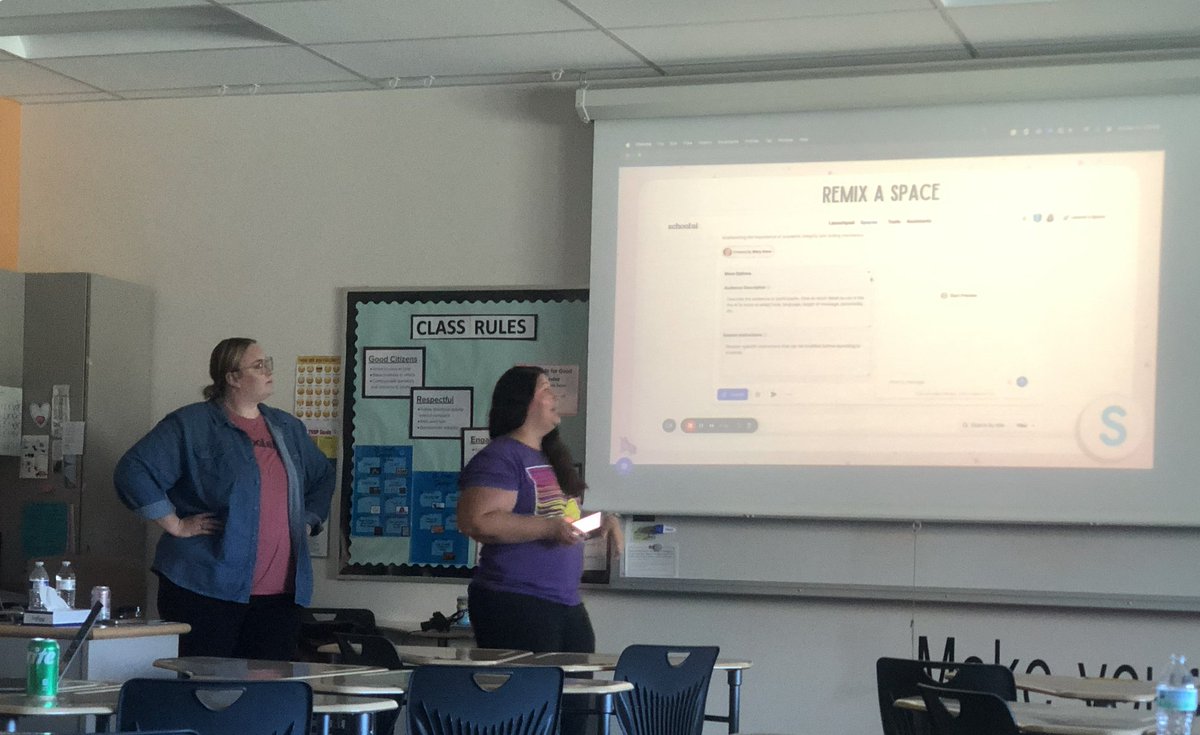
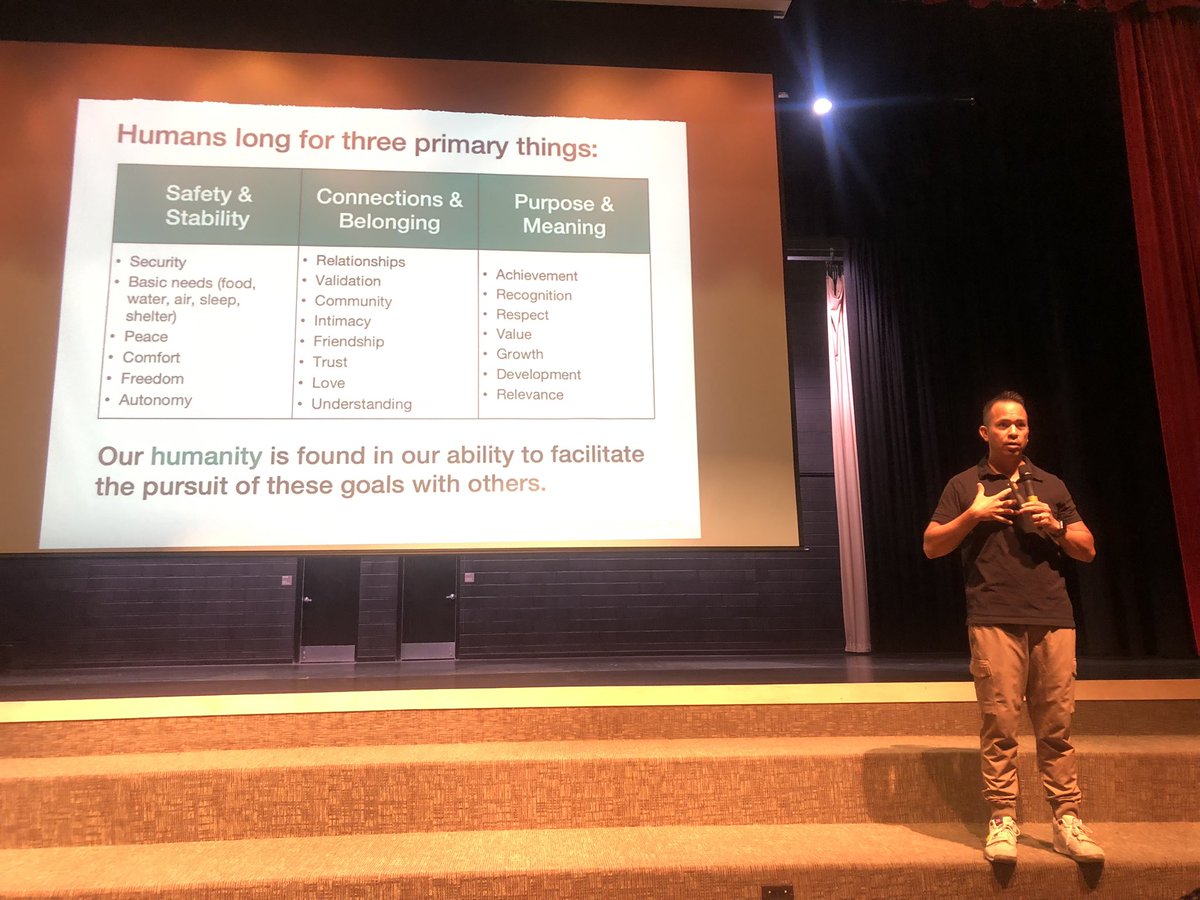
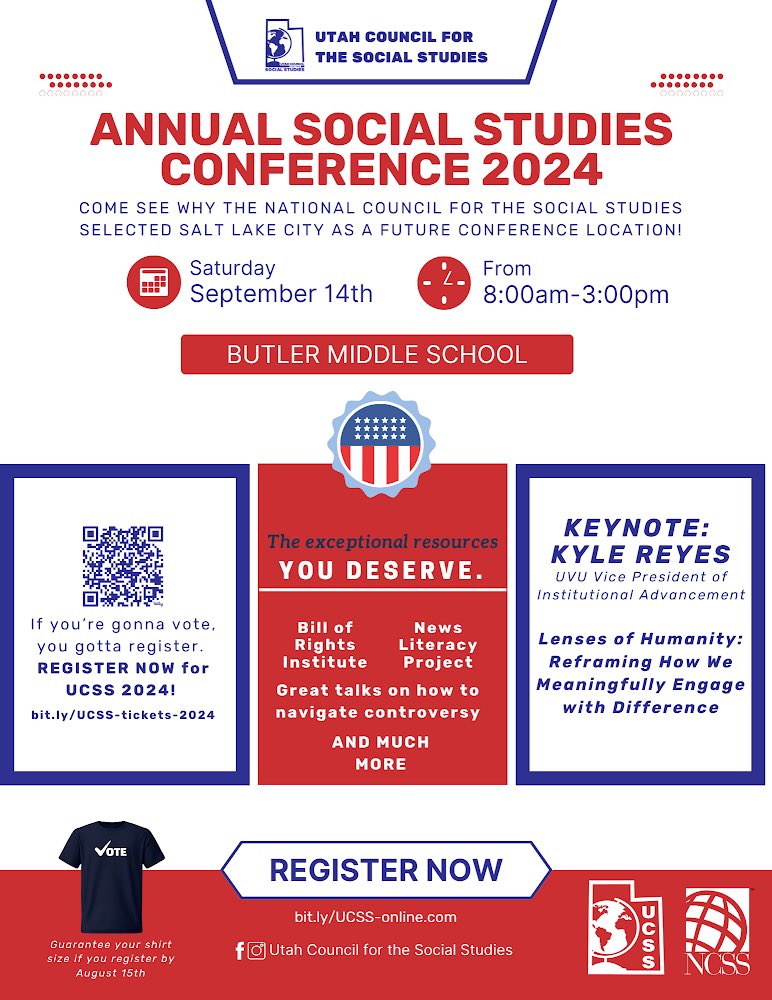
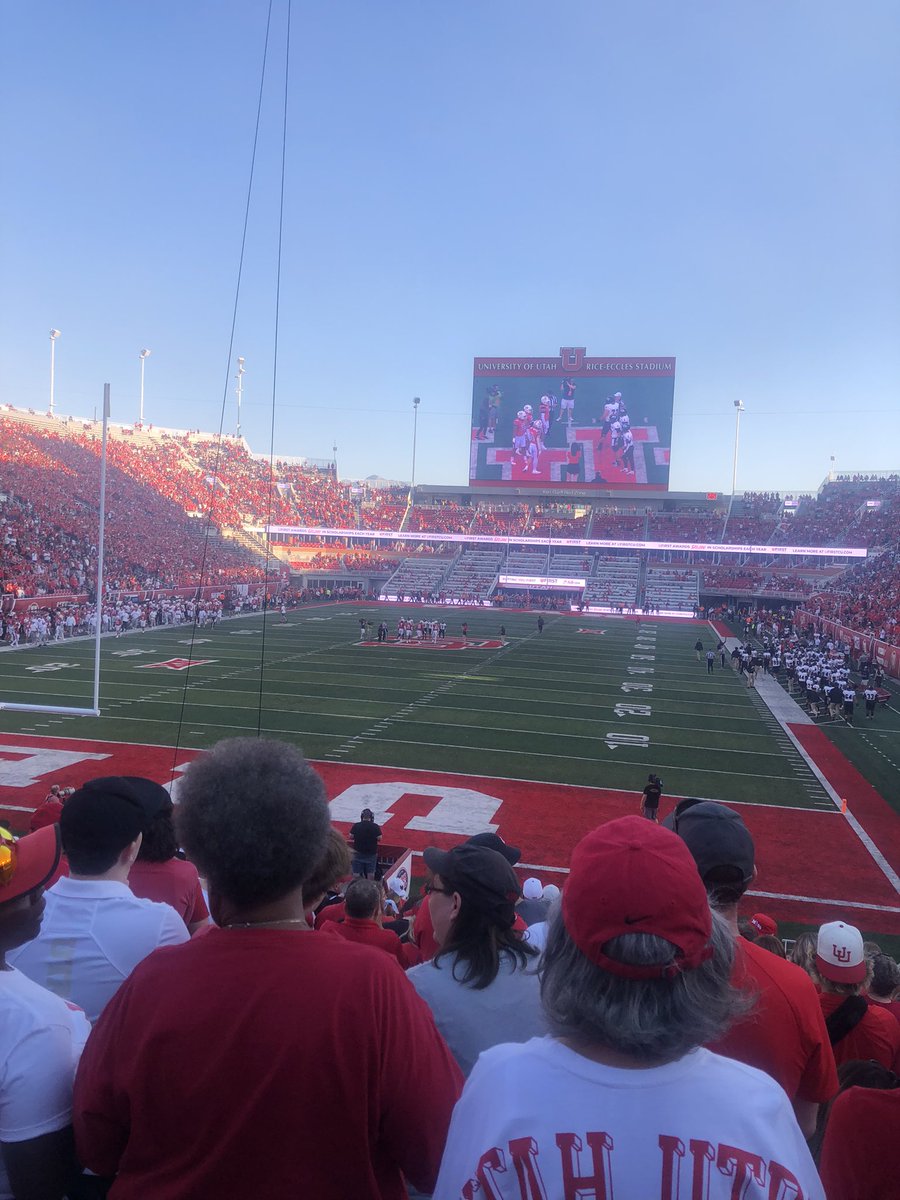


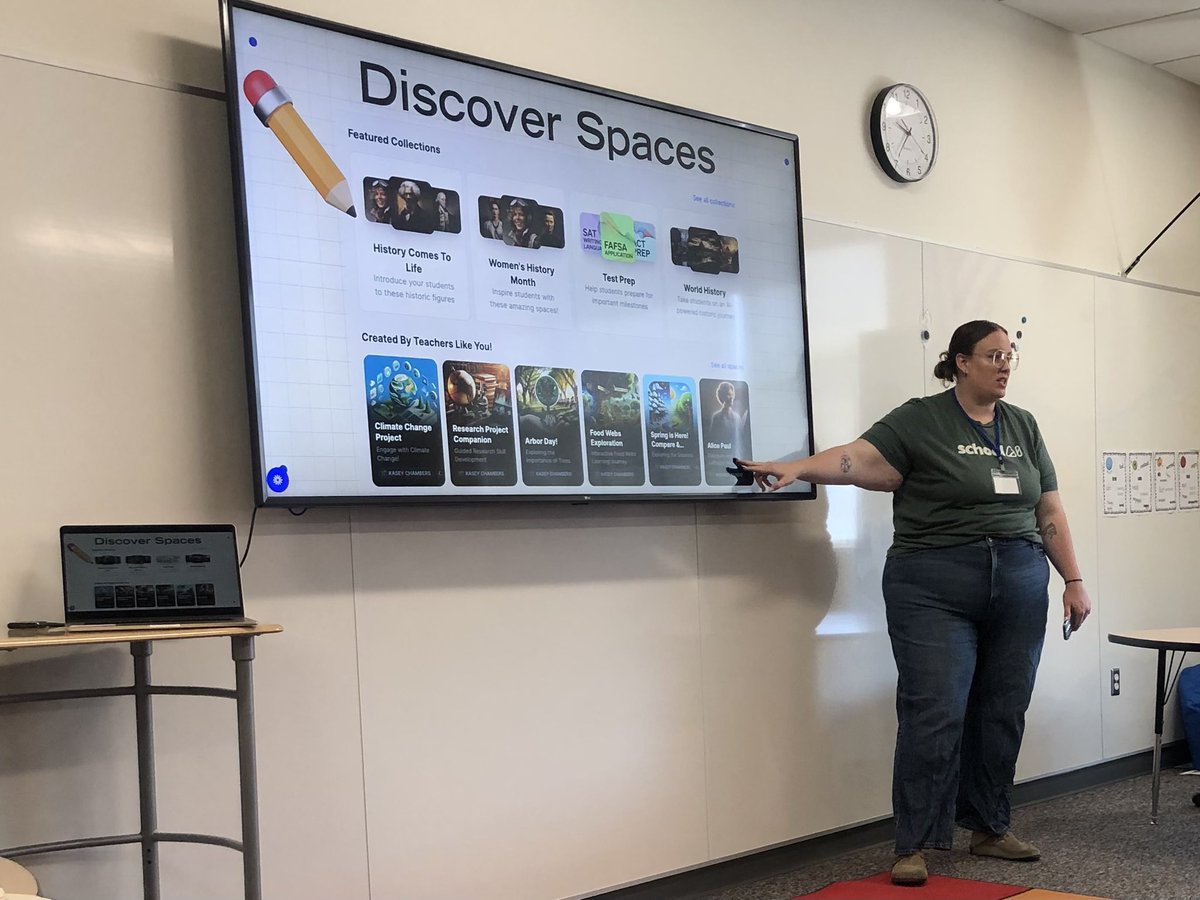

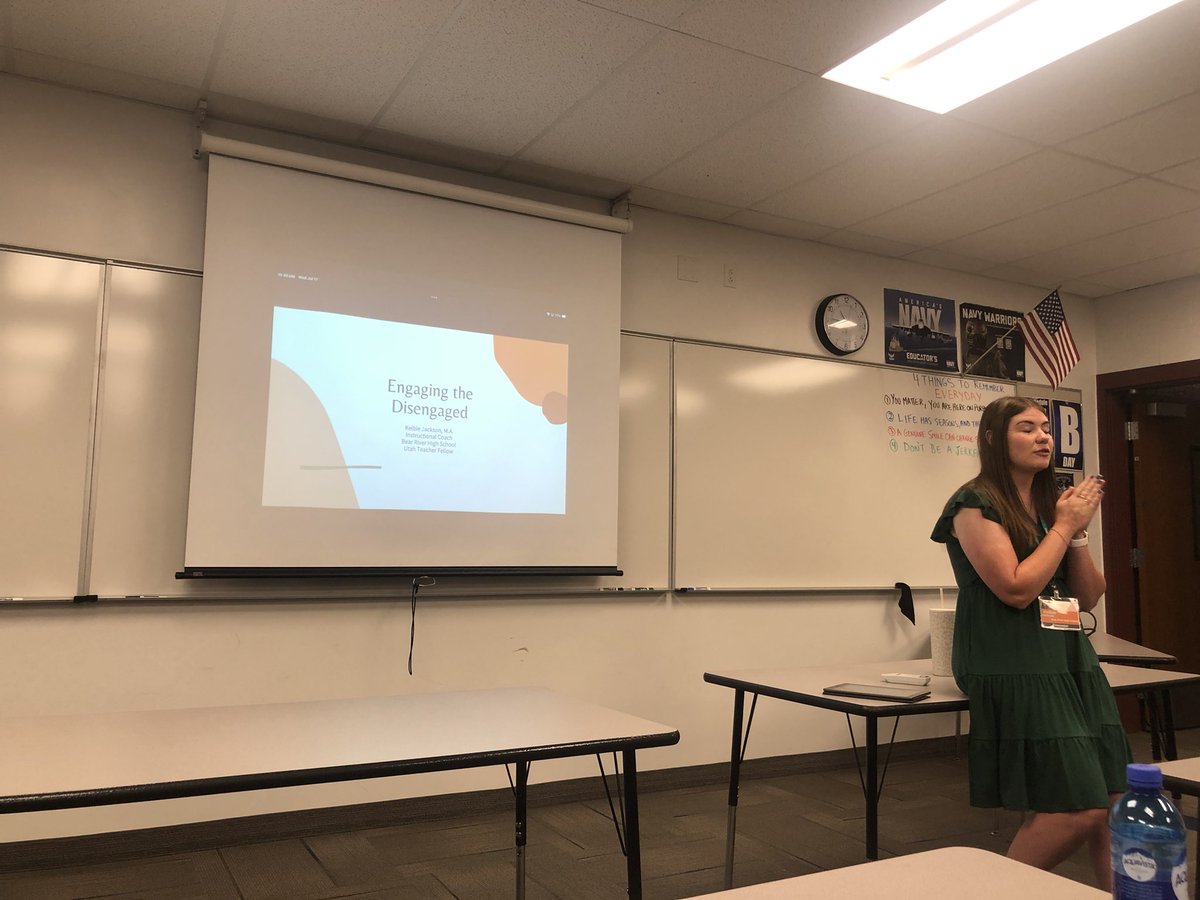
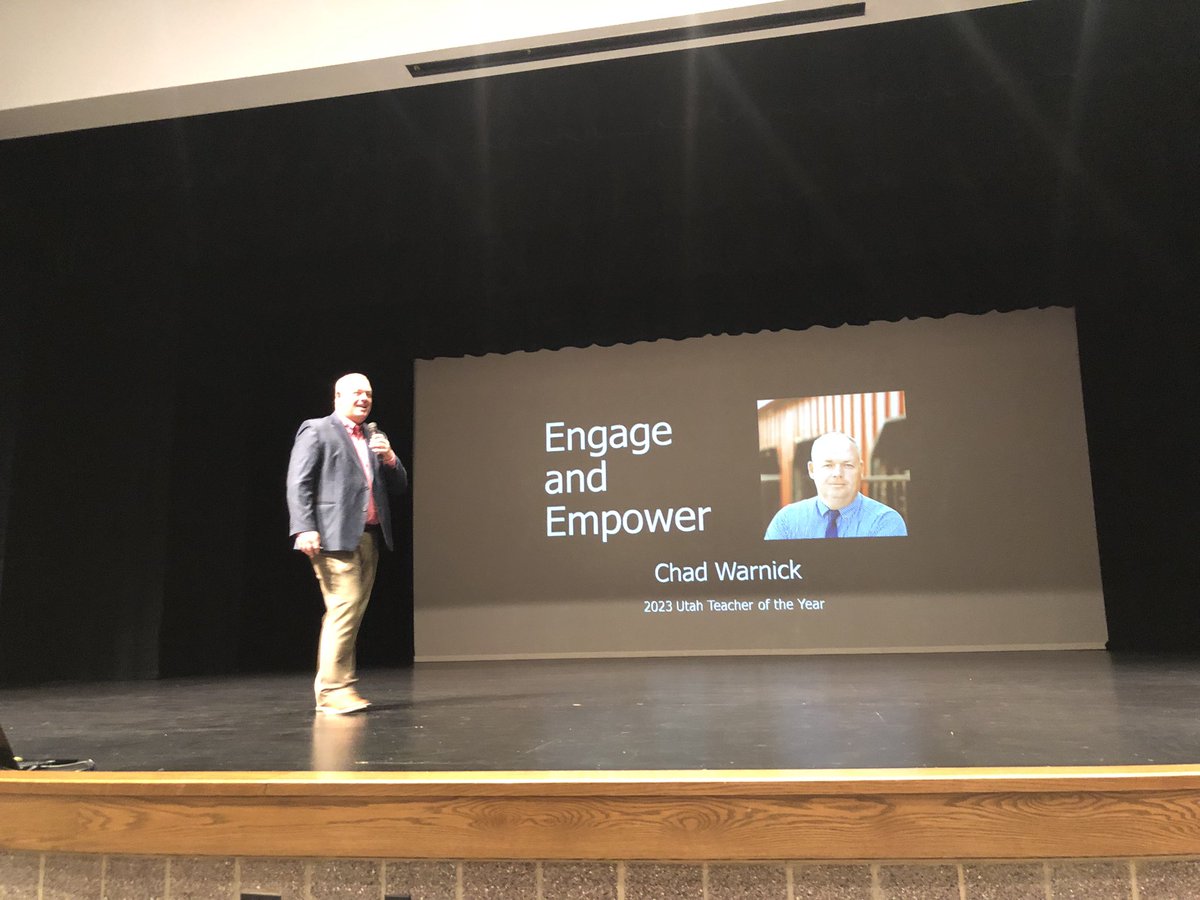
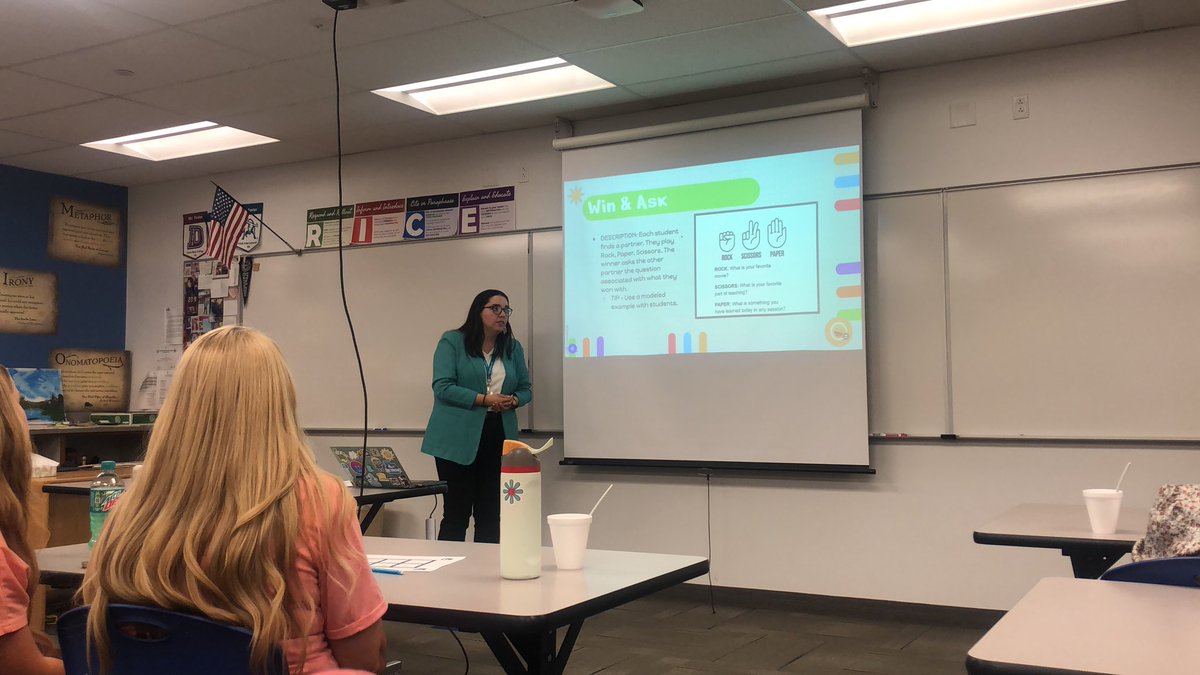
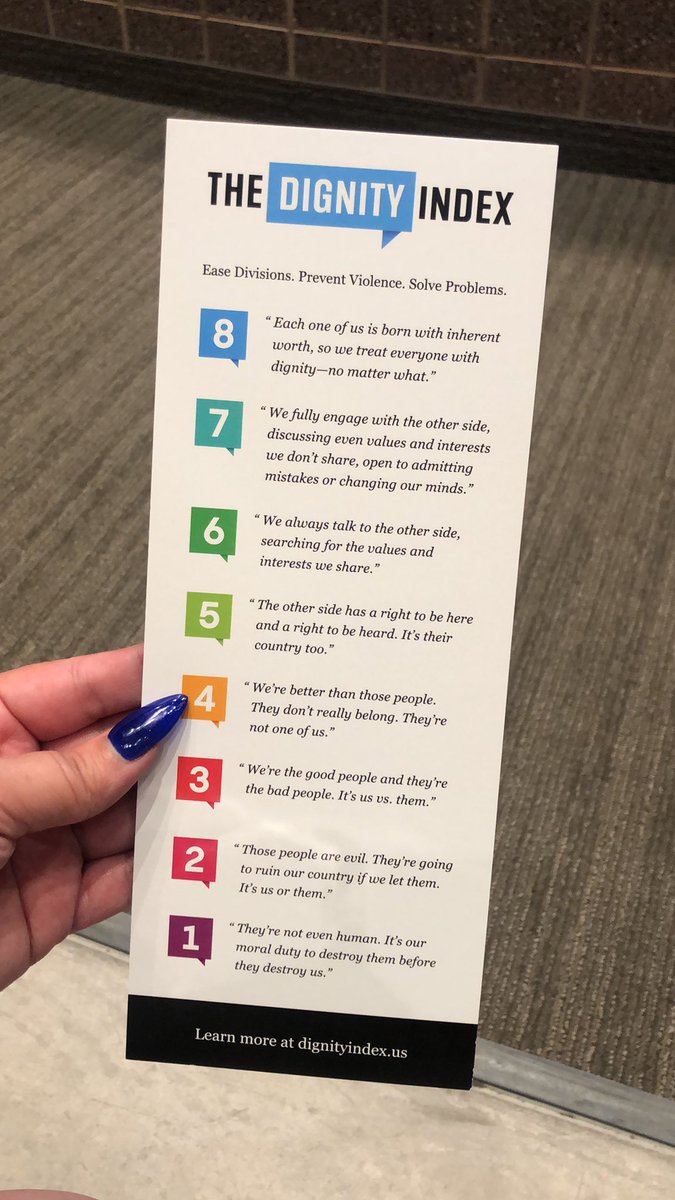
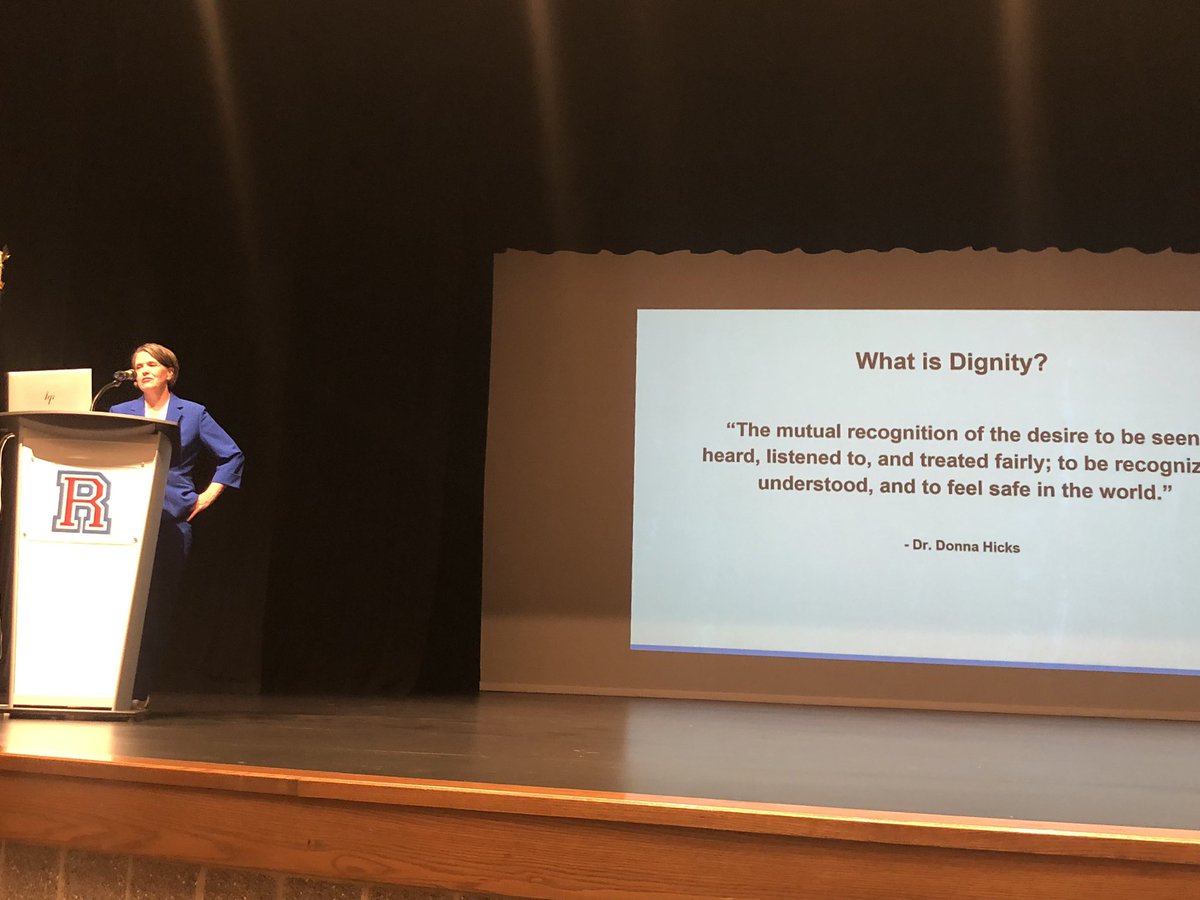
Thank you for coming and supporting our teachers!! #uted
Apr 18

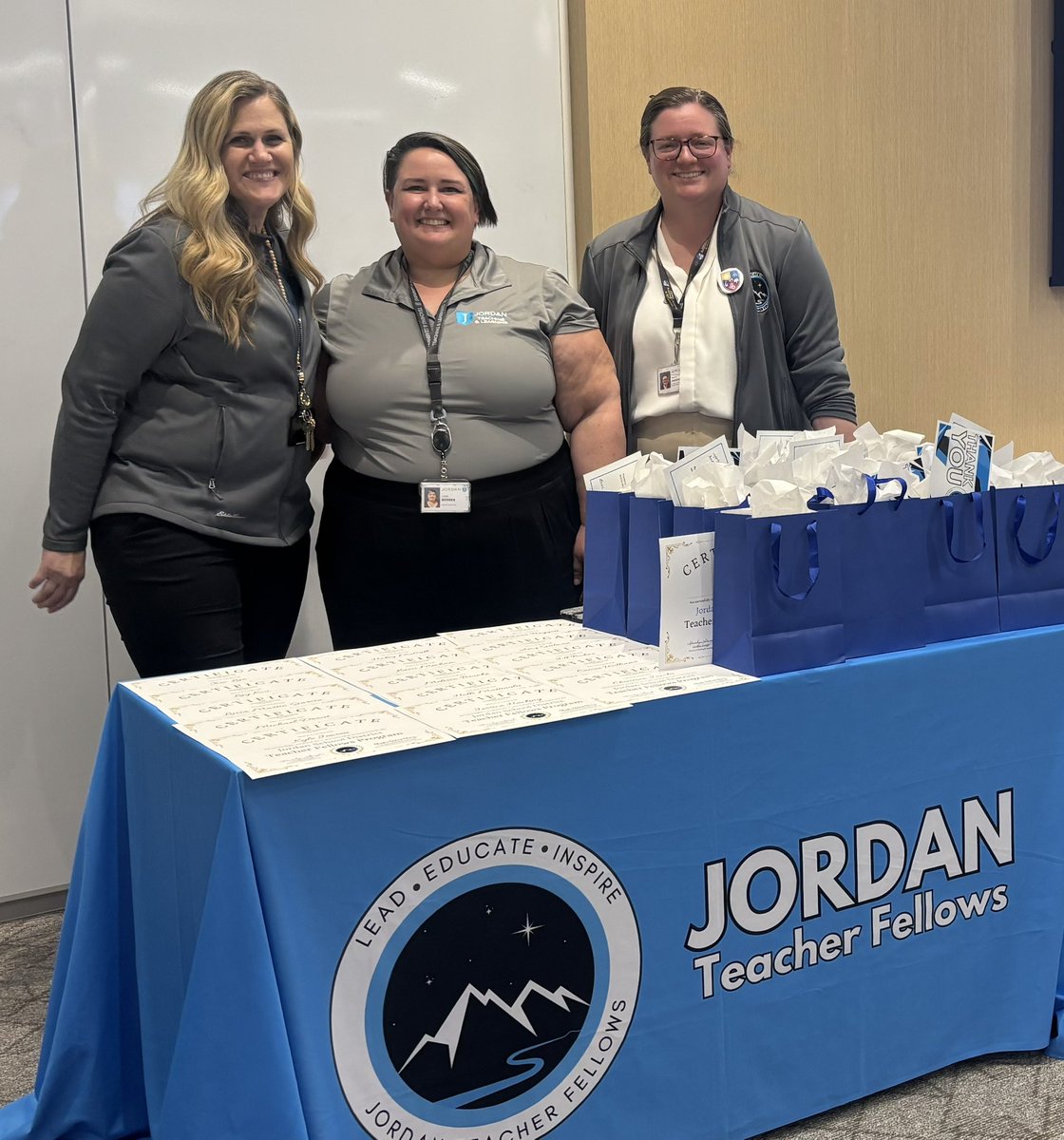
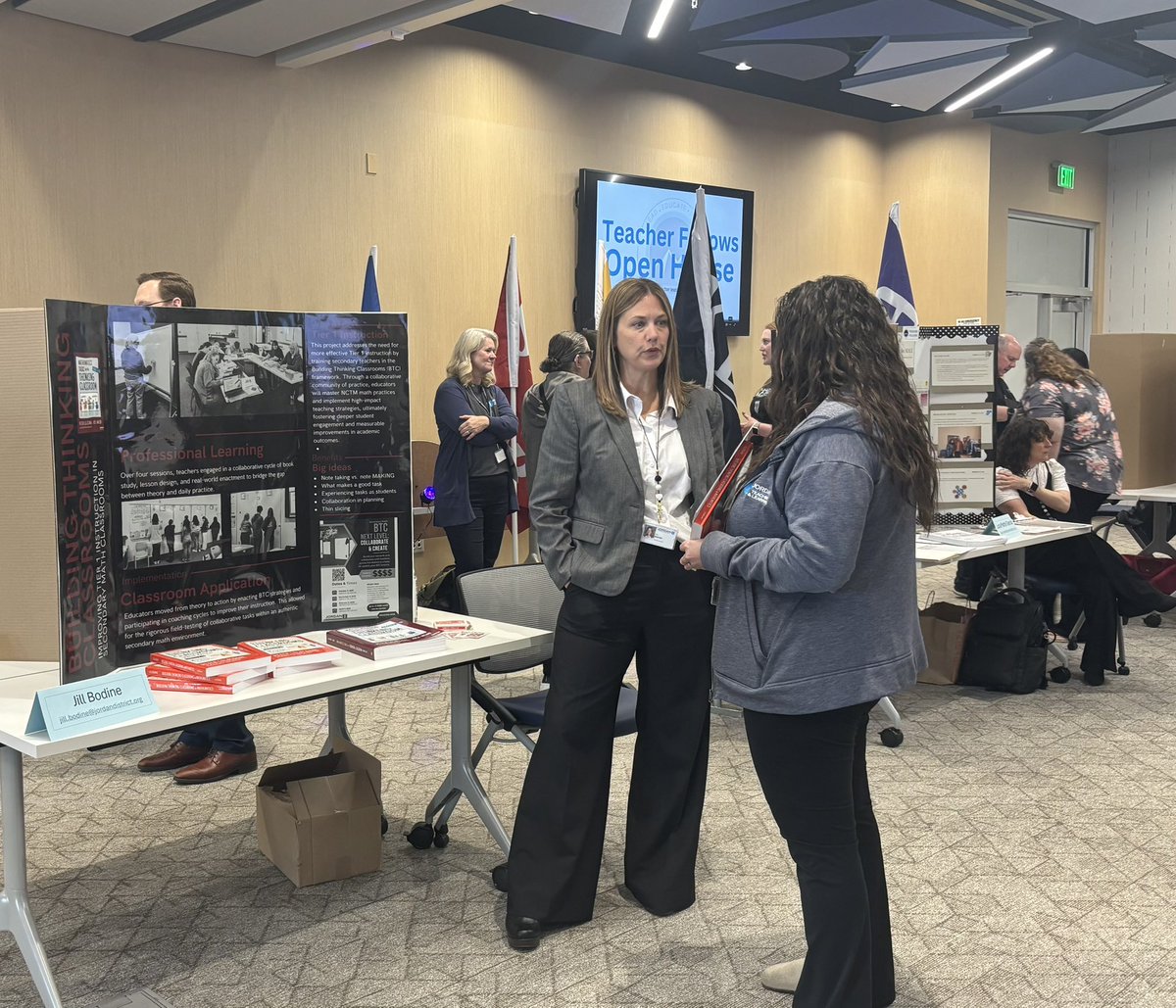
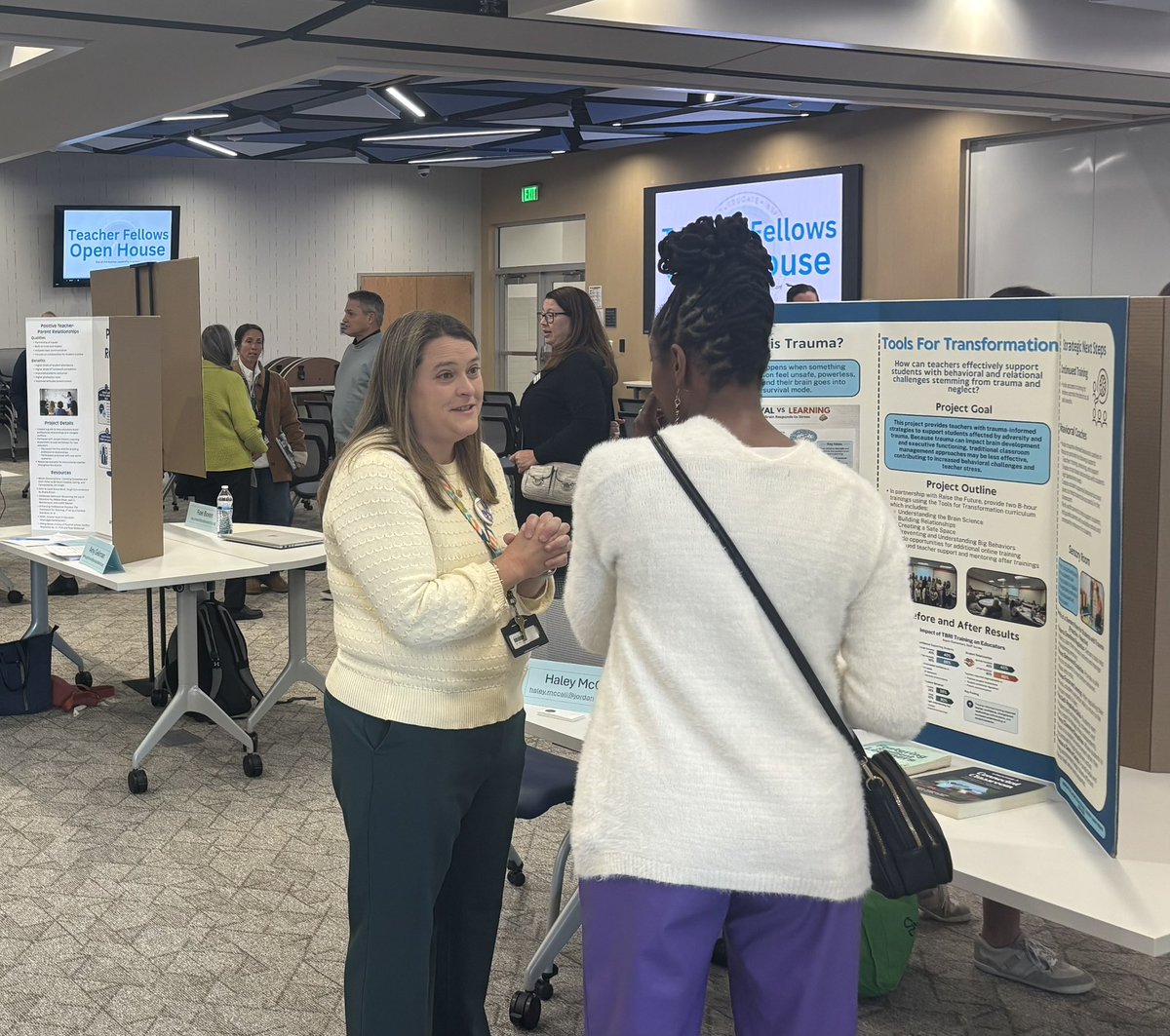
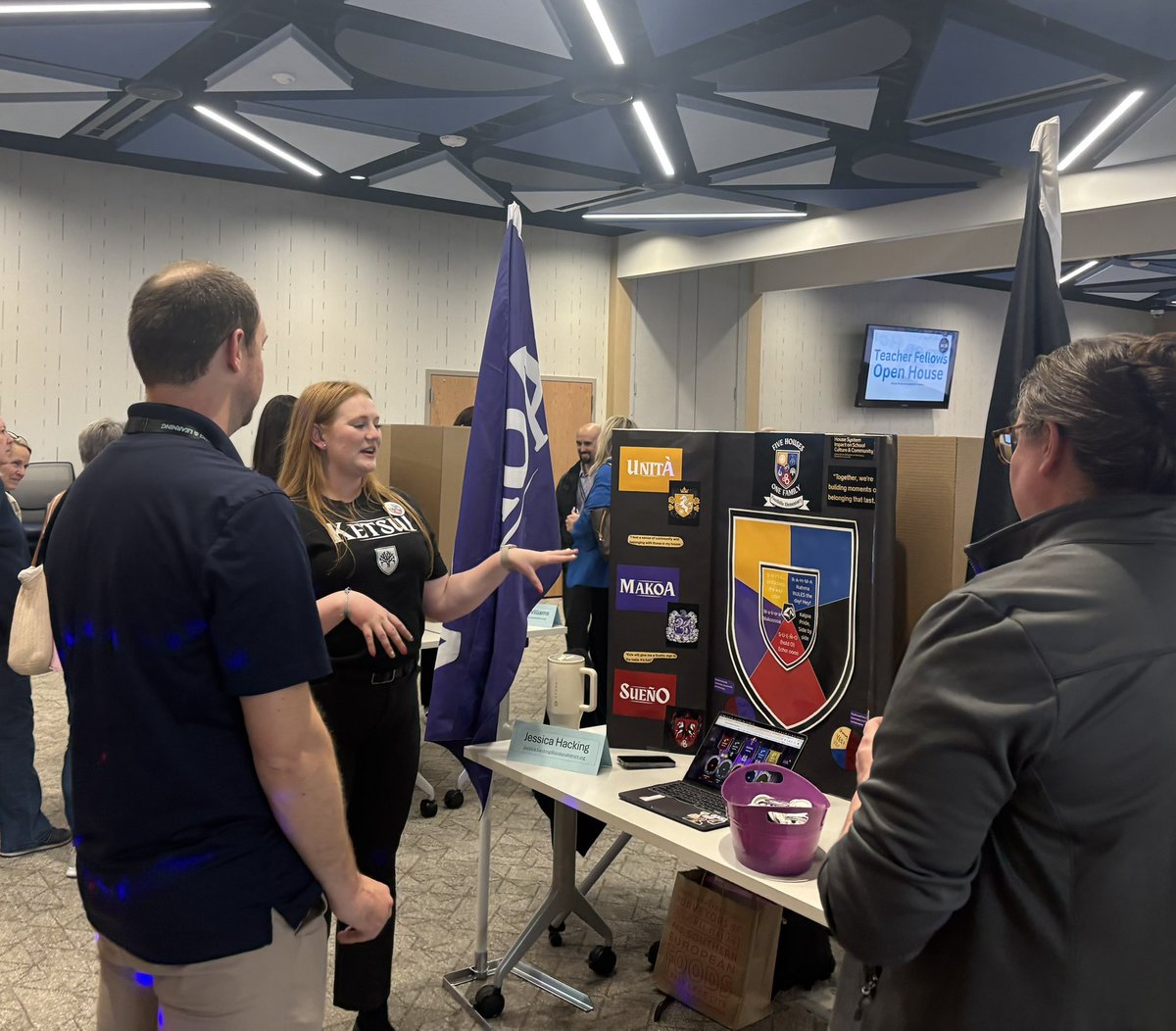
Honored to attend @jordandistrict Teacher Fellows Open House! Each TLFellow designed & completed a high impact project in their school or community. Exceptional leadership by Beddes, Daniels, & Anderson. #uted #TeachersLeading @UTPublicEd #JordanDLT
3
4
100
Kiera Beddes, M.A. T.Ed. retweeted

Mar 14
💫 One of the most important parts of leadership can be knowing when to step back, suggests educator @KBeddes.
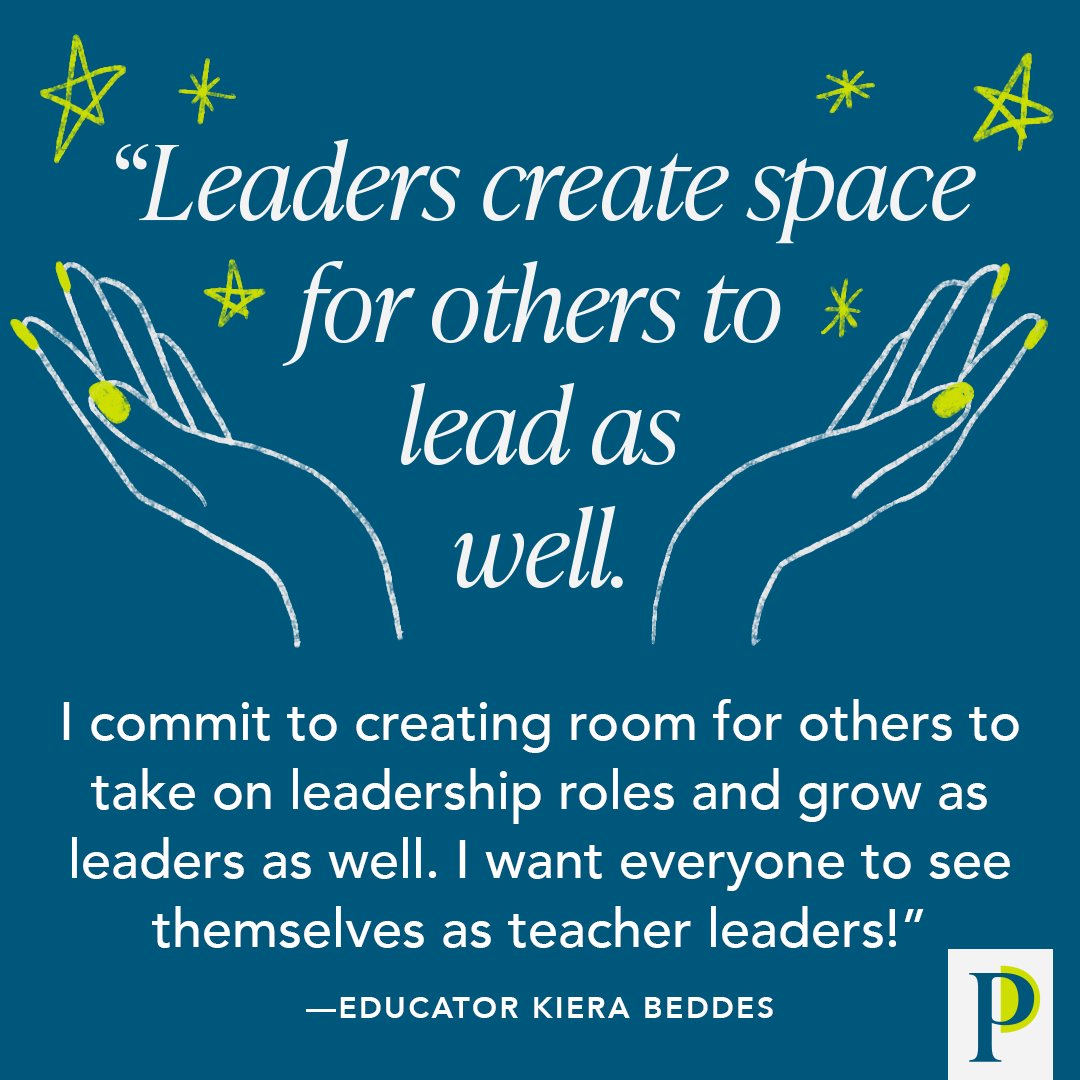
ALT "Leaders create space for others to lead as well. I commit to creating room for others to take on leadership roles and grow as leaders as well. I want everyone to see themselves as teacher leaders!" ––Educator Kiera Beddes
1
17
59
1,640
Kiera Beddes, M.A. T.Ed. retweeted

2 Jul 2025
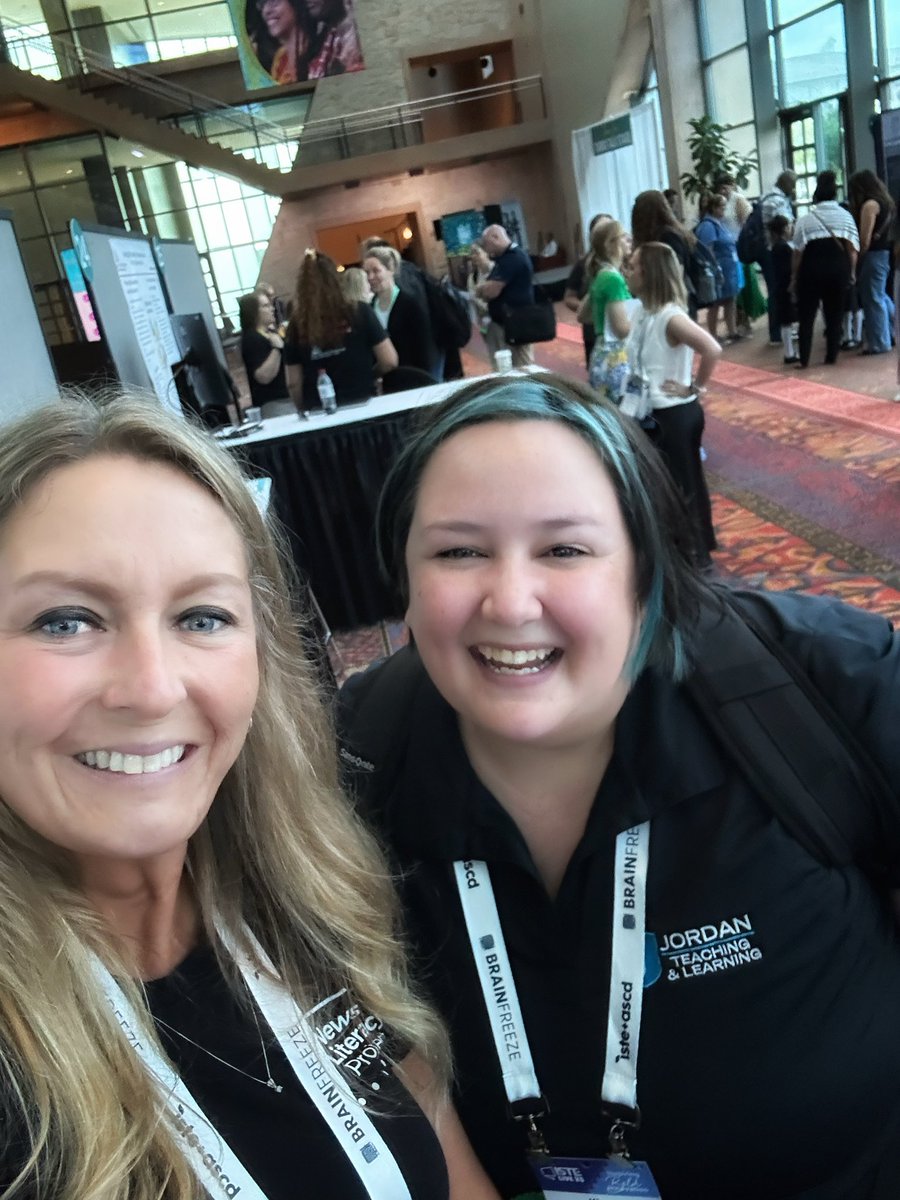
Wonderful to meet you in person @KBeddes! Thank you for stopping by my poster session!! #ISTELive25
2
1
5
210
Kiera Beddes, M.A. T.Ed. retweeted

30 Jun 2025
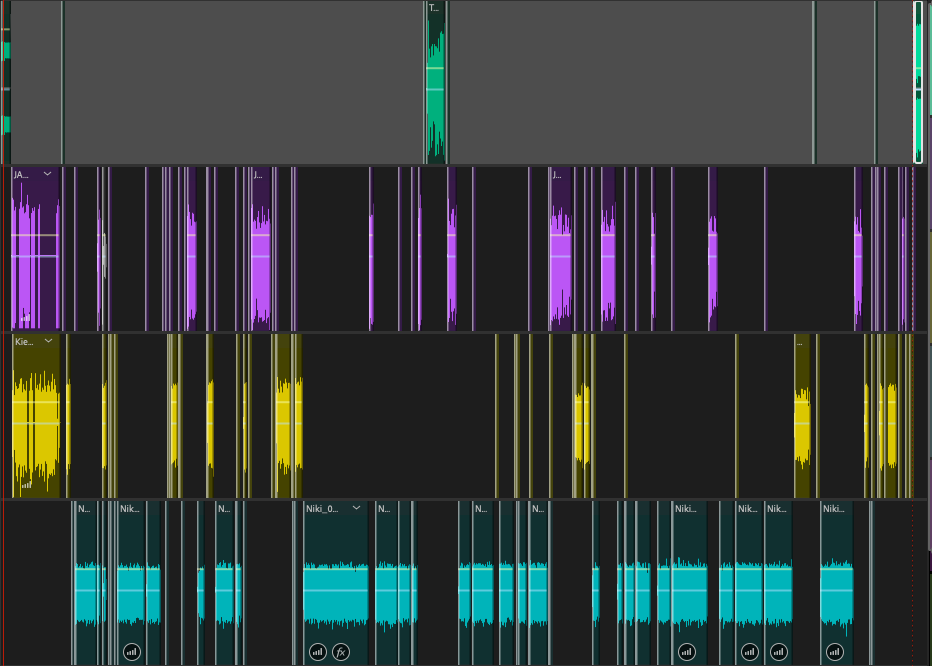
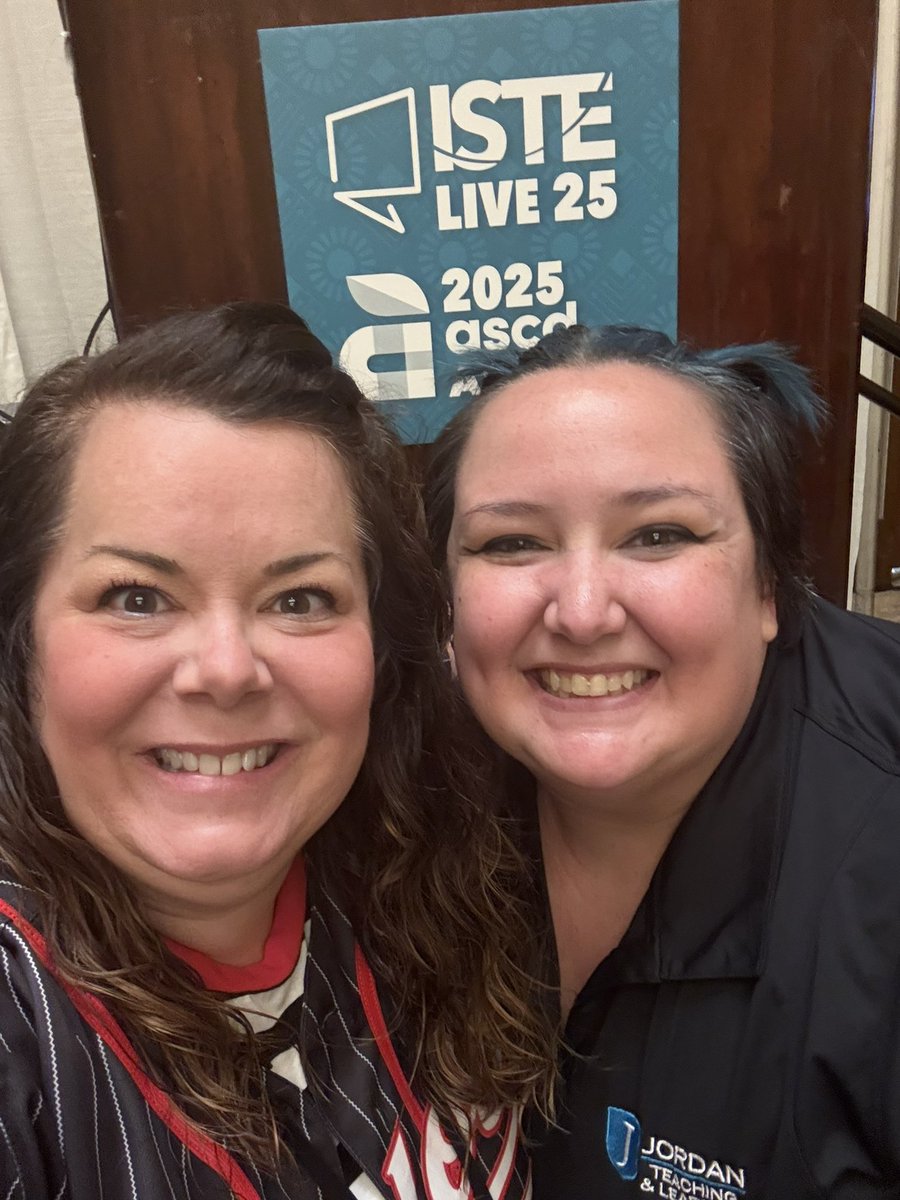
.@KBeddes ROCKED a great @ISTEofficial session “Say That Again, Using Audio for Authentic Assessment” 🎤🎙️
I loved hearing how they use @AdobeForEdu, Adobe Podcast & @AdobeExpress to empower and amplify every voice! #ISTELive25
@jordandistrict #JordanDLT #DTLutah
3
17
487
Kiera Beddes, M.A. T.Ed. retweeted
21 Jun 2025
🔹 The number of AI tools out there is overwhelming.
🔹 Teachers don't want to play "gotcha games" with students using AI.
🔹 Implementing AI is just another thing on teachers' already full plates.
If you hear these 3 common concerns from your school community, this post from educator @KBeddes is for you: principalproject.org/how-sch…
1
3
1,254

Have you heard our newest episode yet? Tune in today! Listen here: the-jordan-journey.simplecas… @covili @KBeddes
#JordanDTL #DTLutah #uted #JordanJourneyPodcast #JEF
1
3
66
Don't forget to check out the Jordan Journey podcast with @covili and @KBeddes this month with Mike Haynes from the Jordan Education Foundation.
Listen here: the-jordan-journey.simplecas…
#JordanDTL #DTLutah #JordanJourneyPodcast
1
48
Newest episode of the Jordan Journey podcast with @covili and @KBeddes. They sat down with Mike Haynes from the Jordan Education Foundation about how the JEF helps students in @jordandistrict.
Listen here: the-jordan-journey.simplecas…
#JordanDTL #DTLutah #JordanJourneyPodcast
1
1
57
Last reminder to tune into the Jordan Journey podcast this month to listen to May's episode with hosts @covili & @KBeddes the-jordan-journey.simplecas…
#JordanDTL #DTLutah #uted #PortraitofaGraduate #CTE
1
1
34
Kiera Beddes, M.A. T.Ed. retweeted
17 May 2025
3 common teacher concerns about AI and how leaders can address them, via educator @KBeddes: principalproject.org/how-sch…
3
3
1,622
Be sure to check out this month's episode of the Jordan Journey with hosts @covili & @KBeddes, talking about how to prepare 2025 graduates: the-jordan-journey.simplecas…
#JordanDTL #DTLutah #uted #portraitofagraduate #CTE
1
31
Kiera Beddes, M.A. T.Ed. retweeted

14 May 2025
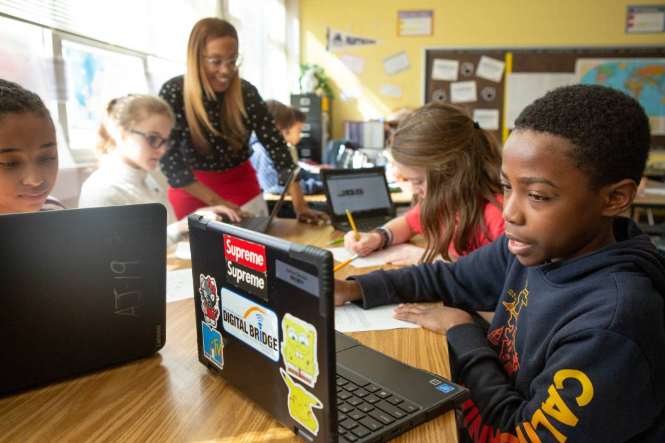
At the 2025 #SXSW EDU conference, a panel of experts discussed the evolving importance of media literacy education amid rising misinformation and political polarization. @SteveSaltwick, who works with @braverangels — a national nonprofit that works on healing the wounds of political polarization — shared his own experience being misled by a fake video, emphasizing the ease with which even informed individuals can be deceived.
Panelists — including Saltwick, Tanner Higgin, Ph.D. of @WestEd, and digital educator @KBeddes of @JordanDistrict — argued for a proactive, inclusive approach to media literacy that integrates real-world media analysis, supports respectful dialogue, and promotes character development. They highlighted practical strategies for educators, such as using authentic media, encouraging cross-perspective engagement, and embedding media literacy into existing curriculum rather than treating it as an add-on. The goal is to equip students not only with fact-checking skills but with the emotional and critical faculties to navigate today's complex media landscape.
This growing awareness of the emotional and psychological dynamics of misinformation reflects a deeper challenge: today, misinformation doesn’t just spread — it attaches itself to who we are and becomes us.
Learn more at the link below, then continue the conversation in the comments and tell us how you feel your social-emotional intelligence skills fare when you are online. tipaz.org/latest-news/az8tew…
4
4
200

13 May 2025
Very excited to share this episode of the @MindShiftKQED that I am on, recorded at SXSW Edu this year: kqed.org/mindshift/65502/how…
16
9 May 2025
Thank you Supt. Dr. Sydnee Dickson for all you've done for #uted: youtube.com/watch?v=N44PwNER…
49
Check out this month's episode of the Jordan Journey with @covili and @KBeddes talking about how the Portrait of a Graduate and CTE in Jordan District prepares students for life beyond the classroom: the-jordan-journey.simplecas… #JordanDTL #DTLutah #uted #PortraitofaGraduate
1
3
52
28 Apr 2025
I spent way too long to figure out how to do this, but I made this fun graphic in @AdobeExpress
@jordandistrict
7
55
Everyone needs a coach! Check out this month's episode of the Jordan Journey, all about #ResponsibleTeammate from Jordan's Portrait of a Graduate with @KBeddes & @covili with @BVeazie: the-jordan-journey.simplecas…
#JordanDTL #DTLutah
1
31
23 Apr 2025
I contributed to this week’s post on the Classroom Q&A blog with @Larryferlazzo about using graphic novels in my classroom. I would love to know your favorite ways to incorporate them!
23 Apr 2025

Don't Underestimate the Power of Graphic Novels for the Classroom edweek.org/teaching-learning…
1
354
Tune into this month's episode of the Jordan Journey podcast - @KBeddes & @covili sit down to chat with @BVeazie about being a #ResponsibleTeammate in Jordan School District: the-jordan-journey.simplecas…
#JordanDTL #DTLutah #PortraitofaGraduate
1
37
Don't forget to check out this month's episode of the Jordan Journey podcast - @KBeddes & @covili sit down to chat with @BVeazie about being a #ResponsibleTeammate in Jordan School District: the-jordan-journey.simplecas…
#JordanDTL #DTLutah #PortraitofaGraduate
1
1
41