
This is the official account of the Keller ISD Science Department. Follow us to see what great things are happening in Science at KISD.
Joined July 2017
- Tweets 1,240
- Following 103
- Followers 298
- Likes 2,190
168 Photos and videos

Keller ISD Science retweeted

22 Apr 2022
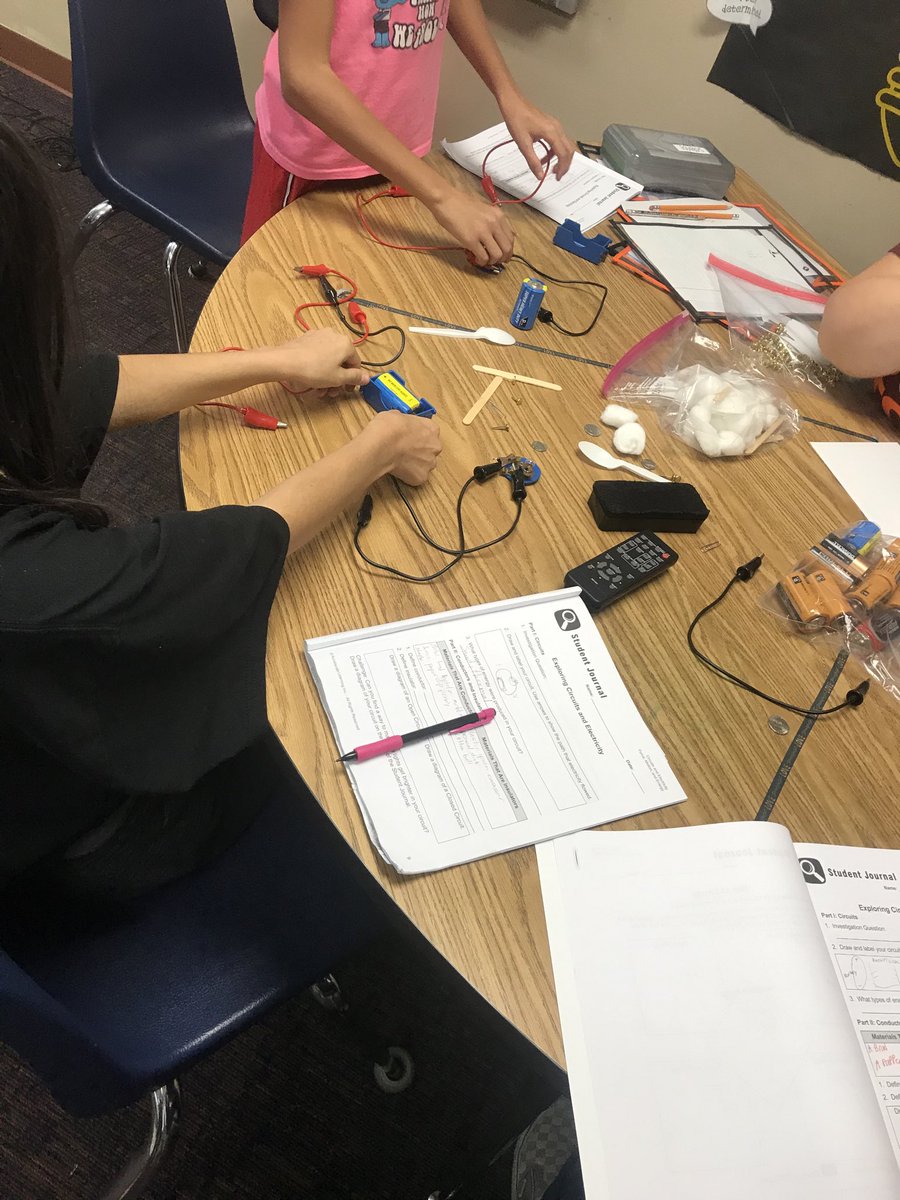
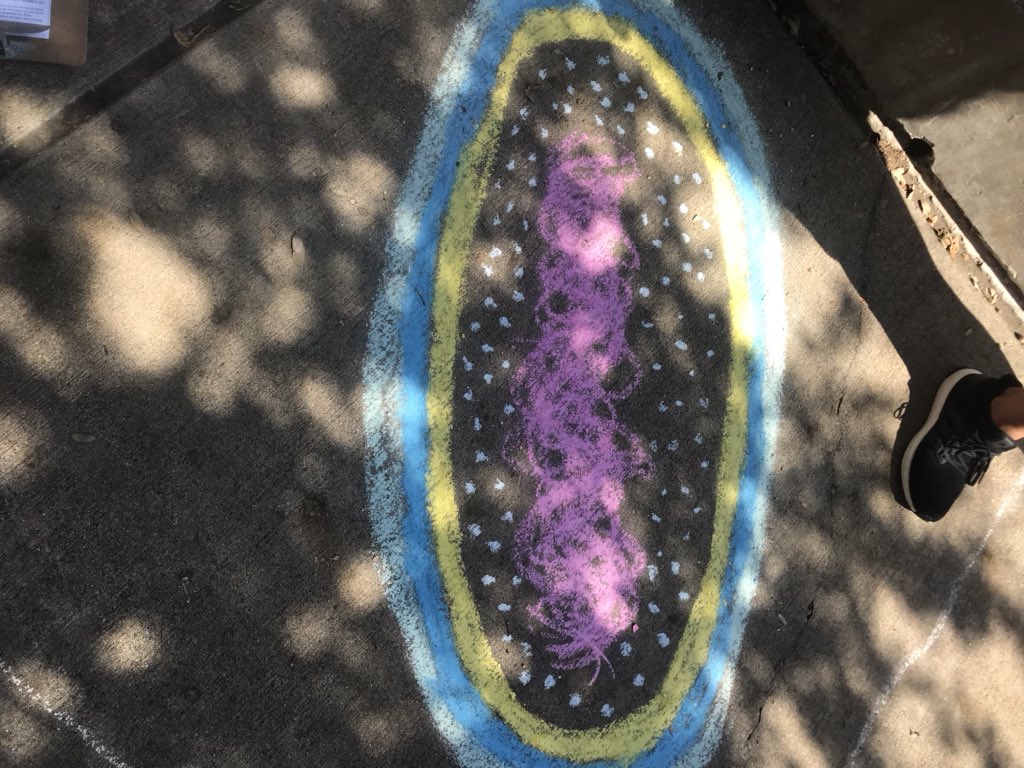
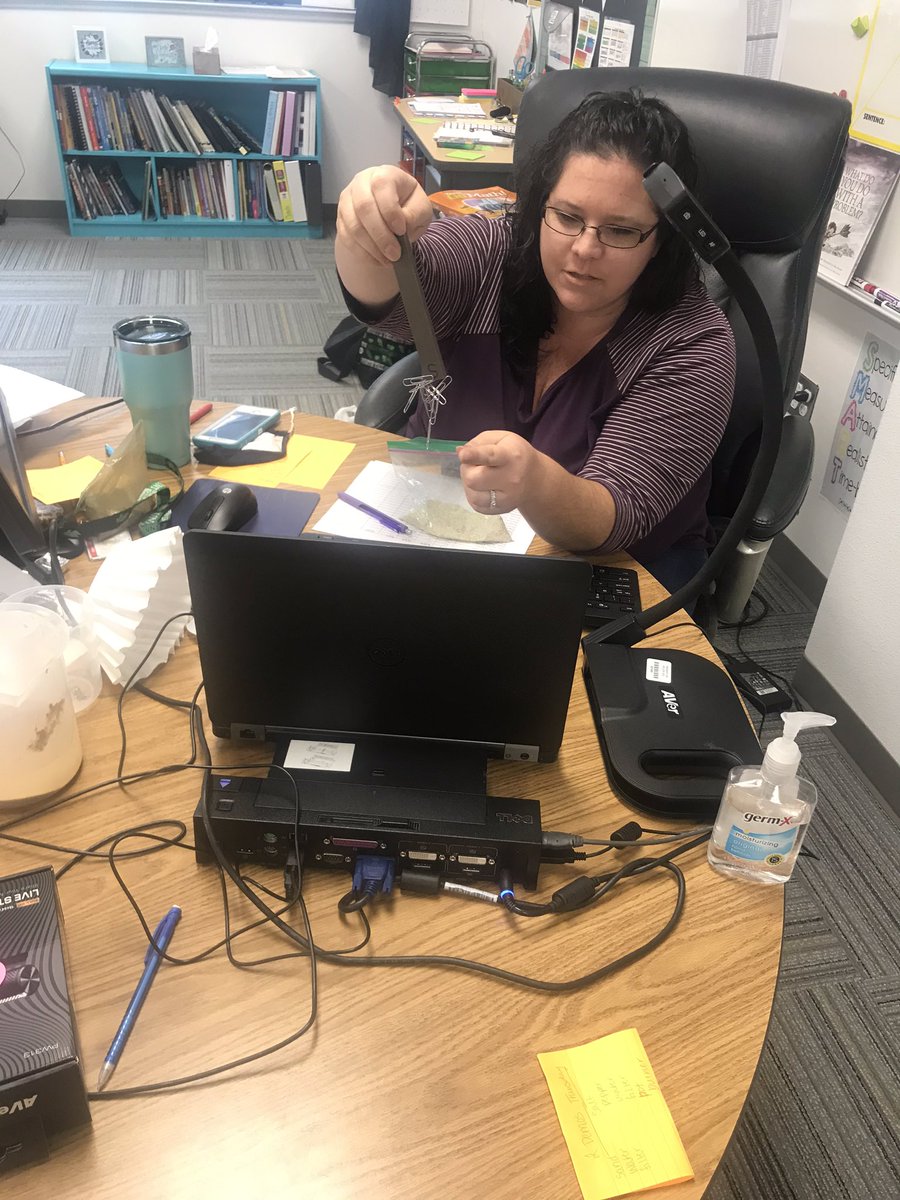
Science bootcamp is off and running in 5th grade @IndianSpringsMS Mrs. Garcia and Mrs. Thompson are making sure to keep things fun!
1
3
11

26 Apr 2022
RT @AmoebaSisters: Just another grueling day opening and closing stomata on the underside of a leaf.
#scicomm #sciart #biology https://t.co…
42
Keller ISD Science retweeted

21 Apr 2022
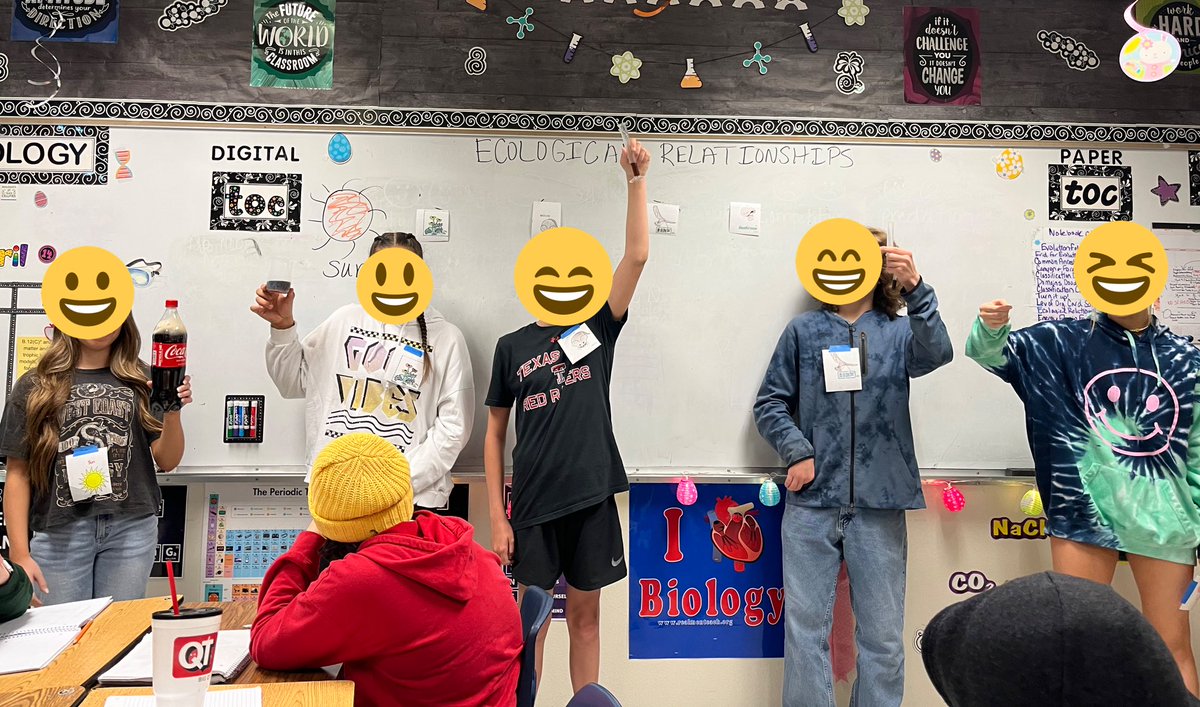
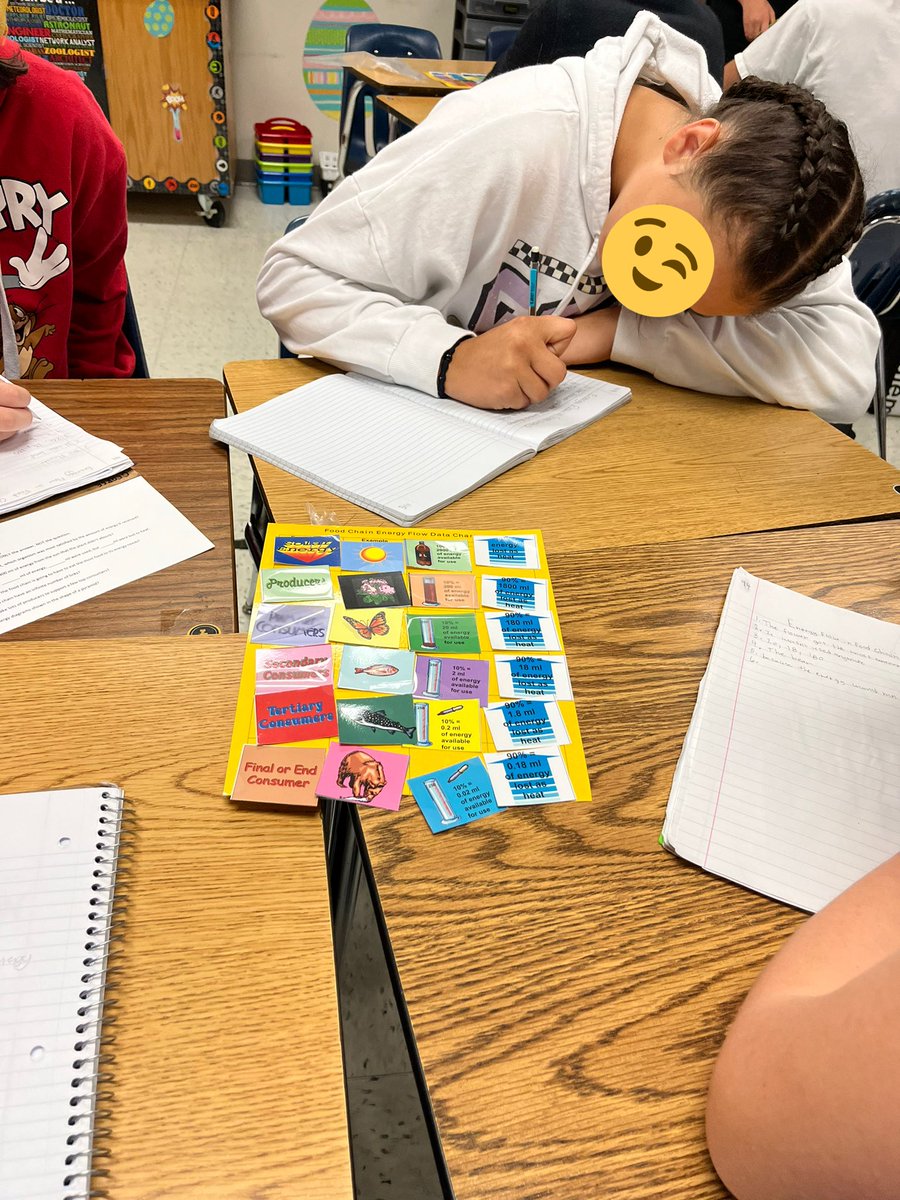
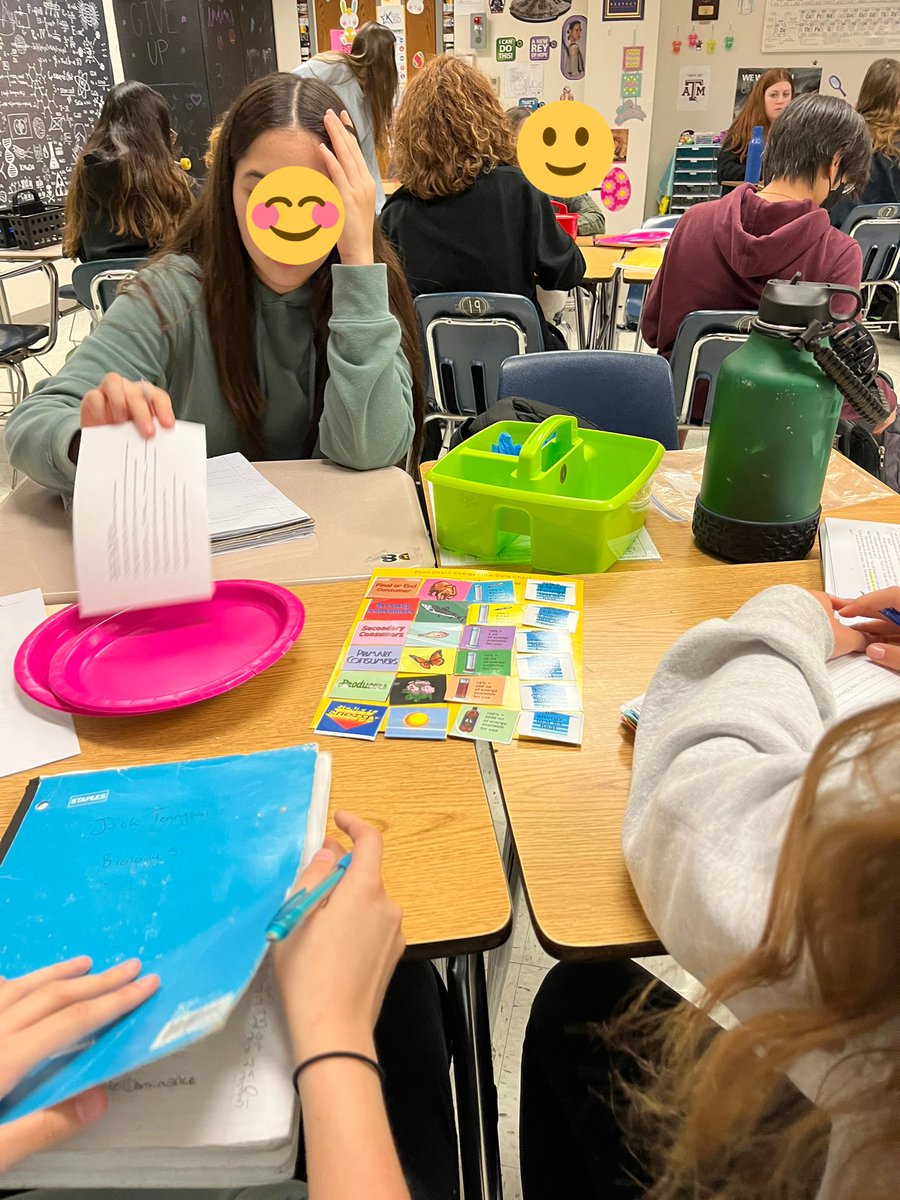
Bio students use the soda analogy to show energy flow through tropic levels! #ecology review #KISDlabstar @DebuskRebecca @KHSIndianNation

2
7
Keller ISD Science retweeted
25 Apr 2022
I could not love this anymore! I’m thrilled that you’ve already implemented new learning so quickly and that others will get to benefit from your exploration this fall! 🎉🎉🎉
1
1
Keller ISD Science retweeted
22 Apr 2022
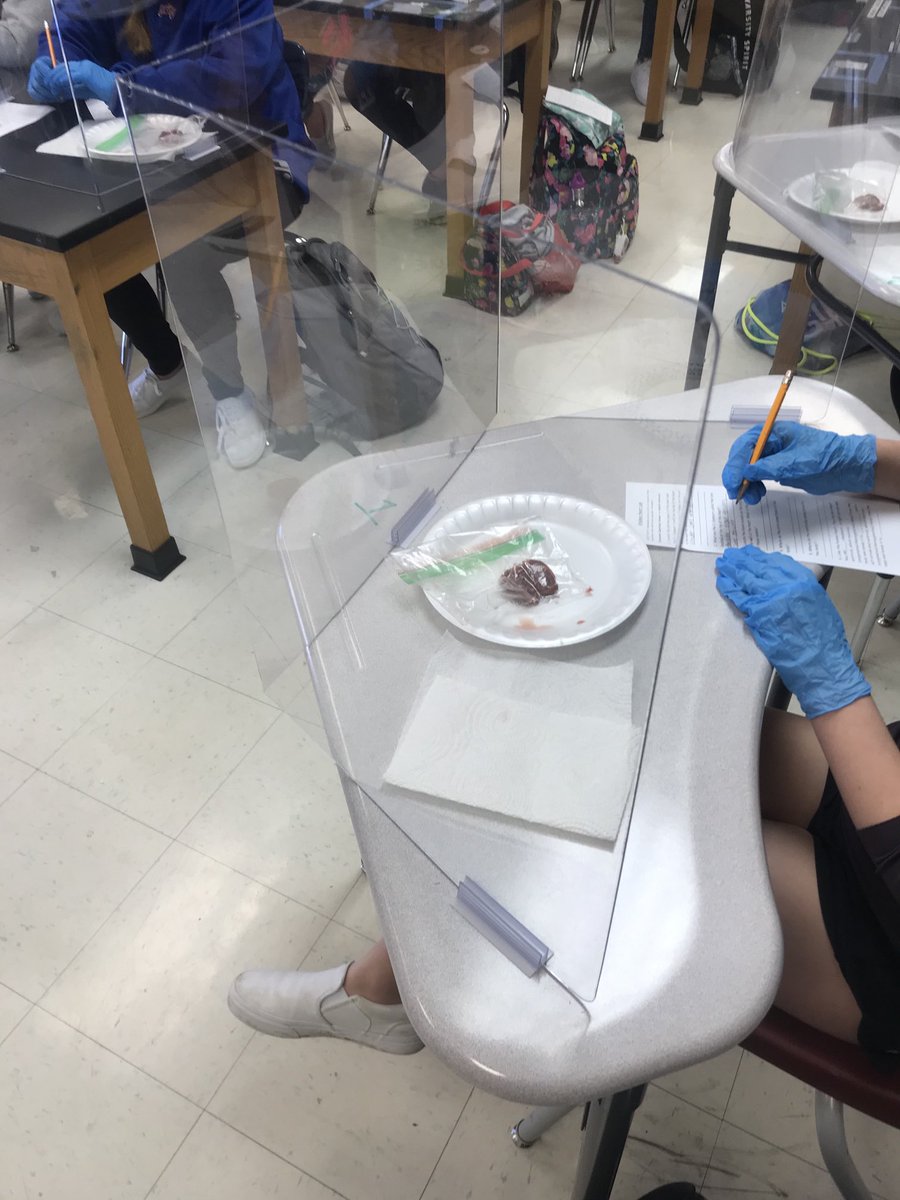
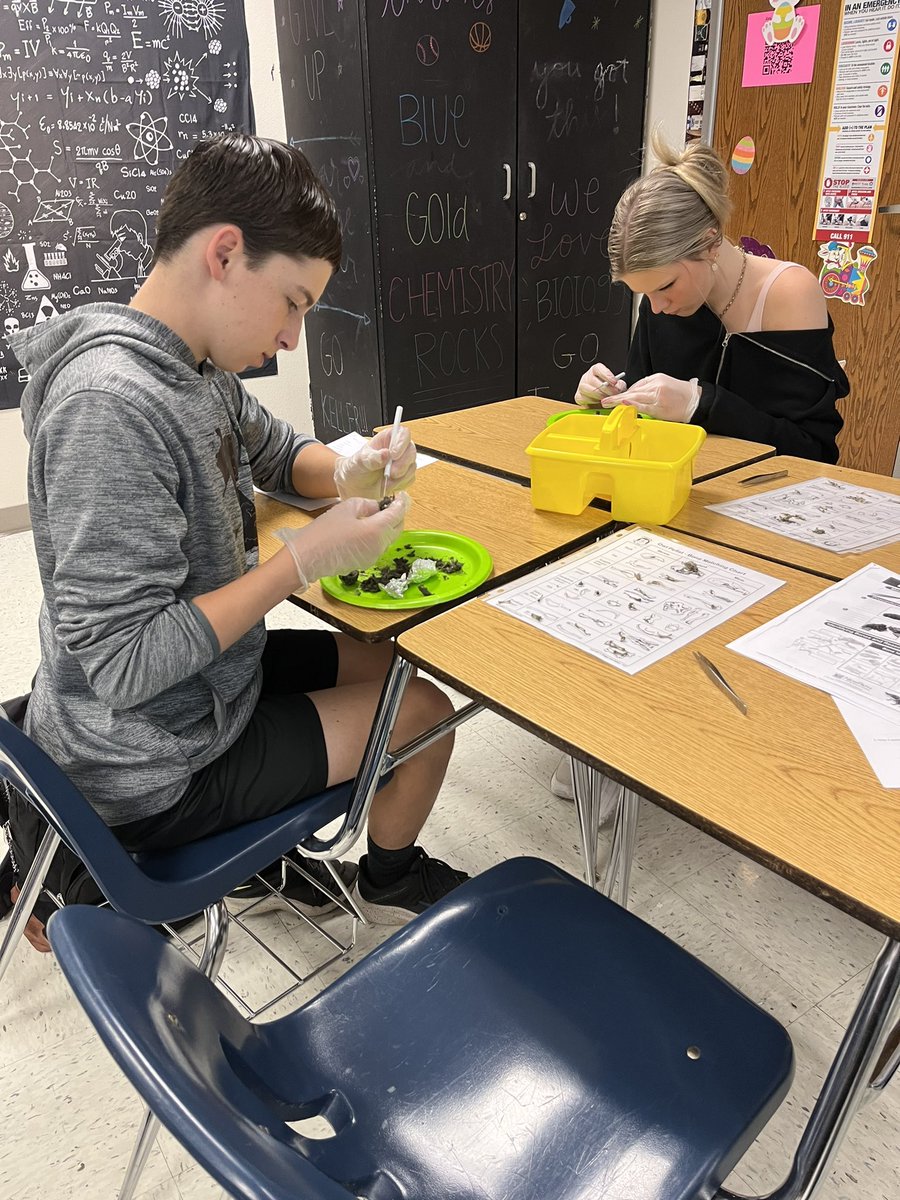
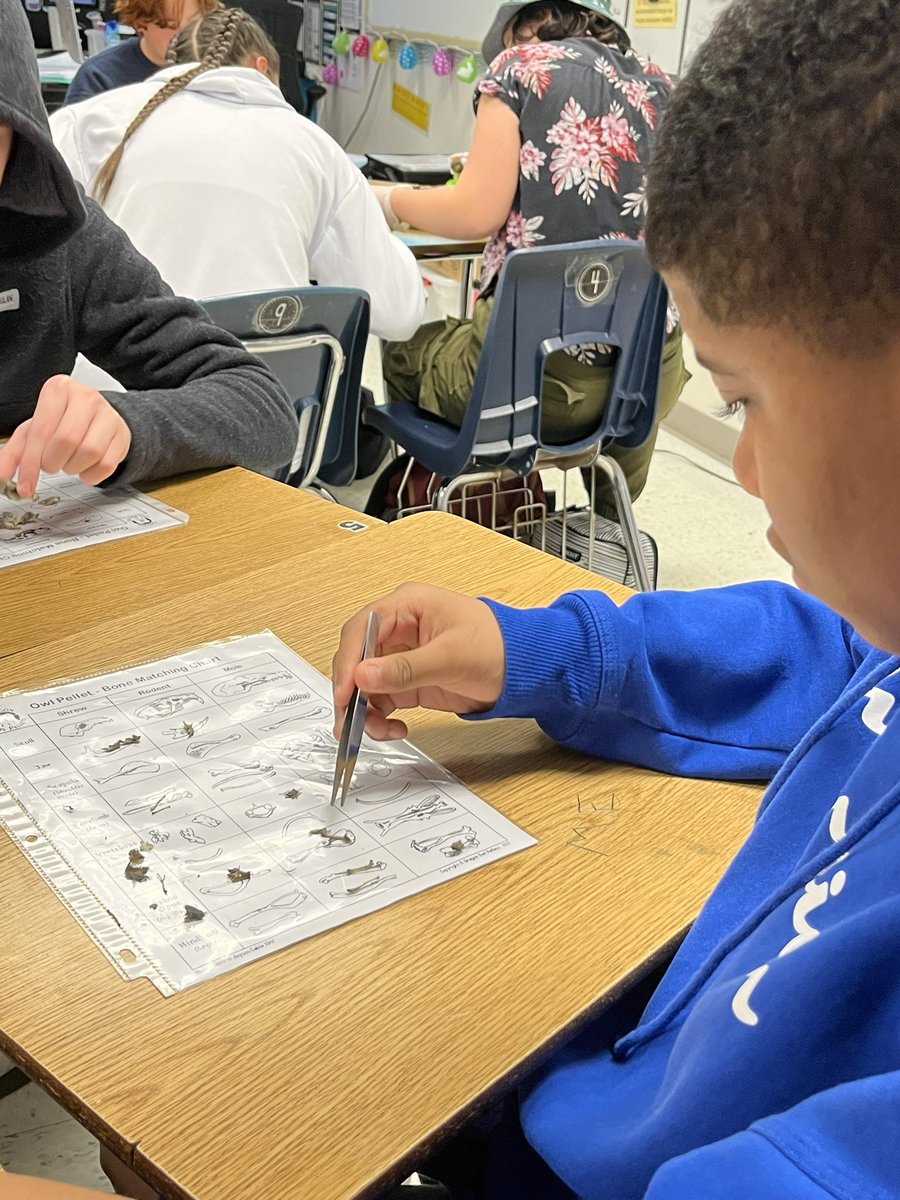
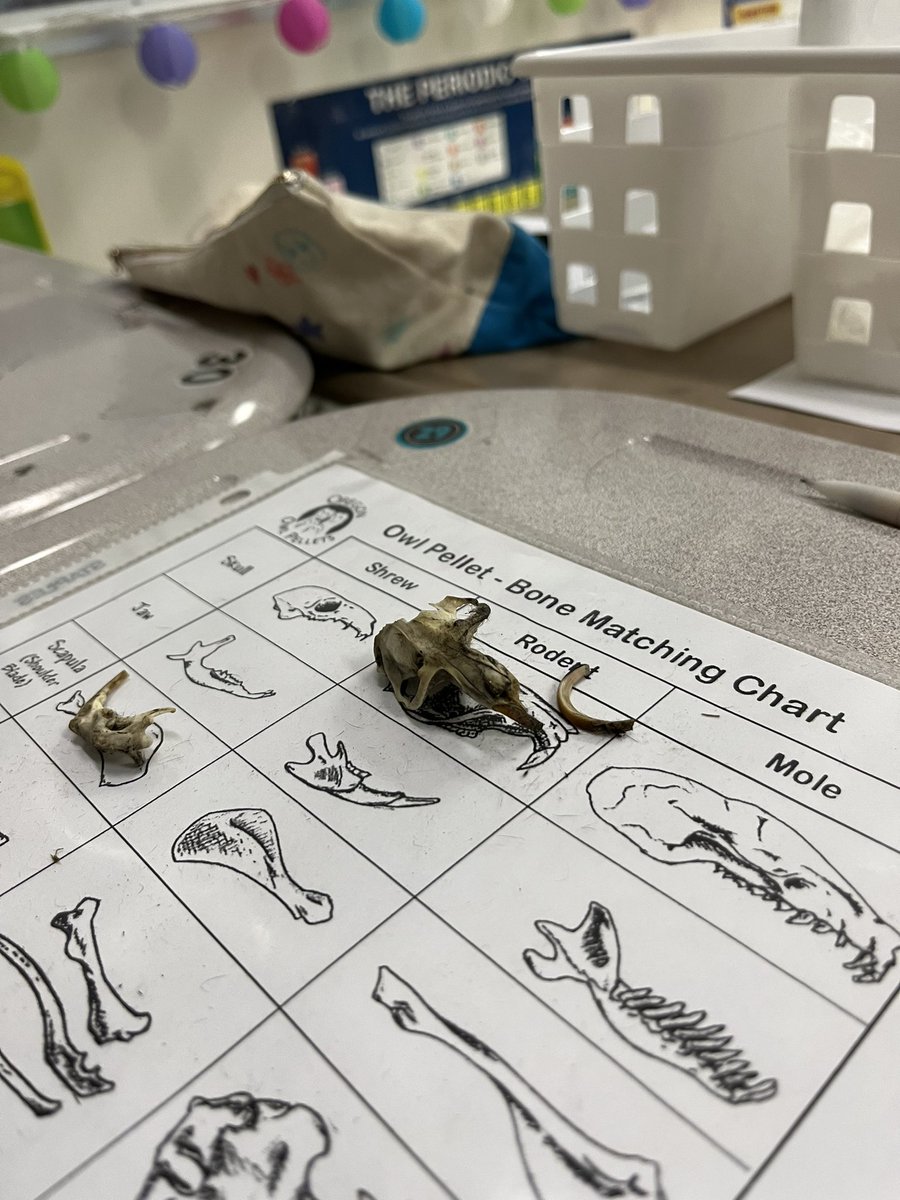
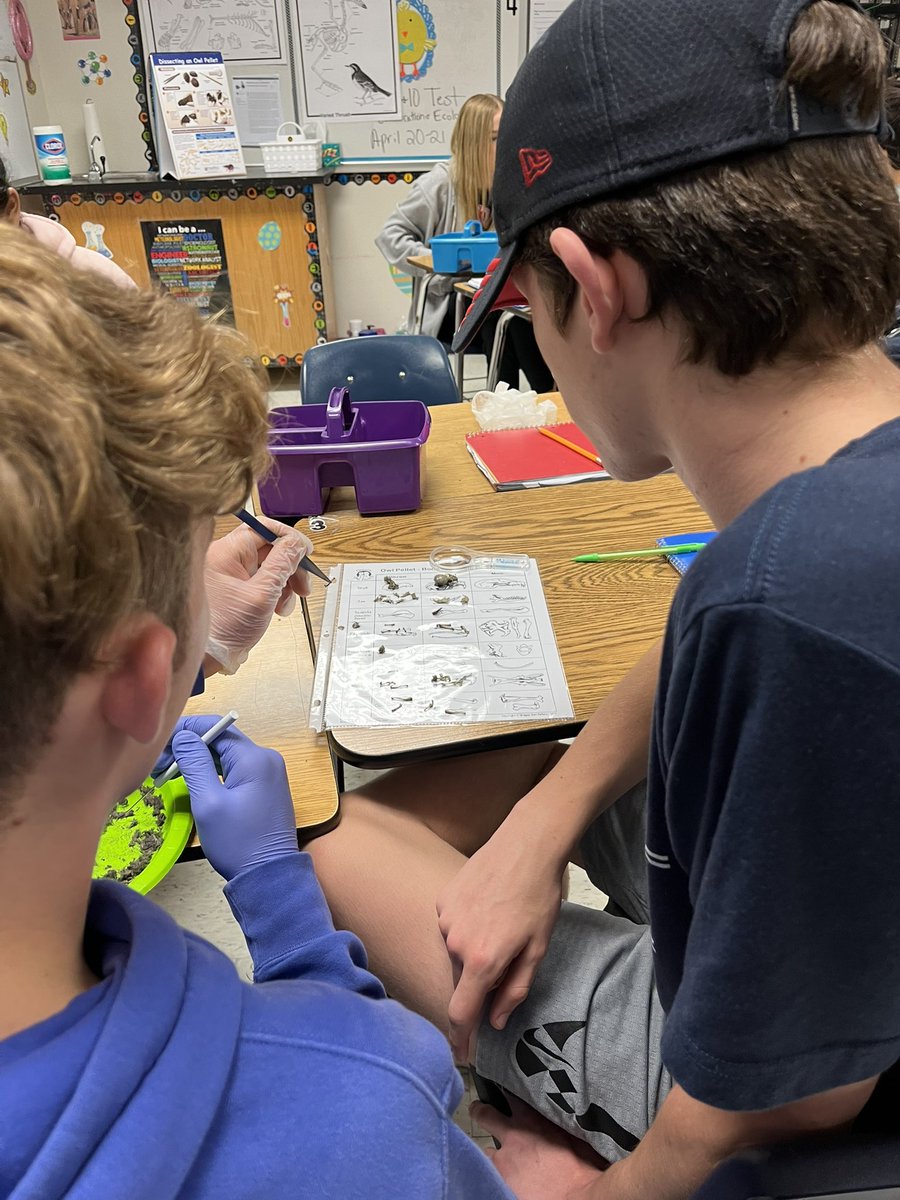
Biology students investigate in the owl pellet dissection lab! #what did he eat? #food webs #ecology #KISDlabstar @KISD_Science @DebuskRebecca @MrsSimmonsKHS
1
8
Keller ISD Science retweeted
13 Apr 2022
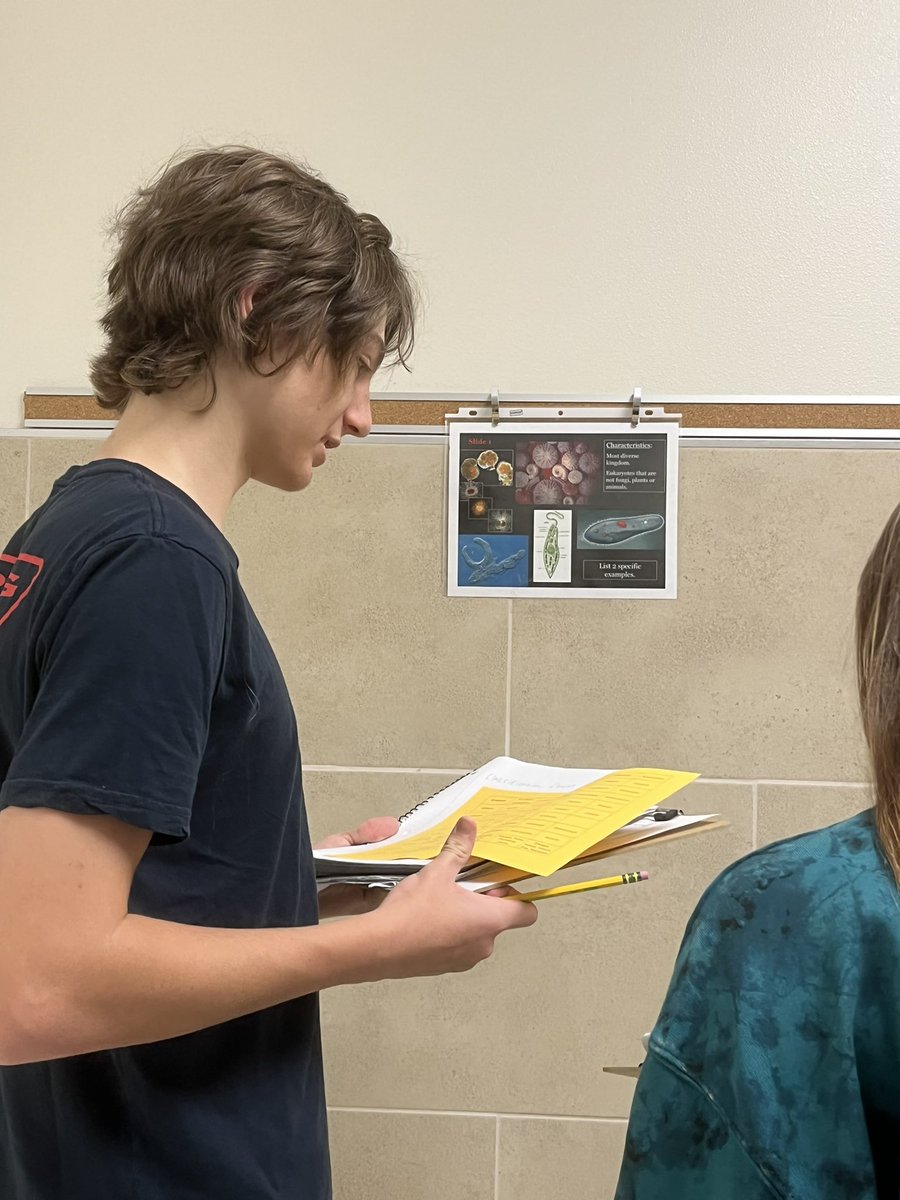
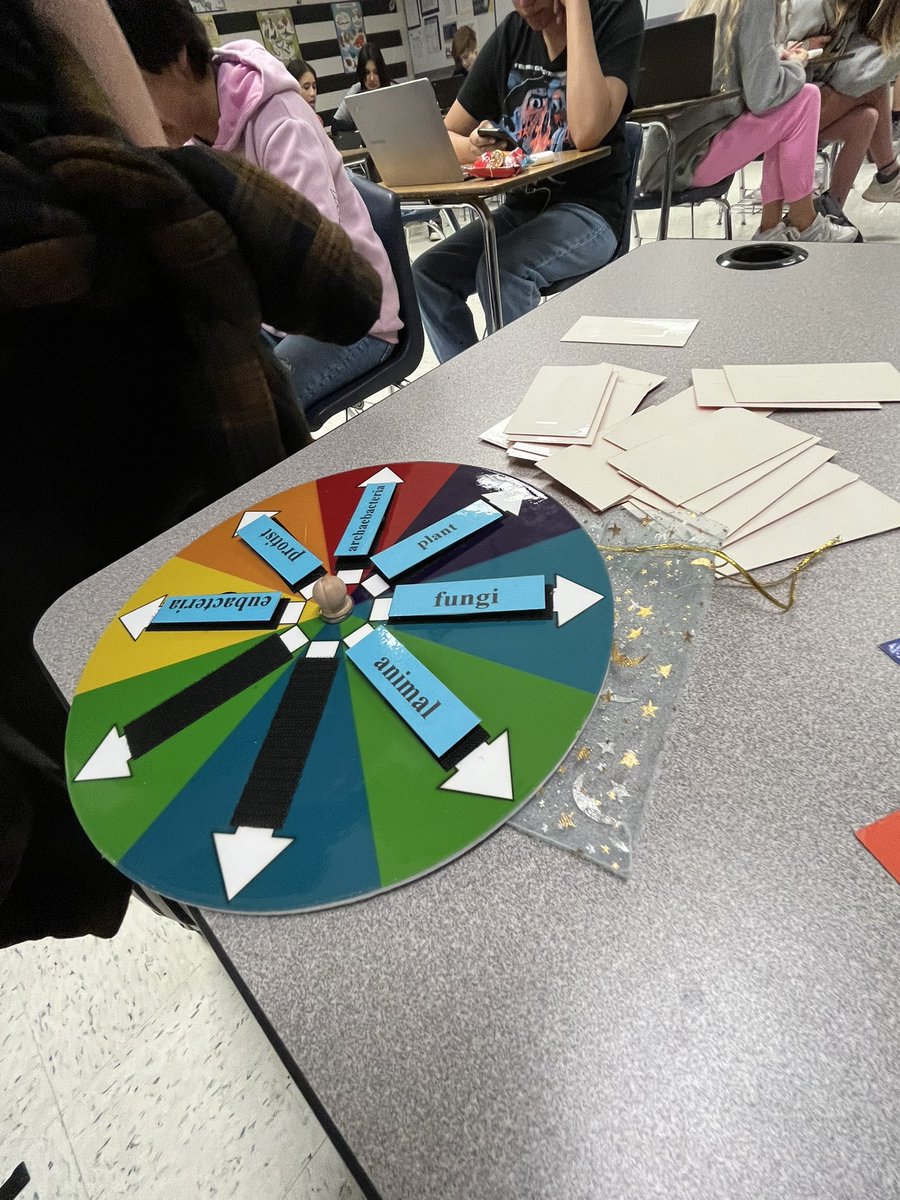
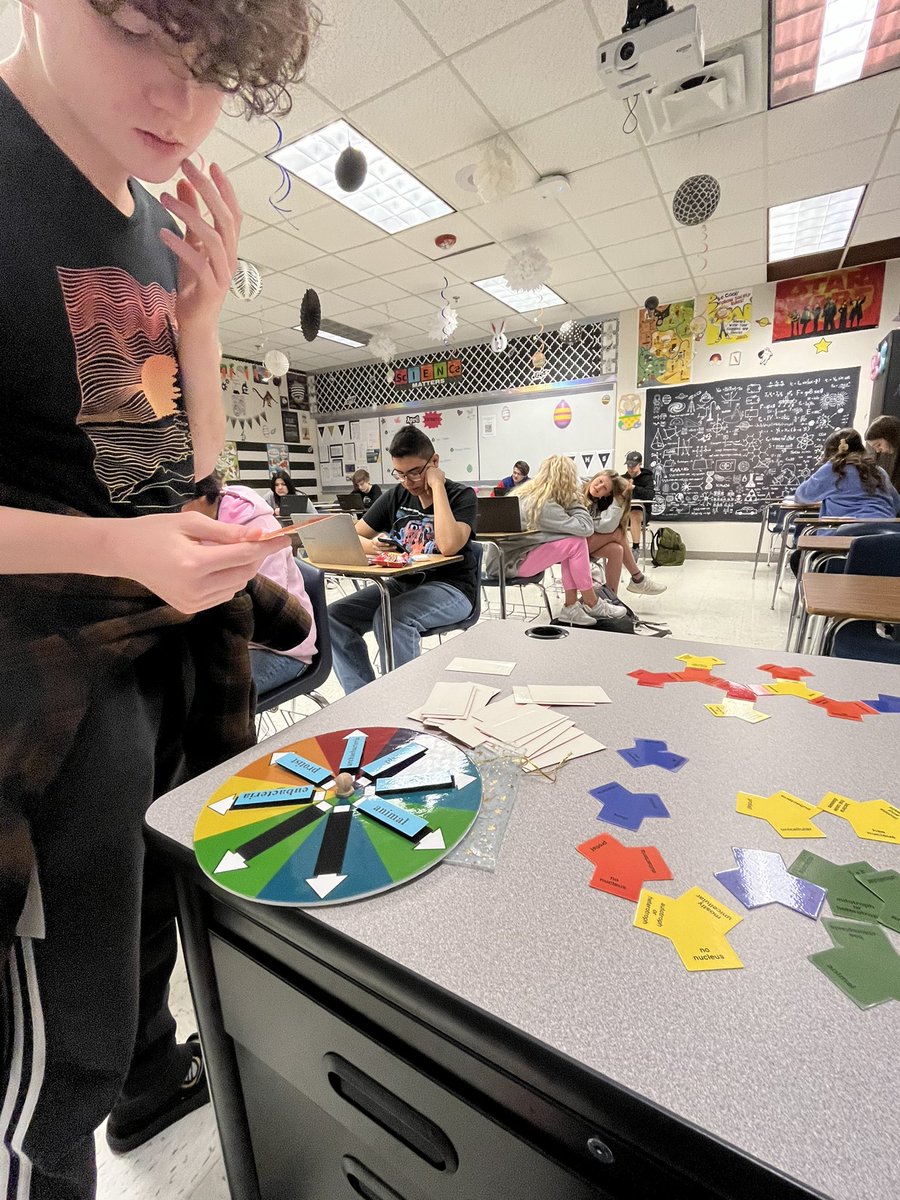
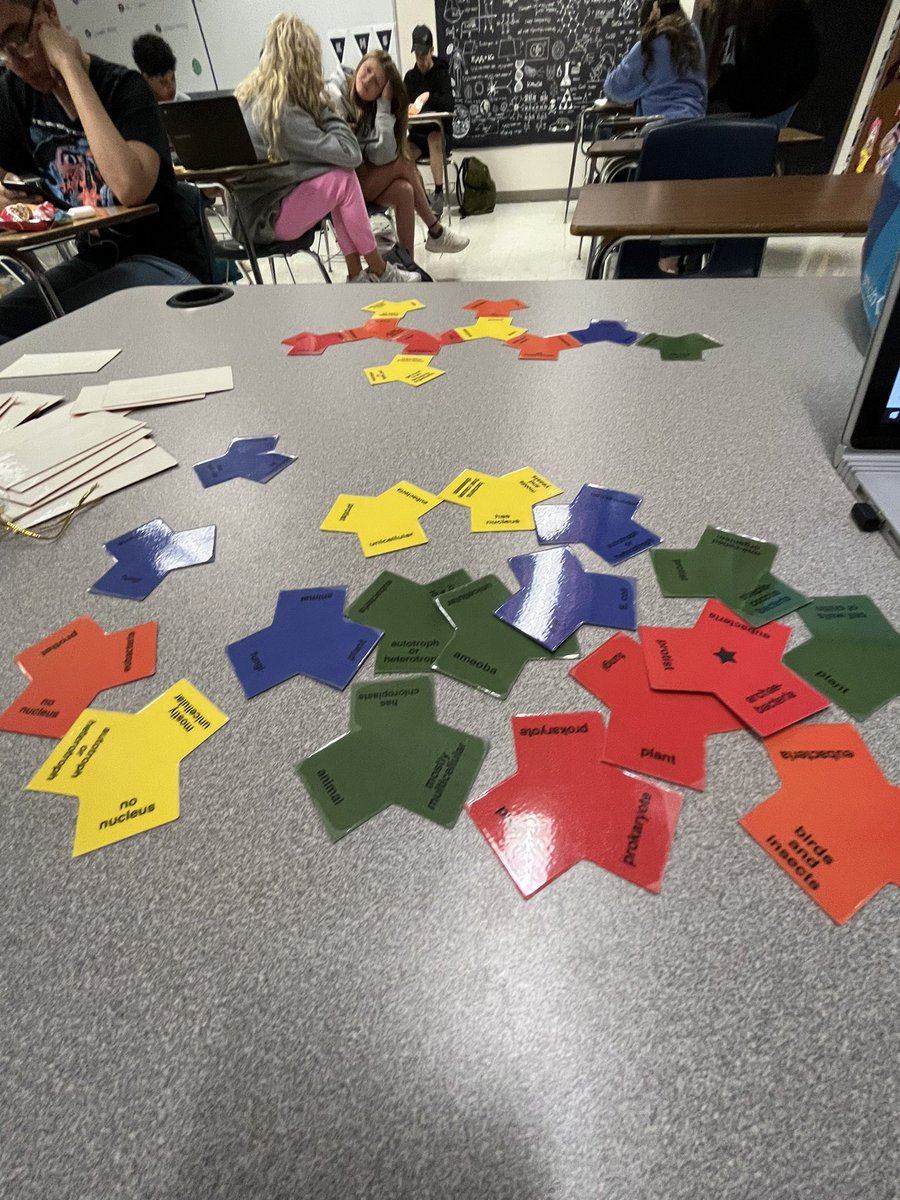
Biology - kingdoms scavenger hunt, triconnect and wheel trivia. @DebuskRebecca @KISD_Science
1
1
9
Keller ISD Science retweeted

8 Apr 2022
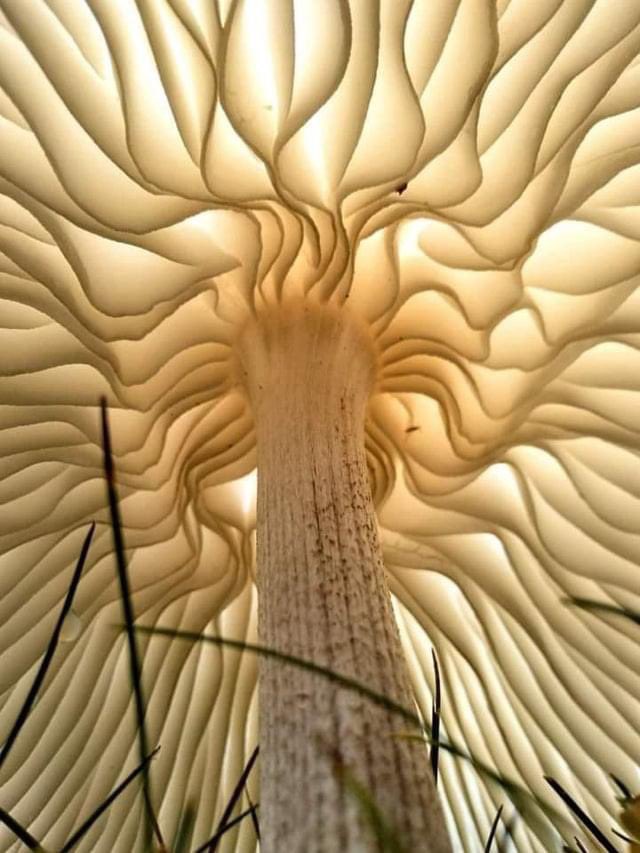
The view from under a mushroom cap.
82
1,022
12,105
Keller ISD Science retweeted

7 Apr 2022
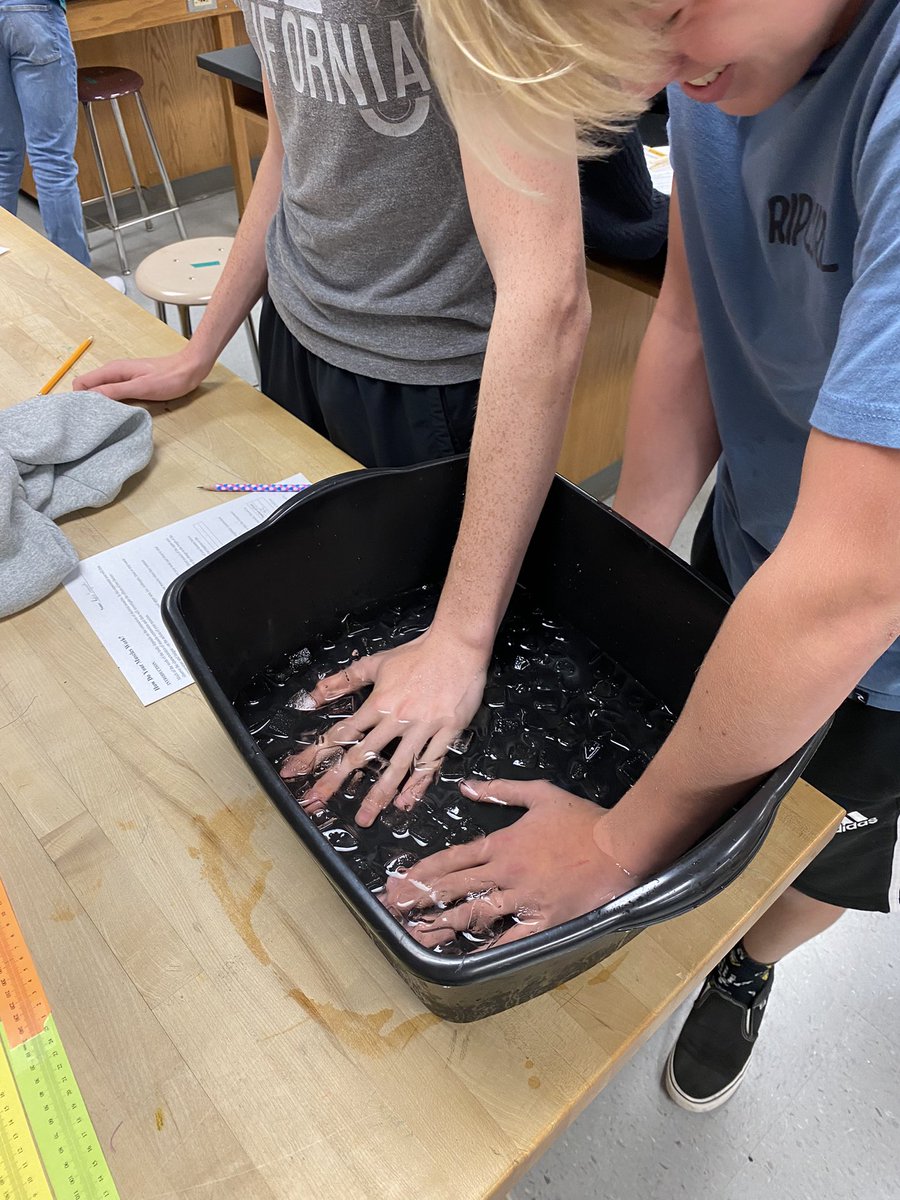
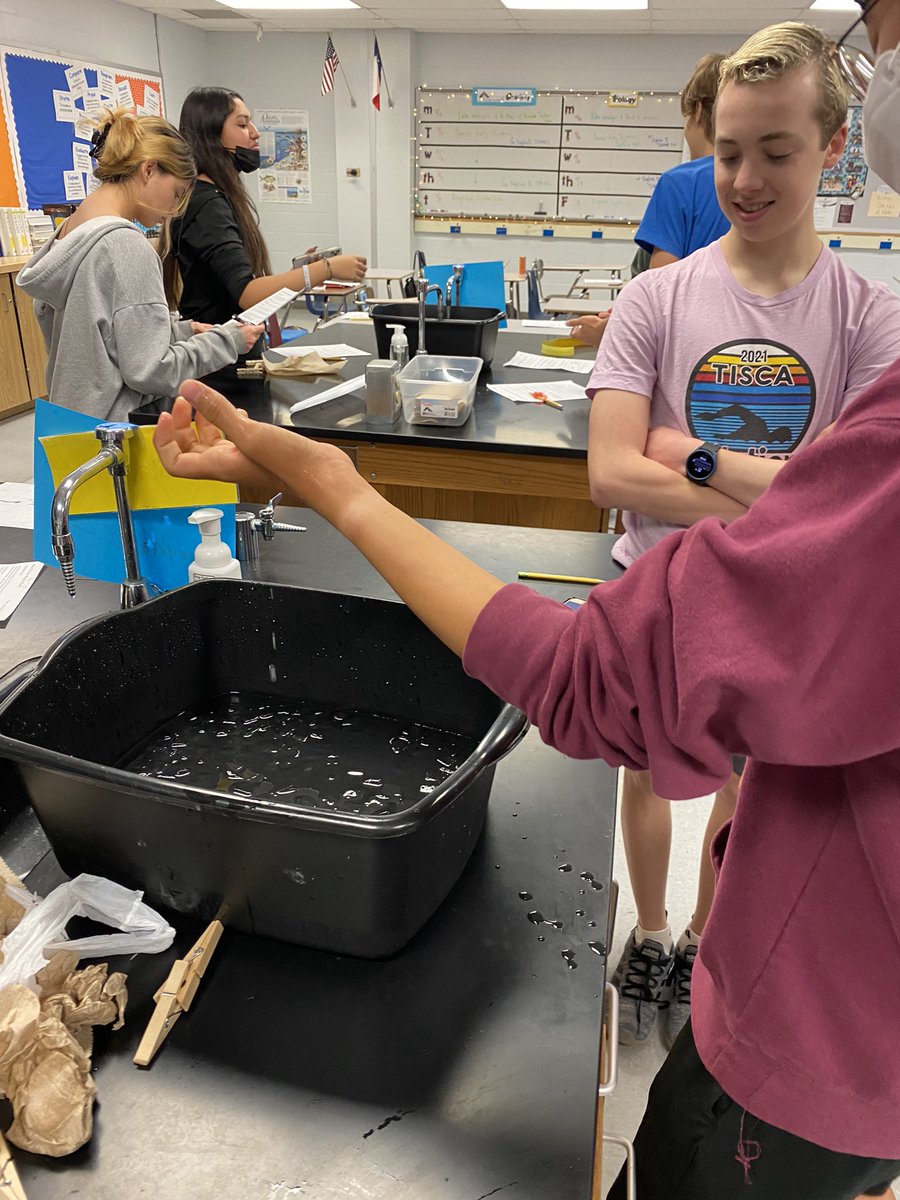
Does temperature impact the muscular system? Ask the volunteers in my advanced biology classes? @lindamedle @FLOURBLUFFHS
2
1
7
Keller ISD Science retweeted

8 Apr 2022
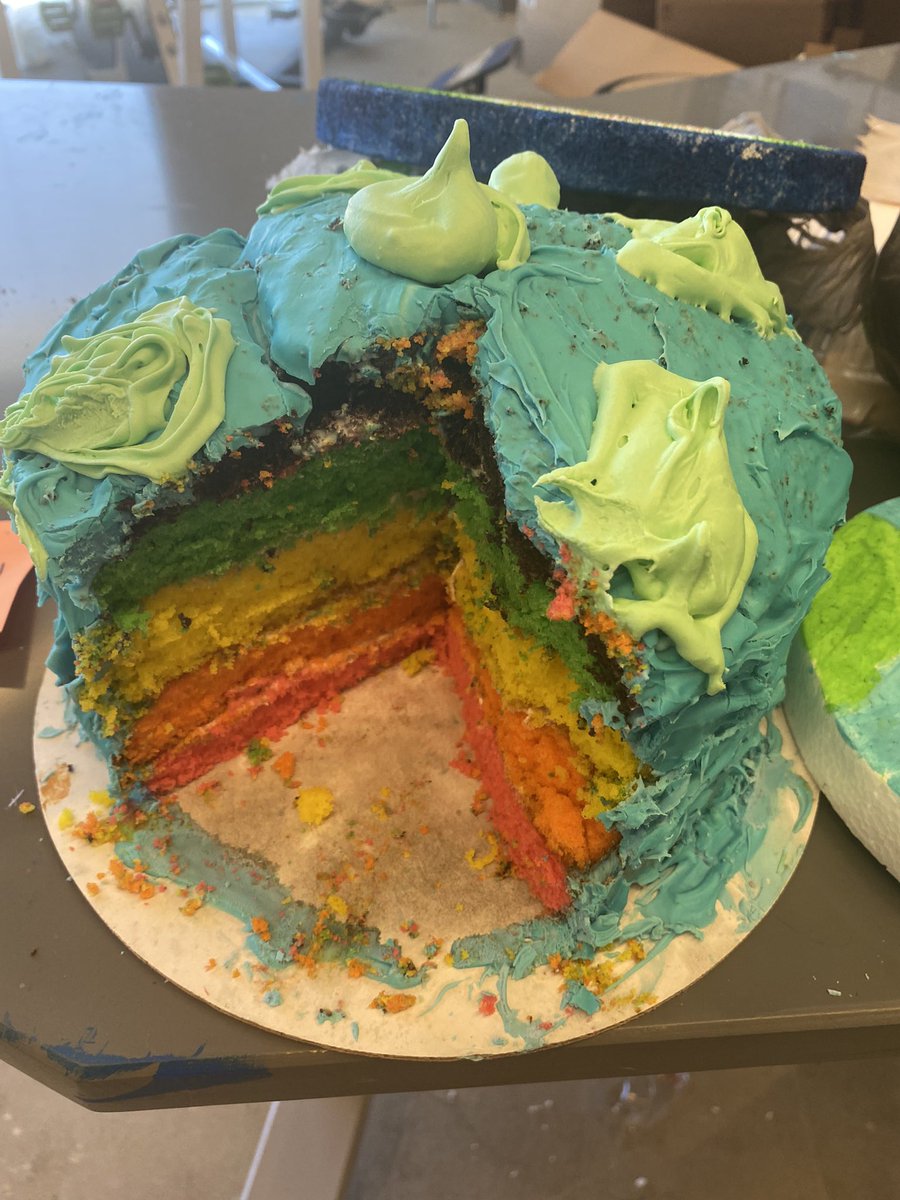
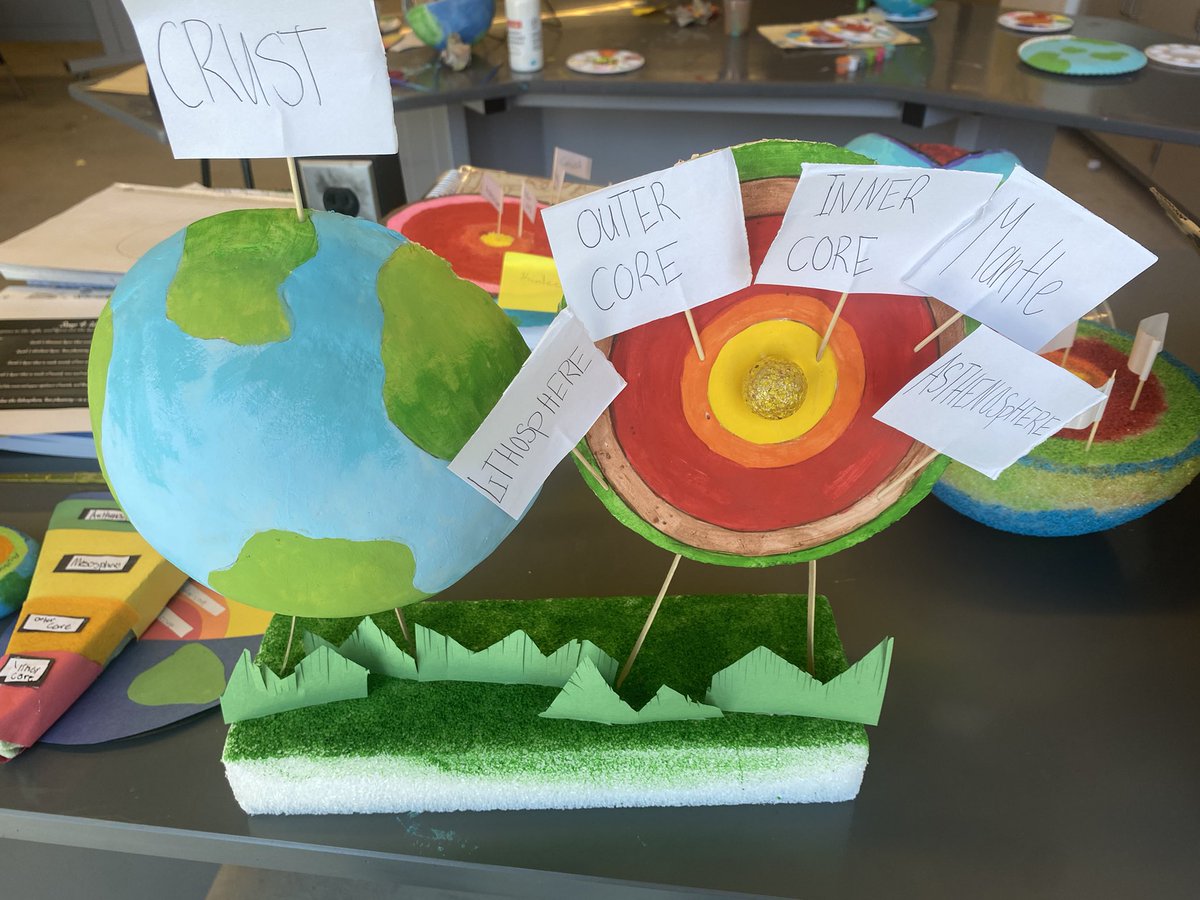
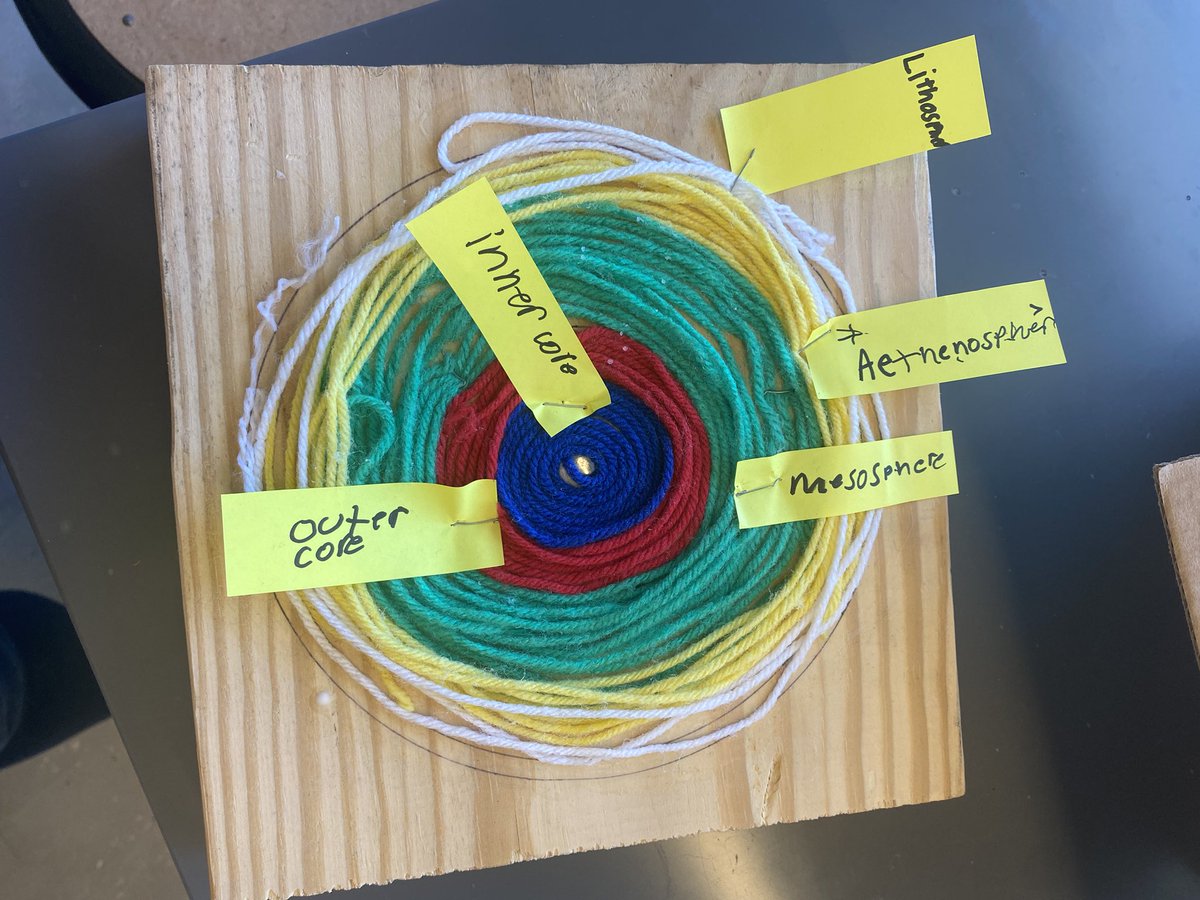
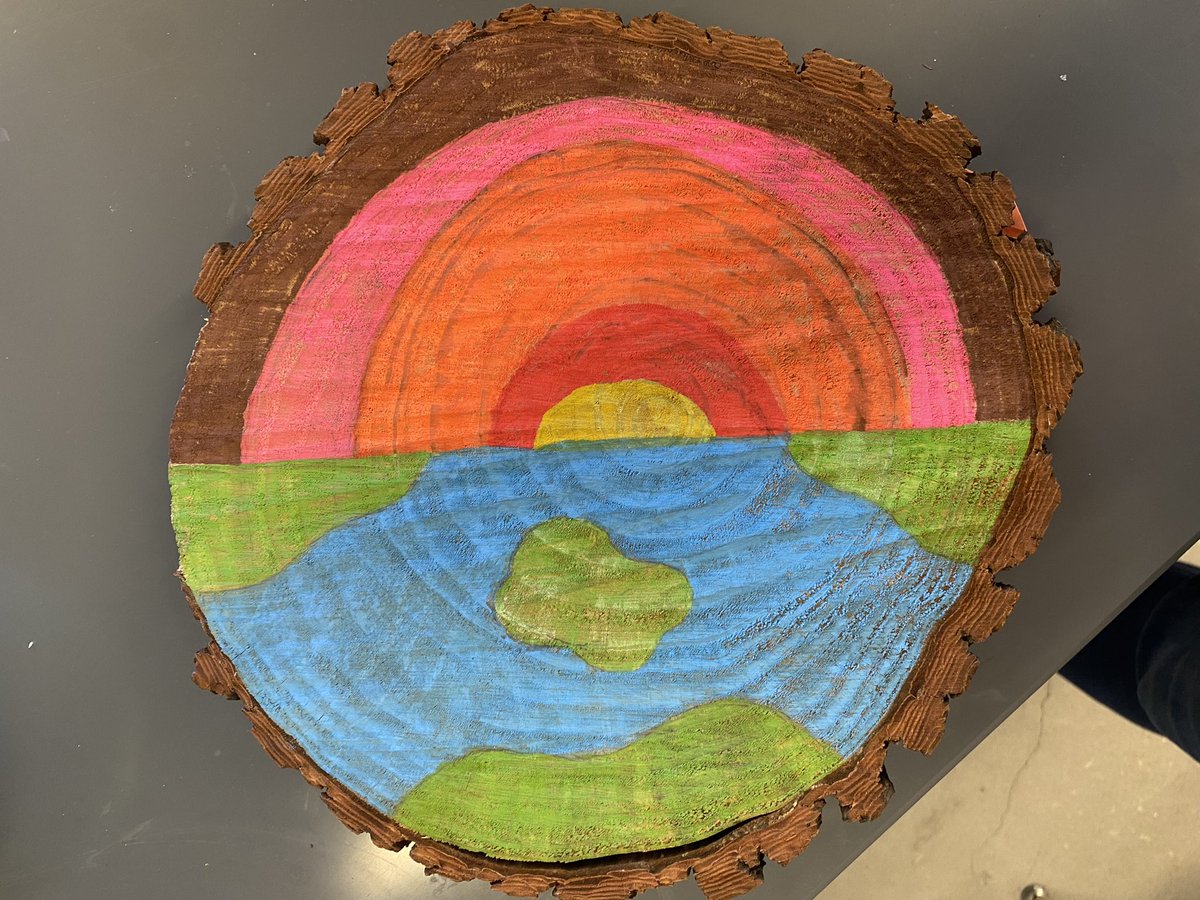
The last 3 days have been messy, loud & exhausting but so worth it to see these final products and to hear my scientists be excited about their work! @VistaRidgeMS #EveryPanther @KISD_Science
3
9
Keller ISD Science retweeted
5 Apr 2022
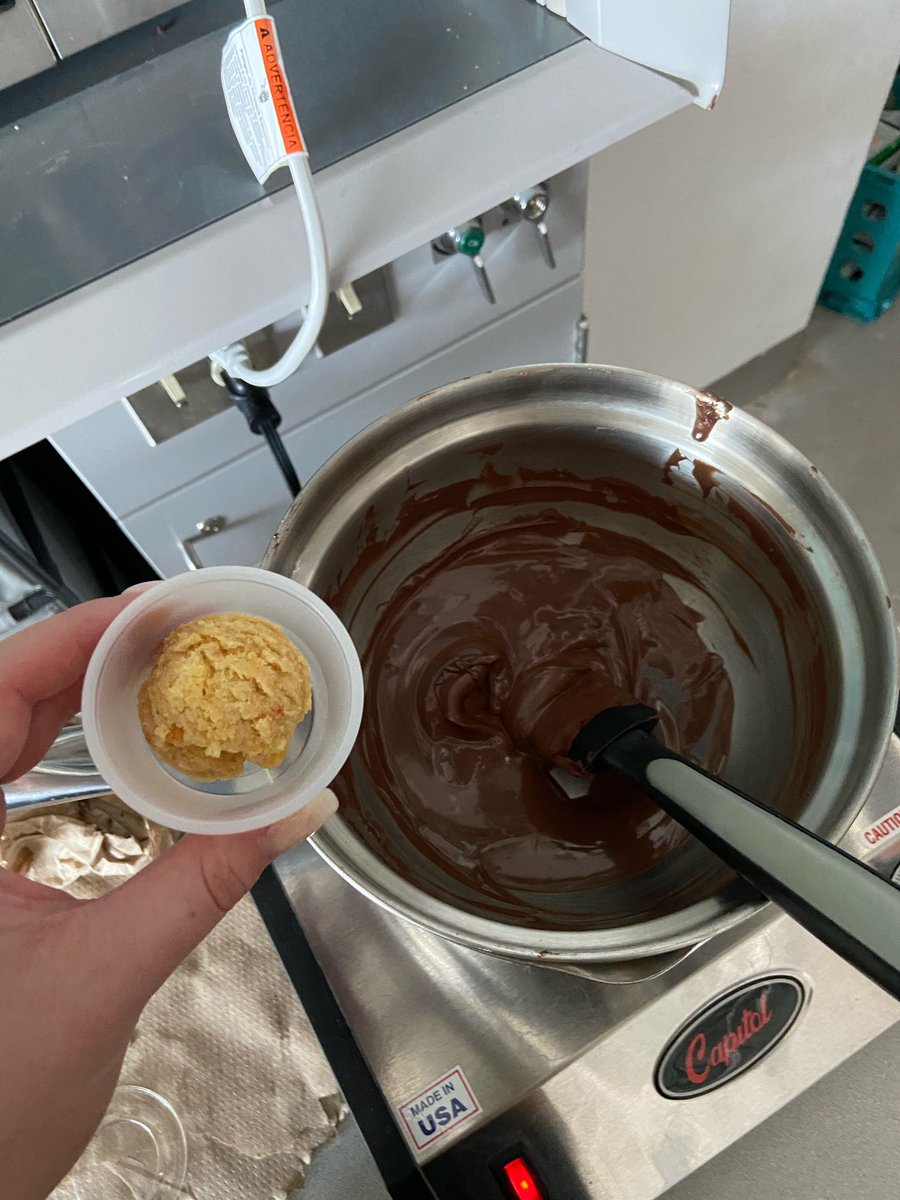
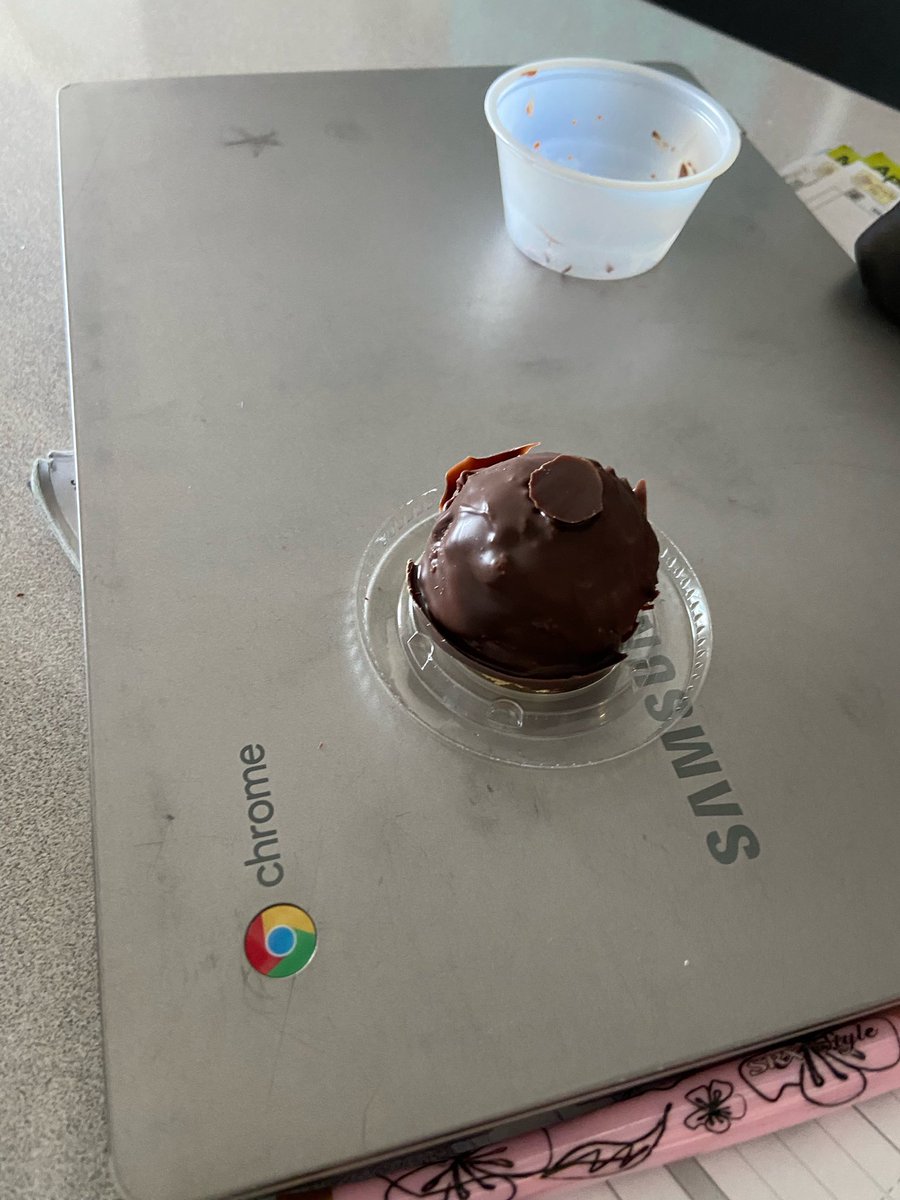
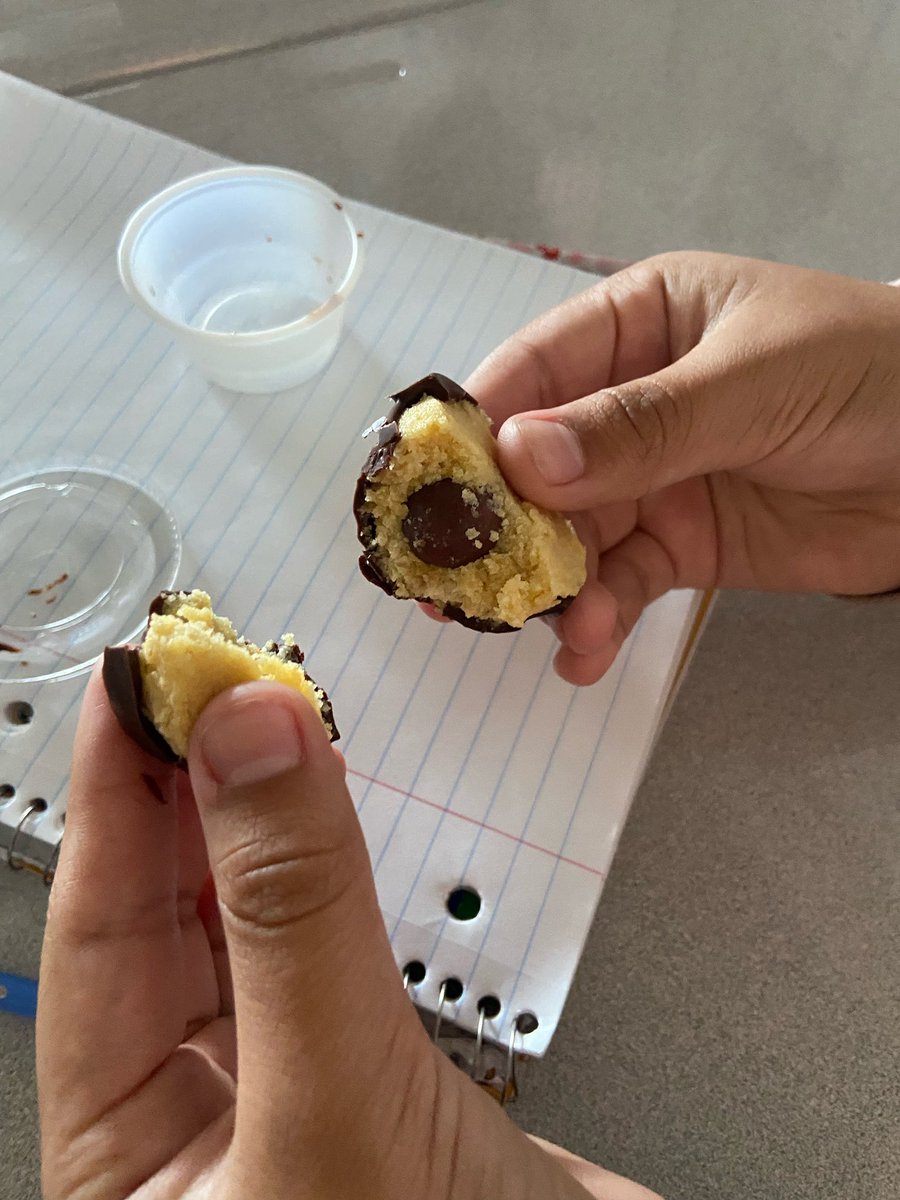
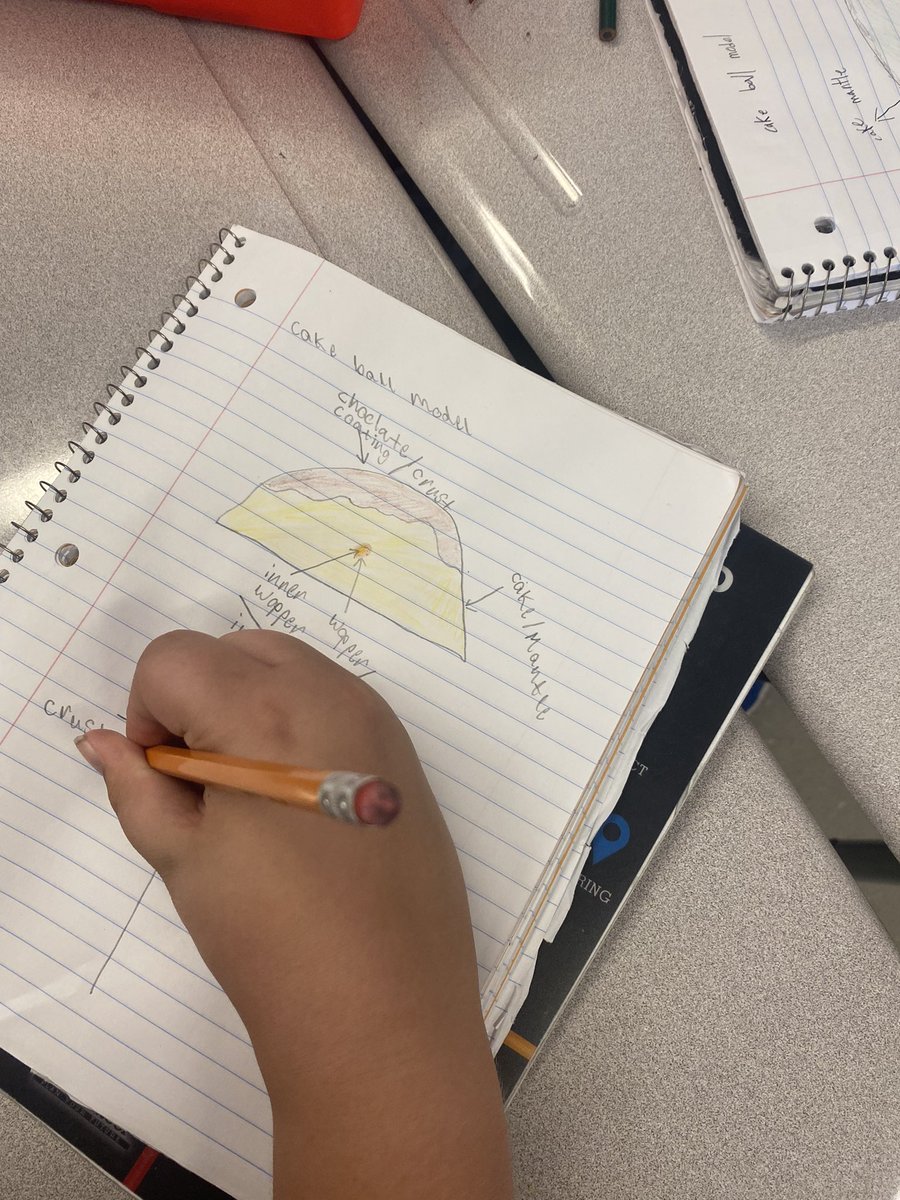
Tomorrow my students will start their Layers of Earth models so today I had to share my version. I heard one student say, “That was the best Science class ever!” so I’d say my cake ball model was a hit. @VistaRidgeMS @KISD_Science #EveryPanther
2
9
Keller ISD Science retweeted

7 Apr 2022
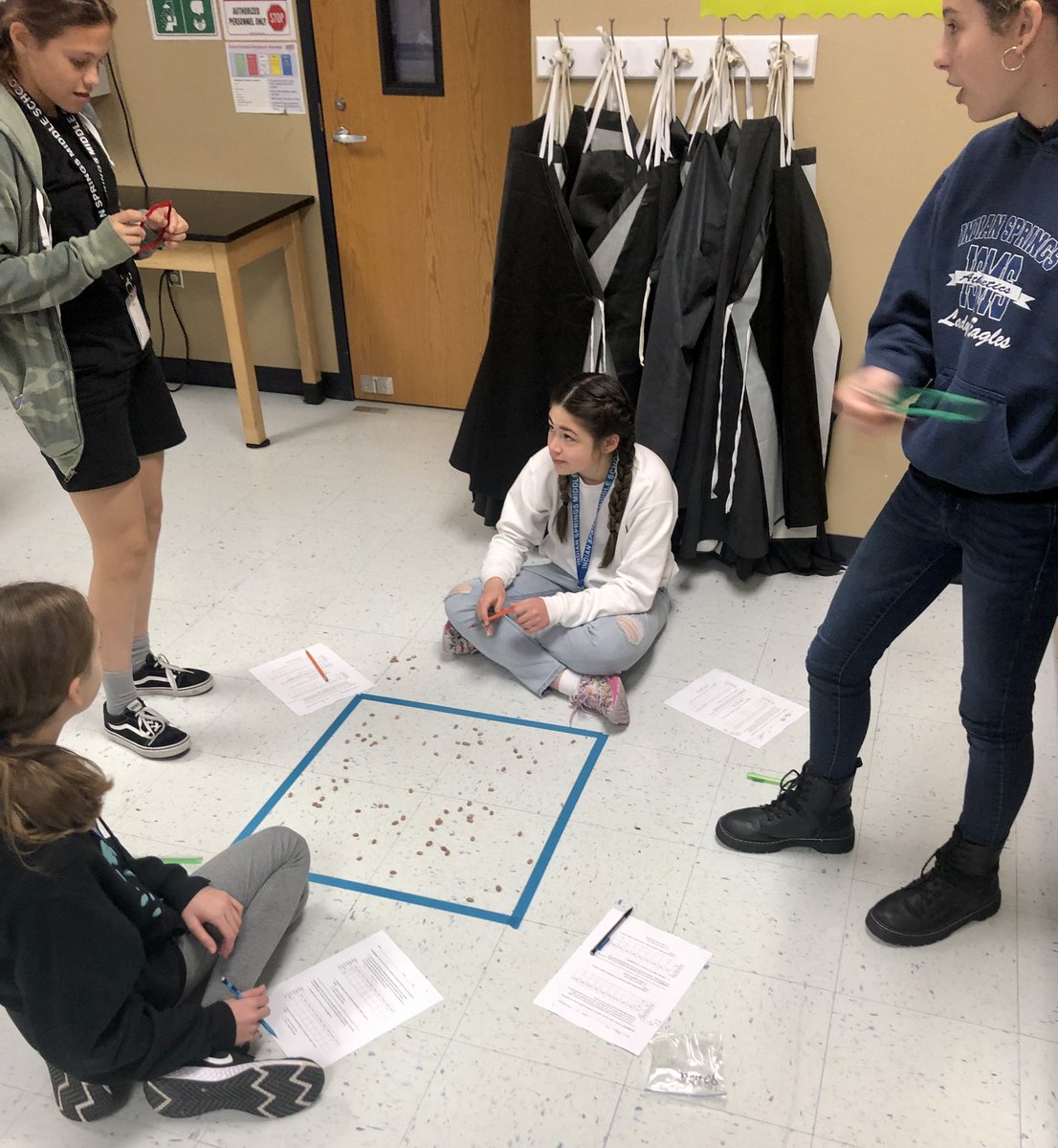
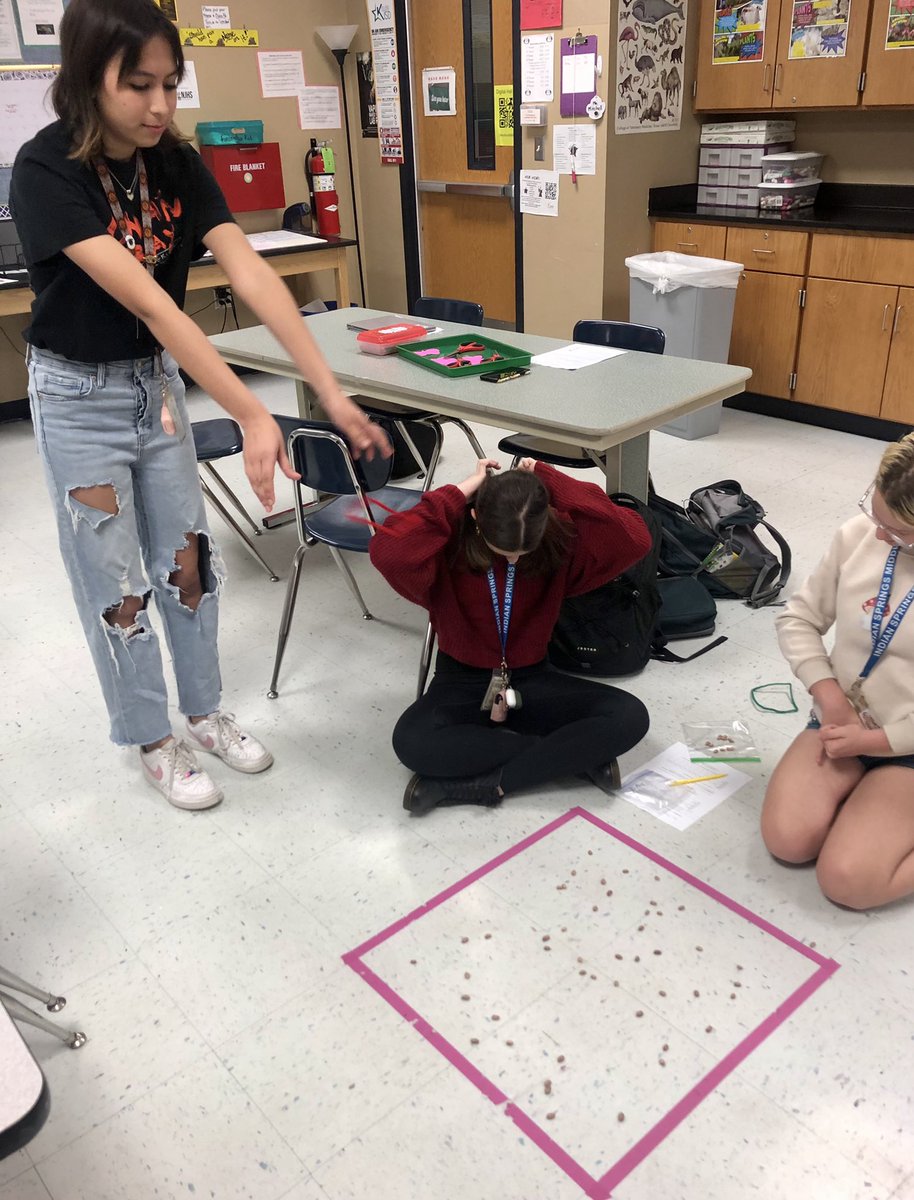
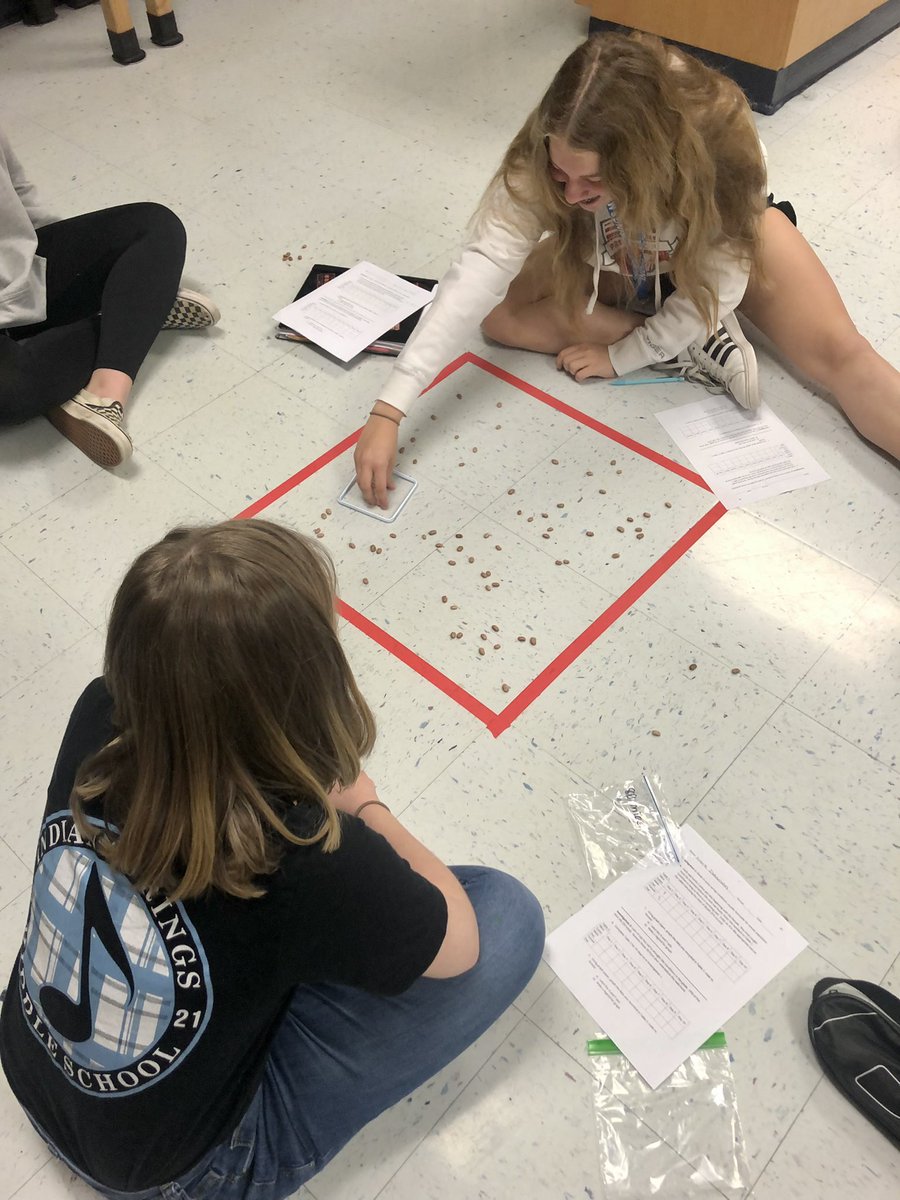
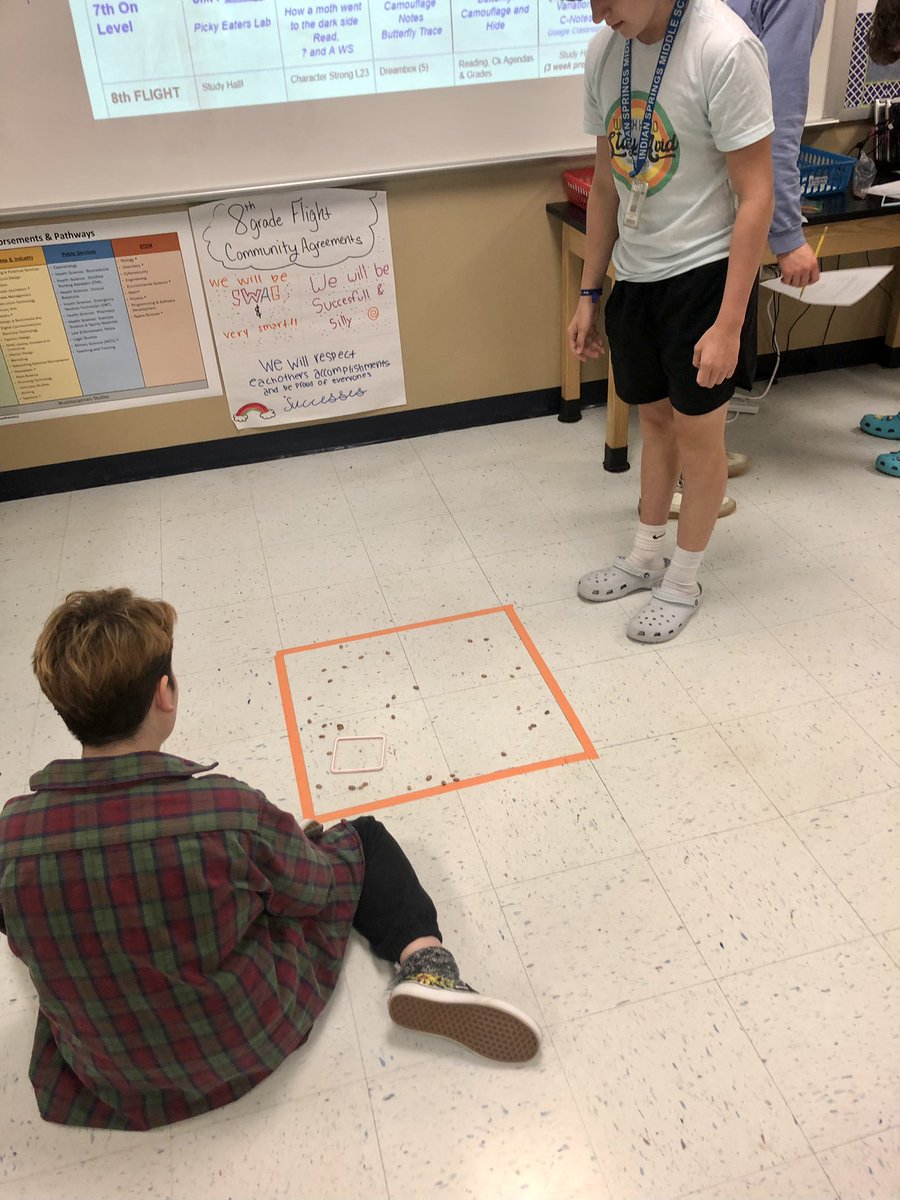
@IndianSpringsMS @KISD_Science 8th Honors HS Biology simulate differing conditions in an ecosystem and how those conditions limit & change populations of 🦉 & 🐁 in the glades. #KISDLabStar #eaglepride @KellerISDAdvAca
1
2
4
Keller ISD Science retweeted
7 Apr 2022
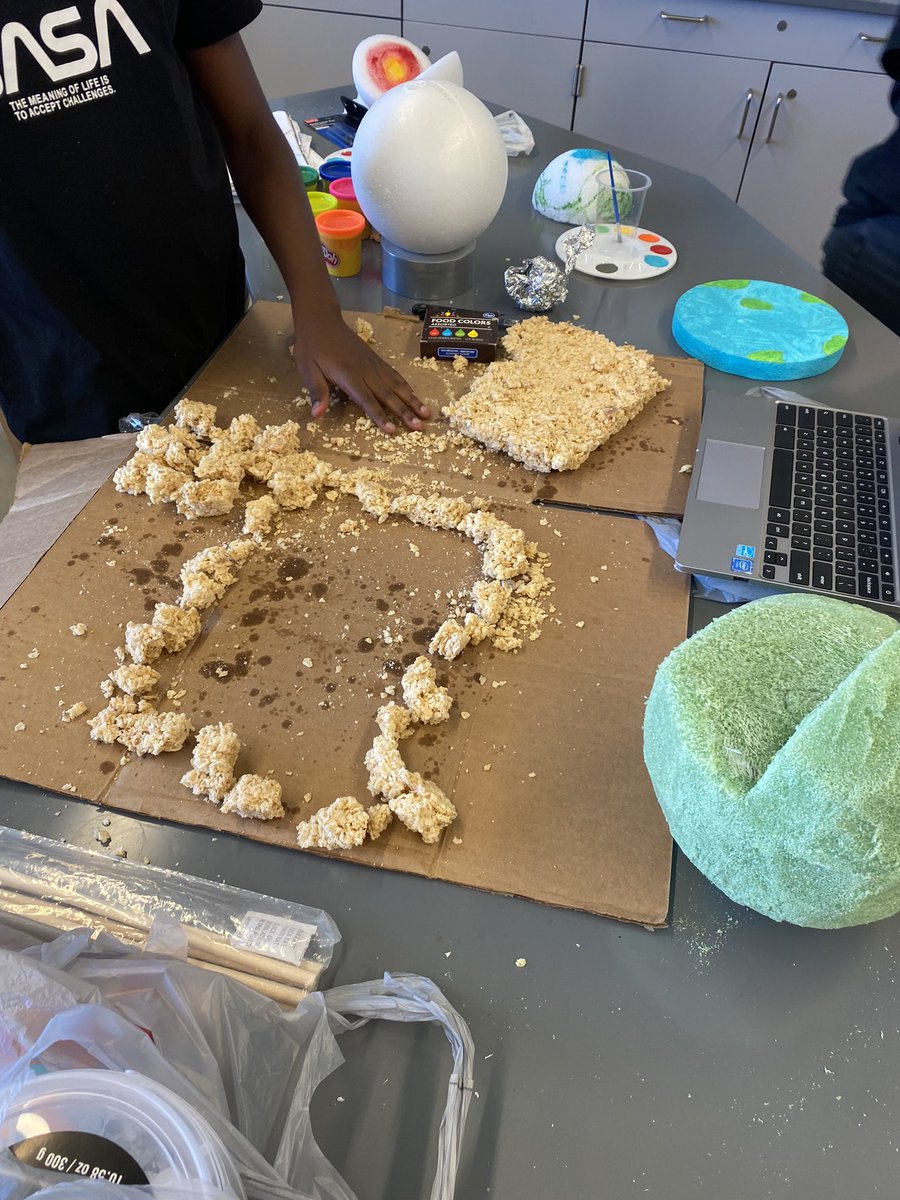
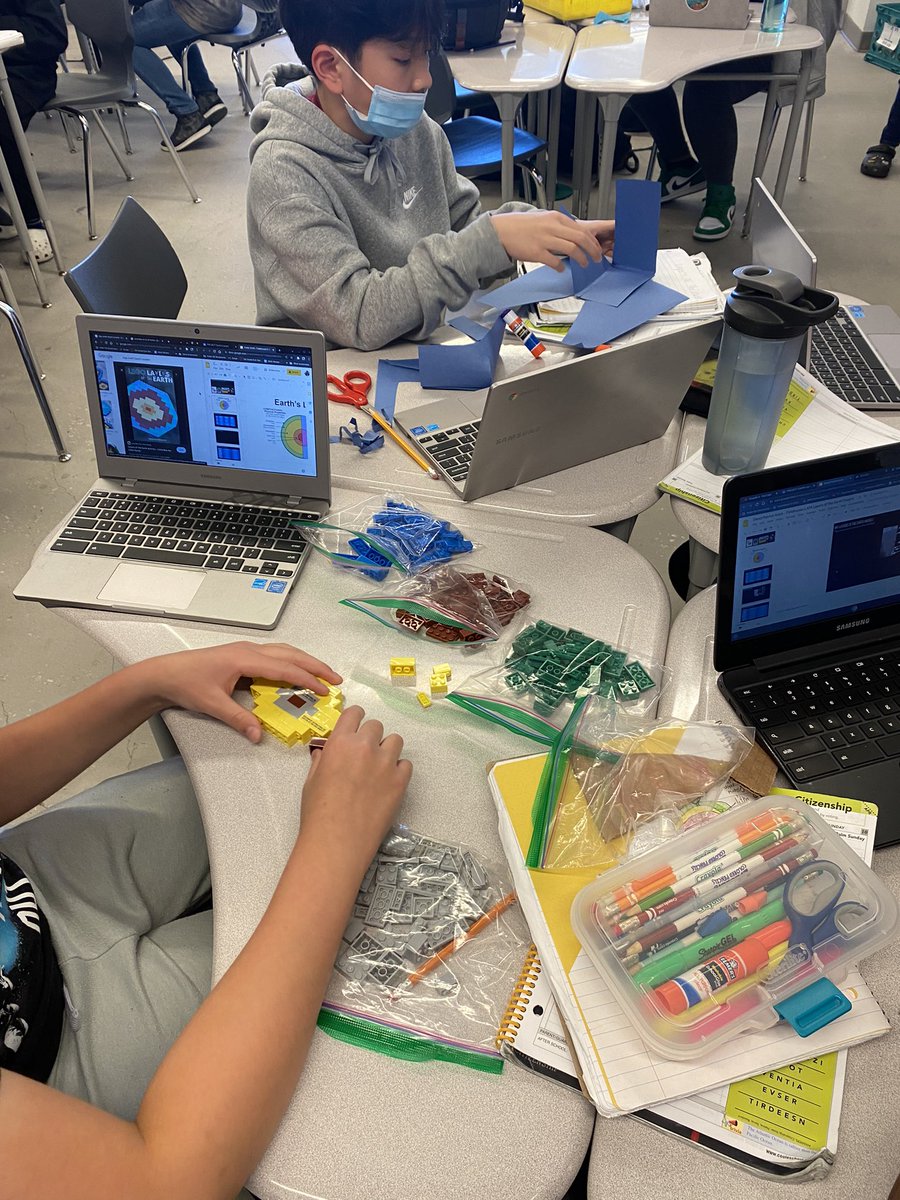
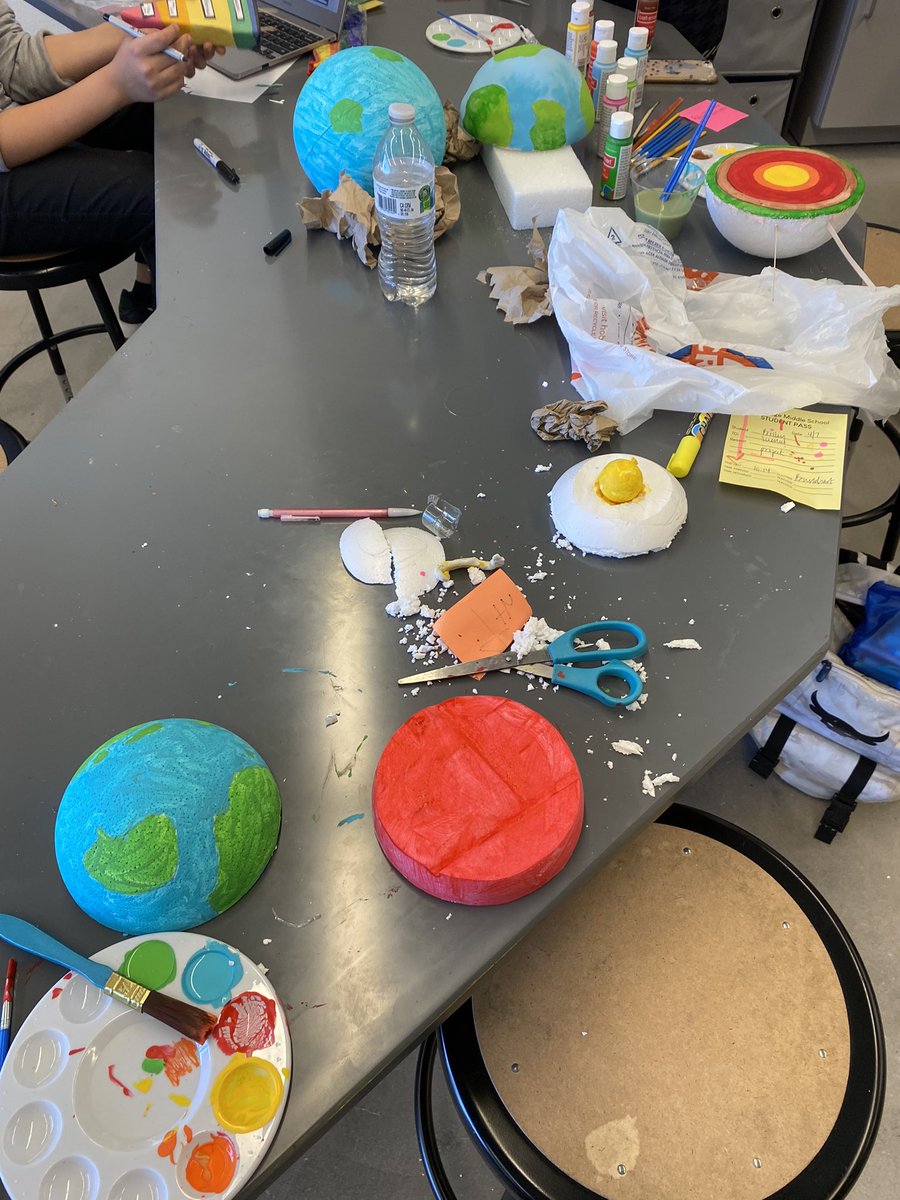
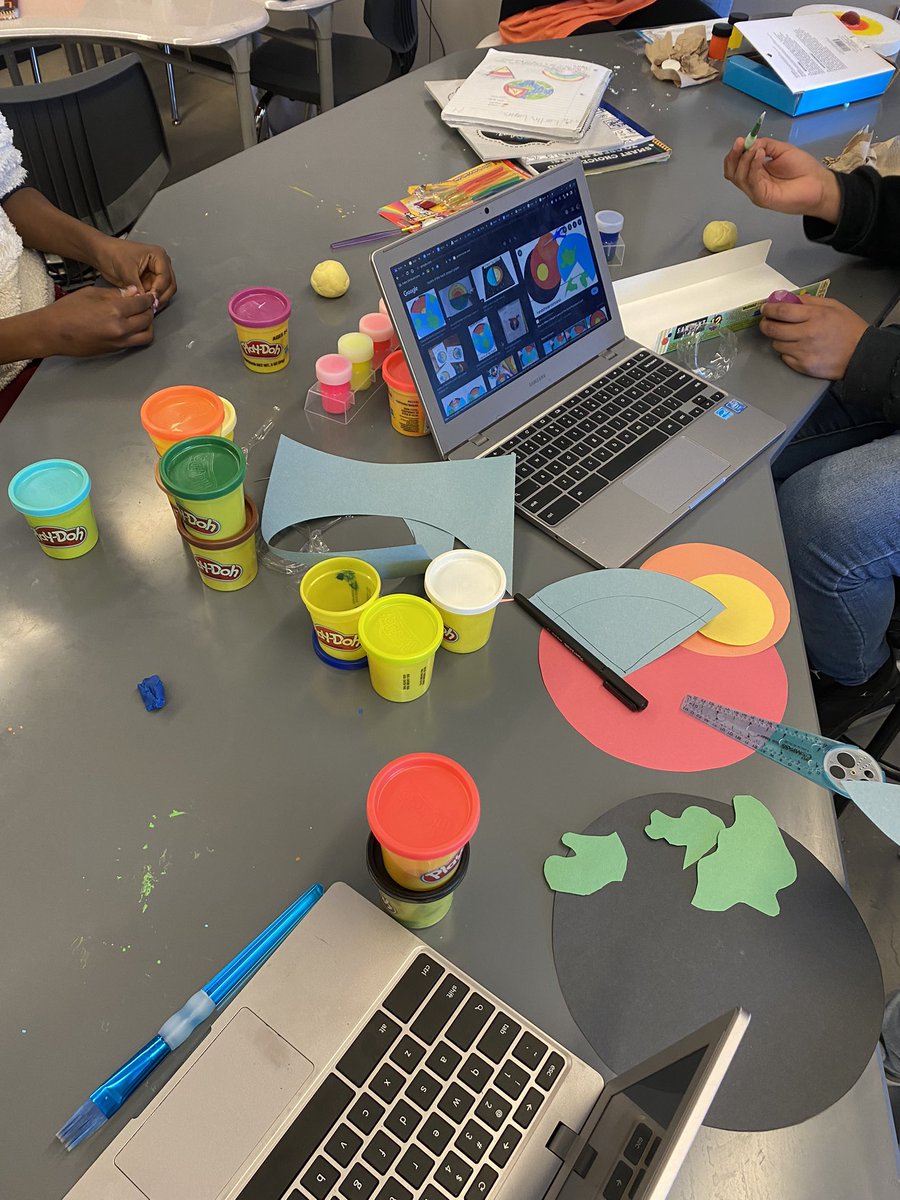
I always tell my scientists that our lab should look & sound like a construction zone, not a library. They are really taking that to heart with this project! #everypanther @VistaRidgeMS @KISD_Science
1
2
7
30 Mar 2022
21
Keller ISD Science retweeted

16 Mar 2022
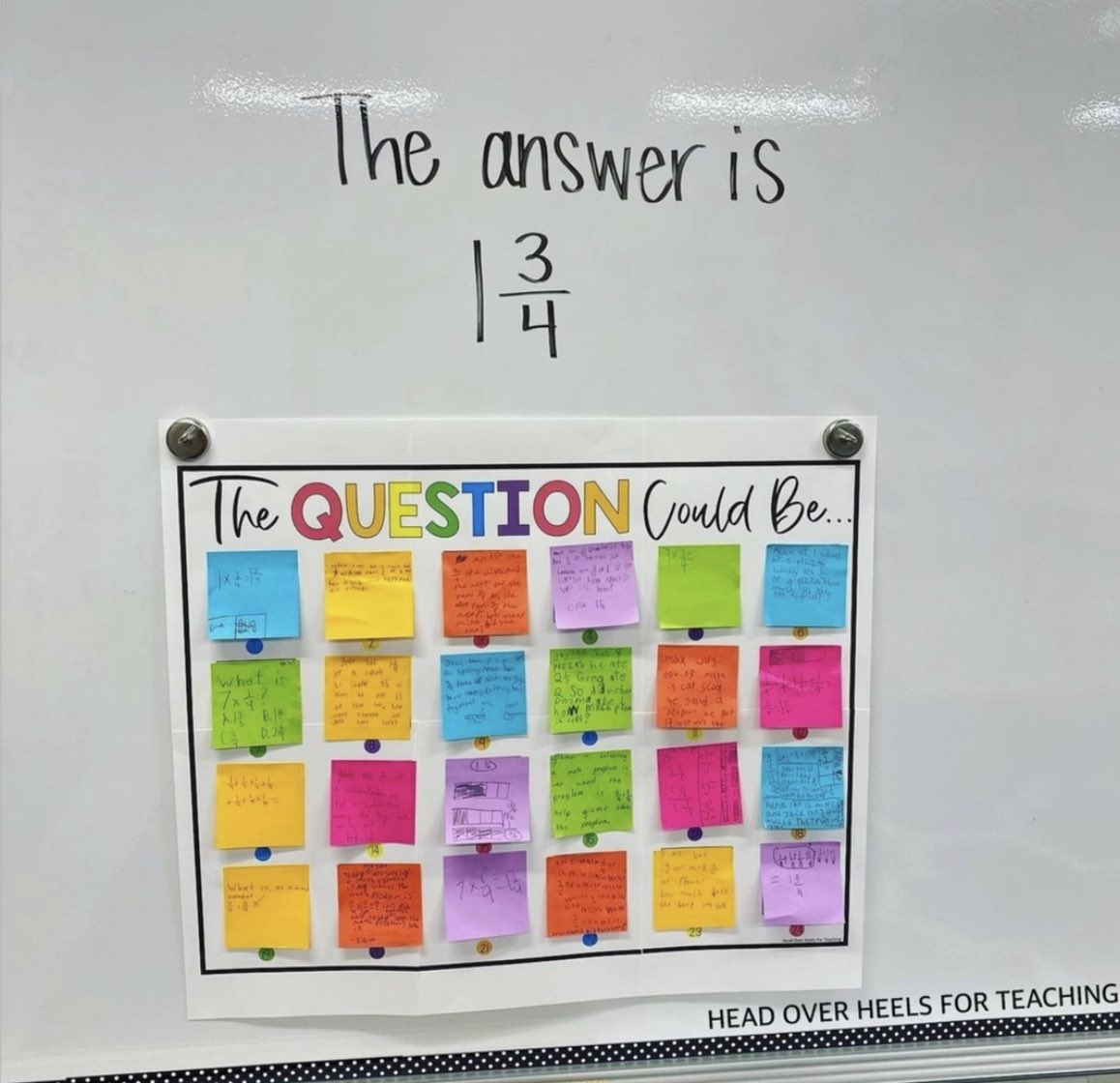
I love this idea for activating thinking and prior knowledge! This concept can totally be adapted for different content areas, too! What a great way to push thinking!
23
227
1,058
Keller ISD Science retweeted
11 Mar 2022
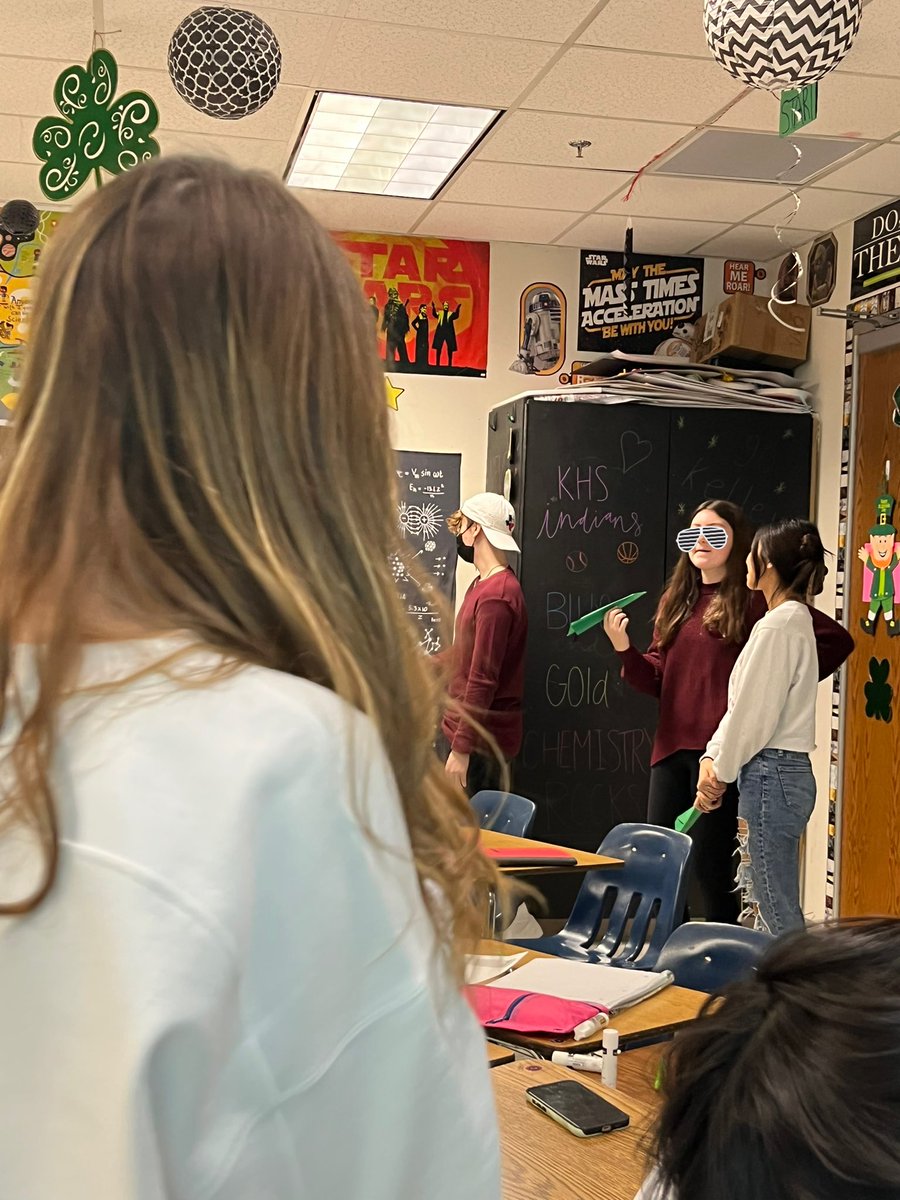
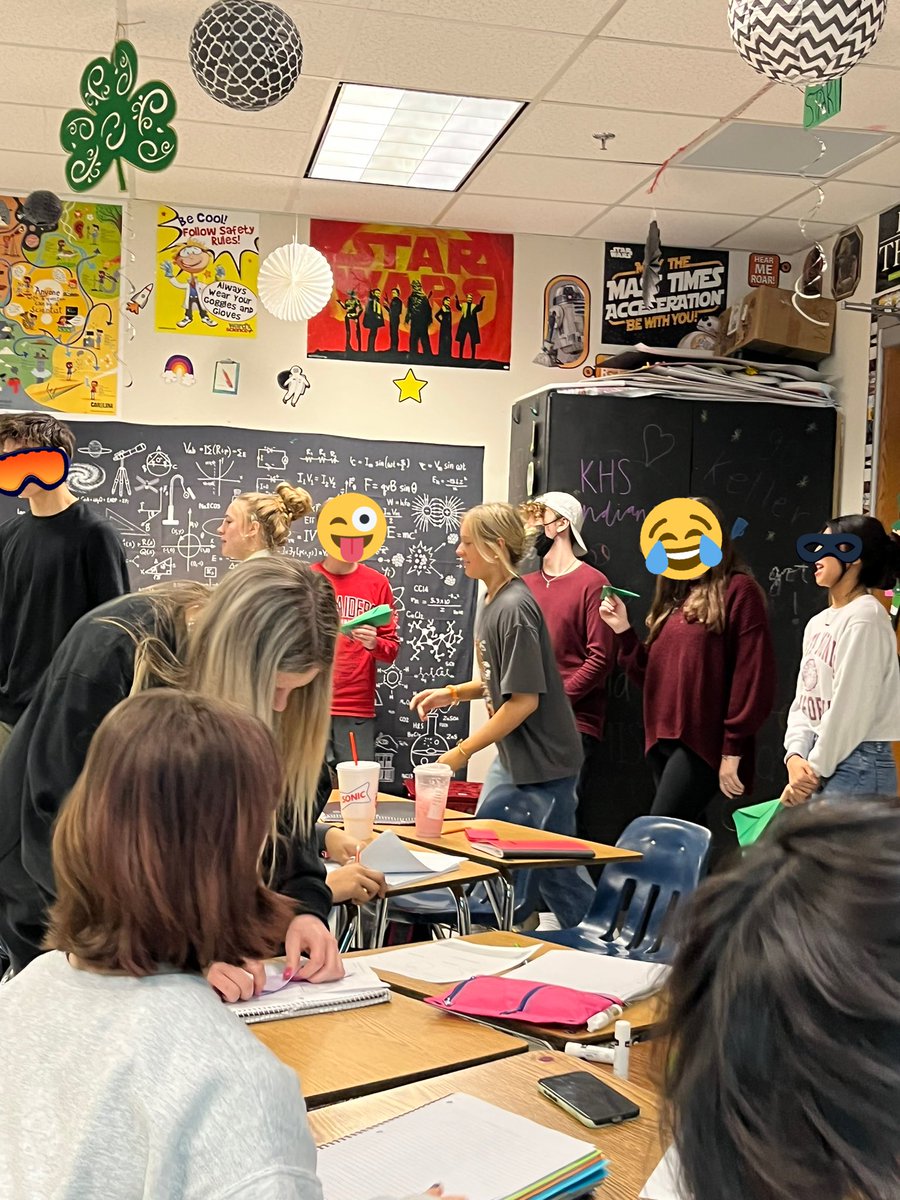
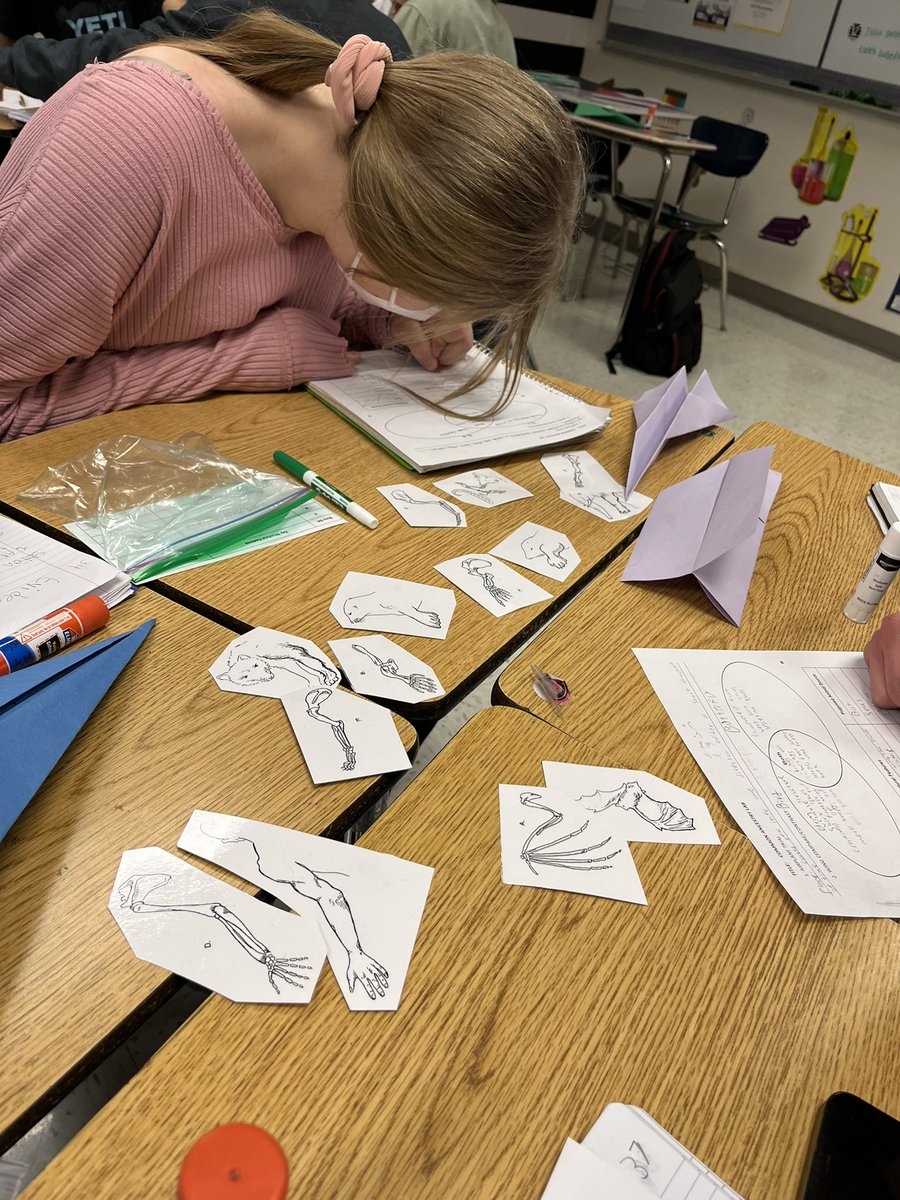
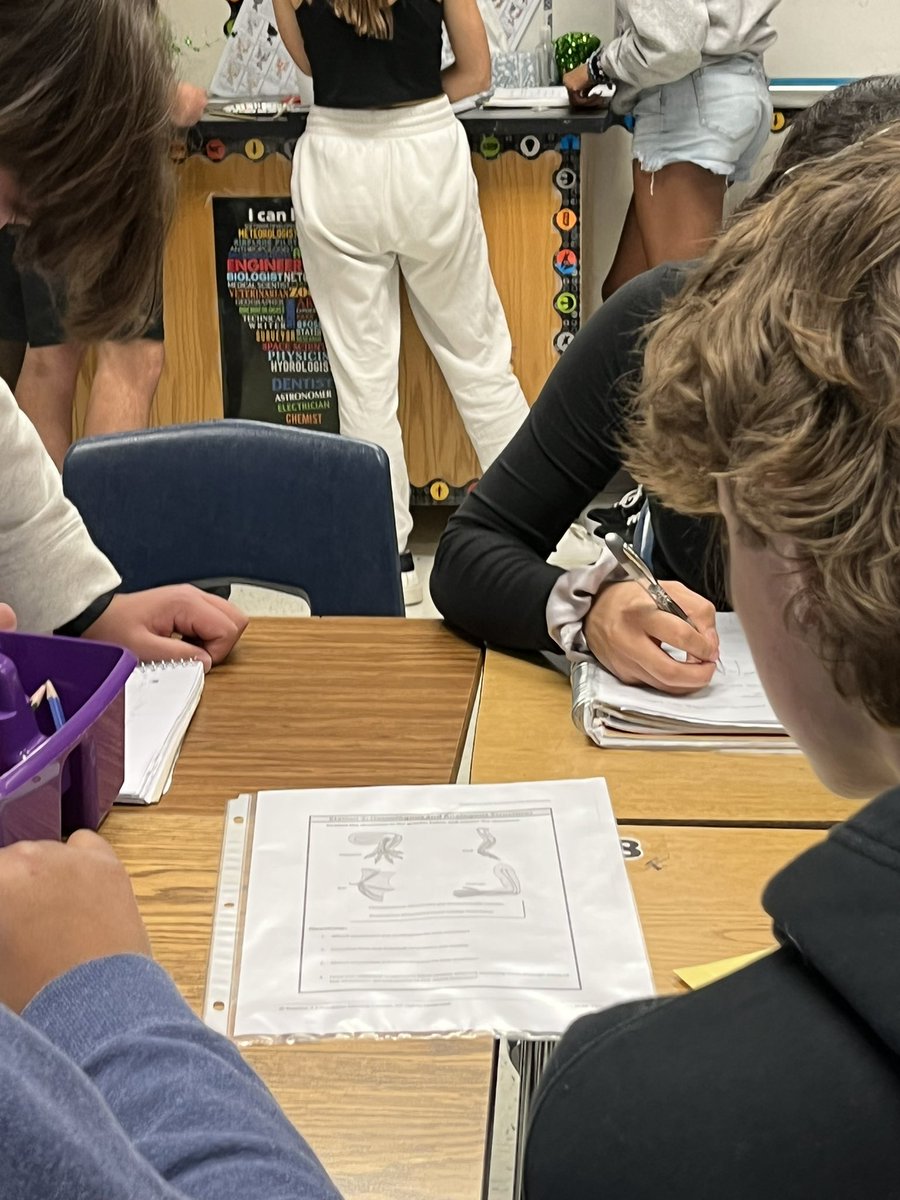
Common ancestry lab! #flight #wings #analogous vs. homologous #KISDlabstar @DebuskRebecca @KISD_Science @MrsSimmonsKHS
1
4
Keller ISD Science retweeted
9 Mar 2022
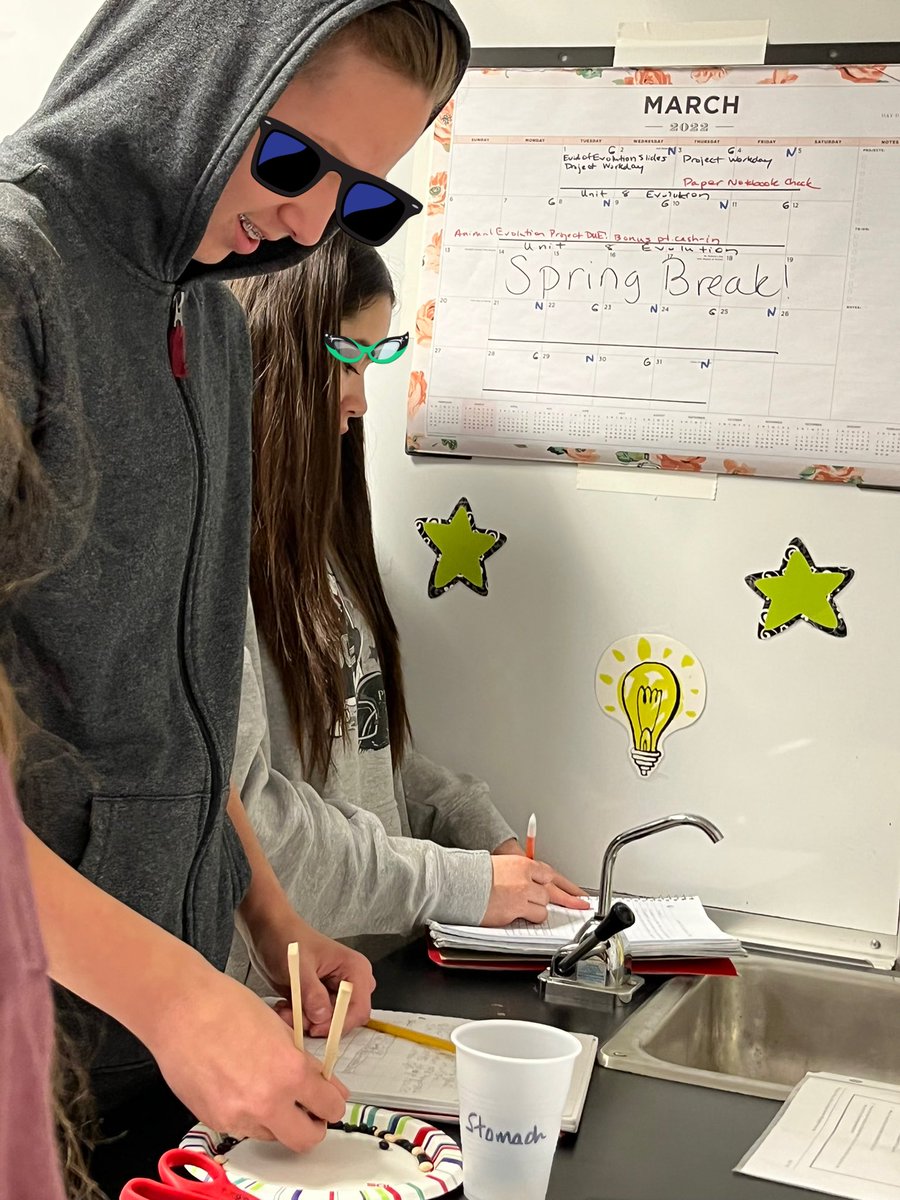
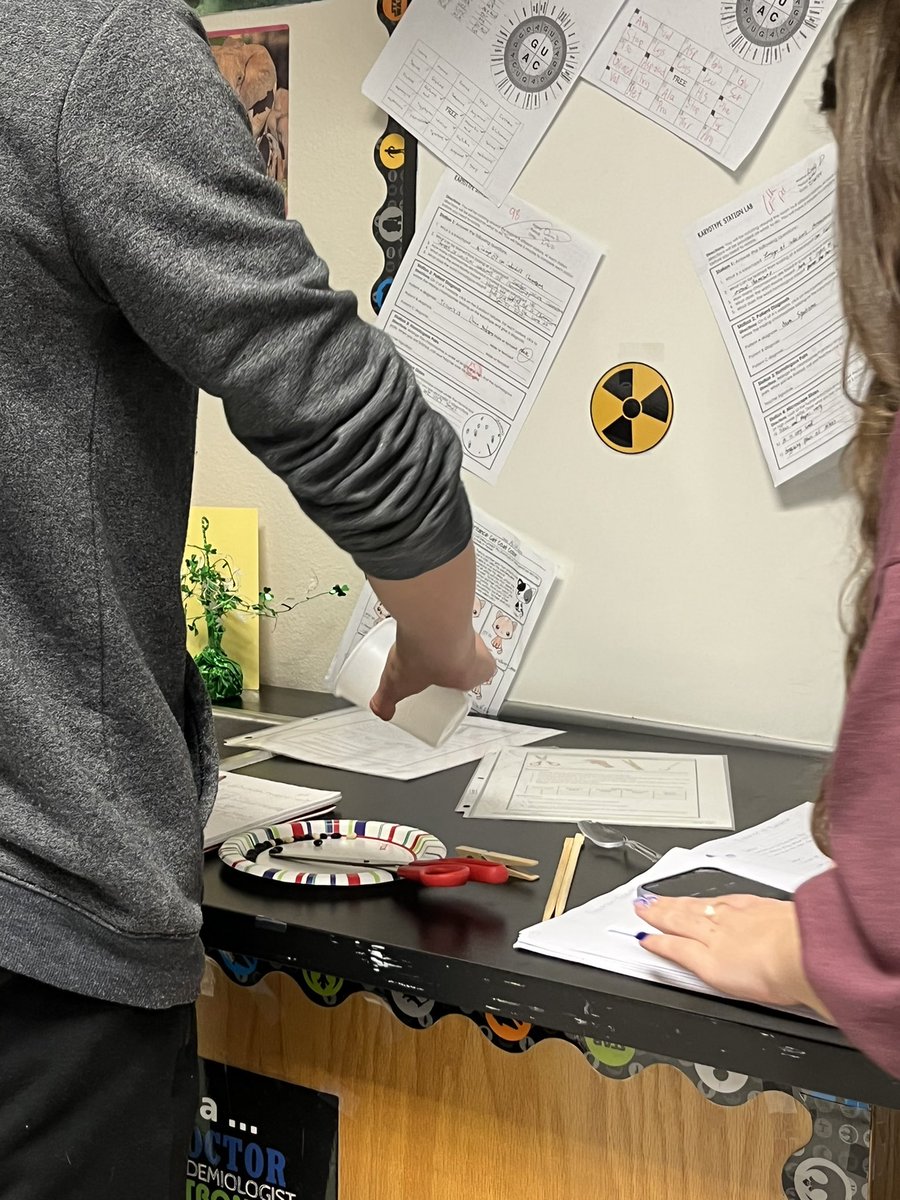
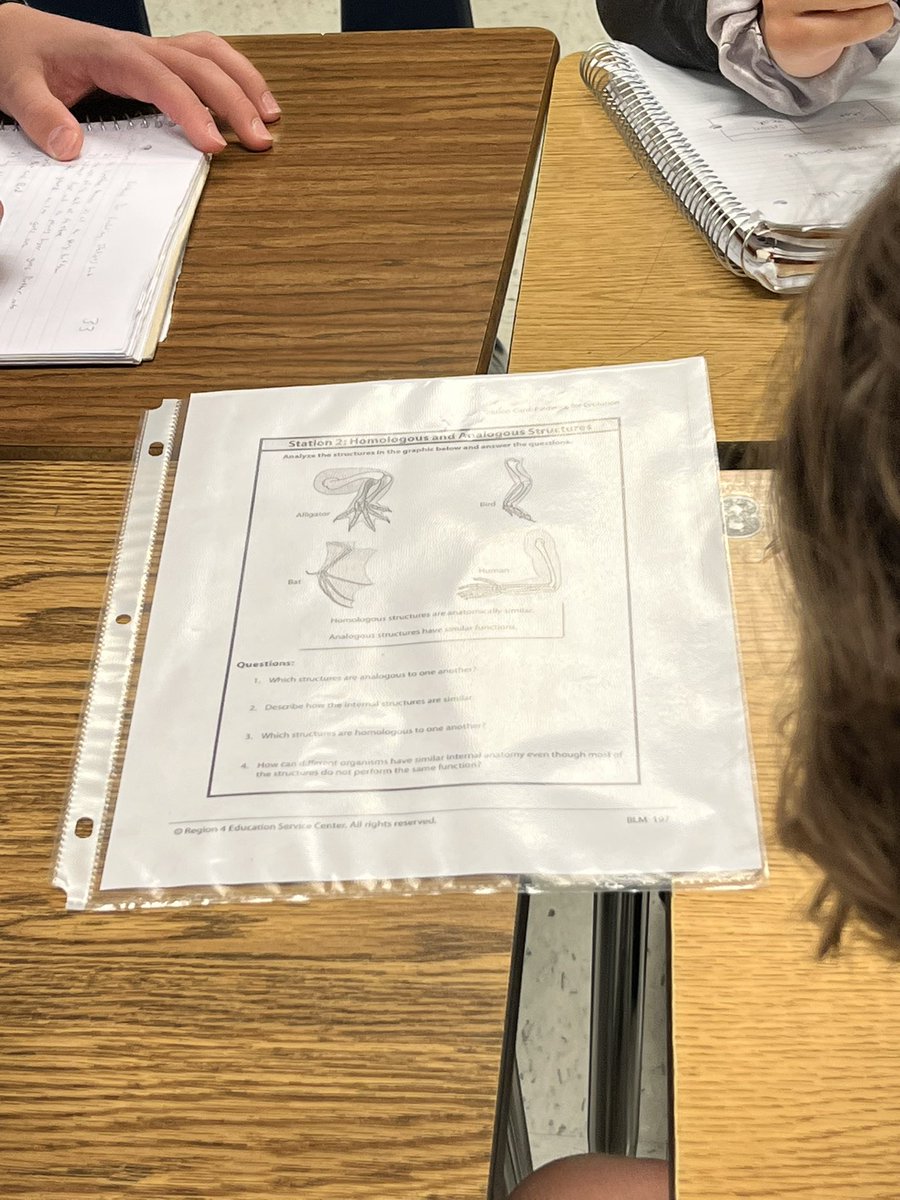
Evidence for evolution stations lab! #biology #beak Adaptations #biogeography #fossil record #homologous vs. analogous #KISDlabstar @KHSIndianNation @KISD_Science
1
7