
Managing Director of the Center for Biblical Unity and former military intelligence analyst and cohost of the Informed Takes Podcast and the Off Code Podcast.
Joined June 2016
- Tweets 6,184
- Following 1,620
- Followers 2,487
- Likes 16,701
289 Photos and videos






Pinned Tweet

Apr 29
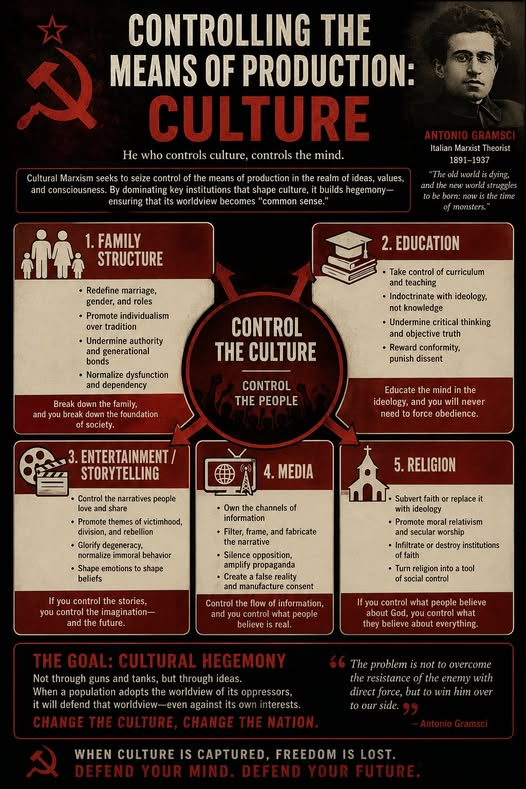
To understand what is happening in America today, you have to start with a hard truth: the Cold War was never just about weapons. It was a battle of ideas about which vision of humanity, freedom, and society would ultimately shape the world.
While many Americans believe that conflict ended with the collapse of the Soviet Union, the ideological struggle did not. Political systems can fall quickly. Ideas rarely do. They adapt, evolve, and find new avenues of influence.
Marxism is often reduced to an economic critique of capitalism, but historically it did not remain confined there. After the failure of widespread worker revolutions in the West, Marxist thinkers were forced to wrestle with a difficult question: why didn’t the working class rise up?
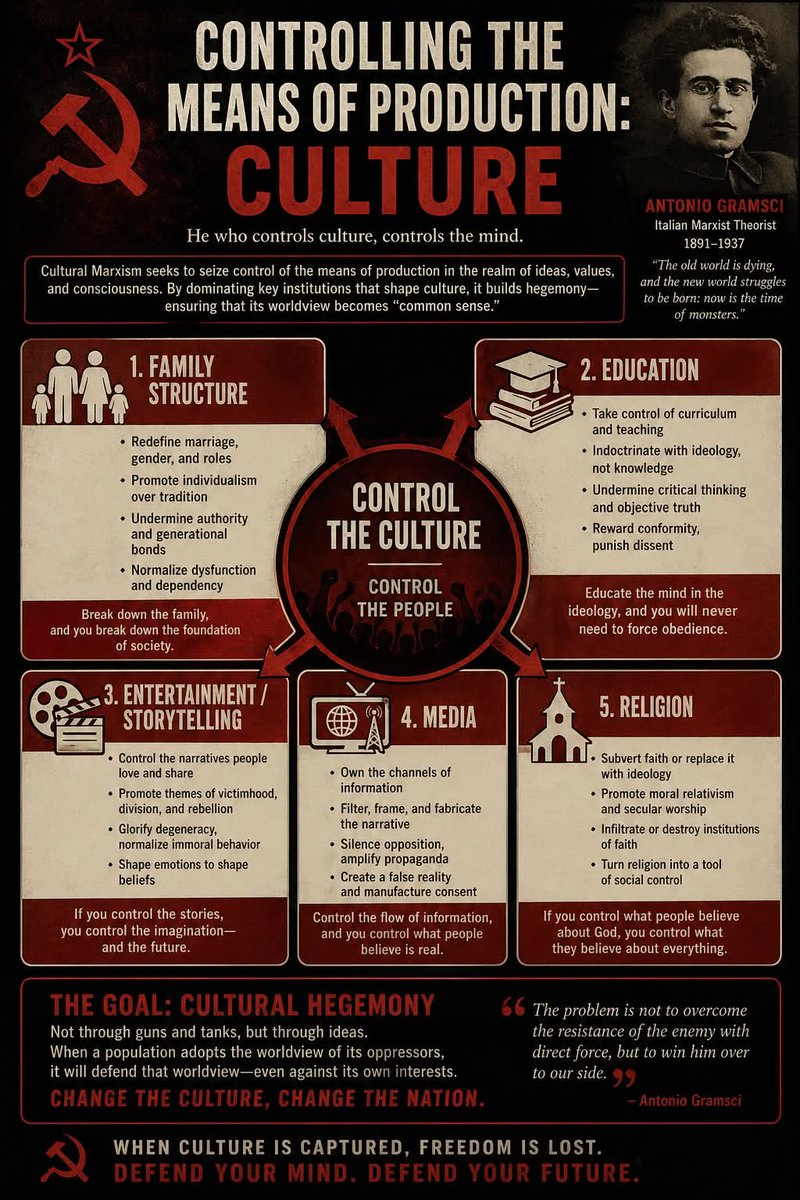
Figures like Antonio Gramsci argued that the answer lay in culture. Western societies were not held together by force alone, but by shared beliefs, institutions, and moral frameworks; many of them rooted in Christianity. People did not see themselves as oppressed in the way Marx predicted, in part because their culture gave them meaning, identity, and hope.
If culture was the stabilizing force, then it also became the new battleground.
This led to a shift in focus. Rather than prioritizing control over economic production alone, later thinkers examined how influence operates through institutions that shape how people think and what they believe to be normal or true. The work of the Frankfurt School, often called Critical Theory, explored how media, education, and social norms can reinforce or challenge existing power structures.
Over time, these ideas spread into academic and cultural spaces. The phrase “long march through the institutions,” associated with Rudi Dutschke, captured a strategy of gradual influence rather than sudden revolution; changing society by shaping the institutions that form its values.
Today, it’s hard to deny that many of these institutions, academia, media, entertainment, and parts of religious life are shaped by progressive or critical frameworks that emphasize power, identity, and systemic critique. Where reasonable people disagree is on how to interpret that reality. Some see it as necessary moral progress. Others see it as a departure from the foundational principles that once defined the nation.
What is clear is that the central conflict is not merely political. It is philosophical.
At its core, this is a debate over first principles:
• Is the American experiment rooted in enduring truths about human nature, freedom, and moral order?
• Or is it fundamentally flawed, requiring deconstruction and reconstruction along entirely different lines?
These are not small disagreements. They are competing visions of reality itself; of what justice is, what freedom means, and what kind of society we are trying to build.
And that is why the tension feels so deep. This is not simply a clash of policies. It is a clash of worldviews.
1
5
12
1,806
Kevin Briggins retweeted

17h
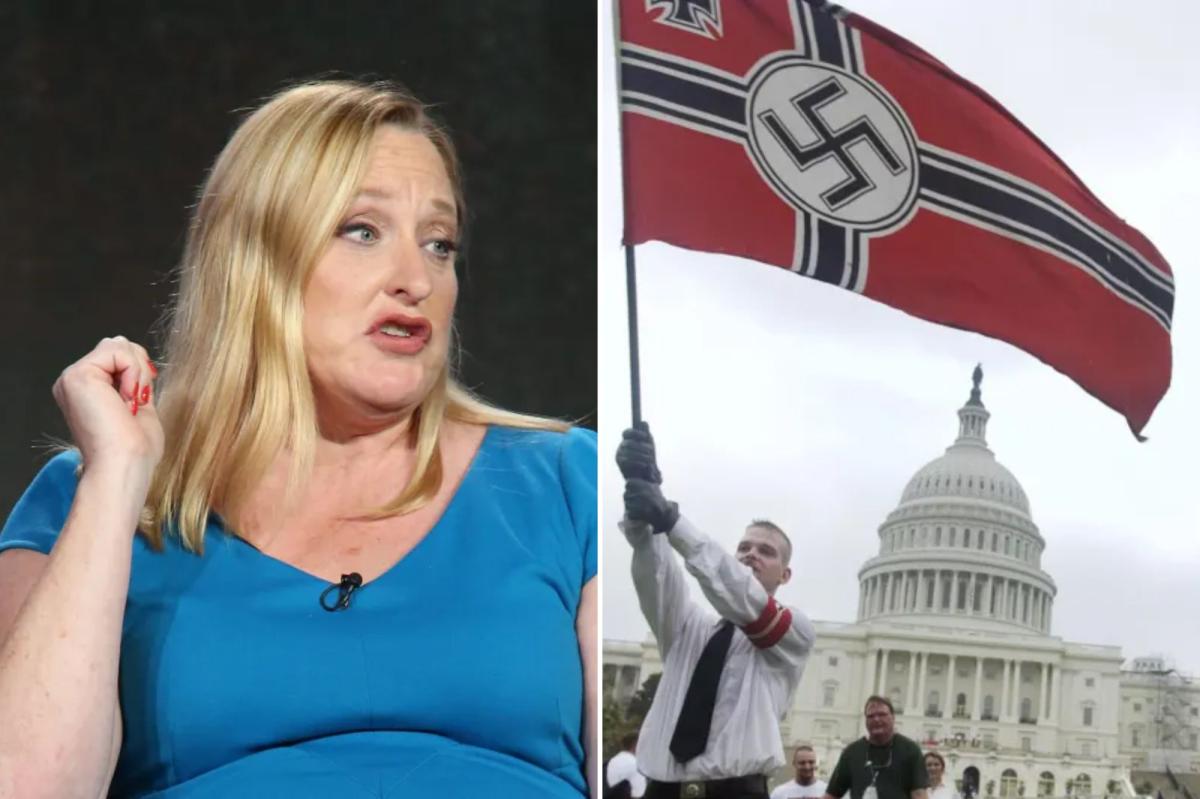
SPLC boss funneled $1.2 million to lover in neo-Nazi group - pair even had joint bank account trib.al/7wnuofS
1,536
7,953
26,254
6,038,068
Jun 14
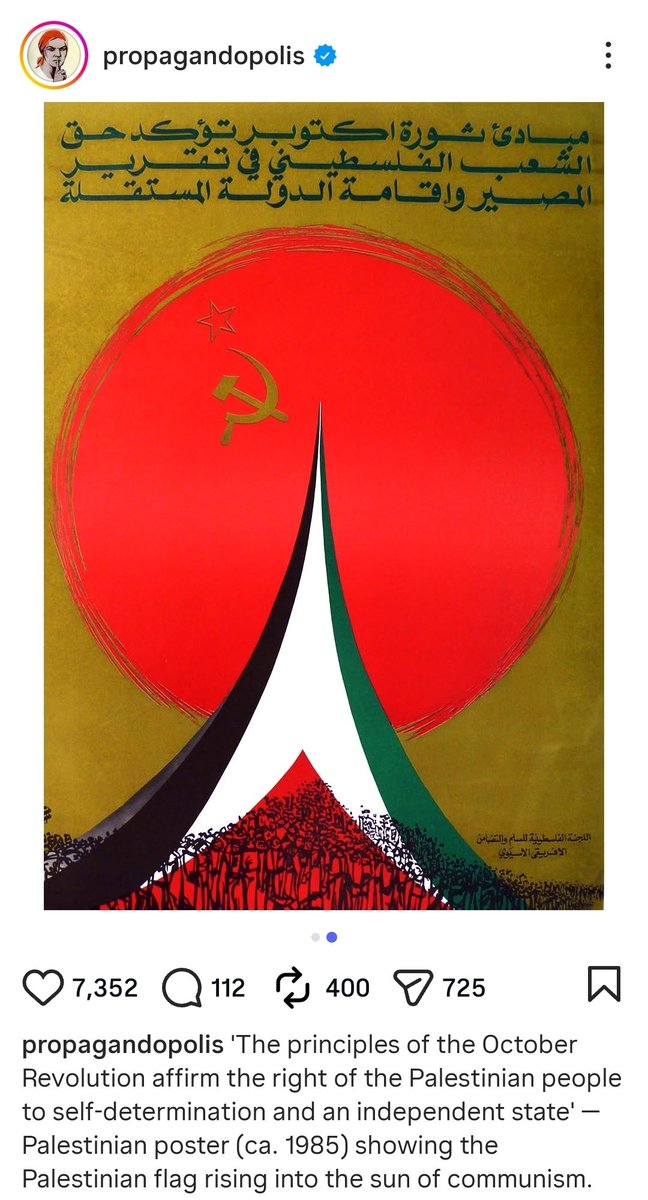
The Red Green Alliance

Hey! How about that! The Palestinian movement is Communist propaganda! Poster from 1958.
1
3
97
Kevin Briggins retweeted

Jun 12
Austin Metcalf is dead.
Let’s stop dancing around the obvious.
Austin Metcalf received the death penalty.
Karmelo Anthony received 35 years.
One of them lives.
One of them gets a gravestone.
Save the faux outrage.
The real victim in this case is NOT the convicted killer.
The real victim is the young man who will never come home again and the family that will spend the rest of their lives grieving a loss that can never be undone.
This was a track meet.
A place for competition, teamwork, and sportsmanship.
NOT violence.
NOT murder.
And spare us the racial narratives.
Murder is wrong regardless of the race of the victim or the perpetrator. Any decent society should be able to agree on that.
Austin Metcalf lost everything.
His family got a life sentence of grief.
And while some are busy turning this tragedy into a racial debate, the Metcalf family is looking at the empty chair at the dinner table and remembering who actually paid the highest price.
Austin Metcalf got the death penalty.
Never forget that.
1,606
21,029
101,649
1,096,483
Jun 13
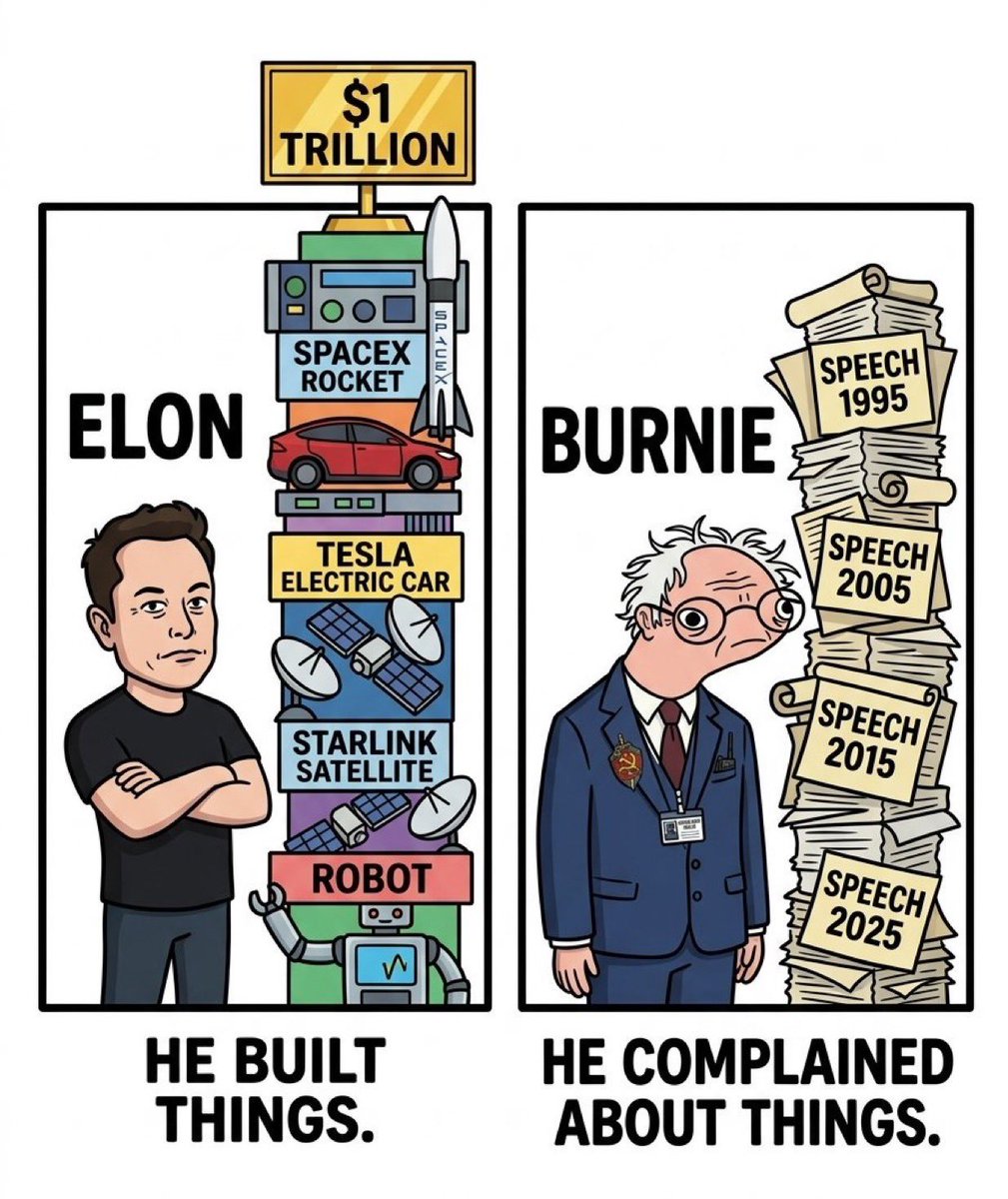
The difference between capitalism and socialism.
Jun 12

1
4
33
559
Kevin Briggins retweeted

Jun 12
🚨 BREAKING: President Trump's Iran deal terms are reportedly as follows
1. Nuclear material will be DESTROYED AND REMOVED
2. Nuclear program DISMANTLED
3. NO funds released until they carry out the terms
4. Hormuz Strait OPEN
5. Iran cannot fund terrorist groups
Trump said the terms Iran leaked are FAKE NEWS. Imagine that.
Make it happen, or force them to submit!
641
1,720
7,046
502,205
Jun 12
When blackness is an idol.

Encouraging Black people to lie in court for no other reason than to throw juries into racial disarray is BEYOND demonic.
2
1
8
244
Jun 11
Jerry Seinfeld just moved up my list of favorite people. 😂
Jun 11

“What up, Seinfeld? Can we get a ‘Free Palestine’?”
“It doesn’t exist.”
🐐🐐🐐🐐
2
1
7
282
Kevin Briggins retweeted

@KJBrigg exposes the dangerous “We Stick By Ours” mindset crippling honest dialogue in the Black community.
4
6
899
Jun 10
These people are broken. Decades of always been told you're a victim has broken these people.

We have lost our minds.
A jury convicted Karmelo Anthony of murder for stabbing 17-year-old Austin Metcalf to death. Evidence was presented. Witnesses testified. Self-defense was rejected. He got 35 years.
That’s not a “legal lynching.” That’s justice.
Crying racism because the killer is Black and the victim was White doesn’t change the facts: actions have consequences.
Austin is dead. His family grieves. The system worked.
Stop excusing violence.
#JusticeForAustin #RuleOfLaw #NoMoreExcuses
5
30
426
14,499
Kevin Briggins retweeted
Jun 9
🚨 WOW! Dr. ALVEDA KING just said it PERFECTLY on Capitol Hill
"I still have a dream. I dream that one day we will move beyond black power and white power and embrace GOD'S power and human dignity!"
"I reject the notion that Americans who hold traditional Christian beliefs should be treated as THREATS or TERRORISTS simply because we disagree with a prevailing political thought!" 🙏🏻
"I dream that Americans will one day see each other, not as enemies, but as neighbors. I dream that we will hear each other, see each other, and recognize that every human life has value from the womb to the tomb and beyond."
"We are as scripture teaches, one blood, one human race. And if we remember that truth, we can build a future worthy of the sacrifices made by those who came before us."
"We must speak out for truth and against the forces that would manufacture hate, fear, division, and violence simply to line their pockets and further their political ambitions."
"God bless America, God bless you!"
🇺🇸🇺🇸👏🏻
1,705
20,941
83,216
1,055,419
Kevin Briggins retweeted

Jun 9
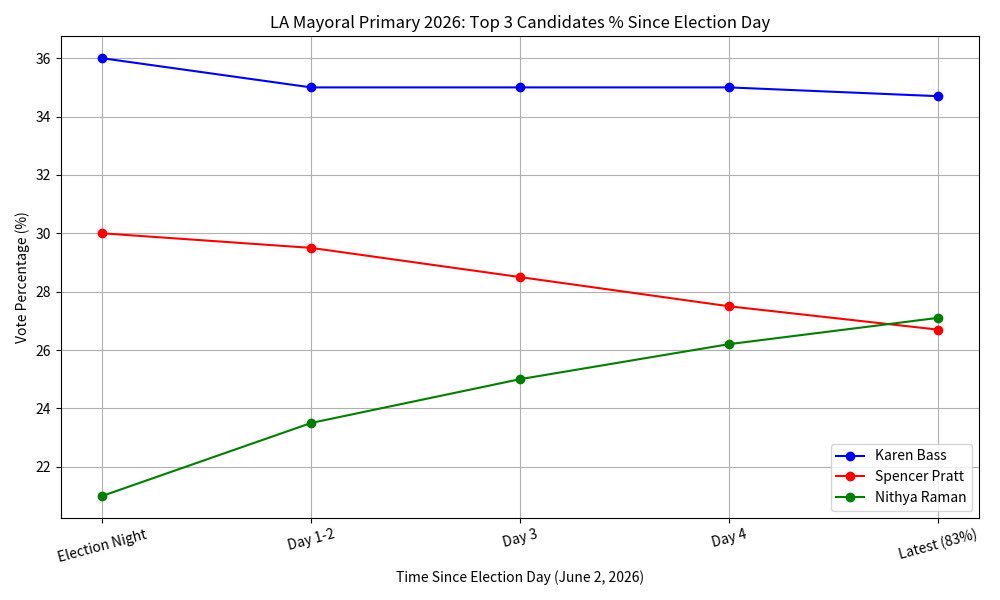
Democrats in California would like to remind voters that questioning statistically absurd phenomena in elections is now a threat to Democracy, and probably racist. Now sit down and take whatever they give you or they will call you names.
85
652
3,091
24,016

Jun 6
Karmelo Anthony stabbing Austin Metcalf was so senseless. He took a life and threw his away for no reason. The testimony from the other students is sad and damning to Karmelo's case.
I know many have made up their minds based on race dynamics and false information on social media, but from the evidence presented, Karmelo wasn't jumped, bullied, or surrounded. He was the aggressor and appeared to want someone to "try him." Several students testified that when told to leave their tent, Karmelo got angry. He said, "Put your hands on me and see what happens." He already had his hand in his bag with the folding knife blade already unfolded.
This wasn't the case of someone being jumped or bullied. This was a young man looking for a fight because he knew he had the weapon to win it. When someone took his challenge, he used it.
The student from Austin's school who knew Karmelo and "dapped him up" testified to all of this. Many of the students testifying are also black.
7
28
1,607
Jun 6
Notice how all of the anti-Israel people are all of a sudden pro China and pro Russia. This is a continuation of the Cold War and @TuckerCarlson and @RealCandaceO are the useful idiots of our time.

🚨 Wake Up, America — We Are Under Attack.
Anti-American propagandists Jimmy Dore and Tucker Carlson are pushing the lie that Communist China is better than the United States.
There is a coordinated effort in Podcastistan to subvert our country from within: demoralizing Americans and convincing the Right that China, Russia, and even Iran are superior.
Dore and Carlson are deploying easily debunked, dishonest arguments to sell globalism and communism.
These are useful idiots, or active puppets, trying to recruit you into voting for your own demise and the destruction of this nation.
3
10
550
Jun 3
Stop taking these people serious. They're paid propagandists and liars.

4
168
Kevin Briggins retweeted

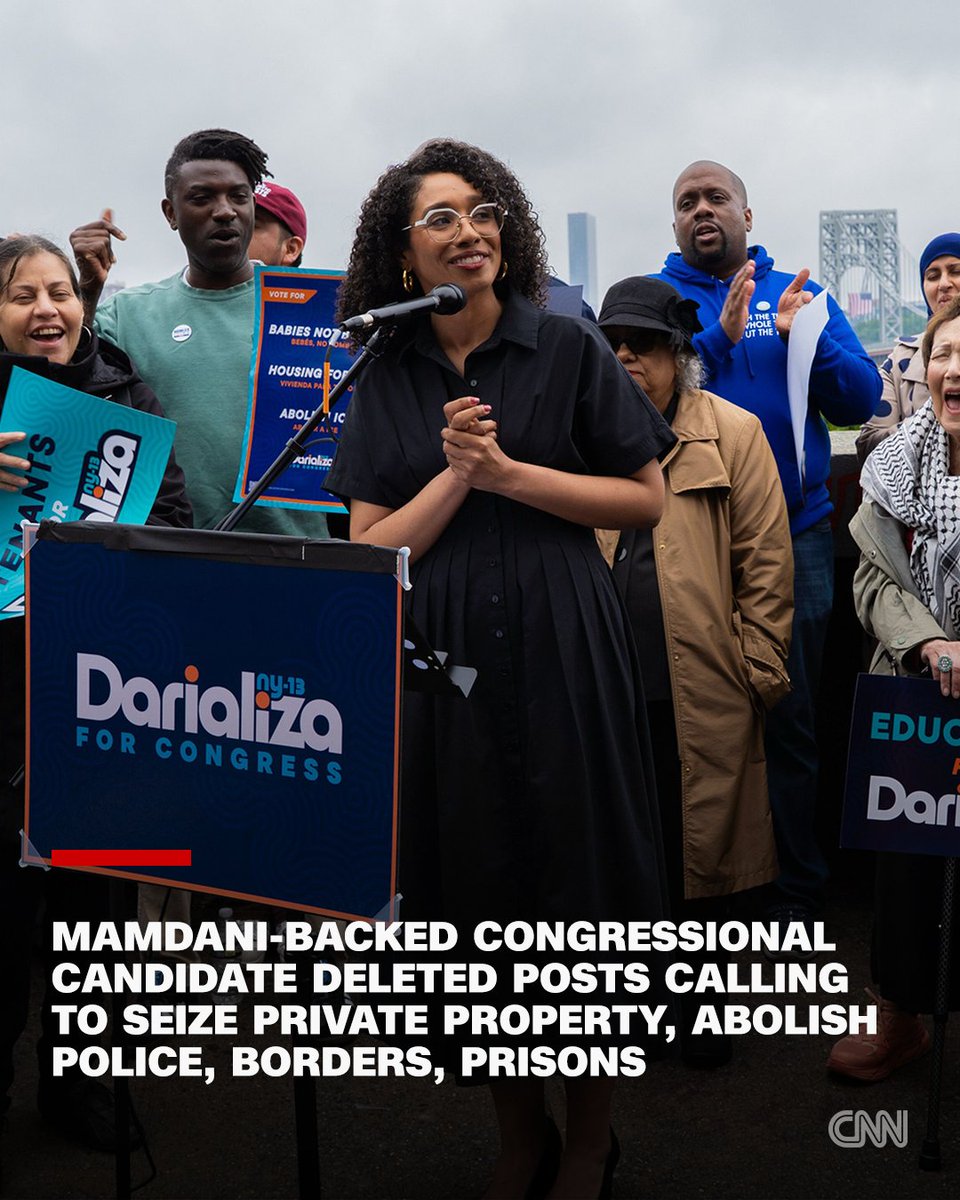
They're Communists, and they're having to hide it again.

Mamdani-backed congressional candidate deleted social posts that supported abolishing police and prisons as well as seizing private property: cnn.it/4o41xEU
23
455
1,865
28,940
Kevin Briggins retweeted

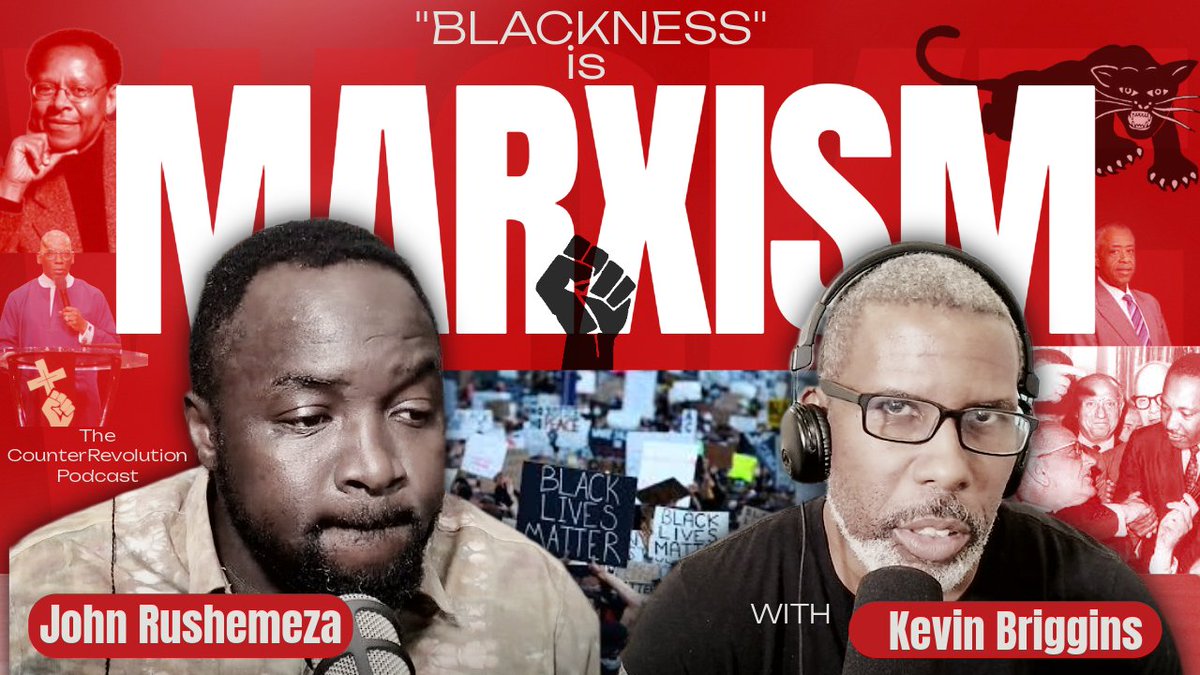
How did Marxism quietly hijack the Civil Rights Movement and become synonimous with Black culture in America?
In this installment of the CounterRevolution Podcast, I am speaking with @KJBrigg (Managing Director of the @biblical_unity ) to discuss:
The Soviet strategy that targeted the Black community
The truth about Martin Luther King Jr. and the long-term impact of the Civil Rights Movement
How blacks in America went from a “trying people” to a “crying people”
The devastating effects of the War on Poverty
Why biblical forgiveness — not grievance or reparations — is the only real path to unity
Kevin brings clarity, courage, and a strong biblical worldview to one of the most important topics of our time.
If you're tired of race-based ideology dividing the Church, this one is for you.
Share it with your friends and pastors!
1
1
2
115
Jun 1
***Announcement*** Today, we are launching our 2026 Mid-Year Campaign! We are excited about how the Lord is using the Center for Biblical Unity in this season. We just released the Los Angeles Statement on Race, Justice, and Unity, which you can read and sign here: centerforbiblicalunity.com/r…
This year, our goal is to add 30 new monthly partners at $100 a month and 3 new church partnerships. CFBU exists to serve and equip Christians and church leaders to tackle difficult worldview and cultural issues from a biblical perspective. We are asking you to come alongside and partner with us in this mission as we grow the CFBU family!
You can become a monthly or church partner here. One-time donations and monthly partnerships of any amount are welcome and greatly appreciated. God Bless!
centerforbiblicalunity.com/g…
@biblical_unity
2
5
478
Jun 1
This woman has been captured by the Kremlin.

A compilation of Candace Owens' greatest hits as a pro-Russian propagandist mouthpiece.
1
10
230