
Emmy & Edward R. Murrow Award Winning Field Meteorologist/Executive Weather Producer for KOCO5 in OKC. AMS CBM Seal #835
Joined February 2009
- Tweets 20,024
- Following 2,805
- Followers 14,094
- Likes 16,043
Photos and videos
Pinned Tweet

Rare tornado. Satellite tornado near Braman, OK on Thursday. Video at 350% speed for 20 sec length.
I only recall a satellite tornado simultaneously rotating around a strong dominant tornado 2 other times in OK: May 3, 1999 near Chickasha and May 10, 2010 near Lake Thunderbird.
12
73
799
46,806
Michael Armstrong retweeted

Jun 12
Quick edit showing some of the intense moments today while documenting 8 tornadoes in northern Illinois into Indiana. Massive shoutout to @skydrama for nailing the forecast in the warm sector. Hands down the craziest tornado outbreak I've ever documented.
Full video will be released in the near future on the @thestormreel YouTube page.
#ilwx #inwx #tornado #outbreak
99
999
6,909
598,535
Michael Armstrong retweeted

Jun 10
39
315
1,676
86,754
First, credit to the Spurs. They made the big plays down the stretch in the 4th with some clutch 3s. Still proud of our team. Great season for the @okcthunder battling through a lot. Time to get some rest, get healthy, and be ready to go next season. As always, #ThunderUp
14
746
Ngl, never been a huge fan of Draymond, but for anyone who thinks they know more ball than him, you might want to brace yourself.. It’s past time for the SGA hate to stop, especially from people who should know better.

Draymond on SGA's Foul-Baiting And Flopping
“Shai, you've reached a new level of greatness my man... you got sports media coming out and talking about what they don't like about your greatness, as if Shai Gilgeous-Alexander is running up and down the court with the whistle in his mouth calling a foul for himself... you all think the NBA is that easy to where this guy just flops and goes to the free throw line and he becomes the back to back MVP? We really gonna dumb the NBA down to that?”
8
21
2,878
Michael Armstrong retweeted

May 27
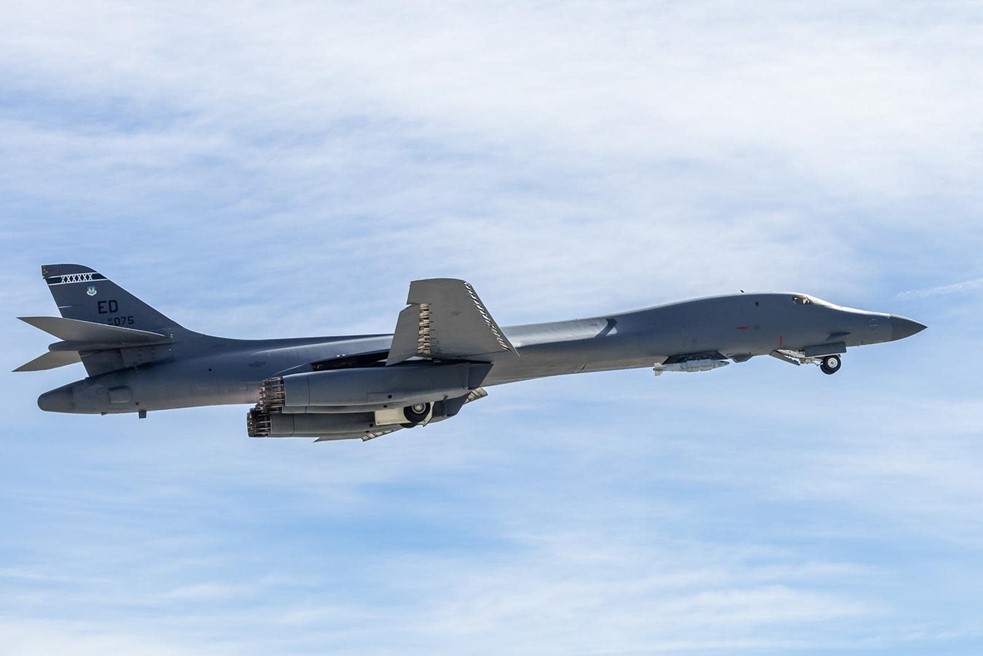
New carriage design boosts flexibility.
We completed the preliminary design review for the Load Adaptable Modular pylon for the B‑1, repurposing six hard points under the wings to expand mission options and extend the aircraft’s service life.
Learn more: boeing.com/features/2026/05/…
16
105
774
30,463
If you listened to the pundits after game 4 the Thunder were done and the Spurs were already crowned. But the champs had something to say about that tonight with action on the court where it matters most. Now they have 2 chances to close it out and head back to the Finals.
1
1
19
710
The Bone had to trail, otherwise it would have stole the show and drowned everything else out 🤣
1
1
16
1,791
Michael Armstrong retweeted

From day one, the Air Force drilled student pilots on the Four Steps for any emergency:
1. Maintain Aircraft Control
2. Analyze the Situation
3. Take the Appropriate Action
4. Land as Soon as Conditions Permit
In pilot training, we recited them like scripture during brutal emergency evaluations called "Stand Ups."
An instructor would throw out a scenario: “You’re pulling closed and feel a loss of thrust.”
Then he’d scan the room like a hungry lion eyeing the slowest zebra.
If called, you stood, recited the Four Steps verbatim, then walked through the emergency in front of everyone.
Screw it up, and you sat down in shame while the next victim took a shot.
It was brutal — but it taught us to think when the jet was trying to kill us.
Years later, those lessons stopped being academic.
Red Flag — fighter pilot heaven. I was number eight in a formation of F-15s just east of Student Gap.
Suddenly my jet pitched hard left and Bitchin’ Betty calmly announced: “Engine Fire right. Engine Fire right.”
I scanned the cockpit.
Master Caution light.
Engine Fire light.
EGT pegged.
Warning panel lit up like the Vegas Strip.
I stopped the roll, yanked the throttle to idle, and started dumping fuel.
Even from two-mile tactical formation, lead could see the chaos erupting.“Toast 8, you’re trailing smoke and venting gas.”
“Worse,” I answered. “I’m on fire and I’m dumping gas.”
When I let go of the stick, the jet immediately rolled left again, so I flew with my left knee to keep my hands free for checklists and switches.
Not exactly textbook.
Sometimes you improvise… sometimes you die.
I shut down the engine and discharged the fire bottle — but the fire light stayed on.
About this time, my flight lead — now my chase ship — slid into formation. “You’ve got a hole in your burner can — and a small fire inside.”
As I was pondering this, my fuel gauge died. Wing tanks wouldn’t jettison. All airspeed indications failed.
Then things got really exciting.
A second fire light.
Bitchin’ Betty again: “AMAD Fire. AMAD Fire.”
My chase airplane banked sharply away and uttered a phrase every pilot hopes never to hear:
“Deacon… now you’re REALLY on fire.”
I looked back. A fire engulfed my jet up to the speed brake.
“You’re trailing flames fifteen feet behind your jet,” chase said.
“I’m gonna punch,” I said as I secured classified material in my G-suit pockets. “Tell the SOF to launch the rescue helicopter.”
I was fifteen seconds from ejecting when chase piped up again. “It’s back to a small fire.”
At this point, a small fire was a good thing — which brought me to the last step of the checklist: If Fire Persists — Eject.
That left me with a decision: eject into the mountains below or land the crippled fighter.
I chose the latter — for now.
I performed a controllability check with chase calling out airspeeds. I’d have to land at 190 knots.
Too heavy. Too fast. Never a good mix, but the manuals said I could stop using the hook on the departure end cable.
I planted the jet on brick one, lowered the nose, hit the hook switch, and thought maybe the airplane was finally done trying to kill me—until chase ruined my day again.
"Your hook’s not down.”
I hit the brakes — Fred Flintstone style.
“And now your tires are on fire.”
At that point, nothing could have surprised me. For the third time that sortie, I prepared to eject.
The jet — still on fire — stopped about three hundred feet from the end of the runway.
The ARFF trucks doused the fire(s) as I egressed via the internal boarding ladder.
Every emergency fills the clue bag.
This one filled it to overflowing.
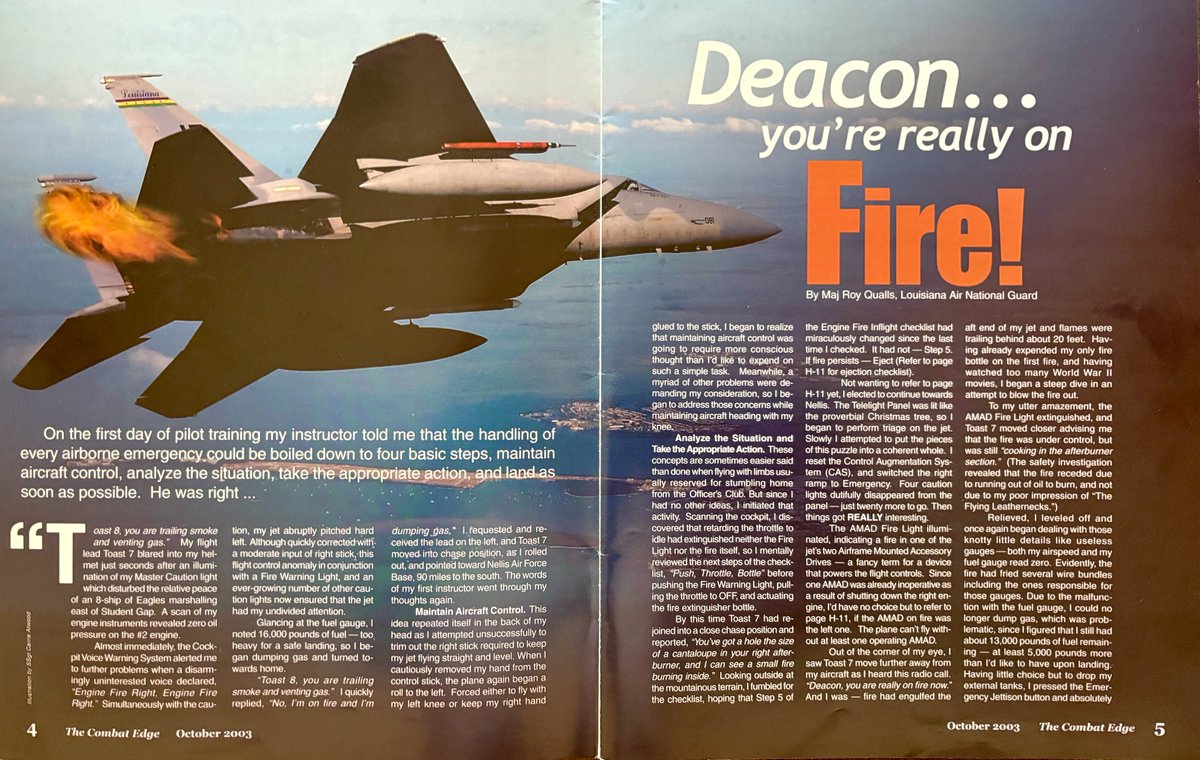
ALT Combat Edge -- October 2023 issue
19
46
345
12,748
I’ll take “things that didn’t age well for 76” As in 76 BENCH points.
May 23

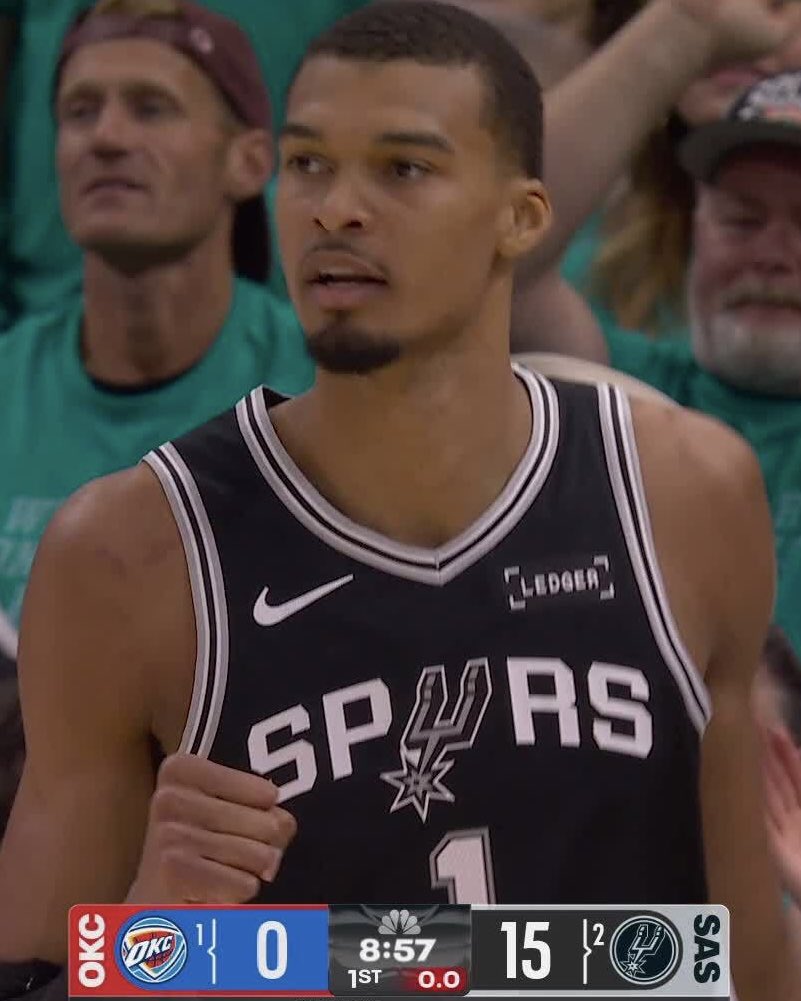
SPURS ALREADY OFF TO A 15-0 RUN TO START GAME 3 🤯
NOT PLAYING AROUND
1
8
1,057
One of my favorite moves of the night 🤣🤣🤣 Thunder Up!

1
74
9,889

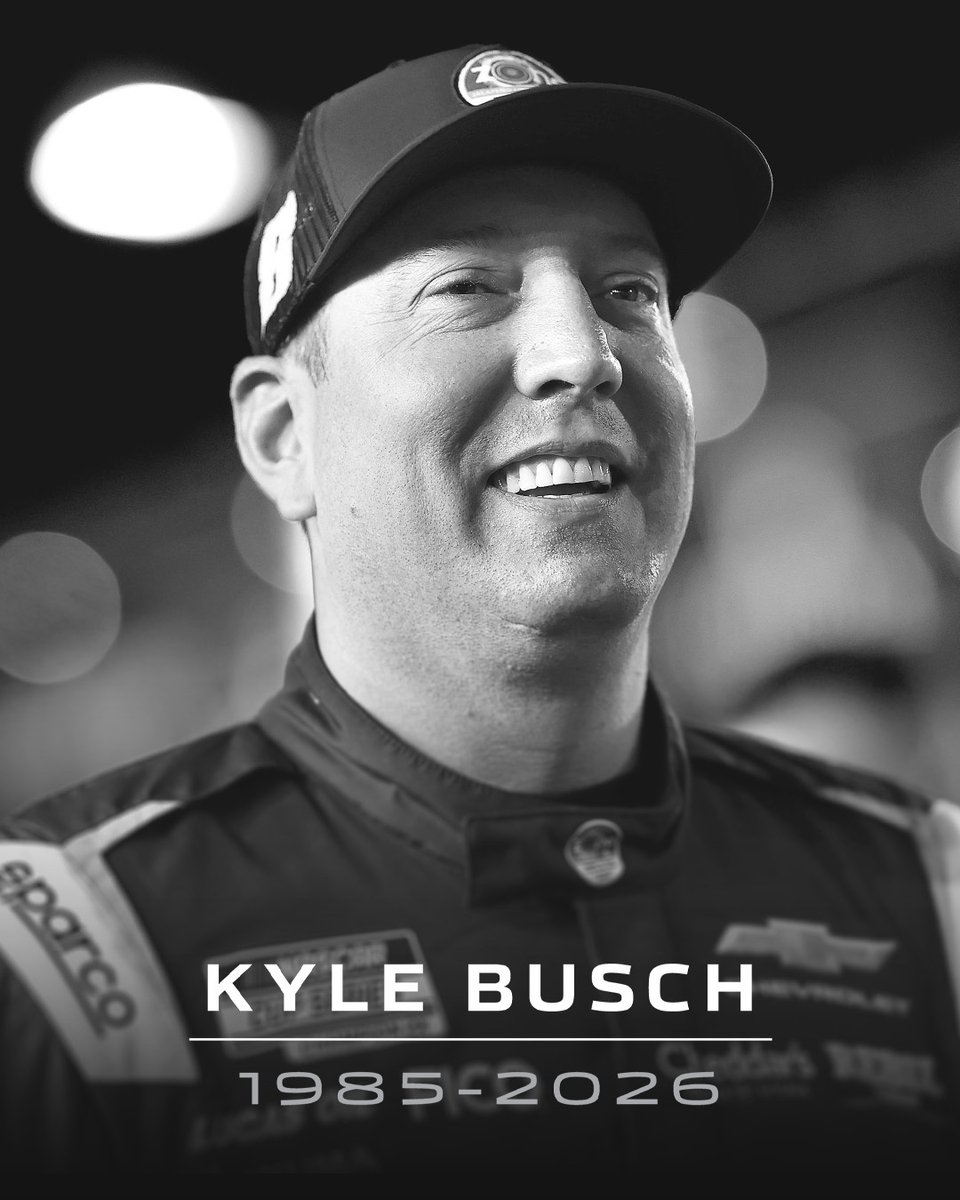
We are saddened and heartbroken to share the news of the passing of Kyle Busch, a two-time Cup champion and one of our sport's greatest and fiercest drivers. He was 41 years old.
We extend our deepest condolences to the Busch family, Richard Childress Racing and the entire motorsports community.
7,212
31,143
127,397
25,418,950
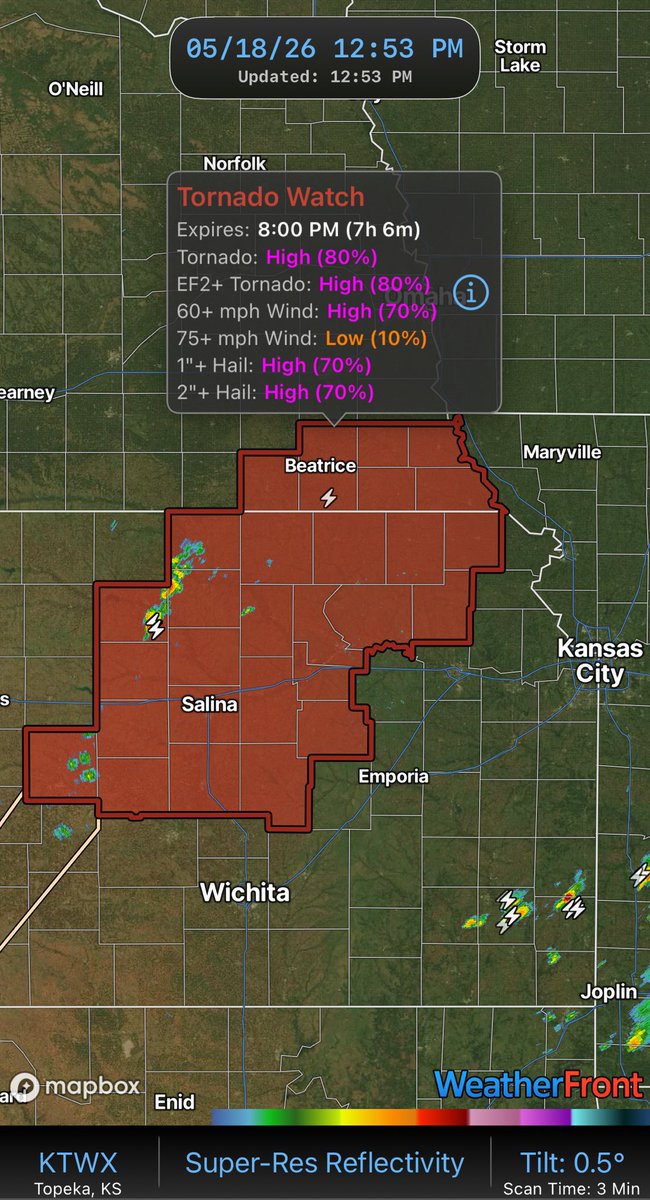
Particularly Dangerous Situation (PDS) Tornado Watch issued for parts of Kansas and Nebraska for Monday 5/18/26
May 18

🌪️ A Particularly Dangerous Tornado Watch has been issued to the west of Kansas City for portions of northeast Kansas and southeast Nebraska until 8 PM. This specific type of tornado watch is issued when the probability of several tornadoes and a few intense tornadoes are likely. It’s a serious situation, y’all. At this time, there are no watches for the Kansas City area, but that is likely to change this evening.
Posted 1 PM, Monday, May 18, 2026.
3
745

Michael Armstrong retweeted

May 17
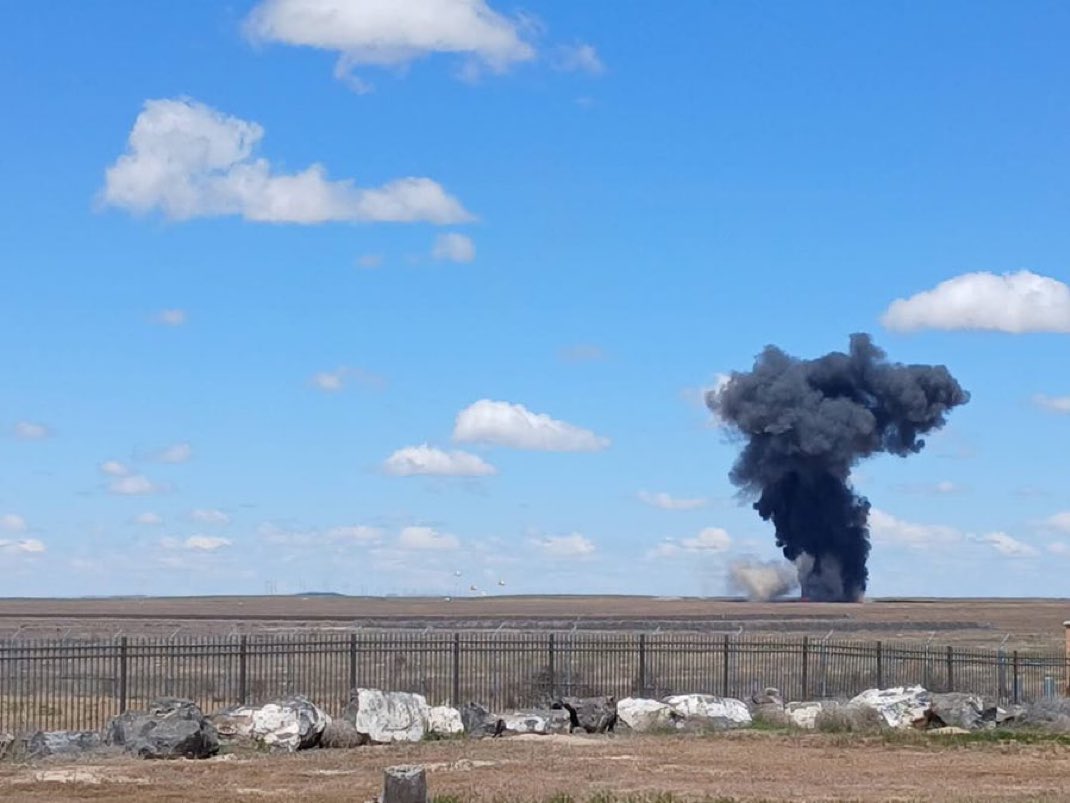
It’s like it happened in slow motion and both aircraft locked together. 4 good chutes though! 👏
May 17

2 E/A-18G Growlers from the VAQ-129 Growler Demo Team are reported to have collided during the Gunfighter Skies Airshow at Mountain Home AFB, Idaho today. Both crews are reported to have ejected safely.
47
122
925
284,219
6
45
1,687
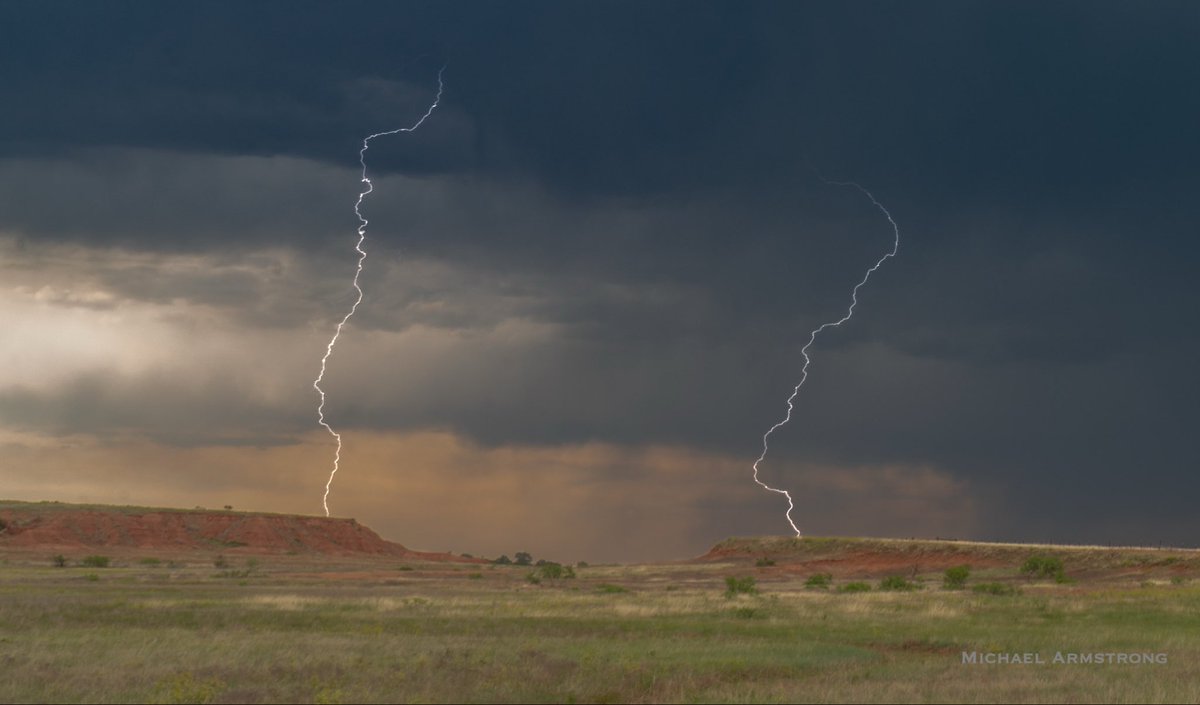
Powerful supercell bringing large hail to Chickasha, OK today. 5-8-26
1
5
735
Michael Armstrong retweeted
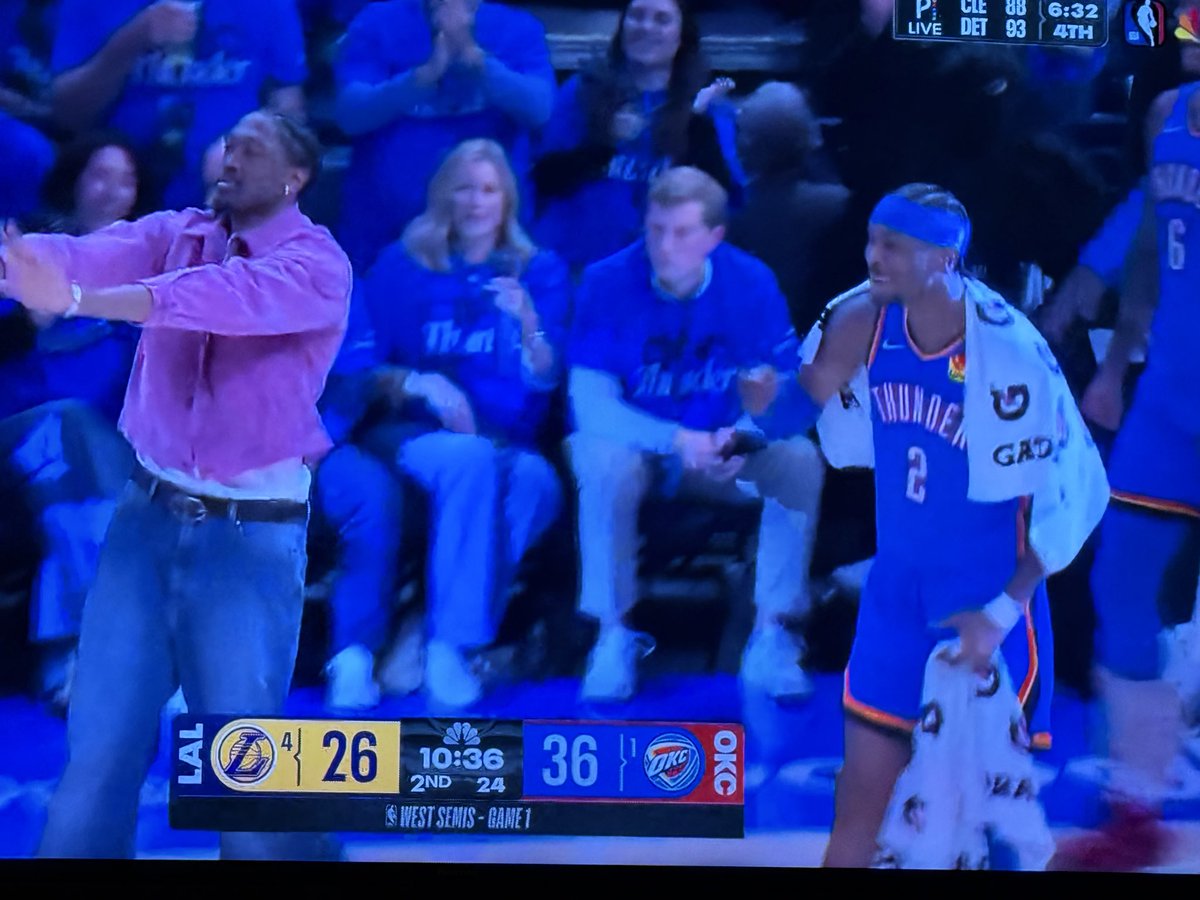
This is one of the most amazing sports teams I’ve ever seen. They are so positive and the way they support one another is contagious. The way SGA and JDub jumped up when McCain hit that 3 was awesome! They are the exact opposite of unwatchable, they are must see! @okcthunder
9
73
1,187
17,464