Joined July 2019
- Tweets 6,700
- Following 1,205
- Followers 3,179
- Likes 15,556
1,152 Photos and videos
Pinned Tweet

29 Oct 2025
you who fashion our rugged lives to suit you.
your grace is in style. always in vogue.
¬kantamanto nyame.
1
7
47
16,915
1. fact! anyemi.
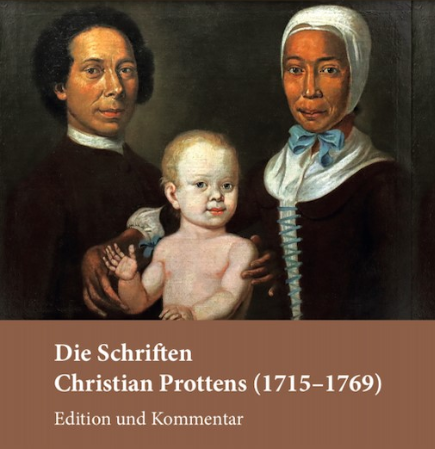
2. christian protten & his friend, frederik svane, were the brightest students in the mulatto school at the osu castle and were selected to go to copenhagen for further studies, later majoring in theology.
3. to help the work of danish missionaries, he wrote a basic danish–ga/ga–danish grammar book for catechism.
4. zimmermann would later do a more advanced job on the ga alphabet, and carl reindorf (another danish-ga) would write a comprehensive history of the gold coast and ashanti in ga.
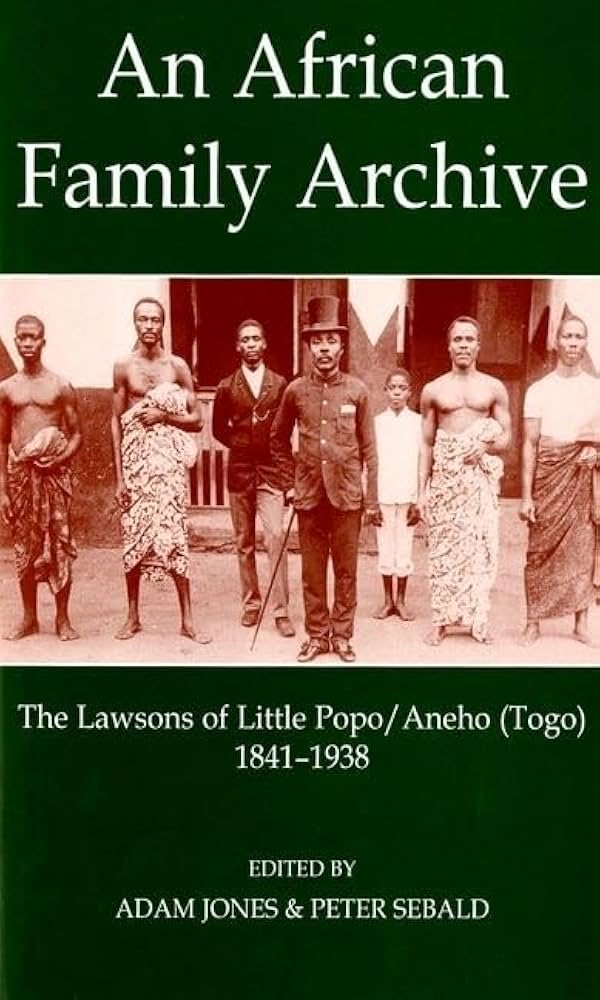
5. what is of interest to me is how christian protten became a student in osu when his mother was the daughter of a slaver (foli bebe) and a chief in little popo, now aného, in togo.
6. foli bebe married (cassared) his daughter to a danish soldier in osu to gain access to trade networks and sell captives from the slave coast in togo and dahomey.
7. foli bebe's descendants now bear the surname lawson in togo, a highly influential family to this day.
8. one of them is @cinalawson, the minister for digital economy, who shut down togo's internet during the last protest.

@KZankeli would love your follow up on this
1
4
27
1,415
The Black Volta: A River That Gave Life & Took It.
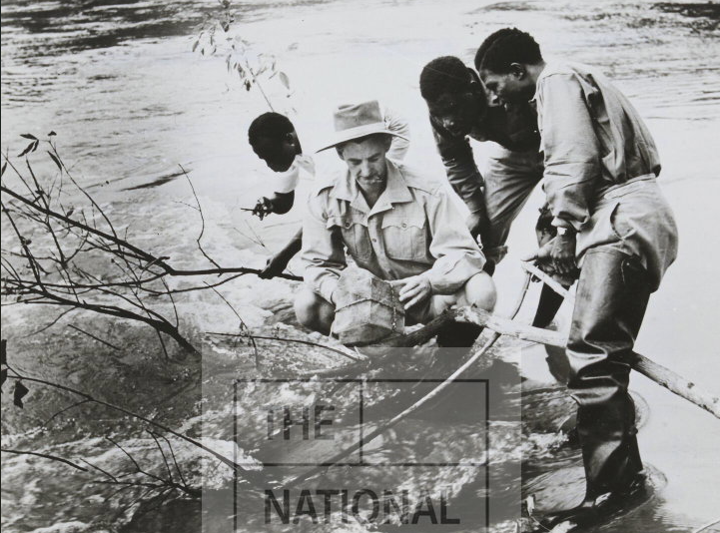
1. Crouched over the Black Volta, examining a cage of Simulium flies. Tiny, almost invisible insects that were quietly blinding an entire generation of Ghanaians.
2. The disease was onchocerciasis. River blindness. And in the Northern Territories alone, present-day Northern Ghana, about 600,000 people were infected.
3. 40,000 of them had already lost their sight. Not from old age, not from injury, but from a fly breeding in the rivers they depended on to survive.
4. So British researchers moved in. Literally.
5. They bred the flies for study, mapped the rivers where they thrived, and rolled out mass treatment programmes using drugs like hetrazan and suramin.
6. Where medicine could not reach fast enough, they turned to prevention. Dousing rivers and streams with DDT to destroy the breeding grounds before the flies could claim another pair of eyes.
7. By 1957, the Gold Coast Government had committed £5,500,000 to health and hospital services under the 1951 Development Plan.
8. And a race against time began.
9. A river that gave life was also taking it. And someone had to stop it.
🎥: Black Volta River. Gold Coast. January 1957.
Subscribe: youtube.com/@TheStoryIsTold
12
39
730
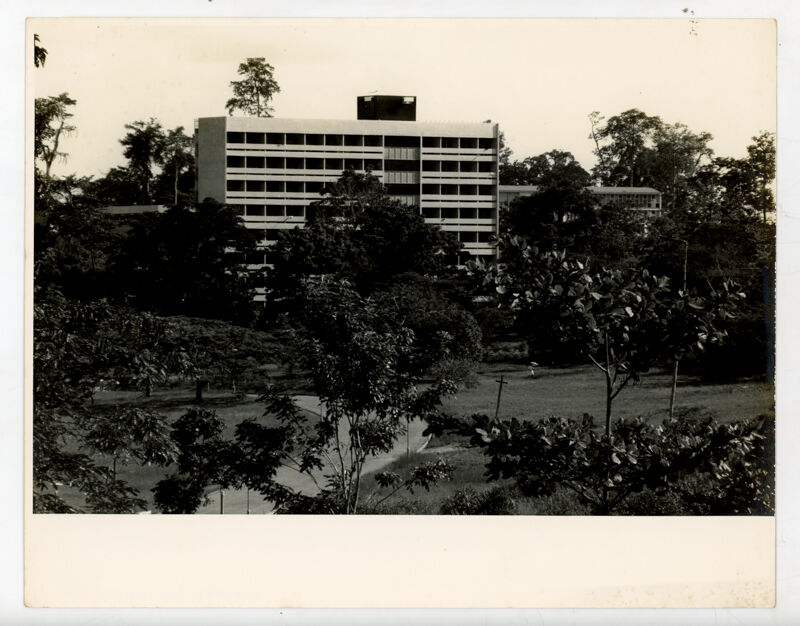
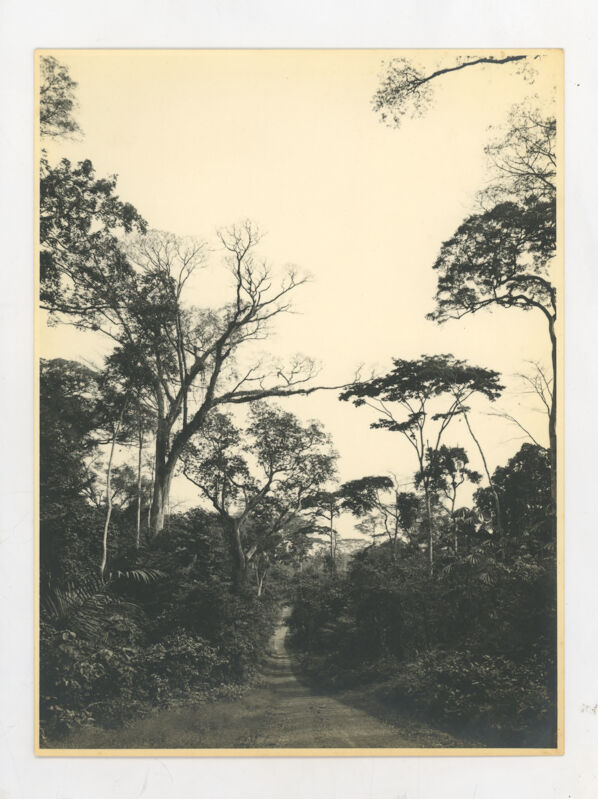
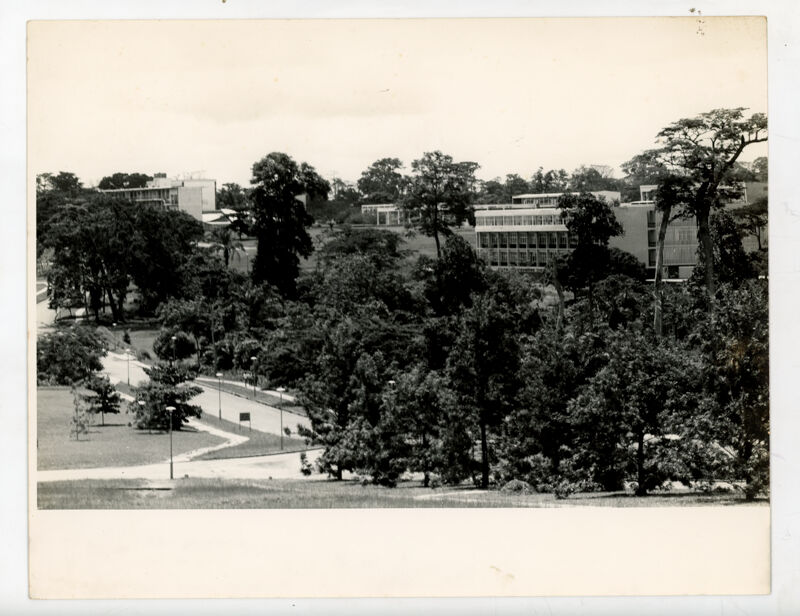
independence hall, knust, green as ever.
c. 1976
Jun 9

Urban Ghana looked very different 20, 30, 40, 50 plus years ago.
Can you prove it?
Send us old photos (1950s–early 2000s) of your neighbourhood, house compound, or street showing trees and greenery.
🌳 Help us map Ghana's disappearing green spaces.
🚏Add the neighbourhood name.
💬 Comment below, DM, or email: info@thestoryistold.org
5
30
1,016
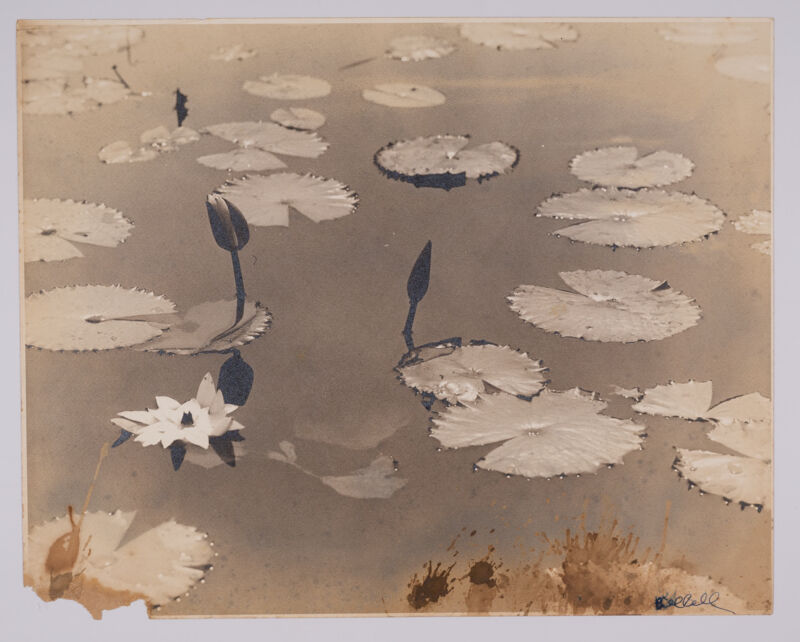
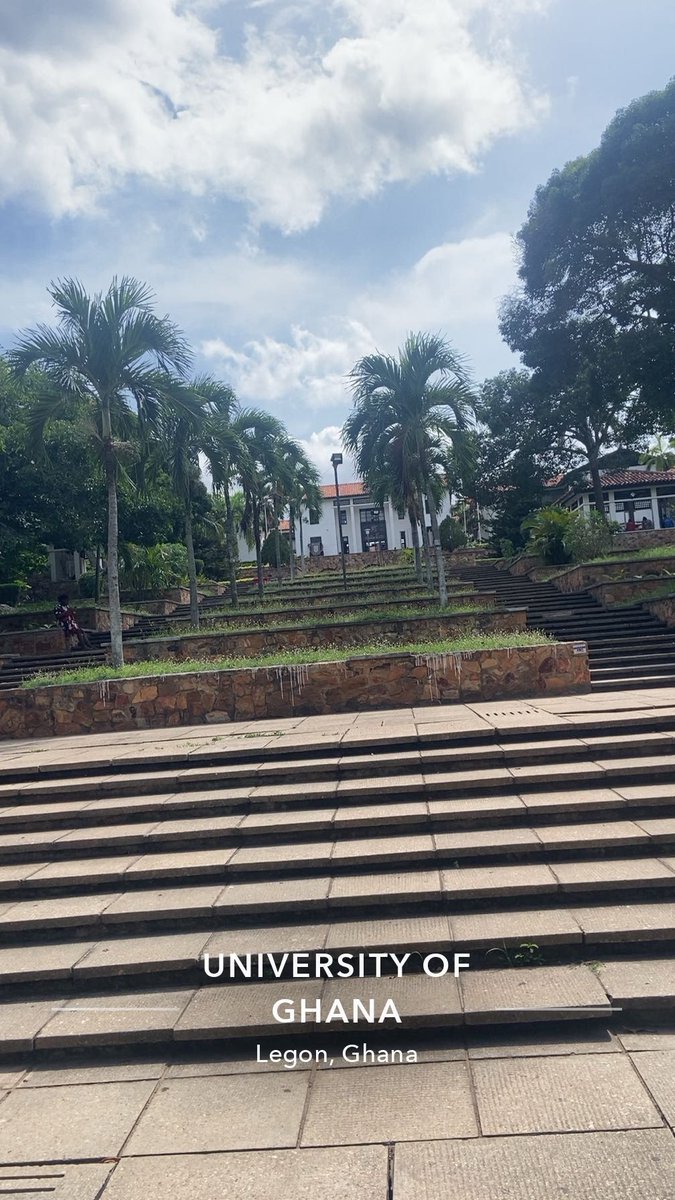
water lilies in a pond. balme library, legon.
c. 1981
Jun 9
Urban Ghana looked very different 20, 30, 40, 50 plus years ago.
Can you prove it?
Send us old photos (1950s–early 2000s) of your neighbourhood, house compound, or street showing trees and greenery.
🌳 Help us map Ghana's disappearing green spaces.
🚏Add the neighbourhood name.
💬 Comment below, DM, or email: info@thestoryistold.org
1
3
21
721
Sé:gbɛ:gnön🍀 retweeted
Jun 9
Urban Ghana looked very different 20, 30, 40, 50 plus years ago.
Can you prove it?
Send us old photos (1950s–early 2000s) of your neighbourhood, house compound, or street showing trees and greenery.
🌳 Help us map Ghana's disappearing green spaces.
🚏Add the neighbourhood name.
💬 Comment below, DM, or email: info@thestoryistold.org
4
85
267
171,186
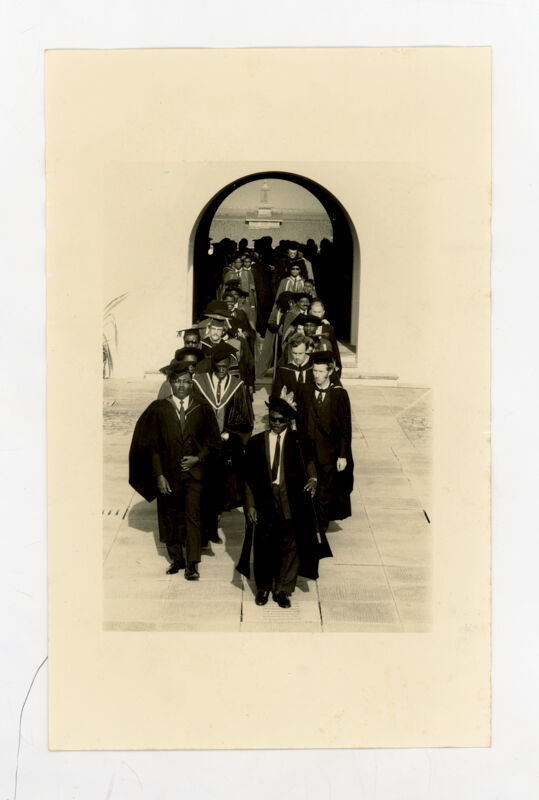
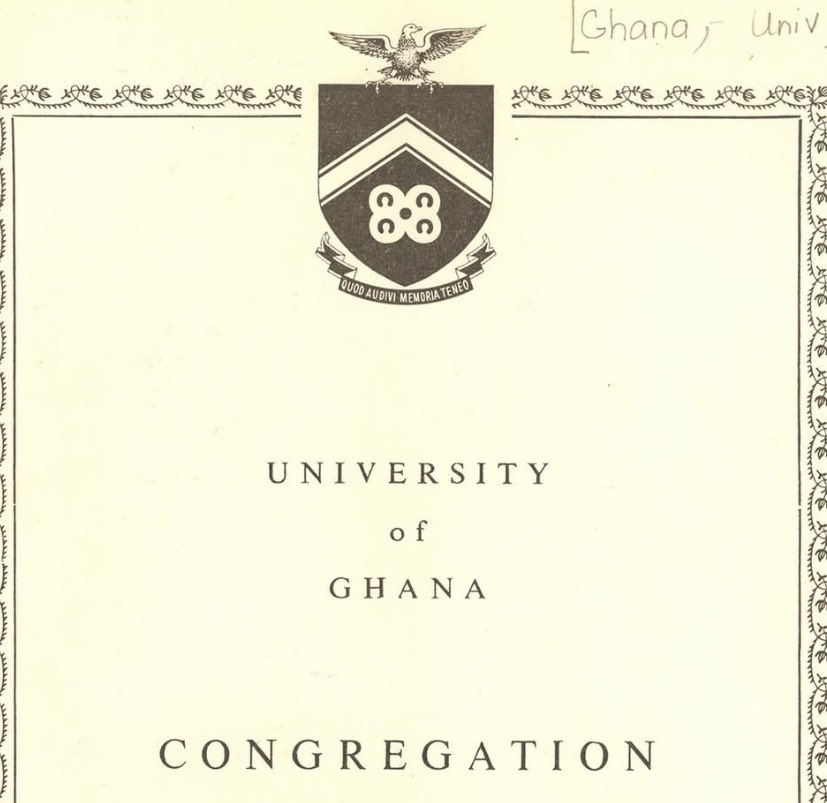
these were the graduands that year.

Logo of University of Ghana as at February 1963, before being changed.
3
17
94
5,049
Sé:gbɛ:gnön🍀 retweeted
Jun 12
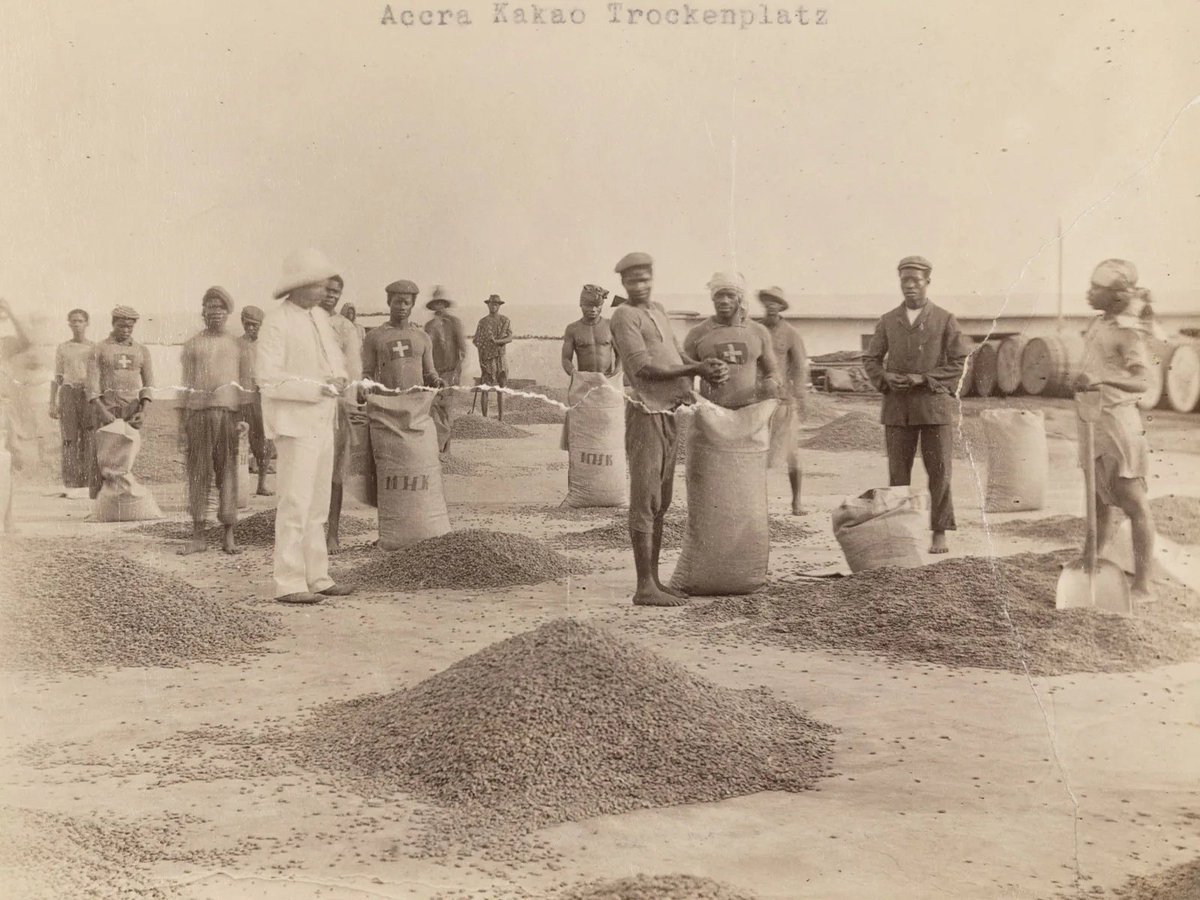
Tetteh Quarshie: A Freed Slave Who’d Shape* an Economy.
1. Well...you're not alone. Many people think so too.
2. Agrarian poverty in Europe drove Swiss Germans to work on cocoa and coffee plantations in Brazil from the early 1800s. They later came to be known as "white slaves" due to poor working conditions and low incentives.
3. By the mid-1800s, when slavery was increasingly dying out due to abolition and the redundancy brought about by industrialisation, cocoa and palm oil were emerging as global cash crops. Progressive slaveholders were jumping on that train to stay prosperous.
4. On the other side, in the Gold Coast, there were Swiss Germans too. They came with the Basel Mission (today's Presbyterian Church) and had also gotten wind of how commercial and lucrative cocoa was becoming. Their countrymen in Nova Friburgo, Brazil, had kept them in the know: cocoa thrived in tropical climates.
5. And so, they began to experiment with the crop along the coastal towns of Osu, Labadi, Teshie, and so on. Little success was seen.
6. Around the 1850s, they moved to the Akwapim Hills, which was also Basel Mission territory. [Explains why there are even more practising Presbyterians & churches in the Gã and Akwapim areas today.]
7. It was there, in the Akwapim Hills, where they set up a cocoa research centre, that the crop began to thrive. Tetteh Quarshie was barely a teenager then.
8. Around the same time, the British had already abolished Atlantic slavery (1807–1833) and were against its continuation in the Gold Coast. They were more interested in gold and palm oil.
9. The Basel Mission sided with them and paid the debts on the heads of some of the slaves (pawns) in what is today Ghana's Eastern Region to secure their freedom.
10. Tetteh Quarshie's freedom was paid for by Heinrich Bohner, one of the Swiss German missionaries, who travelled extensively through Cameroon, Bioko (Fernando Po, now part of Equatorial Guinea), and other areas.
11. Later, Tetteh Quarshie was trained as a blacksmith in Akwapim before travelling with the mission, from which stems the supposed* tale of his smuggling cocoa beans. A more viable variety which he did cultivate in Mampong Akwapim in the late 1870s.
12. By 1911, 37 years after the Gold Coast became a British colony, it was the world's leading producer of cocoa—a feat neither Tetteh Quarshie nor the Basel missionaries lived to see.
13. After his death, Tetteh Quarshie's family petitioned the colonial government to pay them gratuities for his service to the colony.
14. Bohner's diary and Fritz Ramseyer's recollections of his time on the Gold Coast confirm this account.
15. The expansive story, in both paperback and audio, will be in my upcoming book: Chale! You For Know!
Subscribe for free to TheStoryIsTold for more:
youtube.com/@TheStoryIsTold
🎥: swiss federal archives

Ghana exported cocoa before Tetteh Quarshie was trained to become a blacksmith? I thought Tetteh Quarshie harnessed that skill and that aided him to go and work overseas hence, the transportation of cocoa into the motherland?
4
44
120
7,985
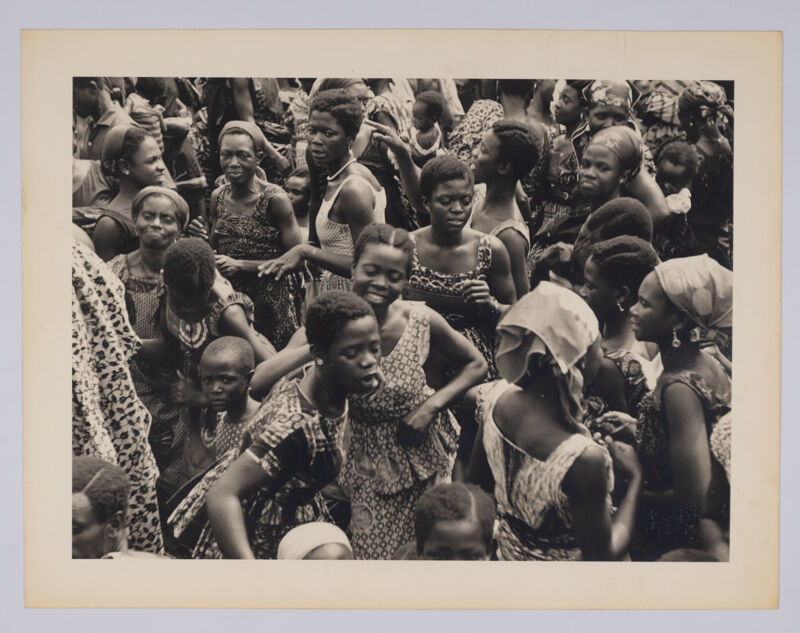
ladies of fanteakwa, in today's eastern region of ghana, dancing at an event.
the beautiful ones have come & gone.
makeup, where were you?
1
14
68
2,284

st. nicholas grammar school.
what is today @AdisadelCoIIege, built on a picturesque hill surrounded by trees that once housed many monkeys.
how many monkeys remain today?
Jun 9
Urban Ghana looked very different 20, 30, 40, 50 plus years ago.
Can you prove it?
Send us old photos (1950s–early 2000s) of your neighbourhood, house compound, or street showing trees and greenery.
🌳 Help us map Ghana's disappearing green spaces.
🚏Add the neighbourhood name.
💬 Comment below, DM, or email: info@thestoryistold.org
5
19
75
7,828
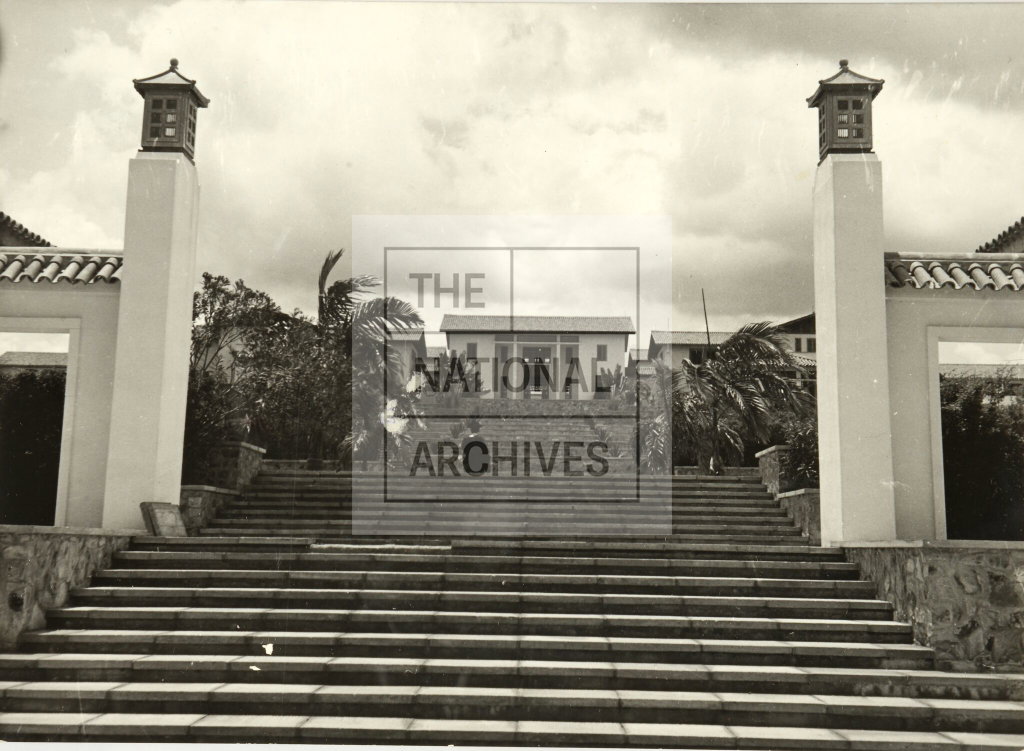
entrance to the evergreen* bacchus gardens of the commonwealth hall, where well-meaning ghanaian men are groomed.
legon, c. 1965
(my favourite place on earth)
@OVAGlobal1, i trust it is still green.
Jun 9
Urban Ghana looked very different 20, 30, 40, 50 plus years ago.
Can you prove it?
Send us old photos (1950s–early 2000s) of your neighbourhood, house compound, or street showing trees and greenery.
🌳 Help us map Ghana's disappearing green spaces.
🚏Add the neighbourhood name.
💬 Comment below, DM, or email: info@thestoryistold.org
7
33
5,039
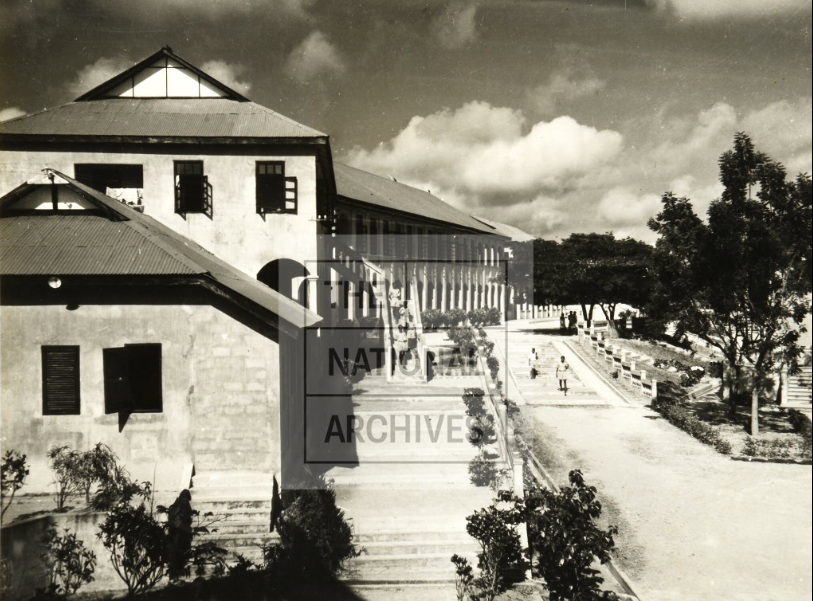
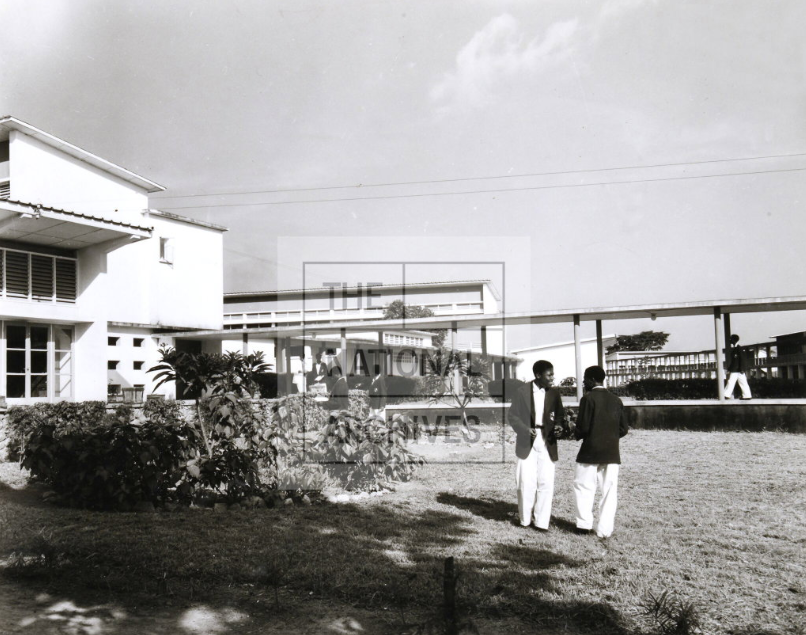
decent sixth formers having a tête-à-tête on a well-manicured lawn.
green spaces interspersed across the new campus.
prempeh college, c. 1960
@PrempehCollege has much changed? could you please share recent photos of the same spot?
Jun 9
Urban Ghana looked very different 20, 30, 40, 50 plus years ago.
Can you prove it?
Send us old photos (1950s–early 2000s) of your neighbourhood, house compound, or street showing trees and greenery.
🌳 Help us map Ghana's disappearing green spaces.
🚏Add the neighbourhood name.
💬 Comment below, DM, or email: info@thestoryistold.org
2
10
61
25,319
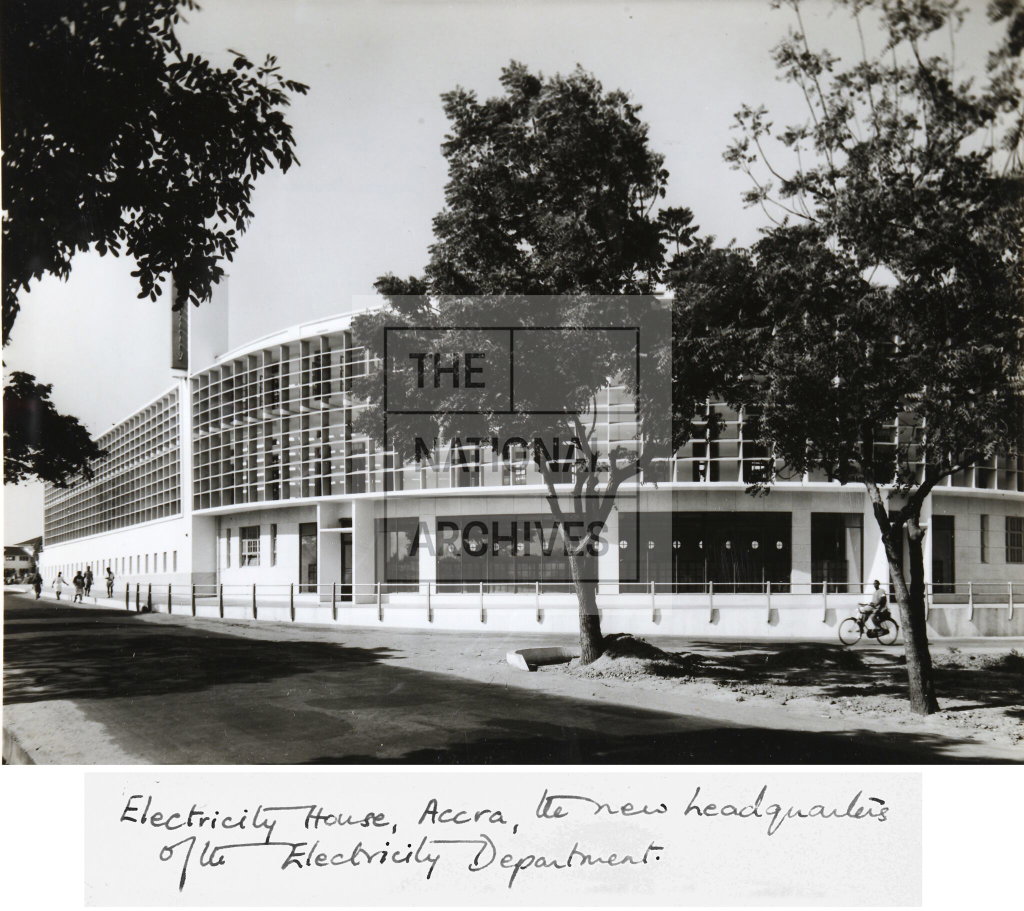
electricity house, accra, in its white-&-green* glory.
headquarters of ghana's electricity department, today's @ECGghOfficial.
c. 1962
any update on its present state, if it still stands at all?
recent photos would be much appreciated.
Jun 9
Urban Ghana looked very different 20, 30, 40, 50 plus years ago.
Can you prove it?
Send us old photos (1950s–early 2000s) of your neighbourhood, house compound, or street showing trees and greenery.
🌳 Help us map Ghana's disappearing green spaces.
🚏Add the neighbourhood name.
💬 Comment below, DM, or email: info@thestoryistold.org
8
15
92
7,049
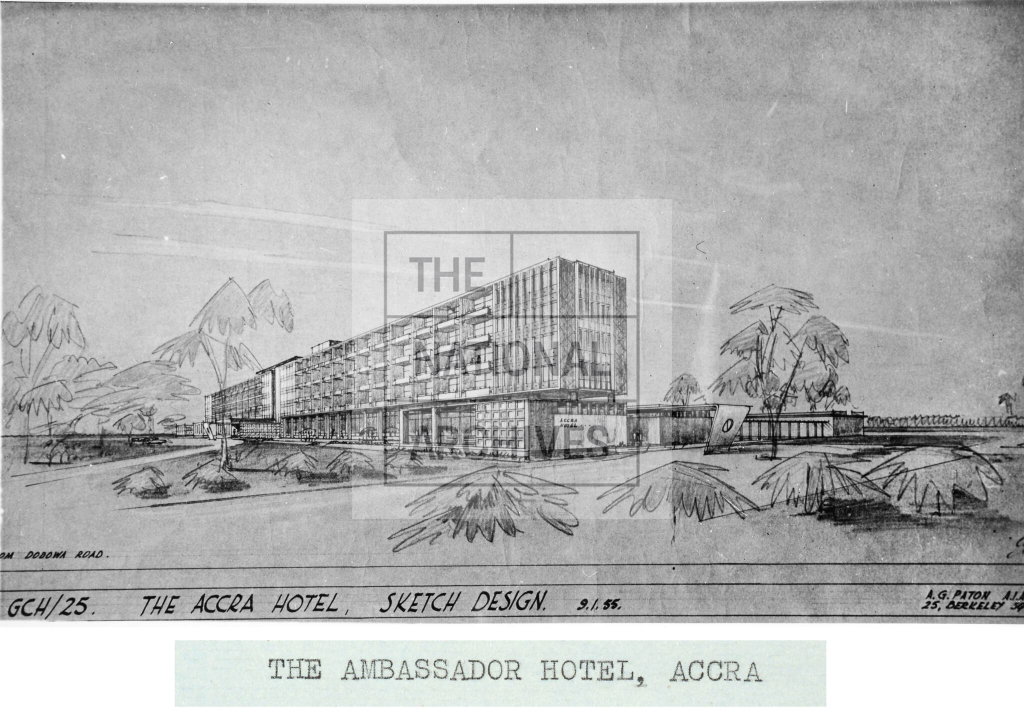
initial sketch of the famous ambassador hotel, now the mövenpick ambassador hotel accra, showing the provision for green space.
c. 1957
originally presented to ghana by the british government as an independence gift.
Jun 9
Urban Ghana looked very different 20, 30, 40, 50 plus years ago.
Can you prove it?
Send us old photos (1950s–early 2000s) of your neighbourhood, house compound, or street showing trees and greenery.
🌳 Help us map Ghana's disappearing green spaces.
🚏Add the neighbourhood name.
💬 Comment below, DM, or email: info@thestoryistold.org
1
7
33
1,953
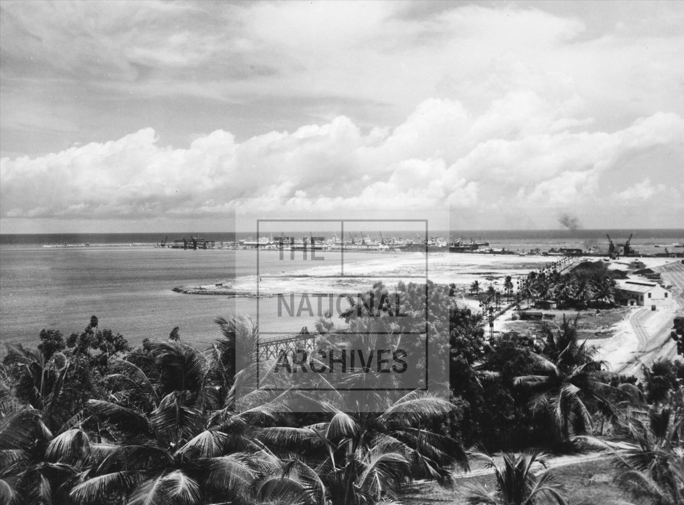
takoradi habour.
showing land unclaimed for new extensions.
c. 1961
Jun 9
Urban Ghana looked very different 20, 30, 40, 50 plus years ago.
Can you prove it?
Send us old photos (1950s–early 2000s) of your neighbourhood, house compound, or street showing trees and greenery.
🌳 Help us map Ghana's disappearing green spaces.
🚏Add the neighbourhood name.
💬 Comment below, DM, or email: info@thestoryistold.org
11
56
1,759
Sé:gbɛ:gnön🍀 retweeted
Jun 12
Driving Cinema into the Bush
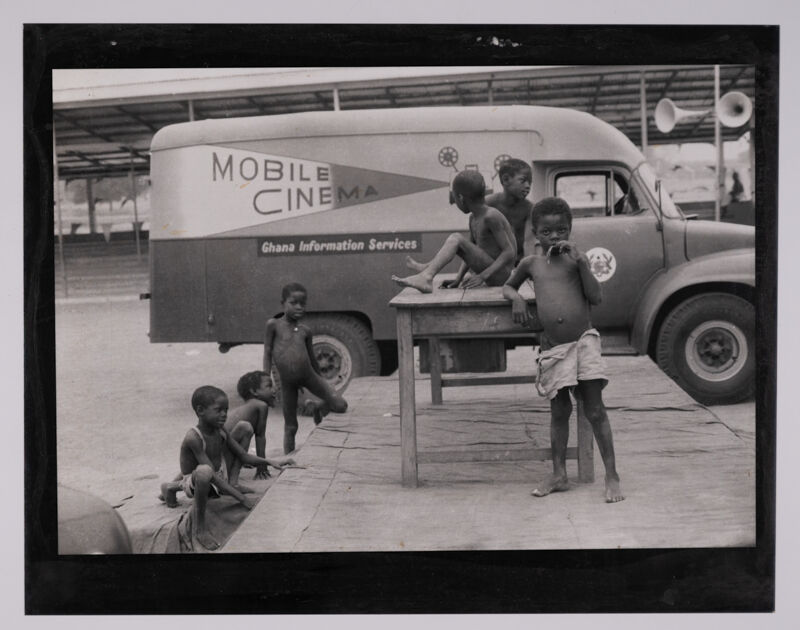
1. Before widespread private TVs, before the internet, before smartphones, Ghana Information Services Department loaded a van with a screen and drove straight to the people.
2. More than merely playing around, the kids pictured here were witnesses to history in the making.
3. In villages and remote communities where no radio crackled and no television glowed, this van was the news.
4. It pulled up, horns blaring, and suddenly an entire community had a front-row seat to information that could save their lives.
5. Health workers used these screenings to teach families how to protect their children from polio, measles, and malaria, diseases that were silently devastating communities.
6. A mother watching a film under open skies could walk away knowing how to keep her child alive. That was no small thing!
7. But it was not just one-way.
8. When the screen went dark and the questions began, ordinary Ghanaians in the most forgotten corners of the country could speak directly back to their government.
9. Their concerns travelled from dusty village squares straight to the Ministry. That was radical accountability.
10. And when the serious programmes ended? They screened films. People laughed, gasped, and sat together under the stars, many seeing cinema for the very first time.
11. One van. One screen. One community at a time.
12. This is how Ghana once told its own story.
13. Ghanaian baby boomers, do you remember these vans?
🎥: new york public library archive
for more of these stories subscribe here:
youtube.com/@thestoryistold
1
18
70
2,784
Jun 12
nice one!🖤
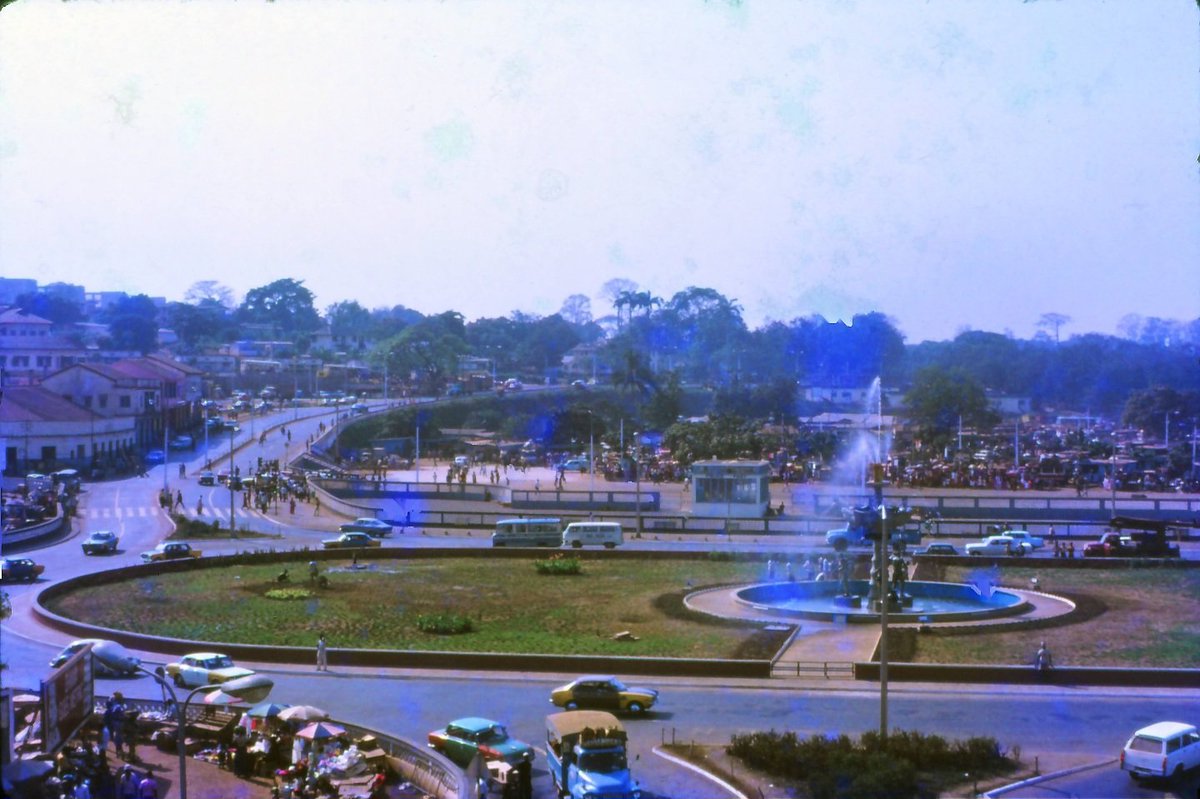
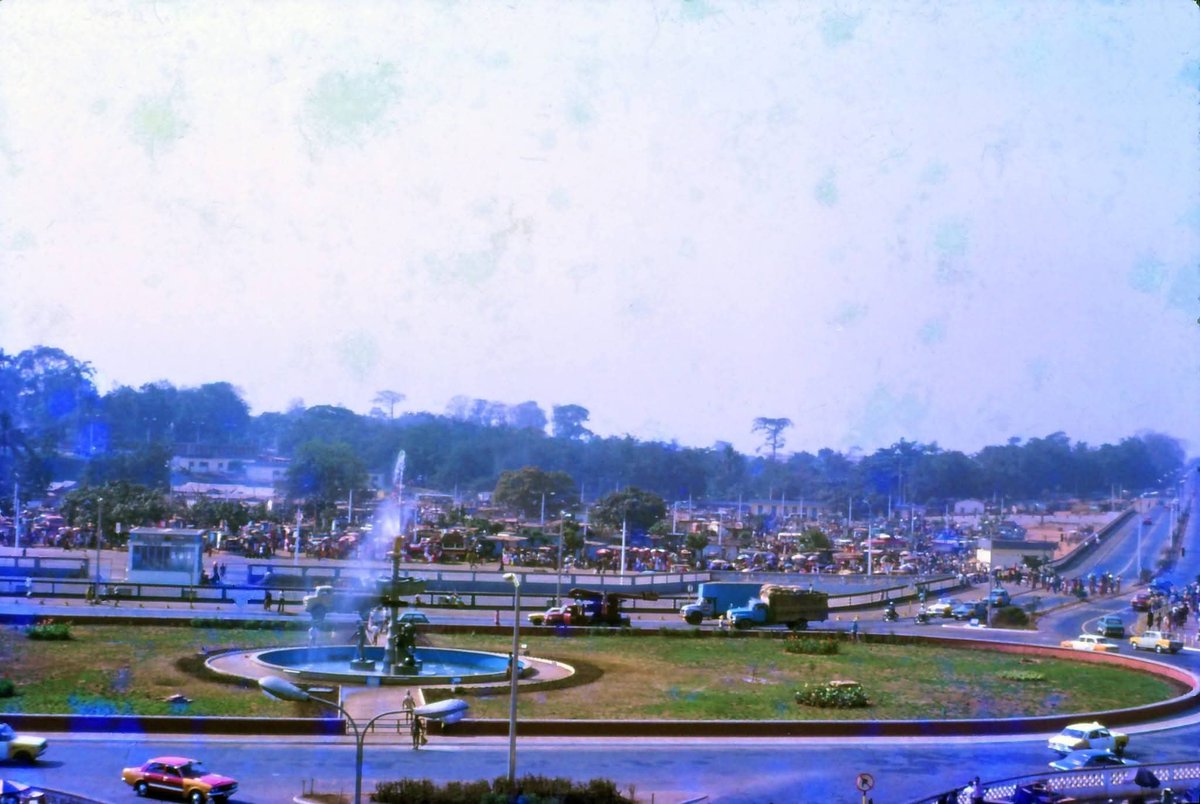
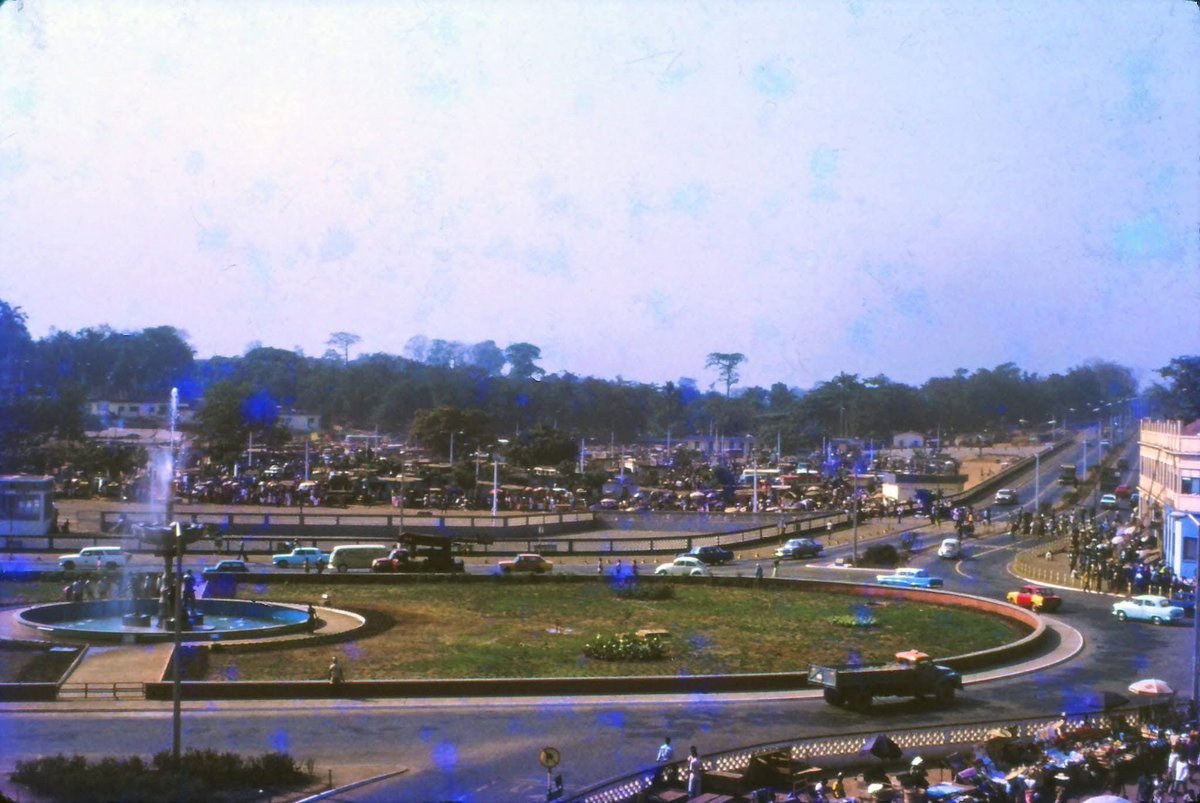
kumasi representing.

25
2,117