
Joined November 2015
- Tweets 125,148
- Following 2,197
- Followers 1,647
- Likes 386,239
23,136 Photos and videos













Guardian of the West retweeted

Jun 12
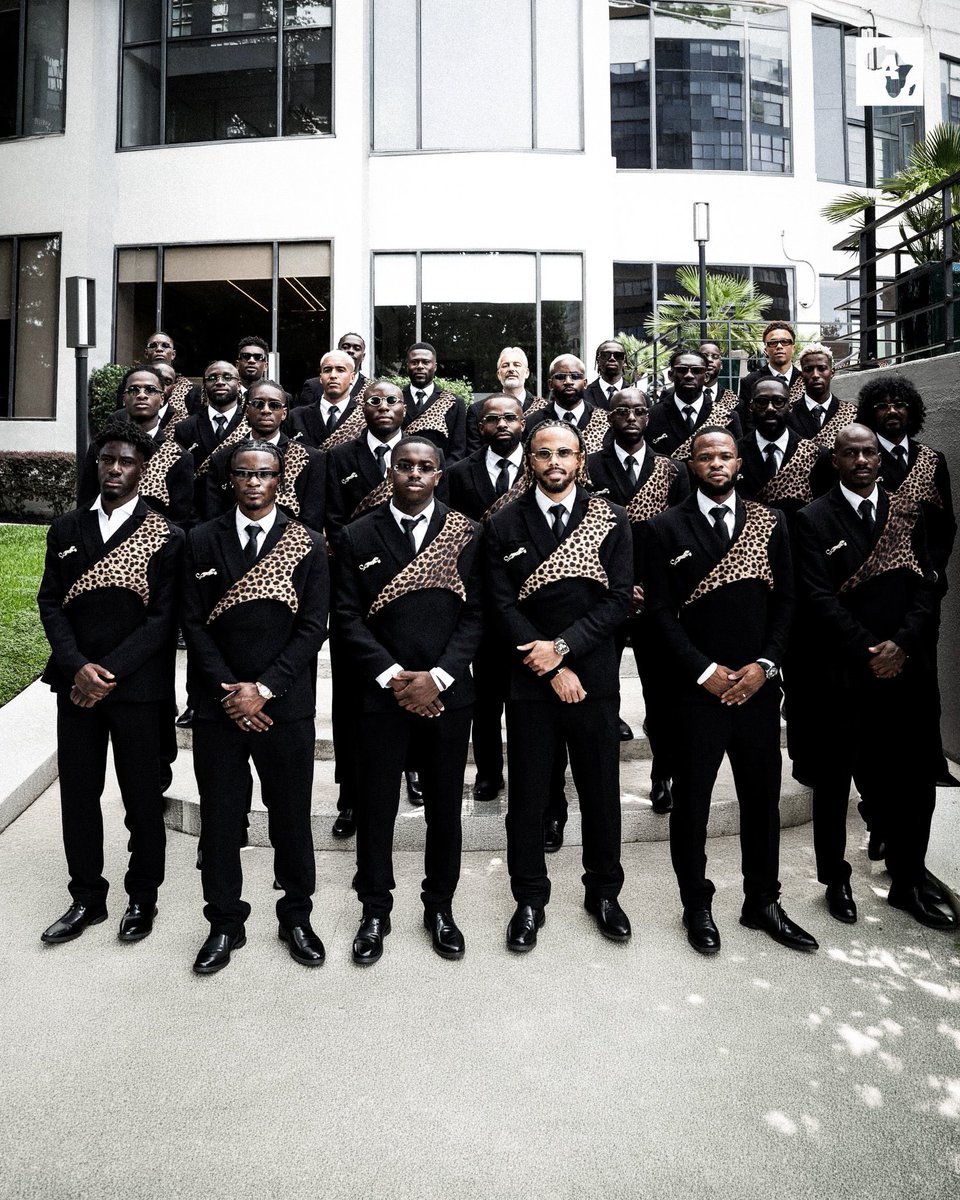
Homie couldn’t make eye contact 🤣🤣
105
314
6,444
72,256

Guardian of the West retweeted

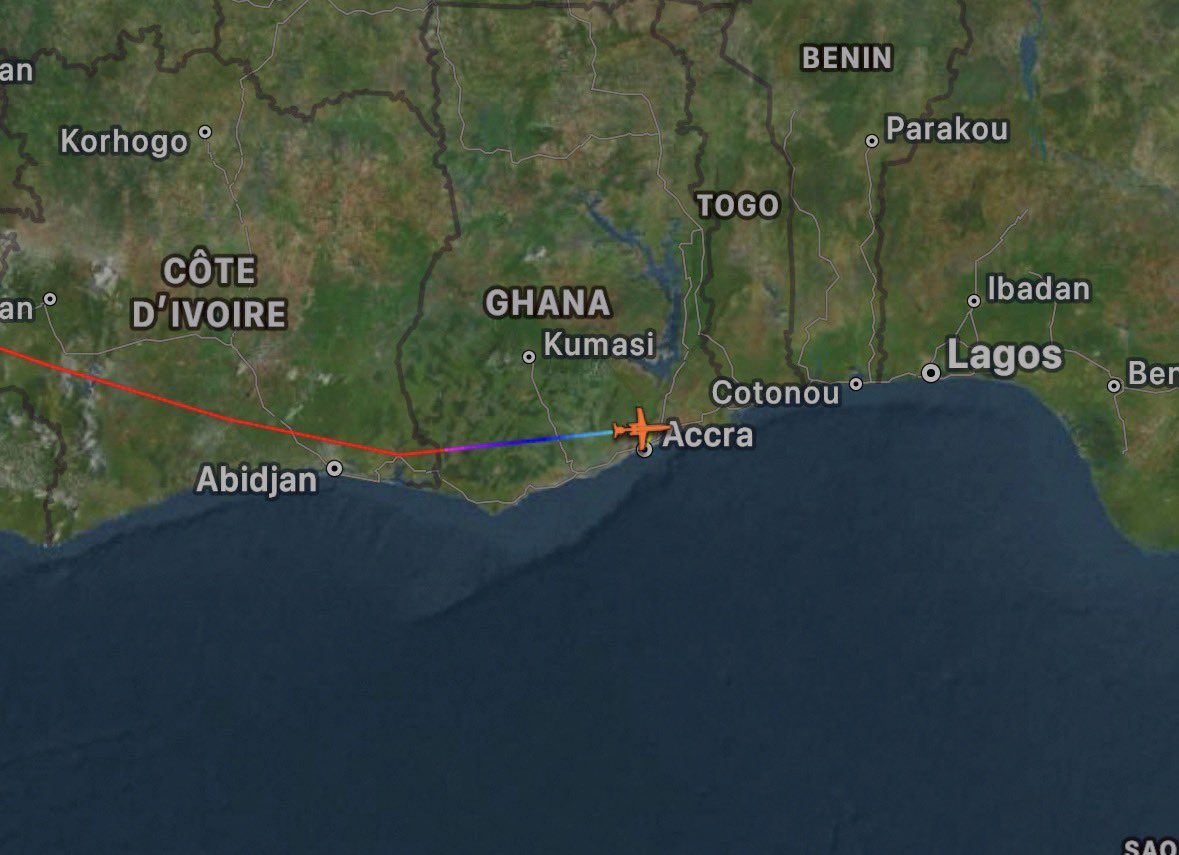
Yesterday, a small (14-seat) Talon jet that departed Phoenix, AZ at 4:50am ET (Jun 10) with a stop in Puerto Rico, landed in Accra, Ghana, marking the 7th deportation flight to Ghana in 2026.
1
9
16
717
Guardian of the West retweeted

Jun 12
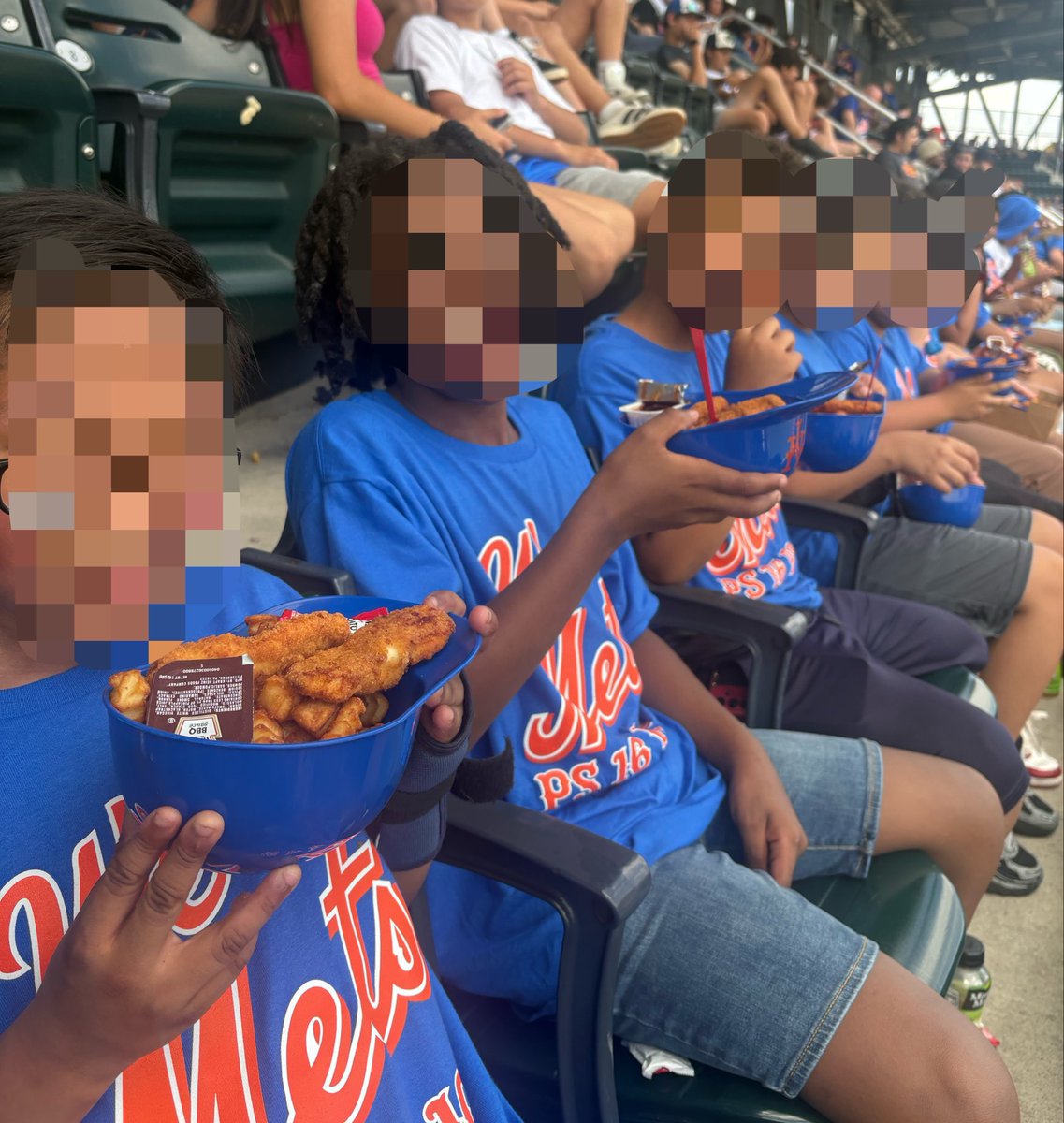
Thank you so much to everyone who donated towards getting my student’s their kids meals at the Mets game! I was able to get 17 kids meals that included chicken tenders and fries in a souvenir Mets cap with an apple juice. We are so appreciative of your generosity! 🥹🥰💙🧡
137
1,391
28,242
356,576
Guardian of the West retweeted

Jun 11
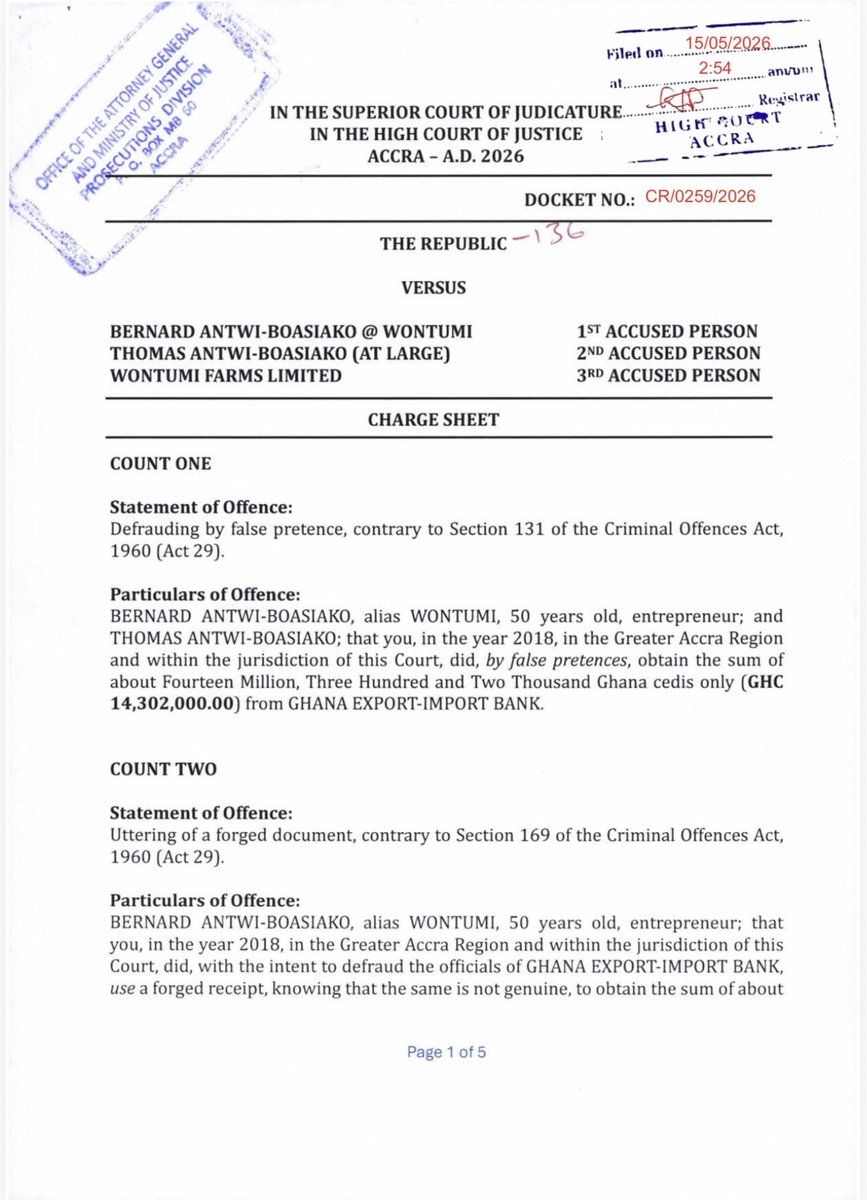
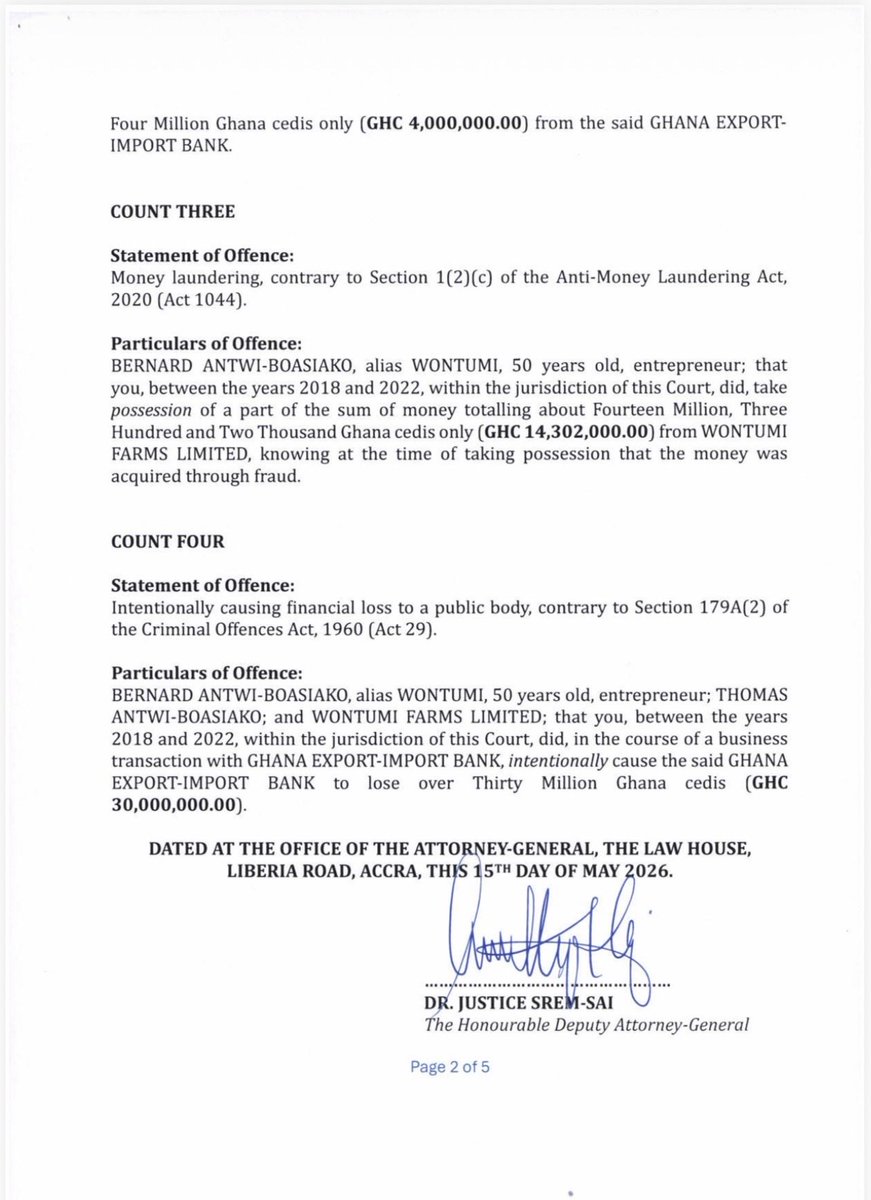
These are the amounts involved in the EXIM BANK case that Chairman Wontumi has asked for a plea bargain negotiation to begin
10
107
271
31,774

Limited access to what land. The hoarders with government money have it all.
Jun 11

Minister for Local Government, Chieftaincy and Religious Affairs, Ahmed Ibrahim, has urged the Accra Metropolitan Assembly (AMA) to adopt innovative approaches to addressing infrastructure challenges by redeveloping old and dilapidated structures into modern facilities.
Speaking during his ongoing assessment of MMDCEs, he noted that limited access to land should not be a barrier to development.
#GhanaNews #ChannelOneNews #CitiNewsroom #LocalGovernment #AMA #AhmedIbrahim
86
Guardian of the West retweeted

Jun 11
Kindly take some time to learn the Mexican National Anthem.
Jun 11

Todos somos mexicanos hoy, ¿no?🇲🇽
3
20
81
4,792
They haven't paid their employees full salaries in over a decade. And you're not doing this for them?!?!
Jun 11
Zoomlion Ghana's 'Clean Up Accra' initiative, in partnership with Channel One TV and the Ghana Police Service, is taking on filth in Accra like never before.
Drains are being desilted, weeds are being cleared, and waste is being properly disposed of to help reduce flooding risks, improve sanitation, and promote a cleaner city.
#CleanUpAccra #ChannelOneTV #ZoomlionGhana #GhanaPoliceService #GhanaNews
41
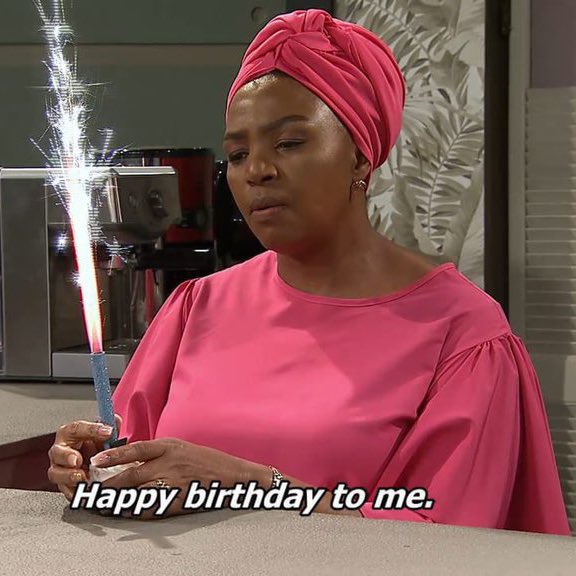
Happy birthday 🎂🎈
Pls be nice to the menfolk today. No terrorism.

1
2
1
376
Guardian of the West retweeted

Jun 11
This is crazy!
Must watch to the end
1,696
1,362
14,463
117,169
Do you know how to play your position?
Jun 10

Q5. I broke into my boyfriend's grandmother's house to get some money and some of her medicinal w33d. I went through her drawers and I found her handwritten journal. She wrote that she was leaving the bulk of her assets to my boyfriend Jeff because "God, I understand that Jeff is mildly ret8rded, is allergic to working and nobody knows who his father is. He's untalented, Lord, as you know. But I am grateful that he found a future wife, Rolanda. Please look after them after I leave." I couldn't stop reading. I love Jeff. My name is NOT Rolanda. Do I confront Jeff about this other woman? Jeff does a lot of work for his grandma, should I tell him what she really thinks about him? What do I do? I should be his future wife, not Rolanda. Help. #SBCCHAT
238
You should get pregnant again. Y'all already family. Just keep going.
Jun 10
Q4. My cousin and I share a babydaddy, it's a long story, but basically the kid he has with her is 4, and we have a three-year-old. I only dealt with him when I felt their marriage was over. My cousin had a babyshower (I didn't know she was pregnant again) and MYSTERIOUSLY my man wasn't around at the same time. I called family members to see if HE was the child's dad, and nobody knew anything and they didn't go to the baby shower. However, when I saw pictures and video on Facebook, they ALL were there, and yes, he IS the proud papa. He was in my bed a month ago, and now he's playing family man again with HER. What to do when my whole family lied to me? I feel like I can't trust anyone. Help. #SBCCHAT
1
225
You know the answer. He hasn't worked in 2yrs.
Jun 10
Q3. I took my child to her dentist appoinment and I saw my husband's car in the parking lot. I parked next to him and waited for him to come outside. He emerged with our 20-year-old neighbor, and her 2-year-old son. My husband saw me and ran. My son ran after him. The neighbor said, "You see what it is." I am the breadwinner in our family. My husband hasn't worked in 2 years, but he managed to have a baby with our neighbor. This girl has 2 other kids by other men and I've given her food and clothes for them for years. My husband says I treat him like a child and he wants someone who respects him as a man, and he moved in with that girl. Last week, one of the girl's other babydaddy's whopped his ass and now he wants to come back home. I refused. My family says my son needs his dad. Tell me how I will move past this, and make it make sense, please. #SBCCHAT
125
Make sure you have a bullet proof vest.
Jun 10
Q2. I inherited a beef due to my new home address. Women stop by at all times of the day looking for the former tenant. A strange car also parked outside our home waiting on the former tenant. Crazy. What does my boyfriend do? He searches online for the former tenant, finds her, and cheats on me with her. Someone caught them walking in the front door (I was at work) and they sh0t up the house. He told me the shooting was random. She came back to our house because someone was after her; she didn't know I existed. That's how I found out he cheated. So, my man put me in the middle of a targeted hit and he took my car (with her) and left me behind. I don't want to tell his wife what's going on, but I feel like I have to. Advice. #SBCCHAT
109
You didn't win.
Jun 10
Q1. Long story short, my former friend dated a man who found out that I was the better woman for him. We got together. I ended my friendship and we moved to a new area in the city. It was our agreement that we would BOTH make a clean break from her, but I've noticed that he's going back to our old neighborhood and he's seeing his ex again. If he wanted her, why leave with me? When I confront him he says, 'You know how I feel about her. Stop it.' I love him. If I'm honest, I REALLY loved the idea of taking him from her, but now he's going back. Advice. I can't lose him. #SBCCHAT
105
Guardian of the West retweeted

Jun 10
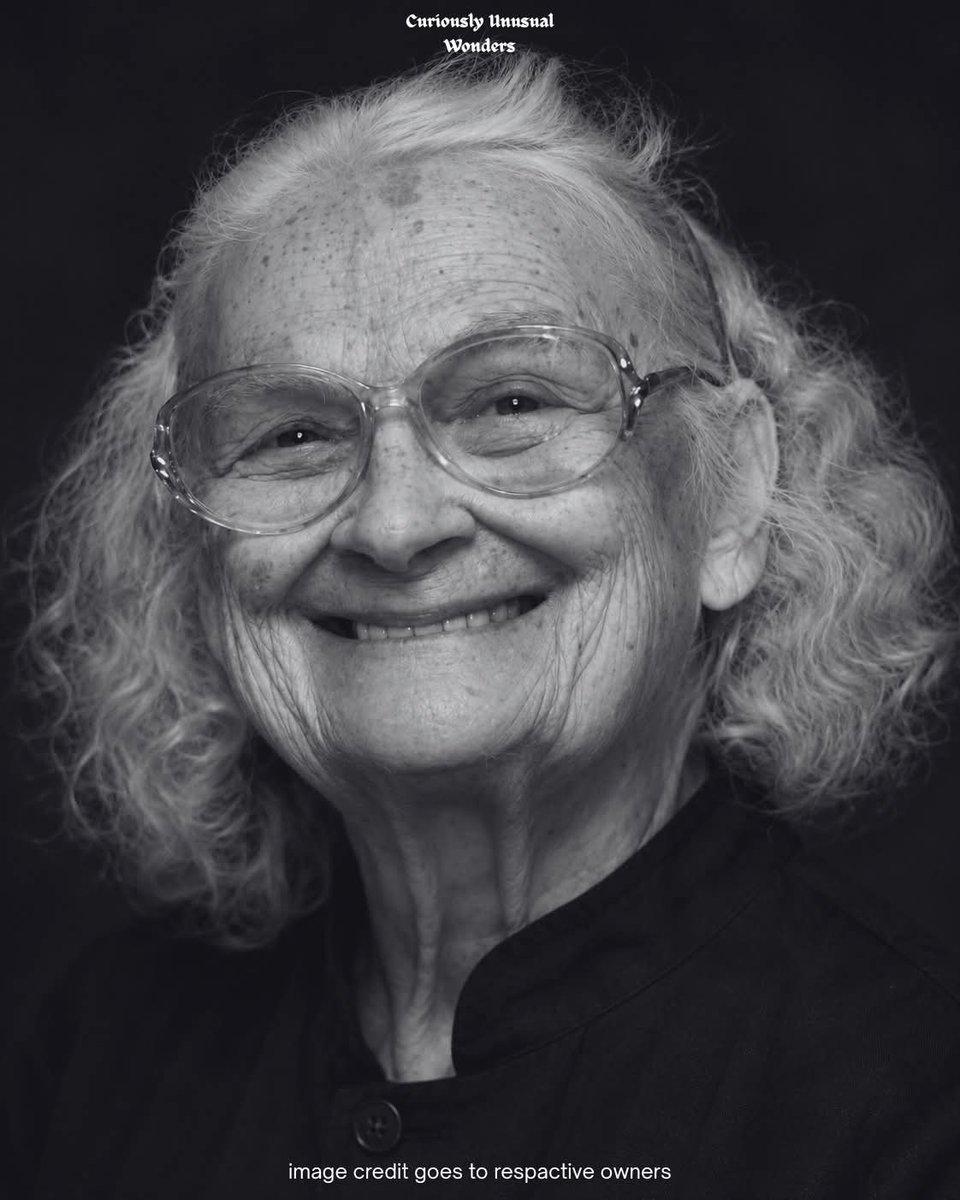
In 1945, a sixteen-year-old girl in New Orleans sat in a classroom and listened to teachers describe Black people as inferior, ignorant, and dangerous. She knew it was a lie. And she decided, then and there, that she would spend her life proving it.
That girl was Gwendolyn Midlo Hall.
By the time she was seventeen, she had already helped organize the New Orleans Youth Council — a bold, interracial group fighting for African American voter registration in the heart of the segregated South. She marched, she organized, she was arrested. She did not stop.
But her most extraordinary act of defiance came decades later — not in the streets, but in a courthouse.
While conducting research in Louisiana in the 1980s, Hall opened an old ledger written by 18th-century notaries. Inside were names. Hundreds of them. Names of enslaved Africans — their origins, their skills, their families, their rebellions. Details that English colonists almost never recorded. Details the world had assumed were lost forever.
Hall was astounded.
She spent years traveling between archives in Louisiana, France, and Spain, piecing together fragments of stolen lives. With the help of five dedicated assistants, she built something the world had never seen: the Louisiana Slave Database — a searchable record of over 107,000 enslaved individuals, documenting their names, ethnicities, occupations, family relationships, and places of origin.
What she found also shattered a long-held assumption in academic circles. Scholars had believed colonial Louisiana was shaped primarily by Haiti and the French Caribbean. Hall's database revealed the truth: most enslaved Africans brought to Louisiana came from Senegal and Gambia — a finding that forever changed how historians understand the roots of Creole culture.
But perhaps the most profound impact of her work is the most personal.
Families — for generations separated from their history by the deliberate erasure of slavery — could now search a database and find an ancestor. A name. A face in the darkness of history, finally brought to light.
Gwendolyn Midlo Hall passed away on August 29, 2022, at the age of 93. She is remembered at Whitney Plantation in Louisiana, where two long walls bear the names of every person she found — 107,000 lives, no longer forgotten.
She gave them back their names. And in doing so, she gave us all a more honest history.
41
563
1,506
23,724
Why can't we punch in the exact number of gas we want to buy at the pump? But the dude inside can do exactly that at the terminal inside. It's 2026, you can even use tap technology to pay at the pump.
42

Guardian of the West retweeted

KPONE MANTSE PASSES AWAY:
The Kpone Traditional Council has officially announced the passing of Kpone Mantse Nii Tetteh Otu II, who departed on Good Friday.
Tsɛ kpakpa, yaa wɔ yɛ toiŋ jɔlemli!
Ya wɔ ngɛ tuɛ mijɔmi! 🕊

2
8
25
1,572