
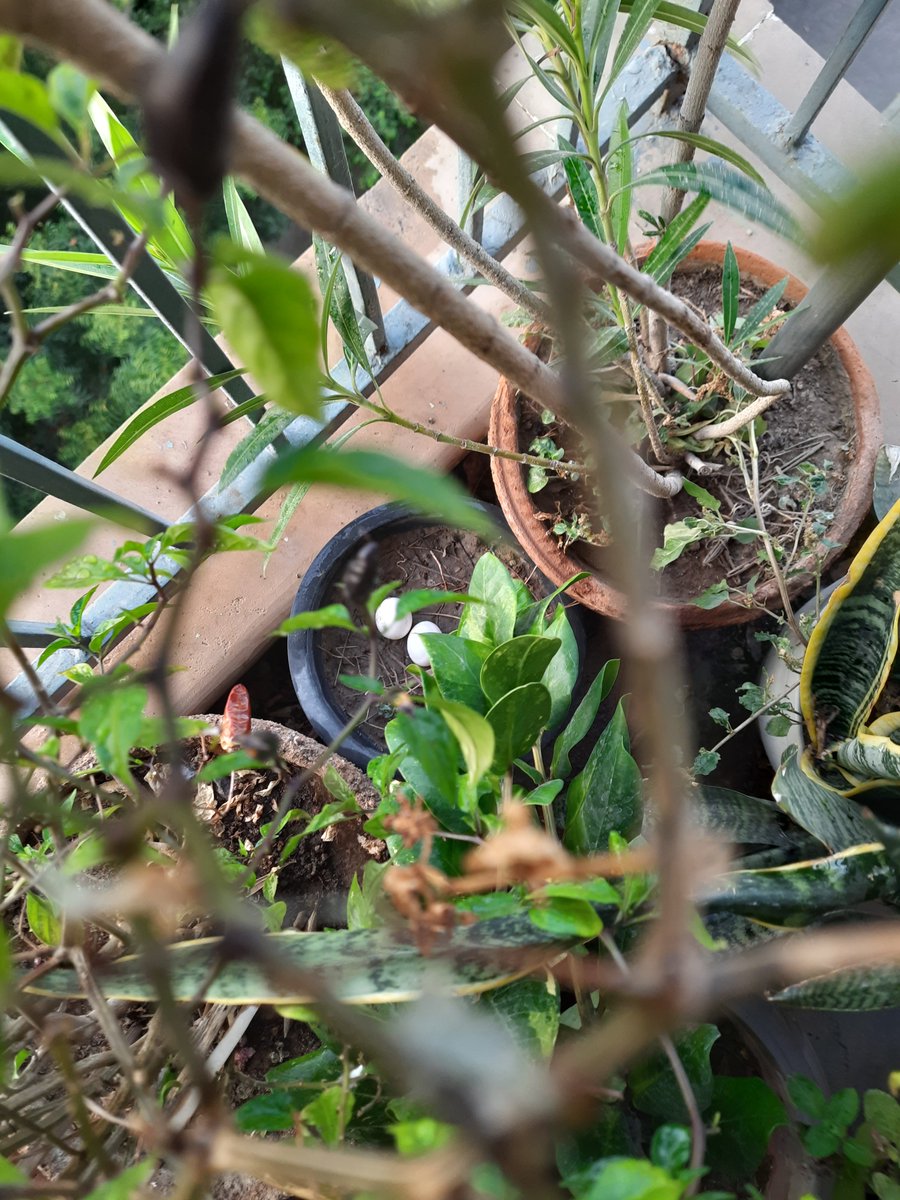
Running a successful abortion clinic for blue-rock pigeons. Birder.Scrabbler. Composter.Air Pollution and Urban Mobility wonk. Father to a princess
Joined January 2013
- Tweets 2,741
- Following 367
- Followers 1,492
- Likes 4,546
236 Photos and videos
Pinned Tweet

9 Feb 2021
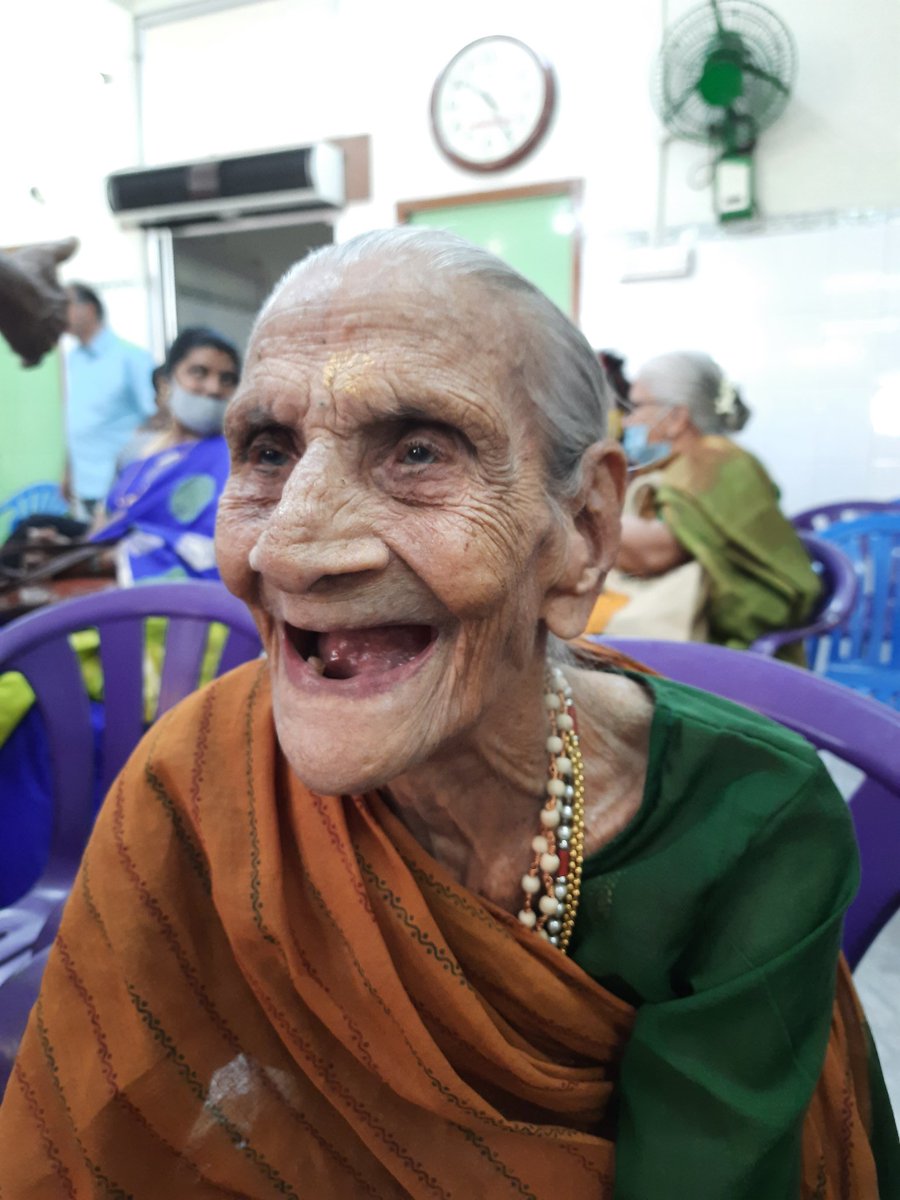
A personal post from me.. while no one in the Indian cricket team might get to the mark today in Chennai, Ms Savitri Krishnamoorthy,my paternal grandmother hit a 100 * today. She's good for another innings. A moment to celebrate in an otherwise grim year. #interpandemicbaby
10
100
Karthik KG Ganesan retweeted

2 Mar 2025
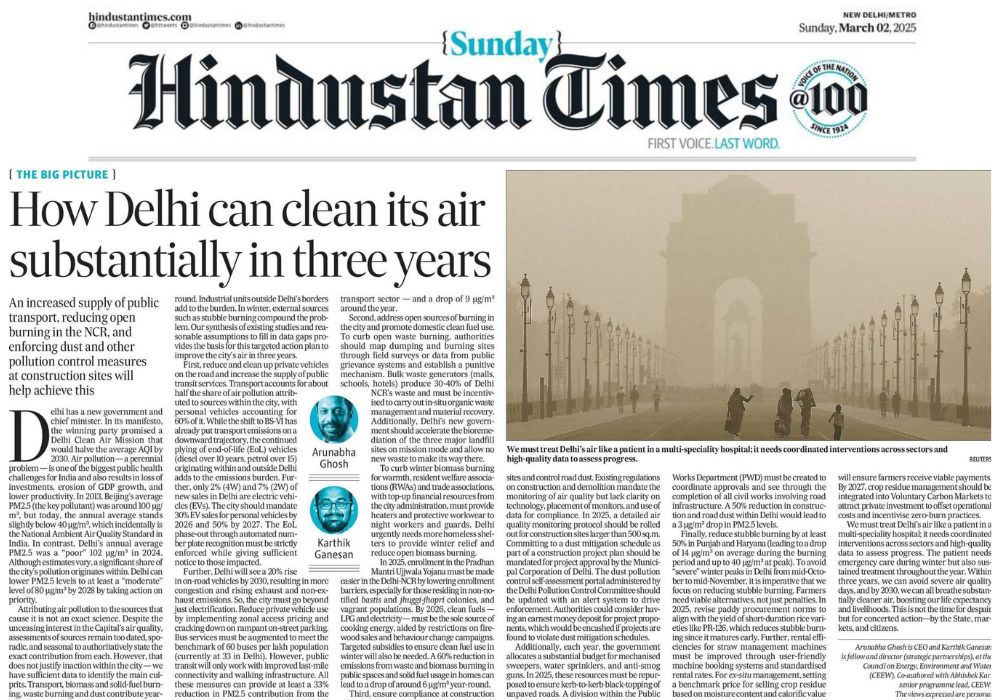
#Opinion | How Delhi can clean its air substantially in three years
"We must treat Delhi’s air like a patient in a multi-speciality hospital; it needs coordinated interventions across sectors such as transport, construction and clean cooking, and high-quality, year-round data to assess progress."
Writing for the @htTweets, @GhoshArunabha, @KaygeeAtWork, and @Abhishek_Kar_AK outline a 3 year plan to bring Delhi's annual average PM2.5 levels from poor to moderate by 2028 👇
🔗 Read more at hindustantimes.com/opinion/h…
#AirPollution #AirQuality #Delhi
10
24
2,579
12 Dec 2024
Apparently the Nijjar Killing is being counted as an (India) assisted death as well #HumorMe. Jokes apart this is stunning statistic 5% deaths in Canada are of the assisted kind. bbc.com/news/articles/c0j1z1…
206
Karthik KG Ganesan retweeted

18 Nov 2024
Time again for my annual thread of mine and my colleagues' work @SFC_India on air quality. As we descend yet again into nuance-free discourse, shouting matches, and "expert" analysis, here's some sober reading that's hopefully helpful (1/n)
4
98
271
64,775
Karthik KG Ganesan retweeted

17 Nov 2024
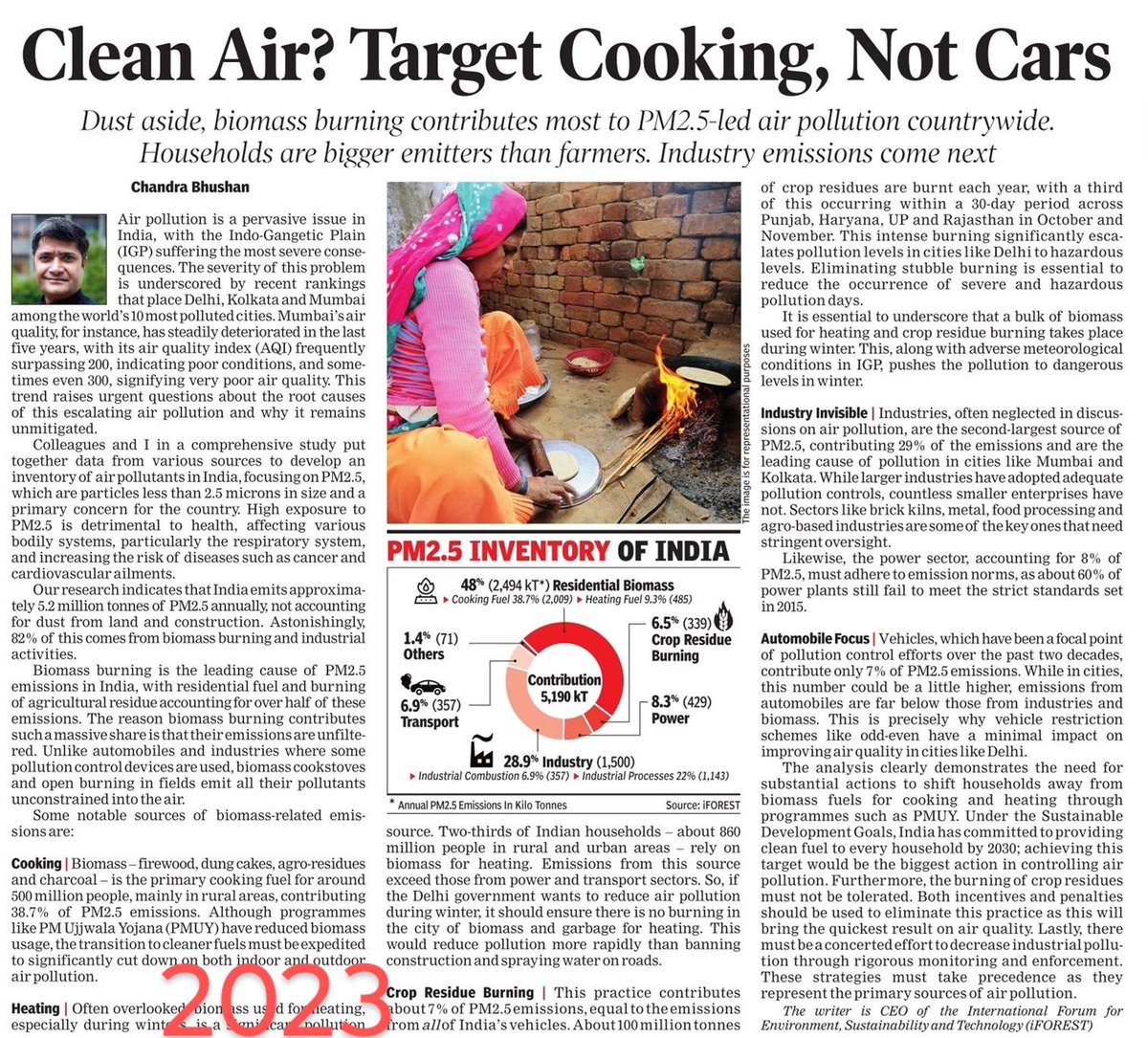
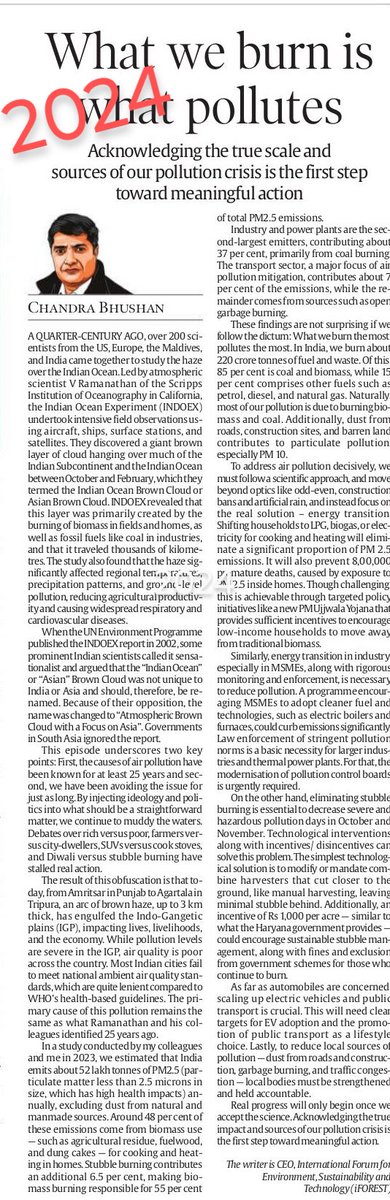
Unfortunately this is a terrible terrible use of science and data, coupled with near complete absence of any ethical frame in which science is bring deployed (badly) for public policy recommendations. Which therefore results in an opinion, and not anything more evidentiary, that is devoid of policy merit, scientific rigour and moral justification.
What it does, among other things, for example, is to recommend by implication that we should reduce focus on curbing toxic and other pollution from motor vehicles!
Doing so two years in a row in the same manner, even if partly masked the second time over, makes it irresponsible, if not worse.
Why I say it: Because the opinion, 2 yrs in a row, comes riddled with these absurdities:
1. Using biomass burning data from all over country (vast rural geography dense urban) to distract away from pollution issues of urbanised dense areas such as Delhi or dirt industrial belts.
2. Confusing actual exposure of people to pollutants with ambient levels of pollution. Ex: vehicular exhaust in your face vs biomass smoke dispersed in open vs biomass burn inhouse.
3. Equating luxury emissions of rich to the suvival essential of poor.
4. Confusing action priorities for indoor pollution and health with outdoor pollution.
5. Trying to suggest a strange one country one priority list solution replacement of airshed specific, pocket specific actions based on different pollution exposures and ambient profiles of cities and other contiguous areas.
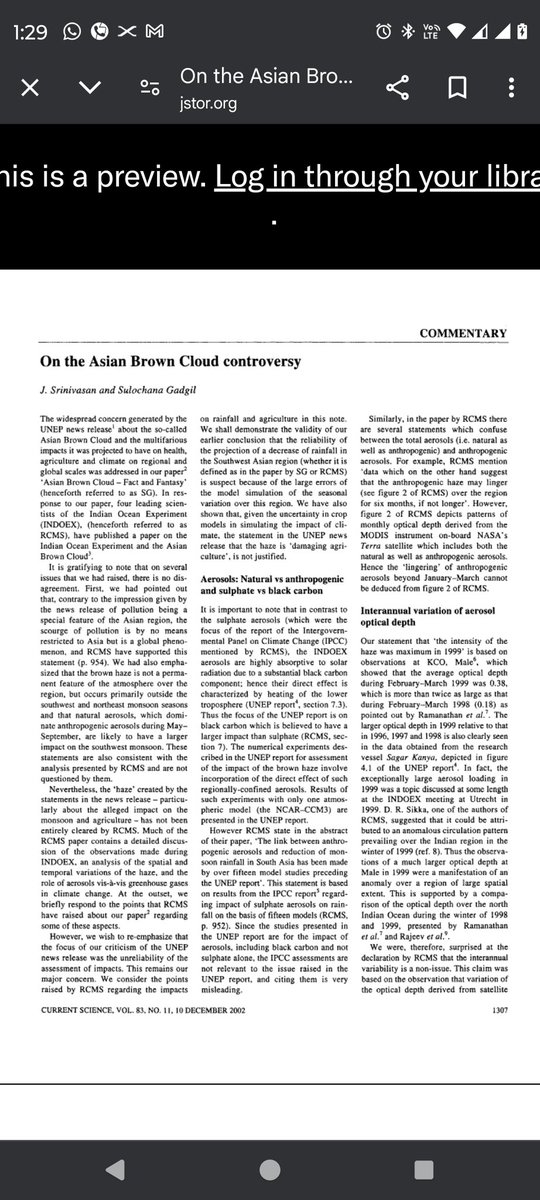
6. The absolutely wrong anecdote to start with: the racist nomenclature of 'Asian Brown Cloud' for this black carbon aerosol phenomenon, sensationalist scare mongering publicity of interpreted impact was debunked by globally recognized scientists such as J Srinivasan and S Gadgil as exaggerated unproven raising the fact that substantive bits of the cloud was likely natural phenomenon and not human activity induced. Everyone including UNEP piped down on it after. Lots more to read for anyone online.
I could go on and on... And I am only a student of environmental policy making, that the author and I studied at the same 'school': Centre for Science and Environment.
4
97
190
14,957
29 Sep 2024
Convinced that nothing short of the involvement of the #IDF will be needed to strike at the heart of the NCR's air pollution @CAQM_Official @MCD_Delhi you could benefit from that kind of on ground intelligence and planning in addressing stationary, dispersed and concealed sources
1
1
462
11 Aug 2024
The medal tally at the #ParisOlympics2024 is nicely poised. China's resurgence is complete. The US will just about retain their top spot, if their women's basketball team win's the final against hosts France (some match up). This is a rivalry that will continue in the years ahead
6
429
7 Aug 2024
when Vinesh Phogat had won her SF, and India was ahead 1-0 against Germany in Field Hockey, I was living through this fantasy of atleast 2 Silver medals for India, that would take us above North Korea in the medal tally. The real world is cruel :(. #ParisOlympics2024
4
348
6 Aug 2024
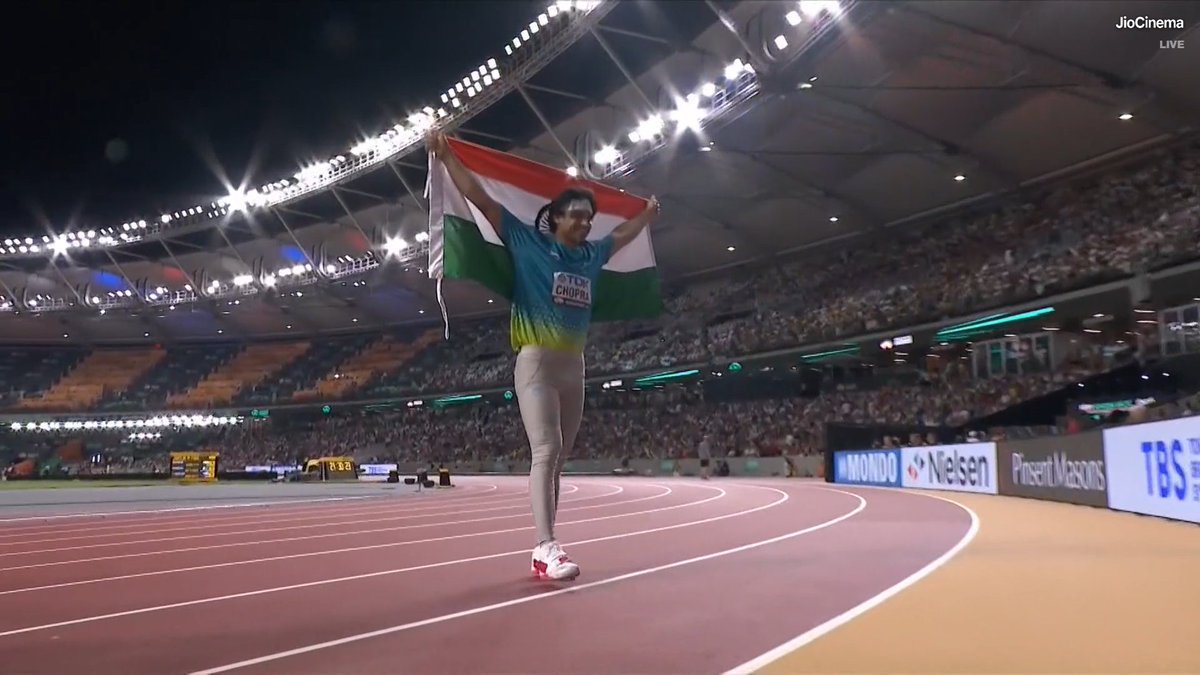
No pressure today #NeerajChopra - you're the reigning World and Olympic Champion and not a one 'throw' wonder. Throw your PB and if you can exceed it, that's all we can ask of you. If someone else finds the inspiration to exceed that, so be it.
2
259
22 Apr 2024
@viditchess has to be mentioned here. He beat @GMHikaru twice in the tourney and those victories were crucial in shaping the leader board at the end. While chess is an individual game, having three guys from your team, almost feels like one is playing for the 'team'. /3
1
281
22 Apr 2024
@chessvaishali and @humpy_koneru deserve a big shout out.. Joint second in the women's tournament. Vaishali specifically - what a champ 5 straight wins and finishing with more outright victories than any of the other players in the fray. As solid a come back as I have seen.
1
252
22 Apr 2024
Every morning in the last two weeks was waking to the #candidates2024 results and seeing where the prodigious Indian talent was in the rankings and how their games fared. Finally decided to burn the midnight oil and watch the final round. Totally worth every bit /1
1
4
487
22 Apr 2024
@DGukesh made some phenomenal plays and in the early stages, choosing the queen exchange suggested he was nudging towards a draw even when the engine suggested he had better options but what a call and fortune favoured the brave ultimately @rpraggnachess your time will come /2
1
218
4 Dec 2023
I'd really like to see a lot of brilliant leaders at the @COP28_UAE , also happening in Dubai, to attempt this, but without the parachute, as penance for the shit show that is unfolding.

2
7
869
5 Nov 2023
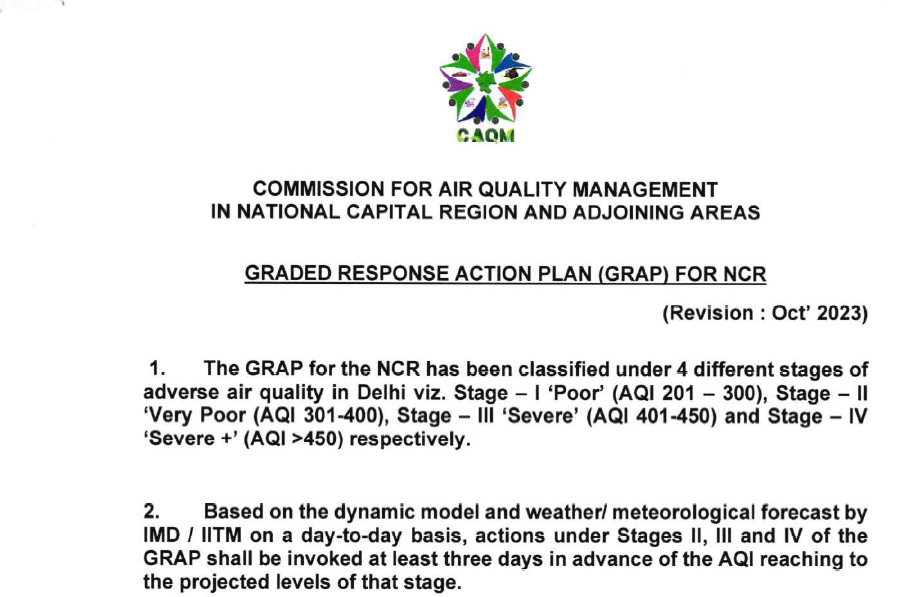
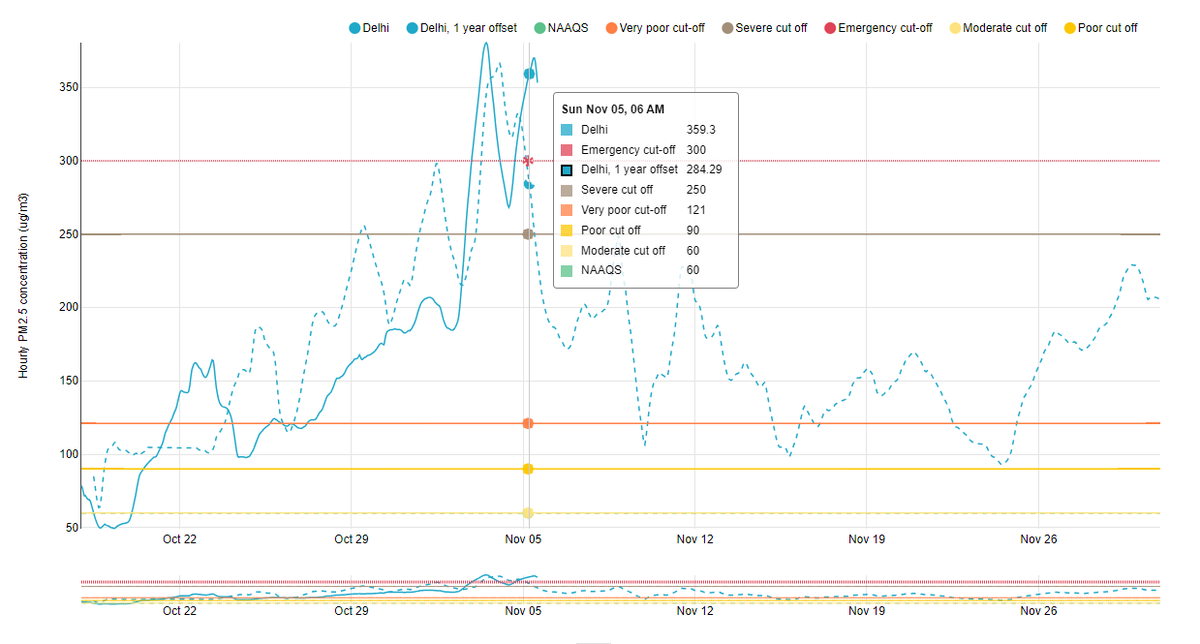
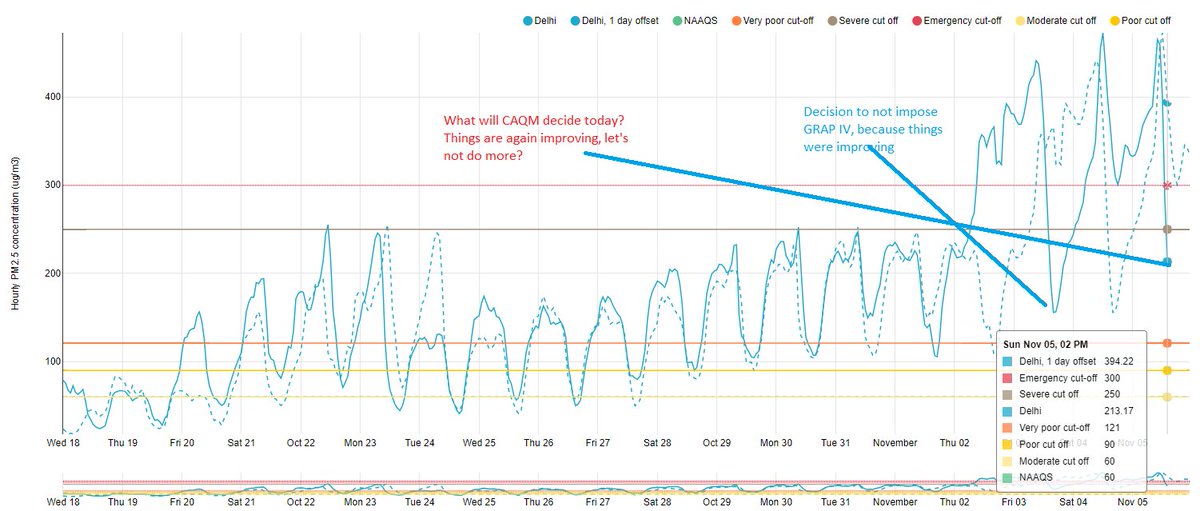
The CAQM met on 3 Nov in the late afternoon and was advised to not implement GRAP IV - the toughest restrictions as the science was indicating that things 'were getting better'. That was a poor decision. If indeed led by science, our scientific agencies have a long way to go ( )
1
12
22
3,174
5 Nov 2023
Finally, we did a clear assessment of how the forecasts performed last year. If @CAQM_Official had seen this, I am sure they would agree that these are the very same reasons things aren't working out this year. I hope we can fix it for the millions of children in Delhi
2
1
3
475
5 Nov 2023
Read through this if you want to know how forecasts work.
ceew.in/publications/delhi-w…
2
3
540