
KUW con @thejuansc | Cada semana en @Youtube| @Polkadot & @Kusama Ambassador | Autor de El Salvador: #Bitcoin 🇸🇻📖🧡
Joined November 2021
- Tweets 997
- Following 689
- Followers 172
- Likes 1,139
207 Photos and videos




Keeping Up With The Show retweeted

19 Dec 2023
Probably the hardest part of onboarding #Bitcoin into your life is to change your entire belief system.
Join us for a captivating episode featuring @noelynesumba Bitcoin advocacy in #Africa! From overseeing marketing at @Machankura8333 to promoting grassroots acceptance, explore the initiatives driving Bitcoin adoption across the continent. 🌍
She visited #ElSalvador earlier to @AdoptingBTC now she came to BitCorner Podcast. 🇸🇻🧡🎙️⚡️
Watch FULL episode here: youtu.be/SIMvXkDoUdo
SUBSCRIBE! 🙏🏼
1
4
11
725
Keeping Up With The Show retweeted
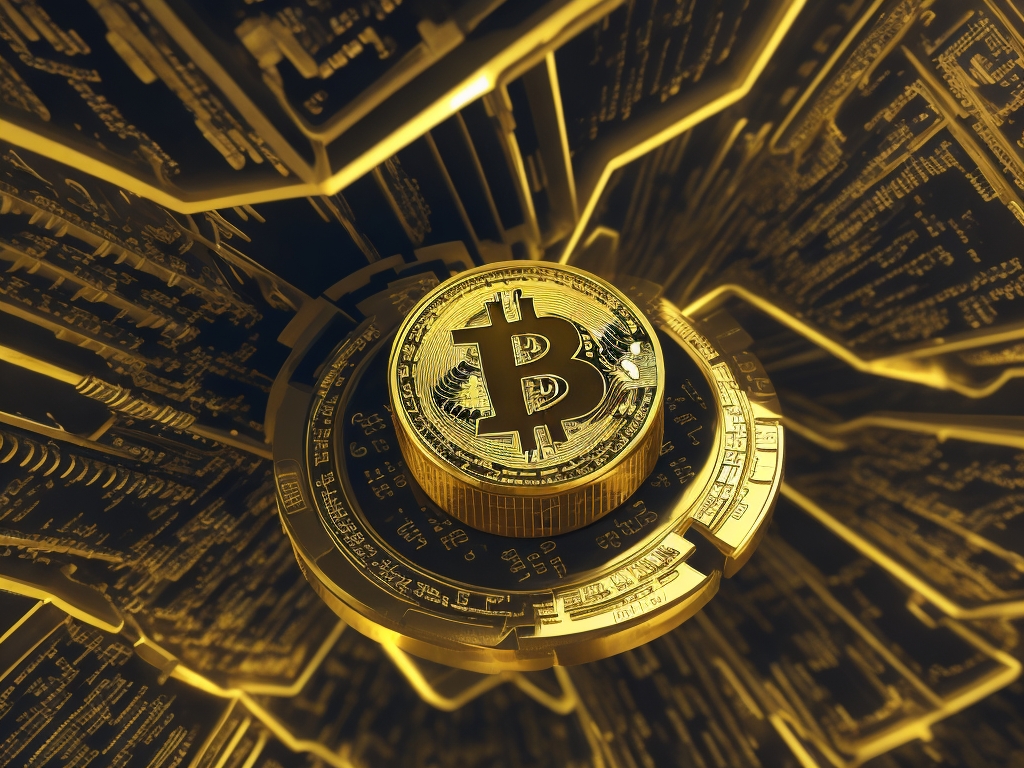
What The F*ck is A Bitcoin Drivechain?
The world of Bitcoin is continually evolving, with debates and discussions about its future direction never far away. One such debate revolves around the concept of #Drivechains in Bitcoin, a proposal that has generated considerable controversy within the Bitcoin community.
Bitcoin, often referred to as digital gold, is renowned for its resilience to change. This quality safeguards it from the whims of governments or central banks, ensuring its neutrality and integrity. In contrast to #Bitcoin, some other digital assets follow a centralized roadmap, often led by prominent figures like Vitalik Buterin.
Drivechains propose a fundamental shift in how Bitcoin operates. At its core, the idea is to make it easier to create side chains, which are essentially separate #blockchains connected to the Bitcoin network. These side chains can offer various advantages, including faster transaction processing and enhanced privacy. However, with these benefits come potential challenges and risks.
One such side chain, Liquid, allows users to lock up their Bitcoin on the base layer and use a proxy for faster transactions and improved privacy. Yet, Liquid is not without its concerns, notably the risk of collusion within the Liquid Federation.
The Drivechains proposal offers a different approach. It suggests securing new side chains with the help of existing Bitcoin miners using a concept called Blind Merge Mining. This could have several advantages, including potentially increasing mining revenue and enabling the creation of side chains with features like expressive smart contracts and better privacy guarantees.
However, significant changes to Bitcoin's software should not be taken lightly. The ecosystem is still adapting to recent forks, such as SegWit and Taproot. Implementing yet another soft fork without careful consideration could have unintended consequences. It's essential to proceed with caution, ensuring overwhelming consensus before any modifications are made.
Introducing complex incentives through Drivechains may have far-reaching implications for Bitcoin's base layer and its security. Even minor code changes can have exponential outcomes in terms of risk, game theory attack vectors, bugs, incentives, social attacks, and regulatory challenges. Bitcoin's inherent security and censorship resistance make many Bitcoin proponents question the necessity of Drivechains for additional tokens or coin issuance on side chains.
Adding Drivechains to Bitcoin could potentially compromise its integrity. As a result, proponents may find it wiser to explore implementation on lower-value networks. Predictions even suggest community opposition to specific Bitcoin Improvement Proposals (BIPs), such as BIPs 300 and 301, further emphasizing the need for caution.
In conclusion, the Drivechains proposal has sparked heated debates within the Bitcoin community. As the digital currency landscape evolves, it's crucial to approach significant changes to Bitcoin's core consensus rules with humility, respect, and careful consideration. Threats, bribes, and fear-mongering are not the path to achieving consensus and maintaining Bitcoin's integrity.
P.S.: This post is a summary of the video Drivechains on Bitcoin from Matthew Kratter of Bitcoin University.
2
3
171
Keeping Up With The Show retweeted
One episode away from season finale! 🎙️⚡️
#ElSalvador is winning! Don't miss this episode with @niftynei we talked about:
- #Bitcoin L2: #Lightning & Liquid
- New workshop with @areabitcoin
- About @Blockstream and @base58btc
- 🇸🇻🌋 Bonds
And more!!!
youtu.be/n8Pw0koCdx4
4
10
762
Keeping Up With The Show retweeted

28 Jun 2023
Así se ve el futuro de Polkadot

15
12
145
22,259
Keeping Up With The Show retweeted

28 Jun 2023
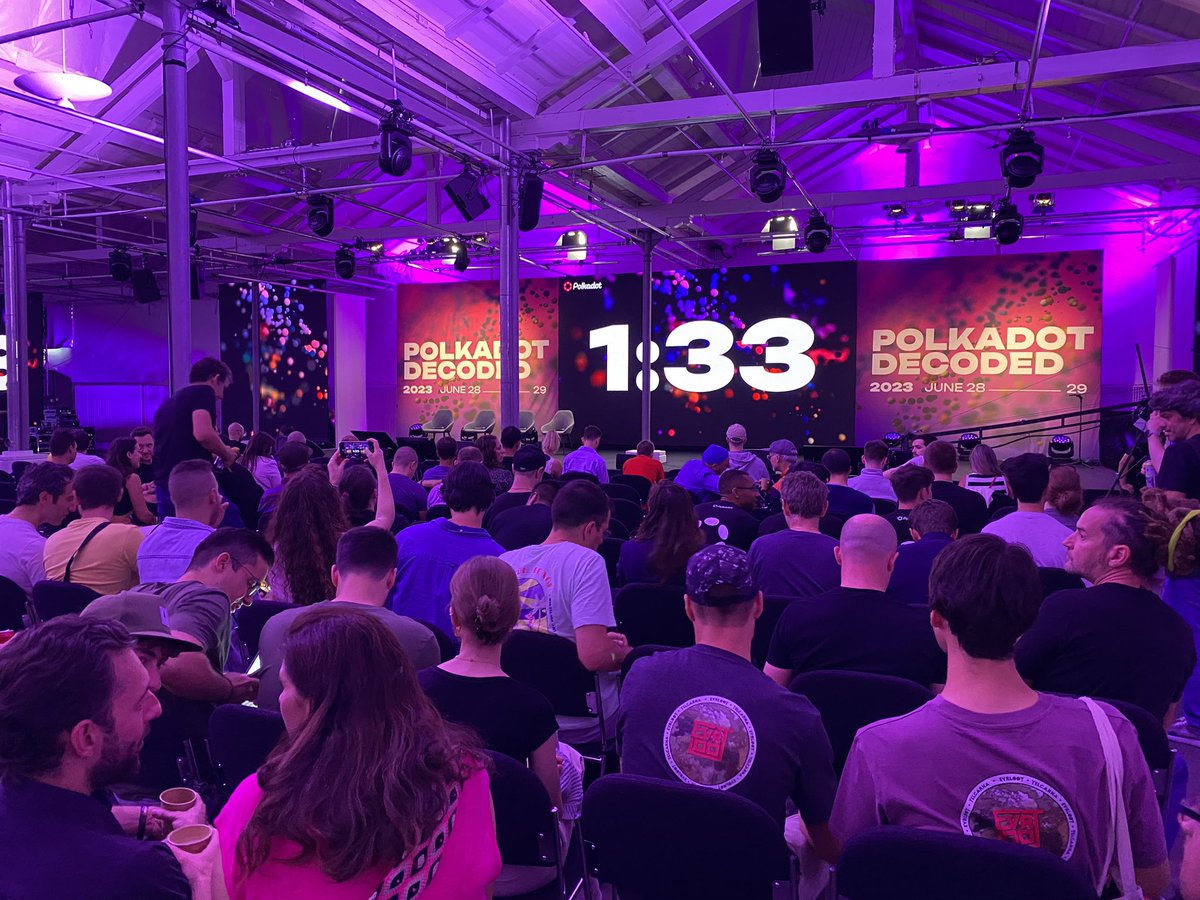
Are you ready?
This is the biggest @Polkadot event of the year, starting in just a moment now💥
3
16
153
10,698
Keeping Up With The Show retweeted
28 Jun 2023
Earlier today at #PolkadotDecoded: Polkadot founder @rphmeier and @paritytech's Steve Stover in a panel discussion "From Blockchain to Blockspace".
Curious why blockspace is the key to unlocking the full potential of Web3? Learn from the thread below🧵⬇️ x.com/Polkadot/status/167399…
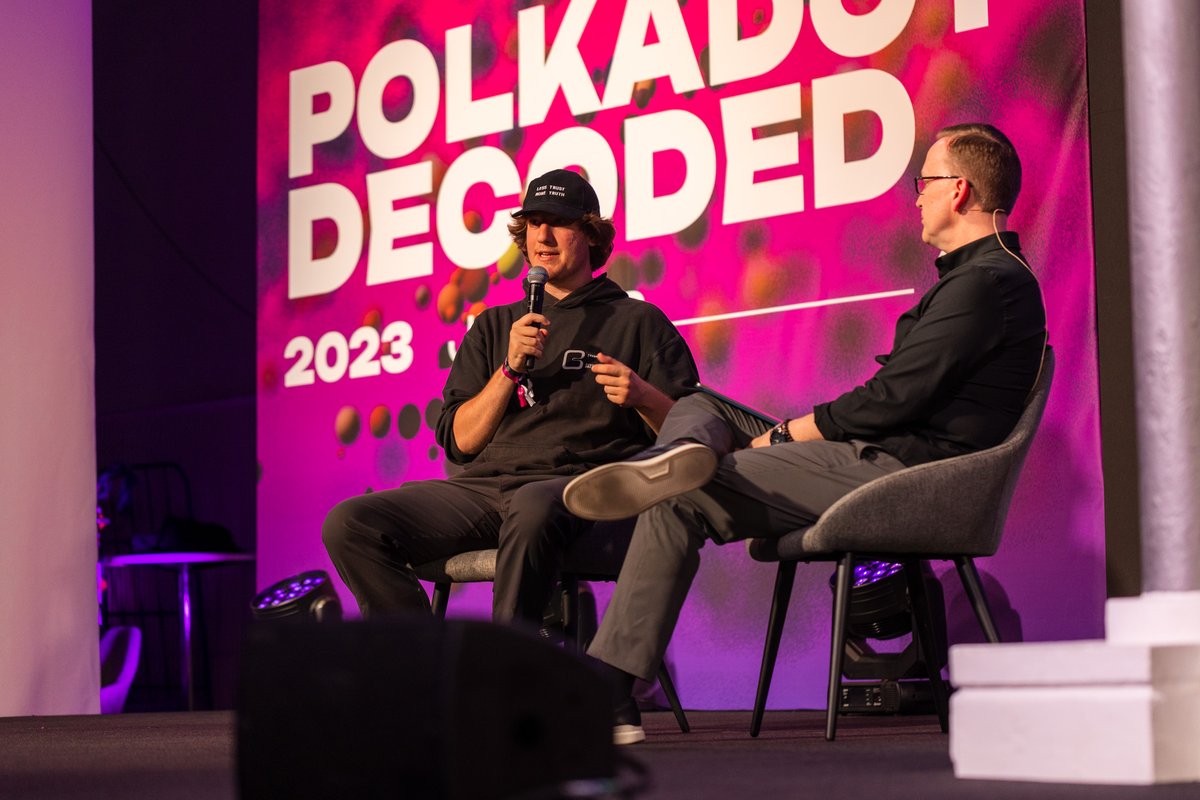
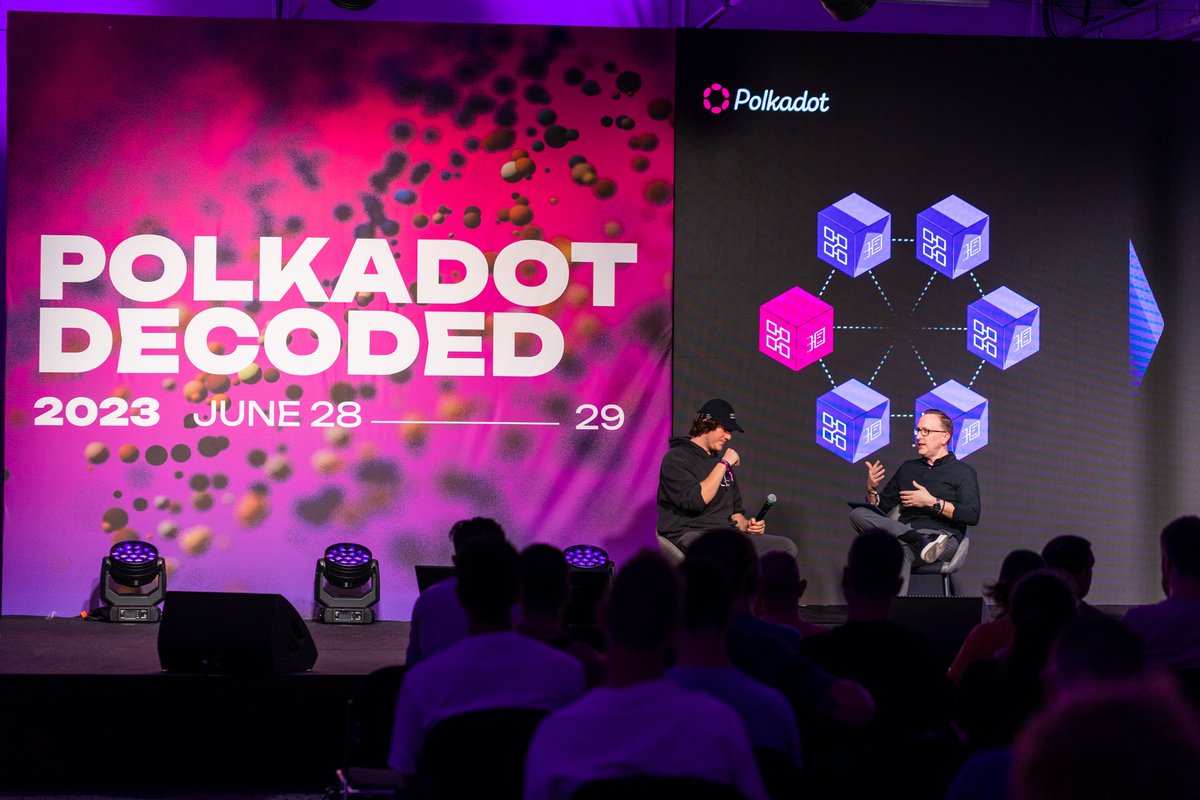

Curious about the driving force behind Web3? Enter “blockspace”, the backbone of this transformative technology
Just as the cloud fuels modern web apps, blockspace powers blockchain operations
Learn how blockspace is the key to unlocking the full potential of Web3
🧵A thread

7
25
135
29,827

28 Jun 2023
2
14
Keeping Up With The Show retweeted
27 Jun 2023
🚨- New episode with Daniel Harmon (@TuttleTwinsTv) where he shares his experience creating cartoons and educating families about freedom and #Bitcoin. There was even a proposal: to do part of the interview in Spanish!! Did he do it!? 🇸🇻⚡️
Available NOW: youtu.be/Iwal2EUIYnE
3
2
127
27 Jun 2023
Madrid! Nos vemos mañana para el @polkadotdecoded! 🙌🏼
26 Jun 2023

Solo faltan 2 días para el @PolkadotDecoded y nosotros ya estamos preparados 🙌
¿Te lo vas a perder?
Inscripciones 👇
meetup.com/polkadot-and-kusa…
1
55
20 Jun 2023
No me gusta hablar de proyectos, pero @energywebx es un gigante dormido. Desde hace muchos años está quieto, esperando su momento.
1/ 🚨🚨 Enterprise adoption is truly an unstoppable force in this ecosystem!
Polkadot and @energywebx will together help big names like @Shell, @VodafoneUK and @Volkswagen on their path to decarbonization in an exciting new development.
2
6
266
20 Jun 2023
Algunas novedades respecto a @eth_barcelona. Se han extendido las fechas del evento. Queda así:
5-7 Julio: Conferencia
7-9 Julio: Hackathon
1
22
20 Jun 2023
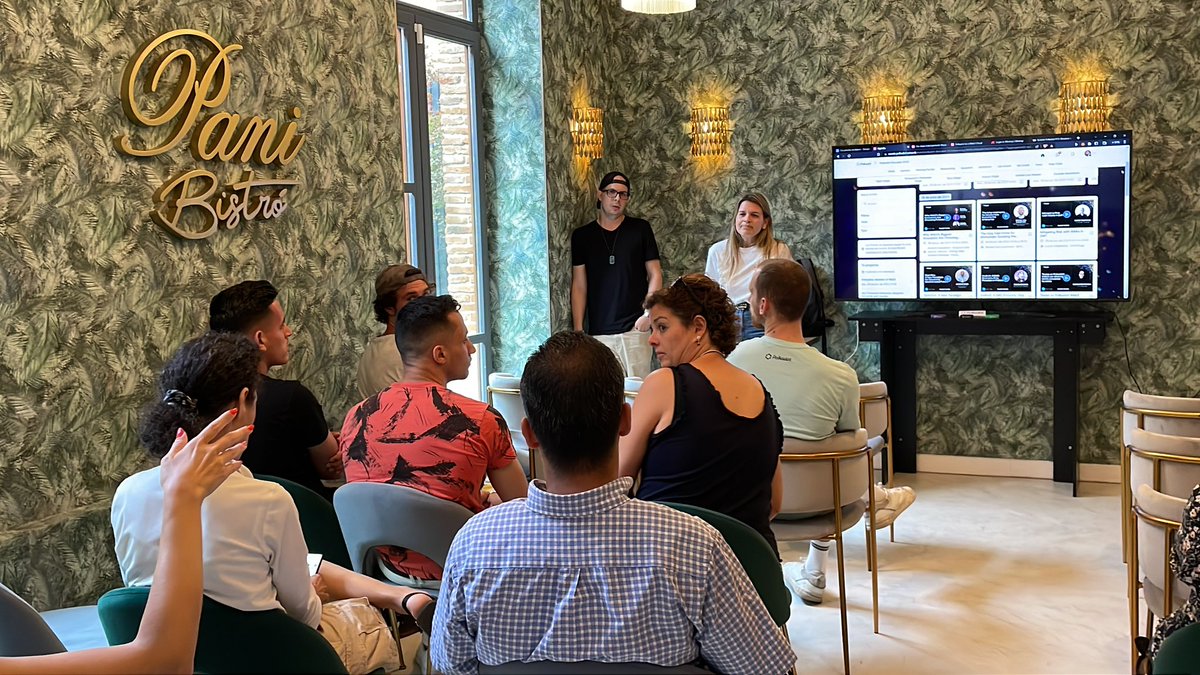
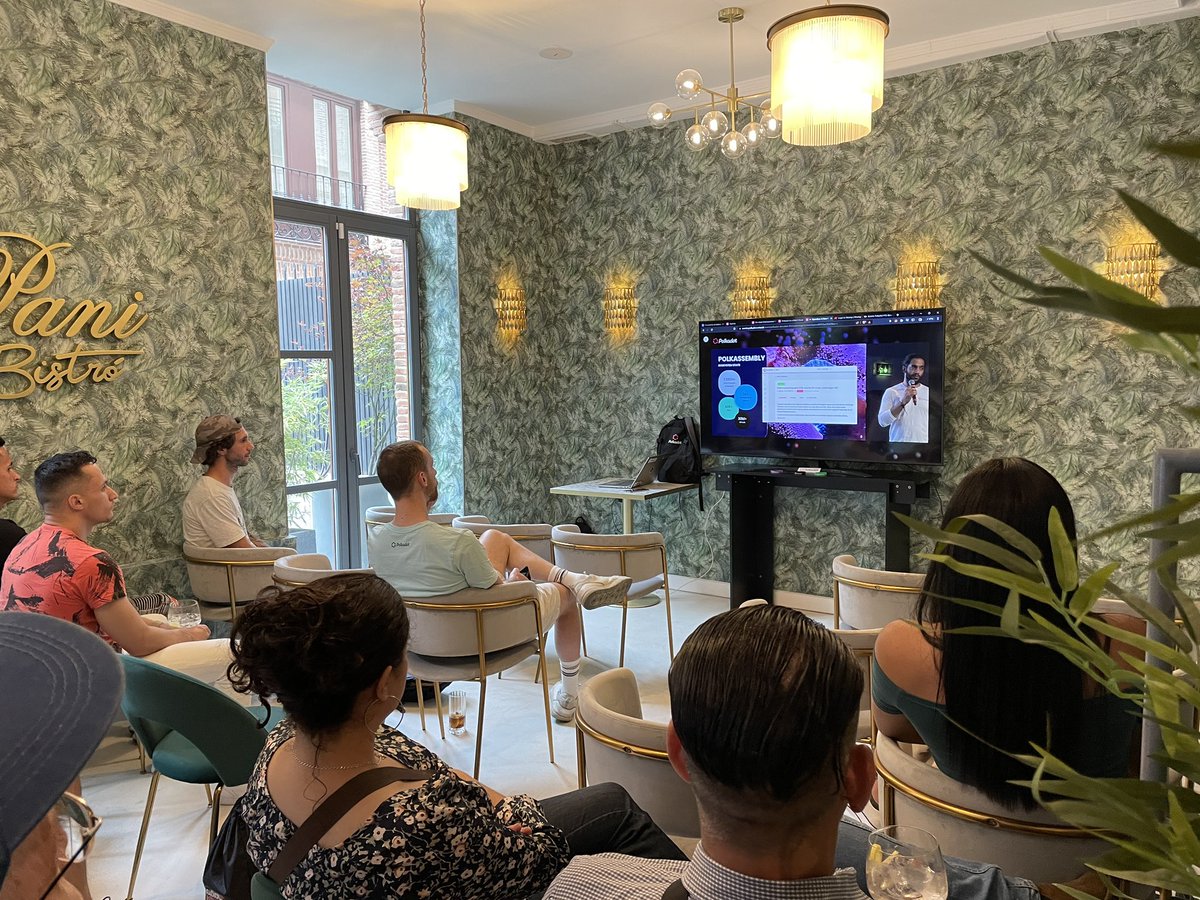
¡A una semana del Polkadot Decoded! Y para los que no asistirán personalmente recuerden que tenemos viewing party por todas partes del mundo. En España, tendremos uno en Madrid. ¡Nos vemos ahí! 😎
1
1
6
137
20 Jun 2023
Les adelanto por aquí: La invitada de esta noche en nuestro canal principal 🤩🙌🏼⚡️🇸🇻🧡🇲🇽
•
Nos vemos a las 19 hrs.
youtu.be/MzyO4Jt2xtE
1
29
15 Jun 2023
📣 ¡Noticias emocionantes! 🌟 @ETHBarcelona, regresa del 5 al 7 de julio. Este año, el evento presenta un formato innovador de conferencia y hackathon, marcando un cambio en su estructura anterior. Y por supuesto yo estaré ahí para cubrir el evento.
1
2
39
15 Jun 2023
🌍 @eth_barcelona abraza los movimientos SolarPunk y LunarPunk, visualizando un mundo donde la tecnología se utiliza de manera positiva para impulsar nuestro planeta de manera sostenible y ética.
1
18
15 Jun 2023
La misión de @ETHBarcelona es fomentar una comunidad sostenible donde las herramientas éticas protejan los principios de la libertad humana, la soberanía y la privacidad. ¡Además, es la perfecta oportunidad para hacer Networking! Nos vemos en unos días 🎉😎🙌🏼
13
8 Jun 2023
🚨 ¡Vuelven los pódcast! ¡Esta vez con el increíble @filippoweb3 de la @Web3foundation! Hablaremos de Open Gov, #Polkadot, la interfaz de Polkadot.js, autocustodia y mucho más.
youtu.be/3Z-PR3rpvcg
1
1
236
8 Jun 2023
Thank you, @filippoweb3! It was a pleasure to have you in the show! You're awesome! 😎
1
30