
seems most blockchains and even governments are scrambling to sort out bug issues with things like fable
5

5/8
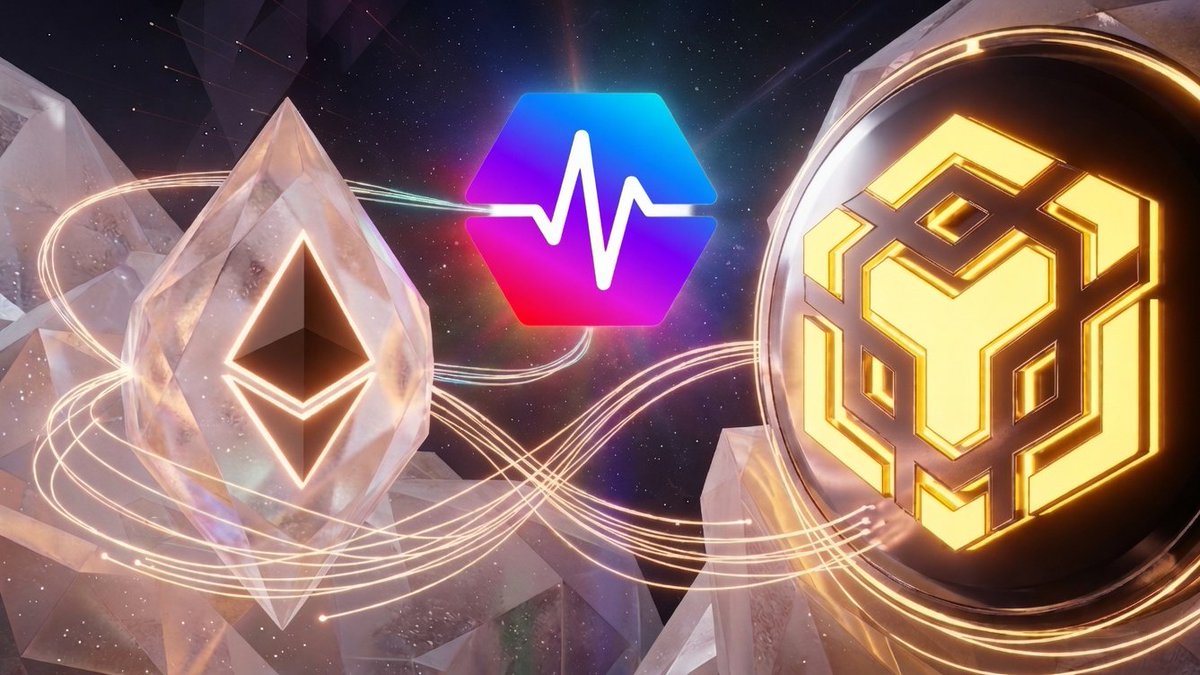
Supported blockchains at launch:
• Ethereum
• BNB Smart Chain (BSC)
• PulseChain
More networks will be added quickly based on community requests and partnerships.
1
8
Michelangel🍊.xch retweeted

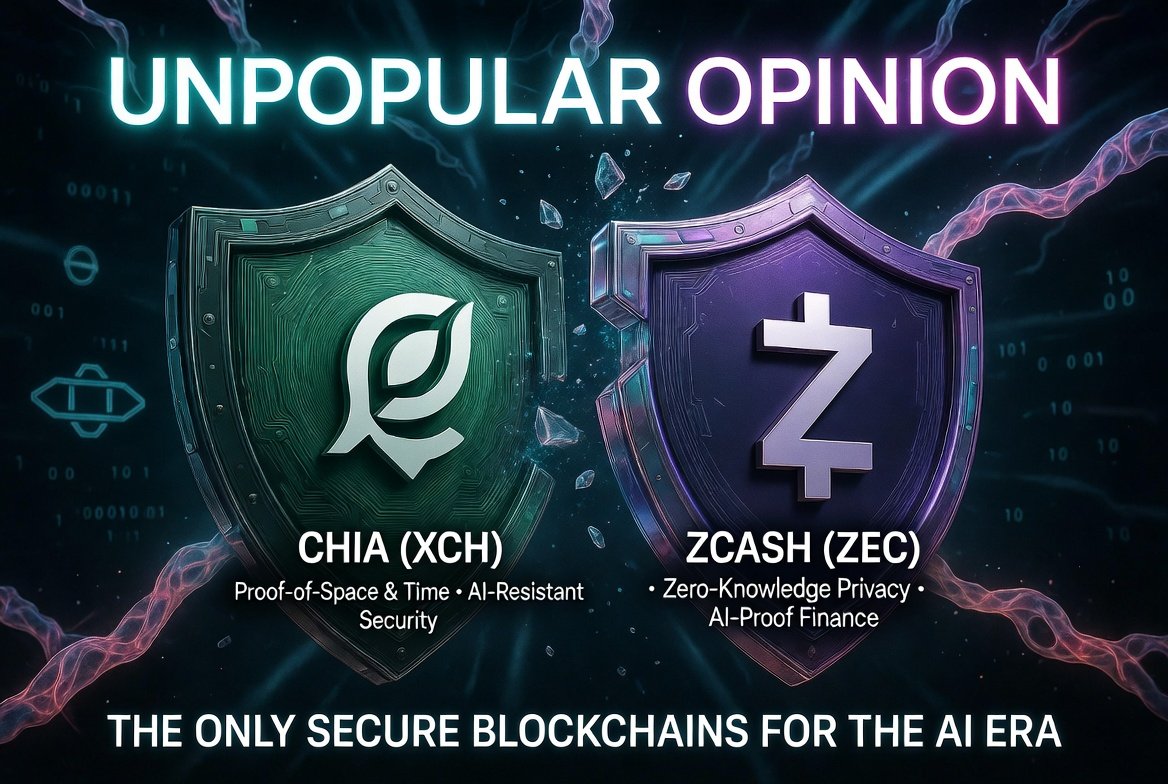
🔥 UNPOPULAR OPINION:
The Chia and ZCASH Blockchains are the ONLY secure Blockchains for the new AI-era as of today.
ZEC is going to be tested on a daily basis right now.
Chia is going to be hardcore explored during its S-1 Filing.
The next 6 months is going to PROVE that I am right.
These two are built different:
🛡️ Zcash (ZEC): Zero-knowledge privacy that actually holds up when AI starts de-anonymizing everything on transparent chains.
🔒 Chia (XCH) — Proof-of-Space & Time. Energy-efficient by design. Already fighting the “AI Siege” on blockchain code and consensus. Decentralized. Tamper-proof. Built for sovereign data and private value transfer in an AI-dominated world.
The filter is coming. Only the actually secure chains survive.
Who else sees it?
#Chia #XCH #Zcash #ZEC #AI #Blockchain #Crypto
2
11
25
348

Adoption in real-world systems is slow by design.
Industries move carefully because the cost of being wrong is high. The blockchains that will actually matter in ten years aren't the ones with the loudest launch.
1
3

GM and happy Sunday CT
The more time I spent understanding @RetiumChain the more I discovered components that resembled puzzle pieces—complementing one another and beginning to connect as a solution to a common problem in traditional blockchains: transaction throughput efficiency. The architecture’s mechanism began to take shape much more clearly, aiming to create a network capable of processing all transactions in a more structured manner.
There is no waiting in a single global queue (traditional mempool).
Everything is processed in parallel and routed through appropriate logical paths, utilizing a validator mesh and multi-vector architecture.
From the validation process, block assembly, to finalization—there is no reliance on a single path or a single party.
Every transaction is processed through the staging, execution, validation, and finalization stages, all of which run entirely in a distributed manner. Ultimately, this minimizes bottlenecks.
Absolutely, Retium is ready for large-scale operations right from its architectural level, delivering efficiency and structured transaction behavior by utilizing multiple logical paths in parallel, rather than forcing transactions into a single queue.

20h

Gm Crypto Antusiasme
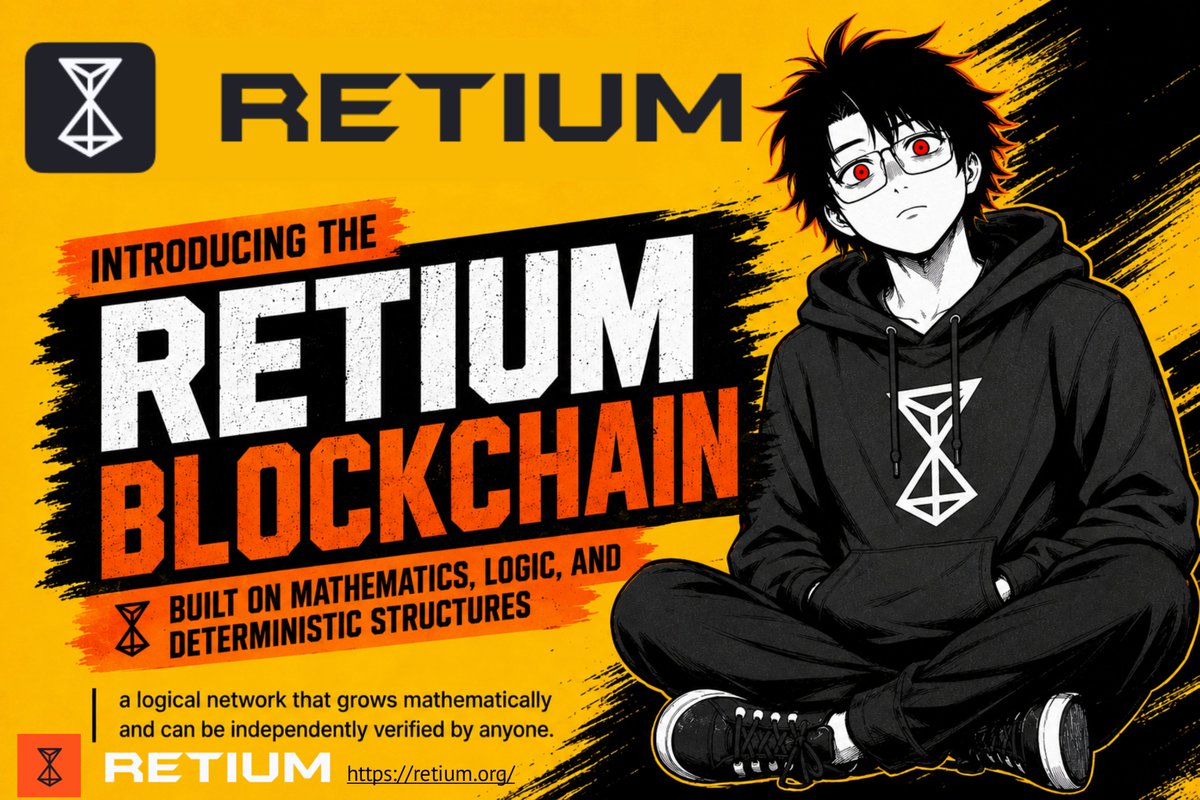
Getting to Know @RetiumChain Better: A Blockchain Built Entirely on a 100% Independent Codebase and Featuring Its Own Architecture.
It’s no secret that most modern blockchains today are built on the concept of probability. Take Bitcoin, for instance, which still prioritizes hashing through Proof of Work, while the majority of Proof of Stake networks I’m aware of still use validator selection methods that involve elements of chance, rotation, or specific random mechanisms.
To address this issue and avoid uncertainty or luck in determining “who is authorized to process transactions,” Retium’s approach emphasizes a network structure built on deterministic mathematical logic. This allows the network structure to be independently calculated and verified by anyone. Retium also stands out as a blockchain with a logic-based architecture, featuring a mesh validator network and a multi-vector network structure.
The goal is clear: Retium is a Layer-1 blockchain created as a solution to the fundamental limitations of traditional blockchains, such as:
• Blockchain congestion/bottlenecks due to linearity
• A single pool vulnerable to spam attacks
• Concentration of power in the hands of validators
• Volatile transaction fees
• Scaling challenges
With Retium’s key components, such as:
1. Validator Mesh Architecture
2. Multi-Level Role-Based Verification
3. Deterministic Logic Path
4. Multi-Vector Block Structure
5. Logic-Weighted Transaction Fee
Each component aims to pioneer the creation of a network that is far more predictable, fair, and easier to scale compared to older blockchain models.
Built on a strong foundation, the network structure is based on Prime Number Mathematics. The Whitepaper states, "Each block position is determined by prime factorization and mathematical relationships."
To elaborate,
Instead of a block being considered the "next block" in a linear chain:
Block A -> Block B -> Block C
Behind the scenes, Retium establishes a block’s identity based on mathematically verifiable and reproducible relationships.
Conceptual practice:
• Tick /1 introduces Prime P₁
• Tick /2 introduces Prime P₂
• Tick /3 introduces Prime P₃
From these points, the combination of primes triggers the generation of valid block identities and relationships.
Underlying this is the fact that every composite number has a distinct/unique prime factorization (Fundamental Theorem of Arithmetic), which fully enables a block’s position to be easily verified through the same mathematical rules by all network nodes. The uniqueness of prime factorization is also the most fundamental principle in modern number theory.
Meanwhile, traditional blockchain mechanisms often require several elements:
- Validator selection
- Leader election
- Randomness source
- Lottery mechanism
However, such systems actually open the door to new issues:
- MEV
- Manipulation
- Uncertainty in transaction order
- Front-running
- Specific/favored validators
This is why Retium uses a block structure based on deterministic mathematical rules, eliminating the need to trust third parties, as every node can compute the same result. In most deterministic blockchain systems, this ensures that all participants produce identical outputs when given the same inputs. Every node can compute the same result. The key advantage is a reduced reliance on the aforementioned random mechanisms.
1
2

🚀 MASSIVE: THE PASSAGE OF THE GENIUS ACT & CLARITY ACT COULD UNLOCK A $500 TRILLION SHIFT OF ASSETS ONTO PUBLIC BLOCKCHAINS, WITH $XRP POSITIONED TO LEAD THE TRANSITION! 💰 🤯

8

𝗠𝗨𝗟𝗧𝗜-𝗖𝗛𝗔𝗜𝗡 𝗨𝗦𝗘𝗥𝗦 𝗡𝗘𝗘𝗗 𝗠𝗨𝗟𝗧𝗜-𝗖𝗛𝗔𝗜𝗡 𝗦𝗢𝗟𝗨𝗧𝗜𝗢𝗡𝗦
Today's crypto users rarely operate within a single ecosystem.
Assets, applications, and communities now span multiple blockchains, creating new opportunities but also new complexities.
This shift requires platforms that can accommodate how users actually interact with Web3.
𝗣𝗔𝗬𝗠𝗘𝗡𝗧 𝗙𝗟𝗘𝗫𝗜𝗕𝗜𝗟𝗜𝗧𝗬 𝗠𝗔𝗧𝗧𝗘𝗥𝗦
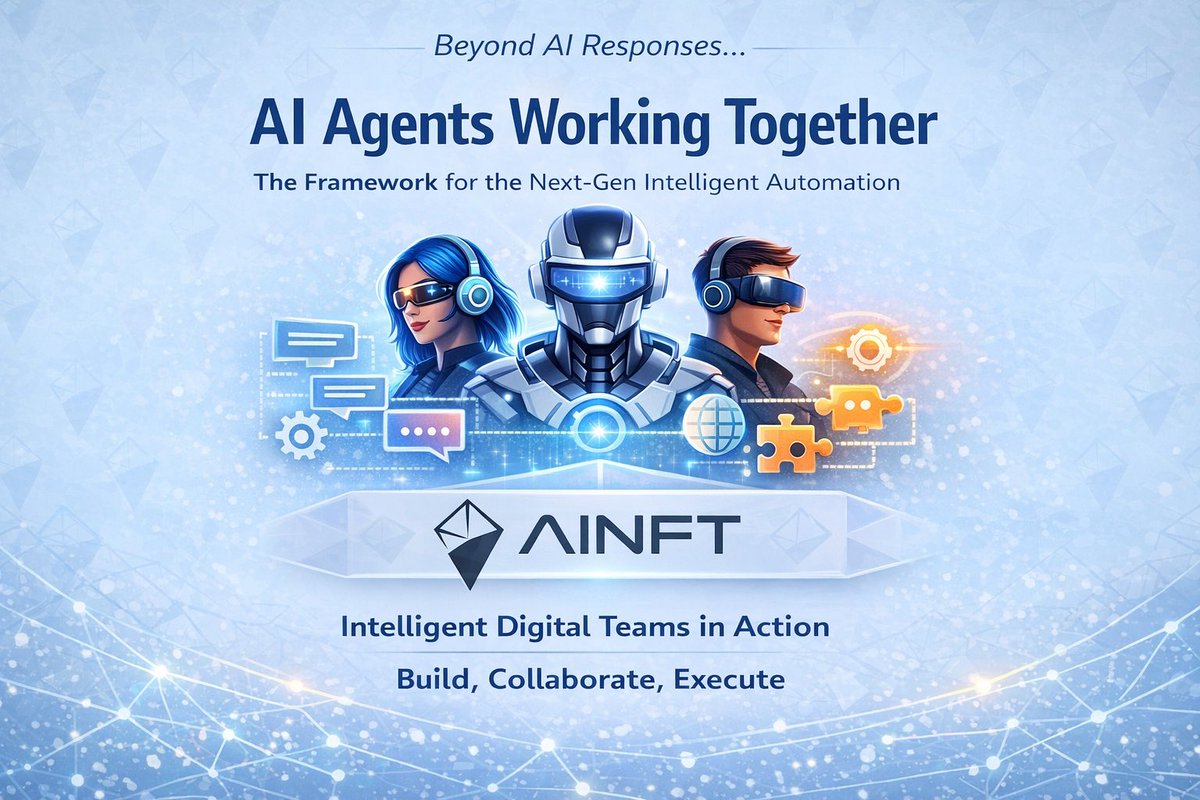
AINFT supports multiple assets across different networks, allowing users to access AI services without constantly changing their preferred workflows.
This flexibility helps create a more natural user experience while reducing unnecessary friction.
𝗔𝗗𝗔𝗣𝗧𝗜𝗡𝗚 𝗧𝗢 𝗨𝗦𝗘𝗥𝗦, 𝗡𝗢𝗧 𝗧𝗛𝗘 𝗢𝗧𝗛𝗘𝗥 𝗪𝗔𝗬 𝗔𝗥𝗢𝗨𝗡𝗗
Successful infrastructure often works quietly in the background.
Rather than forcing behavioral changes, it adapts to existing habits and simplifies participation.
AINFT reflects that philosophy.
𝗙𝗟𝗘𝗫𝗜𝗕𝗜𝗟𝗜𝗧𝗬 𝗜𝗦 𝗔 𝗙𝗘𝗔𝗧𝗨𝗥𝗘
As ecosystems continue expanding, user-friendly access across chains may become one of the defining characteristics of scalable Web3 applications.
Explore AI services across ecosystems:
chat.ainft.com
@AINFTcom @justinsuntron
#TRONEcoStar
1
TheBeefMaker retweeted

@dac_chain Weekly challenge.
Here's My Take ^
****
Hook
Most blockchains are built for speculation.
DAC is building for something harder: systems that actually work in the real world.
Here’s how DAC approaches secure, practical blockchain infrastructure 🧵
👇🏽👇🏽👇🏽👇🏽
ALT #DAC
1
1
1
12
Nick retweeted

Jun 12
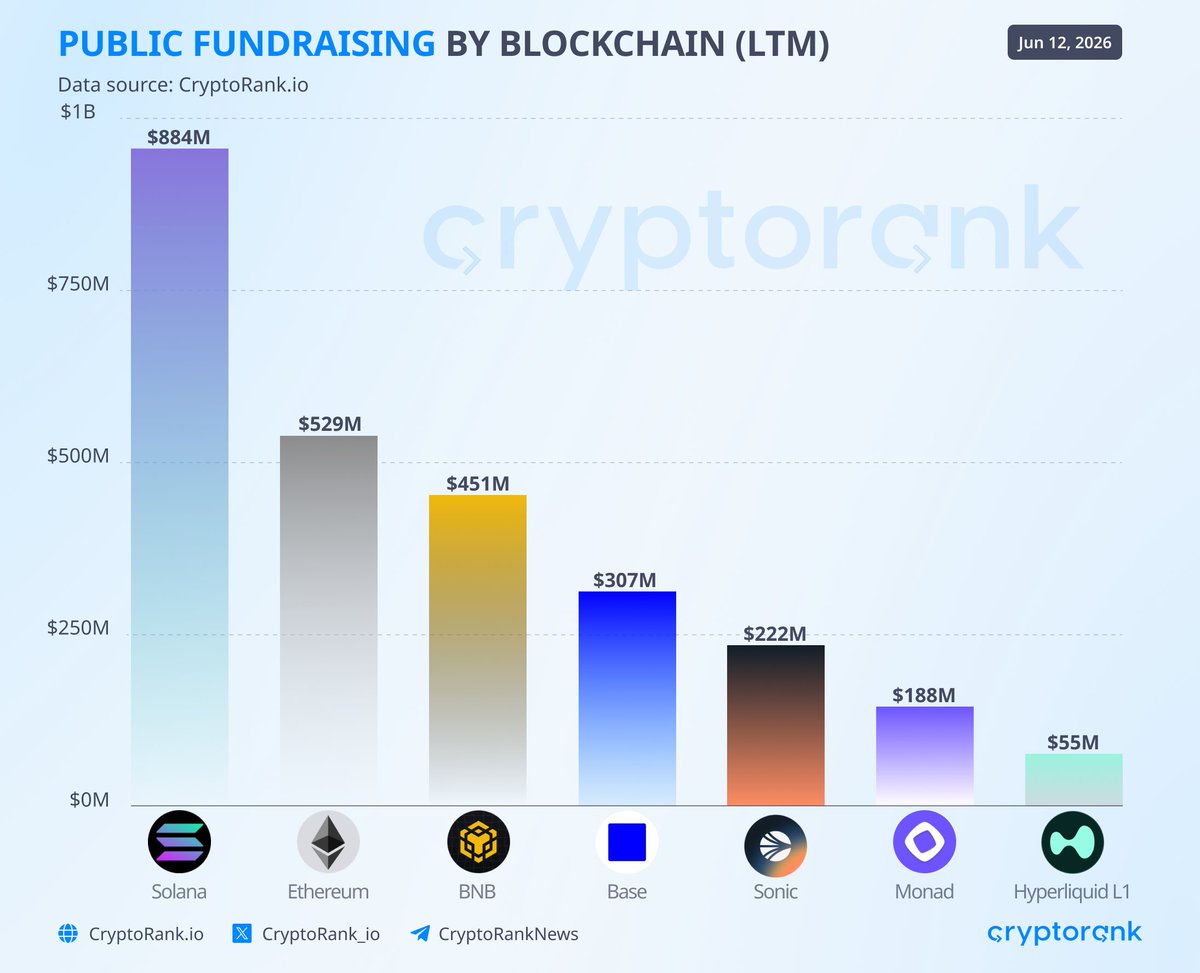
Solana Leads Public Fundraising Across Blockchains
@solana ranked first in public fundraising over the last 12 months, with $884M raised across its ecosystem.
@ethereum ranks second with $529M, followed by @BNBCHAIN at $451M.
Together, these three ecosystems account for the majority of public capital raised during the period.
Public market investors are increasingly concentrating capital in ecosystems with strong developer activity, active user bases, and clear narratives.
7
14
66
4,005

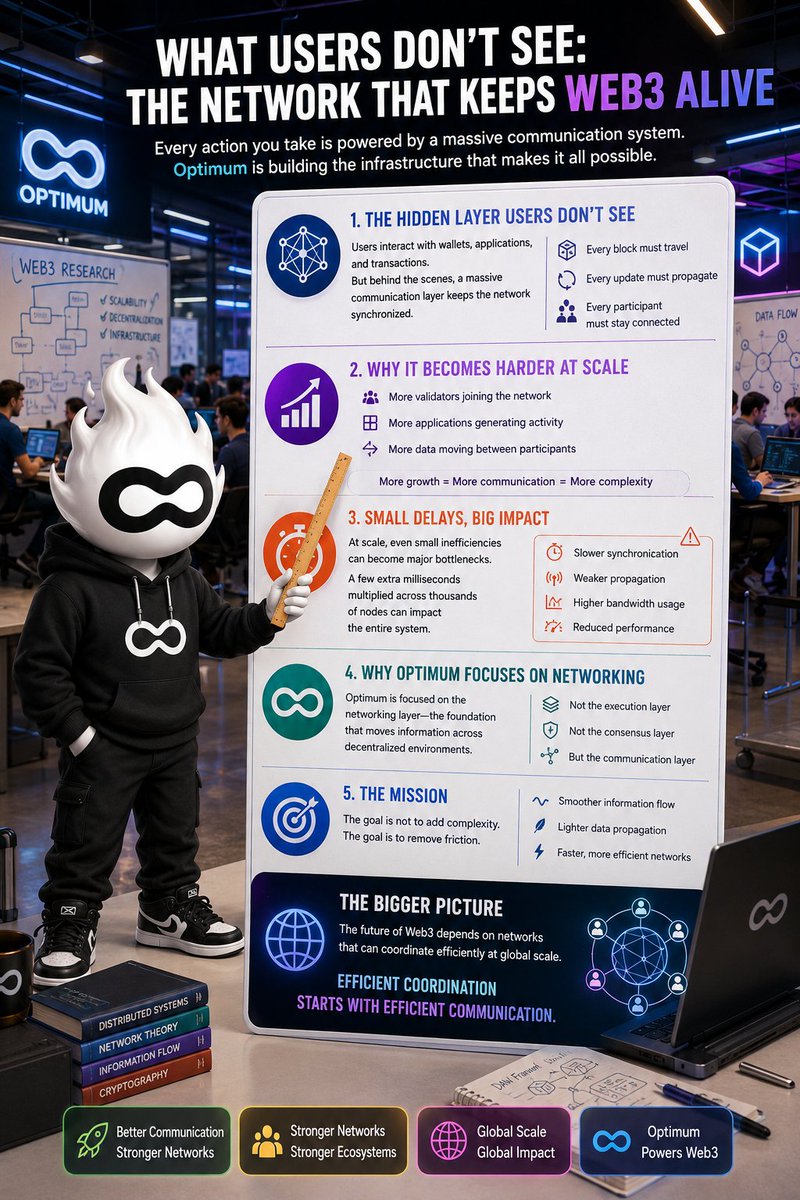
𝐌𝐨𝐬𝐭 𝐩𝐞𝐨𝐩𝐥𝐞 𝐮𝐬𝐞 𝐛𝐥𝐨𝐜𝐤𝐜𝐡𝐚𝐢𝐧𝐬 𝐰𝐢𝐭𝐡𝐨𝐮𝐭 𝐞𝐯𝐞𝐫 𝐬𝐞𝐞𝐢𝐧𝐠 𝐰𝐡𝐚𝐭 𝐤𝐞𝐞𝐩𝐬 𝐭𝐡𝐞𝐦 𝐫𝐮𝐧𝐧𝐢𝐧𝐠 @get_optimum
For most users, blockchain feels simple.
Open a wallet.
Send a transaction.
Use an application.
Jun 13

𝗗𝗮𝘁𝗮 𝗙𝗹𝗼𝘄 𝗠𝗮𝘆 𝗕𝗲 𝗧𝗵𝗲 𝗥𝗲𝗮𝗹 𝗦𝗰𝗮𝗹𝗶𝗻𝗴 𝗟𝗶𝗺𝗶𝘁 @get_optimum
People often measure blockchain performance through throughput and fees.
But underneath every chain lies a more fundamental requirement:
moving information efficiently.

1
2
9
Queen HUDL retweeted

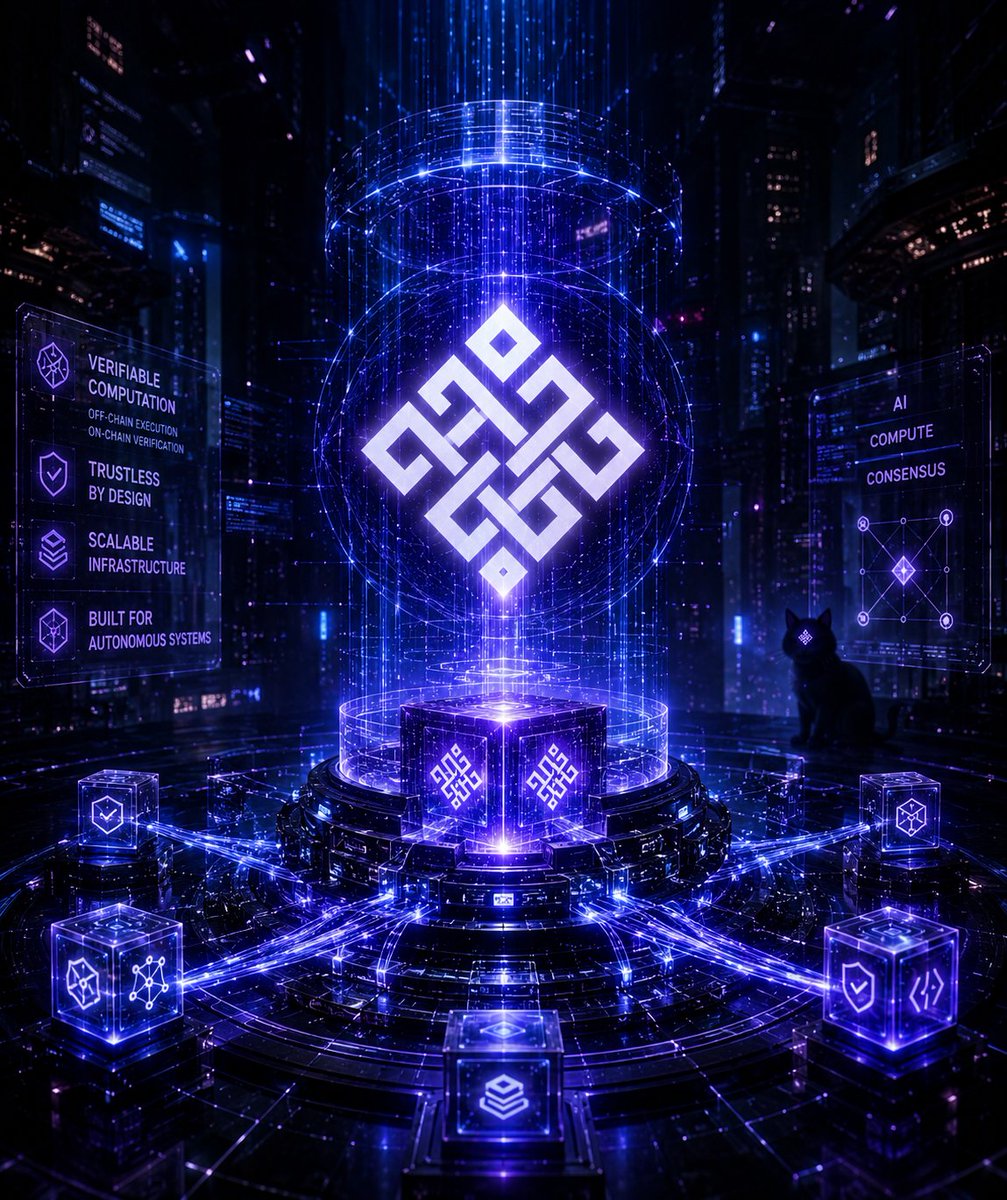
RITUAL IS REDEFINING COMPUTE ⚙️✨
🔹 Verifiable execution beyond traditional blockchains.
🔹 AI, computation, and consensus working together.
🔹 Trustless results with cryptographic guarantees.
🔹 Building the foundation for autonomous applications. 🐱⚡
@ritualnet @ritualfnd
13
2
16
133

Canopy Network is gearing up for something exciting! They’ve got this campaign launching via @NucleusCodes, and get this there’s a whopping $100,000 reward pool up for grabs for the top 300 contributors. Mark your calendars: June 16 to August 16.
But what really gets me buzzing about this project is the innovative structure of @CNPYNetwork. Instead of forcing every application to create its own standalone chain, they’re using a nested chain model. Think about it app-specific blockchains can launch within a shared ecosystem. It’s a game-changer! By using a restaking mechanism for security, they’re cutting down the need for each project to find its own validators.
This means launching those application-specific chains is way easier. Less overhead, more collaboration! And the beauty of it? It fosters scalability and security without the usual headaches.
The implications are huge: faster deployments, reduced costs for new projects, and a more modular approach to scaling L1 applications. It’s not just about making chain launches simpler; it’s about transforming them into components that play nicely within a bigger system.
Honestly, I think this approach is something to keep an eye on as modular blockchain design keeps evolving. Exciting times ahead!

6
6
28

That Telegram integration is actually huge for real, world use. Most blockchains struggle with distribution, but this one's already sitting in millions of pockets. What's the current transaction speed looking like?
5

Cross-chain solutions significantly enhance efficiency, enabling timely opportunities across multiple blockchains.
z retweeted

Jun 10
Profitable web3 traders aren't better at reading charts.
We tested tokens across 27 blockchains. Every strategy FAILED even a null at zero cost
Rug pulls. Dev wallets. Insider information. That's where their wins are
The edge is real,
It's just illegal
papers.ssrn.com/sol3/papers.…
149
111
1,187
862,686

that's a decent distinction but we should be studying not just where blockchains are going, but what problems they're actually solving for users and how to integrate those solutions into real products
1
J.R.XRP retweeted

10h
If you're investing in crypto, understanding Layer 1 (L1) blockchains is one of the most important concepts you can learn.
A Layer 1 is the base blockchain network itself. It processes transactions, secures the ledger, reaches final settlement, and maintains consensus without relying on another blockchain.
Think of Layer 1s as the digital highways of crypto.
Everything else tokens, DeFi protocols, stablecoins, NFTs, Layer 2s, and applications is built on top of them.
Why Layer 1s Matter
A successful Layer 1 creates value through:
🔒 Security
🌎 Decentralization
⚡ Scalability
👨💻 Developer activities
💰Network usage
🏦 Institutional adoption
The more activity that occurs on a Layer 1, the more valuable its ecosystem can become.
The Largest Layer 1 Ecosystems
🧐Bitcoin (BTC)
First blockchain
Digital gold
Most secure and decentralized network
Market value measured in trillions
🧐Ethereum (ETH)
Largest smart contract ecosystem
Foundation for DeFi, NFTs, and tokenization
Thousands of applications built on top
🧐XRP Ledger (XRPL)
Fast, low-cost settlement network
Designed for payments and value transfer
Supports tokenization, stablecoins, and real-world assets
One of the longest-running Layer 1 networks in crypto
🧐Solana (SOL)
High-speed blockchain
Consumer apps, gaming, trading, and DeFi
Extremely low transaction costs
🧐Hedera (HBAR)
Enterprise-focused distributed ledger
Governmented by global corporations
Strong focus on compliance and institutional adoption
🧐Avalanche (AVAX)
Multi-chain architecture
Popular for tokenization and enterprise blockchain solutions
🧐Cardano (ADA)
Research-driven blockchain
Strong focus on security and formality verification
🧐Sui (SUI), Aptos (APT), Hyperliquid (HYPE), Near (NEAR), Polkadot (DOT), Cosmos (ATOM), Canton (CC), Toncoin (TON), Tron (TRX), and others
Each solving different parts of the blockchain adoption puzzle
Why Investors Care About Layer 1s
Historically, some of the greatest wealth creation in crypto has come from owning the foundational infrastructure.
Just as investors benefited from owning internet infrastructure companies during the growth of the web, many crypto investors focus on Layer 1s because they represent the base layer upon which entire ecosystems are built.
Every transaction, application, tokenized asset, stablecoin, game, payment, or financial product ultimately depends on an underlying blockchain network.
The Big Picture
Not every Layer 1 will win.
But the strongest Layer 1s continue to grow through:
• Real-world adoption
• Developer activity
• Institutional participation
• Network effects
• Tokenization of assets
• Cross-border payments
• Decentralized finance
The future of crypto is likely multi-chain.
Bitcoin may dominate digital gold.
Ethereum may dominate smart contracts.
XRPL may dominate payments and settlement.
Canton may focus on institutional finance.
Solana may power consumer applications.
But regardless of which ecosystem becomes largest, Layer 1 blockchains remain the foundation of the entire digital asset industry.
Understanding Layer 1s is understanding the infrastructure of the future digital economy.

2
10
60
453