
CNBC anchor of "The Exchange" and “Power Lunch.” Come help babysit anytime. Follow me on LinkedIn or sign up directly for my newsletter - link below!
Joined August 2019
- Tweets 8,840
- Following 1,295
- Followers 51,795
- Likes 19,801
887 Photos and videos

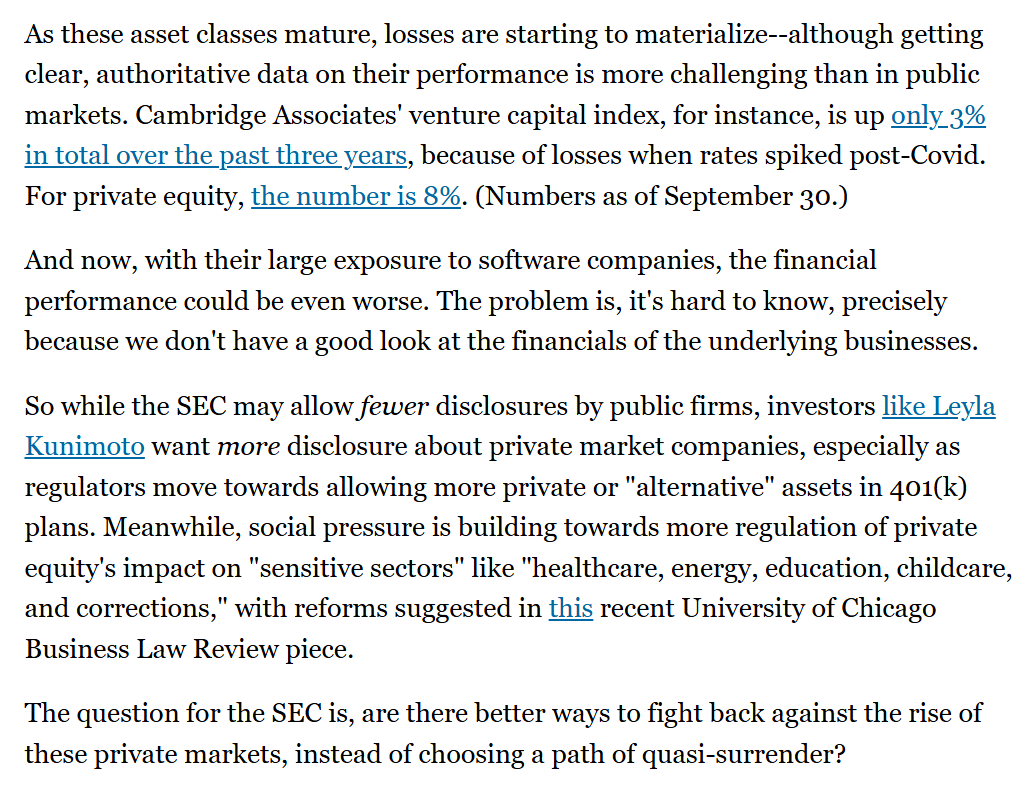
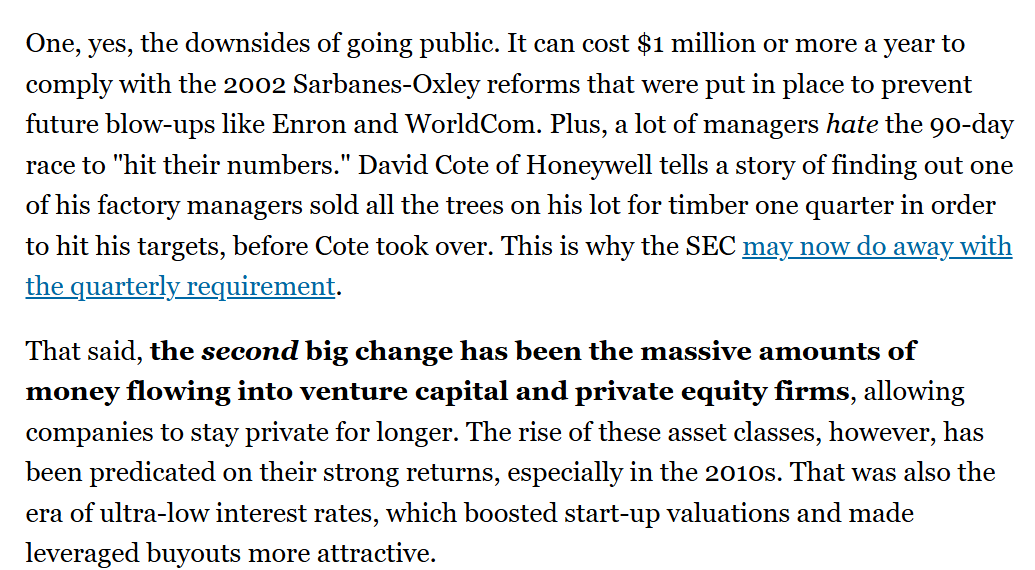
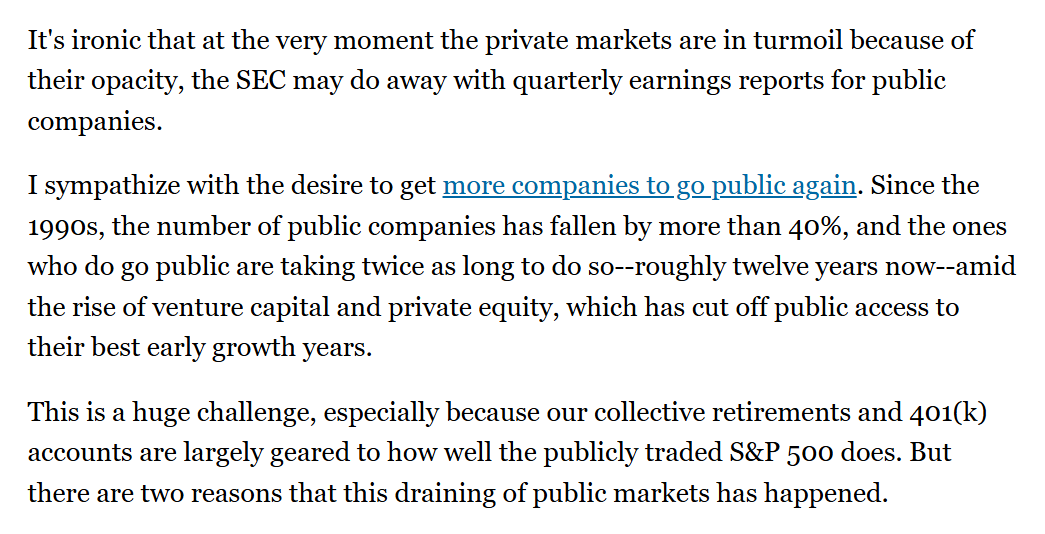
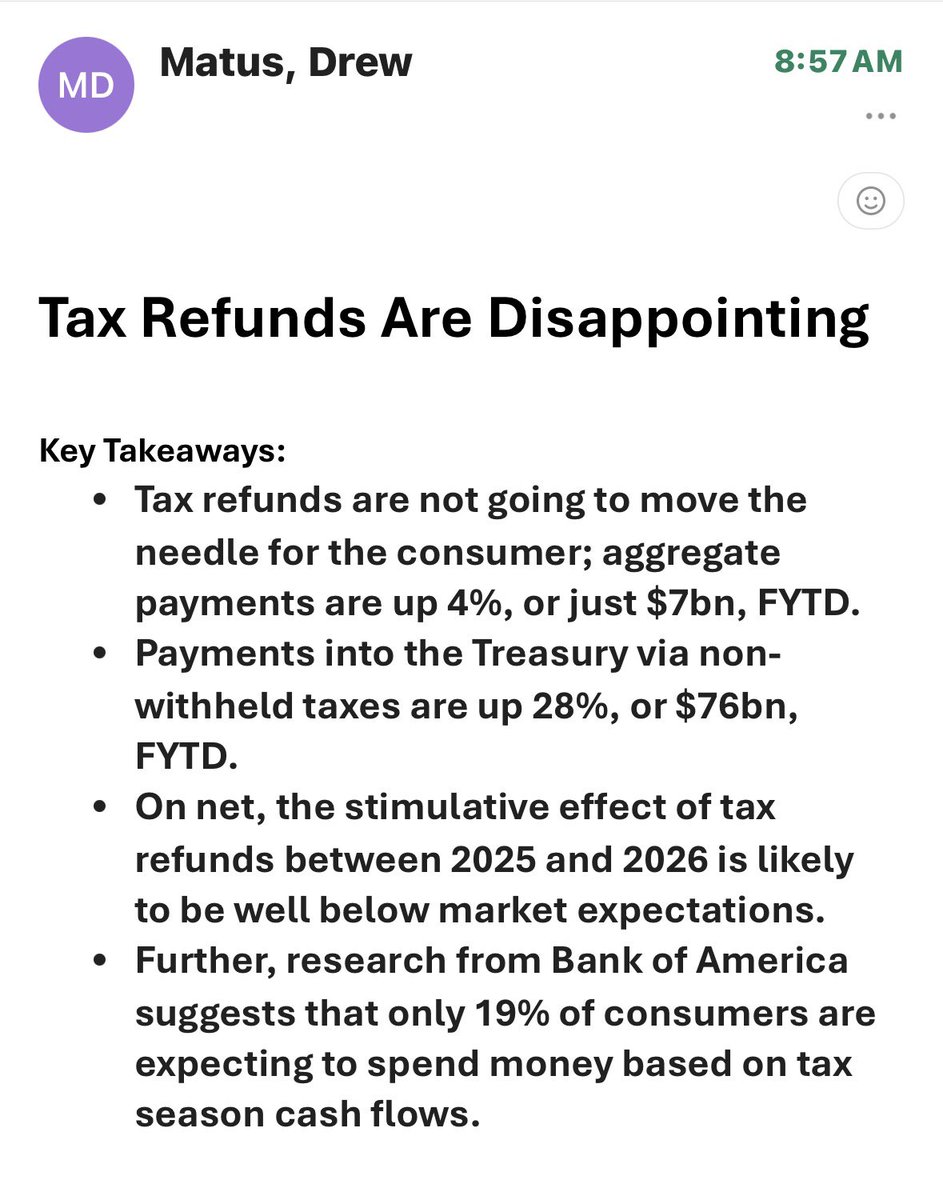








Jun 10
Q to Strategy CEO Phong Le: Why did you sell [Bitcoin]?
A: We sold because we wanted to inoculate the market. And we sold because we wanted to test our process.
Q: And what did you learn from that?
A: We learned that everything works, right? The question is, why does the sale of 32 Bitcoin get so much attention? Our institutional investors that we talk to don't seem unnerved by it.
I think the unnerving is the retail community that has views on never selling your Bitcoin that are "crypto anarchist."
And frankly, we have a lot more than just them as constituents.
@PowerLunch @CNBC
5
5
14
3,897

Kelly Evans retweeted

Jun 9
POWER POLL: When are you buying SpaceX?
15%
IPO Day
48%
Later
37%
Never
79 votes • Final results
3
2
3
4,355
Jun 8
Well worth a watch for the MUCH bigger picture perspective
Jun 8

Chris Davis has picked his AI winners, and the names at the top of his list may come as a surprise cc: @KellyCNBC cnbc.com/video/2026/06/08/mo…
3
1
23
10,644
Jun 8
The great Chris Davis
Jun 8

@KellyCNBC Great show today, but who was the guest discussing Capital One? Thank you
1
1
5
2,843
Jun 5
Thoreau was complaining about the cost of college in the 1800s. (in Walden)

Hot take: Universities charge $300,000 for a degree that teaches you skills any LLM can do for free. At some point we need to have an honest conversation about whether higher education is the greatest individuals misallocation of capital in recent history.
6
2
26
7,835
Kelly Evans retweeted

Jun 4
LEGO just dropped its largest set ever: La Sagrada Familia.
It has 12,060 pieces and costs $800. The set comes 100 years after Antoni Gaudi’s death (June 10, 1926).
The details are insane including spires, carvings and interior with light shining through stain-glass windows.




182
1,478
10,959
1,486,561
Kelly Evans retweeted

Jun 4
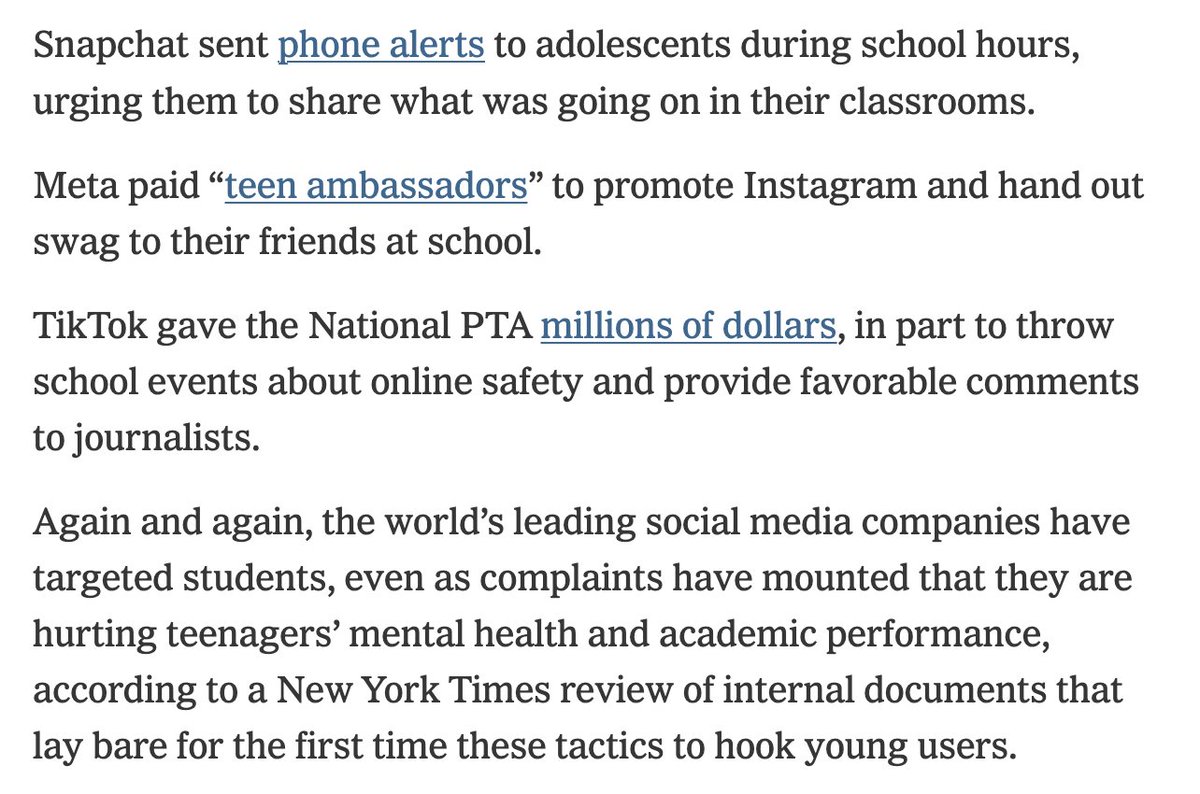
We don't know whether it was smartphones/social-media or edtech that was the bigger contributor to the decline in education outcomes that began in the 2010s. But new revelations show the tricks Meta, Snap, and Tiktok used to lure students during the school day.
Still more reasons to be technoskeptical
nytimes.com/2026/06/04/us/so…
29
131
414
31,772
Kelly Evans retweeted

FCC looking into "the surge in screen time for school kids" using its authority over federal $$ for school internet. Carr: "Research has now been pouring in that America’s experiment with heightened screen time in schools may be related to the negative educational outcomes."
2
11
23
6,651
Kelly Evans retweeted

Use of a computer for teaching is making a lot of people rich and a lot of students dum.
2
2
13
2,458

My wife is about at the end of her teaching career. She said that we need teachers back in front of the class with books and pencils. Too much dependency on laptops has cause lazy teaching. Most new teachers are on their phones while kids are on tablets.
3
2
16
2,332
Jun 3
Yes!!!
Jun 3

The Fortune 500, in its 72nd year, just dropped. For the first time in over a decade, it has a new No. 1!
The companies generated a combined $21.0 trillion in revenue and $2.1 trillion in profits last year. They employ 30.5 million people. I’ll be on CNBC this afternoon with the (awesome) @KellyCNBC to unpack it. fortune.com/ranking/fortune5…
1
17
6,266
Kelly Evans retweeted

May 31
The national trend is clear. Kentucky should respond with a common-sense, targeted policy: a cap on the amount of instructional time that students in elementary and middle grades can spend on screens in school: garyhouchens.substack.com/p/…

2
3
11
6,317
May 28
Full discussion -->
May 28
TD Securities Peter Haynes on benchmark governance rules: "I don't think you want to discount or take away the importance of having a third-party index provider... there are still very significant nuances around how those rules need to be maintained, and that needs to be done by an independent third party." CC: @KellyCNBC
cnbc.com/video/2026/05/28/td…
1
6
2,522
May 28
Will post it @CNBCTheExchange
May 28

Solid interview with @KellyCNBC and Peter Haynes just now. Quality info on how index fast tracking of mega-cap IPOs will work.
1
13
2,726
May 28
Ya think?

Prince William County Public Schools has announced students will no longer be able to access YouTube on school-issued devices starting in the 2026-27 school year.
wtop.com/prince-william-coun…
6
1
25
4,405
May 27
!!!!!
May 27

NEW: Randi Weingarten, the head of AFT, the second largest teachers union, is calling for screen time limits and a ban on student-facing AI in elementary schools
She tells me her thinking has evolved in the last few months
nbcnews.com/news/education/r…
9
2
21
4,358

Just a few years ago, America’s public schools were rushing to get every child a laptop. Now, the conversation has flipped.
After pouring billions of dollars into laptops, tablets and apps, many schools are facing a digital reckoning.
Read more: abcnews.link/qlUlwvN
67
263
654
215,839
Kelly Evans retweeted

May 25
We need to reckon with the cultural implications of trapping an entire generation at home with nothing useful to do. @BenSasse on @WSJFreeEx
wsj.com/opinion/free-express… @WSJopinion
14
26
4,158