
🎙️ When Shift Happens - I sit down weekly with the most Credible People in Bitcoin & Crypto
Joined November 2020
- Tweets 22,097
- Following 2,218
- Followers 63,327
- Likes 41,445
3,428 Photos and videos



Pinned Tweet

Jun 1
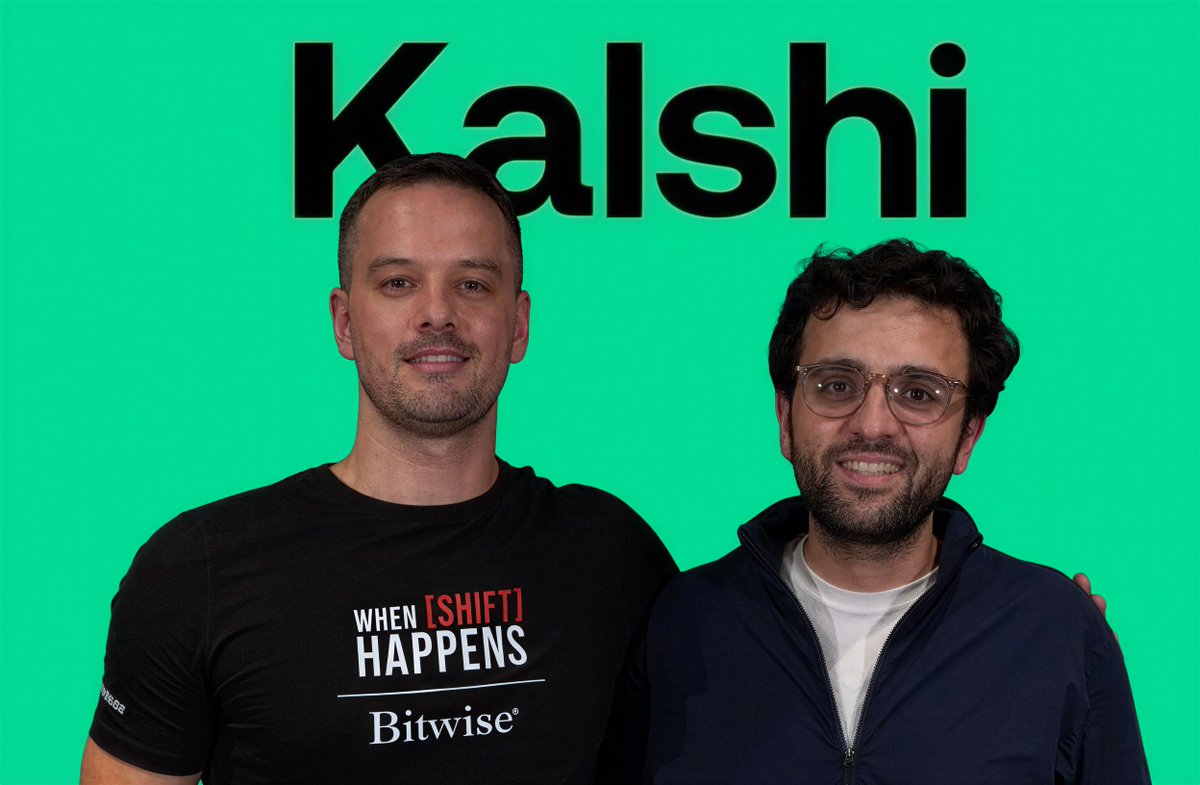
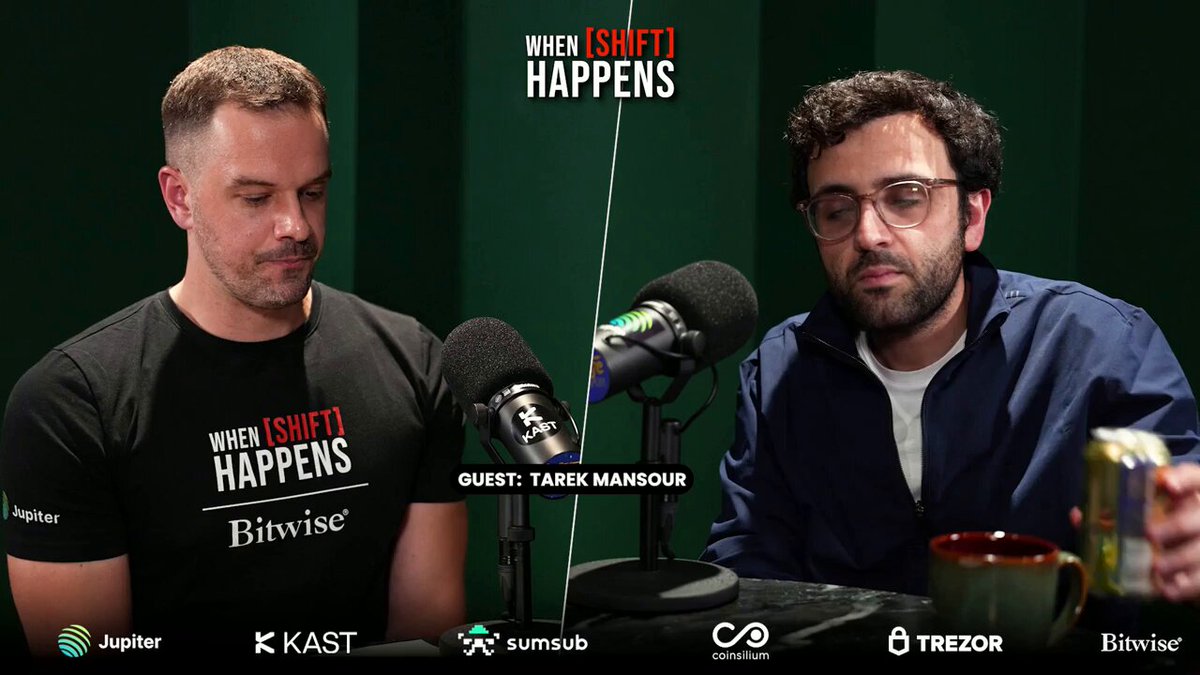
E174: Tarek Mansour - Launching the First Regulated Perps In The U.S and building the next generation of financial markets
@mansourtarek_ is the co-founder and CEO of @Kalshi, the first regulated prediction market exchange in the US, valued at $22 Billion. He grew up in Lebanon with a single mom, studied at MIT, worked at Citadel, and spent 6 years years building a company most people ignored before it finally took off. We talk about what it actually takes to not give up, why markets are better at finding truth than experts, why Kalshi is launching the first regulated Perps in the US, and how his team is building what he calls the next generation of financial markets.
Timestamps:
0:00 Intro
1:54 Urgency
3:11 Anime
4:53 Who is Tarek?
7:02 Mathematics & Certainty
9:10 Tarek's chip on the shoulder
13:33 Partnerships: @Trezor @Bitwise
15:19 Resilience
16:31 Entrepreneurship is Therapy
18:23 The startup emotional rollercoaster
22:16 Showing up for 2000 days with no results
24:45 First time Founder advantage
26:40 When Kalshi almost made it, but did not
29:54 Partnerships: @KASTxyz
31:19 Focus Inputs, Not Results
33:16 The Kalshi beginnings story
36:00 The True Innovation Of Prediction Markets
38:28 How Prediction Markets Revolutionize The Media
41:37 Prediction Markets and Hedging explained simply
44:55 Leverage In Prediction Markets
47:16 Partnerships: @JupiterExchange @ethena
48:00 Insider Trading
51:19 Insider Trading Rules enforcement: who is responsible?
55:26 How Kalshi spots Suspicious Behavior
56:59 Tarek's Honest View On Crypto
59:41 Launching the first Regulated Perps In The U.S
1:00:30 What Does Regulated Perps Mean?
1:02:22 Was Kalshi perps launch inspired by Hyperliquid?
1:03:41 Competition
1:05:58 Kalshi Endgame
1:07:06 What is Kalshi doing with the billions of $ they raised
1:08:31 Happiness and engagement
1:13:08 One Thing Tarek Should Let Go Of
1:14:18 Closing Thoughts
148
122
611
580,972


MR SHIFT 🦁 retweeted

Pessimists sound smart.
Optimists build the world.
667
3,657
20,796
1,137,329
6
1
39
1,978
MR SHIFT 🦁 retweeted

Jun 12
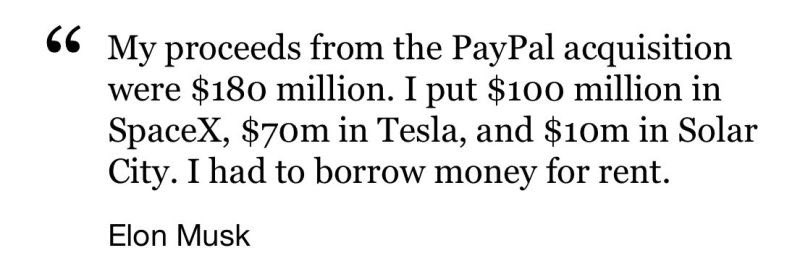
love or hate the man, he went all in.
and won.
bet on yourself.
50
325
4,137
114,204

Ethena is partnering with @Securitize as a strategic tokenization partner, with the integration of STAC, the Securitize Tokenized AAA CLO Fund, into USDe's backing.
This expands USDe's institutional-grade RWA exposure beyond existing Blackrock BUIDL collateral.
The integration was approved by the Ethena Risk Committee following independent due diligence, evaluated against the same four criteria: liquidity, credit quality, drawdown profile, and pricing transparency.
Jun 12

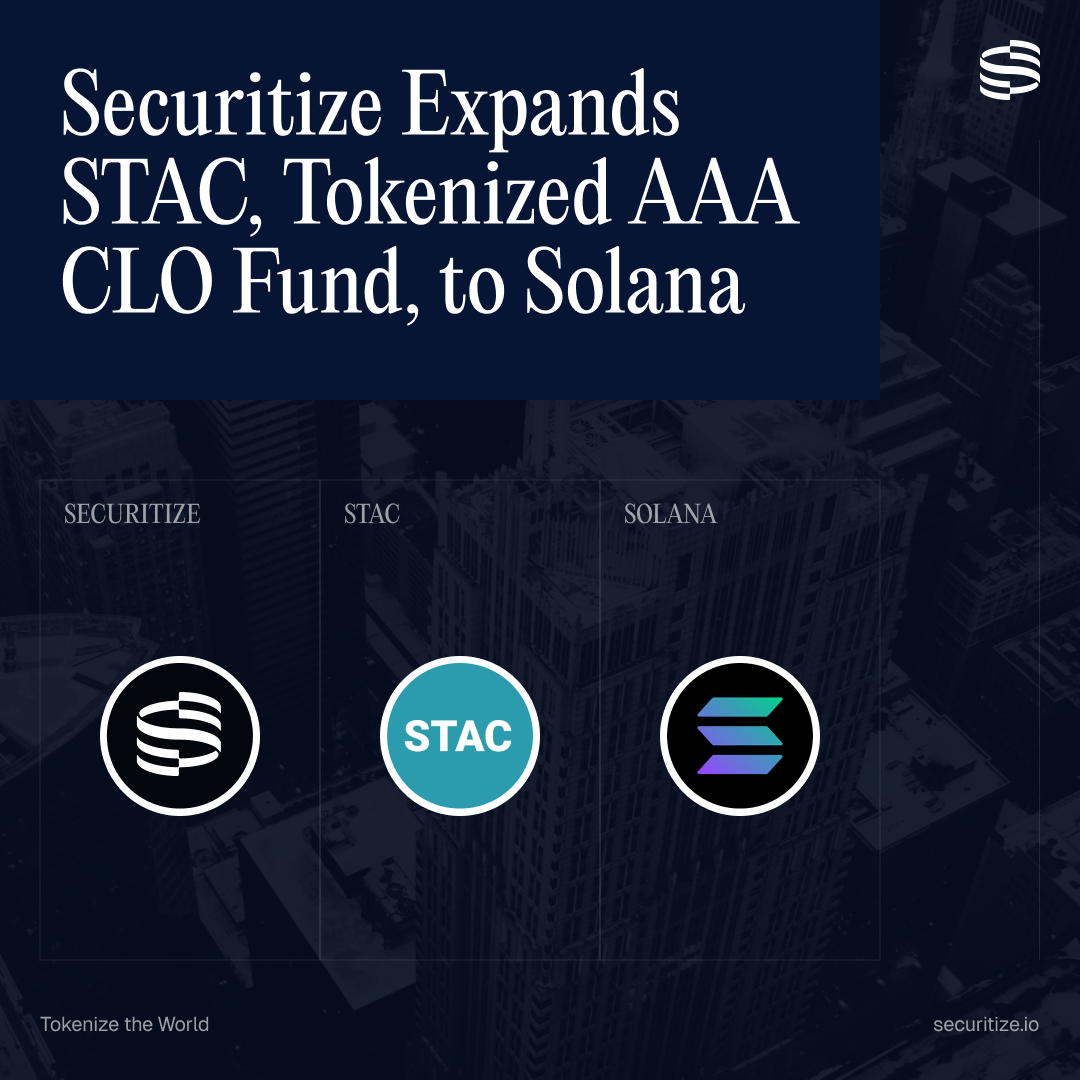
Today we’re expanding the Securitize Tokenized AAA CLO Fund (STAC) to @solana.
We’re also excited to share that @ethena plans to allocate $250 million to the fund, representing one of the largest commitments to tokenized structured credit on Solana to date.
38
90
391
39,609
Jun 12
The Next Trillion-Dollar Opportunity Bringing Institutions Onchain
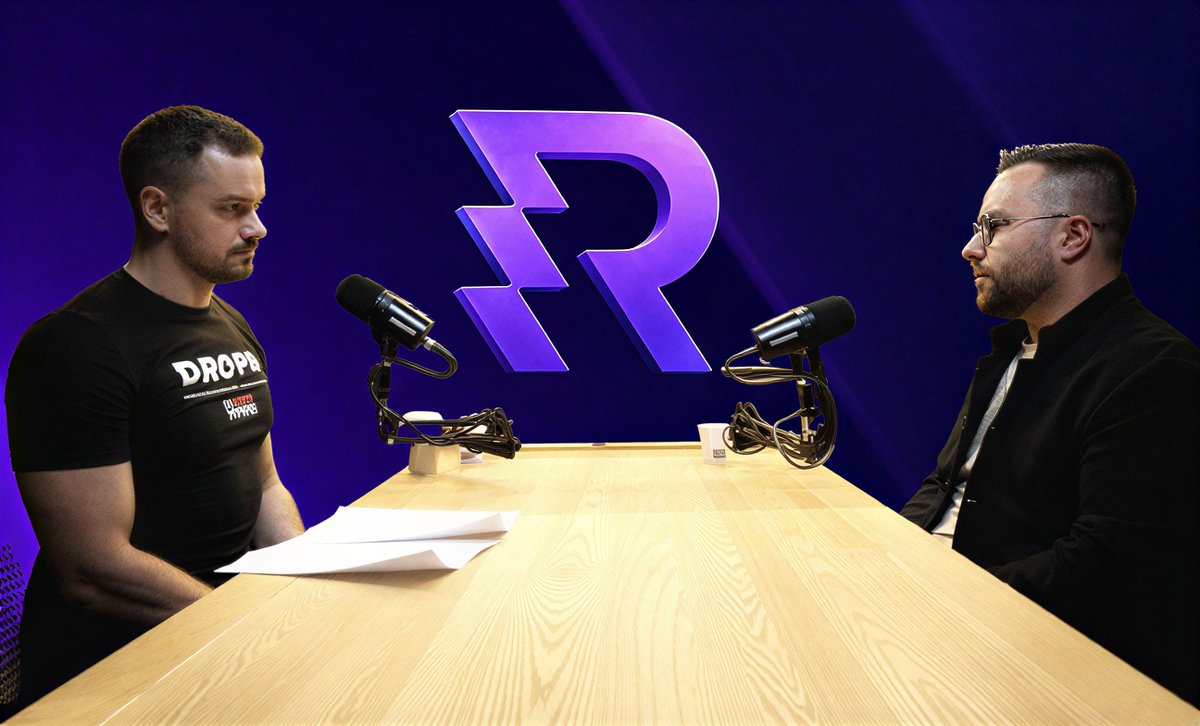
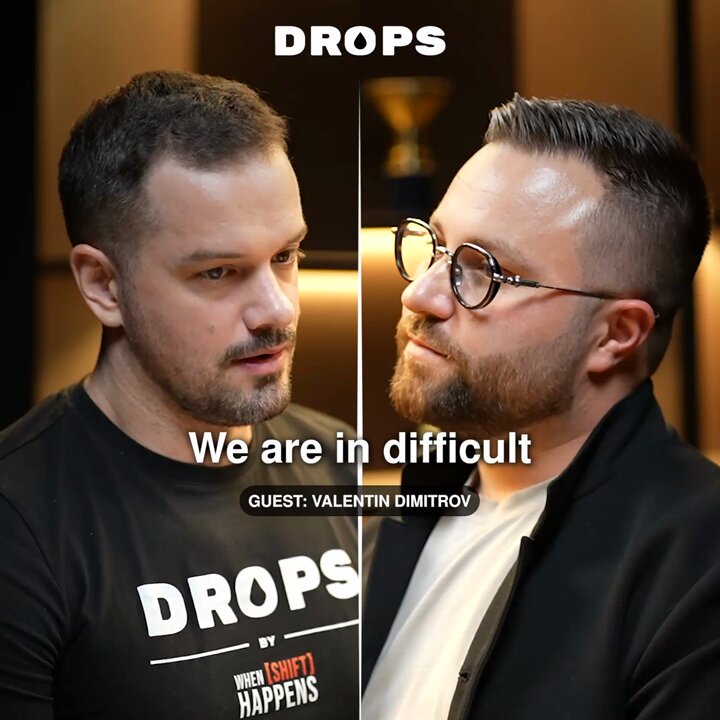
In this episode of DROPS, I sit down with @valdimitrv, co-founder and Chief Operating Officer of @RealFinOfficial, to discuss the future of tokenized real-world assets, why institutions, not retail investors, will drive the next wave of blockchain adoption, and how his team is building a Layer 1 blockchain designed specifically for bringing traditional financial assets onchain.
From Policymaking to Blockchain Infrastructure
Many founders in crypto begin as traders, developers, or early Bitcoin enthusiasts. Valentin's path was different. Before entering crypto, he worked in traditional finance as an advisor to the Economic Committee in the European Parliament, spent time in investment banking, and helped manage hundreds of millions of euros in funding for small and medium-sized enterprises across Europe. Today, he is applying those experiences to what he believes is one of the biggest opportunities in blockchain: the tokenization of real-world assets.
One of the central ideas he returns to throughout the conversation is that most crypto projects approach adoption backwards. The prevailing belief has often been that retail users come first and institutions follow later. Valentin argues the opposite.
"If they are builders, they should make sure they build for institutions. Institutions are the ones that are going to bring retail adoption and not the other way around."
In line with that philosophy, Real Finance was built around compliance, regulatory structure, and institutional partnerships from day one. Rather than launching first and worrying about regulation later, the team spent years creating what Valentin describes as a framework that institutions can comfortably interact with.
The Case for Tokenizing the Real Economy
Real Finance focuses on tokenizing assets that already exist in traditional markets: bonds, private credit, commodities, and real estate. To explain the concept simply, Valentin compares tokenization to creating a digital representation of a physical asset, such as a house. The goal is not merely digitization for its own sake, but with the larger objective of increasing accessibility, liquidity, and efficiency.
Traditional financial markets still operate with significant friction, such as strict operating hours, lack of settlement finality, dependence on intermediaries, and geographical constraints. Blockchain changes those constraints.
As Valentin points out, financial markets built on blockchain infrastructure can operate around the clock, enabling global participation and near-instant settlement. For institutions seeking access to new investors and broader pools of capital, tokenization offers a compelling alternative to traditional market structures.
More importantly, tokenization allows previously illiquid assets to become easier to access and trade. This is one reason many analysts see real-world assets as one of the most significant opportunities in crypto over the coming decade.
Building Through the Hard Years
Real Finance has been in development for roughly two and a half years. Like many founders, Valentin admits the journey took longer than expected. The team had to rethink technology design, identify bottlenecks, refine their corporate structure, and develop relationships with institutions that move on very different timelines than crypto-native companies.
When asked how they survived such a long build cycle, his answer was simple and humorous.
"We're good at survival. We're like cockroaches."
Behind the joke is an important lesson about startup building. Success in infrastructure often depends on staying alive long enough to reach product-market fit. While much of crypto focuses on rapid launches and short-term hype cycles, Real Finance chose the slower path of building relationships, regulatory structures, and institutional trust.
Why Institutions Actually Care About Tokenization
One of the most insightful parts of the conversation focuses on why traditional financial institutions are exploring tokenization in the first place.
Institutions are looking for access to new markets, new investors, and new sources of capital.
They also recognise the strategic advantage of learning early. As Valentin explains, many institutions are beginning with relatively small allocations because they want to understand how tokenization works before committing larger portions of their portfolios. The first projects often function as proof-of-concept initiatives.
Trust remains the biggest challenge. Institutions need confidence that assets are properly custodied, legally linked to their digital representations, and managed within established regulatory frameworks. This explains why Real Finance places such a heavy emphasis on compliance, partnerships with regulated financial institutions, and legal infrastructure.
A Different Approach to Building a Layer 1
The blockchain landscape is already crowded with Layer 1 networks, so the obvious question becomes: why build another one?
Valentin's answer is specialization. Rather than attempting to compete as a general-purpose blockchain, Real Finance is designed specifically for real-world assets. The team built on the Cosmos SDK while maintaining EVM compatibility, allowing existing Ethereum-based applications to migrate relatively easily.
Perhaps the most unique aspect of the design is the validator structure. Traditional blockchains rely primarily on crypto-native validators.
Real Finance introduces what Valentin calls "business validators", where institutions participate directly in securing the network and have meaningful economic exposure to the assets being managed onchain. In other words, the institutions using the network are also helping secure it.
The Maturing of Crypto
Beyond Real Finance itself, Valentin expresses optimism about the increasing convergence between the digital economy and the real economy. For years, crypto largely existed as its own ecosystem. Today, that separation is beginning to disappear as banks experiment with tokenization, asset managers launch blockchain products, and governments develop regulatory frameworks.
"I really like how it's maturing," he says.
That maturity may ultimately prove more important than any single technology breakthrough. Sustainable adoption requires real economic activity, real users, and real institutions, and Valentin believes tokenized real-world assets could provide that bridge.
Building for the Next Trillion-Dollar Opportunity
Valentin believes the opportunity RWAs present is enormous. He points to estimates that tens of trillions of dollars worth of assets could be tokenized over the coming years.
For years, crypto has focused primarily on creating new digital assets, but the winners of the next phase may be the projects building the infrastructure that allows traditional finance and crypto to finally become part of the same system.
👉If you enjoyed reading the summary, head over to When Shift Happens on YouTube or your favorite podcast platform to access the full convo.
16
9
56
2,571
MR SHIFT 🦁 retweeted
Jun 10
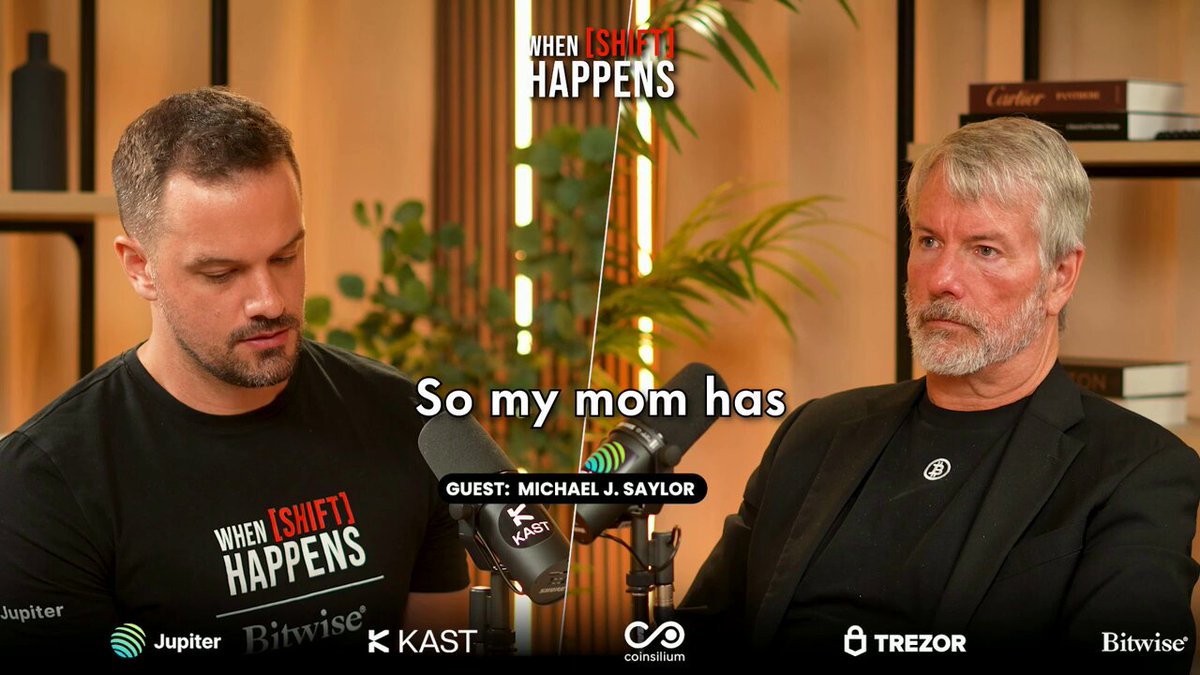
Should my mum invest her entire $500K life savings in $STRC?
@saylor reframes the "should I go all-in on Strategy" question:
"It all comes down to how comfortable you are with the risk you're assuming. You wouldn't want to be a Bitcoin maximalist overnight."
"The average investor would probably say, I want to have my investments across two, three, four different sources of credit."
"The question is: would you put all your money in one bank called Strategy? And would you trust that the Bitcoin network is robust and is not going away?"
@Strategy
May 21

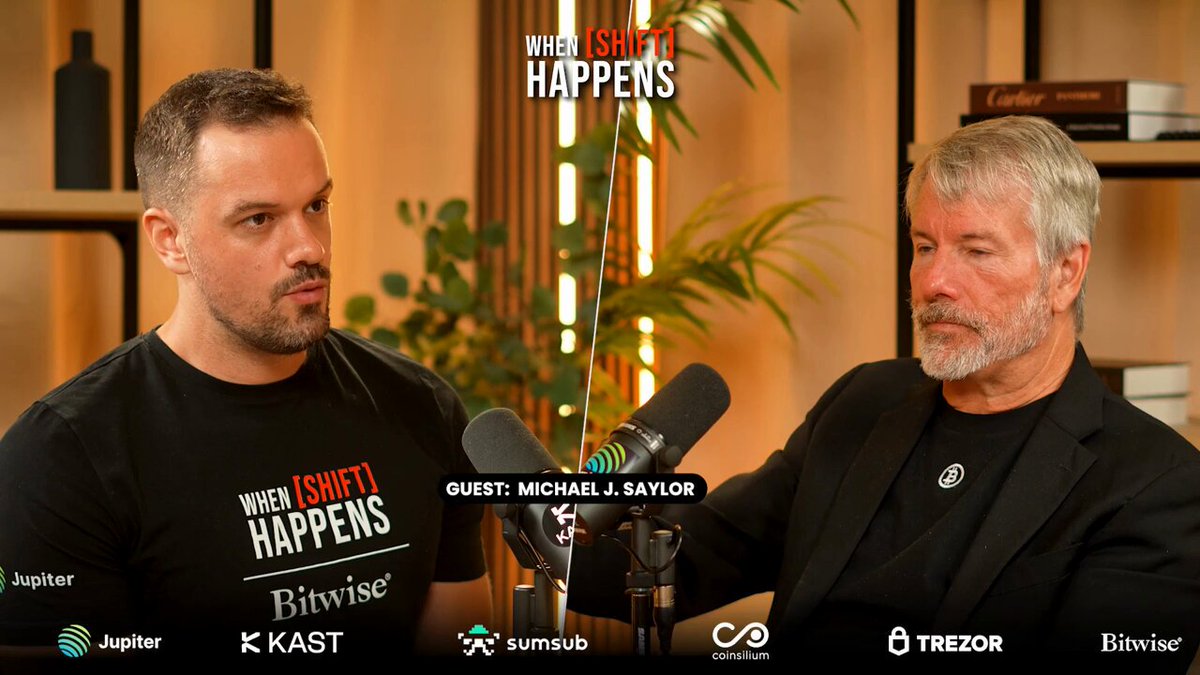
E172: @Saylor: Why Hard Work Won't Make You Rich
Michael Saylor is the chairman of @Strategy - the world's largest corporate holder of Bitcoin with over 840,000 BTC and $65 billion deployed. He bought his first Bitcoin in 2020 when the Fed cut rates to zero hasn't stopped since.
With WSH, I always want to go much deeper than the current narrative and that’s exactly what we did here. We gradually moved past the surface and into the things that really shaped Michael. We talked about his childhood, growing up in a military family, buying domain names in the 1990s and flipping them for tens of millions, losing $6 billion of his net worth in a single day during the dot-com bubble, his great Apple bet in 2012, why working hard won't make you rich, why you should mortgage your house but probably not sell your kidney to buy BTC, why "THERE IS NO SECOND BEST", and a lot more. The conversation lasted more than two hours, much longer than originally planned, and it was just amazing. I hope you enjoy it as much as I did.
Timestamps:
00:00 - Intro
03:05 - Explain what you do to an Uber driver
05:35 - Advice for Rick, the struggling Uber driver
07:07 - Who is Michael Saylor?
11:02 - Sponsors @Trezor & @Bitwise
11:48 - Kevin's Business Intelligence Company
13:14 - Michael's childhood and chip on the shoulder
17:56 - Has Michael conquered the world yet?
19:49 - Just because you can, doesn't mean you should
28:23 - Sponsors @KASTxyz & @sumsub
30:02 - Low time preference and scarcity
43:50 - Buying and flipping domain names for tens of millions
55:11 - Bitcoin is a lifeboat
1:01:31 - Should you mortage your house to buy Bitcoin?
1:09:50 - The great $60B in Bitcoin bet: risks
1:15:32 - Sponsors @JupiterExchange , @ethena
1:16:16 - Sell the kidney if you must but keep the Bitcoin
1:20:14 - What's the endgame for Strategy?
1:28:16 - Where does Bitcoin price end?
1:29:36 - Where would Bitcoin price be without Michael Saylor?
1:31:06 - What is STRC?
1:35:34 - Should my mom put her life savings in STRC?
1:37:12 - How do you always invent new ways to buy more Bitcoin?
1:49:19 - From God to Madman every 6 months: handling insane volatility
1:51:49 - How Michael lost $6 Billion of his net worth in one single day in 2000 and then watched MSTR go down another 99%
1:59:09 - Why Michael doesn't have children
1:59:44 - Why working hard is the worst advice you can get
2:07:37 - Why THERE IS NO SECOND BEST, there is only one crypto asset
2:15:03 - Thanking Michael from the whole crypto industry
27
20
188
66,391
MR SHIFT 🦁 retweeted
Jun 11
I understand that you might feel some pain when $BTC 2026 price is below its 2021 peak price
But remember that $BTC 2022 price was below its 2017 peak price, and the proceeded to go up more than 8x to 126K
Most people cant deal with true, long term volatility because they simply borrow conviction
Your own conviction >> borrowed conviction
14
7
120
7,580
MR SHIFT 🦁 retweeted
Jun 10
Pessimists sound smart
Optimists make money
17
5
90
10,162
MR SHIFT 🦁 retweeted
Jun 10
How Tarek Mansour Is Building Markets for Truth
In this episode of When Shift Happens, I sit down with @mansourtarek_, co-founder and CEO of @Kalshi, to discuss entrepreneurship, resilience, prediction markets, regulation, and the future of information itself.
While Kalshi is now one of the most valuable companies in the world, this conversation is less about valuation and more about the mindset required to build something that takes years to work. It is a discussion about certainty in an uncertain world, the psychological cost of ambition, and why Tarek believes the future of information may be priced through prediction markets.
From Chaos to Certainty
One of the most revealing moments in the conversation comes when Tarek explains his relationship with mathematics. Growing up in Lebanon, he experienced a world defined by volatility, political instability, economic uncertainty, and the realities of a single-parent household. These circumstances created an environment rife with unpredictability, but in the midst of all that, mathematics offered certainty.
As Tarek puts it, he found refuge in a world where there was an answer, where problems could be boxed in and solved, and where truth was not subject to opinion. A mathematical proof either works or it doesn't.
That attraction to certainty eventually shaped much of his life. It led him to MIT, then to quantitative finance, and ultimately to the idea that markets themselves might be one of humanity's most powerful mechanisms for discovering truth.
The Hidden Engine Behind Ambition
The conversation also explores a theme that appears repeatedly with guests: the relationship between childhood experiences and extraordinary ambition. Tarek speaks candidly about being raised by a mother with exceptionally high standards and an unwavering belief that her children were destined to achieve great things. Combined with financial stress and the responsibility he felt as the eldest child, it created what he describes as a permanent "chip on the shoulder."
Rather than romanticising this drive, he presents it as something more complicated. The same forces that create focus, competitiveness, and resilience can also create anxiety, perfectionism, and an inability to feel satisfied. His biggest fear is not failure itself, but walking away knowing he did not give everything he had.
It's a mindset that many founders will recognise. Success often comes from traits that are incredibly useful professionally but somewhat uncomfortable personally.
Why Entrepreneurship Is a Psychological Sport
Popular narratives on entrepreneurship often focus on product launches, fundraising announcements, and growth charts. Tarek focuses on something else: persistence.
Building Kalshi took six years before it truly broke through. For much of that period, almost nobody cared. There were regulatory setbacks, failed initiatives, products that looked promising before collapsing, and repeated moments when success seemed just around the corner before disappearing again.
Tarek argues that founders rarely discuss the psychological side of this journey. You spend years working on something that may not work, people ask how your company is doing, and nothing appears to be moving. You naturally begin questioning your own judgment. But his conclusion is surprisingly simple:
"What separates entrepreneurs who are successful from the ones who are not is mostly not giving up."
This answer doesn't fit neatly into the mythology of visionary founders or strategic geniuses. But throughout the conversation, Tarek repeatedly returns to the idea that persistence matters more than any other quality in a founder’s journey.
Turning Opinions Into Prices
The intellectual heart of the episode is Tarek's explanation of prediction markets. The core idea is straightforward. Rather than asking experts what they think will happen, create a market where people can buy and sell contracts based on future outcomes.
Why does that matter? Because markets create incentives.
As Tarek explains, "You get rewarded for being right, and you get punished for being wrong." Unlike social media, where engagement is often rewarded regardless of accuracy, prediction markets force participants to put skin in the game.
A prediction market takes a messy debate filled with emotions, biases, and competing narratives and converts it into a price. That price represents the collective judgment of thousands of participants, each bringing their own information and perspectives. In Tarek's view, this goes beyond being a better financial product to generating a stark information system.
Are Crowds Smarter Than Experts?
The most provocative argument in the episode is that information is often distributed rather than concentrated. Traditional institutions tend to assume expertise sits at the top, while prediction markets operate from a different assumption: valuable information exists throughout the crowd and needs to be aggregated effectively.
Tarek points to research showing that prediction markets frequently outperform polls, expert forecasts, and other forecasting methods. The challenge lies not in finding the smartest individual but in creating a system that incentivises everyone to contribute what they know. This belief naturally extends into the media.
Tarek does not think prediction markets will replace journalism. Instead, he sees them as a complementary layer, where journalists remain essential for uncovering information and explaining the world, while markets then aggregate that information into probabilistic forecasts. In that sense, prediction markets will become a form of real-time collective intelligence.
Building the Next Generation of Financial Markets
Tarek envisions Kalshi as a platform where financial markets, news, forecasting, institutions, retail participants, and even elements of social networks converge into a single system. Rather than separating information from markets, the two become increasingly intertwined. And in his personal projections for the future, his goal remains to be deeply engaged in work that feels meaningful.
And perhaps that's the thread that connects the entire conversation: finding order within chaos, whether through mathematics, entrepreneurship, or markets themselves.
👉If you enjoyed reading the summary, head over to When Shift Happens on YouTube or your favorite podcast platform to access the full convo.
8
3
66
5,212
MR SHIFT 🦁 retweeted
Jun 9
Imagine $BTC never making a new low but staying around 60K for the next few months, leaving all the bagholders in apathy and depression while the sidelined never get their 40K entry
Seems like a good scenario to crush everyone’s soul
16
3
57
3,914
MR SHIFT 🦁 retweeted
Jun 1
E174: Tarek Mansour - Launching the First Regulated Perps In The U.S and building the next generation of financial markets
@mansourtarek_ is the co-founder and CEO of @Kalshi, the first regulated prediction market exchange in the US, valued at $22 Billion. He grew up in Lebanon with a single mom, studied at MIT, worked at Citadel, and spent 6 years years building a company most people ignored before it finally took off. We talk about what it actually takes to not give up, why markets are better at finding truth than experts, why Kalshi is launching the first regulated Perps in the US, and how his team is building what he calls the next generation of financial markets.
Timestamps:
0:00 Intro
1:54 Urgency
3:11 Anime
4:53 Who is Tarek?
7:02 Mathematics & Certainty
9:10 Tarek's chip on the shoulder
13:33 Partnerships: @Trezor @Bitwise
15:19 Resilience
16:31 Entrepreneurship is Therapy
18:23 The startup emotional rollercoaster
22:16 Showing up for 2000 days with no results
24:45 First time Founder advantage
26:40 When Kalshi almost made it, but did not
29:54 Partnerships: @KASTxyz
31:19 Focus Inputs, Not Results
33:16 The Kalshi beginnings story
36:00 The True Innovation Of Prediction Markets
38:28 How Prediction Markets Revolutionize The Media
41:37 Prediction Markets and Hedging explained simply
44:55 Leverage In Prediction Markets
47:16 Partnerships: @JupiterExchange @ethena
48:00 Insider Trading
51:19 Insider Trading Rules enforcement: who is responsible?
55:26 How Kalshi spots Suspicious Behavior
56:59 Tarek's Honest View On Crypto
59:41 Launching the first Regulated Perps In The U.S
1:00:30 What Does Regulated Perps Mean?
1:02:22 Was Kalshi perps launch inspired by Hyperliquid?
1:03:41 Competition
1:05:58 Kalshi Endgame
1:07:06 What is Kalshi doing with the billions of $ they raised
1:08:31 Happiness and engagement
1:13:08 One Thing Tarek Should Let Go Of
1:14:18 Closing Thoughts
148
122
611
580,972
Jun 10
Bad market = more noise, less signal
@RealFinOfficial isn't postponing their launch - they're leaning in
@valdimitrv"In a bad market, we will shine even more"
Good projects always perform. With or without the hype
Jun 9
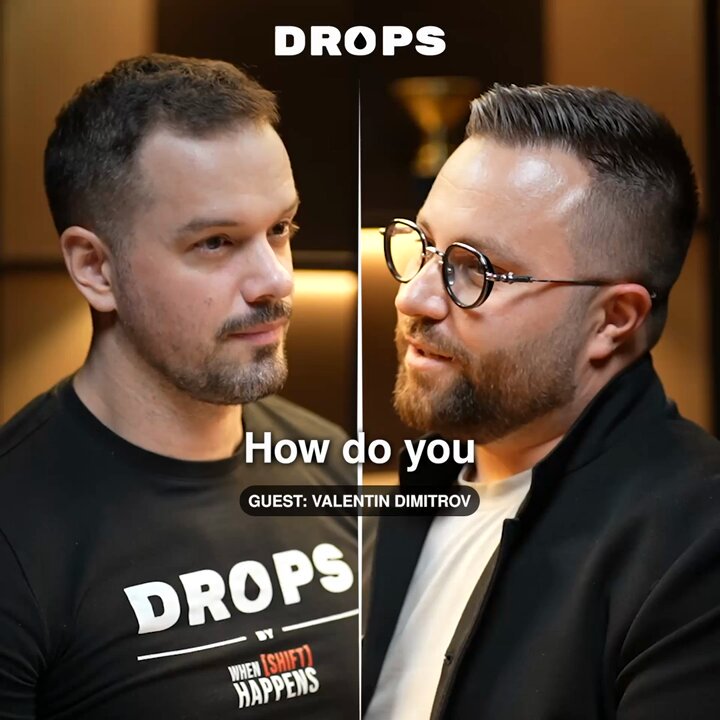
DROPS E37: @RealFinOfficial - Why Institutions Come Before Retail in RWA
@valdimitrv is co-founder and COO of Real Finance, a purpose-built layer one blockchain for tokenizing real world assets - bonds, private credit, commodities, real estate. He came out of EU Parliament policymaking, VTB Capital investment banking, and managing over €600M in EU fund allocations before deciding to build the infrastructure layer that traditional finance actually needs.
We talk about:
- Why institutions need to come before retail in RWA, not after
- How Real Finance used signed institutional contracts to land a tier one exchange listing
- The business validator model is making institutions stake tokens to secure the network
- Dual structure: a token for crypto natives and equity for institutions that won't hold tokens
- Launching at 20% of the investor valuation and why long-term aligned investors don't care
- The plan to list on a major EU stock exchange alongside the token
- Why the $30 trillion RWA tokenization target by 2030 is the biggest narrative in crypto
And much more...
Timestamps:
0:00 Introduction
1:49 Valentin's background
2:44 Meeting his Co-founder
3:25 From Policymaker to Building Blockchain
4:14 Real Finance's Mission
4:32 Liberalizing financial markets
5:20 Discovering Blockchain & Crypto
6:54 Why didn't he choose memecoins?
7:24 Building Real Finance
8:28 Surviving 2.5 years as founders
8:57 What is Real Finance?
10:12 Sponsorship
10:36 What changed in Real Finance?
12:10 Maths behind $200 Million
12:58 Tokenizing Assets
15:03 Why institutions tokenize assets?
15:52 Where Tokenized Assets Will Trade?
17:07 How to attract Investors?
19:09 Targeting $500M tokenized assets
20:13 Strategy to reach $500M
21:08 Integrating with other Blockchains
23:54 Hurdles in launching a token
24:14 OKX Listing
26:06 Parameters for a successful Token launch
27:13 Why launch at lower FDV?
28:10 Launching in a difficult market
29:23 Real Finance's idea to go public
30:24 Best Jurisdictions for Crypto Companies
32:03 Token vs Equity
34:53 What excites most about crypto?
36:08 Conclusion
11
2
108
9,058
MR SHIFT 🦁 retweeted
May 28
. @saylor explains how STRC is designed as a generational wealth tool - and why the tax structure makes it unlike anything else in fixed income.
"When you receive the dividend, you reduce your basis in the investment by the amount of the dividend. So if we pay you $10 in dividends on a $100 share, you reduce your basis to $90, but you pay no tax."
"If you give it to your daughter, or you give it to your son in your will, they get a step up in the basis to $100, and they collect another $100 worth of dividends, tax deferred."
"Your family might very well collect dividends for 20 years, all tax deferred, which you can reinvest. And you can't do that with a bond. And you can't do that with a normal preferred stock."
@Strategy
May 21
E172: @Saylor: Why Hard Work Won't Make You Rich
Michael Saylor is the chairman of @Strategy - the world's largest corporate holder of Bitcoin with over 840,000 BTC and $65 billion deployed. He bought his first Bitcoin in 2020 when the Fed cut rates to zero hasn't stopped since.
With WSH, I always want to go much deeper than the current narrative and that’s exactly what we did here. We gradually moved past the surface and into the things that really shaped Michael. We talked about his childhood, growing up in a military family, buying domain names in the 1990s and flipping them for tens of millions, losing $6 billion of his net worth in a single day during the dot-com bubble, his great Apple bet in 2012, why working hard won't make you rich, why you should mortgage your house but probably not sell your kidney to buy BTC, why "THERE IS NO SECOND BEST", and a lot more. The conversation lasted more than two hours, much longer than originally planned, and it was just amazing. I hope you enjoy it as much as I did.
Timestamps:
00:00 - Intro
03:05 - Explain what you do to an Uber driver
05:35 - Advice for Rick, the struggling Uber driver
07:07 - Who is Michael Saylor?
11:02 - Sponsors @Trezor & @Bitwise
11:48 - Kevin's Business Intelligence Company
13:14 - Michael's childhood and chip on the shoulder
17:56 - Has Michael conquered the world yet?
19:49 - Just because you can, doesn't mean you should
28:23 - Sponsors @KASTxyz & @sumsub
30:02 - Low time preference and scarcity
43:50 - Buying and flipping domain names for tens of millions
55:11 - Bitcoin is a lifeboat
1:01:31 - Should you mortage your house to buy Bitcoin?
1:09:50 - The great $60B in Bitcoin bet: risks
1:15:32 - Sponsors @JupiterExchange , @ethena
1:16:16 - Sell the kidney if you must but keep the Bitcoin
1:20:14 - What's the endgame for Strategy?
1:28:16 - Where does Bitcoin price end?
1:29:36 - Where would Bitcoin price be without Michael Saylor?
1:31:06 - What is STRC?
1:35:34 - Should my mom put her life savings in STRC?
1:37:12 - How do you always invent new ways to buy more Bitcoin?
1:49:19 - From God to Madman every 6 months: handling insane volatility
1:51:49 - How Michael lost $6 Billion of his net worth in one single day in 2000 and then watched MSTR go down another 99%
1:59:09 - Why Michael doesn't have children
1:59:44 - Why working hard is the worst advice you can get
2:07:37 - Why THERE IS NO SECOND BEST, there is only one crypto asset
2:15:03 - Thanking Michael from the whole crypto industry
5
4
87
11,001
MR SHIFT 🦁 retweeted

Jun 9
Institutions first. Retail second.
That is how RWA goes from narrative to real financial infrastructure.
In @KevinWSHPod DROPS E37, @valdimitrv breaks down how @RealFinOfficial is building a purpose-built Layer 1 for tokenized real-world assets - bonds, private credit, commodities, real estate, and more.
From EU Parliament policymaking to investment banking to managing €600M in EU fund allocations, Valentin, COO of REAL, has seen what traditional finance actually needs.
Now REAL is building it onchain.
Inside the episode:
• Why institutions must come before retail in RWA
• How signed institutional contracts helped secure a Tier 1 exchange listing
• Why business validators stake tokens to secure the network
• How REAL bridges crypto-native tokens and institutional equity
• The path toward a major EU stock exchange listing
• Why the $30T RWA opportunity is crypto’s biggest narrative by 2030
This is not hype.
This is regulated capital markets moving onchain.
RWA, unchained.
Watch full episode here ⬇️⬇️⬇️
58
126
246
40,887
MR SHIFT 🦁 retweeted
Jun 3
Saylor x BTC Drama
Fwiw I sat down for more than 2 hours with Saylor about 2 weeks ago
This usually enables me to “feel” what kind of person is in front me , something that you can’t if you arent in the room with us. I’ve done 173 of those interviews over the last 3 years and this has enabled me to develop a good intuition, although there are no certainties ever (especially in this industry)
My intuition tells me that Saylor is a genius and is always a few chess plays ahead of everyone else. This is not new to his Bitcoin journey, it’s been true for 35 years at least. Watch the podcast below and you’ll understand what I mean
Imho, we have a bunch of monkeys on this app who havent done the work properly and are shouting for engagement and maybe because they are angry because they are losing money while their non crypto pals are outperforming them (enormously) by buying AI stocks or simply DCAing the Nasdaq for years
And then we have Saylor who is an engineer and understands financial engineering way better than the little monkey “traders” or “KOLs” on this app
$BTC isn’t going down because of Saylor, although it’s always helpful to have a scapegoat for one’s poor investment/ trading / financial decisions and lack of long term thinking- every cycle needs a scapegoat.
BTC is going down because it’s in a bear market.
I’ve been wrong in the past and am not a financial engineer by any means but I have developed a pretty good gut feeling after interviewing the biggest people in the industry - in a room - for more than 3 years. Saylor is truly built different and on another level of both intelligence and humility - that most could only dream of (myself included)
I truly believe (and know for a fact) that the majority of the people on this app have no idea what they are talking about and on top will say they bought the dip or the crash (whatever comes next) once the sentiment turns in the next few weeks or months
May 21
E172: @Saylor: Why Hard Work Won't Make You Rich
Michael Saylor is the chairman of @Strategy - the world's largest corporate holder of Bitcoin with over 840,000 BTC and $65 billion deployed. He bought his first Bitcoin in 2020 when the Fed cut rates to zero hasn't stopped since.
With WSH, I always want to go much deeper than the current narrative and that’s exactly what we did here. We gradually moved past the surface and into the things that really shaped Michael. We talked about his childhood, growing up in a military family, buying domain names in the 1990s and flipping them for tens of millions, losing $6 billion of his net worth in a single day during the dot-com bubble, his great Apple bet in 2012, why working hard won't make you rich, why you should mortgage your house but probably not sell your kidney to buy BTC, why "THERE IS NO SECOND BEST", and a lot more. The conversation lasted more than two hours, much longer than originally planned, and it was just amazing. I hope you enjoy it as much as I did.
Timestamps:
00:00 - Intro
03:05 - Explain what you do to an Uber driver
05:35 - Advice for Rick, the struggling Uber driver
07:07 - Who is Michael Saylor?
11:02 - Sponsors @Trezor & @Bitwise
11:48 - Kevin's Business Intelligence Company
13:14 - Michael's childhood and chip on the shoulder
17:56 - Has Michael conquered the world yet?
19:49 - Just because you can, doesn't mean you should
28:23 - Sponsors @KASTxyz & @sumsub
30:02 - Low time preference and scarcity
43:50 - Buying and flipping domain names for tens of millions
55:11 - Bitcoin is a lifeboat
1:01:31 - Should you mortage your house to buy Bitcoin?
1:09:50 - The great $60B in Bitcoin bet: risks
1:15:32 - Sponsors @JupiterExchange , @ethena
1:16:16 - Sell the kidney if you must but keep the Bitcoin
1:20:14 - What's the endgame for Strategy?
1:28:16 - Where does Bitcoin price end?
1:29:36 - Where would Bitcoin price be without Michael Saylor?
1:31:06 - What is STRC?
1:35:34 - Should my mom put her life savings in STRC?
1:37:12 - How do you always invent new ways to buy more Bitcoin?
1:49:19 - From God to Madman every 6 months: handling insane volatility
1:51:49 - How Michael lost $6 Billion of his net worth in one single day in 2000 and then watched MSTR go down another 99%
1:59:09 - Why Michael doesn't have children
1:59:44 - Why working hard is the worst advice you can get
2:07:37 - Why THERE IS NO SECOND BEST, there is only one crypto asset
2:15:03 - Thanking Michael from the whole crypto industry
100
124
941
229,364