
Joined March 2009
- Tweets 8,735
- Following 3,943
- Followers 4,875
- Likes 901
654 Photos and videos



📢 Attention, pediatric health researchers! @theNASEM is seeking suggestions for experts to participate in the new Consensus Study on Strategies to Enhance Pediatric Health Research Funded by NIH.
Nominations are due September 29. Get more info here: bit.ly/4cPK4bV
48
In the past decade, nearly 50 maternity wards have closed across California, with more than half closing in the last four years—creating “maternity care deserts,” @CalMatters reports. How does this affect access to care for the state's expectant mothers? bit.ly/3XlthJz
1
42
📰 KidsData in the News: @mercnews's @_katielauer cites our county-level data on the cost of childcare in her story on one family daycare's struggle to become a commercial childcare facility. "It's been an absolute nightmare," said one of the owners. bayareane.ws/4fVlgSE
172
Parents who got the monthly Child Tax Credit were less likely to owe past-due rent/mortgage payments or to need to move because they couldn't afford their housing, found a new study by @NPilkauskas and @michelmorek of @UM_PSC and Nicole Kovski of @IRP_UW. bit.ly/4dekcYs
3
4
490
After falling for decades, drowning rates among children ages 1 to 4 rose 28% in 2021 and 2022 compared to 2019, according to new data from the @CDCgov analyzed by @JennyAGold. lat.ms/3Wz490j
31
🦷 17% of preschool-aged kids from lower-income households have untreated cavities in their baby teeth—3x the rate for kids from higher-income families, data show.
A new @CWRUDentalMed study shows how primary care providers can support kids' dental care. bit.ly/3YazzN0
24
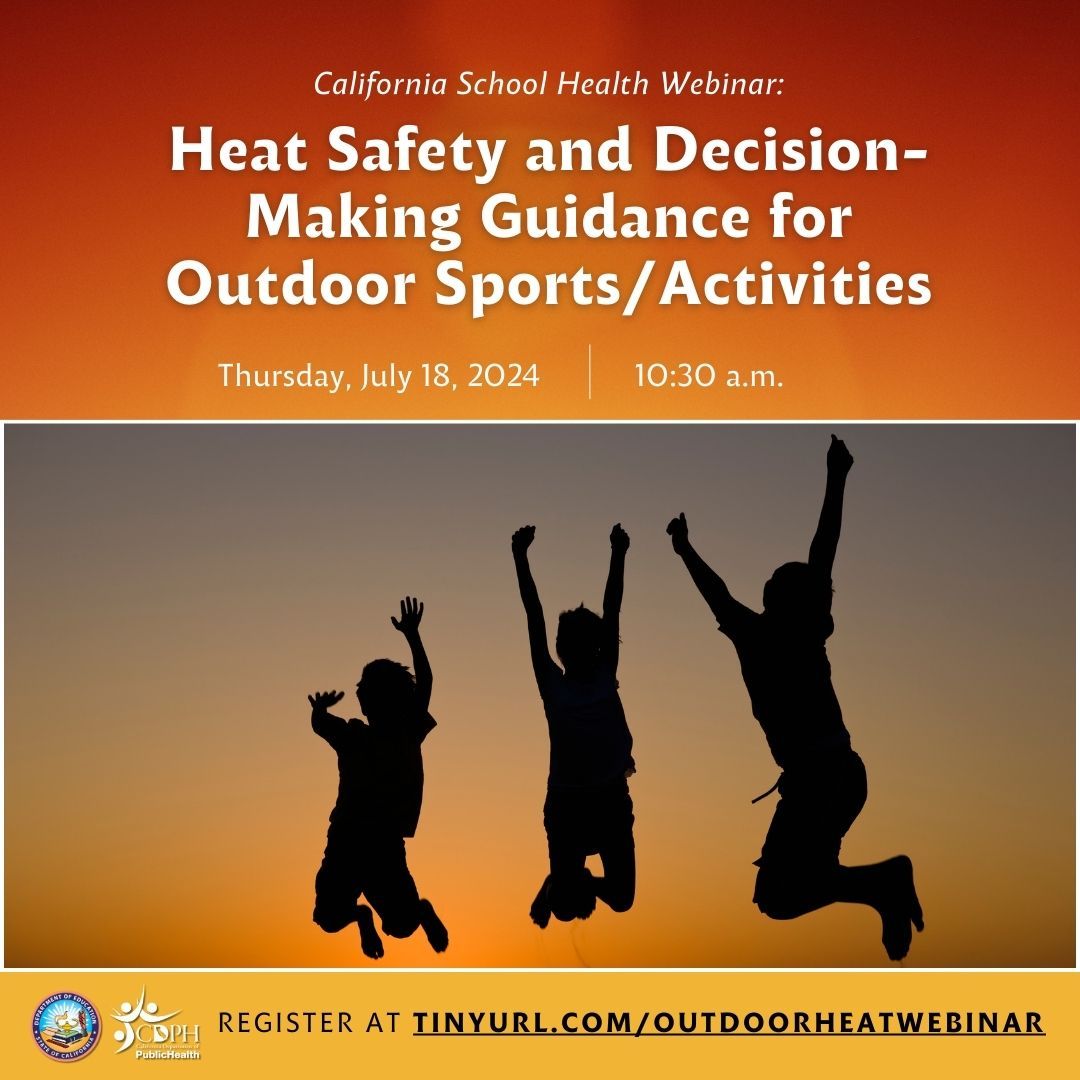
🥵 It's HOT out there. And children are especially vulnerable to heat.
📅 On Thursday at 10:30 am PT, @CADeptEd and @CAPublicHealth are hosting a free webinar on how to keep kids safe from heat-related injuries during outdoor activities.
Register: lnkd.in/gmfpn2Dz
40
The plan aims to ensure foster youth have access to enrichment activities like swim classes & after-school sports, specialized therapy, & help with housing when they leave government custody as young adults. More in this in-depth story by @TheImprintNews. bit.ly/3S9hWZV
21
As all Medi-Cal enrollees go through annual eligibility renewals for the first time in three years, data shows that more than 306,000 children have lost coverage, @KidsPartnership reports. bit.ly/3zsbPcF
2
3
146
🏠 Kids with any level of housing insecurity – low or high – had worse self-reported health at age 15, found a new study led by Kristyn A. Pierce and coauthors from @nyugrossman and @HopkinsPopCntr. They also reported worse mental health.
n.pr/3xvZh3B
1
1
39
The way we identify children with special health care needs excludes 4 million U.S. kids with both a diagnosed health condition and functional difficulties, putting them at risk for more health and care challenges, finds a new study by authors at @HRSAgov. bit.ly/3zm5D66
27
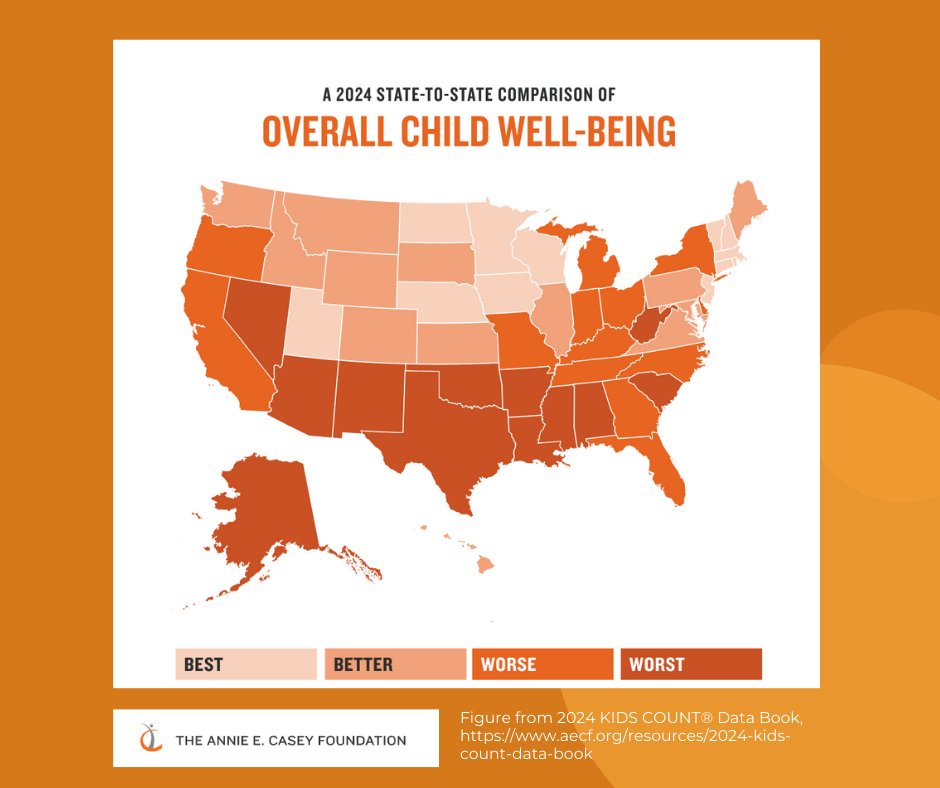
For the 2nd year in a row, the @AECFNews KIDS COUNT Data Book ranks California 35th among states in child well-being. Explore the new report see how kids in your state are faring in measures of economic well-being, education, health, family/community. bit.ly/3xmWPfJ
21
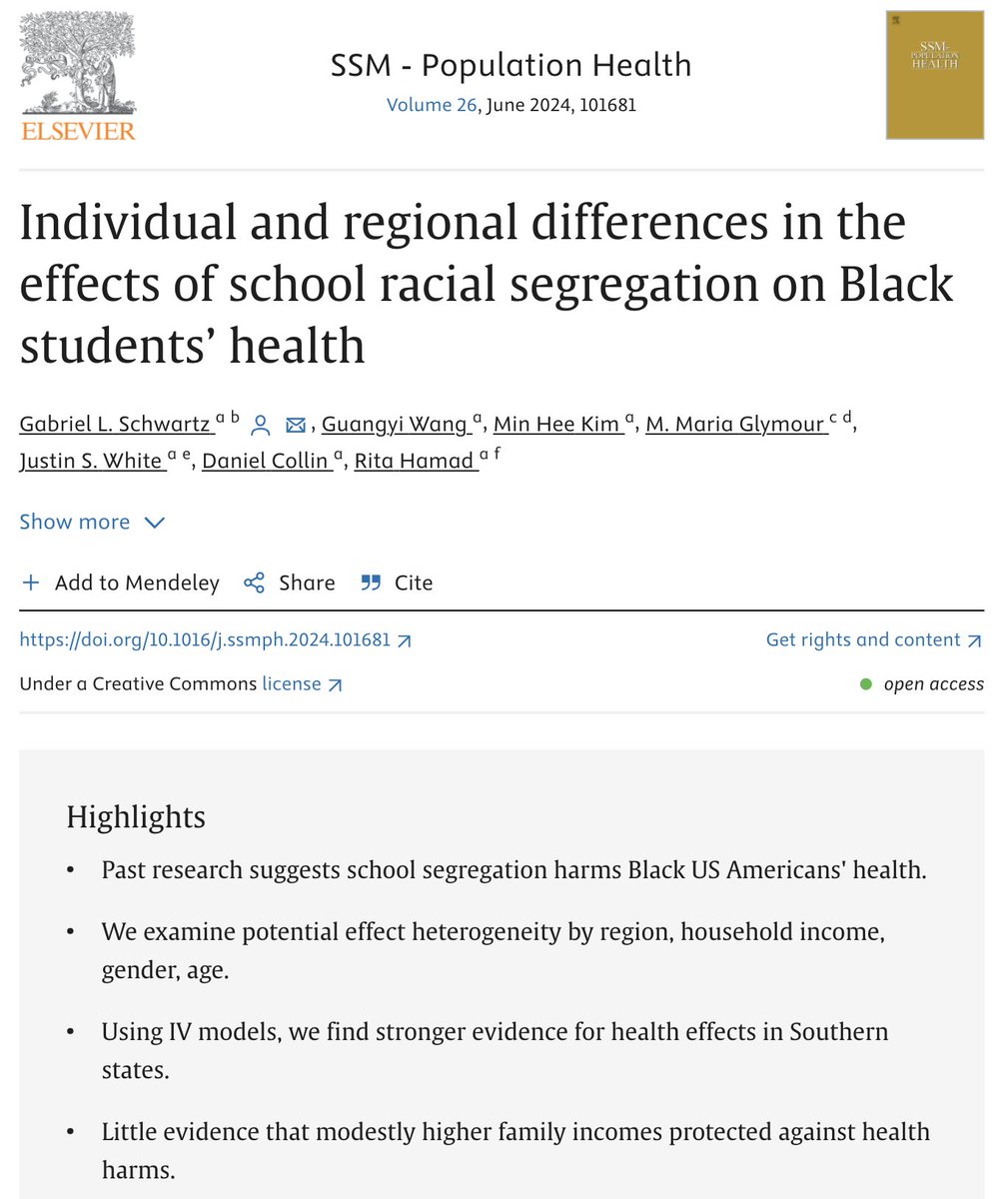
Racial segregation in U.S. schools has risen steadily since the 1990s—with harmful impacts to the health of Black communities, finds a new study by @gabegabeyeah and coauthors at @UCSF_IHPS. The team linked @umpsid data with school segregation data. bit.ly/3xqTxYD
1
1
5
649
@GuangyiWang1 @MinHeeKimSS @MariaGlymour
@DrRitaHamad
37
KidsData (We're @KidsData on ALL the platforms) retweeted

17 Jun 2024
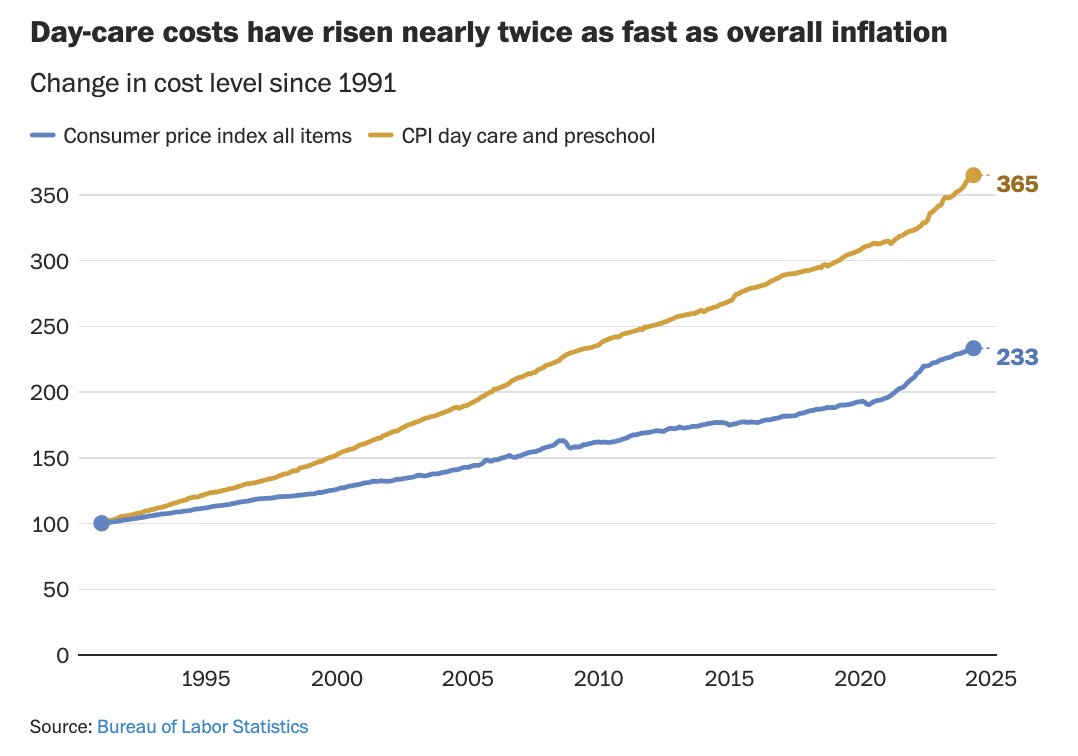
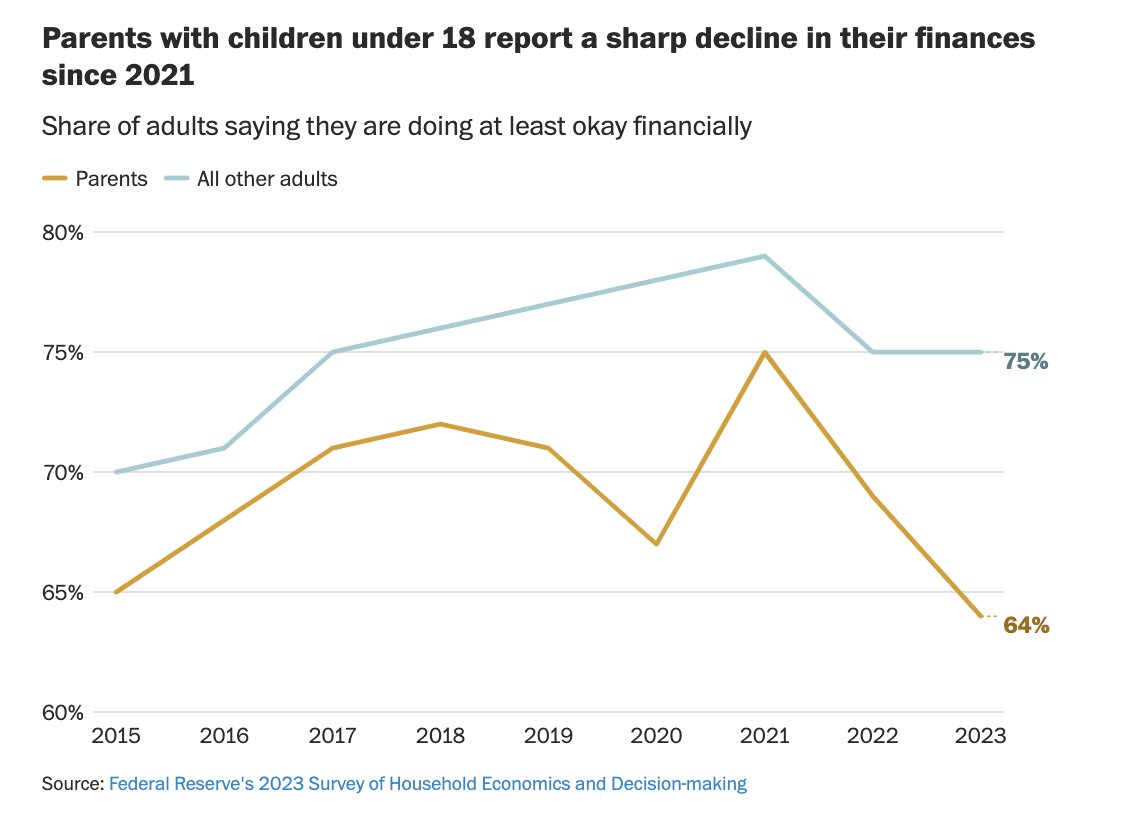
NEW: The US still has a childcare crisis.
It's hurting the economy
It's hurting families
And it's contributing to lingering anger about inflation
America needs to fix this. It's not that hard. Many other nations have figured it out (and seen a big econ boost)
54
133
347
143,654
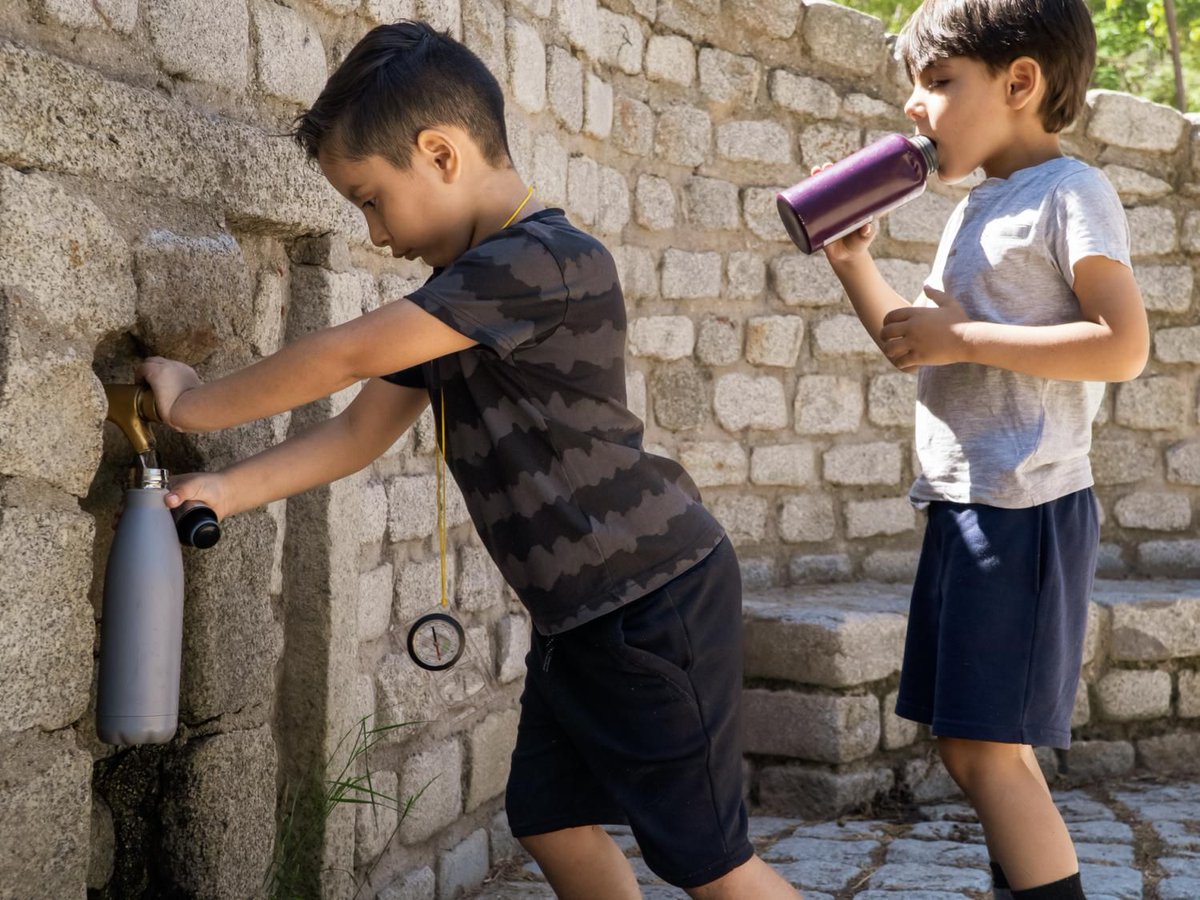
🚨 Between 2005 and 2020, the number of children facing simultaneous water and food insecurity in the United States more than doubled, according to alarming new research from Penn State's Population Research Center ⬇️
17 Jun 2024

@psupopresearch associate @asher_rosinger & @ProfSeraYoung (@NorthwesternU) published new research in @NatureWaterJnL about how secure access to food & water is decreasing for US children. Black & Hispanic children were more likely to experience this.
➡️ buff.ly/3z7zoXZ
65
While the maternal mortality rate among Black women fell by 30%, they are still more than 3x as likely to die from pregnancy/childbirth complications than women overall. And the rate did not change significantly for Asian women, @GeorgetownCCF notes. bit.ly/45g1ah7
27
🌳 Kids are especially vulnerable to the effects of climate change. But a new analysis of 160 climate adaptation policies led by @Heidelberg_HIGH researchers found that only 72% included measures related to children—and none addressed kids' mental health. bit.ly/3VAaLMn
127