We champion the role of content knowledge in the sciences of reading and learning.
Joined April 2016
- Tweets 17,444
- Following 1,314
- Followers 8,874
- Likes 41,970
1,777 Photos and videos
Pinned Tweet

17 Jun 2025
🎧 Season 3 of the #KnowledgeMatters Podcast drops June 24!
This season, we’re diving deep into Literacy the Science of Learning!
Our hosts are three powerhouse voices:
🧠 @dylanwiliam
📘 @Doug_Lemov
✍️ @natwexler
📅 New episodes drop here:
knowledgematterscampaign.org…
2
9
32
21,335
Knowledge Matters retweeted

Jun 12
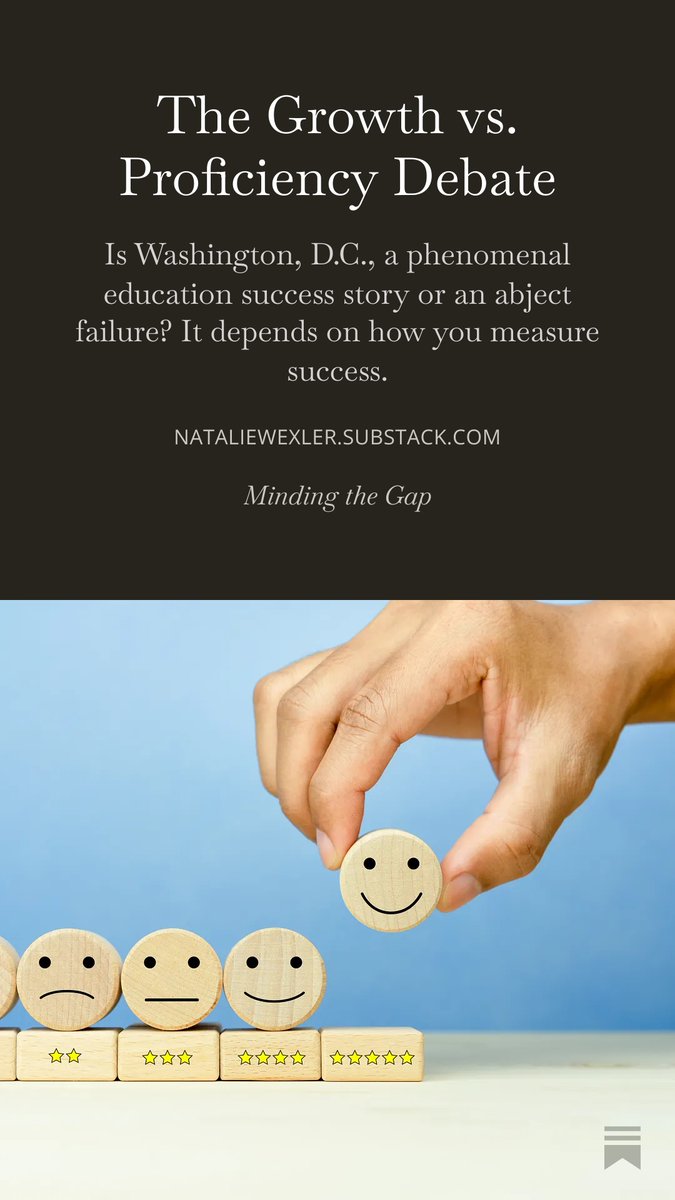
Should we measure education progress by "growth" in test scores or how many students are "proficient"?
Neither is perfect alone--but too much focus on growth can obscure continuing inequities.
Which is what has happened in DC.
More in my new post:
nataliewexler.substack.com/p…
3
7
40
3,452
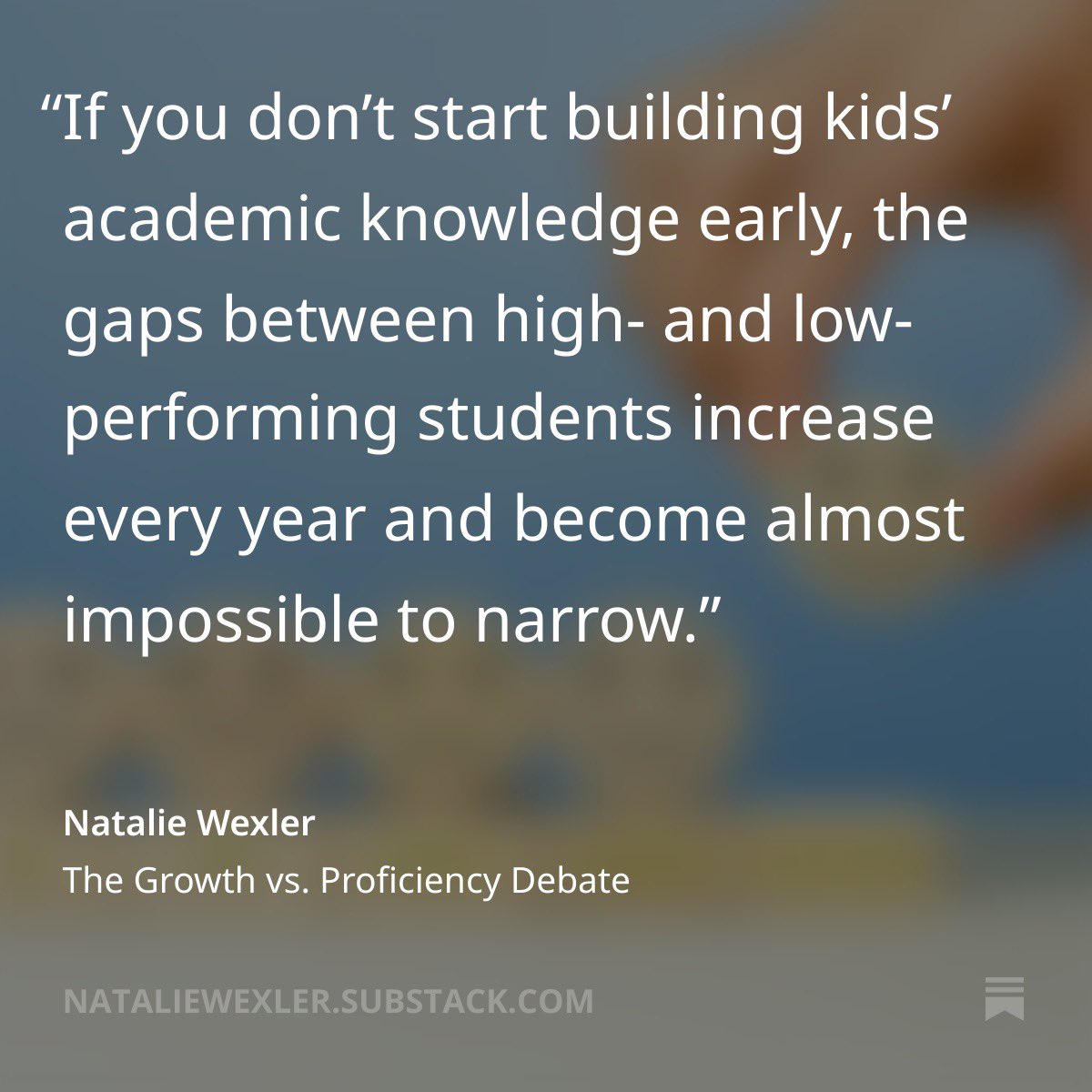
Knowledge gaps don’t stay the same size. They grow.
@natwexler explains why knowledge-building belongs at the center of instruction.
🔗 open.substack.com/pub/natali…
#KnowledgeMatters💙
5
20
1,023
The biggest challenge in education isn’t discovering what works. It’s consistently doing what we already know works.
Learning science isn’t new. Cognitive psychology isn’t new. Knowledge-rich curriculum isn’t new.
Implementation matters.
coreknowledge.org/ai-encode-…
13
46
1,310
Knowledge Matters retweeted

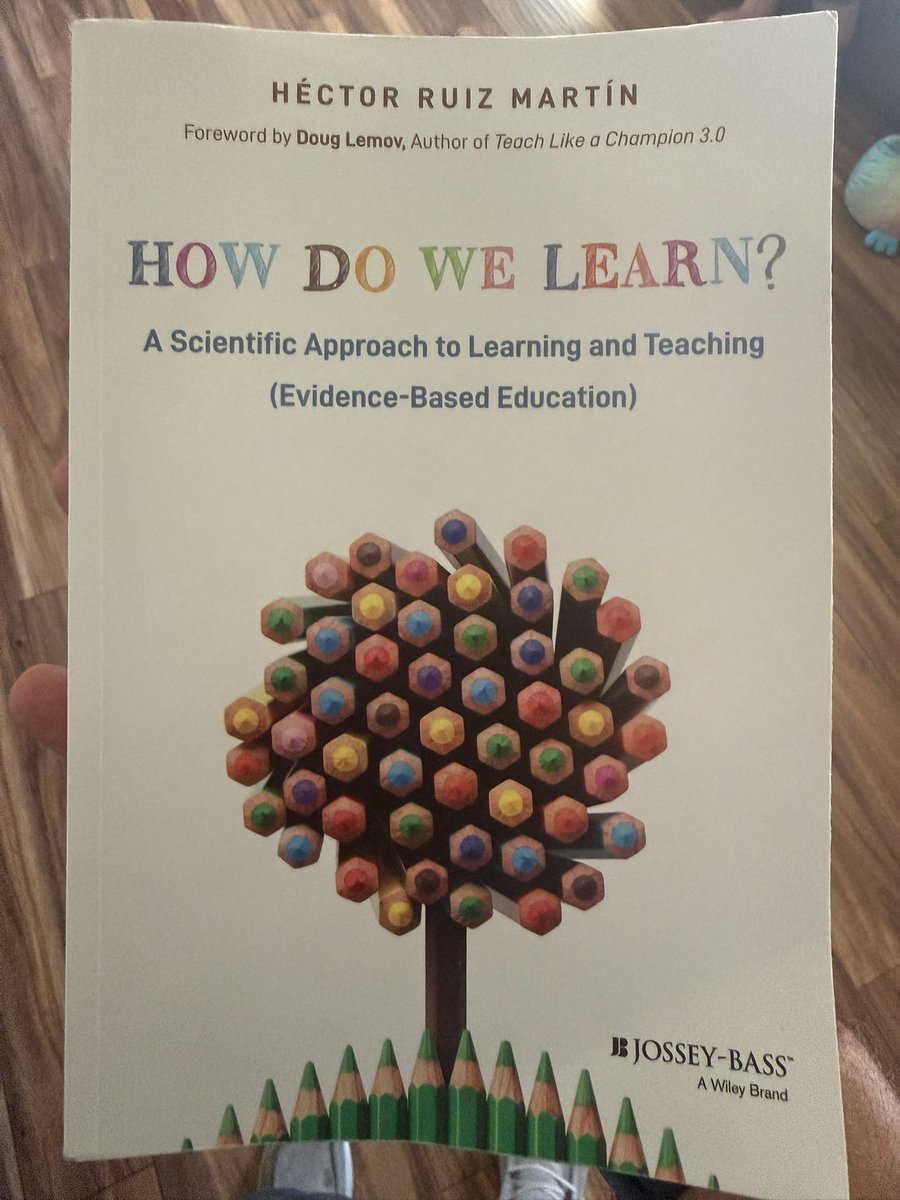
As I finish the final preparations for our last book study on Hector Ruiz Martín’s tour de force, How Do We Learn?, I’ve been thinking about where I would place this book within the pantheon of science of learning and cognitive science texts I’ve read over the last couple of years.
I don’t think I would say this is a book that all teachers must read. But let me qualify that. I wouldn’t say that about any single book.
The impact that the science of learning and cognitive science can have on student learning and success is far too important and complex to be accomplished by reading one text. No single book can provide everything educators need to know. What matters is developing a deep and coherent understanding of the evidence base across time, texts, and experiences.
In addition, all teachers reading the book will not reform a system in the United States, which still in a majority of circumstances does not promote evidence-informed practices. What all teachers can and should have, however, is the evidence presented in this book, and many others like it, explicitly taught to them in teacher preparation programs, reinforced and refined through ongoing professional learning in schools and districts, and embedded within teacher certification requirements by state departments of education. That is how we move teaching in the United States toward becoming a truly evidence-informed profession.
One book cannot accomplish all that. A professional system can.
@hruizmartin @Doug_Lemov
3
5
37
2,485
Knowledge Matters retweeted

Jun 9
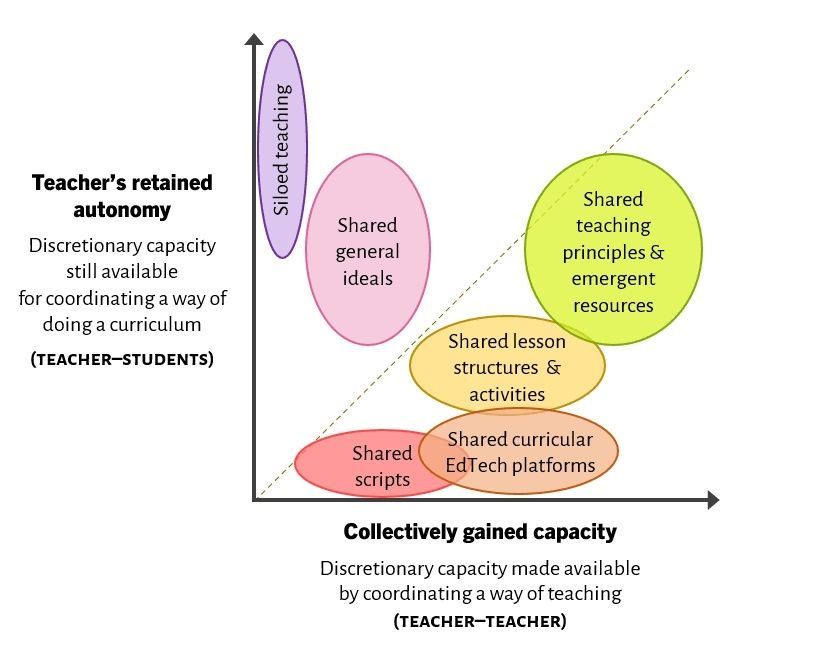
I deeply appreciate Christian Moore-Anderson's argument that education shouldn't force a choice between total teacher freedom and rigid lesson scripts. He shows how England's recent push for "consistency" actually made things worse by turning teachers into script-followers. Over time, this created a trap where teachers lost their teaching skills and became dependent on pre-written lessons.
Moore-Anderson explains the key difference between handing teachers complete lesson plans versus giving them high-quality raw materials. When everything is scripted—what to say, when to say it, which worksheets to use—teachers can't adapt to their actual students in real time. They can't have real conversations about learning because there's no room to adjust.
His recommendation: give teachers shared principles (like basic game rules) plus quality resources, then let them decide how to use them. Think of chess—simple rules but endless possibilities. Teachers keep their professional judgment, can adapt to their students' needs, and benefit from collaborating with colleagues. Everyone wins: teachers, students, and schools.
christianmooreanderson.com/t…
1
6
31
1,545
Knowledge Matters retweeted

Jun 9
I have slightly updated my new blogpost on education's problematic history with evidence,
(pamelasnow.blogspot.com/2026…) to include a point I meant to include at the outset, as per below.

3
12
36
2,456
Knowledge Matters retweeted

Jun 9
Here is what I have found that works with improving 5th graders spelling. Taking the "best bets" in research and putting it into practice.
- Teach students how to break words into syllables
- Teach students spelling patterns for certain sounds like /s/ can be spelled with an s, ss, se, ce, sc etc.
- Spelling dictation (retrieval practice)
- Using word sums and morphology matrices because the focus is on meaningful parts of words
- Providing enough practice spelling the words in different contexts
- Spelling is woven into vocabulary instruction. It isn't a standalone curriculum. Students don't EVER complain about working on spelling because it is embedded within learning the meanings of difficult words. Motivation matters!
These are spelling results from my classroom this year.
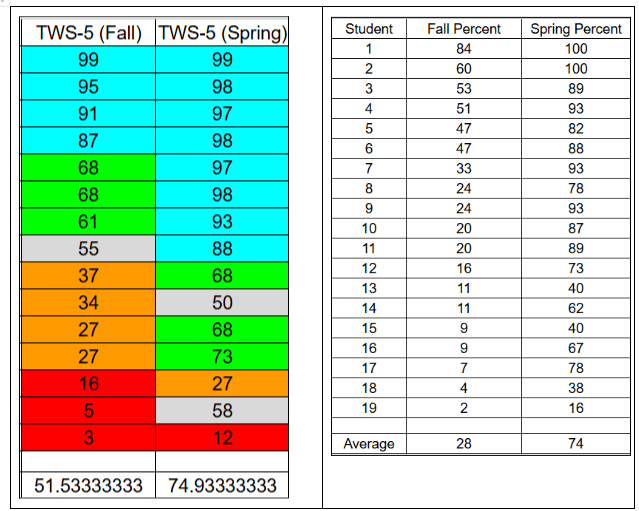
On the left is from a standardized spelling assessment (Test of Written Spelling - 5th Edition). These words were not explicitly taught. These are percentile scores, so the 68th percentile means that the student did better than 68 out of 100 students of the same age. The average percentile for the class went from the 52nd to the 75th percentile.
On the right are scores from fall to spring on words taught in the Word Mapping Project curriculum. Sample words include procrastination, correspond, emphasis, foreign, and rambunctious. The scores are percentage of words correctly spelled. The average percentage of words correctly spelled went from 28% to 74%.
I'm so proud of my students. I often hear that students are lazy with regard to spelling. I beg to differ. Students need to be taught well.
8
14
117
8,374
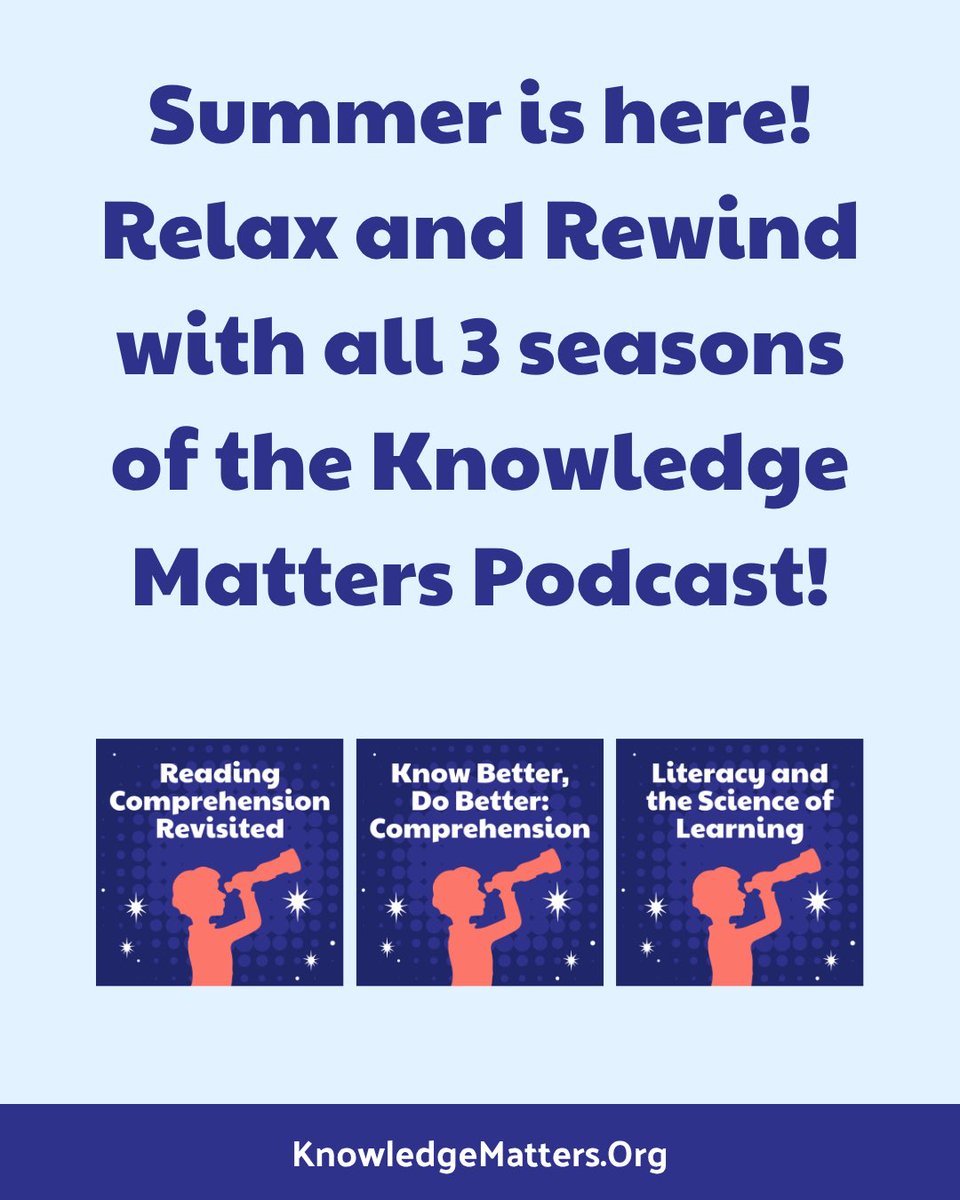
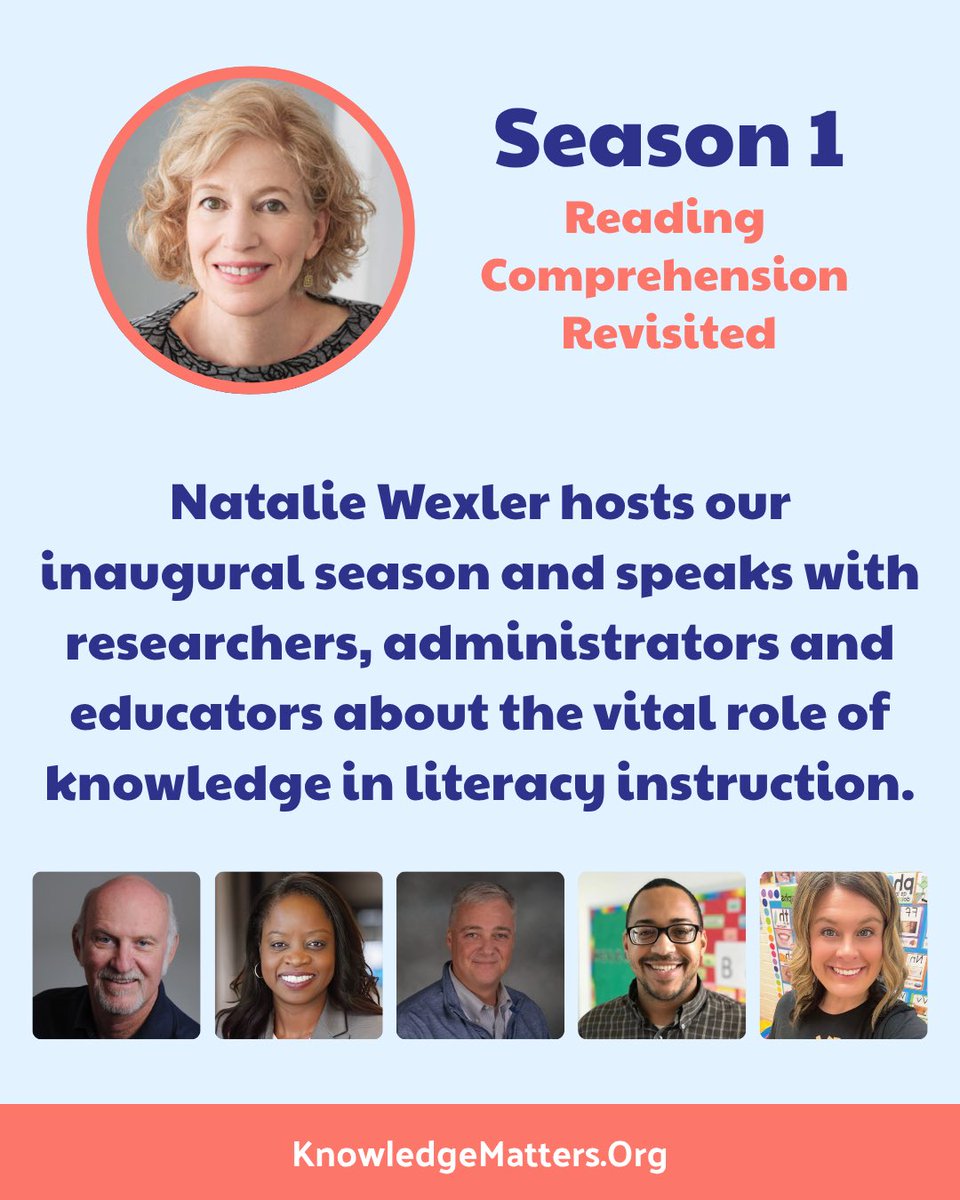
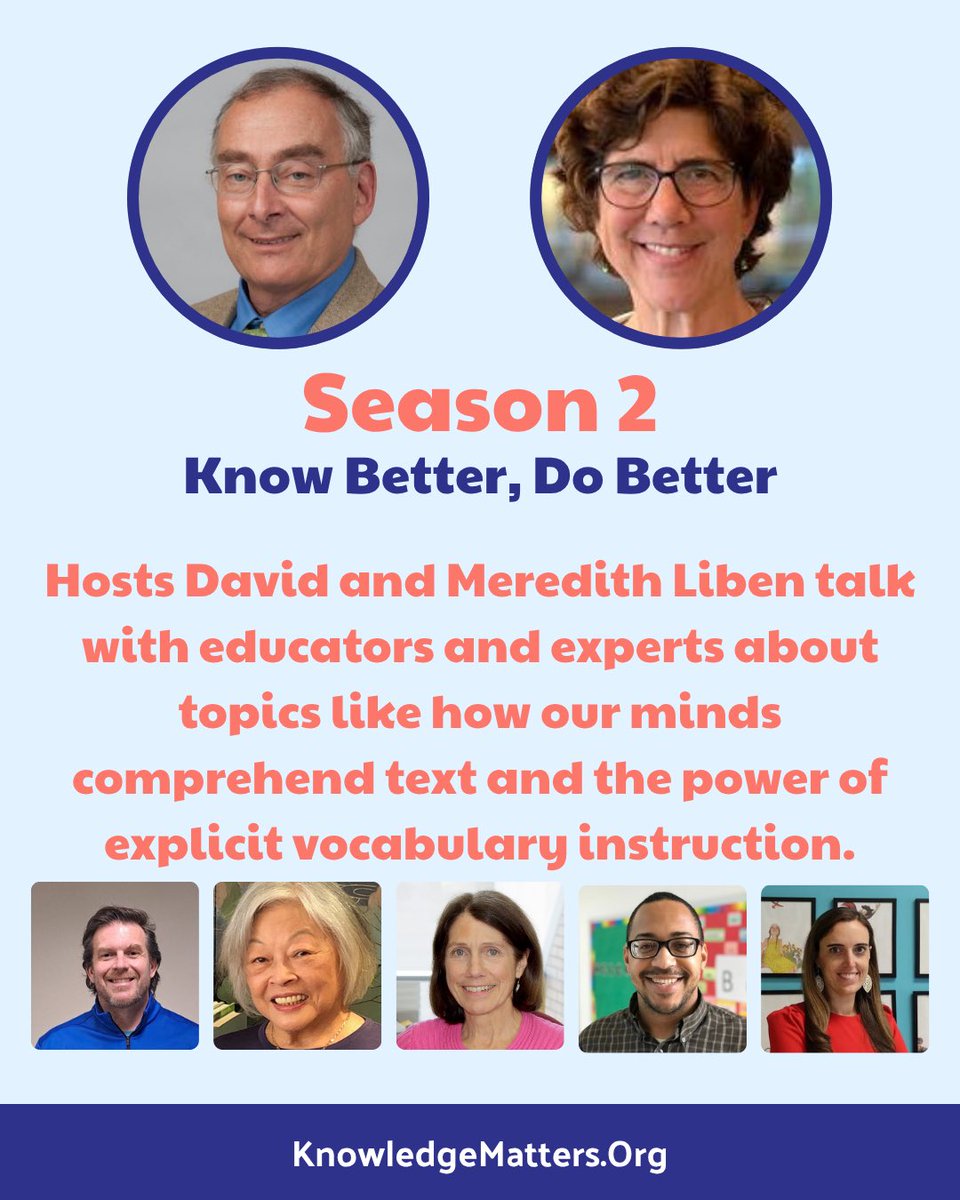
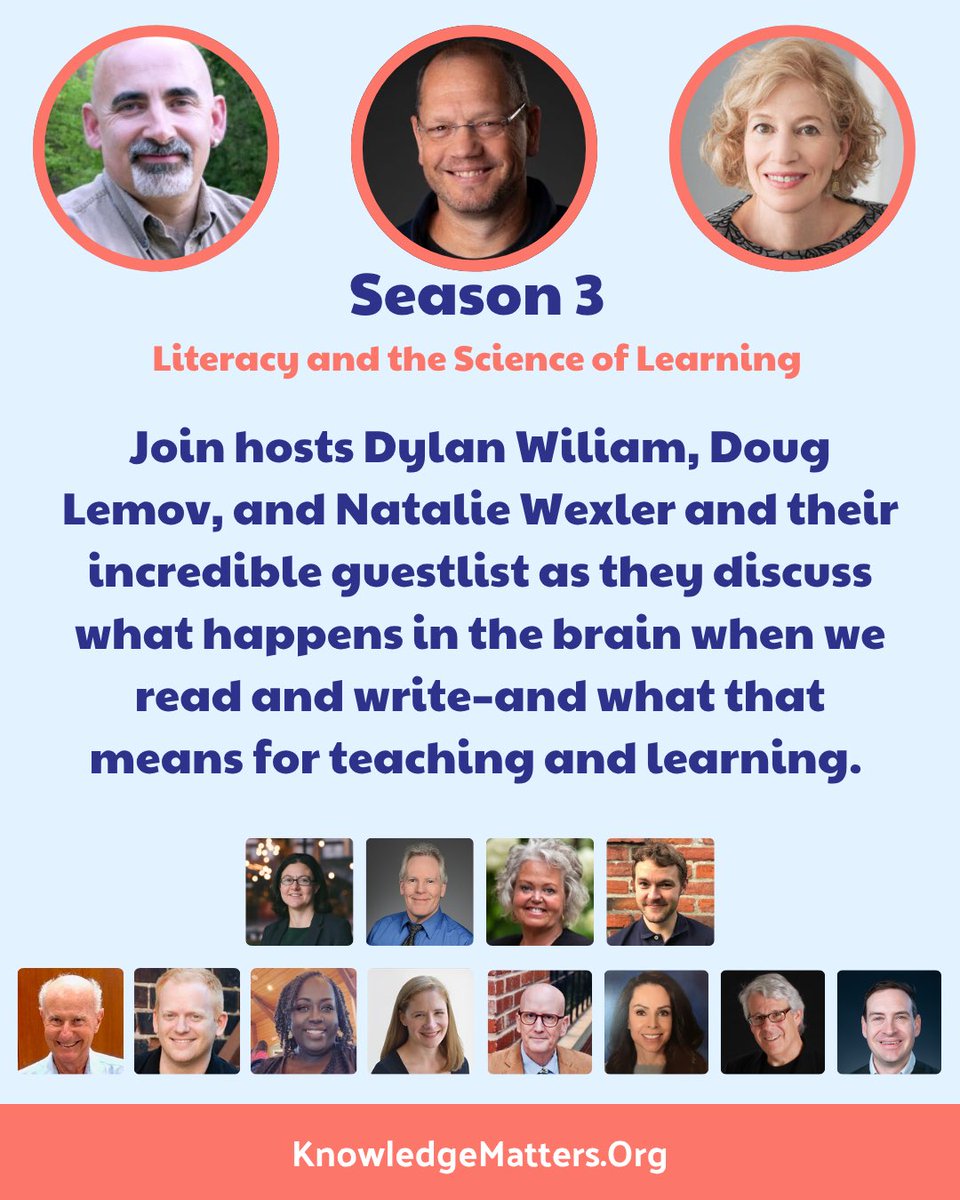
😎Summer is here! Time to rest, recharge and do a podcast REWIND📼! Catch up or do a relisten to all 3 seasons of the #knowledgematters podcast!
These 30 minute episodes are the perfect length for traveling, a pool day, a bike ride or carpool!✈️🏖️🚲🚙
🎧knowledgematters.org/podcast…
6
9
806
Knowledge Matters retweeted

Jun 7
This is worth your time--and will require a bit of it: a sharp, no-nonsense takedown of the excuses that keep education stuck in belief-driven practices instead of rigorous evidence. Clear-eyed and comprehensive.
pamelasnow.blogspot.com/2026…
Jun 7

The dog ate my homework: Education's evidence echo-chamber.
New Snow Report blogpost
pamelasnow.blogspot.com/2026…
6
9
36
8,226
Knowledge Matters retweeted
Jun 6
And yet many in education are resistant to the idea of a knowledge-rich curriculum 🤷🏻♀️

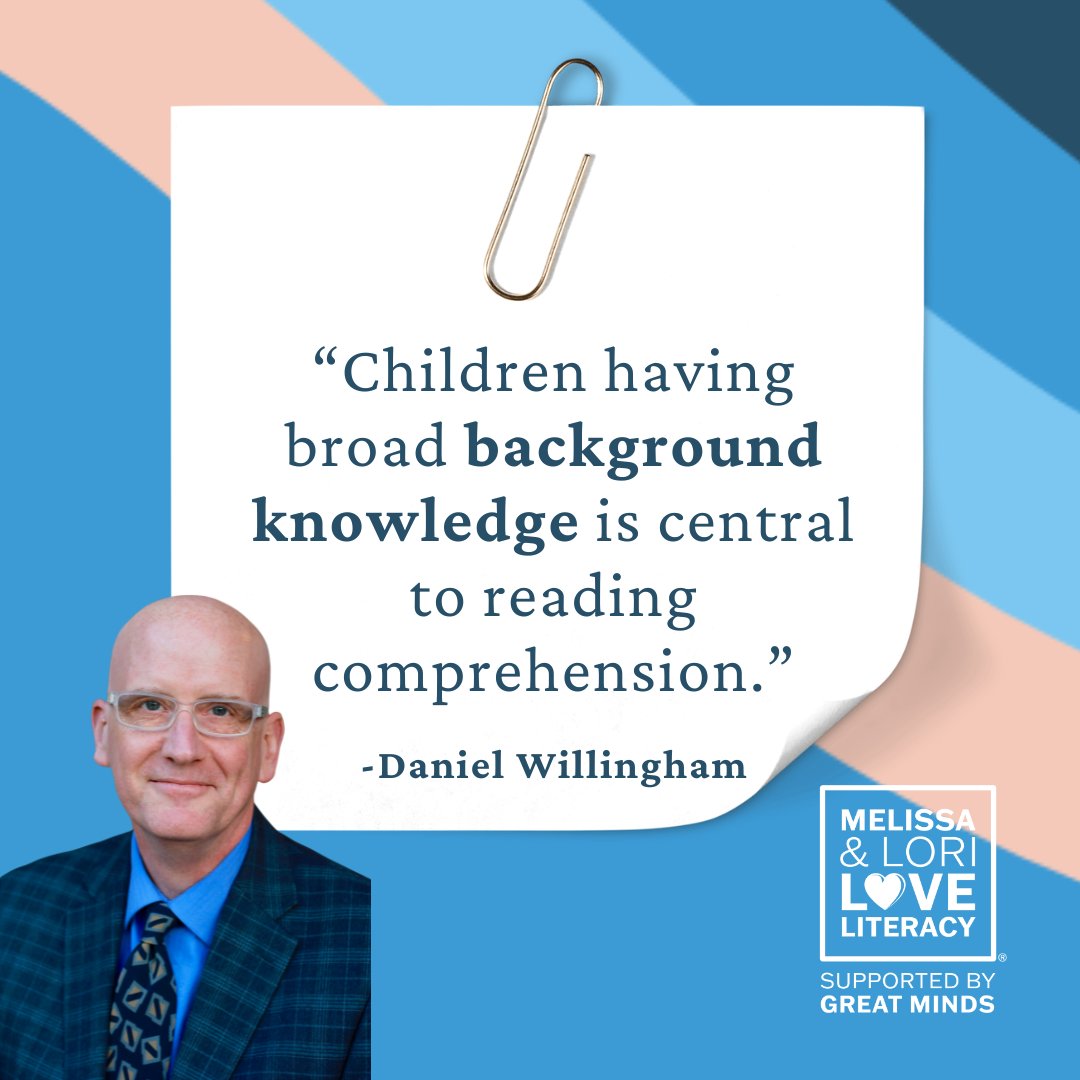
As Daniel Willingham says, “Children having broad background knowledge is central to reading comprehension.”
This episode is a powerful reminder that knowledge is essential for helping students make meaning from what they read.
🎧🎙️ Listen now! ow.ly/Qo0Q50YtXFb
1
16
71
5,287
Knowledge Matters retweeted

Jun 7
In this episode, I’m joined by @S_Oberle and @organizedbinder, co-authors of Executive Functions for Every K–3 Classroom. Their work focuses on the cognitive processes that underlie successful learning.
Wow, episode 30 already!
educationrickshaw.com/2026/0…
2
14
31
5,788
Knowledge Matters retweeted
Here’s a key distinction I see missed in many of the framed for social media debates between inquiry-based learning and the science of learning.
The science of learning is not an instructional method. It is a body of evidence that helps us understand how learning occurs under different conditions. Inquiry-based learning, by contrast, is an instructional model—a particular way of organizing teaching and learning experiences.
Because of this, it makes little sense to place practices such as curiosity, questioning, or exploration into either an “inquiry” bucket or a “science of learning” bucket. Curiosity and questioning are not “inquiry methods” as claimed here. They are features of learning that can be leveraged through many different instructional approaches. If research shows that curiosity and questions can support learning, then those practices can absolutely be used within a science of learning, evidence-informed approach to teaching and learning.
Trying to frame these ideas as competing camps is often counterproductive. The real question is not whether we are using inquiry or the science of learning. Rather, it is how we use our understanding of human memory, attention, knowledge building, and learning processes to make evidence-informed instructional decisions. The science of learning should help us determine when, why, and how particular practices are most likely to be effective for the greatest number of students—not force them into opposing categories.
Jun 7

Lovely to see two researchED related posts in the past 24 hours presenting about inquiry. Here, using "Using curiosity to drive cognitive engagement"
Maybe, just maybe, we're starting to see the necessary shift and bridge to using inquiry methods WITH traditional SoL tactics.
2
5
23
2,330
Knowledge Matters retweeted

Jun 7
On moving more decisively towards an evidence-based practice in education. An excellent read.
Jun 7
The dog ate my homework: Education's evidence echo-chamber.
New Snow Report blogpost
pamelasnow.blogspot.com/2026…
6
34
7,321
Knowledge Matters retweeted

Jun 7
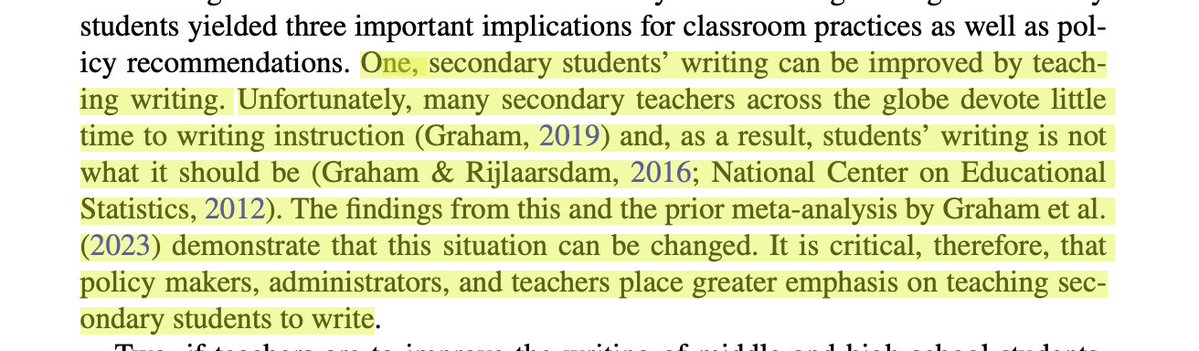
We hear a lot about the science of reading but is there a science of writing? There are a lot of bad ideas in this space but one idea that wider reading will, by itself, turn into good writing or that it's "caught not taught" is among the most widely held-beliefs in English teaching, but also very damaging because it excuses us from teaching writing explicitly.
The "caught not taught" absorption idea is to writing what whole language was to reading. The reading wars were a fight over whether decoding is caught or taught; the writing version of that fight is the same argument with the productive skill substituted for the receptive one.
Another important element is that writing ability is just assumed at secondary level and not taught explicitly. This is a mistake.
researchgate.net/publication…
16
20
125
18,723
Knowledge Matters retweeted
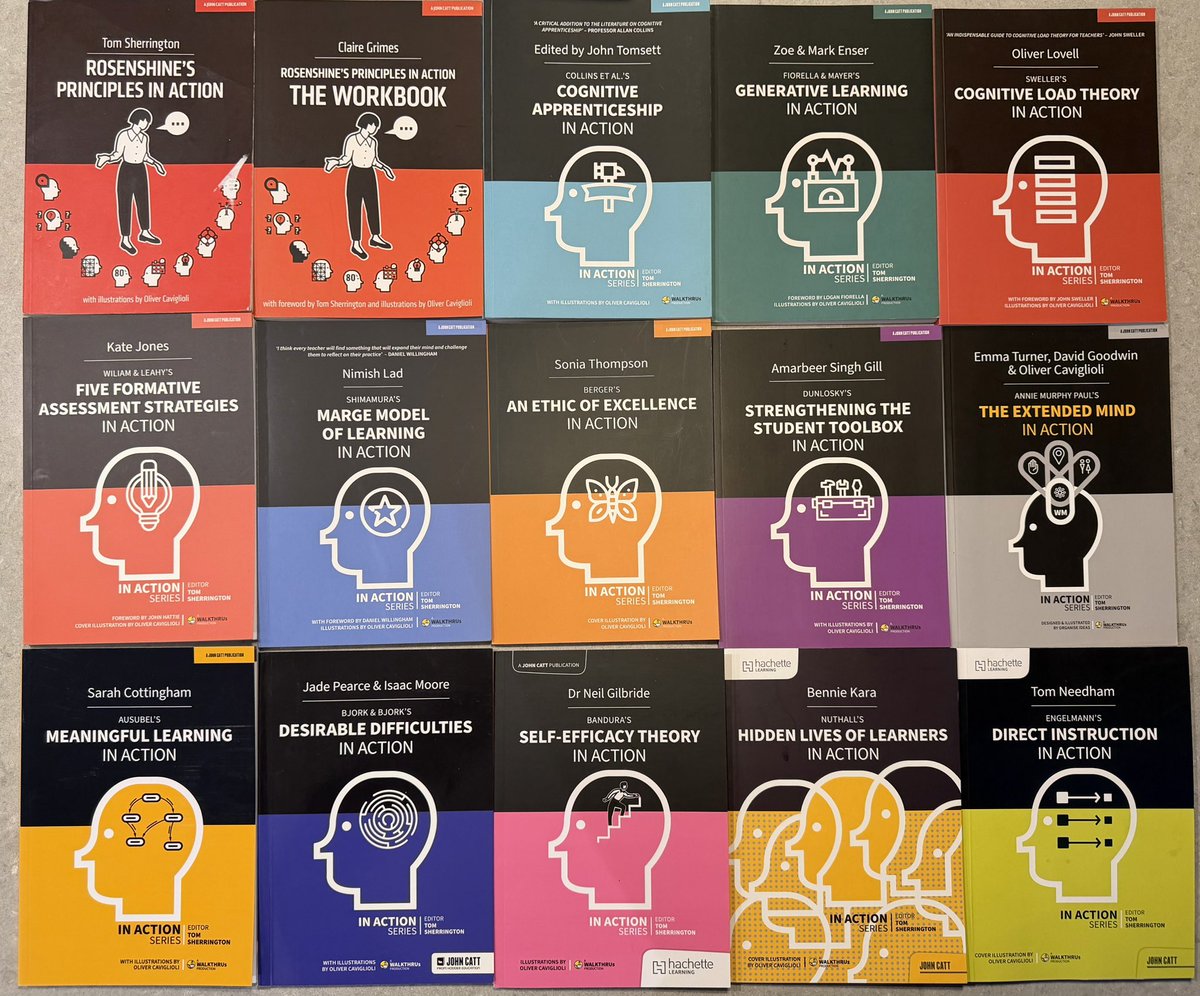
I can’t overstate how influential and transformative this series has been in improving my instruction. If you’re looking to get started aligning your teaching with evidence-informed practice, this is an excellent place to begin.
If I were recommending a starting point, I’d pick up Cognitive Load Theory in Action first. It will give you an important knowledge base about how human memory works through the lens of cognitive architecture. Follow that with Rosenshine’s Principles in Action, which provides a clear understanding of how that evidence can inform instruction, drawing on research into the practices of expert teachers. Then read Meaningful Learning in Action, which helps connect instruction to what students already know, highlighting the critical role of prior knowledge and the importance of linking new learning to existing knowledge to make learning meaningful for students.
Together, these books provide essential knowledge of the research and theory behind how we learn and, most importantly, how to translate that evidence into classroom practice.
Jun 7

In Action Series complete. I’m super chuffed to have pulled this together will all these brilliant authors. The ideas explored are so powerful.. all illustrated with detailed examples. . Thanks so much to everyone involved 🙏🙏🙏 @HLearningPD
2
7
51
9,113
Knowledge Matters retweeted

Jun 7
In this episode Sean provides a detailed description of a typical vocabulary lesson in his classroom.
Jun 4

Sean Morrisey @smorrisey discusses the Word Mapping Project and vocabulary instruction. The conversation began expansive, then narrowed, and was finally focused, targeted, and precise.
share.transistor.fm/s/fed5f3…
2
16
1,652
Knowledge Matters retweeted

Jun 6
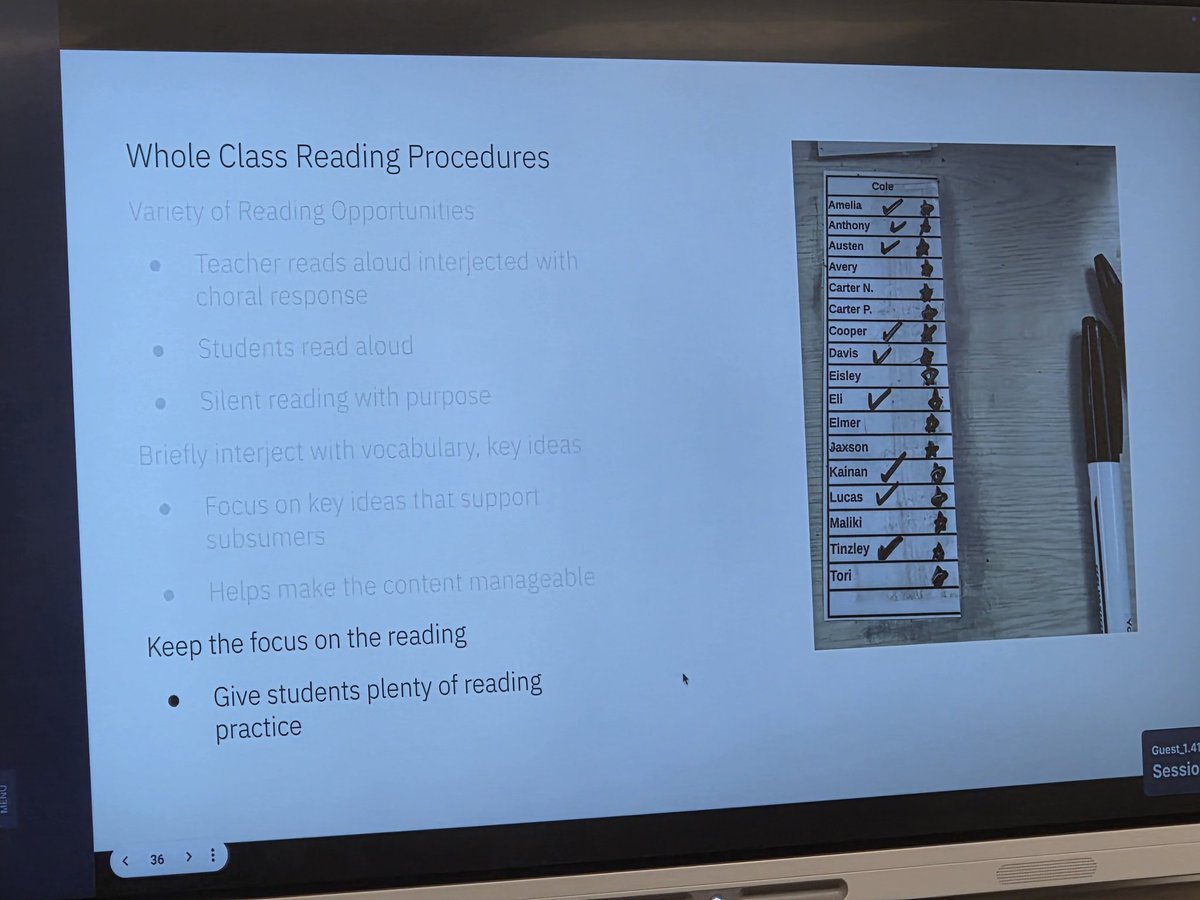
Every student should read everyday during Extended Reading time. I love how @StamStam193 uses this small checklist to help her working memory on who read during the lesson.
1
3
26
1,287
You can’t think critically about what you don’t know.
Vocabulary, historical knowledge, math facts, and background knowledge are not extras. They are the foundation of critical thinking. A timely read from Chalkbeat: chalkbeat.org/2026/05/28/ai-…
6
14
842
Knowledge Matters retweeted
Jun 3
Good explainer by Dr Mark Carter on what explicit instruction is/is not:
Explicit instruction: what works, what doesn’t, and why it matters — EducationHQ
educationhq.com/news/explici…
1
19
68
5,087
Knowledge Matters retweeted

Jun 3
NEW FREE POST When inquiry learning is malpractice
We know enough to draw some red lines
Link 👇👇👇
3
15
31
7,797