We develop data deep learning methods containing geometric, topological, dynamic systems-based constructs for discovery from scientific and biomedical data.
Joined February 2017
- Tweets 2,962
- Following 1,227
- Followers 7,236
- Likes 6,772
529 Photos and videos
Pinned Tweet

8 Feb 2021
Today, I’m proud to share our latest work published in @NatureBiotech describing MELD, a #MachineLearning algorithm for #SingleCell perturbation analysis.
Read this #tweetorial to learn about the work led by @dbburkhardt and Jay Stanley 🥳🎉🧪
nature.com/articles/s41587-0…
(1/16)
13
150
512
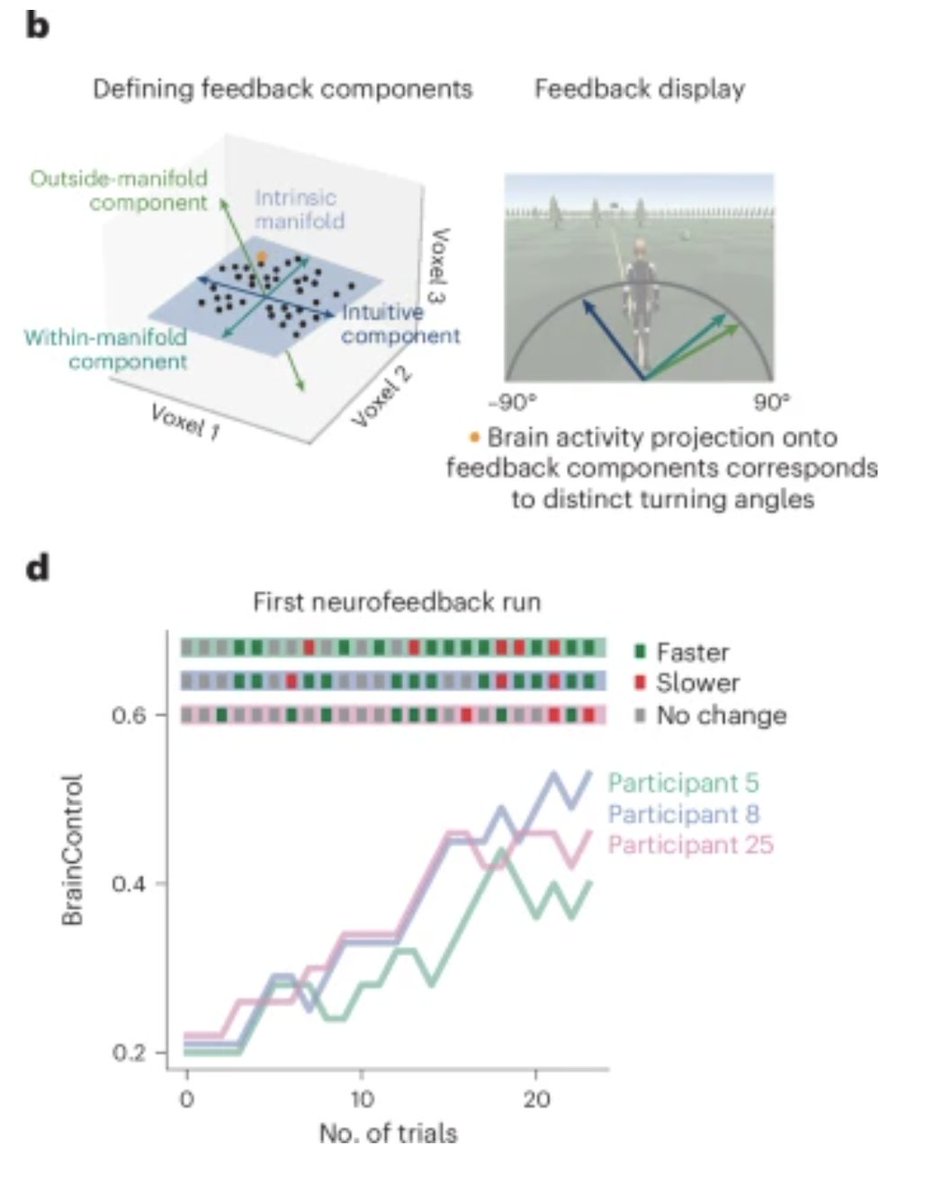
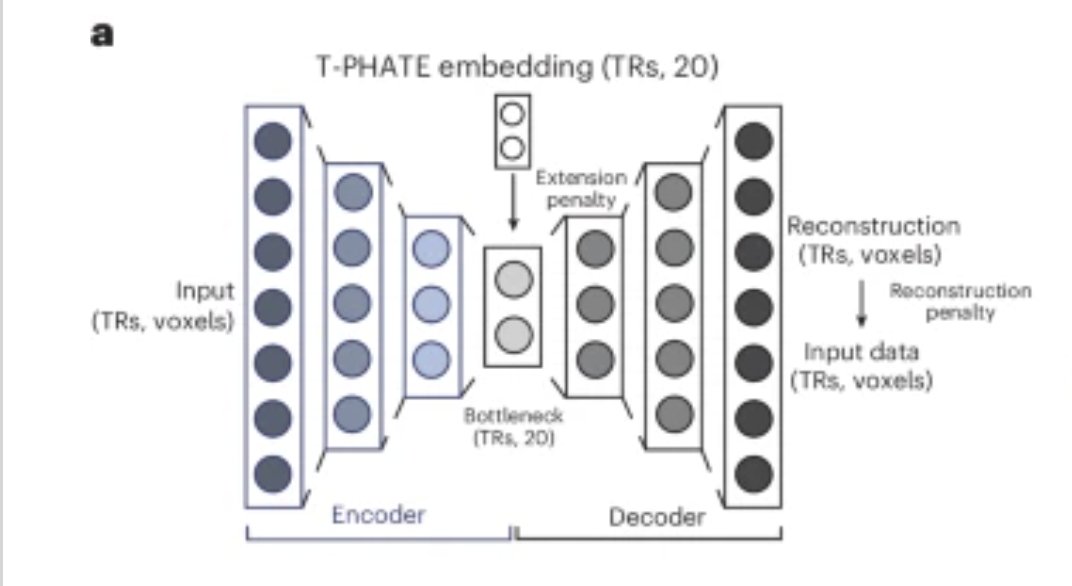
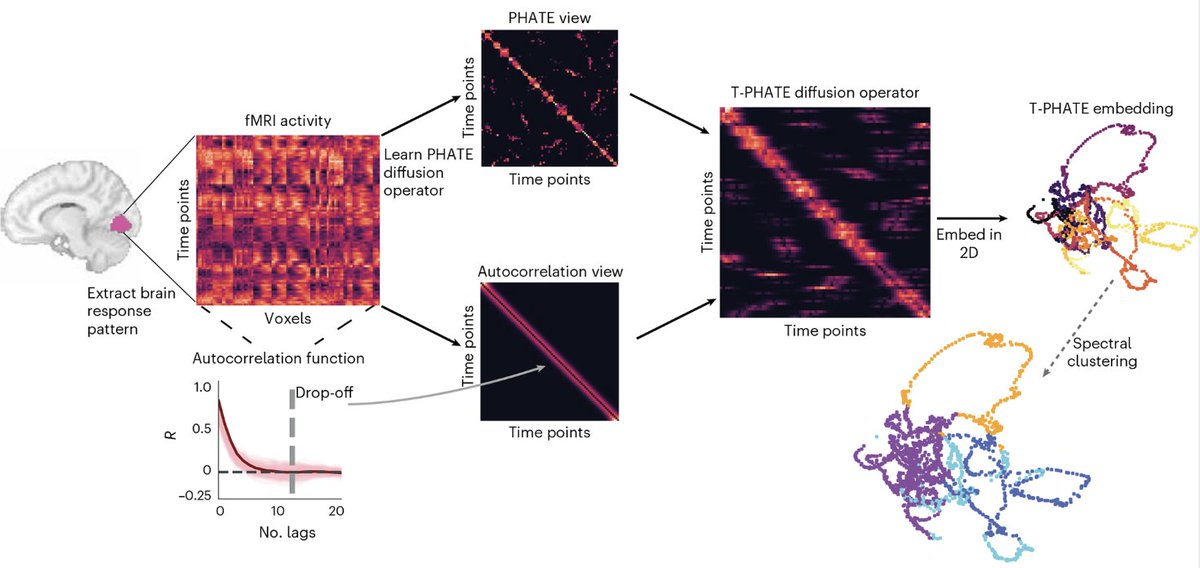
(3/n) We learned the manifold using our earlier technique called T-PHATE pmc.ncbi.nlm.nih.gov/article… T-PHATE is a data diffusion geometry based method (like PHATE and diffusion maps), where each timepoint of brain activity is mapped to a low dimensional space based on its similarity in pattern to other timepoints, as well as its temporal proximity. Thus T-phate is a "dual kernel" version of PHATE with a temporal kernel and a data similarity kernel.
1
1
5
577
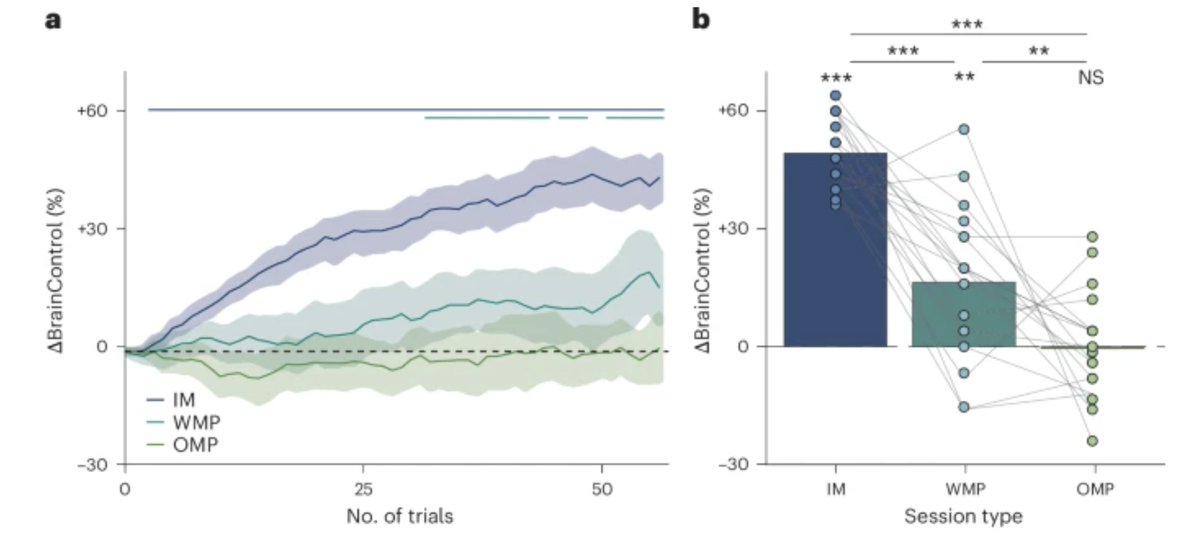
(8/n) We hope this study provides guidance for future uses of BCI--- If the goal of a BCI is to interface the human brain with computer technologies for communication or occupational applications, rather than altering the manifold itself, leveraging the intrinsic manifold will be most efficient. Thanks for reading!
1
1
2
447
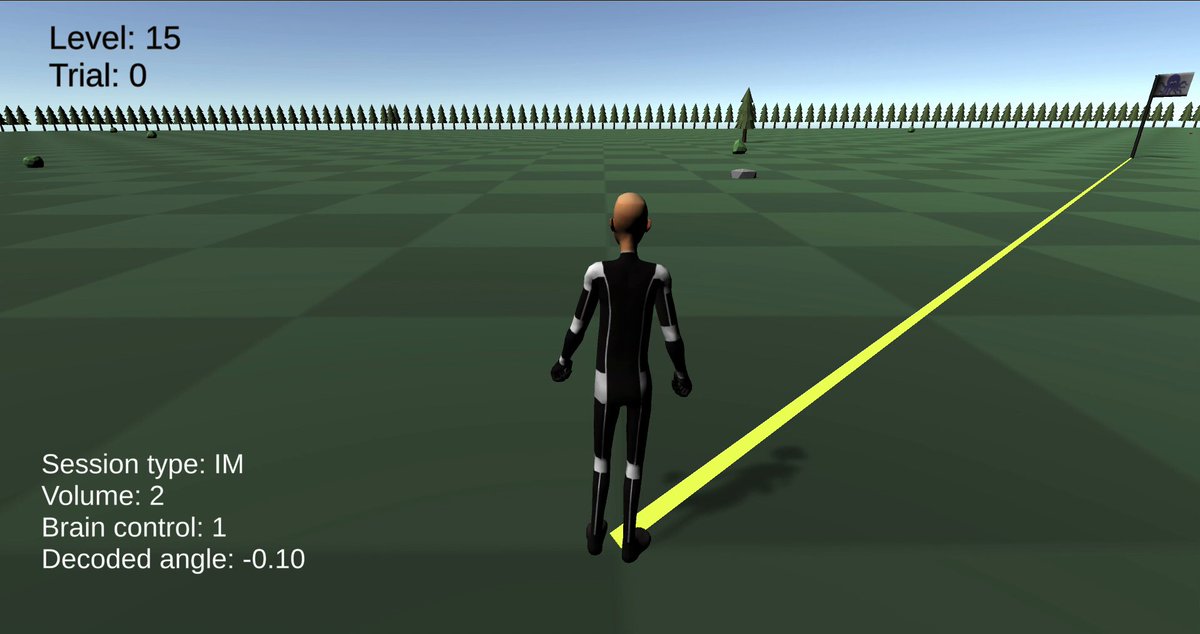
(9/n) Here is what the game video actually looks like!
1
2
386
(4/n) We used a neural network version of T-PHATE by regularizing our MRMD-AE (manifold-regularized multiple- decoder, autoencoder) ieeexplore.ieee.org/document… with T-phate distances. This has the advantage that the manifold can be extended in real time to incorporate new measurements of brain activity!
2
1
1
351
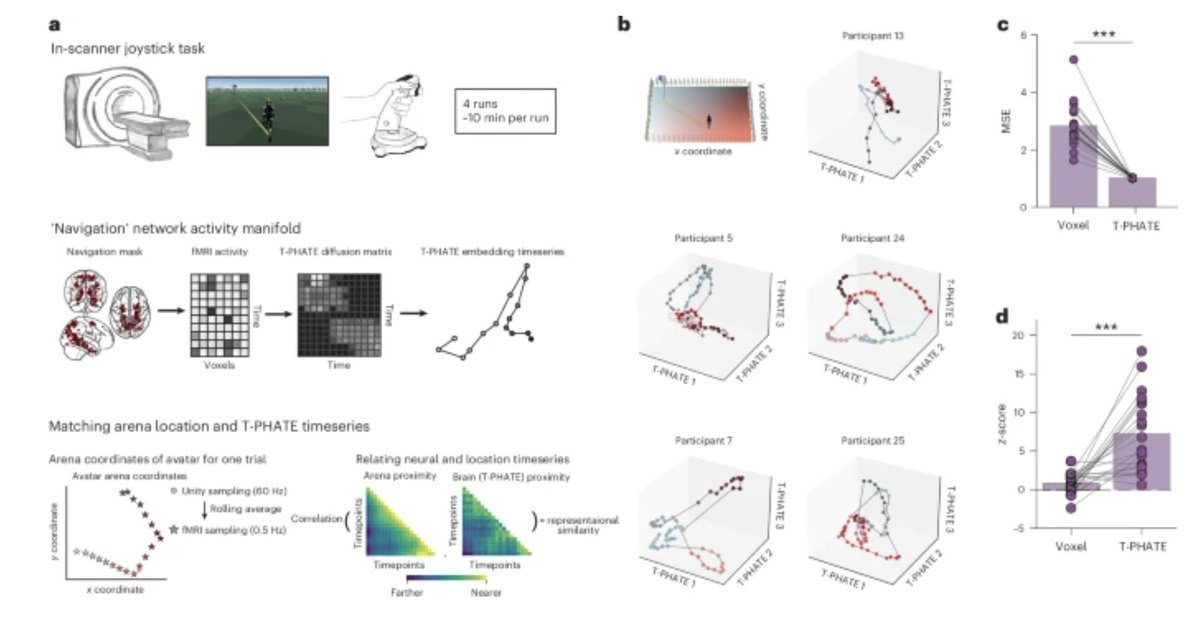
(1/n) The future is here! We can control devices with just our brain. To explain more: in a collaboration with the Nick Turk-Browne lab at @WuTsaiYale and @g_lajoie_ @Mila_Quebec, we showed how to use manifold geometry to design BCI (brain computer interfaces) that enable users to learn quickly. See our paper out today Nature Neuroscience nature.com/articles/s41593-0…!
2
8
29
3,394
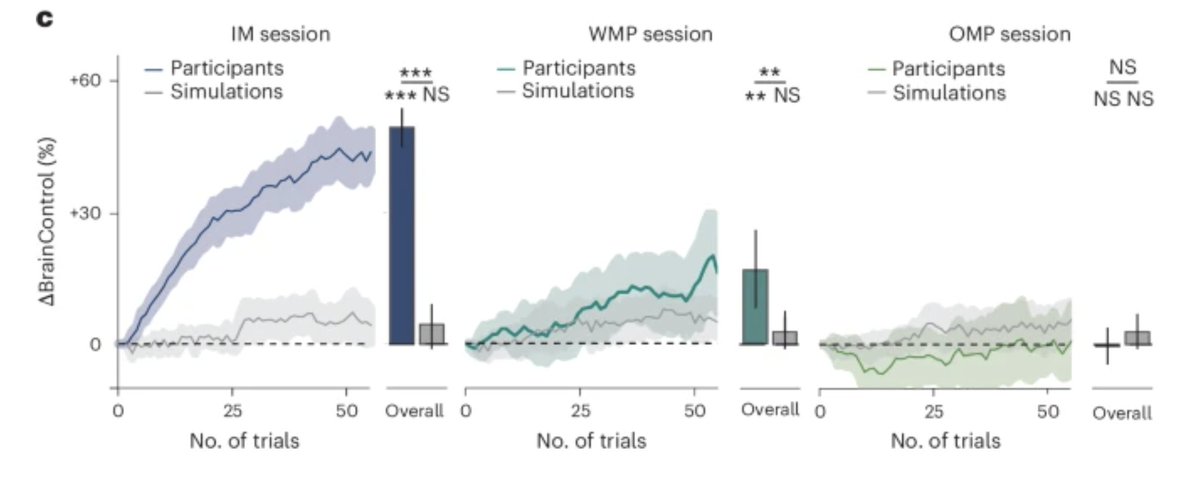
(2/n) Lead by Erica Busch, who setup a realtime fMRI-based feedback system for a video game, we showed that if directional control of an avatar involved changing brain activations in directions that aligned with brain geometry that the learning was much faster--with the participants learning to control the device much more in manifold (IM) than when the BCI is perturbed to be off manifold (OMP).
1
1
2
782
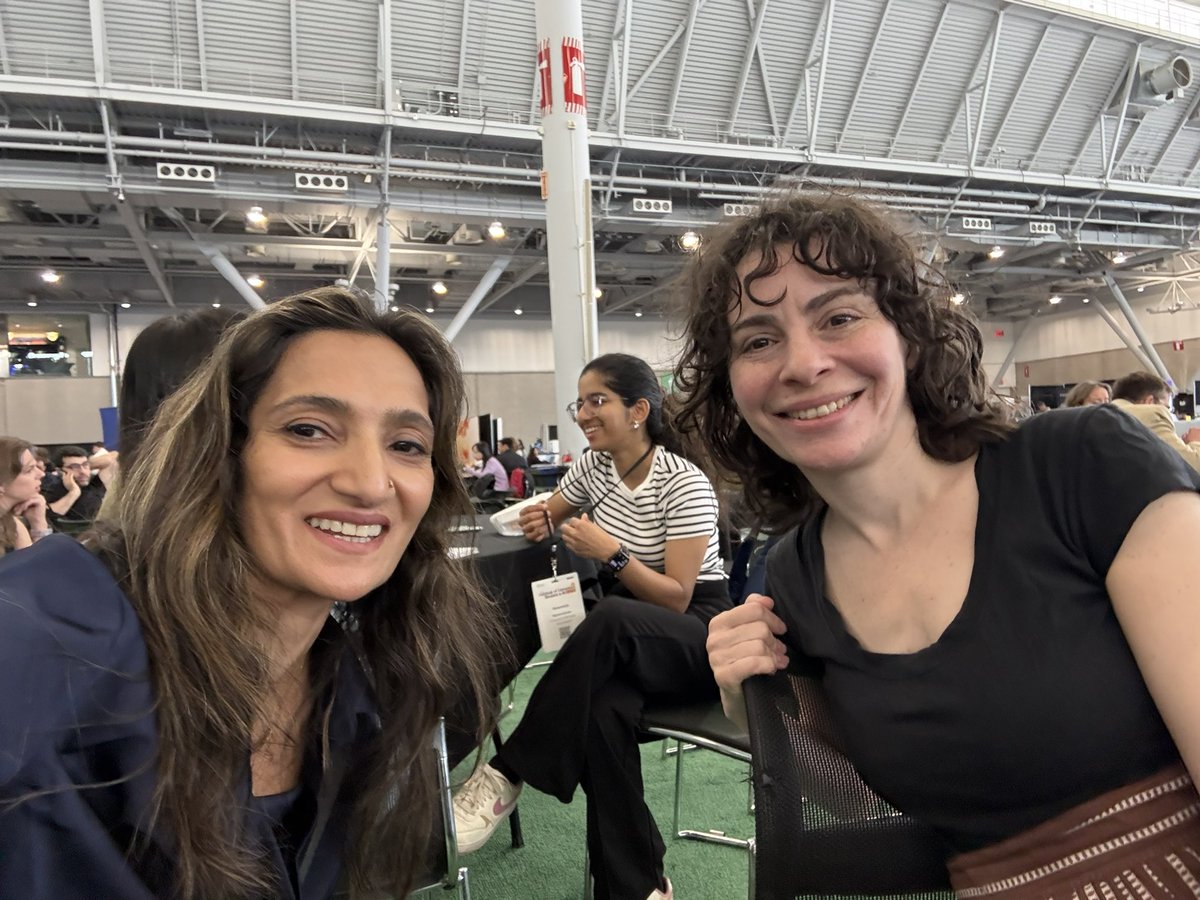
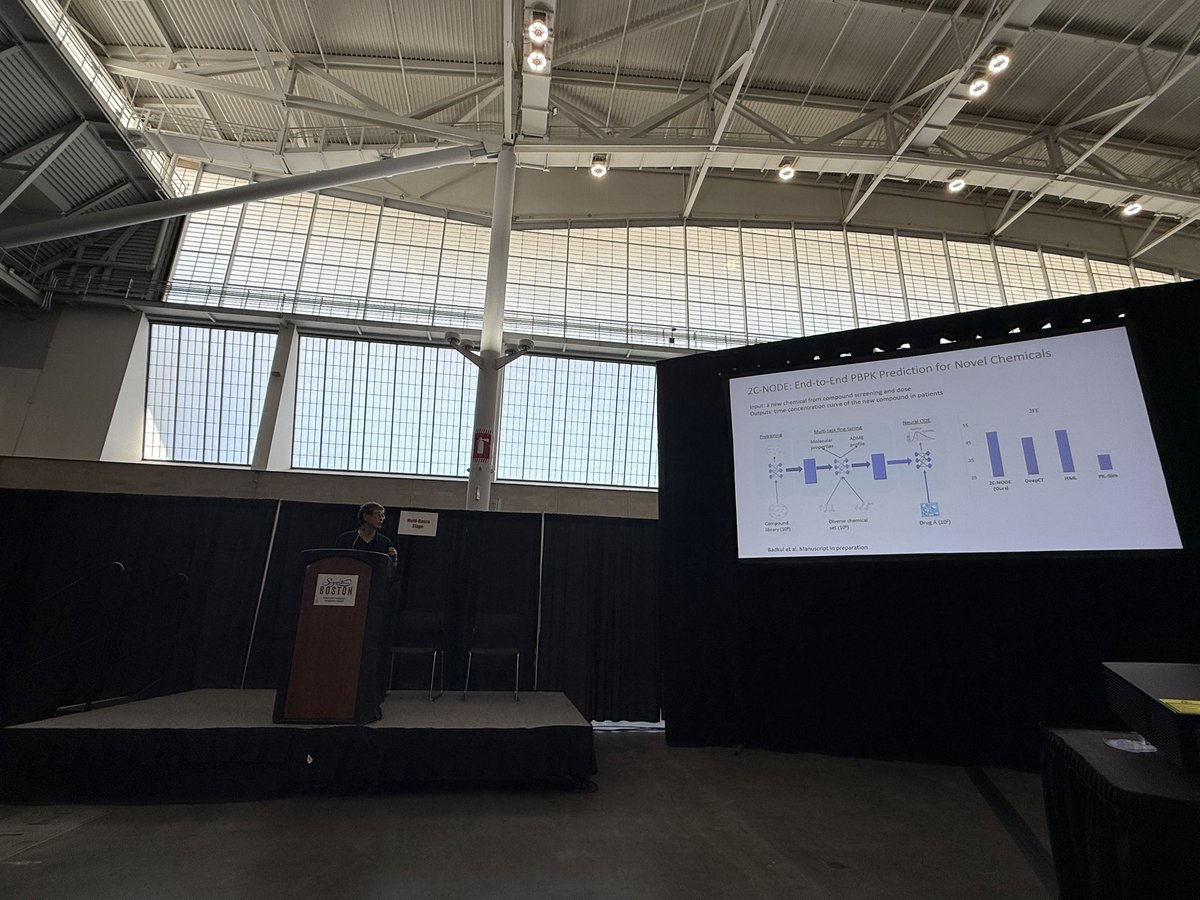
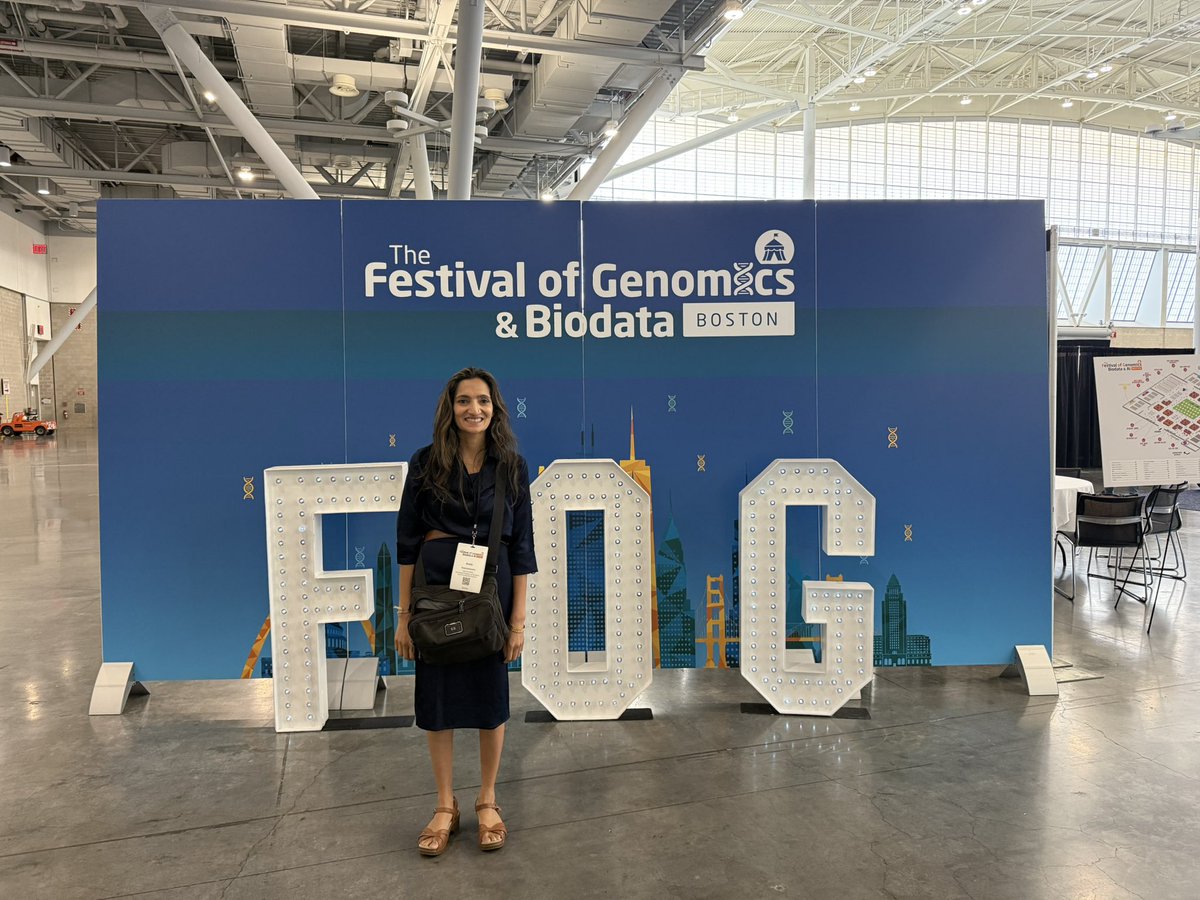
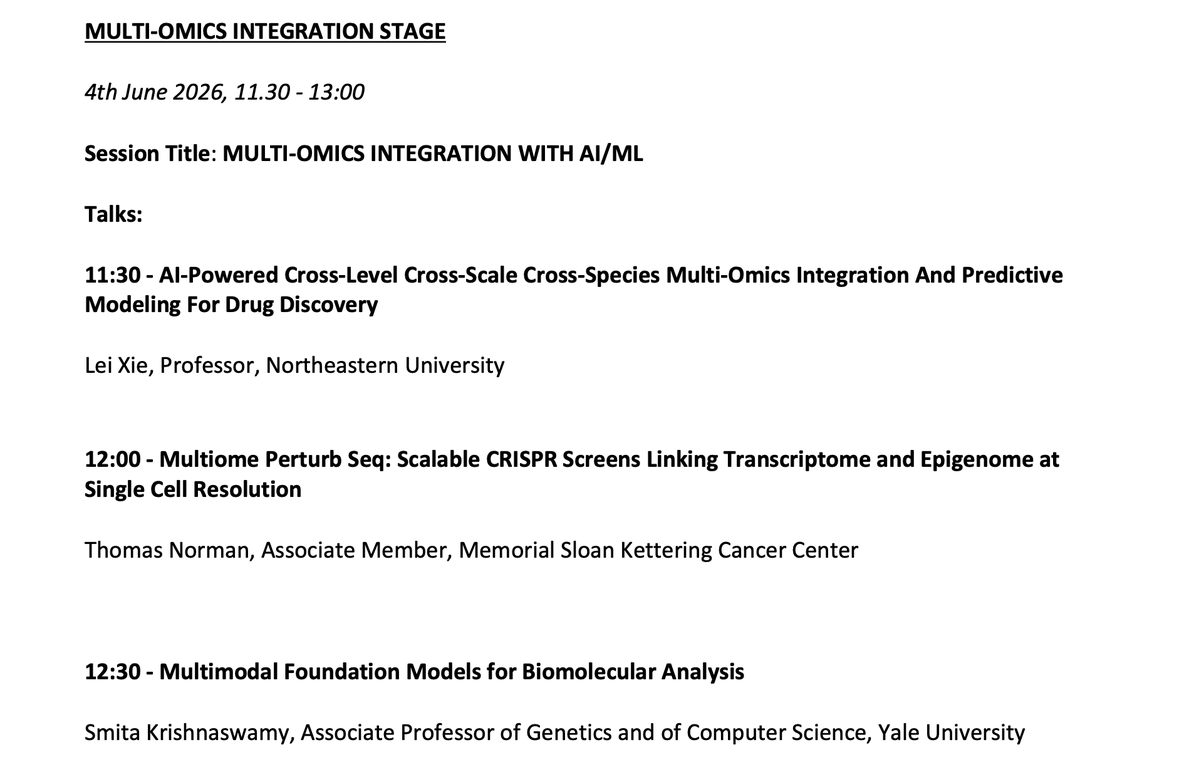
If you are in Boston tomorrow: I will be speaking at @FoGenomics tomorrow on multimodal foundation models. Also chairing the same session (11am-1pm) with Prof. Lei Xie @Northeastern and Dr. Norman Thomas @MSKCancerCenter !
Apr 28

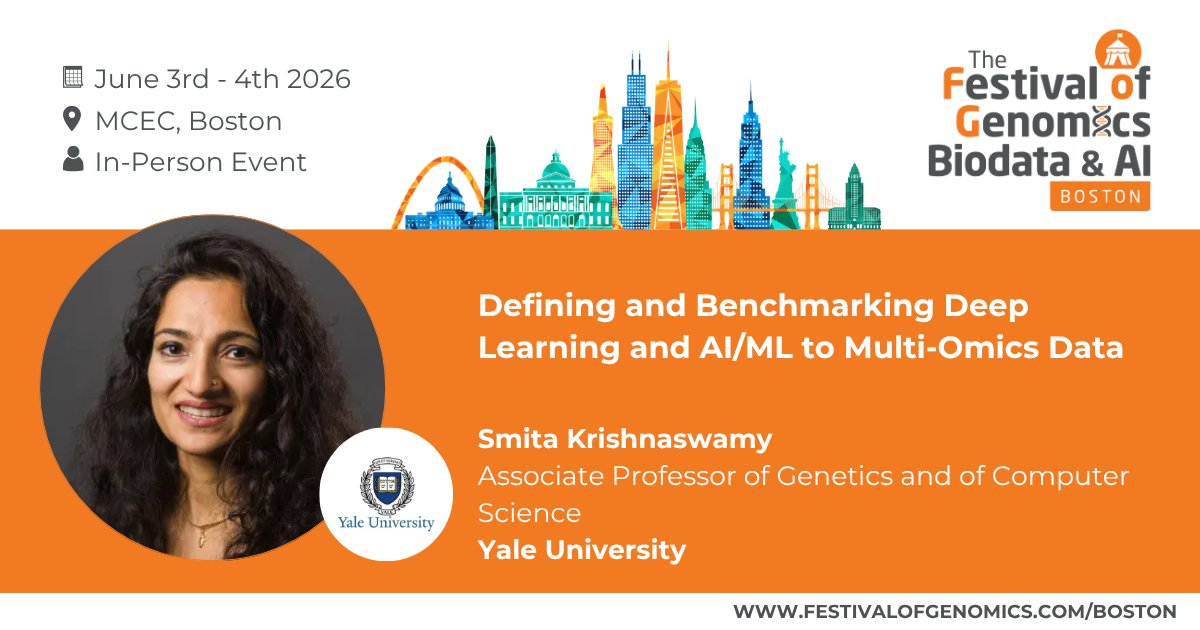
Smita Krishnaswamy (Associate Professor of Genetics and of Computer Science, Yale University) will discuss multimodal #foundationmodels for biomolecular analysis at The Festival of Genomics, Biodata & AI! Register now: hubs.la/Q04dHfBS0 #FOGBoston #AI @KrishnaswamyLab
1
8
1,421
May 29
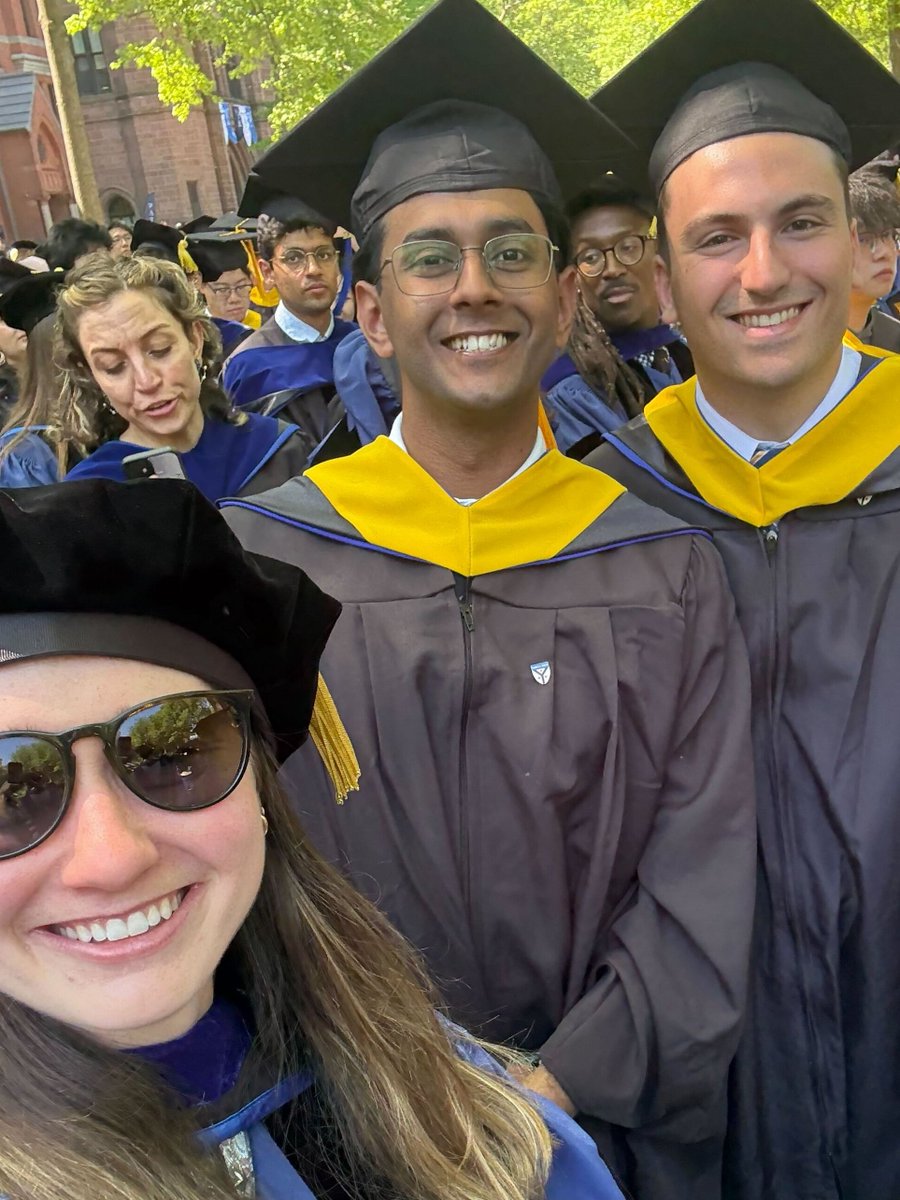
It’s actually our privilege to work with students like @ericalbusch. Now she’s going to go off to other places and and do amazing things and the cycle continues!
May 29

I feel incredibly privileged to have a brilliant and generous set of mentors behind me - from my advisor Nick Turk-Browne @WuTsaiYale to my many mentors:
@KrishnaswamyLab, Arielle Baskin-Sommers, BJ Casey, and @haxbylab. I cannot express enough gratitude to them & so many others
1
3
1,083
May 28
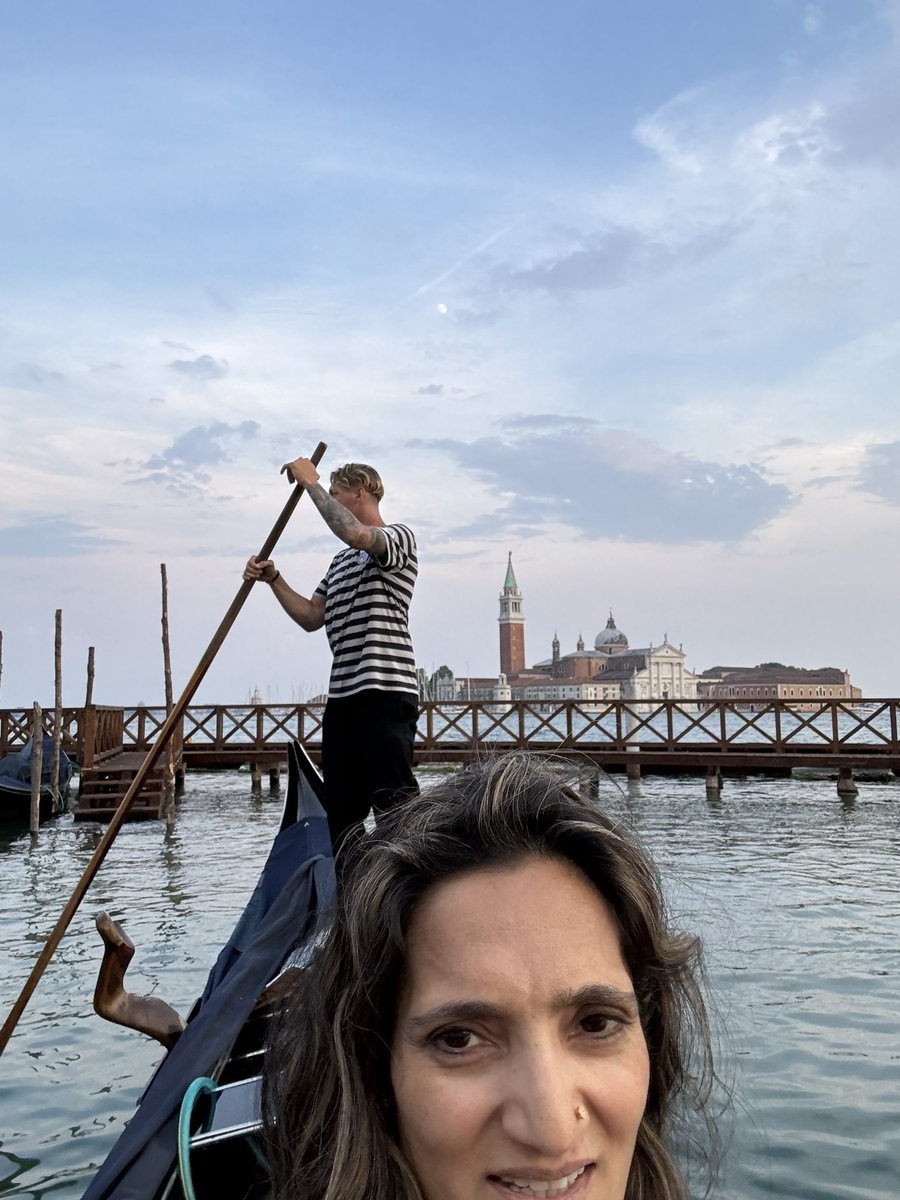
Gondolas and walking tours after a session on fluorescent imaging!

13
913
Krishnaswamy Lab retweeted

May 27
Today we're announcing ESMFold2, an open scientific engine to power prediction, design, and discovery across protein biology.
The new model delivers state of the art performance on protein interactions, especially antibodies, a critical modality for therapeutics.
We have designed and validated miniprotein binders and single chain antibodies across five therapeutic targets that are important in cancer and immunology. We are seeing very high success rates, and affinities at levels consistent with therapeutic activity.
We’re also releasing an atlas of 6.8 billion proteins, and 1.1 billion predicted structures.
ESMFold2 is built on a state of the art language model that has been trained on billions of protein sequences.
A world model of protein biology emerges through language modeling.
We’ve used the techniques of mechanistic interpretability developed to understand large language models to understand the concepts ESM uses to represent proteins.
The model’s representation space has a compositional organization of features across scales, levels of complexity, and abstraction, that reflects and mirrors the understanding of protein biology developed through a century of empirical science.
This understanding emerges without prior knowledge, just from language modeling of protein sequences.
Language models are becoming a powerful substrate to understand and program biology.
The design of protein interactions is one of the most fundamental problems in biophysics, and has critical implications for the discovery of new medicines. A simple gradient based search with the model was able to discover high-affinity protein binders.
I'm excited by the potential this has to accelerate basic science and the understanding of proteins. And especially for the new avenues it opens up for therapeutic design and medicine.
74
448
1,612
599,180
May 27
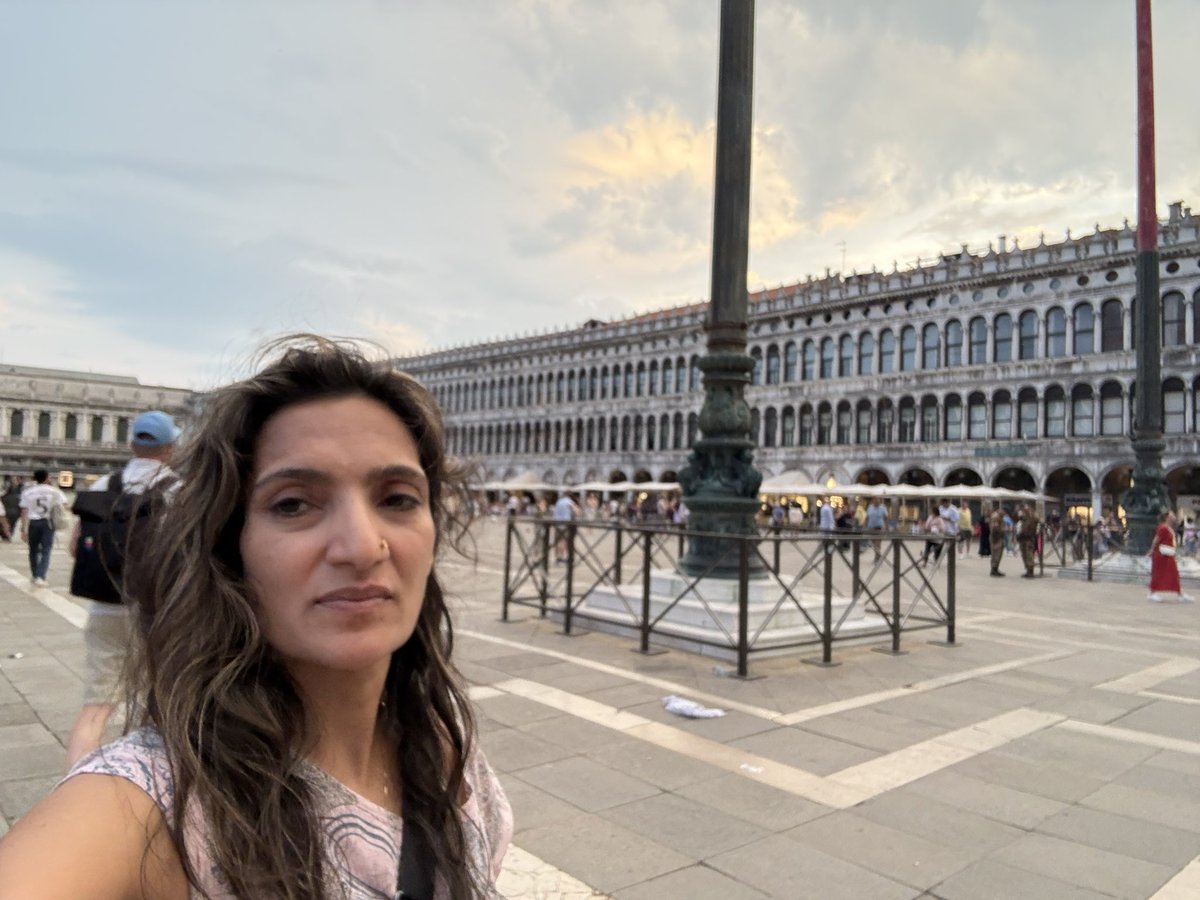
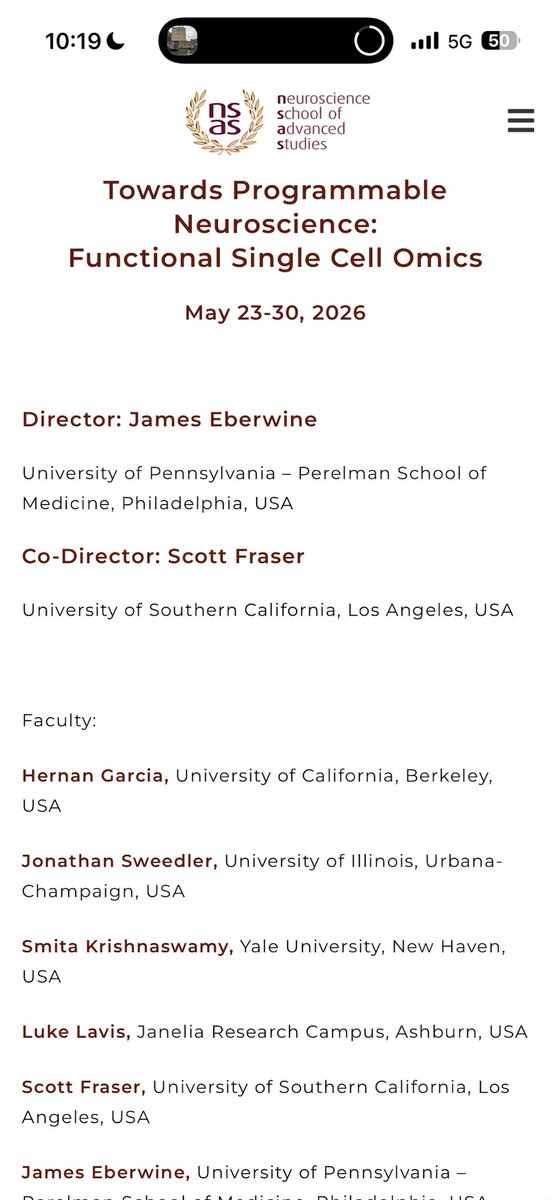
Landed in Venice Italy to lecture in the Advanced course on programmable neuroscience (neurosas.org). Taking a water taxi from the airport!


16
901
May 26
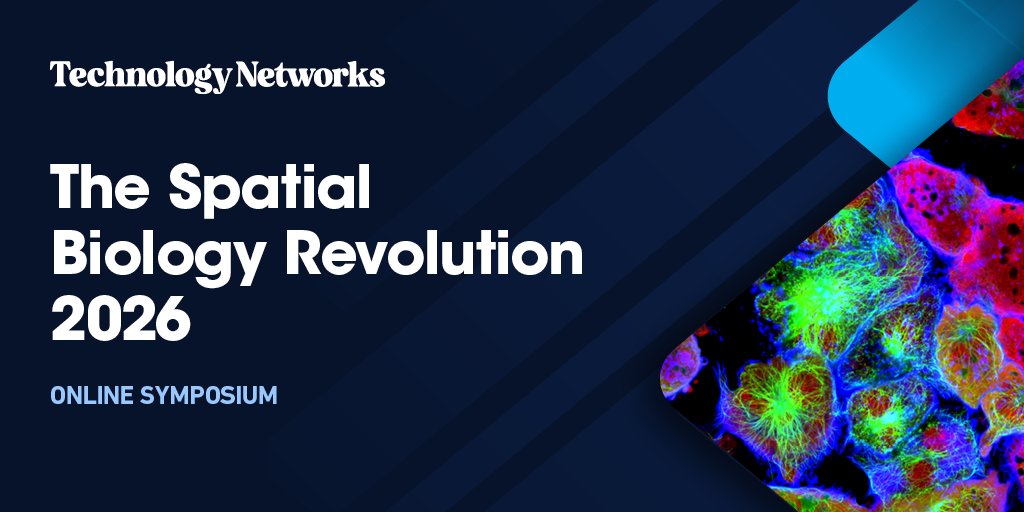
I will be speaking at the Spatial Biology Revolution 2026 Online Symposium on May 28th at 12:20pm EDT, alongside a host of other researchers including Bernd Bodenmiller and @jsb_ucla! You can register at technologynetworks.com/cell-…
6
25
2,416
Krishnaswamy Lab retweeted

📢Yuan Gao and colleagues propose Helix, a deep-learning framework for modeling tissue- and context-specific RNA splicing and isoform usage. nature.com/articles/s43588-0…
🔓rdcu.be/fjzI5
1
7
13
1,713