
Serialpreneur, software engineer, motorcycle maniac.
Joined August 2009
- Tweets 874
- Following 402
- Followers 364
- Likes 3,670
43 Photos and videos














Kyle retweeted

Mar 25
🚨 BREAKING
It’s a very dark day in Canada today.
The Liberals just voted down ALL FOUR Conservative public safety bills.
Bill C-246: consecutive sentences for sexual predators. So they serve time for EACH offence. Not a bulk discount.
VOTED DOWN.
Bill C-220: stop judges from giving lighter sentences to rapists and child predators because deportation might be a consequence.
VOTED DOWN.
Bill C-243: end the cycle that forces victims to relive their trauma at parole hearings year after year. Victims begged for this.
VOTED DOWN.
Bill C-242: the Jail Not Bail Act. Repeal catch and release for repeat violent offenders.
VOTED DOWN.
Tougher sentences for sex offenders? No.
Accountability for foreign criminals? No.
Mercy for victims? No.
Keeping dangerous people locked up? No.
Four bills.
Four chances to protect Canadians.
They said NO to all of them.
This is what they stand for.
NOTHING.
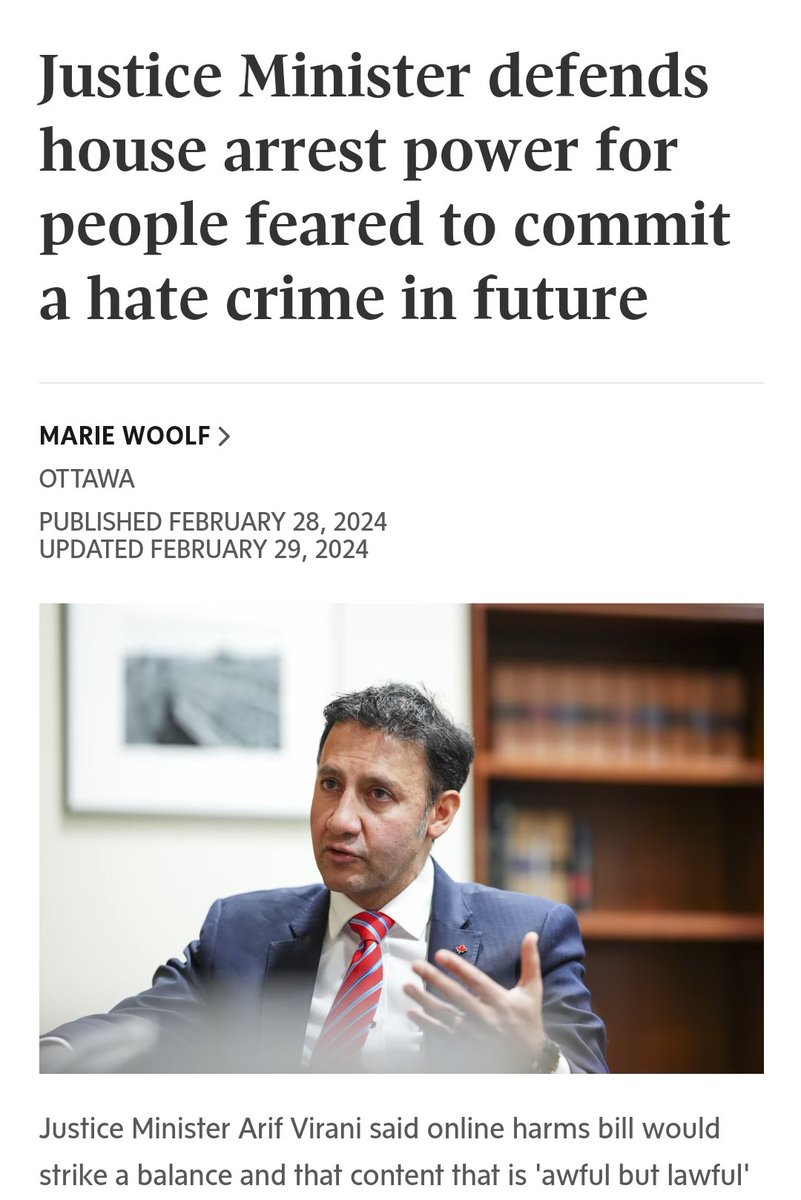
PS. What they will do tonight, is vote in favour of their own hate bill.
Because words matter more.
629
4,631
10,533
243,516
Kyle retweeted

Mar 12
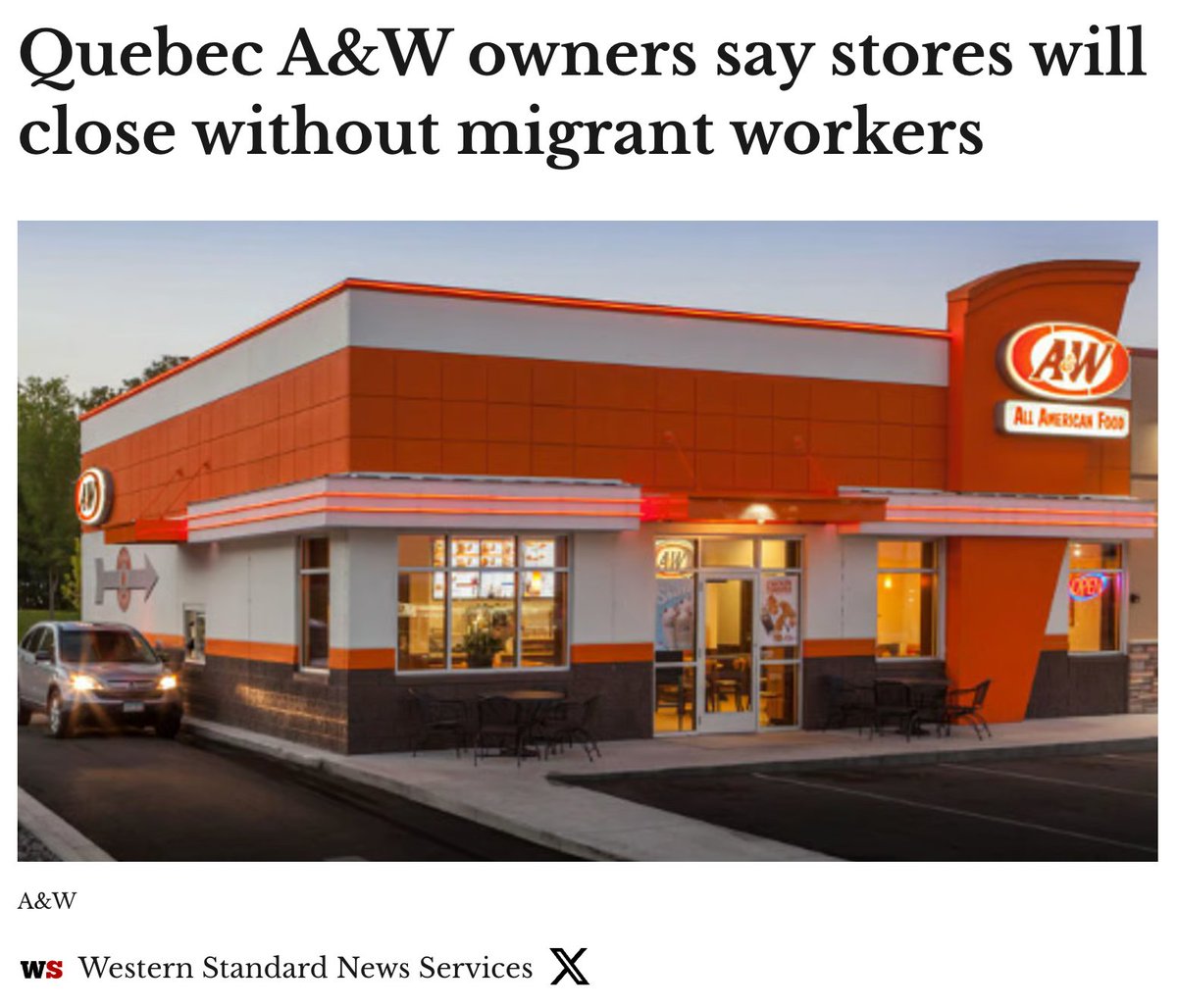
1. Raise your wages
2. If that doesn't work, Canada will survive with fewer A&Ws
469
292
3,742
71,291
Kyle retweeted

Mar 12
🚨BREAKING: I officially tabled the Stand on Guard Act.
This bill would clarify the legal standard for self-defence to add a clear presumption that when someone knowingly and unlawfully enters your home, the force you thought necessary to defend yourself and your family is presumed to be reasonable, unless the facts show otherwise.
Your home should be your safe place, not the place where the law turns against you for protecting the people you love.
#cdnpoli
435
1,798
7,782
285,874
Kyle retweeted

Mar 12
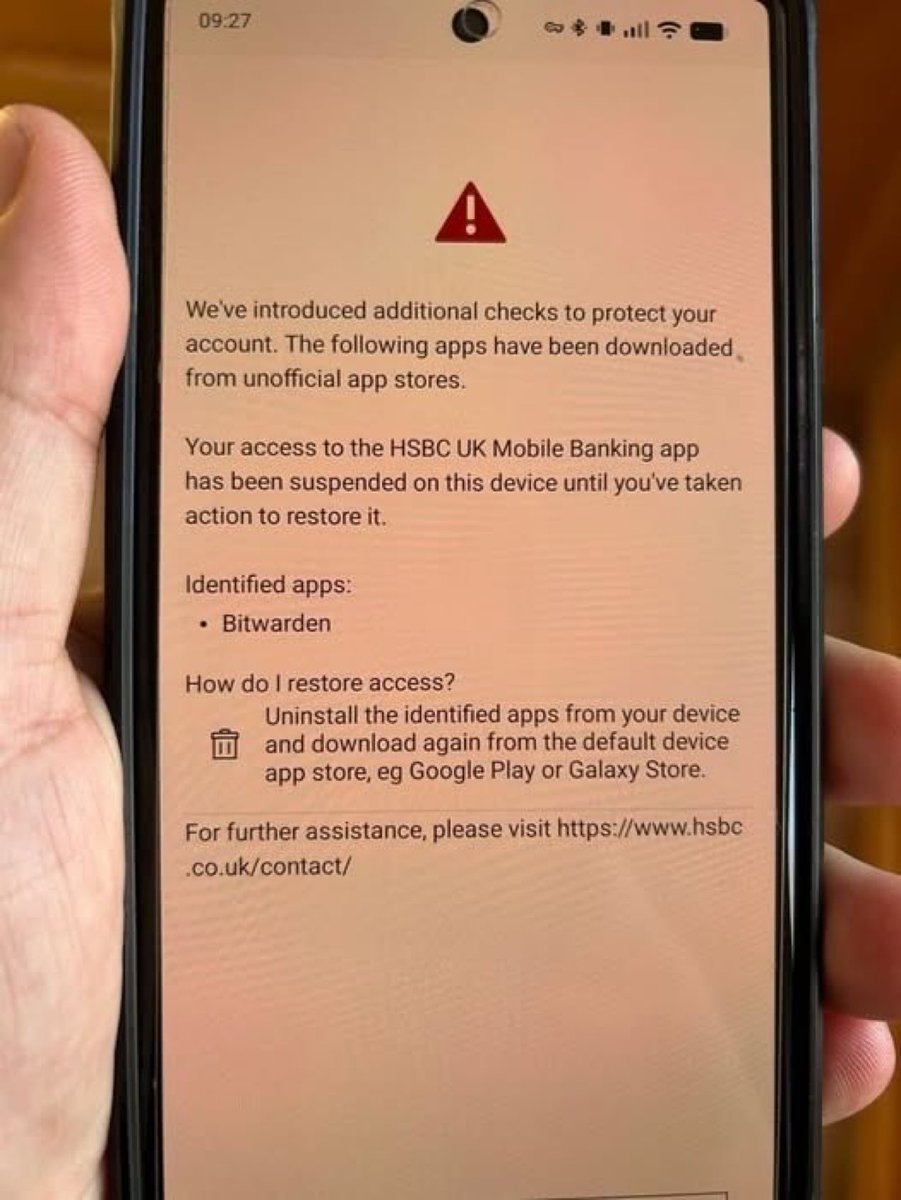
Banking apps can now see which apps you have installed and where they came from. Let that sink in.
Install something they don’t approve of? Suddenly it’s “sorry, you can’t access your money until you fix your wrongthinking.” No court order. No warning. Just a locked screen and zero options.
This isn’t about security anymore, it’s about control, compliance, and surveillance baked into everyday tech. Convenience was the bait. Dependence is the trap.
We’re not entering a golden age of technology.
We’re sliding into the digital dark ages.
830
2,671
9,776
568,040
Kyle retweeted

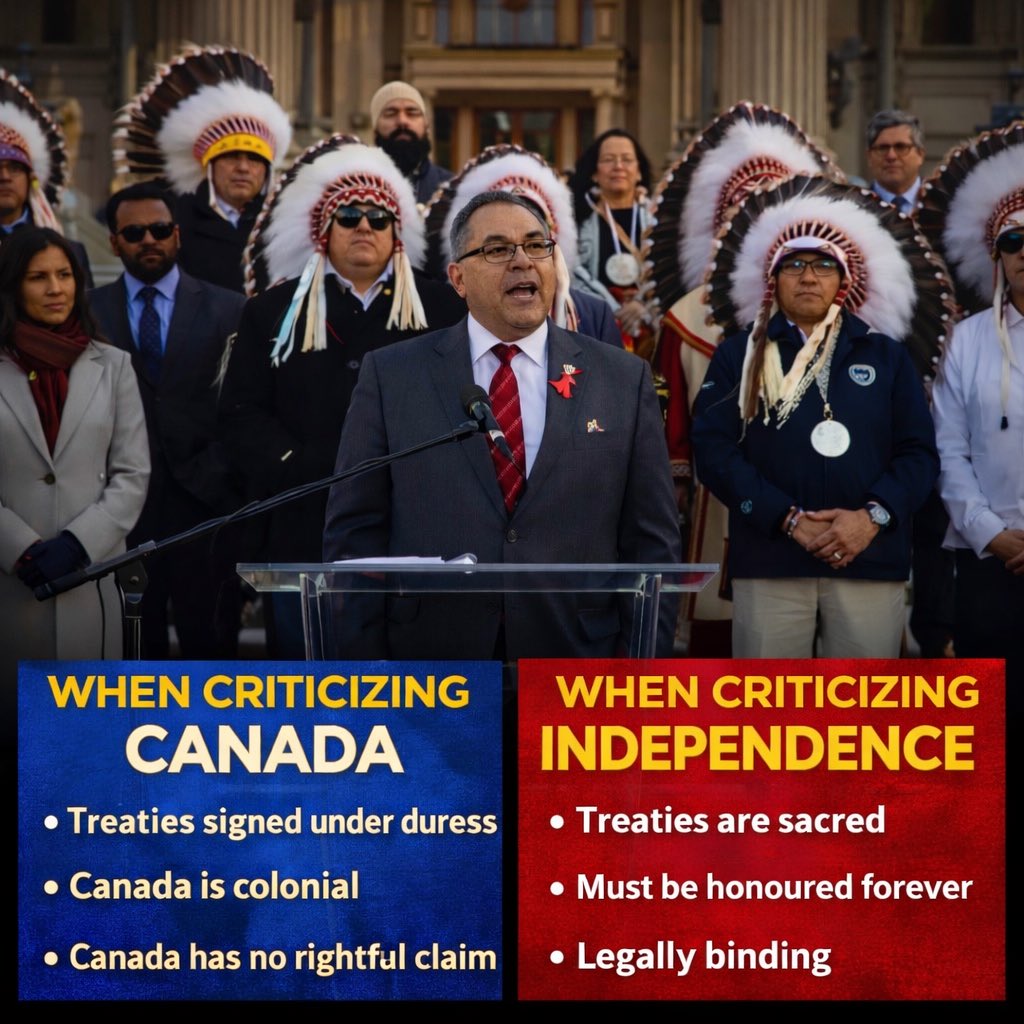
There’s a strange contradiction in how Alberta independence is criticized.
When people are criticizing Canada, we often hear that treaties were signed under duress, that Canada is a colonial project, and that its authority over the land is illegitimate.
But the moment Alberta talks about independence, the argument suddenly changes. Now the treaties are described as sacred, permanently binding, and something that must prevent Alberta from ever leaving Canada.
Those arguments pull in opposite directions.
Either the treaties are illegitimate colonial impositions, or they are binding agreements that define relationships between governments.
They can’t logically be both at the same time.
Yet despite completely different premises, the political conclusion never changes:
Alberta must remain in Canada.
That contradiction is worth thinking about — especially now.
With the Alberta independence petition likely collecting well over the required signatures, a referendum is looking increasingly likely. That means Alberta may soon face one of the most important political conversations in its history.
And that conversation must include Indigenous nations in Alberta.
Three questions are worth discussing:
1️⃣ Could independence reset the relationship?
Treaties were originally signed nation-to-nation with the Crown. If Alberta became independent, could that create an opportunity to renegotiate how those agreements are implemented — with Indigenous nations having a stronger role in shaping the relationship going forward?
2️⃣ Could decisions made closer to home work better than federal bureaucracy?
Right now many Indigenous programs are controlled by federal departments in Ottawa. Would governance closer to the communities affected allow faster solutions for housing, infrastructure, and economic development?
3️⃣ Could Alberta’s resource economy create stronger Indigenous partnerships?
Many Indigenous communities in Alberta are already equity partners in major energy and infrastructure projects. If Alberta had full control of its economic policy, could that expand Indigenous ownership, revenue sharing, and long-term prosperity?
But there’s an even bigger possibility.
If Alberta ever chooses independence, it would also be a chance to rethink the system itself.
Canada’s current framework was built in a very different era, and many people — Indigenous and non-Indigenous alike — feel it has failed to deliver fairness, accountability, or lasting prosperity for everyone.
A constitutional reset could be an opportunity to sit down together and ask a bigger question:
What would a truly fair system look like if we designed it today?
One built on real partnership.
One that respects Indigenous self-determination.
One that promotes economic opportunity.
One that protects freedom and prosperity for everyone who calls Alberta home.
If a referendum happens, Indigenous nations shouldn’t just be spectators in that discussion.
They should be partners in shaping what Alberta’s future looks like.
48
156
426
6,614


I just want a black coffee.

He literally explained the Black Coffee Theory and why it changes how you approach life.
19
Kyle retweeted

If the lender doesn’t get paid they get your bitcoin and also collect 13% annually from you. You can get unsecured LOC for 10-11%
Bitcoin is being treated as a credit risk for retail but not for institutions
3
2
25
523
Kyle retweeted

Feb 26
A Ukrainian living in Canada finally saying what we all knew was going on in his Country.
He also does not support our Government handing them billions of our tax dollars.
81
799
1,989
31,985
Kyle retweeted
Today outside MP Matt Jeneroux’s office (@jeneroux), I witnessed something that feels bigger than a protest — it felt like the early stages of a democratic turning point.
Albertans showed up in large numbers to sign an independence petition, and the energy was hopeful, determined, and remarkably grounded. The people I spoke with weren’t political insiders or activists chasing attention. They were volunteers — salt-of-the-earth Albertans. Mothers and grandmothers thinking about their grandkids’ future. Ordinary people who work hard, pay taxes, and simply want a province where their efforts lead to opportunity and stability.
Many told me they feel deeply betrayed — not just by one MP switching sides, but by a federal system they believe no longer listens to Alberta at all. Over and over, I heard the same sentiment: their vote federally never seems to change outcomes. For them, independence isn’t driven by anger as much as by a desire for a positive future and meaningful democratic participation.
A major part of our conversations focused on what a “clear majority” really means. Canada never defines it, yet democracy has always operated on majority rule. In my recent poll, about 70% of respondents said 50% plus one is enough. History supports that view — Newfoundland joined Canada in 1949 with just 52% of the vote. If that was accepted as legitimate consent to join a country, then it is entirely reasonable that a similar majority represents legitimate consent to leave one.
At its heart, this movement is about consent to be governed. Governments only hold authority because people agree to it. Many Albertans now believe that agreement has been stretched beyond recognition — and independence is being discussed as a peaceful, democratic way to renew that consent.
What struck me most was the optimism. People weren’t talking about tearing something down; they were talking about building something better. Several volunteers told me this could be the first time in Canadian history where an Albertan’s vote truly decides Alberta’s future — where their voice actually counts.
It’s impossible to ignore what’s happening: regular people are stepping forward, organizing peacefully, and choosing to believe that Alberta can chart its own path.
120
406
1,457
25,082
Kyle retweeted

Feb 26
People talk about Alberta independence like nobody’s ever created a country before.
Maps changing is the only constant in human history.
If anyone can do it right, it’s Alberta.

122
490
3,551
25,739
Kyle retweeted

Feb 27
We're replacing coders and accountants with AI but you're telling me we're keeping politicians?
The people that bloviate, divide us, spend all our money, and periodically send our kids to die in a trench?
Nah they're done too.
World's going to be unrecognizable soon
57
69
969
33,234
Kyle retweeted
Feb 24
At the hospital
Many old and sick patients
The ones on the terrace fully appreciating the sunshine
One day you'll be there too
But if you aren't today, you're having a pretty good day.
Make something of it. Don't take it for granted
Live fully
13
31
739
17,454
Kyle retweeted

Feb 16
Why do leaders in public health have to be the fattest people I have ever seen.
1
6
81
Kyle retweeted

Feb 15
Pavel Durov(Telegram CEO) explains why he never had depression.
88
1,477
10,695
812,626
Find friends of whom you can just show up to their door and shoot the shit with. It's rare, but it's supposed to be. We don't need to get along with everybody, just a few quality peeps.

22
I'm actually sooo tired of AI slop but YOOOO. Indie TV shows and movies are going to be absolutely lit. There's literally nothing worth watching anymore between woke/DEI slop written by unqualified retards. That's about to change. Power to the ppl 🔥
Feb 12

Seedance 2.0
Prompt: An average shift at Waffle House - make sure it's retarded and gets 50 likes.
1
21
Kyle retweeted

If you enjoy Lindt chocolate, and especially their truffles, then probably best you don't watch this!
636
7,087
19,848
1,756,654