
Joined September 2017
- Tweets 160
- Following 183
- Followers 352
- Likes 540
66 Photos and videos




Jun 11
Today, the world celebrates football.
At KyōDynamics, we recognize the structural engineers behind the stadiums that become the stage for the sport's greatest moments.
To the players, fans, and host communities: our best wishes for an inspiring celebration.
Enjoy the tournament.
#StructuralEngineering
3
5
46
Jun 8
El sismo de magnitud 6.1 registrado en la región del Caribe fue percibido en el sureste de México.
Este evento pone de manifiesto que un enfoque exclusivamente determinista resulta insuficiente para evaluar adecuadamente las acciones sísmicas en regiones usualmente catalogadas de baja sismicidad.
#IngenieríaSísmica #IngenieríaEstructural
#Temblor
#KyōDynamics

Información del sismo magnitud 6.1 localizado fuera de las costas de Cuba, el 8/junio/2026 a las 12:00:25 (hora del centro de México)
earthquake.usgs.gov/earthqua…
2
5
121
Mar 11
3月11日を迎え、東日本大震災により失われたかけがえのない命に、あらためて深い哀悼の意を捧げます。
あの日の記憶と教訓を決して風化させることなく、私たちはこれからも防災・減災に真摯に取り組んでまいります。
KyōDynamicsは、京都大学で培った構造工学の学びを礎に、自然災害による被害の軽減に寄与してまいります。
#東日本大震災から15年
#東日本大震災
#GreatEastJapanEarthquake
2
6
119
KyōDynamics retweeted
24 Dec 2025
4
5
799
24 Dec 2025
2
5
289
14 Oct 2025
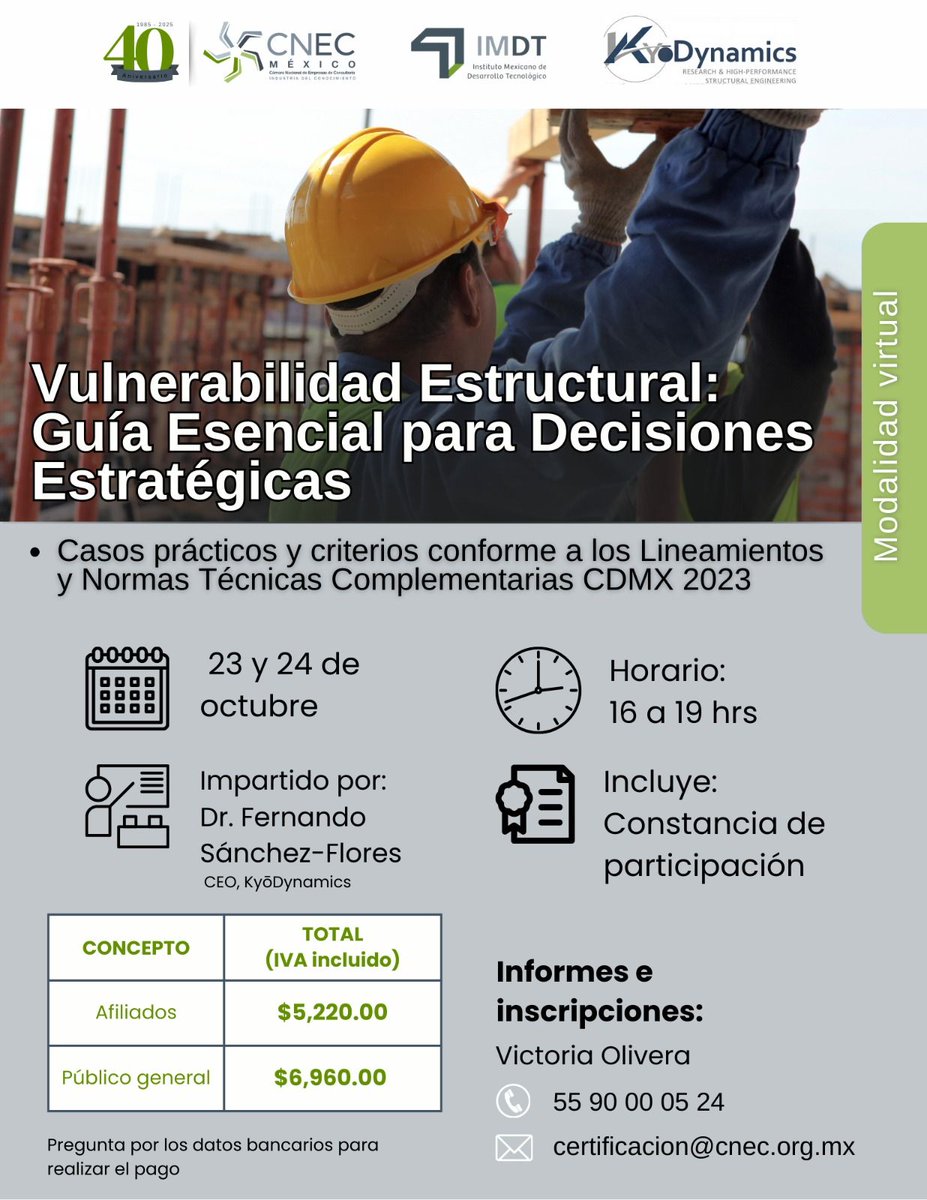
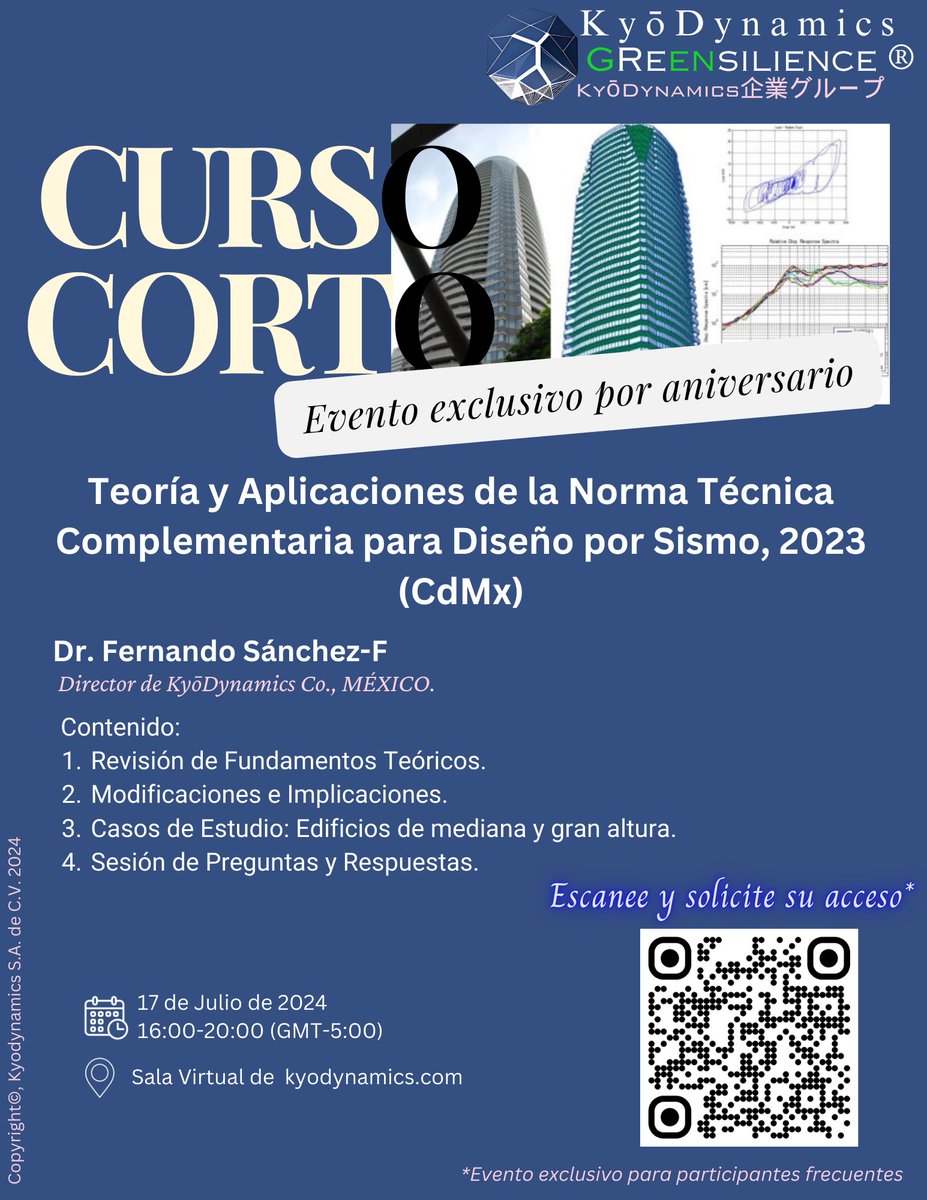
La Cámara Nacional de Empresas de Consultoría presenta el curso Vulnerabilidad Estructural: Guía esencial para decisiones estratégicas, impartido por el Dr. Fernando Sánchez-F., Director de KyōDynamics.
Casos prácticos y criterios conforme a los Lineamientos y NTC-Sismo CDMX 2023.
📅 23 y 24 de octubre
🕓 16:00 – 19:00 h
💻 Modalidad virtual
🎓 Incluye constancia de participación.
En KyōDynamics combinamos investigación aplicada y práctica profesional para fortalecer las competencias técnicas en ingeniería estructural.
#IMDT
#IngenieríaEstructural
#VulnerabilidadEstructural
#IngenieríaSísmica
#NTC
2
6
233
19 Sep 2025
Cada 19S nos recuerda que la preparación es indispensable.
Aun así, queda mucho por fortalecer para alcanzar una resiliencia verdaderamente compartida.
#19S
#Sismo
#IngenieríaEstructural #SimulacroNacional
#KyōDynamics
3
5
216
30 Jul 2025
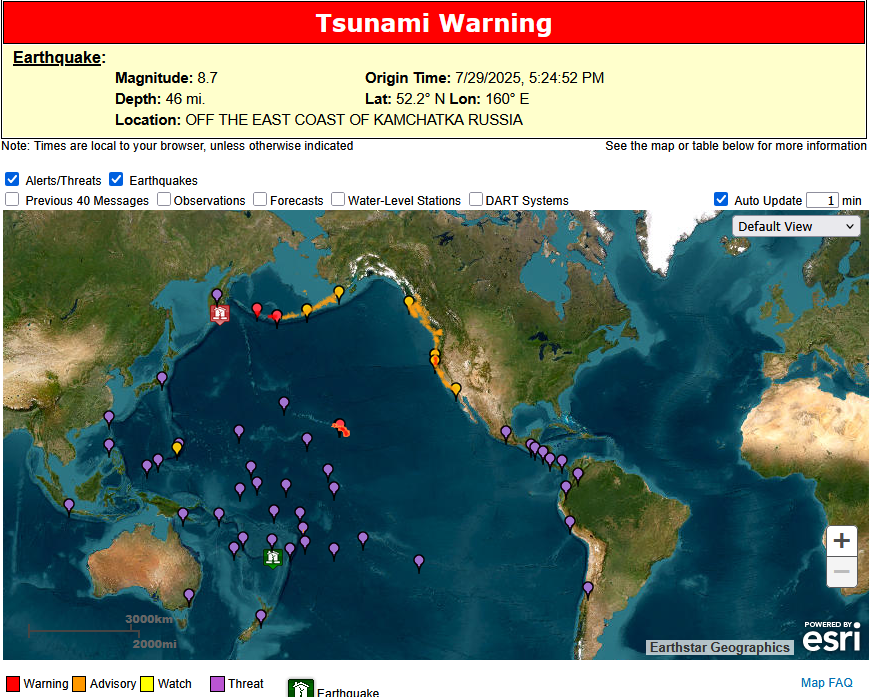
🌍 A magnitude 8.8 earthquake near the Kamchatka Peninsula, Russia has triggered tsunami activity across the Pacific.
🌊 While widespread destructive waves aren't expected in most areas, strong currents and hazardous coastal conditions may persist for several hours.
🤍 KyōDynamics stands with all those affected and encourages everyone to stay informed via official and trusted channels.
#TsunamiAlert
#DisasterPreparedness
#KyoDynamicsCares
Official map from tsunami.gov:
2
5
333
KyōDynamics retweeted

30 Jul 2025
[11:29更新]【津波警報】現在、北海道太平洋沿岸東部、北海道太平洋沿岸中部などに津波警報が発表されています。津波の到達予想時刻、予想される高さは次の通りです。気象庁HP→jma.go.jp/jp/tsunami
2
84
101
34,763
7 Jul 2025
Celebramos un año más y externamos nuestro mayor agradecimiento a quienes han confiado en nuestra visión de una ingeniería estructural científica y ética.
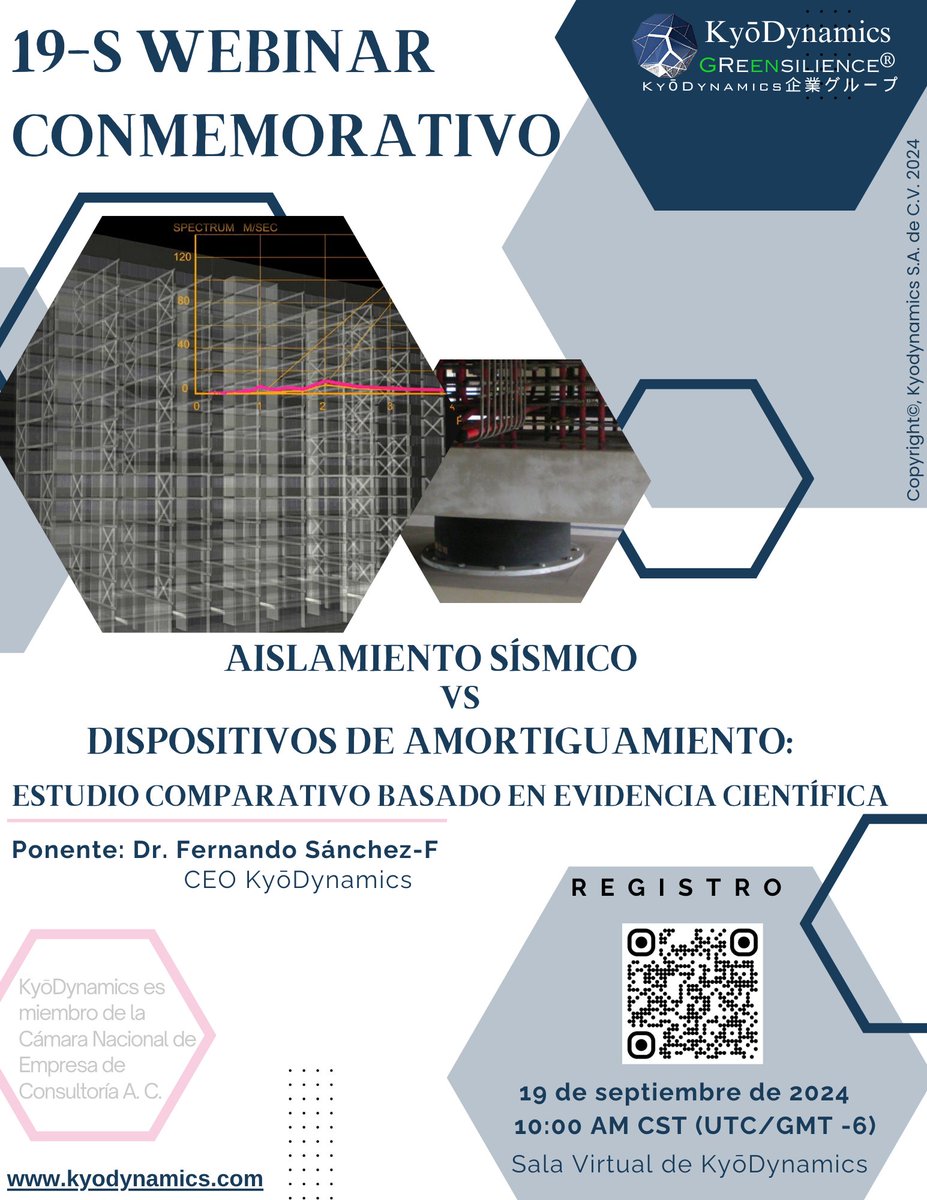
Nos vemos en septiembre, unidos en la conmemoración por los 40 años del sismo que impactó a la Ciudad de México en 1985.
#KyōDynamics
#IngenieríaEstructural
#IngenieríaSísmica
3
6
153
27 Jun 2025
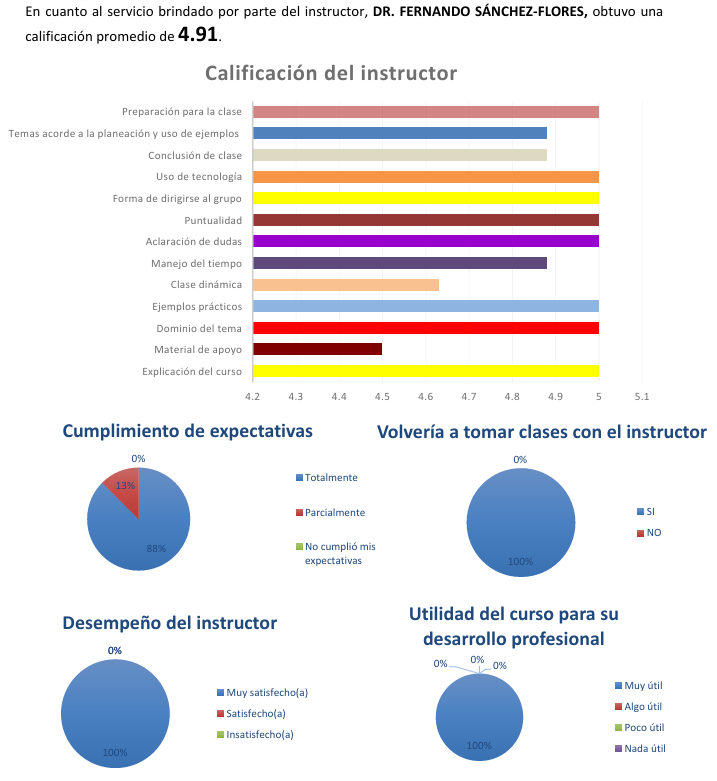
📊 El conocimiento se fortalece cuando se comparte con claridad y rigor científico.
Agradecemos a los participantes del curso Análisis de Vulnerabilidad Estructural y reconocemos la destacada evaluación obtenida por nuestro director, Dr. Fernando Sánchez-F.
KyōDynamics Institute reafirma su compromiso con la excelencia académica y técnica.
#IngenieríaEstructural
#Estructuras
8 Apr 2025

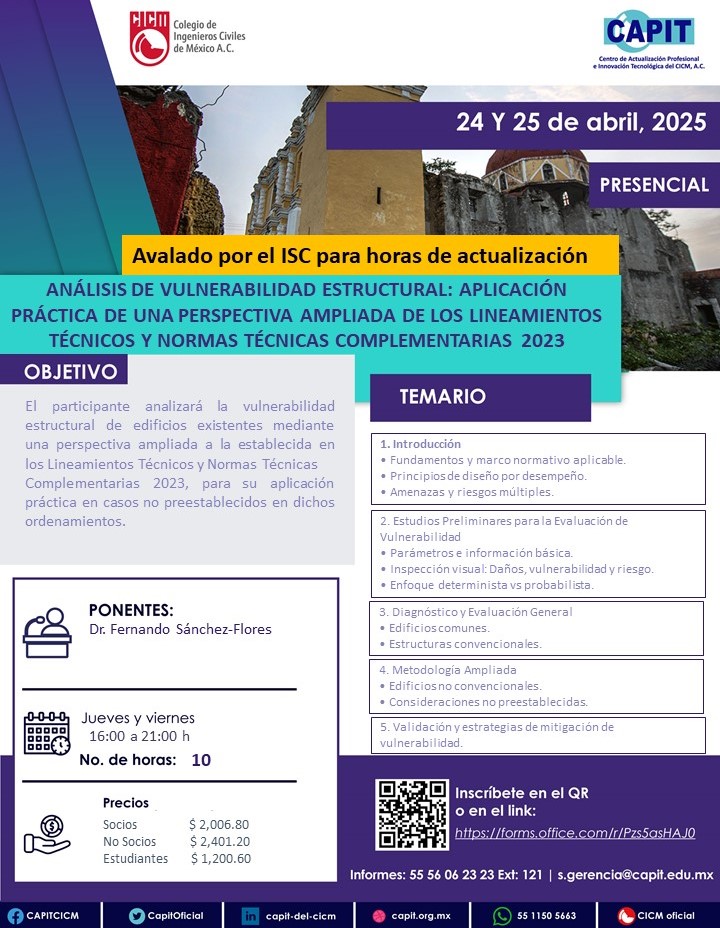
¿Y si la vulnerabilidad no estuviera solo en la estructura, sino también en la forma en que la evaluamos?
Aun con un marco normativo sólido, es el criterio técnico el que define la calidad del análisis de vulnerabilidad y delimita las medidas de mitigación posteriores.
📅 24–25 abril | CAPIT-CICM
📍 Curso presencial (10 hrs ISC)
👤 Dr. Fernando Sánchez-F | KyōDynamics
🔗 tinyurl.com/ycxsft7t
#IngenieríaEstructural
#NTC
#VulnerabilidadEstructural
#KyōDynamics
2
5
153
29 Apr 2025
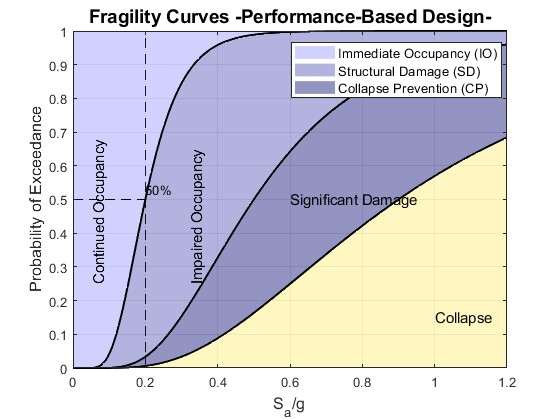
¿Sabías que no todas las estructuras tienen la misma respuesta ante un sismo?
Las curvas de fragilidad estiman la probabilidad de alcanzar un parámetro de daño, considerando las características del sismo, de la estructura y de su entorno.
#SimulacroNacional2025
#Simulacro
#KyōDynamics
#IngenieríaEstructural
3
6
366
8 Apr 2025
𝗪𝗵𝗮𝘁 𝗶𝗳 𝘀𝘁𝗿𝘂𝗰𝘁𝘂𝗿𝗮𝗹 𝘃𝘂𝗹𝗻𝗲𝗿𝗮𝗯𝗶𝗹𝗶𝘁𝘆 𝗶𝘀𝗻'𝘁 𝗷𝘂𝘀𝘁 𝗶𝗻 𝘁𝗵𝗲 𝗯𝘂𝗶𝗹𝗱𝗶𝗻𝗴, 𝗯𝘂𝘁 𝗶𝗻 𝗵𝗼𝘄 𝘄𝗲 𝗲𝘃𝗮𝗹𝘂𝗮𝘁𝗲 𝗶𝘁?
Beyond regulatory compliance, expert engineering judgment elevates vulnerability assessments from mere checklists to robust safeguards. Discover the analytical frameworks that transform structural evaluation.
Join us this April in Mexico City.
📅 April 24–25 | CAPIT-CICM
📍 In-person course (10 hrs, ISC-accredited)
👤 Dr. Fernando Sánchez-F | KyōDynamics
🔗 tinyurl.com/ycxsft7t
#StructuralEngineering
#RiskAssessment
#VulnerabilityAssessment
#KyōDynamics
2
5
131
8 Apr 2025
¿Y si la vulnerabilidad no estuviera solo en la estructura, sino también en la forma en que la evaluamos?
Aun con un marco normativo sólido, es el criterio técnico el que define la calidad del análisis de vulnerabilidad y delimita las medidas de mitigación posteriores.
📅 24–25 abril | CAPIT-CICM
📍 Curso presencial (10 hrs ISC)
👤 Dr. Fernando Sánchez-F | KyōDynamics
🔗 tinyurl.com/ycxsft7t
#IngenieríaEstructural
#NTC
#VulnerabilidadEstructural
#KyōDynamics
2
6
341
28 Mar 2025
The M7.7 earthquake that struck Myanmar and reached into Thailand has deeply impacted many lives and communities. To those affected, KyōDynamics expresses its sincere solidarity and support.
We stand with all who face the challenges of recovery, honoring their resilience and reaffirming our commitment to a future shaped by safety, knowledge, and collective strength.
#StructuralEngineering
#EarthquakeEngineering
4
2
5
255
21 Mar 2025
Boston Dynamics makes robots that vibe — brilliantly.
At KyōDynamics, we make sure structures don’t collapse when they do.
Everyone has their specialty.
#KyoDynamics
#StructuralEngineering
#EarthquakeEngineering
#Dynamics
19 Mar 2025

Atlas is demonstrating reinforcement learning policies developed using a motion capture suit. This demonstration was developed in partnership with Boston Dynamics and @rai_inst.
2
4
310
24 Dec 2024
3
6
390
5 Dec 2024
We closely follow seismic events, including the recent earthquake in California. It’s worth noting that earthquakes in California often occur along well-defined fault lines and typically produce high-frequency ground shaking. While these quakes can be intense, the area’s underlying geology—mainly rock and compact soil—tends to transmit powerful but short-duration tremors.
In contrast, the situation in Mexico City—built atop ancient lakebed sediments—significantly alters an earthquake’s impact. The soft, water-saturated soils there amplify and prolong seismic waves, often transforming distant quakes into sustained, rolling motions. This resonant effect especially challenges taller, more flexible structures, which continue to sway even after the initial shock has passed.
By recognizing these fundamental differences, our engineering strategies can be tailored to local seismic environments—reducing risk, improving building performance, and enhancing overall community resilience.
#StructuralEngineering
#EarthquakeEngineering
5 Dec 2024

Notable quake, preliminary info: M 7.0 - 99 km WSW of Ferndale, California earthquake.usgs.gov/earthqua…
3
6
584