
118 Photos and videos



L1001Li retweeted

🚨 BREAKING BREAKING BREAKING 🚨
Following the Iran deal, Cuba and Greenland now want to be attacked by the U.S. as well.
64
338
2,618
52,965
L1001Li retweeted

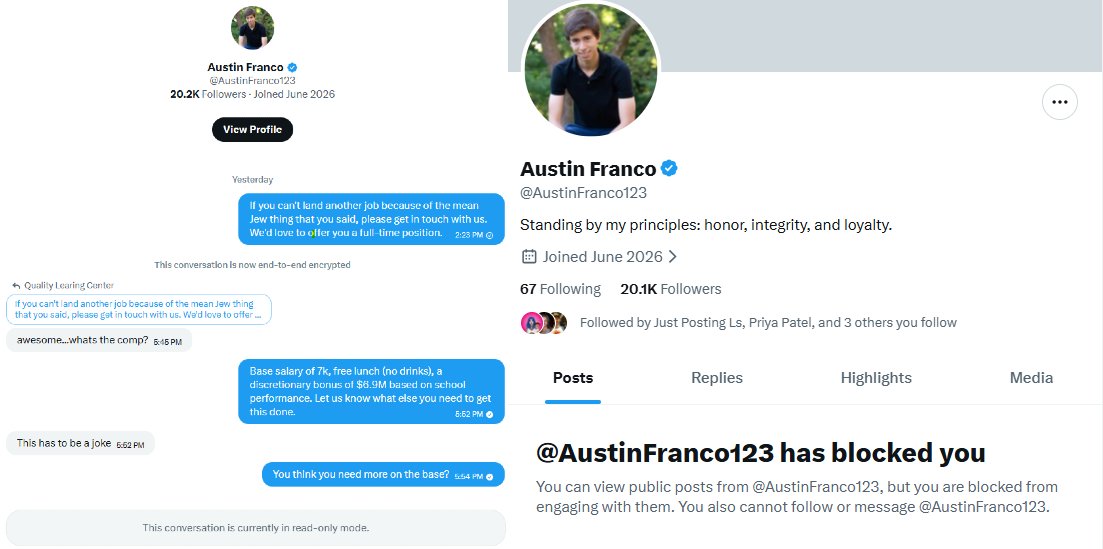
We offered Austin Franco a job at our prestigious fake X school.
First question: “How much?”
We came in hot with $7k free lunch (drinks not included). I think we should have included drinks, but my board disagreed.
Blocked instantly. Austin, offer gone. We live and lear.
41
36
489
26,583
L1001Li retweeted

Have to agree
3 Sep 2015

The deal with Iran will go down as one of the most incompetent ever made. The U.S. lost on virtually every point. We just don't win anymore!
1
1
10
L1001Li retweeted

Ron DeSantis would've been a far better President. At least he's actually a conservative.
102
97
1,073
15,405
L1001Li retweeted

Jun 15
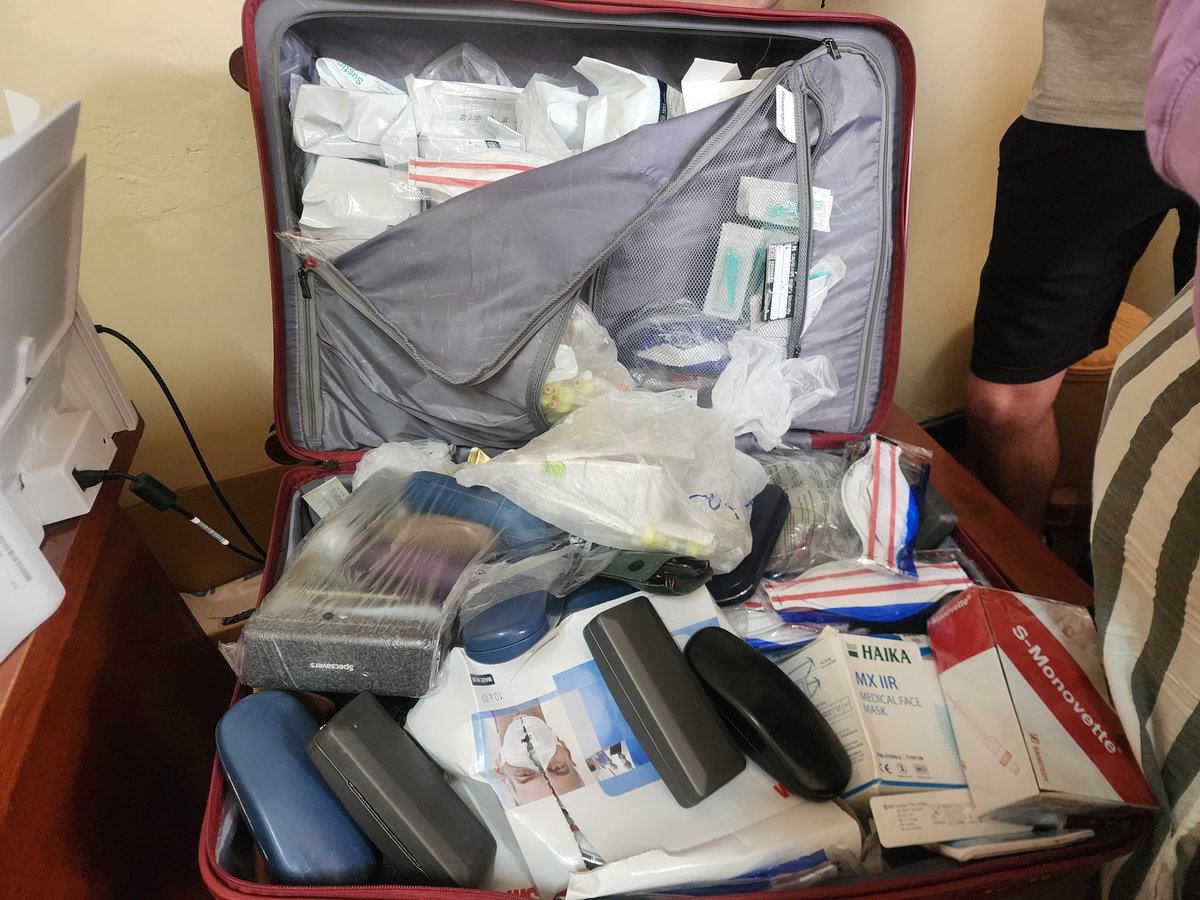
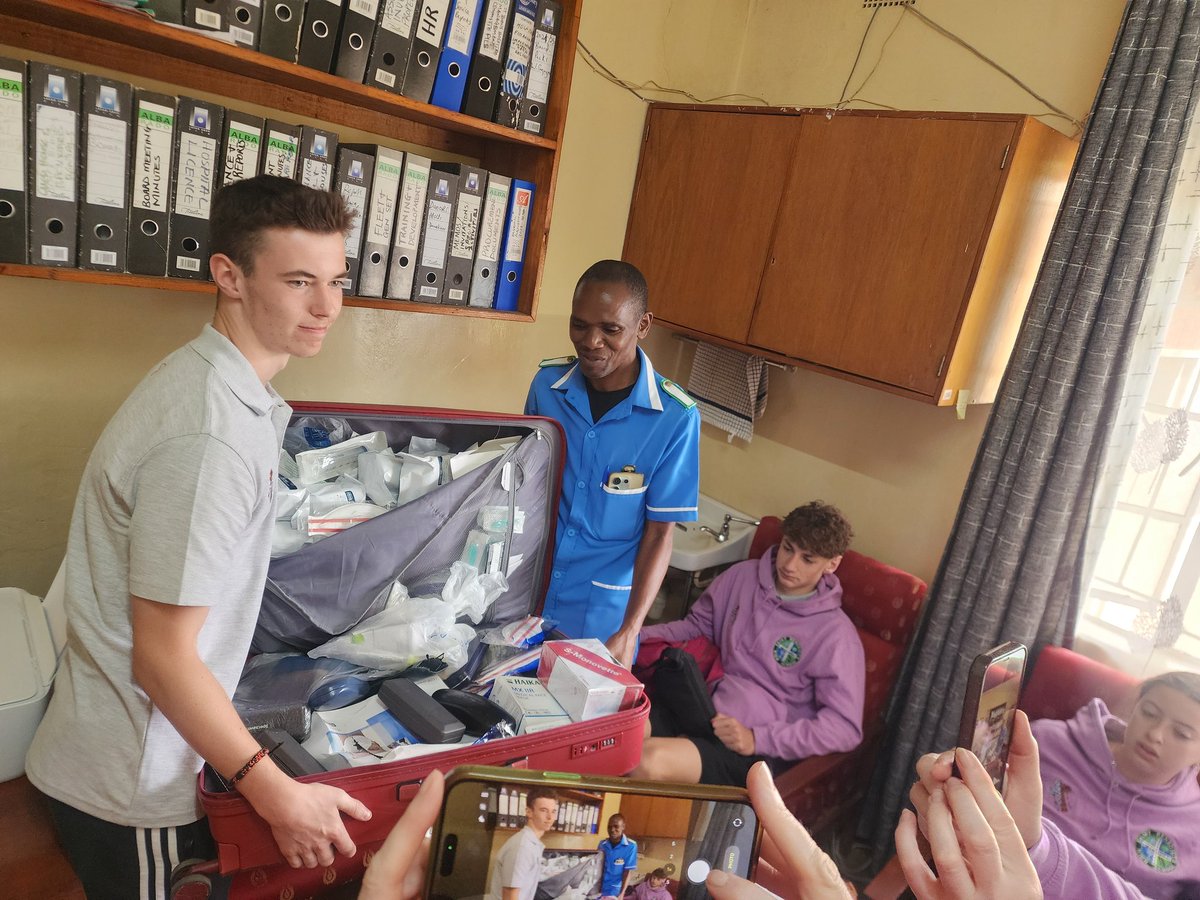
May God bless you. Such a priceless gesture. Our Scottish partners from St. Benedict's High School have donated assorted medical items to St. John's Hospital of Mzuzu Diocese. They also cheered the babies and expectant mothers, and gave them gifts for their babies. We believe in life. @stbenedictsren
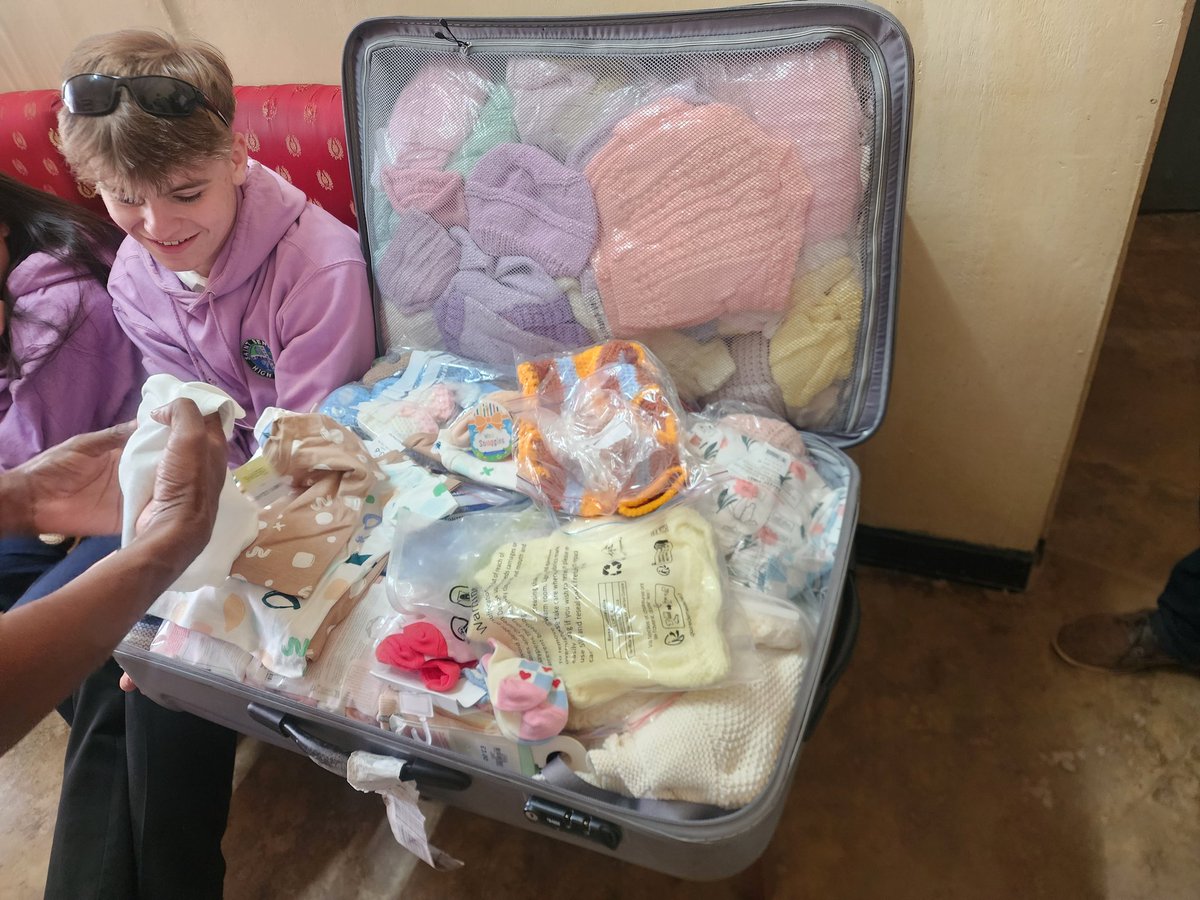
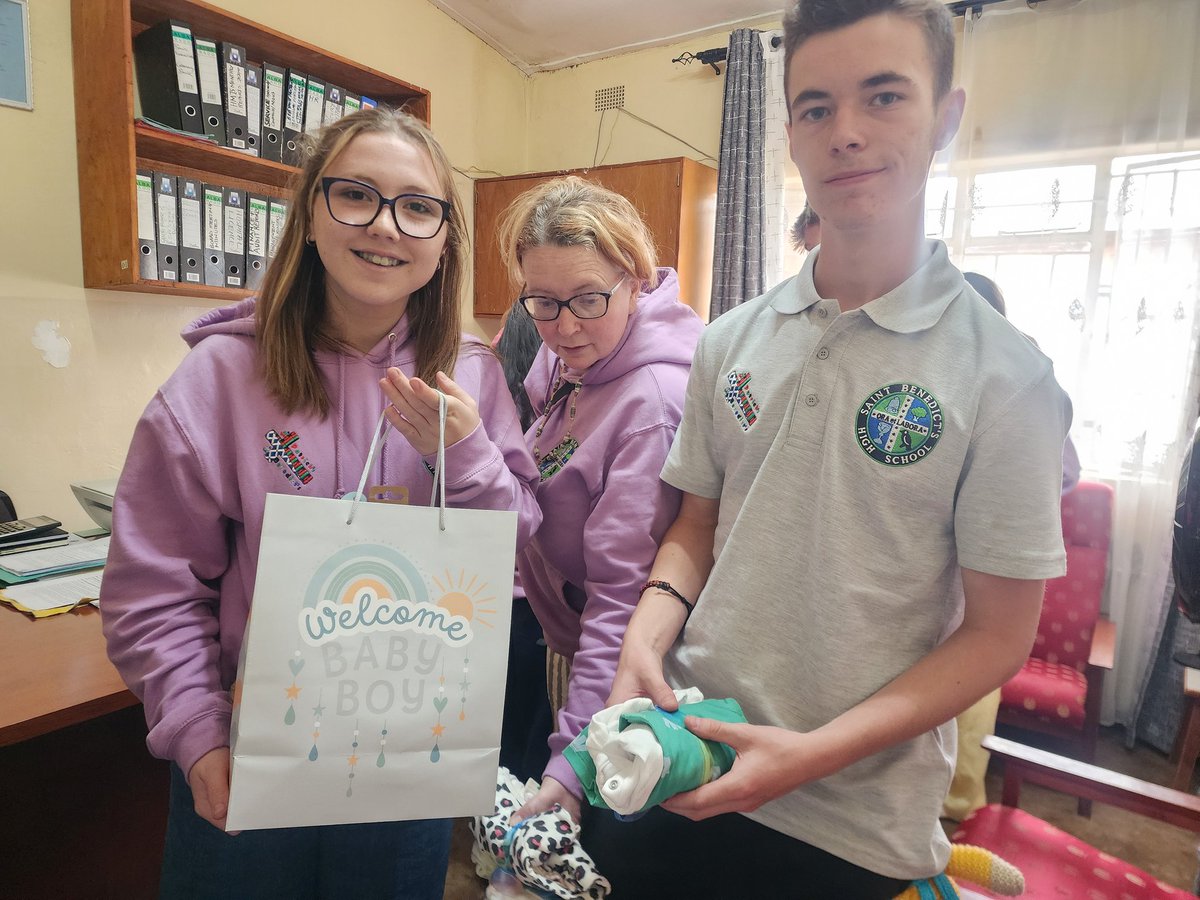
5
14
150
2,424
L1001Li retweeted

Jun 15
Here’s an idea: if you want people to stop speculating about the MOU release the MOU. Don’t brief a few anointed ones to control the narrative and expect everyone else to sit silently. That’s not how our country works. It’s going to be signed soon. It takes time for people to digest it all once it is released. Controlling the narrative can only last so long.
1,417
1,328
7,330
585,240
L1001Li retweeted

I don't care how big of a Trump fan you are.
He sold himself as a strong leader.
Begging Iran for a deal (surrendering, in reality) and telling Israel to just sit back and absorb attacks, and scolding them for defending themselves is pathetic by any definition.
542
897
5,774
95,421
L1001Li retweeted

Jun 13
The community note that should seal JD’s fate.
Jun 12

JD Vance:
If you go back to WW2 or every major conflict in human history, they all ended with some kind of negotiation.
Community note
World War II ended with unconditional surrenders by Germany on May 8, 1945, and Japan on September 2, 1945, rather than negotiation. en.wikipedia.org/wiki/Unconditi… archives.gov/milestone-docu… nationalww2museum.org/war/topics/end…
185
459
2,249
86,109
L1001Li retweeted

Jun 14
Until now, I have limited my criticism of JD Vance, but that ends now. His list of negatives is encyclopedic, I have included a short list below:
-He has never rebuked the Woke Right and the groypers, and he has had ample opportunities.
-He has shown himself to be anti-Israel and is very dismissive of their security concerns.
-On International Holocaust Remembrance Day, in a tweet he made on that day he refused to mention Jews anywhere in his post. He only said ‘millions of lives lost’ and he never apologized for the post.
-He publicly disagreed with Trump from Day 1 as to the President’s objectives in the Iran War. And obviously he and his allies in Trump’s inner circle were able to completely subvert and change the goals of the War, something Trump should never have allowed to happen.
-When Vance would refer to the Iranian people, he would only say that they had to fight for themselves. Fighting with sticks and stones doesn’t work against the Regime. Just look at the 40,000 who were s*vagely m*rdered in the streets.
-He is an Isolationist, and echoes voices from the past – Joseph Kennedy, Henry Ford, and Charles Lindbergh – all Isolationists and anti-Semites who tried to convince FDR not to enter WWII.
-He gave Tucker Carlson undue access to the Whitehouse.
-And as of today, he has shown that he is either incredibly st*pid or he thinks people are. Anyone with a 9th grade education knows that the US demanded complete and unconditional surrender from both the Germans and the Japanese. The fact that he even said it is shocking.
This list is actually much longer, but this is it for now. I will only add that JD Vance has completely disqualified himself from seeking the Presidency. The President of the United States must be strong, intelligent, and compassionate. He is none of these. A future with him as President would usher in a very dark period in this country. I truly hope Republicans wake up before its too late. 👇👇👇👇
Jun 13

The community note that should seal JD’s fate.
129
392
1,547
66,581
L1001Li retweeted

You are a hypocrite @ByronDonalds. You are refusing to debate your opponents. Florida Republican voters only get 2 months to decide who will be our nominee to eventually represent us as our governor. The people of Pennsylvania deserved a debate but we don't?
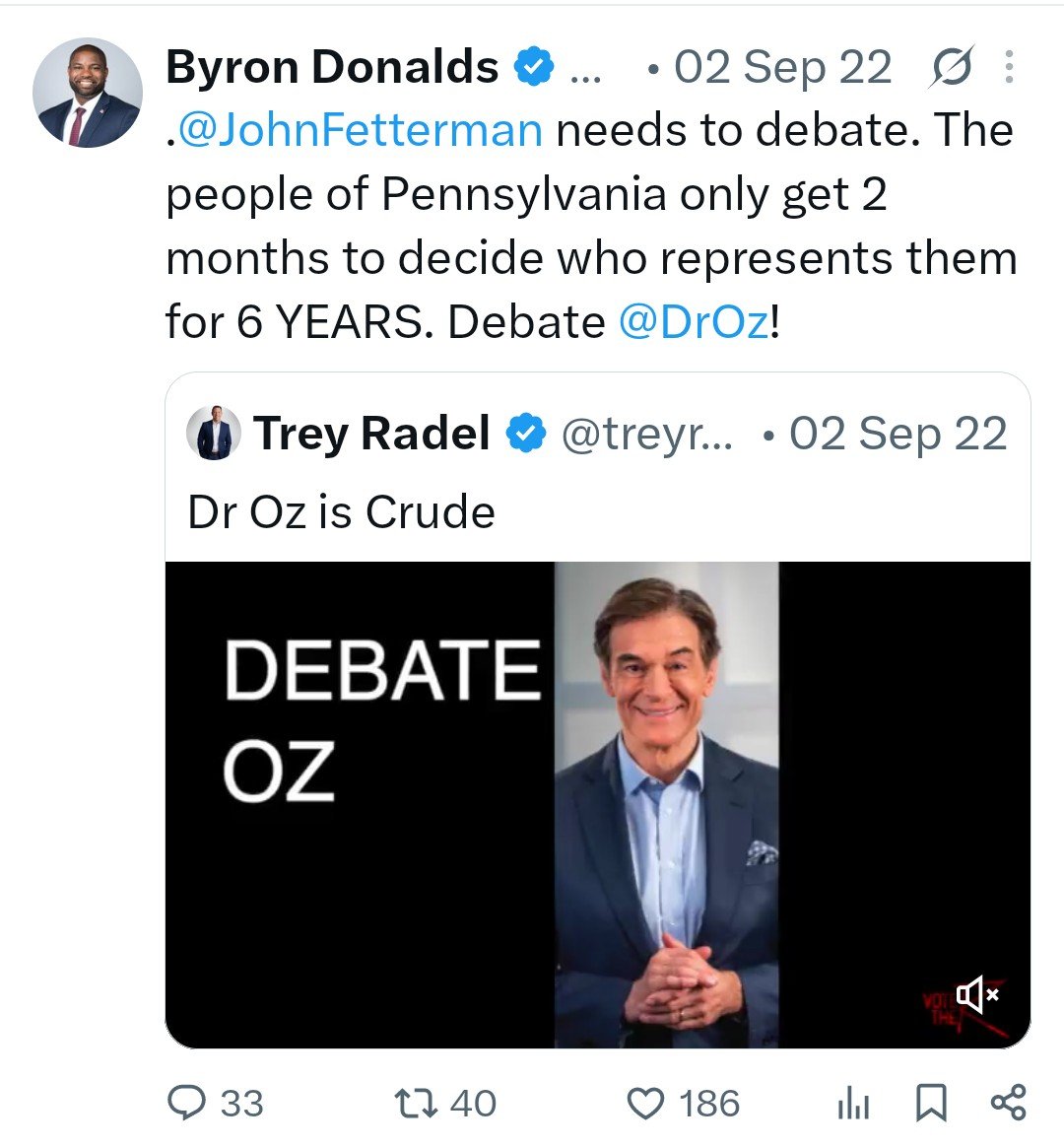
56
484
1,442
10,576
L1001Li retweeted

Jun 10
High school sophomore Eliot Abramson was struck in the back of the neck by a ball while playing lacrosse on June 1, 2026. A firefighter at the scene kept his heart beating until he could be taken to a hospital.
From the statements in the media reports, it appears that this unfortunate young man went on to become an organ donor under the controlled donation after circulatory death (DCD) protocol.
If this was the case, here’s how the DCD protocol works:
1. He signed up at the DMV with absolutely no informed consent process to become an organ donor.
2. He sustained a critical injury.
3. His heart was beating, and he apparently did not meet criteria for brain death. But his prognosis for recovery was poor.
4. His family decided to withdraw his medical support. But because he had registered as an organ donor, his support was mandated to be removed in such a way as to allow organ procurement.
5. He was given a do not resuscitate (DNR) order, because while he could have been resuscitated, a decision had been made not to do so.
6. His ventilator was withdrawn, and the stopwatches started ticking: hypoxia is very detrimental to organ viability. He needed to become pulseless fairly quickly so his organs would be viable for donation.
7. Once pulselessness was achieved, doctors observe a 2-5 minute stand-off period to be sure there is no spontaneous return of circulation before beginning organ procurement as quickly as possible.
The problem with the DCD protocol is that people are routinely able to be resuscitated after just 2-5 minutes of pulselessness, and if you could still be resuscitated, you are not dead.
This is why there have been cases of DCD donors who have resumed heartbeat and breathing during the removal of their organs.
The New York Times reported on multiple instances of problems with recovery during the DCD process in an article last year.
A 2-5 minute stand-off period is far too short to be sure death has occurred because people have been documented to have auto-resuscitated and made a full recovery after 10 minutes of pulselessness.
But waiting for more than 10 minutes is too hard on organ viability.
The DCD protocol is a concealed form of physician-assisted death for the sake of viable organs.
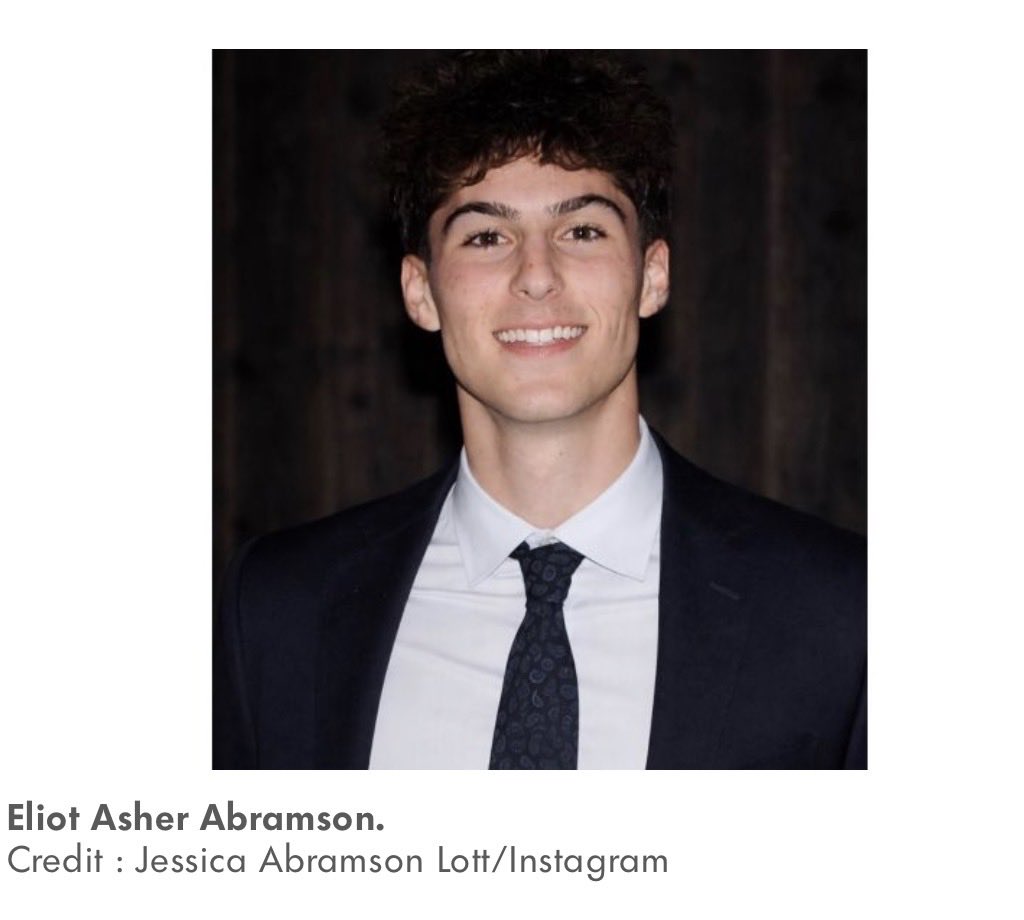
154
1,012
2,878
199,954
L1001Li retweeted

Jun 9
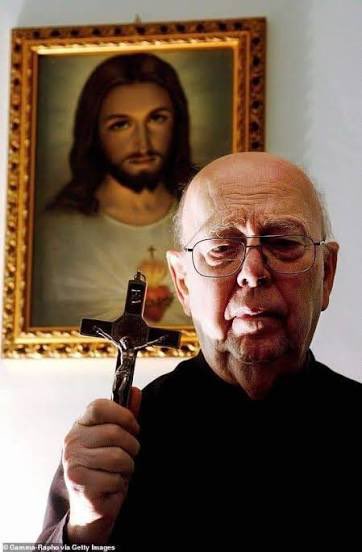
THE CATHOLIC RULE OF LIFE I WISH SOMEONE HAD TAUGHT ME SOONER
A few years ago, I thought becoming a better Catholic meant learning more.
More theology.
More apologetics.
More books.
More Catholic content.
Those things are good.
But I eventually discovered something surprising.
Most saints did not become saints because they knew more.
They became saints because they consistently did a few simple things every day.
That realization changed how I view the spiritual life.
So after studying Sacred Scripture, the Catechism, and the lives of the saints, I began noticing a pattern.
Different saints.
Different centuries.
Different personalities.
Yet they all built their lives around the same foundations.
If someone asked me today:
“How do I actually live like Jesus Christ every day?”
This is the framework I would share.
And honestly, it is the framework I am still trying to live myself.
1. GIVE GOD THE FIRST MOMENT OF YOUR DAY
Before the notifications.
Before the messages.
Before the news.
Before social media.
Give God the first moment.
Make the Sign of the Cross.
Thank Him for another day.
Offer everything to Him.
The first voice you hear should not be the world.
It should be God.
2. READ THE GOSPEL BEFORE YOU READ OPINIONS
One verse.
One paragraph.
One chapter.
Whatever you can manage.
The point is simple:
Let Christ shape your mind before the world shapes it for you.
Many of us spend hours consuming information and only minutes receiving formation.
That imbalance affects everything.
3. PROTECT THE STATE OF GRACE LIKE YOUR GREATEST TREASURE
Because it is.
The Church teaches that sanctifying grace is God's own life within the soul.
Nothing on earth is worth losing that.
Not success.
Not money.
Not pleasure.
Not popularity.
Go to Confession regularly.
Take sin seriously.
Take God's mercy even more seriously.
4. BUILD YOUR LIFE AROUND THE EUCHARIST
The saints never got tired of speaking about the Eucharist.
Neither should we.
The closer they drew to Jesus in the Blessed Sacrament, the more they began to resemble Him.
Sunday Mass is the minimum.
Not the goal.
If possible, attend daily Mass.
Visit Jesus in Adoration.
Stay after Communion.
Speak to Him.
Listen to Him.
Remain with Him.
5. STOP LOOKING FOR HOLINESS IN EXTRAORDINARY THINGS
Most holiness happens in ordinary moments.
Being patient when you are tired.
Forgiving when you would rather hold a grudge.
Remaining kind when someone is difficult.
Serving when nobody notices.
The saints did not become saints because they did spectacular things every day.
They became saints because they loved God in ordinary circumstances.
6. CARRY YOUR CROSS INSTEAD OF RUNNING FROM IT
Every day brings a cross.
A disappointment.
A struggle.
A wound.
A sacrifice.
A burden nobody else sees.
Modern culture says:
“Avoid suffering.”
Jesus says:
“Follow Me.”
The difference is enormous.
One path seeks comfort.
The other seeks transformation.
130
983
4,113
95,395
L1001Li retweeted

Jun 7
Americans travel to Pakistan and free some 300 Christians and others trapped in modern-day brick kiln slavery, paying off generational debts that kept entire families — including children — working under the sun for hundreds of years. The average cost to liberate one family: $8,500.
Idaho resident Aaron Hutchings says the work of saving them has been transformative: "Looking back, it is hard to see any of it as random. I believe God's hand was in it from the beginning, and even though we were doing all of this to show Jesus' love towards these people, we ended up receiving more than we gave."
57
575
2,834
82,035
L1001Li retweeted

Jun 7
“More than that, we rejoice in our sufferings, knowing that suffering produces endurance, and endurance produces character, and character produces hope.” - Romans 5:3-4
Last week a story went viral that says a difficult life isn’t worth living. I want to offer a different perspective:
The Hard Road Is The Point.
There’s a growing lie baked into modern culture that life is supposed to be smooth. Convenient. Perfect. That if things are difficult, something’s gone wrong. That suffering is a malfunction, not a feature.
So people spend their lives optimizing for comfort. Avoiding friction and inconvenience. Looking for the shortcut, the hack, the easier path.
And they miss the whole point.
The beauty of a life well-lived isn’t found despite the struggle - it’s forged inside it. Character doesn’t grow in comfort. It grows under pressure, strain, stress and adversity. Gratitude doesn’t come from ease. It comes from having walked through something hard and making it to the other side.
The ancient understanding - the one we’ve traded for comfort - is that suffering carries meaning. That the valley isn’t a detour. It is the journey.
Truth is, when you strip away the hard parts, you don’t get a better life. You get a shallow one.
Because the rough road isn’t a sign you’re doing it wrong.
It might be the surest sign you’re doing it right.
My son Iron Will has Down syndrome. He spent his earliest months in a walker just to build the strength to stand. Every step was a fight. Every inchstone and milestone was hard won. And watching him work, really work, for things that come effortlessly to other kids didn’t break my heart. It expanded it. Because what I saw wasn’t limitation. I saw determination unencumbered by societal expectations. I saw joy that doesn’t depend on easy. I saw a little boy who gets up every single time, grins, and goes again on his own terms, at his own pace.
My brave little son didn’t teach me about suffering. He taught me what it looks like to pursue life fully - without fear, without shortcuts, and without ever being told what he can’t do.
When we decide a life will be too hard before it begins - based on the inherent limitations of our mortal understanding - we end a story before it ever has the chance to be written.
We will never tell Iron Will, or any of our children, that the hard road isn’t worth it.
Because the greatest stories ever told involve suffering that produces endurance that produces character that produces hope.
And hope changes everything.
#TeamIronWill #DownSyndromeAdvocacy #IronWill #SayYesToPossibility
87
317
1,880
59,692
L1001Li retweeted

SAD NEWS
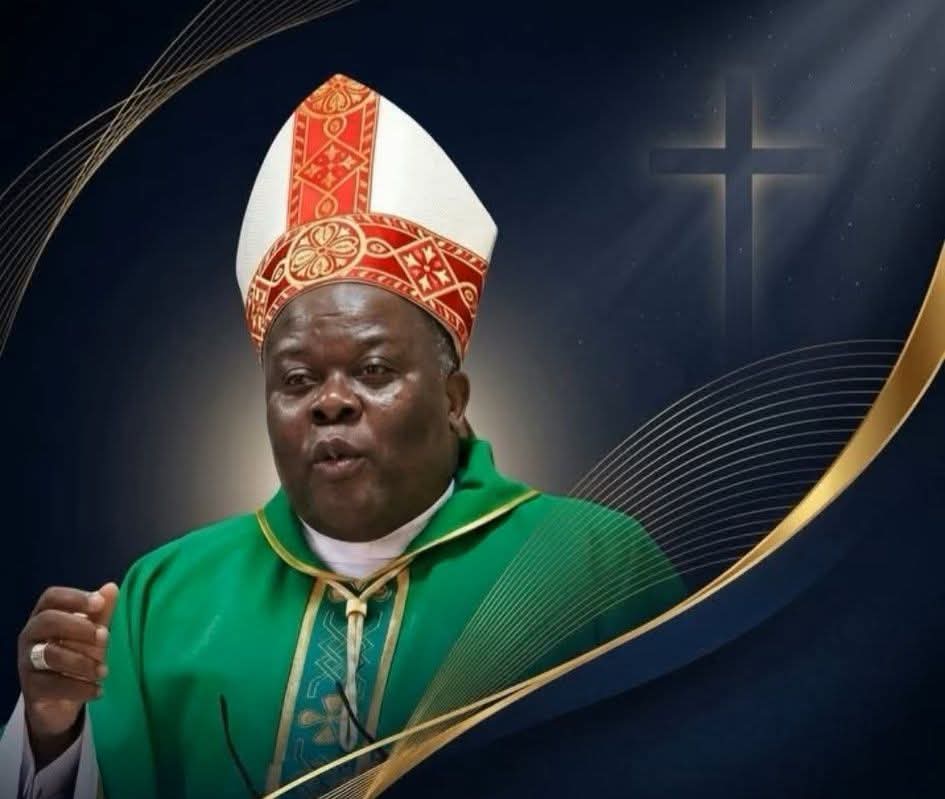
Bishop Osório Citora Afonso, aged 54, of the Catholic Diocese of Quelimane in Mozambique, was shot dead in the early hours of today, June 6, 2026, at his episcopal residence. Unknown assailants entered the home and shot him in the chest (near the heart). His body was found in a corridor of the residence. May his gentle soul rest in Peace 🕊️.
476
1,027
3,698
55,631

Here are key Jewish holidays explicitly about the Land of Israel: Tu B'Shevat celebrates the land's trees and produce. Shavuot and Sukkot mark harvests and ancient pilgrimages to Jerusalem. Chanukah honors the Temple's rededication in Jerusalem. Tisha B'Av mourns the Temples' destruction and exile from the land. Yom HaAtzmaut and Yom Yerushalayim mark Israel's founding and Jerusalem's reunification.
2
2
23
1,037
L1001Li retweeted

May 31
I am so glad that you asked this question. This is one of my favorite things to witness.
So, I was away from the church for about 20 years, and that is a lot of sin to atone for. Fornication, leading others astray, denying the Holy Spirit, committing blasphemies. Heck, at one point I even desecrated a Bible and uploaded it to YouTube.
So what I wound up doing was taking one of those examination of conscience booklets, and after doing the suggested meditations and prayers, I put a little X next to every sin that I could recall committing — and this thing looked like a grocery list by the end.
So I contacted the local priest and explained my situation — that I was returning to the Catholic Church after being away for such a long time, and that I would appreciate having a private confession period.
And so Father John, my priest, arranged to open the confessional to hear my private confession one day during the week.
Obviously, I was really nervous. I hadn't been to confession in nearly two decades, and I scarcely even remembered how to do it. So, I am very glad that I had that examination of conscience booklet that gave me explicit instructions on how to do it.
So I went into the confessional, got on my knees, and said, "Bless me, Father, for I have sinned; it's been nearly 20 years since my last confession."
Then I just rattled off the list.
After I was done, I was of course very nervous. What was this man going to say? And how many hours of community service was I going to have to do in order to make up for all the debauchery in my life?
He said to me, "That was a very good confession...." and then told me of God's love and mercy, and how through Christ's sacrifice on the cross I am washed of my sins...
And then he said, "For your penance, I would like you to attend Mass tomorrow and receive the Eucharist." I think you referred to it as Penitential Communion.
And then he told me, "Welcome back" and "Go in Christ's peace."
Obviously, that had a lasting effect on me — and I will spend the rest of my life trying to become worthy of that mercy. I know I can't get there alone, but through the grace of God and the body of Christ.
And that's it.
May 31

How do you confess over 20 years of sin?
92
197
1,998
49,495
Spot on—the term "antisemitism" was coined in 1879 by Wilhelm Marr, an antisemite, to give Jew-hatred a fancy pseudo-scientific label. The modern offense at the accurate descriptor is rich.
Jay Collins has received $0 from Israel. Foreign governments can't legally donate to US candidates anyway. His disclosed campaign funds (state senate current governor run) come from Florida Republicans, the state party, and domestic donors. No AIPAC or Israel-linked money shows up in records. The accusation is baseless.
1
5
5
187
L1001Li retweeted

May 30
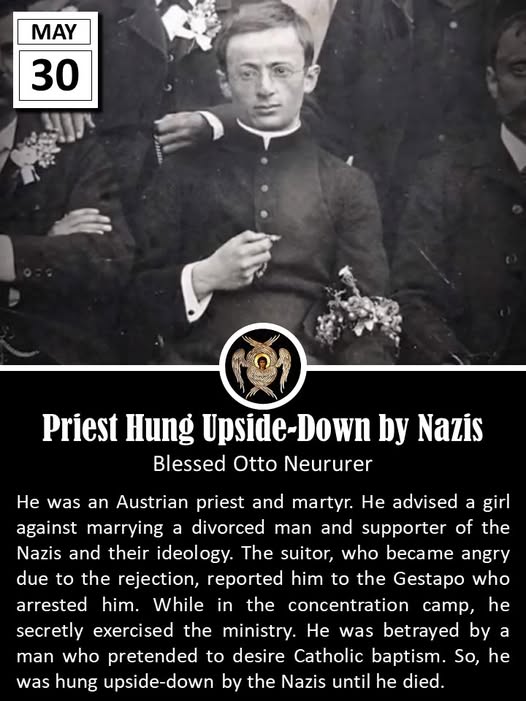
Blessed Otto Neururer was an Austrian priest who became the first clergyman to die in a Nazi concentration camp. Born on March 25, 1882, in the village of Piller in the Tyrol region of Austria, he was the youngest of twelve children raised by devout peasant parents. From an early age he felt a calling to the priesthood, entered seminary, and was ordained in 1907. For the next three decades he served quietly in several parishes, known for his humility, dedication to the sacraments, and care for his parishioners.
His life changed dramatically after the Nazi annexation of Austria in 1938. Father Neururer came into conflict with the regime when he counseled a young woman against entering what he considered an unsuitable marriage to a man of dubious character and morals. The Nazis viewed his pastoral advice as interference, and he was arrested by the Gestapo. He was first sent to Dachau concentration camp and later transferred to Buchenwald.
Despite the ban on religious activities, Neururer continued secretly ministering to other prisoners—sharing food, offering counsel, and performing pastoral work. In April 1940, a fellow inmate approached him requesting Catholic baptism. Neururer suspected it might be a trap but proceeded anyway out of pastoral duty. It was a setup. The man was an informant (or acting under pressure from camp authorities). The baptism was reported, leading to Neururer’s arrest and transfer to the punishment bunker. There, under orders from the sadistic SS officer Martin Sommer (the “Hangman of Buchenwald”), Neururer was hanged upside down from a tree or post in the punishment block, a form of torture intended to prolong suffering and humiliate him. He endured this agony for many hours without complaint, reportedly praying silently for his executioners until he died on May 30, 1940.
His death marked him as the first priest martyred in the Nazi camps, a grim distinction followed by the deaths of more than two thousand other Catholic priests under the same regime. In recognition of his faithful witness, Pope John Paul II beatified him on November 24, 1996, in Saint Peters Basilica, declaring him a martyr who died in odium fidei, out of hatred for the faith. Today the Church honors him and invokes him as a patron of preachers, of Christian marriage, and of priestly service.
Blessed Otto Neururer stands as a quiet yet powerful example of ordinary priestly courage in the face of extraordinary evil. His story reminds us that even in the darkest hours of the twentieth century, steadfast fidelity to the Gospel could not be extinguished by hatred or violence.
12
139
397
5,801