Evolution • Conservation • Genomics • Museum Collections • Speciation • Birds • Tweets are mine alone
Joined October 2011
- Tweets 18,731
- Following 1,703
- Followers 4,187
- Likes 18,127
1,569 Photos and videos
Pinned Tweet

24 Aug 2018
#Evolution is this:
🐜🦎🐒🙍🏻♀️ (today)
| | |__|
| |___💀 (ancestor)
|_____| ↑
| Time
Not this:
Time →
🐜→🦎→🐒→🙍🏻♀️
#phylomoji
68
3,841
12,802
John McCormack retweeted
New paper from my lab about the effects of Giant Reed (Arundo donax) on birds and butterflies in Big Bend NP.
Birds were more adversely affected than butterflies, and both will benefit from continued Arundo control, leading to a more diverse, native-plant-filled floodplain.

Invasive giant reed shifts riparian habitat mosaics, with stronger effects on birds than butterflies across spatial scales
link.springer.com/article/10…
1
4
143
John McCormack retweeted

Apr 30
New paper!
"Native-plant landscaping enhances floral visitation by insects and birds in residential yards," led by Esmeralda Reyes & Noriko Smallwood.
If you add some native plants, your yard can be a pollinator powerhouse.
link.springer.com/article/10…
See below for details.
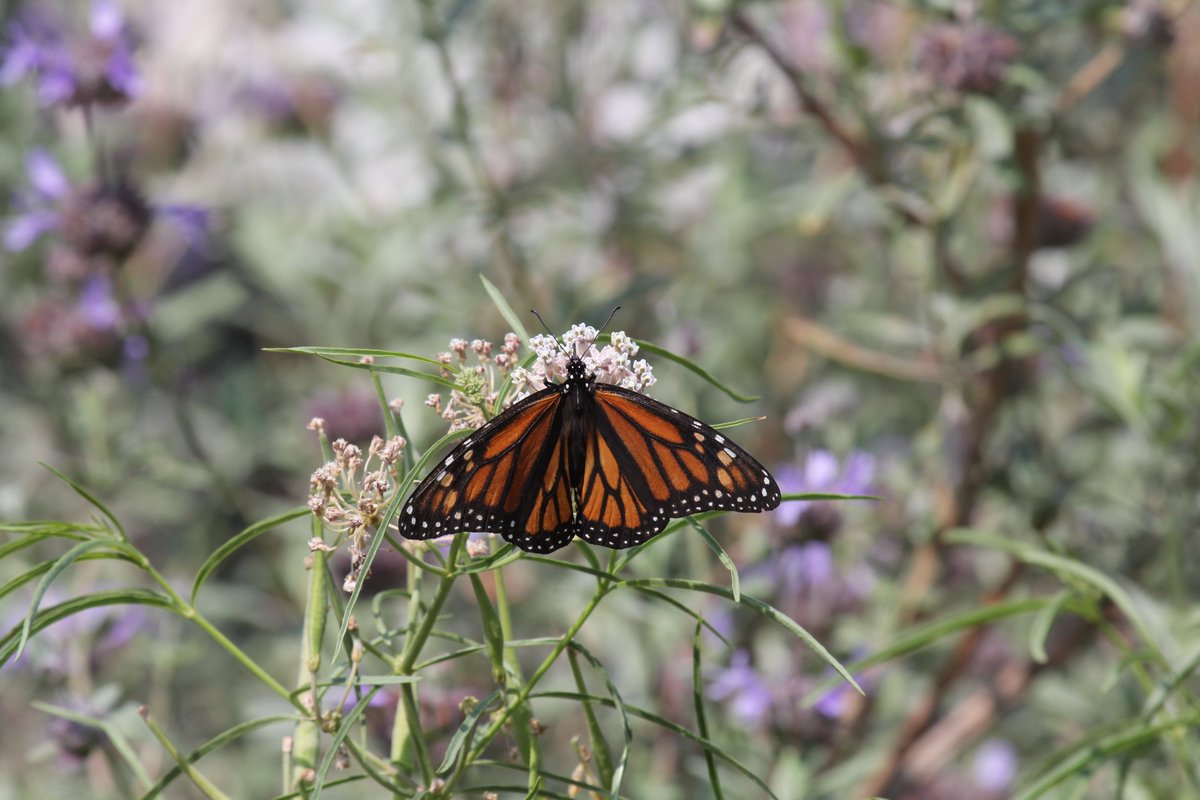
ALT A monarch (Danaus plexippus) on a Narrow Leaf Milkweed (Asclepias fascicularis) in a native landscaped yard in LA (photo credit: Eric Wood)
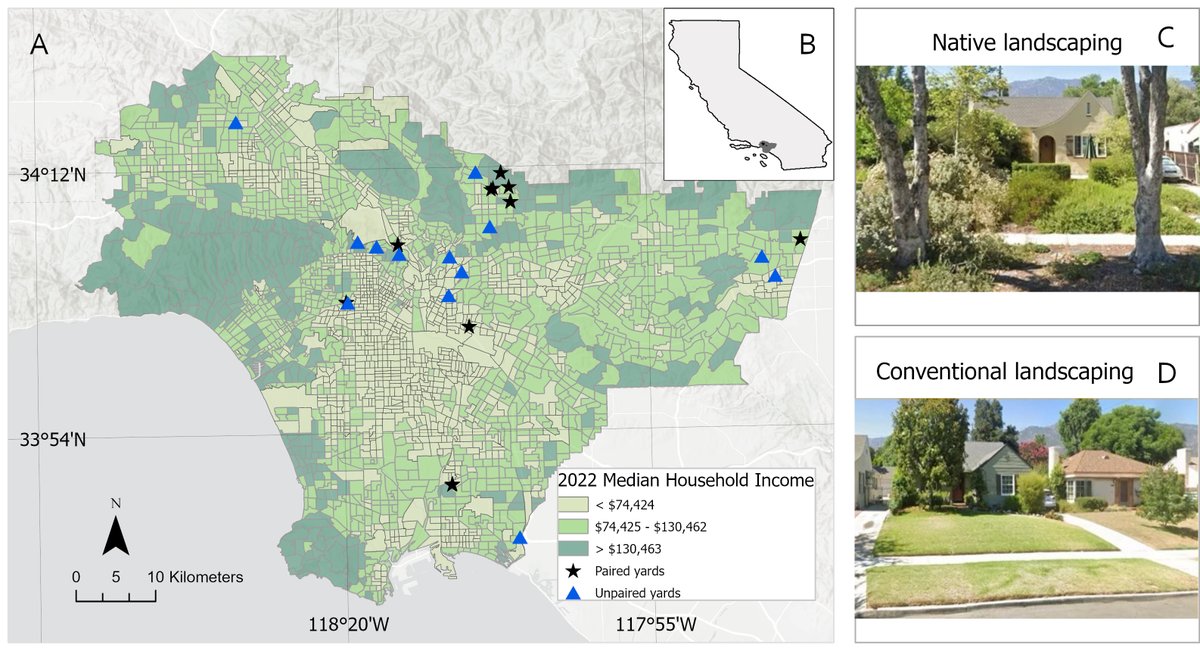
ALT Map of Greater Los Angeles showing 31 residential yard sampling sites. Neighborhoods are shaded by median household income (low, middle, high thirds). Black stars mark paired native and conventional yards; blue triangles mark additional native yards in lower-income areas. An inset shows the study region within California. Two photos below show a representative native-landscaped yard (dense, diverse plantings) and a conventional yard (manicured lawn and ornamentals).
1
4
8
524
John McCormack retweeted

6
17
49
21,966
RT @NaturePortfolio: A paper in Nature describes a collection of soft‑bodied fossils discovered in a quarry in China, dating to around 512…
69
12 Dec 2025
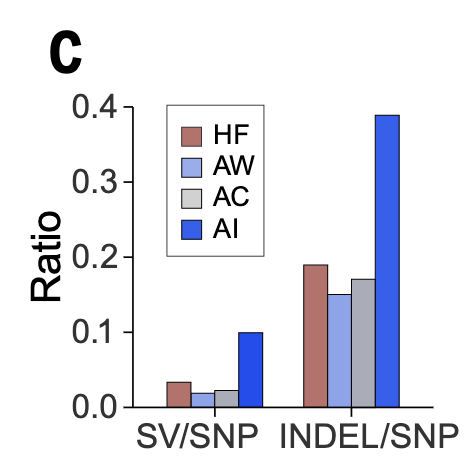
Happy to share our new paper out in @ScienceMagazine on the evolution of structural variation in a closely-related bird species complex, led out of Scott Edwards lab science.org/doi/epdf/10.1126…
1
1
7
252
12 Dec 2025
(2) in the large-population, continental Woodhouse's Scrub-Jay (interior US), copy number variants seemed to be adaptive, contributing to gene expression, despite finding the largest selfish repetitive unit ever found in birds (18,000 bp repeats) on the Z chromosome!
1
114
12 Dec 2025
Overall, we show that population size has a big influence on the evolution of structural variants.
There is so much to be uncovered with long-read sequencing: We found 3 million indels and 450,000 structural variants that otherwise would have remained as "DNA dark matter"!
98
John McCormack retweeted

13 Nov 2025
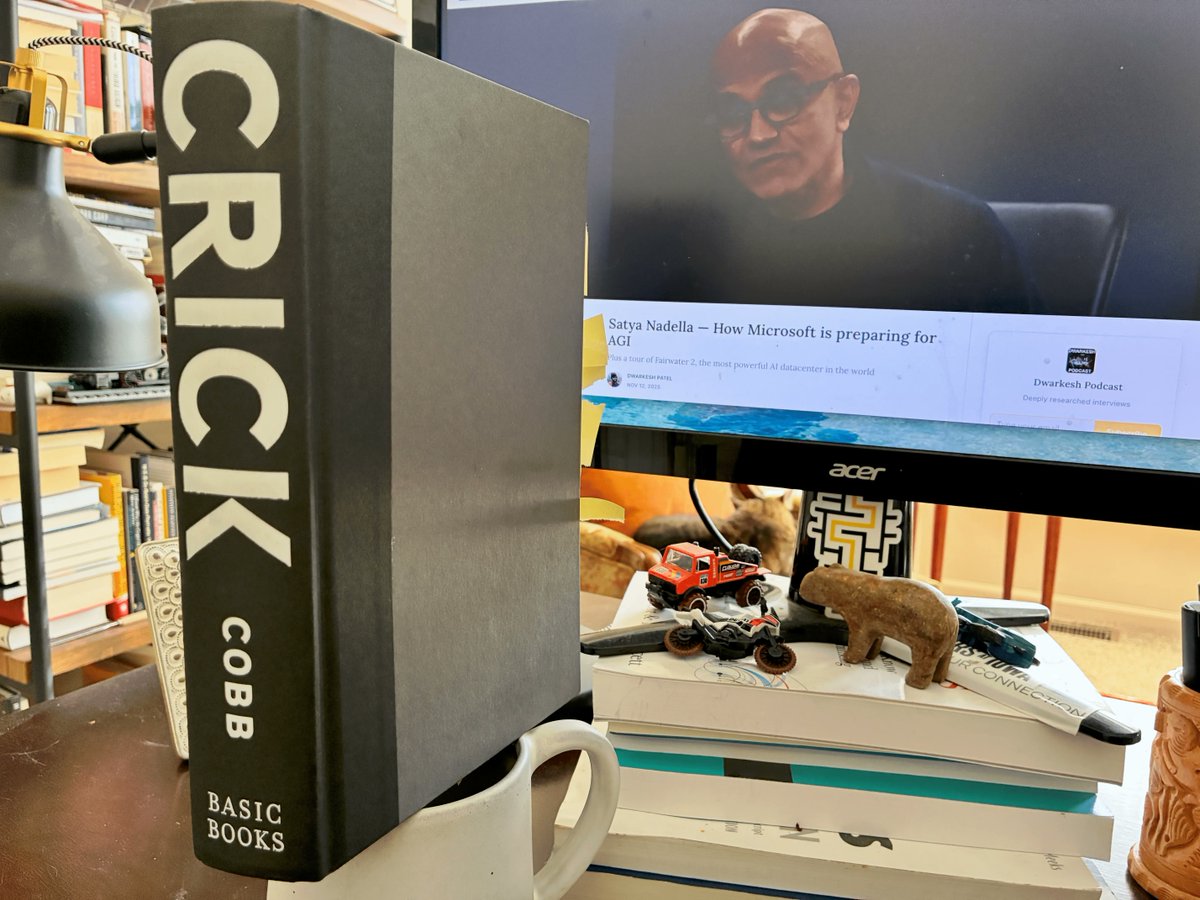
I've been reading @matthewcobb's new biography on Francis Crick. It contains many surprises, especially regarding the solving of DNA's structure.
I finished reading through 1953. Here my notes so far:
1. Photograph 51 was not taken by Rosalind Franklin. It was taken by Raymond Gosling, a PhD student working with Franklin, in May 1952.
2. Also, Photograph 51 played no role in Watson/Crick's model.
Writhes Cobb: "Crick did not see the photo until weeks after they had discovered the structure, nor did it provide Watson with any new information beyond a very rough idea of the itensity distribution [of the x-ray crystallography data.]"
Franklin's real contribution to the structure, and an idea which she discussed as early as 1951, was instead that the crystalline form of DNA was "a face-centred monoclinic unit cell with the C-axis parallel to the fibre axis." In other words, her crystallography data showed that there were two strands in DNA, and that those strands ran antiparallel with the bases inside. Again, she publicly disclosed this in a 1951 lecture, but apparently all Watson could recall about that lecture was Franklin's appearance, as he later described in his book.
3. It's widely thought that Watson and Crick, after building their model, walked into the Eagle pub in Cambridge and told "everyone within hearing distance that [they] had found the secret of life." This came from Watson's book, The Double Helix, but it is entirely made up. Crick said it did not happen, and Watson admitted the same in 2016.
4. Around the same time that Max Perutz was trying to solve a protein structure for the first time, a researcher in New York named David Harker received a $1 million grant to try to become the first instead. This is surprising for two reasons: a) I had never heard of Harker and b) $1 million was a HUGE sum at the time; a typical house in England cost ~$1,800 at the time. TL;DR The best-funded labs do not always get the spoils.
5. Between 1947 and 1949, "nearly two hundred papers were published on DNA." This at a time when papers were much less frequent than they are now. This was surprising because the structure, let alone proof that DNA was the genetic material, did not come until many years later! The lesson, of course, is that just because a field seems "hot" does not mean you should not work on it; the big discovery may still be there for the taking.
6. Freeman Dyson warned Crick against migrating from physics into biology. "If you switch to biology now, you will be too old to do the exciting stuff when biology finally takes off," Dyson told him.
7. Watson and Crick (and many other molecular biologists who came from physics) explicitly said they decided to pivot into biology after reading Schrodinger's small book, "What is Life?"
In short, writing can have a huge influence on the trajectory or invention of scientific fields. I recommend reading this book. My short social media posts cannot do the story justice.
18
76
357
34,178
John McCormack retweeted

10 Nov 2025
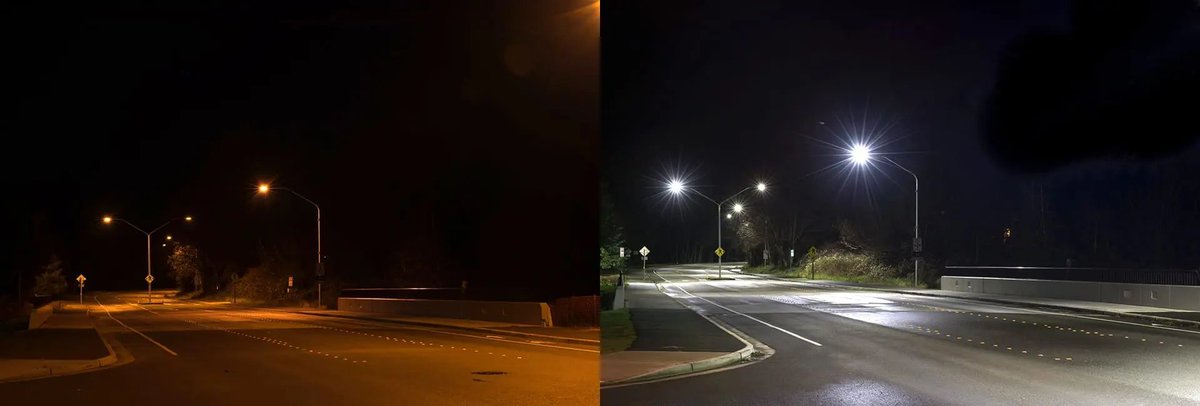
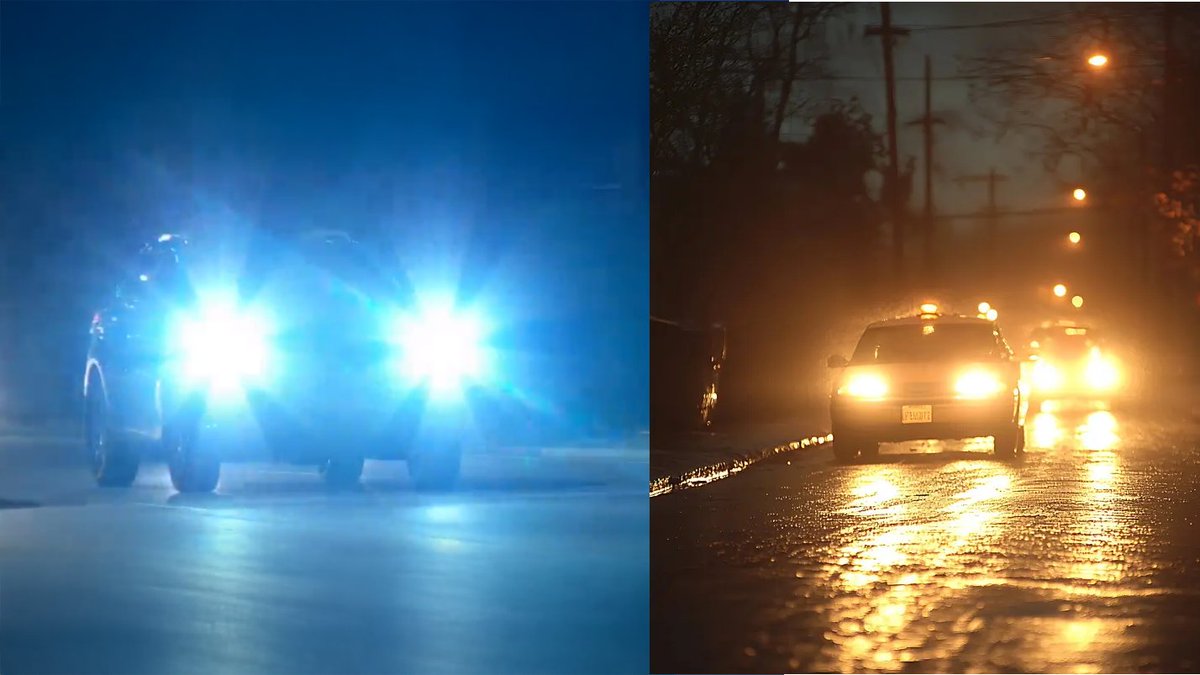
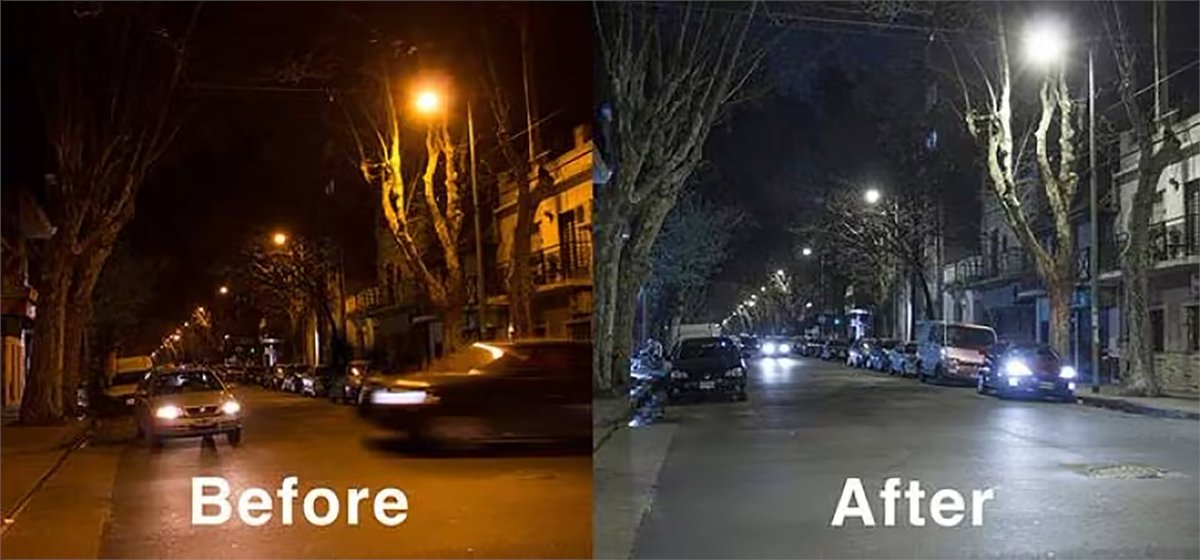
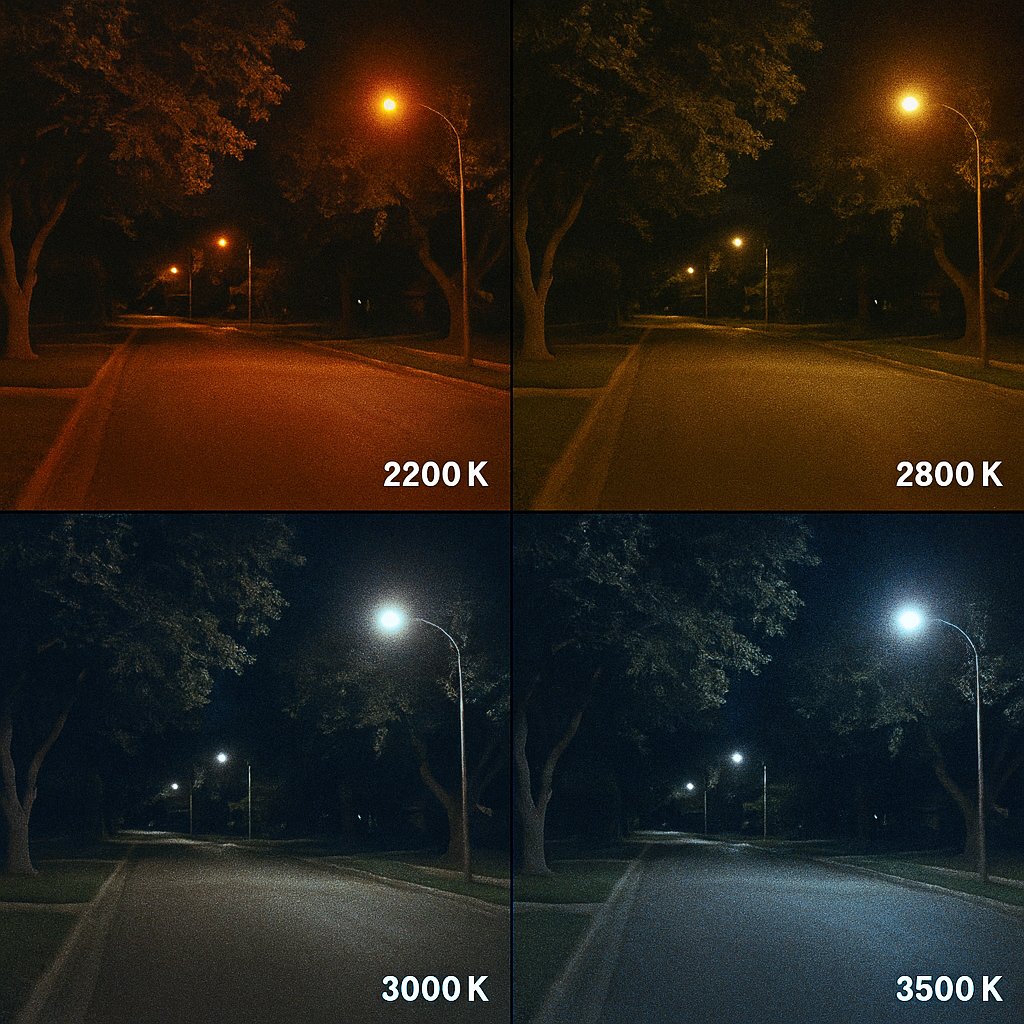
I'm a single issue voter, I want the warm lights back.
Streetlights are too blue. Headlights are too bright. It's a crime against nature and God.
We need to demand 2800K or below color balance for all outdoor lights. Some cities regulate 3000k max, that's still too damn blue.
895
3,957
35,944
16,007,431

22 Sep 2025
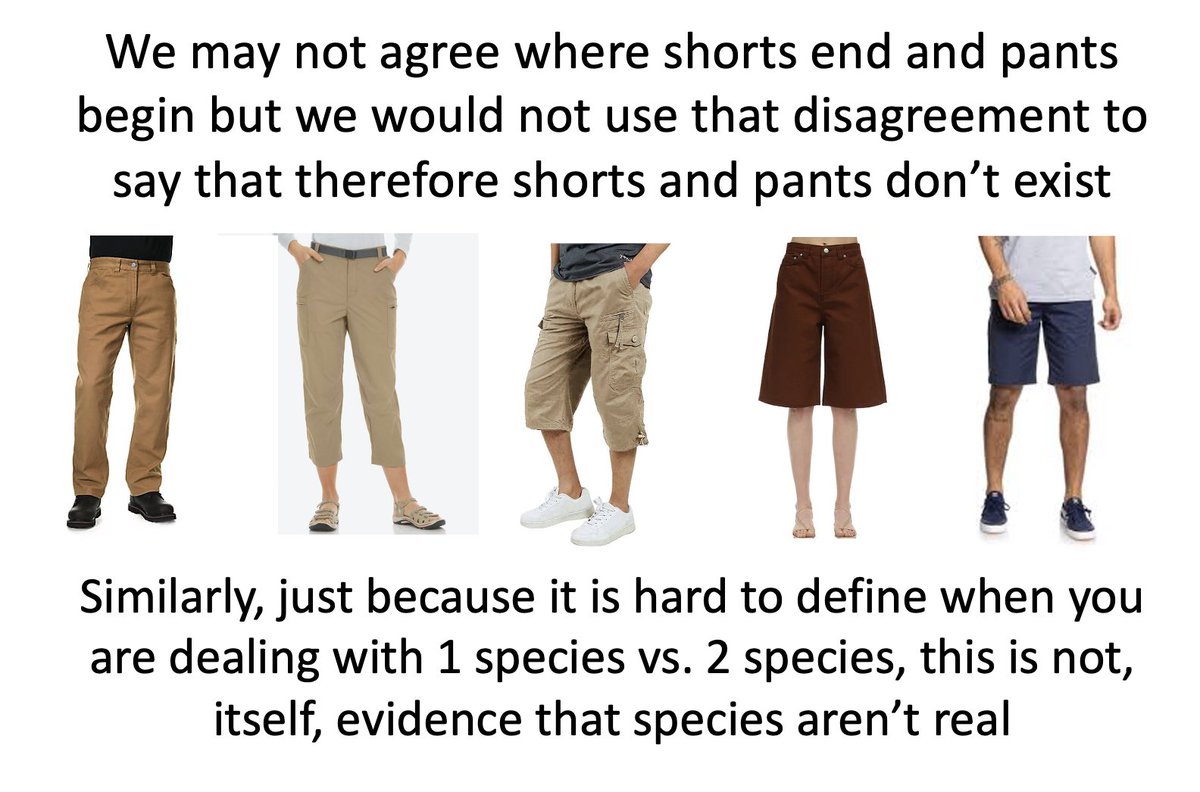
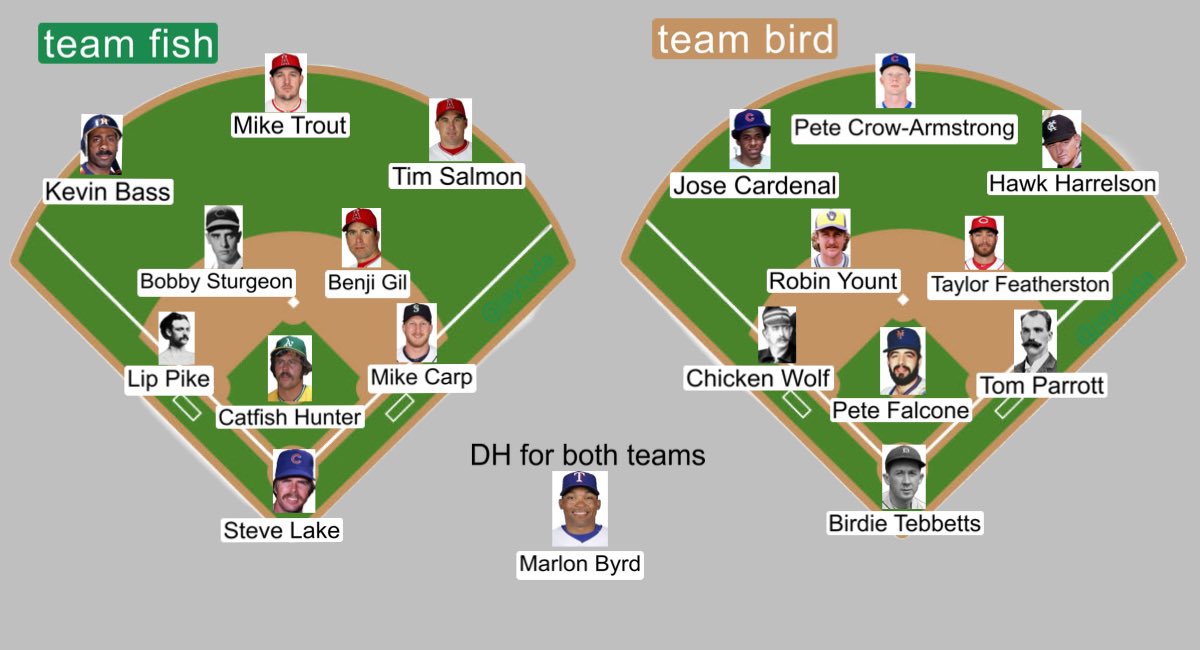
We can, however, say that some of these fashion decisions are questionable
1
7
459
John McCormack retweeted

18 Sep 2025
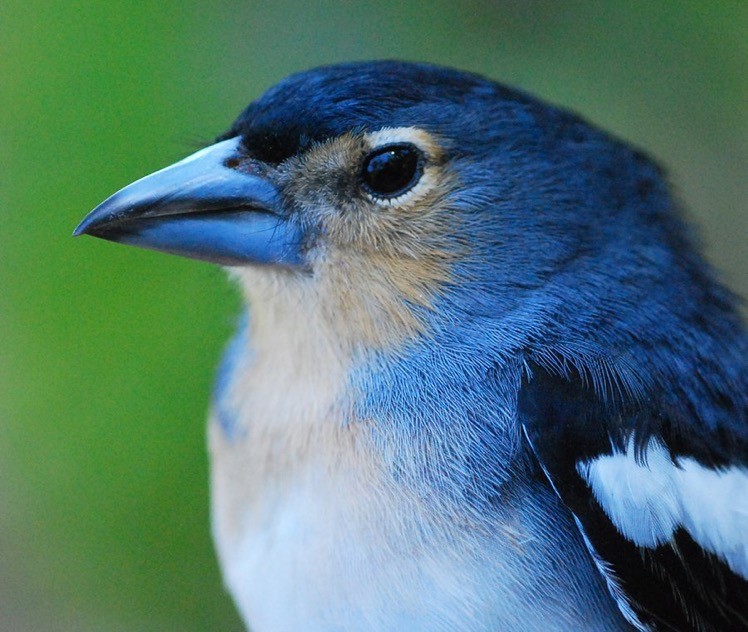
📣📣📣PhD position available in my lab at @mncn_csic in Madrid to study speciation mechanisms in oceanic island birds, using phenotypic and genomic data.
- 💰4-year contract
- 🎓Biol, Genetics, Master's, English.
- 📅Apply by October 15
-👉CV & letter to b.mila@csic.es
35
39
3,882
John McCormack retweeted

17 Sep 2025
The conversion of college campuses into the least socially and intellectually free places in the country is complete.
You'll get more diversity of thought at a rural Wyoming bar, and I'm absolutely serious.
I don't like going to campuses anymore.
174
809
6,073
212,202
John McCormack retweeted

17 Sep 2025
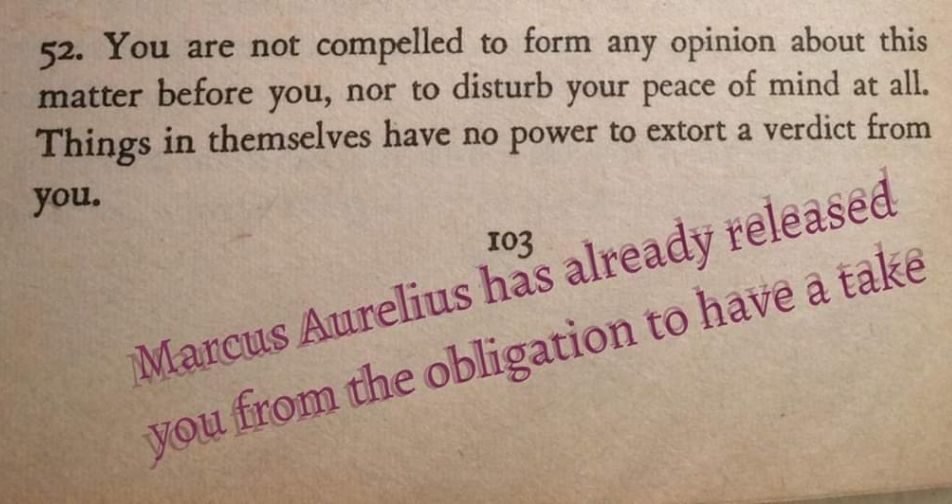
Sometimes it's nice to remember that even Marcus Aurelius was like "you don't have to comment on everything bro"
83
3,297
26,609
570,083
John McCormack retweeted

8 Sep 2025
“These past extinctions are kind of weird, and we don't think they're a road map to future extinctions.”
sciencenews.org/article/sixt…
4
4
21
13,824
John McCormack retweeted

6 Sep 2025
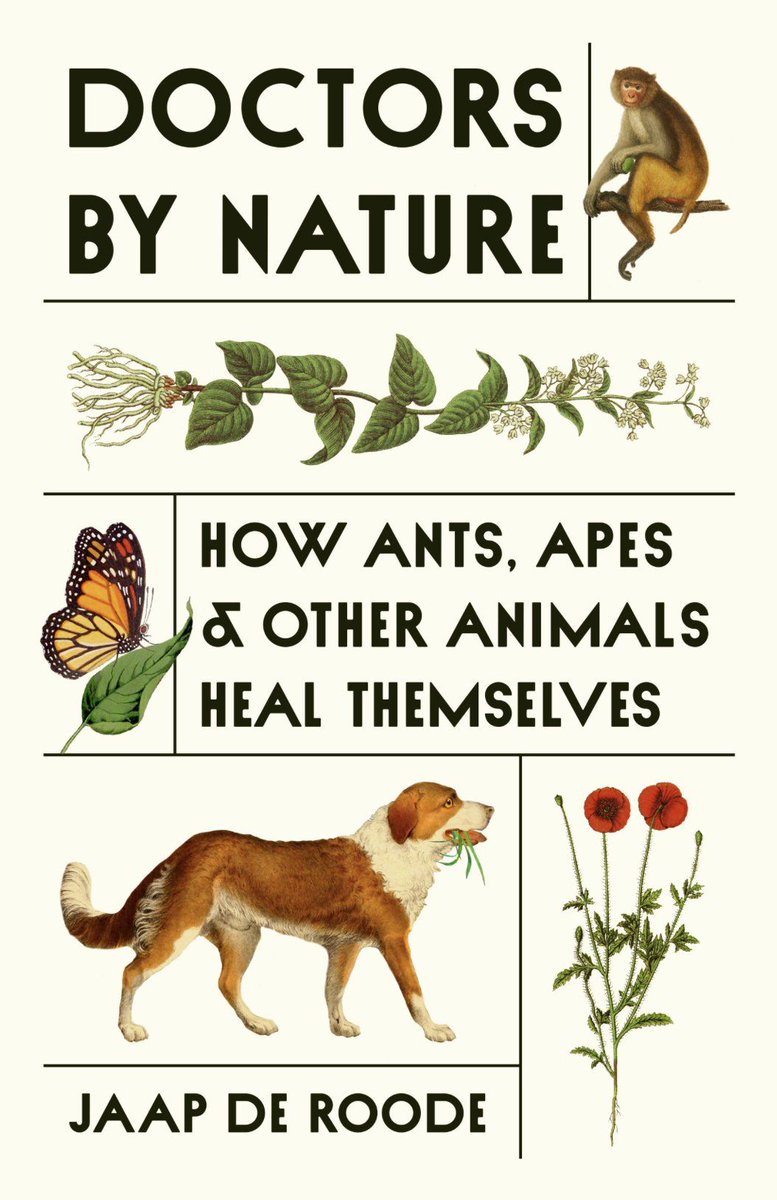
The book Doctors by Nature "invites deeper reflection on what it means to medicate, how landscapes shape access to medicine, and whether we humans are as discerning in our self-medicating choices as our nonhuman counterparts."
Read the #ScienceBooks Review on #ReadABookDay: scim.ag/3FQfvbk
9
74
336
42,957
John McCormack retweeted

4 Sep 2025
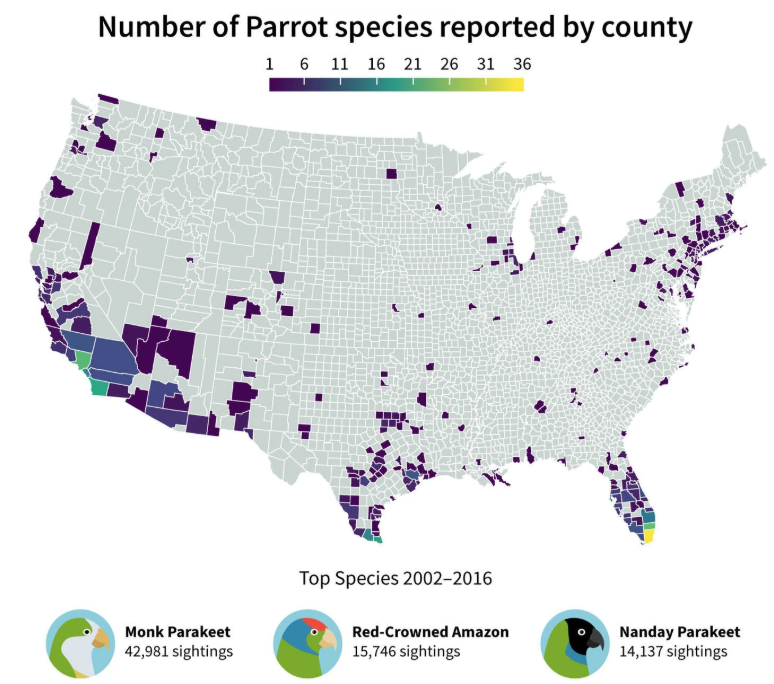
At least 25 species of parrots have become naturalized in the US, which are just a fraction of the 1,500 kinds of wild birds that Americans imported as pets. We've mostly forgotten about the wild bird trade, but the 1950s-80s was an unprecedented shuffling of biodiversity.
10
36
267
9,243