Lab interested in molecular and physiopathological bases of osteochondrodysplasia with a focus on FGFRs related skeletal dysplasia @institutimagine @Univ_Paris
Joined January 2022
- Tweets 16
- Following 62
- Followers 96
- Likes 24
3 Photos and videos

29 Jun 2023
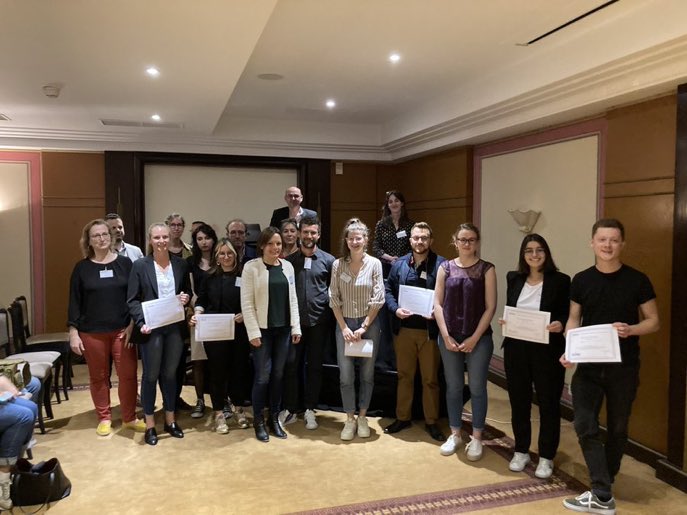
Congrats to Lea and the team of @LLM_Lab @InstitutImagine
22 Jun 2023

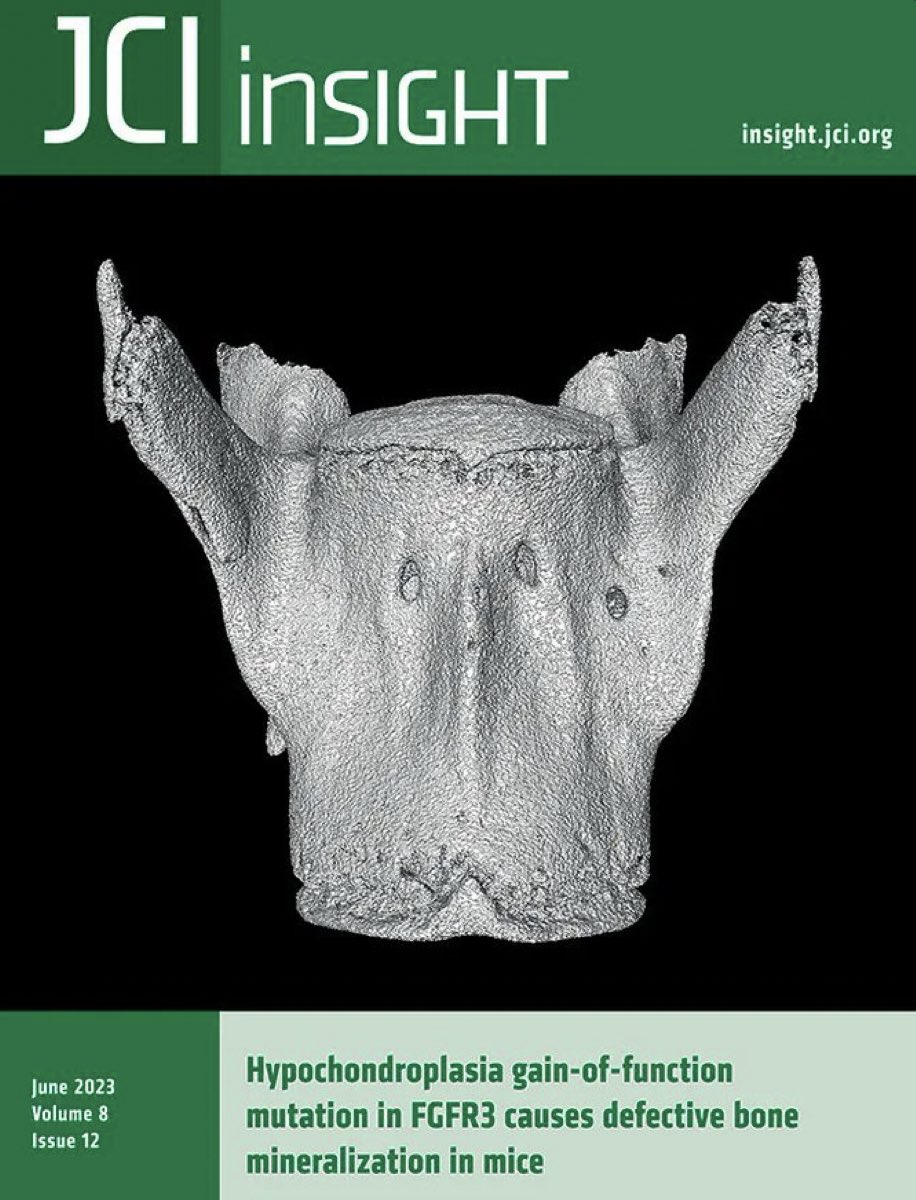
#Cover: Hypochondroplasia gain-of-function mutation in FGFR3 causes defective bone mineralization in mice: buff.ly/3XzexFv
Image: μCT image of the fifth lumbar vertebra of a 10-week-old mouse.
@LLM_Lab @Inserm
#BoneBiology #Genetics

3
18
1,833
Laurence Legeai-Mallet_Lab retweeted

23 Jun 2023
I am pleased to announce my thesis publication in @JCI_insight on Hypochondroplasia gain-of-function mutation in FGFR3 causes defective bone mineralisation in mice buff.ly/3XzexFv . Thanks to my amazing mentors and colleagues @LLM_Lab
2
5
38
1,859
Laurence Legeai-Mallet_Lab retweeted

22 Jun 2023
#Cover: Hypochondroplasia gain-of-function mutation in FGFR3 causes defective bone mineralization in mice: buff.ly/3XzexFv
Image: μCT image of the fifth lumbar vertebra of a 10-week-old mouse.
@LLM_Lab @Inserm
#BoneBiology #Genetics
1
2
5
2,254
Laurence Legeai-Mallet_Lab retweeted

28 Oct 2022
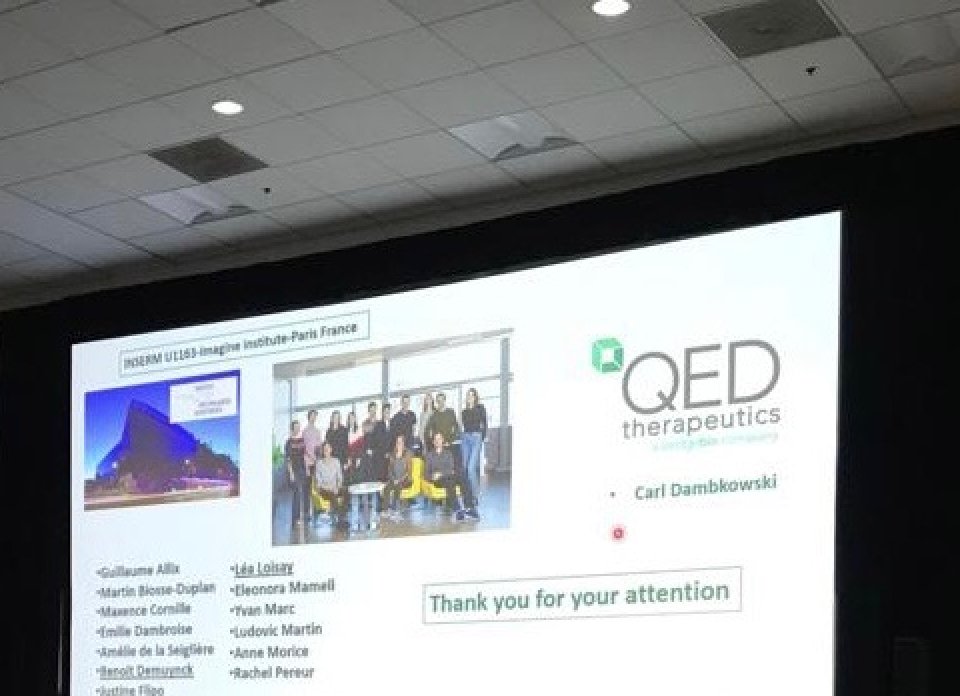
Encore l'@InstitutImagine à la société américaine de génétique Los Angeles 2022 : communication sélectionnée de Laurence Legeai-Mallet @LLM_Lab sur les essais pré cliniques dans l’hypochondroplasie, avec QED Therapeutics ! #ASHG22
2
11
Laurence Legeai-Mallet_Lab retweeted

22 Sep 2022
Always fun to be around the Frenchies … Having a nice time at the meeting
1
Laurence Legeai-Mallet_Lab retweeted

25 Aug 2022
project partners are @TomVanAgtmael @TheRuggieroLab @aforlino @MD_Briggs @FZaucke @KasiaPirog1 @BonaldoLab #evercyte #medetia @LLM_Lab @LifeTecGroup
1
5
4
Laurence Legeai-Mallet_Lab retweeted

6 Jun 2022
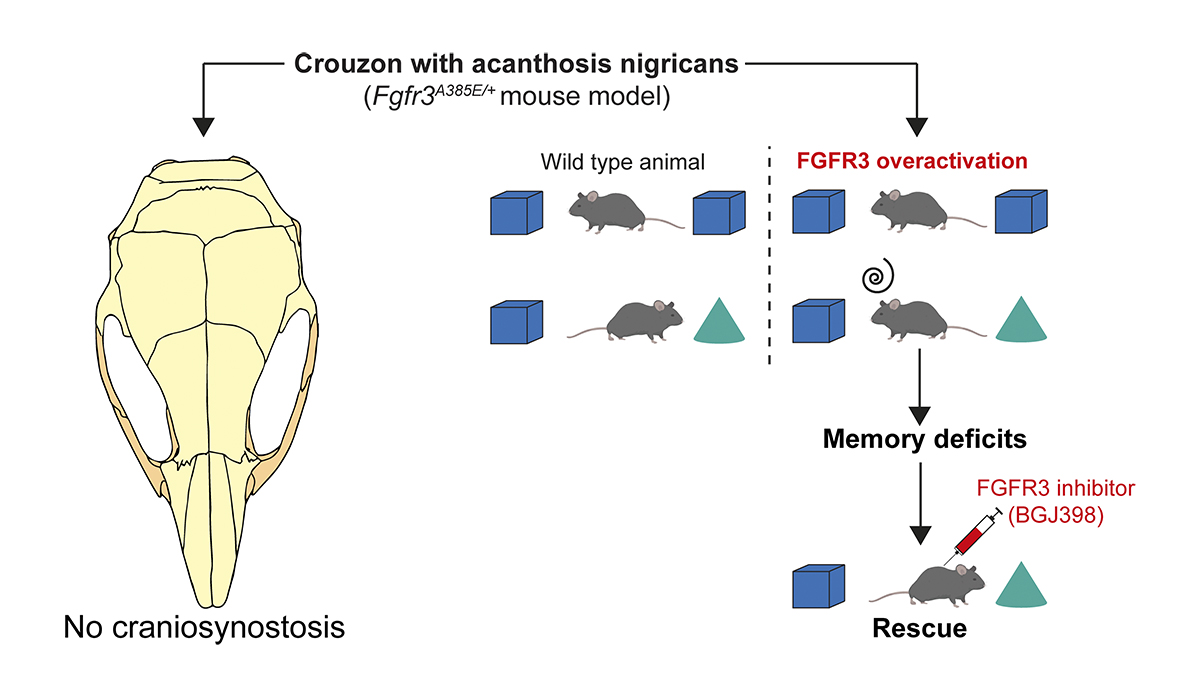
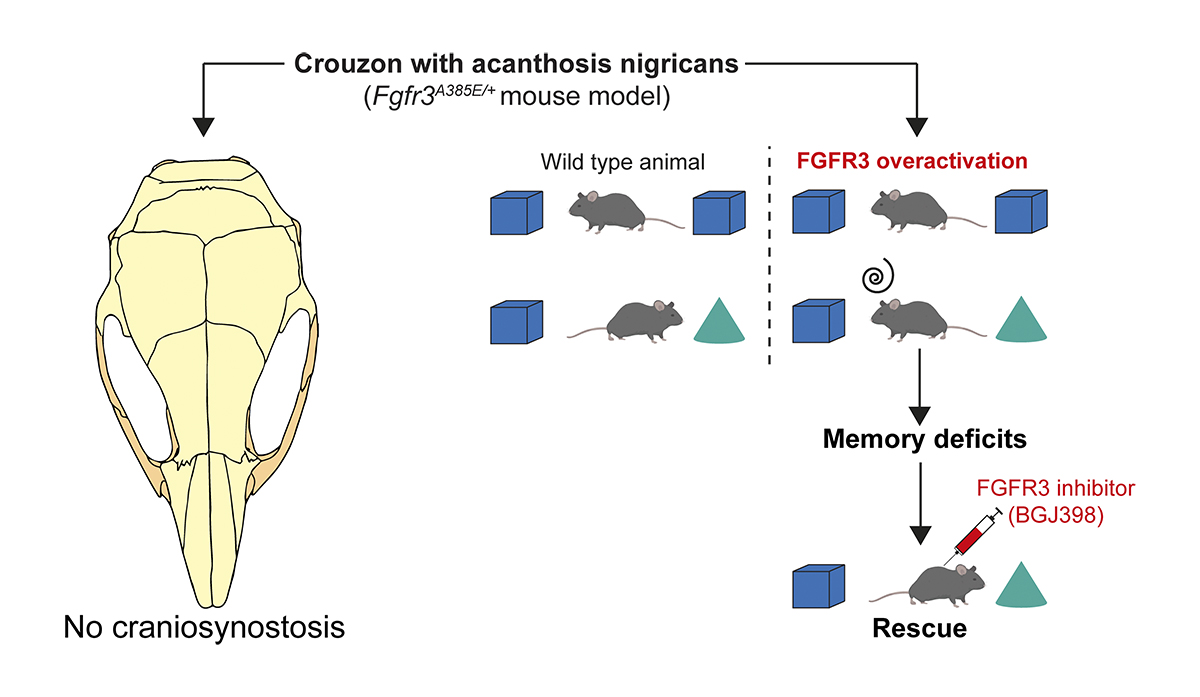
Cornille et al @LLM_Lab show that FGFR3 overactivation in the brain is responsible for memory impairments in Crouzon syndrome mouse model bit.ly/3HTBVns
From our #Neuroimmunology & #Neurodegeneration collection: bit.ly/38Ermcv
#KSNeuroImmune22
#KSNeuroDegen22
2
8
29 Apr 2022
Félicitations à l équipe Nantaise .. édition 2022 outstanding
6
Laurence Legeai-Mallet_Lab retweeted
7 Mar 2022
Maxence Cornille, Stéphanie Moriceau, Laurence Legeai-Mallet @LLM_Lab and colleagues suggest that modulation of the FGFR3 signaling pathway might be of value for treating the neurological and cognitive impairments observed in craniosynostosis. bit.ly/3HTBVns
8
11
1 Feb 2022
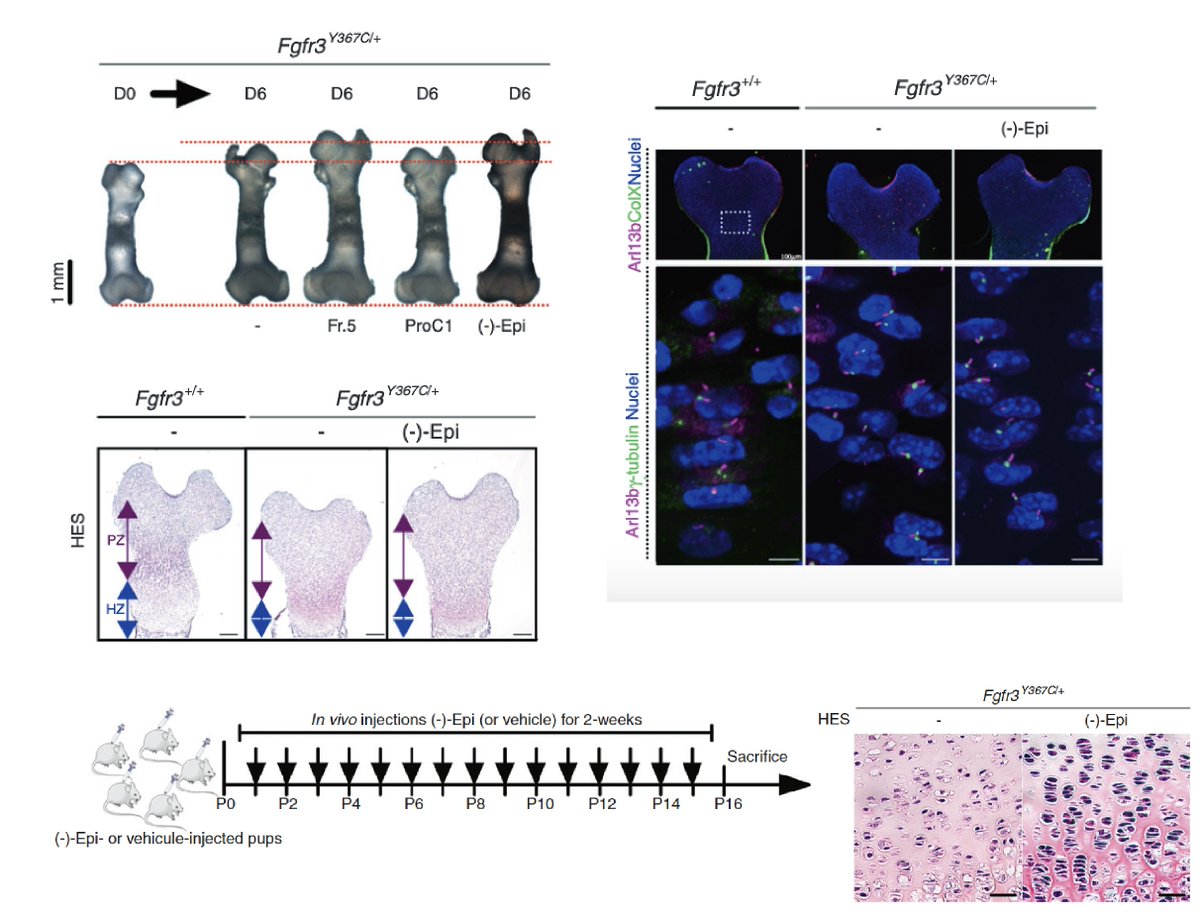
Happy to finally share our study on « Theobroma cacao improves bone growth by modulating defective ciliogenesis in a mouse model of achondroplasia » now published rdcu.be/cGaie #BoneRes #achondroplasia #epicatechin #FGFR3 #primarycilia @NaturePortfolio @SpringerNature
3
13
18 Jan 2022
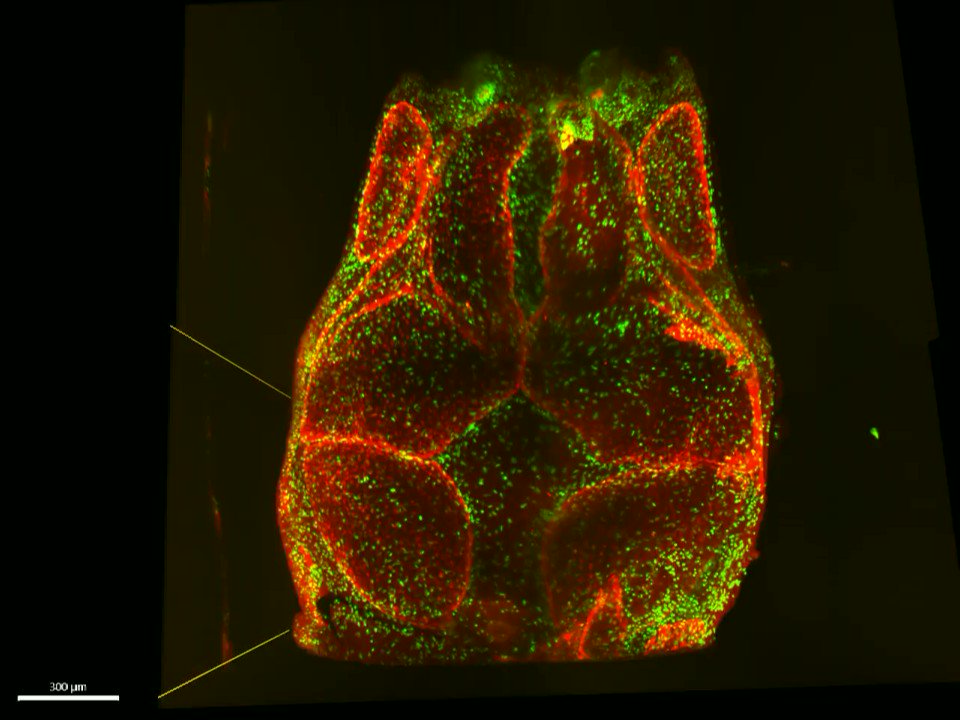
Looking at a zebrafish head to see what’s happening in skull sutures. It's the objective of our starfish team composed of Dr Emilie Dambroise, Rachel Pereur (PhD student) and Yvan Marc (engineer)
doi.org/10.1002/jbmr.4042
1
9
Laurence Legeai-Mallet_Lab retweeted

18 Jan 2022
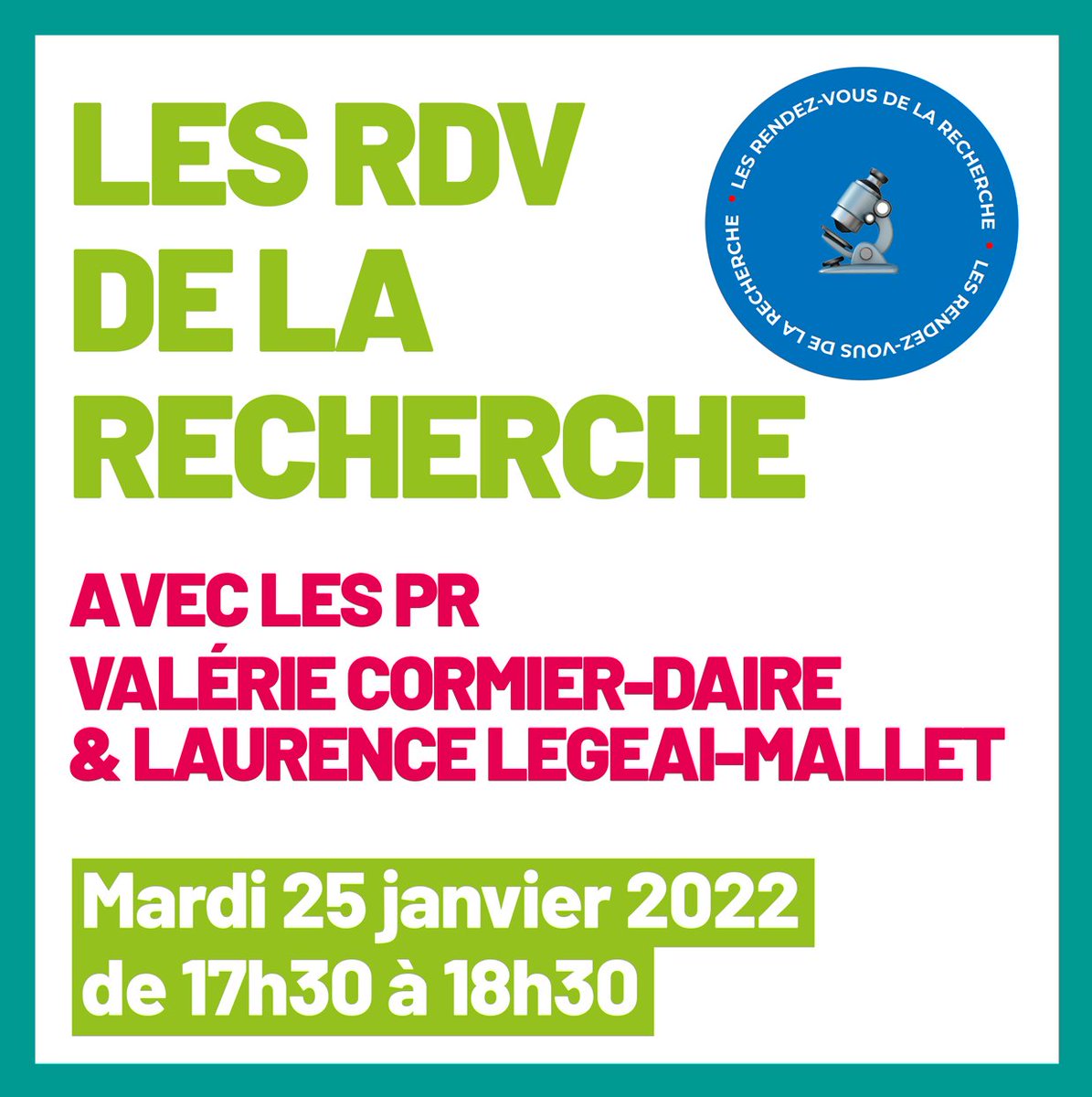
#LesRDVdelaRecherche🔬 Notre 1er RDV de la recherche de l'année c'est mardi pro avec les Pr Valérie Cormier-Daire & Laurence Legeai-Mallet pour une présentation sur "Un nouveau traitement pour #achondroplasie". #maladiesrares
👀 Vite inscrivez-vous ➡ forms.gle/uuM1cF2szCdqgWsQ6
1
7
13
11 Jan 2022
For whom interested in the association of BMN111 and LB100 in achondroplasia treatment.
See our last publication in collaboration with Dr. Laurinda Jaffe
doi.org/10.1172/jci.insight.….
#jciinsight #achondroplasia #Bones #cartilage @InstitutImagine @Uconn
2
4
7 Jan 2022
Hello,
We are new on tweeter, we are a bone and cartilage research lab with a focus on FGFR3.
Now, connected to the scientific community and we will be delighted to share exciting science.
@InstitutImagine #ECTS #ASBMR
1
5