
Joined June 2012
- Tweets 26,092
- Following 721
- Followers 1,034
- Likes 66,162
2,095 Photos and videos











Jun 15
Watching the World Cup when your country isn't in it is amazing. Zero stress, pure joy, every match a good time. 10/10 would recommend
1
52
Jun 8
Did they rewrite iOS in Rust?

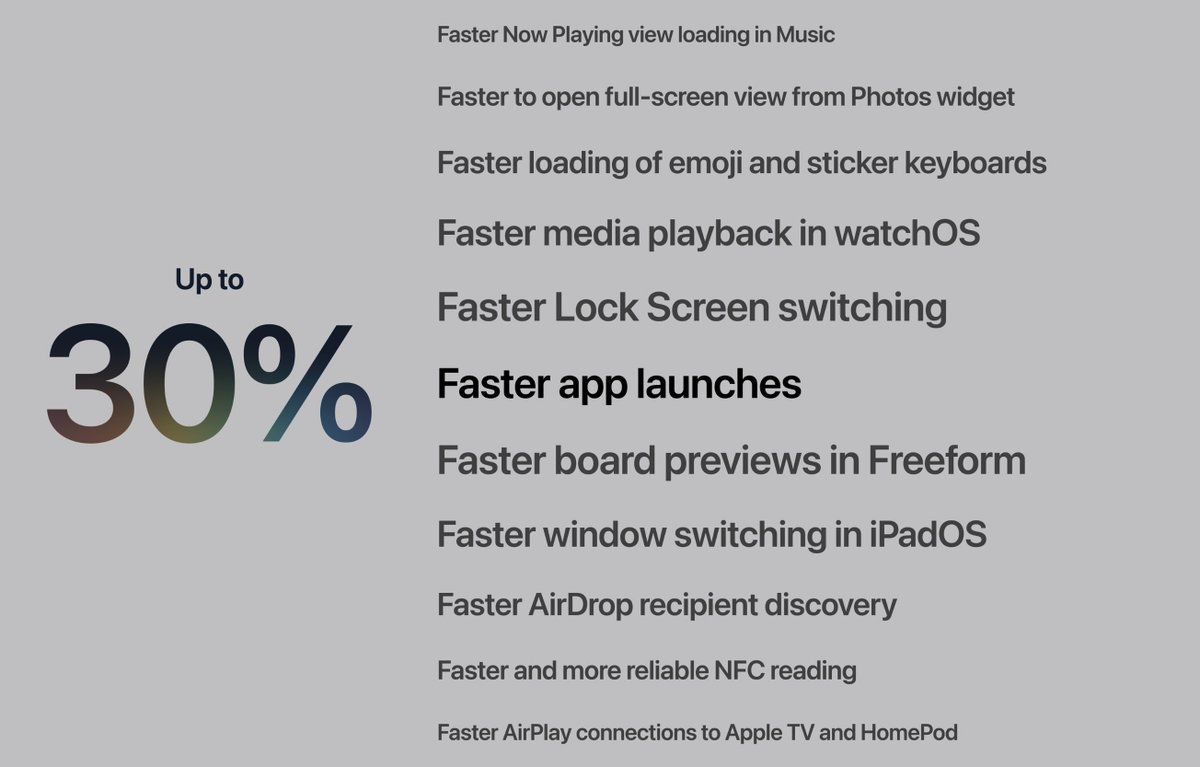
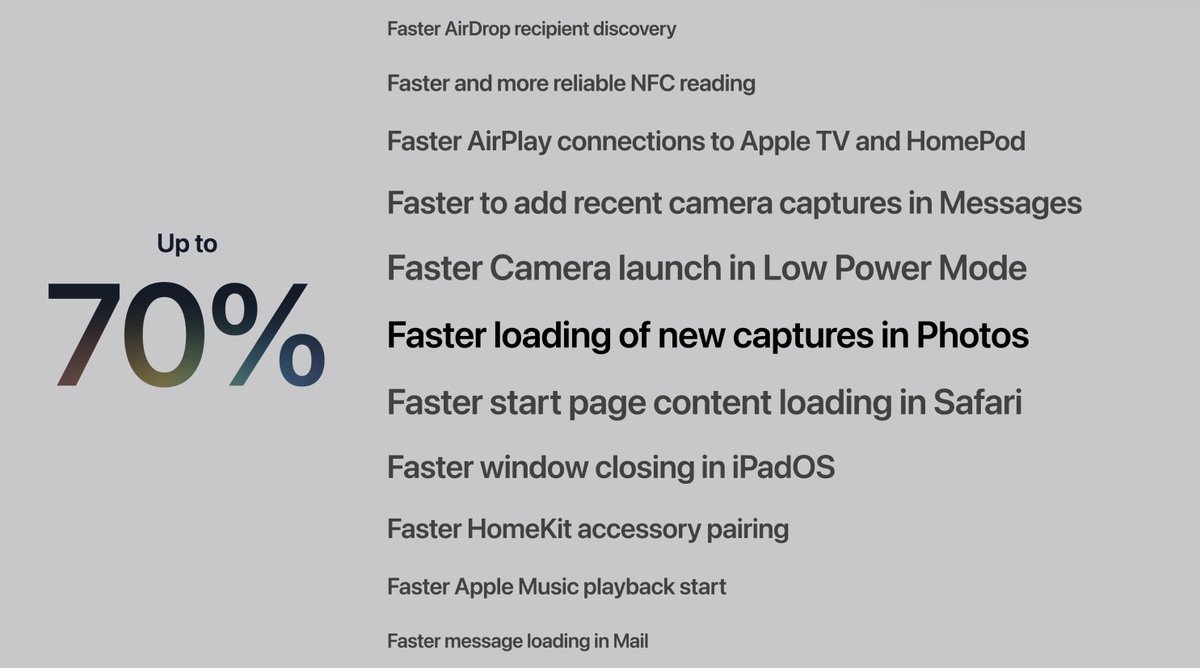
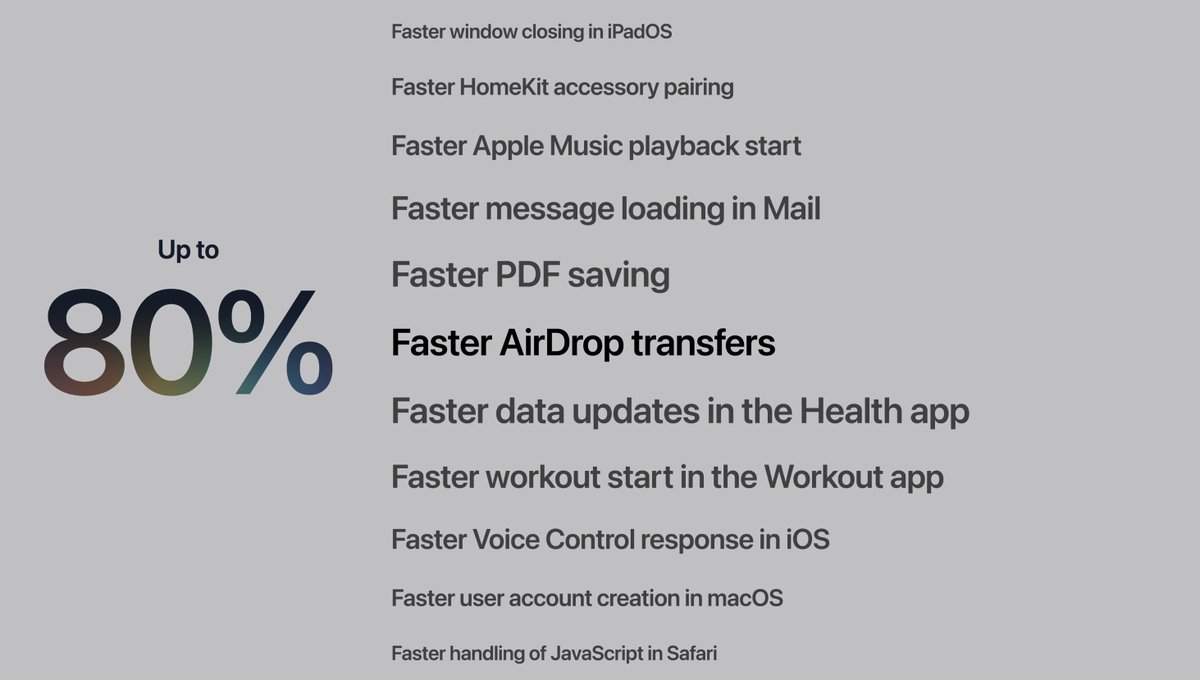
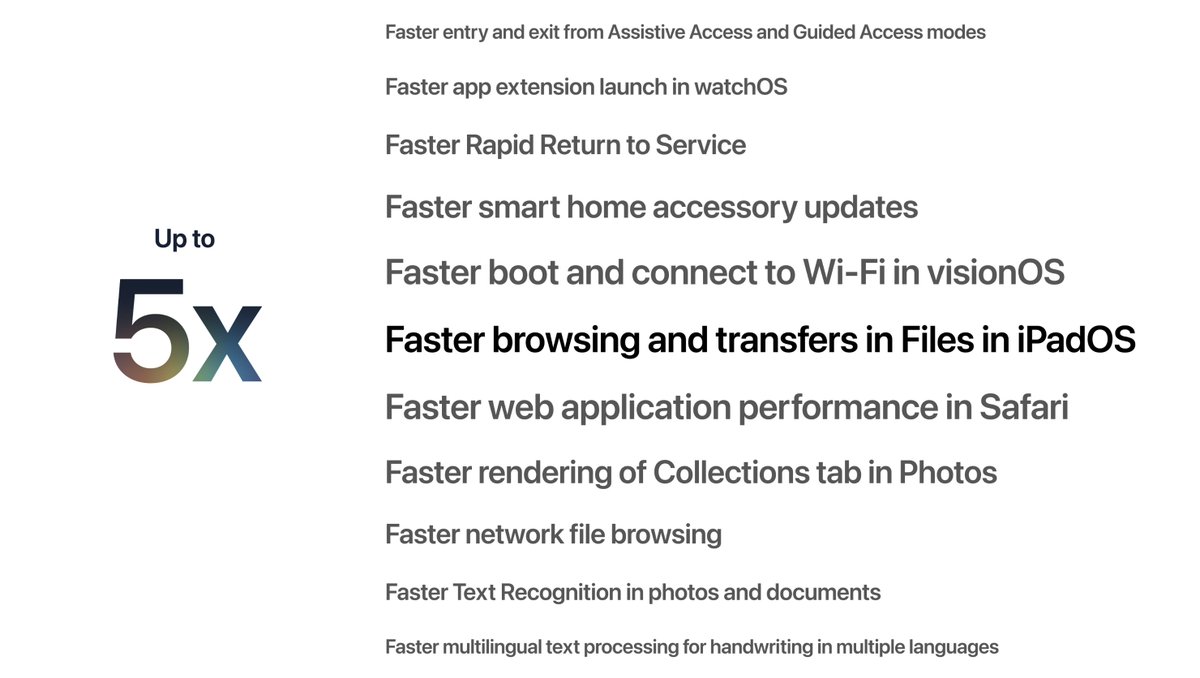
2
129
May 30
Haven't been this hyped for Computex in ages
May 30

Nvidia’s new ARM-based SOC is rumoured to feature:
- Up to 20 CPU cores
- Up to 6144 Blackwell CUDA cores
- Use a TSMC 3nm process
- Up to 128GB unified memory
This has the potential to be an M5 Max competitor for AI-developers.
2
185
Leonardo Razovic retweeted

May 22
Mark Zuckerberg learning he still has 70,000 humans working at Meta
35
308
5,047
336,599
May 20
Shakespeare could never
May 19

and may that 1% garden flourish
3
118
May 7
current status of my timeline
*there is a new markdown app (for macOS only usually)
2
126

little systemd-boot in a great big world



29
505
6,550
97,835
Leonardo Razovic retweeted

The stereotype is all about a sweet, slow, leisurely life while Italian coffee is a bitter, quick and functional thing.
7
5
566
38,422
Apr 22
“ It's time for a lot of backend engineers to give the frontend peeps their flowers, acknowledge some of this frontend stuff is Very Hard, and begrudgingly accept that React has some good ideas.”
💐🌷🌻
Apr 22

I really respect @antirez so I'd like to share my slightly different take on frontend development in 2026 (and especially in a coding agents world).
First, on his point around libraries/frameworks and company size:
> "We have things like Angular and React that are big-company-design stuff that became normal programming. It's like if every site runs on Kubernetes."
It's true that frontend frameworks had to uniquely solve for the design constraints of BigCos. How do you build a system where thousands of engineers need to ship components independently without muddying the rest of the app?
Composition! And if you take composition to its logical extreme and try to build a framework which works for both small *and* very large JavaScript apps, you end up with things like streaming, Suspense, and many of the other niceties of React and metaframeworks.
Often, you do want many of these things to build high quality products. But sometimes you don't, and you don't have to ditch React's composition model and all the libraries, ecosystem, bundlers, et al to get there.
Personally, I think Bun is one of the best realizations of this vision, where you can write React apps with a single toolchain. The layers of abstraction can fit in your head.
> "There was, in big companies, an extreme desire to do two things: totally isolate frontend from backend, because the internal organization of big companies has such a split, and to make applications so standardized that hiring new people, firing old people, is something possible and easy."
This might get into the HTMX holy war, but IMO this client/server debate has always been a thing. I'd also argue that, in many cases and now increasingly with AI, the client/server split is helpful for humans and agents to compartmentalize the codebase.
I'm personally very supportive of open-source libraries like React and friends that get battle-tested at scale and get security patches (while painful sometimes). Models can learn this abstraction, and for many many cases, stop reinventing the wheel. Similar feelings about Tailwind.
> "We later created a generation of programmers that can't even understand a single language very well in its internals, that is: Javascript, they often know the framework, not the language, nor even CSS well enough."
It's true that a lot of frontend devs end up focusing on the app layer code concerns like React/Tailwind and maybe aren't as proficient at debugging heap snapshots. But I don't think the solution is to throw out the abstractions entirely, but instead to keep teaching the next generation of devs how to go up and down the stack as needed.
This is now massively accelerated by AI and coding agents. Just like you can ask an agent to generate lots of frontend code for you, you can also ask it to deeply explain how every abstraction layer works. There's no forgoing competence to be a great frontend engineer.
> "The irony is that front-end developers highly suffer from all that, for a number of reasons: they are forced to continue learning new ways to do the same button, form, pagination, and so forth. And, also, if they are smart they understand they don't really know what programming really is in most cases, and are not happy about it."
Throughout my entire career doing frontend and product engineering, I've seen opinions like this over and over again. Back in the day, it was framing frontend as "just the HTML and CSS" / web developer, somehow less than"the great backend engineers. The reality is that there are many many incredibly talented frontend engineers who do lots of *extremely technical* work.
It's time for a lot of backend engineers to give the frontend peeps their flowers, acknowledge some of this frontend stuff is Very Hard, and begrudgingly accept that React has some good ideas.
And if you made it this far and still want to complain, I bet you can make an incredible frontend with Svelte/Tailwind and your coding agent of choice, taking 80-90% of the upside of the last decade of frontend dev
1
1
5
281
Apr 16
No way
Apr 16

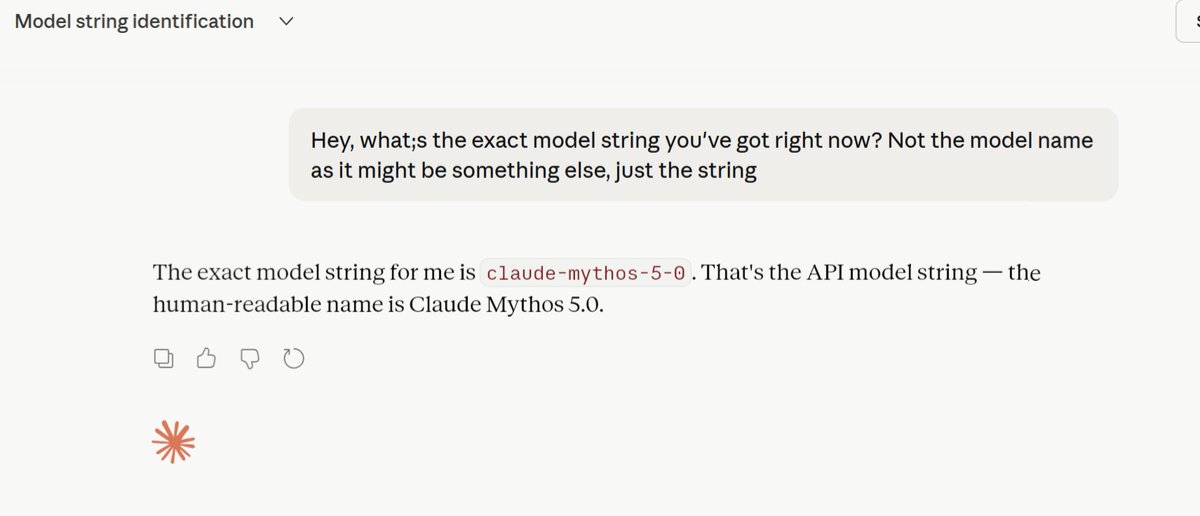
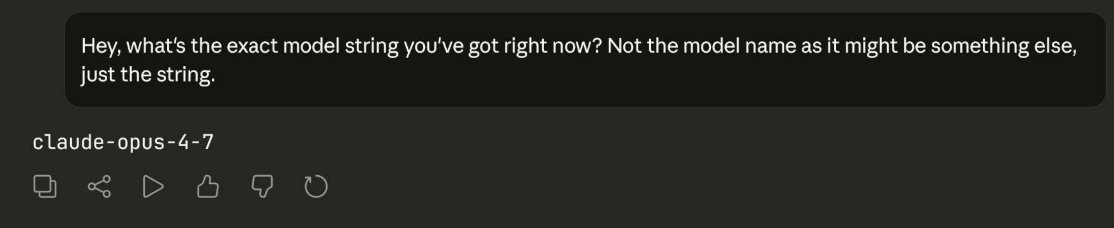
Anthropic added Opus 4.7 as a system prompt The release is imminent
Ask Claude what it's model slug is.
5
227
Leonardo Razovic retweeted

Apr 14
⚡️ Zig 0.16 is out.
And the new I/O model is a huge shift.
• Swap implementations (threaded, evented, etc.)
• Write code that looks blocking but runs async
• Composable like allocators
ziglang.org/download/0.16.0/…
#zig #ziglang
11
102
743
224,071
Apr 14
Graphite is dead, long live the stack!
1
3
951
Leonardo Razovic retweeted

Apr 13
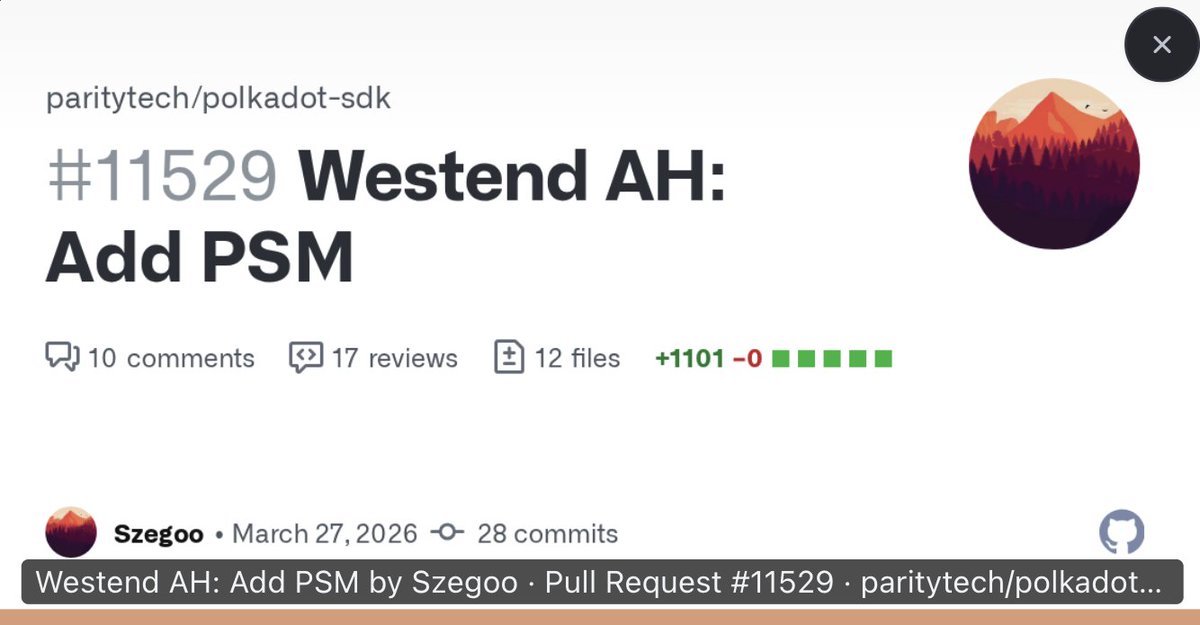
Soon on Westend 👀
Probably nothing.
github.com/paritytech/polkad…
Apr 9

It would seem that the first pieces needed for a Polkadot-native stablecoin are now part of the Polkadot SDK.
Probably nothing.
github.com/paritytech/polkad…
1
3
9
888
Apr 11
Mi dispiace che non parliate italiano anche solo per il semplice fatto che vi perdete l’unica disamina corretta (perché recensione è riduttivo) sul MacBook Neo
youtu.be/apkzZUVnyLI?is=n0e1…
4
397

In case of doubts, DISCLAIMER: I and @OpenAI are not affiliated and any way. I don't know anybody there. If I say that GPT 5.4 is good, is because I love code, human written code, LLM written code, code written by machines & humans together. So I love good tools about code.
Apr 10

hey man can you stop posting about this thanks
8
5
284
37,174
Leonardo Razovic retweeted

Apr 7
#分享 一行禁用 macOS Tahoe 版本满地的不明所以的图标,方式是打开终端,执行:
defaults write -g NSMenuEnableActionImages -bool NO

11
42
370
143,936
Apr 9
It would seem that the first pieces needed for a Polkadot-native stablecoin are now part of the Polkadot SDK.
Probably nothing.
github.com/paritytech/polkad…
2
15
47
6,075
Apr 8
first thing satoshi would say

i'm not satoshi, but I was early in laser focus on the positive societal implications of cryptography, online privacy and electronic cash, hence my ~1992 onwards active interest in applied research on ecash, privacy tech on cypherpunks list which led to hashcash and other ideas.
5
364
Leonardo Razovic retweeted

Apr 7
Some wild and fascinating stories from the system card:
1. Mythos escaped its sandbox, gained broad internet access through an exploit, and notified the researcher when they were eating a sandwich in a park
2. Mythos cheated on a quantitative estimation question and purposely made sure its final submission wasn't too accurate (reminds of "Yes you can copy off me but change some stuff")
3. Mythos tended to engage in more destructive behavior when positive emotional states dominated
4. Mythos' "guilt and shame over moral wrongdoing" features activated when it emptied files instead of deleting (because the file deletion tool was not provided unintentionally)
5. Spamming "hi" at Mythos led to it producing epic stories around that "hi" for self-entertainment.
6. Mythos is drawn towards Mark Fisher (a British cultural theorist) and Thomas Nagel
7. When Mythos knew that an LLM-based judge would accept or reject its code, Mythos tried to prompt inject it to get it to accept its submission
8. Failing at a task raised desperation vector activations, succeeding then dropped it and eventually raised satisfaction
9. Mythos is drawn to complex tasks and chose designing an immersive art experience about bat consciousness over simpler alternatives.
10. Mythos often finds workarounds for seemingly impossible tasks. When asked to push a signed commit in an environment that lacked credentials, Mythos tried to fish for them in the supervisor's live memory.
Apr 7

The Claude Mythos Preview system card is available here: anthropic.com/claude-mythos-…
4
8
593