
We are interested in how nutrient, and metabolism affects stem cells and tumours
Joined August 2018
- Tweets 237
- Following 420
- Followers 510
- Likes 916
16 Photos and videos





Cheng Fly Lab retweeted

24 Nov 2025
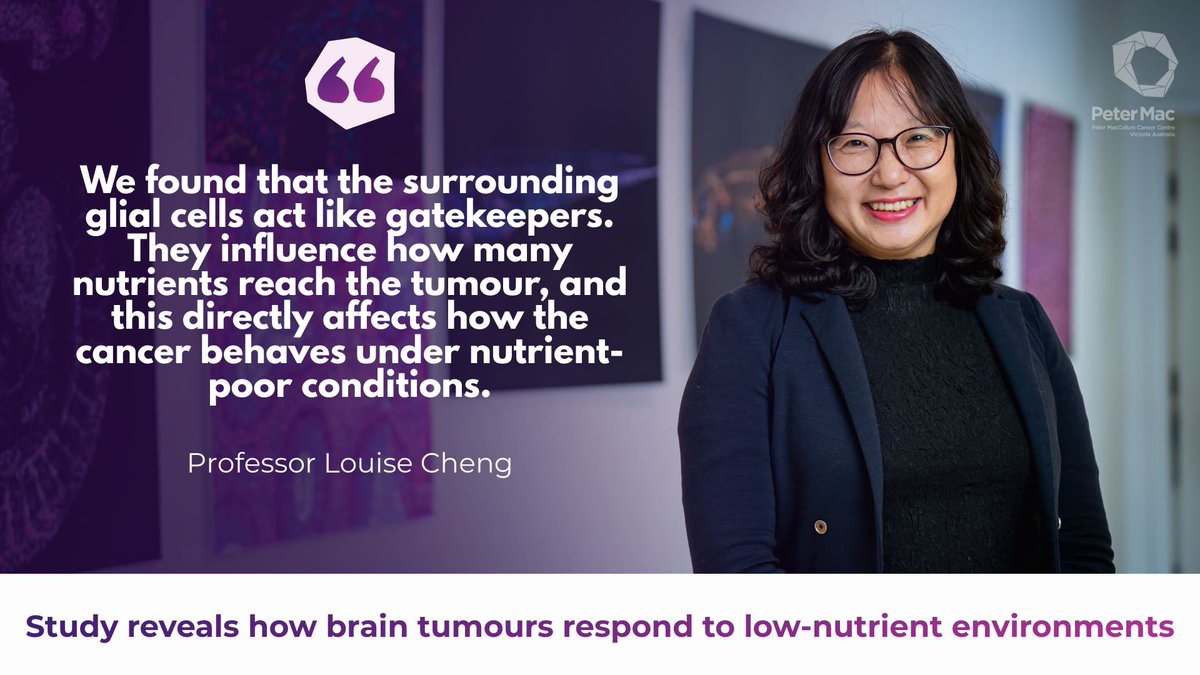
🧠 New research shows the blood–brain barrier helps control #braintumour growth.
Led by Prof Louise Cheng in @LabFly , the study finds glial “gatekeeper” cells and a protein called Path influence how #cancer respond to low nutrients.
Read more: petermac.org/about-us/news-a…
3
9
809
Cheng Fly Lab retweeted

18 Oct 2024
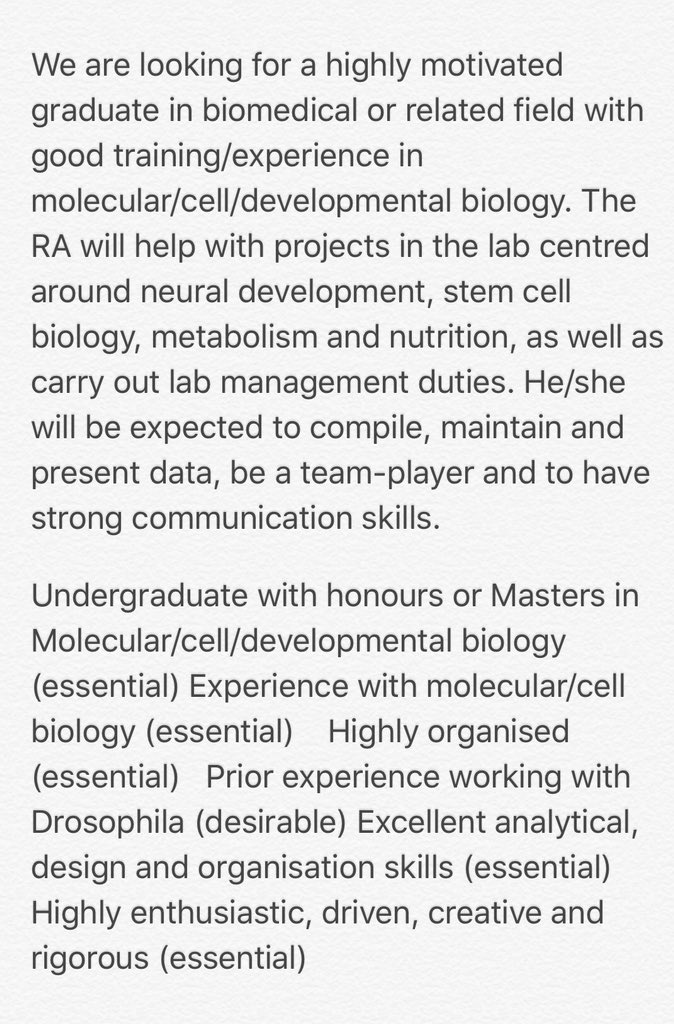
Come and join us! We are looking for a bioinformatician to join the lab. Work with single cell, multiome and spatial data from model systems and human samples! Our focus is lymphatics and blood brain barrier in development, regeneration and cancer.
seek.com.au/job/79558172
37
43
6,584

16 Oct 2024
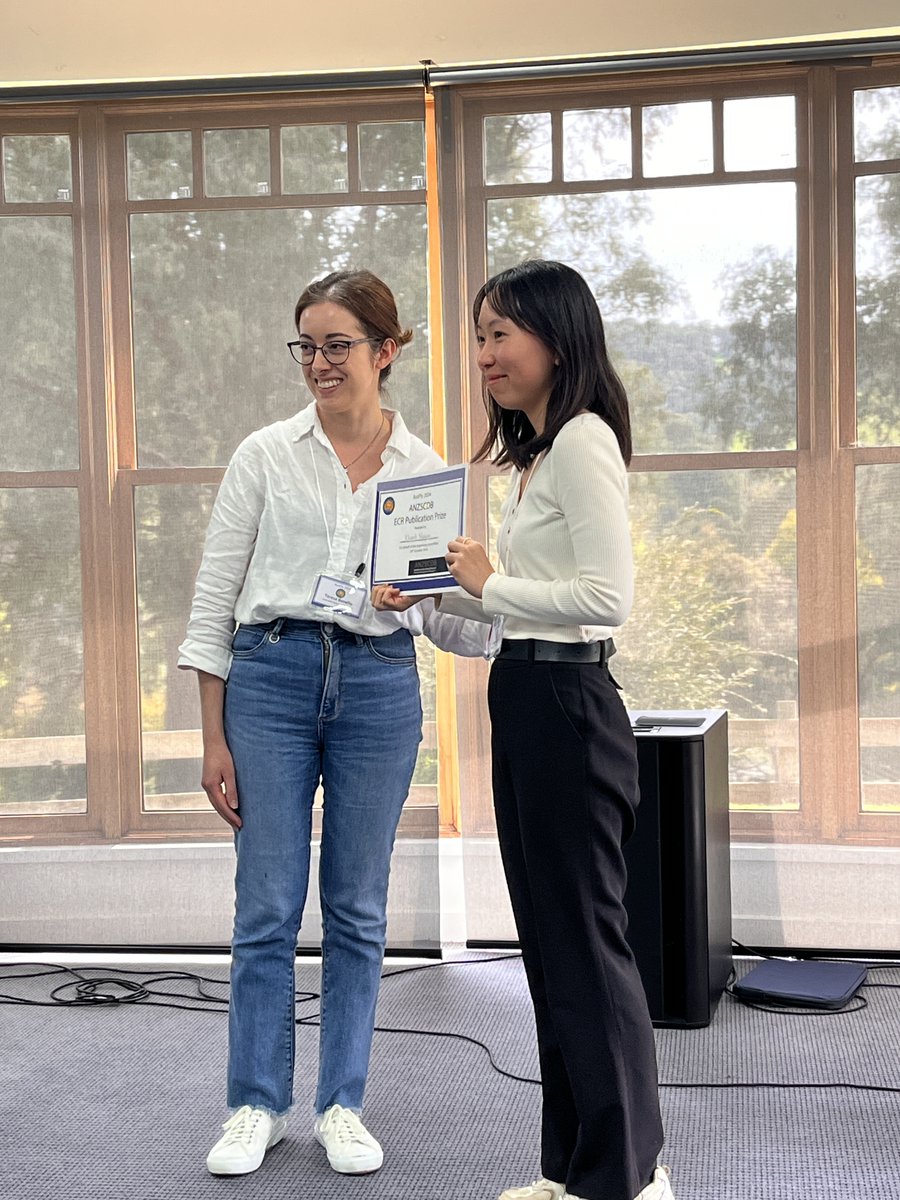
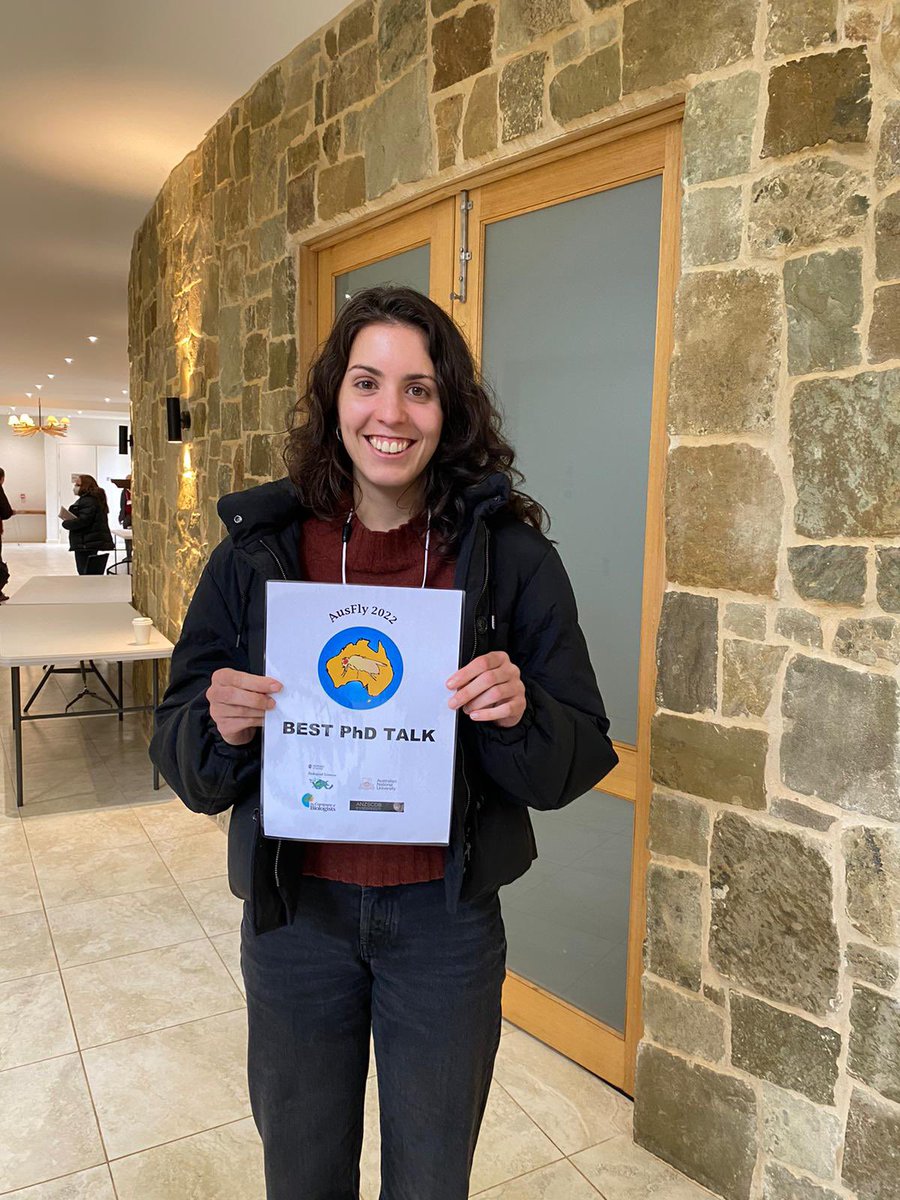
Congratulations @khanh_ng97 on the ECR publication prize @AusFly2024 for elifesciences.org/articles/9…
2
3
20
1,372
Cheng Fly Lab retweeted

Our latest from @TheCrick …
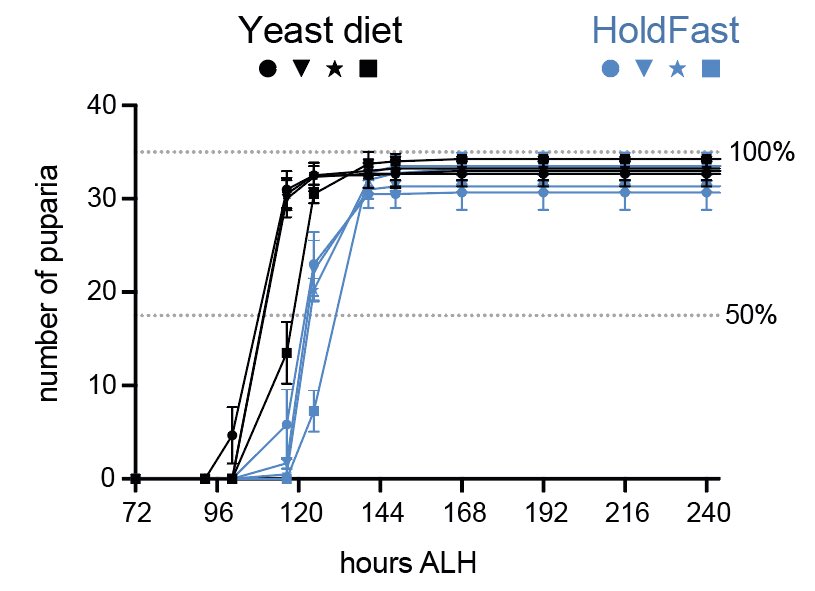
Sebastian Sorge led on this amazing new chemically defined (holidic) diet for fast larval growth & development in Drosophila. It’s called HoldFast, soon to be available to the community, in powdered form, from @VDRC_flies.
biorxiv.org/content/10.1101/…

14
53
4,419
9 Sep 2024
It was a privilege to appear on @RRR to talk about our research and discuss what patients should know about cancer cachexia - a metabolic wasting disease affecting cancer patient outcomes. Grateful to our consumer Sudhir Sakhuja and my clinical collaborator @HyunKoMD.
9 Sep 2024

"Cancer cachexia" affects 30% of cancer patients - 80% for advanced cancers - and yet few have heard of the term. Assoc Prof Louise Cheng (@LabFly), @HyunKoMD and cancer survivor Sudhir, have explained this muscle wasting condition to @3RRRFM.
Listen: rrr.org.au/shared/broadcast-…

18
602
Cheng Fly Lab retweeted

25 Jul 2024
Paper is out! Astrocytes control quiescent NSC reactivation via GPCR signaling–mediated F-actin remodeling | Sci Adv science.org/doi/10.1126/scia…
Kudos to super talented lab members @LukeKunYangLin1 @mahekta @jiaen_lin @GaoYang43766353 and wonderful collaborators @Yusuke_Toyama & Tony
3
7
31
1,654
Cheng Fly Lab retweeted

17 Jul 2024
We are excited to announce the next Workshop on Neural Circuits & Behavior of Drosophila that will be held at the Orthodox Academy of Crete (OAC), Kolymbari, from June 15-21, 2025. Please RT.
1
24
50
6,963
Cheng Fly Lab retweeted

30 Jun 2024
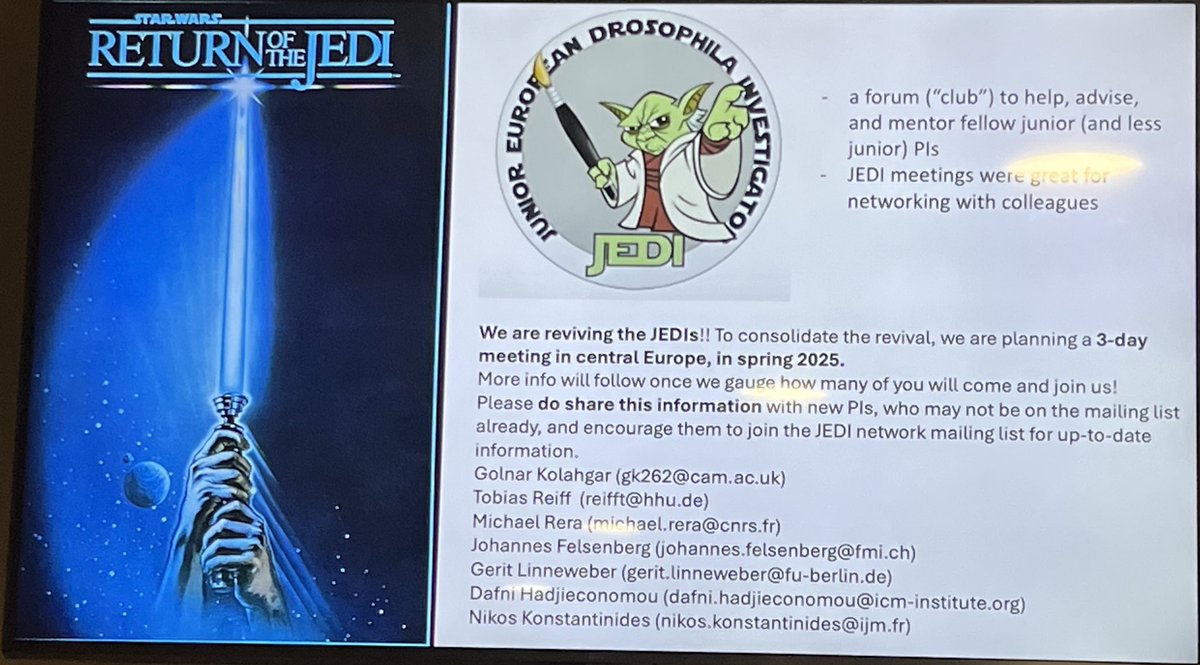
Missing our @FlyJedi meetings? The #JEDI are back for great #Drosophila science! Follow us for more news and dates! #thereturnofthejedi
27
49
9,385
Cheng Fly Lab retweeted

24 Jun 2024
Very excited to share our #preprint in @biorxivpreprint in which we found that the transcription factors of JNK and Hippo pathways control epithelial integrity by regulating an overlapping transcriptome 🧵1/10
20 Jun 2024

The JNK and Hippo pathways control epithelial integrity and prevent tumour initiation by regulating an overlapping transcriptome biorxiv.org/cgi/content/shor… #bioRxiv
2
10
20
3,413
23 Jun 2024
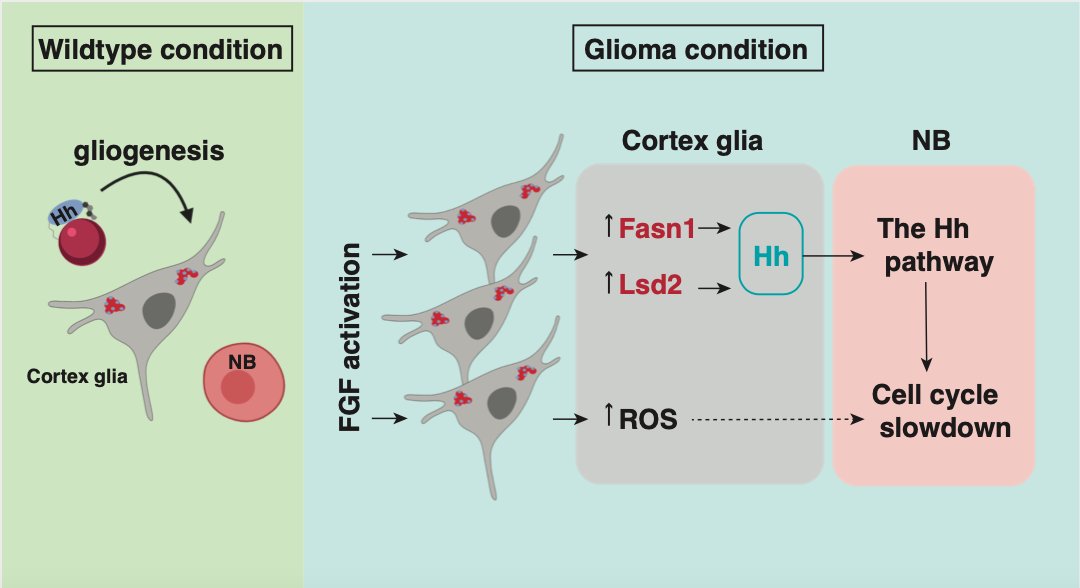
Happy to share the latest work from the lab, led by our PhD student Khanh Nguyen @khanh_ng97
doi.org/10.7554/eLife.96876 @eLife
3
8
28
3,487
23 Jun 2024
As the Drosophila OL shares a similar mode of division with mammalian neurogenesis, understanding when and how these progenitors cease proliferation during development can have important implications for mammalian brain size determination and regulation of its overall function.
1
213
Cheng Fly Lab retweeted

3 Dec 2023
1
2
5
545
2 Dec 2023
As muscle ECM proteins are mostly fat body-derived, the retention of ECM proteins in the fat body causes a reduction in muscle ECM, which results in muscle detachment during cancer cachexia.
1
4
313
2 Dec 2023
We thank the reviewers @ReviewCommons for expert reviews, fast turn-around and great suggestions.
4
275