
A contract real estate team for #LabTenants in #Canadian #LifeSciences
Joined May 2021
- Tweets 998
- Following 886
- Followers 133
- Likes 947
281 Photos and videos





Jim Wilson 🇨🇦 retweeted

Mar 31
Meet the winners of the 2026 Gairdner Awards. Canadian 'baby Nobels' recognize significant advances in human biology and medicine, by @ivansemeniuk @jyangreporter @picardonhealth theglobeandmail.com/canada/a… via @globeandmail @GairdnerAwards
1
3
14
1,051
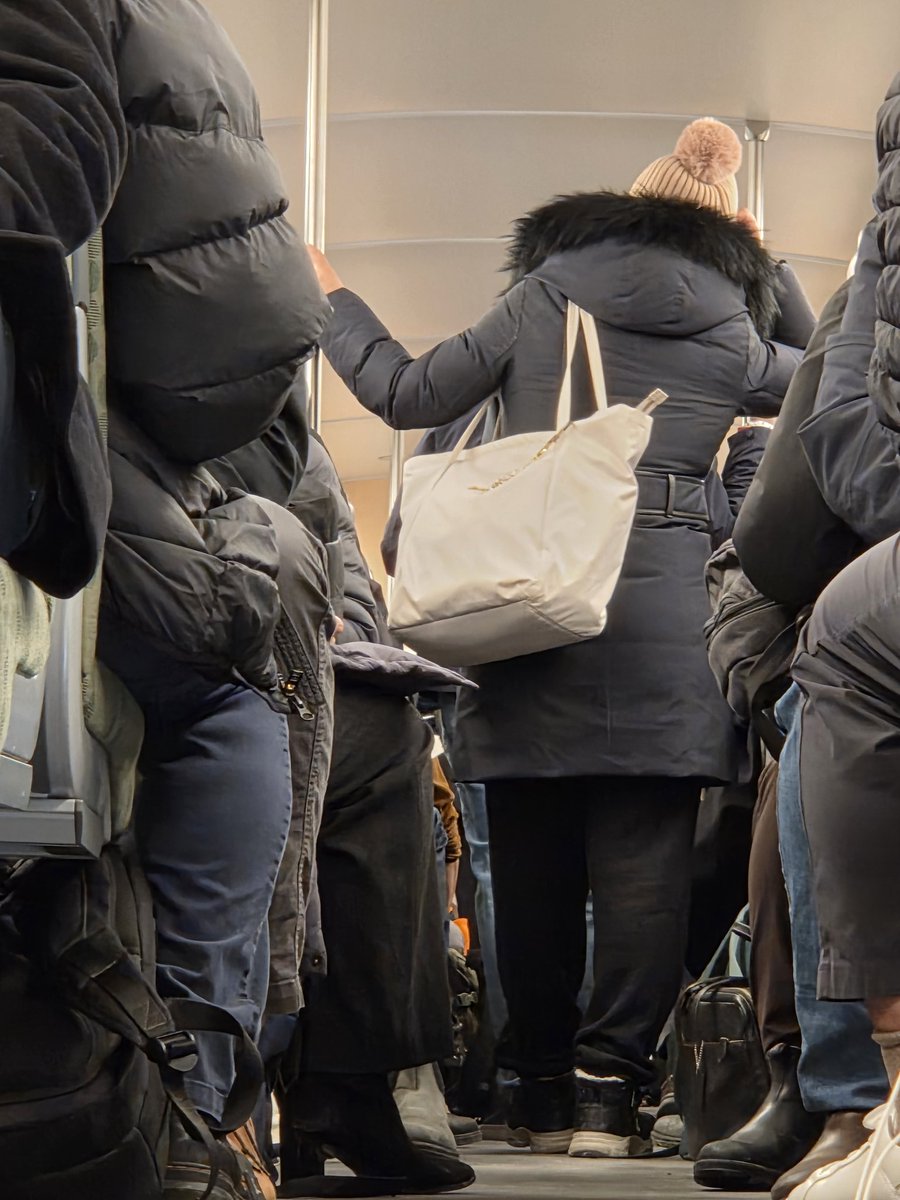
Am heading to the @OBIOscience #InvestorSummit on @GOtransit in the @cityoftoronto this morning and if the number of commuters in this coach is any indication, the #ReturnToWork is in full force... | #RTW #WorkplaceStrategy
2
82
Jim Wilson 🇨🇦 retweeted

17 Nov 2025
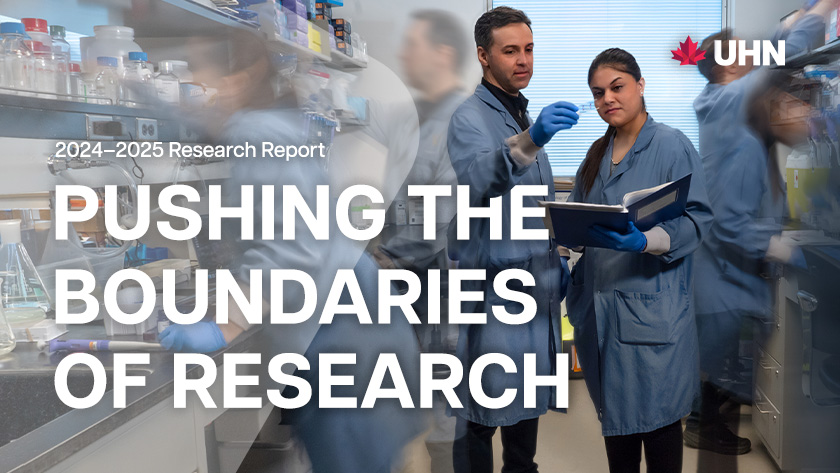
Rebuilding human heart tissue. Harnessing #AI for precision care.
@UHN researchers are ‘Pushing the Boundaries of Research’ and redefining what’s possible.
➡️ Discover the innovations shaping the future of health research: uhnresearch.ca/Research-Repo…
#RR25 #DiscoveryToImpact
1
8
17
755
Jim Wilson 🇨🇦 retweeted

20 Sep 2025
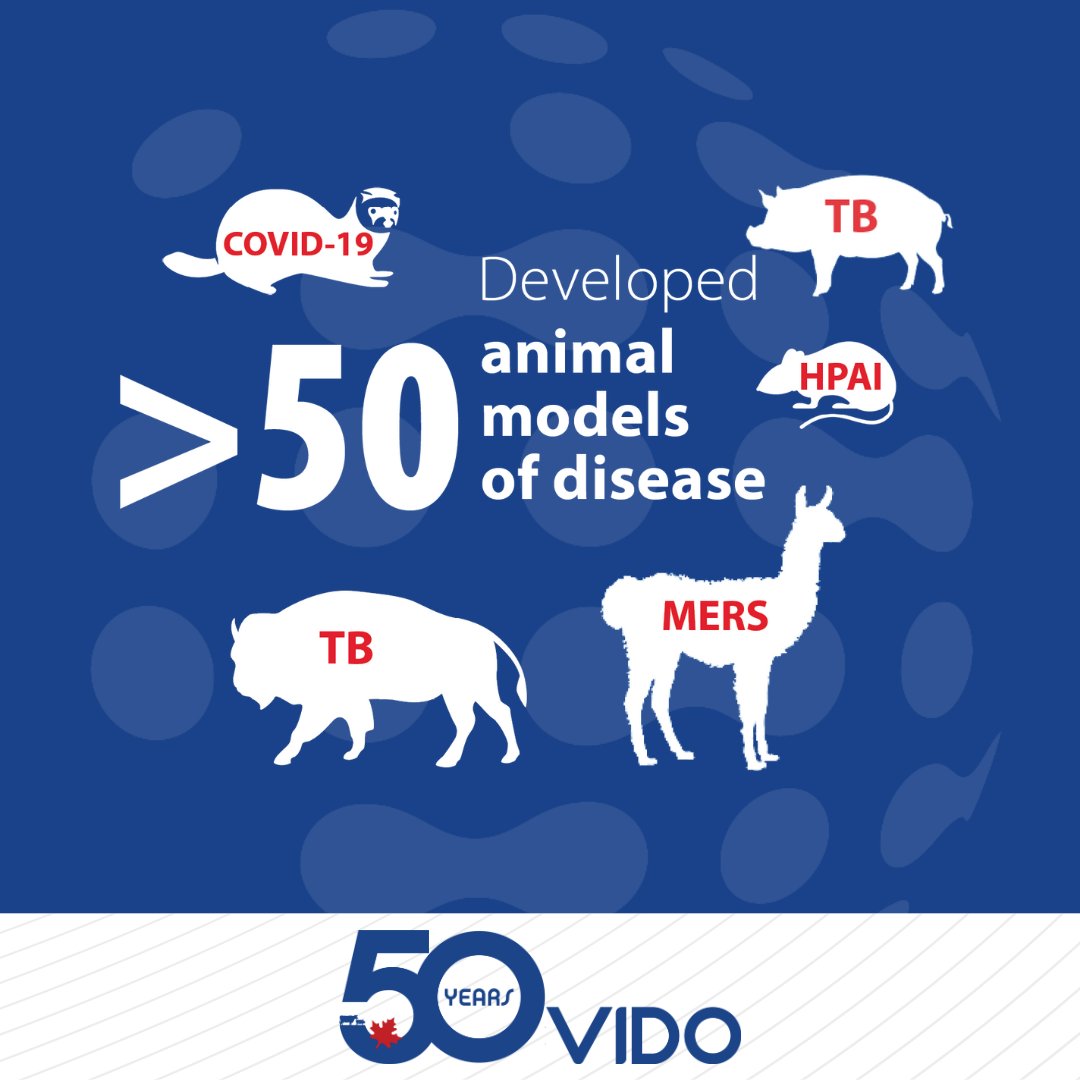
Did you know? VIDO has developed 50 animal models to study infectious diseases! 🧬🐄🐖🐔 These models are critical for research, helping scientists understand diseases & accelerate vaccine and treatment development—protecting both human & animal health. #VIDOis50
1
3
230
Jim Wilson 🇨🇦 retweeted
12 Sep 2025
Three years ago, we celebrated the completion of construction of our Vaccine Development Centre (VDC). The VDC’s manufacturing capabilities for human and animal vaccines supports Canada’s emergency response for possible future pandemics. #VIDOis50

3
4
204

10 Aug 2025
There are few if any more important issues in #Ontario than the future of our #healthcare system. Please join me in signing the enclosed petition | @hamhealth @HamHealthSci
chng.it/5JCMytGxph
2
25
Jim Wilson 🇨🇦 retweeted

30 Jul 2025
Share in the thrill of discovery!
Gairdner Science Week is back October 20-23. Join us for a week of groundbreaking science with the world's top experts and #GairdnerAwards winners.
Full event lineup and registration → bit.ly/GairdnerScienceWeek20…
#GSW2025
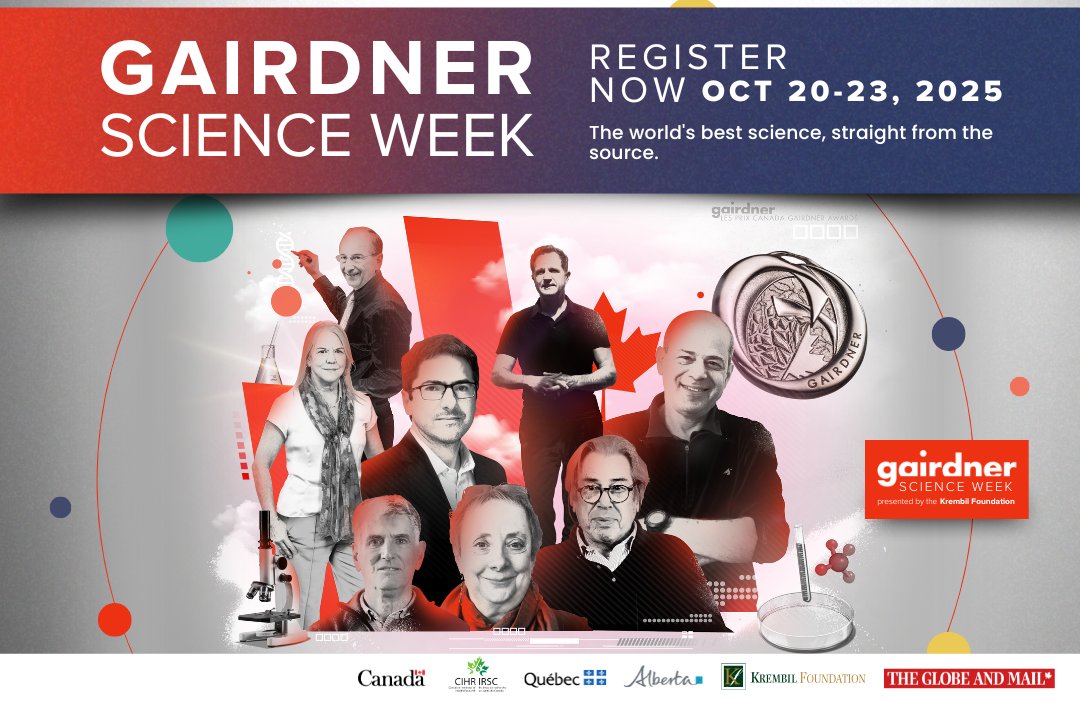
5
3
710
Jim Wilson 🇨🇦 retweeted

21 Jul 2025
The mantra “location, location, location” isn’t just about real estate.
For life scientists, more than 50% of their productivity can be attributed to the institution where they work, according to a new study. @ScienceCareers scim.ag/44V9Vxo
10
25
99
28,829

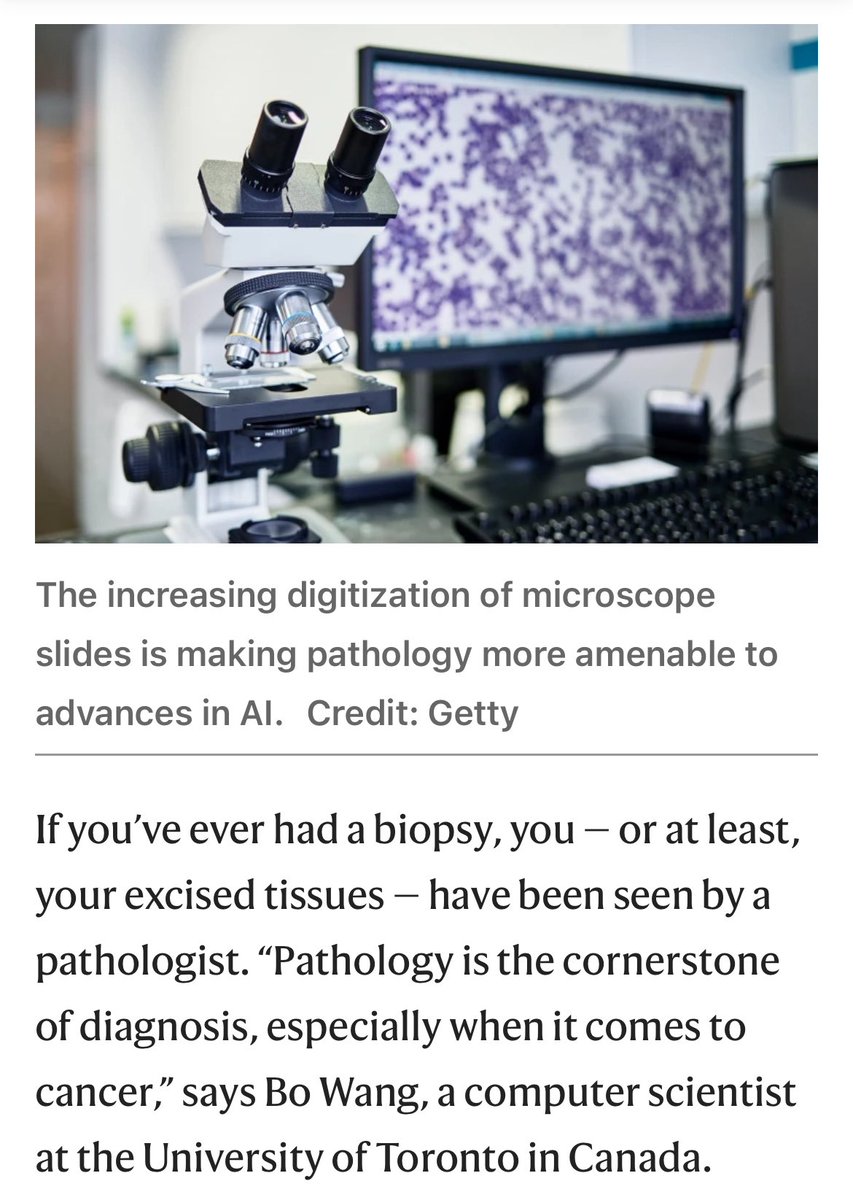
Just had the pleasure of being interviewed by @Nature on the rise of AI in digital pathology. With growing workloads and global shortages of pathologists, the field is turning to AI not as a luxury—but as a necessity.
Full article: nature.com/articles/d41586-0…
In the article, I discuss how recent advances in foundation models like UNI-2 and CONCH are redefining what’s possible in cancer diagnostics. Trained on hundreds of millions of pathology patches, these models go beyond classification: they enable molecular subtyping, caption generation, and even zero-shot inference.
But while the hype is real, so are the challenges. Cross-site generalization, lack of external validation, and regulatory hurdles remain major barriers. We must invest in robust benchmarking, multi-institutional trials, and trustworthy model design to ensure AI truly supports—not replaces—clinical judgment.
Digital pathology isn’t the future—it’s already here. Let’s make it safe, scalable, and equitable.
@UHN_Research @PMResearch_UHN @VectorInst @UofT
3
46
244
21,230
Jim Wilson 🇨🇦 retweeted
10 Jun 2025
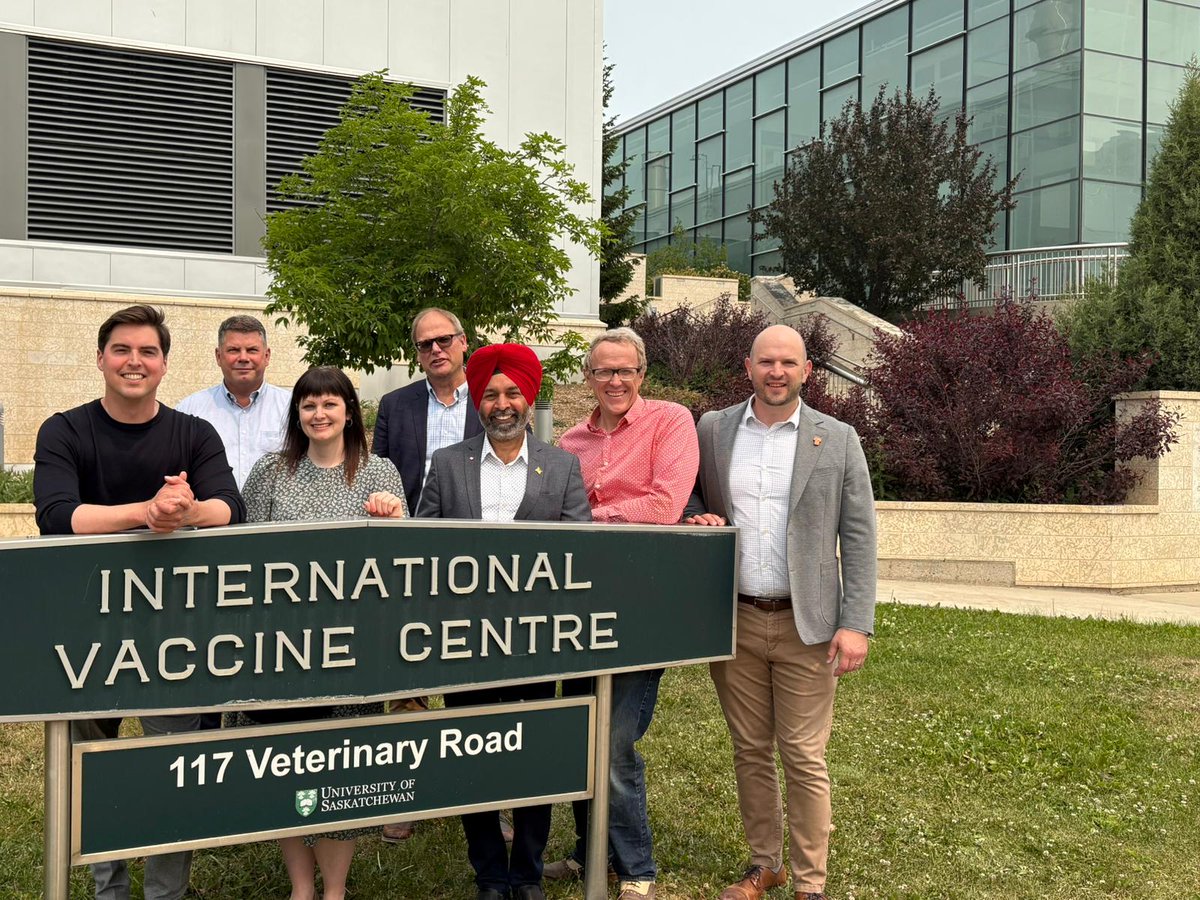
Today we had an excellent chat with several Saskatchewan MLAs sharing the importance of infectious disease research and its worldwide impact. #CanadianResearch
3
8
488
Jim Wilson 🇨🇦 retweeted

30 May 2025
"There is a cohort of talent unlike we have ever seen before that we can compete for."
Dr. @bradwouters, EVP of Science & Research at UHN, gives @CBCTheNational an inside look at Canada Leads, an initiative to recruit 100 top early-career scientists:
cbc.ca/player/play/video/9.6…
2
12
26
2,036
29 May 2025
This announcement by @RBC is perhaps the catalyst #office #landlords have been looking for since the pandemic | @globeandmail #OfficeLeasing #WorkplaceStrategy #CRE #OccupierServices
29 May 2025

RBC to require employees to work in the office four days a week theglobeandmail.com/business…
89
Jim Wilson 🇨🇦 retweeted

24 May 2025
A Giant in science and medicine. Generous mentor. With gratitude and appreciation. RIP Dr Till.
23 May 2025

UHN is grateful and honoured to have called Dr. James Till, one of the fathers of stem cell science, a valued member of TeamUHN.
His many colleagues and students continue their work in his legacy, furthering stem cell science and cancer research, and improving patient care.
4
23
1,652
Jim Wilson 🇨🇦 retweeted

17 May 2025
The 80-year recipe stoking America’s Prosperity:
1) Free-market capital investments in brilliant ideas…
2) enabled by Engineering Innovations…
3) based on Science Research in Universities…
4) funded by Grants from the US Government.
It’s time more people understood this.

257
660
3,431
294,600
17 May 2025
For the first time, a #CRISPR drug treats a child’s unique mutation | @TheEconomist #PersonalizedMedicine #LifeSciences
economist.com/science-and-te…
13
Jim Wilson 🇨🇦 retweeted

16 May 2025
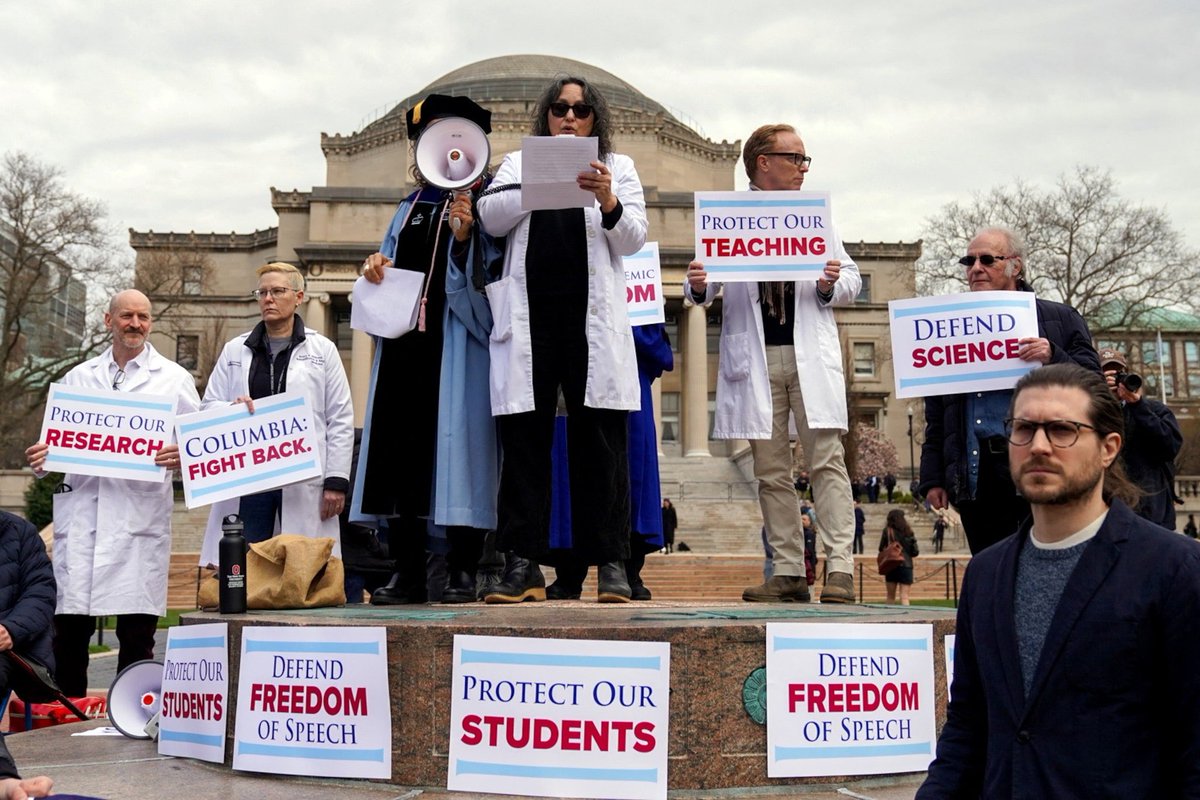
My two NIH cancer research grants were terminated today. One involving breast cancer prevention is an “outstanding investigator award” and had received a perfect score by reviewers. How does ending lifesaving cancer research make Americans healthier? @harvardmed @aacr
114
743
2,247
141,198
Jim Wilson 🇨🇦 retweeted

18 Apr 2025
Canada can be the global leader in medical research theglobeandmail.com/gift/772…
4
13
778
9 Apr 2025
An advance in #BrainResearch once thought impossible... | @nytimes #Neurotech #Biotech #LifeSciences nytimes.com/2025/04/09/scien…
25
Jim Wilson 🇨🇦 retweeted
6 Apr 2025
Canadian scientist Daniel Drucker among winners of prestigious Breakthrough Prize for discovery of hormone used in anti-obesity drugs, by @IvanSemeniuk theglobeandmail.com/canada/a… via @globeandmail #WeightLoss #diabetes
5
19
4,821