
Creative • Canine Enthusiast • Renovator • Investor • Rationalist •
Joined September 2020
- Tweets 323
- Following 600
- Followers 449
- Likes 834
58 Photos and videos






Pinned Tweet

12 Apr 2025
"Socialism is a philosophy of failure, the creed of ignorance, and the gospel of envy. It's inherent virtue is the equal sharing of misery."
-- Winston Churchill
2
1
29
2,006
Looks under control to me.
NYPD formed a perimeter and the perp was subdued and arrested clean.
UK, are you watching?
-

391
Lazarette Stern 🇺🇸 retweeted

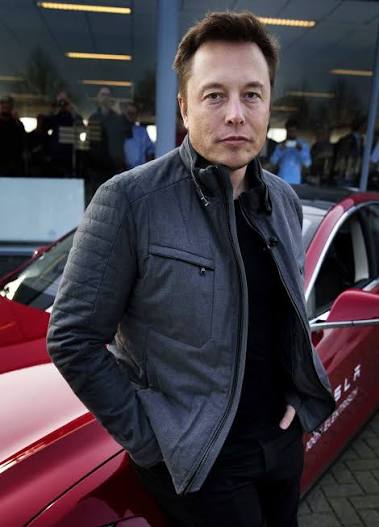
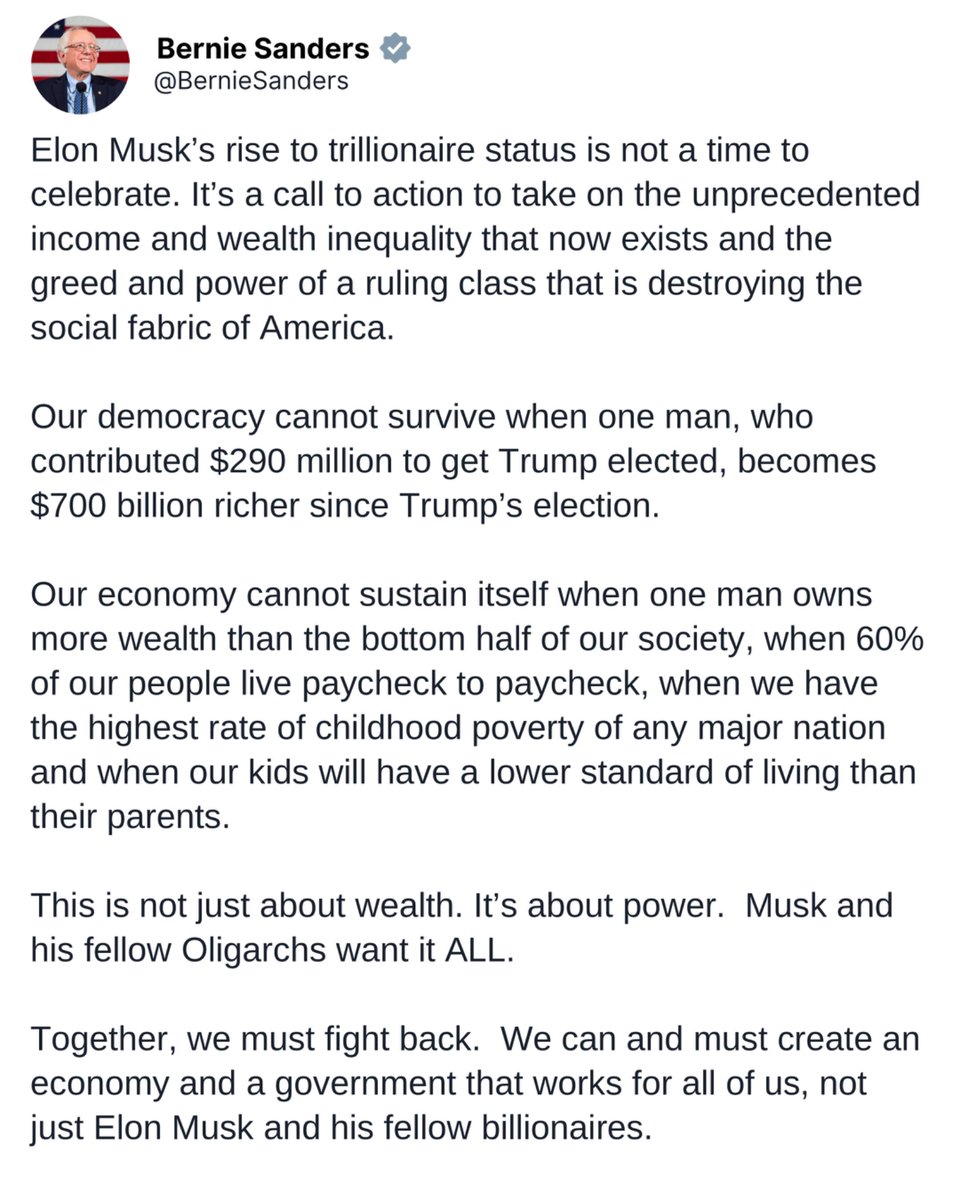
Scott Jennings nailed the liberal meltdown over Elon Musk, becoming the world’s first trillionaire:
“All day long, I’ve been listening to liberals count and spend Elon’s money for him. This envy, jealousy, hatred of success. Why is it immoral? Why is it wrong for somebody in our system… to build companies, build technologies, go into space, aim to put a colony on Mars, give internet to half the world?”
The outrage isn’t about “fairness”, it’s envy dressed up as virtue.
Success that creates jobs, technology, and real progress threatens a worldview built on grievance and zero-sum thinking.
Elon Musk is the shining example of immigration done right.
A legal immigrant who came to America, worked relentlessly, took enormous risks, and built companies that deliver massive value to humanity.
Not by taking from others, but by creating wealth that didn’t exist before.
Success isn’t a crime.
It’s the American Dream in action.
Congratulations, @elonmusk, well earned. Keep building. 🚀
181
960
3,005
26,932
Lazarette Stern 🇺🇸 retweeted

Jun 13
Don’t worry about Elon becoming rich with his own money.
Worry about politicians becoming rich with your money.
1,827
32,088
137,178
1,086,474
And there it is. Take it or leave it.
-

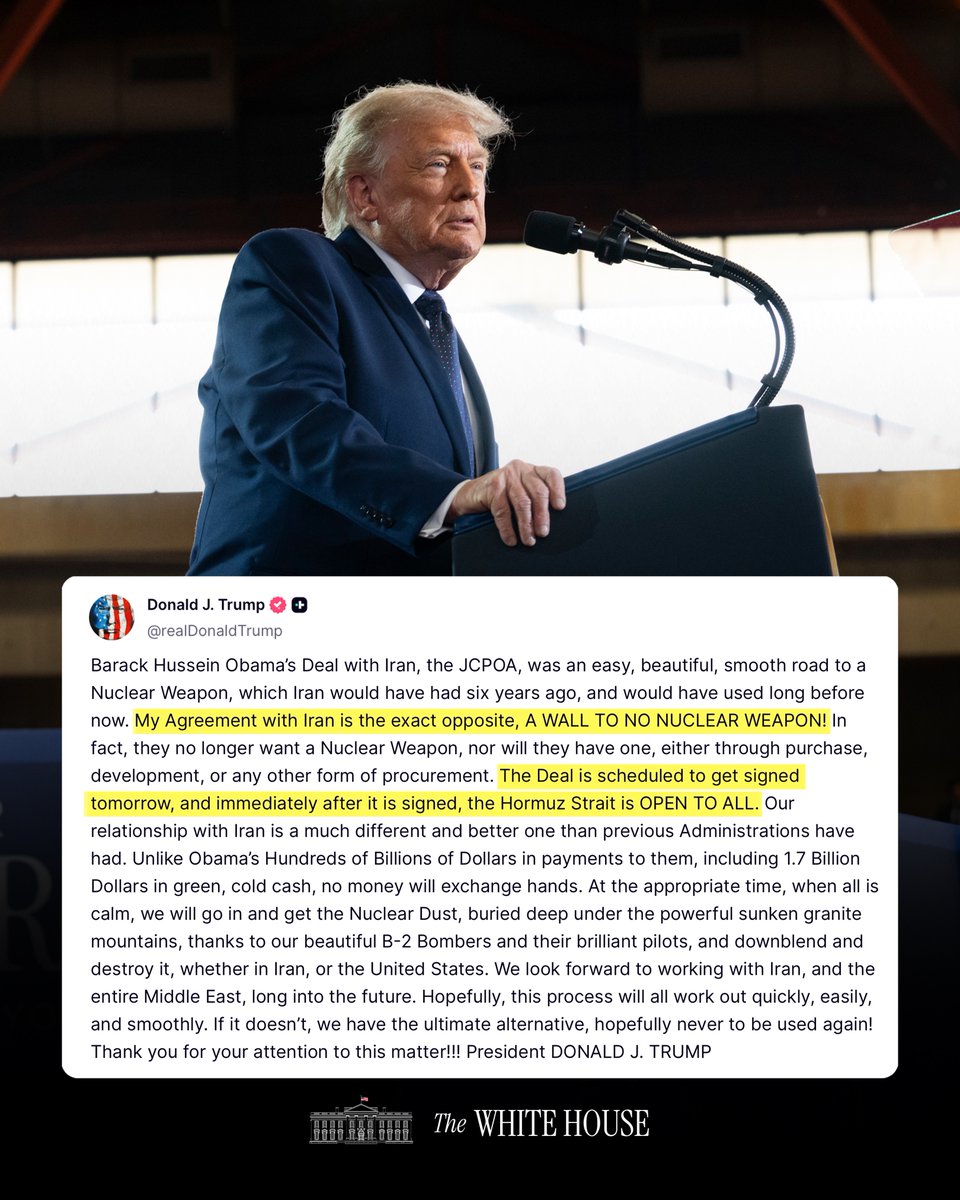
"The Deal is scheduled to get signed tomorrow, and immediately after it is signed, the Hormuz Strait is OPEN TO ALL." - President Donald J. Trump 🇺🇸
6
Lazarette Stern 🇺🇸 retweeted

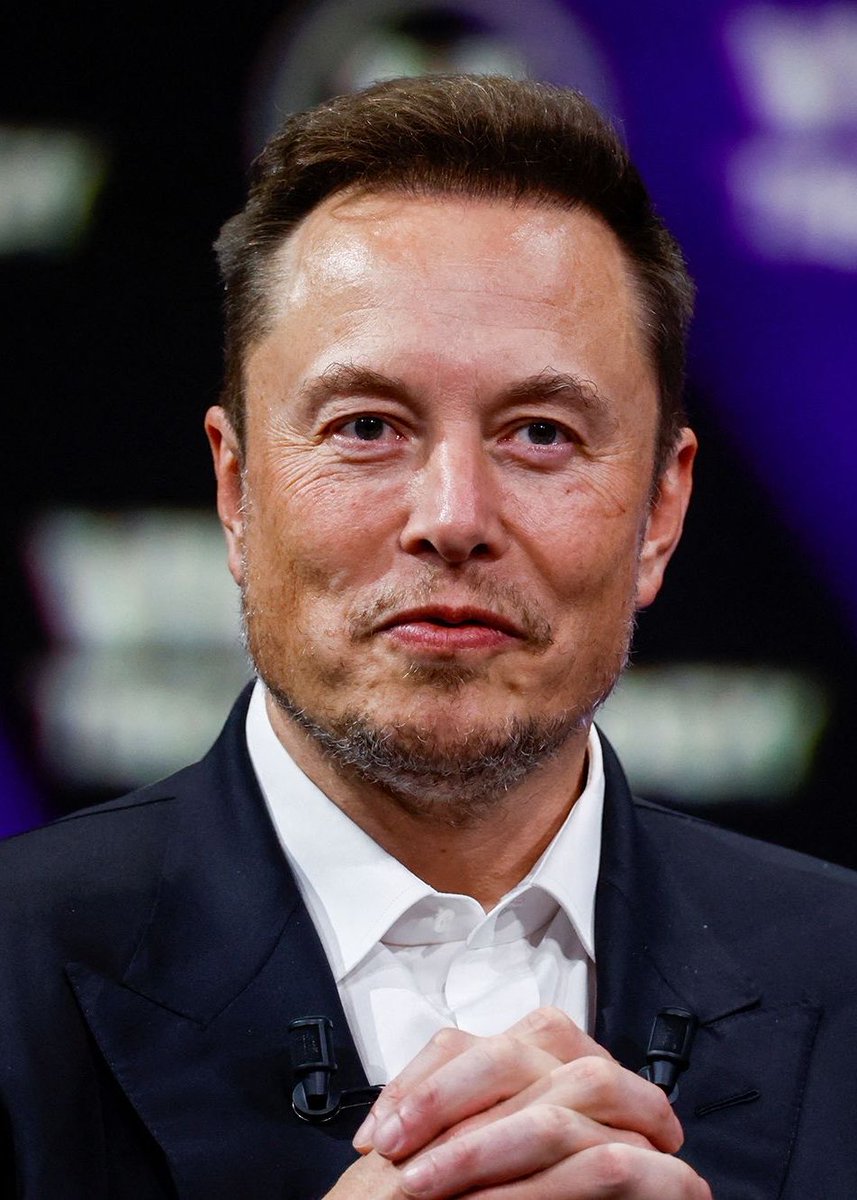
The African immigrant on the left has founded seven companies, directly and indirectly created 800,000 good paying jobs, created thousands of new American millionaires, developed reusable orbital rockets and brain chips that are giving independence to paraplegics, saved free speech, and can’t stop talking about how much he loves America.
The African immigrant on the right married her brother to commit immigration fraud, facilitated the theft of money intended to feed hungry kids, has used government to enrich herself, praises terrorists, and can’t stop talking about how much she hates America.
Leftists want the African immigrant on the left punished with punitive taxes and deported, but will try to run over law enforcement and get shot in the face in support of the African immigrant on the right.

81
1,855
5,450
55,518
Exactly.
--
15h

Can someone please explain it to me like I'm five, why members of Congress are more upset that Elon became a trillionaire than they are that Somalis have defrauded our government out of hundreds of billions of dollars?
Hopefully your post will address the upcoming wave of "If Elon Musk donated just half his money" cut/paste/post idiots.
Jun 13

Je vais partir du principe que tu es de bonne foi, parce que ton raisonnement est intuitif et que 90% des gens le partagent. Mais il repose sur trois erreurs factuelles, et ça vaut le coup de les regarder calmement.
Erreur 1 : la fortune d'Elon n'est pas un tas d'argent. C'est de la propriété d'usines, de fusées et de satellites. "Prendre la moitié de sa tune", concrètement, ça veut dire forcer la vente de la moitié de SpaceX et Tesla. L'argent ne sort pas d'un coffre, il sort des entreprises elles-mêmes, qui passent sous contrôle de fonds étrangers ou d'États. Tu ne redistribues pas du cash, tu démantèles un outil de production. C'est la différence entre récolter des pommes et découper le pommier.
Erreur 2 : "ça résout énormément de problèmes dans le monde". Cette expérience a déjà été tentée, en vrai. En 2021, le directeur du Programme Alimentaire Mondial de l'ONU a affirmé que 6 milliards de Musk pouvaient "résoudre la faim dans le monde". Réponse d'Elon : décrivez-moi exactement comment, comptabilité publique à l'appui, et je vends mes actions Tesla immédiatement. Le PAM a publié son plan. Verdict : ce n'était pas "résoudre la faim", c'était nourrir 42 millions de personnes pendant un an. Un an. Puis il faut re-payer, pour toujours. Le PAM avait d'ailleurs levé 8,4 milliards l'année précédente, et la faim était toujours là. Les ONG traitent les symptômes en boucle, jamais les causes, parce que leur financement dépend de l'existence du problème.
Erreur 3, la plus importante : tu cherches ce qui sort vraiment les gens de la pauvreté. Bonne nouvelle, on a la réponse, et elle est massive. En 1990, 36% de l'humanité vivait dans l'extrême pauvreté. Aujourd'hui, moins de 9%. Plus d'un milliard de personnes sorties de la misère en 30 ans. Par quoi ? Pas par la charité ni par l'aide internationale (plus de 1 000 milliards versés à l'Afrique en 60 ans pour un résultat à peu près nul). Par l'ouverture des marchés, l'industrialisation, le commerce. La Chine seule a sorti 800 millions de personnes de la pauvreté en abandonnant le collectivisme, pas en taxant ses entrepreneurs.
Donc fais le calcul complet. Option A : tu confisques 500 milliards, tu finances quelques années de programmes, l'argent est consommé, et tu as détruit la machine qui produisait les fusées, les voitures électriques et l'internet des zones rurales. Option B : tu laisses le meilleur allocateur de capital de sa génération réinvestir 100% de sa fortune dans des industries qui baissent les coûts pour tout le monde et emploient des centaines de milliers de personnes. L'option A soulage ta morale pendant 18 mois. L'option B sort des populations entières de la pauvreté pour toujours.
La pauvreté ne se redistribue pas. Elle se résout par la création. C'est contre-intuitif, c'est frustrant, mais c'est ce que disent 200 ans de données.
1
38

History's first trillionaire is a guy who catches rockets out of the sky with chopsticks and beams internet to every dead zone on the planet.
Same guy ships cars that drive themselves, humanoid robots for the factory floor, brain chips that let paralyzed people move a cursor with pure thought, and an AI running on a supercomputer his team stood up in months instead of years.
And the people crashing out about his net worth are doing it on the app he owns. The same app governments spent years trying to censor.
You cannot legislate a rocket into orbit.
Jun 12

1,571
10,158
62,493
1,931,336
Cooper blocked me, he lost.

Yeah, but you're a nobody now.
14
Lazarette Stern 🇺🇸 retweeted

May 28
We gave up on “civility” when you tried to stage a literal coup via the “Trump/Russia Collusion” hoax.
We abandoned “comity” when you decided that serial impeachments based on lies and fables were your preferred method of thwarting the Constitutional will of the American electorate.
We decided against “collegiality” after you decided it was better to fabricate criminal charges to defeat your opponents than it was to try and defeat them at the ballot box.
We threw out pretensions of “courtesy” the one-zillionth time you called us “Nazis” while your own candidates sport SS Totenkopf tattoos.
We play by your rules now, Democrats.
Deal with it.
(You too, Mike Pence.)
349
3,245
12,193
92,446
Lazarette Stern 🇺🇸 retweeted

May 27
You all still don’t get it.
Sure, Trump’s endorsement matters but this is much more than that.
The Republican voter is fed up. They keep electing majorities that do nothing.
For examples, 85% of the country wants some form of voter ID and they can’t even pass that.
And the country wants secure borders. And less crime. And less regulation. Etc. This isn’t rocket science.
You all act like Trump just sets an agenda and that’s that. And you couldn’t be more wrong.
Trump ran on an agenda that the country wants. Remove Trump and whoever advocates that same agenda will take his place.
This is where the Republican Party lost its way. Ultimately, you still must do what your voters want.
Anyone thinking that when Trump leaves office that the Republican Party of Bush, McConnell, McCain, Ryan, et al will return is completely delusional.
That you brand yourself as a pollster and political analyst and still can’t grasp this is incredible.
355
1,816
6,741
109,318
Lazarette Stern 🇺🇸 retweeted

May 17
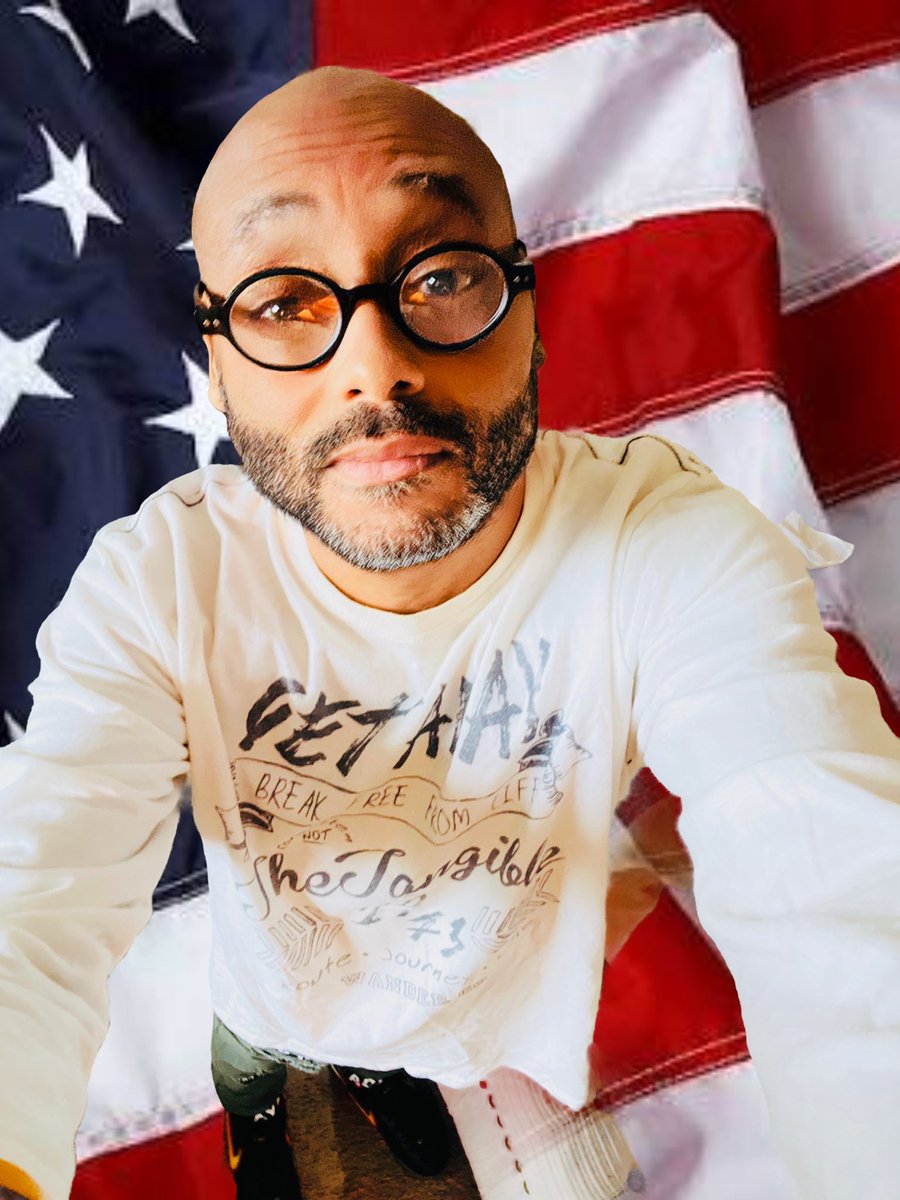
My name is William Michael Holte.
I’m AMERICAN, not AFRICAN-American.
So I don’t wear braids, two-strand twists, cornrows, or locs.
I don’t wear Kente cloth.
I don’t smoke weed or smell like it.
I don’t use the N-word.
I don’t celebrate Kwanzaa — I celebrate Christmas.
I don’t celebrate Juneteenth — I celebrate Independence Day.
I don’t listen to rap — I enjoy classical music.
I don’t wear my pants down under my butt.
I don't wear du-rags.
I don't pretend “We wuz kings,” or push fake ancient African empires.
I don’t blast music with the windows down.
I don’t eat soul food.
I don’t speak in AAVE or Ebonics.
I don’t demand reparations.
I don’t walk around with a permanent victim complex.
And, like the vast majority of fake 'African-Americans' in this country, I don't have any desire to go back to or live in Africa.
I'm Team AMERICA, ride or die.
Who’s with me on that?
4,802
9,775
58,687
502,068
Lazarette Stern 🇺🇸 retweeted

Apr 27
If your candidate was forced through the primaries with ZERO votes, don’t talk to me about kings.
If your side has made multiple attempts on the presidents life, don’t talk to me about saving democracy.
If you don’t know what a woman is, don’t tell me to trust the science.
If you think that President Trump staged attacks on himself, don’t talk to me about conspiracy theories.
If you are boosted with Covid jabs, don’t talk to me about a cult.
If you’re trying to convince children to be uncomfortable in their own skin, don’t talk to me about brainwashing.
If you support abortion on demand, don’t talk to me about religion.
If you supported a vegetable as president, don’t talk to me about invoking the 25th amendment.
If you have armed security, don’t tell me the rest of us need gun control.
If you’re inviting illegals into our country by the millions, don’t tell me we don’t need secure borders and elections.
If you’re misappropriating billions of our tax dollars, don’t tell me not to worry about fraud.
If you burn our flag, don’t tell me how to run our country.
Enough is enough!

319
3,092
7,762
74,375
Lazarette Stern 🇺🇸 retweeted

They arrested the President of the United States of America 4X, charged him 91X, indicted him 4X, spied on his campaign, sabotaged his first term, jailed his supporters, raided his private residence, censored him, gagged him, tried to bankrupt him, and attempted to remove him from state ballots.
When all of that failed they tried to assassinate him not once but four times.
And they go on national television to talk about how we need to vote for them to save democracy.
2,241
23,719
73,727
1,635,147
Lazarette Stern 🇺🇸 retweeted

Apr 26
For the record.
The End of Illusions: Britain Must Confront a Post-American World.
For decades, Britain has operated under a comforting fiction: that no matter the turbulence of global politics, the United States would always stand behind the “special relationship.” That illusion is now over.
No serious British government ever planned for a scenario in which an American president would simply turn away. Yet that is precisely the world now taking shape. “America First” is not a slogan, it is a doctrine. And Britain, long accustomed to preferential treatment, is discovering it is no longer exempt.
The warning signs were there. Suez in 1956 exposed Britain’s dependency. But it was dismissed as an aberration, a relic of imperial overreach. Today’s reality is far more structural. The Strait of Hormuz has made it unmistakably clear: Washington will act in its own interests, not as guarantor of a fading Anglo-American compact.
This has profound consequences. The UK’s economic model, an industrial policy implicitly reliant on American backing, coupled with a financial sector thriving on privileged access, now looks dangerously outdated.
The assumption that the US will underwrite British security, liquidity, and global relevance is no longer a strategy. It is a vulnerability.
Meanwhile, the City of London continues to behave as though capital will always flow its way, as though geopolitical alignment is automatic, as though history has paused. It hasn’t. Capital follows power, and power is being redefined in real time.
Britain now faces a stark choice: adapt to a multipolar world or decline within it. That means rethinking industrial policy, rebuilding sovereign capacity, and abandoning the reflexive dependence on Washington’s goodwill.
The uncomfortable truth is this: America has not betrayed Britain. It has simply reprioritized itself.
And Britain, belatedly, must do the same.
Apr 25

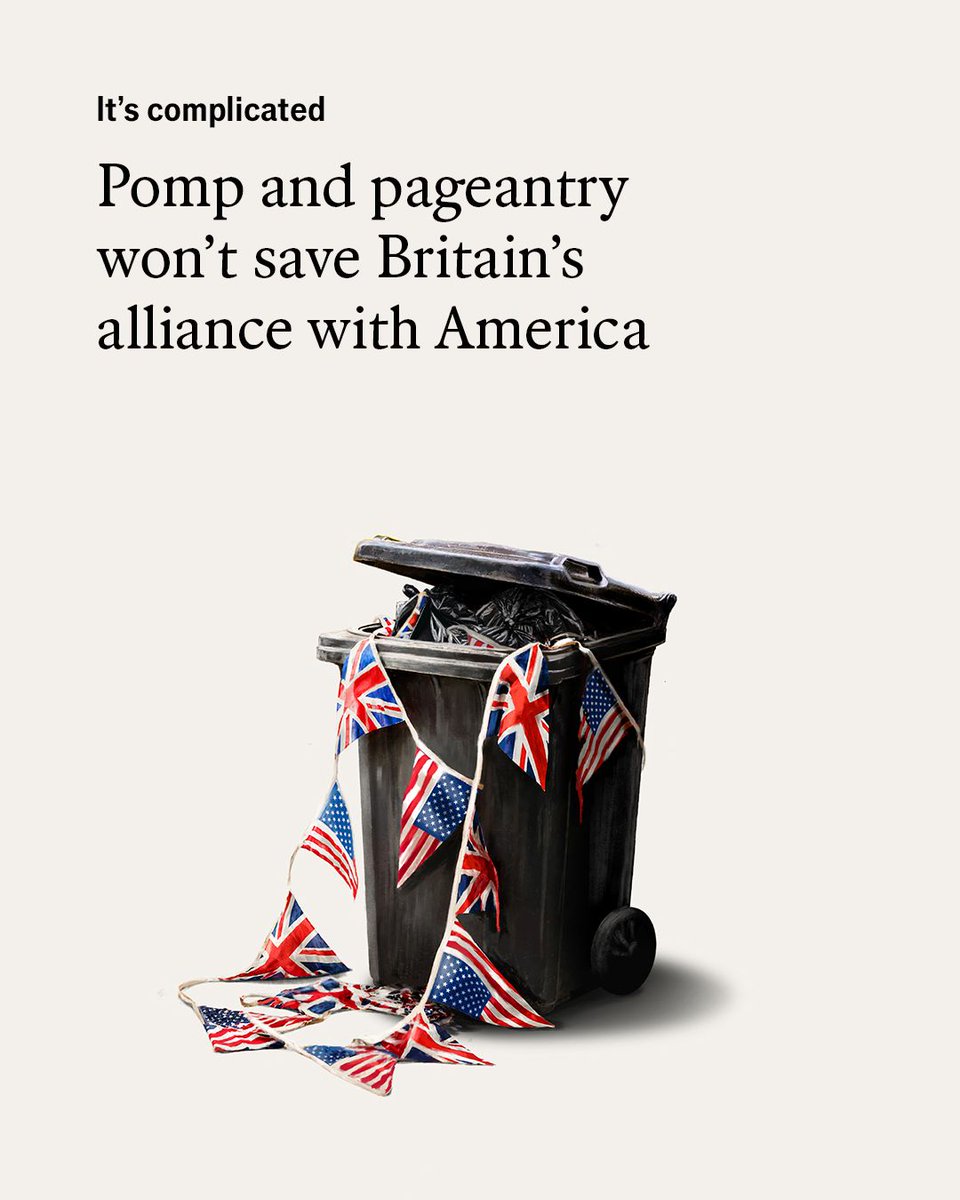
No British government has ever imagined that an American president might turn his back on the special relationship between both nations. Until now econ.st/3OZceLM
Illustration: Mona Eing & Michael Meissner
41
45
183
28,692
Lazarette Stern 🇺🇸 retweeted

Apr 6
I repeat:
The U.S. sent thousands of its 19 years old soldiers to die in Normandy, to free Europe and to end the biggest crime against humanity ever commited - by Europeans.
It was just 81 years ago.
The whole reason, France, Benelux etc. 🇫🇷 exist today is because of this heroism.
My grandparents could grow up in a liberal democracy. Without the U.S. they would be raised at the H*tler Youth.
We Europeans would still be in wars again and again, like 1914, 1866, 1870, 1795 etc.
They brought peace, democracy, liberty and human rights. They invested billions of U.S. Dollars into Europe with the Marshall Fund. They gave us more than we ever had in our history before. They protected us for 7 decades with hundreds of thousands of soldiers against the cruelties of the Soviet Union.
The terror we can see nowadays in Donetsk, would have happened in Bavaria, Bourgogne or the Netherlands in 1950 if there wasn’t the U.S. 🇺🇸
Who do we Europeans think we are to let that nation down, act like bad allies, calling their President names every day on television - and have full confidence we stand better alone. All of instagram is just about, why we’re better than the U.S.
We owe them so much.
We Europeans are most arrogant species on earth. And to cure this we have to face the truth.

5,803
9,975
41,397
1,439,188
Lazarette Stern 🇺🇸 retweeted

Apr 5
Everyone in America was holding their breath for the return of this one pilot—as they should. Even the “I hate my own country” crowd had the self awareness to not play games around that subject.
Thankfully, the pilot is safe and sound.
Now, imagine if a foreign army invaded America and killed 40 000 Americans.
Furthermore, this foreign army filmed themselves beheading civilians, blowing them up, and all kinds of atrocities. They then uploaded those videos online for America to see. To break the US mentally.
Some went further, by sending these videos directly to family members, to watch their loved ones get ripped apart.
Let’s say there was also evidence of mass rape every place this terrorist army set foot in the country. Evidence of brutality so grotesque, entire homes were painted red with blood.
Burned bodies on the streets. Broken homes. Bullet riddled young people lying dead in concert halls.
After hours of fighting, the American army is finally able to expel the terrorists.
But not before the terrorists violently captured almost 7000 US citizens, taking them out the country. Hiding them in tunnels, in a densely populated city.
Right after this 1/2 days of horror, while the country is still counting the bodies—millions of people around the world join massive demonstrations against you. Gleefully calling what you—as a country —experienced “resistance”.
Media personalities, podcasters, college professors, coming out in blatant support of those monsters.
Tell me, how much restraint do you think the United States would show the perpetrators? How much do you think they would care what the international community has to say? What would America do to get their people back?
This is what Israel went through on October 7th.
11
39
306
6,735