Joined March 2015
- Tweets 4,325
- Following 6,686
- Followers 14,400
- Likes 7,763
788 Photos and videos


Waser Group retweeted

Jun 11
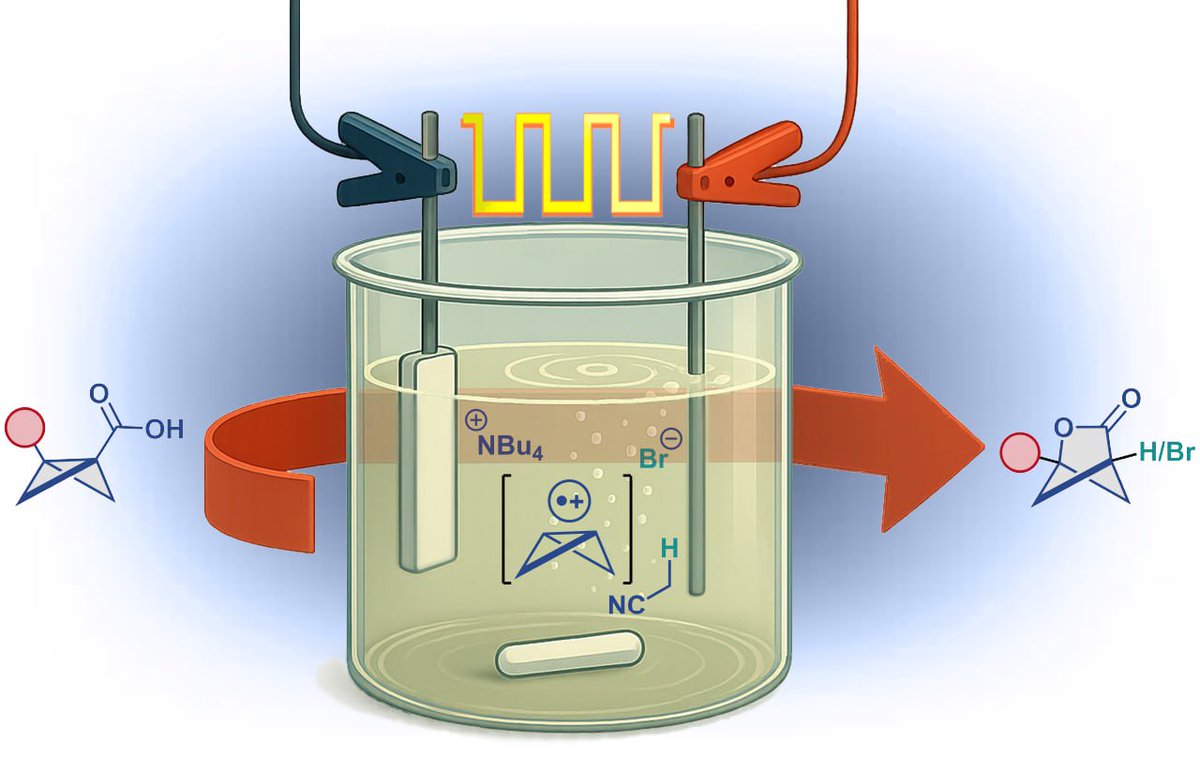
Delighted to share our recent work on bicyclobutane radical cations! We have demonstrated that anodic oxidation of bicyclobutylcarboxylic acids provides access to a new class of benzene bioisosteres. Read more in @ChemicalScience. @KAUST_News
pubs.rsc.org/en/content/arti…
3
14
100
2,761
Waser Group retweeted

A bit of sweetness in this world🍰
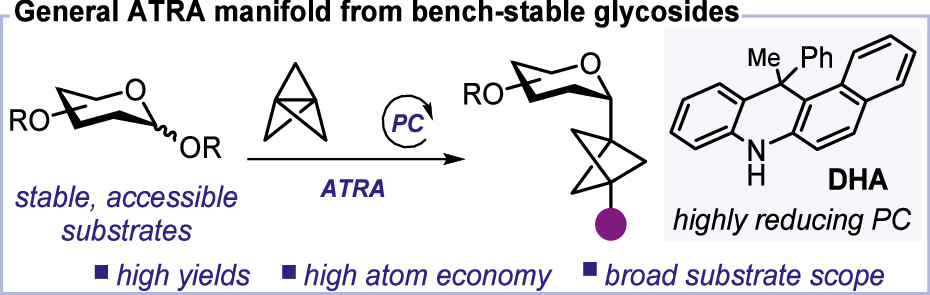
Check out our new paper for the synthesis of bicyclo[1.1.1]pentyl C-glycosides through radical chain propagation using Bench-Stable Saccharides !!
Congratulations to all the authors !
🚩shorturl.at/TCTuC🚩
@ACSPublications @discunipd
2
9
106
3,742

Waser Group retweeted

Jun 10
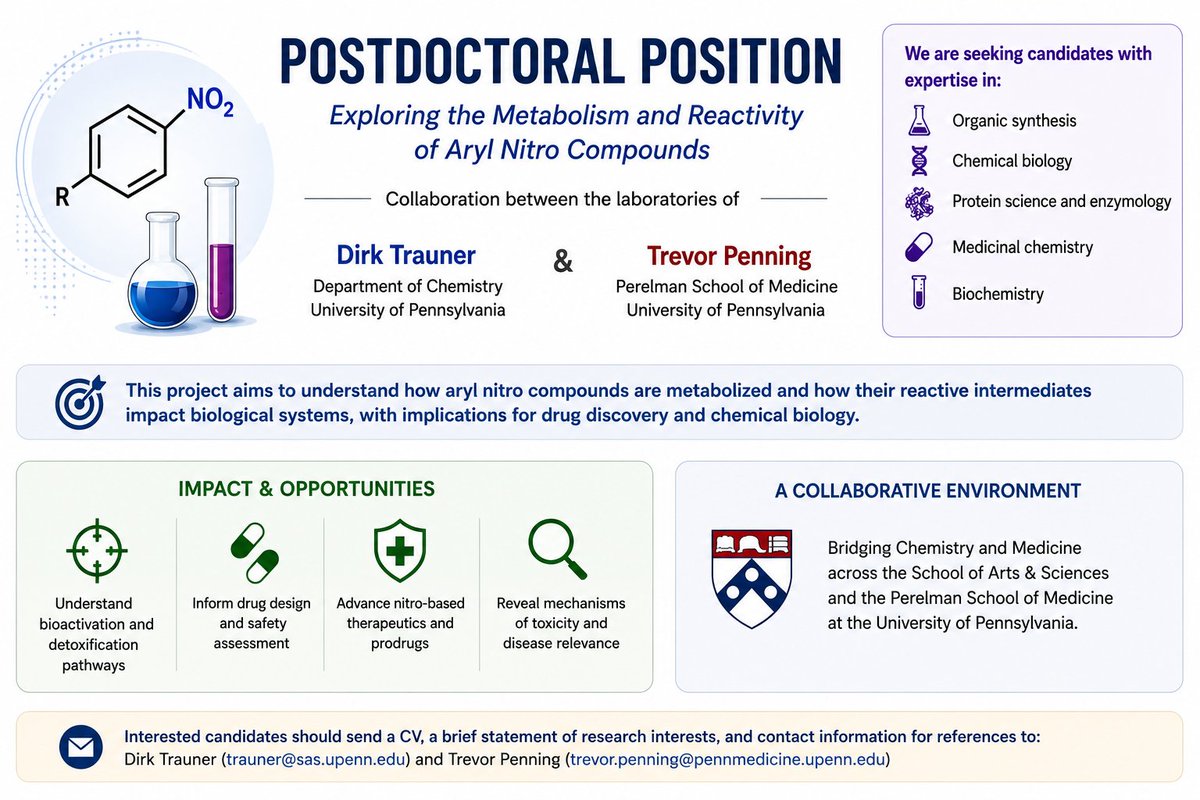
A postdoctoral position is available in the laboratories of Professor Dirk Trauner (Department of Chemistry) and Professor Trevor Penning (Perelman School of Medicine) at the University of Pennsylvania.
15
92
4,505
Waser Group retweeted

🥉 Glad to finish my PhD journey at #EPFL‘s Cramer lab with a paper hattrick!
Last addition - a peculiar discovery - now available in #Organometallics (open-access). ✨
@EPFL_CHEM_Tweet @NCCR_Catalysis
@ACSPublications
pubs.acs.org/doi/10.1021/acs…
3
25
1,863
Waser Group retweeted

Jun 4
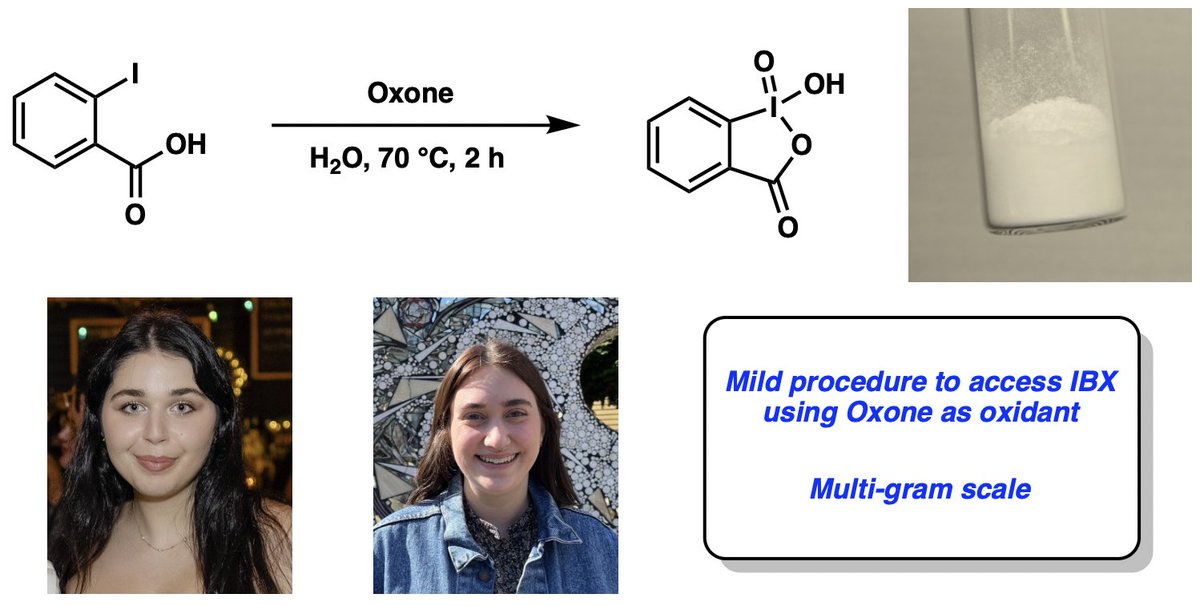
Marianna and Aimee just published a method to synthesize the common oxidant IBX in @OrgSynth. A big thank you to @MaulideLab for checking, and congratulations to the authors!
Read the prep here: orgsyn.org/demo.aspx?prep=v1…
@uclachem
2
18
150
7,367
Waser Group retweeted

The first paper of the Zuccarello group at EPFL was just published in Nature! rdcu.be/flTLC We introduce chiral hydrogen atom transfer catalysts that are assembled in situ and enable the photochemical deracemization of 2-aryl pyrrolidines.
Enjoy the reading!
1
3
53
2,473
Waser Group retweeted

May 28
Only few days left! We're still accepting application. Apply now!!
Here: 👇icho.edu.pl/en/cooperations/…
May 21

🚨PhD Opportunity [MSCA Doctoral Network]
We're looking for a strongly motivated PhD candidate to join our research group @IOC_PAS
🔬Research area: Photochemical methods for the synthesis of bioconjugates.
📩Apply here: warsaw4phd.eu/en/candidates-…
⏳Deadline: 31st May, 2026.
2
23
3,754
Waser Group retweeted

Dual Gold/Silver Catalysis: 3-Alkynylpyrroles via a Tandem C(sp2)–H Alkynylation/N-Alkynylation. pubs.acs.org/doi/abs/10.1021…
2
21
1,694
Waser Group retweeted

May 21
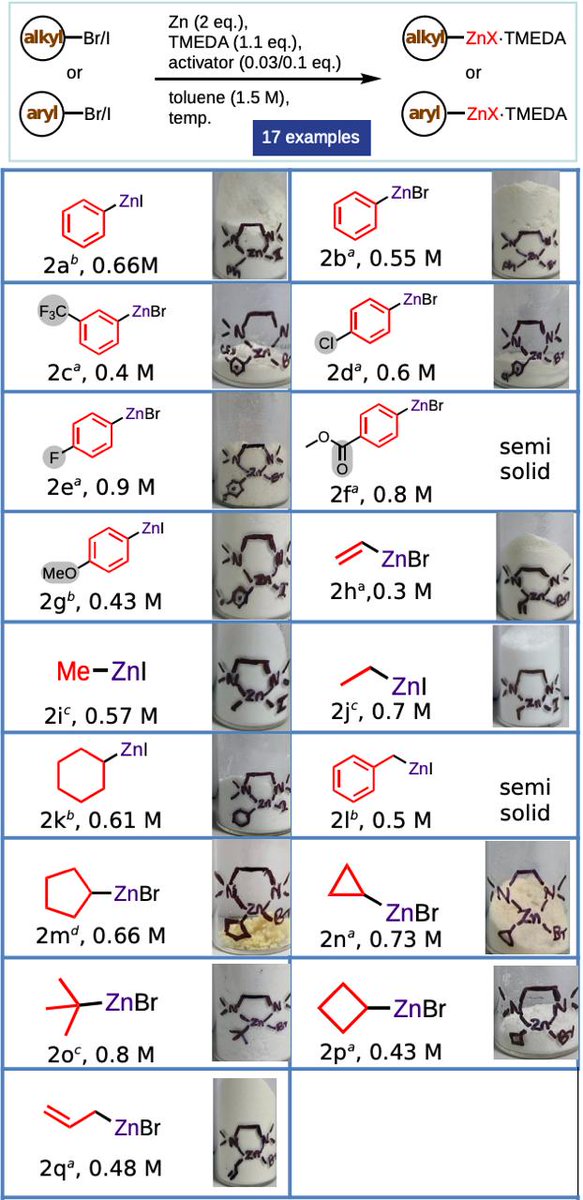
Our exciting findings in preprint: Bench-Stable Solid Organozinc Reagents: Synthesis and Application on ChemRxiv - doi.org/10.26434/chemrxiv.15…
@rr_lab @rr_prof @Chemie_iisertvm @tvmiiser
14
93
18,184
Waser Group retweeted
Electrochemistry of Hypervalent Halogen Compounds. pubs.acs.org/doi/abs/10.1021…
4
24
1,486

May 19
Registration for the Thieme Cheminar on Hypervalent Halogens on June 2, 2026 is now open:
cassyni.com/events/Ft35tqFUr…
2
38
2,303
Waser Group retweeted

May 18
Don’t miss tomorrow’s #chembio seminar with Prof. Muhammad Jbara (Tel Aviv University) @EPFL_en!
🎯 "Probing and Modulating Transcription Factor–DNA Interactions via Chemically Modified Proteins"
🗓️🇨🇭 16:15 › 17:45 | 🆓 & in-person
🔗 Details: bit.ly/3MOjVjy
@Beatfierz
1
3
812
Waser Group retweeted

May 15
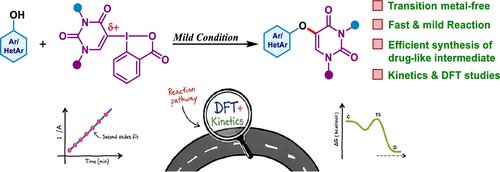
Check out our recent work on UracilBX
pubs.acs.org/doi/10.1021/acs…
@HyperIodine
@JOC_OL
Thank you @ANRFIndia for funding
Congratulation @13Sukanyadas amd all co-authors.
4
39
2,988
Waser Group retweeted
Uracil-BX-Enabled O-Uracilylation to Access 5-Aryloxy Uracils via Umpolung Strategy. pubs.acs.org/doi/abs/10.1021…
1
4
26
1,481
Waser Group retweeted

May 13
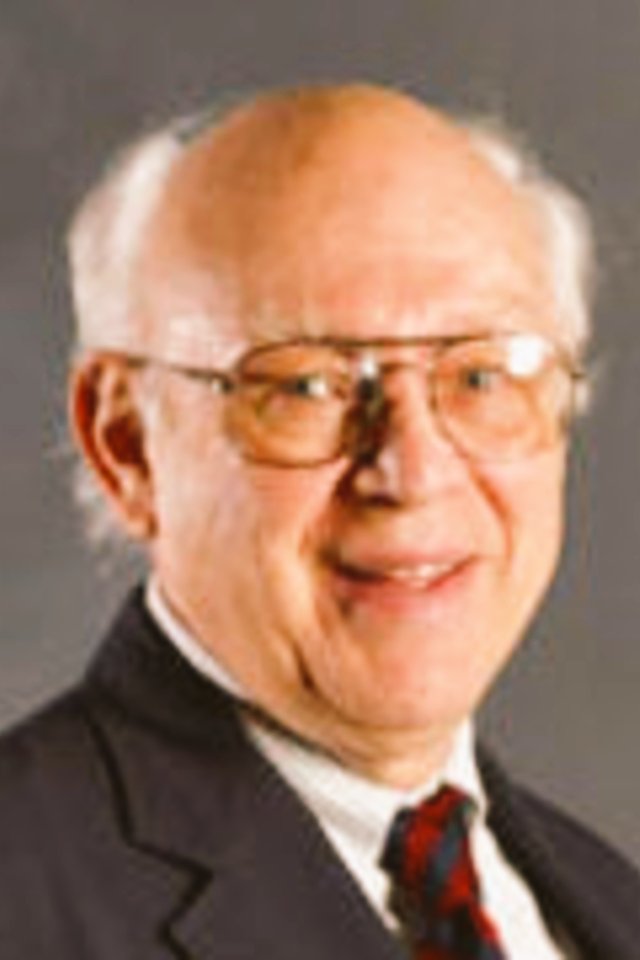
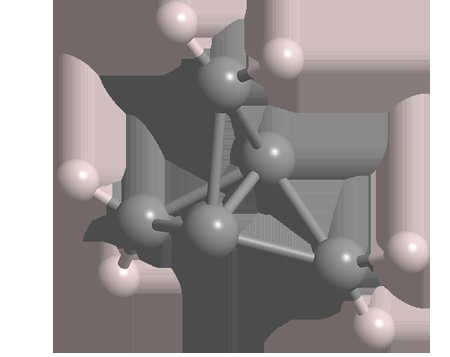
Very sad that Ken Wiberg passed yesterday at age 98. He was a wonderful scientist, colleague and leader in physical organic chemistry. His theory-driven synthesis of [1.1.1]propellane is a classic and inspiration for the use of strain in many contexts.
3
15
90
10,159
Waser Group retweeted

May 11
🌻Manfred T. Reetz, an organic chemist of the highest caliber, died of cancer on April 23, 2026. He was born on August 13, 1943, in Lower Silesia, now Poland, and emigrated to the U.S. in 1952.
Reetz studied chemistry at University of Washington @UW and at the University of Michigan in Ann Arbor @UMich, where he received his master’s degree in 1967. He then returned to Germany and completed his PhD at the University of Göttingen @uniGoettingen in 1969 under Ulrich Schöllkopf, a student of Nobel laureate Georg Wittig. He subsequently moved to the University of Marburg to work with Reinhard W. Hoffmann, a former postdoc with Georg Wittig. Reetz habilitated in Marburg in 1974 and stayed there until 1991, interrupted by a short stint at the University of Bonn from 1978 to 1980.
From 1991 to 2011, Reetz was a Director at the Max Planck Institute for Coal Research in Mülheim an der Ruhr. As Managing Director, he also helped reshape the institute’s organizational structure. After his retirement, he continued his research, first at the University of Marburg and later both in Mülheim and at the Tianjin Institute of Industrial Biotechnology of the Chinese Academy of Sciences.
At the beginning of his independent career, Reetz developed dyotropic and other rearrangements as tools in #OrganicSynthesis; later his group made innumerable contributions to the use of #organometallic chemistry in organic synthesis, with titanium as a central element. Starting in the 1990s, the final major chapter of his efforts was devoted to #biocatalysis.
Manfred Reetz pioneered biological methods—directed evolution—as a tool to improve the performance of enzymes in stereoselective organic synthesis. He trained an army of excellent students and postdocs who went on to make their own careers. He received numerous awards, including the Karl Ziegler Prize of the GDCh @GDCh_aktuell, the Otto Hahn Prize, considered the highest award for chemists and physicists in Germany, and most recently in 2025, the Ryoji Noyori Award. Reetz was a member of a number of esteemed academies and he served the scientific community in manifold ways, not the least as a member of the GDCh Board.
Manfred Reetz, a giant of organic chemistry, will be dearly missed by his former students and colleagues as well as by the wider scientific community.
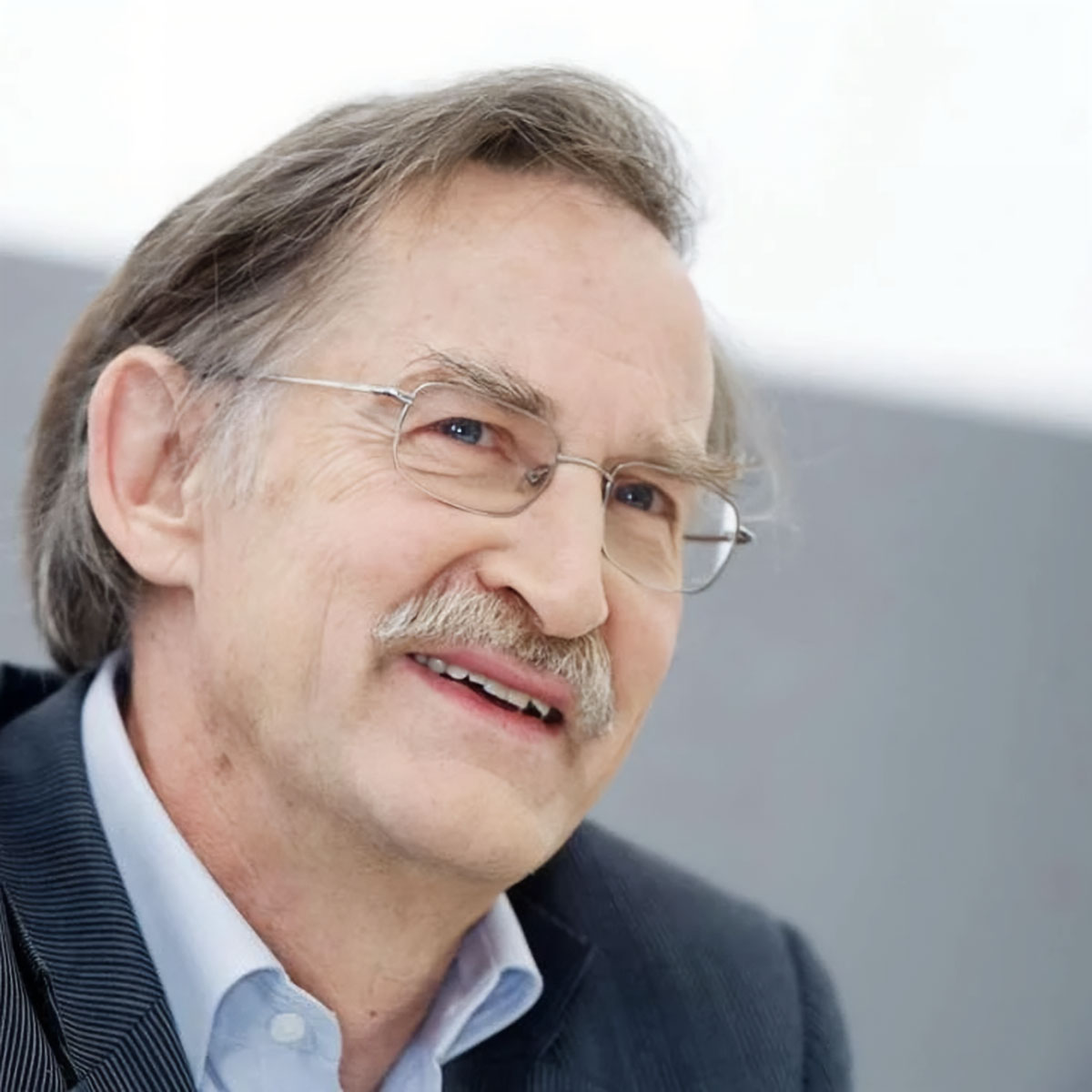
ALT Manfred T. Reetz · photo courtesy/© David Baumann/MPI Kohlenforschung
13
45
3,036
Waser Group retweeted

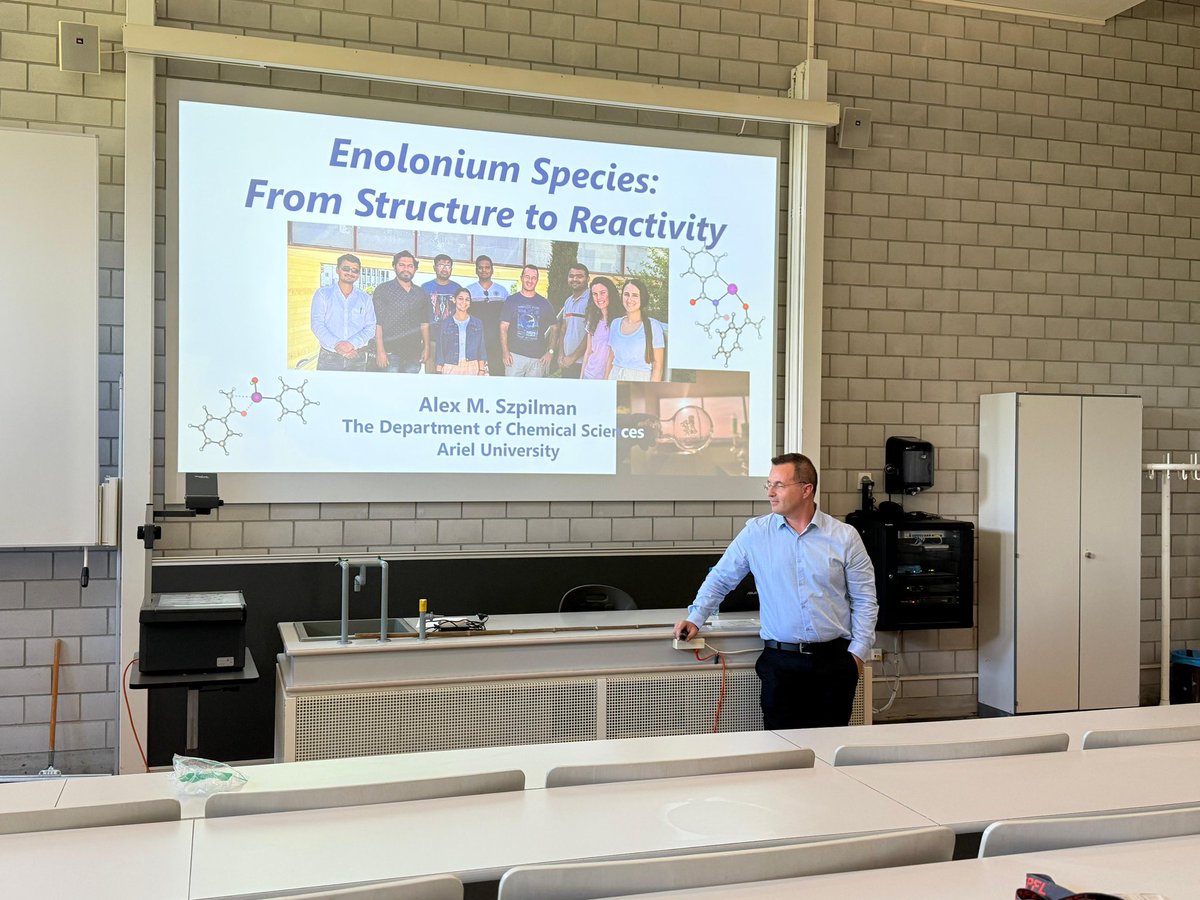
Double seminar with Durga @HariGroupIISc at @EPFL_CHEM_Tweet .
Thank you to Jerome Waser @LcsoLab for hosting and to the many faculty and students who shared their research with us !!
2
52
2,340
Waser Group retweeted

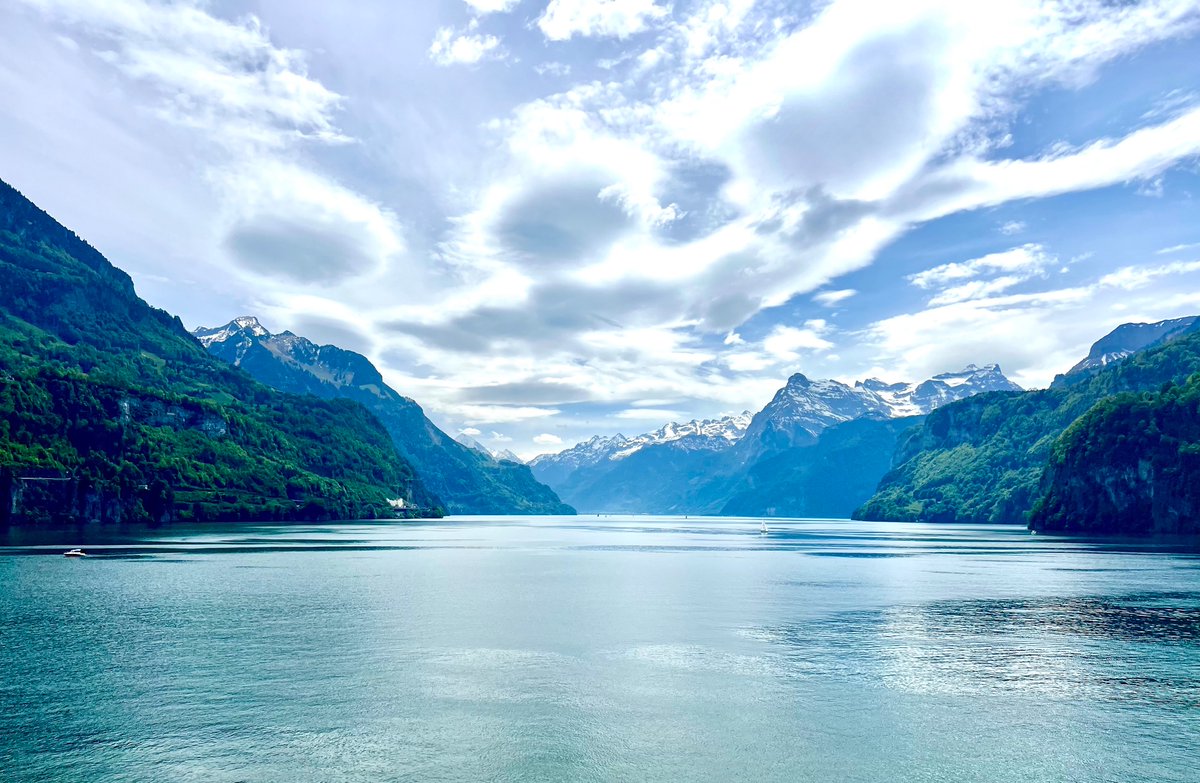
Great to be at the 59th Bürgenstock Conference #SCS_BC26 at the shores of beautiful Lake Lucerne 🏔️ ☀️ .
Looking forward to a week full of outstanding science & inspiring discussions!
2
11
1,800
May 3
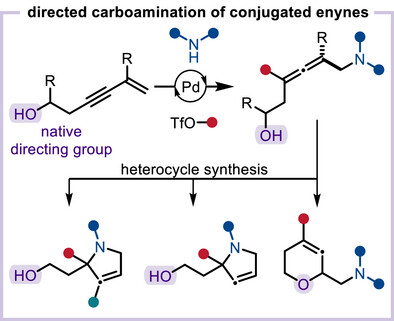
The work of @helsoleav @DuncanBrownsey and Hugo Senelle, on the alcohol-directed carboamination of enynes is now published in Angewandte Chemie !
doi.org/10.1002/anie.6963888
1
4
66
2,652