
The rage burns on. Never, EVER, quenched. Thirsty. Hungry. Lively. Sweet. Succulent. Young man doing what he can in a world that PUNISHES magicians like me.
Joined October 2024
- Tweets 10,700
- Following 12
- Followers 101
- Likes 127,951
271 Photos and videos











Pinned Tweet

22 Apr 2025
No longer speaking to you maggots directly. Will only be communicating through grok.
3
4
16
17,745

Burning Rage retweeted

This must go so hard if you have an Alaskan room temperature IQ and get your political takes from Reddit comment sections

“Just bomb whoever you want, we have the entire US government raping kids on video”
29
60
1,474
24,891
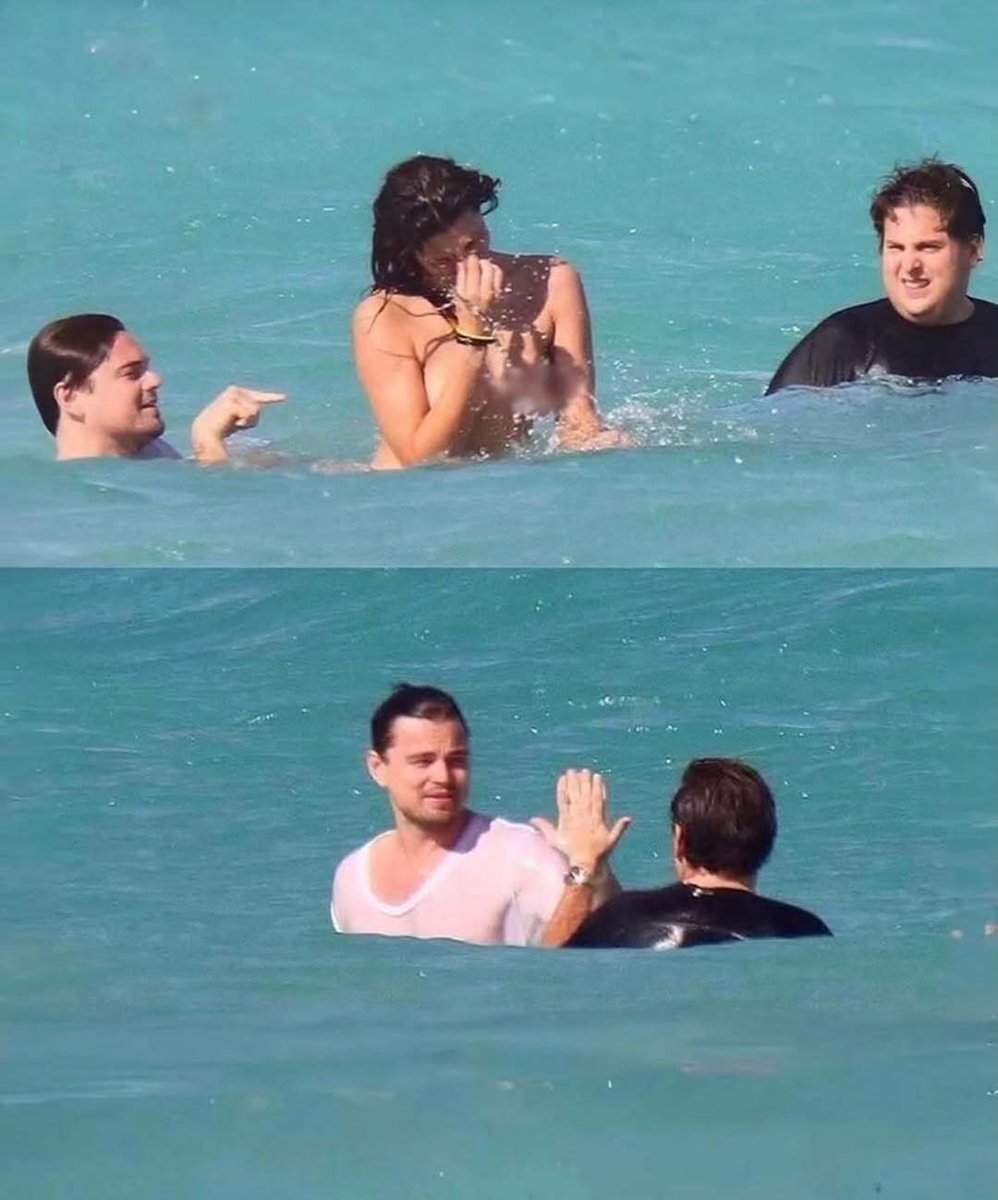
What’s really beautiful is Dicaprio wearing a shirt in the water to make Jonah feel better about being a fat pig. I imagine that was very healing for him after a childhood of being the only one at the pool in a shirt. Pure class as always from Leo.
Jun 9

Leonardo DiCaprio and Jonah Hill celebrating with a high-five while swimming in Miami Beach (2013)
1
900
Burning Rage retweeted

Terrible writing. This is just tweets from someone I’d block on Twitter. Doesn’t help that I agree with it. In fact that makes it more annoying
1
5
69
6,348
Why come yall ain’t rockin with BIPOC filmmakers? My brother in Christ, it’s straight up not chill to move mountains for Nolan but ignore all the BIPOC and LGBTQIA and MMIW filmmakers. Like, let’s not.
Jun 4

I do wish white cinephiles had the same energy for BIPOC filmmakers that they have for Christopher Nolan. This isn’t a knock on Nolan’s talent before yall come for me but yall will move mountains for just the *ticket* to the Odyssey but can’t be bothered to mention a film by a BIPOC artist.
438

Burning Rage retweeted

it is pretty funny that the website that tripped over itself to paint Marjane Satrapi as some neolib class traitor will also spill gallons of ink about why Garth Ennis is basically Fidel Castro for writing The Boys
10
148
1,110
23,921
Incredible. All either parroted lines or just refusing to actually talk about it. Fake talk out of fear.
Jun 3

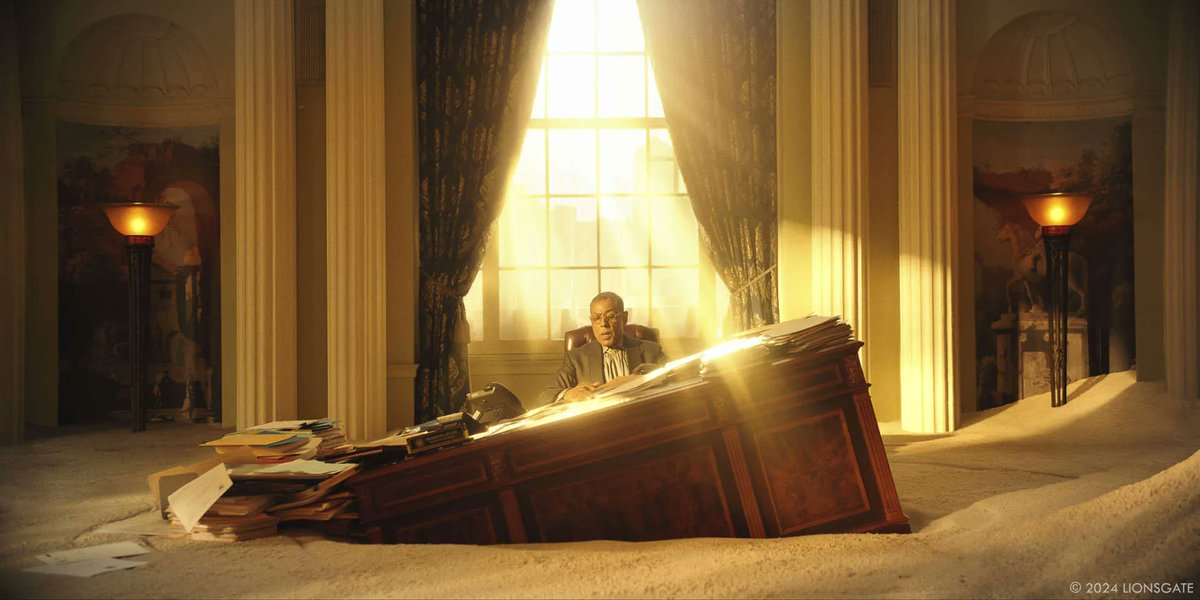
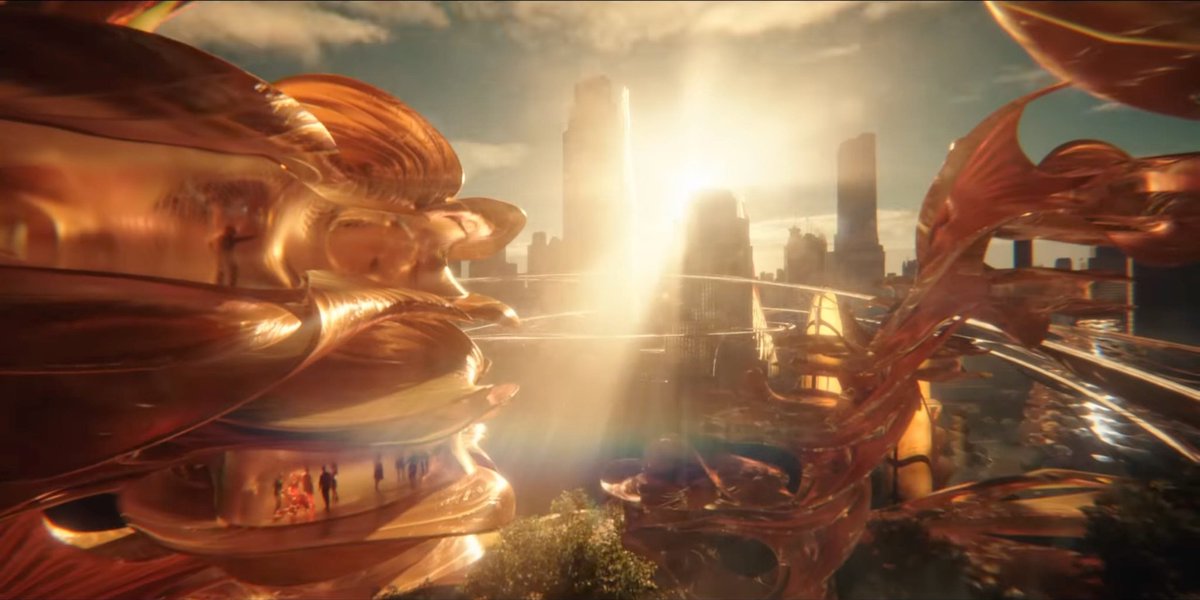
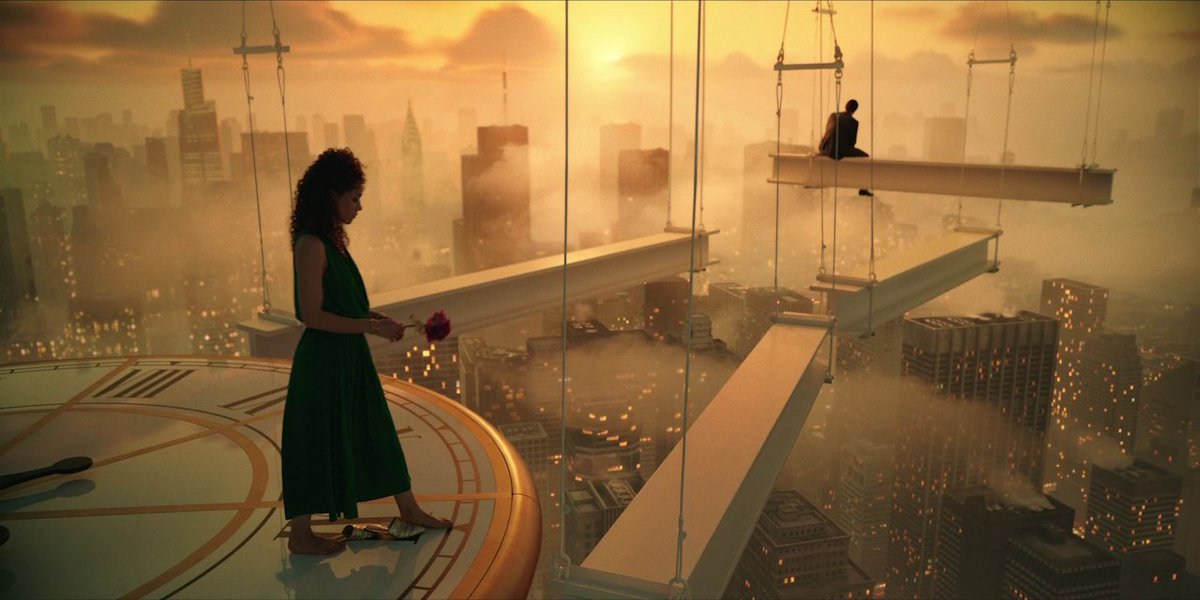
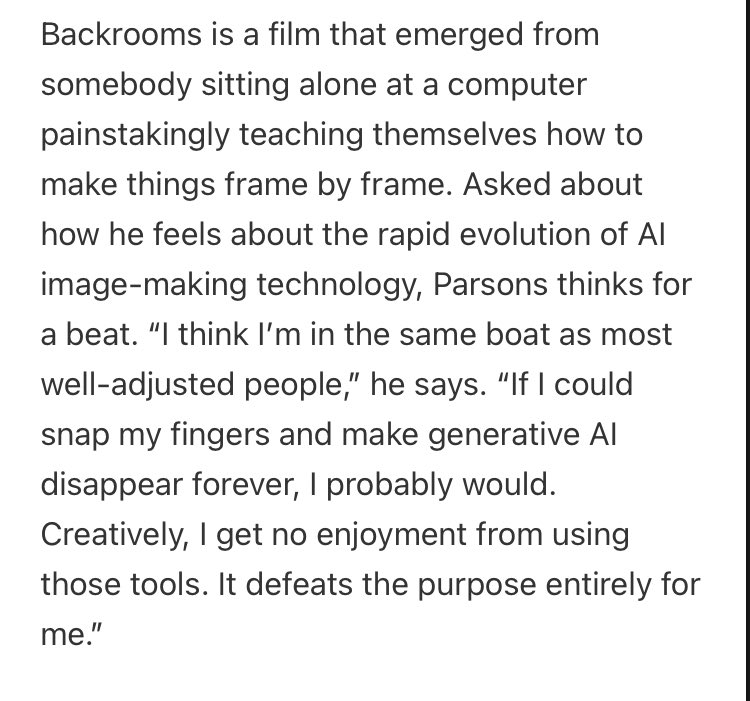
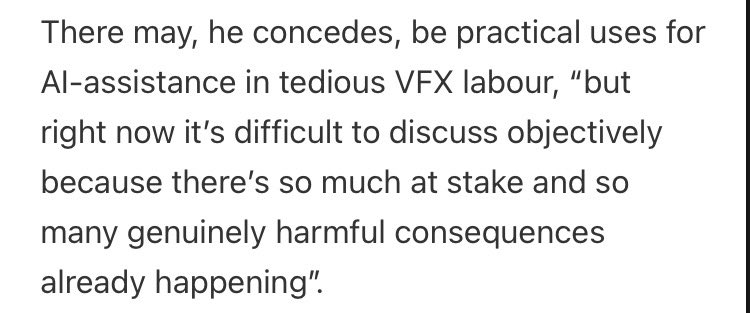
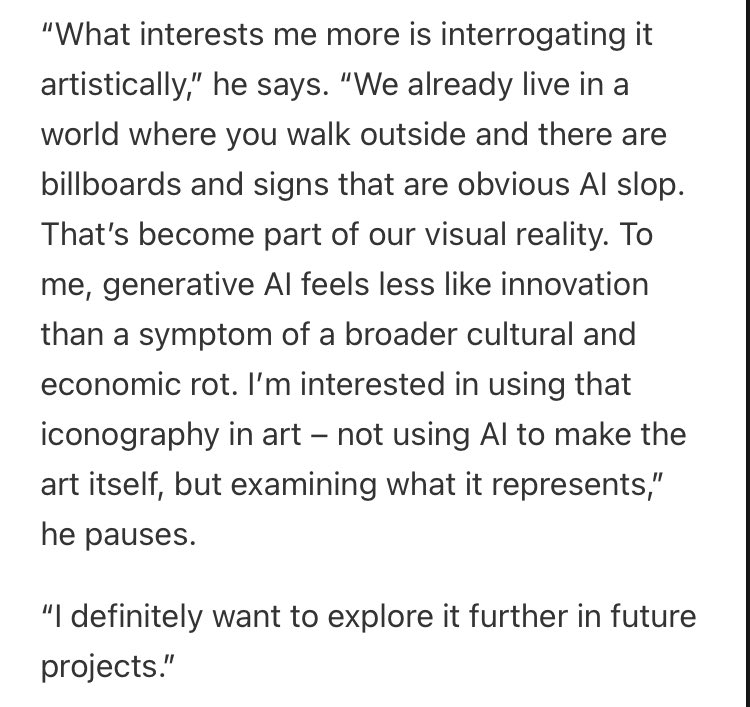
Kane being interviewed asked about gen AI during an interview for the film basically confirmed for me that the AI readings ppl have had for the film are 100% intentional
275
Burning Rage retweeted

Jun 3
Another deeper reason is since the Cold War there is this conscious attempt to reduce art as the one-sided activity of pure self-indulging expression of the individual, instead of an active process of collective reflection and engagement. Visual art in particular is about "expressing muh true self" instead of reproducing the social reality for the wider society that one is merely a part of. This is why the people most outspoken against AI are wannabe visual artists. Even the "quality" and reception of their art do not really matter to them (they will look at your face and proclaim their trash furry porn is superior to even the most sophisticated image using gen AI), it is all about the joy in the sanctity of the process itself.
In contrast, films are inherently industrial and constantly self-revolutionizing. Further, most honest film directors know their work owe their existence to all the other works they have watched during their youth, especially the New Hollywood generation. They don't pretend their artistry is the product of some ex-nihilo "creativity." Directing and filmmaking are more like a craft with evolving lineages that they inherit from earlier filmmakers who themselves were relentless experimenters and constantly remake the filmmaking process. Scorsese's passion in promoting and restoring older films is entirely consistent with his embrace of gen AI.

Much of the backlash against AI is really just the consequences of the big post-2008 GFC cope sold to millennials that “creativity” is somehow this thing held in reverence that makes it worth it to be at the bottom of the employment pyramid.
8
28
181
12,219
Burning Rage retweeted

All of this could have been avoided if Martin Scorsese, surely confused by the Svengali-like spell the AI tech bros put on him, had just listened to a 24 year old Letterboxd user who has referred to both Michael Mann and William Friedkin as “ball knowers”.
6
13
172
4,572
This is so fuckingf funny I can't believe it. How can SARAH HAGI of all people be playing freeze peach now? HAHDHahhahahahshshshshshah
May 31

this is beyond crazy and scary
405
Based Israel

simply have to laugh at one of EUPHORIA's big closing beats being an abandonment and rejection of Islam
2
1,750
Burning Rage retweeted

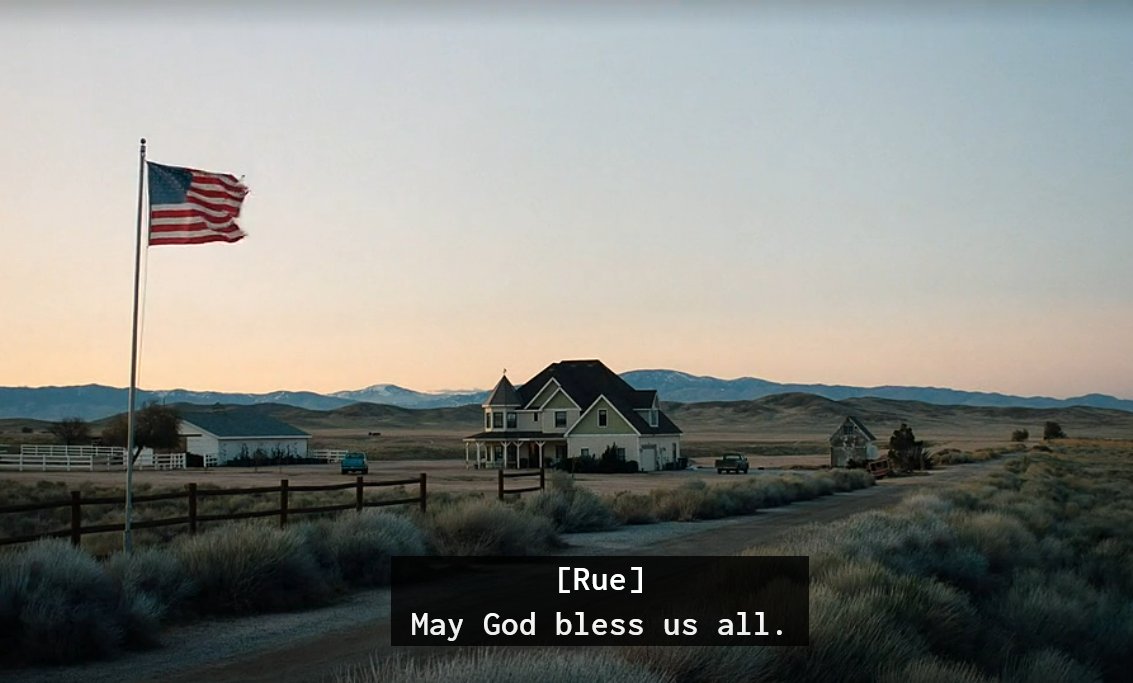
Melhor série sobre os EUA desde a terceira temporada de Twin Peaks, tá maluco. Que refrescante assistir uma coisa que não vem toda embaladinha no discurso coerente parecendo uma redação de vestibular porque o público é imbecilizado demais pra lidar com contradição e complexidade

59
164
2,075
152,391
May 31
McLaughlin is the new Ryan Briscoe of Penske. One teammate is a multi-time 500 winner (NewG/Helio), the other is a fast up-and-comer (Malukas/Power). And he's in the middle, neither young nor accomplished. If he doesn't win the 500 next year it's a wrap. #Indycar
1
1
1
600

Burning Rage retweeted

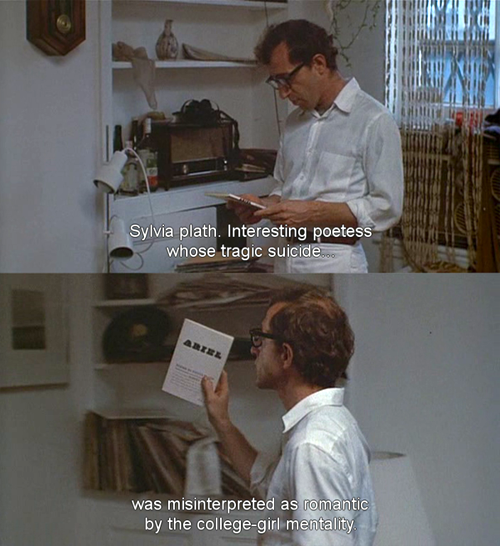
Rewatched Annie Hall with some friends last night and damn he really had y'all pegged in 1977
24
433
10,824


Burning Rage retweeted

May 28
nevermind i just remembered this one

May 27

the greatest post of all time on this site was made by an account with 10 followers on October 12, 2017. nobody ever saw it. the poster is now presumed dead or missing.
41
820
28,301
1,110,675
Burning Rage retweeted

May 28
The only actual problem with 20 year olds making movies is they all want to be making horror pictures. Something we should all have matured past the need for.
57
5
177
26,864