We no longer post on this account but it remains open for your viewing. Please visit our website for latest updates from the EU-funded LEG4DEV project.
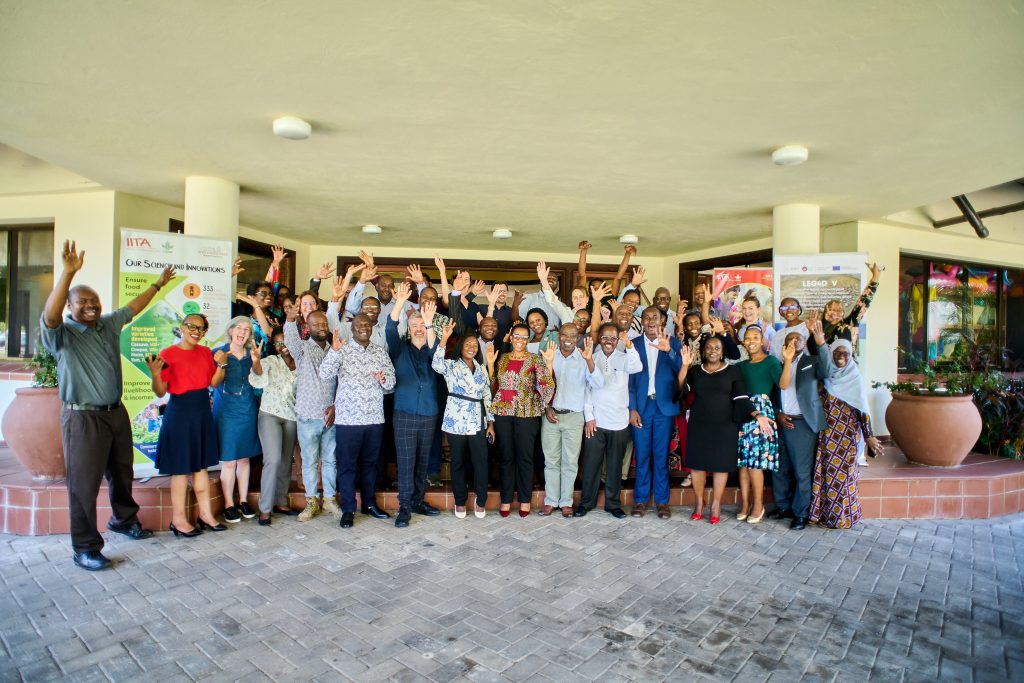
🌍 This #WorldFoodDay, LEG4DEV are celebrating our partnerships with national and local stakeholders in Ethiopia, Malawi, Tanzania and Zambia.
Thank you to everyone that support us to work “Hand in Hand for Better Foods and a Better Future” 🌱
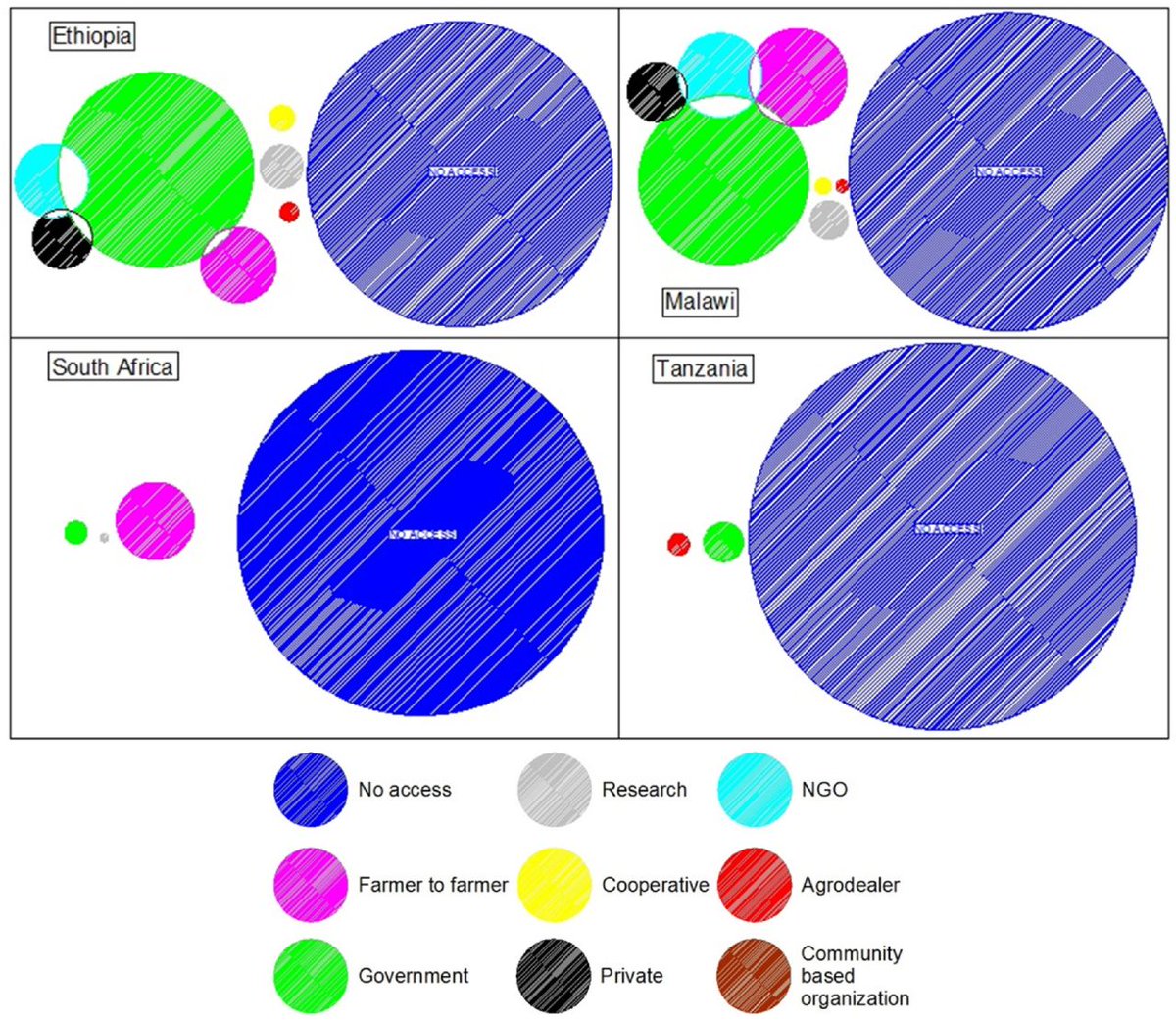
'Promoting sustainable change of smallholders’ agriculture in Africa: Policy and institutional implications from a socio-economic cross-country comparative analysis'
Read: sciencedirect.com/science/ar…
Figure taken directly from the paper.
#LEG4DEVReads#Legumes#SDG2#Policy
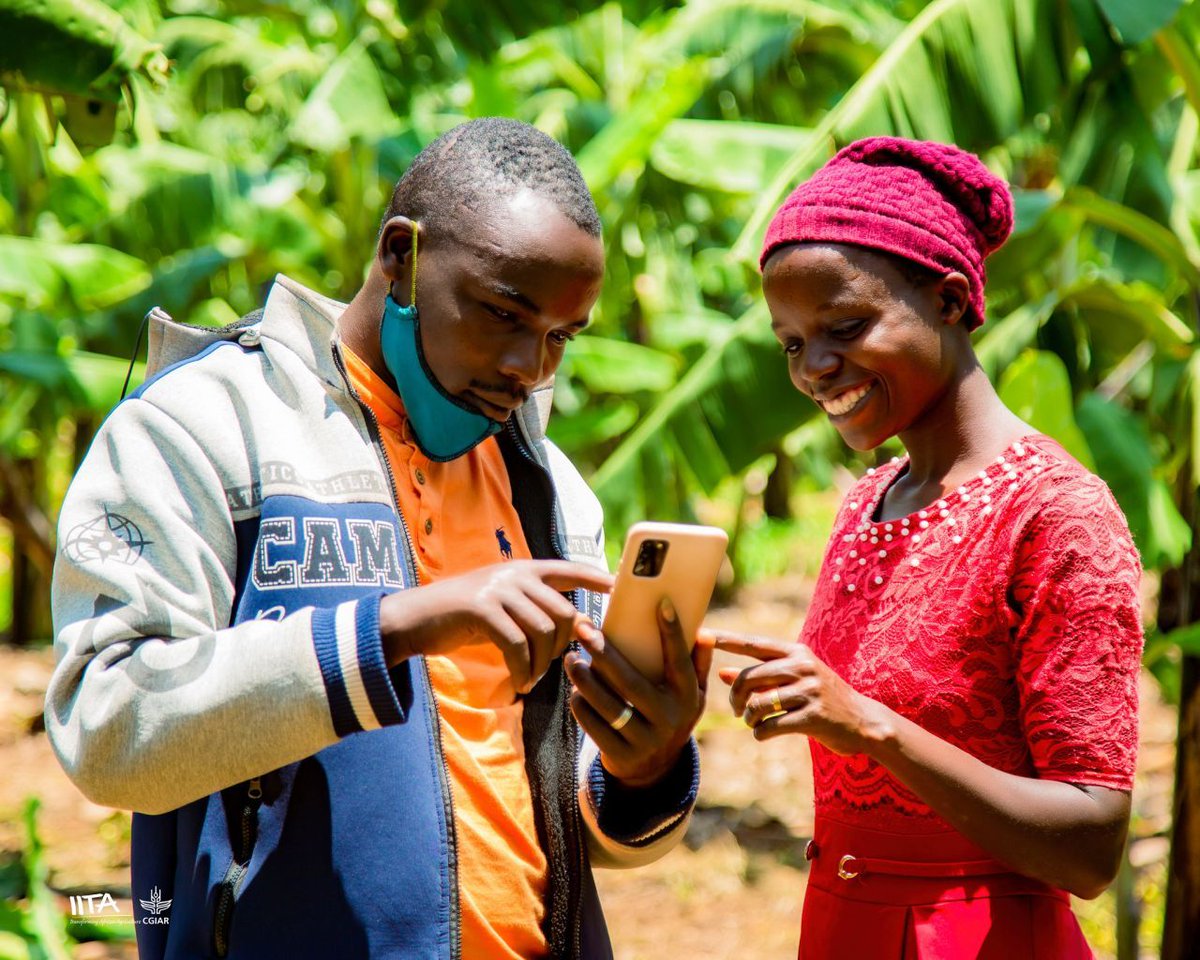
📱🌾 Article in International Journal of Advance Research Publication and Reviews highlights how digital finance and agricultural credit can help reshape rural economies when designed inclusively.
Read: ijarpr.com/uploads/V2ISSUE8/…
Photo: @IITA_CGIAR Rwanda, 2022, CC BY 2.0.
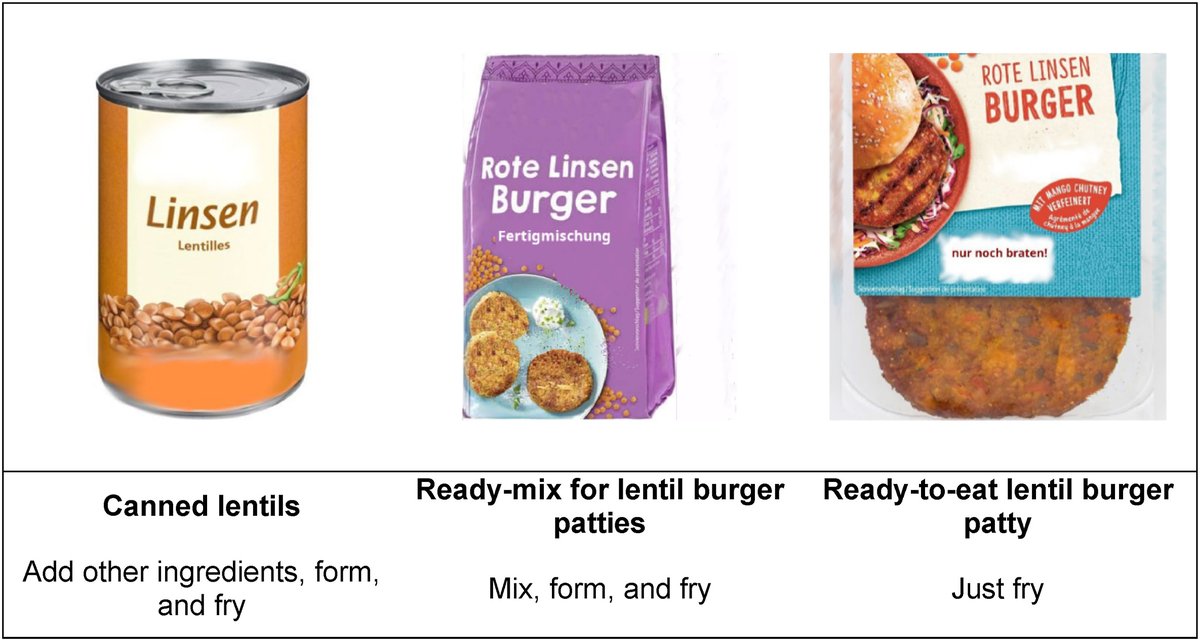
🌱 “Legume consumption and sustainability – The minority goes green”
A study from @uni_kassel in Germany finds that rather than the cheapest options, all consumers prefer eating organic and local products 🫘
Read the open-access paper: doi.org/10.1016/j.appet.2024….
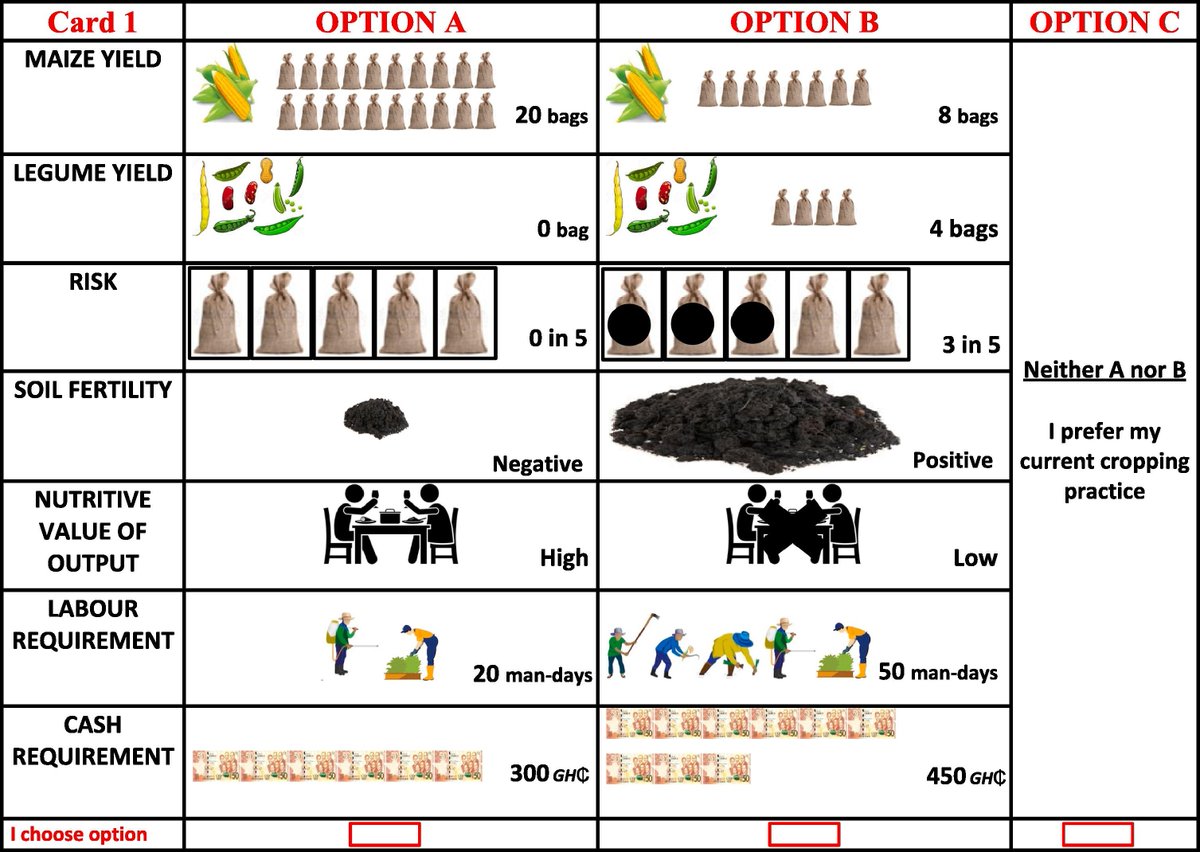
A new study surveying nearly 700 maize-producing households in northern Ghana finds that farmers prefer maize systems with SI attributes that improve household diets through diversified cropping and biofortified maize 🌽 🫘
Read the study: sciencedirect.com/science/ar…#SDG2#SDG13
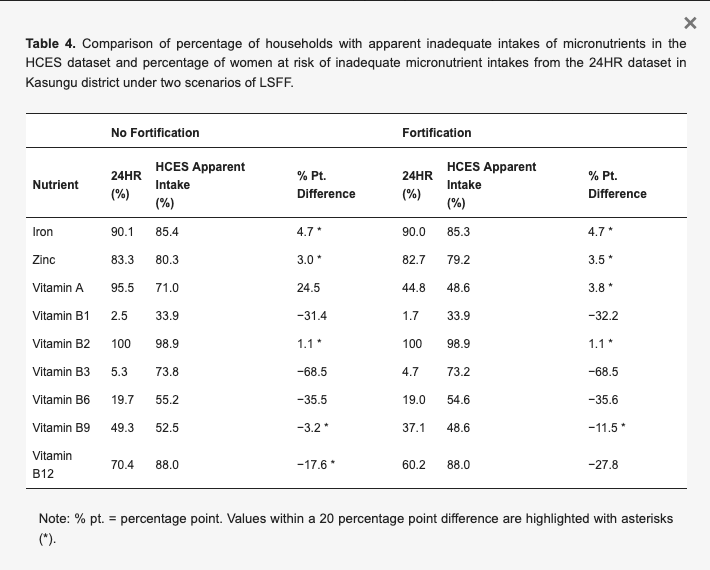
🇲🇼 Can household surveys provide reliable insights into micronutrient intake? New evidence from Malawi.
New research finds that household survey data can reasonably approximate intake for iron, zinc, and vitamins B2 and B9.
Read the study: mdpi.com/2072-6643/17/15/248…
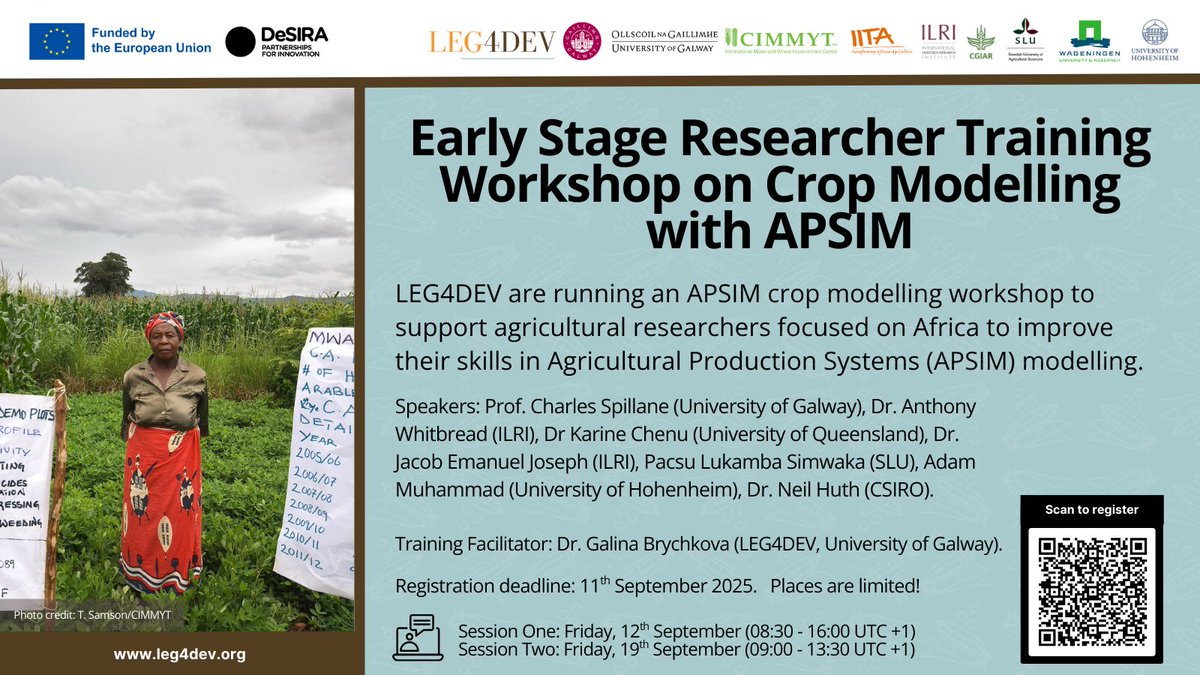
LEG4DEV online training workshop: Agricultural Systems Modelling and Simulation (APSIM) Africa 🌍
📅 When
• Day 1: 11 September | 08:30–16:00 (UTC 1)
• Day 2: 19 September | 09:00–13:30 (UTC 1)
🔗 Register for the online webinar: events.teams.microsoft.com/e…
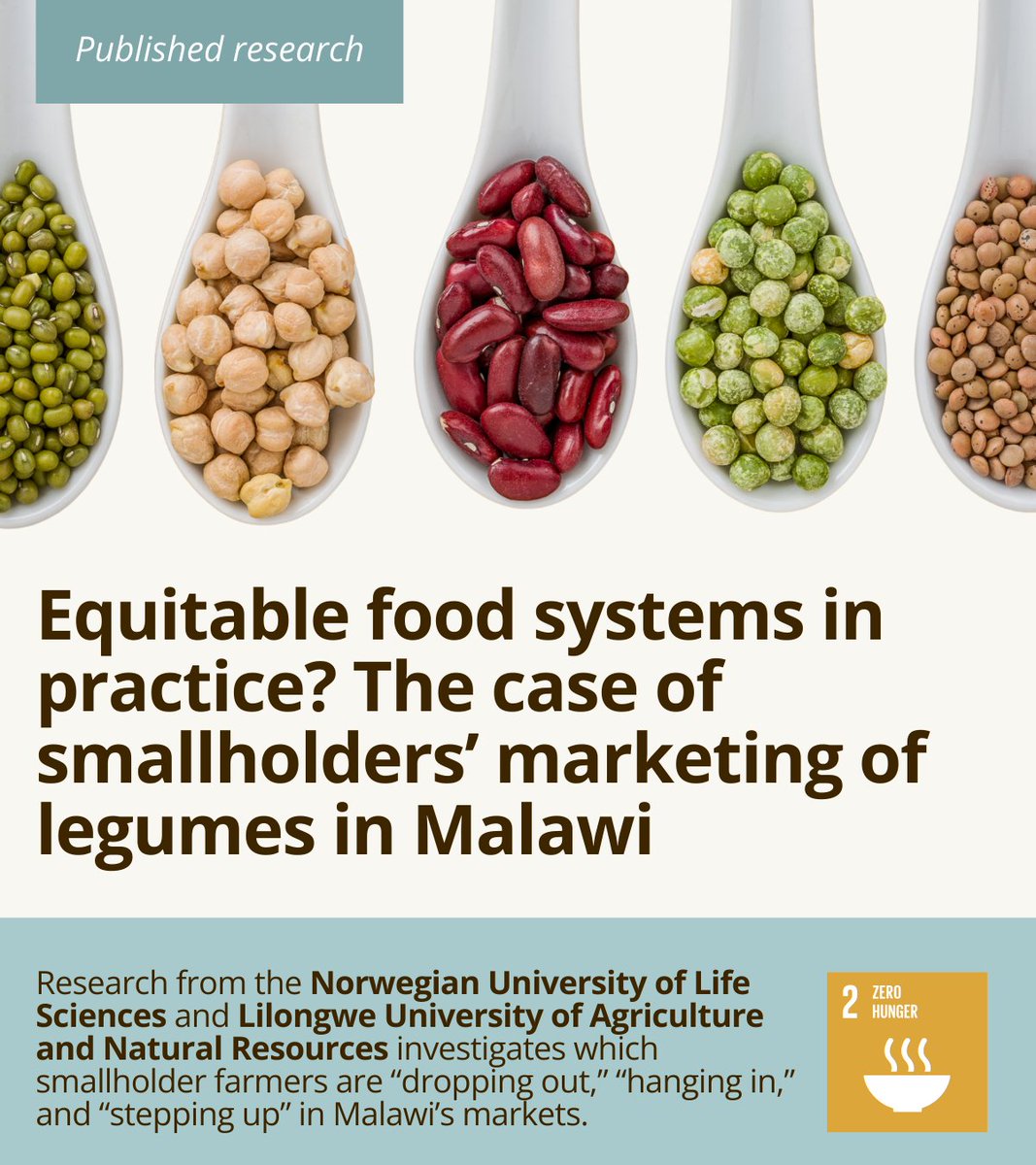
"Despite the prevalence of market policies to protect smallholder farmers from exploitation, implementation is challenging, thus rendering market control on paper and market liberalisation in practice."
Recent research from @Luanarofficial and NMBU: frontiersin.org/journals/sus…
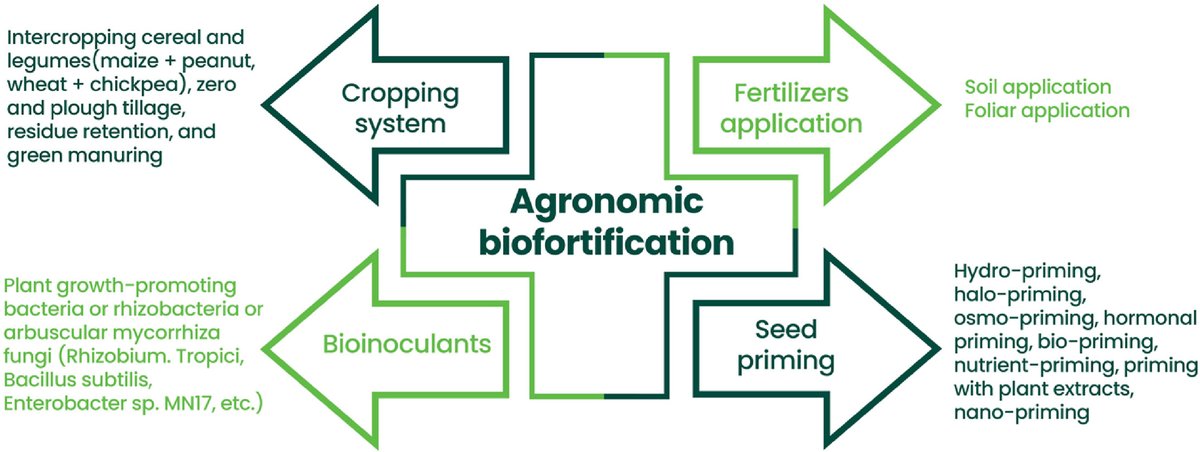
What agronomic biofortification options are available for farmers in sub-Saharan Africa? 🌱
A new systematic review (2010–2023) identifes a need for more research on agronomic biofortification of cereals & legumes in SSA.
Read the open-access article: doi.org/10.1016/j.jafr.2024.…
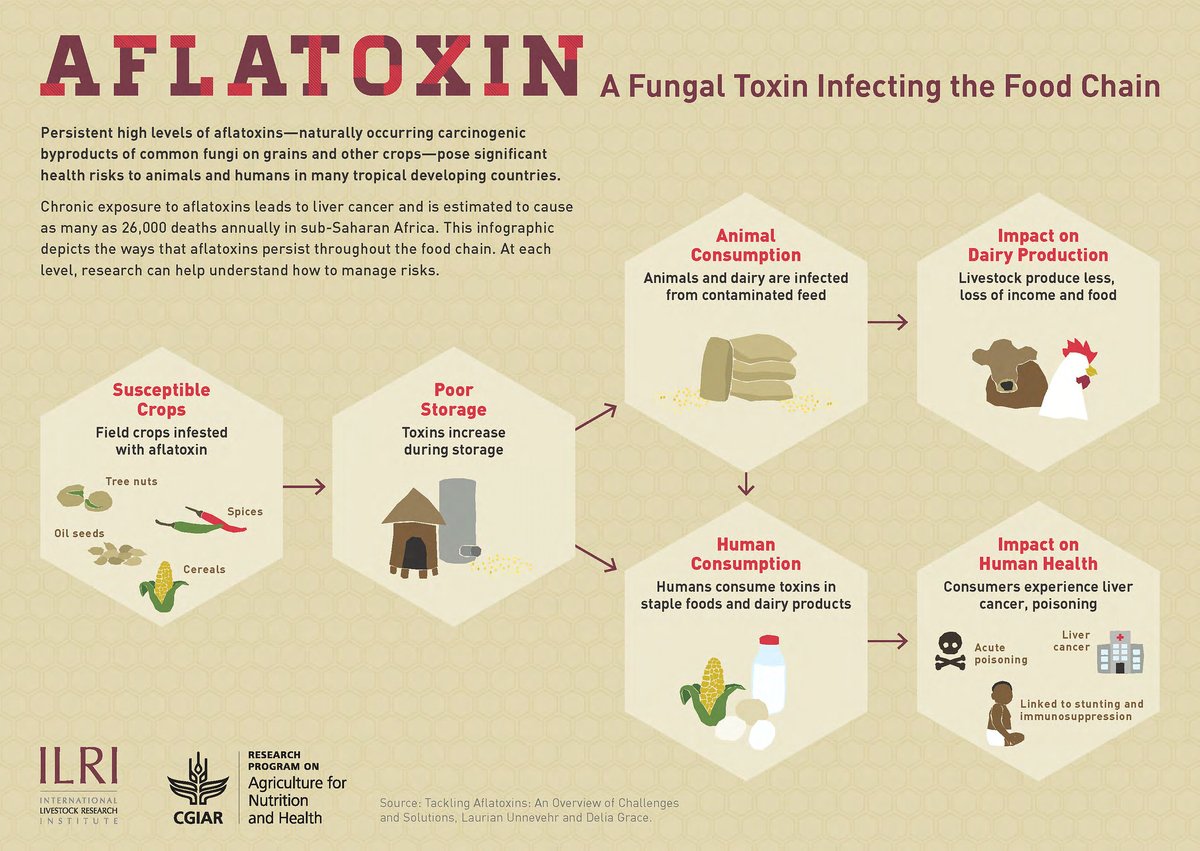
Aflatoxin contamination threatens food safety, public health & trade 🌍
Research shows 73% of farmers, traders & consumers are willing to pay for safer foods, highlighting opportunities to support aflatoxin-safe supply chains in sub-Saharan Africa
Read: doi.org/10.1016/j.afres.2024…
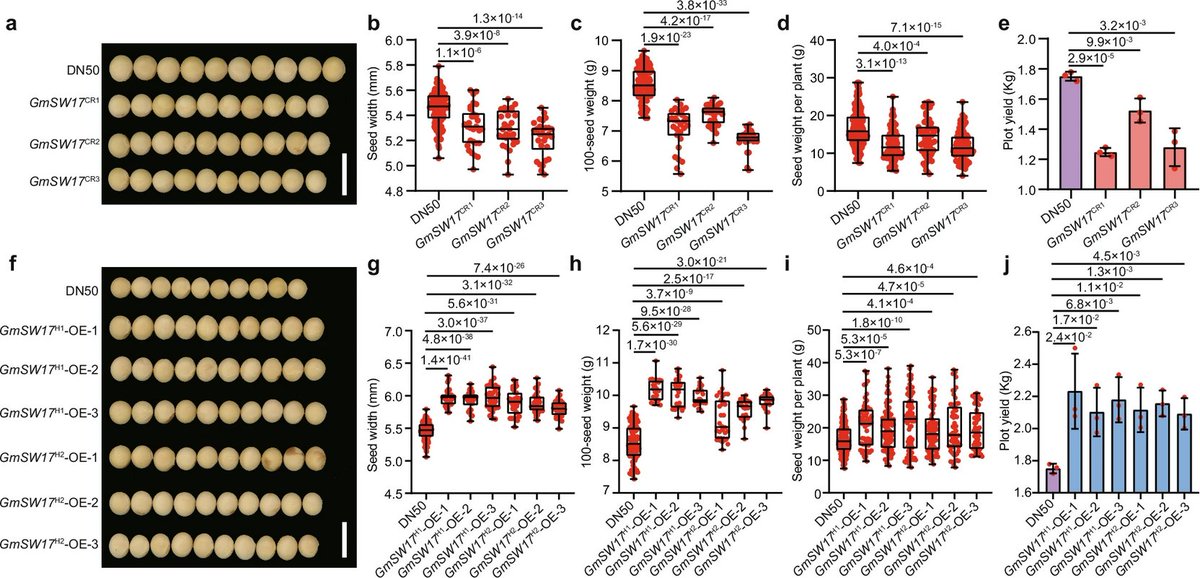
How can we grow bigger, more resilient soybean seeds? 🌱
Research identifies GmSW17, a key gene that regulates seed and leaf size by controlling cell cycle activity, offering a promising target for high-yield soybean breeding. 📈
Read more: nature.com/articles/s41467-0…
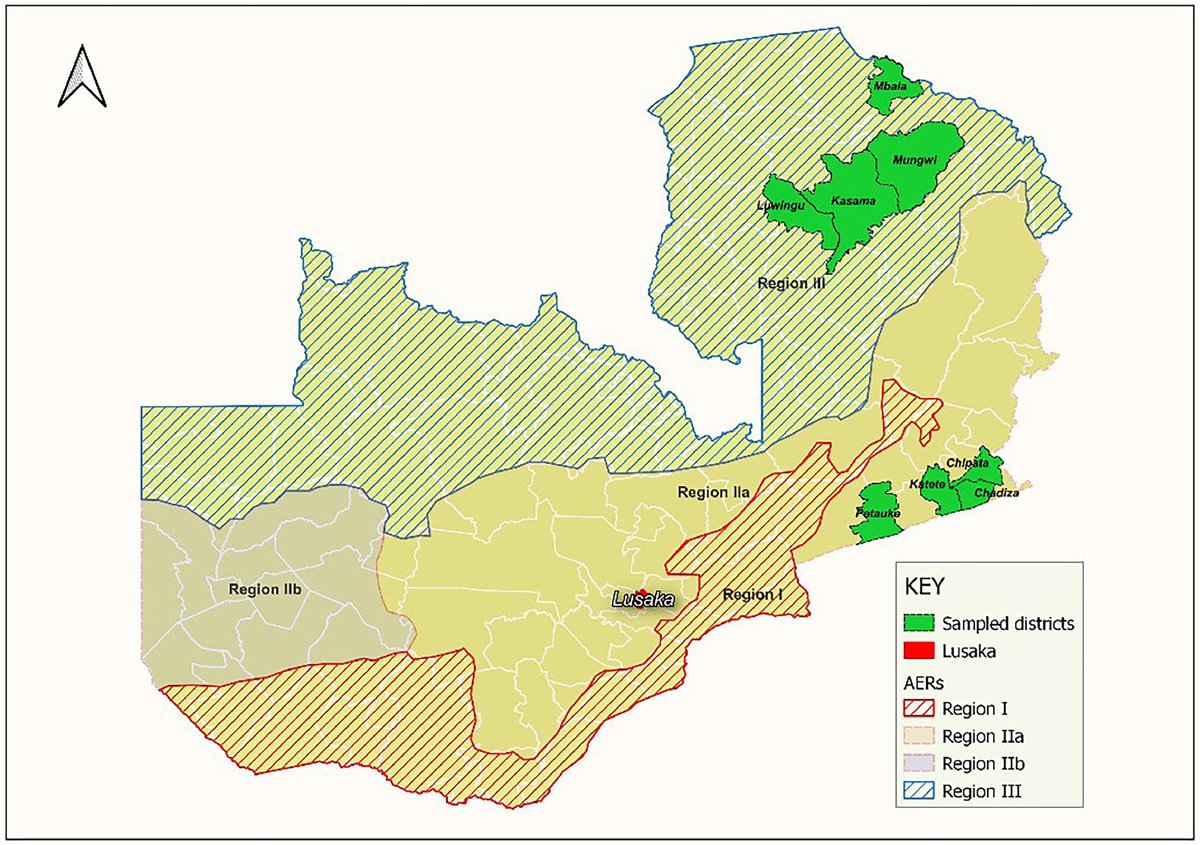
New study from Zambia shows how farmer traits, farm characteristics, and access to information shape adoption of soil fertility management, offering evidence-based insights for policy and sustainable agriculture 🌱
Read the paper: sciencedirect.com/science/ar…#SDG2#SoilHealth
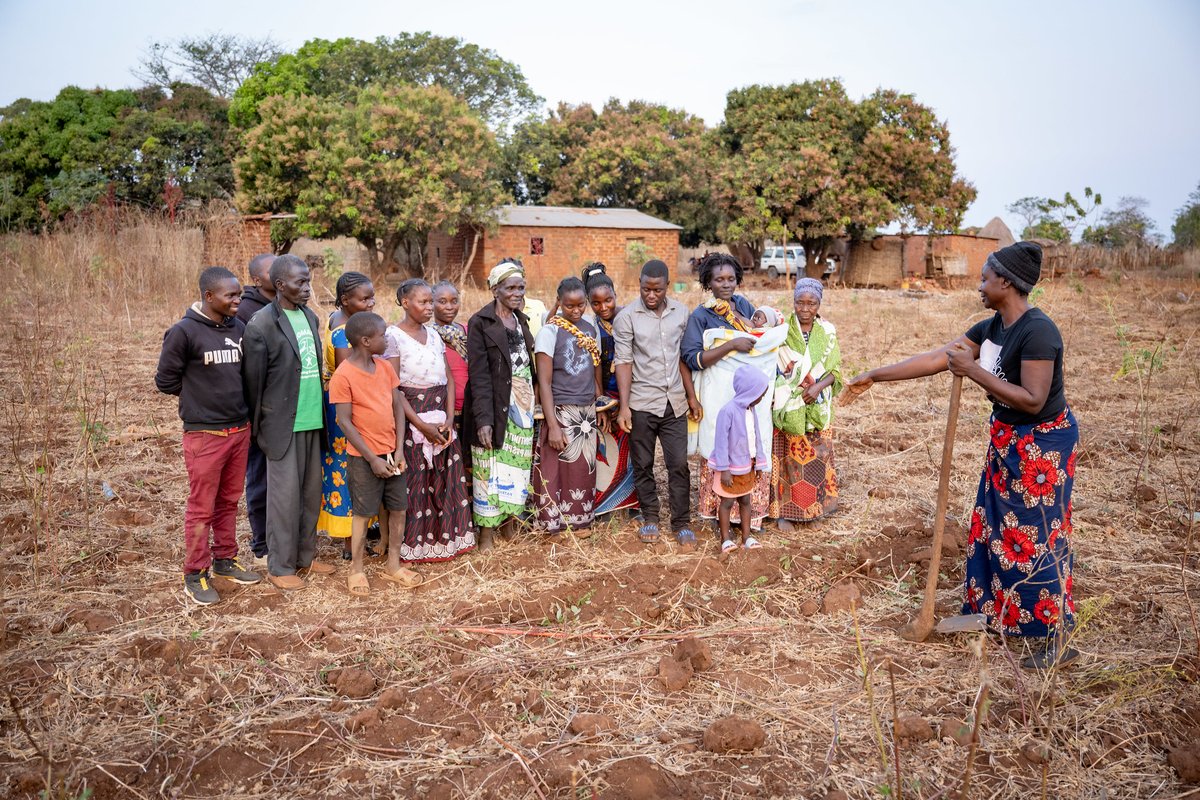
New study in Zambia from finds that cooperative membership, when combined with input subsidies, leads to increased dietary diversity by 11.26% and reduced food insecurity by 20.39% 🤝 🌱
Read the study in full: sciencedirect.com/science/ar…
📸 AICCRA / Kelvin Trautman, CC BY 2.0.
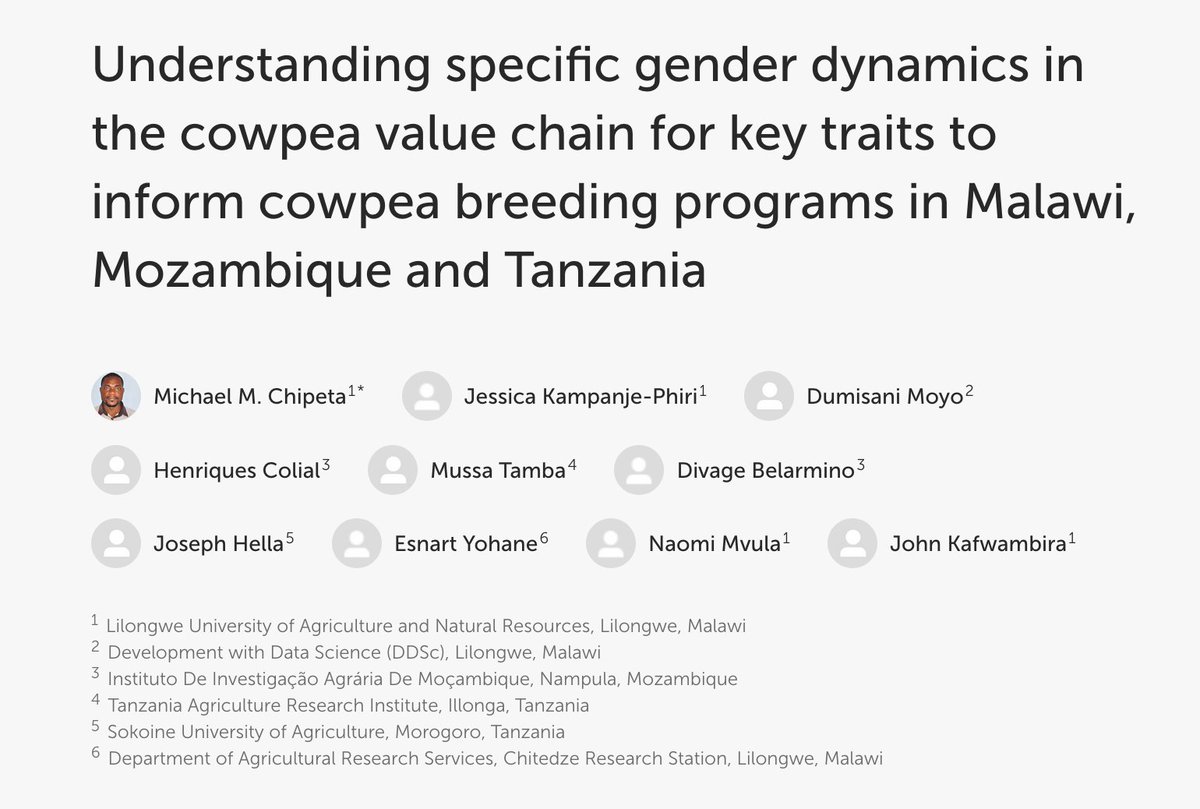
👩🌾 In Malawi, Mozambique & Tanzania, women lead cowpea farming, but their preferences are often excluded from breeding.
A @FrontiersIn study highlights key traits women farmers value most: short cooking time, leaf yield & taste, grain size & colour
Read: frontiersin.org/articles/10.…
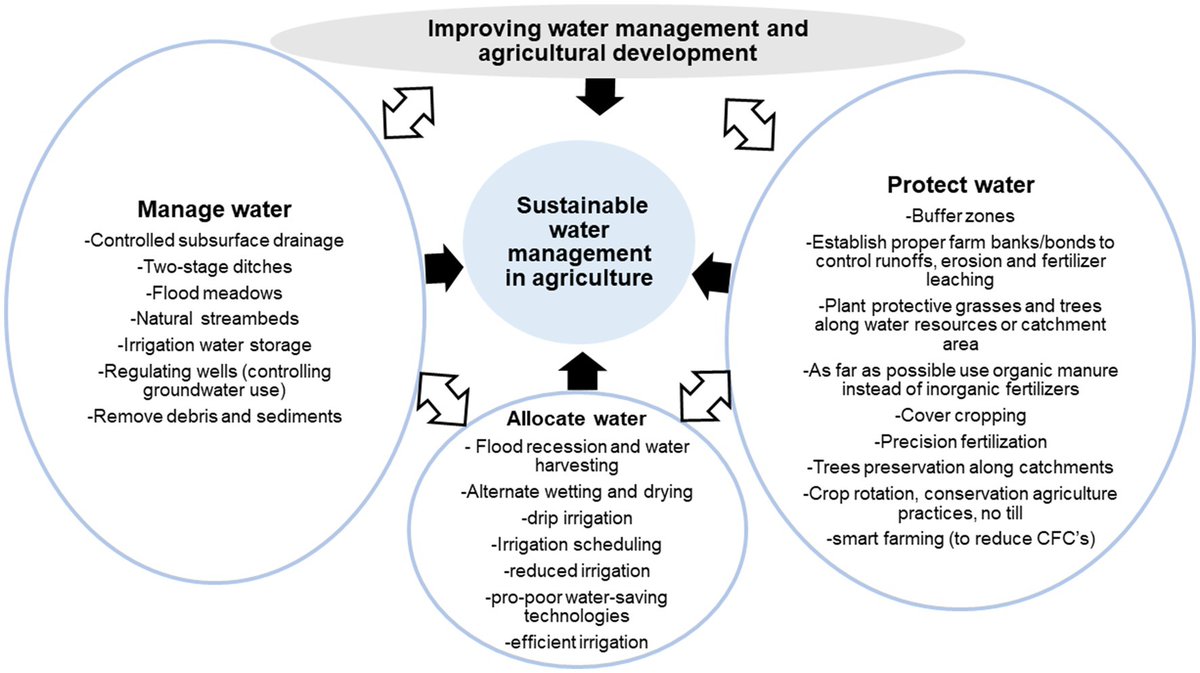
A recent review in Frontiers of Sustainable Food Systems outlines a comprehensive framework for water-smart crop farming, offering practical strategies and technologies tailored to West African contexts. 💧
Read the paper in full: frontiersin.org/journals/sus…
ALT Diagram titled "Improving water management and agricultural development." Features three main sections.
On the left, "Managing water" includes managing wells, sub-surface drainage, flood meadow restoration, and sediment removal.
In the center, "Sustainable water management in agriculture" consists of reallocating water, low-pressure drip irrigation, irrigation scheduling, and introducing water-saving technologies.
On the right, "Protect water" covers establishing buffer zones, cover cropping, tree planting, reducing nitrogen fertilizers, and climate smart farming to reduce CFCs.
Arrows connect these sections, showing their interrelation in a circular flow.
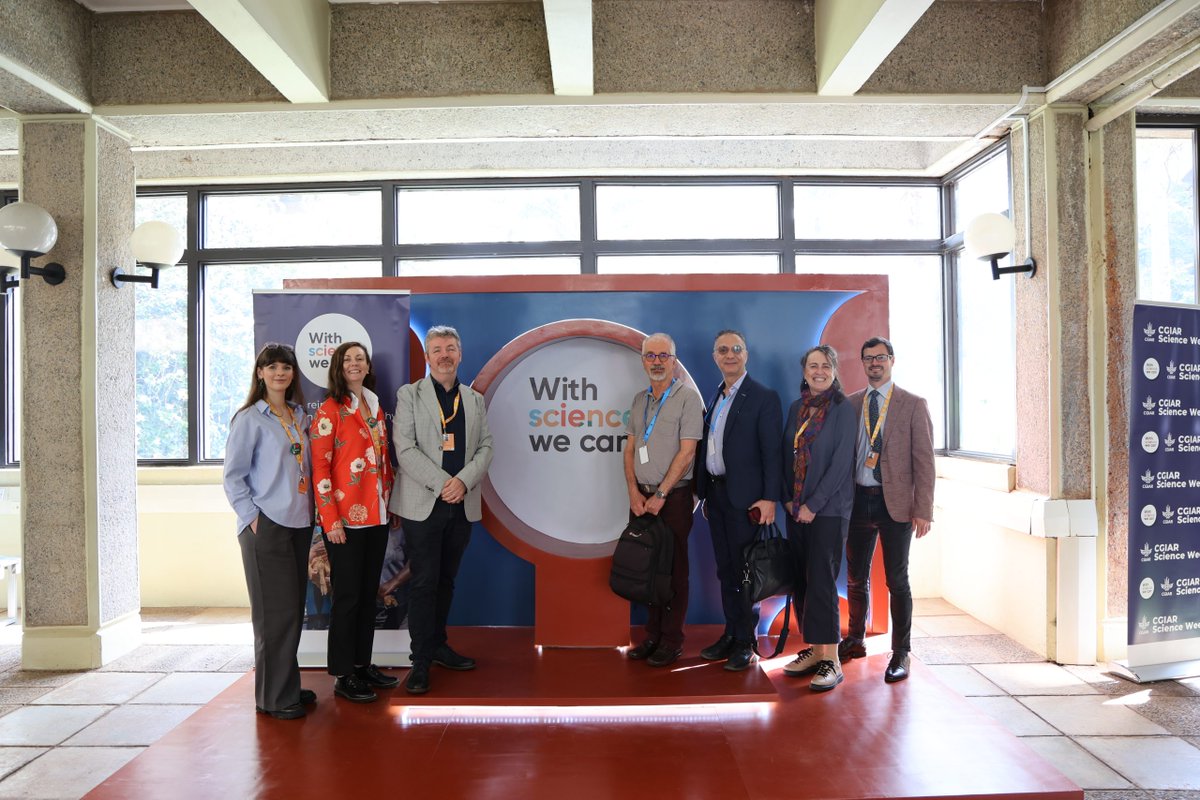
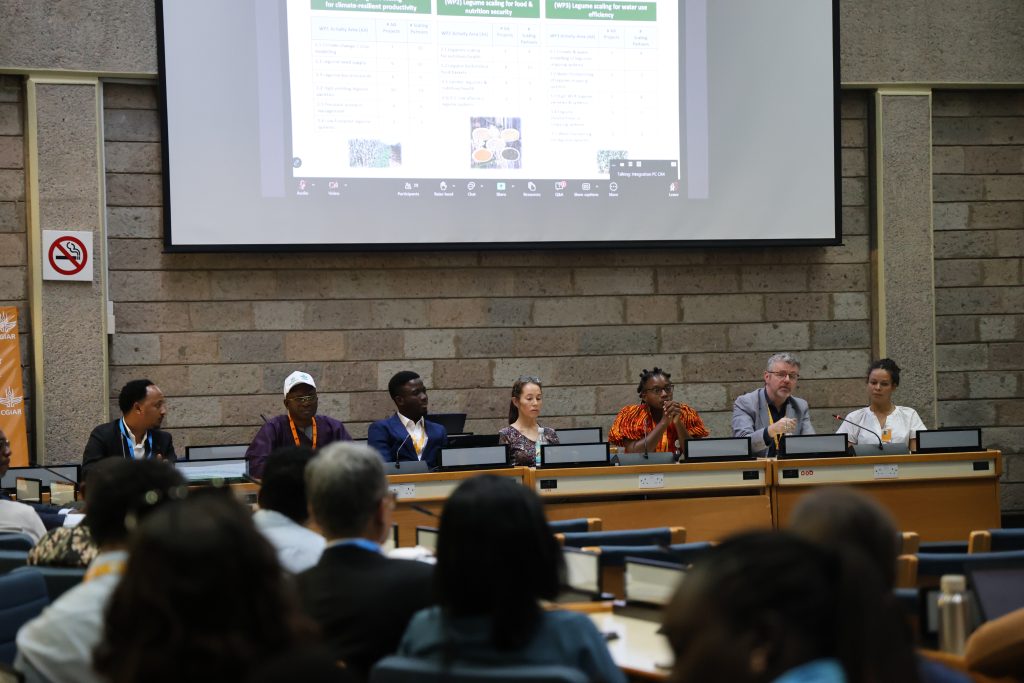
In April, LEG4DEV joined #CGIARScienceWeek in Nairobi to highlight the role of grain and agroforestry legumes in climate-smart food system transformation in East & Southern Africa 🫘
Explore our reflections from the event in our latest blog post: leg4dev.org/2025/04/21/leg4d…
ALT Group of seven people standing in front of a banner reading "With science we can" at the CGIAR Science Week event.
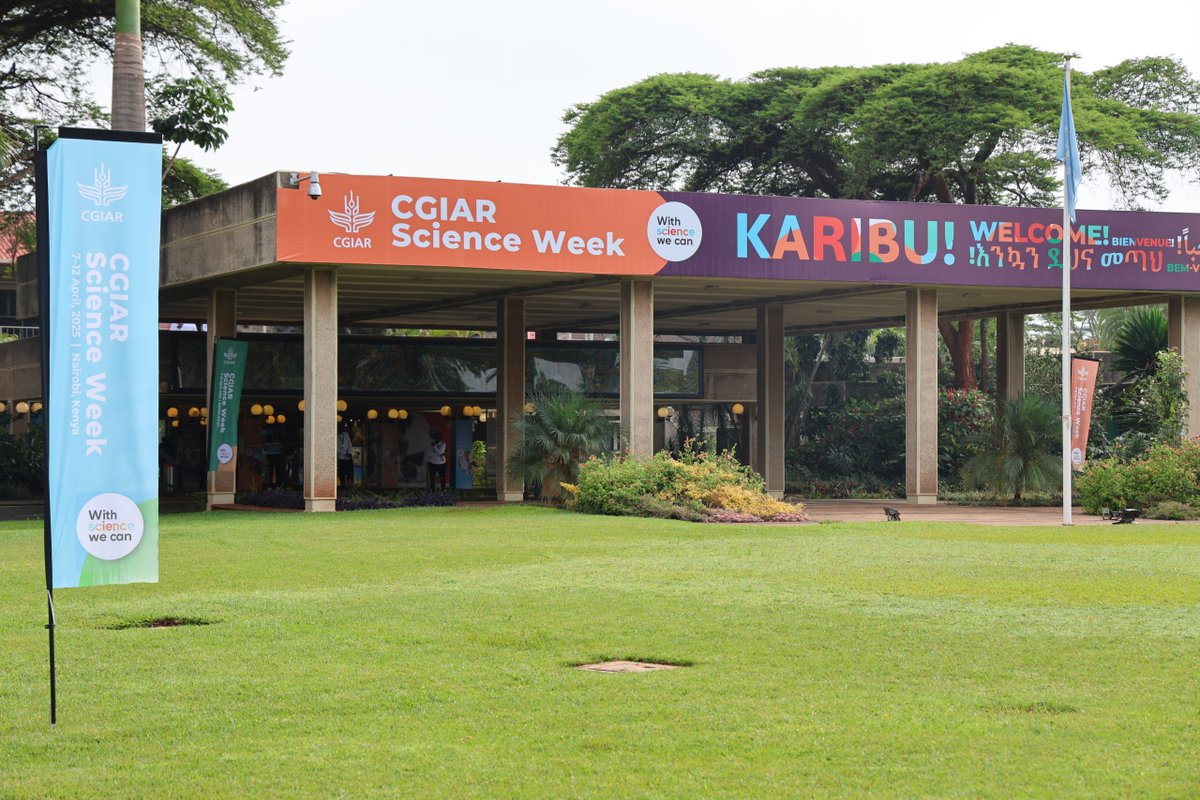
ALT Entrance to CGIAR Science Week event with welcoming banners in multiple languages (English, Swahili, Amharic) displayed above walkway, surrounded by a lush, green lawn.
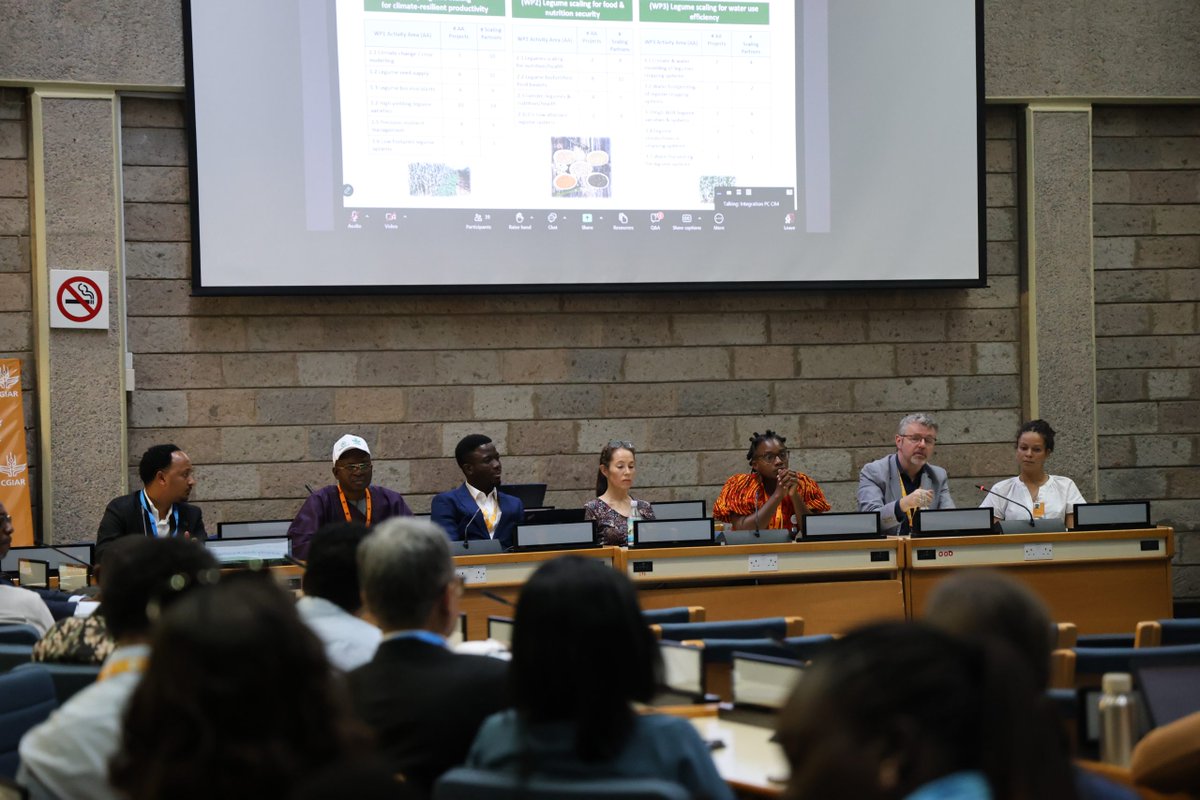
ALT Six panelists seated at a conference table in front of a large screen displaying a presentation, inside a conference hall.
ALT A woman speaking into a microphone attached to a desk during a plenary session at CGIAR Science Week, with attendees and laptops in the background.
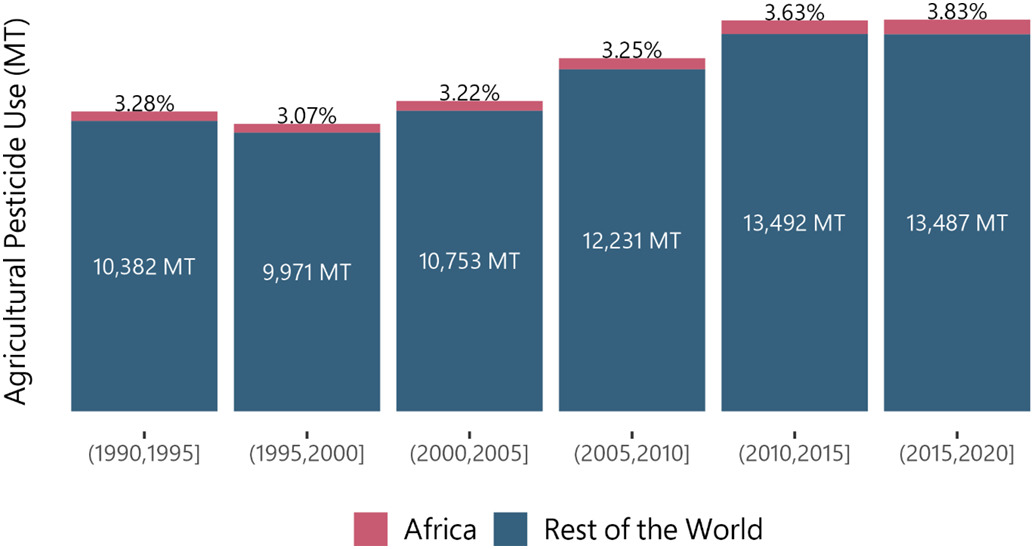
A recent study in 'Science of The Total Environment' finds that public and private-public advisory systems matter more in reducing the intensive use of pesticides in Ghana, Mali, and Nigeria 🫘
Read the open-access paper here: sciencedirect.com/science/ar…
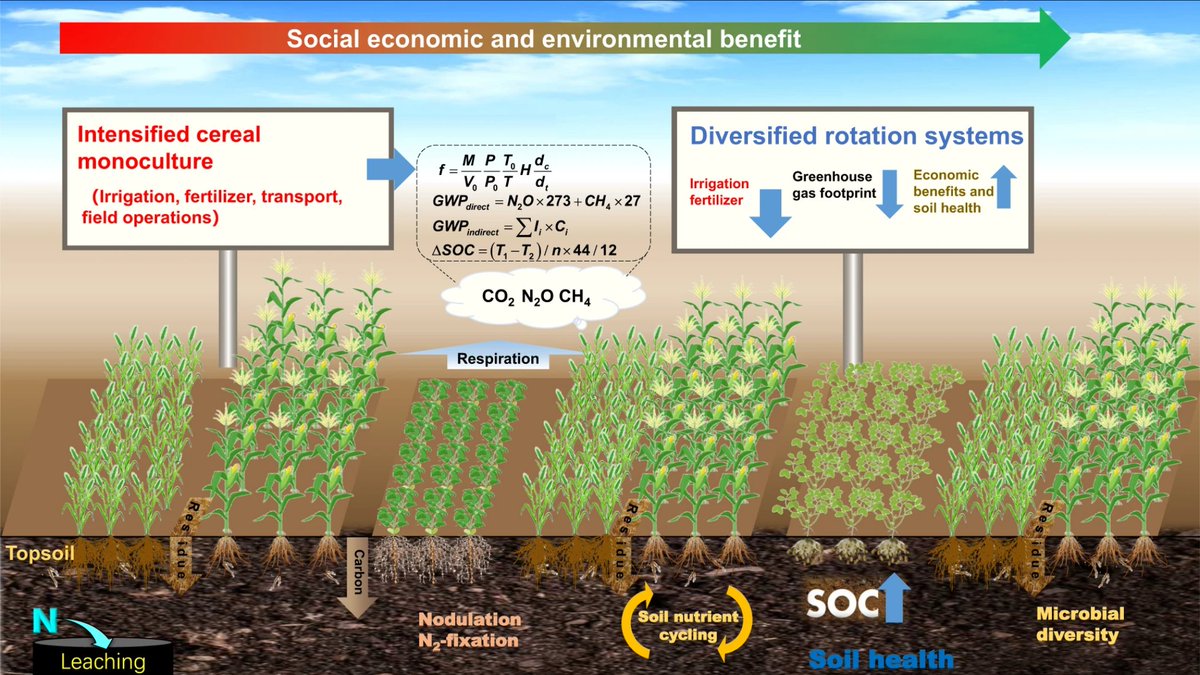
Diversifying crop rotations to include cash crops (sweet potato) and legumes (peanut and soybean) under cereal monoculture (maize-wheat) could offset 5.6% of annual GHG emissions coming from China’s food system 🍠 🫘
Read the open-access paper in full: nature.com/articles/s41467-0…