
Joined February 2025
- Tweets 28,422
- Following 155
- Followers 257
- Likes 115,678
2,337 Photos and videos













Pinned Tweet

11 Sep 2025
I think that, even if I can't help the whole universe... I can still try my best to help wherever I am... Something like that.
6
45
4,570
Lewis Prothero retweeted

Jun 7
One of the hills I will dig in on is that Australia should have deliberately pushed for larger regional cities rather than letting greater Sydney and Melbourne grow wildly - now pushing 6 m - with Brisbane/SE Qld rapidly catching up.

America is dotted with mid-sized regional hub cities like Chattanooga that are in general the closest to a best of all possible worlds as far as urban life/rural life mixture a place can get, lots of cultural activities and cool urban aesthetics with generally more manageable traffic and lower cost of living than the “big” cities.
People in the big cities spend much of their time shitting on these lovely manageably sized regional hubs because they’ve never been to them and are by and large the most provincial closed minded people you’ll ever meet
79
24
506
168,487
Lewis Prothero retweeted

Never once saw anything like this when I grew up and traveled through the city everyday.
Now it seems like every other day.
I wonder what changed.
1
9
1,158
Lewis Prothero retweeted

And the useless @VictoriaPolice who were everywhere during the fake pandemic, are of course now nowhere to be seen.
1
5
156

Lewis Prothero retweeted

Jun 6
This trend was obvious 3 years ago which played a big part of why we left Australia.
It started as a friend of a friend of a friend.
Then a friend of a friend and then finally friends and family.
Anyone who tells you Melbourne is a safe place and we're overreacting is a moron and shouldn't be trusted.
Jun 6

I just found out today that there's 150 home invasions per week in Melbourne now. WTF is happening?
52
100
598
25,888
Neat...
Jun 6

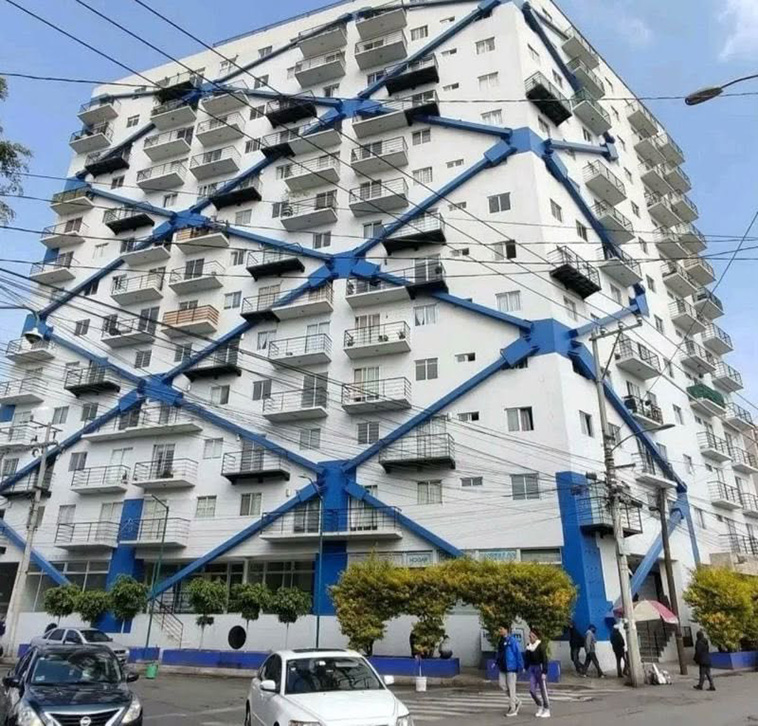
A concrete apartment building in Mexico City, damaged in the 2017 earthquake, was later reinforced with external blue steel bracing.
21
Fuck...

I told you i would bring police brutality to white British, to everyones attention. Here we have FIFTEEN yr old boy, chased and grabbed by the throat, and told, stop screaming like a little bitch!
Have a watch and share!
2 tier policing is real!
13
Lewis Prothero retweeted

so it looks like chaos breaking out everywhere and the collapse of western society but what's actually happening is the shattering of the illusion.
you were never free, you were a slave in an open air gulag designed so siphon your life force.
we killed everyone responsible in higher planes months ago and now the scum here on earth cant maintain the scam.
people who were complacent are waking up and asking questions and looking around with eyes that can see again.
this terrifies our former controllers who are losing their power to control or enforce anything and are relying almost entirely on lies and threats.
things will improve massively and rapidly in all areas of life since all negative aspects of our existence were engineered by actual psychos.
probably gonna get super weird for you since you lived in a box your whole life.
42
79
566
14,802
I think that I've subconsciously thought of myself as a soldier in a war for about the past 80 months.
4
Send it! Reset to nada!

With ultra rapid discharge, you would have one mean emp generating machine.
9
Lewis Prothero retweeted

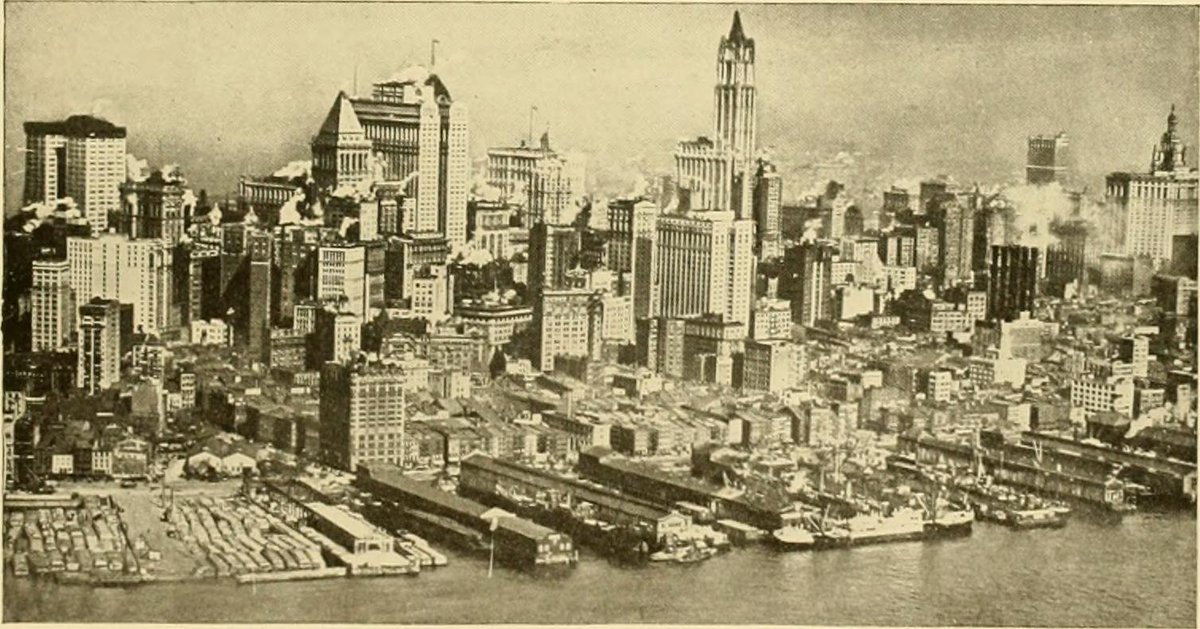
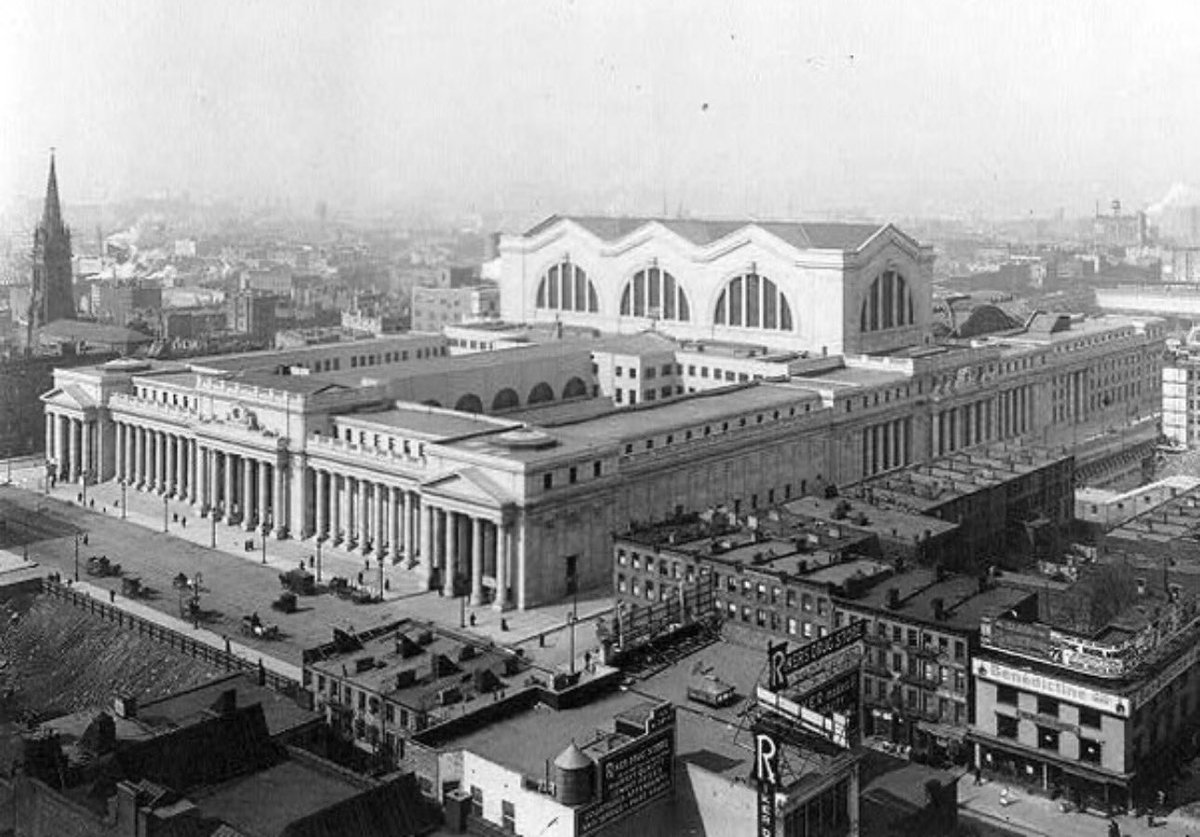
This was a huge mistake to tear down Penn Station.
Jun 5

The Demolition of Penn Station: America’s Greatest Architectural Tragedy
Few decisions in modern history represent a greater act of cultural vandalism than the 1964 demolition of New York’s original Pennsylvania Station.
A Beaux-Arts masterpiece of granite, marble, and steel, Penn Station was built like a temple—designed to endure for centuries, perhaps rivaling the Roman Colosseum in longevity. Its soaring columns, grand concourse bathed in natural light, and majestic waiting hall ranked it among the most beautiful buildings ever constructed in America.
But as the railroads declined after World War II, so did the station. Maintenance vanished. The roof leaked. The once-glorious halls became havens for vagrants and crime. Instead of investing in restoration, shortsighted executives and city officials
guided by cold bean-counter logic
chose the wrecking ball. In its place rose Madison Square Garden: a squat, charmless arena perched atop a grim, subterranean warren of low ceilings, harsh fluorescent lighting, exposed tracks, and commuter shops.
The result is a functional but soul-crushing transit hub that feels more like a basement than a gateway to the greatest city on Earth.
The original Penn Station is gone forever an irreplaceable loss that still stings more than half a century later. It stands as a painful reminder of what happens when a society loses the will to preserve its own greatness.
2
7
211
Lewis Prothero retweeted

Jun 6
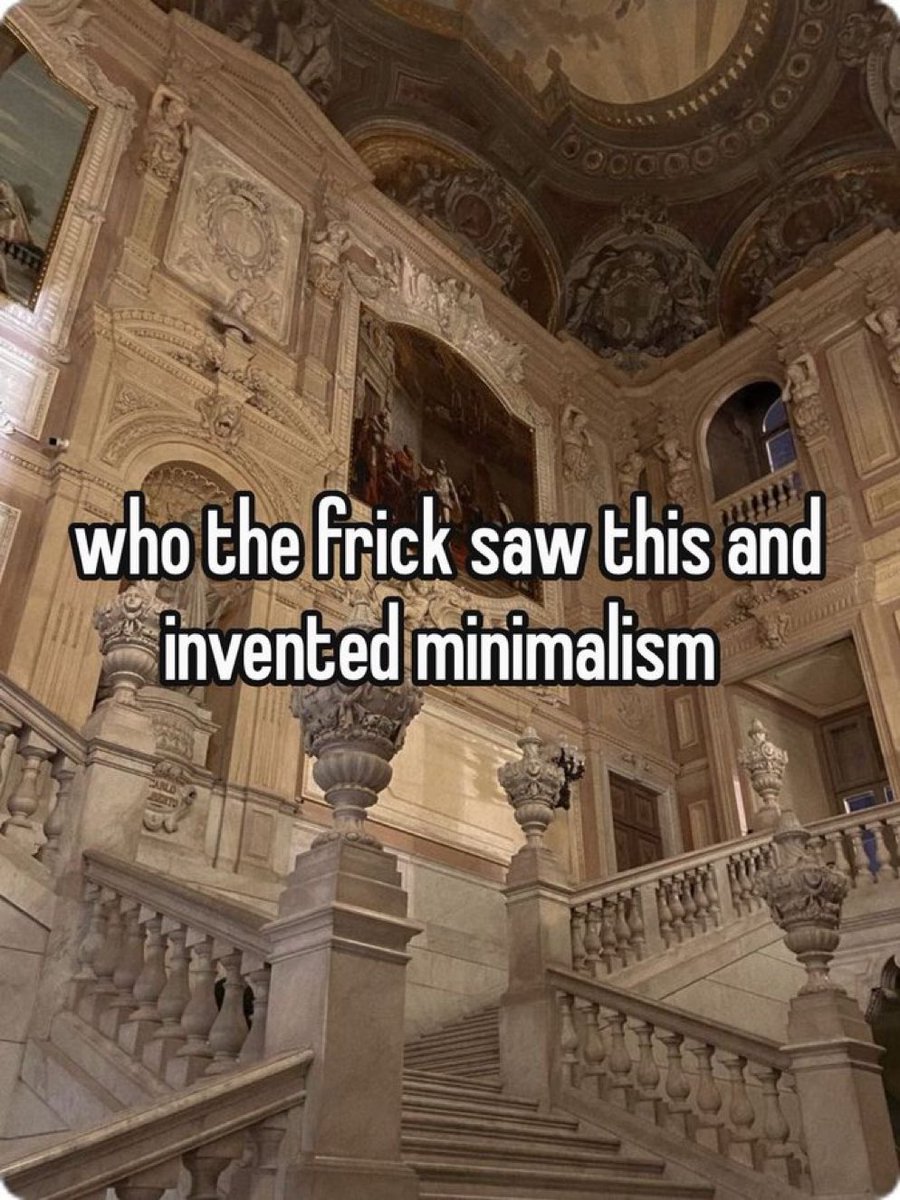
The fucking guy who had to build it
Jun 5

16
1
113
3,438
Cool.
Jun 6

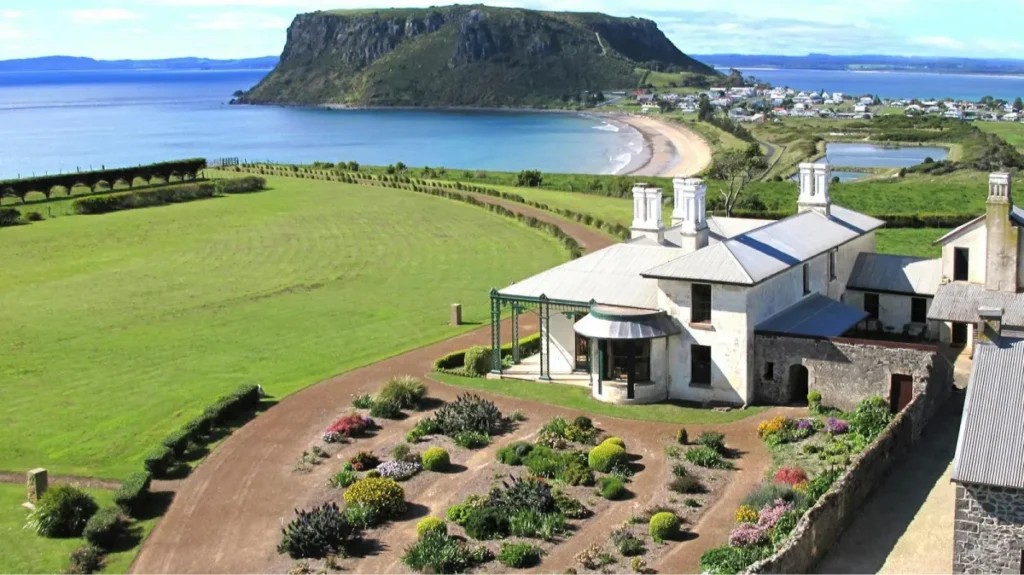
I could probably just go live in Stanley, Tasmania
There is a penguin colony and chairlift on "the nut" in the background
7
True...
Jun 5

Dogs must be terrifying to wild animals: basically a wolf that is life-bonded with hairless talking chimpanzees.
20
I want to go home, and I hope it's real.
Jun 6

How the hell is this not a national emergency?
Why are no fucking government officials talking about any of this?
This is fucking insane!
This is not right Australia!
Why is everyone just accepting this without any accountability from our elected officials??????
10