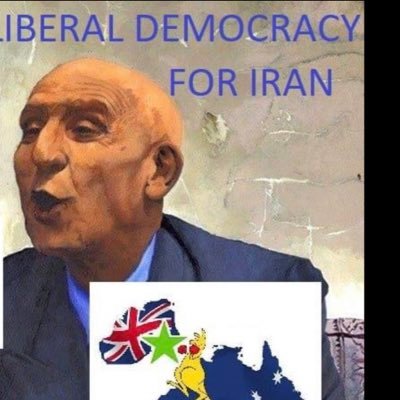
The similarities between ways Liberal Democracy has failed and is failing in Iran and Australia are shocking: Lessons for the two nations to be shared.
Joined September 2021
- Tweets 2,074
- Following 230
- Followers 101
- Likes 1,369
58 Photos and videos
Pinned Tweet

20 Dec 2025
Advocates of fascism/apartheid in Western Australia have common roots with fascist Germany and SA apartheid. I broke codes of British MIC in using teo-fascists. Hypothesis: British MIC through its infiltrators was behind rise of major fascist elements in Germany.
Here, I clarify the selection of profile photographs and the conceptual understanding of “liberal democracy” as interpreted from Iranian, Australian, and American perspectives. During the tenure of former Australian Prime Minister John Howard, numerous political commentators regarded him as among the most conservative figures in contemporary politics. Such positioning raises the question of whether extreme right-wing ideologies converge with fascism.
From this viewpoint, the conceptual lens of liberal democracy ought to be centered on the political spectrum and subsequently shifted slightly leftward. This adjustment would effectively exclude far-right ideologies from the framework of liberal democracy while retaining far-left positions within it. The rationale underlying this proposition is twofold: although far-left movements have historically been implicated in various transgressions, their theoretical foundations are generally oriented toward principles of equity and ethical consideration. In contrast, the ideological and philosophical underpinnings of fascism are fundamentally incompatible with the core tenets of liberal democracy, rendering coexistence within such a system untenable.
3
10
3,003
Persian translation of previous post:
جلیلی و جریان پایداری؟!!!
این تحلیل به مثابه یادداشتی هشدارآمیز در خصوص برخی بازیگران مشکوک ( ارتباطات احتمالی با نهادهای امنیتی) است که عمدتاً از طریق کانالهای اینترنتی فعالیت میکنند و به طور معمول، افراد مخالف با کودتای جاری و خزنده تحت حمایت انگلیس و آمریکا در ایران را به وابستگی به چهرههایی همچون جلیلی یا جریان پایداری متهم میسازند. قابل ذکر است که برخی از این بازیگران خود را زیر پوشش مواضع اصلاحطلب نشان میدهند، اما به طور مداوم از ادبیاتی شبیه دلقکهای رقصنده آپاراتوس امنیتی 5 eyes در خارج از کشور (مانند واژه «عرزشی») استفاده میکنند۰
شایان یادآوری است که به ارزیابی نویسنده، تقریباً تمامی نامزدهای برجسته انتخابات ریاستجمهوری اخیر ایران ارتباطات قابل تشخیصی با نهادهای امنیتی داشتهاند. در دوره فعلی تحولات سیاسی، این عناصر با زیرساخت اطلاعاتی انگلیس در داخل ایران همکاری کردهاند تا ترور برخی از شجاعترین و وفادارترین مدافعان ملت ایران را تسهیل کنند. رفتار آنها در تمایل به جشن گرفتن یا کماهمیت جلوه دادن مرگ سربازان وطن پرست ایرانی و/یا دختران مدرسهای کوچک قربانی تروریستهای آمریکایی تداعیکننده عناصر لمپنی است که رقص کنان از کودتای انگلیس-آمریکایی سال ۱۹۵۳ حمایت کردند.
اصل کلی: هر فردی که اتهام وابستگی به جلیلی یا پایداری را به کار میگیرد تا صداهای میهنپرستانهای را که در برابر مذاکرات شرمآور با دشمنان آمریکایی مقاومت میکنند، بیاعتبار سازد، باید با شک و تردید جدی نگریسته شود. چنین بازیگرانی، در تحلیل حاضر، یا از نظر فکری در درک وضعیت ناکارآمدند یا ارتباطات فعالی با نهادهای امنیتی دارند.
2
1
73
Interesting that you understood the similarities between the two coups. I do not agree with your conclusions. Toppling of “father of modern Australia”, “father of Iranian liberal democracy” and current coup in Iran all were projects run by the UK/US security apparatus.
1
55
Jalili and Paidary movement?!!!This analysis serves as a cautionary note concerning certain suspicious actors with possible connections to the security apparatus who, operating primarily through online channels, routinely accuse individuals opposing the ongoing UK-US-backed crawling coup in Iran of affiliation with figures such as Jalili or the Paidari movement. Notably, some of these actors present themselves under the guise of moderate or reformist positions, yet they consistently employ rhetorical tropes and literature (words like عرزشی)that closely mirror those disseminated by elements of the Five Eyes intelligence community operating outside Iran (dancing clowns).
It is worth recalling that, in the author’s assessment, nearly all prominent candidates in the most recent Iranian presidential elections maintained discernible connections to the security apparatus. During the current period of political upheaval, these elements have reportedly collaborated with UK intelligence infrastructure within Iran to facilitate the assassination of some of the nation’s most courageous and loyal defenders. Their conduct—characterised by opportunistic posturing, inflammatory discourse, and a tendency to celebrate or trivialise the deaths of Iranian soldiers and/or little schoolgirls —evokes historical parallels with the lumpen elements that supported the British-American coup d’état of 1953.
General Principle: Any individual who deploys accusations of Jalili or Paidari affiliation in order to delegitimise patriotic voices resisting what are perceived as shameful negotiations with American adversaries should be regarded with considerable scepticism. Such actors are, in the present analysis, either intellectually deficient in their understanding of the situation or maintain active connections with the security apparatus.
51
Persian translation of previous post:
سیاسیسازی بازی جام جهانی فوتبال ۲۰۲۲ میان انگلیس و ایران، موردی جالب برای تحلیل دقیق به شمار میرود، بهویژه آنکه سناریوهای مشابه ممکن است در آینده نزدیک تکرار شود.
در این رویارویی، بریتانیا ایران را با شکستی سنگین مغلوب کرد. نویسنده معتقد است که سه کشور بیتوجهی عمیقی به روح ورزش نشان میدهند و پیروزی به هر قیمتی را بر سایر ملاحظات مقدم میشمارند. دو مورد از این کشورها قطر و بریتانیا هستند.
نویسنده در اظهارات سیاسی پیشین خود، شیوهی بزدلانه ایالات متحده را در اجتناب از آغاز درگیریها — مگر در شرایطی که پیروزی از پیش تضمین شده باشد — از طریق نفوذی های داخلی که منجر به دستگیری یا حذف مخالفان میگردد، تشریح کرده است؛ چنانکه در زمینههایی همچون ونزوئلا و درگیریهای اخیر مرتبط با ایران مشاهده شده. این رویکرد استراتژیک، به نظر نویسنده از تاکتیکهای امپراتوری بریتانیا اقتباس گردیده است.
در مسابقه فوتبال مذکور، بریتانیا نه تنها به دنبال پیروزی، بلکه به دنبال مهندسی شکستی قاطع و تحقیرآمیز برای ایران بوده است. حادثهای (در اولین ثانیه های بازی!) که در آن دروازهبان ایرانی توسط یکی از همتیمیهای خود از پا درآمد، نه به عنوان یک تصادف ساده، بلکه به مثابه عملی نمادین تفسیر میشود که حامل پیامی سیاسی و زیرپوستی در خصوص تحولات بعدی در ایران بوده است. مقایسه کنید با ترور مقامات سیاسی و نظامی ایران در اولین روزهای جنگ. این تنها بعد نمادین این رویداد نبوده است.
این بازی نقطه شروعی برای دلقکهای «ایرانی» در پایتختهای غربی بود که در واکنش به اقدامات تروریستی آمریکا در هدف قرار دادن دختران مدرسهای ایرانی، جشن گرفته و رقصیدند. لمپنهای آپاراتوس امنیتی، که از نظر شخصیتی و رقص بی شرمانه اشان بر گور کودکان ، شباهت زیادی به لمپنهای کودتای ۲۸ مرداد دارند. چنین رفتاری ریشه در همان مسابقه فوتبال داشته است، جایی که بخشهایی از دیاسپورای ایرانی،با این بهانه که تیم، نماینده جمهوری اسلامی است، تیم ملی را توهین و هو کردند.
زشتی تهوع آور اقدامات این عده تنها به صرف بهرهبرداری ابزاری از ورزش برای اهداف سیاسی نبود. این امر شامل نوعی ریاکاری تاریکتر بود: دیاسپورا اقدامات خود را با استناد به جنایات دولت ایران علیه مردم خویش توجیه میکرد. چنین انتقادی — اگر علیه هر تیم دیگری جز بریتانیا مطرح میشد — ممکن بود شایسته توجه باشد، اما سابقه تاریخی بریتانیا در کشتار، شکنجه، غارت و نسلکشی به زعم نویسنده، از نظر دامنه و طول مدت، از سابقه تقریباً هر کشور دیگری فراتر میرود.
به این ترتیب، این کنشگران — درست همانند جشنگیرندگانی که بر اجساد هموطنان ایرانی جانباخته خویش میرقصند — به تیم ملی ایران خیانت کردند
104
The politicisation of the 2022 FIFA World Cup match between England and Iran constitutes a compelling case for detailed analysis, particularly as analogous scenarios may recur in the near future.
In this encounter, the United Kingdom defeated Iran badly. The author maintains that three countries demonstrate a profound disregard for the spirit of sport, prioritising victory at any cost above all other considerations. Two of these are explicitly identified as Qatar and the United Kingdom.
In prior political commentary, the author illustrated the coward way United States refrains from initiating conflicts unless assured of victory through pre-established advantages, such as internal networks or “moles” that facilitate the arrest or elimination of adversaries—as observed in contexts including Venezuela and recent engagements involving Iran. This strategic approach, characterised as a form of calculated warfare, is posited to have been inherited from the tactics of the British Empire.
In above football match, the United Kingdom is understood not merely to have sought victory but to have orchestrated a decisive and humiliating defeat for Iran. The incident in which the Iranian goalkeeper was knocked out and by a teammate (in first seconds of the game!!!) is interpreted not as mere coincidence but as a deliberate symbolic act carrying a subliminal political message regarding subsequent war with Iran and assassinations in the first wave of attacks. This was not the sole symbolic dimension of the event.
Further, the author highlights the spectacle of individuals identifying as Iranians in Western capitals who celebrated and danced in response to American military acts of terrorism in targeting Iranian schoolgirls. Such behaviour, the author contends, originated during the football match itself, where segments of the Iranian diaspora insulted and booed the national team on the pretext that it represented the Islamic Republic.
The deeper impropriety, however, extended beyond the mere instrumentalisation of sport for political ends. It encompassed a more sinister hypocrisy: the diaspora justified their actions by invoking the Iranian government’s crimes against its own people. While such criticism might warrant consideration if directed against any other opponent, its alignment with the United Kingdom undermines its credibility. The United Kingdom’s historical record of killing, torture, looting, and genocide is argued to surpass that of virtually any other nation in scope and duration.
In this manner, these actors—much like the celebrants dancing over the bodies of their fallen Iranian compatriots—betrayed the Iranian national team, subordinating national solidarity to partisan political objectives.
181

We previously noted the strong parallels between the recent 12-day coup and the 1953 coup. The apparent absence of British involvement likely reflects their effective concealment of precedent actions.
The central hypothesis is that the British intelligence network supplied the majority of the internal spying infrastructure used in the 12-day coup and the subsequent incremental operations. For decades after the Iranian Revolution, neither the United States nor other actors maintained comparable presence inside Iran. The long-established British network, with its deep penetration of Iranian institutions particularly inside Iranian government , provided target lists for assassinations and essential operational intelligence.
Consequently, much of the information publicly attributed to Israeli sources was, under this hypothesis, originally furnished by the British network to their Israeli counterparts. Nascent Israeli and American networks could not rival the depth and longevity of this British apparatus.
A further parallel with 1953 concerns the expatriate “Iranians” celebrating in Western capitals, who mirror the orchestrated demonstrators of that era led by figures such as Shaban Jafari (“Shaban bi Mokh”). Authentic Iranian political expression does not typically involve such performative dancing; the marginal groups active in 1953 and today monkeys dancing in Western Capitals appear to be substantially the same.
This pattern offers a clear lesson for Iranians who remain pro-American: American expressions of regret for the 1953 coup should not be taken seriously, as the same methods are being deployed once again.
2
285
The Iranian negotiating apparatus (merchants of negotiations) has inadvertently incentivized escalation by pursuing dialogue with the terrorists of United States, a colonial-settler fascist regime. While the general rule is, NOT to negotiate with terrorists. In light of recent threats, the window for Iranian policymakers to fulfill their strategic responsibilities is narrowing. It is incumbent upon them to issue unambiguous deterrent signals should the United States resume their illegal war of choice. The following options represent potential elements of such a posture:
1. Withdrawal from the NPT: In the event of renewed hostilities, Iran would formally withdraw from the Treaty on the Non-Proliferation of Nuclear Weapons (NPT).
2. Reassessment of Religious Prohibitions: Following assassination of Ayatollah Ali Khamenei in an act of state terrorism by the United States or Israel, the religious edict (fatwa) prohibiting the development of nuclear weapons would be considered null and void.
3. Right of Retaliation: Iran reserves the right to respond to any attack on its critical infrastructure at a time and place of its choosing, explicitly INCLUDING targets on the continental United States. By giving them the peace of mind that iran only retaliates in the region, you are encouraging them for More as they actually benefit from regional countries being attacked.
4. Closure of the Strait of Hormuz: In response to renewed aggression, Iran would implement a permanent and irreversible closure of the Strait of Hormuz, with the exception of the narrow coastal corridor under its direct sovereign control.
5. Additional Measures: Further deterrent options may be formulated by Iranian diplomatic and strategic authorities, consistent with their professional mandate to safeguard national interests.
1
1
126
This is solely a hypothesis regarding the possibility that Benjamin Netanyahu has betrayed Israel and the Jewish people.
A highly educated individual residing in Western Australia contacted researchers. He asserted that he had identified hidden codings linking contemporary individuals committing hate crimes to earlier offences, including those associated with German fascists.
Although the claims initially resembled conspiracy theories, the individual conducted a probability analysis. This analysis examined the names of persons connected to physical, economic, and psychological acts of terrorism directed against him. These acts included a road accident intended to be fatal and property attacks more severe than Kristallnacht.
He observed that many suspect names incorporated letters or elements derived from “Protestant” theological terms, including segments of the word “Nazareth” and other religious references. In pursuing justice, he identified involvement by a specific company linked to the British military-industrial complex. This entity reportedly opposed his views on the French submarine contract and may have contributed to the collapse of a multi-billion-dollar agreement, which British interests later partially assumed.
Further investigation revealed additional individuals in his past whose names contained references to the British navy. He proposed that some names might be fabricated to allow mercenary religious cult groups, operating on behalf of British interests, to identify team members without detectable communication. Notably, certain names appeared genuine.
His statistical calculations indicated that the probability of all involved “terrorists” sharing specific name letters by coincidence was approximately 0.05 percent (p = 0.0005), rendering random occurrence highly improbable.
He documented numerous additional links to the British navy. These included a victim connected to a British naval base in Cyprus and references to Benjamin Netanyahu, which are not detailed here.
A key observation concerns the name “Benjamin Netanyahu.” Its letters contain references to a British Navy “Ninja” operative. This is noteworthy given the early operations of British intelligence networks in Iran, which relied on naval special operatives.
The first modern terrorist organisations in Iran, responsible for assassinating figures opposing the BP oil monopoly, maintained connections to the Muslim Brotherhood. Historians familiar with the period recognise longstanding ties between British agencies and both the Muslim Brotherhood and Hamas.
Conspiracy theories alleging direct connections between Netanyahu and Hamas warrant deeper examination. A more complex scenario may apply: apparent harms to Israel and the Jewish people by both parties could originate from shared underlying roots of betrayal and corruption.
This hypothesis invites rigorous, independent investigation by those committed to the security and welfare of the Jewish people.
1
114
segments of Israeli society harbour a profound distrust toward the United Kingdom and the United States, rooted in the perception that these Western powers view Israel primarily as a strategic instrument—an expendable proxy tasked with perpetual conflict in service of eschatological or messianic ideological objectives of some Theo fascist crusaders of new age. This perspective coexists with a paradoxical insistence on the notion of genuine affection for Israel on the part of these fascist states, coupled with the ready acceptance of longstanding antisemitic tropes concerning disproportionate Jewish or Israeli influence within American political and institutional spheres.
German chancellor—appear to frame Israel’s military engagements as performing the “dirty work” on behalf of broader transnational coalitions or “theo-fascists.” In this interpretation, a future reckoning awaits in which Israeli electorates may come to recognise their chosen leaders as functioning in the role of modern Kapos: administrators operating a contemporary equivalent of Auschwitz II, just as instruments of Anglo-American strategic designs. Simply put, doing their “dirty work”.
When the British infiltrated German military-intelligence apparatus during the mid-twentieth century in order to orchestrate the destruction of European Jewry and the Soviet Union, but couldn’t finish that “dirty work”, a subsequent “final solution” was pursued through the establishment of a new containment-and-elimination framework. In this schema, Jewish populations are concentrated under conditions that facilitate their destruction by proxy forces, thereby advancing the objectives of external powers without direct accountability.
1
89
In the evolving multipolar international order, the People’s Republic of China and the Russian Federation have assumed prominent leadership roles in advancing what is regarded as a wise and progressive global framework. For decades, the United States was portrayed as the principal guardian of the free world; yet sustained scrutiny has revealed that the professed ideals of liberty, democracy, human rights, and equal opportunity were, to a significant extent, rhetorical constructs unsupported by consistent practice. As President Vladimir Putin has observed, the United States represents an “empire of lies.”
Iran expresses its aspiration to join China and Russia in the future stewardship of this emerging wise and progressive world order versus the “empire of lies” run by the Western Theo fascist crusaders of new age.
Accordingly, President Xi, should in your coming meetings, the grand master of narcissism continue to issue provocative statements or actions, or annoys you in anyway, Iran stands prepared to deliver an appropriate response in the Persian Gulf! Good luck.
1
76
Iran must attend to the strategic signals emanating from Israel and the United States. The core message appears to be that the liberal international rules-based order has effectively ceased to function as a meaningful constraint on state behavior, and that a state’s freedom of action in the international system is determined primarily by its material capabilities rather than by legal or normative commitments.
Having themselves undertaken numerous actions widely regarded as violations of international law, the rogue terrorist states of US and Israel are communicating to Iran that raw power prevails. In this realist logic, Iran retains the option to respond by closing the Strait of Hormuz—thereby disrupting a critical chokepoint for global oil shipments—and by severing the undersea telecommunications cables that pass through the region, actions that could inflict severe economic damage on Western Theo-fascist crusaders of the contemporary era.
1
108
Cuba Hypothesis: The United States has been in sustained violation of international law through its prosecution of a war of choice against Iran and its ongoing acts of maritime interdiction against Iranian oil tankers, which may be characterized as acts of piracy. Concurrently, the U.S. has imposed comprehensive sanctions on the Russian oil industry. Trump has frequently claimed that, as a result of U.S.-enforced blockades in the Persian Gulf, the international community has no alternative but to purchase American oil. Furthermore, Cuba is presently subjected to intense coercive pressure and explicit threats from the United States. Given this context, one may ask why Iran, Russia, and China do not coordinate diplomatically with Cuba to encourage it to blockade the Straits of Florida and the Yucatán Channel—two critical maritime chokepoints for the transit of what Trump has referred to as ‘beautiful tankers’ carrying U.S. oil exports.
2
142