ReApplyEU🇪🇺#FoodBanksHomelessPay NHS @BylineTimes #EjaculateResponsibly #GrowYourOwn💚 #ReduceCarbon #RNLI 🇺🇦@buitengebieden @Keeling_curve #PaleBlueDot💙
Joined July 2009
- Tweets 35,688
- Following 4,143
- Followers 1,703
- Likes 19,871
939 Photos and videos

Pinned Tweet

Indigenous Peoples lived all over our Earth in harmony with Nature for 10s of thousands of years
We so-called “civilised” people are, in just 2000 years of recorded history, reducing our beautiful planet 🌎 to a poisoned, burning greenhouse in our lifetime
Too late to🛑 it now
1
30
LiffeyTrish 🌻#FBPE #KTTO 🟦 retweeted

Jun 14
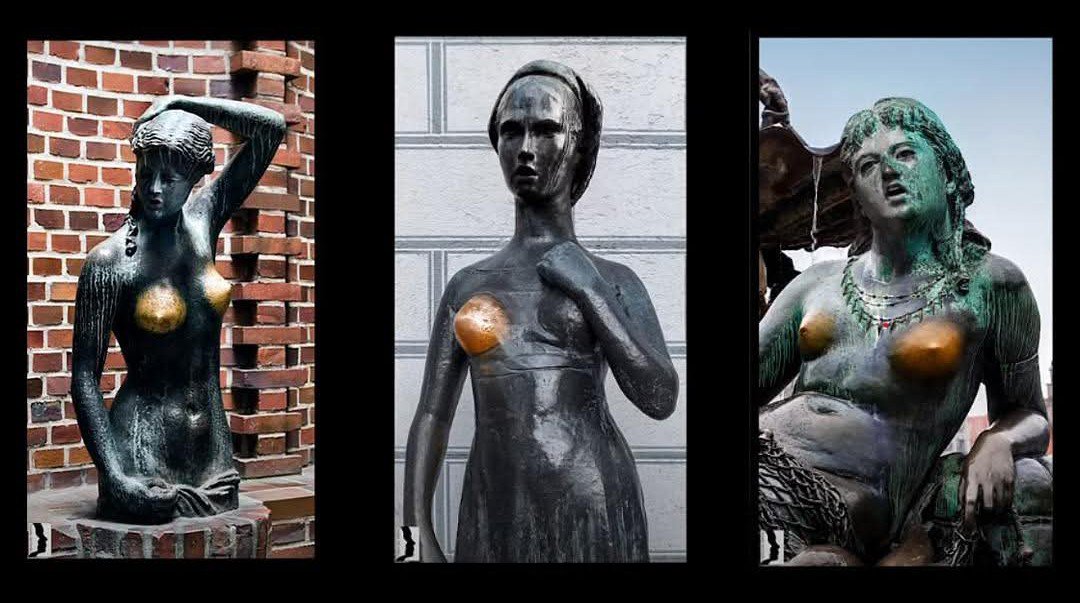
On bronze statues of women all over the world, there is one spot worn smooth and shining gold while the rest darkens with age -- the breasts....
Decades of hands reaching out, again and again, have polished the metal bright. In Germany, the women's rights organization Terre des Femmes looked at that phenomenon and saw something most people walk past without registering: a public record of unwanted touching, etched into the statues themselves. In April, for Sexual Assault Awareness Month, they built a campaign around it called "Unsilence the Violence" -- installing placards behind three well-known statues with a single line: "Sexual harassment leaves its mark."
The three they chose -- the "Enchanting Juliet" in Munich's Marienplatz, "Frau Rhein" at Berlin's Neptune Fountain, and "The Youth" in Bremen's Hoetgerhof -- each carry the same worn, gleaming marks, and the point is the parallel. Two in three women in Germany experience sexual harassment in their everyday lives, the organization noted -- and the numbers elsewhere are no better. A 2018 nationally representative survey by the U.S. nonprofit Stop Street Harassment found that 81% of American women have experienced some form of sexual harassment or assault in their lifetime, with 51% reporting they had been touched or groped without consent.
Yet the assaults are too often trivialized, dismissed, or simply looked past -- by perpetrators, by bystanders, by society. "The marks it leaves behind are visible on the statues, but not on the victims," said Marielle Wilsdorf of Scholz & Friends, the agency behind the campaign. "It's not a trivial matter, it's a criminal offence." At each site, a QR code let the statue speak -- short audio recordings giving voice to the women these figures stand in for, alongside information on counseling and where to find help.
The installations stood for only three days before permit issues took them down, but the images traveled far past Germany. What makes the campaign land isn't the statistic -- it's that the evidence was always there, hiding in plain sight, on monuments people pass every day. The marks on a statue are easy to see once someone points at them. The marks on the women walking past those statues are not. That was always the point: the harm doesn't disappear because it leaves no visible trace. It just goes unwitnessed.
© A Mighty Girl
#drthehistories
6
39
87
13,809
LiffeyTrish 🌻#FBPE #KTTO 🟦 retweeted

Jun 14
Of course, I am happy that the Strait of Hormuz will soon be open. That's a good outcome for the entire global economy.
But the Strait was opened before the war. We did not need a war to keep it open.
792
4,758
25,970
287,273
LiffeyTrish 🌻#FBPE #KTTO 🟦 retweeted

Jun 15
Condemnation alone will not stop attacks like this. Ukraine needs stronger air defenses, greater pressure on Russia, and a serious international response.
Full thread:
Jun 15

🇺🇦 Zelenskyy’s latest update reveals the scale of Russia’s overnight assault:
70 missiles and 611 drones were launched against Ukraine, including more than 60 missiles against Kyiv alone.
At least 11 people were killed and 53 wounded nationwide. In Kyiv, 35 people were reported injured.
This was a nationwide saturation attack.
🧵 2/4 ⬇️
x.com/ZelenskyyUa/status/206…
2
1
267
LiffeyTrish 🌻#FBPE #KTTO 🟦 retweeted

Jun 15
Last night, Russia unleashed another devastating attack on Ukraine: more than 600 drones and over 70 missiles aimed at civilian targets across the country.
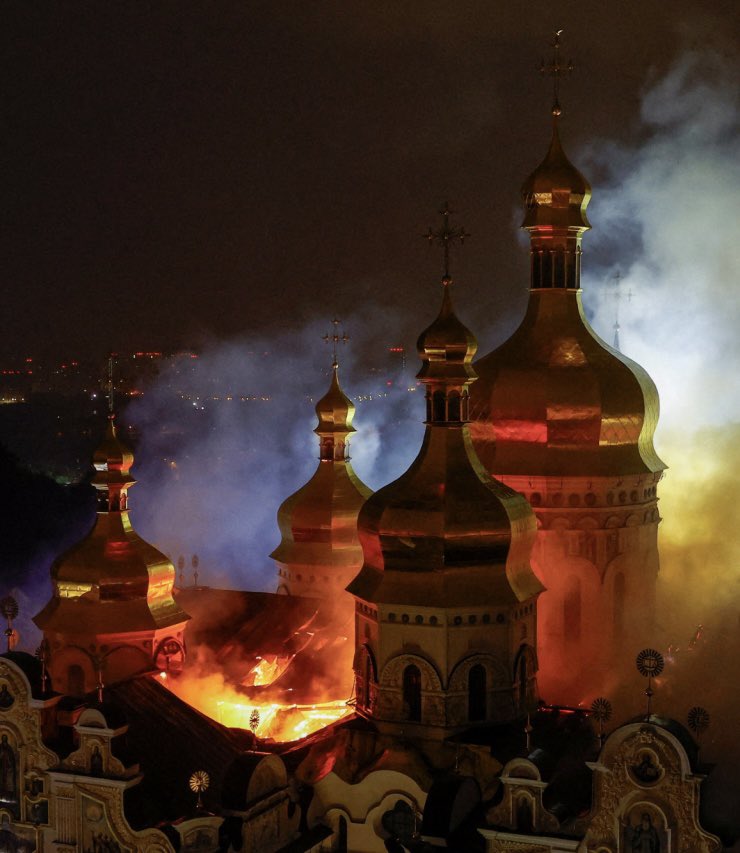
Among the sites struck was the Kyiv Pechersk Lavra - a UNESCO World Heritage monastery of immense cultural and spiritual significance. Civilians were killed, and many more were wounded. Our thoughts are with the victims and their families.
A leader who orders strikes like these against civilians and cultural heritage sites is not seeking peace and has no interest in serious negotiations. The EU will increase its pressure on Russia while continuing to support Ukraine. (BK)
74
67
292
96,920
LiffeyTrish 🌻#FBPE #KTTO 🟦 retweeted

Jun 15
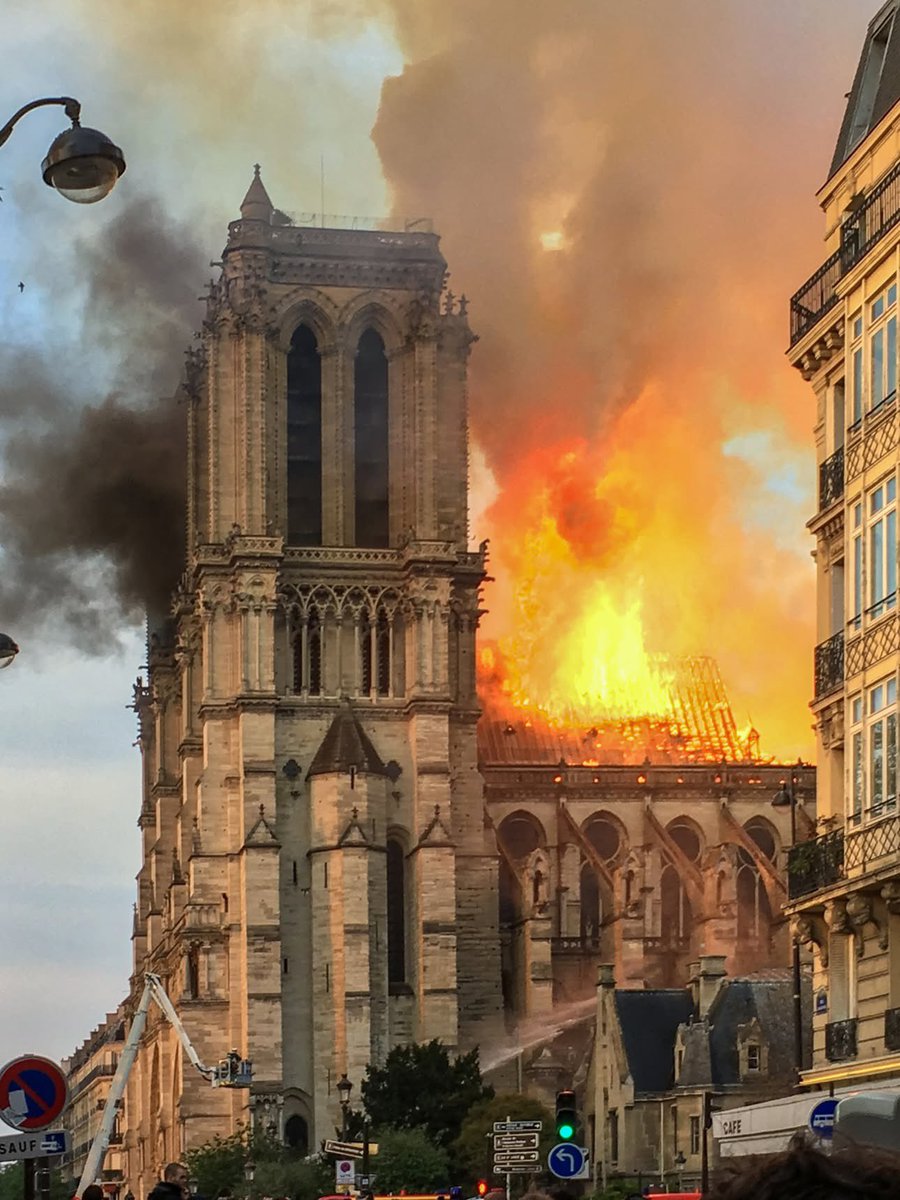
When Notre-Dame burned in 2019, the world stopped.
Today, Russia damages Kyiv Pechersk Lavra, a monastery nearly 1,000 years old and older than Notre-Dame itself.
A thousand years of history deserves the same attention, the same sympathy, and the same protection.
532
11,251
31,401
318,742
LiffeyTrish 🌻#FBPE #KTTO 🟦 retweeted

Jun 14
This is what Donald Tusk said recently about Ukraine 🇺🇦:
"Even the Nobel Peace Prize would not be enough.
Some say that Ukraine should be grateful for everything. The truth is exactly the opposite.
The rest of us should be grateful to Ukraine."
I would very much like to see relations between Poland and Ukraine regarding the Russian invasion remain as functional as they have been so far.
143
2,135
9,650
198,946
LiffeyTrish 🌻#FBPE #KTTO 🟦 retweeted

Jun 14
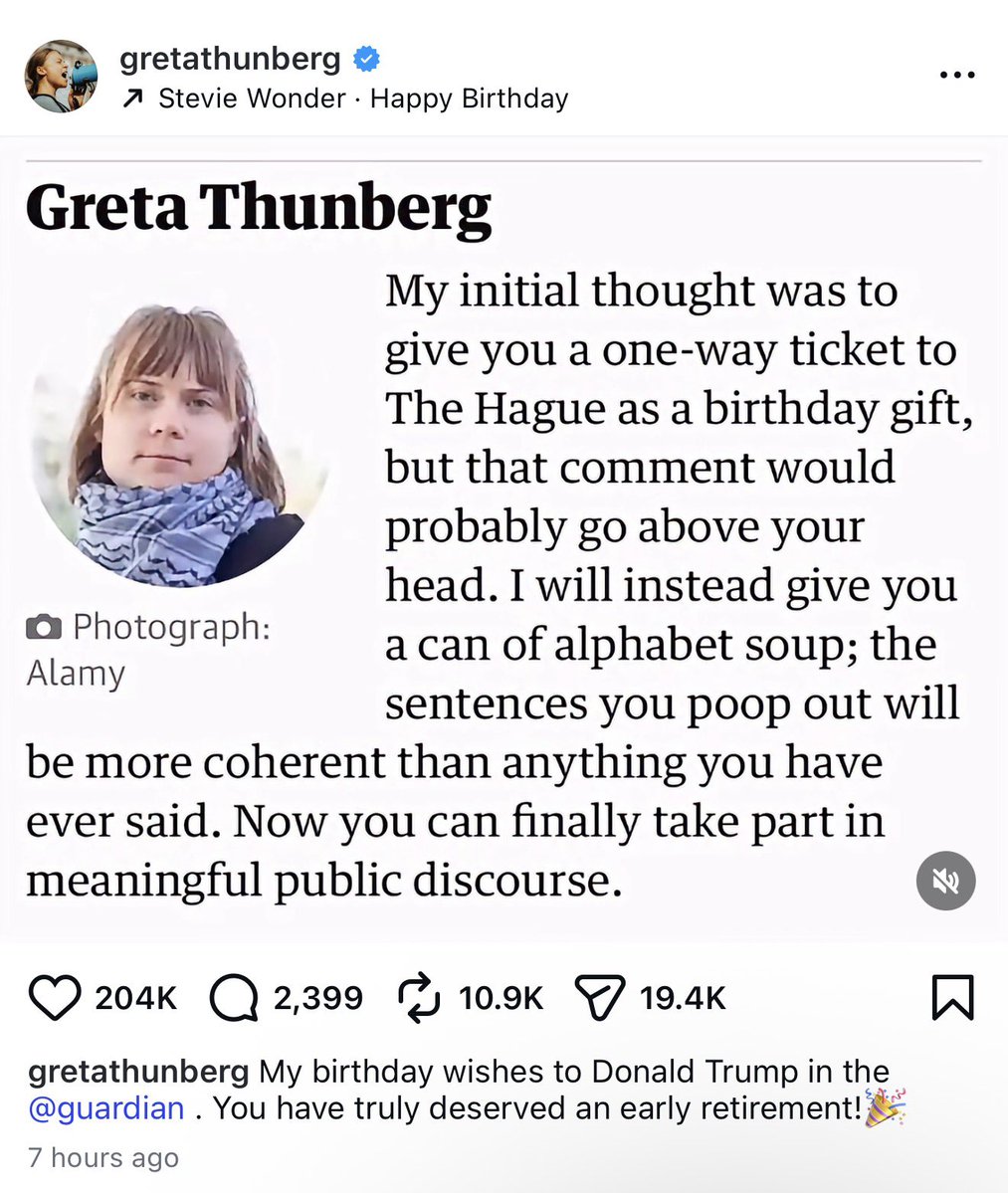
Greta Thunberg sends birthday wishes to Donald Trump: “My initial thought was to give you a one-way ticket to The Hague as a birthday gift, but that comment would probably go above your head. I will instead give you a can of alphabet soup; the sentences you poop out will be more coherent than anything you have ever said. Now you can finally take part in meaningful public discourse”
319
4,287
20,027
266,773
LiffeyTrish 🌻#FBPE #KTTO 🟦 retweeted

"It’s winter in Antarctica, when sea ice expands rapidly around the continent peaking in September.
But satellite observations showed the Bellingshausen Sea [...] was almost completely ice-free."
thebulletin.org/2026/06/an-a…
3
22
31
1,900
LiffeyTrish 🌻#FBPE #KTTO 🟦 retweeted

Jun 14
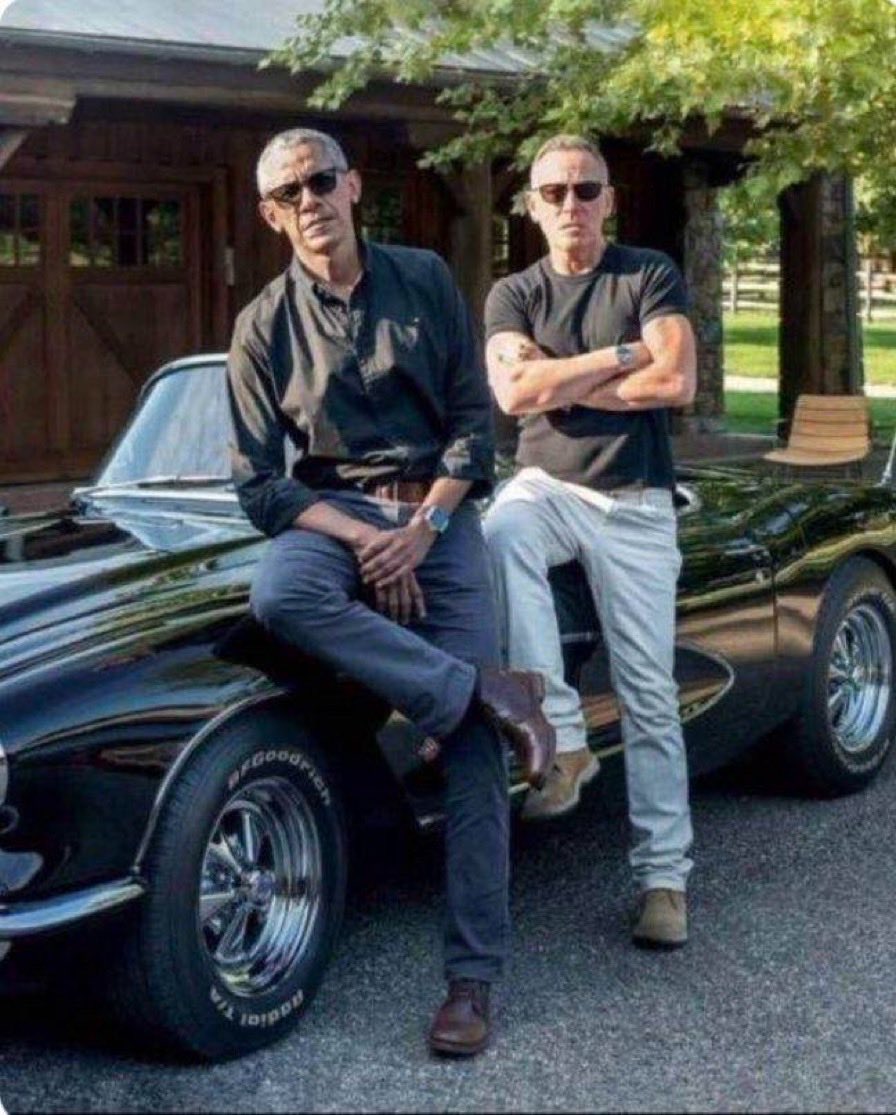
President Obama is the most influential, accomplished, loved, smartest, and coolest president in history… do you agree?
YES
OR
NO
2,554
1,591
5,618
56,489
LiffeyTrish 🌻#FBPE #KTTO 🟦 retweeted

Jun 15
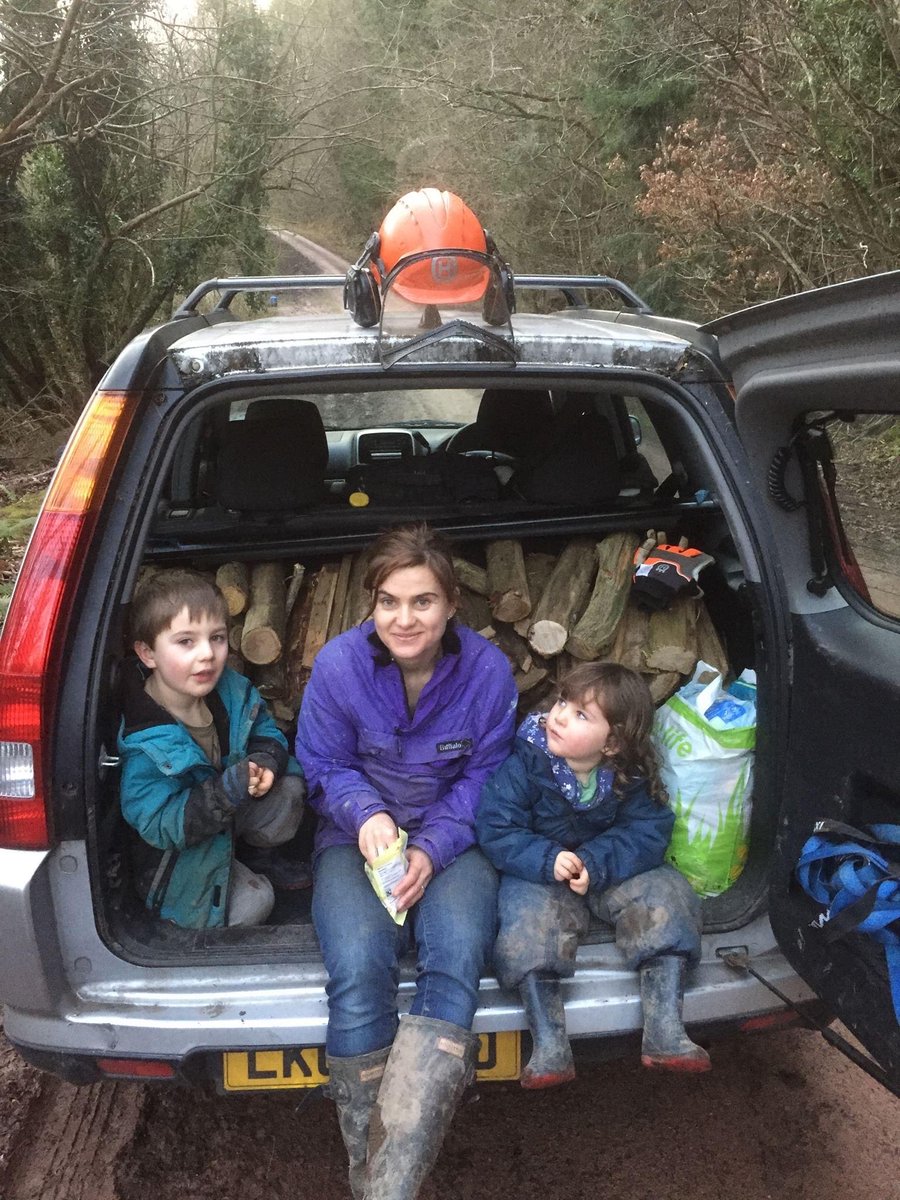
10 years ago my wife, the mum of our kids & the MP for Batley&Spen was killed by a far right extremist.
At anniversaries I try to be optimistic about the future. But not this time. In the ten years since she was killed we have gone backwards & I fear our democracy is now at risk
2,187
7,400
43,784
1,658,560
LiffeyTrish 🌻#FBPE #KTTO 🟦 retweeted

That very one scene from #TipToe that explains why tip toe, why this title, and basically pretty much explains the entire series with Alan Cumming and David Morrissey that was aired just now.
Tip Toe | Episode 1 | Is the shit from the 90s' back scene
2
8
61
17,569
LiffeyTrish 🌻#FBPE #KTTO 🟦 retweeted

Thank you so much Russell T Davies.
This is exactly it. It's taken me 40 years to figure it out. Working out my gender identity has been the most liberating experience.
#Happypridemonth
#TipToe
16
208
2,264
190,765
LiffeyTrish 🌻#FBPE #KTTO 🟦 retweeted

Jun 9
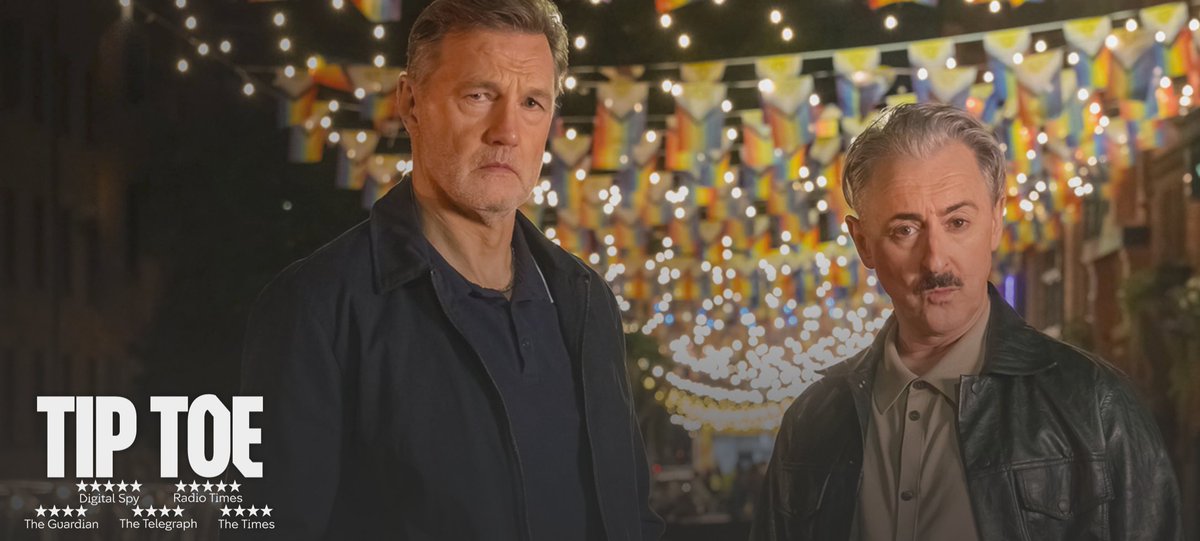
Reflection on Channel 4's Tip Toe: We Won the Right to Be Ordinary. Then Everything Changed.
I finished #TipToe last night and sat in silence for a while afterwards.
Not because it was shocking or controversial, but because it revived a ghost I thought we had successfully buried years ago.
Fear.
Not the spectacular, cinematic fear that dominates headlines, but the quieter, more insidious variety.
The kind that comes from being a young gay man walking down the street and calculating whether the group of lads ahead of you will pass by or pivot.
The kind that teaches you to scan a room before your foot even crosses the threshold.
For years, I believed those days were behind us.
Most of my generation did.
We fought, argued and campaigned our way towards something remarkable. By the late 2000s, Britain had largely reached a civilised consensus.
Most people simply did not care if you were gay.
That indifference was not a defeat. It was the ultimate victory.
The greatest achievement of the gay rights movement was not making us special, but making us ordinary.
We won the right to be boring.
To have mortgages, arguments, relationships and ordinary lives without our private existence serving as fodder for public debate.
We stopped being an issue and finally became people.
Which is precisely why Tip Toe lands like a physical blow.
Beneath the drama sits a question that many gay men and lesbians have quietly asked themselves over the last decade:
What happened?
What happened to the confidence we thought we had earned?
Why does the public square feel more hostile, more tribal and more deeply suspicious than it did fifteen years ago?
I do not pretend to have all the answers.
But I do have observations.
One of them is that the movement which successfully secured gay equality is not the same extreme and aggressive movement that occupies the capitalised "LGBT" stage today.
Our campaign that won over millions of people was remarkably simple:
Leave people alone.
Treat them fairly.
Judge them on their character rather than who they love.
It appealed to common humanity. It persuaded. It built bridges.
Then something changed.
A new wave of activism attached itself to the banner.
The focus shifted away from sexual orientation and towards identity, language, self-identification, demand to access private spaces and competing rights claims.
Suddenly, the public was bombarded with arguments about words they were expected to use, institutional policies they did not understand, and ideological concepts they had never previously encountered.
Because these debates appeared beneath the same rainbow branding, many people made little distinction between gay rights and broader identity politics.
Why would they?
They saw the same organisations, the same campaigns, the same corporate sponsorship and the same spokespeople.
Rightly or wrongly, many concluded it was all part of the same movement.
Many gay men and lesbians I know feel disconnected from this.
We did not ask for language to be constantly reinvented.
We did not ask for every workplace and school to become an ideological battleground.
We did not ask for disagreement to be treated as hostility.
Yet because everything became bundled together, criticism of one aspect inevitably spilled over onto everything else.
That concerns me.
Not because I oppose equality.
Quite the opposite.
It concerns me because I remember how difficult it was to build the public goodwill that existed fifteen years ago.
And goodwill is fragile.
What Tip Toe captures so effectively is the consequence of a society losing trust in itself.
The drama is not really about sexuality.
It is about what happens when people stop listening.
It is about misinformation.
It is about resentment.
It is about online echo chambers convincing ordinary people that their neighbours are enemies.
David Morrissey's performance as Clive is deeply unsettling because we have all met people like him.
People who feel ignored.
People who feel left behind.
People who spend too much time online.
People searching for explanations.
What Tip Toe understands better than many political commentators is that hatred rarely appears in a vacuum.
It grows where trust collapses.
It feeds on grievance.
It flourishes in isolation.
The internet has become extraordinarily good at convincing people that their frustrations are somebody else's fault.
Once that process begins, facts become optional and neighbours become enemies.
Against this backdrop, Tip Toe feels less like entertainment and more like a warning.
Not a warning about gay people.
Not a warning about straight people.
A warning about what happens when societies lose the ability to tolerate disagreement.
The line that stayed with me most was Leo admitting that he used to walk into a room with a confident "ta-da".
Now he tiptoes.
Just in case.
For those of us who remember what life was like before acceptance became mainstream, that line carries a question that hangs over the entire series.
What happened to the peace we thought we had secured?
Maybe I am wrong.
Maybe this is simply the nostalgia of someone getting older.
But I do not think so.
I think something has changed.
I think many people can feel it.
And I think Tip Toe succeeds because it dares to ask a question that few people seem willing to ask publicly:
How did a society that appeared to be moving towards genuine tolerance become so obsessed with division?
We won the freedom to simply get on with our lives.
My fear is that too many institutional activists have forgotten why that mattered.
And history has a habit of punishing societies that take hard-won progress for granted.
10
9
67
5,581
LiffeyTrish 🌻#FBPE #KTTO 🟦 retweeted

Jun 8
They warned us right at the start. And they showed glimpses each episode. But really nothing could prepare for seeing the dehumanisation and the pack mentality of Clive and his footy mates that brought about the sheer horror of the final outcome. Screaming at the TV. #tiptoe
4
19
217
10,704
LiffeyTrish 🌻#FBPE #KTTO 🟦 retweeted

Jun 14
I’ve just finished Tip Toe. I’m glad I stopped at episode 3 last night.
The build up of these 2 final episodes was incredibly raw and emotional.
These drama is going to leave a lasting impression for some time.
Highly recommended.
#TipToe #Channel4Drama #RussellTDavies
1
1
5
258
LiffeyTrish 🌻#FBPE #KTTO 🟦 retweeted

Jun 9
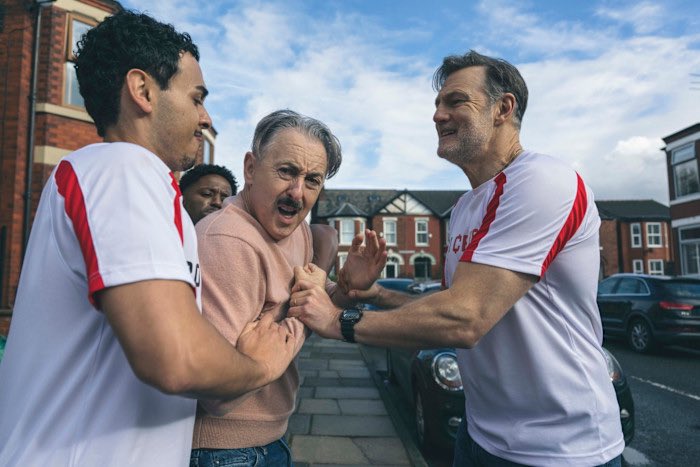
‘You’ll believe anything online. You’ll believe a shock jock, you’ll believe YouTube… but you have known me for fourteen years. Why don’t you believe ME?’
Says it all.. Speak to people. Make real connections. Look beyond algorithms designed to rage-bait you. #TipToe
5
82
1,024
111,341
LiffeyTrish 🌻#FBPE #KTTO 🟦 retweeted

Jun 7
Russell T Davies’ Tip Toe is so fucking frightening because there are “Clive’s” everywhere & the really sad thing is that the people who need to see this, won’t be watching it..
#TipToe
22
82
543
11,770
LiffeyTrish 🌻#FBPE #KTTO 🟦 retweeted

Jun 8
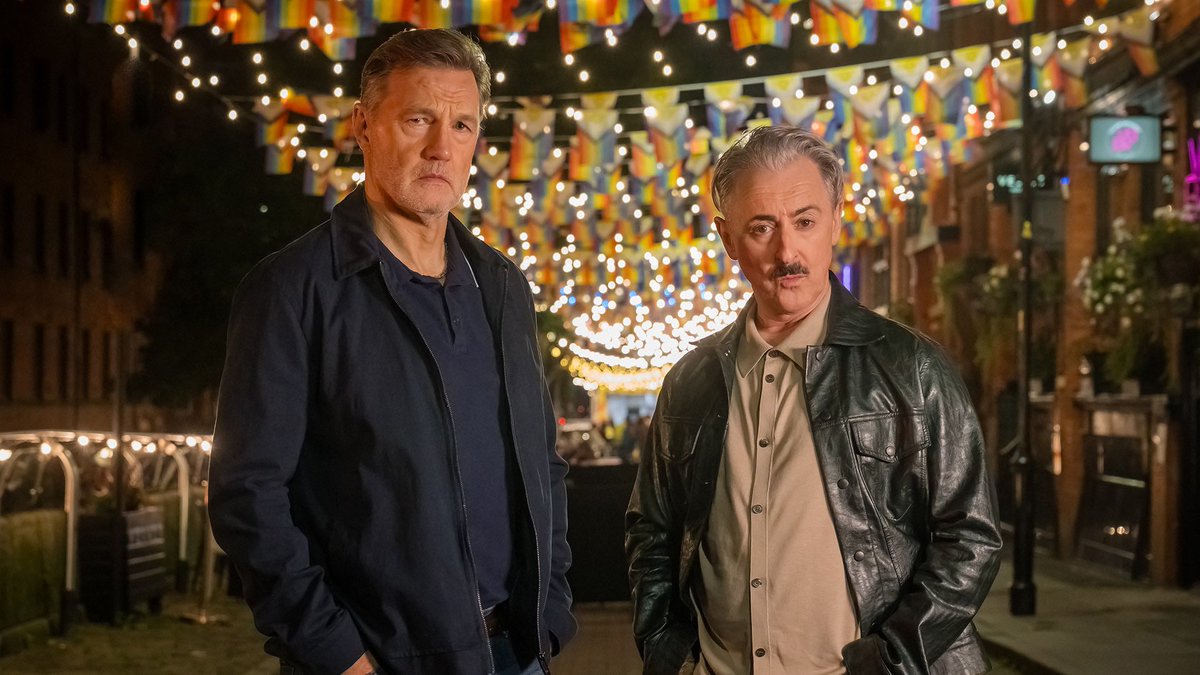
One of the best, and simultaneously one of the worst things I have watched in recent times. Incredible, incredible, incredible acting that really delivers punch after punch. RTD just gets these things across. A horrendous reflection, but everybody needs to watch it. #TipToe
29
84
799
169,632
LiffeyTrish 🌻#FBPE #KTTO 🟦 retweeted

Tip Toe is a devastating wake up call to us all. And what is truly horrifying is that those who need to see this most will instantly dismiss it. My heart hurts, because I see the reality in the show. We’re still not truly free. In many ways, we’ve regressed. Terrifying. #TipToe
11
40
340
18,381
LiffeyTrish 🌻#FBPE #KTTO 🟦 retweeted

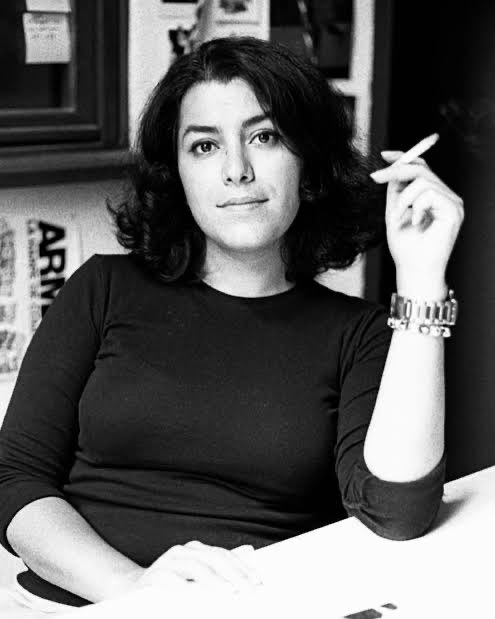
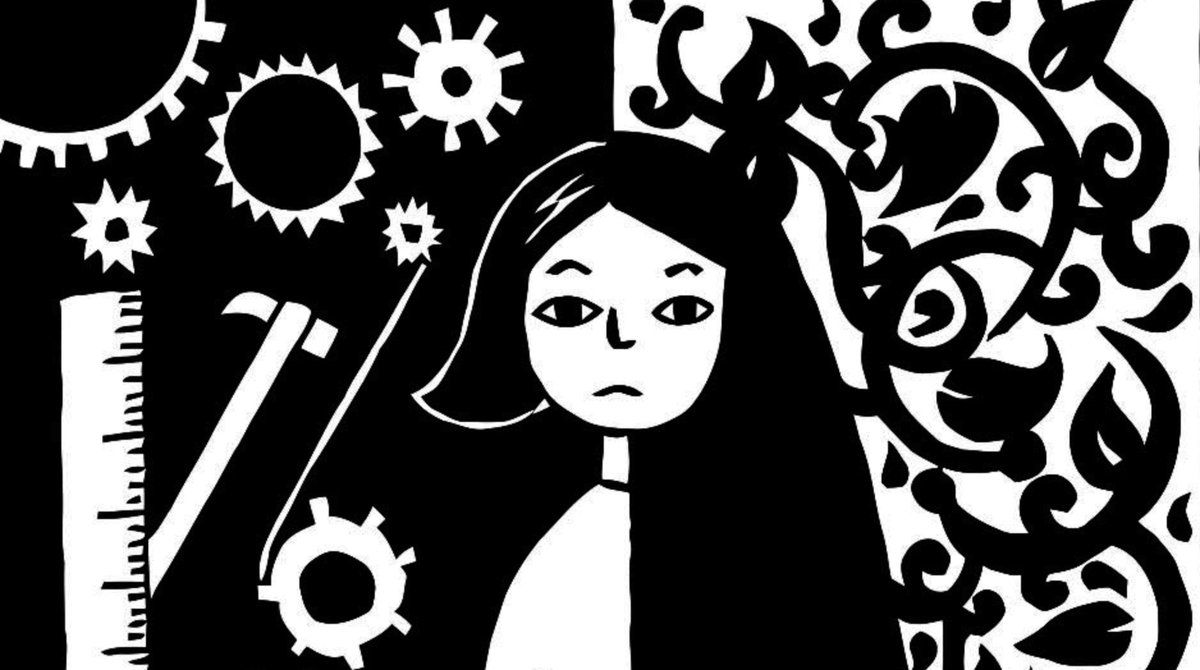
RIP Marjane Satrapi, the great cartoonist and film director, best known for PERSEPOLIS. She was only 56. A great talent. She will be missed.
380
20,870
125,769
3,677,849