
Joined September 2012
- Tweets 3,926
- Following 1,011
- Followers 40,801
- Likes 4,066
777 Photos and videos



May 10
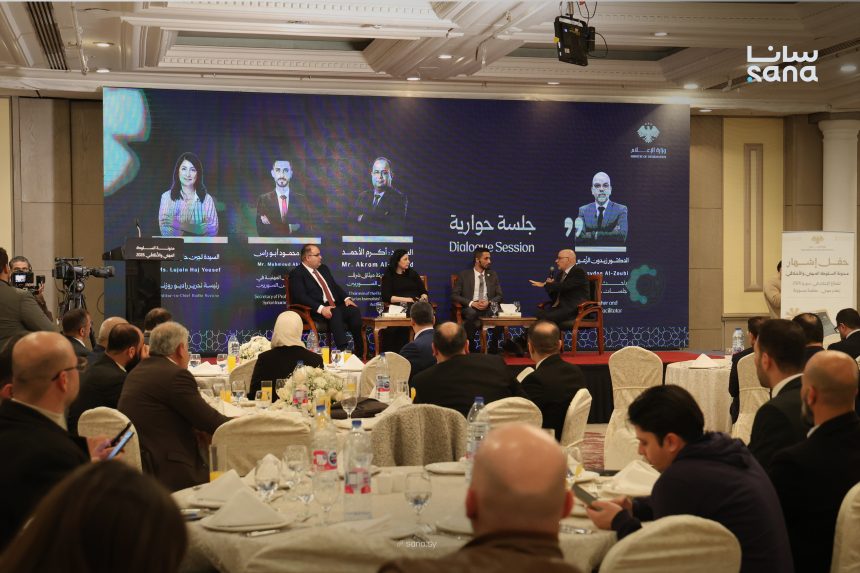
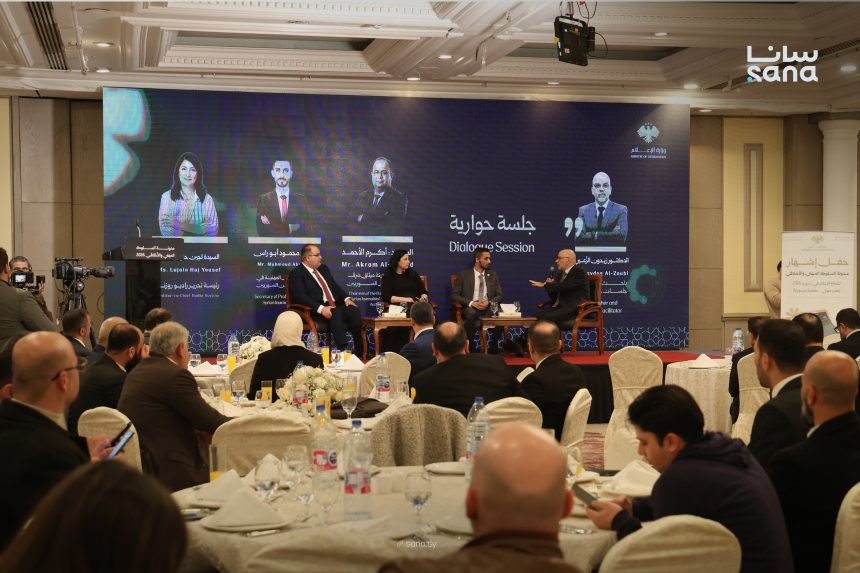
حجم الإنجازات في وزارة الإعلام بقيادة د.حمزة وفريقه مذهل حقاً وعندما يراها الرائي من الداخل يدرك بحق العمل الدؤوب والجهد الجبار الذي بُذل. وُضع الإعلام في سوريا على سكة تليق بما قدم السوريين من تضحيات في سبيل حرية الكلمة والصورة. وأُعيد تعريف الإعلام الرسمي وعلاقته مع الناس كوسيط بالاتجاهين وكوسيلة تواصل حقيقية. وتم تقديم خطاب إعلامي متوازن ومسؤول يحترم تاريخ سوريا الذي كُتب بالدم في بيئة بالغة الصعوبة والتعقيد والحمولات الثقيلة من المرحلة السابقة.
كل الاحترام لما قدمت وبالتوفيق في خطواتك القادمة.
2
4
86
2,645
May 3
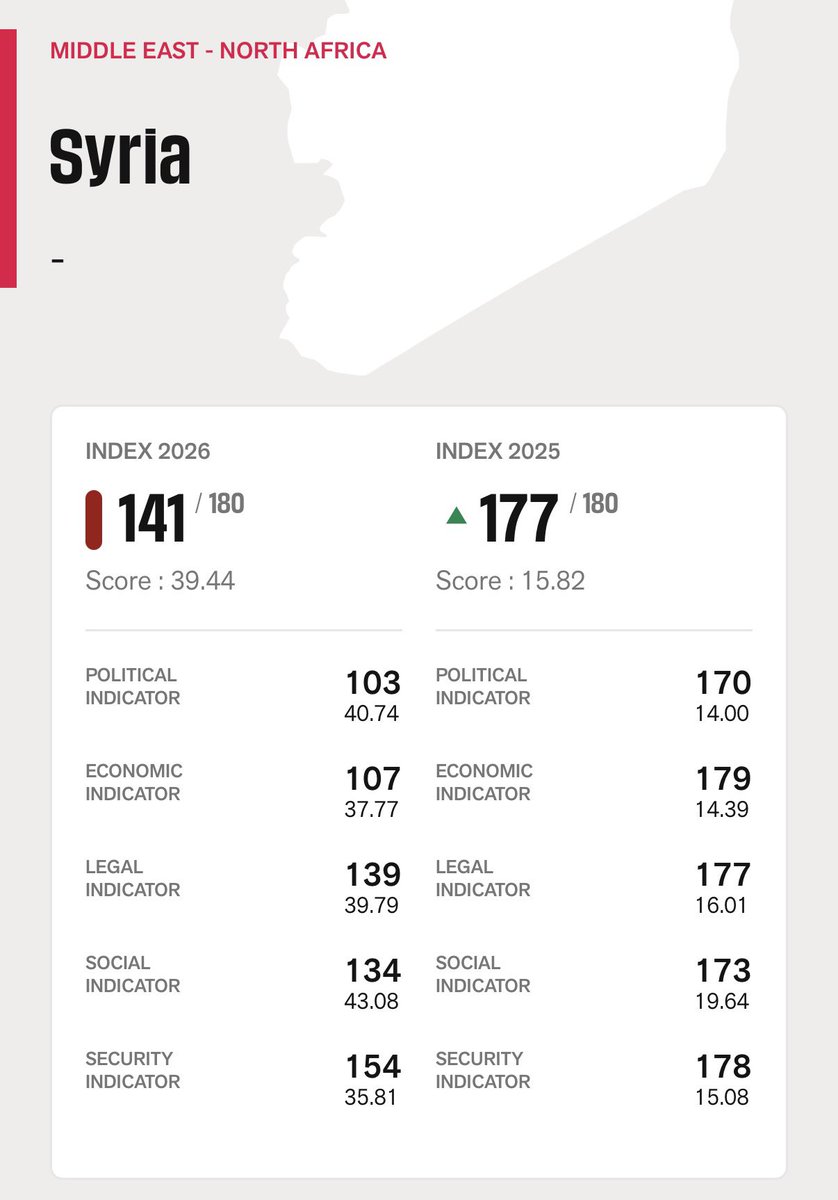
Syria's path is toward more press freedom
#WorldPressFreedomDay
#PressFreedomIndex
6
32
196
29,239
Apr 30
As a Syrian who witnessed the killing machine of the fallen regime cracking down on journalists and press personnel, targeting and killing people for simply reporting the news, or conveying the reality on the ground, the result of the political indicator in RSF index matters the most.
Syria has climbed to 103rd globally in the political indicator of the RSF index, nearing the top 100.
This does not represent a mere improvement. It is a real break from the past.
Never again to face a political power that suppresses press freedom, but to protect it as a right paid for at the highest cost.
2
27
99
9,549
Lina shamy retweeted

Apr 30
الحمد لله..
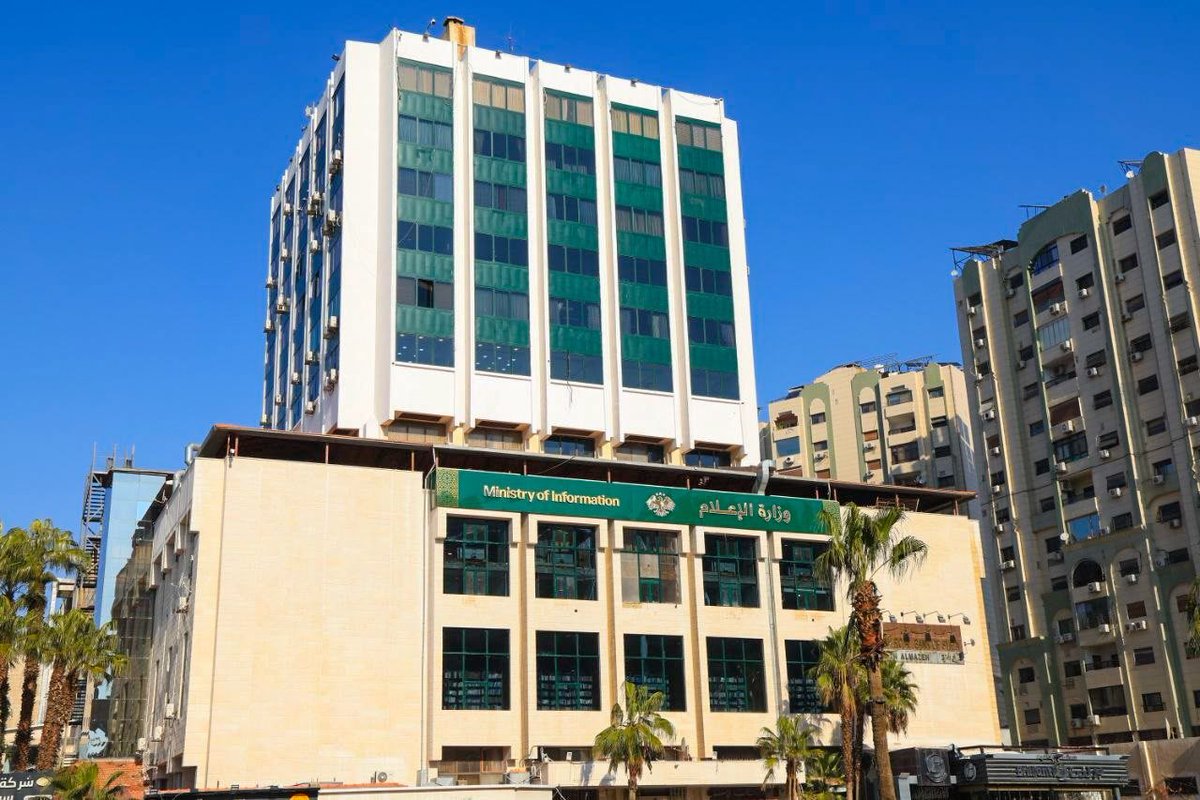
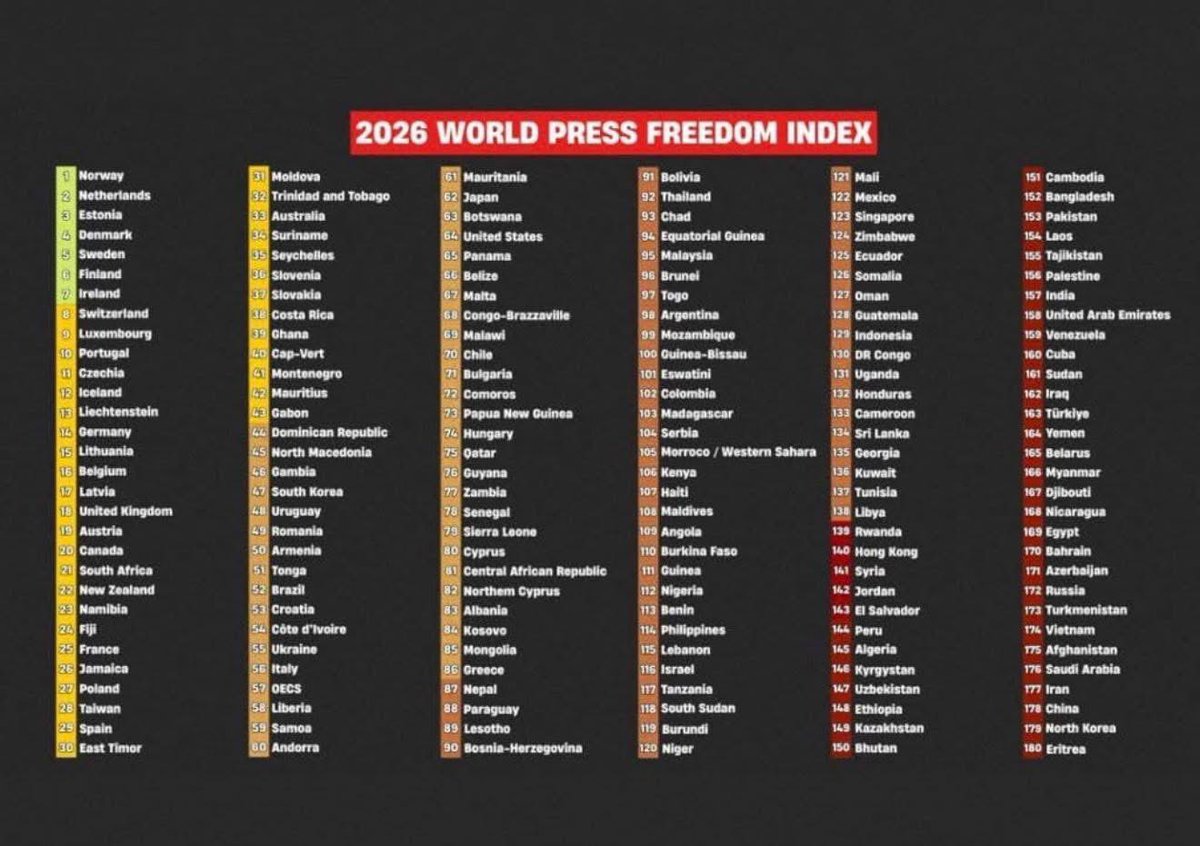
📍حققت سوريا إنجازاً مهماً في تقرير حرية الصحافة الدولي لعام 2026، إذسجلت ارتقاء تاريخياً بتقدمها 36 نقطة، وهو، بحسب البيانات المتوافرة، أكبر تقدم تحققه دولة خلال عام منذ إصدار التقرير قبل 25 سنة.
📍أصبحت سوريا في المرتبة 141 عالمياً بعد أن كانت في المرتبة 177 عام 2025 و179 عام 2024، والثامنة عربياً. ورغم بقائها ضمن القائمة الحمراء من حيث الوضع الأمني، فإن الأمل كبير في مواصلة الجهود لدخول قائمة المئة الأوائل، وهي مرتبة تليق بسوريا وشعبها.
📍نحن كمجتمع صحفي ممتنون لفخامة الرئيس الشرع، إذ تحقق هذا التقدم الاستثنائي في عهده، انطلاقاً من رؤيته بأن الحجب والتقييد أساليب غير عملية وإقصائية، وأن الحل يكمن في التنظيم لا في المنع.
📍يتماشى هذا الإنجاز مع خطتنا الاستراتيجية في وزارة الإعلام؛ فبعد عام "التأسيس وتأكيد الحضور"، نفتتح اليوم مع هذا التقرير عاماً جديداً شعاره "الفاعلية والتنظيم والتواصل" ضمن نهج مؤسساتي راسخ.
📍ويعد هذا التقدم تكريماً معنوياً لجرحى وشهداء الثورة السورية من الإعلاميين الذين ضحوا من أجل حرية سوريا، وثمرة لجهود الزملاء في وزارة الإعلام والجهات التابعة لها وجميع الصحفيين والإعلاميين السوريين داخل سوريا وخارجها، فلهم كل الشكر.
92
71
928
77,500
Apr 26
The trial of Atef Najib is ongoing live now. He was the head of the political security branch in Daraa at the outbreak of the Syrian revolution, and responsible for the suppression, including the arrest and torture of children.
Live link:
youtube.com/watch?v=aHtq7gOJ…

1
1
1,253
Apr 25
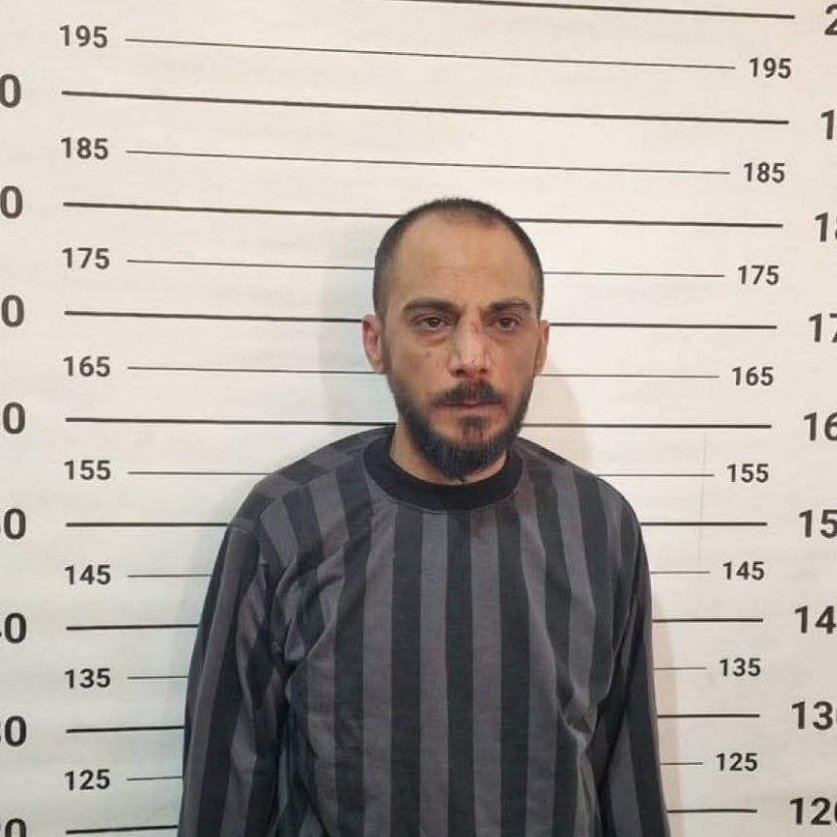
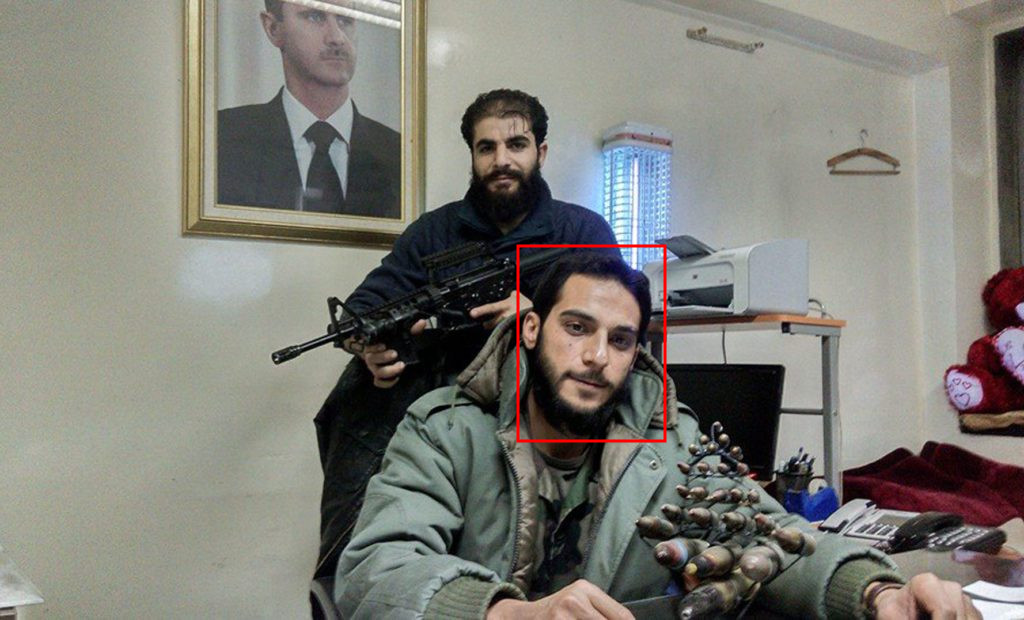
Researchers and journalists played a crucial role in uncovering the identity of the criminal Amjad Youssef, leading to his arrest yesterday. Their work has had a profound impact on hundreds and thousands of families still awaiting justice for loved ones killed in cold blood. This impact extends beyond the present to shape Syria’s future. Uğur Ümit Üngör and Annsar Shahhoud, an entire population is grateful.
The atrocities of the past will continue to define Syria unless there is genuine accountability and justice.
Yet, Syria’s past no longer receives sufficient attention in press work, weakening our understanding of current realities. Context is even often invoked in a fragmented or distorted way, shaped by underlying biases.
This case highlights the vital role of investigative journalism in filling an institutional void normal in a country emerging from devastating war, by delving deeply into context and addressing the roots of today’s challenges.
Amjad Youssef has been arrested, but the question remains: how many others like him are still hiding in plain sight?
2
45
193
7,122
Lina shamy retweeted

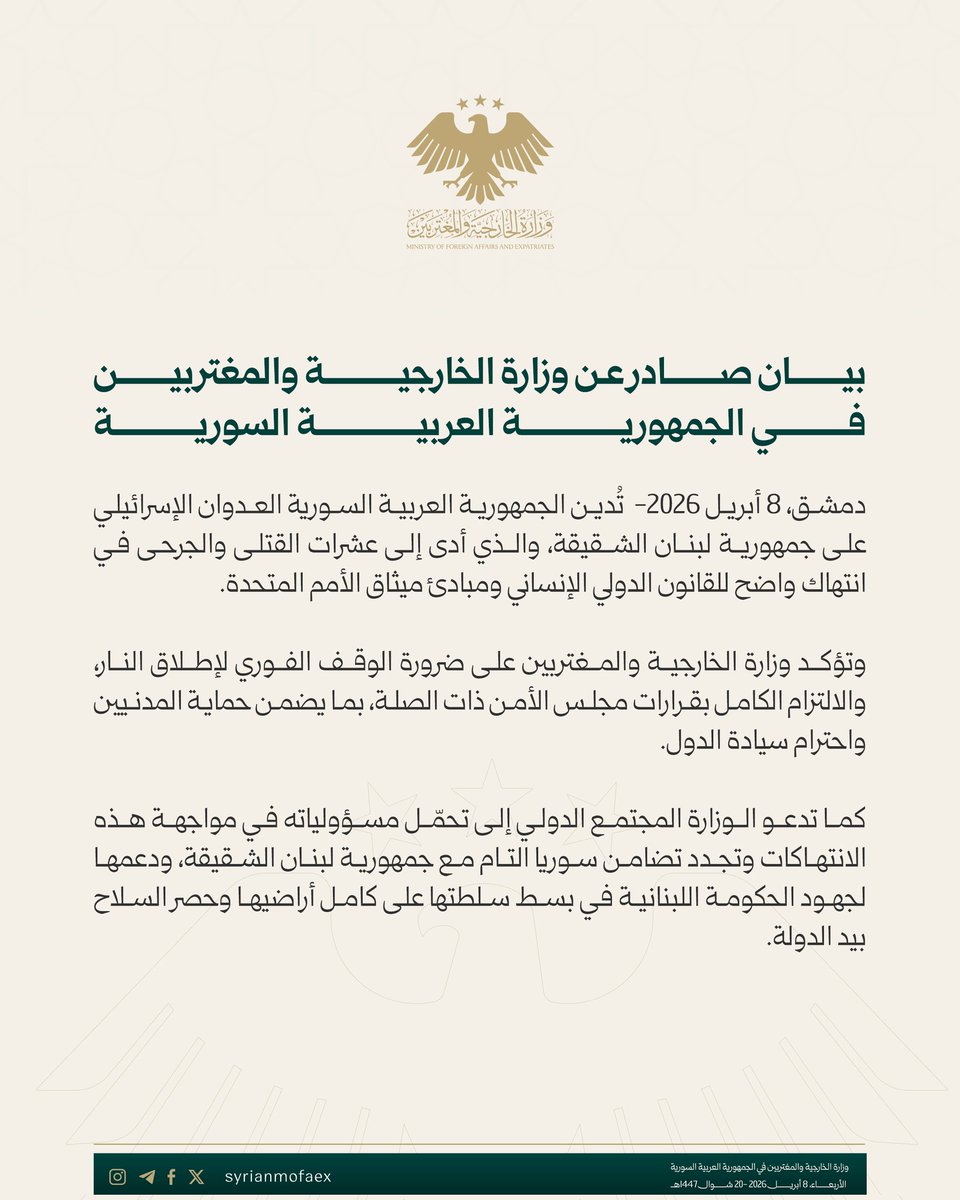
بيان صادر عن وزارة الخارجية والمغتربين في الجمهورية العربية السورية
86
271
1,936
176,559
Apr 4
Statement on the New York Times Report Concerning Alleged Abductions in Syria
5
22
124
17,665
Lina shamy retweeted
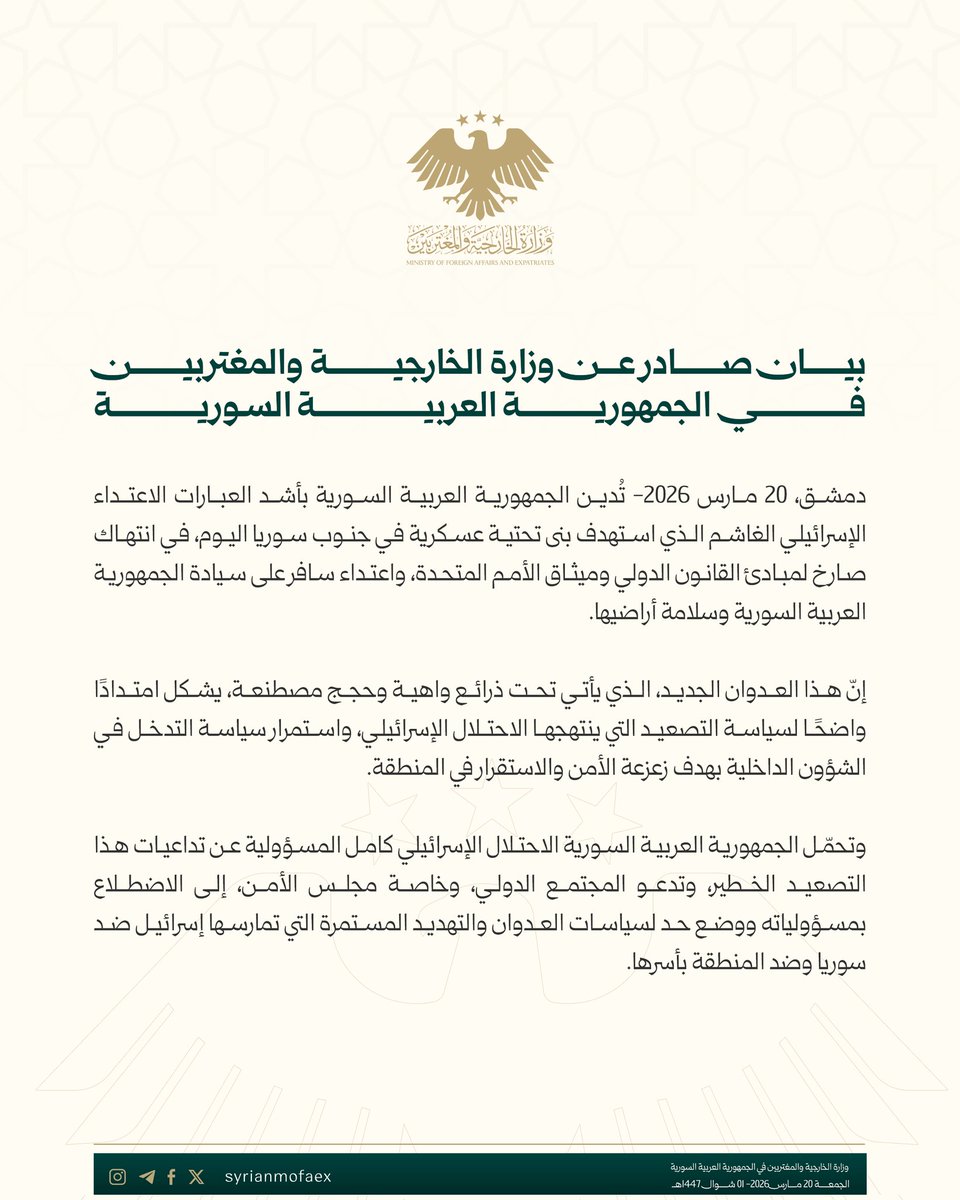
بيان صادر عن وزارة الخارجية والمغتربين في الجمهورية العربية السورية
103
150
1,057
58,454
Lina shamy retweeted
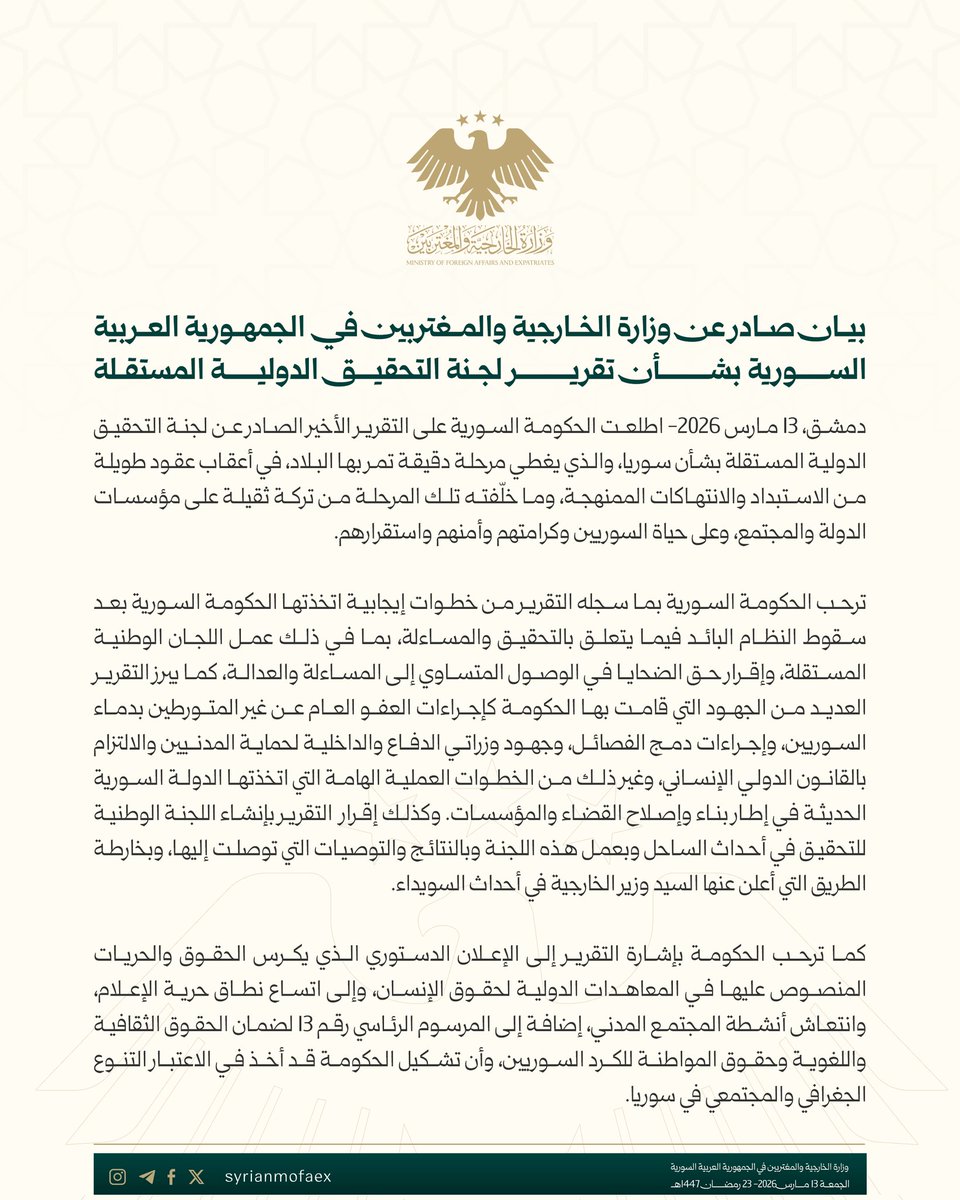
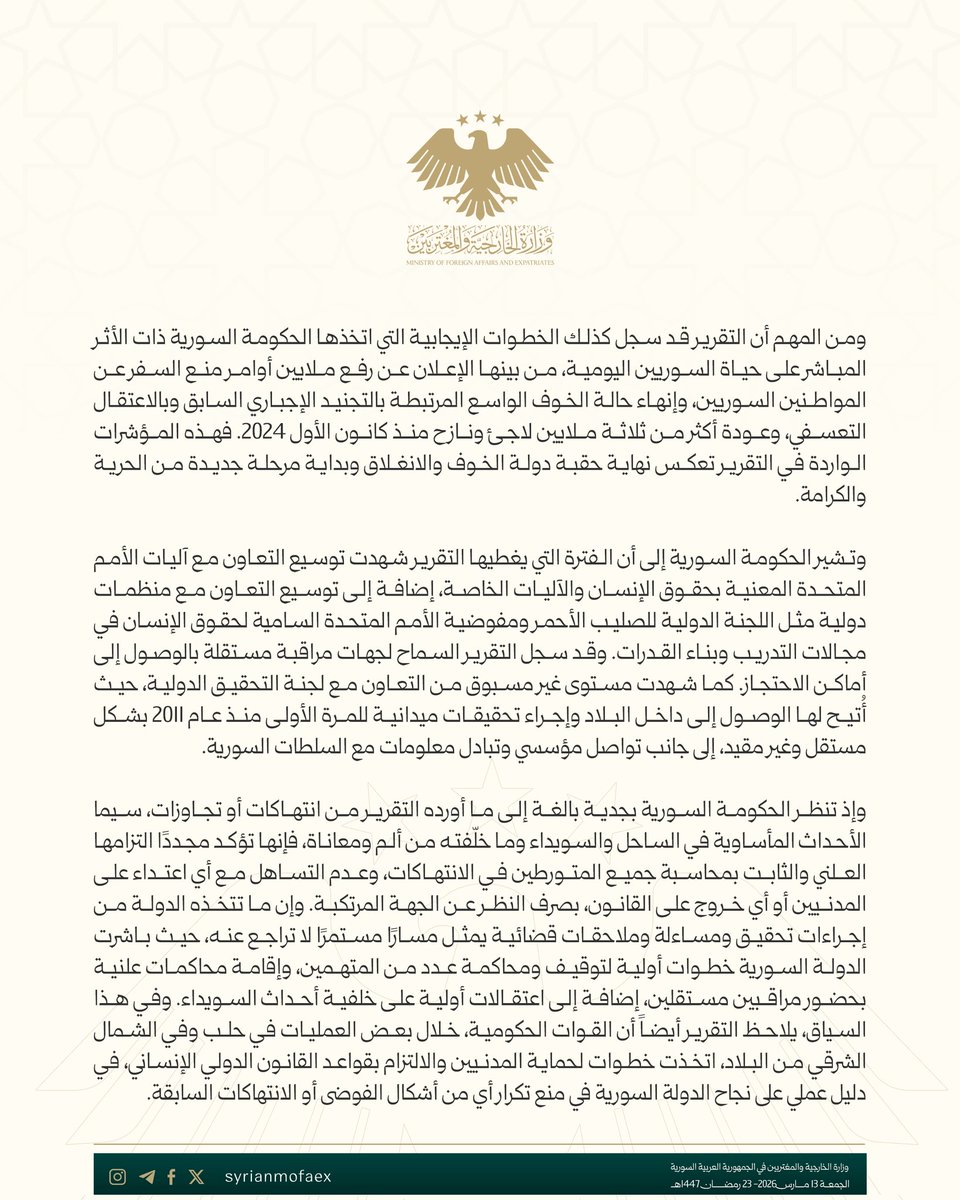
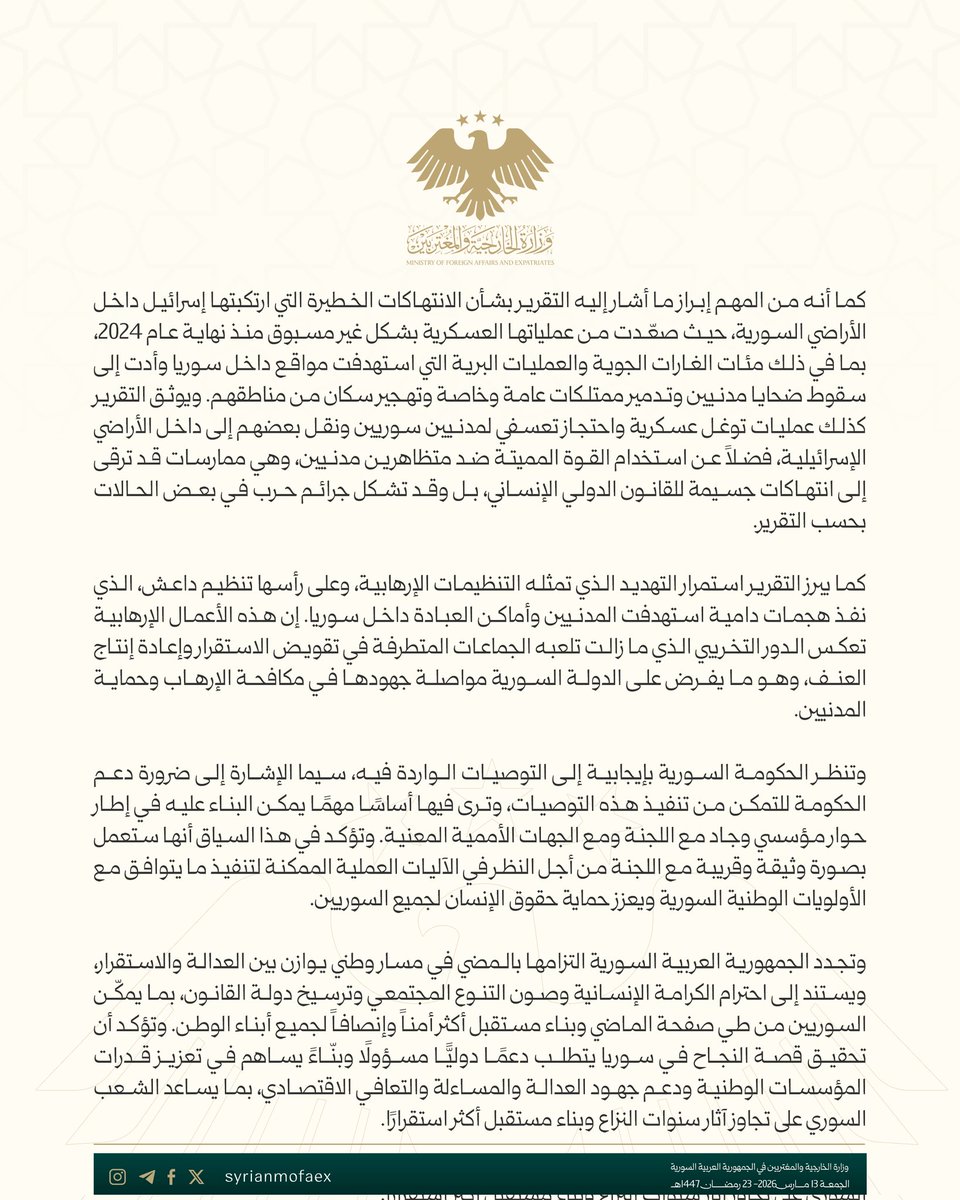
بيان صادر عن وزارة الخارجية والمغتربين في الجمهورية العربية السورية بشأن تقرير لجنة التحقيق الدولية المستقلة
20
51
422
74,596
Lina shamy retweeted

Feb 16
The detention facilities in Syria—including camps such as al-Hol—that house families of suspected ISIS militants have been a decade-long nightmare for all involved. Years of mismanagement have entrenched both inhumane living conditions and smuggling networks.
Whatever one’s view of how the situation evolved in recent weeks, two points merit clarity. First, Damascus has never regarded the indefinite detention of women and children in makeshift camps as either a sound counterterrorism policy or a humane one. Second, assuming the authorities would simply release thousands of ISIS-linked detainees without a strategy overlooks their long and costly history of fighting ISIS.
3
20
62
15,631
Feb 15
Clarifications regarding the media code of conduct:
- Does violating the code of conduct have legal consequences?
Short answer: No.
Detailed answer: The Code of Conduct is neither a law nor a substitute for existing legislation. Violating it does not automatically result in judicial or criminal penalties. It is a professional and ethical document aimed at regulating journalistic conduct through self-regulation and enhancing professional accountability within the media sector, rather than imposing legal sanctions.
The Code serves as a guiding reference for media professionals. Any legal consequences are linked to violations of applicable laws, not to the provisions of the Code itself.
- Are journalists required to sign the code of conduct to obtain work permits and licenses in Syria?
No, journalists are not required to sign the Code of Conduct in order to obtain media institution licenses or individual work permits. However:
Signing the Code is a requirement for obtaining the press card issued by the Ministry of Information, as this card serves as proof of voluntary commitment to the profession’s ethical and professional standards.
- Is the code of conduct a government product?
The Ethical and Professional Code of Conduct is not a government product, as it was neither drafted by the state nor imposed as an official top-down initiative. The role of the Syrian Ministry of Information was limited to organizing and facilitating the process, while the drafting was carried out by independent Syrian journalists and experts through a broad participatory approach. The Code is the result of collective professional work, and the Ministry of Information did not impose any directives or make any amendments to it.
- Are there consequences for violating the code of conduct?
Yes, there are professional and regulatory consequences, not legal ones. These include:
Professional evaluation of violating content, recording violations in the professional record, and the possibility of affecting professional status or the renewal of the press card. The purpose of these measures is to raise professional standards and prevent repeated violations, not to punish or exclude individuals.
The Code seeks to strengthen public trust in the media by promoting objectivity and professionalism, and to support press freedom by linking it to responsibility.
- Does the code grant oversight powers to any government body?
No. The Code does not grant any government body supervisory authority. It does not authorize the Syrian Ministry of Information to intervene in editorial policy or content. Any violation of the Ethical and Professional Code of Conduct constitutes a breach of a document independently developed by the Syrian journalistic community, not of a government document.
The role of the Syrian Ministry of Information in relation to the Code is purely organizational and framework-oriented.
1
3
16
1,243
Feb 15
The Syrian Information Ministry today on Sunday organised the launching of a new code of professional and ethical conduct for journalists and content creators, a move aimed at strengthening media standards and safeguarding responsible freedom of expression.
In the post-war context in Syria, and following a prolonged period in media landscape in Syria was exposed to polarization, propaganda, politicization, and conflicting narratives, alongside the widespread circulation of false and misleading information that has come to pose a serious threat by fueling tensions and exacerbating a heavy legacy of divisions resulting from years of authoritarianism, sectarianism, systematic violence, and displacement, in this post war context of Syria, the Code of Professional and Ethical Conduct emerged as an initiative from within the Syrian journalistic community to realign journalistic practice in line with responsible, professional, and ethical standards, and to counter misinformation and propaganda.
The significance of this Code lies not only in its content, but also in the manner in which it was developed. It is not a transient or symbolic document, but the outcome of a broad participatory process led by journalists from diverse professional backgrounds. Some have worked with local media outlets, while others have contributed to regional and international platforms. The Code was not a government product; rather, the Ministry of Information’s role was limited to facilitating the process, while a wide group of independent journalists and experts assumed responsibility for drafting and preparation, involving more than 5 months of work and over 1,000 journalists.
This experience represents a practical effort to establish professional standards from within the field itself, not through political directives or external pressure, but through open dialogue among practitioners who are directly familiar with the challenges and constraints of journalism in Syria.
The Code also implicitly acknowledges the extent of harm caused by years of misinformation, propaganda, and hate speech, whether originating from local, regional, or international actors. It seeks to uphold press freedom by linking it to responsibility, and to restore public trust in the media by reinforcing objectivity and professionalism.
Furthermore, the Code adopts standards that align with shared global principles of freedom of expression, protection of vulnerable groups, and respect for human rights.
It provides a reference framework for foreign journalists, international correspondents, and external media organizations working in Syria or with Syrian journalists, helping to reduce misunderstandings and establish clear professional and ethical benchmarks for cooperation and joint work.
In light of the widespread dissemination of false and misleading content about Syria, the Code represents an internal effort to build professional resilience against rumors and disinformation, and to develop self-verification mechanisms that strengthen the relationship of trust between media and audiences.
Finally, the Code reflects a growing shift in awareness among a broad segment of Syrian journalists regarding their role in this new phase of the Syrian history. It stems from an understanding that journalism and media possess genuine capacity to shape public perception of contested issues, contribute to social recovery, foster dialogue, and promote peace amid ongoing tensions.
3
29
1,975
Feb 15
توضيحات حول مدونة السلوك الإعلامي:
- هل خرق مدونة السلوك له عواقب قانونية؟
الجواب القصير: لا
إجابة تفصيلية: مدونة السلوك ليست قانوناً ولا بديلاً عن التشريعات النافذة، ولا يترتب على خرقها تلقائياً أي عقوبات قضائية أو جزائية. هي وثيقة مهنية وأخلاقية تهدف إلى تنظيم السلوك الصحفي ذاتياً، وتعزيز المساءلة المهنية داخل الوسط الإعلامي، وليس إلى فرض عقوبات قانونية.
تعتبر مدونة السلوك دليل استرشادي للعاملين في المجال الإعلامي. وإن أي تبعات قانونية تكون مرتبطة بخرق القوانين النافذة، وليس بنصوص المدونة نفسها.
- هل الصحفيون ملزمون بالتوقيع على مدونة السلوك للحصول على تصاريح عمل وتراخيص للعمل الصحفي في سوريا؟
لا، الصحفيون غير ملزمين بالتوقيع على مدونة السلوك من أجل الحصول على تراخيص عمل للمؤسسات الإعلامية أو تصريح عمل صحفي، لكن:
التوقيع على المدونة يعد شرطاً للحصول على البطاقة الصحفية الصادرة عن وزارة الإعلام، باعتبار هذه البطاقة دليلاً على الالتزام الطوعي بالمعايير المهنية والأخلاقية للمهنة.
- هل مدونة السلوك منتج حكومي؟
مدونة السلوك الأخلاقي والمهني ليست منتج حكومي إذ أنها لم تصغ من قبل الدولة، ولم تفرض كمبادرة رسمية من أعلى. واقتصر دور وزارة الإعلام السورية على تنظيم العملية وتسهيلها، بينما تولى صياغتها صحفيون وخبراء سوريون مستقلون ضمن مسار تشاركي واسع. المدونة نتيجة عمل جماعي مهني ولم تتدخل وزارة الإعلام بإدخال أي إملاءات أو تعديل على المدونة.
- هل هناك تبعات لخرق مدونة السلوك؟
يوجد تبعات مهنية وتنظيمية مسلكية، وليس قانونية. وتشمل:
التقييم المهني للمحتوى المخالف، وإدراج المخالفات في السجل المهني، وتصل إلى إمكانية التأثير على الوضع المهني أو على تجديد البطاقة الصحفية. والهدف من هذه التبعات هو رفع السوية المهنية ومنع تكرار التجاوزات ويس العقاب أو الإقصاء. وتسعى المدونة إلى تعزيز الثقة بالإعلام عبر ترسيخ الموضوعية والاحترافية، وخدمة حرية الصحافة من خلال ربطها بالمسؤولية.
- هل تمنح المدونة صلاحيات رقابية لجهة حكومية؟
لا. المدونة لا تمنح أي جهة حكومية سلطة رقابة. ولا تخوّل وزارة الإعلام السورية التدخل في الخط التحريري أو مضمون التغطية. وإن أي خرق لمدونة السلوك الأخلاقي والمهني هو خرق لوثيقة صاغها المجتمع الصحفي السوري بشكل مستقل وليس خرقاً لوثيقة حكومية. دور وزارة الإعلام السورية في مدونة السلوك المهني والأخلاقي هو دور تنظيمي وإطاري فقط.
1
1
19
2,167
Feb 15
في ظل مرحلة طويلة كانت فيها الساحة الإعلامية السورية عرضة للاستقطاب والانزلاق نحو البروباغندا والتسييس وتضارب الروايات، وانتشار المعلومات المغلوطة والمضللة التي باتت تشكل خطراً حقيقياً لتأثيرها المباشر في تغذية النزاعات ووجود إرث ثقيل من الانقسامات، الناتجة عن سنوات الاستبداد والتطييف والقتل الممنهج والتهجير، جاءت مدونة السلوك المهني والأخلاقي في سياق ما بعد الحرب في سوريا، كمبادرة من داخل الوسط الصحفي السوري لإعادة ضبط الممارسة الصحفية وفق معايير مهنية واحترافية ومسؤولة، والحد من التضليل والدعاية.
ولا تكمن أهمية هذه المدونة في مضمونها فحسب، بل في الطريقة التي أُنجزت بها. فهي ليست وثيقة عابرة، بل ثمرة عملية تشاركية واسعة قادها صحفيون من مشارب وتجارب مختلفة عمل بعضهم في وسائل إعلام محلية، وآخرون في منصات إقليمية ودولية. ولم تكن المدونة منتجاً حكومياً، إذ اقتصر دور وزارة الإعلام على تنظيم العملية، بينما تولّى فريق واسع من الصحفيين والخبراء المستقلين مسؤولية الصياغة والإعداد.
تمثل هذه التجربة محاولة عملية لبناء معايير مهنية من الداخل، لا عبر إملاءات سياسية أو ضغوط خارجية، بل من خلال نقاشات مفتوحة بين العاملين في الميدان والمطلعين بشكل مباشر على تحديات العمل الصحفي ومشاكله في سوريا.
وتعترف المدونة بشكل غير مباشر بحجم الضرر الذي خلّفته سنوات من التضليل والدعاية وخطاب الكراهية، سواء من أطراف محلية أو إقليمية أو دولية. وهي تسعى إلى خدمة حرية الصحافة من خلال ربطها بالمسؤولية، وتعزيز الثقة بالإعلام عبر ترسيخ الموضوعية والاحترافية.
كما تتبنى المدونة معايير تتقاطع مع المبادئ العالمية المشتركة لحرية التعبير، وحماية الفئات الأضعف، وحقوق الإنسان.
وتوفر المدونة إطاراً مرجعياً للصحفيين الأجانب والمراسلين الدوليين والمؤسسات الإعلامية الخارجية، يمكن الاستناد إليه عند العمل داخل سوريا أو مع صحفيين سوريين، بما يحد من سوء الفهم، ويضع معايير مهنية وأخلاقية واضحة للتعاون والعمل المشترك.
وفي ظل الانتشار الواسع للأخبار المغلوطة والمحتوى المضلل حول سوريا وخاصة عبر المنصات الرقمية، تمثل المدونة محاولة داخلية لبناء حصن مهني في مواجهة الشائعات، ومنظومة تحقق ذاتي تعزز علاقة الثقة بين الجمهور والإعلام.
كما تعكس هذه المدونة تحولاً في وعي شريحة واسعة من الصحفيين السوريين بدورهم في مرحلة ما بعد الصراع، انطلاقاً من إدراكهم أن للإعلام والصحافة قدرة حقيقية على التأثير في تشكيل الإدراك العام للقضايا المتنازع عليها، والمساهمة في التعافي المجتمعي وبناء مساحات للحوار وتعزيز السلام في ظل التوترات القائمة.
1
16
1,738
Feb 13
Failing to adjust policy in response to changing conditions on the ground is a serious mistake.
📍It has become evident that the Syrian Democratic Forces (SDF) are fragmented and internally divided to the extent that no unified decision governs their leadership on the ground. They have also demonstrated an inability to adhere to agreements signed by their leadership and supported by the United States since March 2025. Keep advising to rely on an entity that lacks a unified decision-making structure in eliminating one of the greatest security threats on the region and the world constitutes a serious risk.
📍Ignoring the fact that more than 65 % of the U.S.-trained SDF forces that fought against ISIS have defected and aligned themselves with the Syrian state is irresponsible.
📍Let us be frank: today, the Syrian state has a genuine interest in completely eliminating the threat of ISIS, rather than merely managing the crisis, as the SDF had previously done. By contrast, under the new geopolitical conditions that necessitate a decline in the role of non-state armed actors, the SDF appears increasingly dependent on the security conditions that have sustained its political and operational role, namely, the persistence of ISIS.
📍Since the fall of the Assad regime, the SDF has incorporated into its ranks numerous remnants of the Assad regime linked to Iran, who fled to areas outside state control and under SDF authority, and integrated them into their forces.
📍The integration agreement between SDF and the Syrian government represents a significant opportunity for the SDF expertise to join the institutions of the Syrian state and to become part of the national effort to combat ISIS within a sovereign framework and in cooperation with international coalition forces. It also constitutes a culmination of U.S. administration efforts that invested in local forces at a time when the Syrian state under the Assad regime was a source of instability and regional threat. That situation has now come to an end.
Feb 12

America must act swiftly to rebuild our leverage over al-Sharaa, including by reimposing sanctions to pressure the Syrian government to protect minorities; pull back its campaign against the SDF; and crack down on any resurgence of ISIS.
Time is of the essence.
jewishinsider.com/2026/02/sy…
1
3
22
2,511
Lina shamy retweeted

Feb 10
The Syrian Army Operations Command to Levant24:
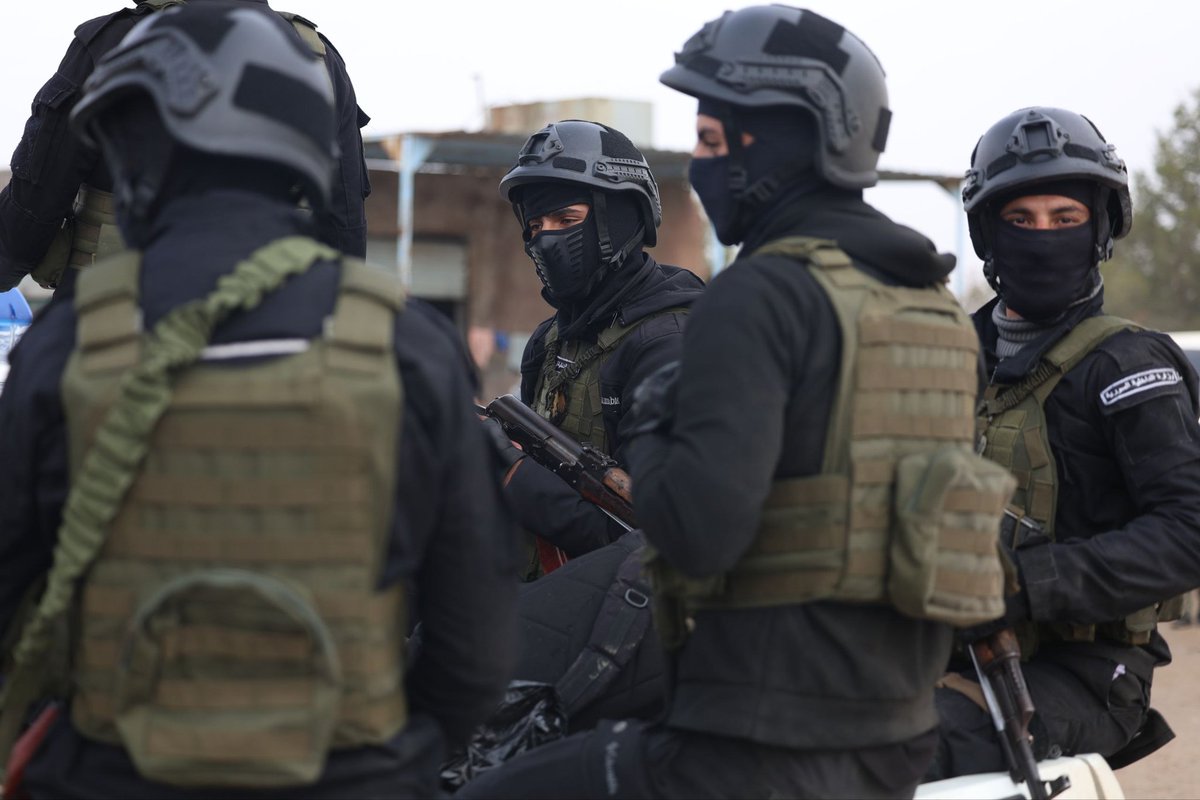
Internal Security Forces have deployed in areas from which the Syrian army has withdrawn.
The SDF is adhering to the agreement with the army and is taking positive steps. We are monitoring and assessing the situation to determine the next step.
Feb 10

The Syrian Army Operations Command told Levant24 that the army has begun withdrawing from the outskirts of Hasakah city in line with the agreement reached between the Syrian state and the SDF.
4
35
3,079
Lina shamy retweeted
Feb 6
A military convoy reportedly carrying senior Syrian military officials has arrived in Al-Hasakah, in line with the Ministry of Defense’s announcement on discussions to integrate SDF personnel into the military under the agreement between the Syrian state and the SDF.
Feb 6
Syrian Ministry of Defense – Media and Communications Directorate:
A delegation from the Ministry of Defense is heading to Al-Hasakah to discuss measures for integrating SDF personnel into the military, in implementation of the agreement signed between the Syrian state and the SDF.
11
89
12,184
Lina shamy retweeted

Feb 2
🟥 #FieldReport | Inside Raqqa's brutal SDF prisons that no one talked about
Among the rubble of the Syrian Democratic Forces (SDF) prisons abandoned after its withdrawal, prison registers and fingerprint records reveal an opaque carceral system.
Read @HayekCaroline's report below
today.lorientlejour.com/arti…
4
1
693