3,747 Photos and videos

linkara retweeted

23 Apr 2025
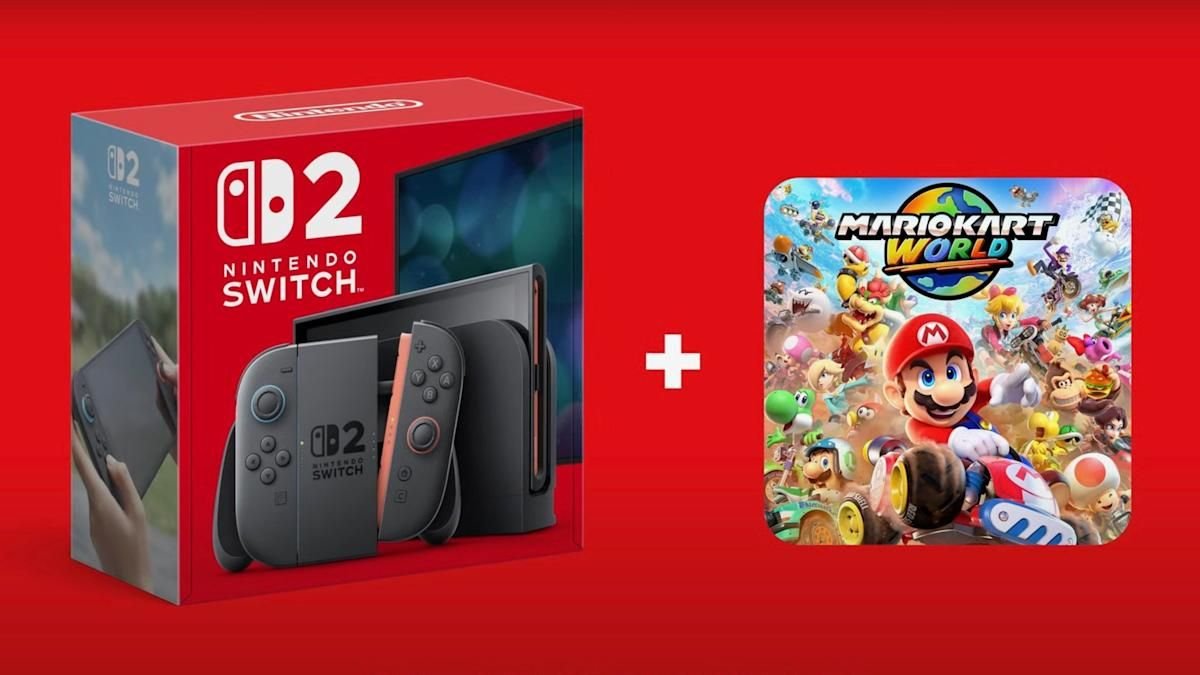
FLASH GIVEAWAY!!!
To celebrate the @Nintendo Switch 2 pre-orders starting tonight, we're giving away a $50 Amazon gift card!
How to Enter:
1) Like and Repost this post
2) Comment with your favorite video game
3) Must be following @FatKidDeals to win
*Ends 4/25 @ 8am PT
3,509
3,460
4,511
1,046,029
linkara retweeted

20 Mar 2025
Watching the normies go about their normie shit, arguing if the left wheel or right wheel drove us off the cliff. Nobody wants to address how we're going to land and the ground is rising fast. I fought the good fight for years, YEARS, to no avail. The liberty movement lost
2
1
3
132
linkara retweeted

11 Mar 2025
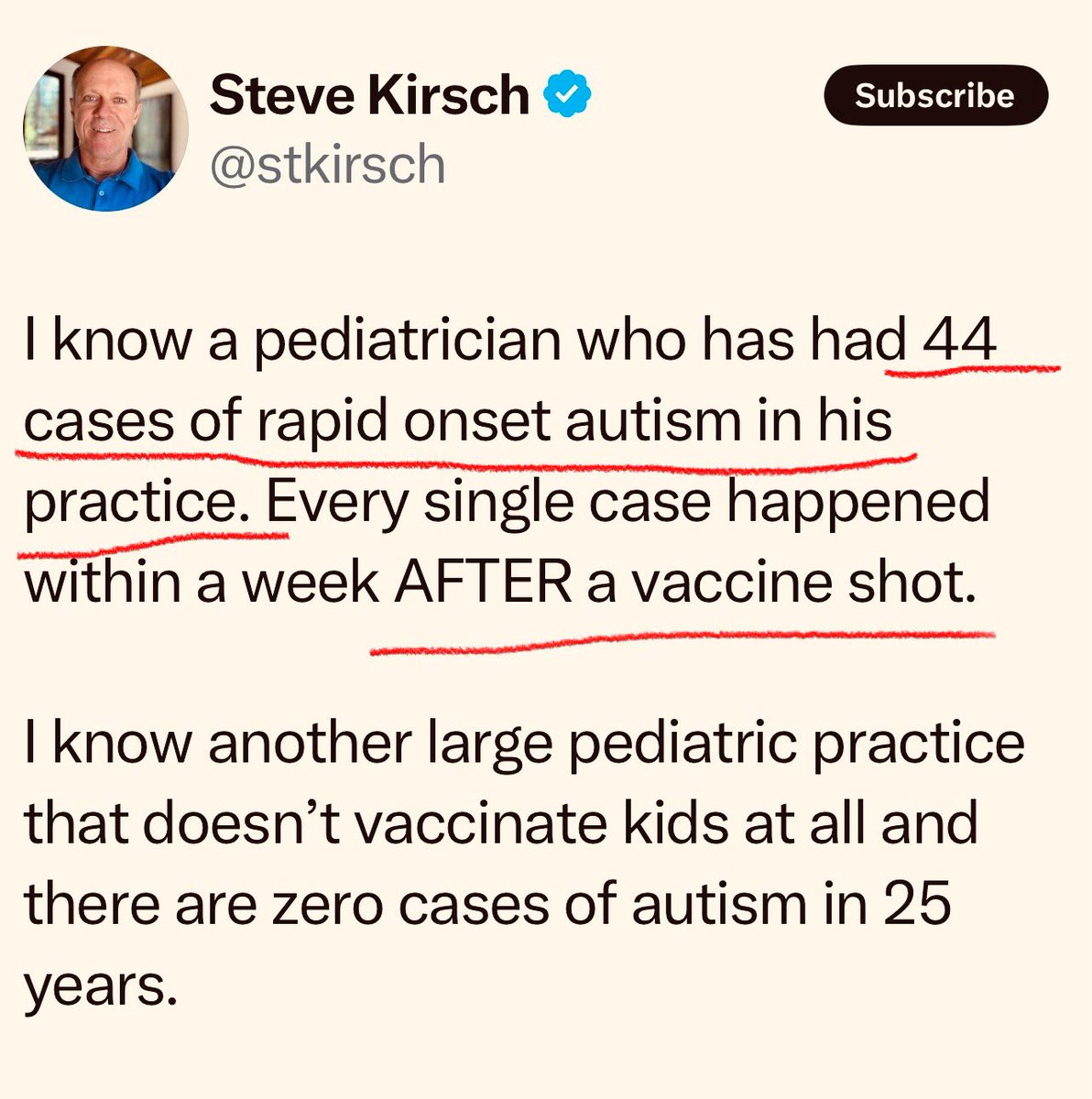
When I say that pediatricians KNOW that they are destroying the future of humanity, THIS is how I know I’m speaking the TRUTH…
606
10,274
26,778
532,545
linkara retweeted

27 Feb 2025
Trumps Plan For Bitcoin The IRS And The Coming Tax Season
183
52
699
45,177
linkara retweeted

29 Jan 2025
Robert Kennedy Jr. just endured 3.5 hours of relentless grilling by Senate Democrats—but to their dismay, he responded with poise, deep knowledge, and an undeniable passion for tackling America’s chronic disease crisis.
In his opening statement, he expertly broke down the nation’s health catastrophe, exposing the alarming trends plaguing millions of Americans.
“Today, Americans’ overall health is in grievous condition. Over 70% of adults and a third of children are overweight or obese.”
“Diabetes is 10 times more prevalent than it was during the 1960s. Cancer among young people is rising by 1 or 2% a year. Autoimmune diseases, neurodevelopmental disorders, Alzheimer’s, asthma, ADHD, depression, addiction, and a host of other physical and mental health conditions are all on the rise, some of them exponentially.”
“The United States has worse health than any other developed nation. Yet we spend more on health care—at least double, and in some cases triple, what other countries spend. Last year, we spent $4.8 trillion, not counting the indirect cost of missed work.”
“A healthy person has a thousand dreams. A sick person has only one. Today, over half of our countrymen and women are chronically ill.”
337
4,625
30,661
1,768,614
linkara retweeted

27 Jan 2025
Enter to win a new DL Scribe!
✍️ Like this post
✍️ Tag a friend
✍️ Give us a follow
217
102
336
16,273
linkara retweeted

28 Jan 2025
ITS THAT TIME OF THE WEEK AGAIN!! This week's giveaway is now open for business. Please comment below to enter. Submissions will be open until 12 PM PT tomorrow. We may even be including a merch item for the winner this week 🤫
1,046
127
900
70,471
linkara retweeted

13 Jan 2025
🌿✨ Island Herbz Starter Kit Giveaway! ✨🌿
We're giving back to our amazing community with the kit that started it all! Here’s your chance to win the Island Herbz Starter Kit, packed with everything you need and more! 🎉
What’s included?
Our legendary Starter Kit with wide-mouth mason jar digital lids 🌟
A pair of cozy Hi Life Knee High Socks 🧦
The vibrant Island Herbz LEI Lanyard 🌺
An exclusive Island Herbz PVC Keychain 🔑
Our full-size sticker slap pack 🎨
How to enter:
1️⃣ Follow us @Island_Herbz
2️⃣ Like this post ❤️
3️⃣ Tag 2 friends who’d love this! 👥
4️⃣ Repost this post! 🔄
Giveaway rules:
✅ Must be a US resident
✅ Entries close this Sunday at 4:20 PM Pacific Time 🌄
✅ The winner will be announced this Sunday at 4:20 PM Pacific Time 🎉
🎥 Check out the video for a closer look at the goodies! (👇 Watch below 👇)
Don’t miss your chance to win the ultimate Island Herbz Starter Kit and more! 💚 Good luck, #StonerFam!
126
120
219
14,401
linkara retweeted

8 Jan 2025
Board Certified Surgeon in Austin, Texas is whistleblower on US Health Insurance Companies
She was just PULLED OUT OF SURGERY
while her patient was asleep and forced to speak with UnitedHealthcare who tries to cancel patients inpatient stay after surgery who has CANCER
“It's 2025 and insurance just keeps getting worse”
“I've never had this happen before. But during the second deep, I had a phone call into the operating room saying that UnitedHealthcare wanted me to call them about one of the patients who was having surgery”
“So I scrubbed outta my case and I called UnitedHealthcare and the gentleman said he needed some information about her, wanna know her diagnosis and whether whether her inpatient stay should be justified. — I was like, do you understand that she's asleep right now and she has breast cancer?”
“It's out of control. It insurance is out of control. I have no other words.”
2,989
37,645
129,840
17,137,397
linkara retweeted

31 Dec 2024
This fog is NOT normal.
I keep an in-depth daily weather journal (everyone should) and the days I witnessed the particle fog were on days it was forecasted to be sunny.
I thought it was snowing or raining when I saw it with lights. When I went outside, I couldn’t see anything with the naked eye and it was NOT snowing or raining. Just this fog.
People in my area that I know fell sick with severe sinus congestion, lack of appetite, not able to sleep, and coughing.
I genuinely do not think this is a coincidence. You will be gaslit by the news into believing this is just a normal cold and flu.
But when you finally realize illness isn’t from a germ jumping from one person to another, you will finally be able to see…
That this is absolute warfare.
472
1,775
5,541
651,949
linkara retweeted

19 Dec 2024
Life after the mandated vaccine in the military.
Everyday is painful, breathing hurts, sitting up hurts, opening my eyes hurt, existing hurts.
Please share so people like me can get the care and recognition we need.
#vaccineinjury #postcovidvaccine #woundedwarrior #military
7
19
50
2,586
linkara retweeted
3 Dec 2024
My life before and after the mandated vaccine. Please spread awareness. I'm tired of being in the dark. I was injured by the mandated vaccine in the military. #veteran #vaccineinjury #postvaccinesyndrome #covidvaccine #covidvaccineinjury
129
457
914
187,630
linkara retweeted

25 Dec 2024
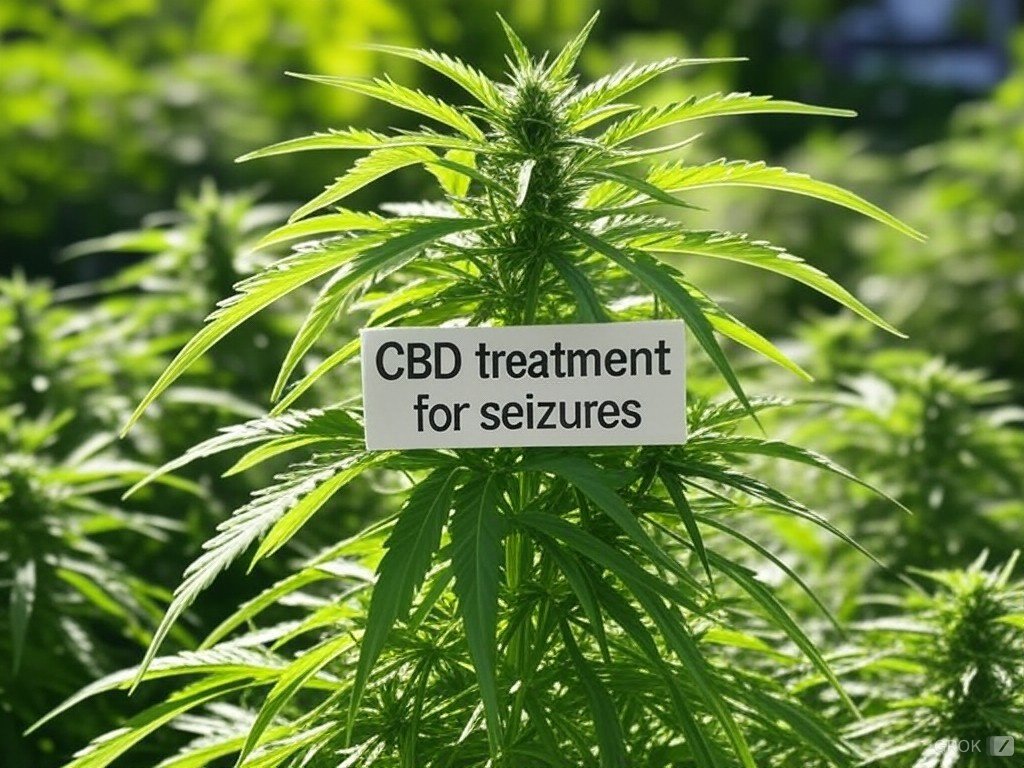
Cannabidiol (CBD) treatment for seizures has been explored with various benefits noted in both clinical research and anecdotal reports. Here are some of the key benefits:
Reduction in Seizure Frequency and Severity: Clinical trials have shown that CBD can significantly reduce the frequency and severity of seizures in certain forms of epilepsy, such as Dravet syndrome, Lennox-Gastaut syndrome, and tuberous sclerosis complex. For instance, studies have reported a median reduction in seizure count by approximately 40% in some patients, with over 50% of participants experiencing at least a 50% reduction in seizures.
Improvement in Quality of Life: Beyond seizure control, CBD has been associated with improvements in other aspects like sleep quality, anxiety, and depression in individuals with epilepsy. This can lead to an overall better quality of life for patients, especially those with treatment-resistant epilepsy.
Neuroprotective Effects: CBD is believed to have neuroprotective properties, potentially reducing neuron excitability and protecting against neuronal loss. This could be particularly beneficial in conditions like epilepsy where brain inflammation or excitotoxicity might play a role.
Compatibility with Other Medications: CBD can be used in conjunction with traditional anti-epileptic drugs (AEDs). In some cases, it might even enhance the effectiveness of other seizure medications, although careful monitoring for potential drug interactions is advised.
Safety and Tolerability: Generally, CBD has been found to be well-tolerated with side effects that are often mild and manageable, such as sleepiness, decreased appetite, and diarrhea. Serious adverse effects are less common but can include liver enzyme elevations, which require monitoring.
Potential for Reducing Medication Side Effects: There's some evidence suggesting CBD might help mitigate some of the adverse effects associated with other anti-seizure medications, making treatment more bearable for some patients.
Non-Psychoactive: Unlike THC, another compound found in cannabis, CBD does not produce a "high" or psychoactive effects, making it a preferable option for seizure management in both children and adults without the risk of addiction.
While these benefits are promising, it's crucial for anyone considering CBD treatment to consult with a healthcare provider, as the effectiveness can vary based on the individual's specific type of epilepsy, and there's a need for careful dosing and monitoring for interactions with other medications. Also, the quality and purity of CBD products can vary, particularly with over-the-counter options, which underscores the importance of using FDA-approved or medically supervised treatments when possible.
2
14
541
linkara retweeted

29 Dec 2024
👇👇👇
27 Dec 2024

Former Pfizer Vice President Dr. Mike Yeadon drops a bombshell, claiming that the mRNA COVID "vaccines" were deliberately engineered to harm, disable, and kill, with the ultimate goal of reducing human fertility.
3
14
79
25,520


6
59
237
115,951
linkara retweeted

28 Dec 2024
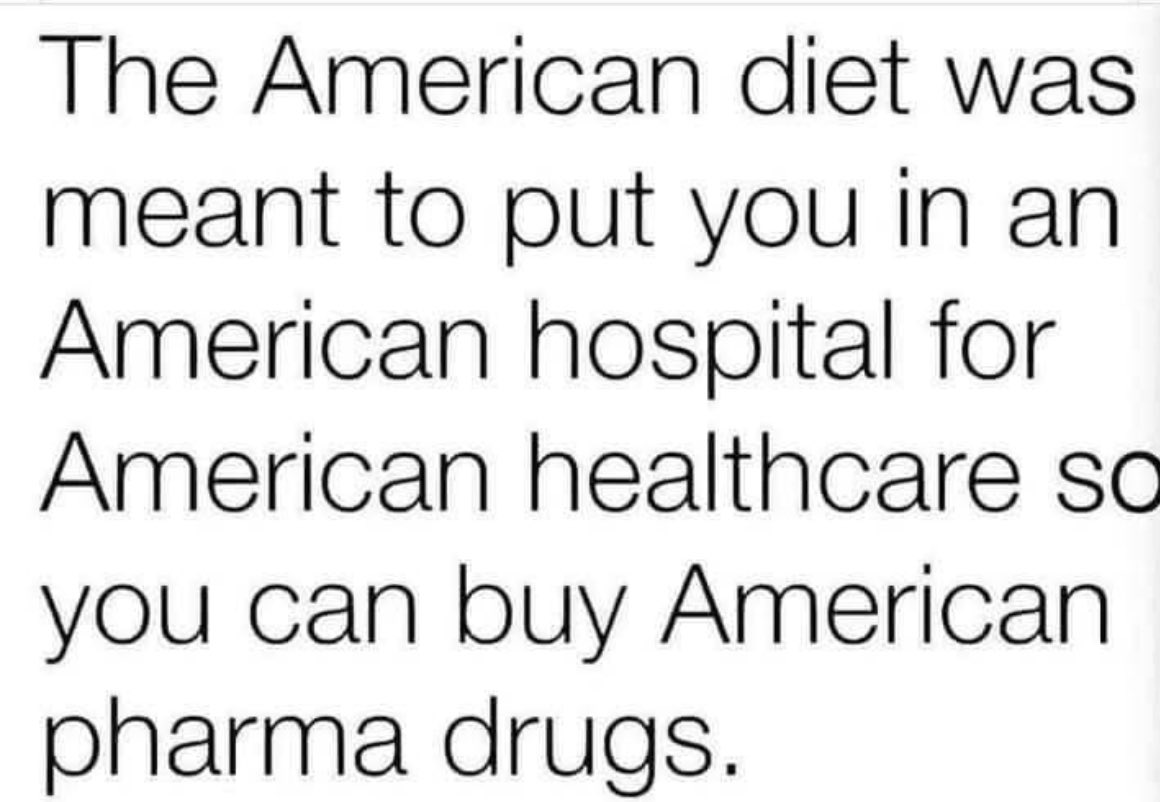
Let’s see how many reposts this can get!
4
15
30
1,515
linkara retweeted
28 Dec 2024
This is one of the Most Important Videos you will watch
American Farmer says he’s tested his soil and it has 5x the amount of aluminum it used to have. The GMO seeds grow fine, all his heirloom seed crops are all the sudden failing (shows proof)
Reminder, Bill Gates is creating GMO seeds that grow in aluminum rich soil. I’ve posted the video proof
Bill Gates should not be on his way to meet Donald Trump at Mar-a-Lago, he should be on his way to prison
We are being ruled by extremely evil people and one day only their GMO seeds will be the ones that grow. They’ll have total control of our food supply.
1,203
13,459
29,847
2,045,240

linkara retweeted

24 Dec 2024
Meet Lucy, an Alzheimer's patient. Cannabis gave her her life back.
Note: This is 7 years old! Video credit CBS News.
Link below 👇
6
48
144
5,713
linkara retweeted

24 Feb 2024
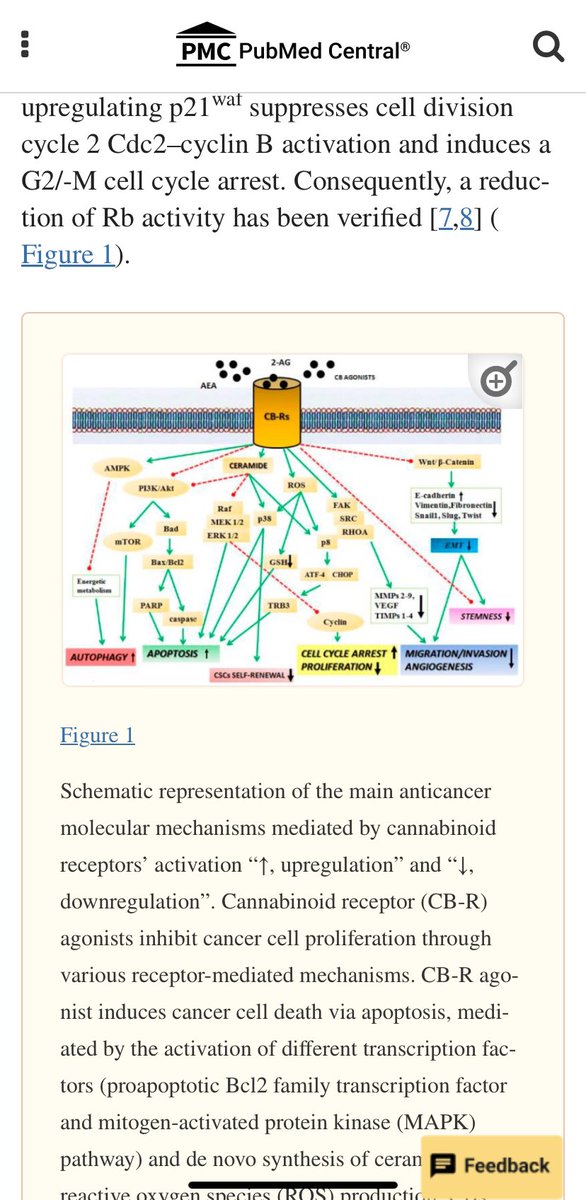
Share this with your oncologist if you have cancer. Print it out. Watch their reaction and level of respect to truly listen. You will know how good your care is immediately ncbi.nlm.nih.gov/pmc/article…
24 Feb 2024

Everyone wants to support the fight for cancer, but turn their heads to cannabinoids and medicinal mushrooms. That is the answer. Not endless $$$ for pharma
23
35
95
32,706