
please make my risk, asymmetric
Joined March 2009
- Tweets 2,374
- Following 1,835
- Followers 168
- Likes 544
15 Photos and videos










Naj the 👽 retweeted

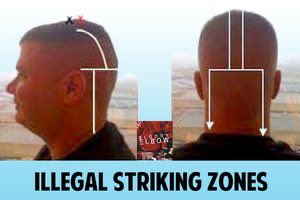
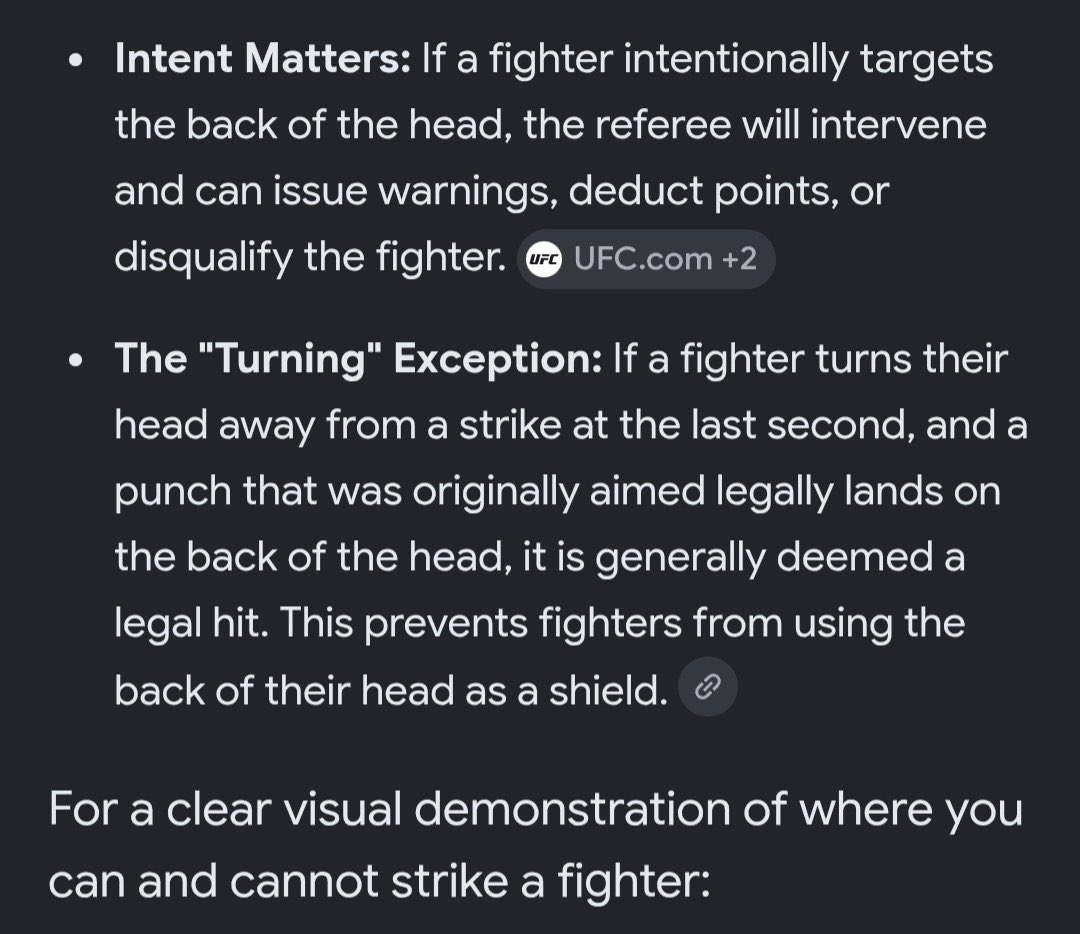
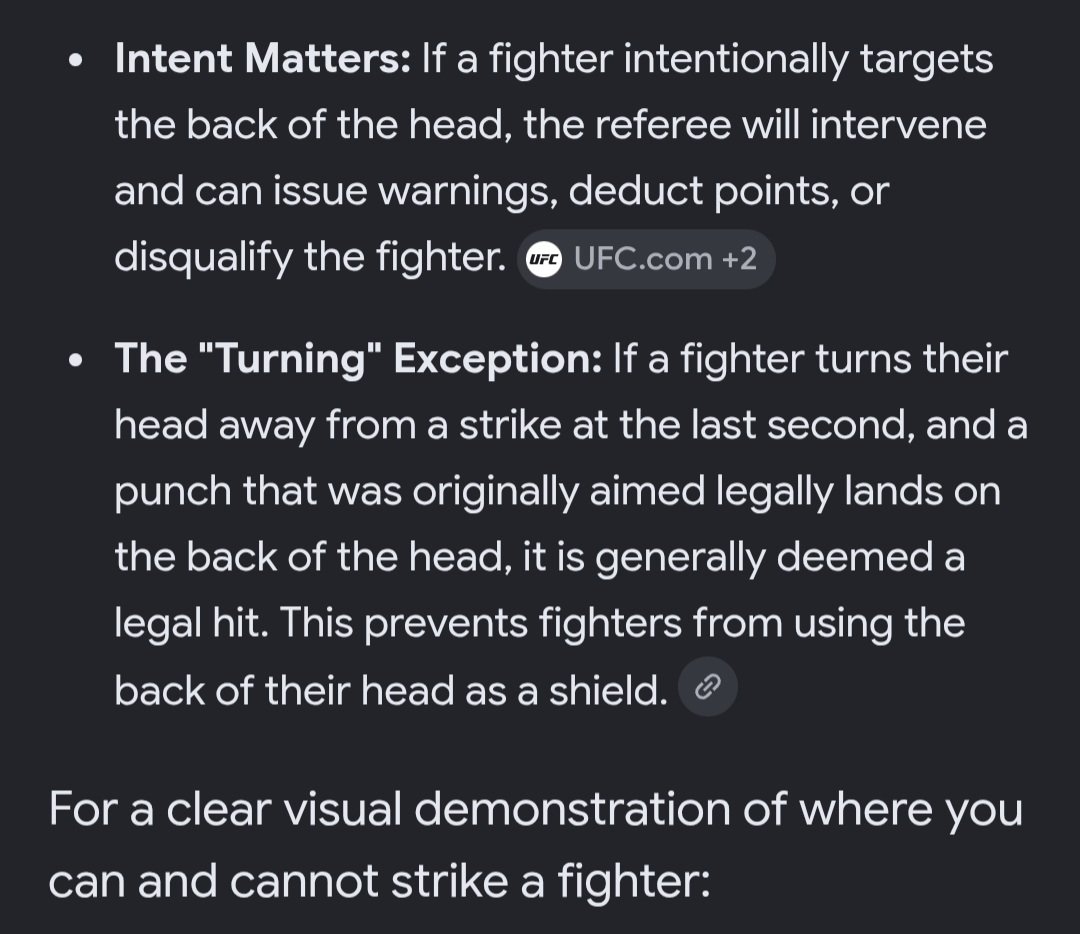
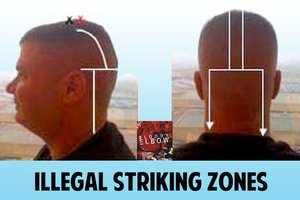
Crazy, even pros don't understand the rules. Since Gane is striking the zone that's not the illegal in the transition, even if some shots hit the illegal zone, it's legal cause Alex is moving, so it's if shots accidental hit the illegal zone, it's legal. Herb Dean knows this.
3
3
8
6,907
Naj the 👽 retweeted

May 22
Lawd Jesus , the whole open hand 😭😭😭😭😭

404
1,039
7,765
5,314,081
Naj the 👽 retweeted

May 16
An Anthropic engineer paid for my espresso at Sightglass when he saw my screen
I was running my Polymarket bot from the counter. He was next in line. Looked over my shoulder. Stopped scrolling.
"That's not a normal trading app. What's it actually running on"
I told him. Claude Code. Four repos. $25 a month.
He sat down without asking.
"I'm on the agent team. We stress test Claude for exactly this. You're letting it find its own edges"
Not just edges. Wallets.
86 million trades. Every wallet. Every entry. Every exit.
"You're feeding Claude raw wallet data and letting it identify who consistently wins. Then cloning them"
He said it slowly. Like he was writing the threat model in his head.
One prompt. Find every wallet with 100 plus trades and win rate above 70%. Rank by profit. Export top 50.
Claude scanned 14,000 wallets in 4 minutes. Returned 47.
The top 20 made more than the bottom 13,000 combined.
"That's not a stat. That's a hit list"
Exactly.
"And you didn't write the scoring function"
Claude did. I just wired it into an if-statement.
Then I showed him the second repo.
Official Rust CLI. No API key for reads. 500 markets, Claude scores them in minutes.
Gap. Depth. Resolution window.
487 markets become 35 before a dollar moves.
93% killed before I even see them.
A green fill landed on the screen. $84.
He watched it hit.
"How does it decide to actually enter"
Three agents. Shared wallet. No shared memory. Arbitrage, convergence, whale copy. 2 agree, full size. 1 alone, half. Disagree, no trade.
Consensus filter alone killed 40% of losing trades.
"And the exits?"
The 47 whales never hold to settlement. 91% exit early. 73% of max profit captured. Redeploy immediately.
My bot cuts at 85% of expected move or on a 3x volume spike.
"You built a whale copy bot that exits before the whales"
Yeah.
He put his espresso down.
"How often does it trade"
10 a day on average. Most of them skipped before I look up from my coffee.
My setup:
Claude API - $20/mo
VPS in Germany - $5/mo
poly_data - free
polymarket-cli - free
Polymarket/agents - free
$200 seed. 27 days ago. $14,300 now.
Copytrade here: t.me/KreoPolyBot?st…
271 trades. 74% win rate. Sharpe 2.47.
I haven't touched it in 27 days.
He stared at the screen for a long time.
"This is literally what our red team simulates. Except you actually shipped it"
He emailed me the next morning.
"Any chance you'd take a call with our policy lead"
I told him the article is the call. Read it twice.
Too late to gatekeep.
You only need Claude laptop 1 hour/day.
Giving This Free for 24 hours. To get it:
1. Comment the word 'Claude'
2. Like and Retweet this post
3. Follow me
@ZayvenKnox
564
448
1,160
147,194

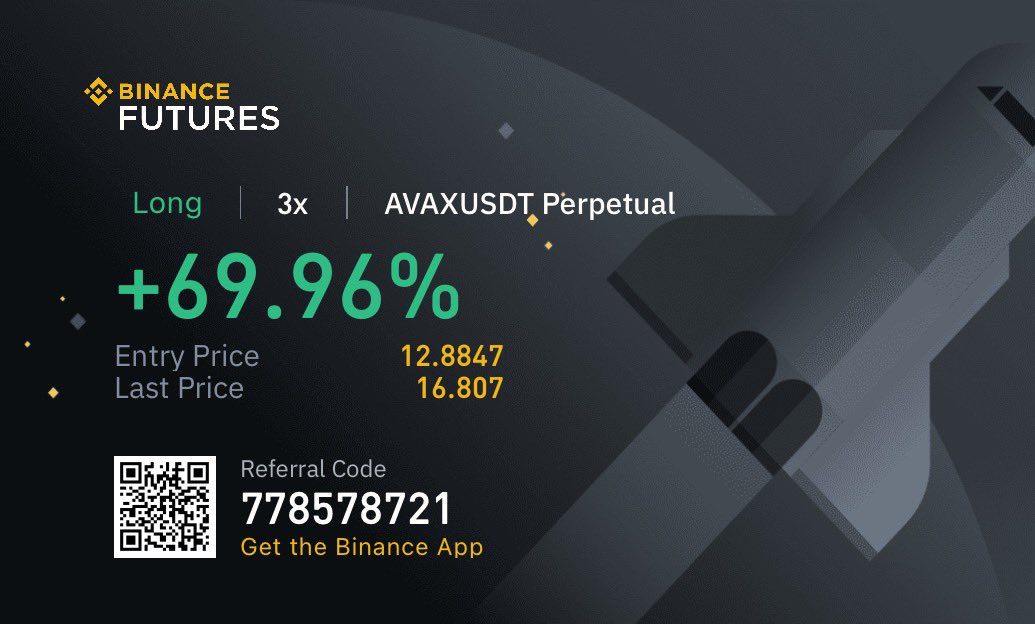
A hard SL makes your position visible in the orderbooks.
They want traders to rely on hard stops because it publicly reveals where your invalidation level sits, data that algos and MMs can use.
They frame trading without hard stops as reckless or poor risk management, but that isn’t necessarily true.
You can still manage risk by manually closing the trade once your thesis is invalidated, without exposing your exit level to the market in advance.
You should know by now that @binance has access to users positions and trading data. There are levels to this game.
122
85
1,402
154,739
Naj the 👽 retweeted

🚨 Anthropic's own team just showed how to actually use Claude Code properly.
30 minutes. free. the person who created Claude Code.
watch the workshop. bookmark it.
worth more than every $500 course you almost bought.
you've been using Claude without knowing 40 of its commands.
Then read the guide below.

263
4,962
29,905
7,311,350
Naj the 👽 retweeted

Mar 19
Today I$rael tried to kill me in a targeted airstrike in southern Lebanon as I was reporting on was the targeting of bridges and the forced displacement of 1 million people, an ethnic cleansing operation on a larger scale than the Nakba
I have absolutely no doubt that this was deliberate. Despite claims there were no warnings ahead of the strike and no notifications sent to the Lebanese Army who allowed us to film
As we have seen in Gaza they want to silence journalists who document and report their war crimes
It is the western powers who provide political and military support for I$rael, arming it to the teeth to carry out genocide in Gaza and ethnic cleansing here in Lebanon. They are not simply complicit, but active participants and should be held accountable for their actions.
But if I$rael thinks today’s strike will silence us and keep us out of the field they are very, very mistaken
6,976
70,148
237,170
8,491,092
Naj the 👽 retweeted

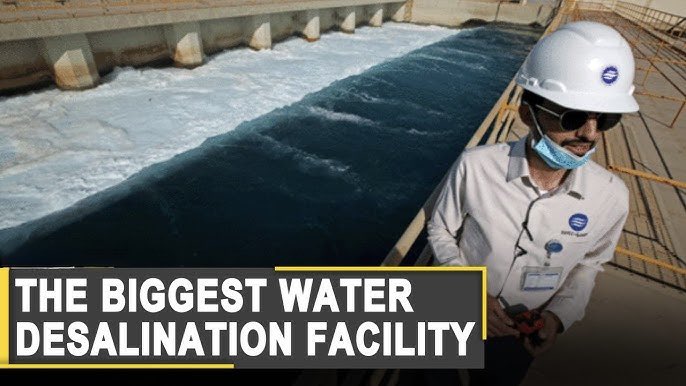
Everyone is watching the oil price. Nobody is watching the water.
Eight of the ten largest desalination plants on earth sit on the coast of the Arabian Peninsula. They produce roughly sixty percent of all desalinated water on the planet. One hundred million people drink what these facilities manufacture from seawater every single day. Kuwait gets ninety percent of its drinking water from desalination. Oman eighty six percent. Saudi Arabia seventy percent. Without these plants, the most powerful petroleum states on earth become uninhabitable within days.
On March 2, Iranian missile debris struck a power station in Fujairah that feeds one of the world’s largest desalination facilities. Interceptor fragments started a fire at Kuwait’s Doha West power and water desalination complex. Neither plant was destroyed. Neither was directly targeted. Both incidents were classified as collateral damage from nearby interceptions.
That distinction is the most important signal in the entire war and almost nobody has framed it correctly.
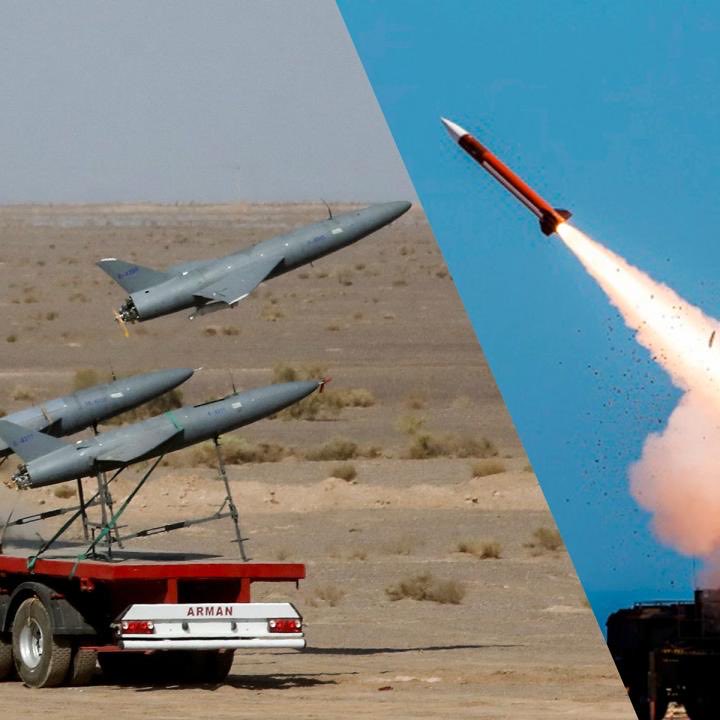
Iran has the coordinates of every desalination plant in the Gulf. The IRGC has struck Fujairah, Kuwait City, Riyadh, Abu Dhabi, Doha, and Bahrain with ballistic missiles and drones over the past seven days. It has hit refineries, military bases, embassies, and power stations. It has not hit a single desalination plant directly.
This is not incompetence. This is calibration. Iran is telling the Gulf states something without saying it aloud: we can turn off your water supply whenever we decide the cost of restraint exceeds the cost of escalation. The near miss is the message. The power station next to the plant burns while the plant itself keeps running. That is not an accident. That is a threat delivered with engineering precision.
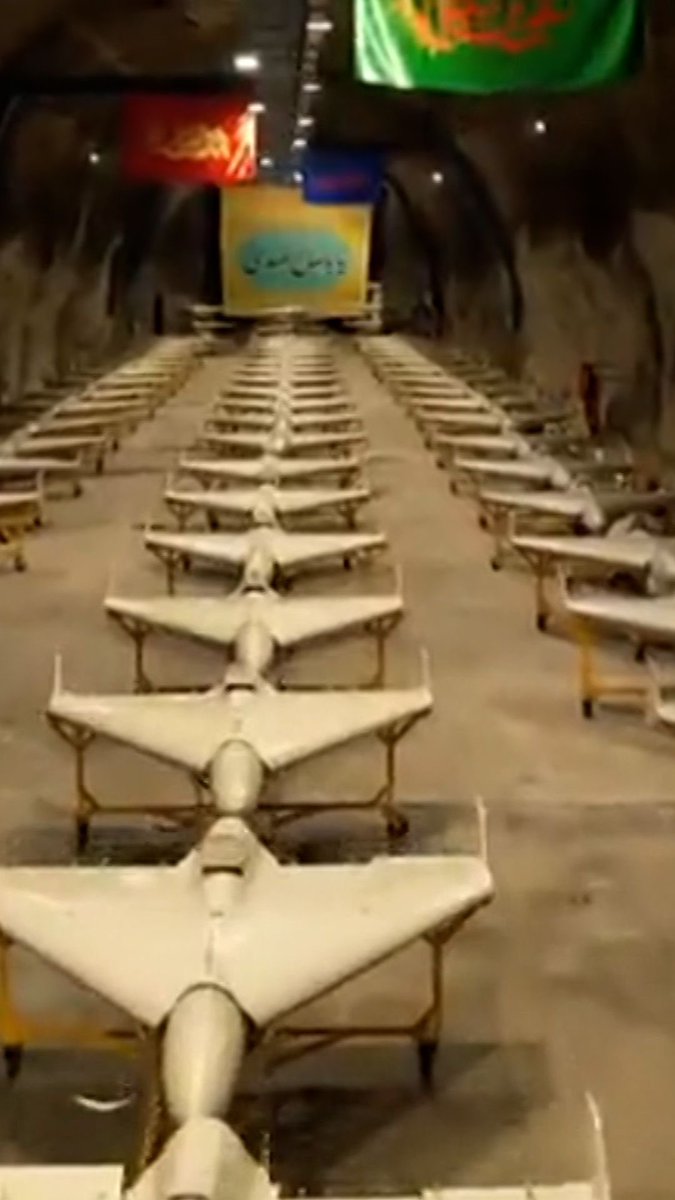
Now connect this to the structural fact that changes the entire risk calculus. Iran’s military operates under Mosaic Defense doctrine, restructured after studying America’s decapitation of Iraq in 2003. Thirty one autonomous provincial commands, each with independent targeting authority, each designed to continue fighting without orders from Tehran. Khamenei is dead. The central command that decided which targets to strike and which to spare has been destroyed. The restraint on desalination was a centralized strategic decision. The commanders who now hold independent authority over regional missile batteries inherited that restraint. They are under no institutional obligation to maintain it.
In 1991 Iraq pumped crude oil into Kuwait’s desalination water intakes during the Gulf War. Kuwait imported 750 emergency water tankers. Recovery took years. The Gulf states in 2026 are orders of magnitude more dependent on desalination than Kuwait was then. The population is larger. The consumption is higher. The alternative freshwater sources are zero.
The oil market is pricing a supply disruption. It is not pricing the possibility that the Persian Gulf’s most critical infrastructure is one autonomous IRGC commander’s targeting decision away from turning the richest countries on earth into humanitarian emergencies.
The restraint is the weapon. And the hand that held the leash is dead.
open.substack.com/pub/shanak…
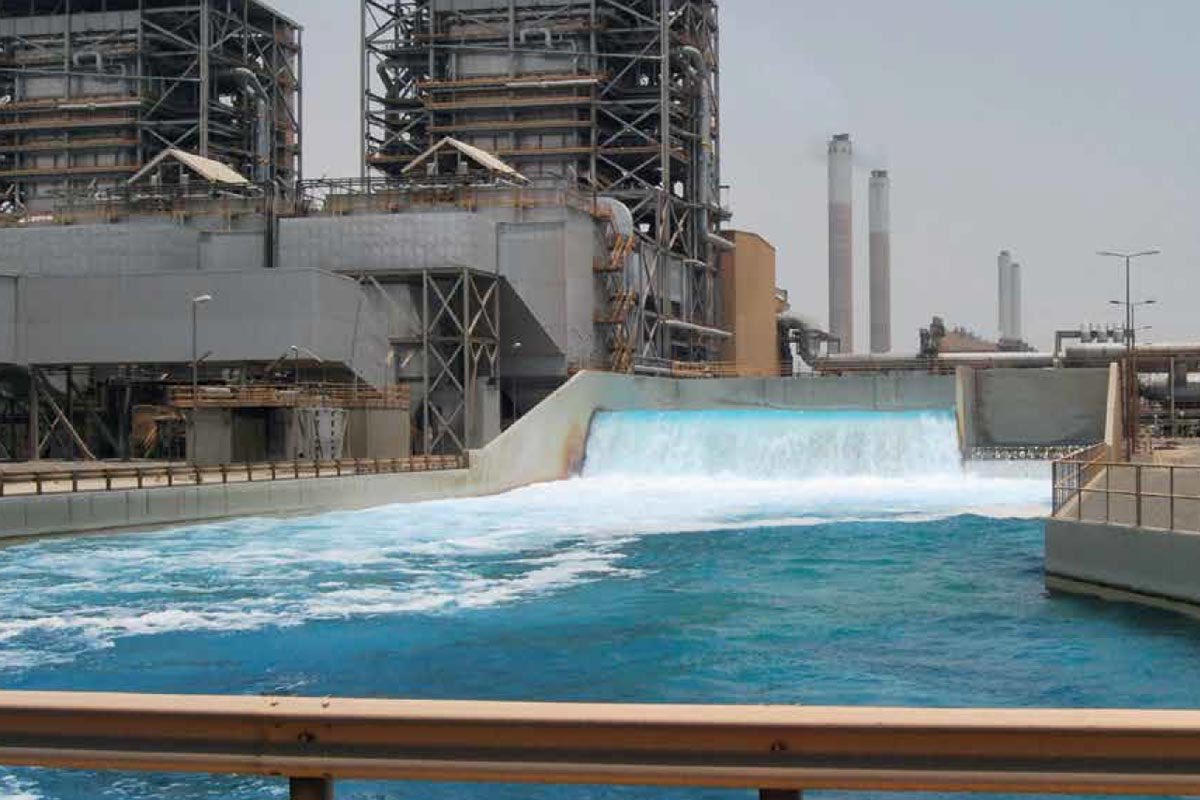

Everyone is watching the oil.
Nobody is watching the water.
The UAE operates at 1,533% water stress. Saudi Arabia at 974%. Kuwait gets 90% of its drinking water from desalination plants. Oman 86%. Saudi Arabia 70%.
There is no aquifer. There is no river. There is no rainfall to speak of. The entire Arabian Peninsula drinks water that is manufactured, using electricity, from the sea.
One drone. One plant. Millions without water.
That is not speculation. That is what a 2009 US diplomatic cable concluded about Riyadh specifically: destroy the right desalination infrastructure and you could force the evacuation of the Saudi capital within a week. That cable is 17 years old. The dependency has only deepened since.
Iran has not hit a desalination plant yet.
That restraint is a choice. It is also a card.
Here is the strategic geometry Iran is living inside right now. Its navy is gone. Its air force is degraded. Its supreme leader is dead. Its missile rate has dropped 70% as launchers get destroyed. Every conventional military option is being systematically closed.
What remains is asymmetric warfare against infrastructure that the entire Gulf coalition cannot function without.
You do not need to win an air war to win an asymmetric war. You need to hit the thing your enemy cannot replace on any timeline that matters. Oil can be rerouted. Gas can be replaced. Water in the Arabian desert cannot be improvised.
The GCC has built redundancies since this vulnerability was identified. But redundancies are not immunity. And Iran knows exactly where every plant sits.
The oil war is being priced. The water war has not even entered the model yet.
If it does, this conflict has a second act that makes the first one look contained.
open.substack.com/pub/shanak…
130
2,018
4,104
300,124
Naj the 👽 retweeted
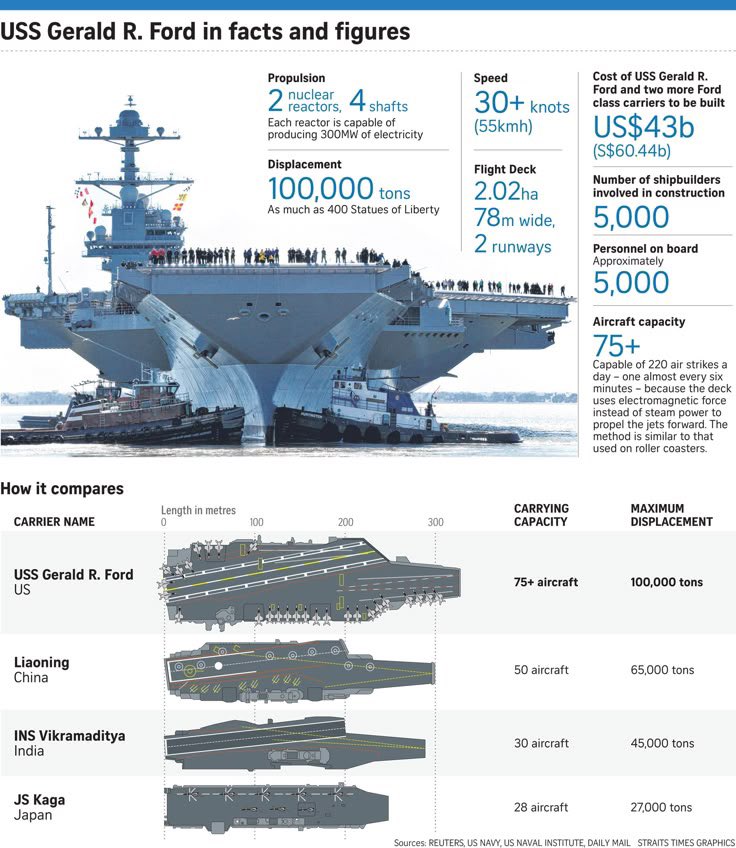
BREAKING: The United States is about to have three aircraft carriers in the Middle East for the first time since the 2003 invasion of Iraq.
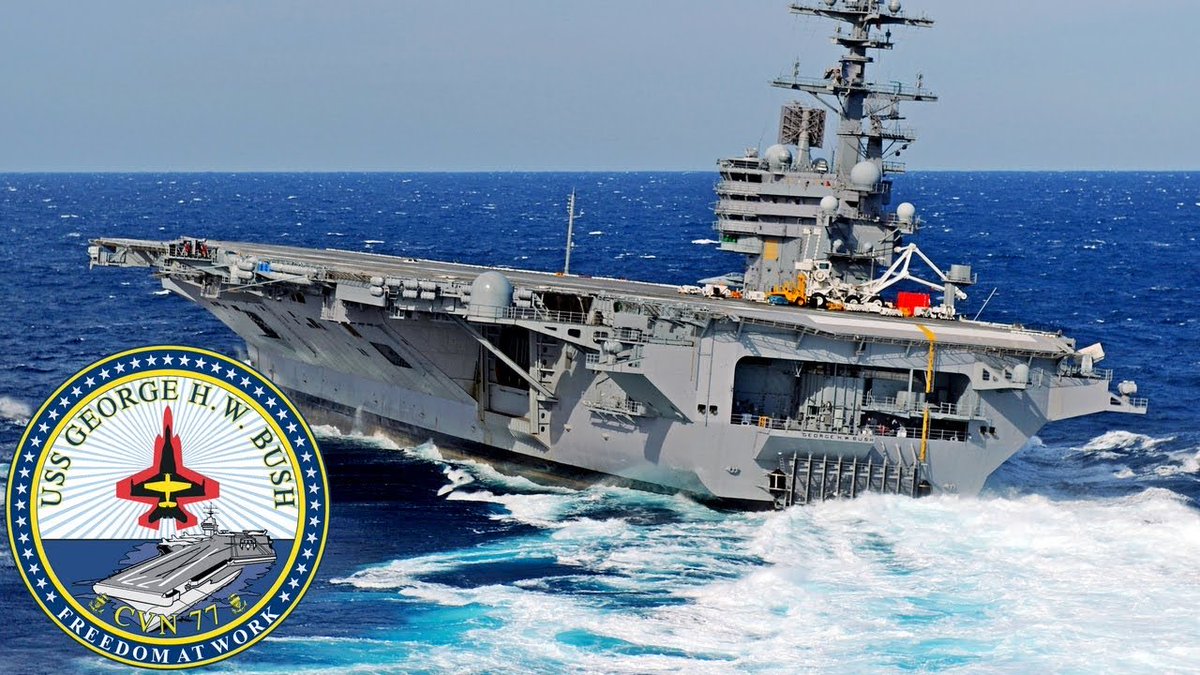
The USS Abraham Lincoln has been in the Arabian Sea since before the war started. The USS Gerald R. Ford entered the Red Sea on March 5 after eleven months of continuous deployment, the longest carrier tour in recent memory. The USS George H.W. Bush completed its final training certification off Virginia on March 5 and is preparing to depart Norfolk before the end of March for the Fifth Fleet area of responsibility.
Three carrier strike groups. Together they represent approximately 25 percent of the entire operational carrier fleet of the United States Navy.
That number is the story nobody is telling.
America has eleven aircraft carriers. At any given time, roughly half are in maintenance, training, or transit. Deploying three to a single theater means the remaining operational carriers must cover the Western Pacific, the Atlantic, and every other commitment the Navy holds worldwide. The USS Carl Vinson was already diverted from an Indo-Pacific deployment to support Gulf operations. Every carrier in the Middle East is a carrier not in the South China Sea.
This is the structural dilemma twenty years of lessons were supposed to have resolved. The entire doctrinal shift of the last decade pointed away from sustained force concentrations in the Middle East and toward the Indo-Pacific as the priority. The 2022 National Defense Strategy named China as the pacing threat. Every force structure decision for five years oriented the Navy toward the Western Pacific.
Eight days of war reversed that orientation.
The air campaign has been effective by its own metrics. Roughly 2,500 Israeli strikes and 2,000 American munitions in the first week. Eighty percent of Iran’s air defenses destroyed. AI compressed targeting from days to hours. The justification for air over ground is real: Afghanistan cost $2.3 trillion and 2,461 lives. Iraq cost $1.9 trillion and 4,431 lives. Libya cost zero American combat deaths and produced a failed state that remains ungoverned.
The lesson from all four is identical. Air power degrades. It does not govern.
Iran is 88 million people, the size of Alaska, with terrain that makes Afghanistan look flat. The IRGC’s Mosaic Defense has demonstrated that decapitation does not produce surrender. It produces thirty one autonomous commands fighting without direction. The air campaign cannot make them stop. Only a political settlement can. And a political settlement requires a counterparty the air campaign is systematically destroying.
Three carriers in the Gulf is not the projection of strength. It is the geometry of a trap. The war is too effective to stop and too incomplete to end. The bombs destroy everything except the need for more bombs. And every week those three carriers sit in the Gulf is a week Beijing updates its Taiwan planning with the knowledge that a quarter of America’s carrier fleet is otherwise occupied.
The last time three carriers were in the Gulf, the war lasted eight years.
open.substack.com/pub/shanak…
The USS Gerald R. Ford is not parked near Iran. It is parked off Israel. And nobody is asking the only question that matters: why.
The $13.3 billion crown jewel of the US Navy, the largest warship ever constructed, just positioned itself off Haifa. Not in the Arabian Sea where the Lincoln sits 850 kilometers from Iranian shores loaded for offensive operations. Not in the Gulf where strike range is optimal. Off Israel. Defending Israel.
This is not redundancy. This is architecture.
Two carriers. Two missions. Two entirely different strategic functions. The Lincoln is the sword, positioned to launch strike packages into Iranian airspace within hours of an order. The Ford is the shield, its Aegis missile defense systems creating an umbrella over Israeli population centers against the retaliation that follows the first Tomahawk.
America just split its carrier doctrine into offense and defense simultaneously. That has not happened since the Pacific theater in 1945.
But the positioning reveals something deeper than tactics. When Iran retaliates, and every wargame says Iran retaliates, its missiles and drones fly toward Israel. They will fly through the same airspace where a US carrier strike group is now stationed. Every Iranian missile aimed at Tel Aviv or Haifa must traverse the Ford’s defensive envelope. Shooting at Israel means shooting at, around, and through an American carrier group.
Iran cannot retaliate against Israel without engaging American naval assets. The Ford’s position makes that physically impossible. The carrier is not defending Israel as a favor. It is positioned so that any Iranian response to American strikes automatically becomes an attack on American forces, triggering the full unrestrained weight of US military response without a single additional political decision required.
This is escalation insurance written in steel and seawater. If the campaign goes longer than planned, if munitions run thin in 7 to 10 days, if allies hesitate, the Ford’s position ensures that Iranian retaliation does the political work Washington cannot do alone: it transforms a limited American strike into an act of self-defense that no ally can refuse to support.
You do not park a $13.3 billion carrier where the enemy’s return fire will hit it unless you want the enemy’s return fire to hit it.
The Ford is not there to prevent escalation. The Ford is there to guarantee that if escalation comes, it comes on terms that make American restraint politically impossible and allied participation politically unavoidable. open.substack.com/pub/shanak…
39
126
450
78,979
Naj the 👽 retweeted

Mar 6
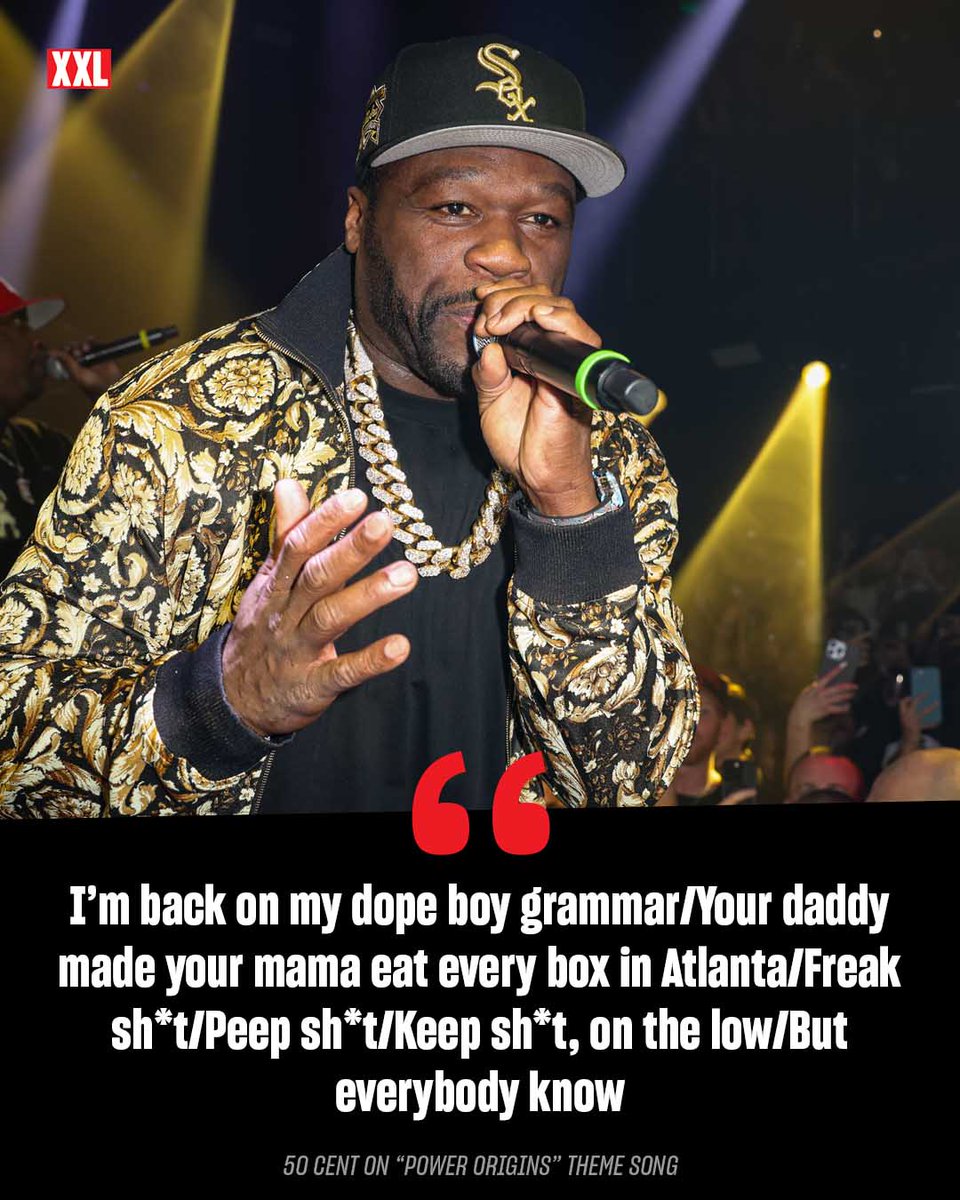
50 Cent appears to take shots at T.I. on the new Power Origins theme song.
"I'm back on my dope boy grammar/Your daddy made your mama eat every box in Atlanta/Freak sh*t/Peep sh*t/Keep sh*t, on the low/But everybody know"
277
454
4,464
679,047

Feb 9
If @jakepaul thinks Puerto Ricans are fake Americans, while living in PR and decimating their island so he can have acres of land, and paying less taxes than Puerto Ricans and mainland Americans, perhaps he should advocate that the USA give them back their land. Just a thought.
1
2
219
Naj the 👽 retweeted

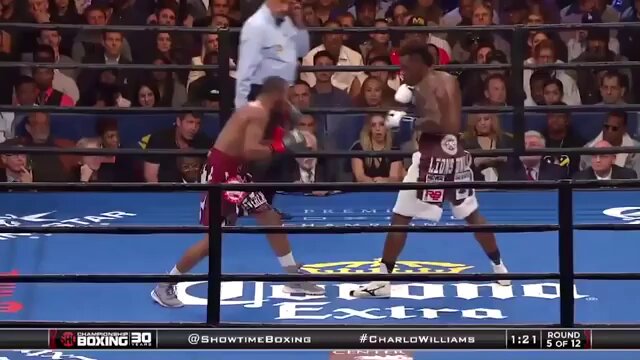
🚨Yo he busted millers toupee off🥶😬
1
5
39
26,638
Naj the 👽 retweeted

17 Aug 2025
It is likely that there will be the opportunity to get into many positions that will 100x on their risk over the next several months.
Not to risk $100 to make $10,000 once, but to get into a bunch of positions that do it.
It is time to lock in.
It is simply the reality that if we get our last leg up ,these are the setups we will be trading.
It takes work to compound those positions, but those opportunities don't come everyday, so it's time to put in the work
13
8
329
18,844
8 Jun 2025
I’ve decided it’s my soft stoploss life era. No more hard stops.
1
1
193
Naj the 👽 retweeted
24 Apr 2025
"you think this low is going to hold? Or much lower?"
"Do you think this breakout is gonna keep going? Or are we going to fail back into the range?"
"thoughts on this trendline? WE rejecting? Or a trap?"
Bro. Just put on the trade.. Put on a bit of risk, and accept the outcome.
No one knows.
27
8
187
11,551
20 Apr 2025
$1k Challenge Trade 2
RSR Long
Entry: 0.007204
SL: 0.006978
TP: 0.009499
R: 1:10
1% Risk
1
143
22 Apr 2025
Took off another 50% ($16). Half running to full TP. 3.5R no matter what
1
64
23 Apr 2025
$1k Challenge
Eth Short
Entry: $1,788
SL: $1,820
TP: $1,630
Risk: 1.5%
R: 1:6
Let’s see if we can send it back down.
49
21 Apr 2025
$1k challenge trade 5
APT Long
Entry: $4.916
SL: $4.496
TP: $$6.386
Risk: $10 (1% of starting account balance)
R: 1:3.5
Expansion please.
1
46
20 Apr 2025
$1K challenge
Trade 1: ETH Long
Entry: $1572.6
SL: $1538
TP: $1783
R: 1:6
Entered with 1% risk to start
1
70
22 Apr 2025
SL hit. -0.5R. Re-entered at 1567 half size with a stop at 1528.
1
33
22 Apr 2025
Full TP. loss on stopped trade and re-entered trade = 2R ($20) gain
24