An official account of the Embassy of the Republic of Lithuania in the Republic of South Africa. Ambassador Mrs Rasa Jankauskaite
Joined August 2020
- Tweets 1,279
- Following 407
- Followers 628
- Likes 2,861
340 Photos and videos
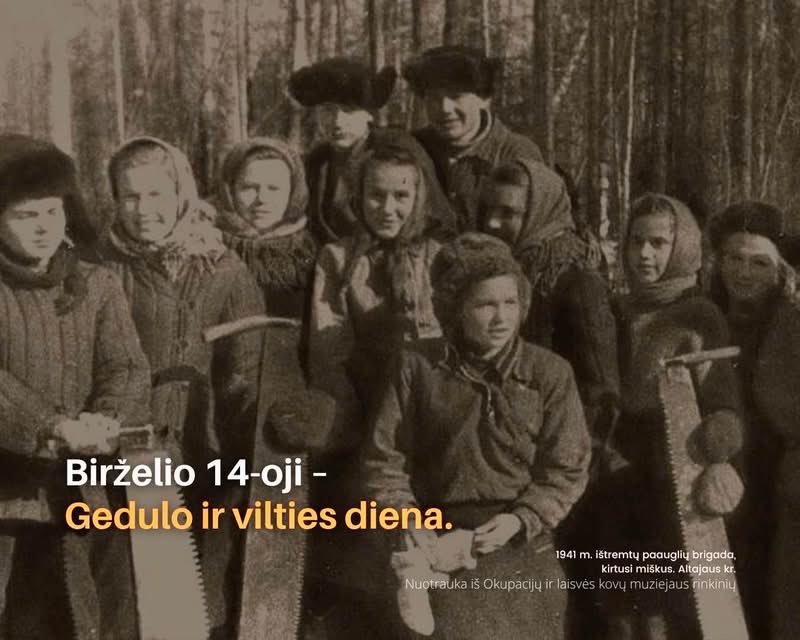



On the Day of Mourning and Hope, we mark 14 June 1941, when Soviet deportations began in Lithuania. Families were torn from their homes at night and sent to Siberia; many never returned. We honour the victims and keep their memory alive. Memory cannot be exiled. #WeRemember
14
On the Day of Mourning and Hope, we honour the memory of those who were forcibly deported from Lithuania by the Soviet regime 85 years ago.
Today, and every day, we remember their suffering, resilience, and unwavering hope.
#June14
#NeverForget
Jun 9

Their memory endures.
And here, in the heart of Europe, it is protected and remembered.
Today at @Europarl_EN, we honoured and remembered the more than 3 million people torn from their homelands by the Soviet regime, 85 years ago.
Though attempts were made to erase their entire way of life, we continue to bring their stories and memory into the light.
#RememberTheirNames
2
39
Lithuania in South Africa retweeted

85 years ago, just in one night, 17k Lithuanians were forcibly deported to Siberia and far edges of USSR, many of them women and children, doctors, teachers, writers, educated members of society.
'Here in the heart of Europe their memory is safe with us,' said @EP_President.
Jun 9
Their memory endures.
And here, in the heart of Europe, it is protected and remembered.
Today at @Europarl_EN, we honoured and remembered the more than 3 million people torn from their homelands by the Soviet regime, 85 years ago.
Though attempts were made to erase their entire way of life, we continue to bring their stories and memory into the light.
#RememberTheirNames
4
6
200
Lithuania in South Africa retweeted

Jun 9
Their memory endures.
And here, in the heart of Europe, it is protected and remembered.
Today at @Europarl_EN, we honoured and remembered the more than 3 million people torn from their homelands by the Soviet regime, 85 years ago.
Though attempts were made to erase their entire way of life, we continue to bring their stories and memory into the light.
#RememberTheirNames
155
188
565
19,547
Lithuania in South Africa retweeted

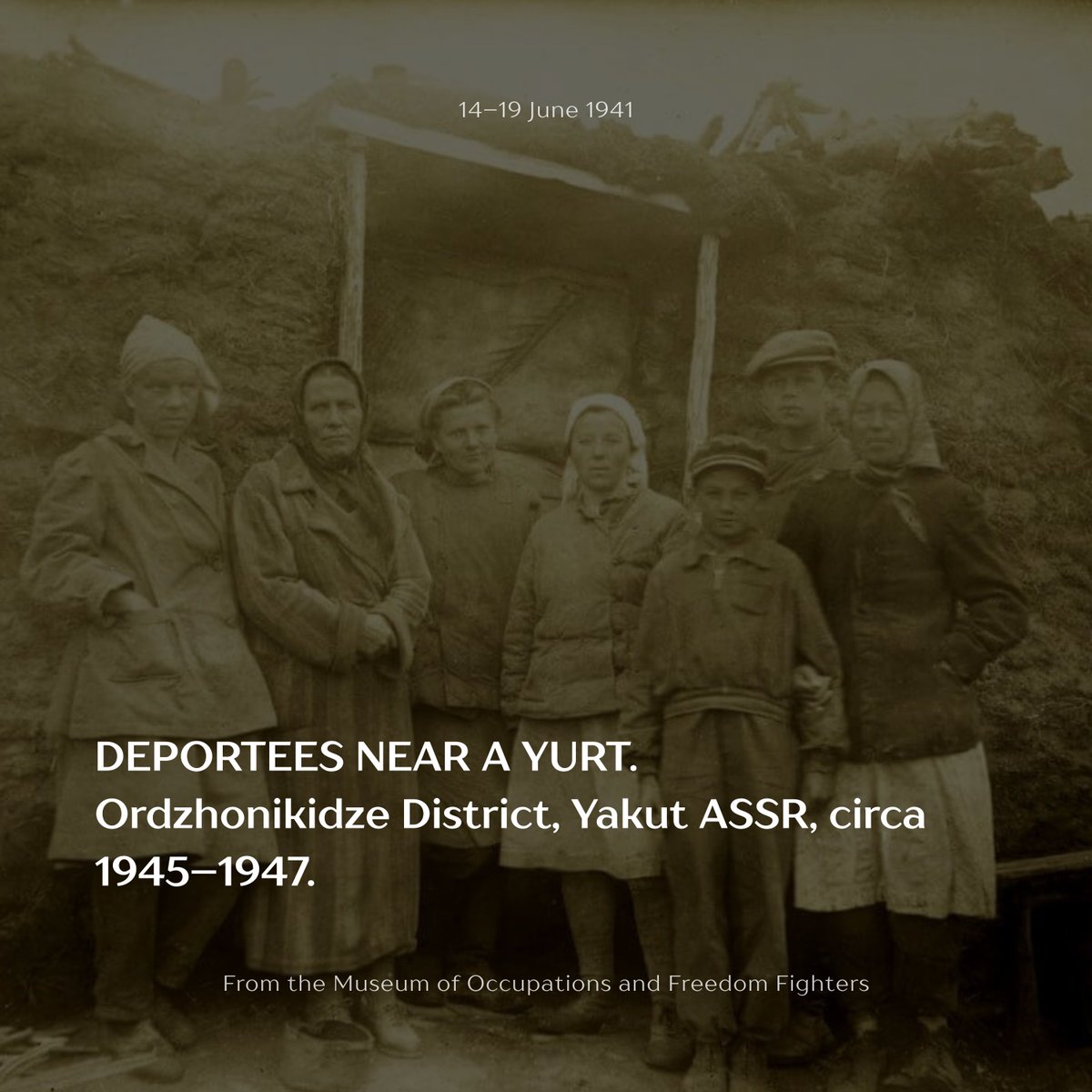
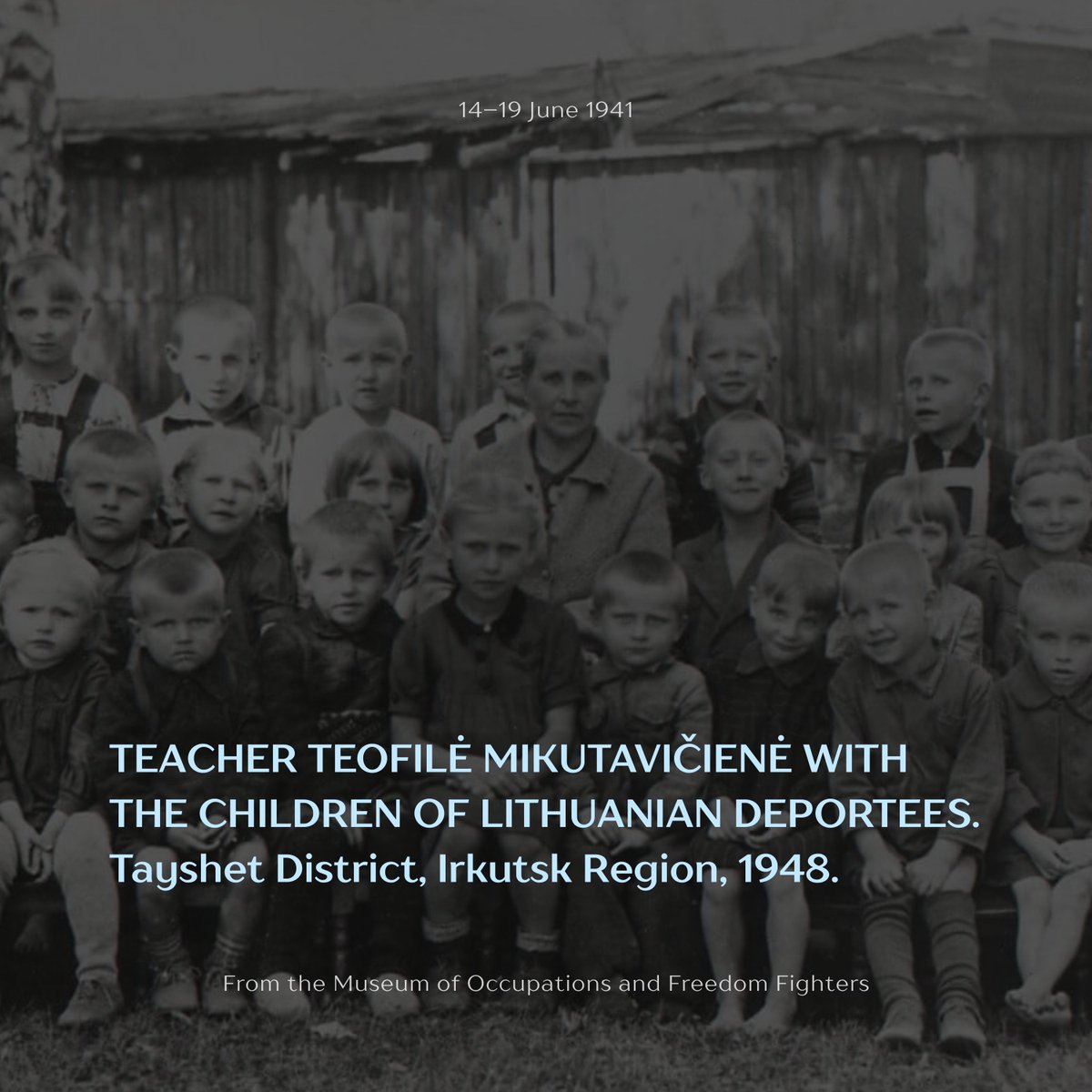
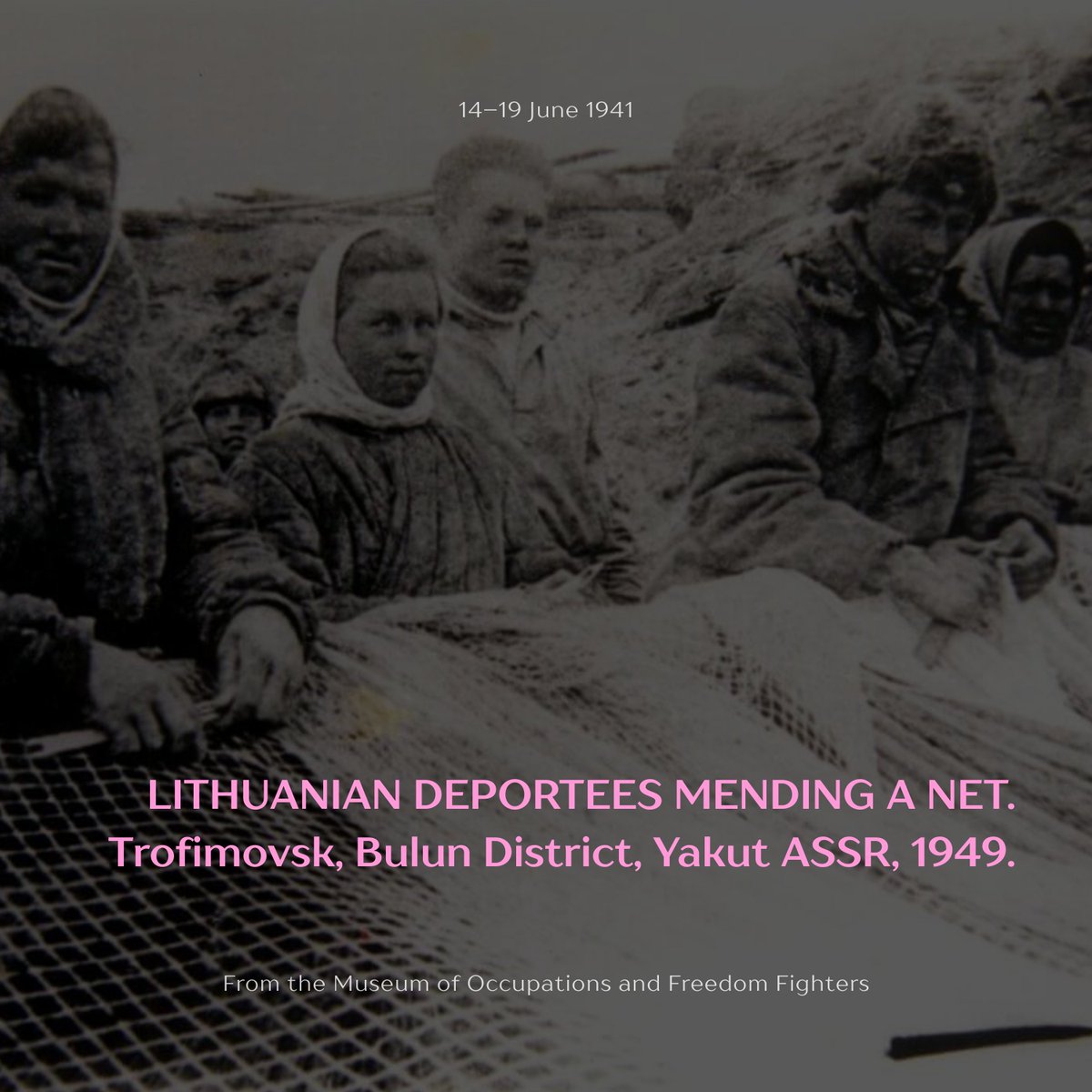
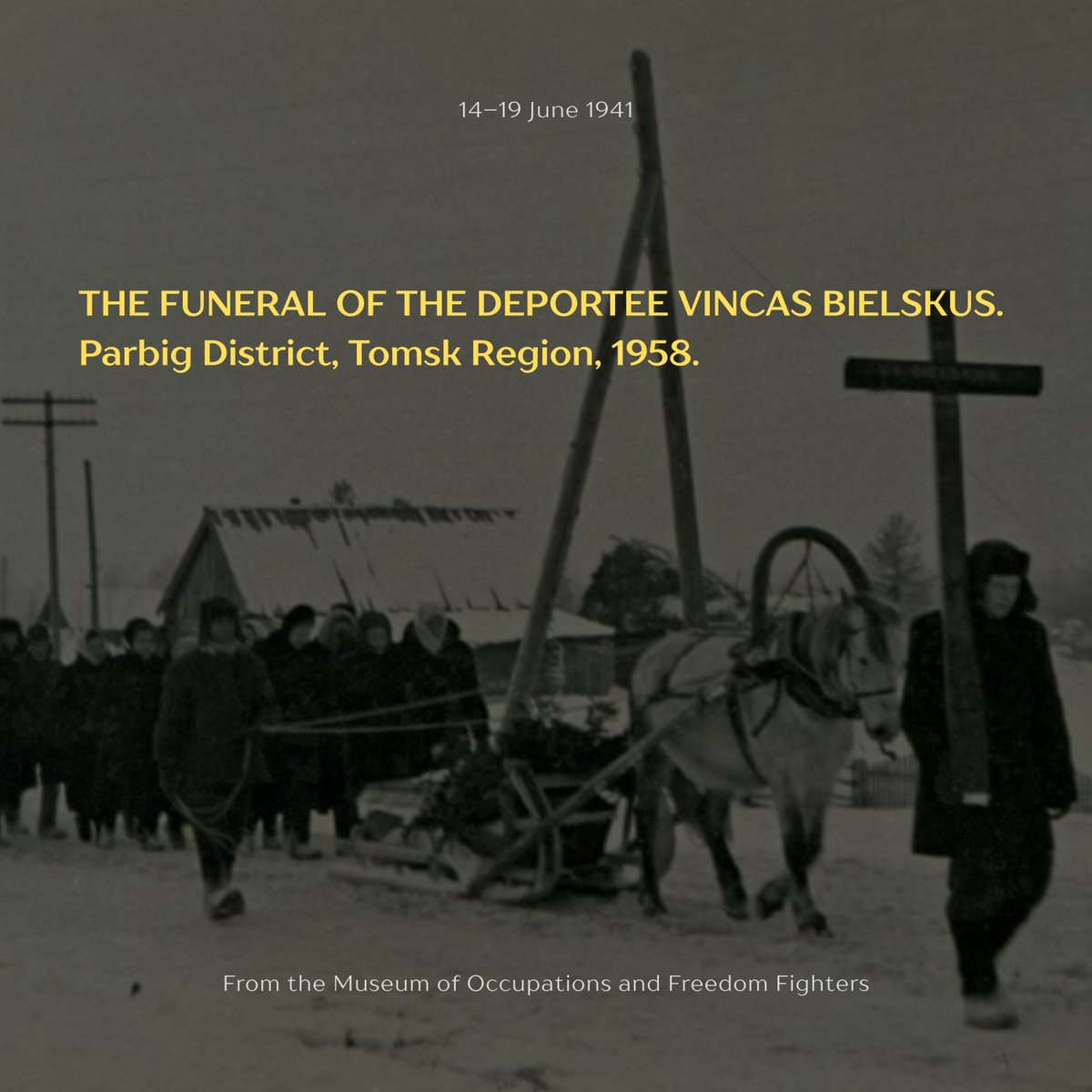
The USSR regime claimed millions of innocent lives. The first mass deportation of Lithuanian residents took place on 14-19 June 1941. Around 17K innocent people were deported from Lithuania to Siberia – most of them were women & children. Many never returned home.
8
70
112
4,707
Lithuania in South Africa retweeted

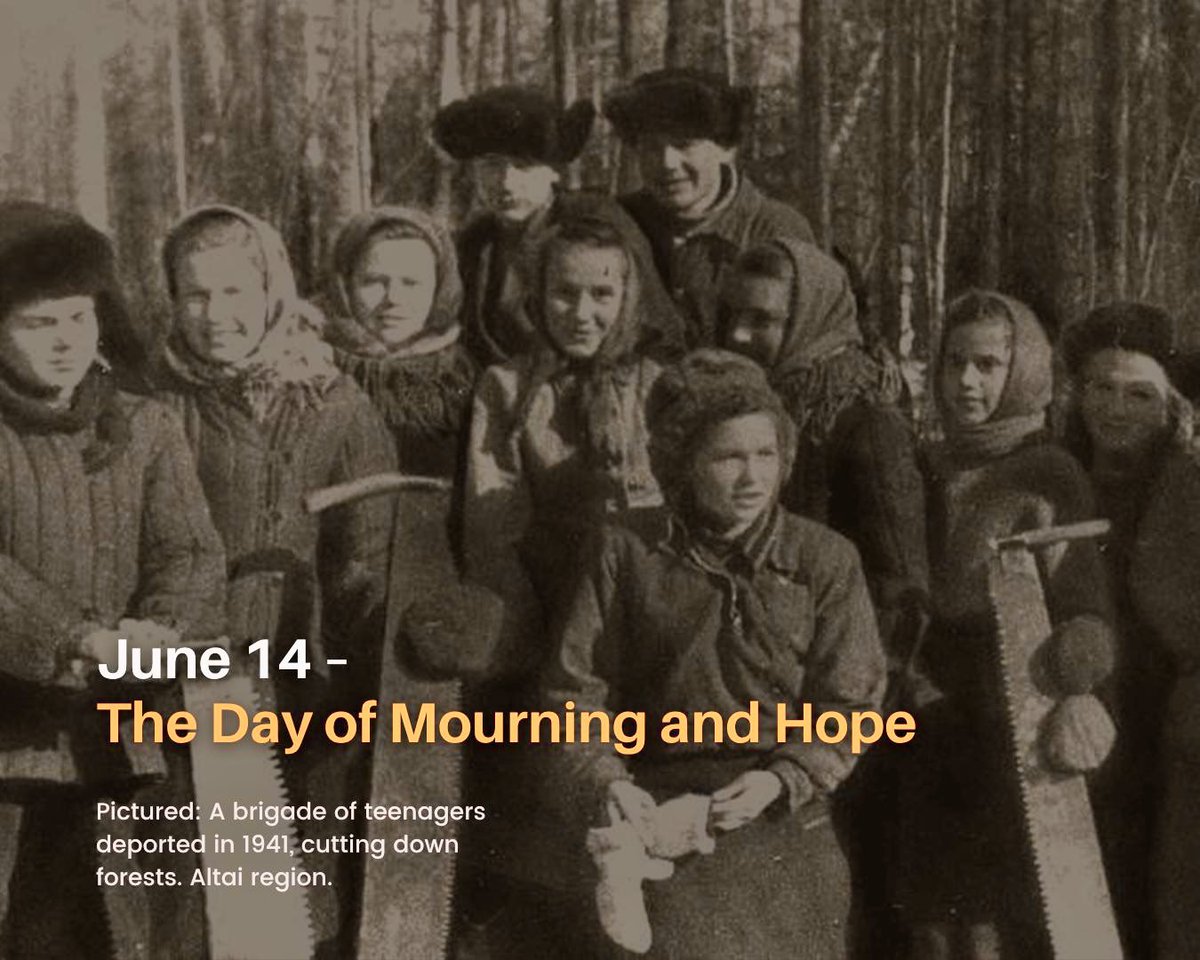
Today, Lithuania marks the Day of Mourning and Hope – the date when, 85 years ago, the brutal stalinist regime began the mass deportations of peaceful citizens of #Lithuania. Civil servants, doctors, teachers, farmers, lawyers, and even newborn babies were labelled “vragami naroda” – enemies of the people. Entire families were torn apart, taken from their homes in the middle of the night and transported in cattle wagons to Siberia, forced to survive in inhuman conditions. Around 17,000 Lithuanians were deported during the June deportations in 1941, and hundreds of thousands were deported over the course of the soviet occupation. Only a few of them managed to survive.
There is no family in Lithuania untouched by this tragedy. And today, as Russia repeats the same in #Ukraine, the echoes of history feel painfully close. The forced deportations of Ukrainian civilians – including children – from occupied territories; filtration camps where people are brutally interrogated, separated, or disappeared; deliberate attacks on residential areas and civilians; and systematic terror against people simply trying to survive – all of this reminds us that the machinery of repression did not vanish with the 20th century.
Russia’s crimes against humanity committed today in Ukraine mirror the horror stories of the soviet occupation passed down in our own families – the knock on the door at night, the trains, the separation, the fear, the death. They remind us that unpunished brutality tends to repeat itself when justice is denied.
Every crime against humanity must face justice. Just as the crime of aggression by Russia against Ukraine… Justice is not only a moral duty to the victims – it is the only safeguard that prevents such horrors from returning.
As we honour those who suffered and perished 85 years ago, we also stand with those who endure violence today, insisting that accountability is the foundation of just and lasting peace.
6
58
104
2,827
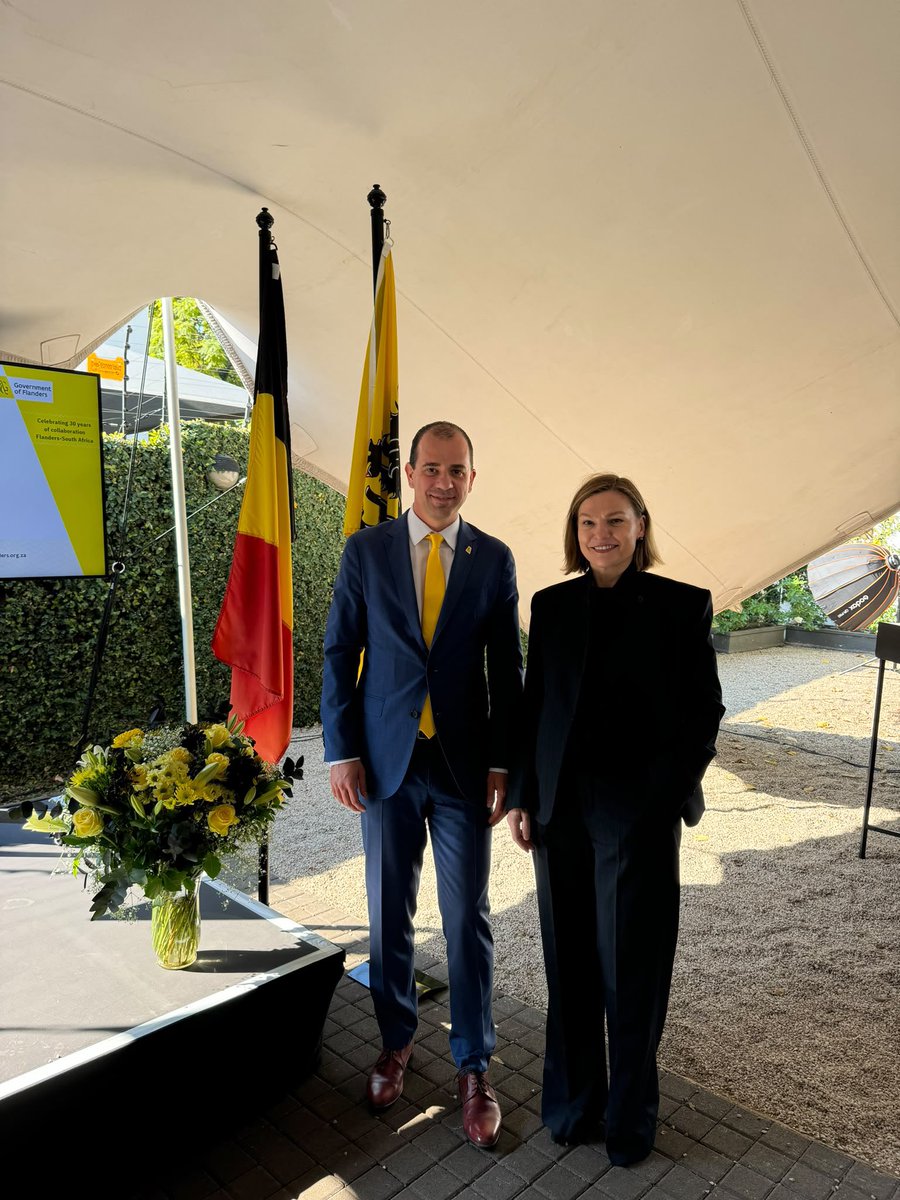
A moment from Flanders Day 2026 in Pretoria.
Ambassador of Lithuania R. Jankauskaitė had the pleasure to join Mr Thomas Castrel, General Representative of Flanders in Southern Africa, and meet with partners and colleagues during the celebration.
1
37
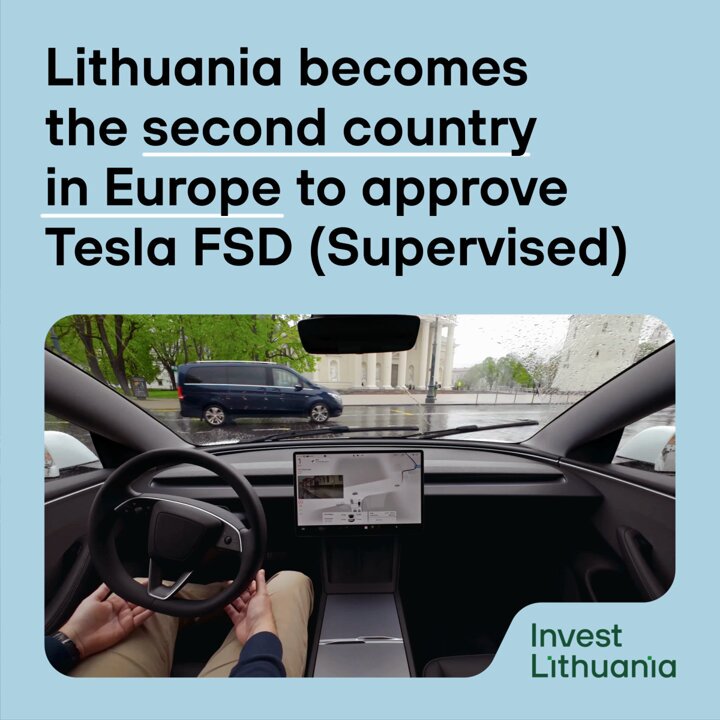
Lithuania becomes the second European country to activate Tesla FSD (Supervised), following the Netherlands’ approval. Lithuania recognized the Dutch provisional EU type approval under mutual recognition rules, without repeating full testing.
1
2
46
The 2026 MICHELIN Guide Lithuania recommends 44 restaurants across the country – 7 more than last year – including 5 MICHELIN-starred restaurants and 8 Bib Gourmand recipients. Another strong year for Lithuania’s gastronomic scene. 🇱🇹
ALT https://lithuania.lt/news/life-and-work-in-lithuania/third-edition-of-the-michelin-guide-lithuania-unveiled-44-restaurants-recommended/
33
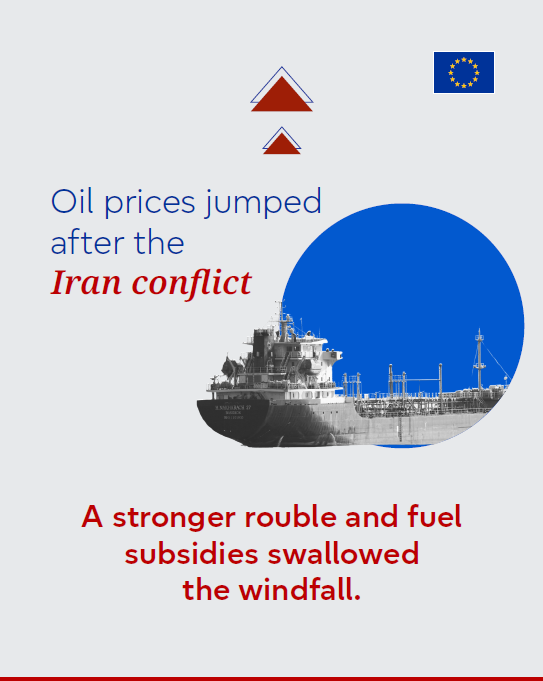
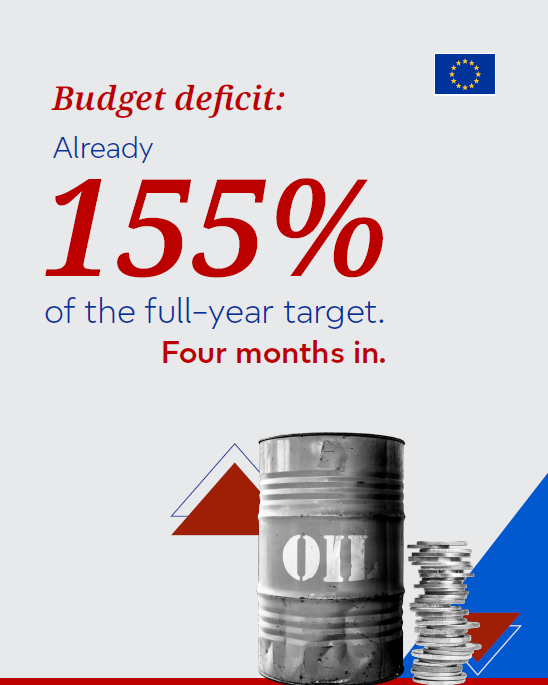
Oil prices may have risen because of the Iran conflict, but they will not save Russia's economy. Windfall gains were significantly offset by a stronger currency and subsidy payments to oil companies and refiners.
1
1
40
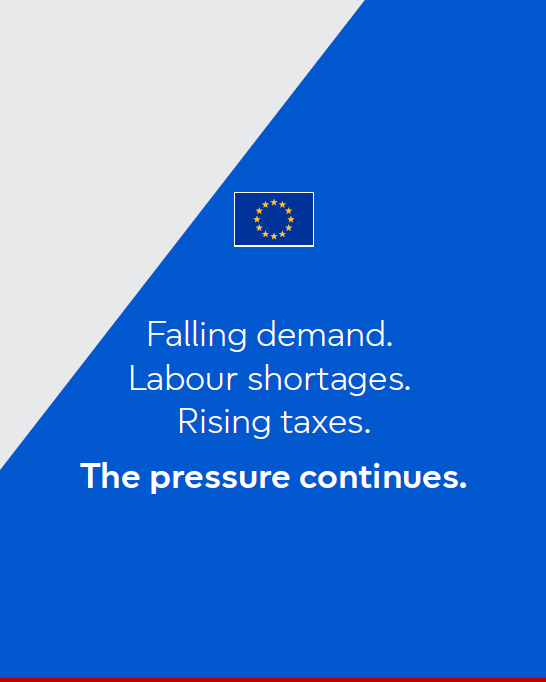
Interest rates remain high. Corporate debt has nearly doubled since the full-scale invasion. Labour shortages are persistent, taxes are rising, and domestic demand is falling.
1
10
EU sanctions, 20 packages in force, continue to restrict Russia's access to technology, finance, logistics and energy markets, imposing long-term structural costs. Higher oil prices give Russia short-term breathing space. They do not fix structural damage. The pressure continues.
11
Lithuania in South Africa retweeted
How does #NATO become stronger?
By every ally delivering on the commitments we have collectively made.
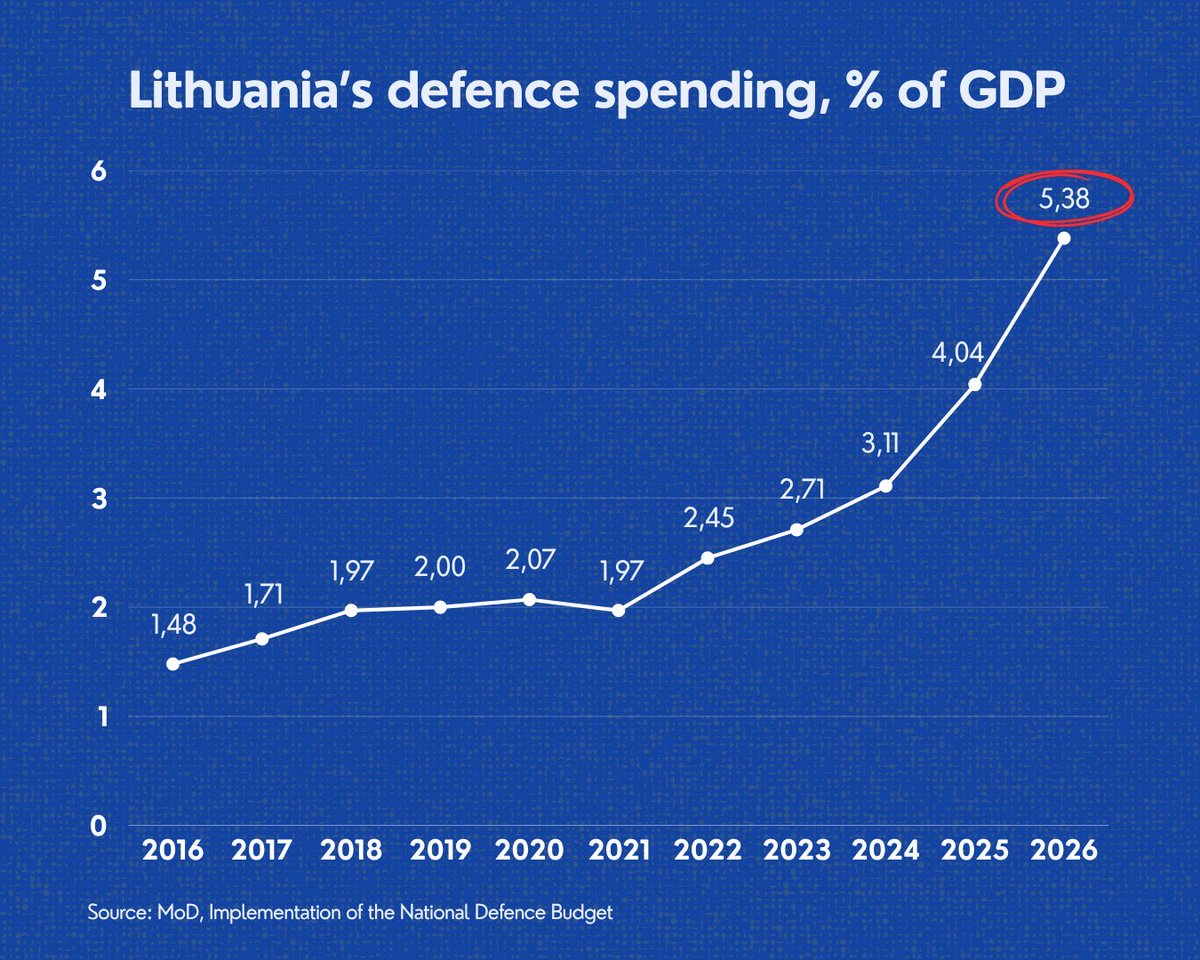
#Lithuania is leading by example, becoming the first NATO ally to exceed 5% of GDP on defence in 2026.
3
32
94
2,202

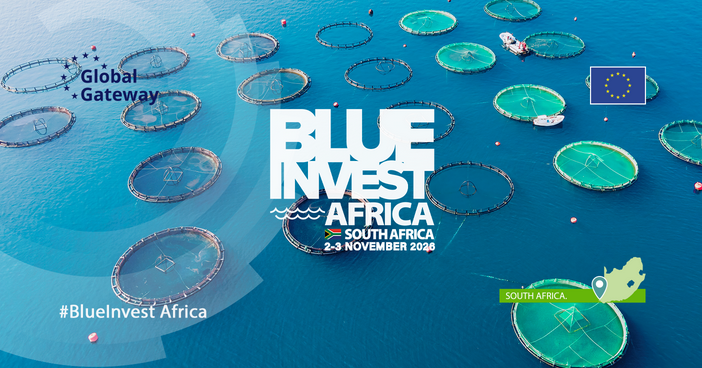
On this #WorldOceansDay, we look ahead to #BlueInvestAfrica in Cape Town later this year, bringing together investors, entrepreneurs and change makers to advance a sustainable ocean economy.
blueinvestafrica.eu/
4
10
267
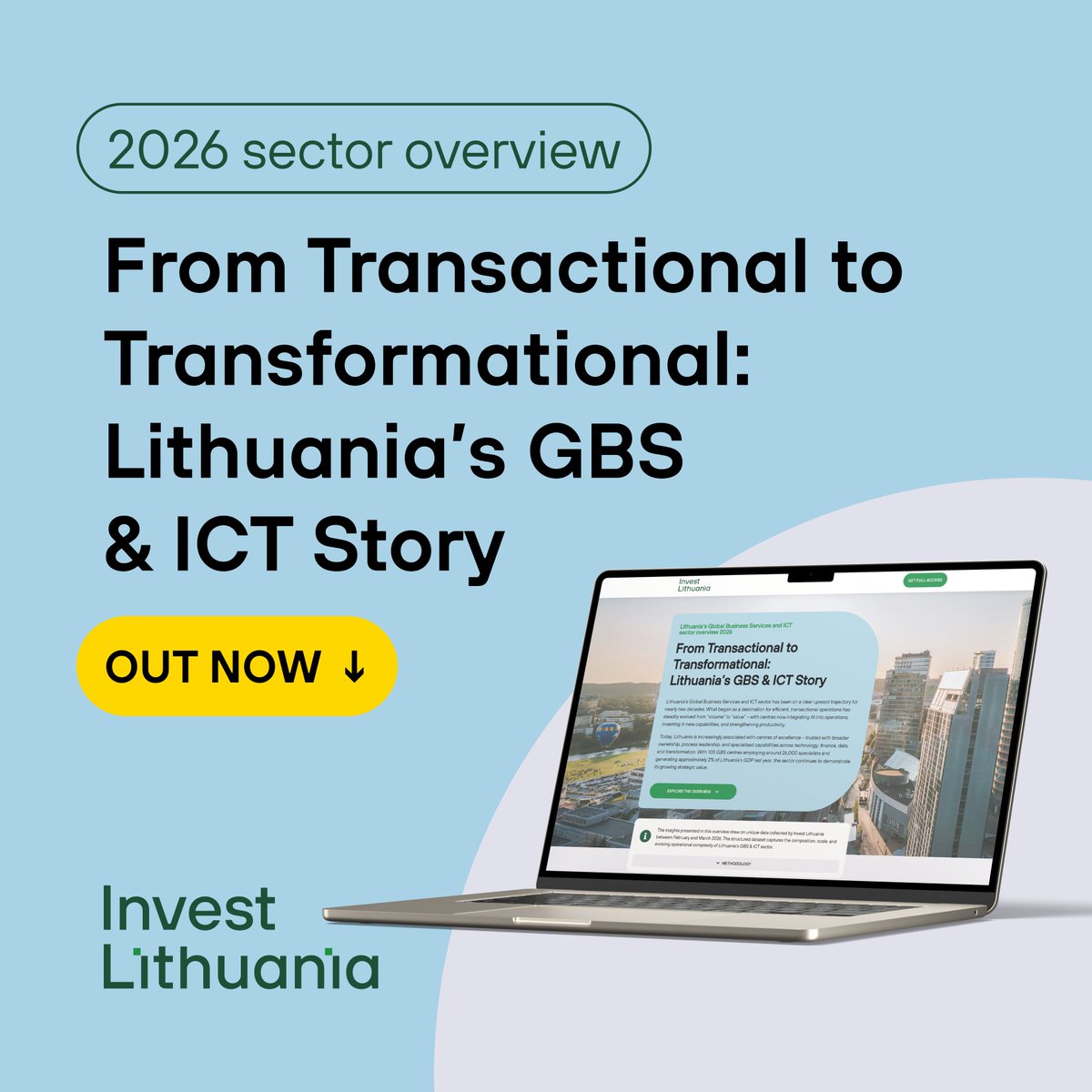
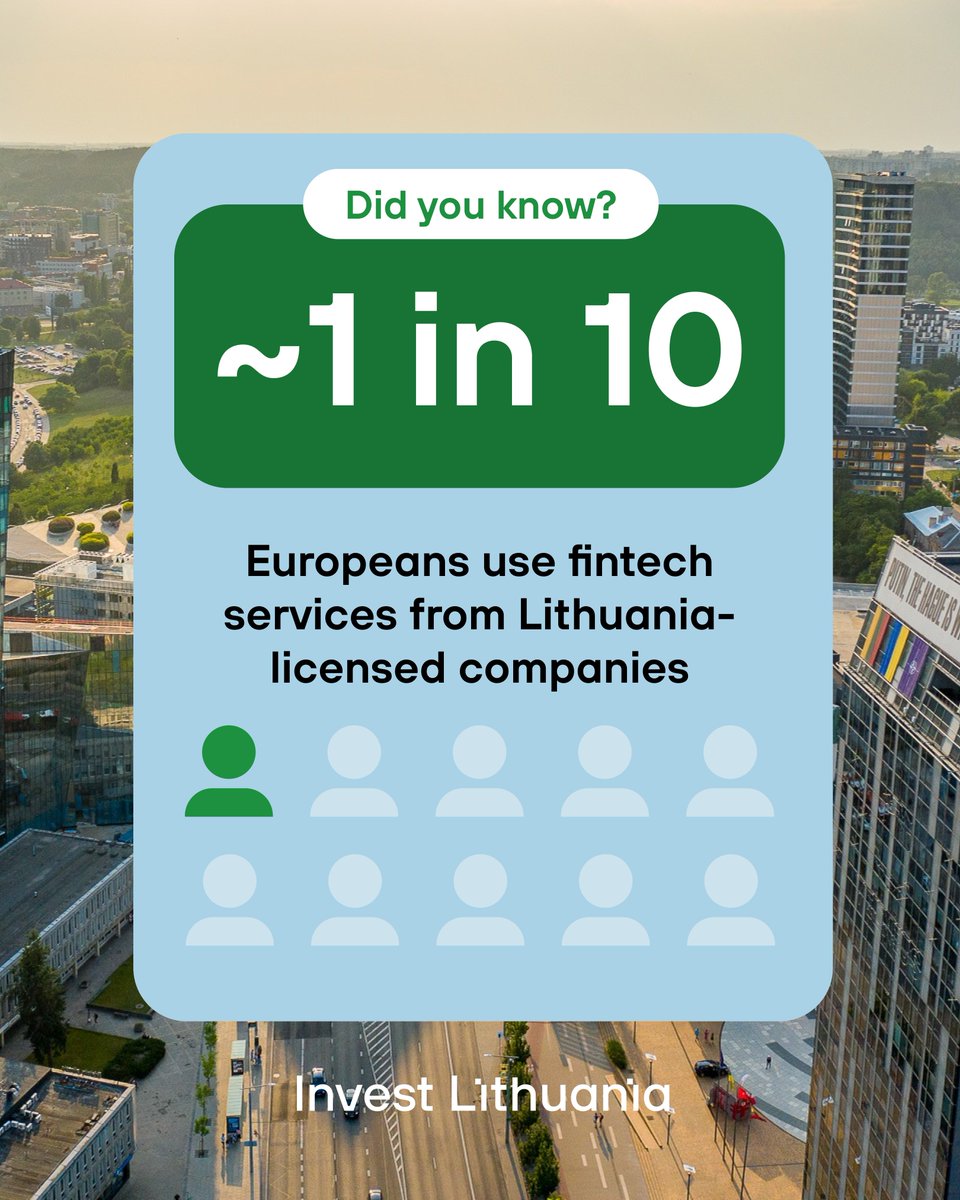
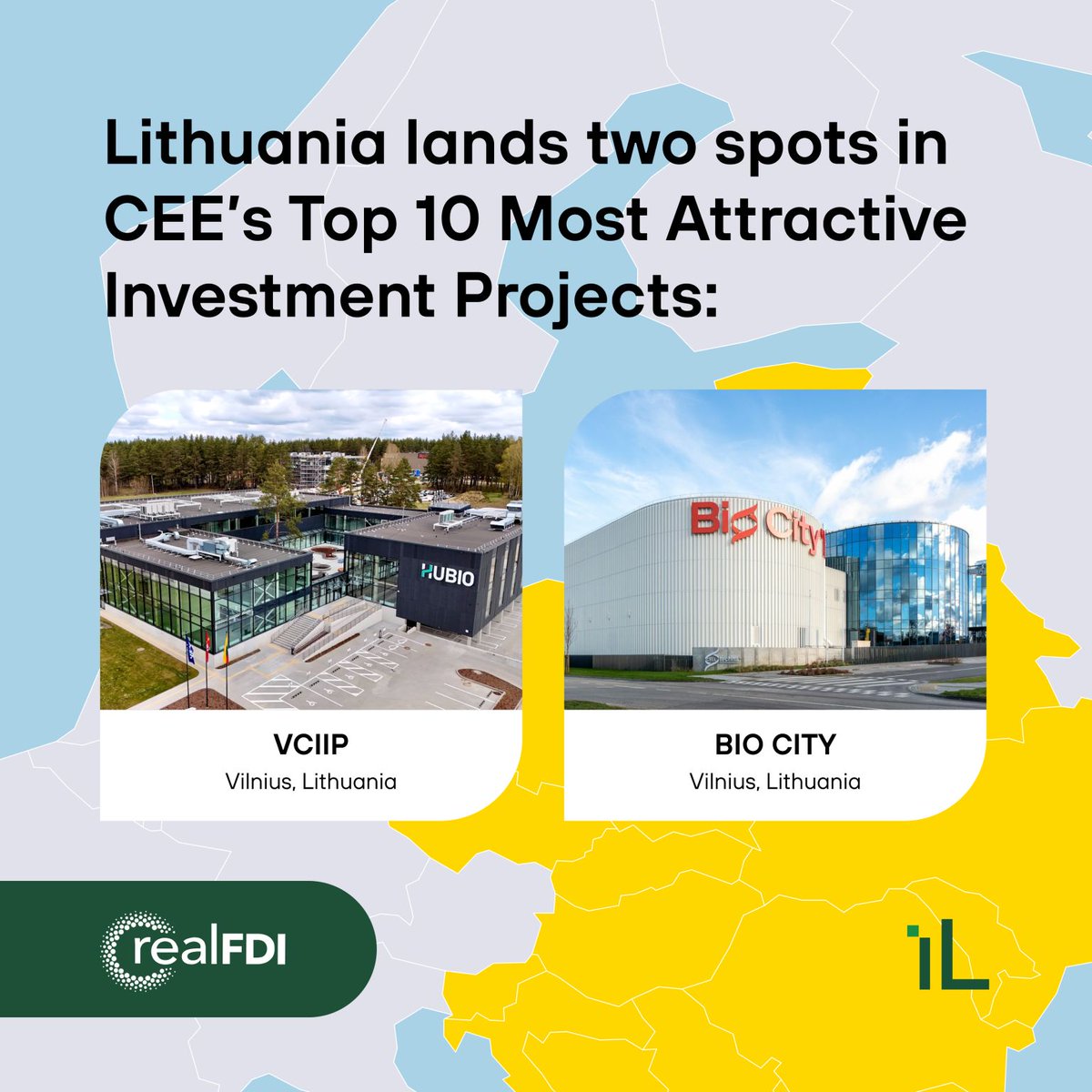
Lithuania’s GBS & ICT sector continues to evolve. The focus is increasingly on value creation, with centres embedding AI, expanding their responsibilities, and building specialised capabilities. Today, the sector includes 105 GBS centres and around 26,000 specialists.
ALT https://investlithuania.com/gbs-and-ict-sector-overview-2026/
15
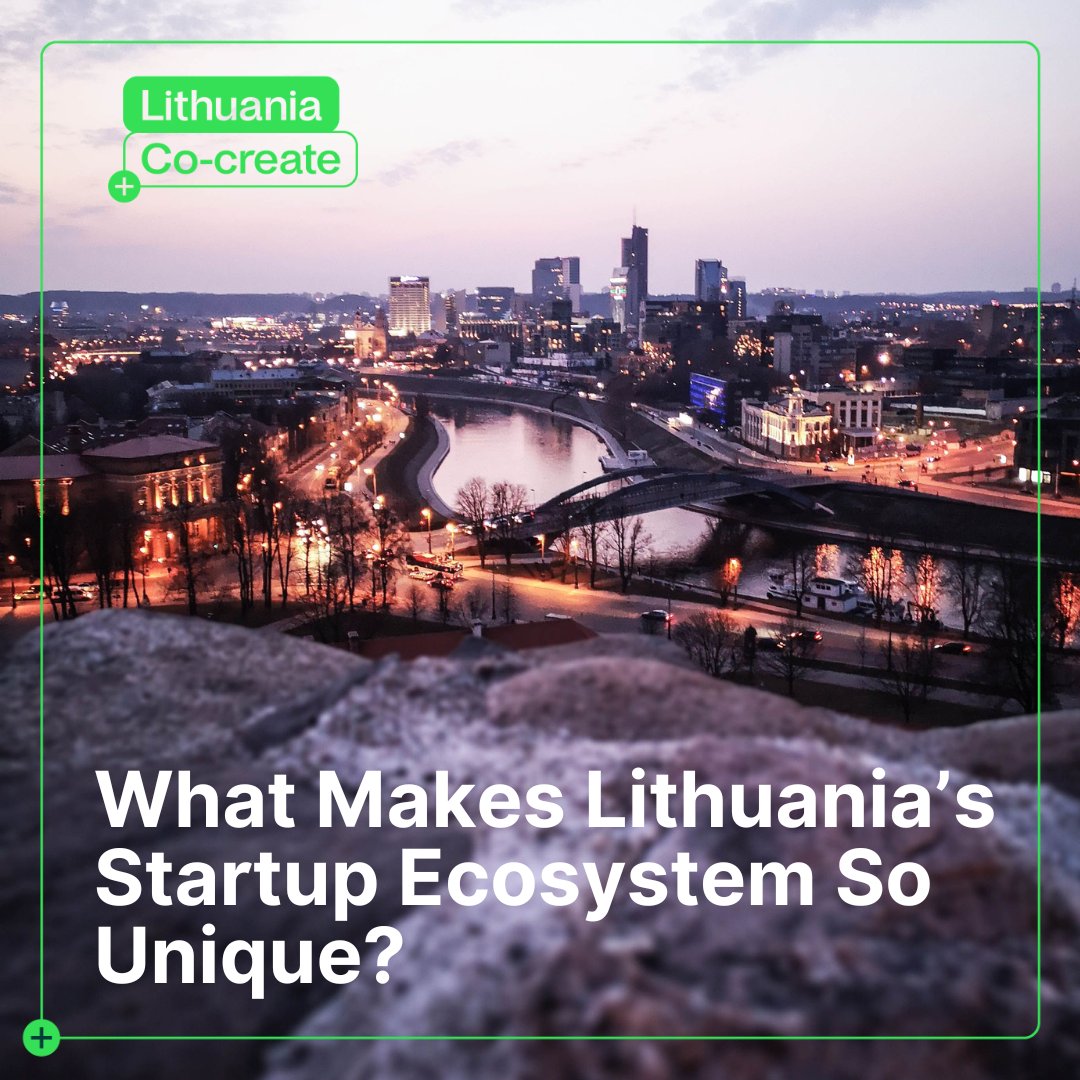
Lithuania’s startup ecosystem is worth €16.4B, has grown 39x in a decade, produced 5 unicorns, and is home to the EU’s fastest-growing tech city. Powered by ambitious founders, resilience, and a bias for action, it continues to create companies with global reach.
ALT https://lithuania.lt/news/business-and-innovations-in-lithuania/what-makes-lithuanias-startup-ecosystem-so-unique/
11
Lithuania in South Africa retweeted
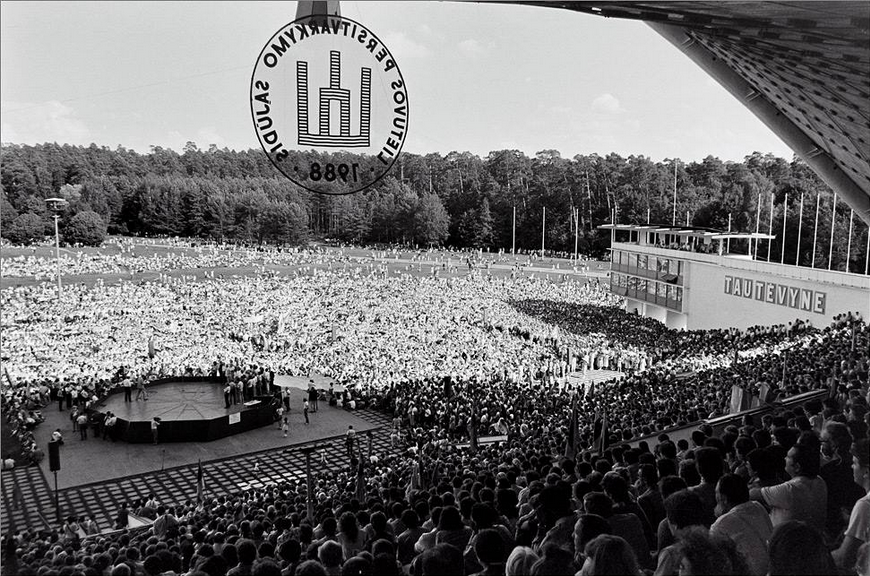
Sąjūdis, the Reform Movement of Lithuania, was established OTD in 1988.
Sąjūdis became the driving force behind Lithuania’s peaceful struggle for freedom, paving the way for the restoration of independence after decades of Soviet occupation. 🇱🇹
3
31
90
2,353
Lithuania in South Africa retweeted
Pleased to present Dr. Dalia Leinartė – the joint Baltic candidate for re-election to the Human Rights Committee. We look forward to her continued contribution to the Committee’s important work in promoting and protecting human rights worldwide.
2
20
45
1,962
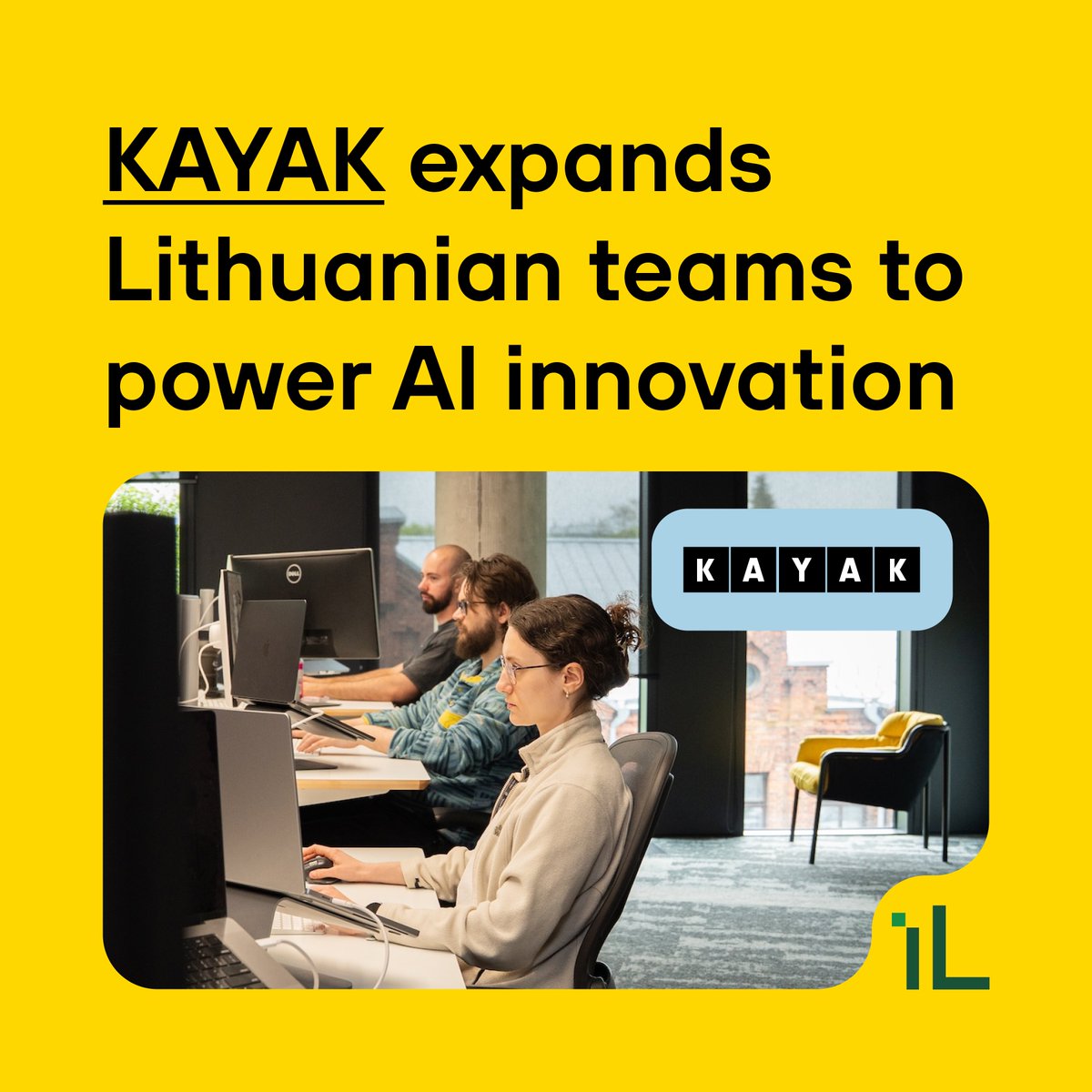
KAYAK is expanding its engineering and product teams in Lithuania. With offices in Kaunas and Vilnius, the company plans to grow its 100 local team. Lithuanian engineers are already behind KAYAK’s Ask AI, an innovation helping shape the future of travel technology.
ALT https://investlithuania.com/news/kayak-expands-its-talent-base-in-lithuania-to-support-ai-innovation-and-corporate-travel-planning/
32